50 Best English Beers to Drink in 2026
English beer is bigger than warm bitter and bigger than the pub clichés. The best modern board runs from Timothy Taylor Landlord and Fuller’s London Pride through London porter, Yorkshire old ale, Trappist beer, hazy pale ale and crisp lager.
We ranked 50 beers that explain the range: historic recipes that still taste alive, dependable pub-strength classics, cellar-worthy strong ales and newer breweries that have stopped treating tradition as a speed limit.
Start with the first ten if you want the shortest possible English beer education. Landlord gives you Yorkshire balance, London Pride and ESB cover the capital’s maltier pub tradition, Jaipur shows the modern hop turn, and Old Peculier proves dark English ale does not need imperial strength to be interesting.
50 best English beers to drink in 2026
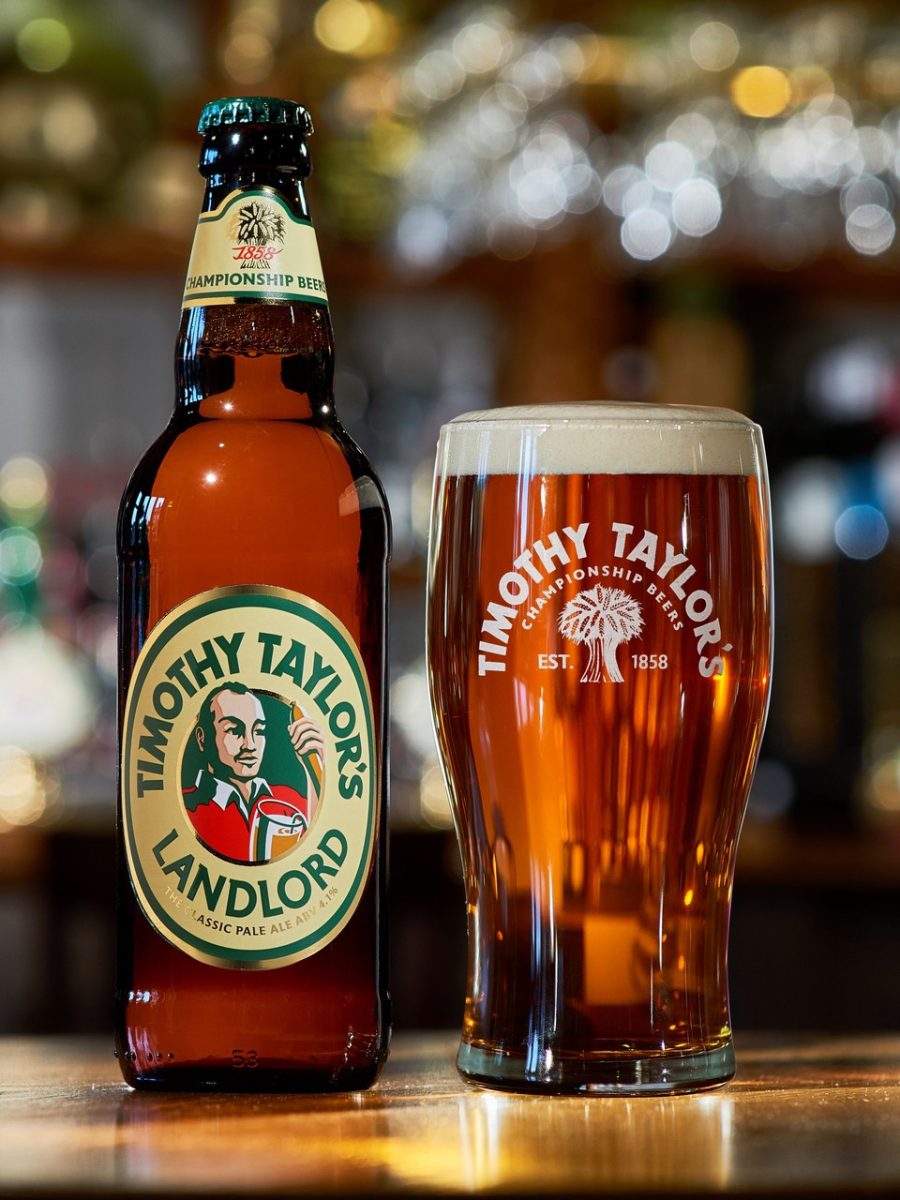
Timothy Taylor Landlord
Brewed by Timothy Taylor's
floral hops, lemon peel, biscuit malt and a famously dry, balanced finish
BAR NOTES
Timothy Taylor Landlord represents Yorkshire square benchmark. In the glass, look for floral hops, lemon peel, biscuit malt and a famously dry, balanced finish. At 4.1%, the beer keeps enough structure to make its pale ale / best bitter identity clear without letting strength or novelty take over the whole pint.
Freshness matters with Timothy Taylor Landlord. Aim for about 44–48°F rather than freezer-cold, then pair it with fish and chips, sharp cheddar, curry or a pork pie. That temperature keeps malt visible while hop and yeast character remain bright.
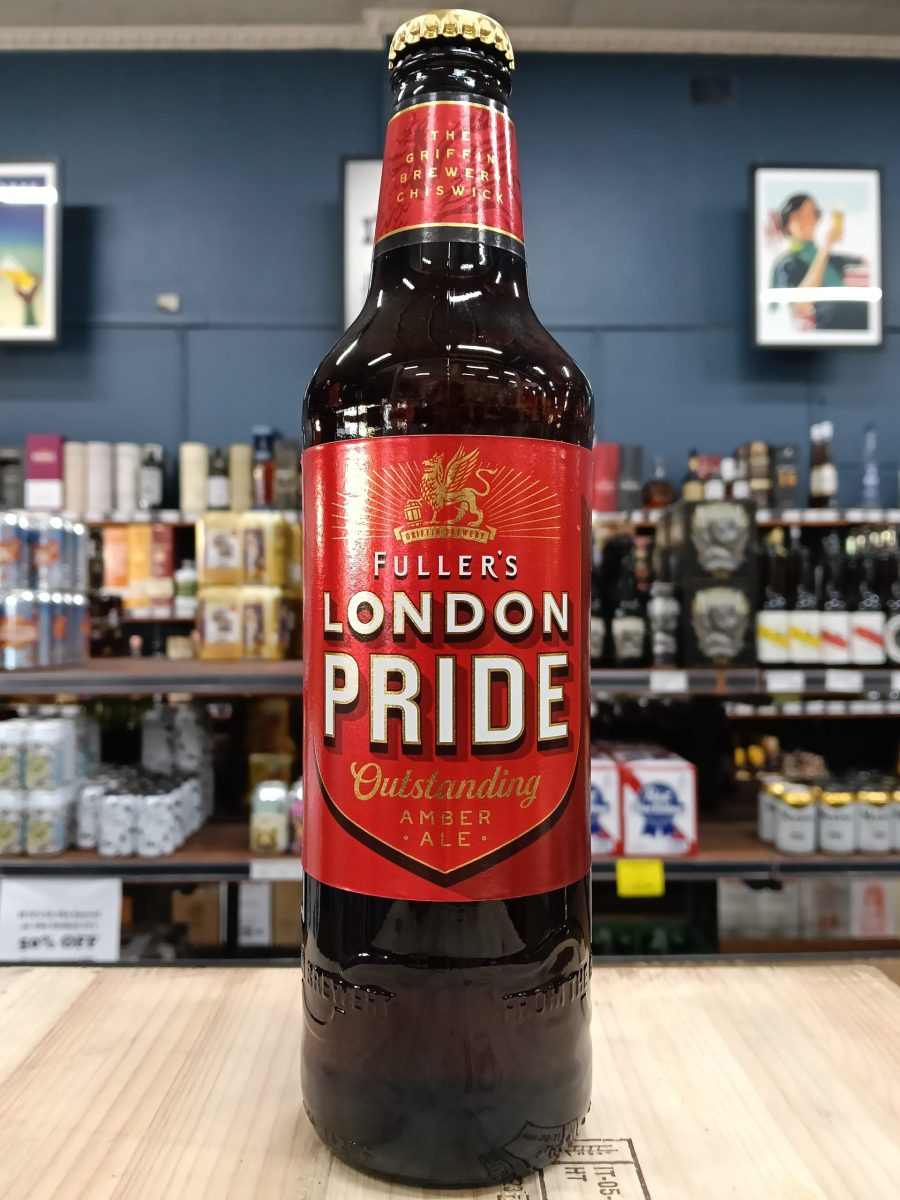
Fuller's London Pride
Brewed by Fuller's
orange marmalade, caramel, biscuit and earthy English hops
BAR NOTES
Fuller's London Pride represents London pub icon. In the glass, look for orange marmalade, caramel, biscuit and earthy English hops. At 4.7%, the beer keeps enough structure to make its english pale ale identity clear without letting strength or novelty take over the whole pint.
Freshness matters with Fuller's London Pride. Aim for about 44–48°F rather than freezer-cold, then pair it with fish and chips, sharp cheddar, curry or a pork pie. That temperature keeps malt visible while hop and yeast character remain bright.
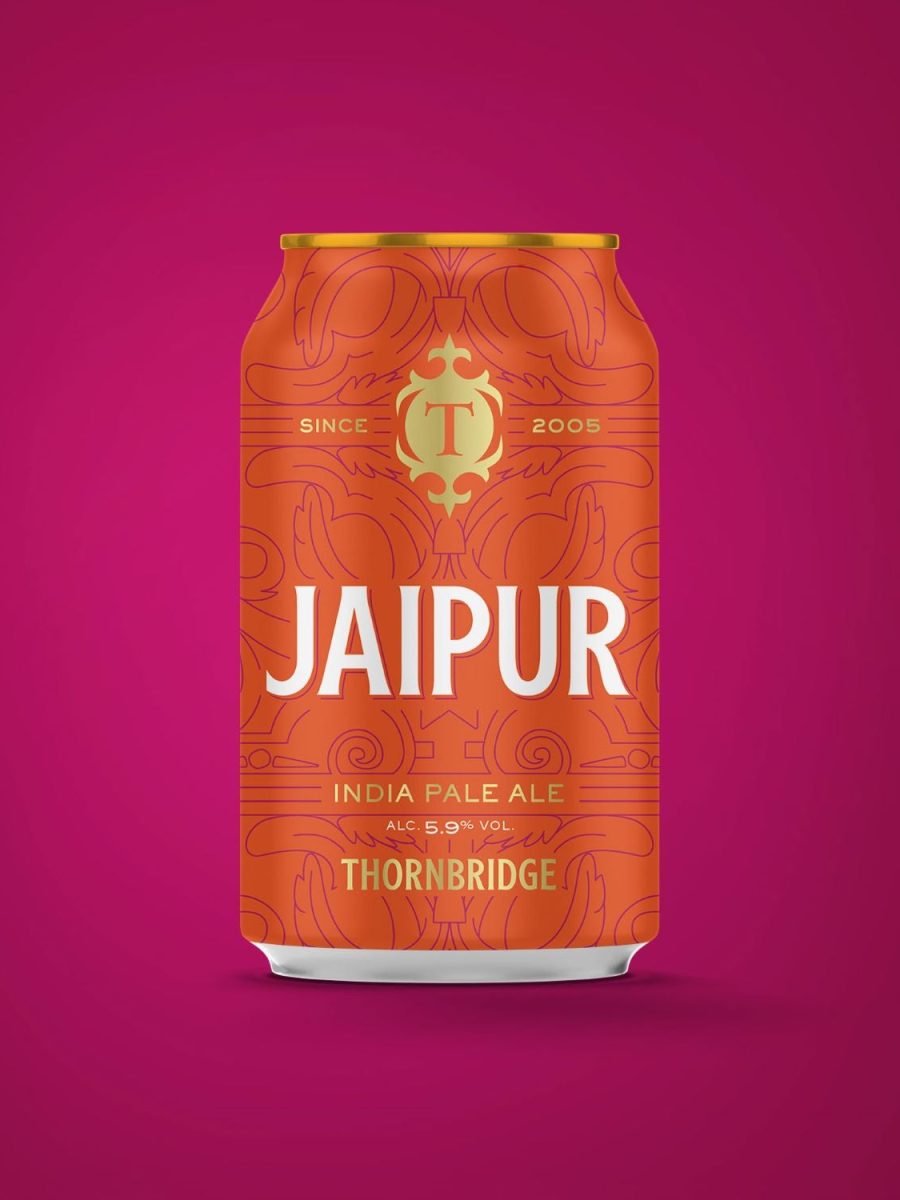
Jaipur
Brewed by Thornbridge Brewery
grapefruit, lemon, tropical fruit and a firm clean bitterness
BAR NOTES
Jaipur represents modern English IPA landmark. In the glass, look for grapefruit, lemon, tropical fruit and a firm clean bitterness. At 5.9%, the beer keeps enough structure to make its english ipa identity clear without letting strength or novelty take over the whole pint.
Freshness matters with Jaipur. Aim for about 44–48°F rather than freezer-cold, then pair it with fish and chips, sharp cheddar, curry or a pork pie. That temperature keeps malt visible while hop and yeast character remain bright.
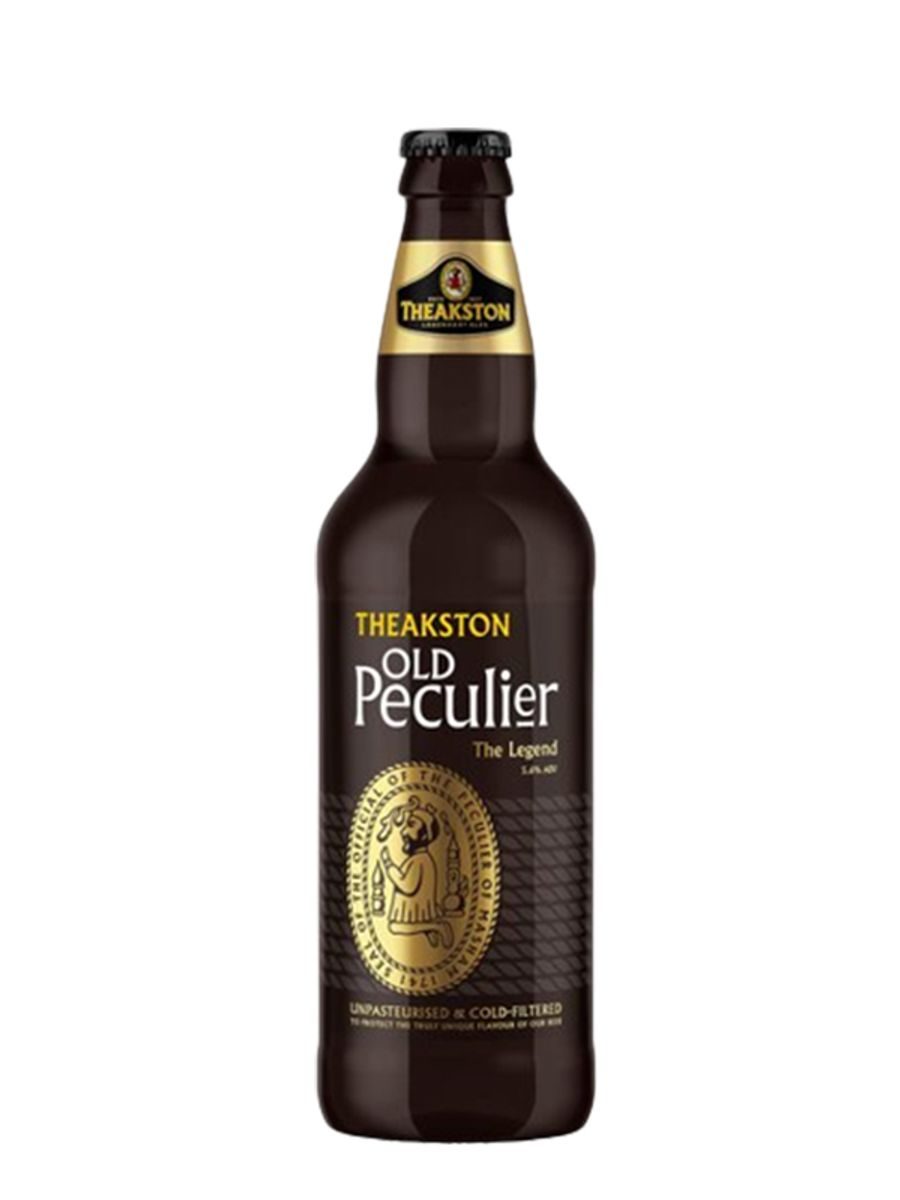
Old Peculier
Brewed by T&R Theakston
dark cherry, caramel, toast and restrained roast
BAR NOTES
Old Peculier represents pub-strength old ale classic. In the glass, look for dark cherry, caramel, toast and restrained roast. At 5.6%, the beer keeps enough structure to make its old ale identity clear without letting strength or novelty take over the whole pint.
Give Old Peculier time in the glass around 50–55°F. Roast beef, Stilton, aged cheddar, fruitcake or a meat pie can handle the malt and alcohol. If you cellar it, compare aged bottles with a fresh one rather than assuming older is automatically better.
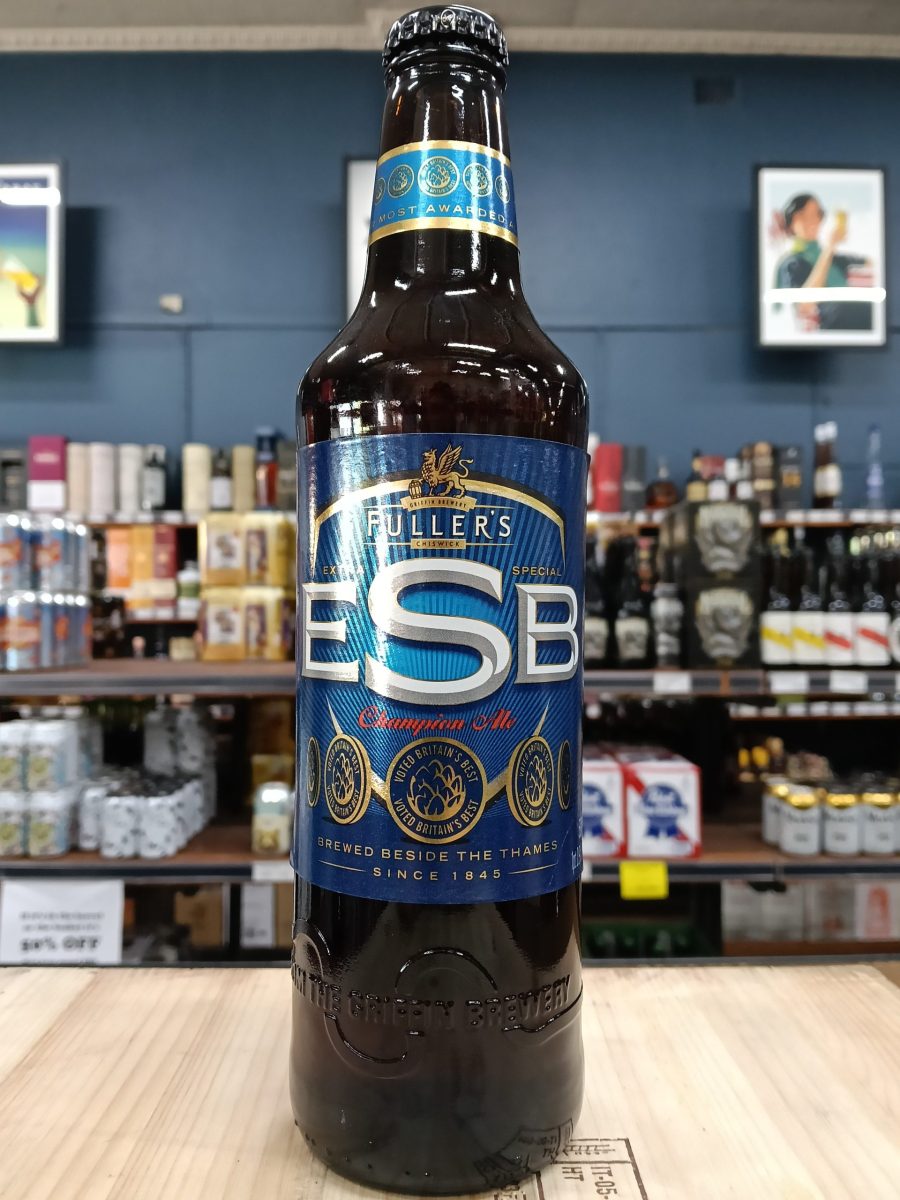
Fuller's ESB
Brewed by Fuller's
toffee, orange peel, biscuit, dried fruit and peppery hops
BAR NOTES
Fuller's ESB represents the beer that made ESB a global shorthand. In the glass, look for toffee, orange peel, biscuit, dried fruit and peppery hops. At 5.5%, the beer keeps enough structure to make its extra special bitter identity clear without letting strength or novelty take over the whole pint.
Freshness matters with Fuller's ESB. Aim for about 44–48°F rather than freezer-cold, then pair it with fish and chips, sharp cheddar, curry or a pork pie. That temperature keeps malt visible while hop and yeast character remain bright.
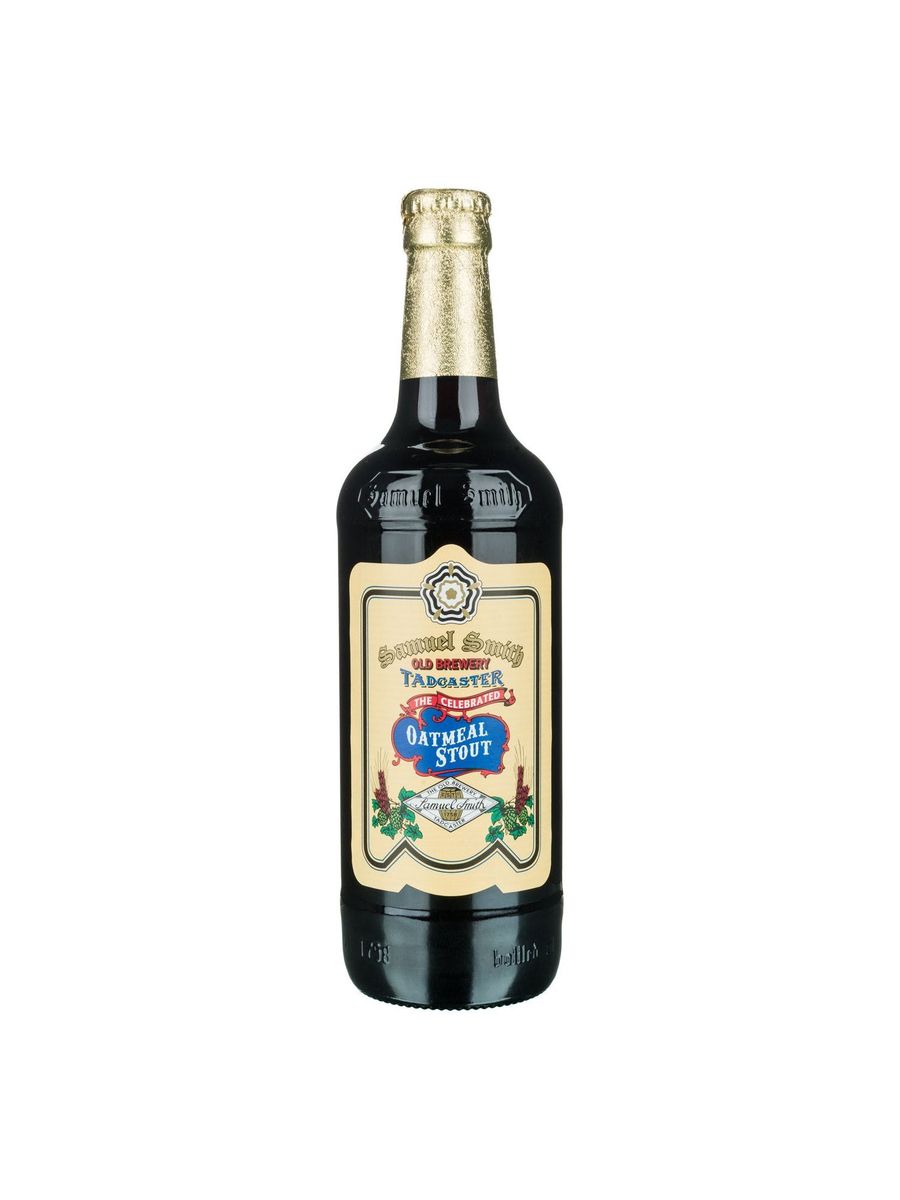
Samuel Smith's Oatmeal Stout
Brewed by Samuel Smith's Old Brewery
cocoa, roasted grain, dark fruit and quiet oat softness
BAR NOTES
Samuel Smith's Oatmeal Stout represents silky Tadcaster stout reference. In the glass, look for cocoa, roasted grain, dark fruit and quiet oat softness. At 5.0%, the beer keeps enough structure to make its english oatmeal stout identity clear without letting strength or novelty take over the whole pint.
Serve Samuel Smith's Oatmeal Stout around 48–52°F so roast, fruit and malt stay distinct. Pair it with steak-and-ale pie, mature cheddar, mushrooms or dark chocolate; a slightly warmer pour makes the darker grain feel broader and more complete.
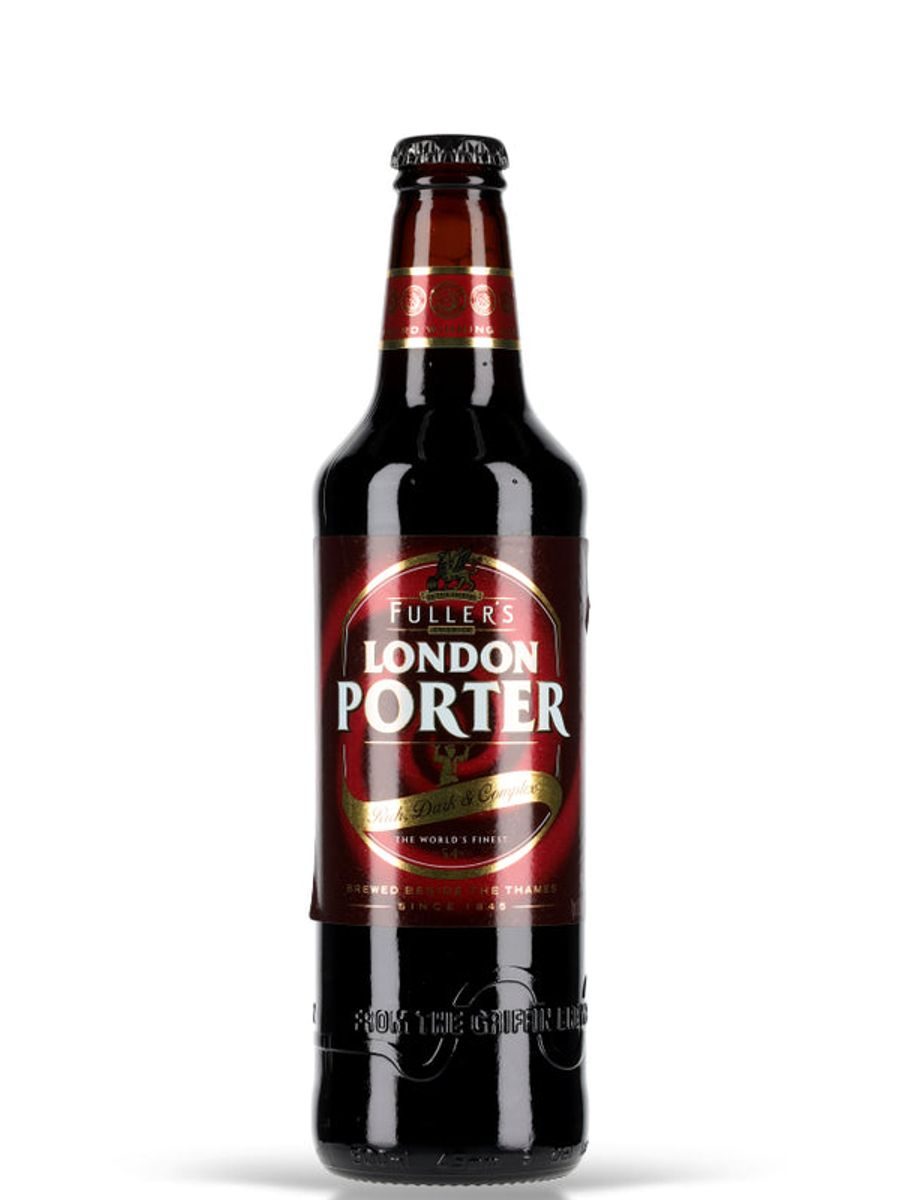
Fuller's London Porter
Brewed by Fuller's
coffee, cocoa, toast and restrained dark fruit
BAR NOTES
Fuller's London Porter represents modern London porter benchmark. In the glass, look for coffee, cocoa, toast and restrained dark fruit. At 5.4%, the beer keeps enough structure to make its london porter identity clear without letting strength or novelty take over the whole pint.
Serve Fuller's London Porter around 48–52°F so roast, fruit and malt stay distinct. Pair it with steak-and-ale pie, mature cheddar, mushrooms or dark chocolate; a slightly warmer pour makes the darker grain feel broader and more complete.
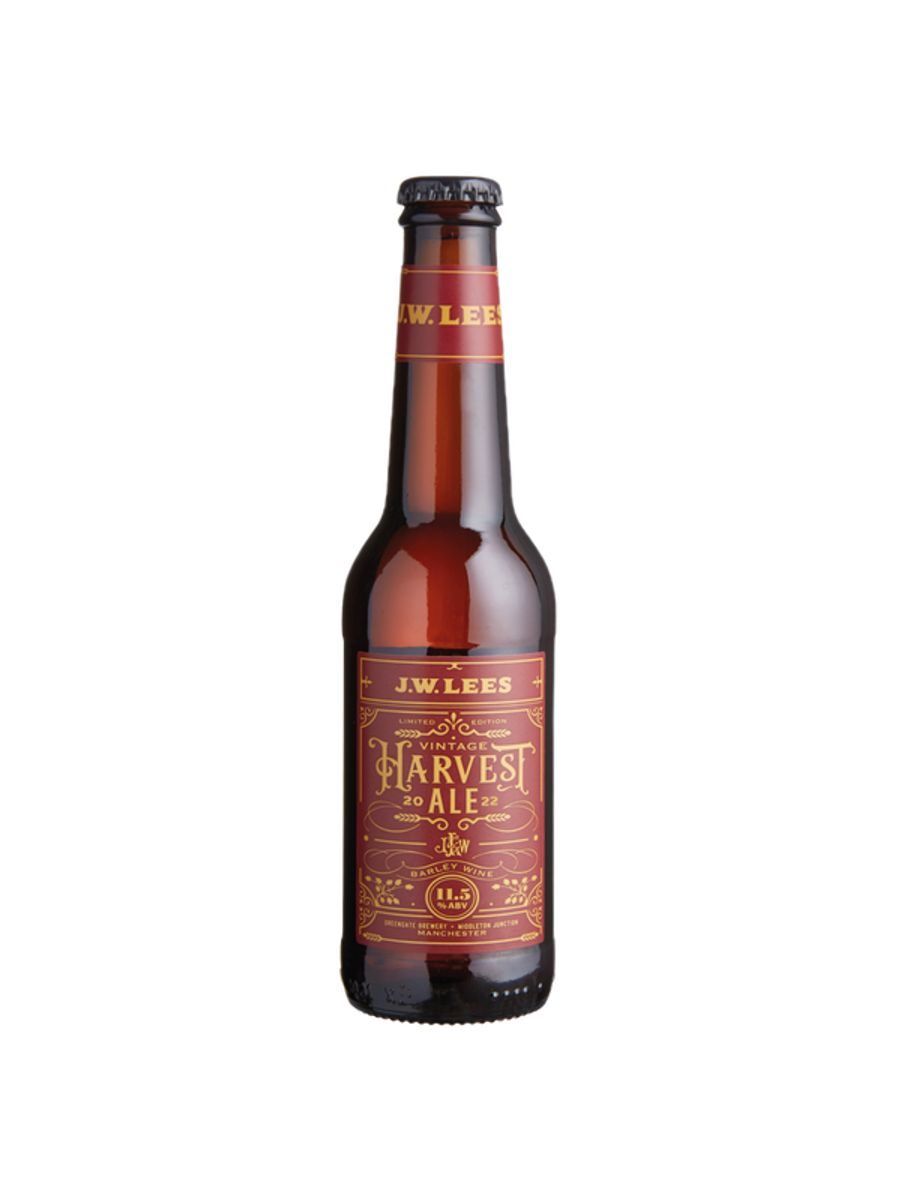
Harvest Ale
Brewed by J.W. Lees
molasses, toffee, cherry, sherry and ripe fruit
BAR NOTES
Harvest Ale represents vintage-dated malt monument. In the glass, look for molasses, toffee, cherry, sherry and ripe fruit. At 11.5%, the beer keeps enough structure to make its english barleywine identity clear without letting strength or novelty take over the whole pint.
Give Harvest Ale time in the glass around 50–55°F. Roast beef, Stilton, aged cheddar, fruitcake or a meat pie can handle the malt and alcohol. If you cellar it, compare aged bottles with a fresh one rather than assuming older is automatically better.
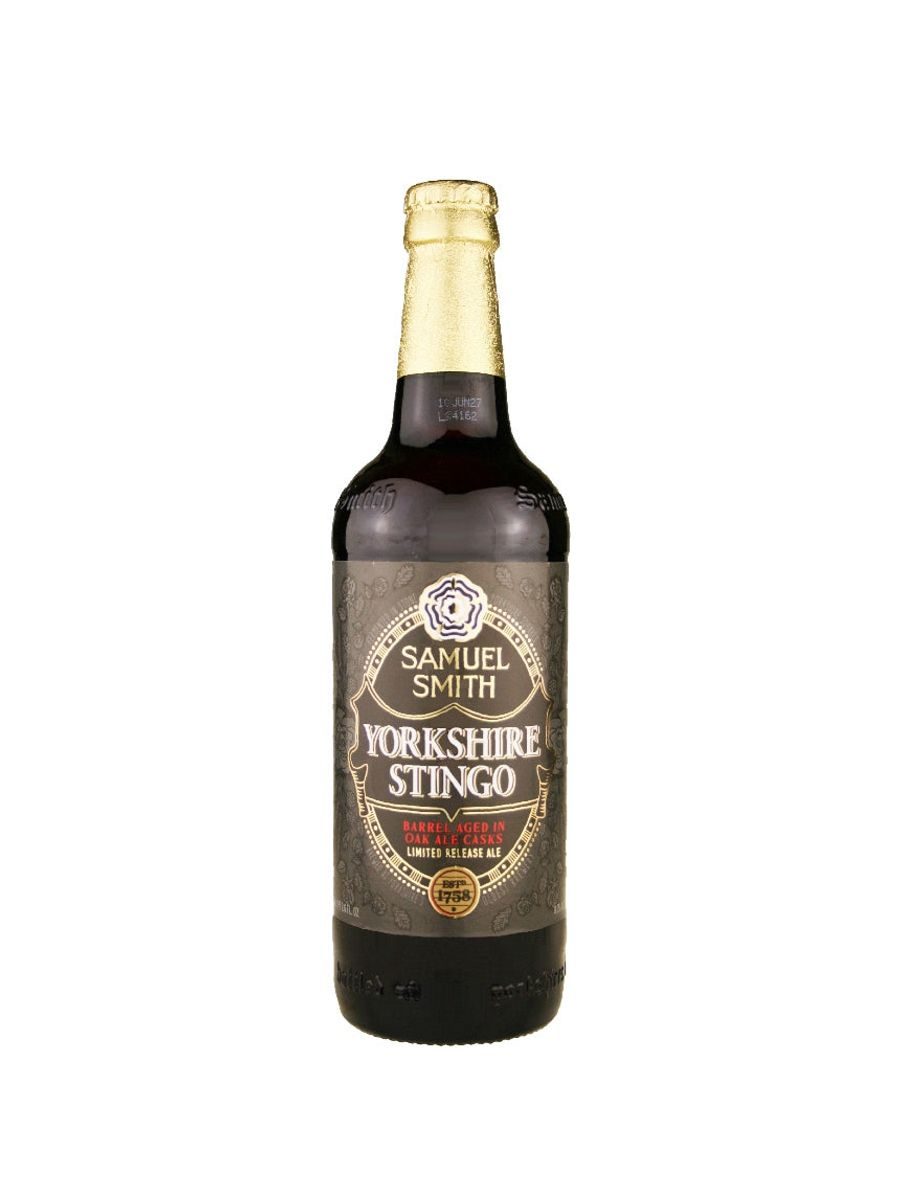
Yorkshire Stingo
Brewed by Samuel Smith's Old Brewery
treacle toffee, raisin, Christmas pudding and quiet oak
BAR NOTES
Yorkshire Stingo represents year-long oak maturation. In the glass, look for treacle toffee, raisin, Christmas pudding and quiet oak. At 8.0%, the beer keeps enough structure to make its oak-aged english strong ale identity clear without letting strength or novelty take over the whole pint.
Give Yorkshire Stingo time in the glass around 50–55°F. Roast beef, Stilton, aged cheddar, fruitcake or a meat pie can handle the malt and alcohol. If you cellar it, compare aged bottles with a fresh one rather than assuming older is automatically better.
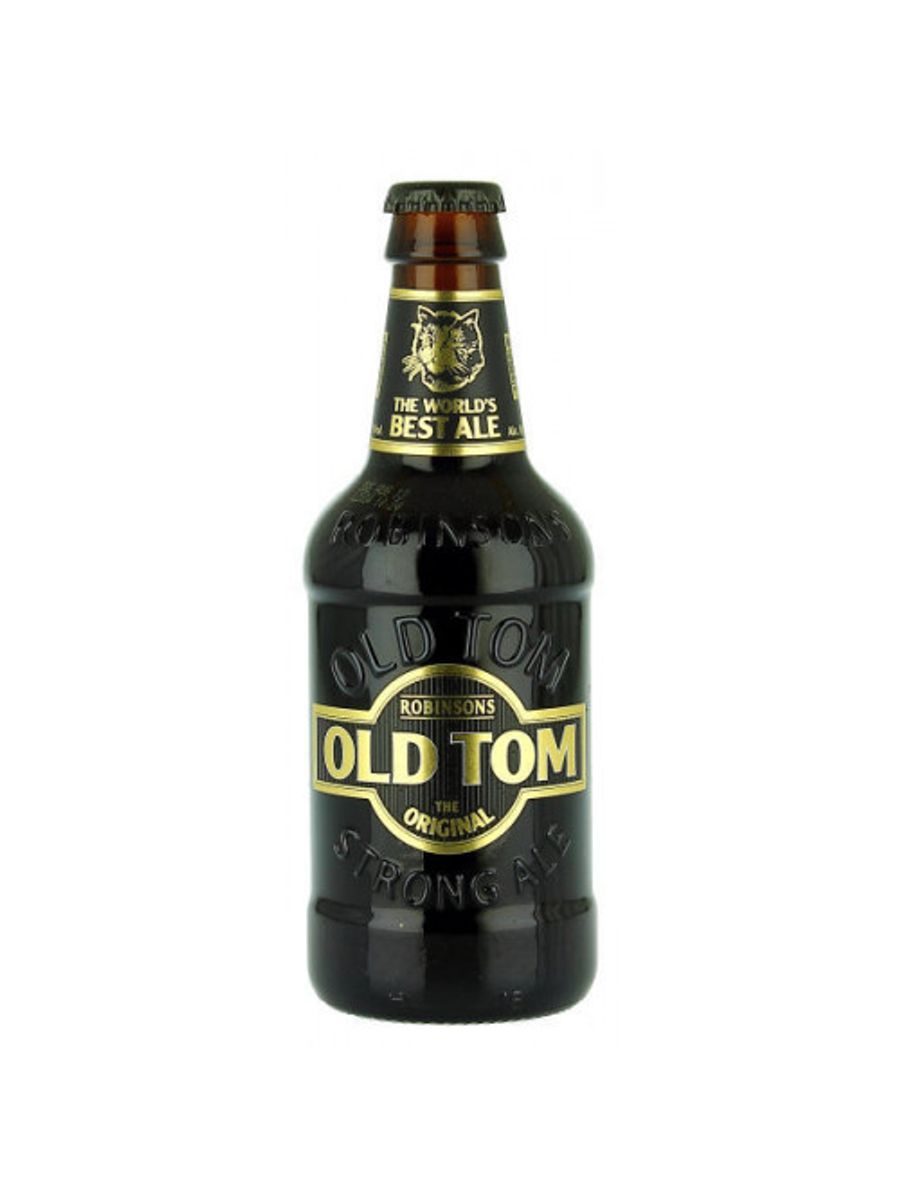
Old Tom
Brewed by Robinsons Brewery
molasses, dark fruit, chocolate and a port-like finish
BAR NOTES
Old Tom represents 1899 strong-ale survivor. In the glass, look for molasses, dark fruit, chocolate and a port-like finish. At 8.5%, the beer keeps enough structure to make its old / stock ale identity clear without letting strength or novelty take over the whole pint.
Give Old Tom time in the glass around 50–55°F. Roast beef, Stilton, aged cheddar, fruitcake or a meat pie can handle the malt and alcohol. If you cellar it, compare aged bottles with a fresh one rather than assuming older is automatically better.
Porter, bitter and the modern English pub
The next stretch moves through the beers England is best positioned to own: porter with real London roots, bitter that still makes sense by the pint, and newer pale ales that borrow modern hops without losing drinkability. These are not nostalgia pieces. They are working beer styles.
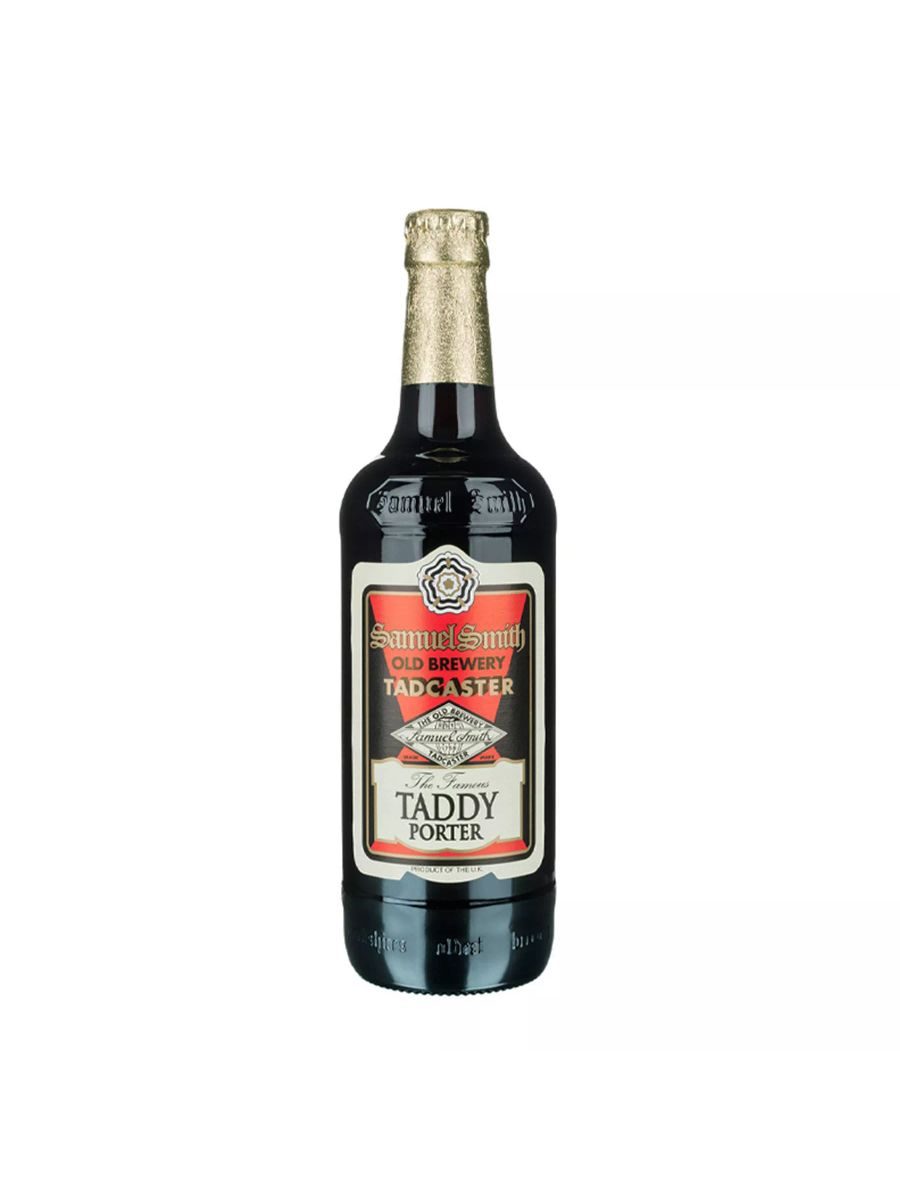
Samuel Smith Taddy Porter
Brewed by Samuel Smith Old Brewery
cocoa, dark fruit, toast and mineral structure
BAR NOTES
Samuel Smith Taddy Porter represents stone-square porter tradition. In the glass, look for cocoa, dark fruit, toast and mineral structure. At 5.0%, the beer keeps enough structure to make its english porter identity clear without letting strength or novelty take over the whole pint.
Serve Samuel Smith Taddy Porter around 48–52°F so roast, fruit and malt stay distinct. Pair it with steak-and-ale pie, mature cheddar, mushrooms or dark chocolate; a slightly warmer pour makes the darker grain feel broader and more complete.
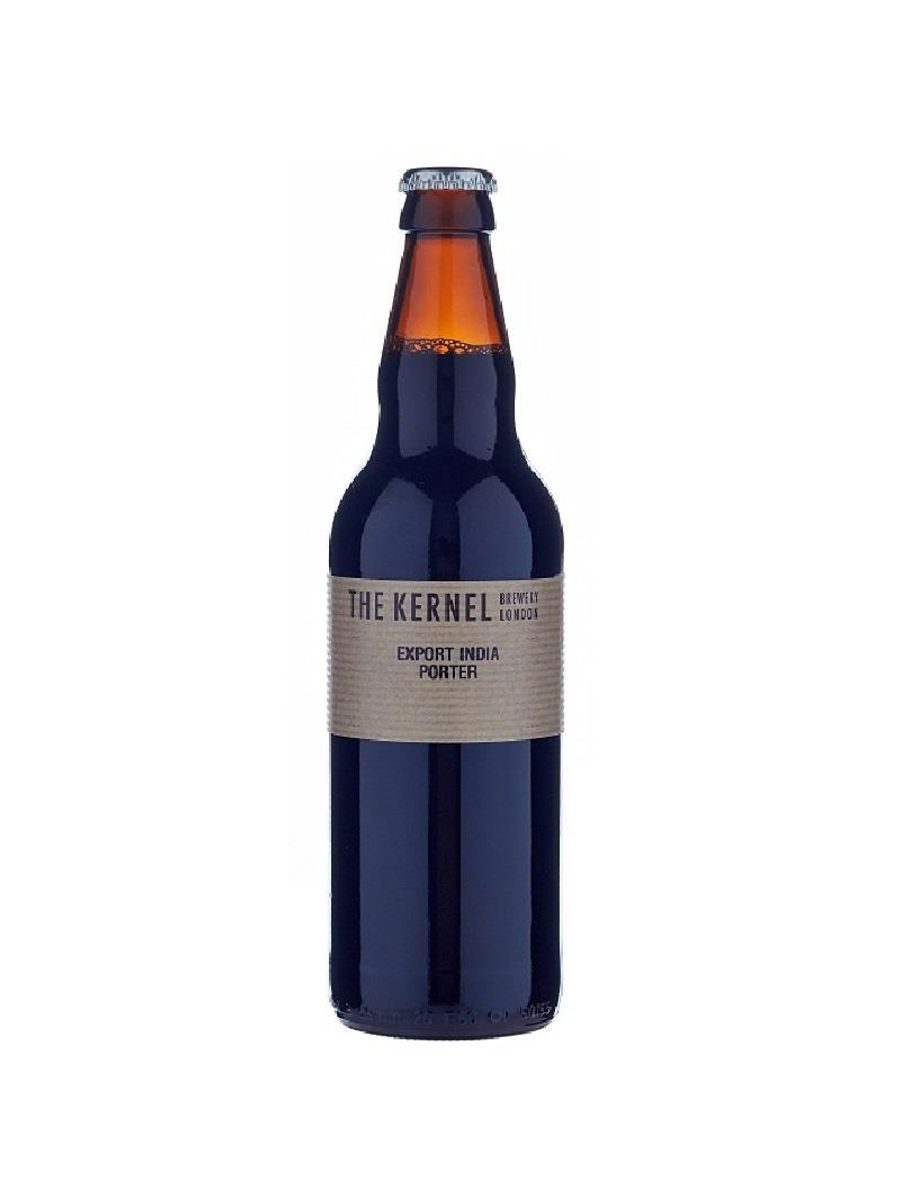
The Kernel Export India Porter
Brewed by The Kernel Brewery
dark chocolate, coffee, fruit and firm bitterness
BAR NOTES
The Kernel Export India Porter represents historically minded export porter. In the glass, look for dark chocolate, coffee, fruit and firm bitterness. At 5.6–6.2%, the beer keeps enough structure to make its export porter identity clear without letting strength or novelty take over the whole pint.
Serve The Kernel Export India Porter around 48–52°F so roast, fruit and malt stay distinct. Pair it with steak-and-ale pie, mature cheddar, mushrooms or dark chocolate; a slightly warmer pour makes the darker grain feel broader and more complete.
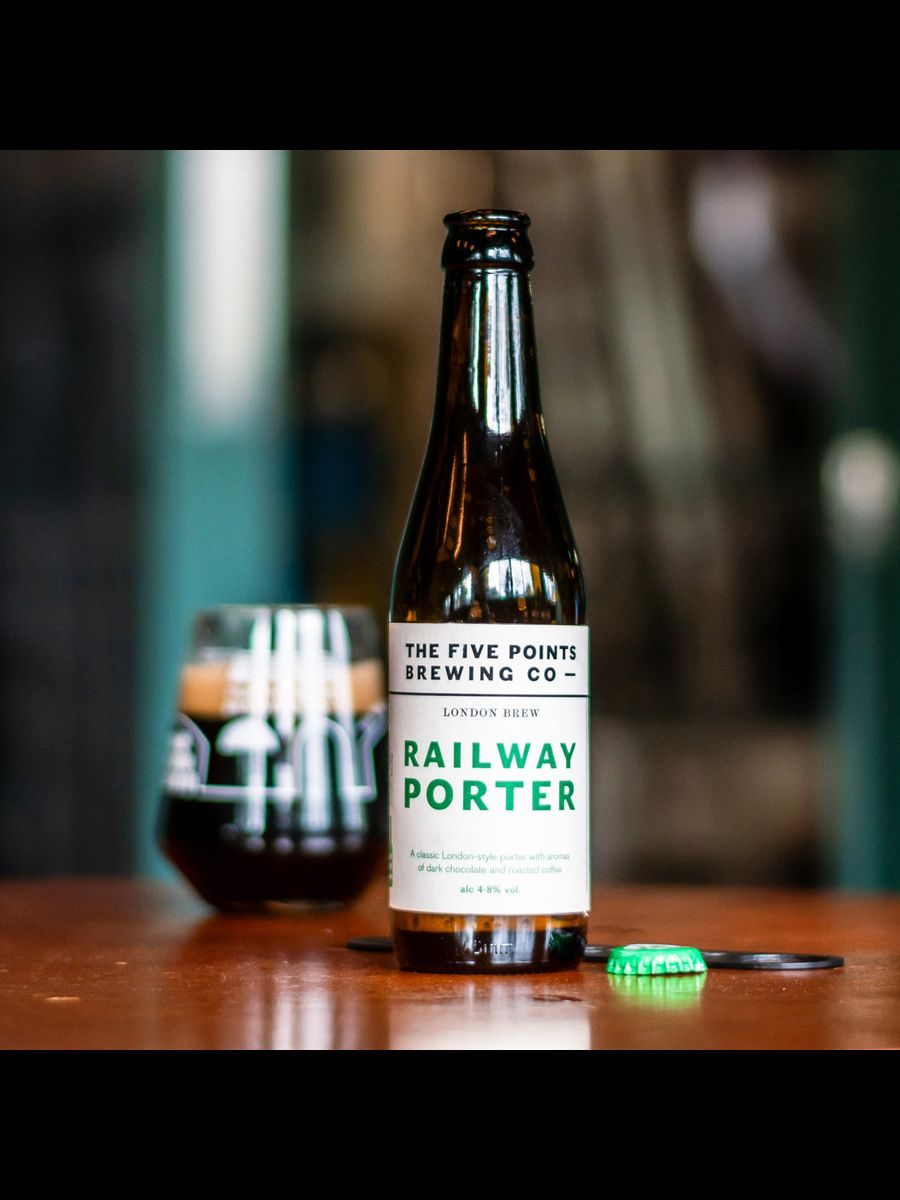
Five Points Railway Porter
Brewed by The Five Points Brewing Company
dark chocolate, roasted coffee and a full but pintable body
BAR NOTES
Five Points Railway Porter represents seven-malt pub-strength porter. In the glass, look for dark chocolate, roasted coffee and a full but pintable body. At 4.8%, the beer keeps enough structure to make its london porter identity clear without letting strength or novelty take over the whole pint.
Serve Five Points Railway Porter around 48–52°F so roast, fruit and malt stay distinct. Pair it with steak-and-ale pie, mature cheddar, mushrooms or dark chocolate; a slightly warmer pour makes the darker grain feel broader and more complete.
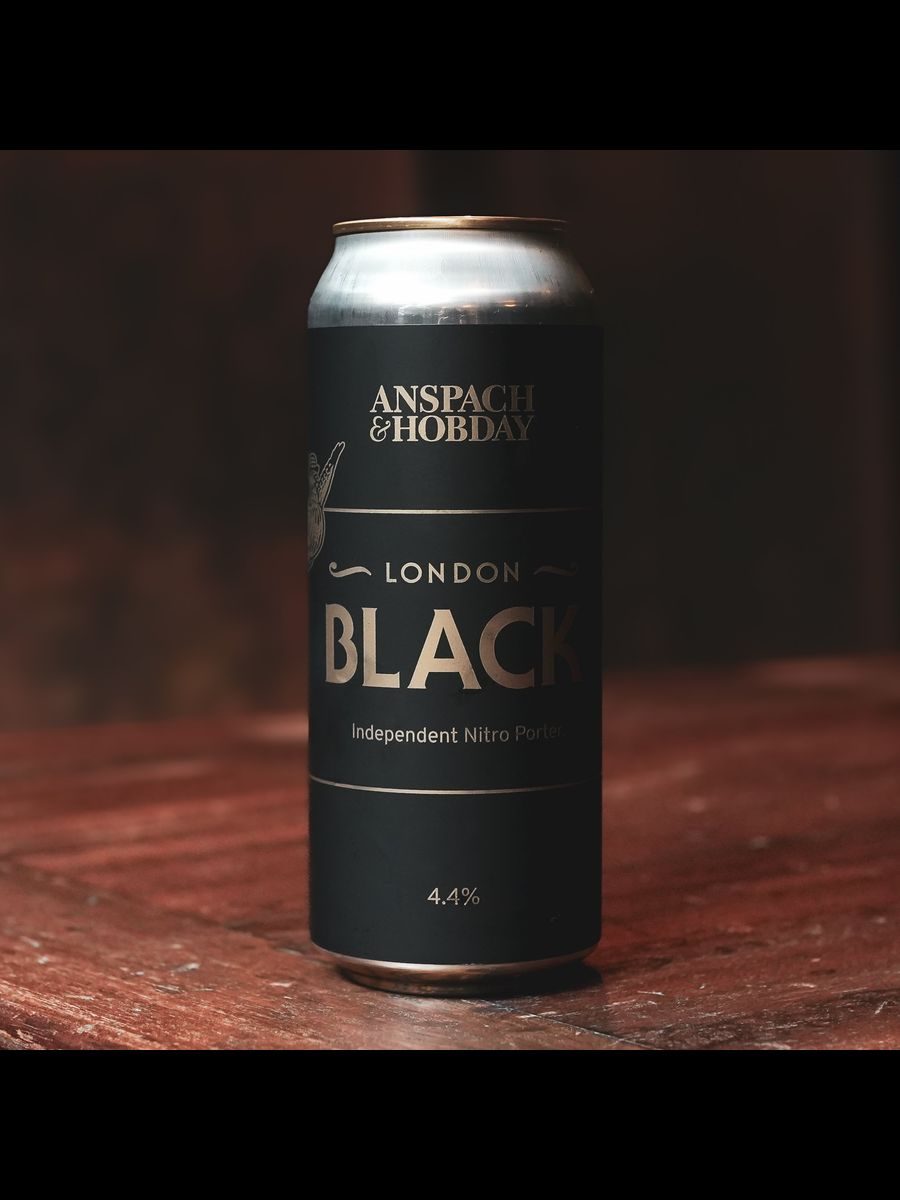
London Black
Brewed by Anspach & Hobday
roasted coffee, chocolate, red fruit and a creamy finish
BAR NOTES
London Black represents porter heritage on nitro. In the glass, look for roasted coffee, chocolate, red fruit and a creamy finish. At 4.4%, the beer keeps enough structure to make its nitro porter identity clear without letting strength or novelty take over the whole pint.
Serve London Black around 48–52°F so roast, fruit and malt stay distinct. Pair it with steak-and-ale pie, mature cheddar, mushrooms or dark chocolate; a slightly warmer pour makes the darker grain feel broader and more complete.
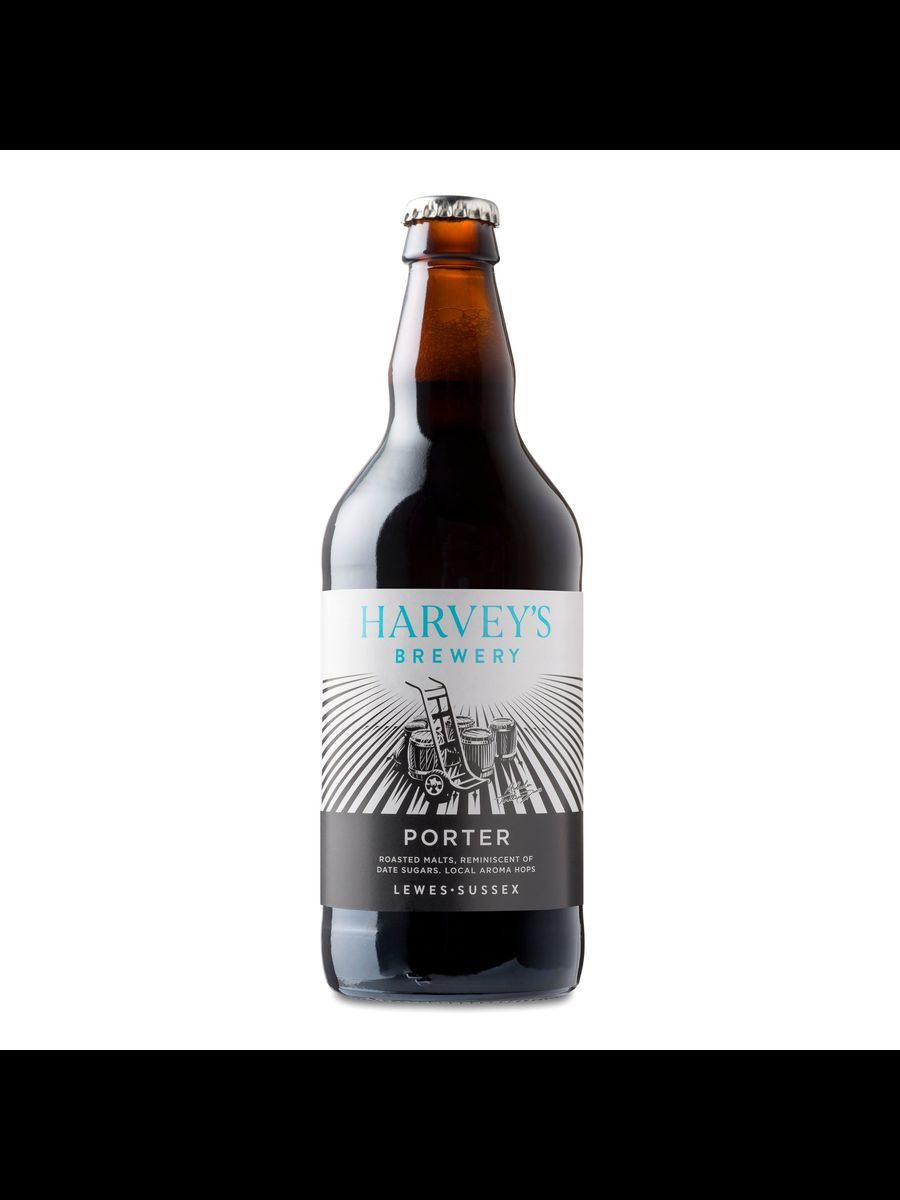
Harvey's 1859 Porter
Brewed by Harvey's Brewery
coffee, molasses, date-like fruit, roast malt and dry licorice
BAR NOTES
Harvey's 1859 Porter represents 1859 recipe with local hops. In the glass, look for coffee, molasses, date-like fruit, roast malt and dry licorice. At 4.8%, the beer keeps enough structure to make its historic english porter identity clear without letting strength or novelty take over the whole pint.
Serve Harvey's 1859 Porter around 48–52°F so roast, fruit and malt stay distinct. Pair it with steak-and-ale pie, mature cheddar, mushrooms or dark chocolate; a slightly warmer pour makes the darker grain feel broader and more complete.

Faith
Brewed by Northern Monk
orange, tropical fruit, soft grain and low-edged bitterness
BAR NOTES
Faith represents modern Leeds haze flagship. In the glass, look for orange, tropical fruit, soft grain and low-edged bitterness. At 5.0%, the beer keeps enough structure to make its hazy pale ale identity clear without letting strength or novelty take over the whole pint.
Freshness matters with Faith. Aim for about 44–48°F rather than freezer-cold, then pair it with fish and chips, sharp cheddar, curry or a pork pie. That temperature keeps malt visible while hop and yeast character remain bright.

Five Points Best
Brewed by The Five Points Brewing Company
toasted biscuit, marmalade, earthy hops and a dry pub finish
BAR NOTES
Five Points Best represents modern London cask bitter. In the glass, look for toasted biscuit, marmalade, earthy hops and a dry pub finish. At 4.1%, the beer keeps enough structure to make its best bitter identity clear without letting strength or novelty take over the whole pint.
Freshness matters with Five Points Best. Aim for about 44–48°F rather than freezer-cold, then pair it with fish and chips, sharp cheddar, curry or a pork pie. That temperature keeps malt visible while hop and yeast character remain bright.

Riggwelter
Brewed by Black Sheep Brewery
dark fruit, chocolate, coffee, caramel and earthy hops
BAR NOTES
Riggwelter represents dark Yorkshire strong ale. In the glass, look for dark fruit, chocolate, coffee, caramel and earthy hops. At 5.7%, the beer keeps enough structure to make its strong yorkshire ale identity clear without letting strength or novelty take over the whole pint.
Give Riggwelter time in the glass around 50–55°F. Roast beef, Stilton, aged cheddar, fruitcake or a meat pie can handle the malt and alcohol. If you cellar it, compare aged bottles with a fresh one rather than assuming older is automatically better.

Bishop's Finger
Brewed by Shepherd Neame
toffee, dried fruit, orange peel and peppery Kent hops
BAR NOTES
Bishop's Finger represents Kent malt-and-hop classic. In the glass, look for toffee, dried fruit, orange peel and peppery Kent hops. At 5.4%, the beer keeps enough structure to make its kentish strong ale identity clear without letting strength or novelty take over the whole pint.
Give Bishop's Finger time in the glass around 50–55°F. Roast beef, Stilton, aged cheddar, fruitcake or a meat pie can handle the malt and alcohol. If you cellar it, compare aged bottles with a fresh one rather than assuming older is automatically better.

Lightbulb
Brewed by Verdant Brewing Co.
citrus, tropical fruit, soft malt and crisp bitterness
BAR NOTES
Lightbulb represents Cornish modern pale benchmark. In the glass, look for citrus, tropical fruit, soft malt and crisp bitterness. At 4.5%, the beer keeps enough structure to make its extra pale ale identity clear without letting strength or novelty take over the whole pint.
Freshness matters with Lightbulb. Aim for about 44–48°F rather than freezer-cold, then pair it with fish and chips, sharp cheddar, curry or a pork pie. That temperature keeps malt visible while hop and yeast character remain bright.
Dark beer, old ale and bottles worth slowing down for
English dark beer gets much more interesting once stout stops being the only destination. Porter can be dry, fruity, chocolate-heavy or genuinely sessionable, while old ale and vintage strong ale bring oxidative fruit, deep malt and cellar potential into the same conversation.

St. Peter's Old Style Porter
Brewed by St. Peter's Brewery
chocolate, coffee, dark fruit and earthy malt
BAR NOTES
St. Peter's Old Style Porter represents country-brewery porter. In the glass, look for chocolate, coffee, dark fruit and earthy malt. At 5.1%, the beer keeps enough structure to make its old-style porter identity clear without letting strength or novelty take over the whole pint.
Serve St. Peter's Old Style Porter around 48–52°F so roast, fruit and malt stay distinct. Pair it with steak-and-ale pie, mature cheddar, mushrooms or dark chocolate; a slightly warmer pour makes the darker grain feel broader and more complete.

Titanic Plum Porter
Brewed by Titanic Brewery
ripe plum, cocoa, roast malt and gentle sweetness
BAR NOTES
Titanic Plum Porter represents fruit folded into real porter. In the glass, look for ripe plum, cocoa, roast malt and gentle sweetness. At 4.9%, the beer keeps enough structure to make its fruit porter identity clear without letting strength or novelty take over the whole pint.
Serve Titanic Plum Porter around 48–52°F so roast, fruit and malt stay distinct. Pair it with steak-and-ale pie, mature cheddar, mushrooms or dark chocolate; a slightly warmer pour makes the darker grain feel broader and more complete.

Cocoa Wonderland
Brewed by Thornbridge Brewery
mocha, raisin, caramel and deep cacao
BAR NOTES
Cocoa Wonderland represents cocoa-led porter with structure. In the glass, look for mocha, raisin, caramel and deep cacao. At 6.8%, the beer keeps enough structure to make its chocolate porter identity clear without letting strength or novelty take over the whole pint.
Serve Cocoa Wonderland around 48–52°F so roast, fruit and malt stay distinct. Pair it with steak-and-ale pie, mature cheddar, mushrooms or dark chocolate; a slightly warmer pour makes the darker grain feel broader and more complete.

Teleporter
Brewed by Brew York
coffee, chocolate, caramel and nutty malt
BAR NOTES
Teleporter represents dark flavor at table strength. In the glass, look for coffee, chocolate, caramel and nutty malt. At 3.5%, the beer keeps enough structure to make its table porter identity clear without letting strength or novelty take over the whole pint.
Serve Teleporter around 48–52°F so roast, fruit and malt stay distinct. Pair it with steak-and-ale pie, mature cheddar, mushrooms or dark chocolate; a slightly warmer pour makes the darker grain feel broader and more complete.

Old Freddy Walker
Brewed by Moor Beer Company
vine fruit, chocolate, dark roast and a serious bitter spine
BAR NOTES
Old Freddy Walker represents unfiltered modern British old ale. In the glass, look for vine fruit, chocolate, dark roast and a serious bitter spine. At 7.3%, the beer keeps enough structure to make its old / stock ale identity clear without letting strength or novelty take over the whole pint.
Give Old Freddy Walker time in the glass around 50–55°F. Roast beef, Stilton, aged cheddar, fruitcake or a meat pie can handle the malt and alcohol. If you cellar it, compare aged bottles with a fresh one rather than assuming older is automatically better.

Prize Old Ale
Brewed by Dark Star Brewing Co.
apple-raisin tang, mature malt, dry fruit and restrained funk
BAR NOTES
Prize Old Ale represents living Gale's stock-ale tradition. In the glass, look for apple-raisin tang, mature malt, dry fruit and restrained funk. At 8.0%, the beer keeps enough structure to make its stock old ale identity clear without letting strength or novelty take over the whole pint.
Give Prize Old Ale time in the glass around 50–55°F. Roast beef, Stilton, aged cheddar, fruitcake or a meat pie can handle the malt and alcohol. If you cellar it, compare aged bottles with a fresh one rather than assuming older is automatically better.

Vintage Ale 2025
Brewed by Fuller's Griffin Brewery
red berries, citrus, caramel and expressive English yeast
BAR NOTES
Vintage Ale 2025 represents numbered annual cellar release. In the glass, look for red berries, citrus, caramel and expressive English yeast. At 8.4%, the beer keeps enough structure to make its vintage strong ale identity clear without letting strength or novelty take over the whole pint.
Give Vintage Ale 2025 time in the glass around 50–55°F. Roast beef, Stilton, aged cheddar, fruitcake or a meat pie can handle the malt and alcohol. If you cellar it, compare aged bottles with a fresh one rather than assuming older is automatically better.

Tally-Ho
Brewed by Adnams
Christmas-cake fruit, raisin, dark chocolate and toasted bread
BAR NOTES
Tally-Ho represents winter ale brewed since 1880. In the glass, look for Christmas-cake fruit, raisin, dark chocolate and toasted bread. At 7.2%, the beer keeps enough structure to make its vintage barley wine / old ale identity clear without letting strength or novelty take over the whole pint.
Give Tally-Ho time in the glass around 50–55°F. Roast beef, Stilton, aged cheddar, fruitcake or a meat pie can handle the malt and alcohol. If you cellar it, compare aged bottles with a fresh one rather than assuming older is automatically better.

Old Man Ale
Brewed by Coniston Brewing Co.
copper malt, chocolate, tart fruit and a dry roasty finish
BAR NOTES
Old Man Ale represents old-ale character at everyday strength. In the glass, look for copper malt, chocolate, tart fruit and a dry roasty finish. At 4.8%, the beer keeps enough structure to make its english old ale identity clear without letting strength or novelty take over the whole pint.
Give Old Man Ale time in the glass around 50–55°F. Roast beef, Stilton, aged cheddar, fruitcake or a meat pie can handle the malt and alcohol. If you cellar it, compare aged bottles with a fresh one rather than assuming older is automatically better.

Samuel Smith Organic Chocolate Stout
Brewed by Samuel Smith's Old Brewery
milk chocolate, cocoa, roasted grain and gentle fruit
BAR NOTES
Samuel Smith Organic Chocolate Stout represents silky stout with organic cocoa. In the glass, look for milk chocolate, cocoa, roasted grain and gentle fruit. At 5.0%, the beer keeps enough structure to make its chocolate stout identity clear without letting strength or novelty take over the whole pint.
Serve Samuel Smith Organic Chocolate Stout around 48–52°F so roast, fruit and malt stay distinct. Pair it with steak-and-ale pie, mature cheddar, mushrooms or dark chocolate; a slightly warmer pour makes the darker grain feel broader and more complete.
Where tradition starts getting weird—in a good way
Chocolate stout, black IPA, English Trappist ale and dry-hopped pilsner are very different beers, but together they make an important point: English brewing never stopped changing. The useful question is not whether a beer is traditional. It is whether the brewery knows what it wants the pint to do.

Young's Double Chocolate Stout
Brewed by Eagle Brewery
dark chocolate, cocoa malt, roast and a smooth bittersweet finish
BAR NOTES
Young's Double Chocolate Stout represents pub-strength chocolate stout. In the glass, look for dark chocolate, cocoa malt, roast and a smooth bittersweet finish. At 5.2%, the beer keeps enough structure to make its chocolate stout identity clear without letting strength or novelty take over the whole pint.
Serve Young's Double Chocolate Stout around 48–52°F so roast, fruit and malt stay distinct. Pair it with steak-and-ale pie, mature cheddar, mushrooms or dark chocolate; a slightly warmer pour makes the darker grain feel broader and more complete.

Wild Raven
Brewed by Thornbridge Brewery
grapefruit, lemon, pine, coffee and dark chocolate
BAR NOTES
Wild Raven represents decorated British black IPA. In the glass, look for grapefruit, lemon, pine, coffee and dark chocolate. At 6.6%, the beer keeps enough structure to make its black ipa identity clear without letting strength or novelty take over the whole pint.
Serve Wild Raven around 48–52°F so roast, fruit and malt stay distinct. Pair it with steak-and-ale pie, mature cheddar, mushrooms or dark chocolate; a slightly warmer pour makes the darker grain feel broader and more complete.

Black Mist
Brewed by Phantom Brewing Co.
citrus, red fruit, cocoa and light roasted grain
BAR NOTES
Black Mist represents modern lighter black IPA. In the glass, look for citrus, red fruit, cocoa and light roasted grain. At 5.5%, the beer keeps enough structure to make its black ipa identity clear without letting strength or novelty take over the whole pint.
Serve Black Mist around 48–52°F so roast, fruit and malt stay distinct. Pair it with steak-and-ale pie, mature cheddar, mushrooms or dark chocolate; a slightly warmer pour makes the darker grain feel broader and more complete.

Tynt Meadow
Brewed by Mount St Bernard Abbey
fig, chocolate, dark bread, pepper and English hops
BAR NOTES
Tynt Meadow represents England's Trappist dark ale. In the glass, look for fig, chocolate, dark bread, pepper and English hops. At 7.4%, the beer keeps enough structure to make its english trappist ale identity clear without letting strength or novelty take over the whole pint.
Pour Tynt Meadow around 48–52°F in a roomy glass so yeast-driven fruit and spice can open. Nutty cheese, roast chicken, bread and mushrooms work well. The abbey story is interesting, but the flavor is what earns the beer a place here.

Tynt Meadow Blond
Brewed by Mount St Bernard Abbey
lemon, biscuit, pear, flowers and a crisp hop finish
BAR NOTES
Tynt Meadow Blond represents lighter monastic counterpart. In the glass, look for lemon, biscuit, pear, flowers and a crisp hop finish. At 5.0%, the beer keeps enough structure to make its english trappist blond identity clear without letting strength or novelty take over the whole pint.
Pour Tynt Meadow Blond around 48–52°F in a roomy glass so yeast-driven fruit and spice can open. Nutty cheese, roast chicken, bread and mushrooms work well. The abbey story is interesting, but the flavor is what earns the beer a place here.

Winter Welcome Ale
Brewed by Samuel Smith's Old Brewery
toffee, toast, dried fruit and herbal hops
BAR NOTES
Winter Welcome Ale represents seasonal English strong ale. In the glass, look for toffee, toast, dried fruit and herbal hops. At 6.0%, the beer keeps enough structure to make its english winter ale identity clear without letting strength or novelty take over the whole pint.
Give Winter Welcome Ale time in the glass around 50–55°F. Roast beef, Stilton, aged cheddar, fruitcake or a meat pie can handle the malt and alcohol. If you cellar it, compare aged bottles with a fresh one rather than assuming older is automatically better.

Luppoleto Pilsner
Brewed by Burning Sky Brewery
cereal malt, citrus and grassy noble-hop aroma
BAR NOTES
Luppoleto Pilsner represents English take on dry-hopped pils. In the glass, look for cereal malt, citrus and grassy noble-hop aroma. At 4.6%, the beer keeps enough structure to make its italian pilsner identity clear without letting strength or novelty take over the whole pint.
Serve Luppoleto Pilsner around 40–44°F—cold enough to stay crisp, but not frozen enough to erase grain and hops. Fish and chips, sausage rolls or fried chicken fit easily. Its clean fermentation shows how broad English brewing has become.

Burning Sky Doppelbock
Brewed by Burning Sky Brewery
bread, toffee, dark fruit and fruitcake spice
BAR NOTES
Burning Sky Doppelbock represents continental malt through an English brewery. In the glass, look for bread, toffee, dark fruit and fruitcake spice. At 7.0%, the beer keeps enough structure to make its doppelbock identity clear without letting strength or novelty take over the whole pint.
Give Burning Sky Doppelbock time in the glass around 50–55°F. Roast beef, Stilton, aged cheddar, fruitcake or a meat pie can handle the malt and alcohol. If you cellar it, compare aged bottles with a fresh one rather than assuming older is automatically better.

California Common
Brewed by Rooster's Brewing Company
toasty malt, woody hops and a lean dry finish
BAR NOTES
California Common represents English interpretation of steam beer. In the glass, look for toasty malt, woody hops and a lean dry finish. At 4.2%, the beer keeps enough structure to make its california common identity clear without letting strength or novelty take over the whole pint.
Serve California Common around 40–44°F—cold enough to stay crisp, but not frozen enough to erase grain and hops. Fish and chips, sausage rolls or fried chicken fit easily. Its clean fermentation shows how broad English brewing has become.

Ghost Ship
Brewed by Adnams
grapefruit, lemon, pale malt and a crisp bitter finish
BAR NOTES
Ghost Ship represents citrus-led modern Adnams flagship. In the glass, look for grapefruit, lemon, pale malt and a crisp bitter finish. At 4.1%, the beer keeps enough structure to make its pale ale identity clear without letting strength or novelty take over the whole pint.
Freshness matters with Ghost Ship. Aim for about 44–48°F rather than freezer-cold, then pair it with fish and chips, sharp cheddar, curry or a pork pie. That temperature keeps malt visible while hop and yeast character remain bright.
The newer everyday English fridge
The last ten lean into beers you can actually build a modern fridge around: citrusy pale ale, session bitter, London lager, session IPA and full hazy IPA. They are less romantic than a hand-pulled cellar pint, but they show where English drinking culture is now as clearly as the classics do.

Double Ghost
Brewed by Adnams
citrus peel, tropical fruit, pale malt and firmer bitterness
BAR NOTES
Double Ghost represents Ghost Ship pushed into a fuller IPA lane. In the glass, look for citrus peel, tropical fruit, pale malt and firmer bitterness. At 5.2%, the beer keeps enough structure to make its ipa identity clear without letting strength or novelty take over the whole pint.
Freshness matters with Double Ghost. Aim for about 44–48°F rather than freezer-cold, then pair it with fish and chips, sharp cheddar, curry or a pork pie. That temperature keeps malt visible while hop and yeast character remain bright.

Southwold Bitter
Brewed by Adnams
biscuit malt, orange peel, earthy hops and a dry finish
BAR NOTES
Southwold Bitter represents true session-strength Suffolk bitter. In the glass, look for biscuit malt, orange peel, earthy hops and a dry finish. At 3.4%, the beer keeps enough structure to make its english bitter identity clear without letting strength or novelty take over the whole pint.
Freshness matters with Southwold Bitter. Aim for about 44–48°F rather than freezer-cold, then pair it with fish and chips, sharp cheddar, curry or a pork pie. That temperature keeps malt visible while hop and yeast character remain bright.

Broadside
Brewed by Adnams
caramel, dried fruit, bread crust and warming malt
BAR NOTES
Broadside represents rich Suffolk strong ale. In the glass, look for caramel, dried fruit, bread crust and warming malt. At 6.0%, the beer keeps enough structure to make its strong english ale identity clear without letting strength or novelty take over the whole pint.
Give Broadside time in the glass around 50–55°F. Roast beef, Stilton, aged cheddar, fruitcake or a meat pie can handle the malt and alcohol. If you cellar it, compare aged bottles with a fresh one rather than assuming older is automatically better.

Mosaic Pale Ale
Brewed by Adnams
mango, peach, citrus and a light biscuity base
BAR NOTES
Mosaic Pale Ale represents single-hop modern pale. In the glass, look for mango, peach, citrus and a light biscuity base. At 4.1%, the beer keeps enough structure to make its modern pale ale identity clear without letting strength or novelty take over the whole pint.
Freshness matters with Mosaic Pale Ale. Aim for about 44–48°F rather than freezer-cold, then pair it with fish and chips, sharp cheddar, curry or a pork pie. That temperature keeps malt visible while hop and yeast character remain bright.

Camden Hells Lager
Brewed by Camden Town Brewery
fresh bread, floral hops, lemon and a clean crisp finish
BAR NOTES
Camden Hells Lager represents London lager built for the pub. In the glass, look for fresh bread, floral hops, lemon and a clean crisp finish. At 4.6%, the beer keeps enough structure to make its helles / pils hybrid lager identity clear without letting strength or novelty take over the whole pint.
Serve Camden Hells Lager around 40–44°F—cold enough to stay crisp, but not frozen enough to erase grain and hops. Fish and chips, sausage rolls or fried chicken fit easily. Its clean fermentation shows how broad English brewing has become.

Camden Pale Ale
Brewed by Camden Town Brewery
citrus, light tropical fruit, pale malt and tidy bitterness
BAR NOTES
Camden Pale Ale represents easy modern London pale. In the glass, look for citrus, light tropical fruit, pale malt and tidy bitterness. At 4.0%, the beer keeps enough structure to make its pale ale identity clear without letting strength or novelty take over the whole pint.
Freshness matters with Camden Pale Ale. Aim for about 44–48°F rather than freezer-cold, then pair it with fish and chips, sharp cheddar, curry or a pork pie. That temperature keeps malt visible while hop and yeast character remain bright.

Neck Oil
Brewed by Beavertown Brewery
grapefruit, orange, tropical hops and a light dry body
BAR NOTES
Neck Oil represents modern London session IPA. In the glass, look for grapefruit, orange, tropical hops and a light dry body. At 4.3%, the beer keeps enough structure to make its session ipa identity clear without letting strength or novelty take over the whole pint.
Freshness matters with Neck Oil. Aim for about 44–48°F rather than freezer-cold, then pair it with fish and chips, sharp cheddar, curry or a pork pie. That temperature keeps malt visible while hop and yeast character remain bright.

Eternal
Brewed by Northern Monk
citrus, light tropical fruit, crisp malt and brisk bitterness
BAR NOTES
Eternal represents award-winning Leeds session IPA. In the glass, look for citrus, light tropical fruit, crisp malt and brisk bitterness. At 4.1%, the beer keeps enough structure to make its session ipa identity clear without letting strength or novelty take over the whole pint.
Freshness matters with Eternal. Aim for about 44–48°F rather than freezer-cold, then pair it with fish and chips, sharp cheddar, curry or a pork pie. That temperature keeps malt visible while hop and yeast character remain bright.

Heathen
Brewed by Northern Monk
mango, pineapple, citrus and soft stone fruit
BAR NOTES
Heathen represents big hazy core-range IPA. In the glass, look for mango, pineapple, citrus and soft stone fruit. At 7.2%, the beer keeps enough structure to make its new england ipa identity clear without letting strength or novelty take over the whole pint.
Freshness matters with Heathen. Aim for about 44–48°F rather than freezer-cold, then pair it with fish and chips, sharp cheddar, curry or a pork pie. That temperature keeps malt visible while hop and yeast character remain bright.

Great Northern Lager
Brewed by Northern Monk
crisp cereal malt, floral hops and a clean refreshing finish
BAR NOTES
Great Northern Lager represents clean northern core-range lager. In the glass, look for crisp cereal malt, floral hops and a clean refreshing finish. At 4.0%, the beer keeps enough structure to make its lager identity clear without letting strength or novelty take over the whole pint.
Serve Great Northern Lager around 40–44°F—cold enough to stay crisp, but not frozen enough to erase grain and hops. Fish and chips, sausage rolls or fried chicken fit easily. Its clean fermentation shows how broad English brewing has become.
What makes English beer taste English?
There is no single flavor that covers all 50 beers. The recurring thread is balance. Traditional English pale malt and specialty malts tend to stay visible, hop bitterness is often integrated instead of isolated, and fermentation character is allowed to contribute fruit or minerality instead of being scrubbed completely neutral.
Classic British hops such as East Kent Goldings and Fuggles can bring flowers, herbs, earth and soft spice, while modern breweries freely use American, New Zealand and continental varieties. That is why an English bitter and a modern hazy pale can feel related even when their hop bills look nothing alike.
Cask beer changes the conversation
Cask-conditioned ale is not simply bottled beer served warm. Secondary conditioning, lower carbonation and cellar-temperature service change aroma, texture and the way bitterness lands. A great bitter on handpull can feel softer and more complete than the same basic flavor profile forced through heavy carbonation.
That does not make keg or packaged English beer inferior. Jaipur, Faith, Neck Oil, Camden Hells and plenty of the beers above make more sense in modern package or keg formats. The point is to match dispense to the beer instead of treating one serving method as a moral position.
Build a five-beer English flight
Start with Landlord for pale, dry balance. Move to London Pride for rounder malt, Jaipur for hop intensity, Fuller’s London Porter for dark malt, then finish with Old Peculier or Yorkshire Stingo for the strong, mature end. Five glasses cover far more ground than ordering five versions of IPA.
English beer and food: the easy rule
Pub food works because English beer usually has enough bitterness and carbonation to reset the palate without erasing the meal. Bitter and pale ale love fish and chips, pork pies and cheddar. Porter works with mushrooms, beef and roasted food. Old ale and barleywine want Stilton, roast meat or fruitcake.
Frequently asked questions about English beer
What is the best English beer to start with?
Timothy Taylor Landlord is the cleanest starting point because it explains English balance without demanding specialized tastes. Fuller’s London Pride is a maltier alternative, while Thornbridge Jaipur is the better first pick for someone coming from American craft IPA.
Is English beer supposed to be warm?
No. Traditional cask ale is normally served at cellar temperature, which is cool rather than room temperature. Many packaged pale ales, IPAs and lagers should be colder. Ice-cold service can mute aroma, but “warm beer” is mostly a bad shorthand.
What is the difference between bitter and pale ale?
The terms overlap historically and in modern pubs. Bitter usually describes a balanced, lower-strength English pale ale served as an ordinary drinking beer, while pale ale is the broader family. Best bitter and ESB generally step upward in malt intensity and strength.
Does England still make traditional beer styles?
Absolutely. Bitter, porter, old ale, barleywine and cask-conditioned pale ale remain active styles, not just historical recreations. At the same time, English breweries now make hazy IPA, Italian pilsner, modern lager and heavily hopped pale ale alongside them.
What English beer styles should homebrewers learn first?
Start with British bitter, then move into British brown beer, porter and India pale ale. Those styles teach malt balance, restrained carbonation, expressive yeast and hop structure before stronger old ales or barleywines add another layer.
Pick your next English beer rabbit hole
Stay in the pub with bitter and porter, head toward old ale and stout, or brew one of the styles England taught the rest of the beer world to obsess over.