50 Best Scottish Beers to Drink in 2026
Scottish beer is much bigger than wee heavy and a dusty argument about peat smoke. This list runs from Tennent’s and pint-strength 80-shilling ale through Orkney dark beer, heather ale, modern pale ale, whisky-cask beer, sour beer and double IPA.
The ranking favors beers that explain something useful about Scotland’s brewing culture: national standards, regional classics, living shilling traditions, distinctive local ingredients and modern breweries that pushed the country into new territory.
50 Best Scottish Beers to Drink in 2026
There is no single “Scottish beer flavor.” The best way to read this board is as a tour: start with the beers Scotland actually drinks, move through malt-led pub traditions, then keep going until the hops, barrels and sour fruit make the old stereotypes fall apart.

Tennent’s Lager
Brewed by Tennent Caledonian Breweries
Clean grain, light malt sweetness, restrained herbal bitterness and a dry, brisk finish.
BAR NOTES
Tennent’s Lager earns its place here through clean grain, light malt sweetness, restrained herbal bitterness and a dry, brisk finish. At 4.0%, the important part is not a score-chasing trick but how clearly the beer expresses its lane in Scottish brewing.
Its strength is cultural as much as sensory: a simple pub lager brewed at Wellpark with Scottish malt and the kind of consistency that makes a national default meaningful. That makes it worth drinking beside very different Scottish beers rather than judging it only against its immediate style peers. Try it with fish and chips, a pie supper or salty pub snacks and pay attention to what remains after the first obvious flavor fades.

Jarl
Brewed by Fyne Ales
Grapefruit, lemon, tropical fruit, soft pale malt and a clean bitter snap.
BAR NOTES
The first thing to notice in Jarl is grapefruit, lemon, tropical fruit, soft pale malt and a clean bitter snap. The profile gives the beer enough personality to matter on a fifty-beer country list while still keeping the structure of a Citra blonde ale recognizable.
Fyne keeps the body deliberately light so one expressive hop can do the talking without turning a 3.8 percent pint into thin hop water. In a mixed Scottish flight, this is the bottle or can that helps explain a specific chapter instead of repeating something already covered. It works especially well with grilled fish, goat cheese or a plate of chips, where the beer’s balance gets a chance to show.

Schiehallion
Brewed by Harviestoun Brewery
Cereal malt, lemon, floral hops, gentle sweetness and a crisp citrus-led finish.
BAR NOTES
Pour Schiehallion for cereal malt, lemon, floral hops, gentle sweetness and a crisp citrus-led finish. The 4.8% strength fits the beer rather than defining it, and the finished pint shows why Scotland’s best brewing stories are usually more complicated than simply dark, malty and strong.
The beer proves Scotland’s best-known brewing traditions are not limited to dark malt and shilling ales; careful lager fermentation can still carry unmistakable local identity. Drink it next to a contrasting beer on this list and the differences become more useful than any style label. With smoked salmon, roast chicken or sharp cheddar, the malt, hop or fermentation character becomes even easier to pick apart.
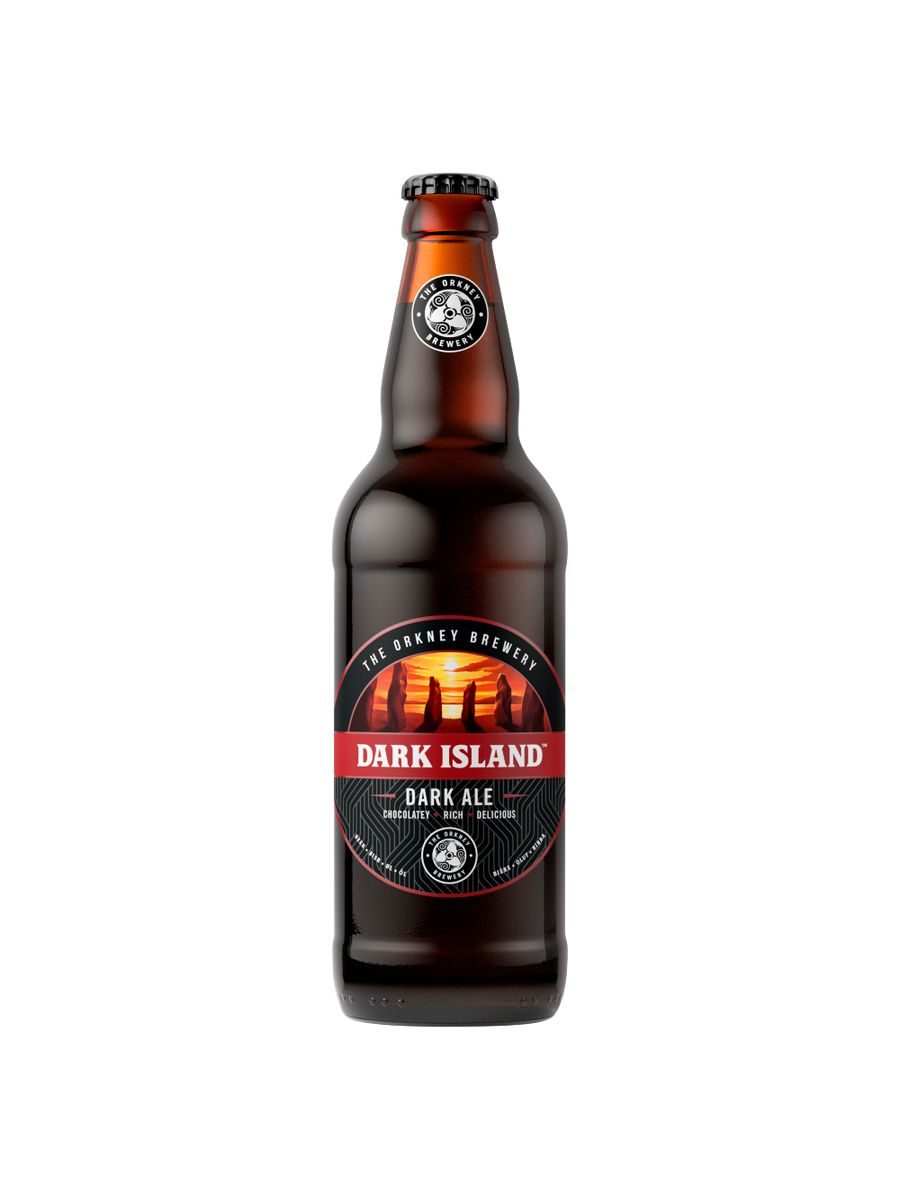
Dark Island
Brewed by Orkney Brewery
Roast coffee, dark chocolate, dates, nuts, dark fruit and earthy hop bitterness.
BAR NOTES
Dark Island earns its place here through roast coffee, dark chocolate, dates, nuts, dark fruit and earthy hop bitterness. At 4.6%, the important part is not a score-chasing trick but how clearly the beer expresses its lane in Scottish brewing.
It drinks far lighter than its color suggests, keeping roast and fruit in balance instead of drifting toward the sweetness or weight of a modern imperial stout. That makes it worth drinking beside very different Scottish beers rather than judging it only against its immediate style peers. Try it with haggis, roast lamb or mushrooms and pay attention to what remains after the first obvious flavor fades.
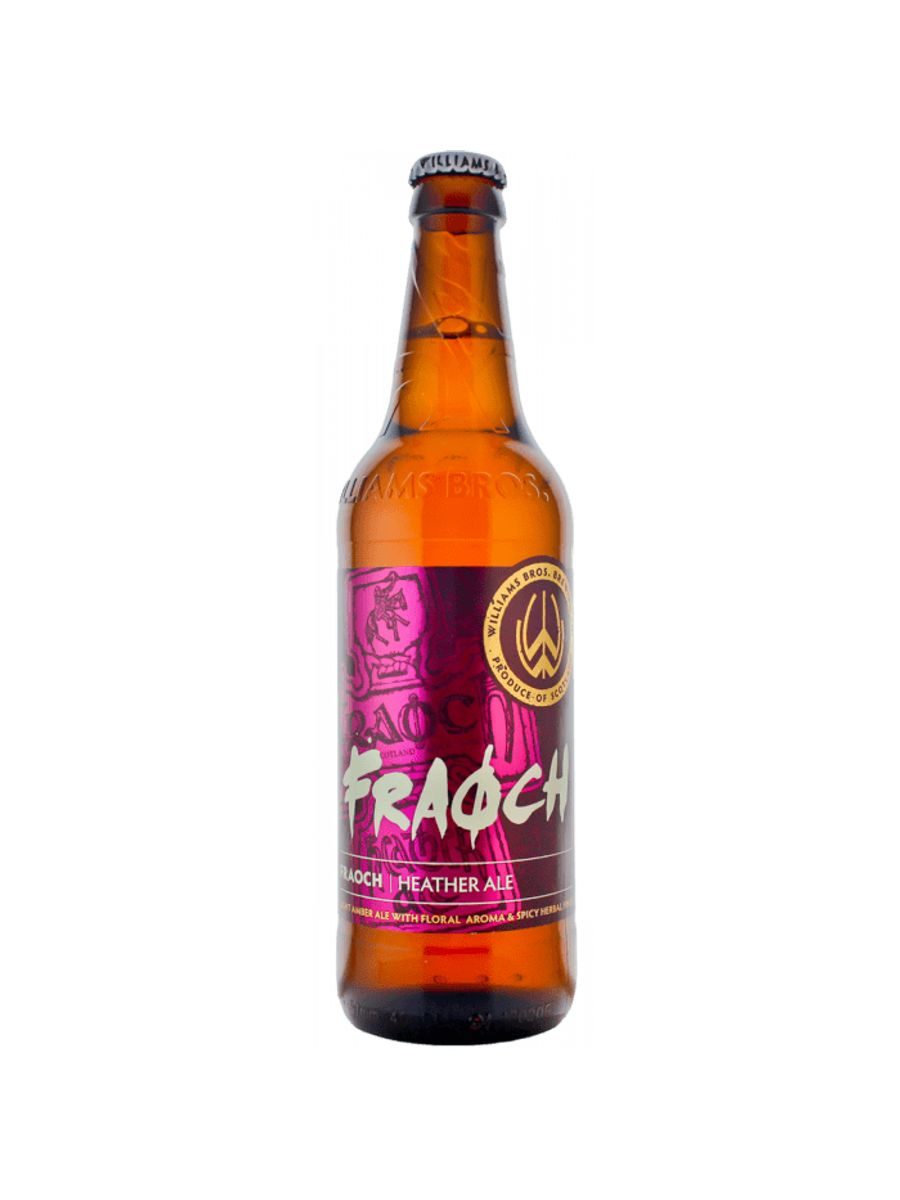
Fraoch
Brewed by Williams Bros. Brewing Co.
Floral heather, herbal bitterness, honeyed malt, soft fruit and a dry botanical finish.
BAR NOTES
The first thing to notice in Fraoch is floral heather, herbal bitterness, honeyed malt, soft fruit and a dry botanical finish. The profile gives the beer enough personality to matter on a fifty-beer country list while still keeping the structure of a heather ale recognizable.
Fraoch matters because the ingredients tell a story older than modern hop-forward beer, while the finished pint still works as beer rather than a historical reenactment in a bottle. In a mixed Scottish flight, this is the bottle or can that helps explain a specific chapter instead of repeating something already covered. It works especially well with aged cheese, roast pork or oatcakes, where the beer’s balance gets a chance to show.
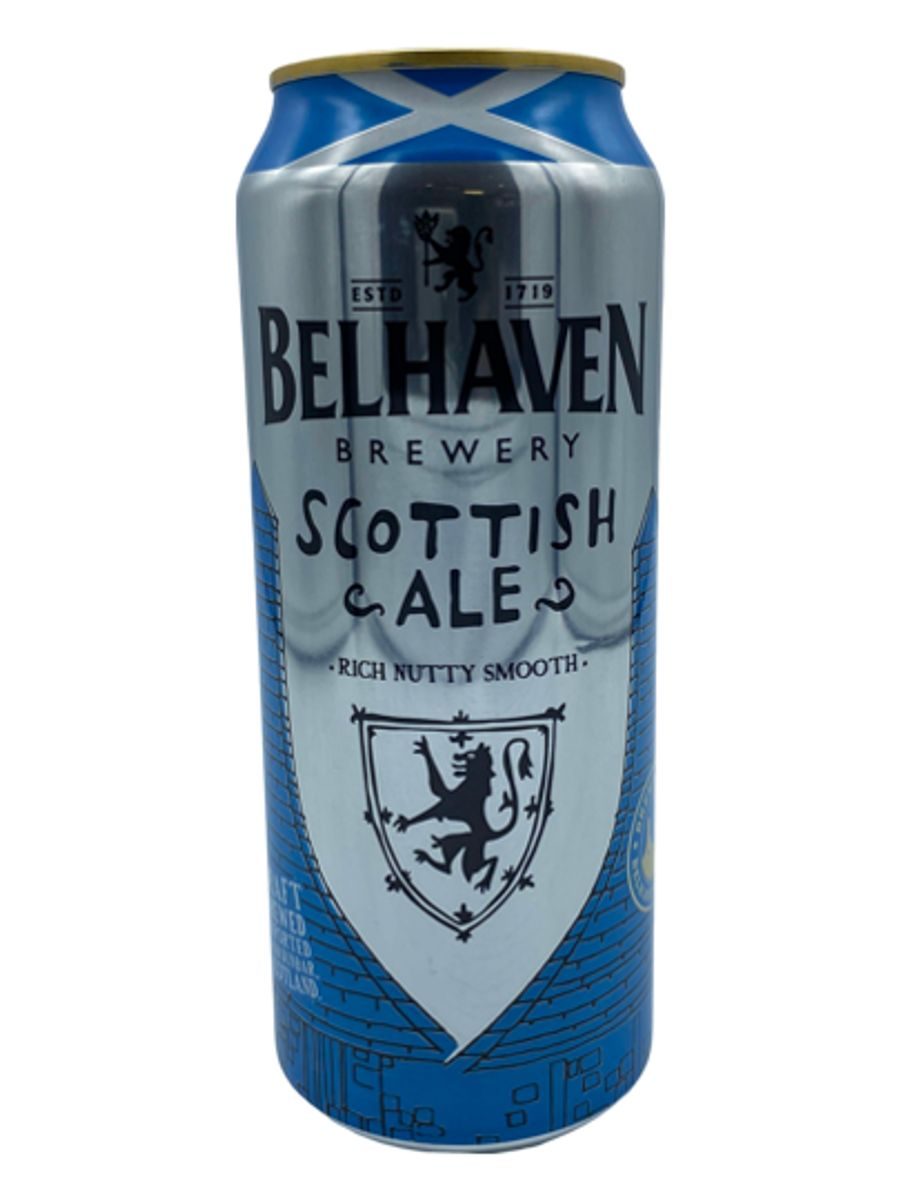
Scottish Ale
Brewed by Belhaven Brewery
Toffee, biscuit, caramel, light nuttiness, herbal hops and a gently dry finish.
BAR NOTES
Pour Scottish Ale for toffee, biscuit, caramel, light nuttiness, herbal hops and a gently dry finish. The 5.2% strength fits the beer rather than defining it, and the finished pint shows why Scotland’s best brewing stories are usually more complicated than simply dark, malty and strong.
Crystal and darker malts create depth without requiring high alcohol, showing why a proper Scottish ale can be malt-forward and satisfying without becoming wee heavy. Drink it next to a contrasting beer on this list and the differences become more useful than any style label. With steak pie, cheddar or roast beef, the malt, hop or fermentation character becomes even easier to pick apart.
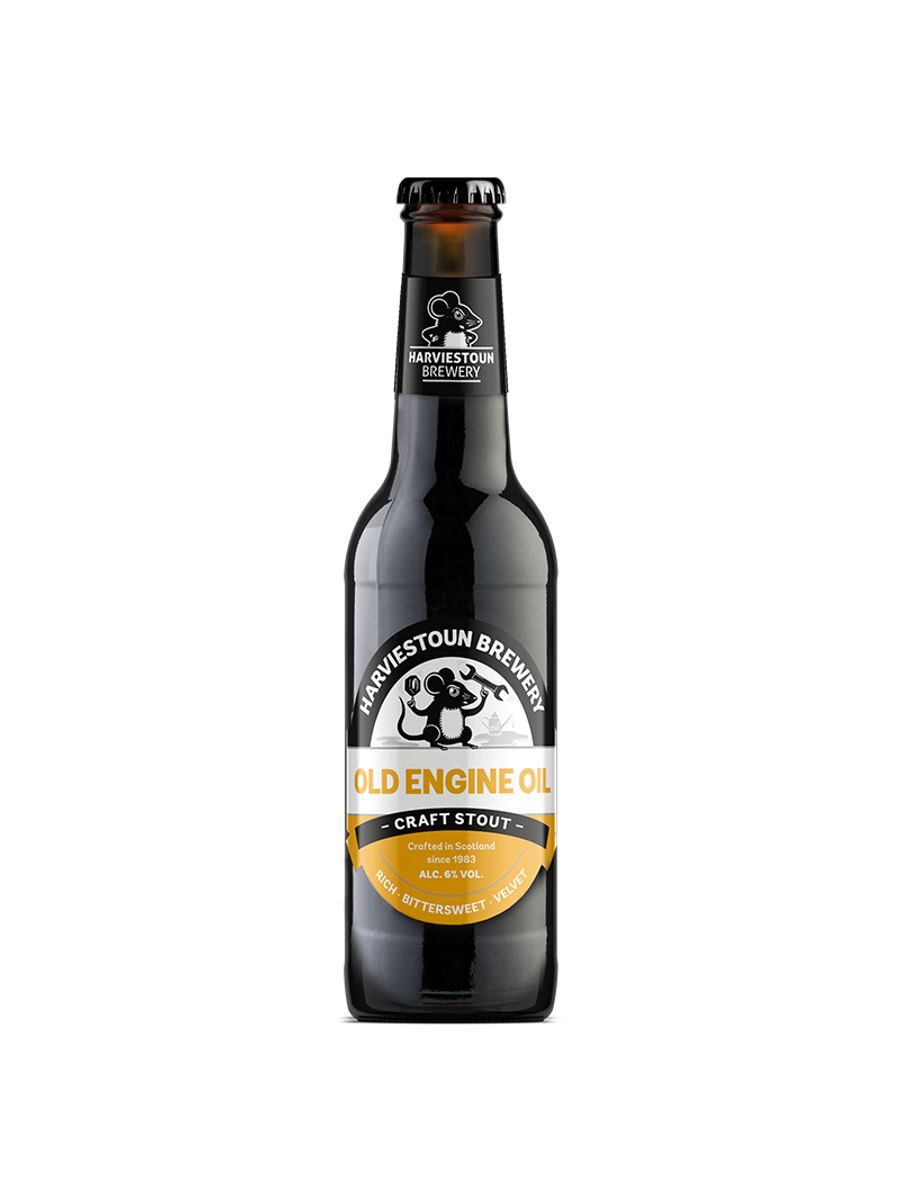
Old Engine Oil
Brewed by Harviestoun Brewery
Espresso, dark chocolate, roasted grain, licorice, dark fruit and a silky bitter finish.
BAR NOTES
Old Engine Oil earns its place here through espresso, dark chocolate, roasted grain, licorice, dark fruit and a silky bitter finish. At 6.0%, the important part is not a score-chasing trick but how clearly the beer expresses its lane in Scottish brewing.
The stout-like roast is wrapped in enough body to feel luxurious, but the beer remains controlled and dry enough to show why the original became the base for the Ola Dubh barrel series. That makes it worth drinking beside very different Scottish beers rather than judging it only against its immediate style peers. Try it with beef stew, blue cheese or dark chocolate and pay attention to what remains after the first obvious flavor fades.
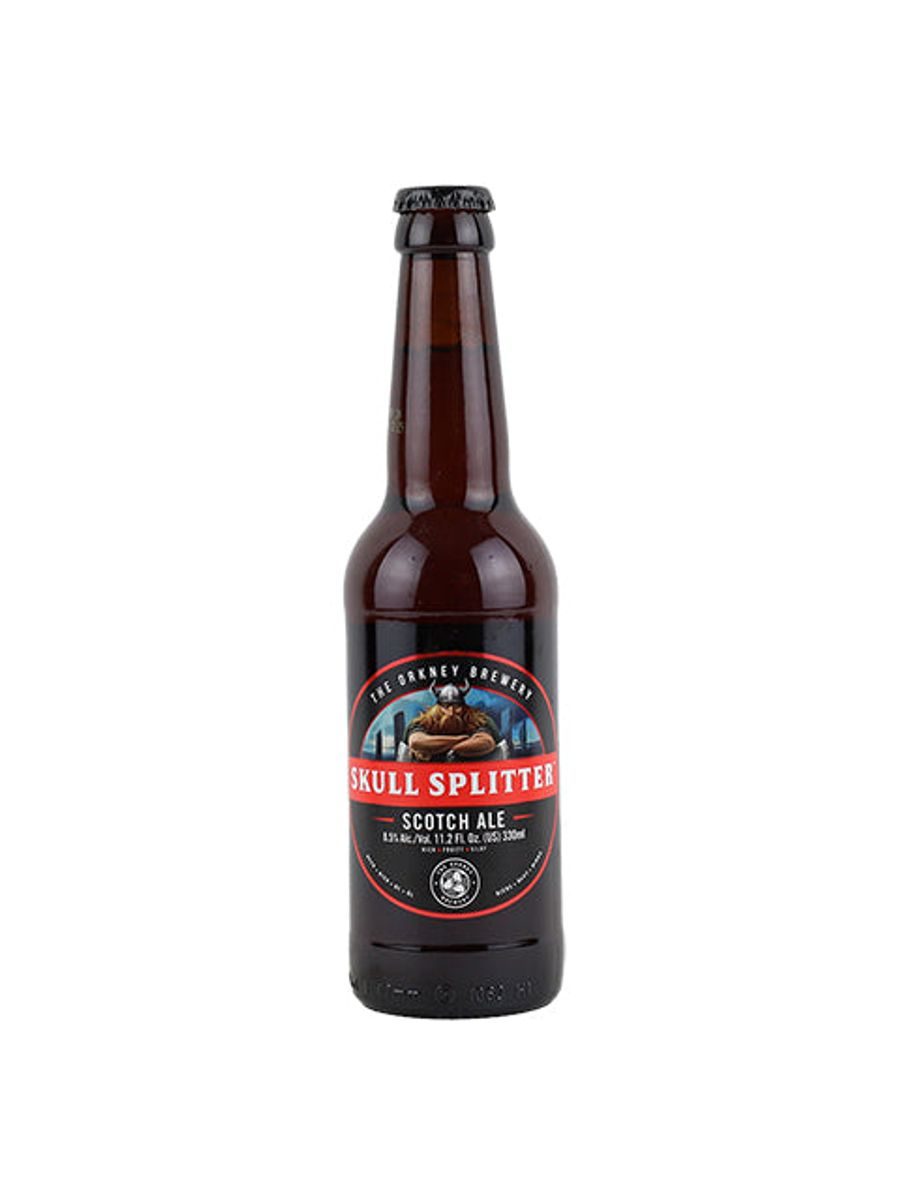
Skull Splitter
Brewed by Orkney Brewery
Toffee, dried fruit, caramelized malt, warming alcohol, spice and a long rich finish.
BAR NOTES
The first thing to notice in Skull Splitter is toffee, dried fruit, caramelized malt, warming alcohol, spice and a long rich finish. The profile gives the beer enough personality to matter on a fifty-beer country list while still keeping the structure of a Scotch ale / barley wine recognizable.
This is the point where Scottish malt character becomes a sipping beer rather than a session pint, yet enough fermentation character and bitterness keep the sweetness from feeling flat. In a mixed Scottish flight, this is the bottle or can that helps explain a specific chapter instead of repeating something already covered. It works especially well with Stilton, fruitcake or slow-braised beef, where the beer’s balance gets a chance to show.
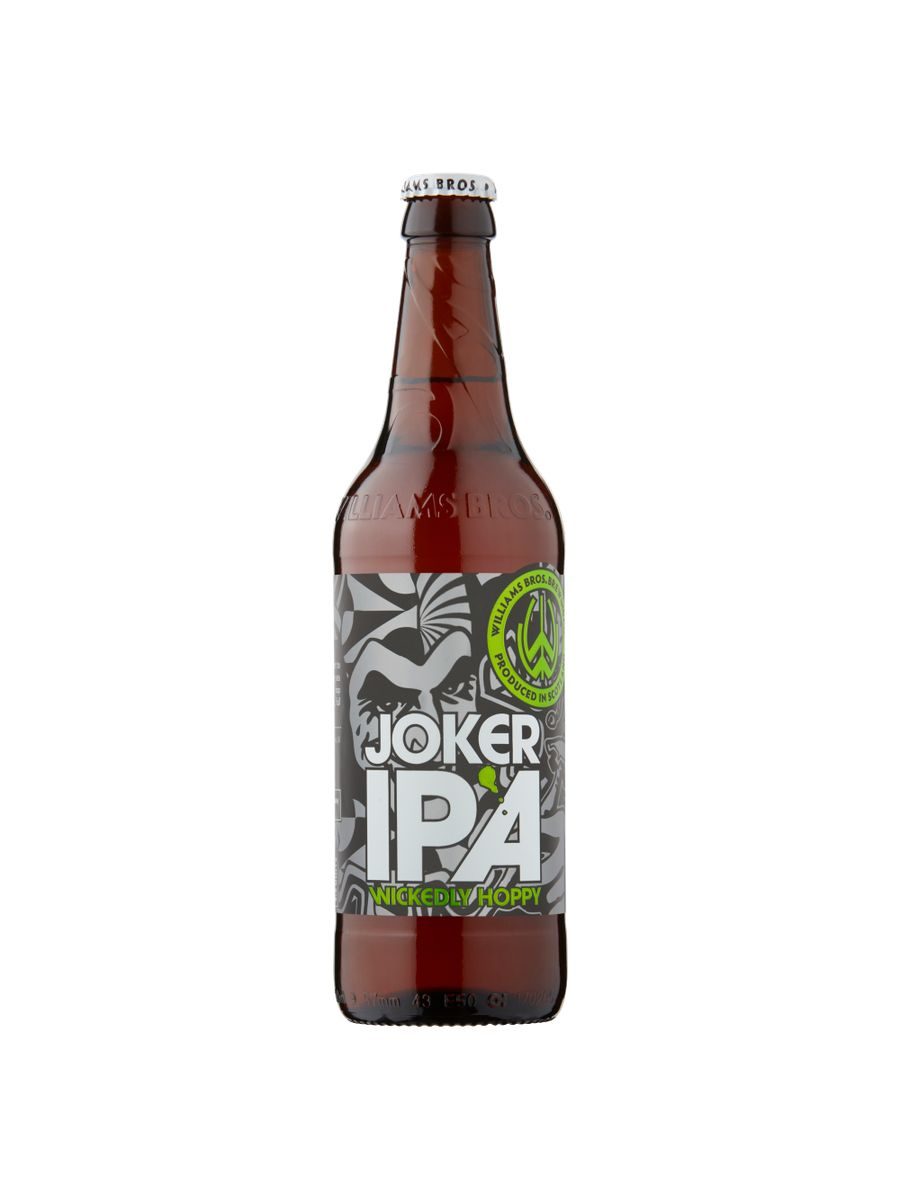
Joker IPA
Brewed by Williams Bros. Brewing Co.
Citrus, pine, grapefruit, floral hops, biscuit malt and firm clean bitterness.
BAR NOTES
Pour Joker IPA for citrus, pine, grapefruit, floral hops, biscuit malt and firm clean bitterness. The 5.0% strength fits the beer rather than defining it, and the finished pint shows why Scotland’s best brewing stories are usually more complicated than simply dark, malty and strong.
Joker is useful on this board because it shows the hop revolution did not erase Scottish brewing identity; it simply gave established breweries a brighter, sharper vocabulary. Drink it next to a contrasting beer on this list and the differences become more useful than any style label. With burgers, spicy wings or mature cheddar, the malt, hop or fermentation character becomes even easier to pick apart.
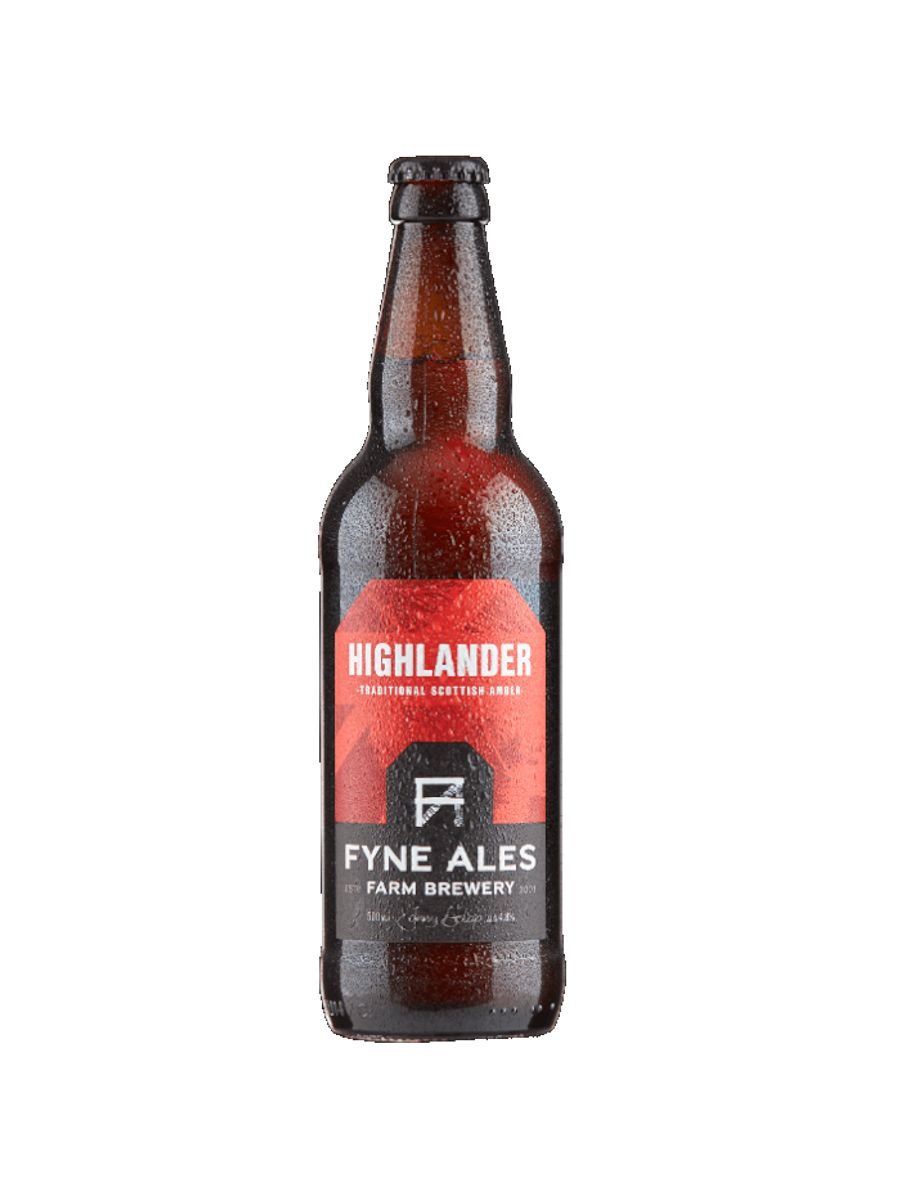
Highlander
Brewed by Fyne Ales
Toffee, toasted bread, red fruit, caramel, light earthiness and balancing bitterness.
BAR NOTES
Highlander earns its place here through toffee, toasted bread, red fruit, caramel, light earthiness and balancing bitterness. At 4.8%, the important part is not a score-chasing trick but how clearly the beer expresses its lane in Scottish brewing.
The beer stays firmly in pub-pint territory, making it a better lesson in everyday Scottish amber ale than stronger bottles that turn malt richness into dessert. That makes it worth drinking beside very different Scottish beers rather than judging it only against its immediate style peers. Try it with sausages, shepherd’s pie or nutty cheese and pay attention to what remains after the first obvious flavor fades.
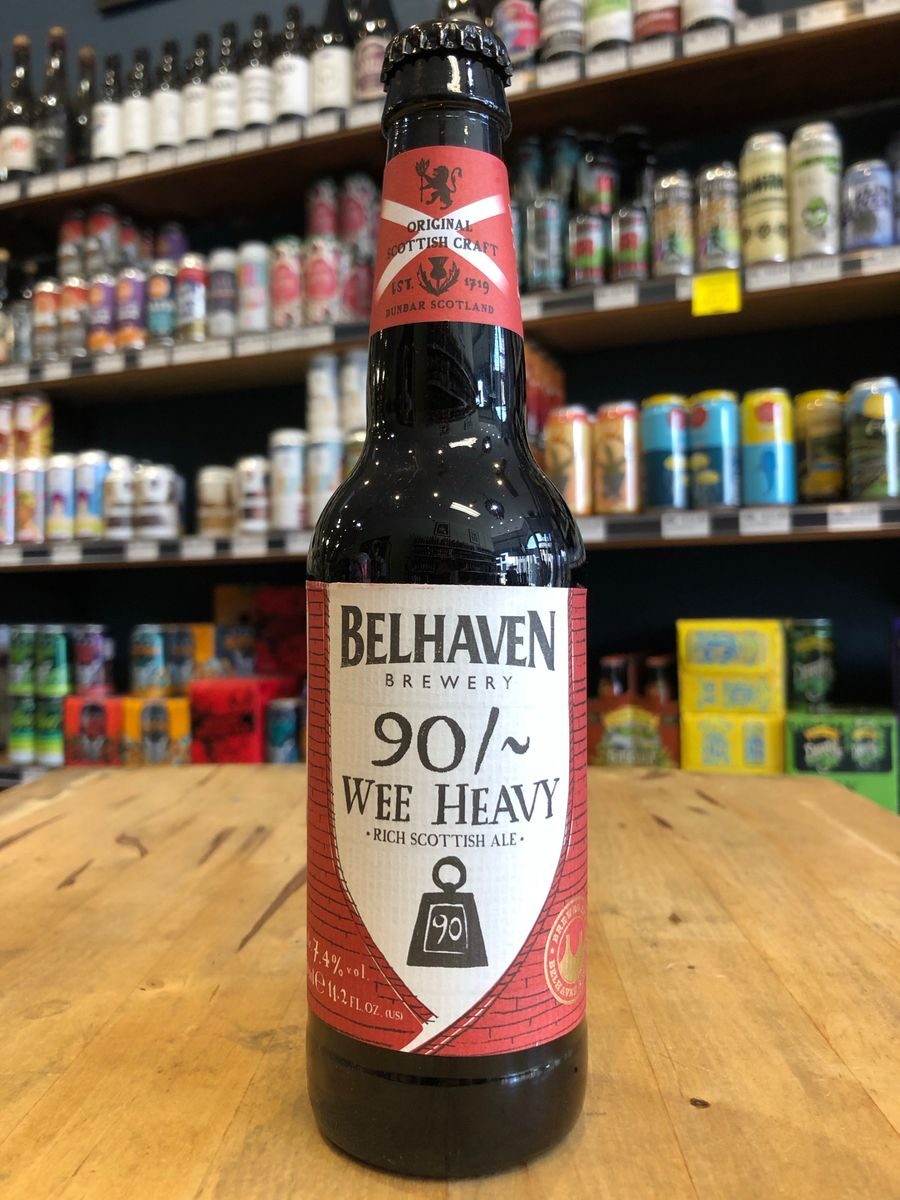
90/~ Wee Heavy
Brewed by Belhaven Brewery
Caramel, dark fruit, toffee, toasted malt, gentle roast and warming alcohol.
BAR NOTES
The first thing to notice in 90/~ Wee Heavy is caramel, dark fruit, toffee, toasted malt, gentle roast and warming alcohol. The profile gives the beer enough personality to matter on a fifty-beer country list while still keeping the structure of a wee heavy recognizable.
The 90-shilling label preserves a famous Scottish brewing shorthand while the beer itself makes the important point: wee heavy is about concentrated malt depth, not peat smoke. In a mixed Scottish flight, this is the bottle or can that helps explain a specific chapter instead of repeating something already covered. It works especially well with roast venison, Stilton or sticky toffee pudding, where the beer’s balance gets a chance to show.
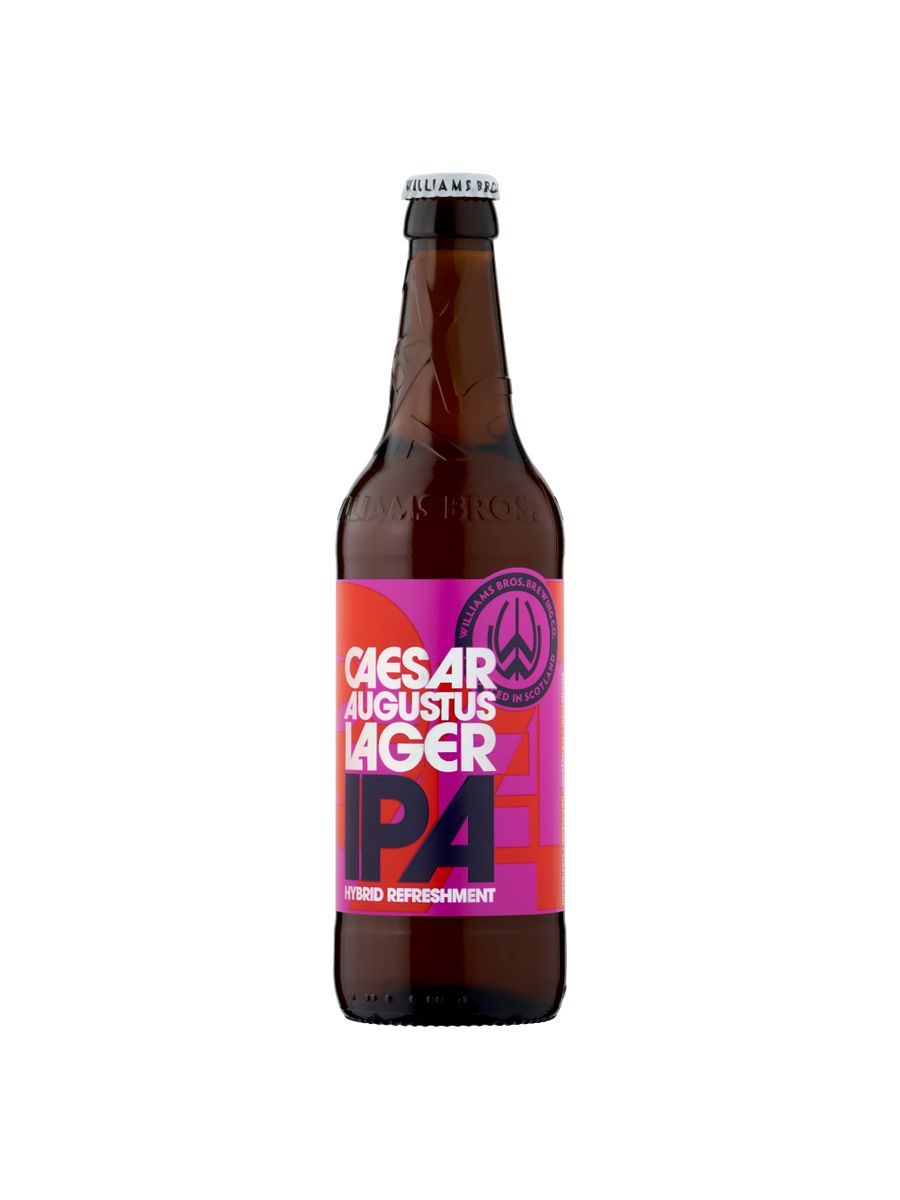
Caesar Augustus
Brewed by Williams Bros. Brewing Co.
Lemon, grapefruit, floral hops, crisp lager malt, light resin and a dry finish.
BAR NOTES
Pour Caesar Augustus for lemon, grapefruit, floral hops, crisp lager malt, light resin and a dry finish. The 4.1% strength fits the beer rather than defining it, and the finished pint shows why Scotland’s best brewing stories are usually more complicated than simply dark, malty and strong.
Cold fermentation gives the hops a cleaner stage than a fruity ale yeast would, turning a modest-strength beer into a sharp example of Scottish brewers ignoring category fences. Drink it next to a contrasting beer on this list and the differences become more useful than any style label. With fried seafood, pizza or a salty sandwich, the malt, hop or fermentation character becomes even easier to pick apart.
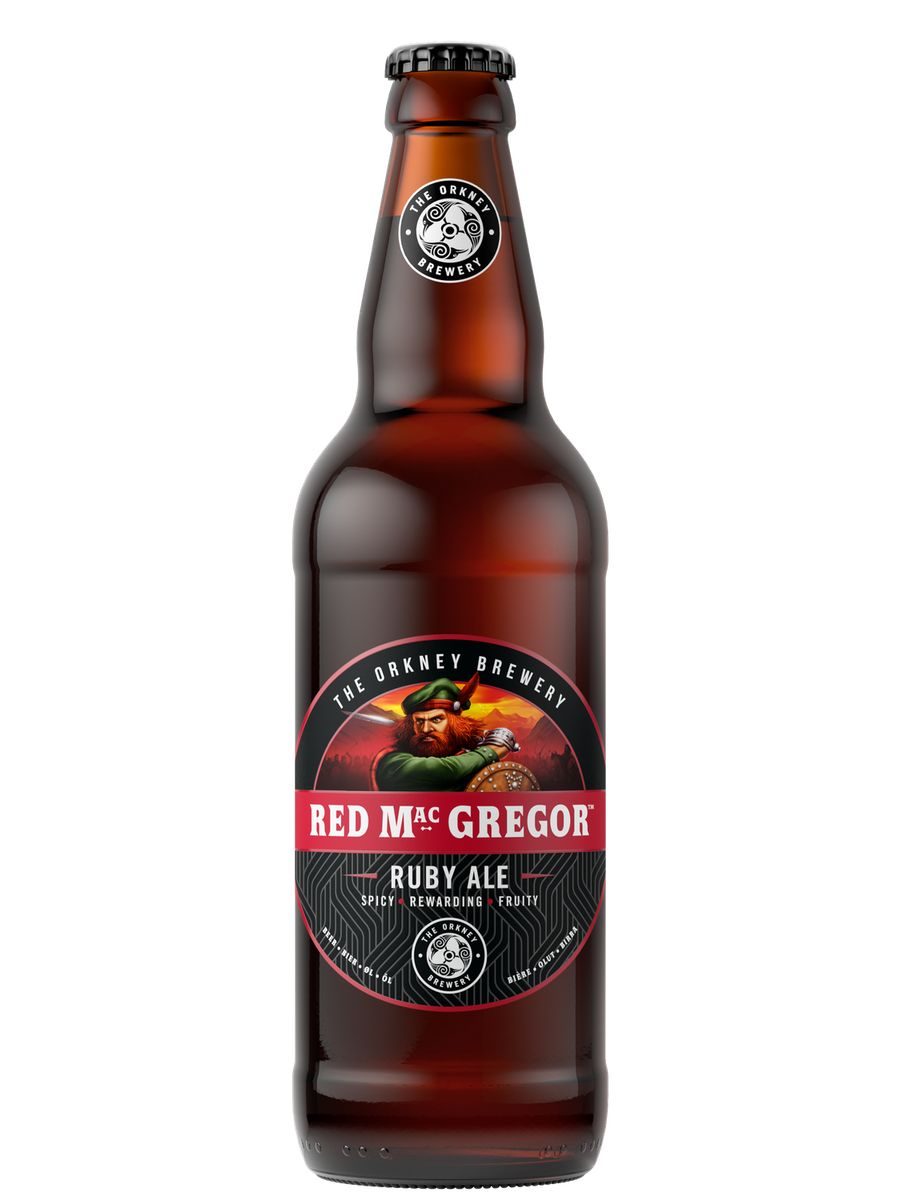
Red MacGregor
Brewed by Orkney Brewery
Caramel, toasted grain, soft berries, biscuit, gentle roast and earthy bitterness.
BAR NOTES
Red MacGregor earns its place here through caramel, toasted grain, soft berries, biscuit, gentle roast and earthy bitterness. At 4.0%, the important part is not a score-chasing trick but how clearly the beer expresses its lane in Scottish brewing.
The modest alcohol is the point rather than a compromise: malt flavor stays present while the finish remains dry enough to reset the palate instead of coating it. That makes it worth drinking beside very different Scottish beers rather than judging it only against its immediate style peers. Try it with meat pie, roast chicken or cheddar and pay attention to what remains after the first obvious flavor fades.
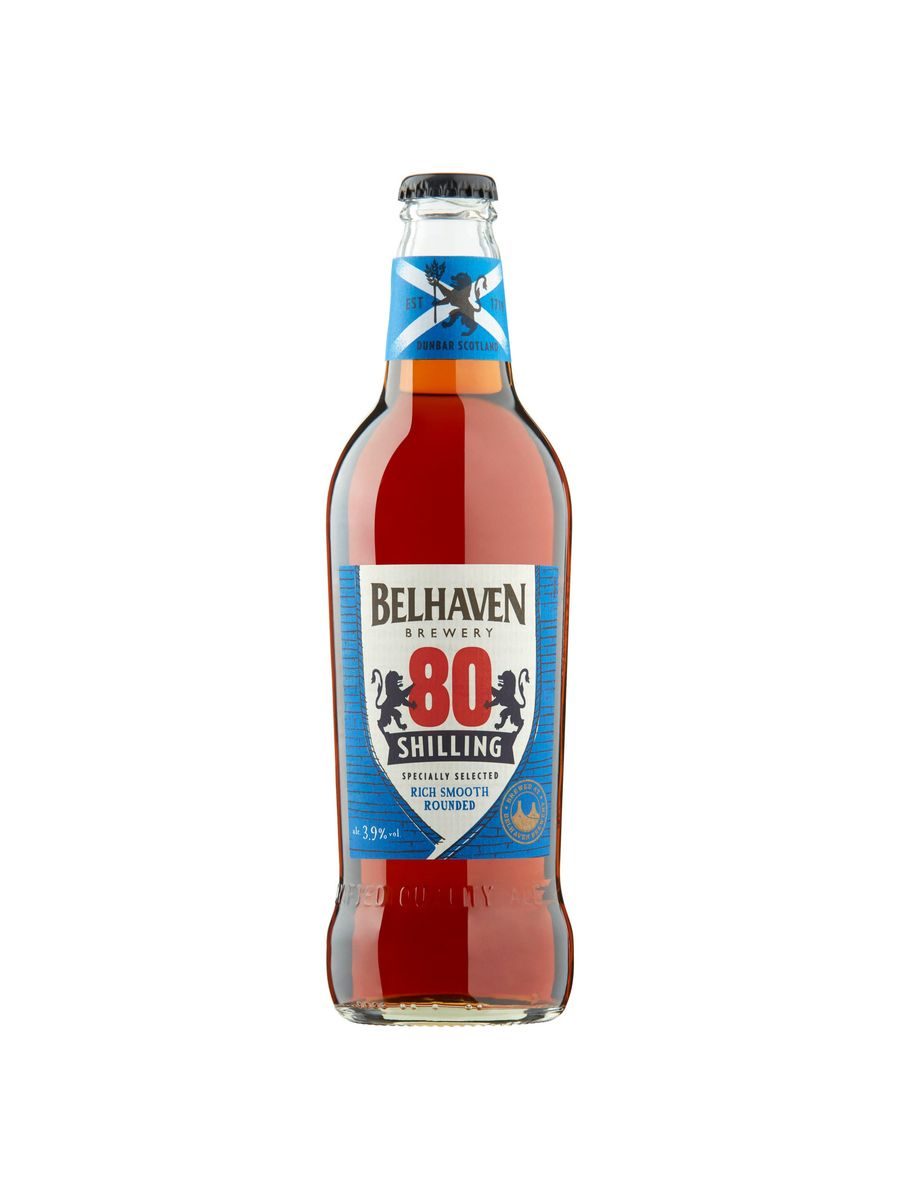
80 Shilling
Brewed by Belhaven Brewery
Caramel, biscuit, toasted malt, gentle fruit, low roast and restrained hop bitterness.
BAR NOTES
The first thing to notice in 80 Shilling is caramel, biscuit, toasted malt, gentle fruit, low roast and restrained hop bitterness. The profile gives the beer enough personality to matter on a fifty-beer country list while still keeping the structure of a Scottish 80/- ale recognizable.
80/- makes the shilling system tangible: this is not a huge strong ale but a malt-centered pub beer whose richness comes from composition rather than alcohol. In a mixed Scottish flight, this is the bottle or can that helps explain a specific chapter instead of repeating something already covered. It works especially well with haggis, sausage rolls or mild cheddar, where the beer’s balance gets a chance to show.
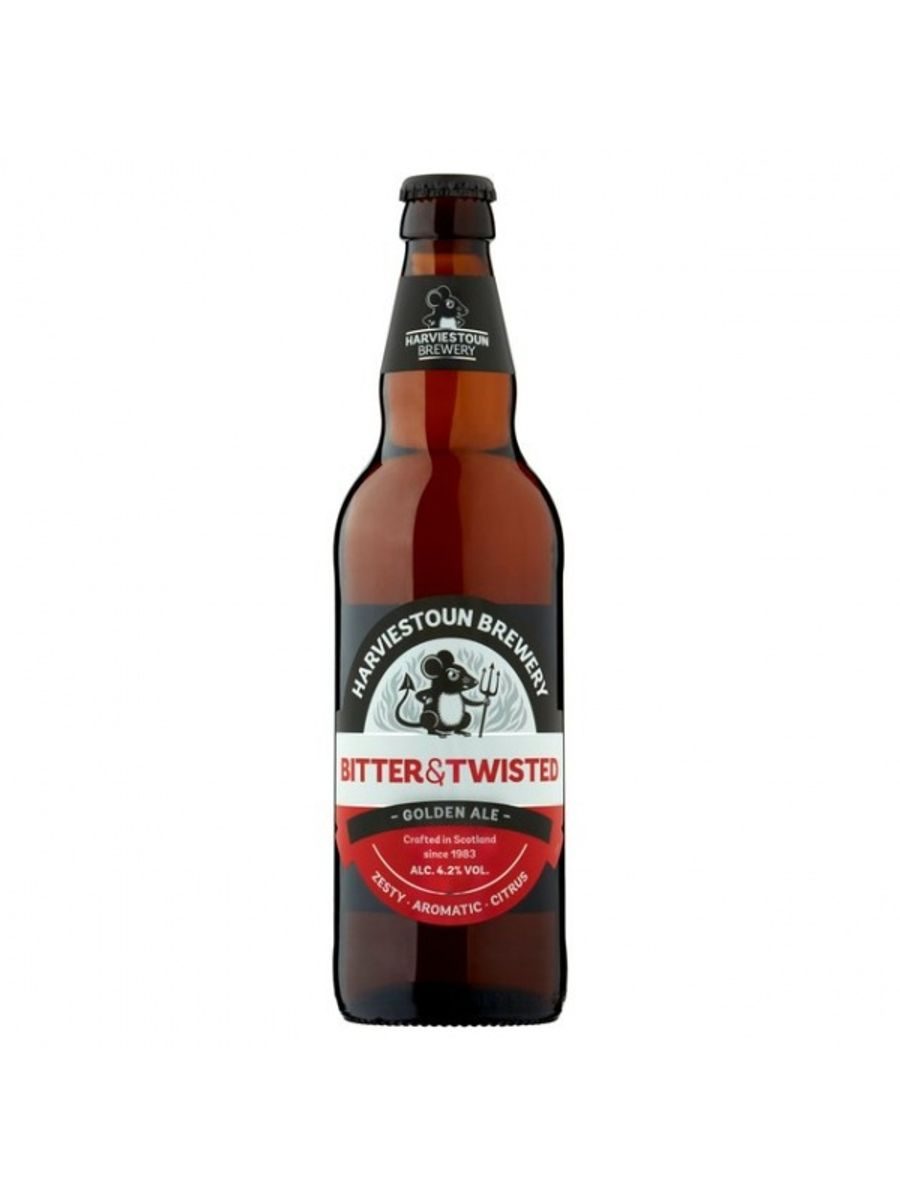
Bitter & Twisted
Brewed by Harviestoun Brewery
Lemon, grapefruit, floral hops, light biscuit malt, herbs and a crisp bitter finish.
BAR NOTES
Pour Bitter & Twisted for lemon, grapefruit, floral hops, light biscuit malt, herbs and a crisp bitter finish. The 3.8% strength fits the beer rather than defining it, and the finished pint shows why Scotland’s best brewing stories are usually more complicated than simply dark, malty and strong.
Its 3.8 percent strength makes the hop expression more impressive, because the beer has nowhere to hide excess sweetness, rough bitterness or sloppy fermentation. Drink it next to a contrasting beer on this list and the differences become more useful than any style label. With fish tacos, chicken salad or a ploughman’s lunch, the malt, hop or fermentation character becomes even easier to pick apart.

Seven Giraffes
Brewed by Williams Bros. Brewing Co.
Grapefruit, orange, elderflower, resin, pale malt and a lingering bitter finish.
BAR NOTES
Seven Giraffes earns its place here through grapefruit, orange, elderflower, resin, pale malt and a lingering bitter finish. At 5.1%, the important part is not a score-chasing trick but how clearly the beer expresses its lane in Scottish brewing.
The recipe feels unmistakably modern but not anonymous, with enough malt and floral detail to separate it from a generic international can of citrus IPA. That makes it worth drinking beside very different Scottish beers rather than judging it only against its immediate style peers. Try it with curries, grilled chicken or sharp cheese and pay attention to what remains after the first obvious flavor fades.

Avalanche
Brewed by Fyne Ales
Lemon, peach, floral hops, light honeyed malt, grass and a clean bitter close.
BAR NOTES
The first thing to notice in Avalanche is lemon, peach, floral hops, light honeyed malt, grass and a clean bitter close. The profile gives the beer enough personality to matter on a fifty-beer country list while still keeping the structure of a pale ale recognizable.
Avalanche occupies the useful middle ground between traditional golden ale and modern hop showcase, making it one of the easiest ways to understand Fyne’s house balance. In a mixed Scottish flight, this is the bottle or can that helps explain a specific chapter instead of repeating something already covered. It works especially well with white fish, salads or soft cheese, where the beer’s balance gets a chance to show.

Dragonhead
Brewed by Orkney Brewery
Bitter chocolate, roasted barley, coffee, spicy dark fruit, licorice and a dry finish.
BAR NOTES
Pour Dragonhead for bitter chocolate, roasted barley, coffee, spicy dark fruit, licorice and a dry finish. The 4.0% strength fits the beer rather than defining it, and the finished pint shows why Scotland’s best brewing stories are usually more complicated than simply dark, malty and strong.
Orkney keeps this firmly on the dry and roasty side, which makes the beer a strong argument against treating stout as automatically sweet, heavy or high alcohol. Drink it next to a contrasting beer on this list and the differences become more useful than any style label. With oysters, roast beef or chocolate cake, the malt, hop or fermentation character becomes even easier to pick apart.

Belhaven Black
Brewed by Belhaven Brewery
Coffee, cocoa, roasted grain, caramel, soft dark fruit and a smooth dry finish.
BAR NOTES
Belhaven Black earns its place here through coffee, cocoa, roasted grain, caramel, soft dark fruit and a smooth dry finish. At 4.2%, the important part is not a score-chasing trick but how clearly the beer expresses its lane in Scottish brewing.
The attraction is texture as much as flavor: nitrogen softens the roast without turning the beer sugary, keeping it firmly in full-pint rather than dessert-pour territory. That makes it worth drinking beside very different Scottish beers rather than judging it only against its immediate style peers. Try it with stew, oysters or a grilled burger and pay attention to what remains after the first obvious flavor fades.

Midnight Sun
Brewed by Williams Bros. Brewing Co.
Roast malt, cocoa, coffee, ginger spice, dark fruit and a dry warming finish.
BAR NOTES
The first thing to notice in Midnight Sun is roast malt, cocoa, coffee, ginger spice, dark fruit and a dry warming finish. The profile gives the beer enough personality to matter on a fifty-beer country list while still keeping the structure of a spiced porter recognizable.
The spice works because it reinforces rather than replaces the porter underneath, giving the beer a distinctly Williams Bros. twist without losing the dark-malt structure. In a mixed Scottish flight, this is the bottle or can that helps explain a specific chapter instead of repeating something already covered. It works especially well with roast pork, ginger cake or mature cheese, where the beer’s balance gets a chance to show.

Ola Dubh 12
Brewed by Harviestoun Brewery
Dark chocolate, espresso, whisky oak, vanilla, dried fruit, smoke and warming alcohol.
BAR NOTES
Pour Ola Dubh 12 for dark chocolate, espresso, whisky oak, vanilla, dried fruit, smoke and warming alcohol. The 8.0% strength fits the beer rather than defining it, and the finished pint shows why Scotland’s best brewing stories are usually more complicated than simply dark, malty and strong.
This is one of Scotland’s clearest beer-and-whisky crossovers because the barrel contributes recognizable spirit character while the robust Old Engine Oil base remains visible underneath. Drink it next to a contrasting beer on this list and the differences become more useful than any style label. With blue cheese, venison or dark chocolate, the malt, hop or fermentation character becomes even easier to pick apart.

Hurricane Jack
Brewed by Fyne Ales
Citrus, soft stone fruit, floral hops, pale malt, light herbs and a crisp finish.
BAR NOTES
Hurricane Jack earns its place here through citrus, soft stone fruit, floral hops, pale malt, light herbs and a crisp finish. At 4.4%, the important part is not a score-chasing trick but how clearly the beer expresses its lane in Scottish brewing.
Fyne’s restraint is the story here: the beer has enough hop aroma to stay interesting but enough simplicity to work as an all-evening pint. That makes it worth drinking beside very different Scottish beers rather than judging it only against its immediate style peers. Try it with fish and chips, grilled vegetables or young cheddar and pay attention to what remains after the first obvious flavor fades.

Northern Light
Brewed by Orkney Brewery
Fresh bread, citrus peel, apricot, spice, pale malt and clean hop bitterness.
BAR NOTES
The first thing to notice in Northern Light is fresh bread, citrus peel, apricot, spice, pale malt and clean hop bitterness. The profile gives the beer enough personality to matter on a fifty-beer country list while still keeping the structure of a blonde ale recognizable.
The combination of continental-style crispness and British ale character makes Northern Light a useful bridge between Scotland’s lager drinkers and its maltier ale tradition. In a mixed Scottish flight, this is the bottle or can that helps explain a specific chapter instead of repeating something already covered. It works especially well with seafood, chicken or a light curry, where the beer’s balance gets a chance to show.

March of the Penguins
Brewed by Williams Bros. Brewing Co.
Coffee, cocoa, roasted barley, caramel, dark bread and a creamy dry finish.
BAR NOTES
Pour March of the Penguins for coffee, cocoa, roasted barley, caramel, dark bread and a creamy dry finish. The 4.9% strength fits the beer rather than defining it, and the finished pint shows why Scotland’s best brewing stories are usually more complicated than simply dark, malty and strong.
The name is playful but the beer is not a novelty; it is a properly structured stout with enough roast to satisfy dark-beer drinkers and enough softness for a full pint. Drink it next to a contrasting beer on this list and the differences become more useful than any style label. With beef pie, cheddar or brownies, the malt, hop or fermentation character becomes even easier to pick apart.

Belhaven Best
Brewed by Belhaven Brewery
Caramel, toffee, biscuit, soft fruit, gentle roast and restrained bitterness.
BAR NOTES
Belhaven Best earns its place here through caramel, toffee, biscuit, soft fruit, gentle roast and restrained bitterness. At 3.2%, the important part is not a score-chasing trick but how clearly the beer expresses its lane in Scottish brewing.
At 3.2 percent this is a reminder that traditional beer strength can be a feature, not a defect; flavor comes from malt and dispense rather than alcohol. That makes it worth drinking beside very different Scottish beers rather than judging it only against its immediate style peers. Try it with sausage rolls, pies or salted nuts and pay attention to what remains after the first obvious flavor fades.

Workbench
Brewed by Fyne Ales
Citrus, tropical fruit, pine, resin, pale malt and a clean assertive bitterness.
BAR NOTES
The first thing to notice in Workbench is citrus, tropical fruit, pine, resin, pale malt and a clean assertive bitterness. The profile gives the beer enough personality to matter on a fifty-beer country list while still keeping the structure of a New World IPA recognizable.
Workbench gives the list a useful modern counterpoint to Jarl, showing how the same brewery scales hop intensity upward without losing clarity or drinkability. In a mixed Scottish flight, this is the bottle or can that helps explain a specific chapter instead of repeating something already covered. It works especially well with spicy food, burgers or mature cheddar, where the beer’s balance gets a chance to show.

The Ridge
Brewed by Harviestoun Brewery
Citrus, tropical fruit, pine, light caramel malt, herbs and a crisp bitter finish.
BAR NOTES
Pour The Ridge for citrus, tropical fruit, pine, light caramel malt, herbs and a crisp bitter finish. The 5.0% strength fits the beer rather than defining it, and the finished pint shows why Scotland’s best brewing stories are usually more complicated than simply dark, malty and strong.
The brewery famous for Schiehallion and Old Engine Oil proves it can work between those poles too, with a pale ale that tastes modern without abandoning balance. Drink it next to a contrasting beer on this list and the differences become more useful than any style label. With pizza, grilled chicken or sharp cheese, the malt, hop or fermentation character becomes even easier to pick apart.

Orkney Gold
Brewed by Orkney Brewery
Sweet lemon, mandarin, apricot, floral hops, soft malt and a crisp finish.
BAR NOTES
Orkney Gold earns its place here through sweet lemon, mandarin, apricot, floral hops, soft malt and a crisp finish. At 4.5%, the important part is not a score-chasing trick but how clearly the beer expresses its lane in Scottish brewing.
Orkney Gold is less about raw bitterness than aromatic lift, giving the brewery a golden counterpoint to Dark Island’s roast and Skull Splitter’s strength. That makes it worth drinking beside very different Scottish beers rather than judging it only against its immediate style peers. Try it with grilled fish, salads or mild cheese and pay attention to what remains after the first obvious flavor fades.

Birds & Bees
Brewed by Williams Bros. Brewing Co.
Honeyed malt, citrus, herbs, floral notes, soft fruit and gentle bitterness.
BAR NOTES
The first thing to notice in Birds & Bees is honeyed malt, citrus, herbs, floral notes, soft fruit and gentle bitterness. The profile gives the beer enough personality to matter on a fifty-beer country list while still keeping the structure of a golden ale recognizable.
Williams Bros. is at its best when familiar beer structure meets one unusual idea, and Birds & Bees keeps that idea subtle enough to remain an easy pint. In a mixed Scottish flight, this is the bottle or can that helps explain a specific chapter instead of repeating something already covered. It works especially well with goat cheese, chicken or oatcakes, where the beer’s balance gets a chance to show.

Orkney Tartan
Brewed by Swannay Brewery
Caramel, toasted grain, biscuit, subtle fruit, earthy hops and a dry finish.
BAR NOTES
Pour Orkney Tartan for caramel, toasted grain, biscuit, subtle fruit, earthy hops and a dry finish. The 3.7% strength fits the beer rather than defining it, and the finished pint shows why Scotland’s best brewing stories are usually more complicated than simply dark, malty and strong.
The beer proves a Scottish ale does not need to be strong or syrupy; its identity comes from malt shape, balance and pint-after-pint drinkability. Drink it next to a contrasting beer on this list and the differences become more useful than any style label. With meat pie, cheddar or roast chicken, the malt, hop or fermentation character becomes even easier to pick apart.

Ola Dubh 18
Brewed by Harviestoun Brewery
Dark chocolate, espresso, whisky oak, dried fruit, vanilla, smoke and a bittersweet finish.
BAR NOTES
Ola Dubh 18 pushes the Old Engine Oil idea further into whisky territory, with dark chocolate, espresso, oak, dried fruit and vanilla layered over a viscous roasted base. The beer remains recognizably dark ale even after months in Highland Park casks.
Drink it slowly around cellar temperature rather than refrigerator-cold. The 18-year cask version is especially useful beside Ola Dubh 12 because the comparison shows how barrel age changes spice, oak and spirit character without changing the underlying beer.

Tin Man
Brewed by Williams Bros. Brewing Co.
Mango, citrus, tropical fruit, light caramel, resin and a balanced bitter-sweet finish.
BAR NOTES
Tin Man brings a modern tropical IPA voice to the list, using fruit-forward hops against a slightly sweet Vienna-malt backbone. Mango, citrus and resin stay vivid without turning the beer into anonymous international haze.
At 5.5 percent it has enough body to carry the hop load while remaining an actual pint rather than a special-occasion double IPA. Pair it with spicy food or grilled meat and the malt becomes easier to notice under the fruit.

Easy Trail
Brewed by Fyne Ales
Juicy berry, citrus, pine, pale malt, soft oats and a clean refreshing finish.
BAR NOTES
Easy Trail takes Fyne’s Workbench experiments and compresses them into a 4.2 percent session IPA. Berry and citrus arrive first, while Simcoe, Amarillo, Mosaic and Cascade leave a cleaner piney finish than the softer opening suggests.
This is a useful modern counterpoint to Jarl: both are deliberately drinkable, but Easy Trail feels more recognizably IPA-shaped. It works with burgers, tacos or sharp cheddar without overwhelming the food or disappearing beside it.

Haggis Hunter
Brewed by Harviestoun Brewery
Biscuit malt, citrus, flowers, grass, light caramel and a spicy herbal finish.
BAR NOTES
Haggis Hunter is more than a Burns Night label. Pale and crystal malt create a biscuit base, while English and Slovenian hops add citrus, flowers, grass and spice without dragging the beer away from its amber-ale center.
The obvious pairing is haggis, where carbonation and bitterness cut through the richness while the malt mirrors toasted oats and meat. It is equally useful with sausages, roast root vegetables or a pub pie.

Island Life
Brewed by Orkney Brewery
Grapefruit, peach, citrus peel, pale malt and a crisp zesty bitter finish.
BAR NOTES
Island Life squeezes grapefruit and peach character into only 3.7 percent alcohol. Citra, El Dorado and Cascade do most of the aromatic work while wheat and pale malt keep the body from falling away underneath the hops.
It is an excellent warm-weather Scottish pint and a reminder that modern island brewing is not confined to dark ale and strong winter beer. Try it with fried seafood, grilled chicken or a salty sandwich.

Talking Head
Brewed by Williams Bros. Brewing Co.
Pine, citrus, tropical fruit, light wheat and a firm crisp bitterness.
BAR NOTES
Talking Head is unapologetically hop-led, with pine, citrus and ripe tropical fruit over an extra-pale base. A touch of wheat softens the body just enough to keep its forty-IBU bitterness from feeling sharp or hollow.
It belongs here because Scottish brewing in 2026 comfortably includes American pale-ale technique alongside shilling ales and heather beer. Serve it fresh with pizza, tacos or a burger so the hop character stays the main event.

Chokka Blokka
Brewed by Williams Bros. Brewing Co.
Roast coffee, dark chocolate, cocoa, oats and a creamy bittersweet finish.
BAR NOTES
Chokka Blokka uses real coffee and cacao nibs but keeps the result recognizably stout. Oats provide the creamy texture, while roast barley and chocolate malt stop the coffee-shop flavors from floating on top of a weak base beer.
The absence of lactose is part of its appeal: richness comes from grain rather than milk sugar. Dark chocolate desserts work, but the beer is even better beside smoked meat or a salty blue cheese.

Skara Blonde IPA
Brewed by Orkney Brewery
Citrus, pine, orange peel, pale malt and a smooth zesty bitterness.
BAR NOTES
Skara Blonde IPA uses Columbus, Simcoe and Amarillo to build citrus, pine and orange-peel character over a clean blonde base. The beer is modern in technique without losing the easy-drinking strength associated with many Scottish pub ales.
The Runic Range packaging leans into Orkney history, but the liquid is firmly contemporary. Drink it fresh with grilled fish, fried chicken or a spicy sandwich while the hop oils are still bright.

Punk IPA
Brewed by BrewDog
Grapefruit, pineapple, citrus oil, light caramel, dank resin and a spiky bitter finish.
BAR NOTES
Punk IPA remains impossible to leave off a Scottish beer history even after years of controversy around the company behind it. The current 5.4 percent recipe is cleaner and more hop-forward, emphasizing grapefruit, tropical fruit and a sharper modern bitterness.
Its importance is bigger than whether it wins a blind tasting against every newer IPA. Punk changed what supermarket craft beer looked and tasted like across Britain, which makes a fresh current can worth understanding on this board.

The Original
Brewed by Innis & Gunn
Toffee, vanilla, orange marmalade, roasted malt, citrus and gentle oak warmth.
BAR NOTES
The Original turns Scottish golden beer toward the whisky trade, using cask maturation to add vanilla, toffee and oak without burying the citrus and malt underneath. At 6.6 percent it is rich, but still designed as beer rather than barrel proof-of-concept.
It helped normalize barrel influence for drinkers who were not chasing rare imperial stouts, and that accessibility is part of its historical value. Steak, stew and mature cheese all give the oak and caramel something substantial to work against.

Leith Juice
Brewed by Campervan Brewery
Tropical fruit, citrus, pine, pale malt and a clean Simcoe-Cascade finish.
BAR NOTES
Leith Juice is Campervan’s dependable modern pub pint: Simcoe and Cascade deliver tropical fruit, citrus and pine while the 4.7 percent strength keeps the beer firmly in session territory. It is bright without needing haze or pastry-level body.
The beer also gives Edinburgh proper representation outside the biggest national brands. Drink it fresh with tacos, fried chicken or a burger, where the dry finish and citrus hops reset the palate quickly.

Long White Cloud
Brewed by Tempest Brewing Co.
Gooseberry, peach, white grape, citrus, light malt and gentle balanced bitterness.
BAR NOTES
Long White Cloud is one of the clearest examples of Scottish craft beer borrowing a global ingredient story without losing its own identity. Nelson Sauvin drives gooseberry, peach and white-grape aromatics over a light malt bill with oats and wheat.
The current beer sits at 5.2 percent, and that matters because older packaging still circulates online at 5.4. Fresh current cans show a soft, lightly creamy body and a dry enough finish to keep the wine-like hop character focused.

Cloudy Lemonade
Brewed by Vault City Brewing
Fresh lemon, citrus zest, tart mixed fermentation, light sweetness and a refreshing sour finish.
BAR NOTES
Cloudy Lemonade is the beer that makes it impossible to reduce Scottish brewing to malt, peat and whisky barrels. Fresh lemon juice and zest meet Citra, Nelson Sauvin and Vault City’s mixed-culture base in a deliberately sessionable 4.2 percent sour.
It is tart, sweet-edged and instantly recognizable, but still light enough to drink like refreshment rather than dessert. Pair it with salty chips, grilled seafood or spicy food and let the acidity do the work.

Stewart’s 80/-
Brewed by Stewart Brewing
Dried fruit, caramel, toasted malt, biscuit and a smooth creamy finish.
BAR NOTES
Stewart’s 80/- gives the historic shilling vocabulary a modern brewery context. Dried fruit, caramel and toasted malt lead the aroma, while the body stays smooth and creamy rather than pushing toward the strength of wee heavy.
At 4.4 percent it demonstrates why 80-shilling beer is best understood as a malt-rich pub style, not simply a smaller Scotch ale. Haggis, sausages and meat pies are obvious pairings for good reason.

Muckle IPA
Brewed by Swannay Brewery
Citrus, resin, tropical fruit, biscuit malt and a firm bitter finish.
BAR NOTES
Muckle IPA brings more weight than Swannay’s session beers without abandoning the brewery’s dry, natural-beer sensibility. Citrus, resin and tropical fruit ride over enough malt to keep 6.6 percent from tasting thin or merely bitter.
Its Orkney farmstead origin adds useful geographical range to the list, proving strong modern IPA is not just an Edinburgh or Glasgow story. Serve it fresh with curry, burgers or strong cheddar.

Orkney Lager
Brewed by Swannay Brewery
Soft bread, floral noble hops, clean grain and low crisp bitterness.
BAR NOTES
Orkney Lager is deliberately restrained: soft bread, floral noble hops and low bitterness make the point through fermentation quality rather than hop spectacle. Swannay leaves it unfiltered, unfined and unpasteurized, so freshness matters more than polish.
Drink it cold but not numb, ideally next to Tennent’s and Schiehallion. That three-beer comparison shows how much range exists inside Scottish lager before you ever leave the country.

Double Joker
Brewed by Williams Bros. Brewing Co.
Orange, tropical fruit, caramel, citrus resin and a strong bitter-sweet finish.
BAR NOTES
Double Joker began as a misunderstanding about a double brew day and became a permanent 8.3 percent imperial IPA. Centennial, Simcoe, Citra, Mosaic and Galaxy stack citrus and fruit over Vienna and crystal malt.
The beer is deliberately bitter-sweet rather than modern-hazy soft, making it a useful snapshot of an earlier craft-IPA era that still tastes purposeful. Give it a larger glass and slower pace than ordinary Joker.

Corncrake
Brewed by Orkney Brewery
Lemon, apricot, peach, biscuit malt and a crisp fruity finish.
BAR NOTES
Corncrake combines biscuity pale malt with Columbus and Styrian Goldings for lemon, apricot and peach. Its 4.1 percent strength keeps the beer thirst-quenching, while enough hop fruit remains to distinguish it from a generic golden pint.
The bird behind the name also connects the beer to Orkney’s landscape and conservation story. Drink it with grilled fish, chicken or a mild curry where its fruit and bitterness can stay visible.

Puffin
Brewed by Orkney Brewery
Sweet nutty malt, dark fruit, herbs, spice and a balanced bitter finish.
BAR NOTES
Puffin moves Orkney Brewery into a richer bronze register, combining sweet nutty malt and dark fruit with herbs and spice. At 4.5 percent it stays firmly in pint territory instead of turning those flavors into a heavy winter ale.
It is a good closer for the traditional half of this list because it sits between amber ale, bitter and stronger dark malt traditions. Roast chicken, sausages and nutty cheese all suit the balance.

Elvis Juice
Brewed by BrewDog
Grapefruit peel, orange, caramel malt, pine, resin and a firm citrus-bitter finish.
BAR NOTES
Elvis Juice closes the board with one of Scotland’s most recognizable flavored IPAs. Grapefruit peel and orange amplify hop-derived citrus while caramel malt, pine and resin stop the beer from tasting like spiked soda.
It is not subtle, but subtlety is not the point. The beer represents the international, supermarket-visible side of modern Scottish craft brewing and makes a useful contrast with session bitter, heather ale and Orkney dark beer.
What actually makes Scottish beer Scottish?
There is no single flavor answer. Historic Scottish brewing leaned heavily on malt, local water, cooler fermentation conditions and a tax-and-price system that left us the famous shilling names. Modern Scottish brewers now make everything from lager and IPA to mixed-fermentation sour beer.
The useful through-line is place and brewing culture rather than a requirement for caramel, smoke or sweetness. Tennent’s, Fraoch, Jarl, Dark Island and Cloudy Lemonade barely resemble one another, but together they explain Scotland better than one stereotype ever could.
A quick note on shillings, peat and wee heavy
Shilling designations originally referred to historic pricing and duty categories, not a modern flavor ladder. Today labels such as 80/- survive as useful cultural shorthand, but brewery interpretation matters more than treating every number as a rigid recipe specification.
Peat smoke is another stubborn myth. Some specialty beers use smoke or whisky casks, but ordinary Scottish ale should not automatically taste like an Islay dram. Wee heavy is fundamentally about concentrated malt richness and strength, not mandatory smokiness.
Build a five-beer Scottish flight
Pour Tennent’s Lager first for the everyday national reference, Jarl second for modern session hops, Belhaven 80 Shilling third for malt tradition, Dark Island fourth for Orkney roast, and Cloudy Lemonade last for the modern sour revolution. That flight covers far more ground than five versions of Scotch ale.
Pick your next Scottish beer rabbit hole
Go deeper into Britain’s neighboring beer traditions, chase dark malt and strong ale, or brew one of the Scottish styles that made shilling numbers famous.