50 Best Irish Beers to Drink in 2026

THE EMERALD BOARD · UPDATED 2026

Irish beer is much bigger than one black pint in March. Stout and red ale built the country’s global reputation, but today’s best Irish breweries also make precise lager, Belgian-inspired blonde ale, wheat beer, porter, pale ale, and every modern branch of IPA.

This Top 50 ranks beers brewed in Ireland for identity, balance, drinkability, influence, and how clearly each one shows a useful side of the country’s brewing culture. The board keeps the classics, then walks far beyond them.

The quick answer

Guinness Draught remains the best overall Irish beer for its cultural reach, technical nitro service, and unmatched pub fluency. O’Hara’s Irish Stout Nitro is the stronger craft-stout answer, Murphy’s and Beamish preserve Cork’s rivalry, and Galway Bay Of Foam & Fury marks the modern hop revolution.

The 50 best Irish beers
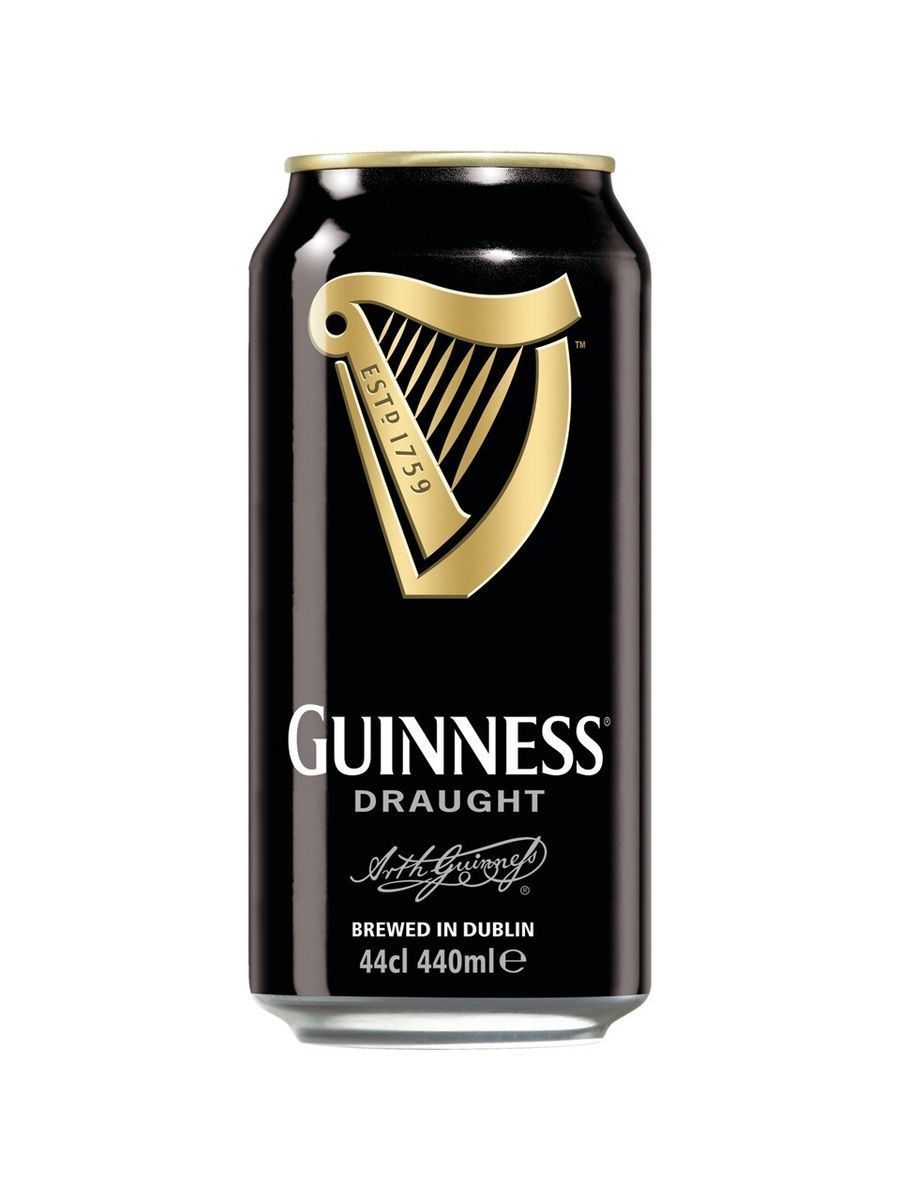
Guinness Draught
#1 in this roundup
Beer profile

Guinness Draught

Brewed by Guinness

StyleNitro Dry Stout
ABV4.2%
Irish brewing moveNitrogen turns a dry roasted stout into Ireland's most recognizable pub pour
Brewed inDublin, Ireland

Light-bodied beneath the black color, with roasted barley, cocoa, gentle bitterness, and the famous cascading head.

BAR NOTES

Guinness Draught leads because it is not merely Ireland’s most famous beer; it is the reference point that taught much of the world how nitrogen changes stout. The creamy head softens roasted barley while the body stays remarkably light and dry.

The pub pour is still the ideal, but a cold can tipped decisively into a clean tulip works well. Pair it with oysters, beef stew, or sharp cheddar, and drink it fresh rather than treating a session stout like cellar stock.
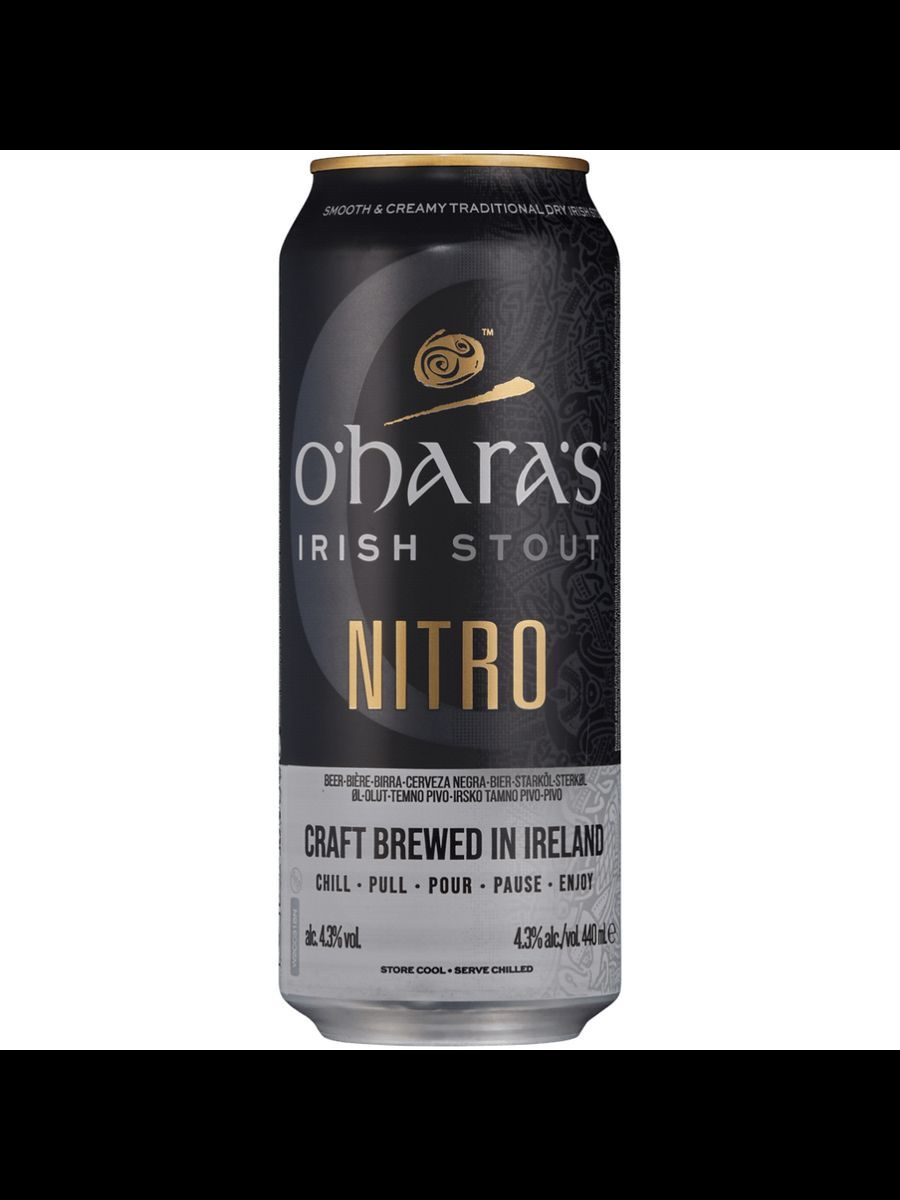
O'Hara's Irish Stout Nitro
#2 in this roundup
Beer profile

O'Hara's Irish Stout Nitro

Brewed by Carlow Brewing Company

StyleDry Irish Stout
ABV4.3%
Irish brewing moveFive grains and Fuggle hops give nitro stout a firmer espresso edge
Brewed inBagenalstown, County Carlow, Ireland

A fuller, hoppier modern dry stout with coffee, dark chocolate, and enough bitterness to reward a slow pint.

BAR NOTES

O’Hara’s gives the classic dry-stout idea more grain and hop definition. Five grains build coffee and dark chocolate depth, Fuggle hops add an earthy finish, and nitrogen rounds the texture without erasing the beer’s roasted snap.

Chill the can, pour hard, and let the cascade settle before tasting. Roast lamb, soda bread with mature cheddar, and chocolate cake all work, but the beer is balanced enough for an unaccompanied pub-length pint.
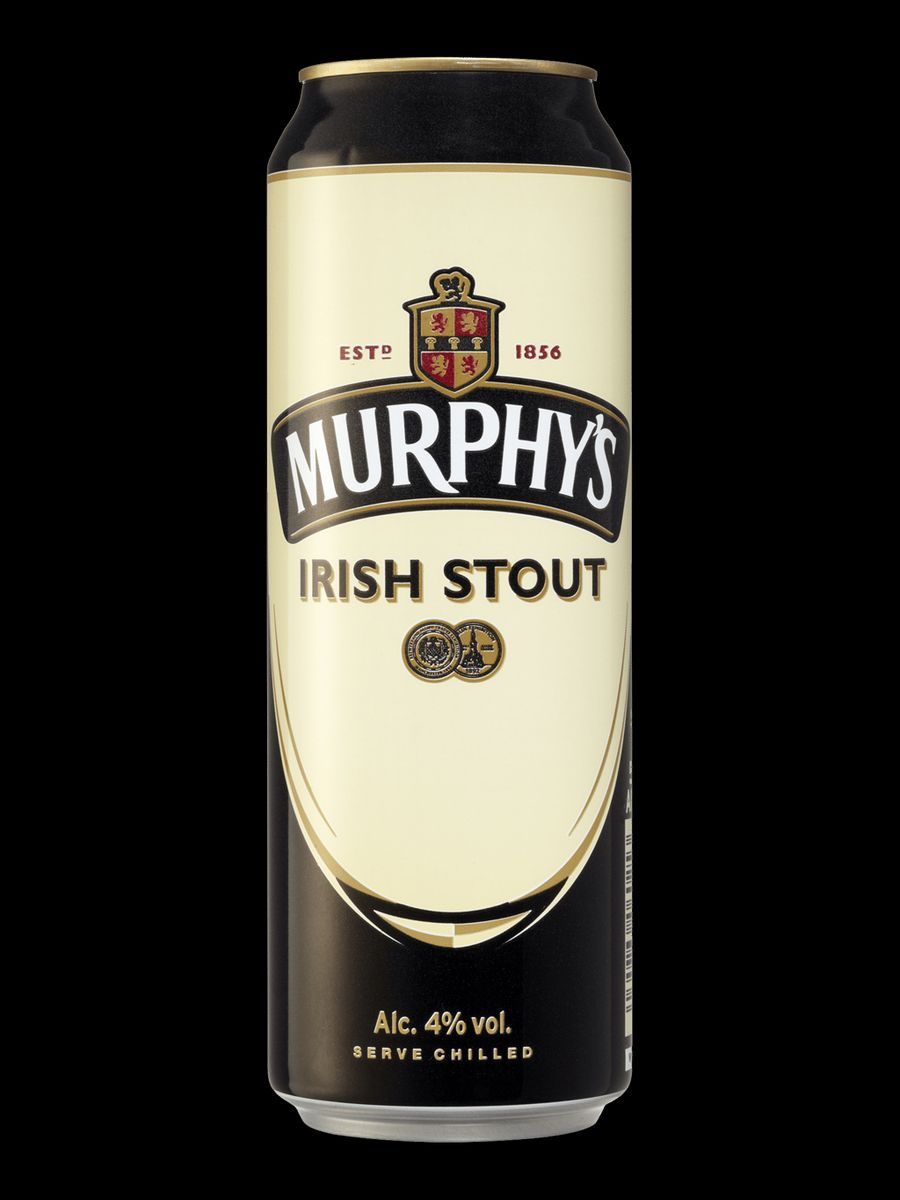
Murphy's Irish Stout
#3 in this roundup
Beer profile

Murphy's Irish Stout

Brewed by Murphy's Brewery

StyleDry Irish Stout
ABV4.0%
Irish brewing moveCork's softer stout tradition favors caramel and gentle coffee over sharp char
Brewed inCork, Ireland

Creamy, mild, and lightly sweet, with caramel malt, soft roast, and very little palate fatigue.

BAR NOTES

Murphy’s represents the gentler side of the Cork stout rivalry. Compared with sharper dry stouts, it emphasizes caramel, milk-chocolate impressions, and soft coffee, making the black pint look more intimidating than it actually drinks.

Serve it from nitro can or draft in a clean tulip and allow the head to form completely. It is excellent with shepherd’s pie, roast pork, or chocolate pudding, especially for drinkers who find aggressive roasted bitterness tiring.
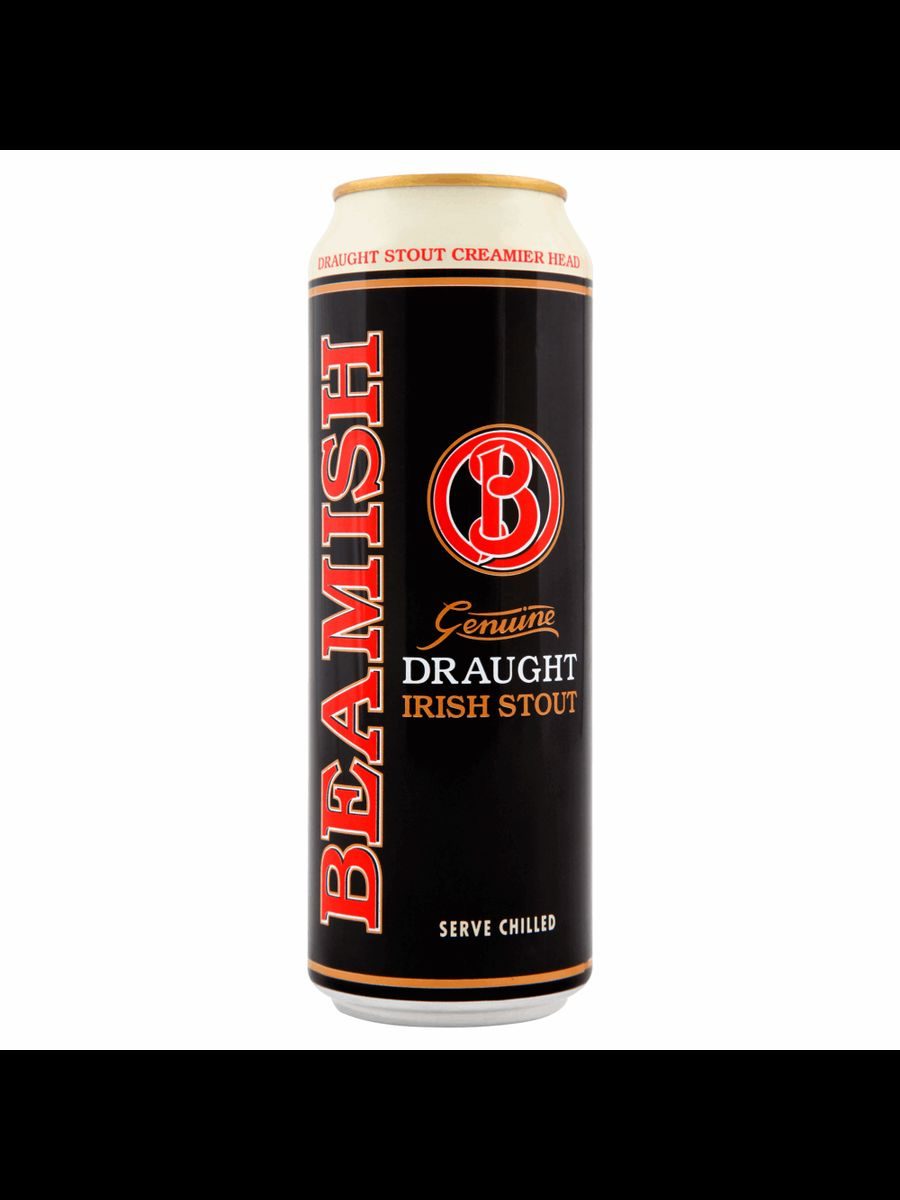
Beamish Irish Stout
#4 in this roundup
Beer profile

Beamish Irish Stout

Brewed by Beamish & Crawford

StyleDry Irish Stout
ABV4.1%
Irish brewing moveFirm roast and dark chocolate make Cork's other stout the bitter counterpoint
Brewed inCork, Ireland

A compact, roasty pint with cocoa, coffee, grain, and a distinctly dry finish beneath the nitro cream.

BAR NOTES

Beamish brings more roasted grain and dark chocolate than its softer Cork neighbor, giving stout drinkers a useful three-way comparison with Murphy’s and Guinness. Its modest strength lets the roast stay forceful without turning heavy.

A fresh pub pour in Cork is the dream, while the can needs a confident full pour to wake the nitrogen. Pair it with a beef-and-stout pie, smoked fish, or farmhouse cheddar and keep the serving temperature cool, not icy.
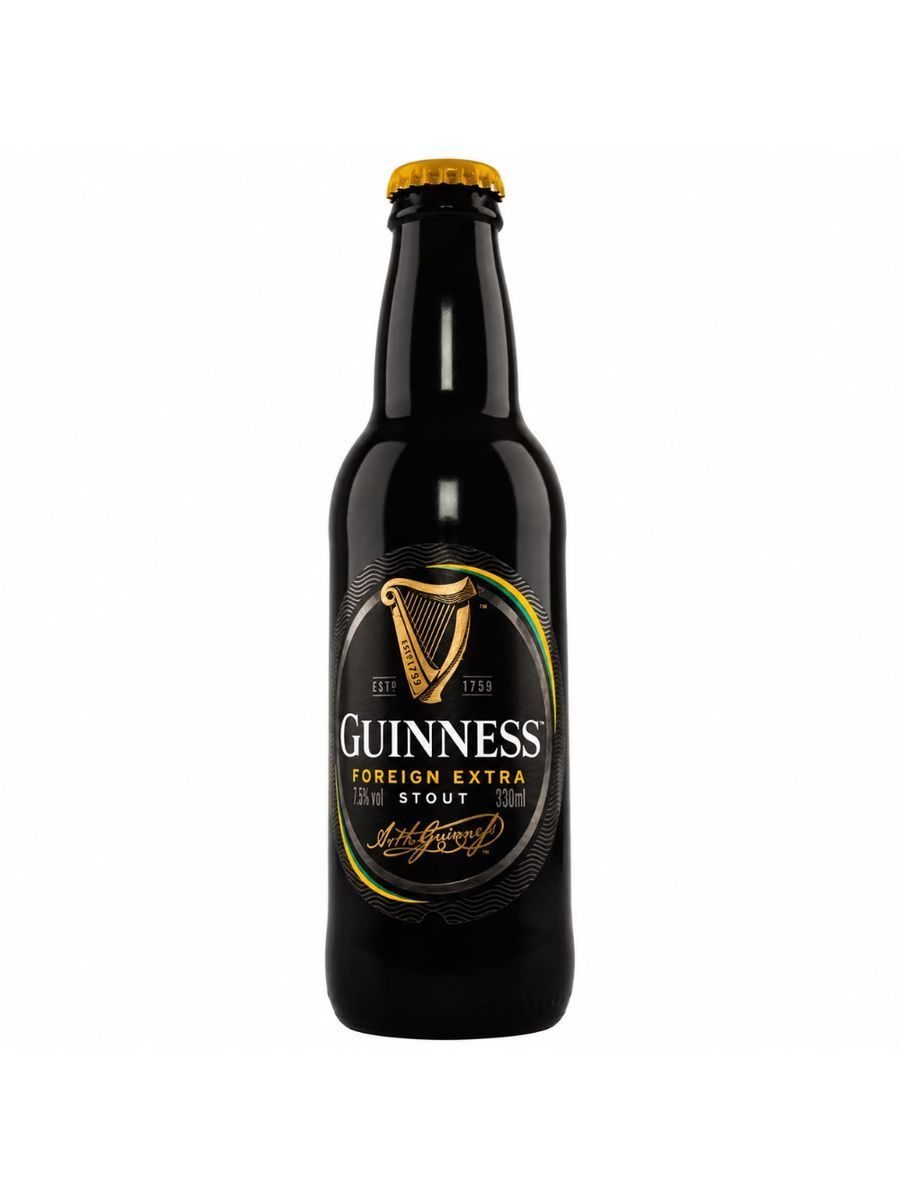
Guinness Foreign Extra Stout
#5 in this roundup
Beer profile

Guinness Foreign Extra Stout

Brewed by Guinness

StyleForeign Extra Stout
ABV7.5%
Irish brewing moveExport strength reveals the darker, fruitier branch of the Guinness family
Brewed inDublin, Ireland

Dark chocolate, caramel, dried fruit, and assertive roast make this far more muscular than Draught.

BAR NOTES

Foreign Extra Stout shows that Guinness is a family, not one creamy pub pint. Built at export strength, it carries dark chocolate, burnt sugar, dried fruit, and a firm bitterness that recalls the historic need to survive long journeys.

Skip the ice-cold nitro ritual and serve this bottle around 48–52°F in a tulip. Jerk chicken, braised beef, blue cheese, and dense chocolate cake can meet its intensity; smaller pours make the 7.5% strength easier to respect.
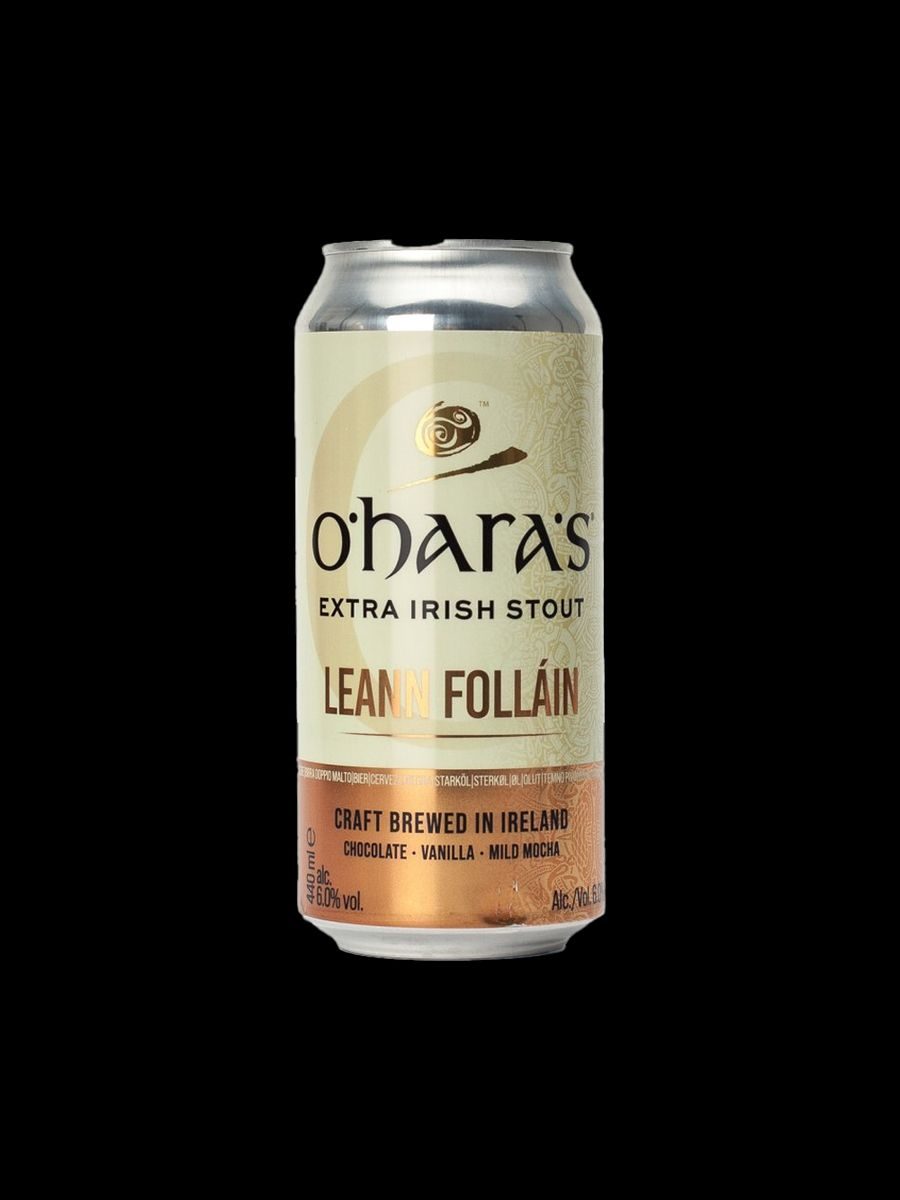
O'Hara's Leann Folláin
#6 in this roundup
Beer profile

O'Hara's Leann Folláin

Brewed by Carlow Brewing Company

StyleExtra Irish Stout
ABV6.0%
Irish brewing moveChocolate malt and old-world hops turn Irish stout into a richer winter pint
Brewed inBagenalstown, County Carlow, Ireland

Mocha, vanilla, biscuit, and spicy bitterness give O'Hara's dry-stout logic more muscle.

BAR NOTES

Leann Folláin—Irish for wholesome stout—sits neatly between sessionable dry stout and imperial excess. Chocolate malt expands the mocha and biscuit middle while traditional hops keep the finish spicy, bitter, and ready for another sip.

Pour it around 48°F and let the glass warm slowly. It pairs with roast beef, mushroom pie, walnut bread, or aged Gouda; unlike nitro stout, its carbonation and stronger malt are best explored in a smaller stemmed glass.
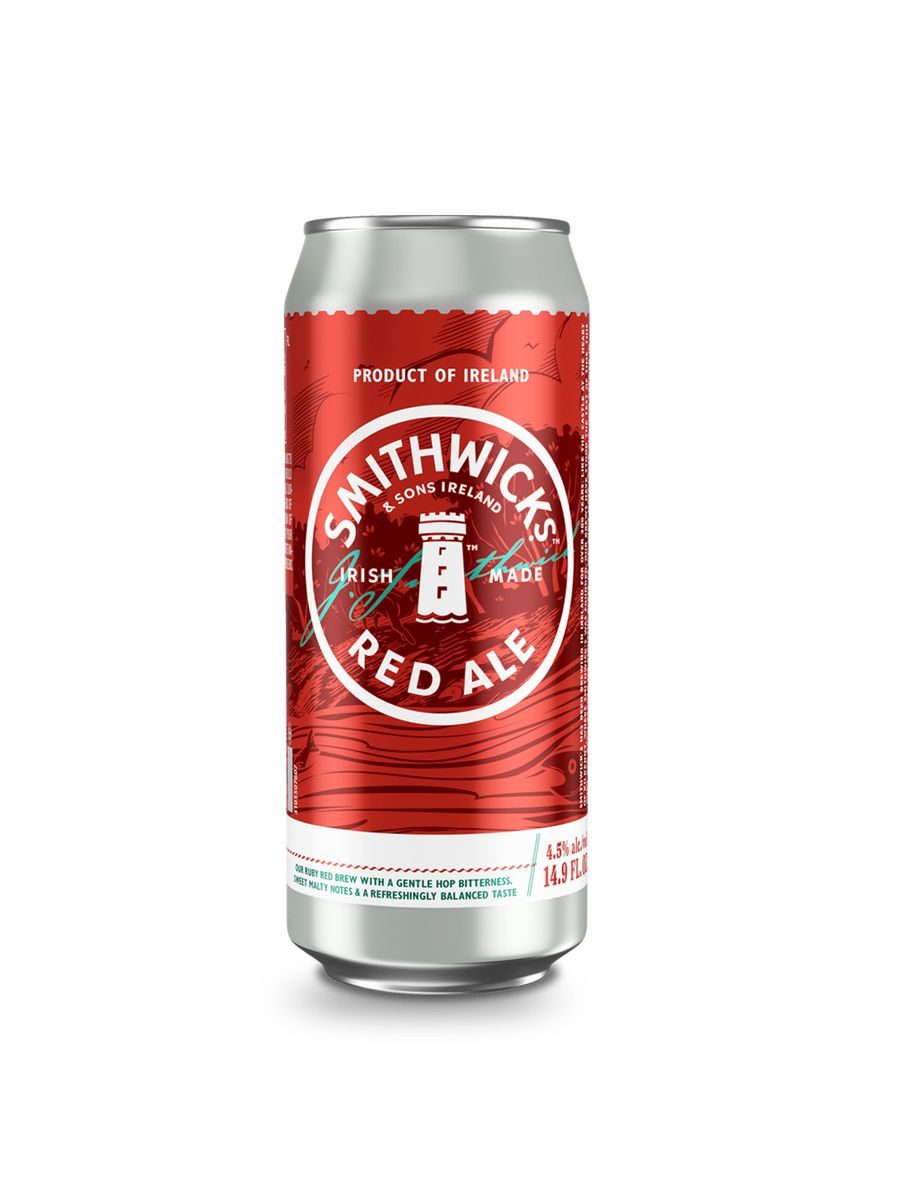
Smithwick's Red Ale
#7 in this roundup
Beer profile

Smithwick's Red Ale

Brewed by Smithwick's

StyleIrish Red Ale
ABV4.5%
Irish brewing moveToasty malt and restrained bitterness define the classic Irish red lane
Brewed inKilkenny, Ireland

Ruby color, caramel, biscuit, and a dry roasted edge make this Ireland's essential red-ale baseline.

BAR NOTES

Smithwick’s is the everyday Irish red that explains the style without a lecture. Pale and caramel malts build toast and light toffee, a small roasted-grain touch supplies color and dryness, and restrained hops keep the finish balanced.

Serve it around 42–46°F in a pint glass with roast chicken, sausages, or mature cheddar. It is more revealing beside a modern hoppy red than alone, because the comparison shows how quietly the classic version handles bitterness.
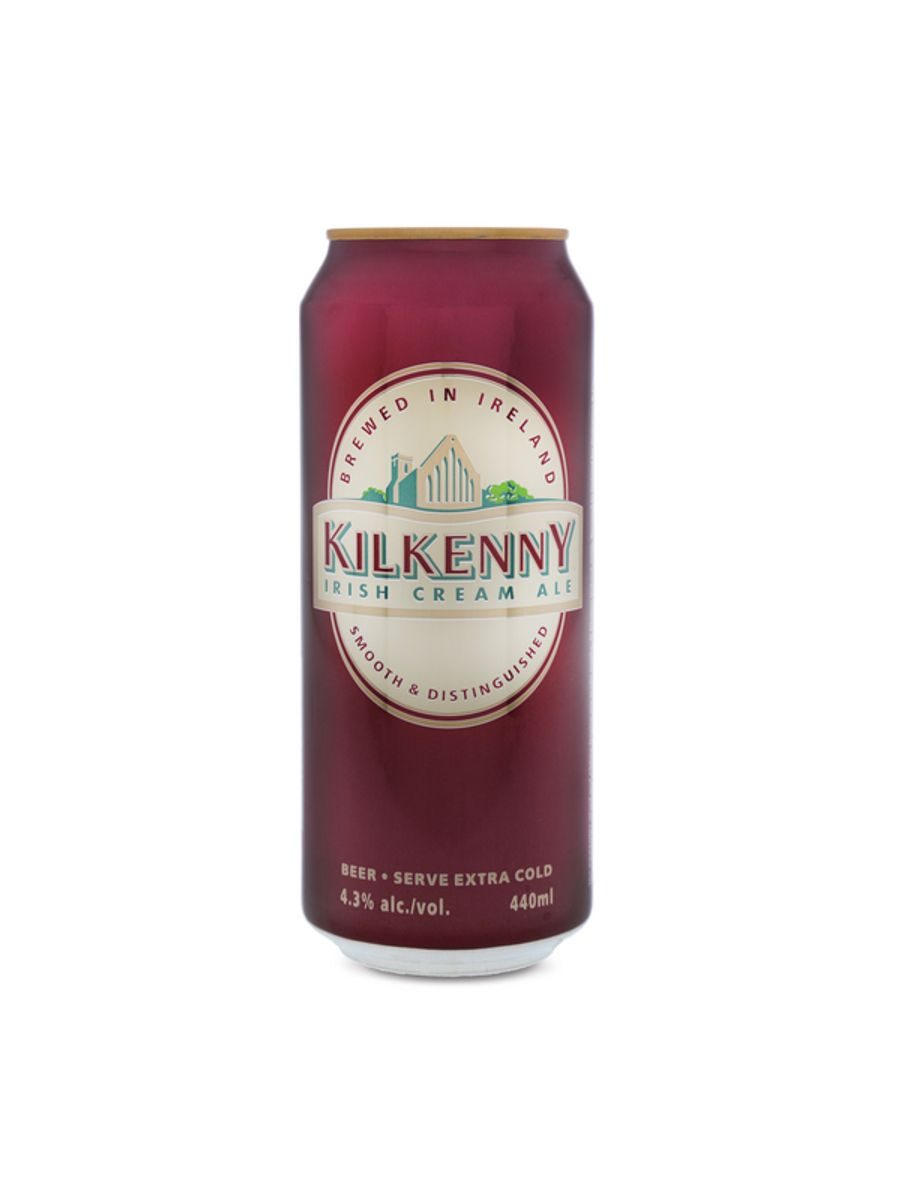
Kilkenny Irish Cream Ale
#8 in this roundup
Beer profile

Kilkenny Irish Cream Ale

Brewed by Guinness

StyleNitro Irish Red / Cream Ale
ABV4.3%
Irish brewing moveNitrogen gives red ale the cascading texture usually associated with stout
Brewed inKilkenny, Ireland

Copper malt, light fruit, gentle coffee, and a creamy head make an unusually soft red pint.

BAR NOTES

Kilkenny takes the red-ale family and applies the nitrogen trick associated with Guinness. The result is copper rather than black, with caramel, raisin-like fruit, and faint coffee carried by a low-carbonation, cream-textured pour.

Pour the entire can into a clean glass and wait for the cascade before judging it. A pub lunch, roast pork, or nutty cheese suits the mild malt; serve cool enough for refreshment but not so cold that the fruit disappears.
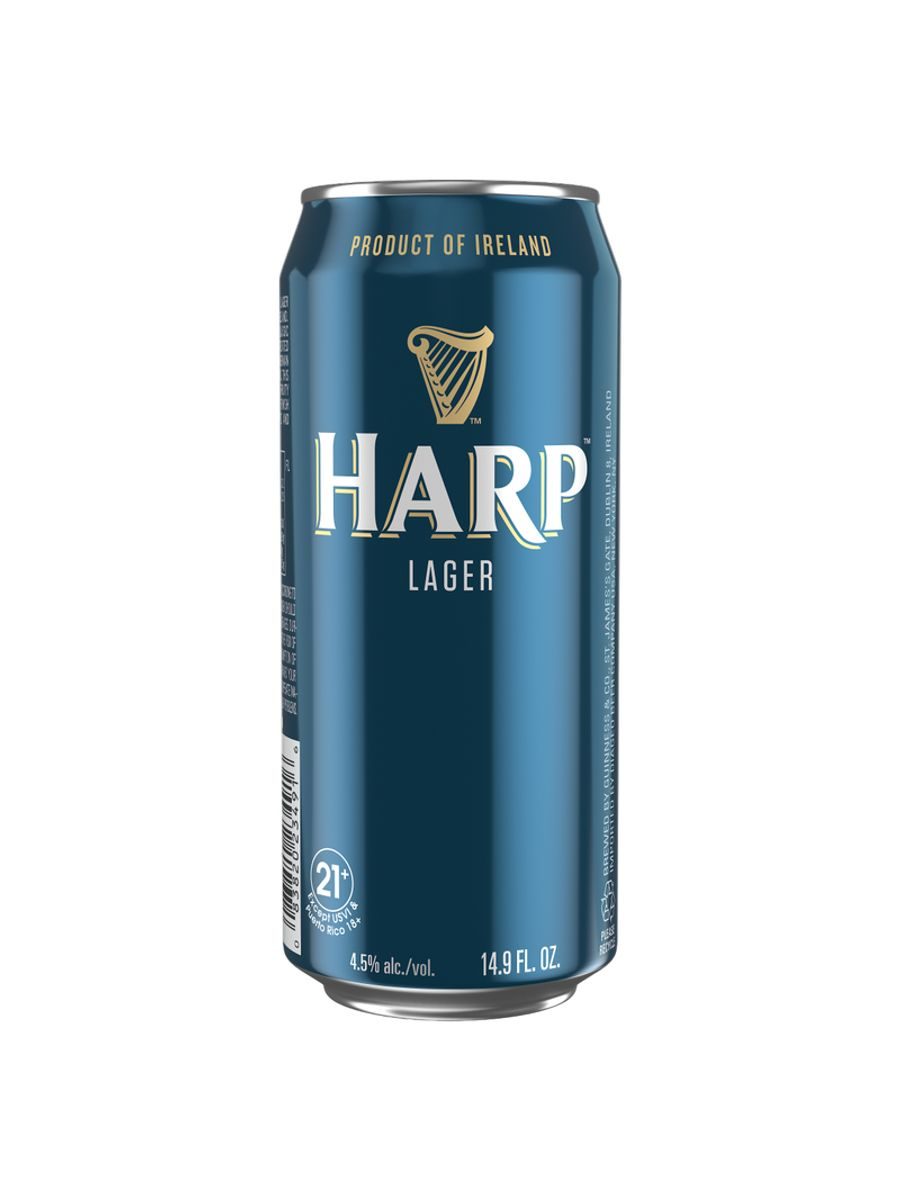
Harp Lager
#9 in this roundup
Beer profile

Harp Lager

Brewed by Harp Brewery

StyleIrish Pale Lager
ABV4.5%
Irish brewing moveA crisp golden counterweight to Ireland's dark and red pub standards
Brewed inDundalk, Ireland

Grainy malt, light floral hops, and a dry finish make the familiar Irish lager an easy reset.

BAR NOTES

Harp matters because Irish beer culture has never been exclusively black. The Dundalk-born lager is pale, lightly grainy, and brisk, offering a clean alternative when stout or red ale feels too rich and a useful base for the traditional half-and-half pour.

Serve it properly cold in a tall glass with fish and chips, shellfish, or salty crisps. Freshness matters more than ceremony: lager kept cold and turned quickly will show cleaner malt and less papery oxidation than a forgotten import pack.
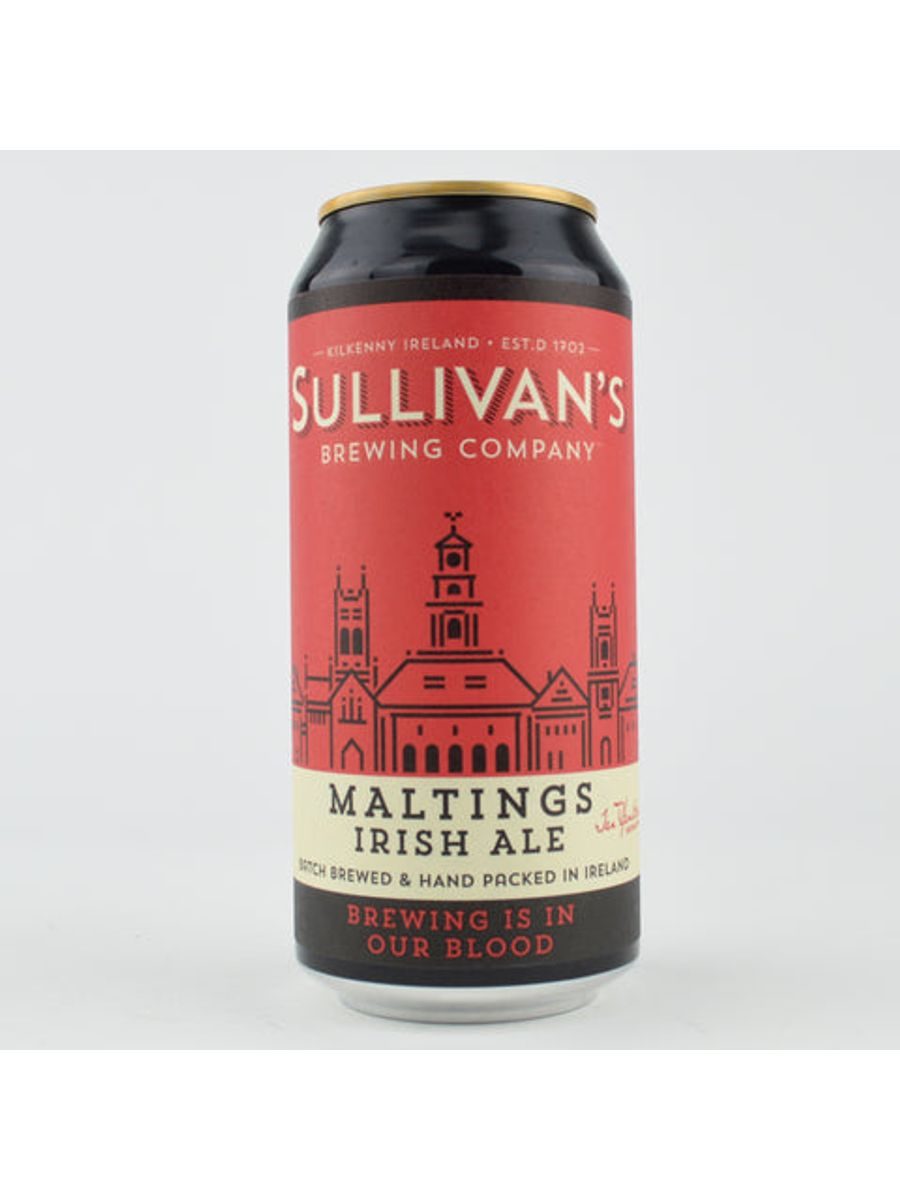
Sullivan's Maltings Irish Ale
#10 in this roundup
Beer profile

Sullivan's Maltings Irish Ale

Brewed by Sullivan's Brewing Company

StyleIrish Red Ale
ABV5.0%
Irish brewing moveA revived Kilkenny brewing name builds red ale around biscuit and balanced hops
Brewed inKilkenny, Ireland

Caramelized malt, biscuit, light fruit, and a cleaner modern finish give heritage branding real substance.

BAR NOTES

Sullivan’s reconnects Kilkenny with a brewing family name that predates the modern craft boom. Maltings Irish Ale keeps the traditional red-ale center—biscuit, caramel, and toast—but gives it enough hop lift and dryness to avoid nostalgia in liquid form.

A nonic pint around 44–46°F is ideal. Pair it with lamb stew, grilled sausages, or an Irish cheddar sandwich, and compare it directly with Smithwick’s to taste how two Kilkenny reds handle malt sweetness and finish.
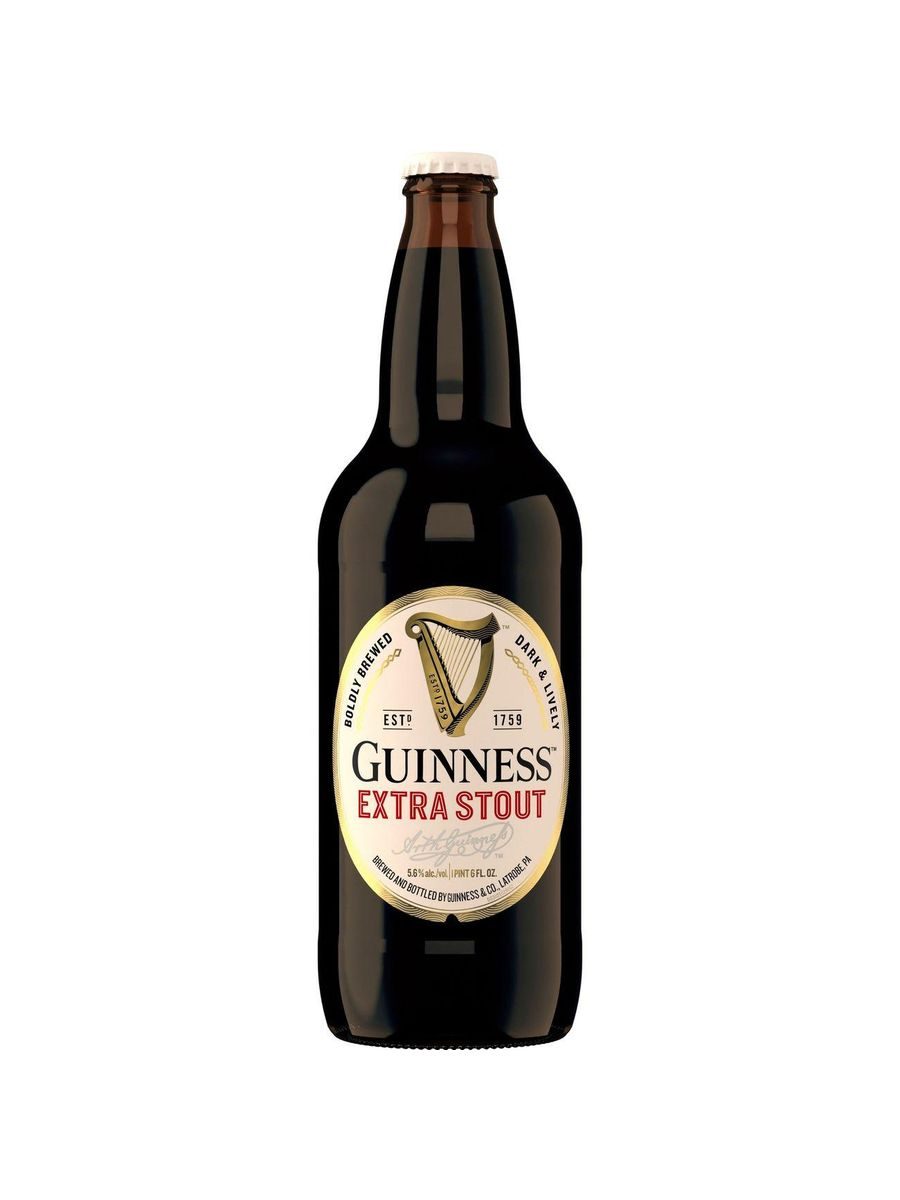
Guinness Extra Stout
#11 in this roundup
Beer profile

Guinness Extra Stout

Brewed by Guinness

StyleIrish Extra Stout
ABV5.6%
Irish brewing moveBottle conditioning history and sharper carbonation reveal Guinness without nitrogen
Brewed inDublin, Ireland

Roasted barley, coffee, dark fruit, and lively carbonation make a firmer, more traditional Guinness expression.

BAR NOTES

Extra Stout is the bridge between creamy Draught and powerful Foreign Extra. Without the same nitro softness, carbonation sharpens roasted barley and brings coffee, dark fruit, and bitterness forward, revealing how much the serving format changes a familiar recipe family.

Use a tulip around 46–48°F rather than trying to recreate a nitro pint. It handles grilled beef, oysters, and aged cheddar well. Check the exact market label and ABV, because Guinness Extra Stout specifications vary internationally.
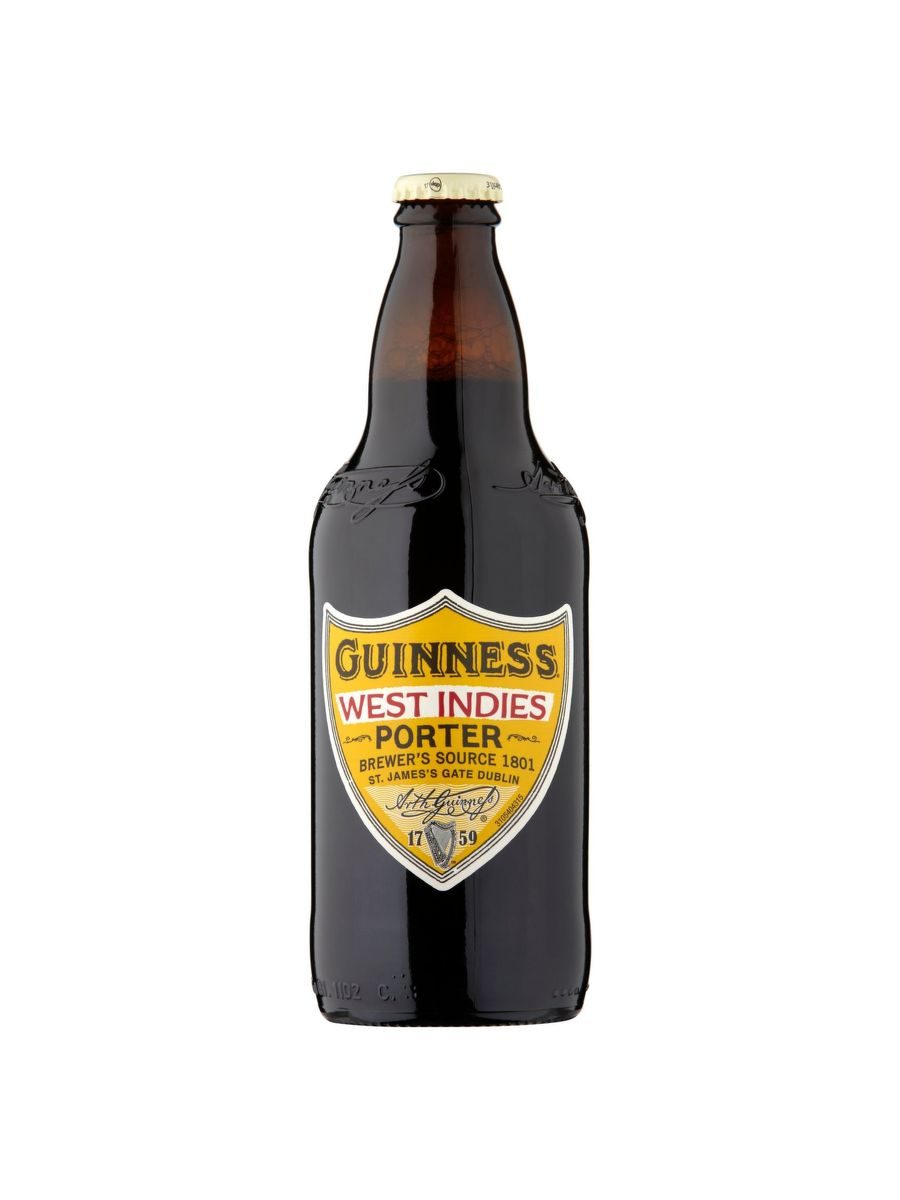
Guinness West Indies Porter
#12 in this roundup
Beer profile

Guinness West Indies Porter

Brewed by Guinness

StyleIrish Porter
ABV6.0%
Irish brewing moveAn 1801-inspired recipe brings hops, toffee, and chocolate back to porter
Brewed inDublin, Ireland

Mellow chocolate and toffee meet a firmer hop presence in Guinness's historical-recipe revival.

BAR NOTES

West Indies Porter draws on a Guinness recipe created for export in 1801, before stout became the company’s only public identity. The modern bottle uses chocolate, toffee, and noticeable hops to show the porter side of Dublin’s brewing history.

Serve it around 48°F with beef stew, roast duck, or chocolate bread pudding. Historical branding does not make an old bottle desirable; buy from a shop with good turnover so hop and malt definition have not flattened during storage.
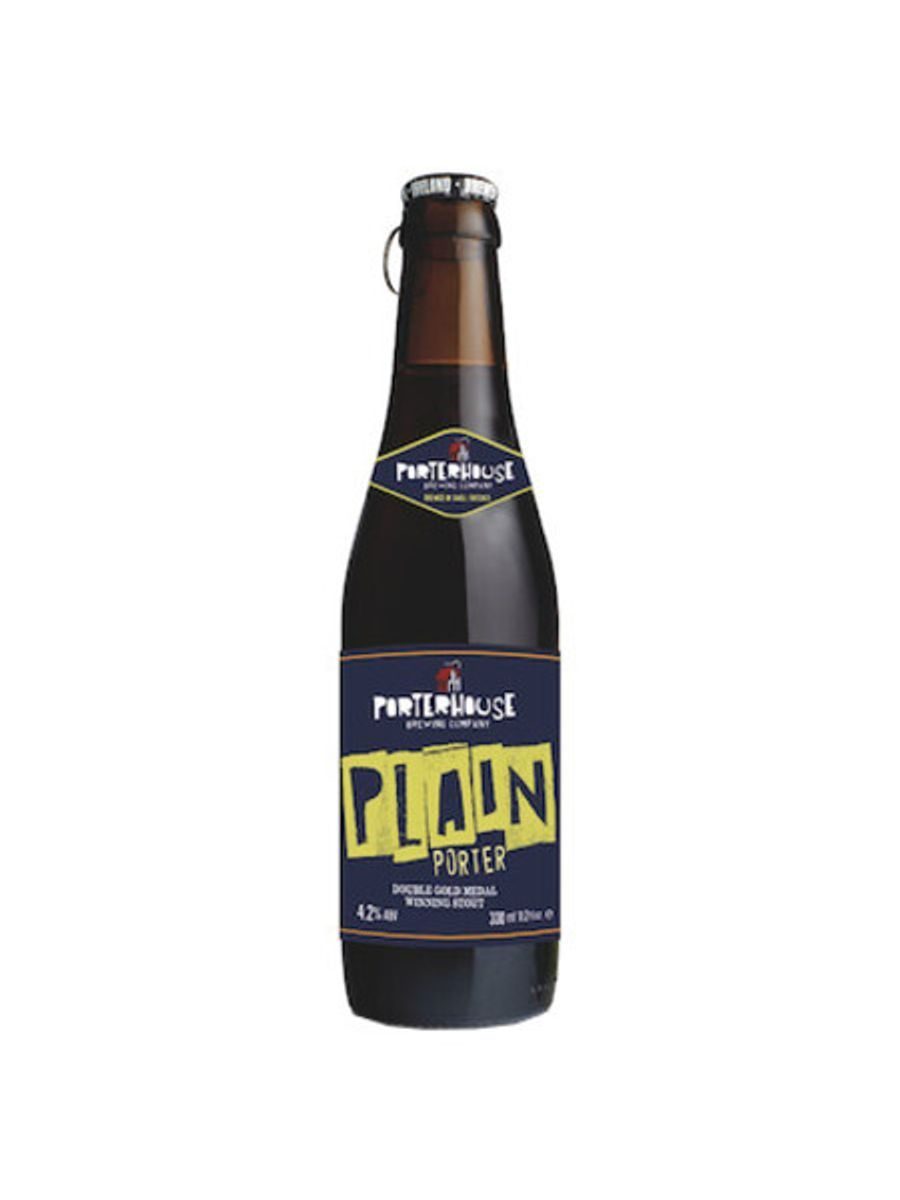
Porterhouse Plain Porter
#13 in this roundup
Beer profile

Porterhouse Plain Porter

Brewed by The Porterhouse Brew Co.

StyleNitro Irish Porter
ABV4.2%
Irish brewing moveA modern Dublin brewpub kept the historic word porter on the tap badge
Brewed inDublin, Ireland

Dry roast, cocoa, and creamy nitrogen prove the stout–porter border is more conversation than wall.

BAR NOTES

Plain became a signature of Dublin’s early craft-pub revival by refusing to pretend Guinness owned every black pint. The beer is dry, roasted, and served with nitro softness, while its name deliberately keeps porter and stout history tangled together.

Order it on draft when possible and let the head settle. It belongs beside oysters, beef-and-ale pie, or brown bread with smoked salmon; the moderate strength makes it a better pub-session choice than the color might suggest.
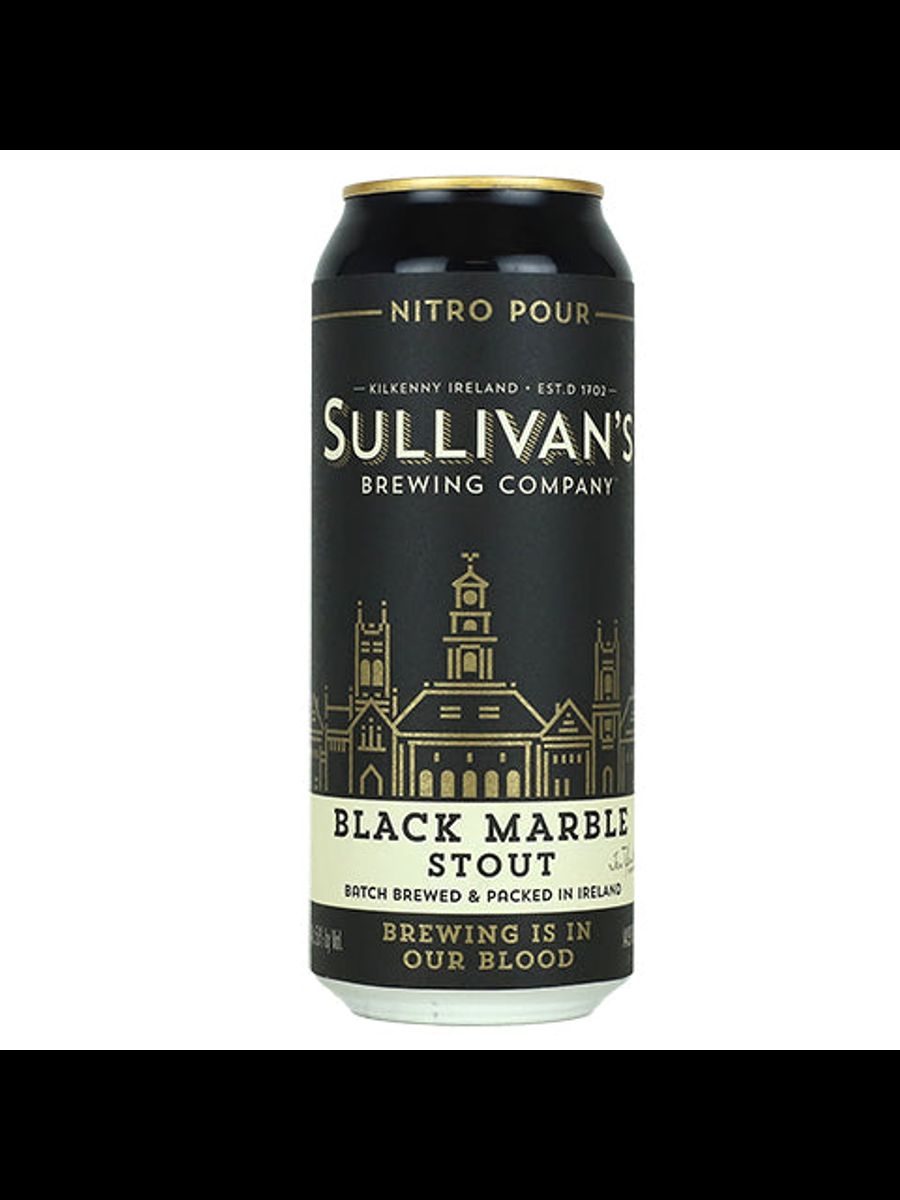
Sullivan's Black Marble Stout
#14 in this roundup
Beer profile

Sullivan's Black Marble Stout

Brewed by Sullivan's Brewing Company

StyleNitro Irish Dry Stout
ABV5.1%
Irish brewing moveA stronger nitro pint keeps dark fruit and hops visible beneath the cream
Brewed inKilkenny, Ireland

Roast coffee, dark fruit, and balancing bitterness give the silky body more structure than expected.

BAR NOTES

Black Marble pushes nitro stout beyond the lightest session range. Extra strength brings dark fruit and fuller malt alongside coffee roast, while the creamy presentation keeps the beer approachable and connects Kilkenny’s revived brewing identity to Ireland’s black-pint tradition.

Serve from draft or a properly poured nitro can around 44–46°F. It pairs with roast lamb, blue cheese, or dark chocolate, and its slightly higher strength makes one deliberate pint more rewarding than a very cold rushed one.
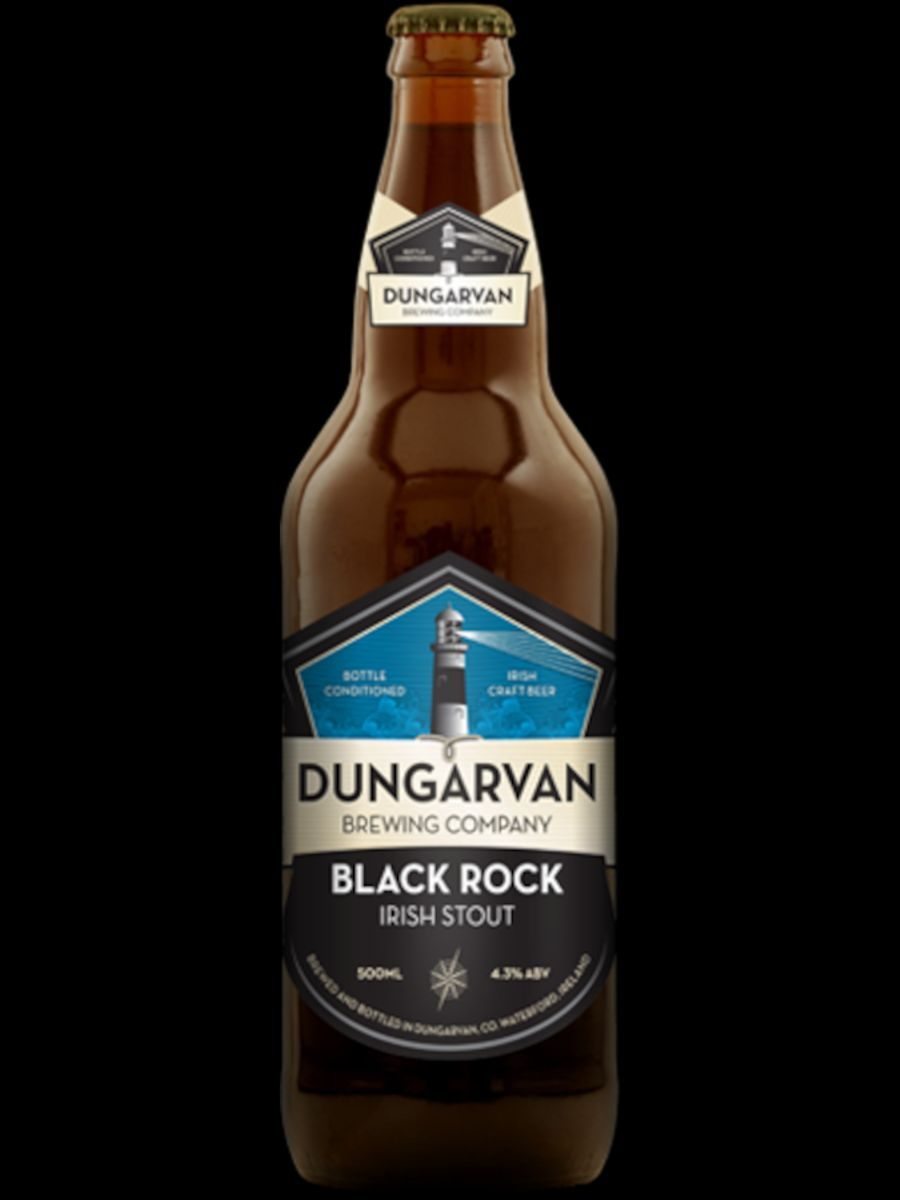
Dungarvan Black Rock Irish Stout
#15 in this roundup
Beer profile

Dungarvan Black Rock Irish Stout

Brewed by Dungarvan Brewing Company

StyleBottle-Conditioned Irish Stout
ABV4.3%
Irish brewing moveBottle conditioning and no filtration replace nitro polish with living texture
Brewed inDungarvan, County Waterford, Ireland

Roasted barley, vanilla, anise, and firm bitterness make a distinctly southeastern dry stout.

BAR NOTES

Black Rock rejects the assumption that Irish stout must arrive smooth from nitrogen. Unfiltered and bottle-conditioned, it combines roasted grain with vanilla and anise-like detail, lively carbonation, and a more rustic texture than the national tap standards.

Pour carefully if you prefer to leave yeast sediment behind, or rouse it for a fuller bottle-conditioned experience. Smoked fish, farmhouse cheese, and roast beef work well; serve around 46°F so roast and fermentation character remain clear.

Rye River Nocturne Export Stout
#16 in this roundup
Beer profile

Rye River Nocturne Export Stout

Brewed by Rye River Brewing Company

StyleExport Stout
ABV6.0%
Irish brewing moveSmoke malt and Columbus hops give export stout modern architecture
Brewed inCelbridge, County Kildare, Ireland

Espresso, dark chocolate, and a trace of smoke ride a chewy body and firm American-hop finish.

BAR NOTES

Nocturne uses smoke malt and Columbus hops to make export stout feel current without turning it into pastry beer. Espresso and dark chocolate remain central, but a faint campfire edge and firmer bitterness give the 6% body real shape.

A tulip around 48–50°F shows the smoke without exaggerating it. Pair with barbecued beef, smoked cheddar, or flourless chocolate cake, and drink within a sensible window so the hop structure does not fade behind sweetness.

O'Hara's Irish Red Nitro
#17 in this roundup
Beer profile

O'Hara's Irish Red Nitro

Brewed by Carlow Brewing Company

StyleNitro Irish Red Ale
ABV4.3%
Irish brewing moveNitrogen turns caramel and biscuit into a creamier modern red ale
Brewed inBagenalstown, County Carlow, Ireland

Sweet caramel, nutty biscuit, and a small roasted-barley bite finish smoother than standard Irish red.

BAR NOTES

O’Hara’s Nitro Red uses the same cascading service theater as stout but keeps the glass ruby. Caramel and biscuit supply the center, roasted barley gives a dry edge, and nitrogen smooths the whole beer without making it bland.

Chill, pull, pour, pause, and let the head knit together before tasting. It fits roast pork, shepherd’s pie, or cheddar, while a side-by-side with O’Hara’s stout neatly shows what the same brewery does with red and black malt bills.

Galway Bay Of Foam & Fury
#18 in this roundup
Beer profile

Galway Bay Of Foam & Fury

Brewed by Galway Bay Brewery

StyleDouble IPA
ABV8.5%
Irish brewing moveA landmark Irish DIPA proved local craft could play at international hop volume
Brewed inOranmore, County Galway, Ireland

Mango, grapefruit, resin, and a sturdy malt base make Ireland's modern hop revolution impossible to miss.

BAR NOTES

Of Foam & Fury became a landmark because it announced that Irish craft beer would not remain confined to stout and red ale. The double IPA balances mango and citrus with resin, grapefruit pith, and enough malt to carry its 8.5% strength.

Drink the freshest can available around 44–46°F. Glazed pork, blue cheese, or a sharp curry can stand beside it, but old stock quickly loses the hop aroma that justifies the beer’s rank and reputation.

Galway Bay Althea
#19 in this roundup
Beer profile

Galway Bay Althea

Brewed by Galway Bay Brewery

StyleHazy Session IPA
ABV4.8%
Irish brewing moveSoft grain and modern hops bring juicy session beer to the Galway core range
Brewed inOranmore, County Galway, Ireland

Mango, papaya, peach, and citrus arrive with low bitterness and a soft, easy body.

BAR NOTES

Althea shows Galway Bay working at the opposite end of the hop spectrum from Of Foam & Fury. Oats and a softer malt base support mango, papaya, peach, and citrus while the bitterness stays low enough for a full pint.

Keep it cold and drink it fresh in a tulip or IPA glass. Roast chicken, soft cheese, and fish tacos suit the fruit-forward profile; avoid storing it for a special occasion because haze and hop aroma reward immediacy.

Galway Bay Full Sail IPA
#20 in this roundup
Beer profile

Galway Bay Full Sail IPA

Brewed by Galway Bay Brewery

StyleAmerican IPA
ABV5.8%
Irish brewing moveClassic American hops keep an Irish core IPA crisp, resinous, and bitter
Brewed inOranmore, County Galway, Ireland

Citrus, flowers, pine, and grapefruit ride a biscuity base with a cleaner finish than modern haze.

BAR NOTES

Full Sail occupies the useful middle between session haze and double IPA. Columbus, Chinook, Cascade, and other American-hop cues deliver citrus, pine, and firm bitterness over a biscuity base, making it a reliable Irish interpretation of classic American IPA.

Serve around 44°F with burgers, spicy wings, or mature cheddar. This is a freshness-first beer: choose refrigerated cans, check the date, and drink before the bright hop oils turn into a dull generic bitterness.

Guinness Nitro Cold Brew Coffee
#21 in this roundup
Beer profile

Guinness Nitro Cold Brew Coffee

Brewed by Guinness

StyleNitro Coffee Stout
ABV4.0%
Irish brewing moveCold-brew flavor meets the familiar Guinness cascade at session strength
Brewed inDublin, Ireland

Coffee, cocoa, soft roast, and nitrogen create a lighter café-stout hybrid built for easy drinking.

BAR NOTES

Nitro Cold Brew Coffee is Guinness translating modern flavored stout into supermarket scale. It keeps the low strength and cascading texture of Draught, then raises coffee and cocoa so the pint lands closer to cold brew without becoming a heavy dessert.

Pour it hard from a well-chilled can and let the nitrogen settle. It works with brunch, chocolate biscuits, or vanilla ice cream, and it should be enjoyed fresh—coffee aroma is more fragile than the familiar roasted base.

Wicklow Wolf Elevation
#22 in this roundup
Beer profile

Wicklow Wolf Elevation

Brewed by Wicklow Wolf Brewing Company

StylePale Ale
ABV4.8%
Irish brewing moveJuicy pineapple and grapefruit bring mountain-branded refreshment without IPA weight
Brewed inNewtownmountkennedy, County Wicklow, Ireland

Bright citrus, pineapple, and a clean pale-malt finish make this a modern Irish everyday pale ale.

BAR NOTES

Elevation helped define Wicklow Wolf’s accessible core range by pairing pale-ale drinkability with pineapple and grapefruit hop character. It feels contemporary without chasing extreme haze, bitterness, or alcohol, which makes the beer useful beyond a tasting flight.

Serve fresh around 42–44°F with grilled chicken, fish tacos, or goat cheese. The brewery’s nature-first identity is memorable, but the practical buying rule is simpler: refrigerated cans and recent dates protect the fruit-forward aroma.

Wicklow Wolf Apex
#23 in this roundup
Beer profile

Wicklow Wolf Apex

Brewed by Wicklow Wolf Brewing Company

StyleOatmeal Stout
ABV6.5%
Irish brewing moveOats and roasted malt give independent Irish stout more body than the nitro classics
Brewed inNewtownmountkennedy, County Wicklow, Ireland

Dark chocolate, coffee, oats, and a fuller body place Apex between pub stout and imperial territory.

BAR NOTES

Apex demonstrates how Irish stout expands when oats and extra strength replace the lightest nitro blueprint. The body is fuller, the roast carries more chocolate and coffee, and the smoothness comes from grain rather than serving gas alone.

A tulip around 48°F reveals the oatmeal texture best. Pair it with braised beef, chocolate cake, or blue cheese, and let it warm gradually; refrigerator temperature hides the layered malt that separates Apex from session stout.

Rascals Happy Days
#24 in this roundup
Beer profile

Rascals Happy Days

Brewed by Rascals Brewing Company

StyleSession Pale Ale
ABV4.1%
Irish brewing moveA Dublin session pale ale packs tropical aroma into pub-friendly strength
Brewed inInchicore, Dublin, Ireland

Mango, passionfruit, orange, and melon sit over a small caramel backbone with an easy finish.

BAR NOTES

Happy Days earns its name by keeping modern tropical hops at a genuinely sessionable 4.1%. Mango, passionfruit, orange, and melon remain vivid, while a touch of caramel malt prevents the beer from feeling thin or like hop-flavored sparkling water.

Drink it straight from the freshest cold can you can find, preferably in a tulip around 42°F. Pizza, picnic sandwiches, and mild curry all fit, making it one of the board’s easiest crowd beers.

Rascals Yankee White IPA
#25 in this roundup
Beer profile

Rascals Yankee White IPA

Brewed by Rascals Brewing Company

StyleWhite IPA
ABV5.0%
Irish brewing moveBelgian witbier spice and American hops meet in a distinctly Dublin hybrid
Brewed inInchicore, Dublin, Ireland

Citrus, peach, orange peel, soft wheat, and yeast spice finish crisp rather than heavy.

BAR NOTES

Yankee White combines the soft wheat and peppery citrus of Belgian witbier with the punchier aroma of American IPA. That hybrid gives Rascals more than another hazy can: yeast spice and orange peel remain visible beneath Citra and Amarillo.

Serve around 44°F in a tulip with seafood, goat cheese, or coriander-spiced chicken. Freshness protects the hops, while a gentle pour leaves enough yeast in the can if you prefer a slightly clearer first glass.

Kinnegar Scraggy Bay
#26 in this roundup
Beer profile

Kinnegar Scraggy Bay

Brewed by Kinnegar Brewing

StyleIndia Pale Ale
ABV5.3%
Irish brewing moveDonegal's Yellowcap balances grapefruit and pine with a proper copper malt base
Brewed inLetterkenny, County Donegal, Ireland

Resin, citrus, and light caramel lead to a clean bitter finish with old-school IPA backbone.

BAR NOTES

Scraggy Bay is Kinnegar’s balanced coastal IPA, known as Yellowcap in the brewery’s color-coded family. Grapefruit and pine sit over a copper-toned malt base, giving it more structure than a soft modern juice beer without becoming punishing.

Drink it fresh around 44°F with fish and chips, burgers, or a strong cheddar. The Donegal maritime artwork is worth admiring, but the date matters more: resin and citrus flatten quickly when cans sit warm.

Kinnegar Rustbucket
#27 in this roundup
Beer profile

Kinnegar Rustbucket

Brewed by Kinnegar Brewing

StyleRye IPA
ABV5.1%
Irish brewing moveRye malt adds peppery grain spice beneath Donegal citrus hops
Brewed inLetterkenny, County Donegal, Ireland

Orange, grapefruit, rye spice, and a dry bitter finish make this more angular than standard pale ale.

BAR NOTES

Rustbucket uses rye malt to give IPA a different kind of bite. The grain contributes pepper and dry bread beneath citrusy hops, creating a beer whose sharpness comes from both malt and bitterness rather than a larger hop bill alone.

Serve around 44–46°F with pastrami, grilled sausages, or mature cheese. Rye’s spice becomes clearer as the beer warms slightly, while the hop aroma still benefits from a fresh can and reliable cold storage.

Kinnegar Limeburner
#28 in this roundup
Beer profile

Kinnegar Limeburner

Brewed by Kinnegar Brewing

StylePale Ale
ABV4.7%
Irish brewing moveA light Donegal pale ale keeps citrus hops brisk and coastal-pub friendly
Brewed inLetterkenny, County Donegal, Ireland

Lemon, grapefruit, biscuit, and a crisp hoppy accent make Limeburner a bright all-rounder.

BAR NOTES

Limeburner is Kinnegar at its most straightforward: a light pale ale with biscuit malt, citrus aroma, and enough hop bitterness to stay lively. That restraint makes the beer a better measure of brewing precision than a novelty adjunct release.

Pour it cool into a pint glass with fried seafood, chicken, or a simple cheese plate. It is built for freshness and repeat drinking, not aging, so choose a recent can and save the cellar space for stronger beer.

Kinnegar Devil's Backbone
#29 in this roundup
Beer profile

Kinnegar Devil's Backbone

Brewed by Kinnegar Brewing

StyleAmber Ale
ABV4.9%
Irish brewing moveContemporary amber ale gives Irish red malt a brighter citrus undercurrent
Brewed inLetterkenny, County Donegal, Ireland

Caramel, spice, orange, and faint chocolate create a fuller Donegal answer to traditional red ale.

BAR NOTES

Devil’s Backbone treats amber ale as more than a sweeter pale. Caramel and faint chocolate give it red-ale depth, while citrus and spice keep the finish modern, making it a useful bridge between Smithwick’s tradition and Irish craft experimentation.

Serve around 46°F with roast pork, lamb burgers, or washed-rind cheese. The malt becomes rounder as it warms, but the can should still be fresh enough for the hop undercurrent to remain more than background bitterness.

Whiplash Northern Lights
#30 in this roundup
Beer profile

Whiplash Northern Lights

Brewed by Whiplash Beer

StyleMicro IPA
ABV2.8%
Irish brewing moveMosaic and Vic Secret deliver full hop aroma at genuinely low alcohol
Brewed inBallyfermot, Dublin, Ireland

Mango, citrus, oats, and soft haze make 2.8% feel complete rather than compromised.

BAR NOTES

Northern Lights is one of the board’s cleverest technical beers because 2.8% IPA often tastes like absence. Vienna malt, oats, wheat, expressive yeast, and heavy Mosaic and Vic Secret hopping create body and aroma without pretending the alcohol is higher.

Drink it extremely fresh around 40–42°F with lunch, spicy noodles, or a long afternoon that still needs a clear ending. Its low strength is the point, but age will strip away the hop saturation that makes the trick convincing.

Whiplash Body Riddle
#31 in this roundup
Beer profile

Whiplash Body Riddle

Brewed by Whiplash Beer

StylePale Ale
ABV4.5%
Irish brewing moveBright citrus and tropical hops make a compact pale ale feel saturated
Brewed inBallyfermot, Dublin, Ireland

Pineapple, passionfruit, citrus, and a soft grain bill deliver modern hop aroma without DIPA weight.

BAR NOTES

Body Riddle captures Whiplash’s ability to make a small pale ale feel saturated. Citrus, pineapple, and passionfruit rise over a soft base, yet the 4.5% beer finishes clean enough to remain a pint rather than a tasting-room stunt.

A fresh can at 42–44°F belongs with pizza, spicy chicken, or soft cheese. Do not hoard the striking artwork; hops are the actual collectible here, and they are steadily disappearing from the moment the can is packaged.

Whiplash Rollover
#32 in this roundup
Beer profile

Whiplash Rollover

Brewed by Whiplash Beer

StyleSession IPA
ABV3.8%
Irish brewing moveCitra, Mosaic, Simcoe, and Ekuanot crowd a fluffy low-strength IPA
Brewed inBallyfermot, Dublin, Ireland

Juicy citrus and tropical fruit ride wheat and oats with enough bitterness to keep the finish moving.

BAR NOTES

Rollover uses a large modern hop quartet over pale malt, Vienna, wheat, and oats to make 3.8% feel plush rather than watery. It is hazy and juicy, but a modest bitter edge prevents the soft body from becoming sweet.

Serve it around 42°F with tacos, burgers, or a sharp goat cheese. Like Northern Lights, it is designed for immediate drinking; a cold, recent can will outperform an older rare one every time.

Trouble Brewing Ambush
#33 in this roundup
Beer profile

Trouble Brewing Ambush

Brewed by Trouble Brewing

StyleJuicy Pale Ale
ABV5.0%
Irish brewing moveIrish malt, oats, and modern hops build a tropical flagship pale ale
Brewed inKill, County Kildare, Ireland

Pineapple, mango, candied lemon, and melon arrive over a soft but properly balanced base.

BAR NOTES

Ambush became Trouble’s flagship by translating New England pale-ale ideas into a reliable Irish core beer. Oats soften the body while Mosaic, El Dorado, and Citra build pineapple, mango, lemon, and melon without abandoning balance.

Drink it fresh at 42–44°F with Thai curry, grilled chicken, or a citrusy salad. The slightly hazy pour is intentional; protect it from warmth and time, the two enemies most likely to turn tropical aroma into ordinary bitterness.

Trouble Brewing Dark Arts
#34 in this roundup
Beer profile

Trouble Brewing Dark Arts

Brewed by Trouble Brewing

StylePorter
ABV4.4%
Irish brewing moveChocolate porter malt gets a small modern hop lift instead of nitro softness
Brewed inKill, County Kildare, Ireland

Cocoa, coffee, gentle sweetness, and a fresh hoppy edge make a compact contemporary Irish porter.

BAR NOTES

Dark Arts is a medium-bodied porter that keeps chocolate and coffee clear while allowing a small hoppy freshness through the finish. It is neither a Guinness imitation nor an imperial dessert, which makes its restraint valuable on this board.

Serve around 46°F in a nonic pint with grilled sausages, mushrooms, or chocolate biscuits. Its modest strength suits a full serving, and a fresh can preserves the hop lift that separates it from a softer traditional black pint.

The White Hag Little Fawn
#35 in this roundup
Beer profile

The White Hag Little Fawn

Brewed by The White Hag Irish Brewing Company

StyleSession IPA
ABV4.2%
Irish brewing moveA myth-branded Sligo session IPA keeps citrus and tropical hops light on its feet
Brewed inBallymote, County Sligo, Ireland

Grapefruit, tropical fruit, pale malt, and brisk bitterness make a reliable low-strength hop fix.

BAR NOTES

Little Fawn is White Hag’s approachable counterweight to its mythic strong beers. Citrus and tropical hops remain vivid at session strength, while the body stays lean enough for a full pint and a second look at the label’s Irish folklore.

Serve fresh around 42°F with fish tacos, fried chicken, or mild blue cheese. This is not a cellar beer; choose the newest can available and keep it cold so aroma, not just bitterness, survives the journey.

The White Hag Black Boar
#36 in this roundup
Beer profile

The White Hag Black Boar

Brewed by The White Hag Irish Brewing Company

StyleImperial Oatmeal Stout
ABV10.2%
Irish brewing moveOats turn Irish roast into a myth-sized imperial stout
Brewed inBallymote, County Sligo, Ireland

Dark chocolate, coffee, roasted malt, and a silky body show the heavyweight side of Sligo brewing.

BAR NOTES

Black Boar takes its name from Irish myth and gives the stout enough scale to match. Oats smooth a 10.2% body while coffee, dark chocolate, and roasted grain build intensity without needing a crowded pastry-shop ingredient list.

Pour 5–6 ounces around 52°F in a snifter and share the can. Barbecue, blue cheese, or flourless chocolate cake can handle it; limited releases deserve careful storage, but fresher beer keeps the roast more precise.

The White Hag Atlantean
#37 in this roundup
Beer profile

The White Hag Atlantean

Brewed by The White Hag Irish Brewing Company

StyleNew England IPA
ABV5.4%
Irish brewing moveOats, lactose, and American hops push Irish IPA toward plush modern haze
Brewed inBallymote, County Sligo, Ireland

Juicy citrus, tropical fruit, and a creamy body deliver the softest side of White Hag's range.

BAR NOTES

Atlantean heads beyond the ninth wave with a New England IPA built from American hops, oats, and lactose. The body is rich and soft, the fruit is tropical, and bitterness stays subdued, placing it far from Ireland’s traditional dry-stout image.

Drink it very fresh around 42°F with spicy food, soft cheese, or grilled seafood. Lactose adds body but also excludes drinkers avoiding dairy, and no amount of creaminess can rescue hop aroma after warm storage.

Eight Degrees Howling Gale
#38 in this roundup
Beer profile

Eight Degrees Howling Gale

Brewed by Eight Degrees Brewing

StyleIrish Pale Ale
ABV4.5%
Irish brewing moveCascade and Simcoe turn Cork pale ale into a blast of grapefruit
Brewed inMitchelstown, County Cork, Ireland

Fresh citrus, grapefruit peel, and crisp bitterness ride a light, refreshing malt base.

BAR NOTES

Howling Gale helped introduce a generation of Irish drinkers to American-hop pale ale. Cascade and Simcoe create grapefruit and citrus over a light base, delivering more aroma and bitterness than pub lager without demanding IPA strength.

Serve it at 42–44°F with roast pork, fish, or a young cheddar. The name suggests weather, but storage should be calm and cold: fresh cans show the brisk citrus that makes this beer more than generic pale ale.

Eight Degrees Sunburnt Irish Red
#39 in this roundup
Beer profile

Eight Degrees Sunburnt Irish Red

Brewed by Eight Degrees Brewing

StyleIrish Red Ale
ABV5.0%
Irish brewing moveCaramel malt and bitter orange modernize the Irish red template
Brewed inMitchelstown, County Cork, Ireland

Toast, caramel, dark fruit, and orange-edged hops give the ruby ale a lively contemporary finish.

BAR NOTES

Sunburnt Irish Red keeps the style’s caramel and toasted malt but adds a brighter bitter-orange aroma than the national classics. The result feels recognizably Irish while proving red ale can carry meaningful hop character without becoming an amber IPA.

Serve around 46°F with roast pork, lamb burgers, venison stew, or washed-rind cheese. Compare it with Smithwick’s in the same session to make the craft-versus-classic approach immediately clear.

Franciscan Well Chieftain IPA
#40 in this roundup
Beer profile

Franciscan Well Chieftain IPA

Brewed by Franciscan Well Brewery

StyleIrish IPA
ABV5.5%
Irish brewing moveA Cork brewpub flagship pairs grapefruit hops with a firm malty center
Brewed inCork, Ireland

Citrus, grapefruit, caramel, and assertive bitterness make an accessible bridge into Irish IPA.

BAR NOTES

Chieftain grew from Franciscan Well’s Cork brewpub into one of Ireland’s better-known modern IPAs. Grapefruit and citrus lead, but enough malt remains beneath the hops to make the beer feel balanced rather than merely aromatic.

Serve fresh around 44°F with pizza, spicy sausages, or mature cheddar. Wide distribution makes it easy to find, which also makes date checking important; choose the can that has spent the least time warm on a shelf.

Franciscan Well Friar Weisse
#41 in this roundup
Beer profile

Franciscan Well Friar Weisse

Brewed by Franciscan Well Brewery

StyleGerman-Style Wheat Beer
ABV4.7%
Irish brewing moveCork brewing looks to Bavaria for banana, clove, wheat, and haze
Brewed inCork, Ireland

Banana, clove, citrus, and soft wheat make a useful escape from Ireland's malt-and-hop expectations.

BAR NOTES

Friar Weisse broadens the national picture by showing an Irish brewery working faithfully with German wheat-beer cues. Banana and clove come from fermentation, not fruit additions, while wheat supplies haze, foam, and a rounded body.

Use a tall wheat-beer glass around 42–44°F and pour the final yeast gently if you want fuller texture. It pairs with sausages, soft cheese, or roast chicken and works especially well as a palate reset after stout.

Porterhouse Red Ale
#42 in this roundup
Beer profile

Porterhouse Red Ale

Brewed by The Porterhouse Brew Co.

StyleIrish Red Ale
ABV4.2%
Irish brewing moveDublin craft red ale balances toasted malt with a fresher hop finish
Brewed inDublin, Ireland

Caramel, toast, red fruit, and earthy bitterness make a round but refreshing pub ale.

BAR NOTES

Porterhouse Red helped establish a craft alternative to the dominant national brands in Dublin pubs. Toasted malt and caramel remain central, while a fresher hop finish and slightly fruitier profile keep the beer from feeling like a museum piece.

Serve around 44–46°F with shepherd’s pie, roast chicken, or nutty cheese. Draft is ideal in a Porterhouse pub, but a recently packaged bottle still provides a useful comparison with Smithwick’s and Sullivan’s.

Porterhouse Oyster Stout
#43 in this roundup
Beer profile

Porterhouse Oyster Stout

Brewed by The Porterhouse Brew Co.

StyleOyster Stout
ABV4.6%
Irish brewing moveActual oysters add subtle salinity to a roasted Dublin stout
Brewed inDublin, Ireland

Coffee, chocolate, anise, and a faint briny edge make the maritime pairing part of the beer itself.

BAR NOTES

Oyster Stout makes the classic stout-and-shellfish pairing literal by brewing with oysters. The effect is subtle rather than fishy: a saline mineral edge sharpens chocolate, coffee, and roasted malt while the moderate strength keeps the pint composed.

Serve around 46°F with oysters, smoked fish, or grilled beef. Anyone with shellfish concerns should treat the ingredient seriously, and vegetarians should not assume every dark beer is ingredient-compatible simply because it looks traditional.

Lough Gill Cutback
#44 in this roundup
Beer profile

Lough Gill Cutback

Brewed by Lough Gill Brewery

StyleNew England IPA
ABV4.5%
Irish brewing moveComet, Azacca, and El Dorado bring tropical haze to a light Sligo IPA
Brewed inSligo, Ireland

Mango, citrus, soft grain, and low bitterness create a bright coastal modern pint.

BAR NOTES

Cutback uses Comet, Azacca, and El Dorado to pack tropical aroma into a light-bodied New England IPA. At 4.5%, it delivers haze and fruit without the sweetness or alcohol that can make stronger versions tiring.

Drink the freshest can around 42°F with spicy chicken, tacos, or soft cheese. The yellow can is easy to spot; the important part is keeping it cold so tropical aroma survives and the finish stays lively.

Lough Gill Shaka
#45 in this roundup
Beer profile

Lough Gill Shaka

Brewed by Lough Gill Brewery

StyleSession IPA
ABV3.8%
Irish brewing moveAmarillo and Vic Secret make a small coastal IPA smell much larger
Brewed inSligo, Ireland

Orange citrus, tropical fruit, oats, and wheat build smooth session strength without thinness.

BAR NOTES

Shaka uses Amarillo and Vic Secret over oats and wheat to make 3.8% beer feel broad and aromatic. Orange and tropical fruit lead, while the soft grain bill protects the body from the watery finish that sinks many low-strength IPAs.

Serve it fresh and cold with grilled fish, salads, or a pub lunch. It is ideal for a long session precisely because it does not imitate imperial strength; freshness, not alcohol, carries the flavor.

Rye River Coastal IPA
#46 in this roundup
Beer profile

Rye River Coastal IPA

Brewed by Rye River Brewing Company

StyleIndia Pale Ale
ABV5.2%
Irish brewing movePink grapefruit, resin, and tropical hops give a decorated Irish brewery a crisp flagship
Brewed inCelbridge, County Kildare, Ireland

Citrus peel, pine, tropical fruit, and a dry finish keep the yellow-can IPA direct and dependable.

BAR NOTES

Coastal IPA shows why Rye River built an international reputation for competition-ready core beer. Pink grapefruit and tropical fruit arrive first, resin follows, and a crisp finish keeps the 5.2% strength squarely in everyday IPA territory.

Serve around 44°F with burgers, curry, or blue cheese. Buy by date rather than medal count: hop aroma cannot be preserved by awards, and a fresh cold can will always explain the beer better.

Hope Hop-On Session IPA
#47 in this roundup
Beer profile

Hope Hop-On Session IPA

Brewed by Hope Beer

StyleSession IPA
ABV4.3%
Irish brewing moveA story-led Dublin can balances tropical haze with genuine sessionability
Brewed inHowth Junction, Dublin, Ireland

Juicy tropical fruit, soft oats, and restrained bitterness make an easy modern commuter pint.

BAR NOTES

Hop-On carries Hope’s storytelling labels into a practical 4.3% session IPA. Oats support a soft body while tropical hops bring fruit and haze, giving the beer enough character for craft drinkers without losing the easy-drinking brief.

Keep it cold and serve around 42°F with pizza, spice bags, or a cheese board. Like the journey on its label, the beer is better moving than waiting—drink a fresh can rather than storing it.

Hope Underdog
#48 in this roundup
Beer profile

Hope Underdog

Brewed by Hope Beer

StyleHoppy Lager
ABV4.8%
Irish brewing moveClean lager fermentation gets a citrus-and-floral Irish craft upgrade
Brewed inHowth Junction, Dublin, Ireland

Crisp malt, subtle citrus, flowers, and a dry finish make a sharper alternative to mass lager.

BAR NOTES

Underdog takes lager’s clean fermentation and gives it enough citrus and floral hop character to stand beside pale ale. The malt remains crisp, the finish stays dry, and the 4.8% body avoids both watery lightness and IPA heaviness.

Serve cold in a tall glass with fried seafood, grilled chicken, or salty snacks. A recent can matters because both clean lager malt and delicate hops expose oxidation more readily than dark roasted beer.

Mescan Westport Blonde
#49 in this roundup
Beer profile

Mescan Westport Blonde

Brewed by Mescan Brewery

StyleBelgian-Style Blonde Ale
ABV5.5%
Irish brewing moveA brewery beneath Croagh Patrick brings Belgian maturation to western Ireland
Brewed inWestport, County Mayo, Ireland

Pear, flowers, soft malt, and balancing bitterness make a dry, elegant change from pub standards.

BAR NOTES

Mescan was named for St. Patrick’s legendary personal brewer, yet its inspiration is Belgian. Westport Blonde uses patient maturation to develop pear, floral yeast, and soft malt, showing Irish identity without relying on stout, red color, or American hops.

Serve around 44–46°F in a stemmed glass with sausages, roast chicken, or soft cheese. Pour gently and leave any sediment behind for clarity, or rouse it deliberately when you want a fuller yeast-driven finish.

Ballykilcavan Bin Bawn
#50 in this roundup
Beer profile

Ballykilcavan Bin Bawn

Brewed by Ballykilcavan Farm and Brewery

StylePale Ale
ABV4.6%
Irish brewing moveEstate-grown barley ties citrus pale ale directly to an Irish family farm
Brewed inStradbally, County Laois, Ireland

Citrus hops, pale and amber malt, and a crisp finish close the board with real agricultural roots.

BAR NOTES

Bin Bawn earns the final place because Ballykilcavan connects beer to an Irish family farm rather than treating origin as label decoration. Estate-grown barley supports citrus aroma and a light amber-malt depth in a clean, approachable pale ale.

Serve fresh around 42–44°F with farmhouse cheese, roast chicken, or fish. It is a fitting last pour: modest strength, local grain, and enough hop brightness to show where independent Irish brewing can go next.

How to read the Irish beer board

The first sixteen beers establish Ireland’s dark-beer and red-ale foundations. The middle of the list shows how breweries in Galway, Wicklow, Donegal, Dublin, Cork, Sligo, Kildare, Mayo, and Laois expanded that tradition with modern hops, independent pub culture, farmhouse grain, and Belgian fermentation.

Ranking does not mean a double IPA is inherently better than a 3.8% session beer. Each beer was judged against its own purpose, with extra credit for distinct Irish identity, long-term influence, and a flavor profile strong enough to justify seeking it out.

How to buy and serve Irish beer

Nitro cans need a clean glass and a committed pour; bottle-conditioned beer may carry sediment; modern IPA needs the newest cold-stored can available. Stout and red ale usually open up a few degrees warmer than lager, while imperial beer deserves a small stemmed serving rather than a full pint.

Outside Ireland, never assume the oldest dusty import is the most authentic choice. Check package dates, avoid light and heat exposure, and ask when stock arrived. A fresh core-range beer usually tells a brewery’s story better than a rare can that crossed an ocean badly.

Irish beer FAQ

What is the most famous Irish beer?

Guinness Draught is the most famous Irish beer worldwide. Its black color, pale creamy head, nitrogen cascade, and dry roasted flavor became shorthand for Irish stout, although the broader Guinness family includes stronger and more highly carbonated beers.

Is all Irish beer stout?

No. Ireland has deep stout and red-ale traditions, but current breweries make lager, porter, wheat beer, Belgian-style ale, pale ale, session IPA, hazy IPA, double IPA, farmhouse ale, and strong barrel-aged beer.

What is Irish red ale supposed to taste like?

Irish red ale usually emphasizes toasted bread, caramel, biscuit, and light fruit, with roasted barley contributing ruby color and a dry edge. Hop flavor is normally restrained, although modern craft versions can add citrus or firmer bitterness.

What Irish beer should a Guinness drinker try next?

Try O’Hara’s Irish Stout Nitro for more hop and grain definition, Murphy’s for a softer Cork pint, Beamish for firmer roast, or Guinness Foreign Extra Stout for a stronger, fruitier, highly carbonated branch of the family.

What food pairs best with Irish beer?

Dry stout loves oysters, roast meat, cheddar, and chocolate. Red ale works with sausages, lamb, and toasted cheese. Irish lager suits seafood, while the country’s modern IPAs can handle curry, spicy chicken, burgers, and blue cheese.

KEEP THE FLIGHT GOING

Keep drinking past the first black pint

Follow Irish stout into the wider dark-beer cellar, plan the St. Patrick’s Day board, or bring the pub home through the brewhouse and kitchen.

Karl S
BEHIND THE BAR

Written by Karl S

Lead marketer, brewer, dad, and husband. Pretty much an all-round awesome guy. Self proclaimed coffee addict who's been home brewing beer (among other things) for 25+ yrs. Also an aspiring pro-brewer and micro-brewery owner!

Meet Karl →