50 Best Asian Beers to Drink in 2026

THE ASIAN BEER BOARD · UPDATED 2026

Asian beer is far bigger than a refrigerator full of interchangeable pale lagers. The continent includes Japan’s precision-driven classics, Southeast Asia’s heat-beating national brands, India’s fast-moving craft scene, and Korean breweries pushing hazy IPA, fruit sour, and imperial stout.

This Top 50 ranks beers by influence, execution, regional identity, availability, and whether the liquid offers a useful next step for the drinker. Famous lagers get their due, but they share the board with rice beer, wheat beer, porter, saison, strong lager, and modern craft.

Start with the first fourteen for a fast tour across Japan, Singapore, Thailand, China, India, Laos, Vietnam, and the Philippines. Keep going for the Japanese and Korean craft beers that show where the continent’s brewing culture gets deeper, darker, hoppier, and considerably stranger.
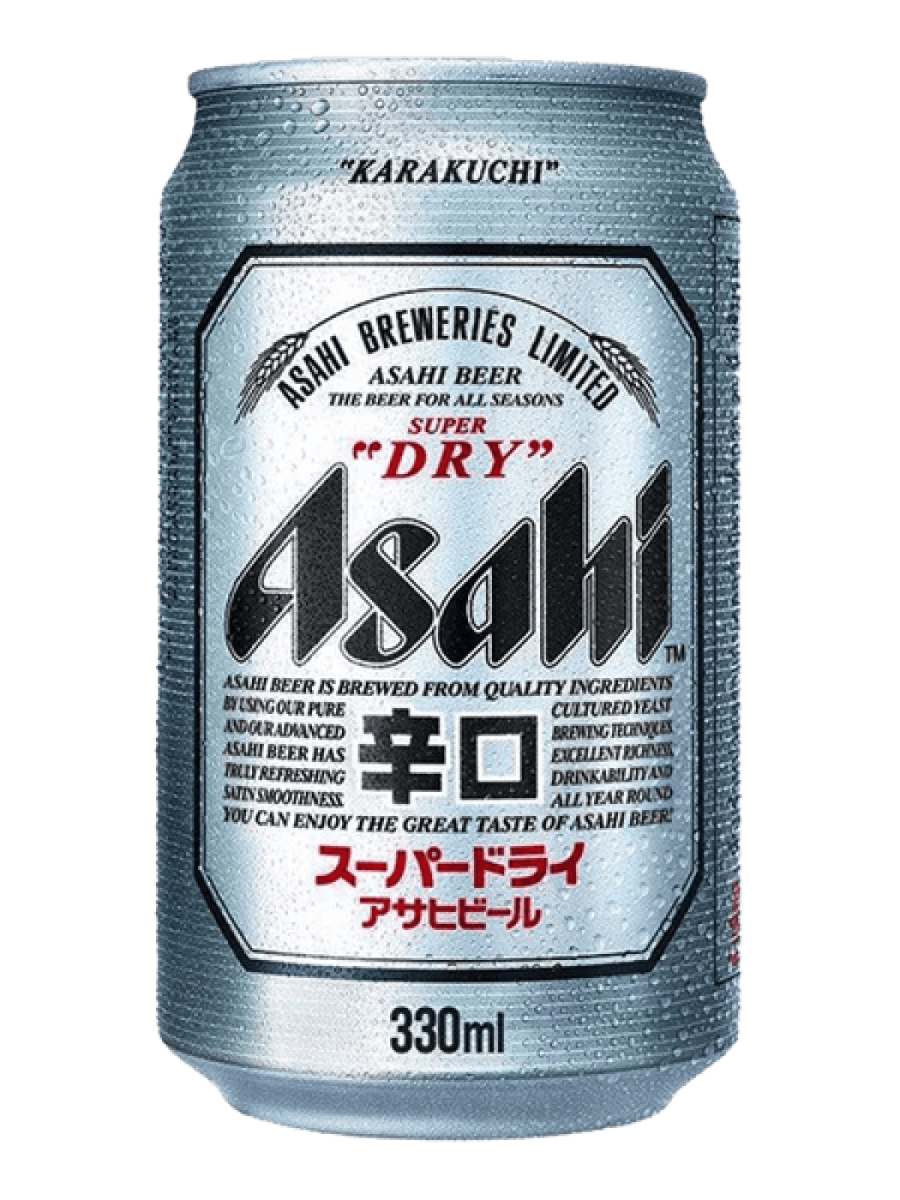
Asahi Super Dry
#1 in this roundup
Beer profile

Asahi Super Dry

Brewed by Asahi Breweries

StyleJapanese Dry Lager
ABV5.0%
Asia movedry-lager benchmark
Brewed inJapan

crisp grain, restrained bitterness, brisk carbonation, and a famously dry finish

BAR NOTES

Asahi Super Dry earns its position because it turned karakuchi dryness into Japan’s most recognizable contribution to modern lager. In the glass, expect crisp grain, restrained bitterness, brisk carbonation, and a famously dry finish.

Best move: sushi, yakitori, tempura, or salty snacks; pour it cold and finish it before the carbonation softens. It is an easy way to understand the beer on its own terms instead of judging it against a completely different regional tradition.
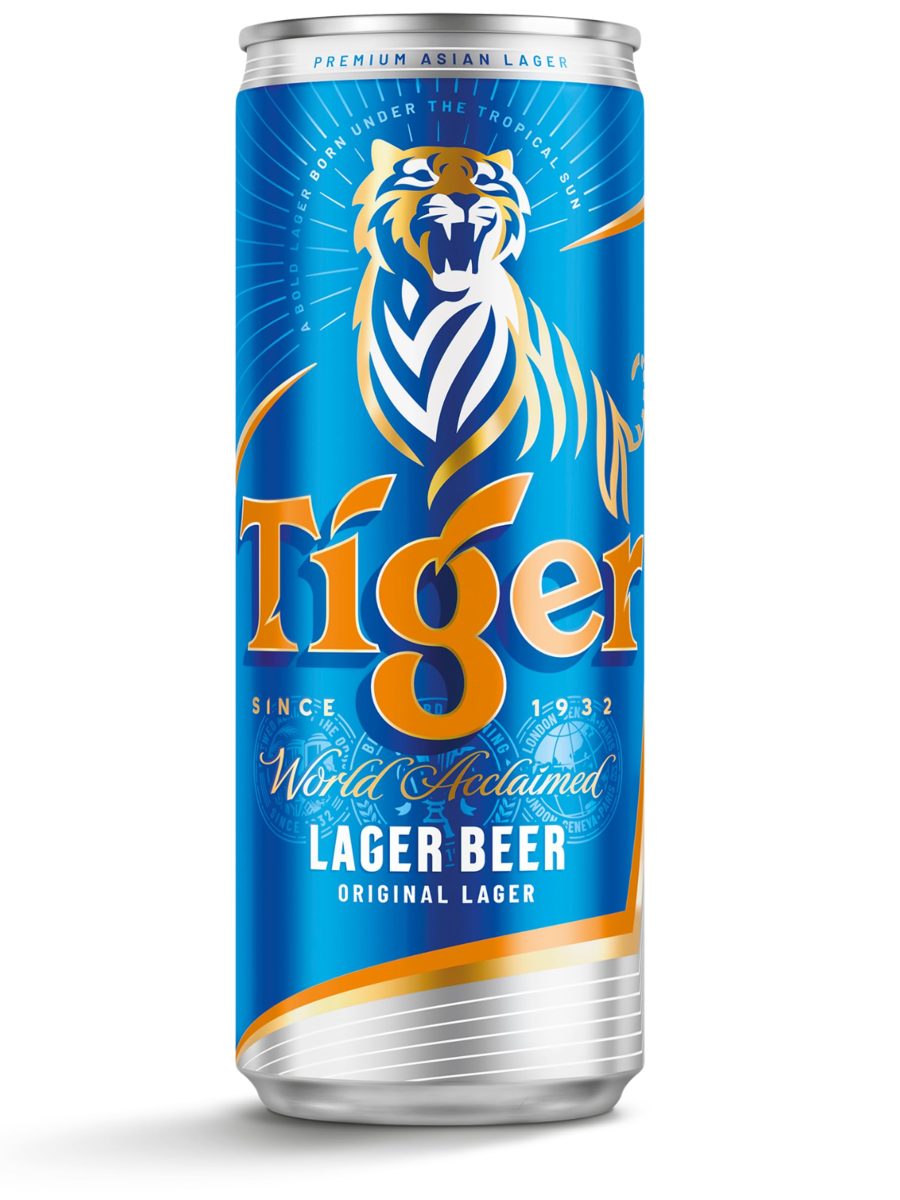
Tiger Lager
#2 in this roundup
Beer profile

Tiger Lager

Brewed by Asia Pacific Breweries

StylePale Lager
ABV5.0%
Asia moveSingapore's export lager icon
Brewed inSingapore

light cereal malt, mild floral hops, and a clean tropical-weather finish

BAR NOTES

What keeps Tiger Lager relevant is that its 1930s Singapore roots and enormous regional reach make it one of Southeast Asia’s defining export lagers. Its profile runs through light cereal malt, mild floral hops, and a clean tropical-weather finish.

Serve and pair it with chili crab, satay, fried noodles, or anything spicy enough to make its clean carbonation useful. The right temperature and food let this beer’s balance show before sweetness, bitterness, or alcohol takes over.
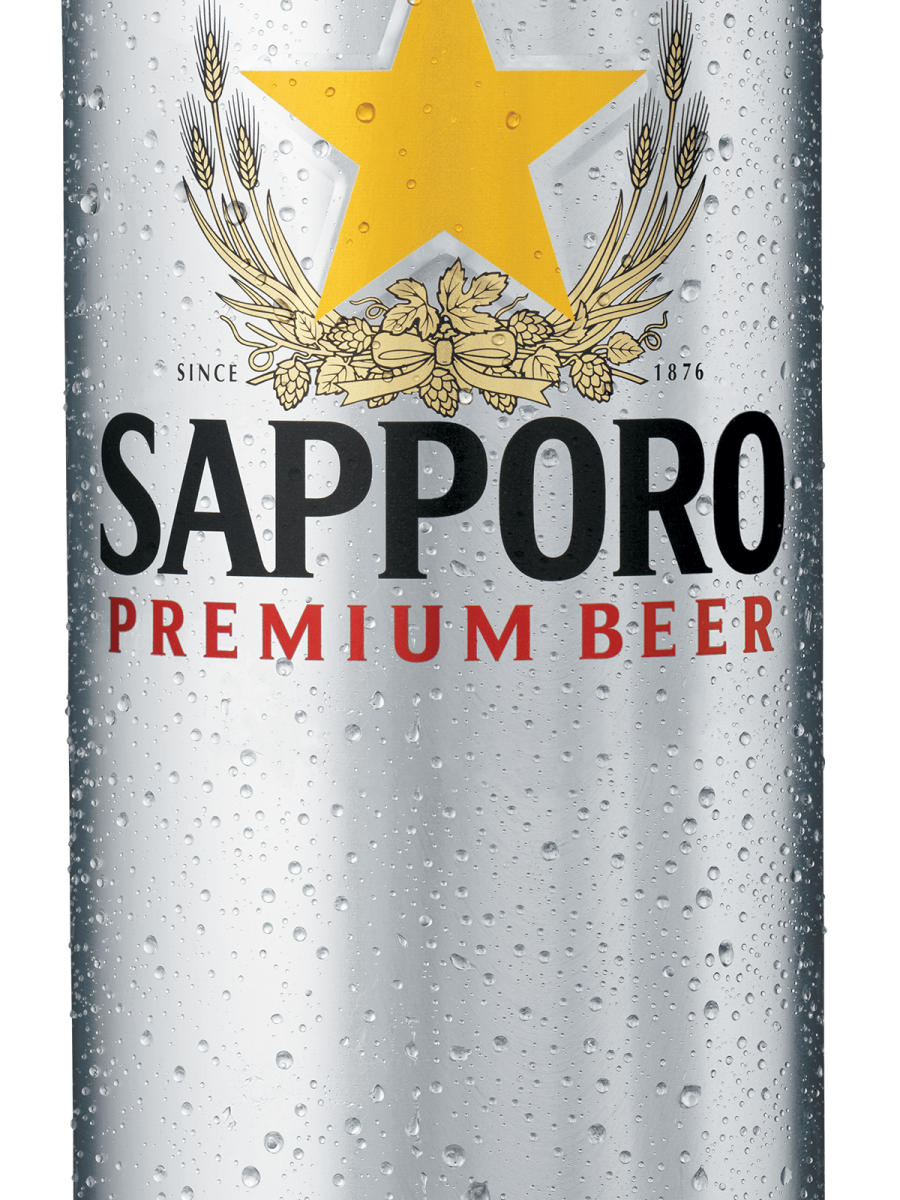
Sapporo Premium
#3 in this roundup
Beer profile

Sapporo Premium

Brewed by Sapporo Breweries

StyleJapanese Pale Lager
ABV4.9%
Asia moveiconic premium lager
Brewed inJapan

clean grain, light biscuit, mild bitterness, and a refreshing dry close

BAR NOTES

Sapporo Premium matters in a continental Top 50 because it connects Japan’s oldest major beer brand with a balanced lager that remains widely available outside Asia. The flavor case is clean grain, light biscuit, mild bitterness, and a refreshing dry close.

A smart first pour means grilled seafood, ramen, burgers, or izakaya plates; the bitterness works best when the beer is properly cold. That setting gives the beer enough space to explain why it belongs in the wider Asian beer conversation.
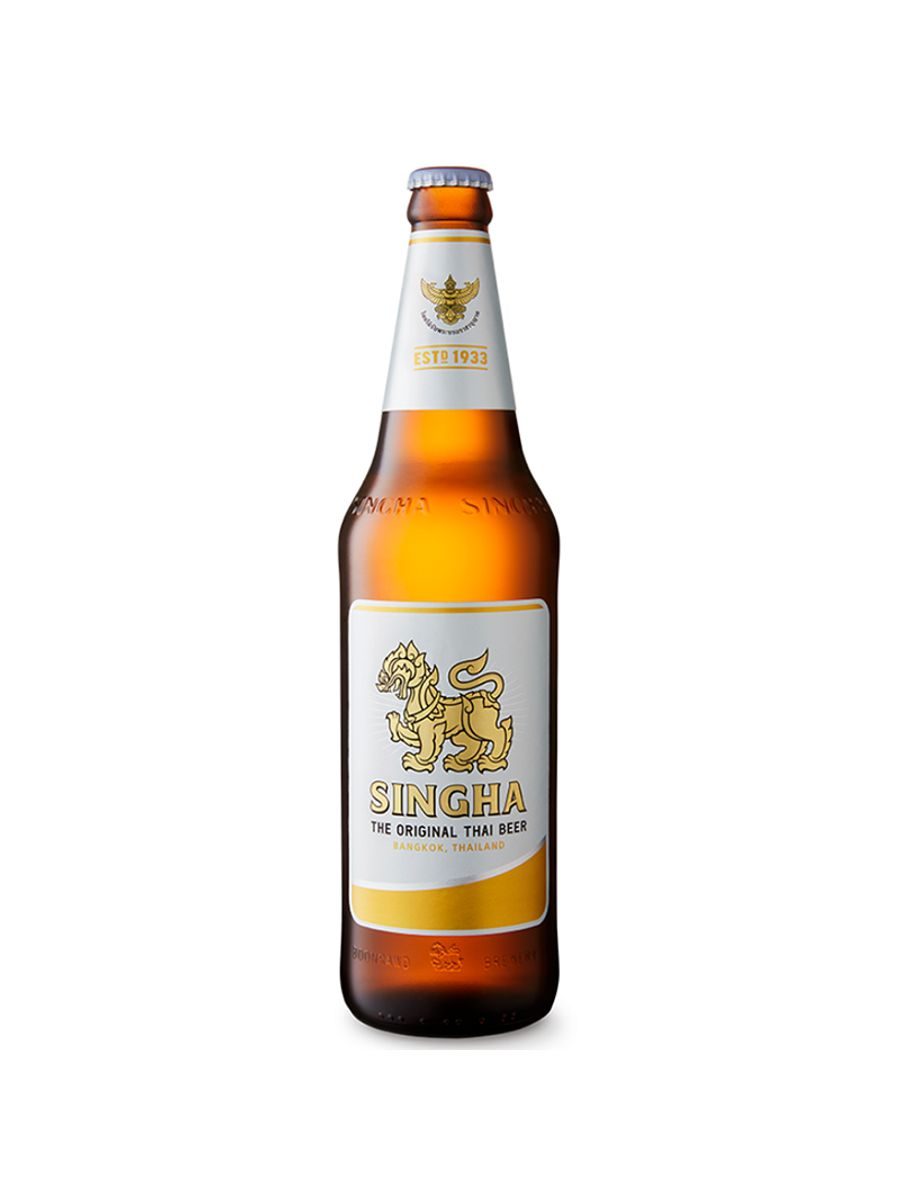
Singha Lager
#4 in this roundup
Beer profile

Singha Lager

Brewed by Boon Rawd Brewery

StyleThai Premium Lager
ABV5.0%
Asia moveThailand's premium lager standard
Brewed inBangkok, Thailand

firm malt, herbal hops, lively carbonation, and a clean bitter snap

BAR NOTES

The reason to seek out Singha Lager is simple: its all-malt profile gives Thailand’s best-known premium lager more structure than the average hot-weather pale lager. That translates to firm malt, herbal hops, lively carbonation, and a clean bitter snap.

For the best read on it, pair it with green curry, grilled pork, pad kra pao, or fried fish, served cold enough to sharpen its herbal hop edge. That combination shows why this thai premium lager works as a drinking beer, not just a passport stamp.
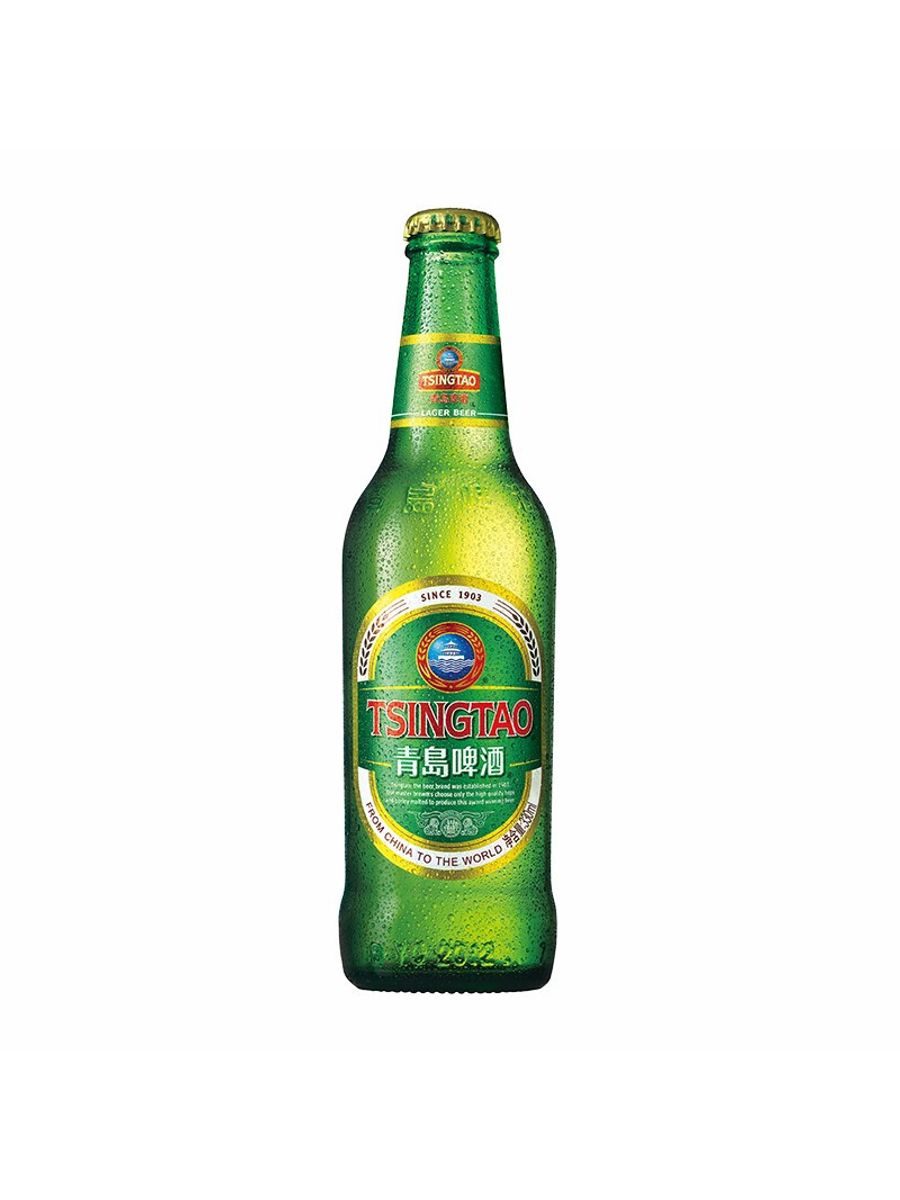
Tsingtao Lager
#5 in this roundup
Beer profile

Tsingtao Lager

Brewed by Tsingtao Brewery

StyleChinese Pale Lager
ABV4.7%
Asia moveChina's historic export lager
Brewed inQingdao, China

soft grain, faint sweetness, herbal bitterness, and an easy clean finish

BAR NOTES

Tsingtao Lager represents more than a familiar label: its Qingdao brewing history and worldwide distribution made it the reference point for Chinese beer long before today’s craft movement. Look for soft grain, faint sweetness, herbal bitterness, and an easy clean finish.

At the table, reach for dumplings, roast duck, hot pot, or scallion pancakes; a brisk pour keeps richer food from feeling heavy. The pairing keeps the beer’s defining traits visible while giving its carbonation, malt, hops, or acidity a practical job.
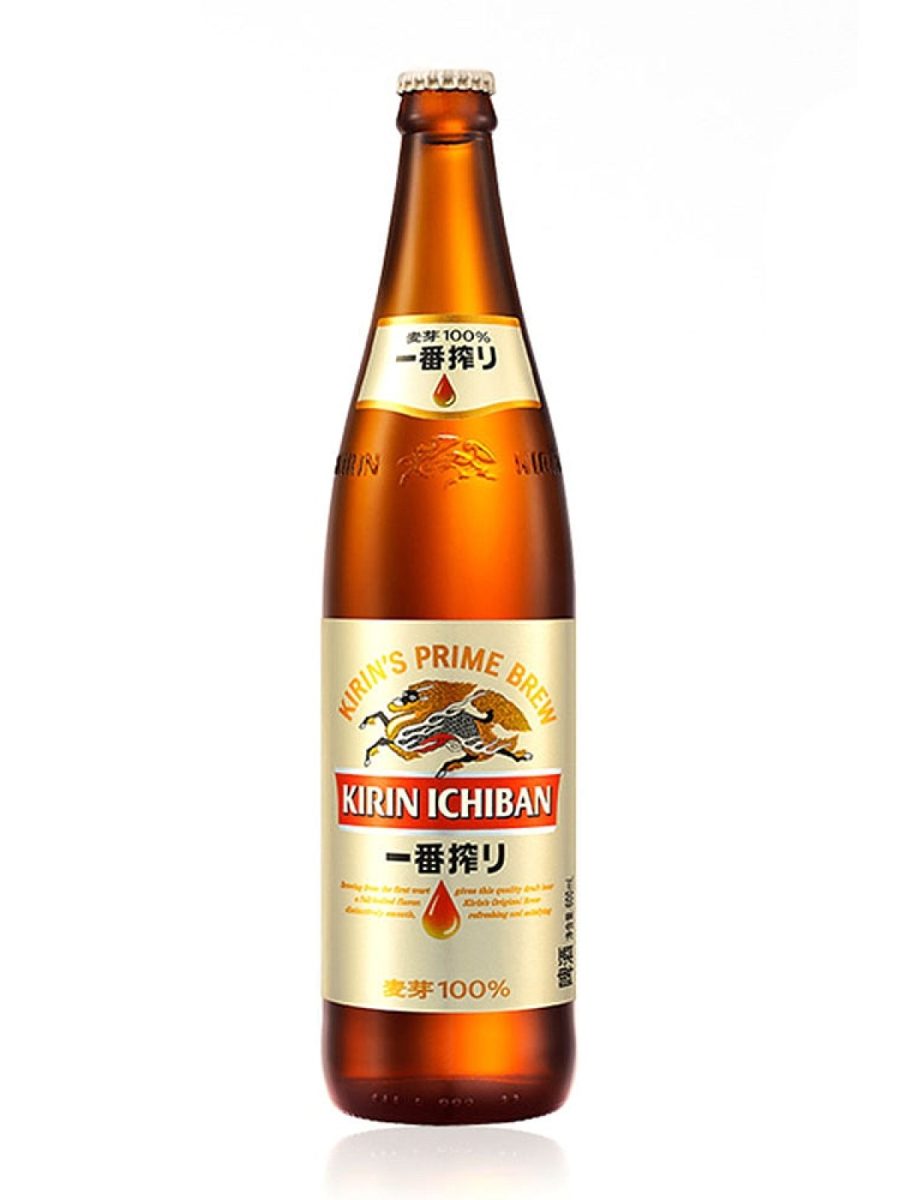
Kirin Ichiban
#6 in this roundup
Beer profile

Kirin Ichiban

Brewed by Kirin Brewery

StyleJapanese Pale Lager
ABV5.0%
Asia movefirst-press lager icon
Brewed inJapan

soft malt sweetness, cereal grain, restrained hops, and a smooth clean finish

BAR NOTES

Kirin Ichiban earns its position because Kirin’s first-press wort method gives a familiar pale lager a notably polished malt center without sacrificing refreshment. In the glass, expect soft malt sweetness, cereal grain, restrained hops, and a smooth clean finish.

Best move: teriyaki, grilled chicken, tonkatsu, or mild curry; use a narrow glass to keep the head compact and lively. It is an easy way to understand the beer on its own terms instead of judging it against a completely different regional tradition.
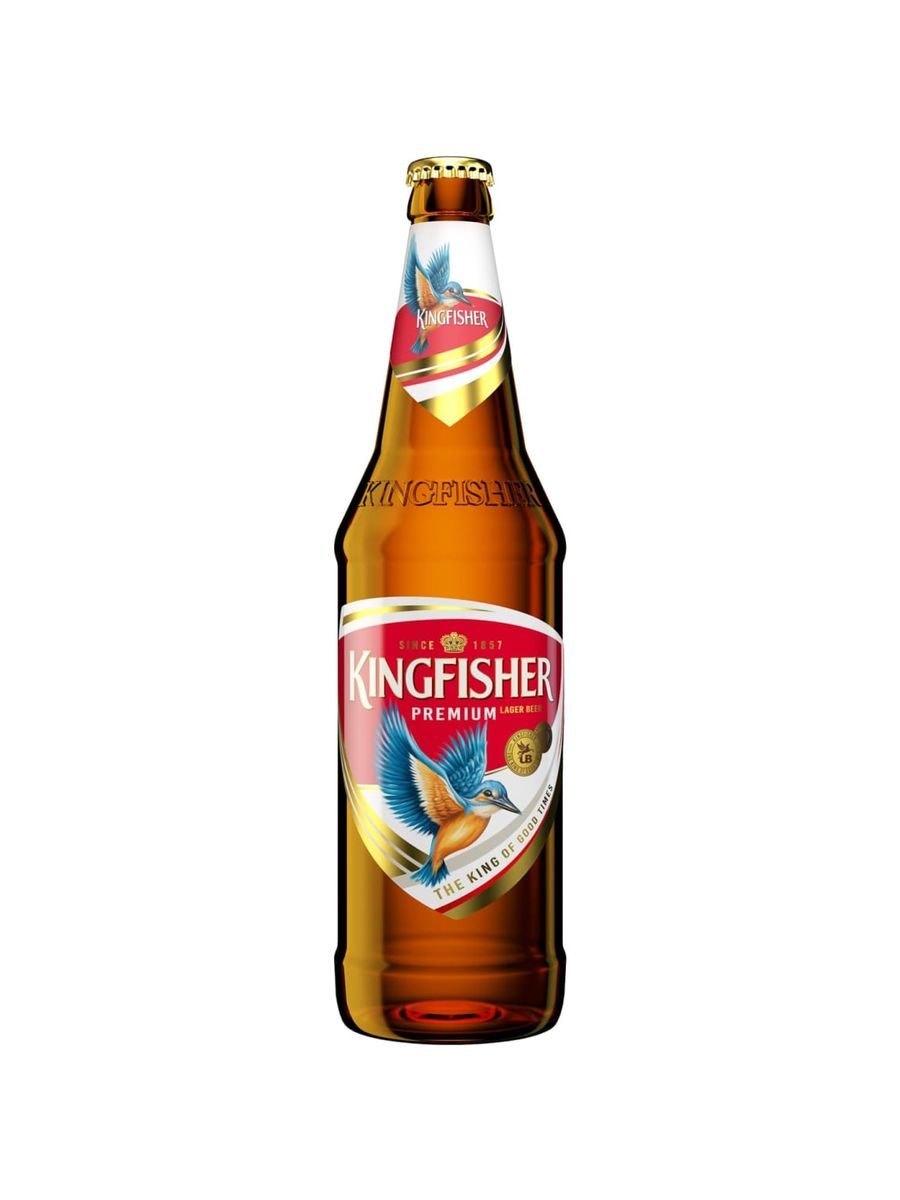
Kingfisher Premium
#7 in this roundup
Beer profile

Kingfisher Premium

Brewed by United Breweries

StyleIndian Pale Lager
ABV4.8%
Asia moveIndia's familiar lager flagship
Brewed inBengaluru, India

light malt sweetness, gentle bitterness, high carbonation, and a crisp uncomplicated finish

BAR NOTES

What keeps Kingfisher Premium relevant is that it is the lager most drinkers associate with Indian beer and remains a dependable foil for the country’s spice-heavy cooking. Its profile runs through light malt sweetness, gentle bitterness, high carbonation, and a crisp uncomplicated finish.

Serve and pair it with tandoori chicken, biryani, pakora, or a hot vindaloo; serve very cold and let the bubbles reset the palate. The right temperature and food let this beer’s balance show before sweetness, bitterness, or alcohol takes over.
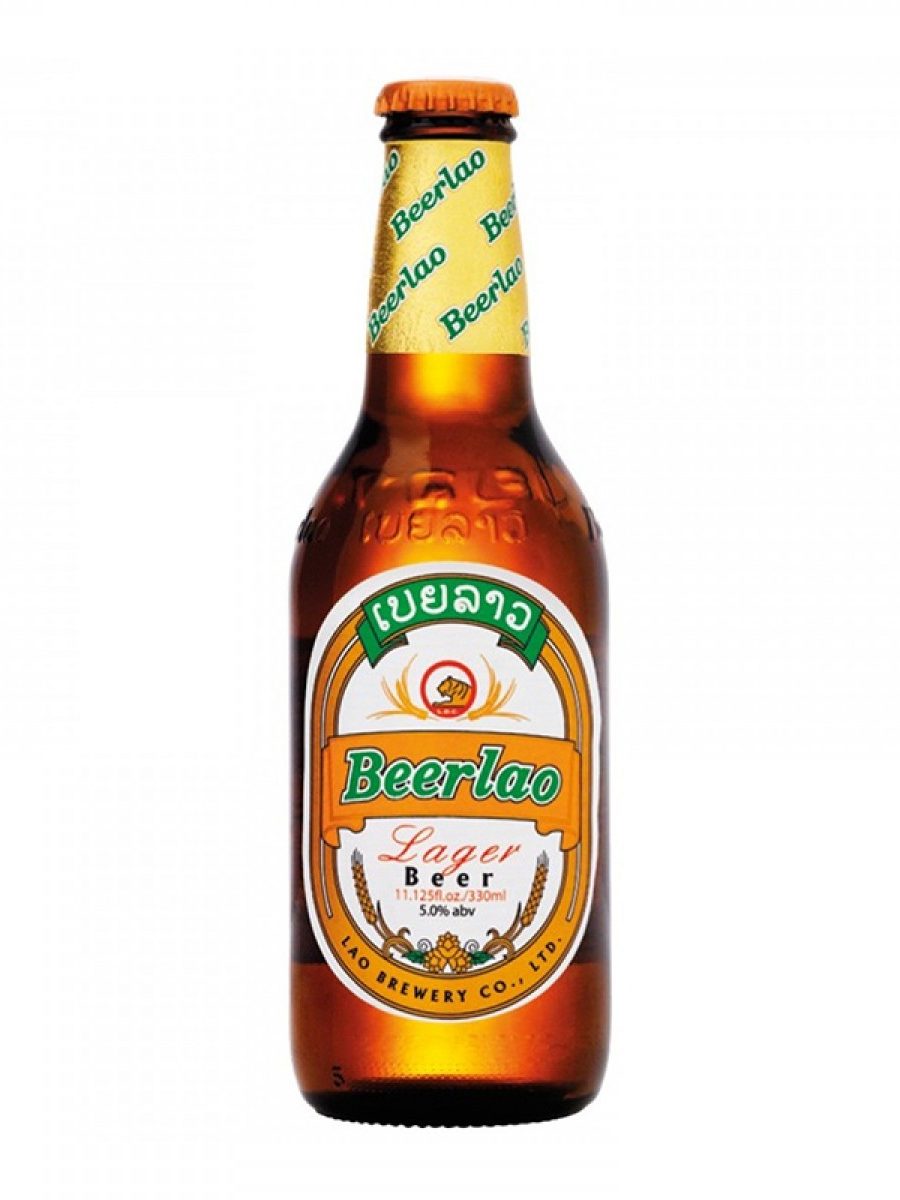
Beerlao Lager
#8 in this roundup
Beer profile

Beerlao Lager

Brewed by Lao Brewery Company

StyleRice Lager
ABV5.0%
Asia moveLaos' national lager
Brewed inVientiane, Laos

soft rice, pale malt, faint herbal hops, and a rounded clean finish

BAR NOTES

Beerlao Lager matters in a continental Top 50 because local rice gives this beloved Lao lager a regional identity that feels more specific than its simple golden appearance suggests. The flavor case is soft rice, pale malt, faint herbal hops, and a rounded clean finish.

A smart first pour means larb, grilled river fish, sticky rice, or spicy papaya salad; its gentle body will not bully delicate herbs. That setting gives the beer enough space to explain why it belongs in the wider Asian beer conversation.
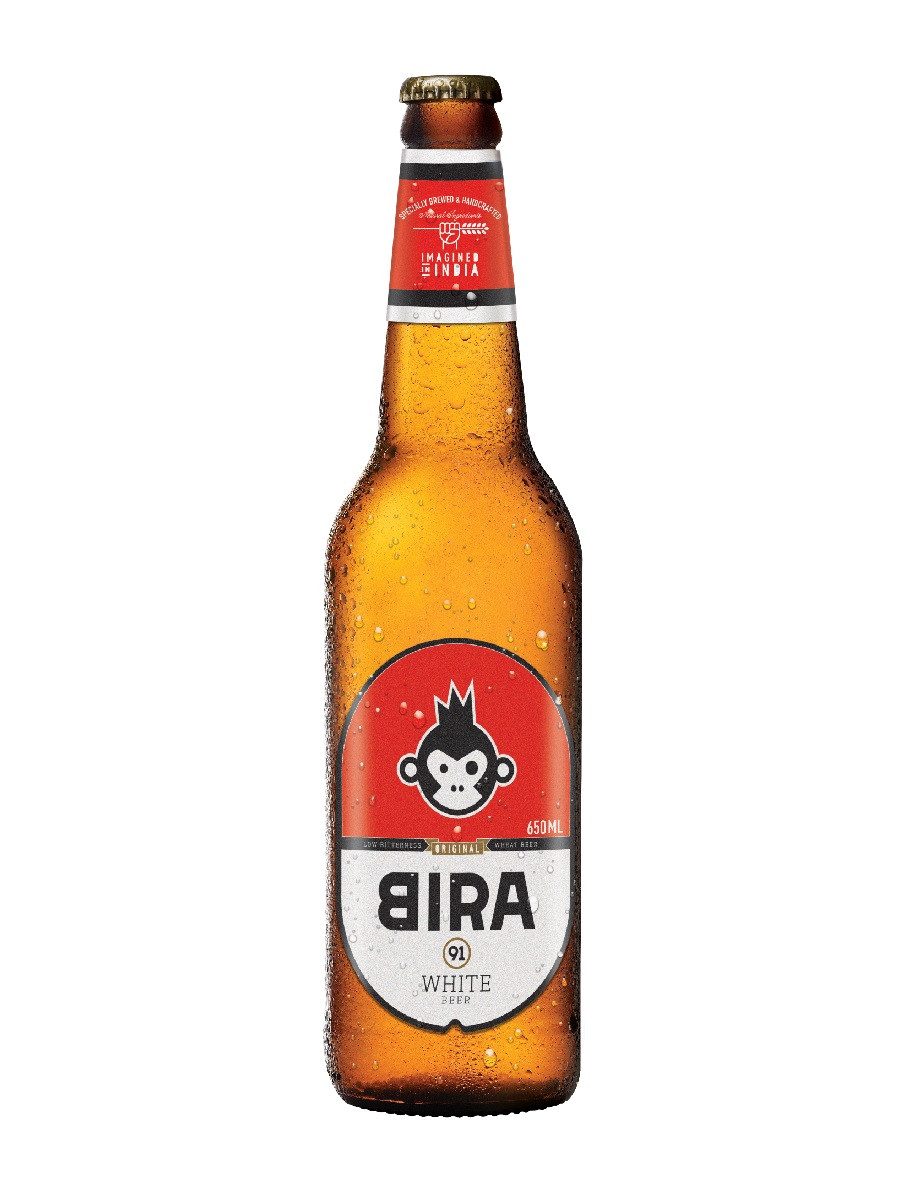
Bira 91 White
#9 in this roundup
Beer profile

Bira 91 White

Brewed by B9 Beverages

StyleBelgian-Style Witbier
ABV4.7%
Asia moveIndia's modern craft gateway
Brewed inNew Delhi, India

soft wheat, orange peel, coriander-like spice, and a bright hazy finish

BAR NOTES

The reason to seek out Bira 91 White is simple: it helped put a playful, contemporary face on Indian craft beer while offering a softer alternative to the country’s lager staples. That translates to soft wheat, orange peel, coriander-like spice, and a bright hazy finish.

For the best read on it, pair it with kebabs, paneer tikka, citrusy salads, or creamy curries; a wider wheat-beer glass opens the spice and fruit. That combination shows why this belgian-style witbier works as a drinking beer, not just a passport stamp.
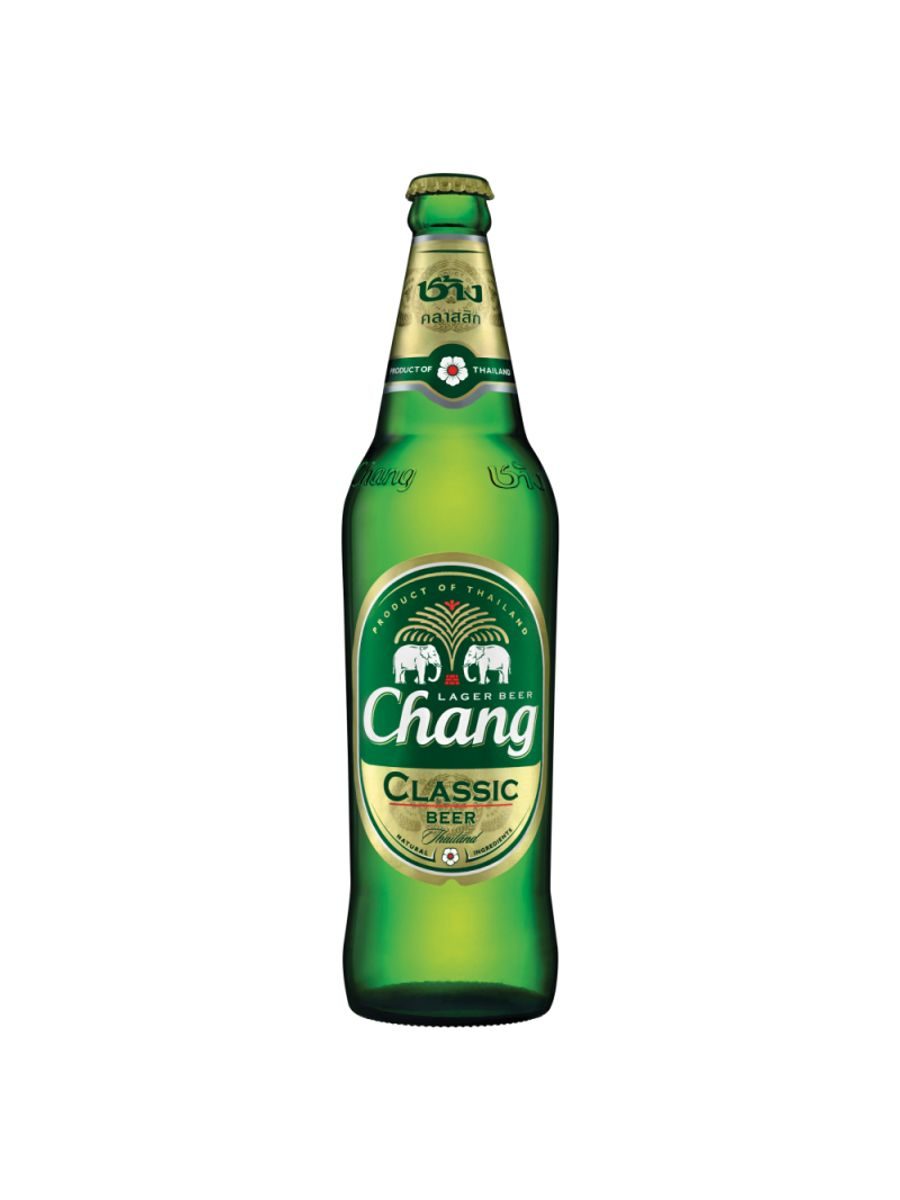
Chang Classic
#10 in this roundup
Beer profile

Chang Classic

Brewed by Thai Beverage

StyleThai Pale Lager
ABV5.0%
Asia moveThailand's everyday lager rival
Brewed inBangkok, Thailand

sweet grain, light corn, mild bitterness, and a quick thirst-quenching finish

BAR NOTES

Chang Classic represents more than a familiar label: its long-running rivalry with Singha captures the everyday side of Thai beer culture and the importance of ice-cold lager at the table. Look for sweet grain, light corn, mild bitterness, and a quick thirst-quenching finish.

At the table, reach for pad thai, grilled chicken, fried rice, or beachside seafood; cold temperature keeps its sweeter grain profile in check. The pairing keeps the beer’s defining traits visible while giving its carbonation, malt, hops, or acidity a practical job.
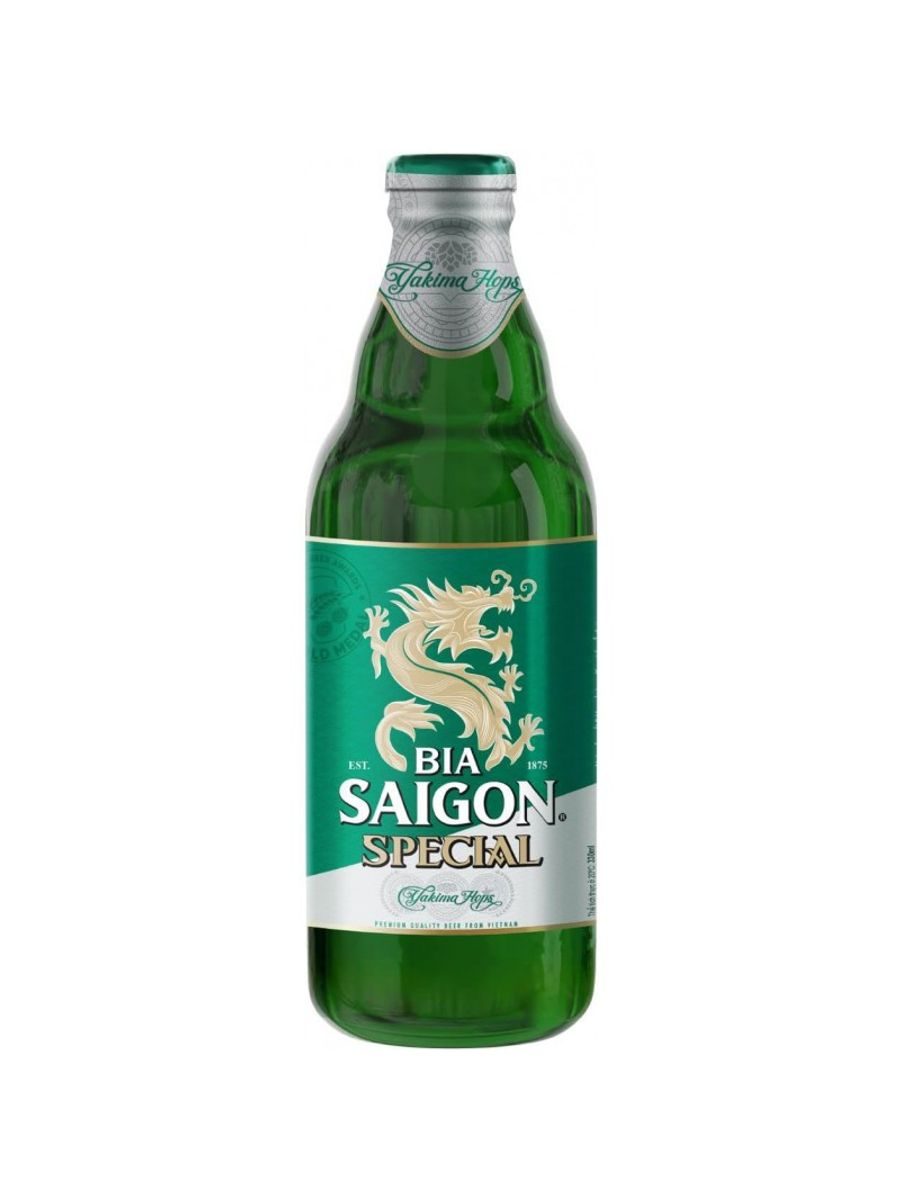
Bia Saigon Special
#11 in this roundup
Beer profile

Bia Saigon Special

Brewed by SABECO

StyleVietnamese Premium Lager
ABV4.9%
Asia moveSaigon's premium green-bottle lager
Brewed inHo Chi Minh City, Vietnam

pale malt, light honey, gentle hops, and a dry refreshing finish

BAR NOTES

Bia Saigon Special earns its position because the green-bottle flagship gives southern Vietnam a slightly fuller premium lager without losing the drinkability demanded by the climate. In the glass, expect pale malt, light honey, gentle hops, and a dry refreshing finish.

Best move: bánh xèo, grilled pork, lemongrass chicken, or shellfish; use a chilled glass but avoid burying its malt flavor in ice. It is an easy way to understand the beer on its own terms instead of judging it against a completely different regional tradition.
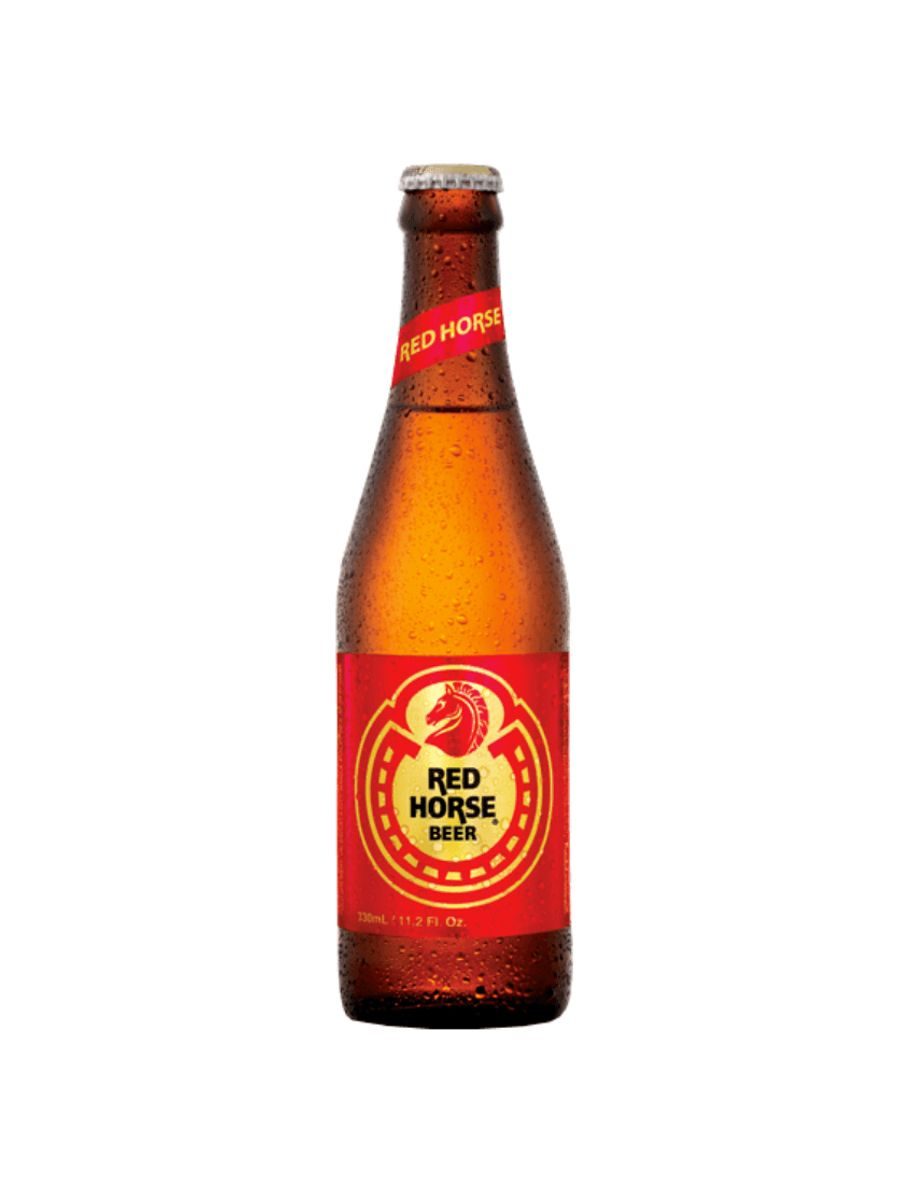
Red Horse Beer
#12 in this roundup
Beer profile

Red Horse Beer

Brewed by San Miguel Brewery

StyleStrong Pale Lager
ABV8.0%
Asia movethe Philippines' strong-lager institution
Brewed inPhilippines

sweet grain, warming alcohol, light fruit, and a forceful lager finish

BAR NOTES

What keeps Red Horse Beer relevant is that its unusually high strength and unmistakable red label made it the Philippines’ rowdier counterpoint to standard pale lager. Its profile runs through sweet grain, warming alcohol, light fruit, and a forceful lager finish.

Serve and pair it with sisig, barbecue skewers, crispy pata, or late-night fried food; pour smaller servings and let the food absorb some swagger. The right temperature and food let this beer’s balance show before sweetness, bitterness, or alcohol takes over.
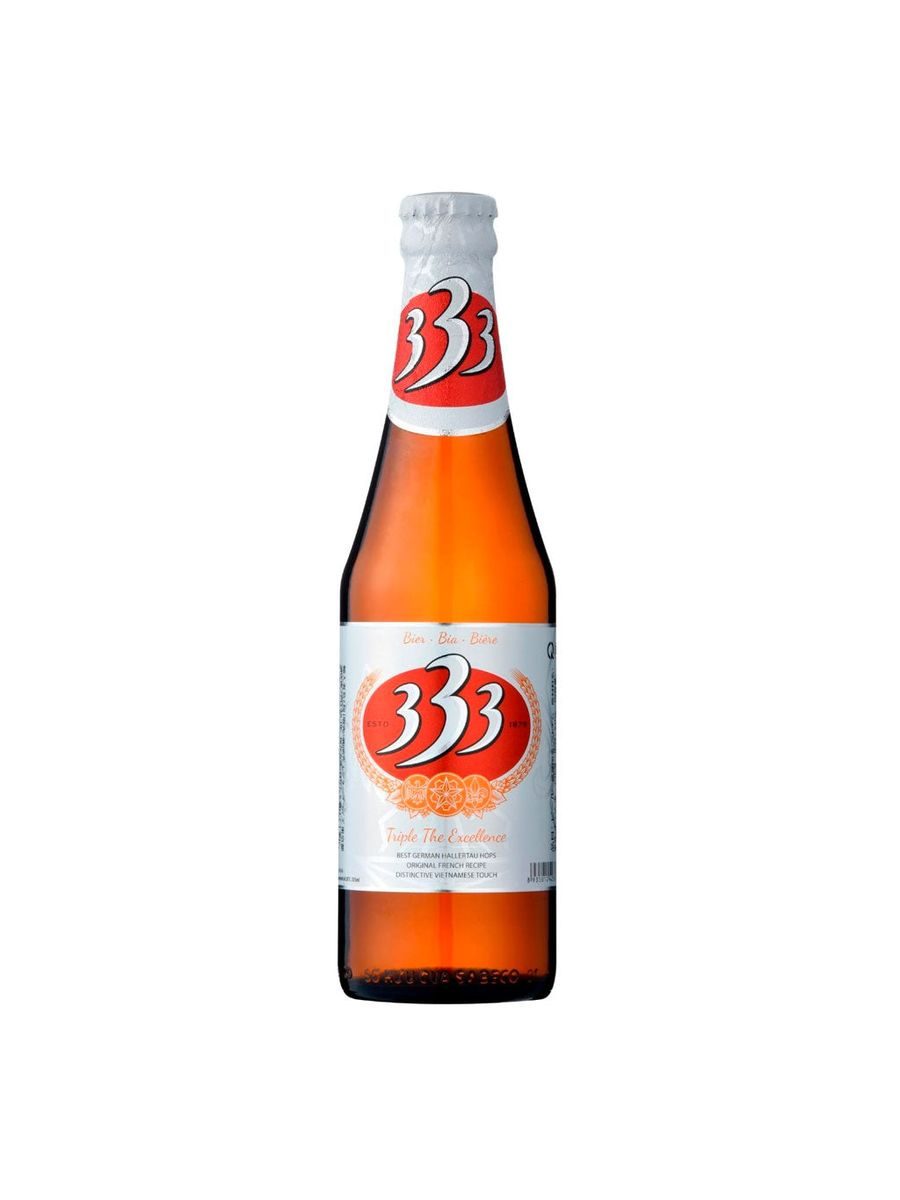
333 Export
#13 in this roundup
Beer profile

333 Export

Brewed by SABECO

StyleVietnamese Pale Lager
ABV5.3%
Asia moveVietnamese export classic
Brewed inHo Chi Minh City, Vietnam

light grain, faint citrus, lively carbonation, and a dry mildly bitter finish

BAR NOTES

333 Export matters in a continental Top 50 because the modern descendant of Ba Muoi Ba carries a long southern Vietnamese brewing lineage in an accessible export bottle. The flavor case is light grain, faint citrus, lively carbonation, and a dry mildly bitter finish.

A smart first pour means pho, spring rolls, grilled prawns, or bánh mì; its clean profile is especially useful with fresh herbs and fish sauce. That setting gives the beer enough space to explain why it belongs in the wider Asian beer conversation.
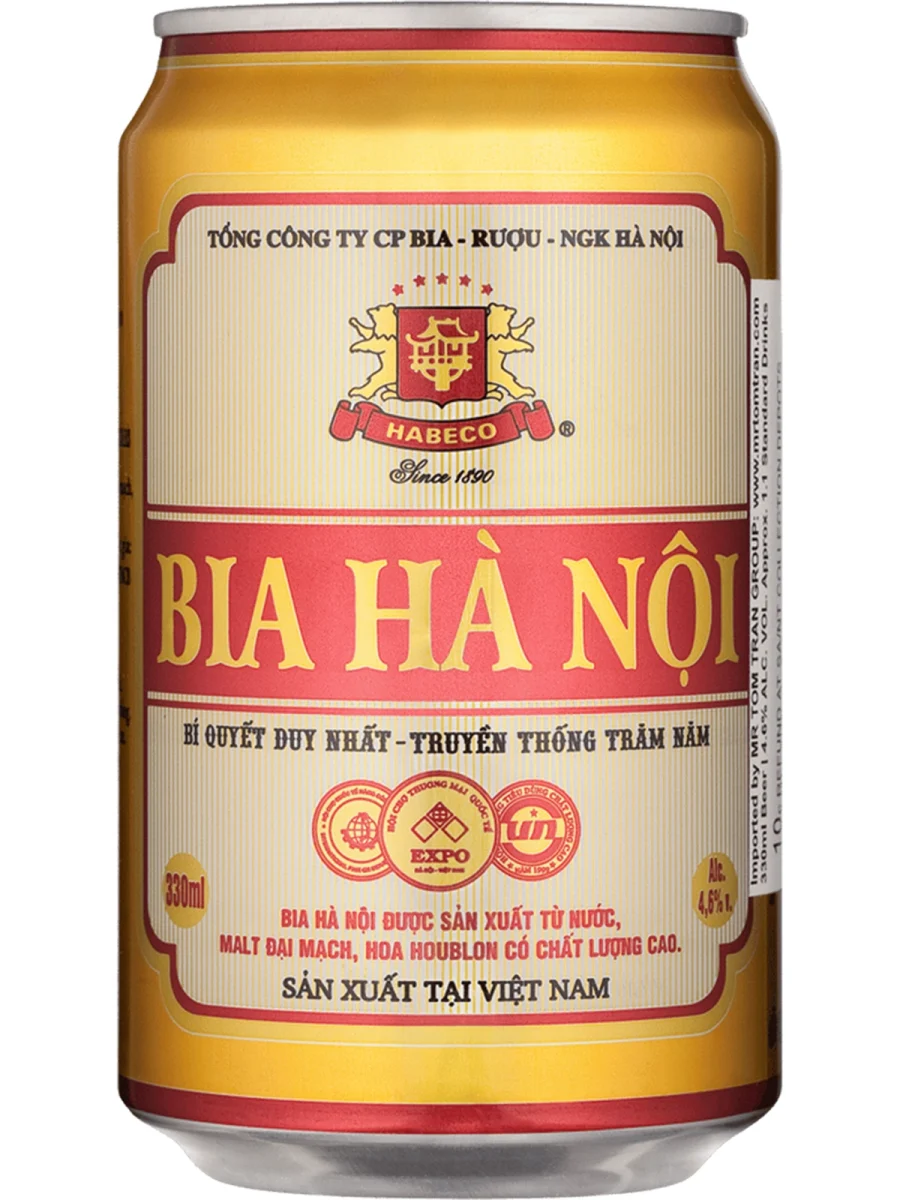
Hanoi Beer Premium
#14 in this roundup
Beer profile

Hanoi Beer Premium

Brewed by HABECO

StyleVietnamese Pale Lager
ABV4.6%
Asia movenorthern Vietnam's lager staple
Brewed inHanoi, Vietnam

crisp grain, mild malt sweetness, soft bitterness, and a light clean finish

BAR NOTES

The reason to seek out Hanoi Beer Premium is simple: it represents Hanoi’s brewing identity and offers a useful northern counterpart to the better-known Saigon labels. That translates to crisp grain, mild malt sweetness, soft bitterness, and a light clean finish.

For the best read on it, pair it with bún chả, fried tofu, grilled fish, or roasted peanuts; serve cold and drink it while the carbonation is at full tilt. That combination shows why this vietnamese pale lager works as a drinking beer, not just a passport stamp.
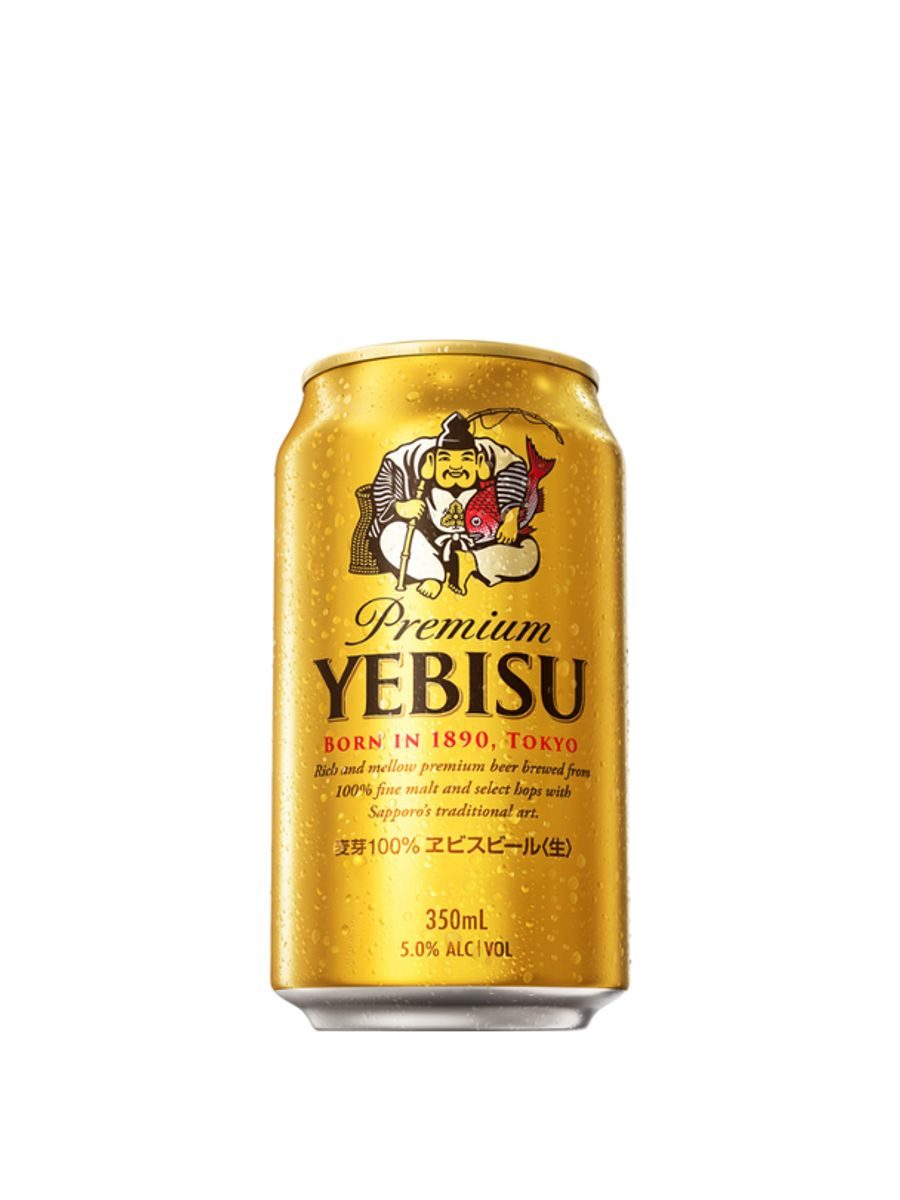
Yebisu Premium
#15 in this roundup
Beer profile

Yebisu Premium

Brewed by Sapporo Breweries

StyleAll-Malt Premium Lager
ABV5.0%
Asia moveall-malt premium classic
Brewed inJapan

toasty malt, light honey, herbal hops, and a fuller lager finish

BAR NOTES

Yebisu Premium represents more than a familiar label: its all-malt recipe and deliberately richer presentation show how Japanese premium lager can favor depth without becoming heavy. Look for toasty malt, light honey, herbal hops, and a fuller lager finish.

At the table, reach for unagi, yakitori tare, roasted pork, or mushrooms; let it warm a degree above refrigerator temperature to reveal the toast. The pairing keeps the beer’s defining traits visible while giving its carbonation, malt, hops, or acidity a practical job.
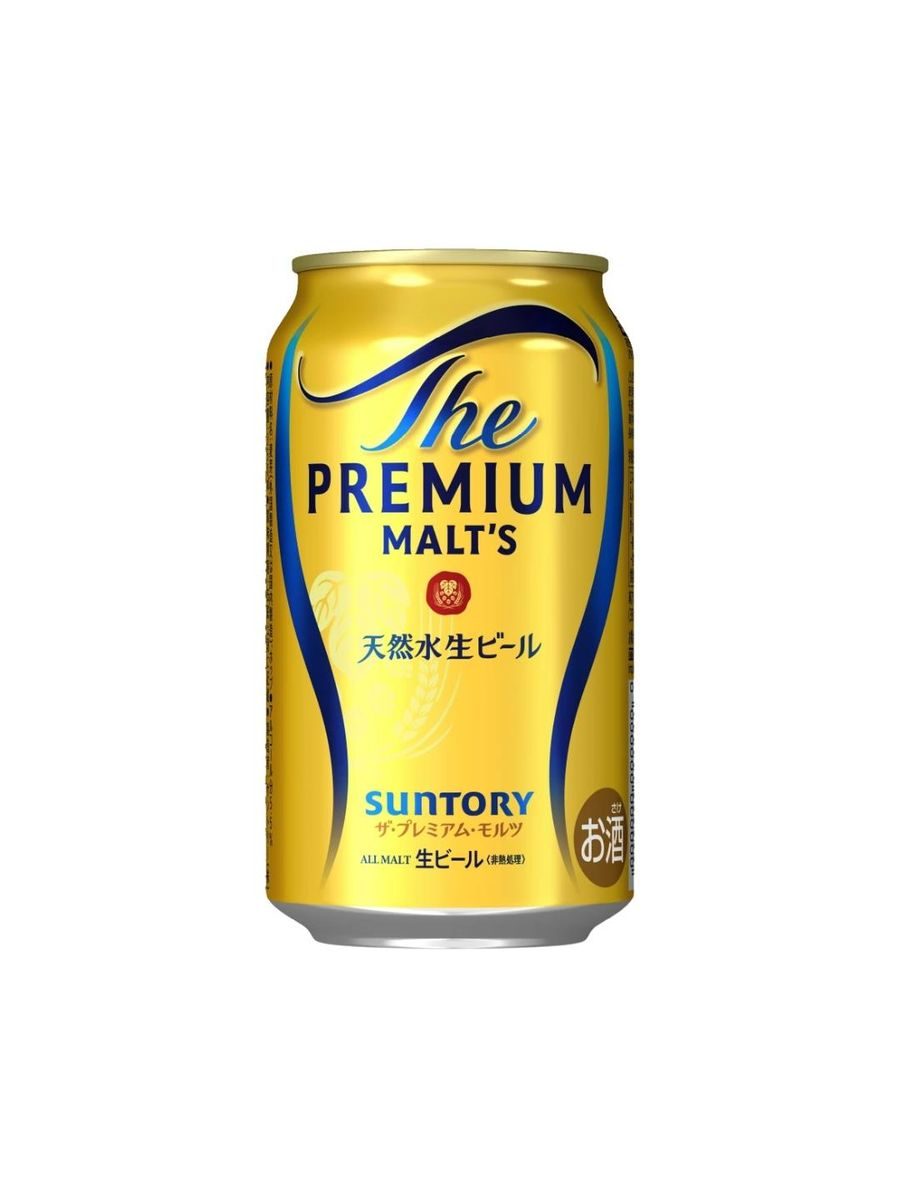
The Premium Malt's
#16 in this roundup
Beer profile

The Premium Malt's

Brewed by Suntory

StylePremium Pilsner
ABV5.5%
Asia moveSuntory's polished flagship
Brewed inJapan

rich pilsner malt, floral hops, fine bitterness, and a lingering polished finish

BAR NOTES

The Premium Malt’s earns its position because Suntory built this beer around aroma and foam quality, making it a particularly Japanese exercise in refining familiar pilsner ingredients. In the glass, expect rich pilsner malt, floral hops, fine bitterness, and a lingering polished finish.

Best move: sashimi, tempura, grilled eel, or delicate fried dishes; a clean glass and careful pour make the dense head worth noticing. It is an easy way to understand the beer on its own terms instead of judging it against a completely different regional tradition.

Orion The Draft
#17 in this roundup
Beer profile

Orion The Draft

Brewed by Orion Breweries

StyleOkinawan Lager
ABV5.0%
Asia moveOkinawa's defining lager
Brewed inNago, Okinawa, Japan

light grain, gentle sweetness, mild hops, and an exceptionally easy dry finish

BAR NOTES

What keeps Orion The Draft relevant is that Orion tastes inseparable from Okinawa’s subtropical climate, leaning lighter and softer than many mainland premium lagers. Its profile runs through light grain, gentle sweetness, mild hops, and an exceptionally easy dry finish.

Serve and pair it with taco rice, grilled pork belly, sea grapes, or beach food; this is a straight-from-the-cooler beer by design. The right temperature and food let this beer’s balance show before sweetness, bitterness, or alcohol takes over.

Yona Yona Ale
#18 in this roundup
Beer profile

Yona Yona Ale

Brewed by Yo-Ho Brewing

StyleAmerican Pale Ale
ABV5.5%
Asia moveJapanese craft pale-ale landmark
Brewed inSaku, Nagano, Japan

Cascade citrus, floral hops, gentle caramel malt, and balanced bitterness

BAR NOTES

Yona Yona Ale matters in a continental Top 50 because it helped introduce American pale-ale flavor to a broad Japanese audience while staying balanced enough for repeated pours. The flavor case is Cascade citrus, floral hops, gentle caramel malt, and balanced bitterness.

A smart first pour means karaage, grilled sausages, curry bread, or yakitori; a standard pint glass gives the citrusy aroma room without overcomplicating things. That setting gives the beer enough space to explain why it belongs in the wider Asian beer conversation.

Hitachino Nest White Ale
#19 in this roundup
Beer profile

Hitachino Nest White Ale

Brewed by Kiuchi Brewery

StyleBelgian-Style Witbier
ABV5.5%
Asia moveglobally known Japanese wheat beer
Brewed inNaka, Ibaraki, Japan

orange peel, coriander, nutmeg, soft wheat, and bright yeast spice

BAR NOTES

The reason to seek out Hitachino Nest White Ale is simple: the owl label became an international ambassador for Japanese craft beer, but the layered witbier underneath still earns the attention. That translates to orange peel, coriander, nutmeg, soft wheat, and bright yeast spice.

For the best read on it, pair it with sushi, steamed shellfish, citrus salads, or mild curry; swirl the final pour gently if you want more yeast-driven spice. That combination shows why this belgian-style witbier works as a drinking beer, not just a passport stamp.

Minoh Stout
#20 in this roundup
Beer profile

Minoh Stout

Brewed by Minoh Beer

StyleStout
ABV5.5%
Asia moveaward-winning dry dark-beer benchmark
Brewed inMinoh, Osaka, Japan

coffee, bitter chocolate, roasted malt, creamy texture, and a dry finish

BAR NOTES

Minoh Stout represents more than a familiar label: Minoh proves Japanese craft is not confined to delicate lager, delivering a compact stout with roast precision and genuine international credibility. Look for coffee, bitter chocolate, roasted malt, creamy texture, and a dry finish.

At the table, reach for yakitori with char, chocolate desserts, grilled mushrooms, or aged cheese; serve cool rather than ice-cold so the roast can expand. The pairing keeps the beer’s defining traits visible while giving its carbonation, malt, hops, or acidity a practical job.

Rising Sun Pale Ale
#21 in this roundup
Beer profile

Rising Sun Pale Ale

Brewed by Baird Beer

StylePale Ale
ABV5.5%
Asia moveBaird's balanced pale-ale flagship
Brewed inIzu, Shizuoka, Japan

citrus, floral hops, pale malt, light caramel, and brisk bitterness

BAR NOTES

Rising Sun Pale Ale earns its position because Baird’s flagship pale ale expresses the brewery’s house philosophy: characterful hops, layered malt, and enough restraint to stay at the table. In the glass, expect citrus, floral hops, pale malt, light caramel, and brisk bitterness.

Best move: grilled chicken, burgers, gyoza, or miso-glazed vegetables; a fresh bottle matters because its hop perfume is the main event. It is an easy way to understand the beer on its own terms instead of judging it against a completely different regional tradition.

Aooni IPA
#22 in this roundup
Beer profile

Aooni IPA

Brewed by Yo-Ho Brewing

StyleIndia Pale Ale
ABV7.0%
Asia movenationwide Japanese IPA reference
Brewed inSaku, Nagano, Japan

grapefruit, pine, tropical fruit, firm malt, and assertive bitterness

BAR NOTES

What keeps Aooni IPA relevant is that the blue demon can gave Japanese supermarket shoppers a direct, uncompromising introduction to the bitter side of modern craft beer. Its profile runs through grapefruit, pine, tropical fruit, firm malt, and assertive bitterness.

Serve and pair it with fried chicken, spicy ramen, blue cheese, or rich pork; drink it fresh and use a tulip glass to concentrate the hops. The right temperature and food let this beer’s balance show before sweetness, bitterness, or alcohol takes over.

ISEKADO Pale Ale
#23 in this roundup
Beer profile

ISEKADO Pale Ale

Brewed by ISEKADO

StyleAmerican Pale Ale
ABV5.0%
Asia movemodern Ise craft standard
Brewed inIse, Mie, Japan

citrus, stone fruit, pale malt, and clean American-hop bitterness

BAR NOTES

ISEKADO Pale Ale matters in a continental Top 50 because this polished pale ale shows why Isekado became one of Japan’s most decorated modern breweries without relying on novelty ingredients. The flavor case is citrus, stone fruit, pale malt, and clean American-hop bitterness.

A smart first pour means fried oysters, grilled fish, pizza, or salty snacks; serve cool and fresh to keep the citrus and stone-fruit notes vivid. That setting gives the beer enough space to explain why it belongs in the wider Asian beer conversation.

COEDO Ruri
#24 in this roundup
Beer profile

COEDO Ruri

Brewed by COEDO Brewery

StylePilsner
ABV5.0%
Asia moveCOEDO's crisp pilsner lane
Brewed inKawagoe, Saitama, Japan

clean barley, floral hops, light citrus, and a dry bitter finish

BAR NOTES

The reason to seek out COEDO Ruri is simple: Ruri is the clearest entry point into COEDO’s color-coded range, combining polished lager fermentation with enough hop snap to stay interesting. That translates to clean barley, floral hops, light citrus, and a dry bitter finish.

For the best read on it, pair it with sushi, tempura, grilled white fish, or salty edamame; a tall glass highlights its clarity, carbonation, and compact white head. That combination shows why this pilsner works as a drinking beer, not just a passport stamp.

COEDO Kyara
#25 in this roundup
Beer profile

COEDO Kyara

Brewed by COEDO Brewery

StyleIndia Pale Lager
ABV5.5%
Asia movearomatic IPL flagship
Brewed inKawagoe, Saitama, Japan

white grape, tropical hops, rich malt, and firm clean bitterness

BAR NOTES

COEDO Kyara represents more than a familiar label: Kyara bridges lager precision and modern hop aroma, making it a useful example of how Japanese brewers reinterpret imported craft styles. Look for white grape, tropical hops, rich malt, and firm clean bitterness.

At the table, reach for yakitori, pork katsu, burgers, or spicy noodles; pour it into a stemmed glass and drink fresh for maximum hop expression. The pairing keeps the beer’s defining traits visible while giving its carbonation, malt, hops, or acidity a practical job.

COEDO Shiro
#26 in this roundup
Beer profile

COEDO Shiro

Brewed by COEDO Brewery

StyleHefeweizen
ABV5.5%
Asia moveunfiltered wheat-beer classic
Brewed inKawagoe, Saitama, Japan

banana, apple, soft wheat, clove-like spice, and low bitterness

BAR NOTES

COEDO Shiro earns its position because Shiro brings Bavarian wheat-beer cues into COEDO’s Japanese portfolio with creamy texture and fermentation character rather than aggressive hopping. In the glass, expect banana, apple, soft wheat, clove-like spice, and low bitterness.

Best move: dumplings, mild curry, grilled chicken, or fruit desserts; roll the bottle gently before pouring if you enjoy a fuller yeast presence. It is an easy way to understand the beer on its own terms instead of judging it against a completely different regional tradition.

COEDO Beniaka
#27 in this roundup
Beer profile

COEDO Beniaka

Brewed by COEDO Brewery

StyleImperial Sweet Potato Amber
ABV7.0%
Asia movesweet-potato signature beer
Brewed inKawagoe, Saitama, Japan

caramelized malt, earthy sweetness, toast, fruit, and warming depth

BAR NOTES

What keeps COEDO Beniaka relevant is that using local sweet potato gives Beniaka a real sense of place while its amber malt and higher strength keep the ingredient from feeling gimmicky. Its profile runs through caramelized malt, earthy sweetness, toast, fruit, and warming depth.

Serve and pair it with roasted pork, glazed eel, sweet soy dishes, or nutty cheese; let it warm slightly and use a smaller glass. The right temperature and food let this beer’s balance show before sweetness, bitterness, or alcohol takes over.

Tokyo Black
#28 in this roundup
Beer profile

Tokyo Black

Brewed by Yo-Ho Brewing

StylePorter
ABV5.0%
Asia moveJapanese porter mainstay
Brewed inSaku, Nagano, Japan

cocoa, coffee, roasted grain, dark bread, and a smooth dry finish

BAR NOTES

Tokyo Black matters in a continental Top 50 because Tokyo Black makes dark beer approachable without sanding away the roast, offering more flavor than its modest strength might suggest. The flavor case is cocoa, coffee, roasted grain, dark bread, and a smooth dry finish.

A smart first pour means grilled beef, ramen with roasted aromatics, mushrooms, or chocolate cake; serve cool to balance the cocoa and dry finish. That setting gives the beer enough space to explain why it belongs in the wider Asian beer conversation.

Hitachino Nest Red Rice Ale
#29 in this roundup
Beer profile

Hitachino Nest Red Rice Ale

Brewed by Kiuchi Brewery

StyleRed Rice Ale
ABV7.0%
Asia moveJapanese rice-driven specialty ale
Brewed inNaka, Ibaraki, Japan

berry-like fruit, sake-like fermentation notes, malt sweetness, and a dry warming finish

BAR NOTES

The reason to seek out Hitachino Nest Red Rice Ale is simple: red rice creates the beer’s pinkish color and unusual fruit-sake bridge, making it one of Kiuchi’s most unmistakably Japanese specialty ales. That translates to berry-like fruit, sake-like fermentation notes, malt sweetness, and a dry warming finish.

For the best read on it, pair it with salmon, duck, fruit-glazed pork, or soft cheese; a tulip glass helps its fermentation aromatics gather as the beer warms. That combination shows why this red rice ale works as a drinking beer, not just a passport stamp.

Kurofune Porter
#30 in this roundup
Beer profile

Kurofune Porter

Brewed by Baird Beer

StyleRobust Porter
ABV6.0%
Asia moveBaird's dark-beer flagship
Brewed inIzu, Shizuoka, Japan

bittersweet chocolate, coffee, roast malt, and a silky understated finish

BAR NOTES

Kurofune Porter represents more than a familiar label: named for the black ships that opened Japan to Western trade, Kurofune turns that history into a deep but balanced robust porter. Look for bittersweet chocolate, coffee, roast malt, and a silky understated finish.

At the table, reach for charred meat, smoked fish, mushrooms, or brownies; a nonic pint and a few minutes out of the refrigerator improve the malt detail. The pairing keeps the beer’s defining traits visible while giving its carbonation, malt, hops, or acidity a practical job.

Teikoku IPA
#31 in this roundup
Beer profile

Teikoku IPA

Brewed by Baird Beer

StyleEnglish-Style IPA
ABV6.5%
Asia movemalt-balanced English-rooted IPA
Brewed inIzu, Shizuoka, Japan

earthy and floral hops, biscuit malt, orange peel, and firm bitterness

BAR NOTES

Teikoku IPA earns its position because Teikoku avoids the juice-bomb template, favoring an English-rooted relationship between earthy hops, orange notes, and a substantial malt backbone. In the glass, expect earthy and floral hops, biscuit malt, orange peel, and firm bitterness.

Best move: curry, grilled lamb, tonkatsu, or cheddar; serve fresh but not freezing so its biscuit malt stays in the conversation. It is an easy way to understand the beer on its own terms instead of judging it against a completely different regional tradition.

Hitachino Nest Espresso Stout
#32 in this roundup
Beer profile

Hitachino Nest Espresso Stout

Brewed by Kiuchi Brewery

StyleEspresso Stout
ABV7.0%
Asia movecoffee-forward specialty stout
Brewed inNaka, Ibaraki, Japan

espresso, cacao, dark fruit, caramel, and roasted bitterness

BAR NOTES

What keeps Hitachino Nest Espresso Stout relevant is that real coffee intensity meets Kiuchi’s dark malt base here, creating a specialty stout that tastes deliberate rather than like flavored syrup. Its profile runs through espresso, cacao, dark fruit, caramel, and roasted bitterness.

Serve and pair it with tiramisu, chocolate cake, smoked meat, or an after-dinner pour; serve around cellar temperature to release the espresso aroma. The right temperature and food let this beer’s balance show before sweetness, bitterness, or alcohol takes over.

Hitachino Nest Japanese Classic Ale
#33 in this roundup
Beer profile

Hitachino Nest Japanese Classic Ale

Brewed by Kiuchi Brewery

StyleCedar-Aged IPA
ABV7.0%
Asia movecedar-aged Japanese IPA
Brewed inNaka, Ibaraki, Japan

woody cedar, citrus hops, caramel malt, spice, and a dry resinous finish

BAR NOTES

Hitachino Nest Japanese Classic Ale matters in a continental Top 50 because cedar aging links modern IPA structure to the aromatic wood associated with traditional sake brewing, giving the beer a distinct cultural accent. The flavor case is woody cedar, citrus hops, caramel malt, spice, and a dry resinous finish.

A smart first pour means grilled eel, teriyaki beef, mushrooms, or smoked cheese; a stemmed glass helps separate the cedar, citrus, and malt layers. That setting gives the beer enough space to explain why it belongs in the wider Asian beer conversation.

Hitachino Nest Dai Dai Ale
#34 in this roundup
Beer profile

Hitachino Nest Dai Dai Ale

Brewed by Kiuchi Brewery

StyleCitrus Ale
ABV6.0%
Asia movenative-citrus specialty ale
Brewed inNaka, Ibaraki, Japan

mandarin-like citrus, floral hops, soft malt, and a bright bitter finish

BAR NOTES

The reason to seek out Hitachino Nest Dai Dai Ale is simple: Japanese dai-dai citrus adds aromatic peel and tart fruit character without turning the beer into soda, keeping hops and fermentation visible. That translates to mandarin-like citrus, floral hops, soft malt, and a bright bitter finish.

For the best read on it, pair it with fried seafood, spicy noodles, roast chicken, or citrus salads; serve fresh in a tulip glass to emphasize the fragrant peel. That combination shows why this citrus ale works as a drinking beer, not just a passport stamp.

Hitachino Nest Nipponia
#35 in this roundup
Beer profile

Hitachino Nest Nipponia

Brewed by Kiuchi Brewery

StyleJapanese Golden Ale
ABV8.0%
Asia moveJapan-grown ingredient showcase
Brewed inNaka, Ibaraki, Japan

citrus, spice, grain, honeyed malt, and a dry warming close

BAR NOTES

Hitachino Nest Nipponia represents more than a familiar label: Nipponia was designed around Japanese-developed barley and hop varieties, making its national identity part of the recipe rather than just the label. Look for citrus, spice, grain, honeyed malt, and a dry warming close.

At the table, reach for roasted poultry, grilled fish, washed-rind cheese, or celebratory dishes; a smaller tulip glass suits the strength and aromatic complexity. The pairing keeps the beer’s defining traits visible while giving its carbonation, malt, hops, or acidity a practical job.

Boku Beer Kimi Beer
#36 in this roundup
Beer profile

Boku Beer Kimi Beer

Brewed by Yo-Ho Brewing

StyleSaison
ABV4.5%
Asia movelight modern saison
Brewed inSaku, Nagano, Japan

lemon, peppery yeast, pale grain, and a spritzy dry finish

BAR NOTES

Boku Beer Kimi Beer earns its position because this playful canned saison keeps farmhouse yeast character bright and accessible, proving low-strength Japanese craft can still have a clear personality. In the glass, expect lemon, peppery yeast, pale grain, and a spritzy dry finish.

Best move: salads, grilled fish, goat cheese, or vegetable tempura; pour into a stemmed glass and let the peppery aroma do the work. It is an easy way to understand the beer on its own terms instead of judging it against a completely different regional tradition.

Cass Fresh
#37 in this roundup
Beer profile

Cass Fresh

Brewed by Oriental Brewery

StylePale Lager
ABV4.5%
Asia movemainstream Korean lager benchmark
Brewed inSeoul, South Korea

clean grain, brisk carbonation, mild bitterness, and a quick dry finish

BAR NOTES

What keeps Cass Fresh relevant is that Cass is essential to understanding Korean beer culture because its neutral, highly carbonated profile was built for food, pitchers, and somaek. Its profile runs through clean grain, brisk carbonation, mild bitterness, and a quick dry finish.

Serve and pair it with Korean fried chicken, barbecue, tteokbokki, or ramyeon; serve it very cold and do not expect contemplative sipping. The right temperature and food let this beer’s balance show before sweetness, bitterness, or alcohol takes over.

Playground Hop Splash Hazy IPA
#38 in this roundup
Beer profile

Playground Hop Splash Hazy IPA

Brewed by Playground Brewery

StyleHazy IPA
ABV6.0%
Asia movejuicy Korean hop showcase
Brewed inSouth Korea

citrus, tropical fruit, soft grain, and a rounded hop finish

BAR NOTES

Playground Hop Splash Hazy IPA matters in a continental Top 50 because Hop Splash shows how comfortably Korea’s newer breweries work in the modern hazy IPA lane, prioritizing aroma and texture over sharp bitterness. The flavor case is citrus, tropical fruit, soft grain, and a rounded hop finish.

A smart first pour means spicy fried chicken, burgers, curry, or soft cheese; drink it fresh from a clean tulip to protect its volatile hop character. That setting gives the beer enough space to explain why it belongs in the wider Asian beer conversation.

Playground Monk IPA
#39 in this roundup
Beer profile

Playground Monk IPA

Brewed by Playground Brewery

StyleIPA
ABV6.5%
Asia movemodern Korean IPA
Brewed inSouth Korea

citrus, tropical fruit, firm bitterness, and enough malt to hold the center

BAR NOTES

The reason to seek out Playground Monk IPA is simple: Monk IPA offers a more direct hop profile than Playground’s hazier releases, giving the brewery a useful bridge between classic and modern IPA. That translates to citrus, tropical fruit, firm bitterness, and enough malt to hold the center.

For the best read on it, pair it with grilled pork, kimchi pancakes, pizza, or sharp cheese; a cool serving temperature keeps the bitterness crisp instead of coarse. That combination shows why this ipa works as a drinking beer, not just a passport stamp.

Jeju Wit Ale
#40 in this roundup
Beer profile

Jeju Wit Ale

Brewed by Jeju Beer Company

StyleWitbier
ABV5.3%
Asia moveJeju citrus-and-wheat signature
Brewed inJeju, South Korea

soft wheat, bright citrus, gentle spice, and a refreshing hazy finish

BAR NOTES

Jeju Wit Ale represents more than a familiar label: Jeju-grown citrus gives this approachable witbier a regional hook while the wheat and spice keep it recognizable and food friendly. Look for soft wheat, bright citrus, gentle spice, and a refreshing hazy finish.

At the table, reach for seafood pancakes, grilled abalone, salads, or lightly spicy dishes; swirl the last ounce before pouring for fuller haze and spice. The pairing keeps the beer’s defining traits visible while giving its carbonation, malt, hops, or acidity a practical job.

Jeju Pellong Ale
#41 in this roundup
Beer profile

Jeju Pellong Ale

Brewed by Jeju Beer Company

StylePale Ale
ABV5.5%
Asia movegateway Korean craft ale
Brewed inJeju, South Korea

balanced malt, citrusy hops, light fruit, and a clean moderately bitter finish

BAR NOTES

Jeju Pellong Ale earns its position because Pellong Ale gives Jeju Beer Company a straightforward craft gateway, with enough hop character to feel modern and enough restraint for dinner. In the glass, expect balanced malt, citrusy hops, light fruit, and a clean moderately bitter finish.

Best move: black pork barbecue, fried chicken, pizza, or grilled seafood; serve cool and fresh to preserve its clean citrus edge. It is an easy way to understand the beer on its own terms instead of judging it against a completely different regional tradition.

Gorilla IPA
#42 in this roundup
Beer profile

Gorilla IPA

Brewed by Gorilla Brewing Co.

StyleIPA
ABV6.5%
Asia moveBusan hop flagship
Brewed inBusan, South Korea

citrus, tropical fruit, resinous bitterness, and a supportive pale-malt base

BAR NOTES

What keeps Gorilla IPA relevant is that Gorilla helped make Busan a serious Korean craft-beer stop, and its flagship IPA puts a confident hop profile at the center. Its profile runs through citrus, tropical fruit, resinous bitterness, and a supportive pale-malt base.

Serve and pair it with barbecue, spicy wings, burgers, or rich dumplings; drink it fresh because time is especially unkind to its bright hop aroma. The right temperature and food let this beer’s balance show before sweetness, bitterness, or alcohol takes over.

Gorilla Busan Pale Ale
#43 in this roundup
Beer profile

Gorilla Busan Pale Ale

Brewed by Gorilla Brewing Co.

StylePale Ale
ABV5.2%
Asia moveBusan's easygoing craft pour
Brewed inBusan, South Korea

citrus hops, light caramel, soft fruit, and a tidy bitter finish

BAR NOTES

Gorilla Busan Pale Ale matters in a continental Top 50 because this pale ale keeps Gorilla’s hop-first personality in a more sessionable format, making it an easy introduction to Busan’s craft scene. The flavor case is citrus hops, light caramel, soft fruit, and a tidy bitter finish.

A smart first pour means fried seafood, grilled chicken, pizza, or pub snacks; a standard pint and a fresh pour are all the ceremony it needs. That setting gives the beer enough space to explain why it belongs in the wider Asian beer conversation.

Gorilla Newing
#44 in this roundup
Beer profile

Gorilla Newing

Brewed by Gorilla Brewing Co.

StyleNew England IPA
ABV6.5%
Asia movejuicy Korean IPA expression
Brewed inBusan, South Korea

mango, citrus, soft grain, low sharpness, and a saturated aromatic finish

BAR NOTES

The reason to seek out Gorilla Newing is simple: Newing moves Gorilla decisively into New England IPA territory, trading hard-edged bitterness for haze, fruit saturation, and a softer mouthfeel. That translates to mango, citrus, soft grain, low sharpness, and a saturated aromatic finish.

For the best read on it, pair it with spicy chicken, creamy curry, burgers, or soft washed-rind cheese; keep it fresh and pour gently to manage the haze. That combination shows why this new england ipa works as a drinking beer, not just a passport stamp.

Gorilla Pineapple Wave
#45 in this roundup
Beer profile

Gorilla Pineapple Wave

Brewed by Gorilla Brewing Co.

StyleFruit Sour
ABV5.0%
Asia movetropical Korean sour
Brewed inBusan, South Korea

pineapple, bright acidity, soft sweetness, and a lively clean finish

BAR NOTES

Gorilla Pineapple Wave represents more than a familiar label: Pineapple Wave captures the playful side of Korea’s current craft market, using obvious tropical fruit while keeping the beer tart and refreshing. Look for pineapple, bright acidity, soft sweetness, and a lively clean finish.

At the table, reach for fried chicken, tacos, spicy noodles, or coconut desserts; a stemmed glass and cool serving temperature keep the acidity sharp. The pairing keeps the beer’s defining traits visible while giving its carbonation, malt, hops, or acidity a practical job.

Gorilla Popsicle IPA
#46 in this roundup
Beer profile

Gorilla Popsicle IPA

Brewed by Gorilla Brewing Co.

StyleIPA
ABV6.5%
Asia moveplayful modern hop beer
Brewed inBusan, South Korea

citrus, tropical fruit, sweet aromatics, and a firm balancing bitterness

BAR NOTES

Gorilla Popsicle IPA earns its position because the irreverent name fits a Korean craft scene comfortable mixing bold packaging with familiar modern IPA structure and fruit-forward hopping. In the glass, expect citrus, tropical fruit, sweet aromatics, and a firm balancing bitterness.

Best move: spicy barbecue, fried food, burgers, or blue cheese; drink it young and use a tulip glass to collect the aroma. It is an easy way to understand the beer on its own terms instead of judging it against a completely different regional tradition.

Gorilla Hop Bomb
#47 in this roundup
Beer profile

Gorilla Hop Bomb

Brewed by Gorilla Brewing Co.

StyleDouble IPA
ABV8.0%
Asia movehigh-impact Busan double IPA
Brewed inBusan, South Korea

grapefruit, tropical fruit, resin, warming malt, and a long bitter finish

BAR NOTES

What keeps Gorilla Hop Bomb relevant is that Hop Bomb demonstrates that Korean craft brewing is willing to go big, layering double-IPA strength and bitterness over a substantial malt frame. Its profile runs through grapefruit, tropical fruit, resin, warming malt, and a long bitter finish.

Serve and pair it with rich pork, grilled beef, spicy wings, or sharp cheese; split the can, serve in smaller glasses, and prioritize freshness. The right temperature and food let this beer’s balance show before sweetness, bitterness, or alcohol takes over.

Playground Black and White Imperial Stout
#48 in this roundup
Beer profile

Playground Black and White Imperial Stout

Brewed by Playground Brewery

StyleImperial Stout
ABV9.0%
Asia movehigh-gravity Korean dark beer
Brewed inSouth Korea

roast, cocoa, coffee, dark sugar, and a warming full-bodied finish

BAR NOTES

Playground Black and White Imperial Stout matters in a continental Top 50 because this imperial stout moves the tour far beyond pale lager, showing the depth and confidence now present in Korea’s small-batch dark beer. The flavor case is roast, cocoa, coffee, dark sugar, and a warming full-bodied finish.

A smart first pour means braised beef, chocolate cake, aged cheese, or a slow after-dinner pour; serve near cellar temperature in a small glass. That setting gives the beer enough space to explain why it belongs in the wider Asian beer conversation.

Gorilla Matcha Yuzu Sour
#49 in this roundup
Beer profile

Gorilla Matcha Yuzu Sour

Brewed by Gorilla Brewing Co.

StyleFruit Sour
ABV5.0%
Asia moveJapanese-citrus-and-tea sour
Brewed inBusan, South Korea

sharp yuzu, earthy matcha, bright acidity, and a dry aromatic finish

BAR NOTES

The reason to seek out Gorilla Matcha Yuzu Sour is simple: pairing tea bitterness with fragrant yuzu gives this sour a distinctly East Asian ingredient palette instead of a generic fruit treatment. That translates to sharp yuzu, earthy matcha, bright acidity, and a dry aromatic finish.

For the best read on it, pair it with sushi, grilled fish, fried chicken, or citrus desserts; a clean stemmed glass helps its tea and peel aromas separate. That combination shows why this fruit sour works as a drinking beer, not just a passport stamp.

Seoulvignon Ruby Sour
#50 in this roundup
Beer profile

Seoulvignon Ruby Sour

Brewed by Seoul Brewery

StyleFruit Sour
ABV5.0%
Asia movewine-minded Seoul sour
Brewed inSeoul, South Korea

red fruit, grape-like acidity, soft tannic impressions, and a lively dry finish

BAR NOTES

Seoulvignon Ruby Sour represents more than a familiar label: Seoulvignon Ruby reflects Seoul Brewery’s willingness to blur beer and wine cues, adding fruit depth without abandoning a refreshing sour base. Look for red fruit, grape-like acidity, soft tannic impressions, and a lively dry finish.

At the table, reach for duck, charcuterie, soft cheese, or berry desserts; serve in a wine glass to make the vinous aromatics easier to read. The pairing keeps the beer’s defining traits visible while giving its carbonation, malt, hops, or acidity a practical job.

KEEP THE FLIGHT GOING

Keep the Asian beer tour going

Go deeper by country, then widen the map with the global list. These roundups keep the same mix of classics, current craft beer, and useful drinking context.

Karl S
BEHIND THE BAR

Written by Karl S

Lead marketer, brewer, dad, and husband. Pretty much an all-round awesome guy. Self proclaimed coffee addict who's been home brewing beer (among other things) for 25+ yrs. Also an aspiring pro-brewer and micro-brewery owner!

Meet Karl →