
Brown British Beer: 10-Beer Comparison Flight and Style Guide
Brown British Beer covers Dark Mild, British Brown Ale and English Porter—three ales that build flavor from toast, nuts, caramel, chocolate and restrained roast.
Color alone does not define them. Strength, bitterness, attenuation and the intensity of dark malt determine where each beer belongs.
Explore all three companion guides: Dark Mild, British Brown Ale and English Porter. Each expands the tasting references, brewing approach and style comparison for its branch of BJCP Category 13.
The styles at a glance
| Style | What defines it | Typical ABV |
|---|---|---|
| Dark Mild | Low-strength, malt-led and gently roasted | 3.0–3.8% |
| British Brown Ale | Nutty, caramel-rich and moderately strong | 4.2–5.4% |
| English Porter | Darker, drier and more roast-forward | 4.0–5.4% |
What connects these beers
Each style values malt complexity over aggressive hopping. English yeast may add plum, berry or apple-like fruit, while carbonation is usually moderate enough to let toast and caramel remain easy to read.
The dividing lines are practical. Mild keeps alcohol and bitterness low. Brown Ale gains strength and nutty richness. Porter moves darker and introduces more chocolate, coffee and roast while retaining an English sense of balance.
How to taste the category
Pour Dark Mild first, Brown Ale second and Porter last. Serve them cool rather than ice-cold in a nonic pint or small tulip, then give the beer a few minutes to open.
Look for flavor without heaviness. The best examples show that dark color does not require high alcohol, thick body or intense sweetness. Even Porter should finish with enough dryness to remain inviting.
A ten-beer Brown British tasting flight
This ten-beer tasting route moves through four Dark Mild references, three British Brown Ales and three English Porters. Each companion guide expands its branch into a ten-beer comparison flight, distinguishing style references from stronger, flavored and alcohol-free comparisons. Follow malt sweetness, nutty depth, roast and strength as you move through BJCP Category 13.
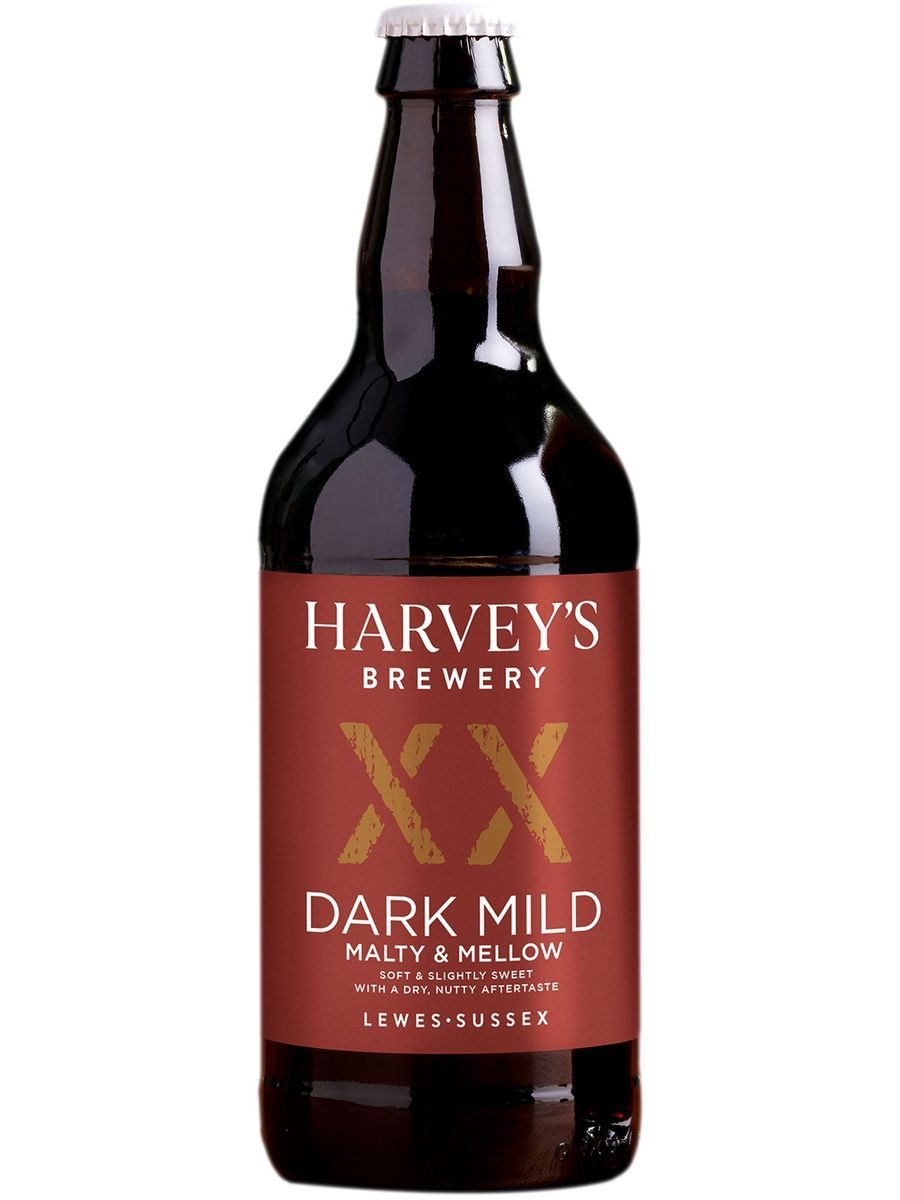
Harvey’s Dark Mild
Brewed by Harvey’s Brewery
A soft, nutty Dark Mild with a dry finish at only 3.0%.
BAR NOTES
In this category tasting route, harvey’s Dark Mild combines a mahogany appearance with gentle malt sweetness and a dry, nutty aftertaste at just 3.0%. The brewery lists 500ml bottles throughout the year, making it an unusually accessible way to study a low-strength British dark ale.
Compare this stop with the adjacent category branch. Begin with a modest pour and distinguish the initial sweetness from the finish. Low alcohol does not require a flavorless beer, and dark color does not establish stout-like roast. The British Bitter family supplies the contrasting hop-and-malt balance of the bitter family.
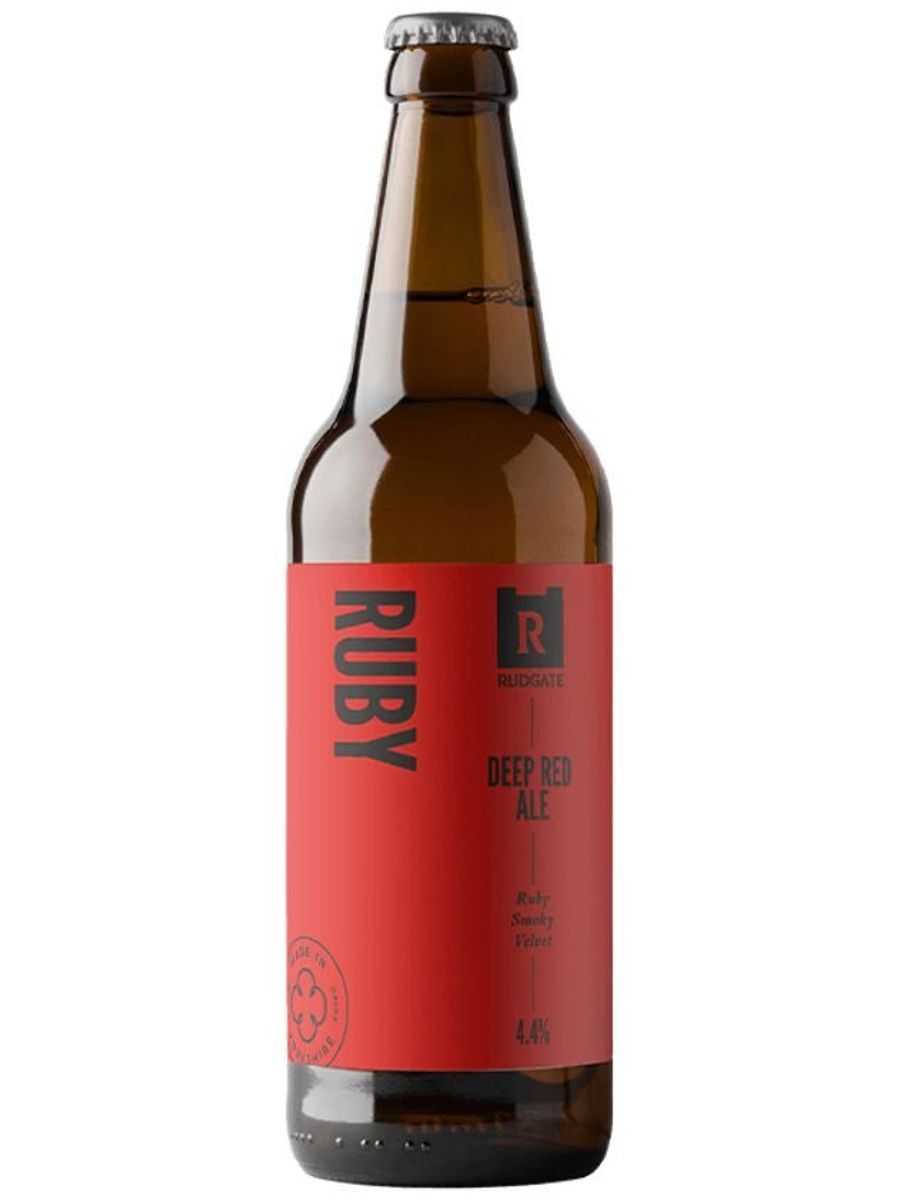
Rudgate Ruby Mild
Brewed by Rudgate Brewery
A richer 4.4% Mild reference from Rudgate’s core range.
BAR NOTES
In this category tasting route, rudgate lists Ruby as a core beer available in bottles and cask, describing a deeply rich, nutty Mild. The 4.4% bottled reference sits near the upper end of the modern Dark Mild strength band, rather than at Harvey’s very light starting point.
Compare this stop with the adjacent category branch. Compare its malt depth with Harvey’s before attributing fullness to alcohol alone. Ruby color and nutty flavors belong in the discussion, but do not assume smoke or an ingredient not documented by the brewer. The Dark Mild guide explains the style’s wider sweet-to-dry range.
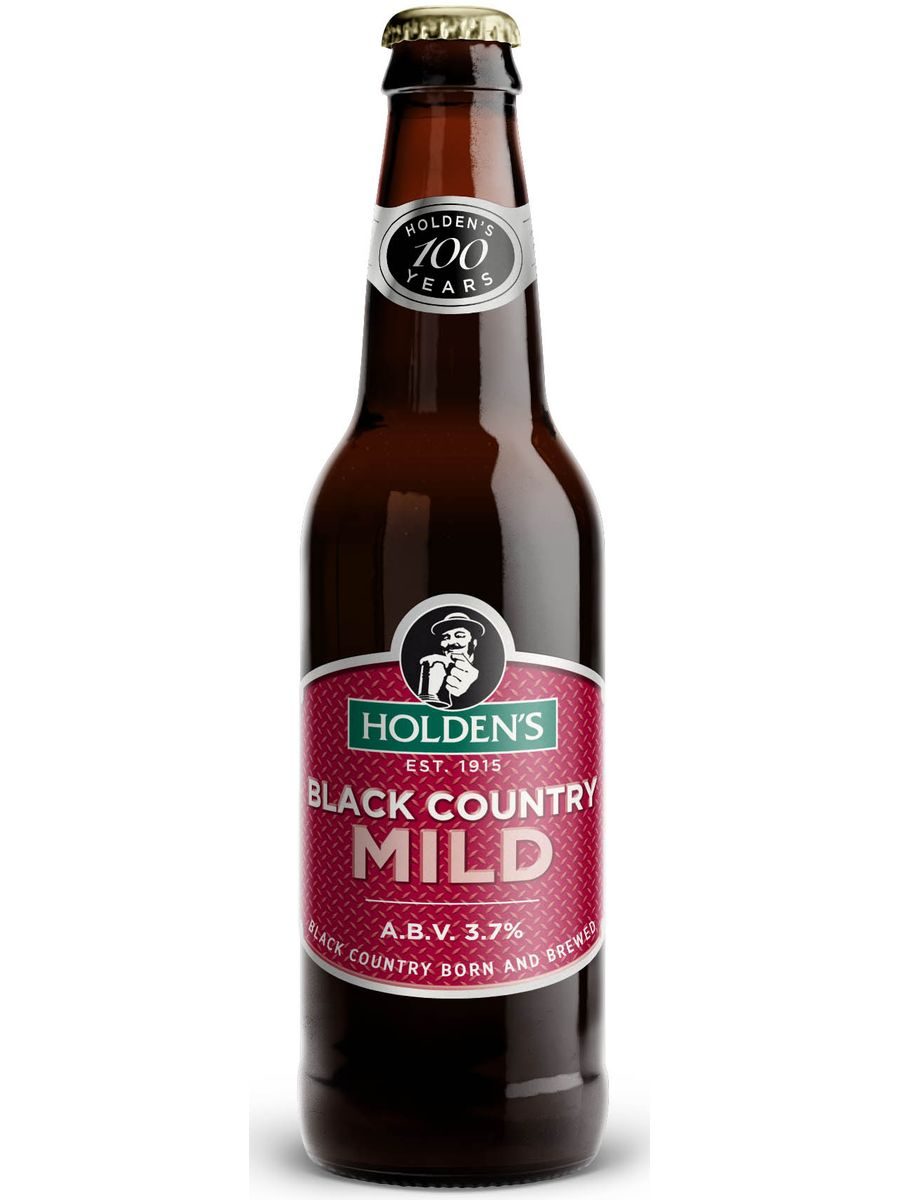
Holden’s Black Country Mild
Brewed by Holden’s Brewery
A traditional Black Country Mild with biscuit, nut and chocolate notes.
BAR NOTES
In this category tasting route, holden’s describes Black Country Mild as a chestnut-red, 3.7% beer with nutty biscuit notes and a hint of chocolate. Amber malt, caramalt, black malt and Fuggles build its traditional recipe, and the brewery shop currently offers bottled cases.
Compare this stop with the adjacent category branch. Use this beer to name several layers of malt flavor before considering bitterness. Biscuit, caramel and chocolate can coexist in a low-strength ale without making it an imperial dessert beer. The grain and adjunct chart explains how different malt treatments contribute those impressions.
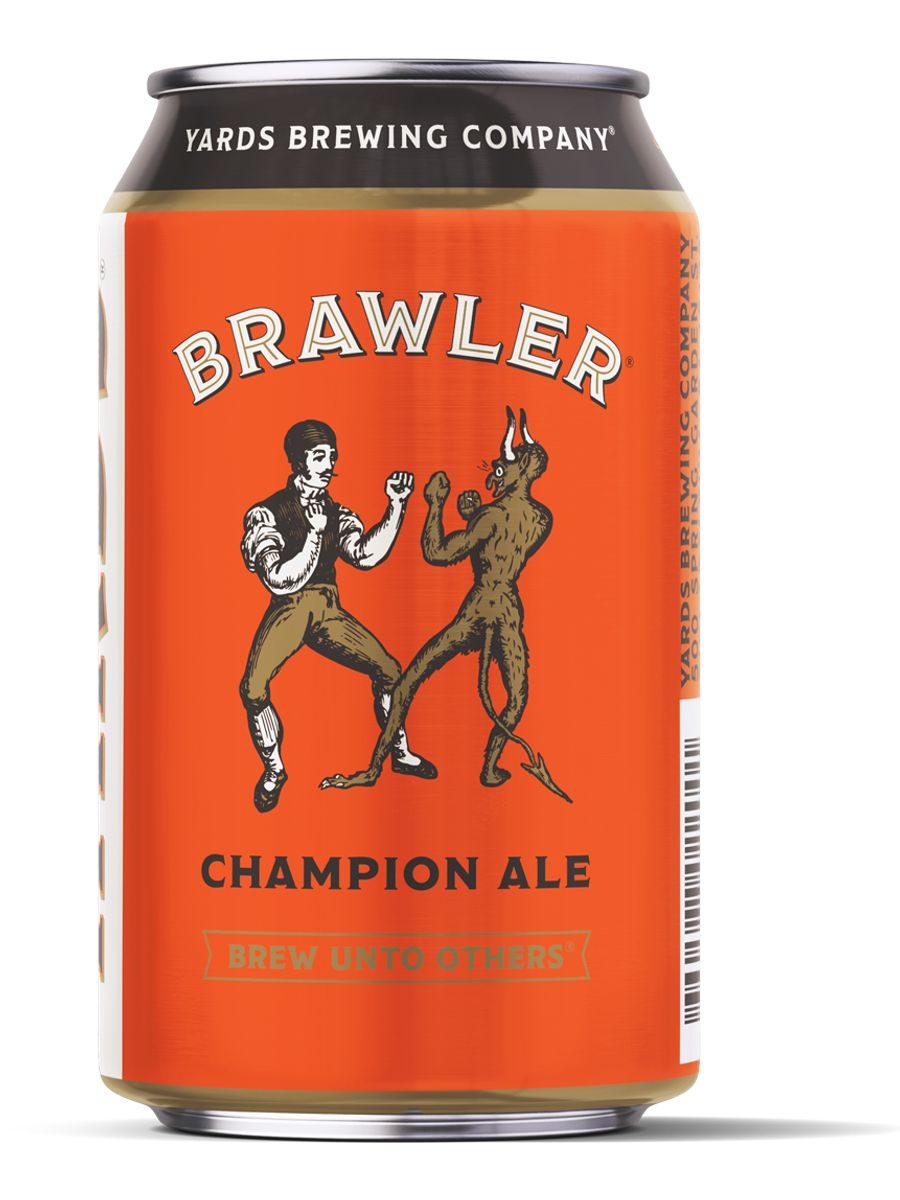
Yards Brawler
Brewed by Yards Brewing Company
A year-round American English Mild with documented malt and restrained bitterness.
BAR NOTES
In this category tasting route, yards explicitly brews Brawler in the style of an English Mild. Its current specifications list 4.2% alcohol, 12 IBU, crystal and amber malts, and roasted barley, with cans, bottles and draft in a year-round portfolio.
Compare this stop with the adjacent category branch. Compare its malt-forward balance with Holden’s rather than expecting the American brewery location to imply intense hopping. The subdued bitterness provides a useful contrast with modern pale ales. The IPA style comparison explains how hop-led categories prioritize a different balance from Mild.
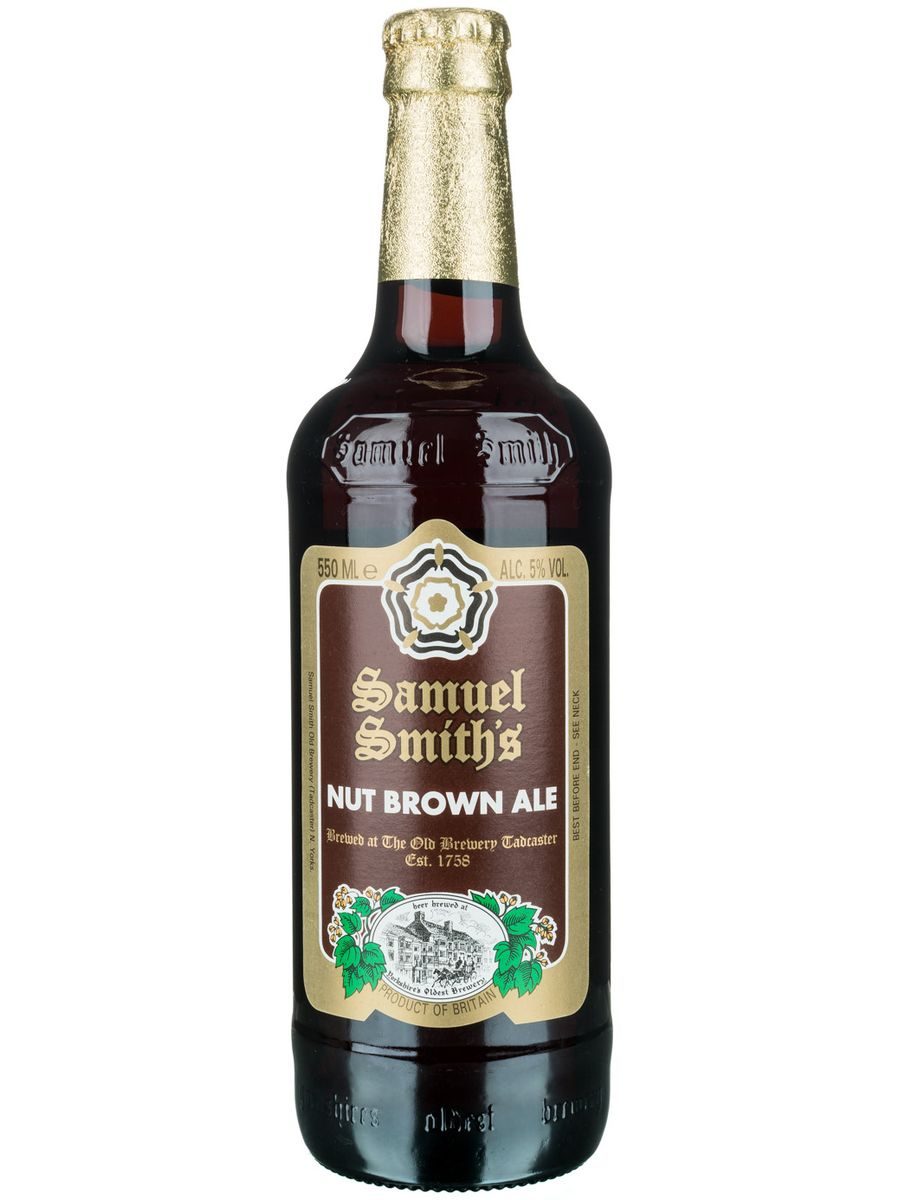
Samuel Smith’s Nut Brown Ale
Brewed by Samuel Smith’s Old Brewery
A relatively dry, nutty British Brown Ale with stone-square fermentation.
BAR NOTES
In this category tasting route, samuel Smith’s Nut Brown Ale is a 5.0% brown beer fermented in stone Yorkshire squares. The brewery describes a relatively dry palate recalling beech nuts, almonds and walnuts, making it a useful reference for nutty malt character without an intensely sweet finish.
Compare this stop with the adjacent category branch. Let a small serving approach the brewery’s suggested thirteen degrees Celsius and compare the finish with sweeter-seeming brown ales. Sensory nut descriptors do not establish the use of actual nuts. The British Brown Ale guide explains how malt, fermentation and restrained hopping create the style’s balance.
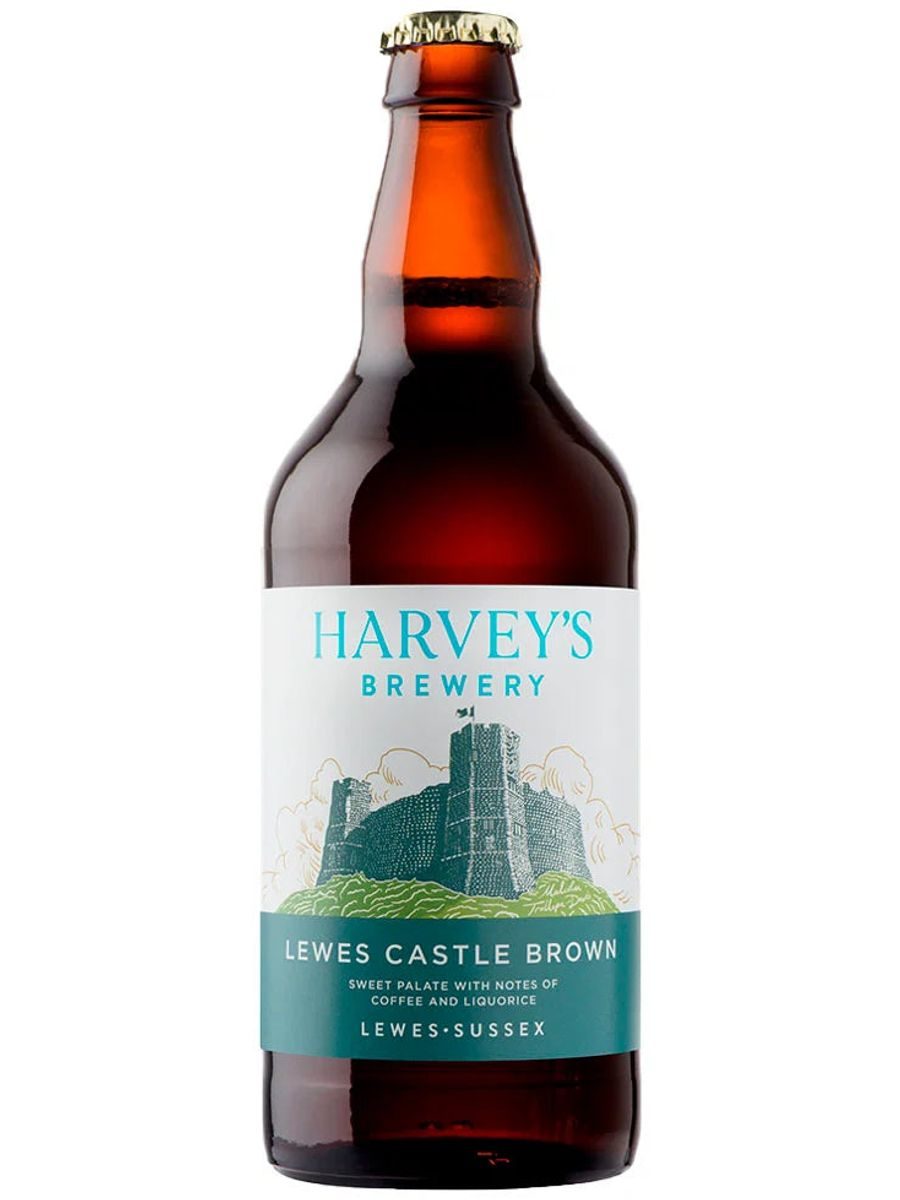
Harvey’s Lewes Castle Brown
Brewed by Harvey’s Brewery
A biscuit-led 4.8% Brown Ale with coffee, liquorice and a bitter-sweet finish.
BAR NOTES
In this category tasting route, harvey’s Lewes Castle Brown is a 4.8% bottled brown ale whose mild hops linger over a biscuit-sweet palate before coffee and liquorice notes emerge. The name refers to Lewes’s Norman castle and playfully echoes another famous brown-ale brand.
Compare this stop with the adjacent category branch. Compare the bitter-sweet finish with Newcastle while keeping serving temperature similar. Coffee impressions in a brown beer do not necessarily establish a coffee ingredient or Porter identity. The English Porter guide supplies the darker-malt comparison that helps keep this boundary visible.
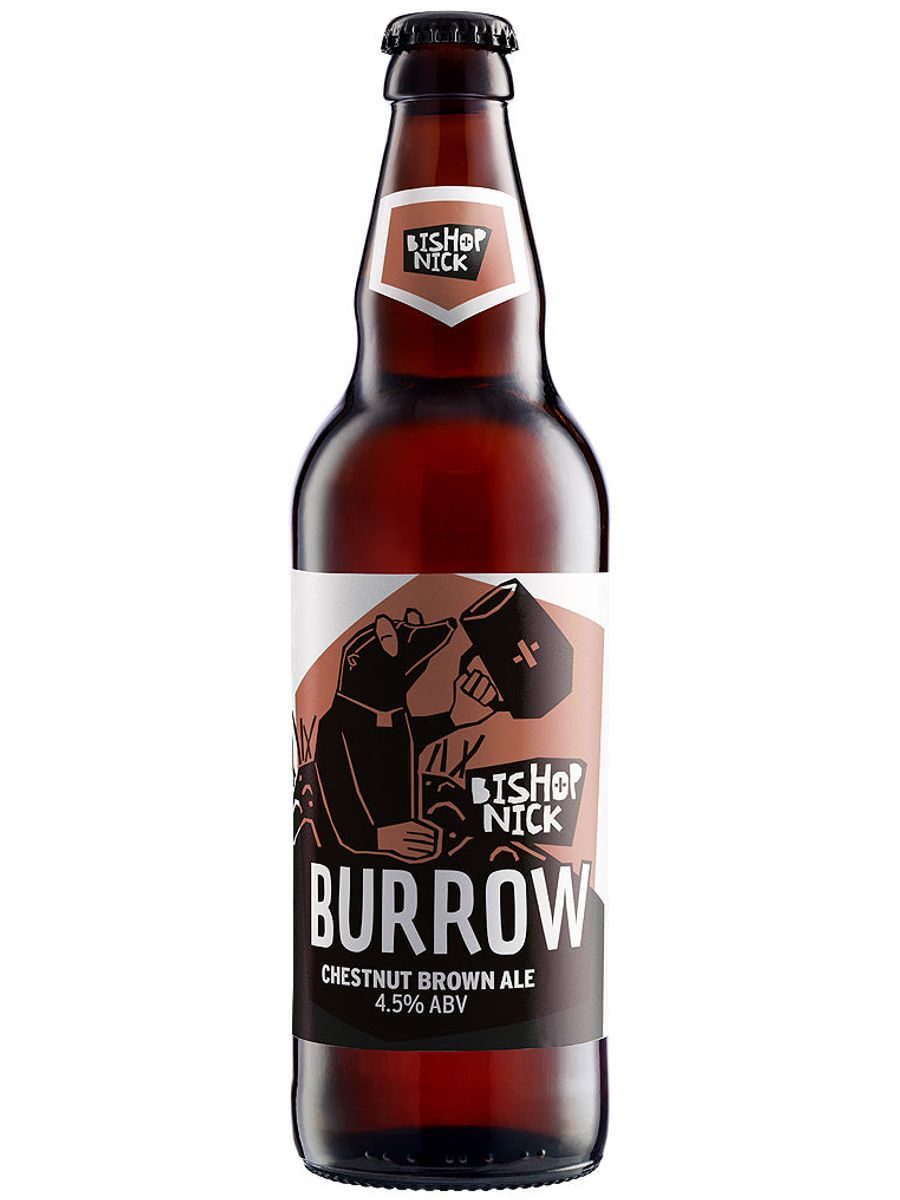
Bishop Nick Burrow
Brewed by Bishop Nick
A current limited-edition chestnut Brown Ale with Challenger and Goldings.
BAR NOTES
In this category tasting route, bishop Nick’s current Burrow bottles are a 4.5% chestnut Brown Ale with spice and cedar aromas. The brewery describes coffee, nut and caramel malt, Challenger bitterness and Goldings character; the product belongs to its limited-edition range rather than its permanent core.
Compare this stop with the adjacent category branch. Compare this newly listed brown beer with older regional references and ask how the finish balances its malt. A current seasonal release can be useful without pretending it is available everywhere year-round. The British Bitter family provides an adjacent British malt-and-hop comparison.
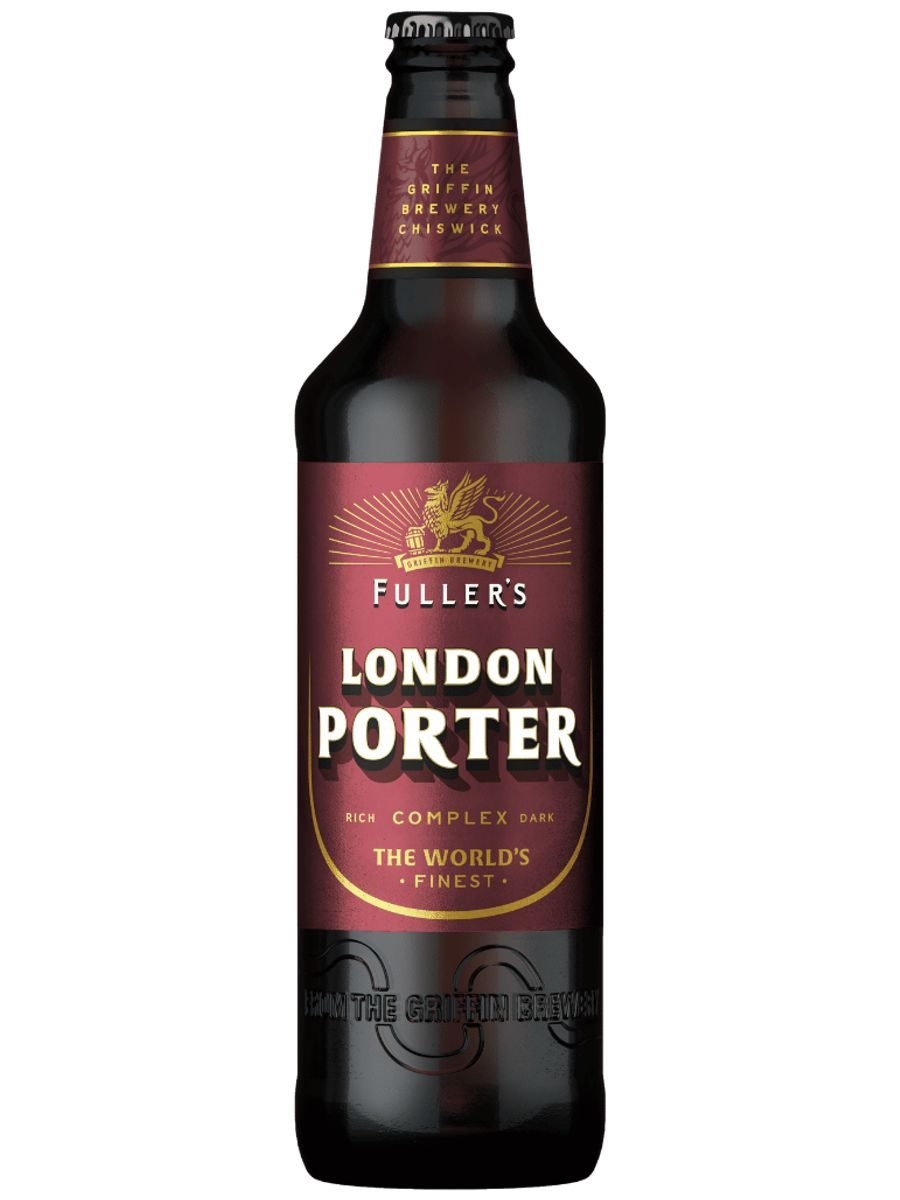
Fuller’s London Porter
Brewed by Fuller’s
A current 5.4% bottled London Porter reference built on brown and chocolate malt.
BAR NOTES
In this category tasting route, fuller’s London Porter is the 5.4% bottled benchmark in this flight. The brewery combines pale, brown and chocolate malts to build a rich, dark and complex porter, providing a practical reference for malt depth at the upper end of the English Porter strength range.
Compare this stop with the adjacent category branch. Begin the porter flight here and name toast, roast and malt sweetness separately. A dark beer should not be judged only by how much coffee it recalls. The British Brown Ale guide supplies the less-roasted brown-ale comparison that helps clarify Porter’s darker malt expression.
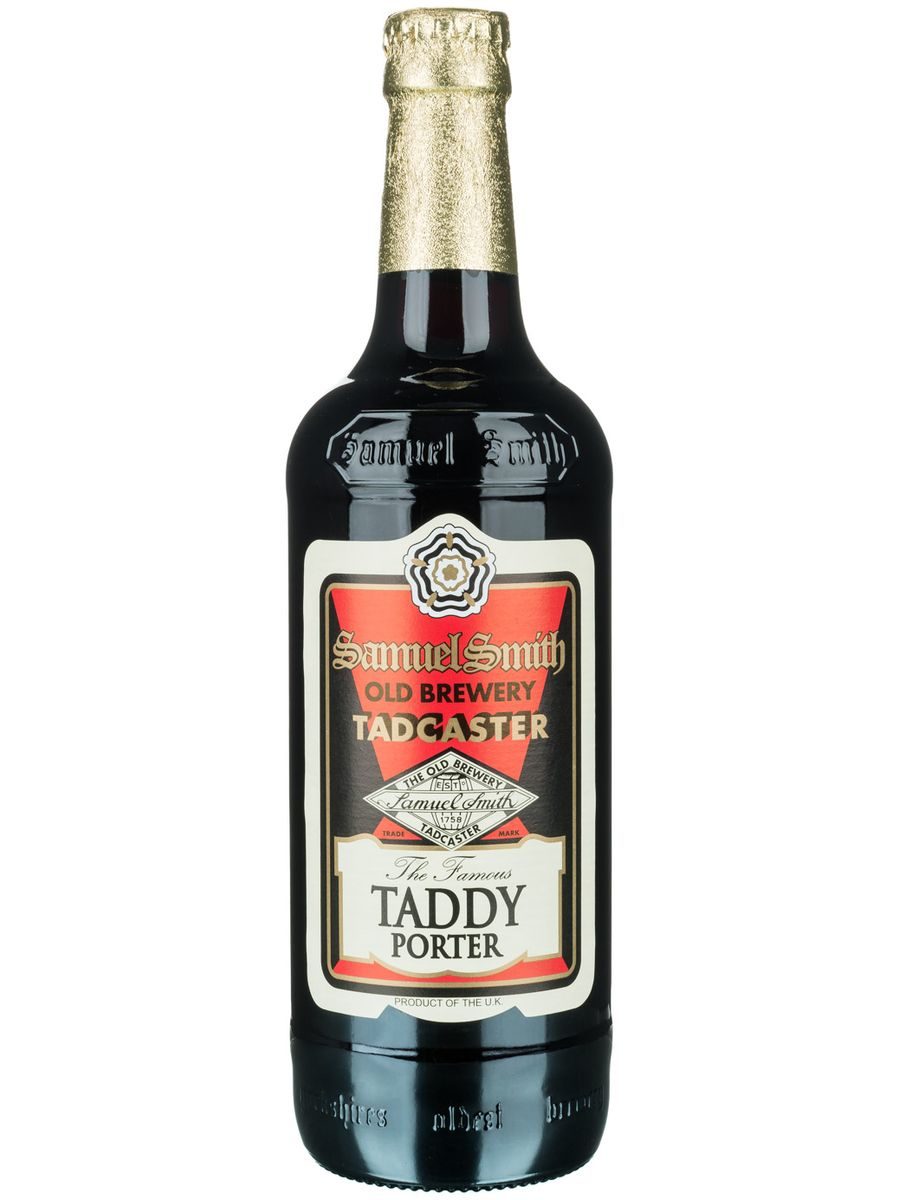
Samuel Smith’s Taddy Porter
Brewed by Samuel Smith’s Old Brewery
A Yorkshire porter reference with documented roasted malt and square fermentation.
BAR NOTES
In this category tasting route, samuel Smith’s Taddy Porter is currently listed at 5.0% in 550ml bottles. Well water, malted barley, roasted malt and hops meet fermentation in stone Yorkshire squares, connecting this porter with the brewery’s distinctive fermentation tradition rather than a modern adjunct recipe.
Compare this stop with the adjacent category branch. Compare malt and fermentation character with the same brewery’s Nut Brown Ale using similarly sized servings. Shared fermentation does not make the recipes interchangeable. The Brown British Beer family shows how Mild, Brown Ale and Porter organize different levels of malt and roast expression.
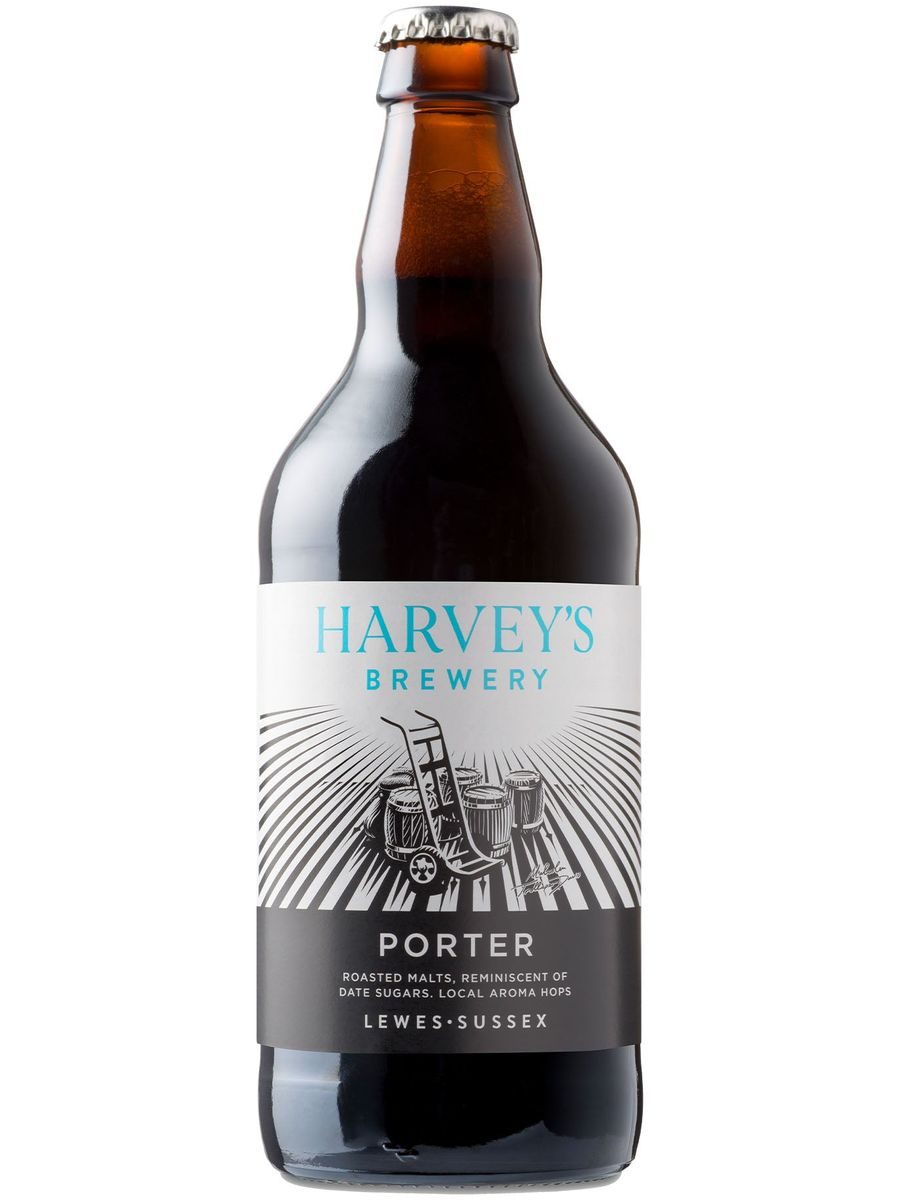
Harvey’s 1859 Porter
Brewed by Harvey’s Brewery
A current bottled historic Porter reference with Fuggles and Goldings.
BAR NOTES
In this category tasting route, harvey’s bottled Porter is currently 4.8%, brewed to Henry Harvey’s 1859 recipe with pale, crystal and black malt plus Fuggles and Goldings. The brewery describes roasted malt, date-sugar impressions, restrained fruitiness and a full finish.
Compare this stop with the adjacent category branch. Compare it with Fuller’s to separate different malt traditions within English Porter. Date-like flavor does not imply fruit additions unless the brewery documents them. The English Porter guide explains why the style can carry fruit and roast without becoming a flavored dessert beer.
Choosing the right style
Choose Dark Mild for maximum malt flavor at minimal strength, British Brown Ale for rounded nuts and caramel, or English Porter for deeper chocolate, coffee and roast without stout-like intensity.
Explore Britain’s malt-led dark ales
Move from the gentle roast of Dark Mild through nutty Brown Ale to the deeper finish of English Porter.