10 Best Gruit Ales and Herbal Beers to Try
Gruit is not simply “beer with herbs,” and it was never one universal medieval recipe. Historically, the word described mixtures and systems used to season, bitter, and often tax ale before hopped beer became dominant in many regions. Modern brewers use the term more loosely, so this guide separates true hop-free or herb-bittered gruits from clearly labeled gruit-inspired botanical beers.
That distinction removes famous but incorrect inclusions. Unibroue Raftman, for example, is a smoked ale brewed with hops, not a gruit. The ten beers below were selected for botanical intent, drinkability, historical interest, and the ability to teach something different about beer beyond the hop cone. Availability varies sharply; some are regional or periodic releases, so treat the list as a tasting map rather than a promise that every bottle sits on a nearby shelf.
What Counts as Gruit Here?
The strongest candidates use herbs, flowers, roots, bark, or tree material for the bitterness and aroma normally supplied by hops. A second lane covers historically important botanical ales that also contain hops. Those beers stay in the article only when the plant treatment is central and every hopped example is labeled plainly. If you want the broader tour of unusual fermentation, start with HBA’s 50 unique beer styles.
The 10 Best Gruit Ales and Related Herbal Beers

Jopen Koyt
Brewed by Jopen
A deep amber reconstruction of Haarlem’s 1407 city recipe, built from three grains and gruit herbs rather than modern hop character.
BAR NOTES
Jopen Koyt is the clearest place to start because it treats gruit as a complete beer architecture, not a novelty garnish. Toasted grain, caramel, dried fruit, peppery herbs, and bog-myrtle bitterness arrive in layers, with the 8.5% strength giving the botanicals enough malt to push against.
Serve it around cellar temperature in a tulip and give the first pour time to open. Roast pork, aged Gouda, mushroom pie, and nutty hard cheese all suit its dark malt and resinous spice. It is also a useful bridge from strong Belgian ale into the wider world of historical beer.
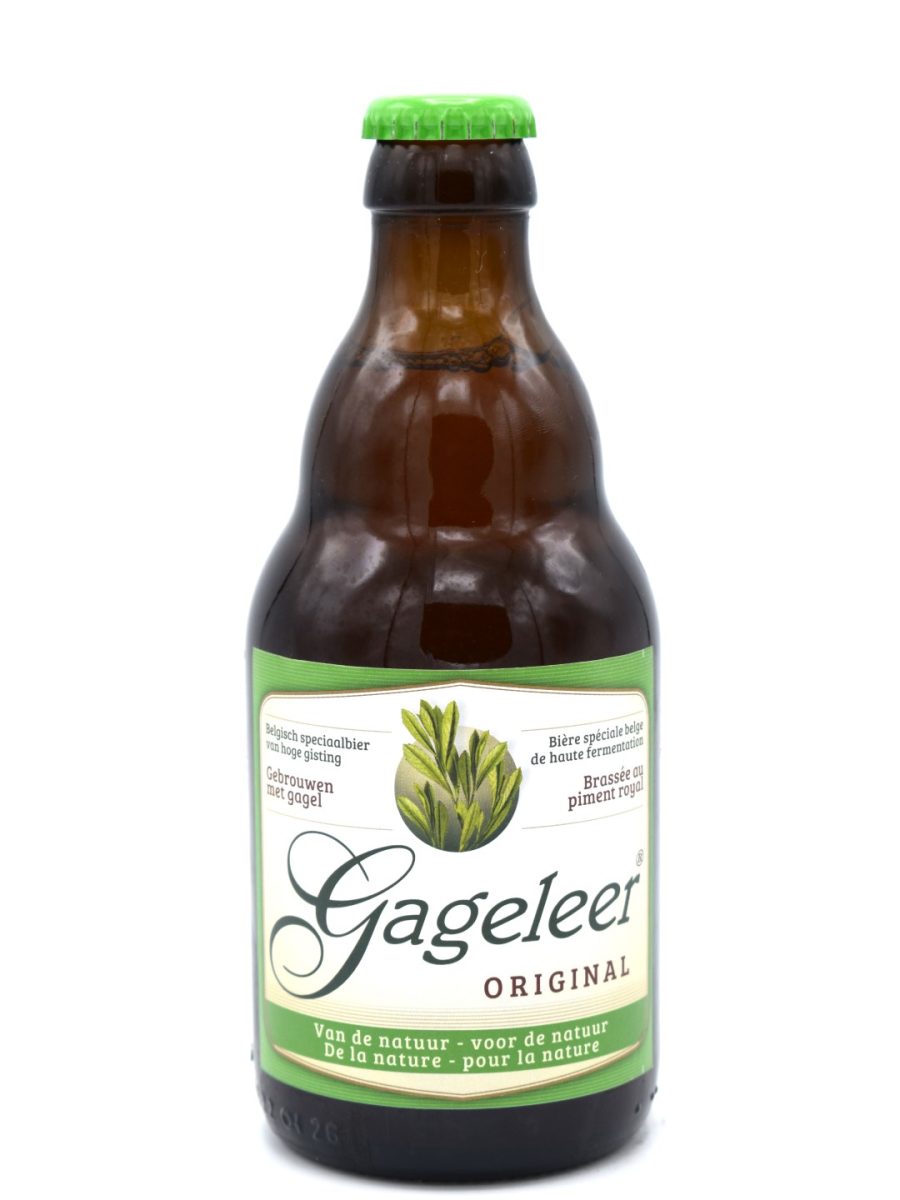
Gageleer Original
Brewed by Gageleer / De Proefbrouwerij
Organic malt and bog myrtle produce a peppery, eucalyptus-like herbal profile tied directly to Belgian heathland conservation.
BAR NOTES
Gageleer Original centers gagel, or bog myrtle, with a bright herbal aroma that can suggest pepper, eucalyptus, dried leaves, and soft resin. The rounded malt and fruity fermentation keep those flavors from turning medicinal, while the brewery’s conservation mission makes the plant feel connected to an actual landscape rather than a medieval costume.
This is the bottle for drinkers who want to understand one classic gruit plant in isolation. Pour it into a goblet with roast chicken, washed-rind cheese, or an herb-heavy stew. Because modern descriptions and recipes can include both gale and hops, this guide places it in the gruit-inspired lane rather than pretending every herbal beer is strictly hop-free.
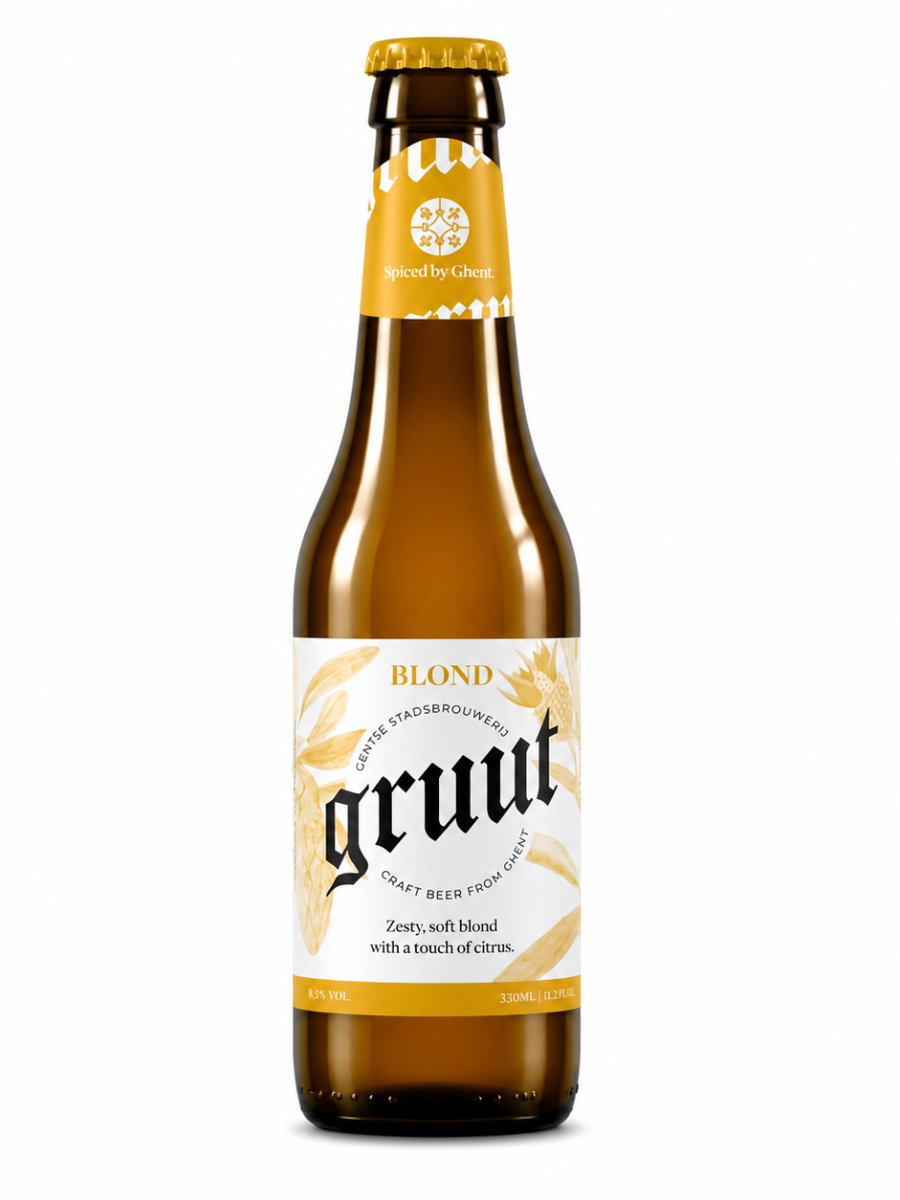
Gentse Gruut Blond
Brewed by Gentse Stadsbrouwerij Gruut
A pale, citrus-leaning Belgian ale whose house herb blend supplies the balance normally expected from hops.
BAR NOTES
Gruut Blond shows how approachable hop-free beer can be. Pale malt, soft fruit, citrus, light spice, and a gently drying herbal finish make it feel closer to a Belgian blond than to a jar of potpourri. That restraint is exactly why it ranks above louder but less coherent botanical experiments.
Serve it cool in a tulip with mussels, goat cheese, grilled fish, or a simple salad. The brewery keeps its gruut mixture secret, so the useful tasting exercise is structural: notice how aroma and bitterness arrive without the familiar floral, citrus, pine, or resin signatures explained in HBA’s hops chart.
Gruit Was a System, Not a Fixed Style
The familiar modern trio; bog myrtle, yarrow, and wild or marsh rosemary is useful shorthand, not a universal formula. Historical gruit composition changed by city, trade network, law, and period. The beers themselves also varied in color, grain, strength, fermentation, and freshness. That is why this ranking favors products that make a coherent drink instead of awarding points for checking three herb boxes.
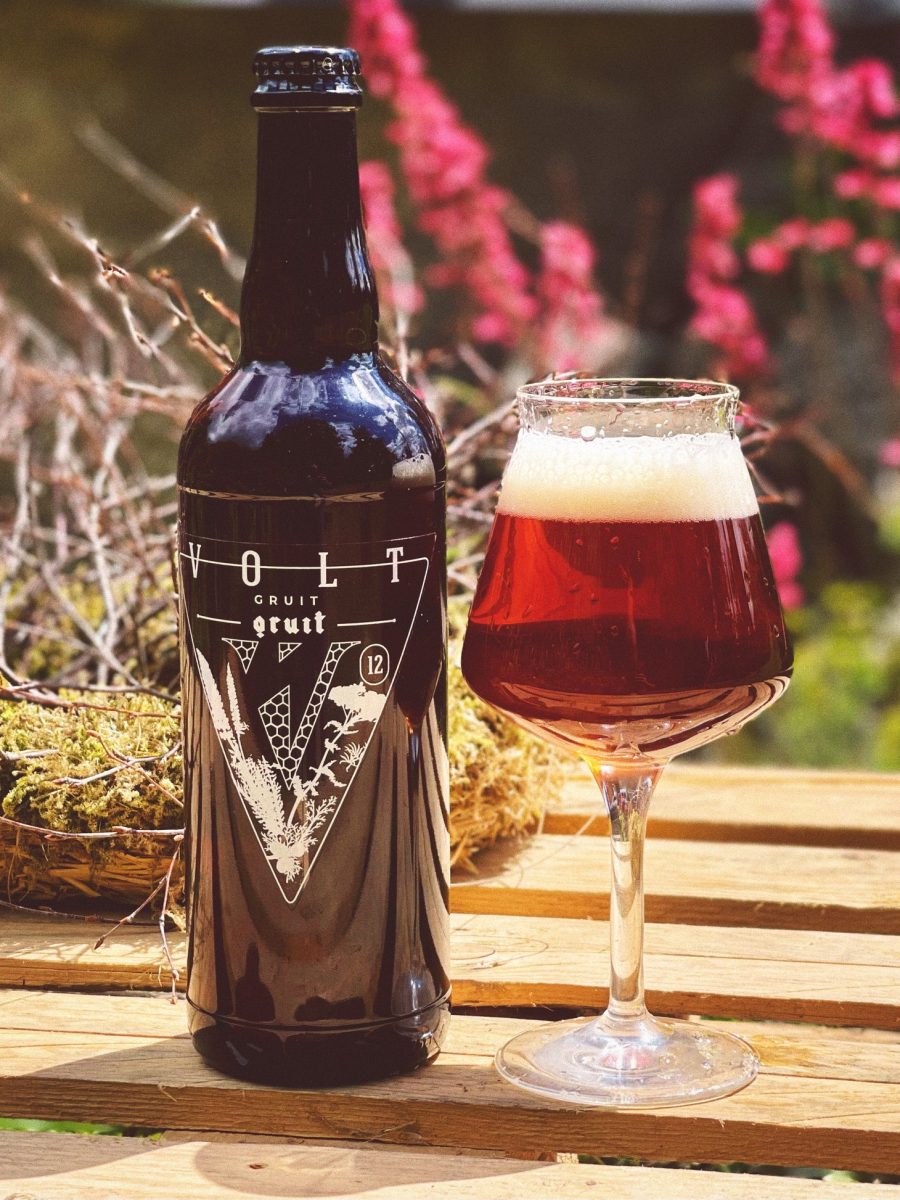
Volt Gruit 12°
Brewed by Pivovar Volt
Honey, wormwood, juniper, yarrow, and lavender turn a Czech craft ale into a vivid modern botanical bitter.
BAR NOTES
Volt Gruit 12° goes further into the herb cabinet than the Belgian classics. Wormwood supplies a firm, dry bitterness; juniper adds evergreen lift; yarrow and lavender widen the aroma; and honey rounds the middle without making the beer taste like mead. The result is intense but recognizably beer-shaped.
A stemmed glass and a modest serving are sensible because wormwood bitterness can build quickly. Try it with fatty sausages, roast duck, or a creamy cheese that can absorb the sharper botanicals. Drinkers attracted to the juniper side should continue into HBA’s guide to sahti, where the plant plays a different structural role.
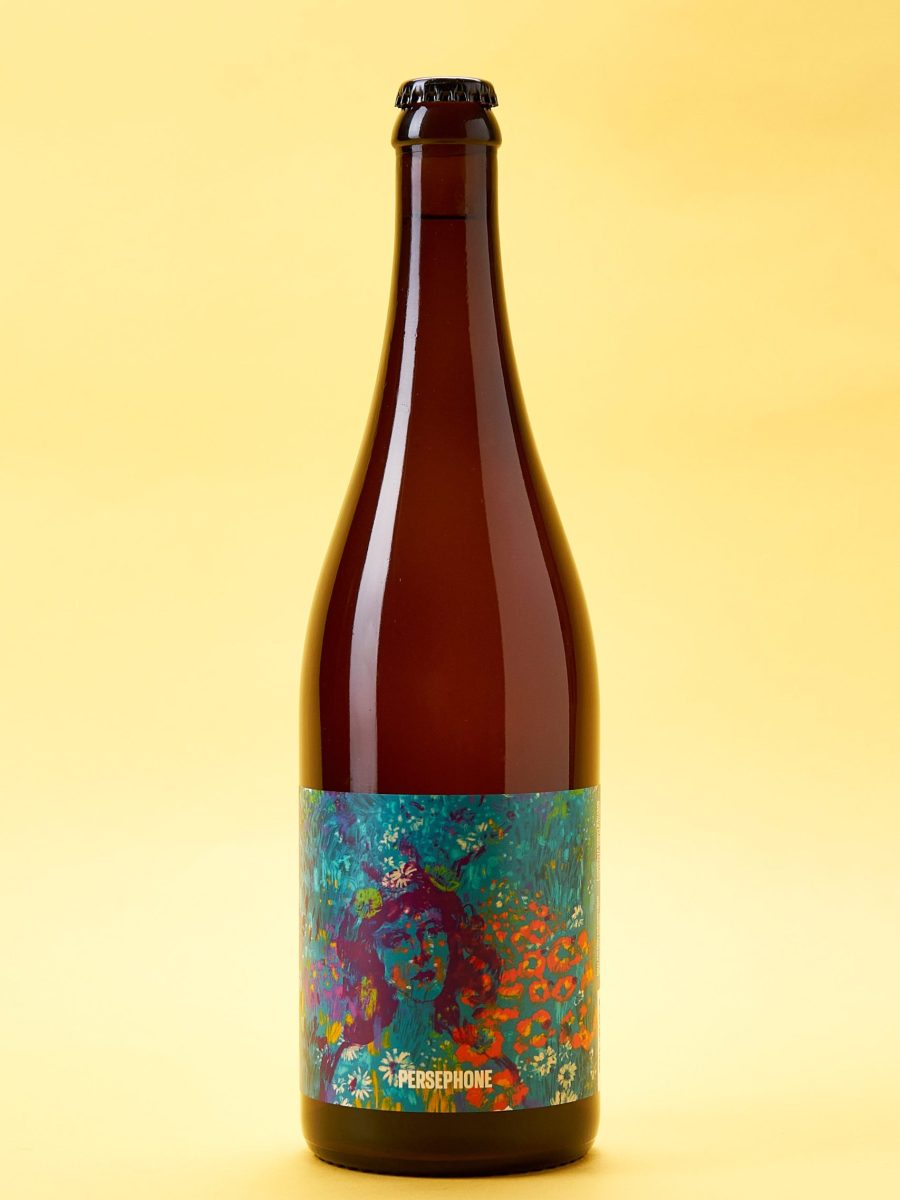
Persephone
Brewed by Hoppy Road
A low-strength, barrel-aged French gruit flavored with sweet clover, mallow, and nasturtium instead of hops.
BAR NOTES
Persephone is a convincing example of modern gruit moving beyond the familiar bog-myrtle trio. A pale-ale base fermented on Gewürztraminer and Pinot Gris lees picks up floral fruit and vinous texture, while sweet clover, mallow, and nasturtium replace hops with meadow-like aroma and a gentler plant bitterness.
At 4.2%, it proves botanical beer does not need to be strong or syrupy. Serve it in a wine glass with soft cheese, roast vegetables, or delicate charcuterie. Its barrel and lees character also makes it a useful detour for readers exploring saison and farmhouse ale rather than expecting every gruit to mimic medieval brown beer.
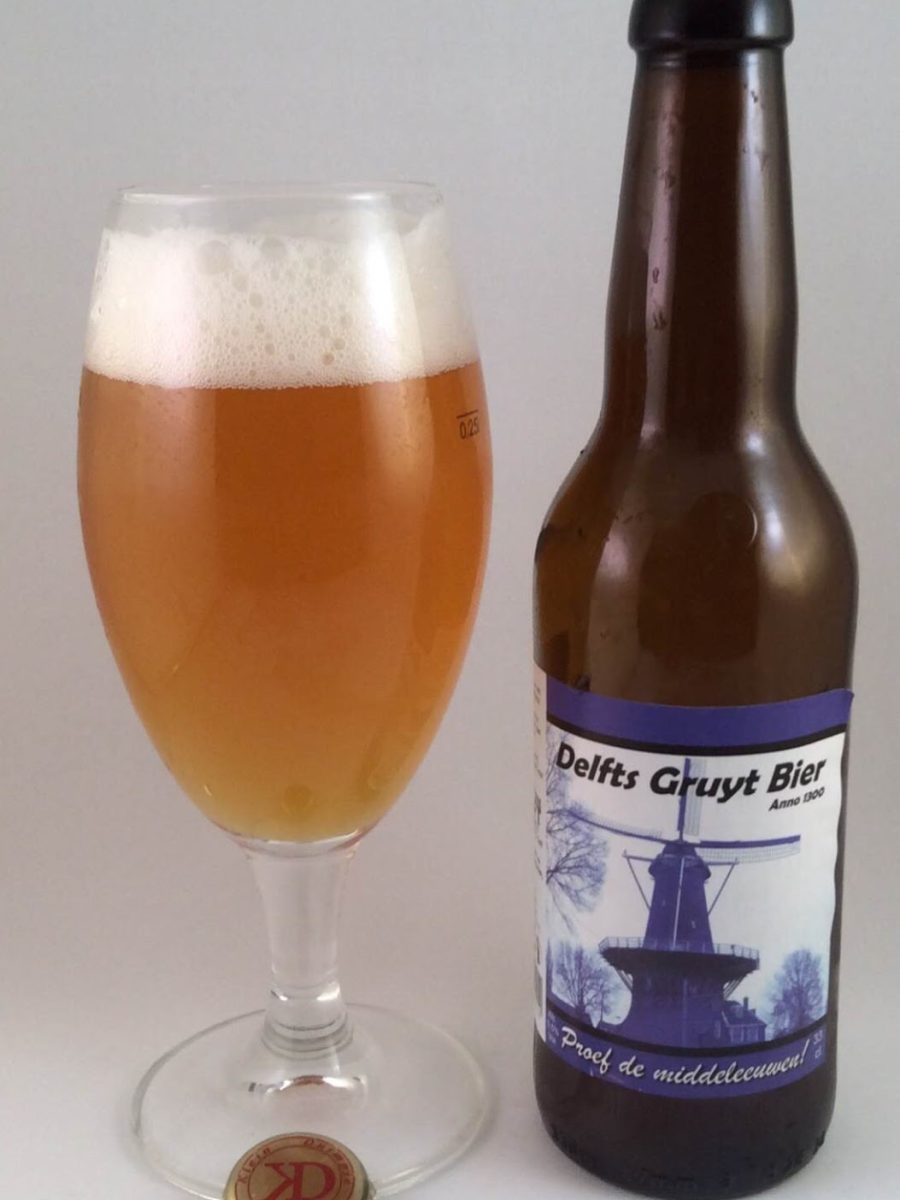
Delfts Gruyt
Brewed by Bierhistorie Delft / Klein Duimpje
A golden Dutch wheat-based interpretation with dry malt, green-apple fermentation notes, yeast, and gentle earthy herbs.
BAR NOTES
Delfts Gruyt is lighter and grainier than the word “medieval” may suggest. Wheat beer structure, yeast, green apple, dry malt, and mild earthy spice give it a rustic profile without burying the drinker under aggressive roots or flowers. It works best as an interpretation, not as a claim that one fixed gruit recipe ruled the Netherlands.
Pour it cool with young Gouda, white sausage, roast chicken, or bread and mustard. The beer also helps correct a common myth: gruit was not one universal style. It referred to taxed mixtures and brewing practices that changed by place and period, a distinction worth carrying into HBA’s collection of 50 unique beer styles.
How to Taste Botanical Bitterness
Taste these beers in small pours and let them warm slightly. Separate malt sweetness from plant bitterness, then look for resin, pepper, tea, mint, citrus peel, flowers, evergreen, or medicinal edges. Unlike hops, many herbs do not offer a familiar bitterness scale, so balance is easier to judge through finish length, astringency, and whether the second sip feels cleaner or more exhausting than the first.
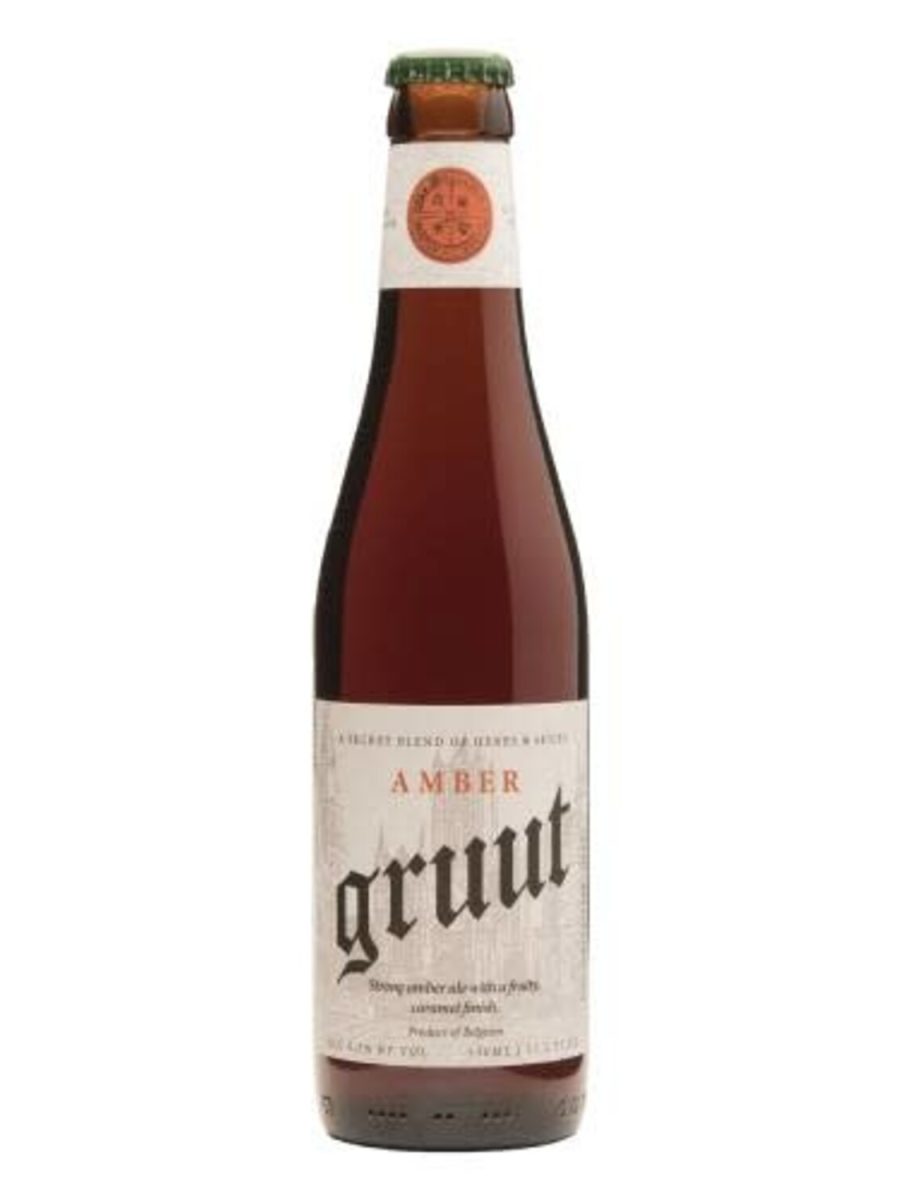
Gentse Gruut Amber
Brewed by Gentse Stadsbrouwerij Gruut
Caramel malt and ripe fruit give the same Ghent herb system a warmer, fuller frame than the brewery’s Blond.
BAR NOTES
Gruut Amber earns a separate place because the malt changes the effect of the herb blend. Caramel, toast, ripe fruit, and floral spice create a rounder middle, while the botanical finish keeps the sweetness from lingering. It is a useful demonstration that gruit describes a bittering and seasoning approach, not one color or strength.
A goblet and slightly warmer service bring out its caramel and fruit. Pair it with roast pork, semi-firm cheese, mushroom dishes, or bread pudding. Taste it beside Gruut Blond if possible: the controlled comparison reveals how pale versus amber malt can make the same secret botanical system read as citrusy in one beer and warmly spicy in another.
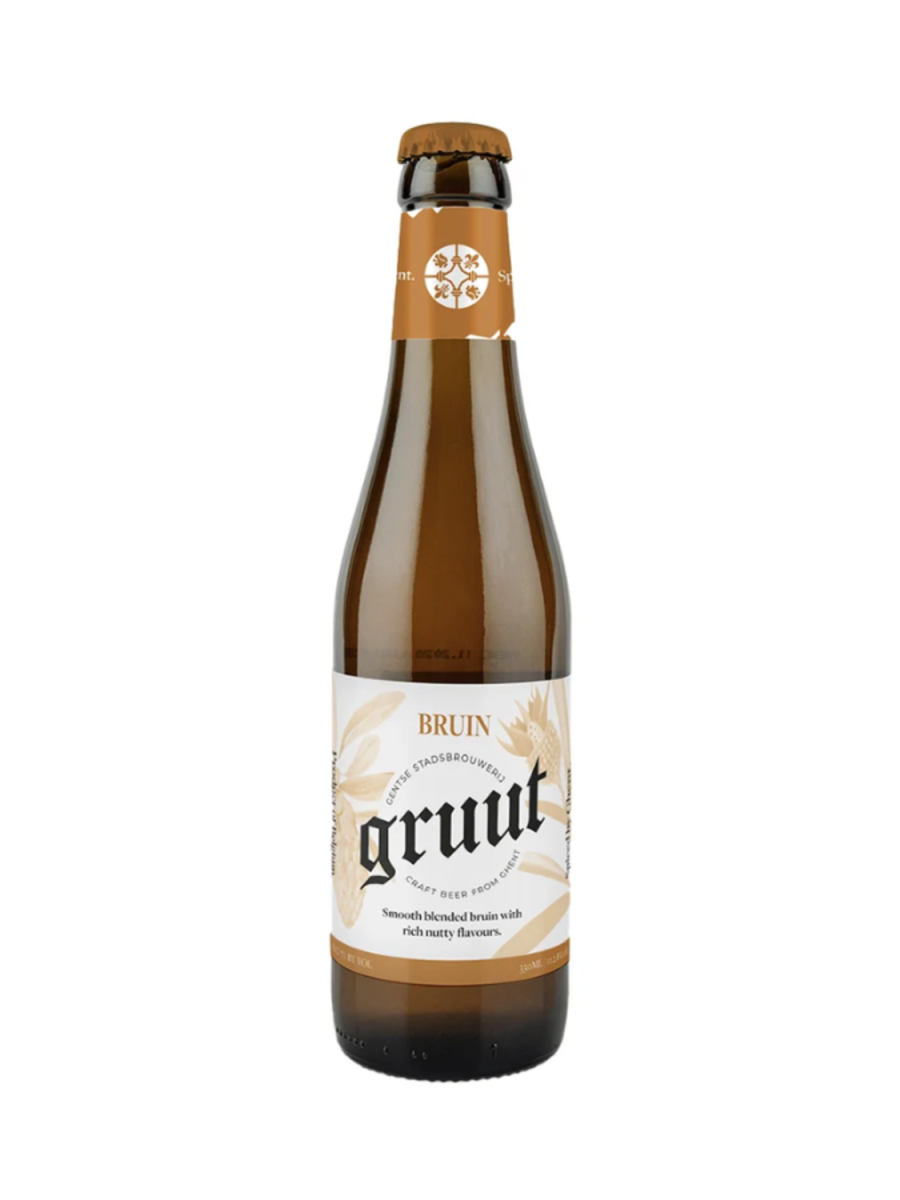
Gentse Gruut Bruin
Brewed by Gentse Stadsbrouwerij Gruut
A nutty brown gruit in which roast, caramel, and dark bread reshape the brewery’s herb-driven bitterness.
BAR NOTES
Gruut Bruin takes the house idea into brown-ale territory. Nut, dark bread, caramel, and a suggestion of cocoa sit under the herbs, producing the list’s softest and most malt-led Belgian example. The finish still feels botanical, but the dark grain turns sharp spice into something closer to baking spice and toasted wood.
Serve it around 10°C in a goblet with beef stew, aged cheese, roast mushrooms, or dark chocolate. Including Blond, Amber, and Bruin is deliberate rather than filler: together they show that an herb blend can work across pale, caramelized, and dark malt in the same way hop varieties behave differently across different beer recipes.

Fraoch Heather Ale
Brewed by Williams Bros. Brewing Co.
Heather flowers, bog myrtle, ginger, malt, and First Gold hops make this a historic botanical ale, not a strictly hop-free gruit.
BAR NOTES
Fraoch belongs here with an asterisk, and the asterisk matters. Heather flowers, bog myrtle, and ginger create a perfumed, honeyed, lightly spicy ale, but the current recipe also lists First Gold hops. Calling it hop-free would be wrong; calling it one of the most influential modern gruit-inspired beers is fair.
Pour it cool, then let it warm in a thistle or tulip glass. Smoked fish, roast chicken, sharp cheddar, and oatcakes all work. Fraoch is the right bottle for readers who want the cultural and botanical neighborhood of gruit while keeping a familiar hop-supported finish, and its honest placement prevents “herbal” from becoming a synonym for “unhopped.”

Alba Scots Pine Ale
Brewed by Williams Bros. Brewing Co.
Spruce shoots and Scots pine branches build a resinous, wine-like Scottish ale at the edge of the modern gruit family.
BAR NOTES
Alba stretches the definition furthest, using spruce shoots and Scots pine to create a resinous, forested ale with rich malt and vinous warmth. It is not presented as a textbook medieval gruit; it is included as a related historical botanical beer that shows how tree material can season wort as decisively as flowers, leaves, or roots.
A small snifter is best, especially as the beer warms and its pine, fruit, and malt separate. Pair it with smoked venison, blue cheese, fruitcake, or roast nuts. Finish here if you want the wildest sensory jump from standard beer, then compare that evergreen bitterness with the smoke-led oddities in HBA’s Grodziskie roundup.
A Safety Note for Homebrewers
Do not treat a commercial gruit list as permission to forage blindly. Common names can point to different plants, some traditional ingredients are unsafe at certain doses, and “wild rosemary” is not interchangeable with culinary rosemary. Pregnancy, medication, allergies, and individual health conditions can also change the risk. Use correctly identified food-grade ingredients from reputable suppliers, research each botanical separately, and dose conservatively.
Start with a sound base beer, make bench trials or teas, and remember that herbs must solve more than aroma. Hops contribute bitterness, foam, microbial pressure, and storage stability; removing them can alter the whole process. HBA’s beer recipe library gives you a reliable fermentation framework, while the hops chart helps identify the functions you are trying to replace.
Frequently Asked Questions
What is gruit ale?
Gruit ale is beer seasoned or bittered with a botanical mixture associated with historical brewing traditions. Modern usage often means a hop-free herbal beer, but historical gruit mixtures and modern commercial definitions vary.
Is every gruit completely hop-free?
No. Many modern drinkers use gruit to mean hop-free beer, but some historical interpretations and gruit-inspired commercial beers include hops alongside botanicals. This guide labels those examples instead of hiding the distinction.
What herbs are commonly used in gruit?
Bog myrtle, yarrow, and wild or marsh rosemary form the best-known modern trio. Brewers also use heather, juniper, wormwood, sweet woodruff, ginger, flowers, roots, spruce, pine, and many other botanicals.
Why did hops replace gruit?
Hops offered attractive bitterness, storage advantages, and increasingly favorable economics and regulation. The change happened unevenly across regions and centuries, so the history is more complicated than one sudden beer revolution.
What does gruit taste like?
It can taste peppery, floral, earthy, tea-like, resinous, minty, citrusy, evergreen, or medicinal. Malt color, yeast, strength, and the exact plant mixture matter as much as the word gruit.
Can I safely forage herbs for gruit?
Only with expert plant identification and ingredient-specific safety research. Similar common names can refer to different species, and traditional use does not prove a plant or dose is safe for every drinker.
Keep Exploring Beer Before Hops Took Over
Gruit opens into a wider world of historical, botanical, farmhouse, and foraged beer. Follow the lane that interests you most, then use the brewing resources to understand what herbs can—and cannot—do in the kettle.
DRINK DEEPER
BREW IT YOURSELF

better beer.