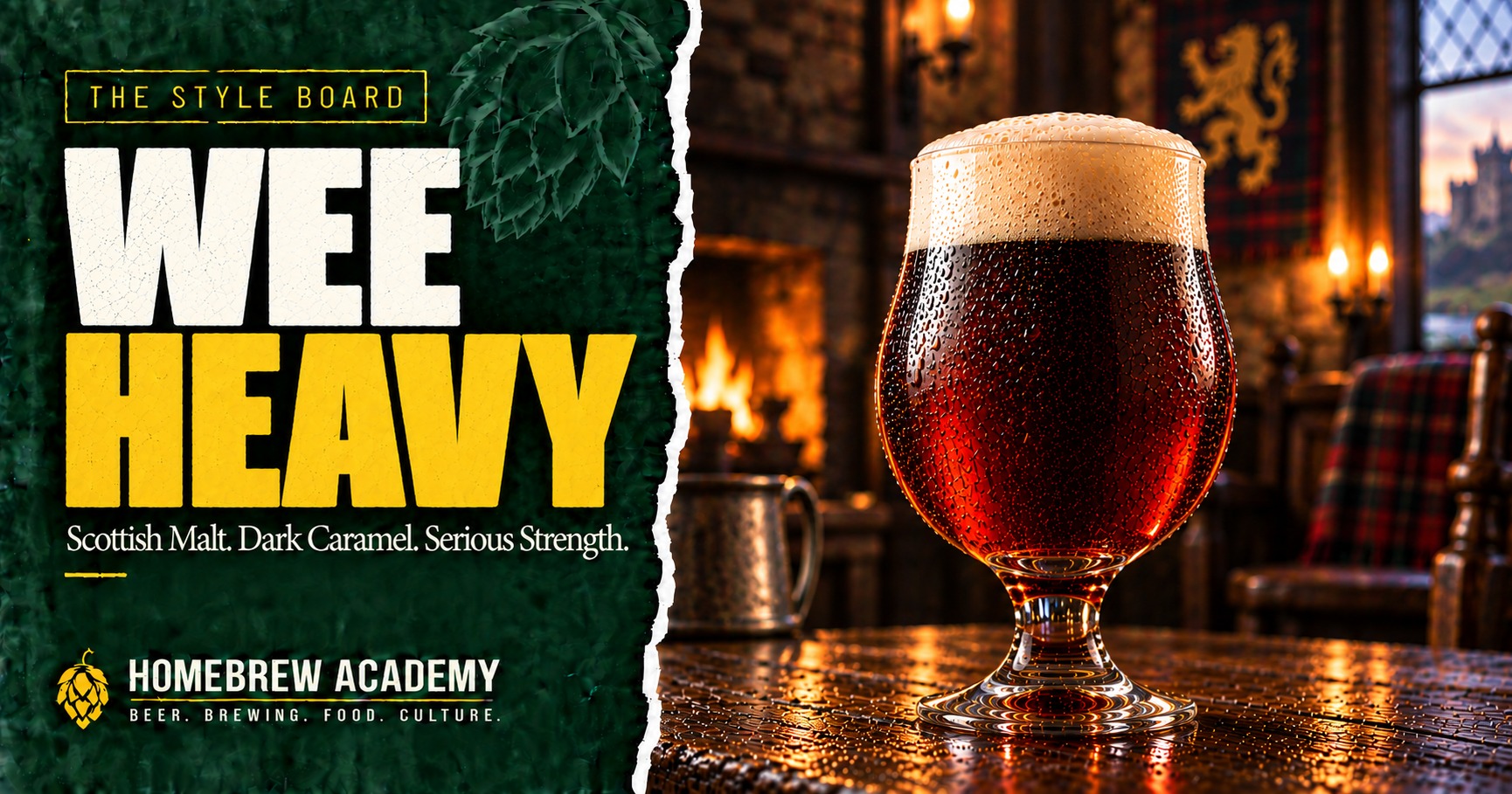
Wee Heavy: 10-Beer Comparison Flight and Style Guide
Wee Heavy is a strong Scottish ale with concentrated caramelized malt, dark fruit, toffee and warming alcohol supported by restrained bitterness.
It is not simply a stronger Scottish Export, and peat smoke is not a defining ingredient despite the whisky-inspired mythology surrounding the style.
The quick answer
Expect light copper to dark brown color, a full chewy body and low to moderate carbonation. Malt dominates, while hops and roast remain secondary.
| Measure | BJCP range |
|---|---|
| Original gravity | 1.070–1.130 |
| Final gravity | 1.018–1.040 |
| Bitterness | 17–35 IBU |
| Color | 14–25 SRM |
| Alcohol | 6.5–10.0% |
What Wee Heavy tastes like
Caramel, toffee, toast and dark fruit lead, sometimes with plum, raisin or light nuts. Alcohol brings smooth warmth, and a slight roasted dryness may keep the finish from becoming cloying.
Hop aroma is low, bitterness restrained and smoke absent. The best examples feel concentrated and layered rather than sugary, burnt or hot.
Where the name came from
Wee Heavy became associated with strong Scotch ale and the upper end of historic shilling terminology. Modern examples vary widely, but all sit well above everyday Scottish Light, Heavy and Export.
The style is related to strong nineteenth-century Scottish ales, yet current competition definitions reflect modern products rather than one unchanged ancient recipe.
How Wee Heavy is brewed
A large pale-malt base supports crystal or colored malt and sometimes sugar. Concentrated first runnings or extended boiling may deepen malt, but scorching wort is not required.
Clean Scottish or British yeast, restrained hops and patient fermentation preserve richness without creating solvent alcohol. Peat-smoked malt usually produces the wrong kind of intensity.
Ten Wee Heavy references and comparisons
Traquair House Ale, Old Jock, Skull Splitter and the current Belhaven 90-shilling Wee Heavy lead this ten-beer flight. Six labeled comparisons include a more bitter American Scotch ale, a spiced Scottish ale, a lower-strength Scottish ale, an English barleywine and other strong ales. The usual 2021 Wee Heavy alcohol band is 6.5–10.0%, and peat smoke is not a requirement.
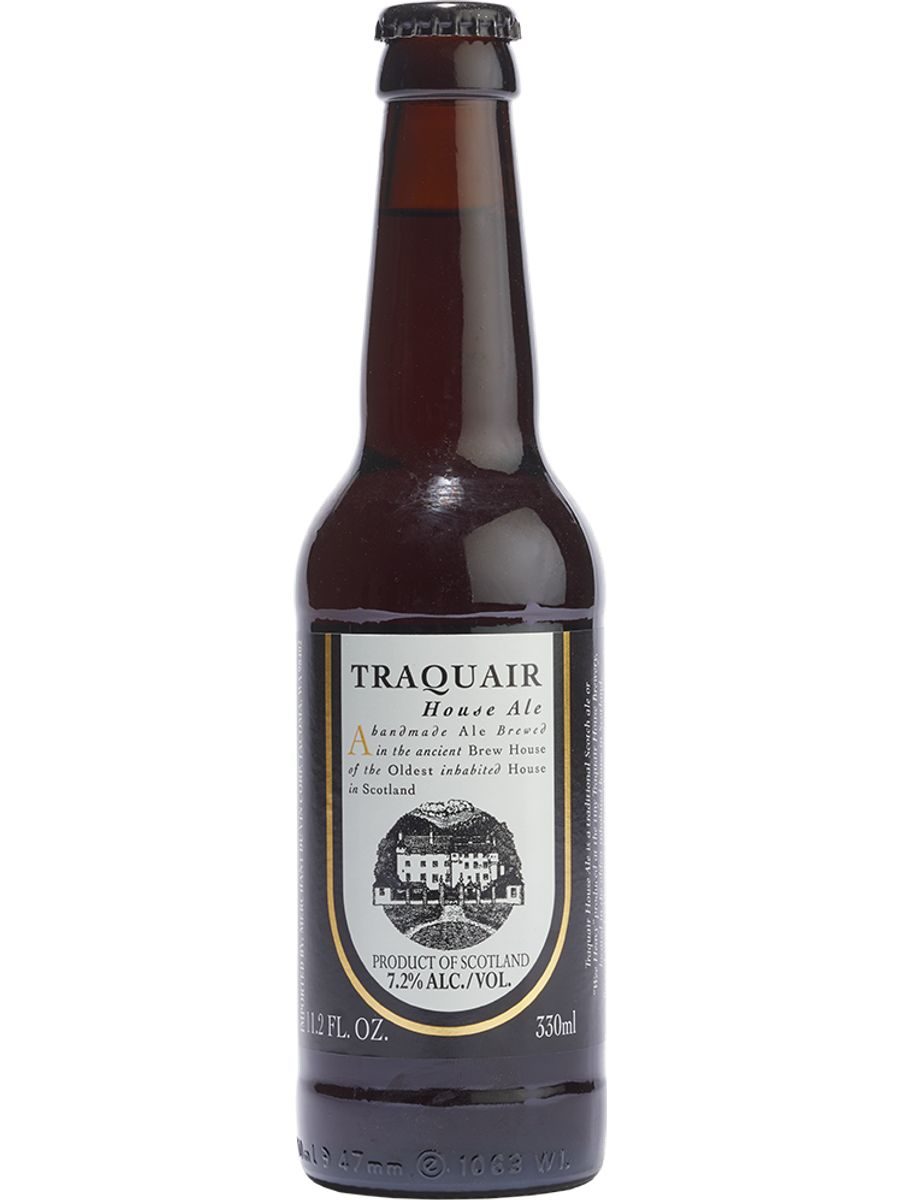
Traquair House Ale
Brewed by Traquair House Brewery
Rich Scottish malt and wooden-vessel fermentation without mandatory peat smoke.
BAR NOTES
Traquair’s current House Ale is 7.2%, consistent with its importer’s selected 330ml bottle. First brewed in 1964, it retains fermentation in wooden vessels; wood-related complexity should not be confused with a requirement to add peat-smoked malt.
Set this beside Old Jock and notice the balance of malt, fruit and finish before considering the brewery’s wooden vessels. A rich Scottish ale can carry depth without obvious smoke, and the texture should remain more informative than the label’s age alone. The companion style guide adds context for the comparison.
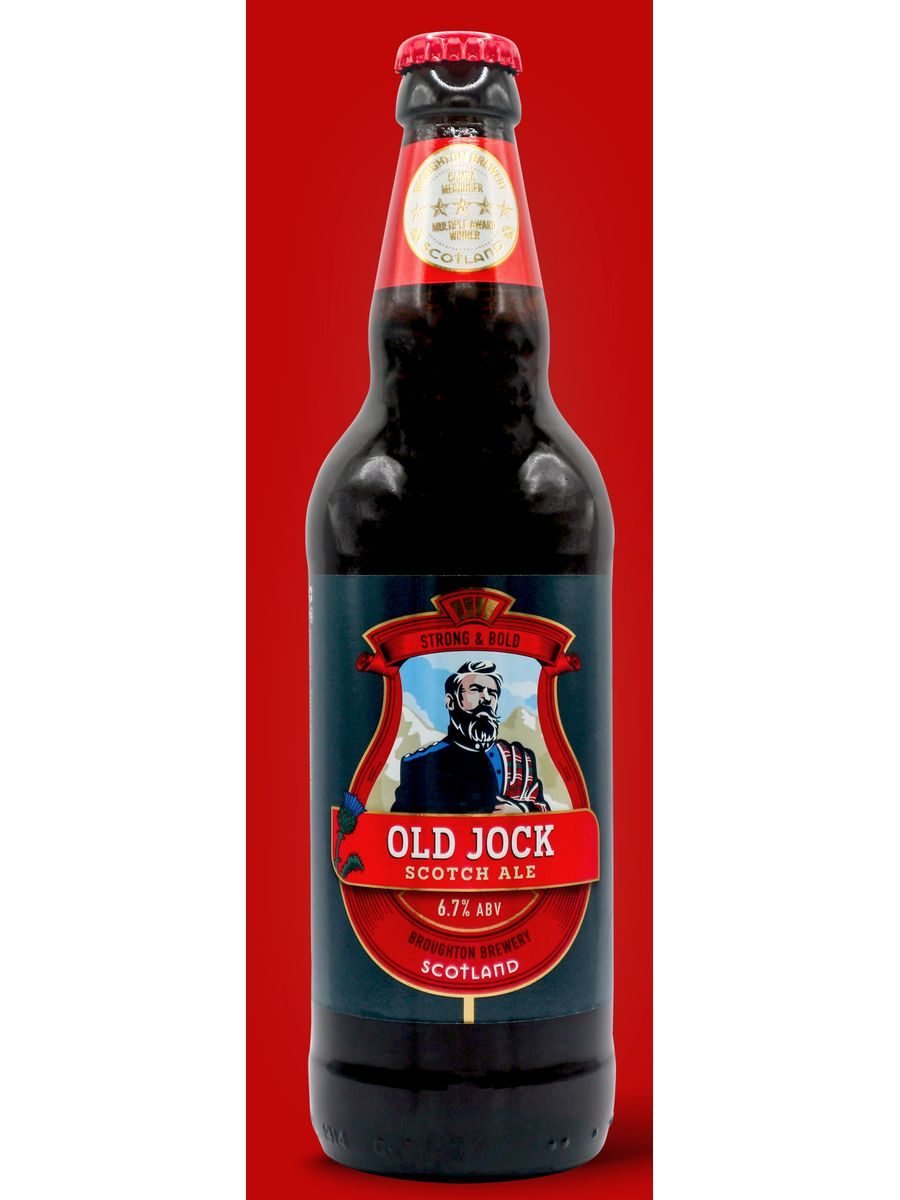
Broughton Old Jock Scotch Ale
Brewed by Broughton Brewery
Scottish Scotch-ale reference.
BAR NOTES
Broughton’s current Old Jock is the 6.7% Scotch Ale from the Scottish Borders. Its strength puts this selected bottle at the lower edge of the Wee Heavy alcohol band, distinct from the brewery’s lighter Wee Jock and oatmeal Stout Jock.
Use Old Jock before stronger Scottish examples and check whether the malt remains concentrated at a comparatively modest strength. Similar brewery names can conceal different recipes, so compare the correct bottle rather than expecting every Jock-branded beer to fill the same role. The related style guide helps frame this tasting.
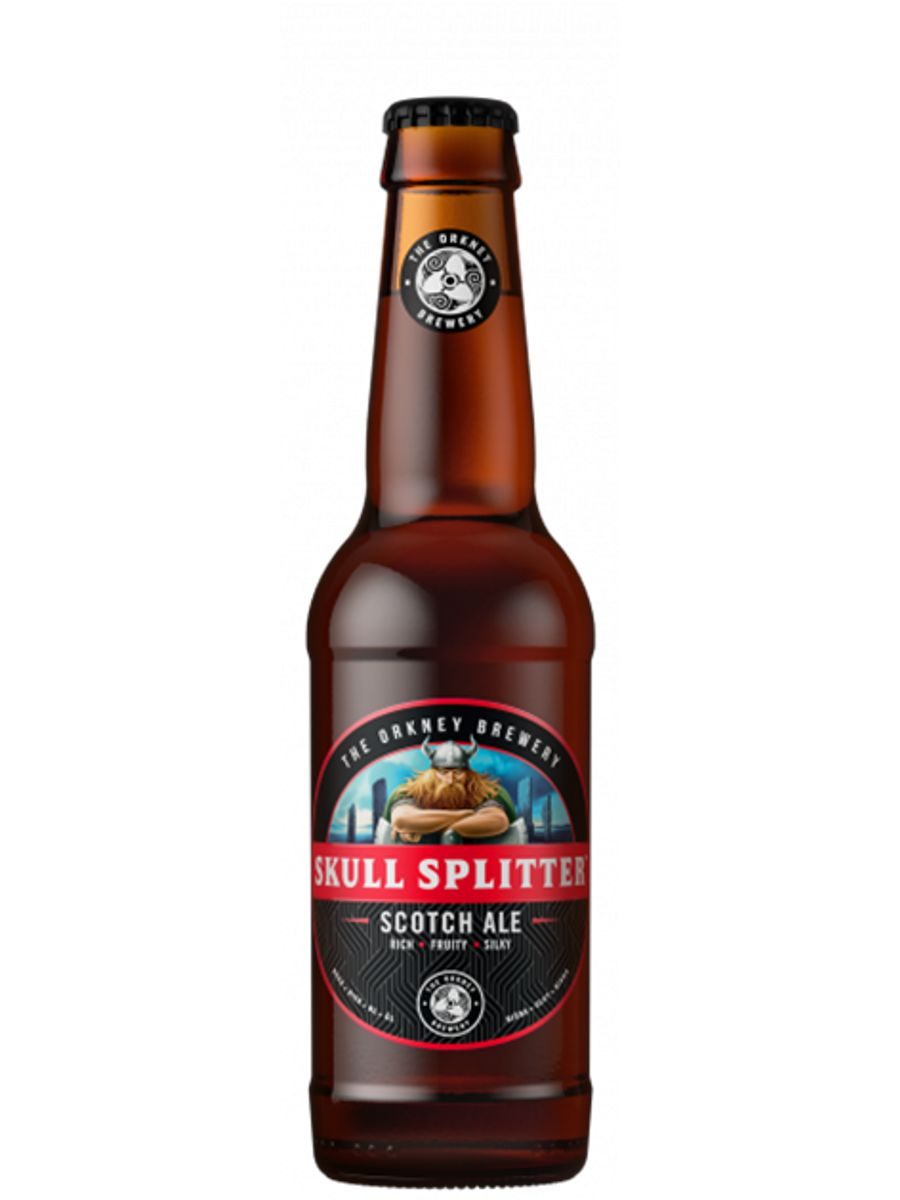
Skull Splitter
Brewed by Orkney Brewery
Smooth Orkney Scotch ale with fresh and dried-fruit depth.
BAR NOTES
Orkney’s current shop lists Skull Splitter at 8.5% in a 330ml bottle. Its fruity Scotch-ale description includes fresh and dried fruit with a smooth, full body; the Viking-inspired name does not imply that the beer is smoked.
Check the finish after the first caramel-rich sip, particularly against Traquair’s lower-strength House Ale. Fruit, warmth and body should be judged separately, since a powerful Scottish ale can feel rounded without needing either heavy roast or whisky-like smoke. The companion style guide adds context for the comparison.
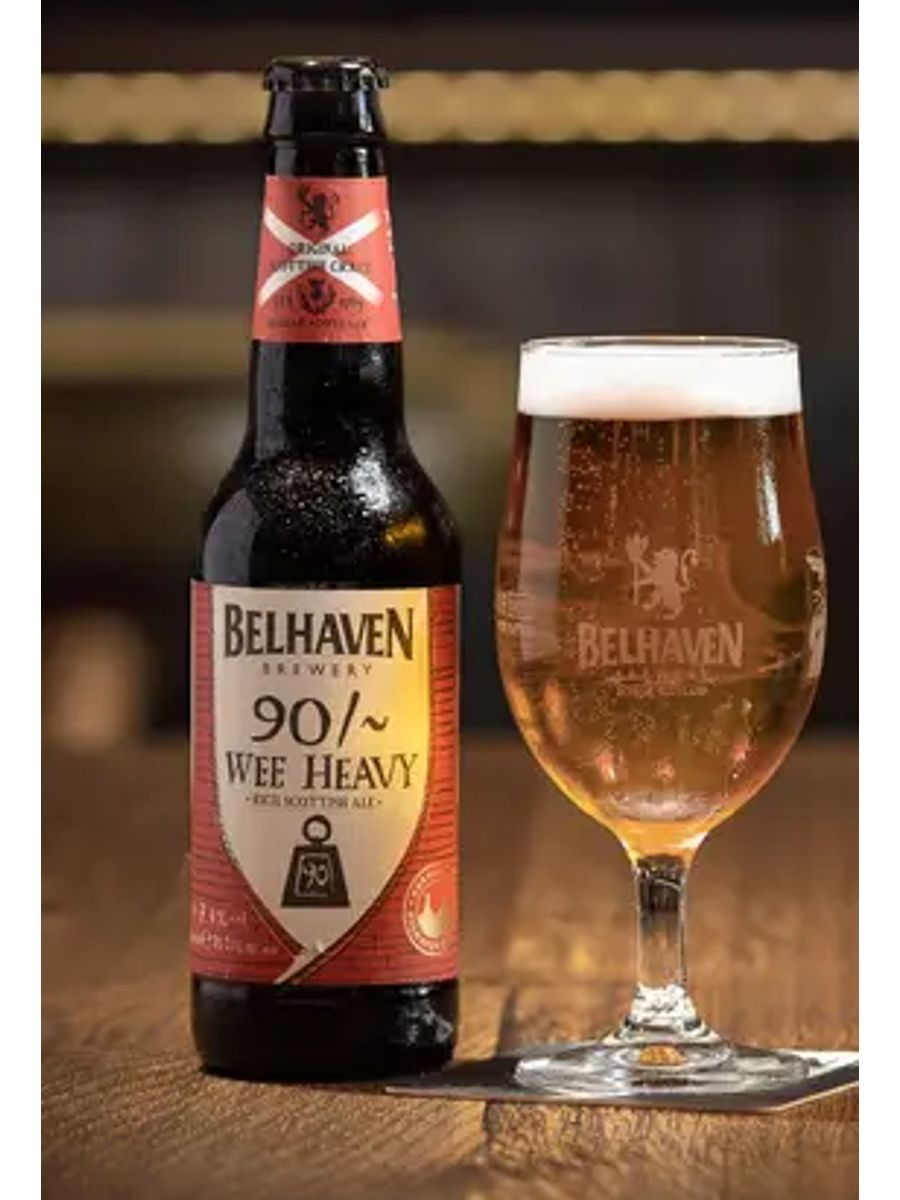
Belhaven 90/~ Wee Heavy
Brewed by Belhaven Brewery
Biscuit, caramel and restrained roast in the current 90-shilling edition.
BAR NOTES
Belhaven’s current Wee Heavy page gives the selected 90-shilling beer a strength of 7.4%. Pale and black malt support biscuit and restrained roast, while cane sugar, caramel, Challenger and Goldings contribute to the brewery’s full-bodied Scottish interpretation.
Use this bottle as a controlled reference for richness rather than assuming all historic shilling names denote today’s session-ale strengths. Compare the small roasted edge with the much more pronounced roast of a stout, while keeping malt concentration at the center. the Scottish Export guide adds context for the comparison.
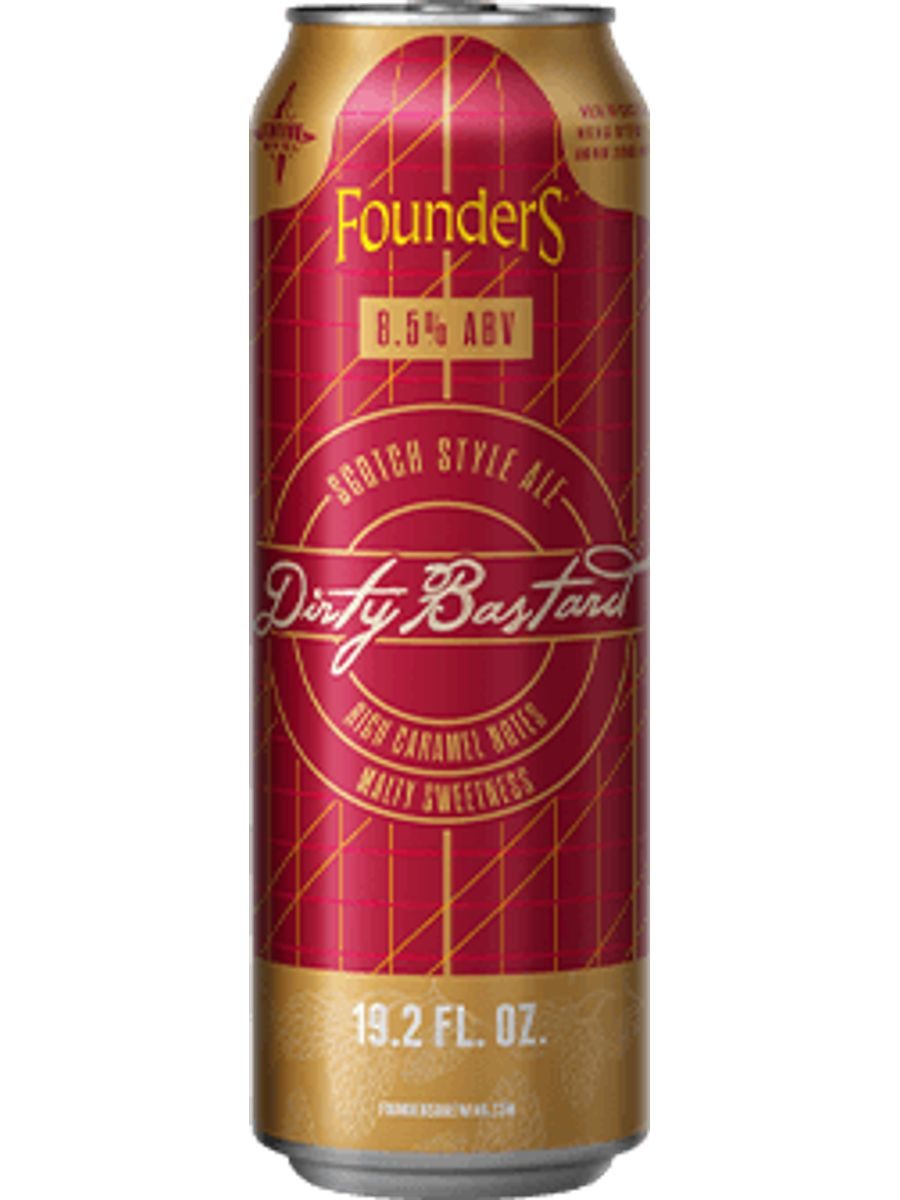
Founders Dirty Bastard
Brewed by Founders Brewing Company
American Scotch-ale richness with a firmer 50-IBU hop specification.
BAR NOTES
Founders currently lists Dirty Bastard at 8.5% and 50 IBU, with Nugget and Willamette hops. The selected 19.2-ounce can represents its current packaging range; its listed bitterness is above the usual 17–35 IBU band for Wee Heavy.
Put this American interpretation after the gentler Scottish examples and ask what the additional hop structure changes. Similar alcohol and caramel richness can coexist with a firmer finish, making it a useful labeled comparison rather than a universal Scottish recipe model. the cooking-with-beer guide adds context for the comparison.
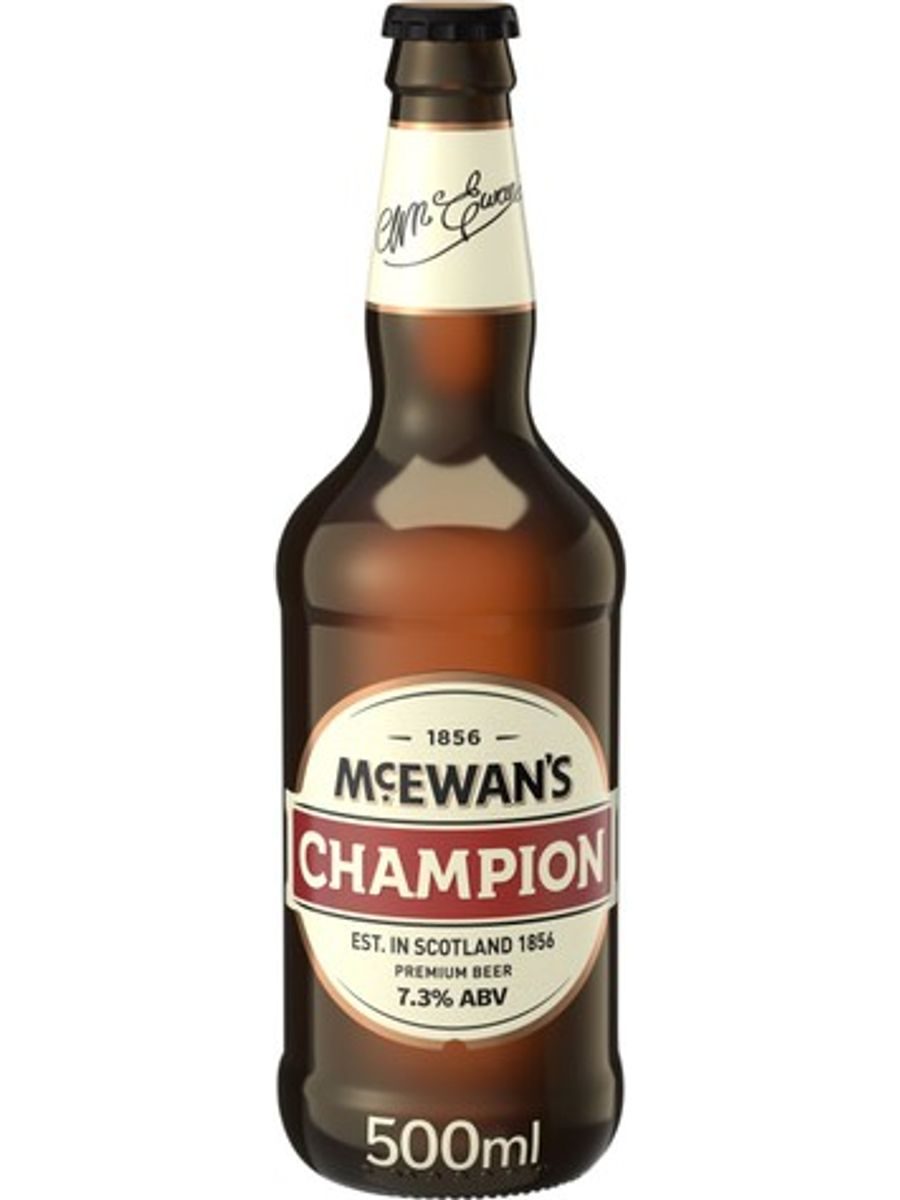
McEwan’s Champion
Brewed by McEwan’s / Carlsberg Britvic
Sweet, fruity strong ale with Scottish heritage and a 7.3% package strength.
BAR NOTES
McEwan’s and its current owner specify Champion at 7.3% in bottle and can formats. The brand emphasizes sweet, fruity and full-bodied character, tracing its launch to 1997; Scottish brand heritage should not be treated as proof of today’s brewing location.
Compare the bottled beer with an English strong ale at similar strength and look for shifts in fruit and malt emphasis. Its commercial strong-ale identity makes it a useful Scottish comparison without requiring every package to fit one modern competition substyle perfectly. the malt-led beer guide adds context for the comparison.
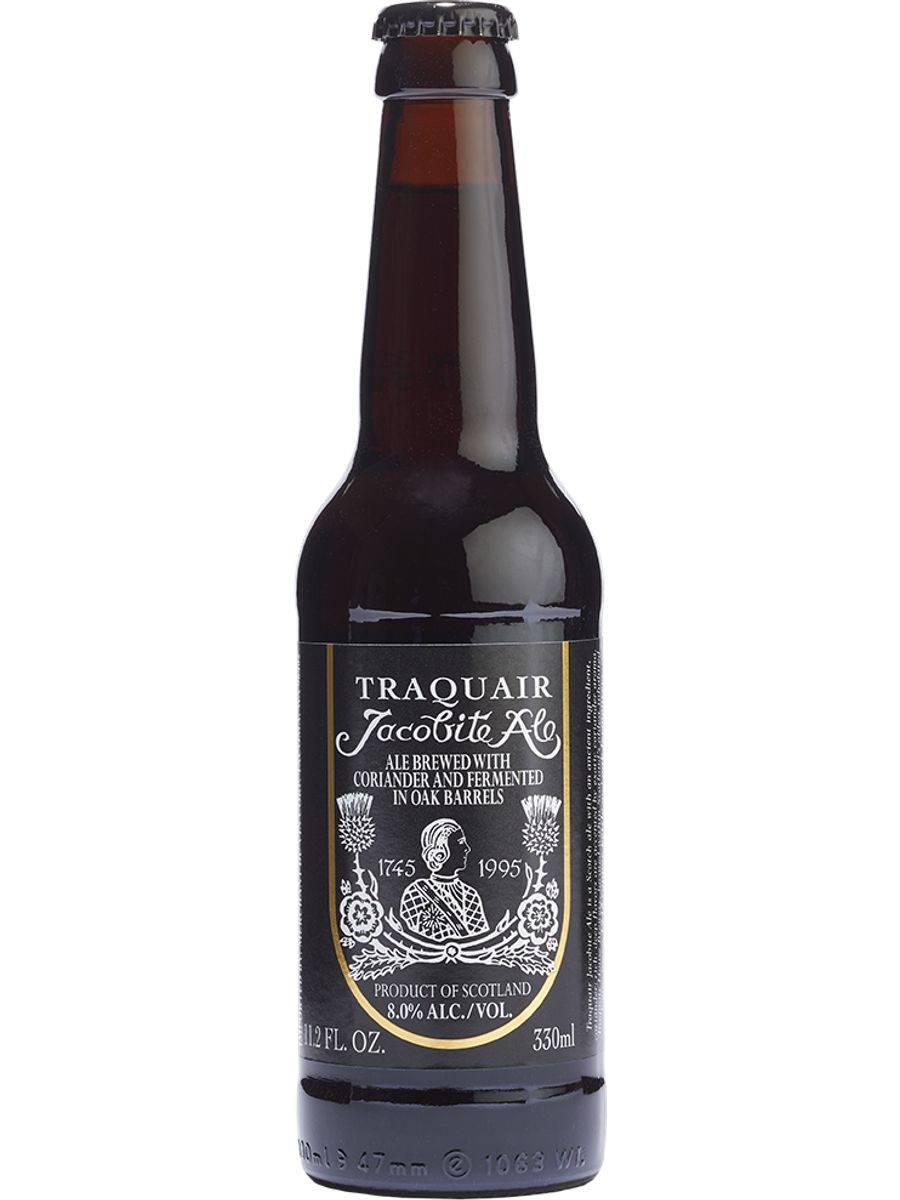
Traquair Jacobite Ale
Brewed by Traquair House Brewery
Coriander adds a deliberate spice contrast to strong Scottish malt.
BAR NOTES
Traquair Jacobite is currently listed at 8.0% and explicitly includes coriander. Its importer identifies a spiced strong ale with a full body, making it a deliberate comparison to unspiced Wee Heavy rather than an interchangeable traditional style template.
Taste House Ale first, then look for the seasoning’s effect on Jacobite’s aroma and finish. This sequence helps distinguish fermentation fruit and malt spice impressions from an actual added spice, especially when two beers share the same brewing heritage. the beer flavor wheel adds context for the comparison.
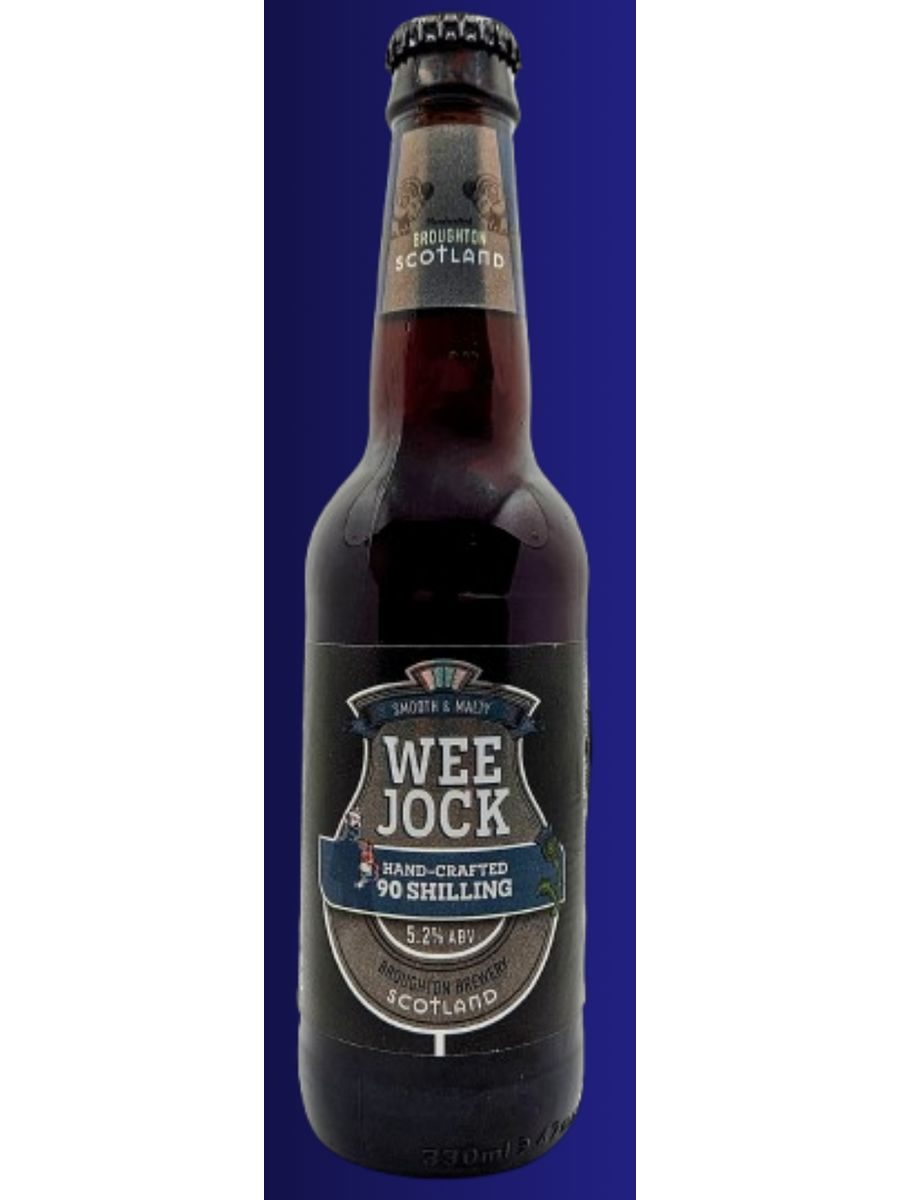
Broughton Wee Jock 90 Shilling
Brewed by Broughton Brewery
Lower-strength Scottish malt comparison.
BAR NOTES
Broughton’s Wee Jock 90 Shilling is the selected 5.2% Scottish ale, separate from its stronger 6.7% Old Jock. It sits below the usual Wee Heavy alcohol band and appears here as an explicitly labeled lower-strength malt comparison.
Taste it before the rich Scotch ales to establish what everyday Scottish malt balance feels like. Moving upward in strength should add concentration and warmth without erasing the distinction between a lighter Scottish ale and the much fuller Wee Heavy branch. The related style guide helps frame this tasting.
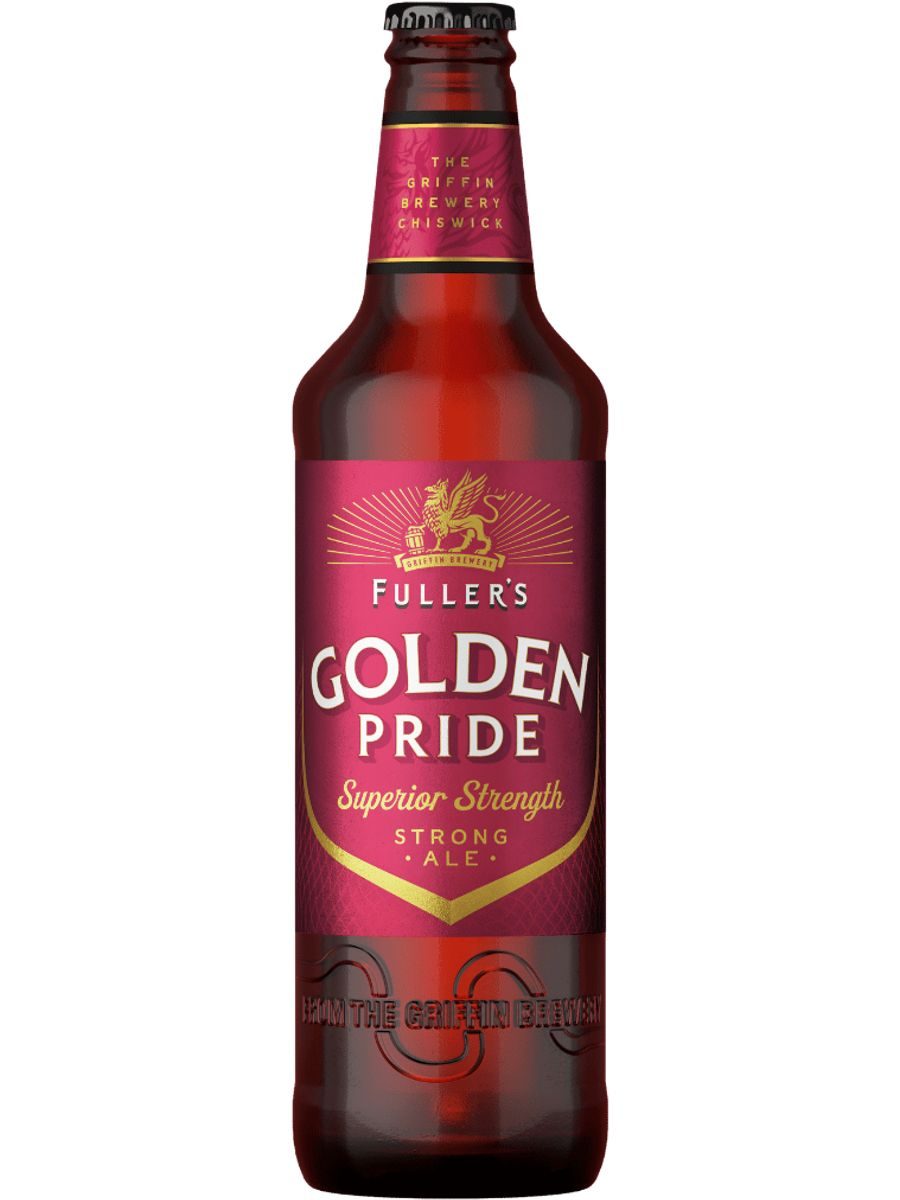
Fuller’s Golden Pride
Brewed by Fuller’s Brewery
Orange-like fruit and toasted grain in a strong, bittersweet English bottle.
BAR NOTES
The current brewery listing and selected bottle give Golden Pride a strength of 8.4%. Pale, crystal and chocolate malts accompany Target, Goldings, Northdown and Challenger hops, with toasted grain and orange-like fruit among the brewery’s descriptors.
Compare the first impression with the lingering finish: this is a substantial English strong ale with a recognized barleywine tasting role. Its malt richness needs structure, so check whether bitterness and warmth remain integrated as the glass warms. The companion style guide adds context for the comparison.
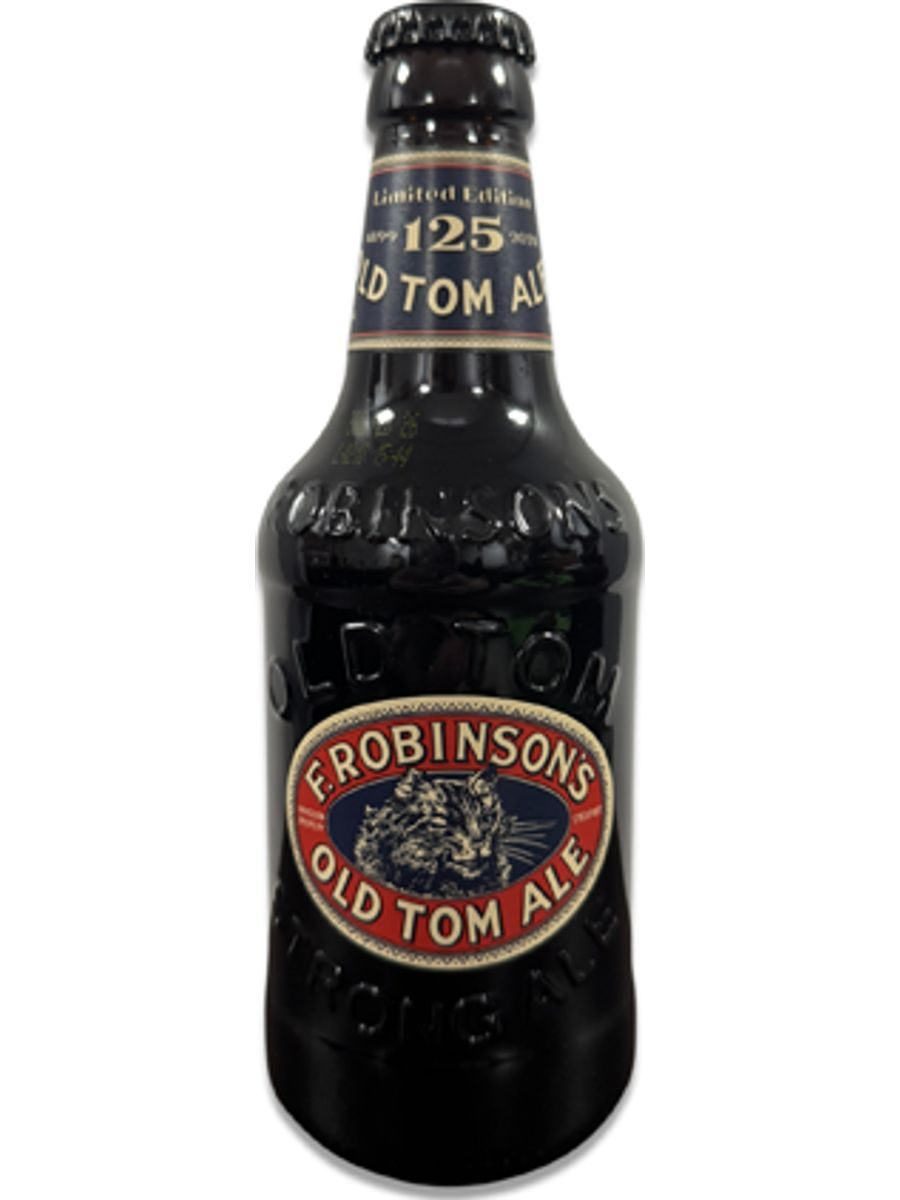
Robinsons Old Tom Original
Brewed by Robinsons Brewery
Molasses-like dark malt and vinous fruit in a concentrated Old Ale.
BAR NOTES
Old Tom’s 8.5% Original edition traces its history to 1899. Robinsons describes a dark strong ale with molasses-like and vinous fruit character; the selected current commemorative bottle is the Original beer rather than the separately flavored Ginger version.
Taste a small pour alongside Old Peculier to explore the range within Old Ale. The stronger bottle should add concentration and warmth without making fresh malt complexity indistinguishable from oxidation, or turning every dark-fruit impression into a cellar-age claim. The companion style guide adds context for the comparison.
Wee Heavy compared with nearby styles
Scottish Export is much weaker and more drinkable by the pint. Old Ale may show mature or vinous character. English Barleywine is often stronger, hoppier and more age-driven, while American Scotch Ale may be sweeter or smokier than the traditional target.
Explore Scotland’s richest malt tradition
Compare Wee Heavy’s concentrated caramel and fruit with English strong ale, old ale and barleywine.