20 Best Colonial-Inspired Beers and Historical Recreations (2026)
The best colonial-inspired beers begin with evidence: surviving recipes, household notes, institutional research, period ingredients, local grain, or documented brewing traditions. These 20 beers include 15 recreations and modern interpretations, followed by five continuity pours from breweries or brands with roots in the colonial era.
The categories are deliberately separate. A modern George Washington porter may be reconstructed from historical material, while Guinness, Bass, or Samuel Smith represents business, place, or process continuity—not an unchanged eighteenth-century recipe.
What colonial Americans actually brewed and drank
Colonial beer was not one standardized style. Brewers worked with imported barley and hops when available, but also molasses, wheat, corn, apples, spruce, ginger, roots, herbs, and smoke-touched grain. Household small beer, commercial porter, spiced ale, and regional farm drinks could all share the tavern. HBA’s ancient-inspired beer guide explains the same reconstruction-versus-interpretation problem on a much longer timeline.
Documented recreations and modern interpretations
These first 15 beers are tied to a recipe, archive, historic site, research collaboration, period ingredient tradition, or historically informed process. None should be mistaken for a perfect time capsule: modern sanitation, yeast management, equipment, ingredients, and legal standards inevitably change the result.
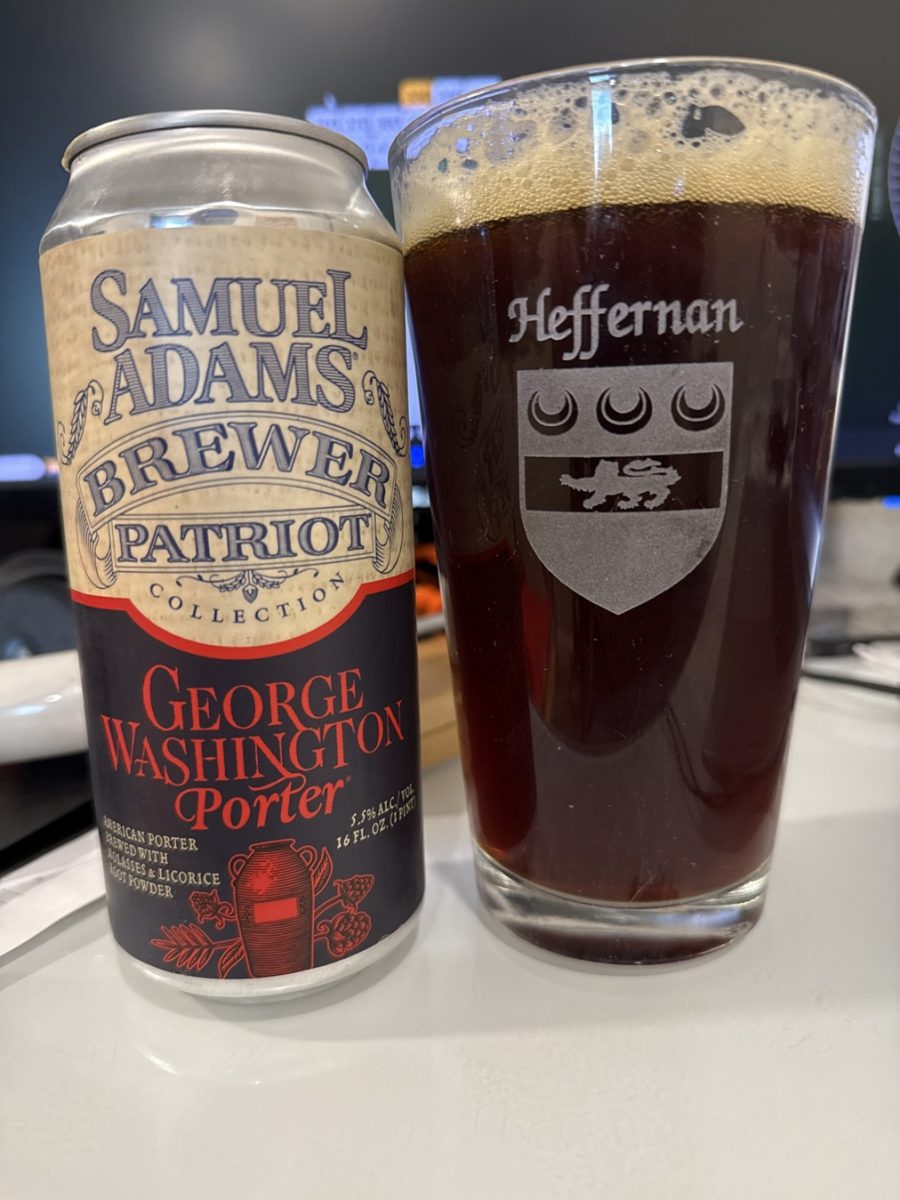
George Washington Porter (2026)
Brewed by Samuel Adams
Samuel Adams returned its Brewer Patriot Collection in 2026 with this molasses-and-licorice porter, presented as a modern reconstruction based on Washington material preserved by the New York Public Library.
BAR NOTES
The 5.5% version keeps the experiment approachable. Toast, cocoa, dates, and molasses feel historically plausible without demanding that modern drinkers accept a sour or smoky museum piece.
Serve it at 48–52°F with roast beef or gingerbread. Its dark-malt profile also makes HBA’s stout guide a useful modern comparison. A handled mug suits the tavern mood.
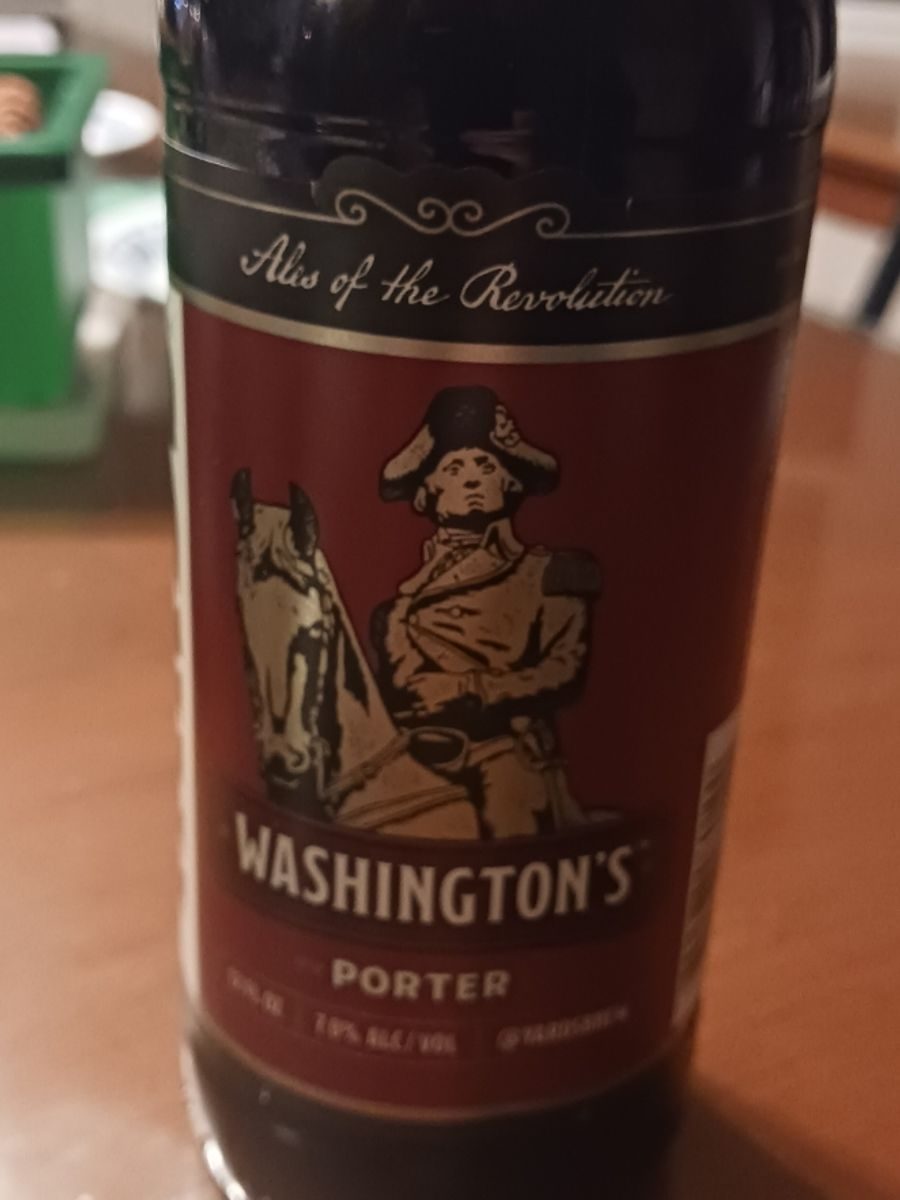
General Washington's Tavern Porter
Brewed by Yards Brewing Co.
Yards uses molasses and a strong porter frame to interpret Washington’s admiration for Philadelphia porter, building more strength and roast than the Samuel Adams version.
BAR NOTES
This is inspiration rather than a literal replication of one complete surviving formula. The 7% body, dried-fruit finish, and firm roast translate scattered historical evidence into a polished modern porter.
Pour it with pot roast, Gruyère, or dark chocolate and compare both Washington entries side by side. HBA’s malty beer roundup offers broader context. A slow pour lets the molasses aromatics open.
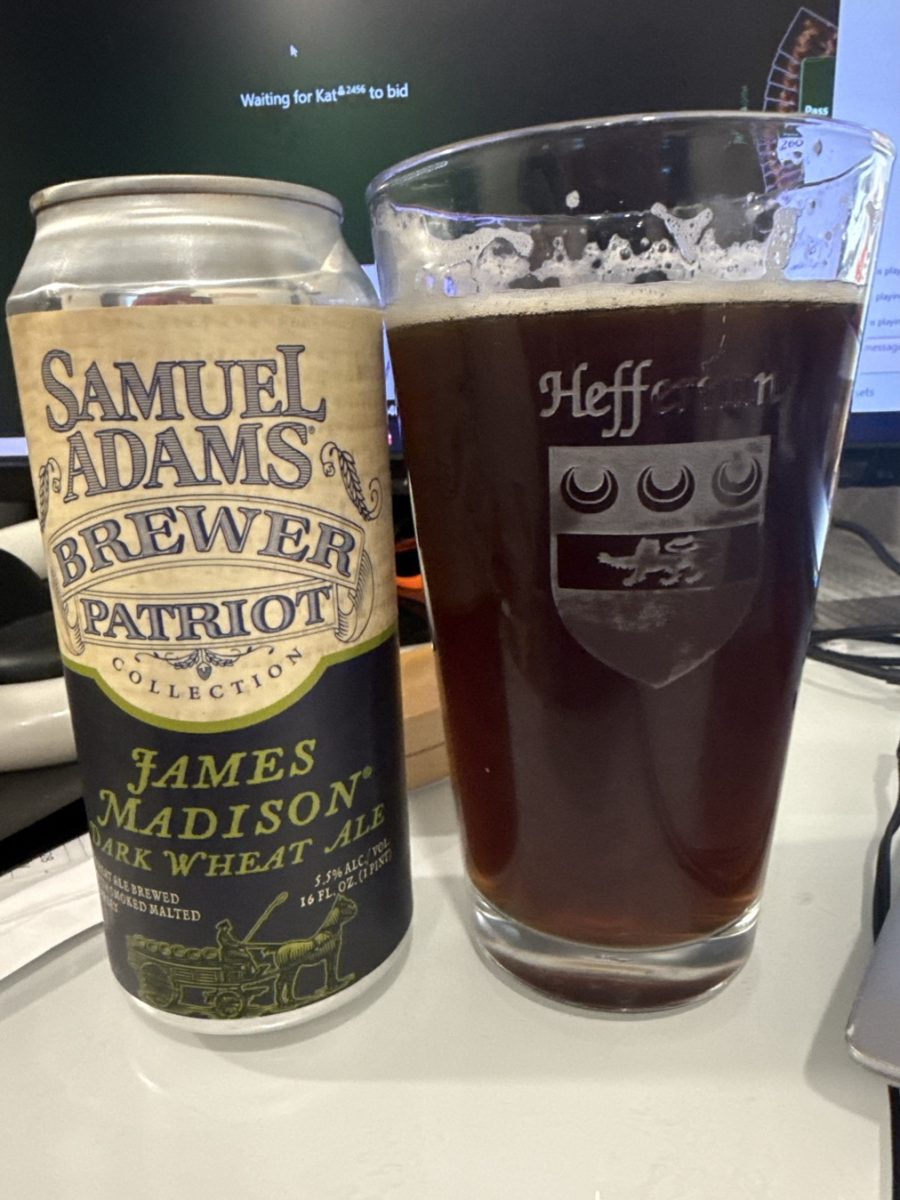
James Madison Dark Wheat Ale (2026)
Brewed by Samuel Adams
Based on brewing advice associated with Thomas Jefferson and James Madison, this dark wheat ale uses smoked malted barley to create tart, sweet, cocoa-like, and gently smoky flavors.
BAR NOTES
The smoked malt is the key interpretive choice. It suggests older grain-drying methods without turning the beer into rauchbier, while wheat keeps the body soft and a touch of acidity brightens the finish.
Serve it with grilled chicken, salmon, or bread pudding. For a deeper exploration of smoke in beer, continue to HBA’s best rauchbiers. The smoke becomes clearer as the glass warms.
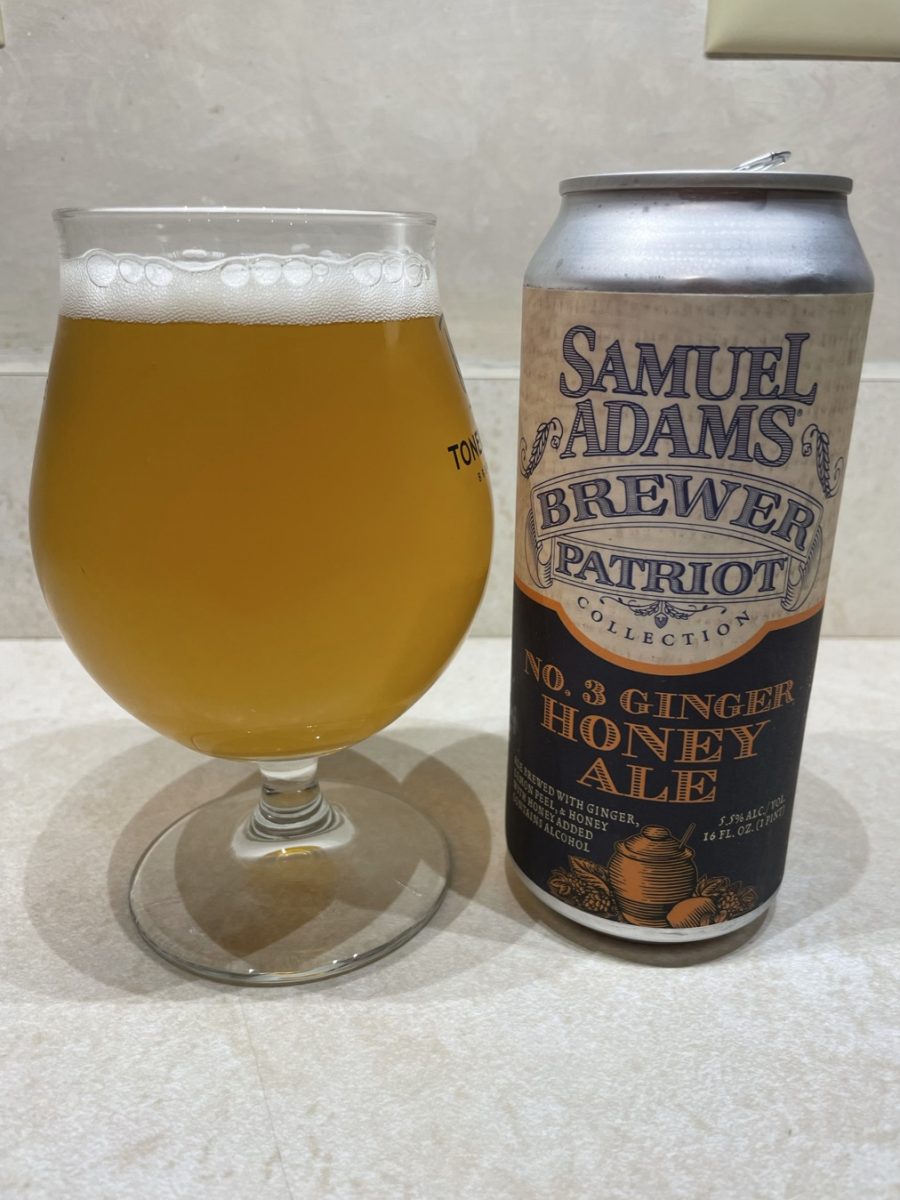
No. 3 Ginger Honey Ale (2026)
Brewed by Samuel Adams
Ginger, lemon peel, and honey turn Thomas Jefferson-era brewing notes into a bright 5.5% ale built for the 2026 Brewer Patriot Collection.
BAR NOTES
This is a modern interpretation, not a claim that one exact Jefferson recipe survived unchanged. Ginger provides heat, lemon adds lift, and wildflower honey rounds the beer without leaving a sticky finish.
Drink it cool with glazed ham, spicy noodles, or baklava. Its ingredient-driven design fits naturally beside HBA’s spiced beer guide. A narrow glass keeps the ginger aroma focused.
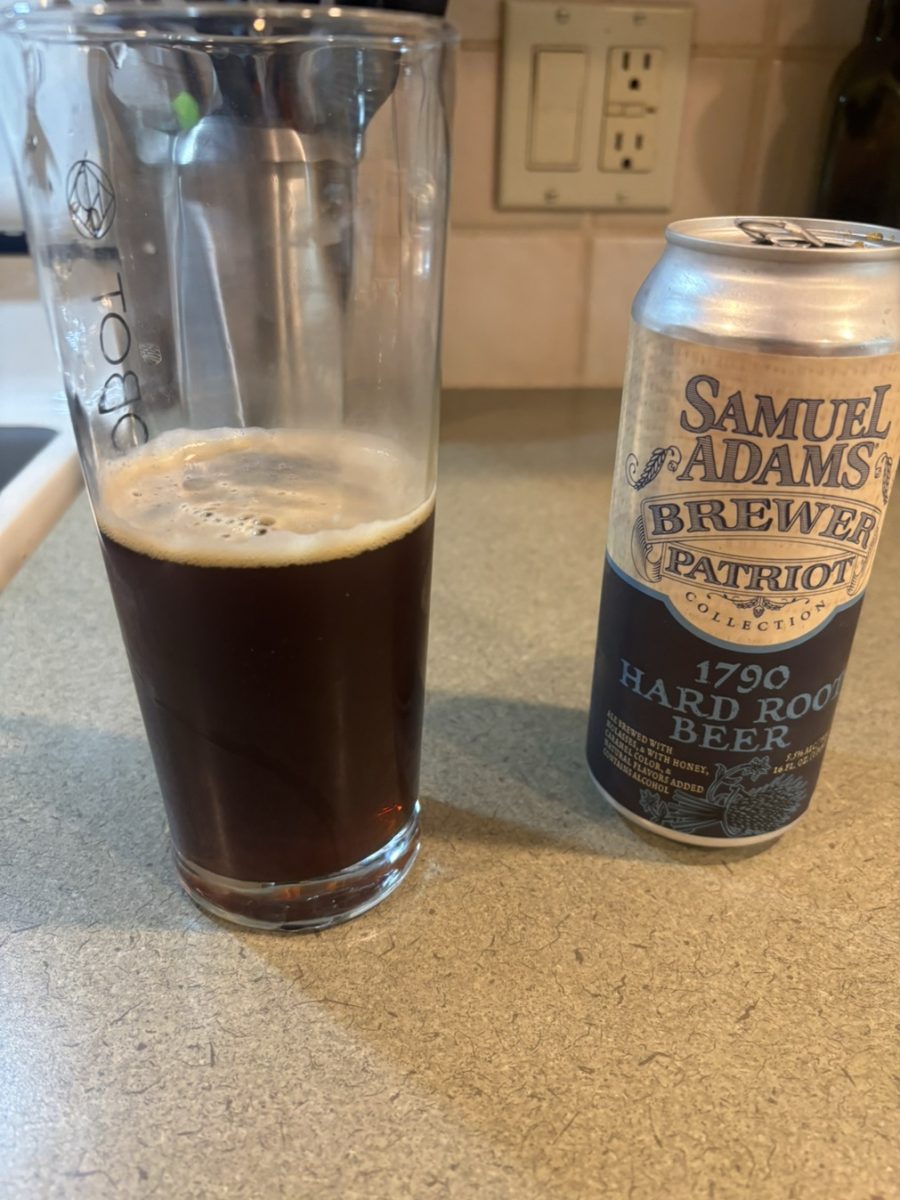
1790 Hard Root Beer
Brewed by Samuel Adams
Molasses, honey, vanilla, sassafras-like spice, wintergreen, and licorice recreate the botanical character of colonial root beers in a deliberately alcoholic modern release.
BAR NOTES
The historical connection is the tradition rather than a single named household recipe. Sweet roots and warming spice arrive first, but 5.5% alcohol and a fermented finish keep it from drinking like soda.
Serve it cold with fried chicken, pizza, or vanilla ice cream. For more unusual botanicals and fermentables, explore HBA’s weird beer additions. The vanilla and wintergreen grow softer with food.
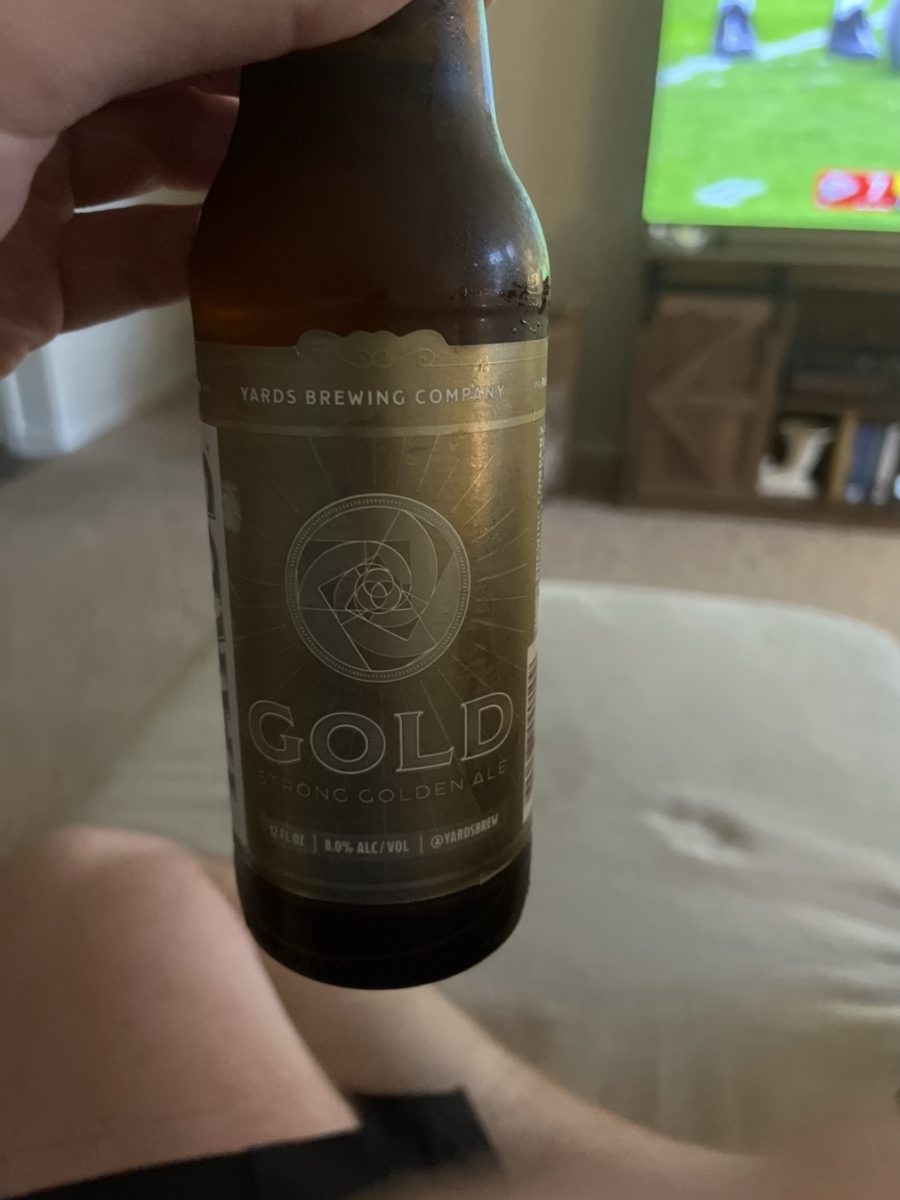
Gold (Thomas Jefferson's Tavern Ale)
Brewed by Yards Brewing Co.
Yards worked with Philadelphia’s historic City Tavern to interpret Jefferson’s Monticello brewing, using honey, rye, and wheat in a powerful golden strong ale.
BAR NOTES
The current Gold branding can obscure the beer’s historical origin, so this entry names both identities. Honey raises the strength, rye adds spice, and wheat gives the 8% ale a broad, smooth center.
Use a small tulip and pair it with roast pork or aged cheddar. Its strength connects well with HBA’s best strong ales. Let the strong ale warm gradually between sips.
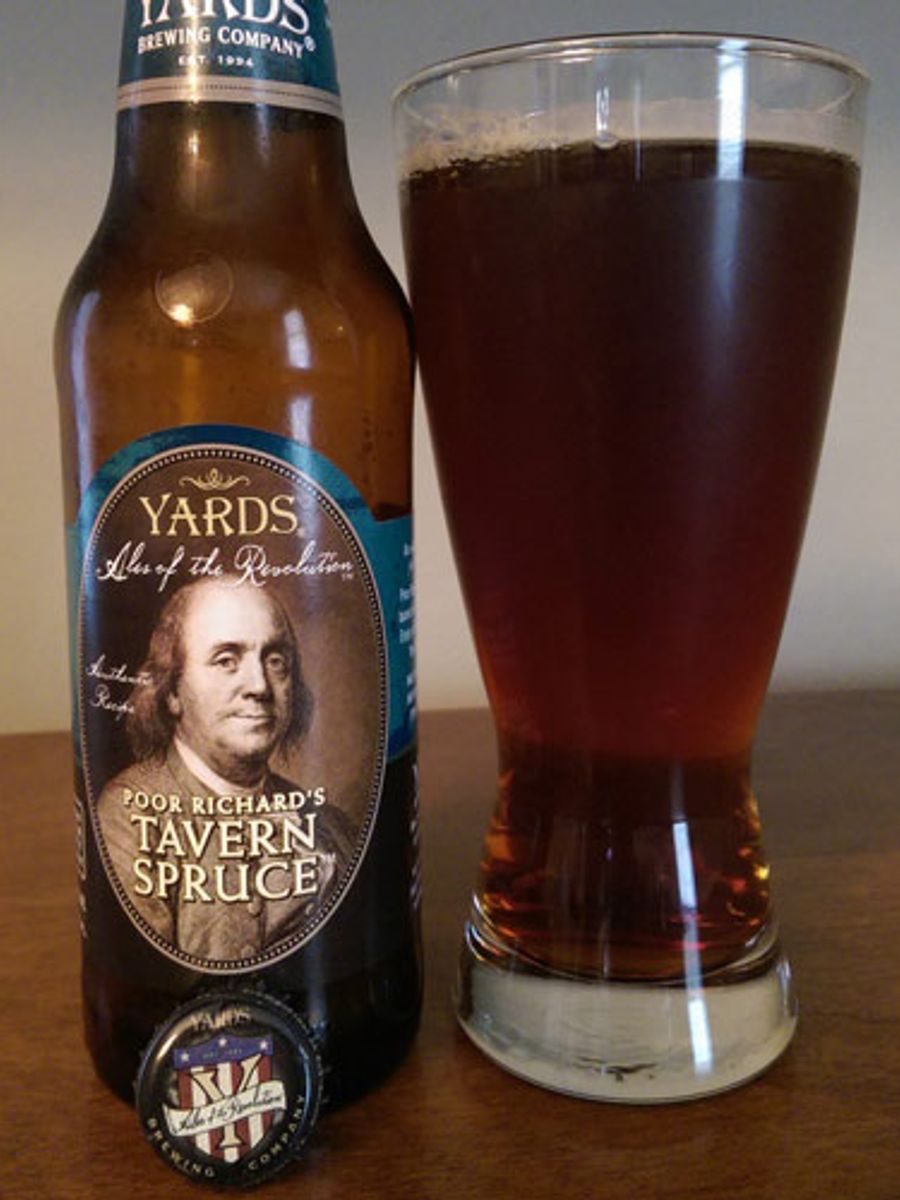
Poor Richard's Spruce Ale
Brewed by Yards Brewing Co.
Blue spruce tips, barley, and molasses form Yards’ accessible interpretation of the colonial spruce-beer tradition associated with Benjamin Franklin and early American brewing.
BAR NOTES
Spruce should taste resinous, citrusy, and fresh rather than like household cleaner. Molasses softens the evergreen edge, while the modest 5% strength keeps the deep amber ale easy to finish.
Pair it with roast pork, ginger, or herb-heavy food. The ingredient choice makes HBA’s unusual beer additions guide the natural next read. Its resinous edge is especially vivid beside rich food.
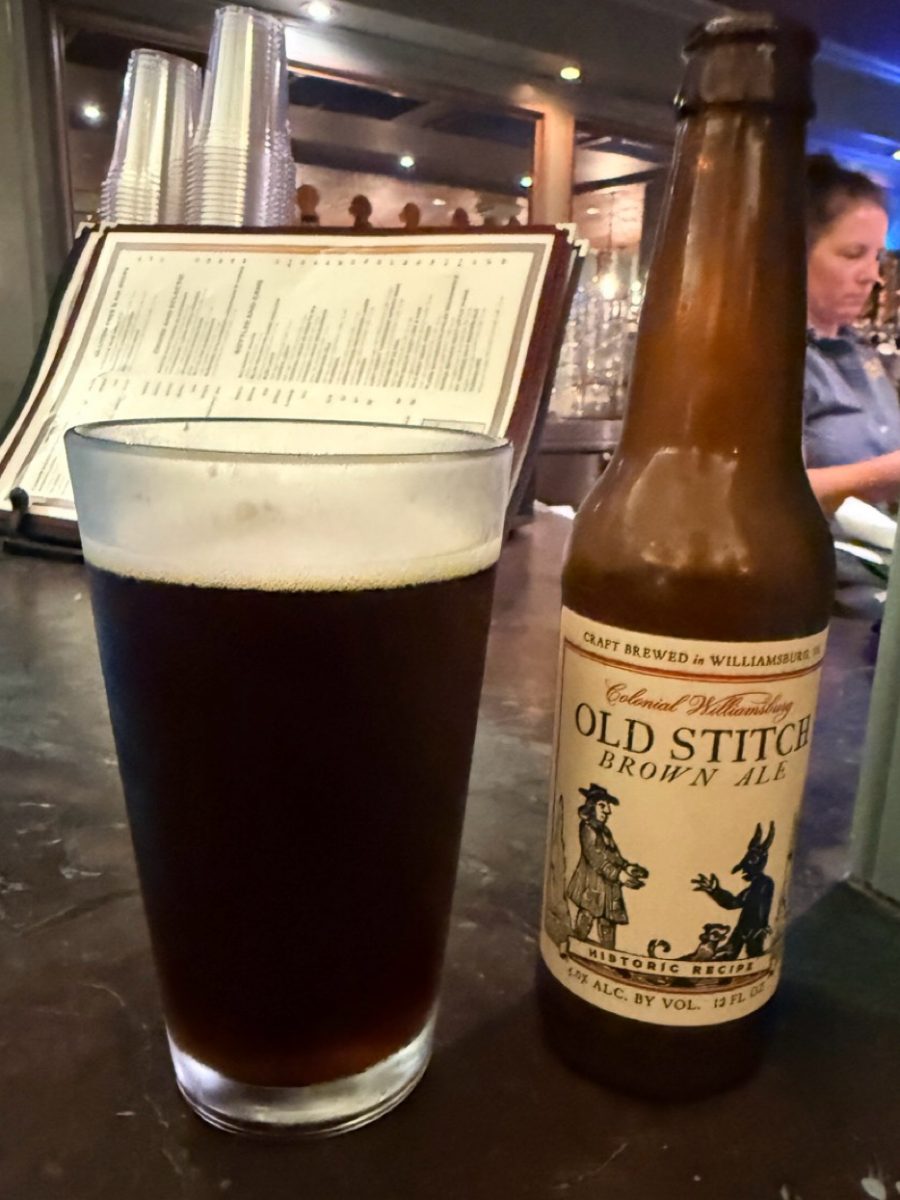
Old Stitch
Brewed by Alewerks Brewing Company
Alewerks brews this 5% brown ale from a seventeenth-century recipe developed through Colonial Williamsburg’s Historic Foodways research program.
BAR NOTES
Old Stitch is one of the list’s clearest institutional collaborations. Burnt sugar, brown malt, and controlled modern fermentation create a session-strength beer informed by old methods without pretending the result is untouched history.
Serve it at cellar temperature with meat pie, cheddar, or mushrooms. Compare its easy malt character with HBA’s best American brown ales. A nonic pint reinforces its easy tavern character.
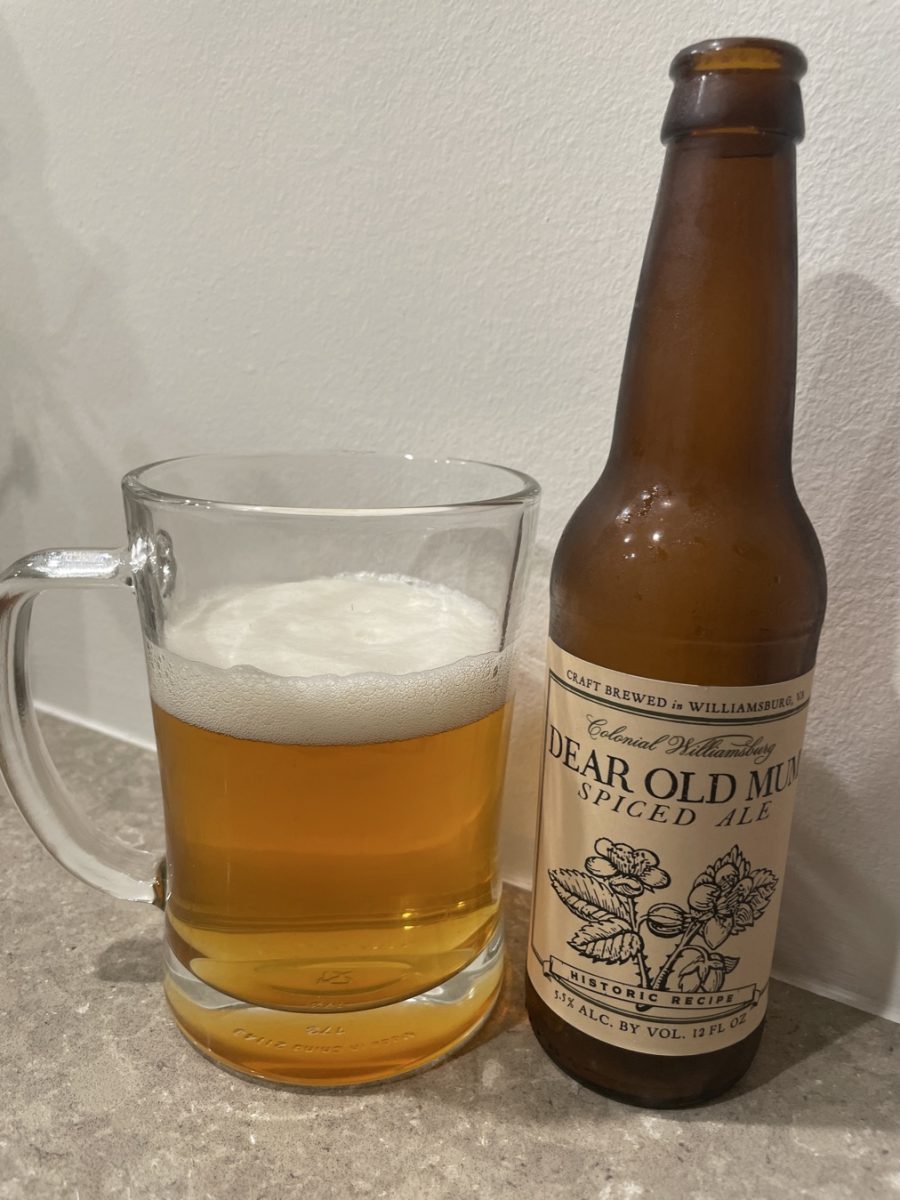
Dear Old Mum
Brewed by Alewerks Brewing Company
Barley, wheat, oats, coriander, and grains of paradise reinterpret English mumme after the heavily spiced Brunswick drink evolved into a lighter colonial-era ale.
BAR NOTES
Dear Old Mum demonstrates why “colonial beer” was never one style. Soft grain leads, coriander adds citrus, and grains of paradise bring peppery warmth without turning the beer into a modern spice bomb.
Pour it cool with chicken pie or soft cheese. HBA’s gruit and herbal beer roundup provides a useful botanical comparison. The peppery spice lingers after the grain fades.
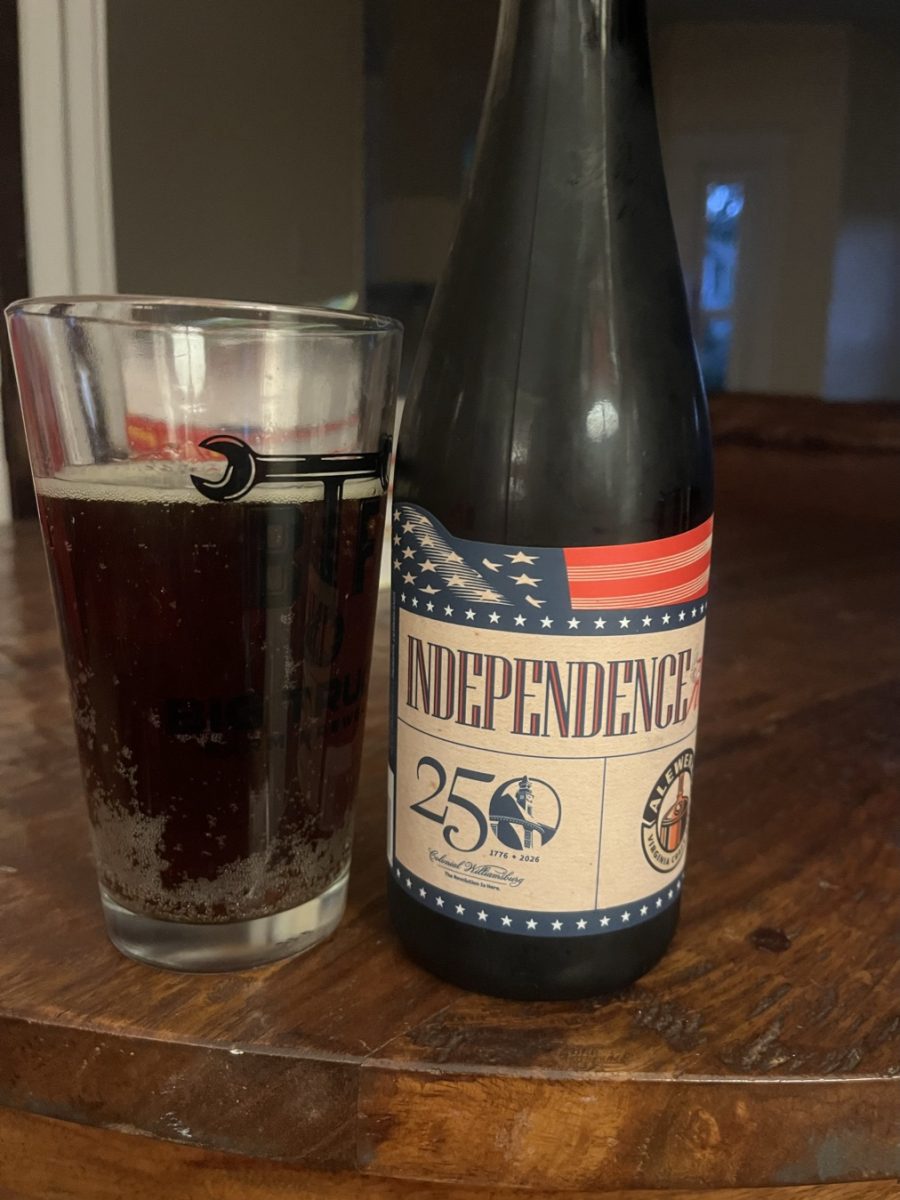
Independence Ale
Brewed by Alewerks Brewing Company
Alewerks created this brown ale for Colonial Williamsburg’s 2026 commemoration, using familiar tavern-ale flavors as an interpretation rather than claiming one unchanged eighteenth-century formula.
BAR NOTES
Independence Ale belongs in the modern-interpretation lane. Toasted malt, caramel, restrained bitterness, and moderate strength evoke a tavern pint while meeting present-day expectations for clarity and consistency.
Serve it with roast turkey, meatloaf, or sharp cheese. Its malt balance makes HBA’s amber ale roundup a useful comparison. A roomier glass reveals more toast as it warms.
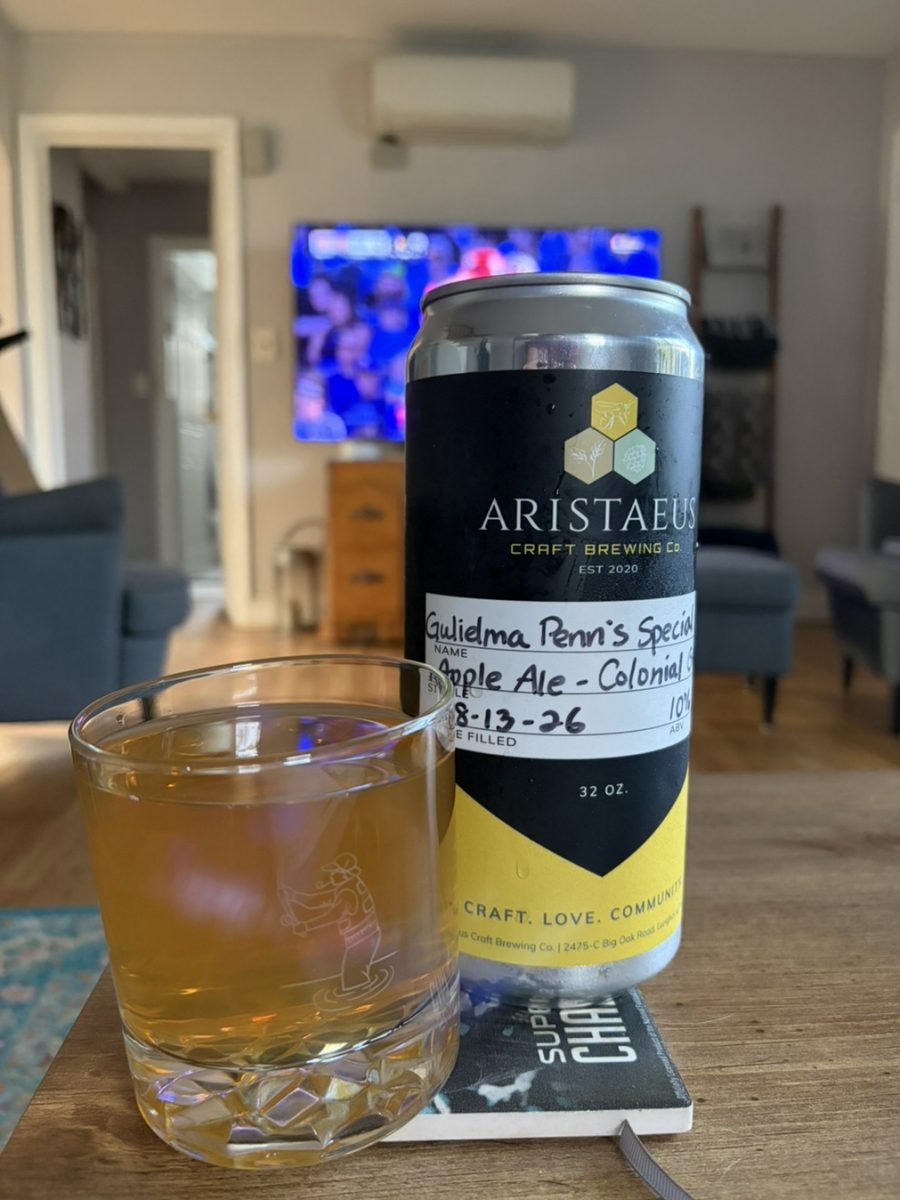
Gulielma Penn's Special Apple Ale
Brewed by Aristaeus Craft Brewing Co.
Aristaeus and Pennsbury Manor drew from a recipe attributed to Gulielma Penn, using pressed heirloom apples in a powerful 10% modern interpretation.
BAR NOTES
This is the most concentrated apple beer in the ranking. Cider-like fruit and winey strength lead, while malt keeps it connected to ale rather than letting the drink become straight hard cider.
Share a small pour with aged cheddar, pork, or apple tart. For more fruit-and-malt combinations, continue with HBA’s best fruit beers. Its strength rewards a measured, after-dinner pour.
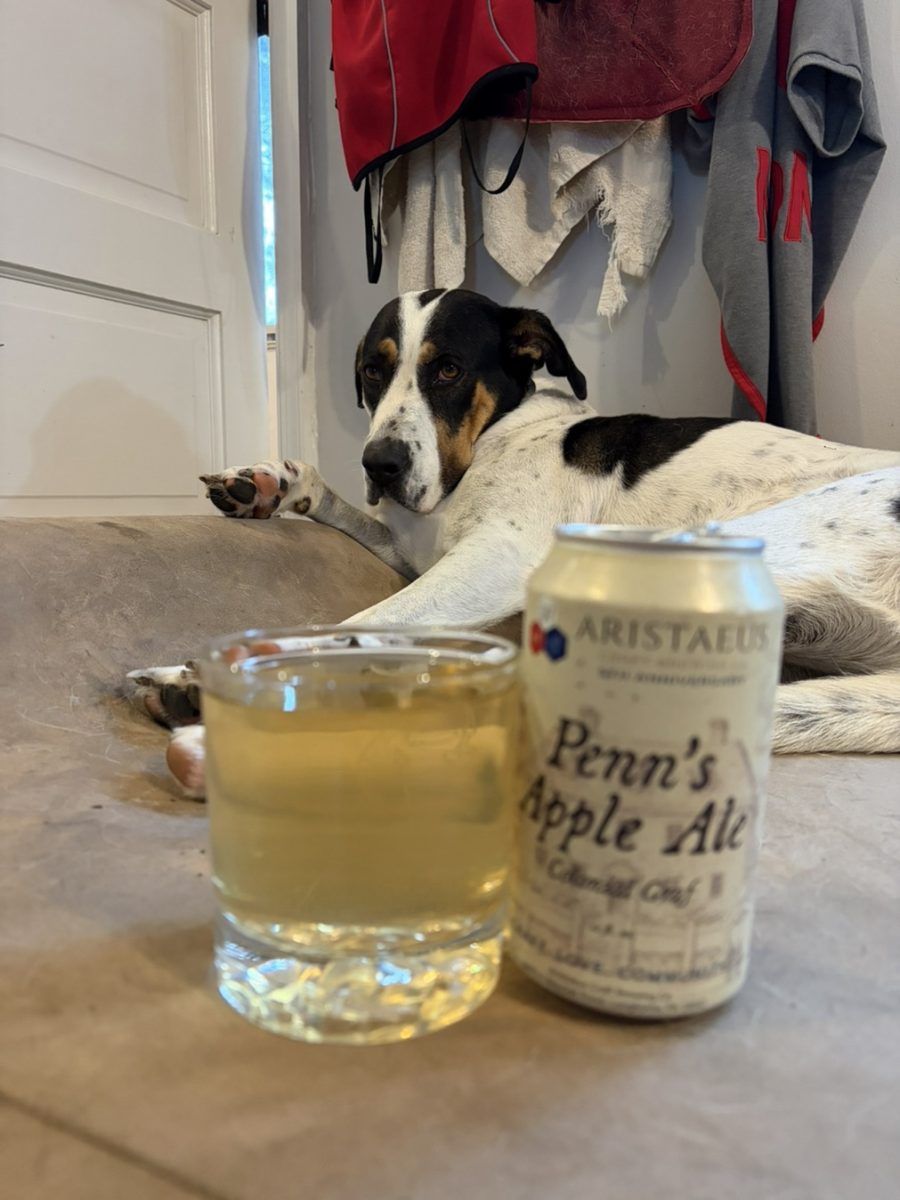
Penn's Apple Ale
Brewed by Aristaeus Craft Brewing Co.
Pressed heirloom apples meet a modest 4.5% malt base, turning the same Penn family inspiration into a crisp graff suited to a full tavern pour.
BAR NOTES
Penn’s Apple Ale is explicitly a modern offshoot rather than a direct recipe reconstruction. The lower strength exposes fresh apple, light grain, and a clean finish that the 10% version naturally hides.
Serve it cold with roast chicken, pork pie, or farmhouse cheese. HBA’s fruit beer guide offers several useful style contrasts. The drier finish works especially well at the table.
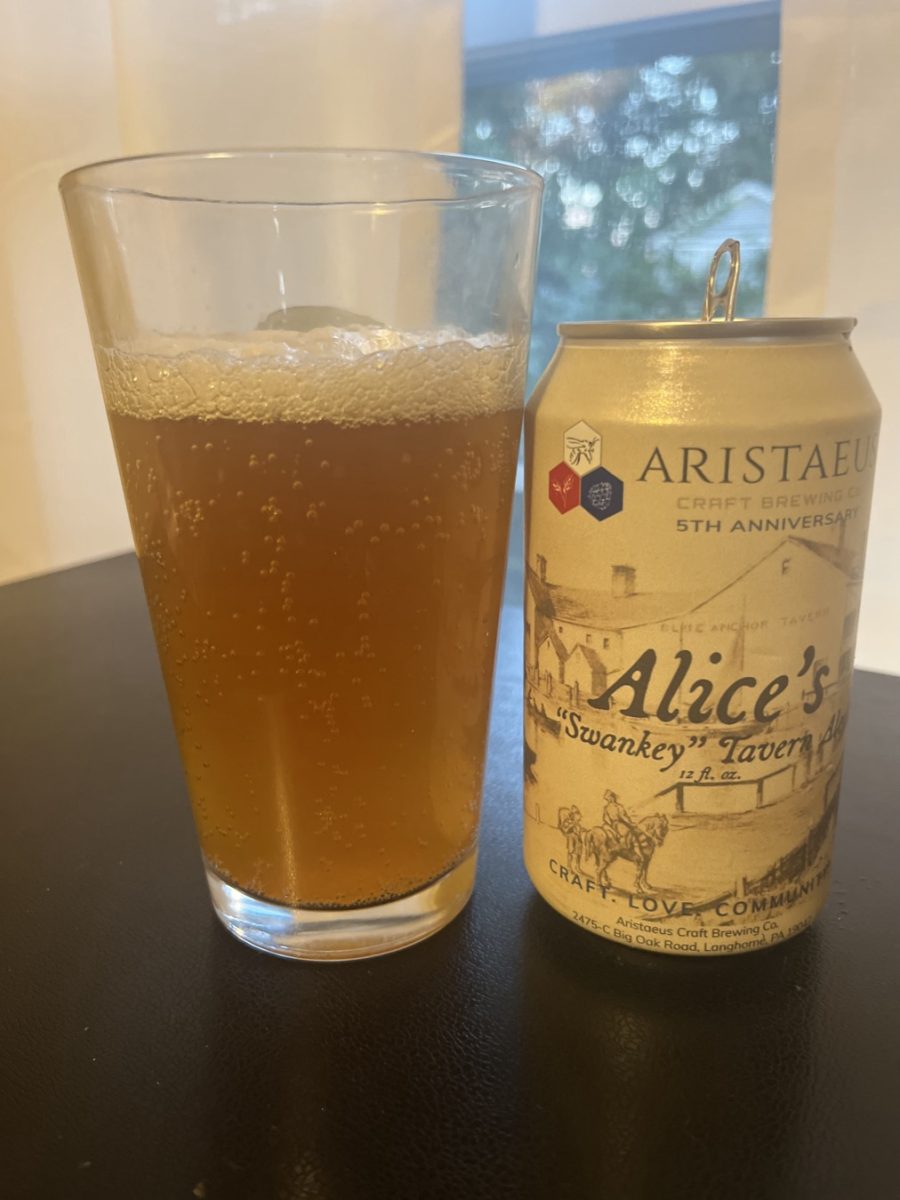
Alice's Swankey Tavern Ale
Brewed by Aristaeus Craft Brewing Co.
Molasses, brown sugar, graham-like malt, and ginger revive the spirit of a light regional farmhouse ale associated with Alice Guest and Philadelphia’s Blue Anchor Tavern.
BAR NOTES
Aristaeus is careful about the claim: this is a modern interpretation rooted in a nearly forgotten tradition. At 4%, it preserves the working-person refreshment angle better than a strong commemorative ale could.
Drink it cool with pretzels, ham, or a simple meat pie. Its low-strength farmhouse character connects with HBA’s best session ales. A simple mug matches the beer’s working-tavern roots.
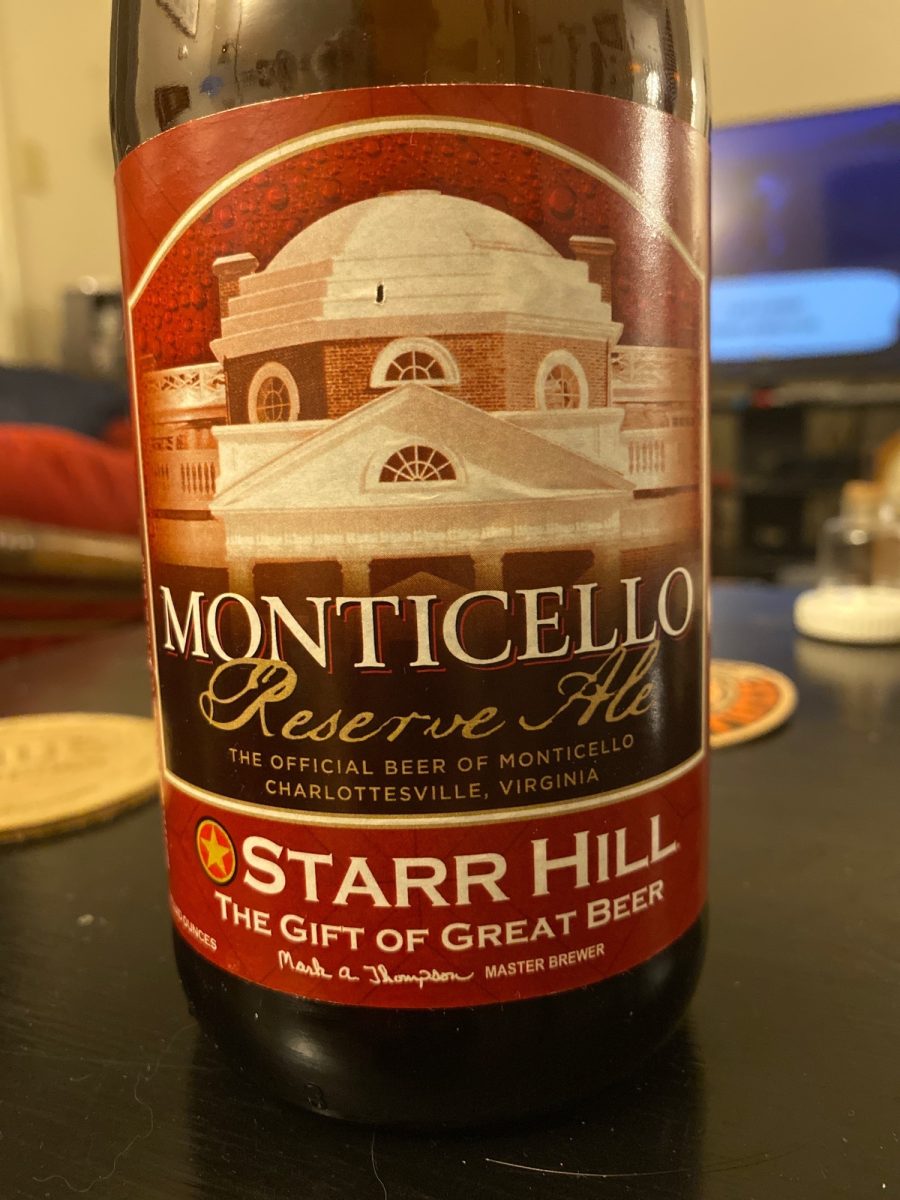
Monticello Reserve Ale
Brewed by Starr Hill Brewery
Starr Hill and the Thomas Jefferson Foundation built this official Monticello beer from wheat, corn, and East Kent Goldings to reflect what was produced and consumed on the estate.
BAR NOTES
The collaboration describes inspiration, not an exact Jefferson recipe. Wheat supplies softness, corn lightens the palate, and earthy English hops give the unfiltered golden ale a clean, gently citrusy finish.
Serve it with fried chicken, fresh cheese, or corn bread. Learn how those grains behave in HBA’s beer ingredients guide. Swirl once to bring the earthy hop note forward.
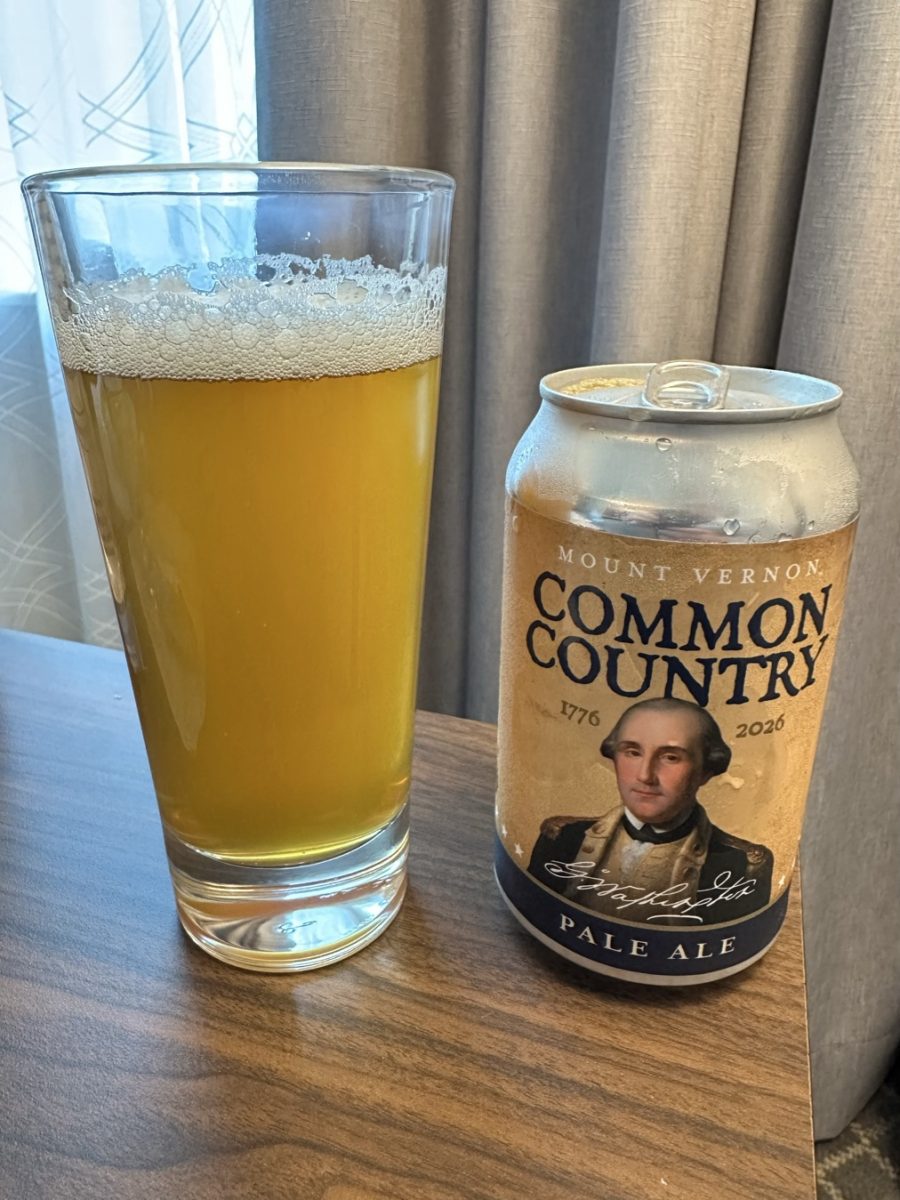
Common Country
Brewed by Chilly Hollow Brewing Company
Mount Vernon, Lost Lagers, Chilly Hollow, and Dynasty collaborated on this 2026 pale ale using historically informed methods and mostly Virginia-grown ingredients.
BAR NOTES
Common Country treats place as evidence. Local grain matters as much as a famous name, while the pale-ale format translates colonial brewing questions into a beer modern visitors can comfortably order.
Pair it with roast chicken, biscuits, or young cheddar. Continue through HBA’s pre-Prohibition beer roundup for another research-led American revival. Its light body makes a second pour entirely reasonable.
Surviving names and breweries: continuity, not recreation
These final five are not presented as reconstructed colonial beers. They are current products connected to breweries or brands founded during the colonial era. Recipes, ownership, strength, equipment, and production locations may have changed substantially.
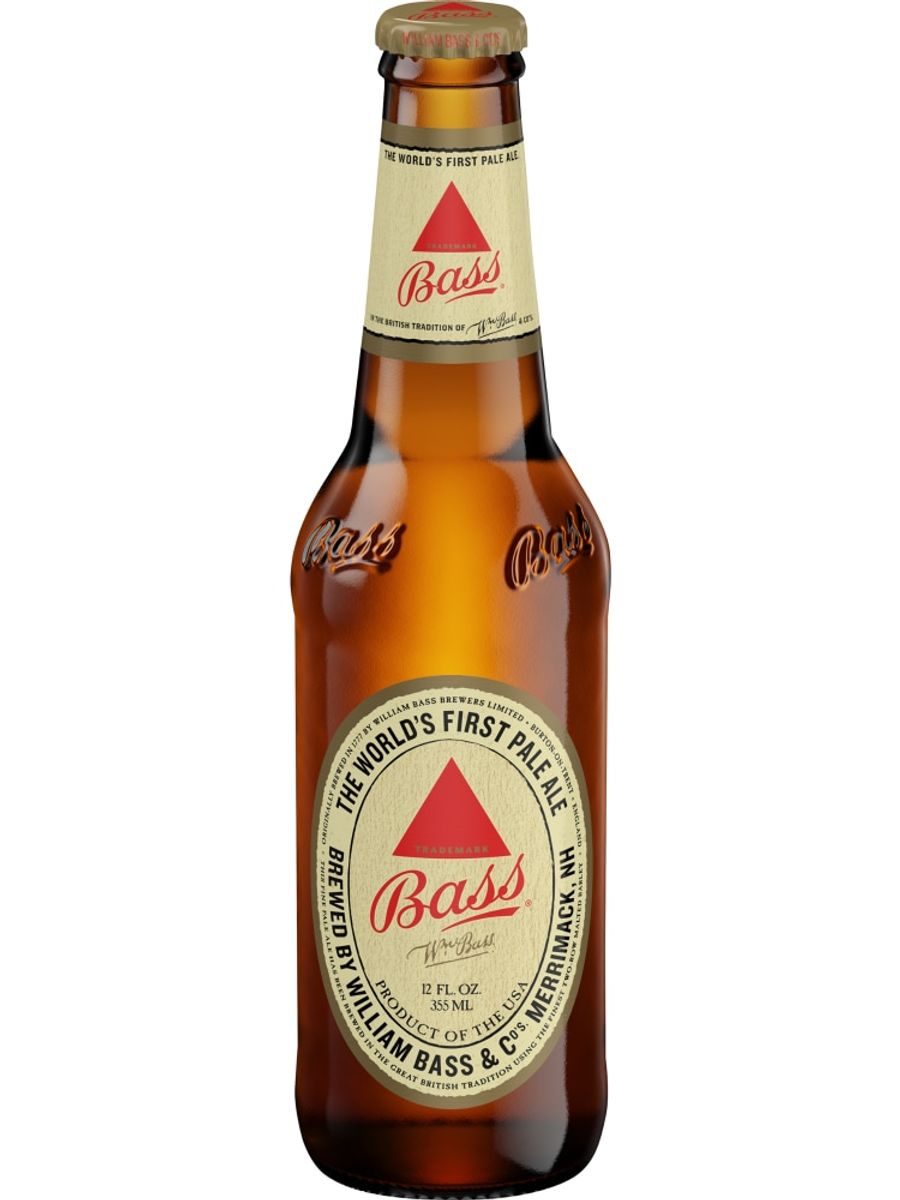
Bass Pale Ale
Brewed by Bass Brewers
Bass began brewing in Burton upon Trent in 1777, and its red-triangle pale ale became one of the world’s most recognizable British beer brands.
BAR NOTES
This card marks brand continuity, not a frozen colonial recipe. Ingredients, strength, ownership, and production have changed, but Bass remains a direct commercial name from the Revolutionary era rather than a recent tribute.
Serve it as a straightforward pub ale with fish and chips or cheddar. Compare the modern bottle with HBA’s English bitters. Serve it cool rather than ice-cold for fuller malt.
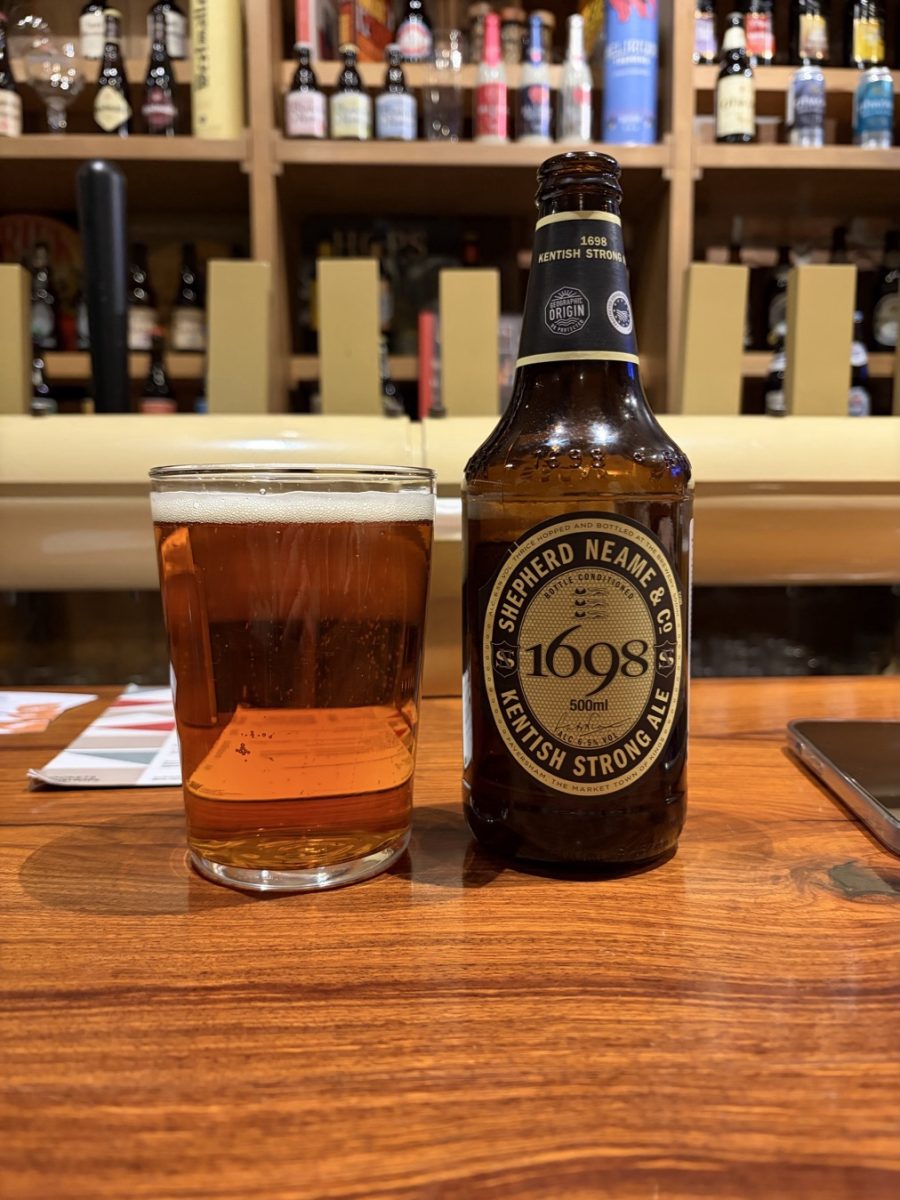
1698
Brewed by Shepherd Neame
Shepherd Neame traces its brewery to 1698, while this strong ale was created in 1998 to celebrate that history with bottle conditioning and three hop additions.
BAR NOTES
The distinction matters: 1698 is not a surviving seventeenth-century recipe. It is a modern anniversary beer from a genuinely old brewery, delivering caramel, dark fruit, citrus, and firm English bitterness.
Pour it in a tulip with roast beef or mature cheese. Its strength and malt depth fit HBA’s strong ale guide. Bottle conditioning adds texture as the beer warms.
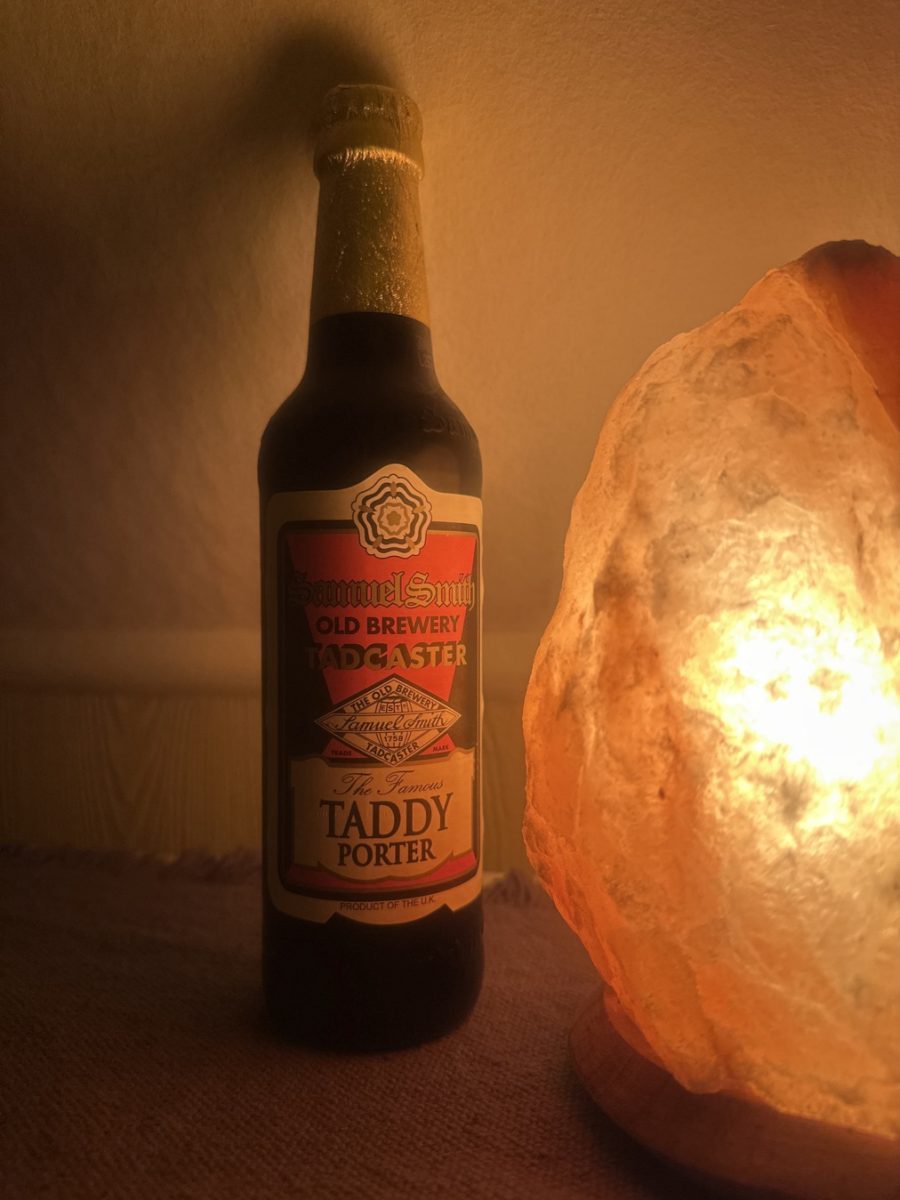
Taddy Porter
Brewed by Samuel Smith
Samuel Smith’s brewery dates to 1758, and Taddy Porter uses well water, roasted malt, and stone Yorkshire squares to make a modern example of an eighteenth-century-born style.
BAR NOTES
Taddy Porter is continuity of place and technique, not proof of an unchanged colonial formula. Dry roast, tangy fermentation, and creamy texture show how a living brewery can carry old equipment forward.
Serve it with oysters, meat pie, or dark chocolate. For more examples of the style’s modern range, explore HBA’s porter roundup. The brewery’s tangy fermentation becomes clearer with warmth.
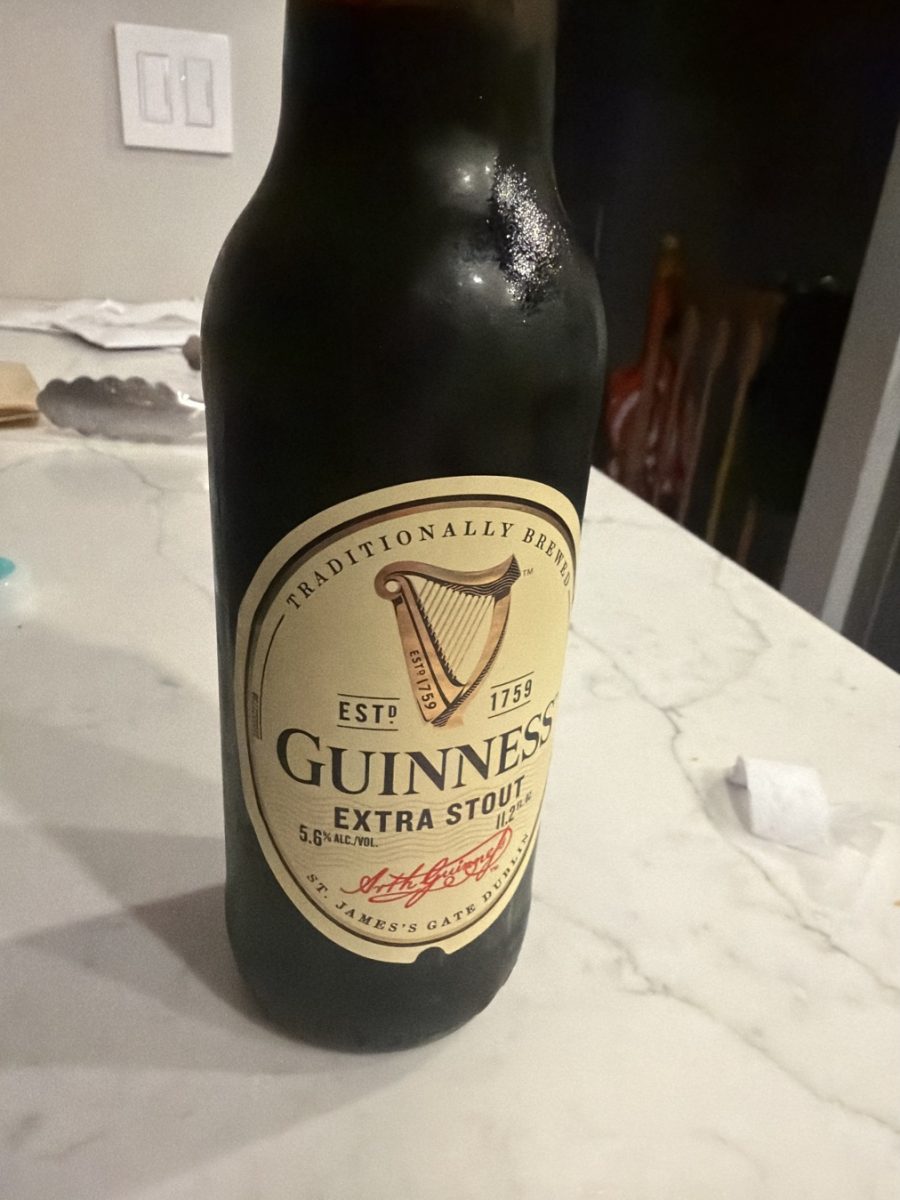
Guinness Original Extra Stout
Brewed by Guinness
Guinness was founded at St. James’s Gate in 1759, but Original Extra Stout evolved later from the brewery’s porter tradition and has changed across markets.
BAR NOTES
Its inclusion is about brewery continuity and the rise of porter during the colonial period. Roasted barley, firm hops, and a drier bottled profile separate it from sweeter modern stout interpretations.
Serve it with oysters, stew, or aged cheddar. HBA’s best stout beers explain how dry, export, sweet, and imperial versions diverge. A straight-sided pint emphasizes its firm, dry finish.
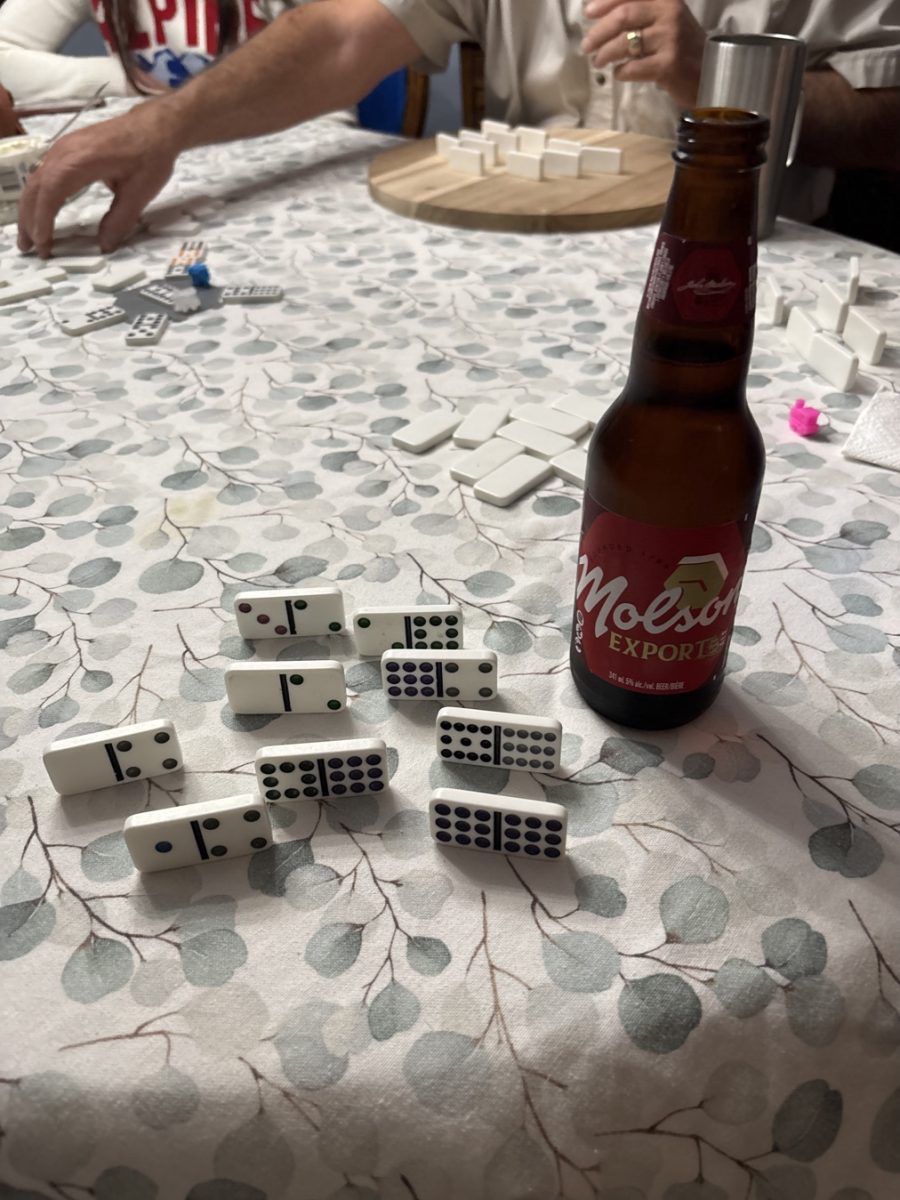
Molson Export
Brewed by Molson Coors Canada
John Molson founded his Montreal brewery in 1786, while Molson Export itself arrived much later, making this a continuity story rather than an eighteenth-century recipe.
BAR NOTES
The golden ale is useful precisely because it prevents lazy history. A colonial-era brewery can survive while its famous products remain later inventions; here, mild malt and a clean hop finish reflect modern Canadian brewing.
Drink it cold with tourtière, burgers, or sharp cheese. Its approachable malt profile connects naturally to HBA’s best malty beers. Its clean finish makes it an uncomplicated food beer.
Keep Exploring America’s Brewing Past
Follow colonial ingredients into later American styles, compare other evidence-based recreations, or bring an old brewing idea into a modern homebrew setup.
DRINK DEEPER

better beer.