50 Best Session Ales to Drink in 2026
Session beer puts character into a smaller alcohol frame. This selection covers hop-forward IPAs, British bitters, malt-rich dark milds, clean blondes, and cream ales. Each bottle or can on the list is labeled at 5.0% ABV or below in the source roundup.
“Session” describes drinking strength and balance rather than one official style. Strength can change by package, market, or reformulation, so use the current label when you buy. Low ABV still means alcohol: pace yourself, and choose nonalcoholic beer when you need to avoid it.
The 50 best session ales at a glance
Hop-led (1–18): session IPAs from hazy to crisp. Pub classics (19–30): English bitters and dark milds. Light and clean (31–50): blonde and cream ales. This order lets you find the flavor you want without mistaking “session” for a flavor category.
How we chose these beers
We kept the strength at or below 5.0% in the source listings and selected contrasting expressions of hop, malt, and fermentation. The lineup draws from HBA’s existing session IPA, English bitter, dark mild, blonde ale, and cream ale guides. Packaging and distribution vary, especially for regional beers.
Session IPAs: aroma without the weight
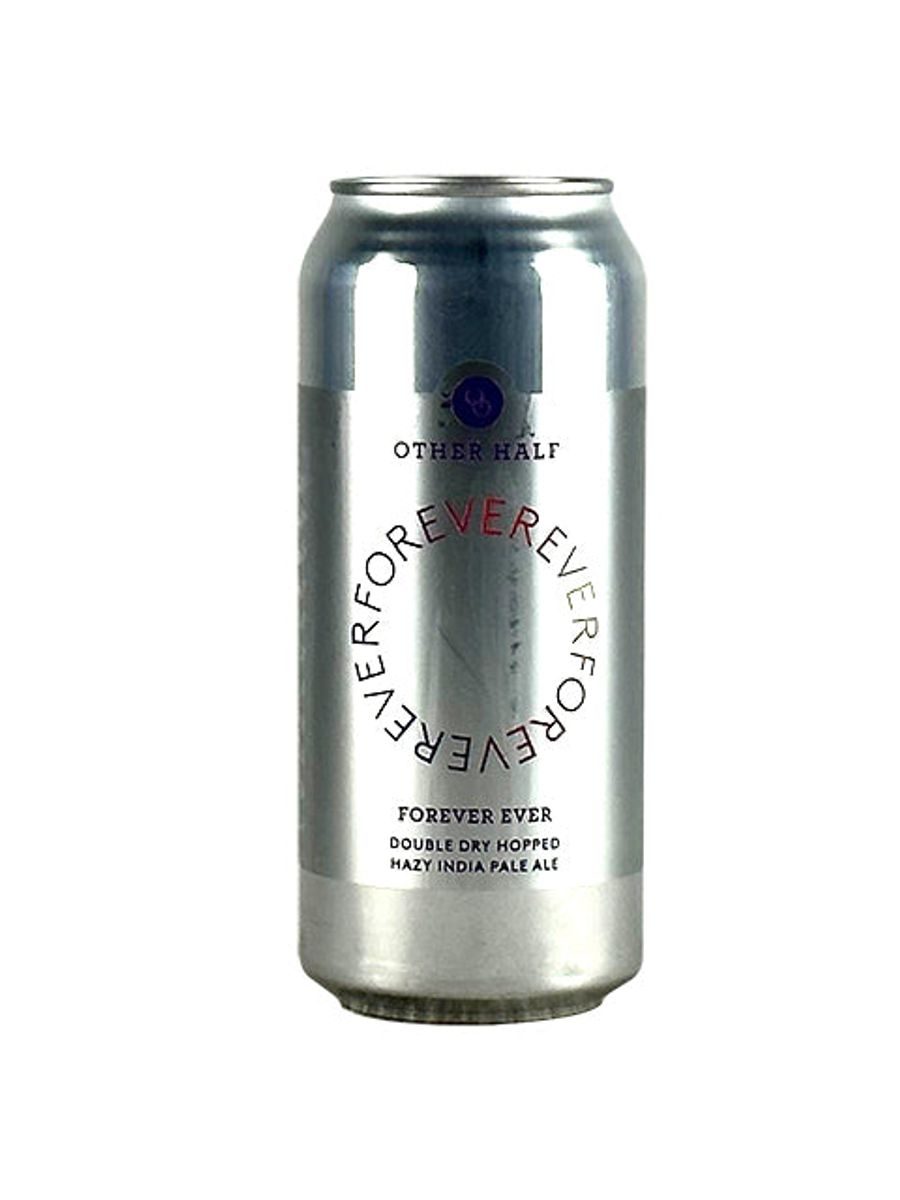
Forever Ever
Brewed by Other Half Brewing Co.
mango, citrus, soft grain and saturated aroma.
BAR NOTES
Forever Ever is the rare session IPA that does not taste like an apology. Other Half loads a 4.7-percent frame with tropical aroma and a soft middle while keeping hop burn and sweetness out of the way.
Serve around 44–46°F with spicy pizza, jerk chicken or a deli sandwich. Buy it near release and keep it cold; a light base gives oxidation nowhere to hide.
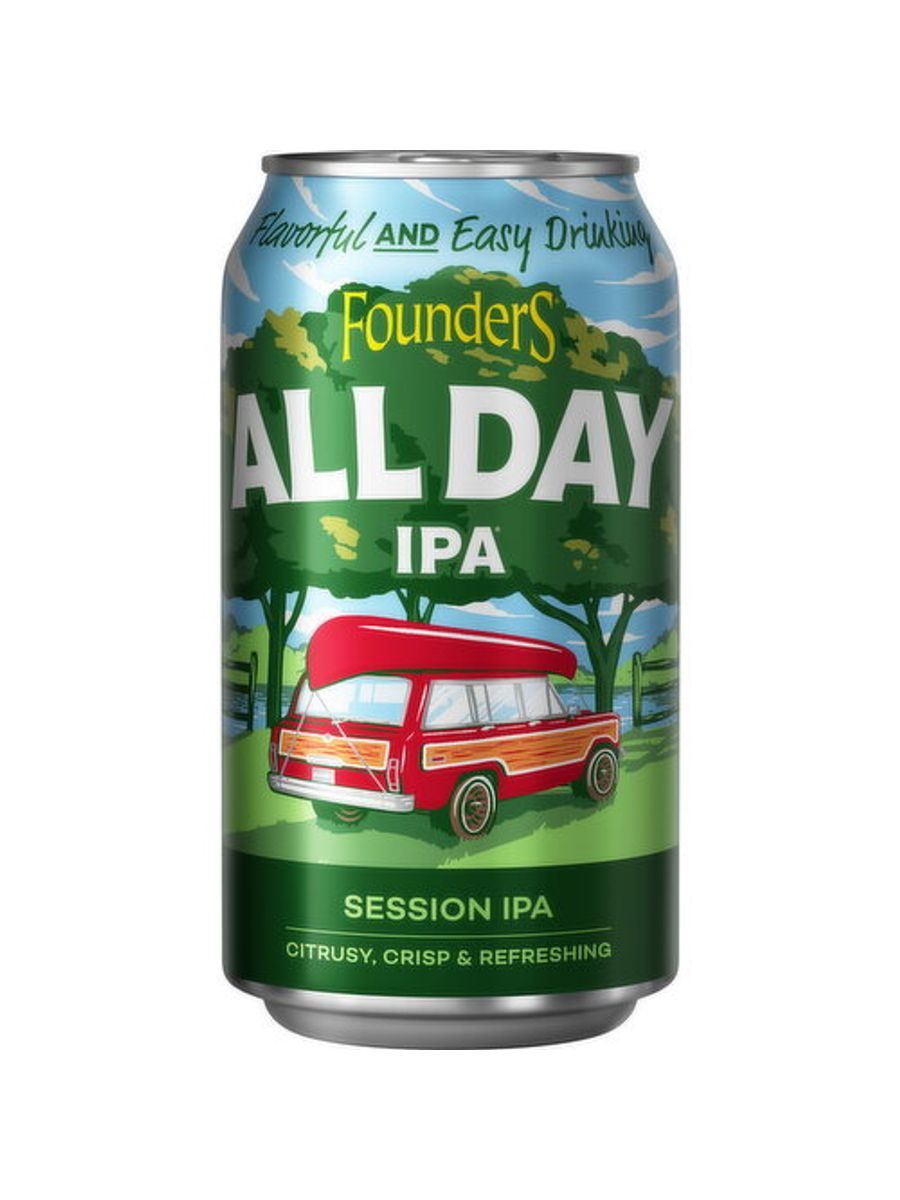
All Day IPA
Brewed by Founders Brewing Co.
grapefruit, pine, herbs and light caramel.
BAR NOTES
All Day IPA turned a once-niche phrase into a grocery-store category. Its mix of citrus, pine, restrained malt and firm bitterness still explains the style more clearly than many newer low-calorie imitators.
Pour at 43–46°F with burgers, grilled chicken or chips and salsa. Wide distribution makes date checking important, so choose cold stock with the newest packaging code.
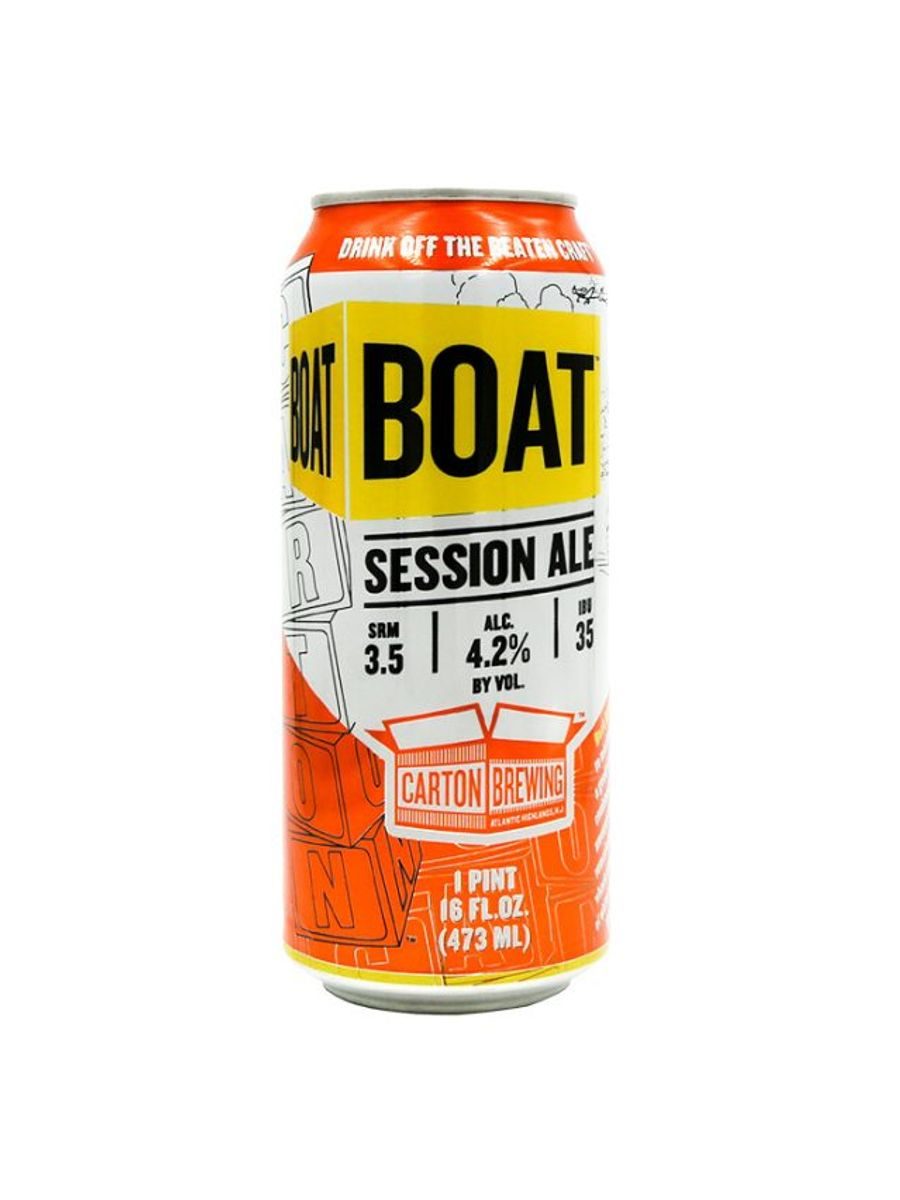
Boat Beer
Brewed by Carton Brewing Company
lemon, grapefruit, herbs and crisp grain.
BAR NOTES
Boat Beer sits just outside strict IPA labeling, but its crisp fermentation and assertive hopping helped define modern session drinking. The Kölsch-like base gives citrus and herbs a cleaner stage than most soft hazies.
Serve around 42–45°F with fried clams, fish tacos or a boardwalk sausage. Its lean body rewards a very fresh can and a clean, narrow glass.
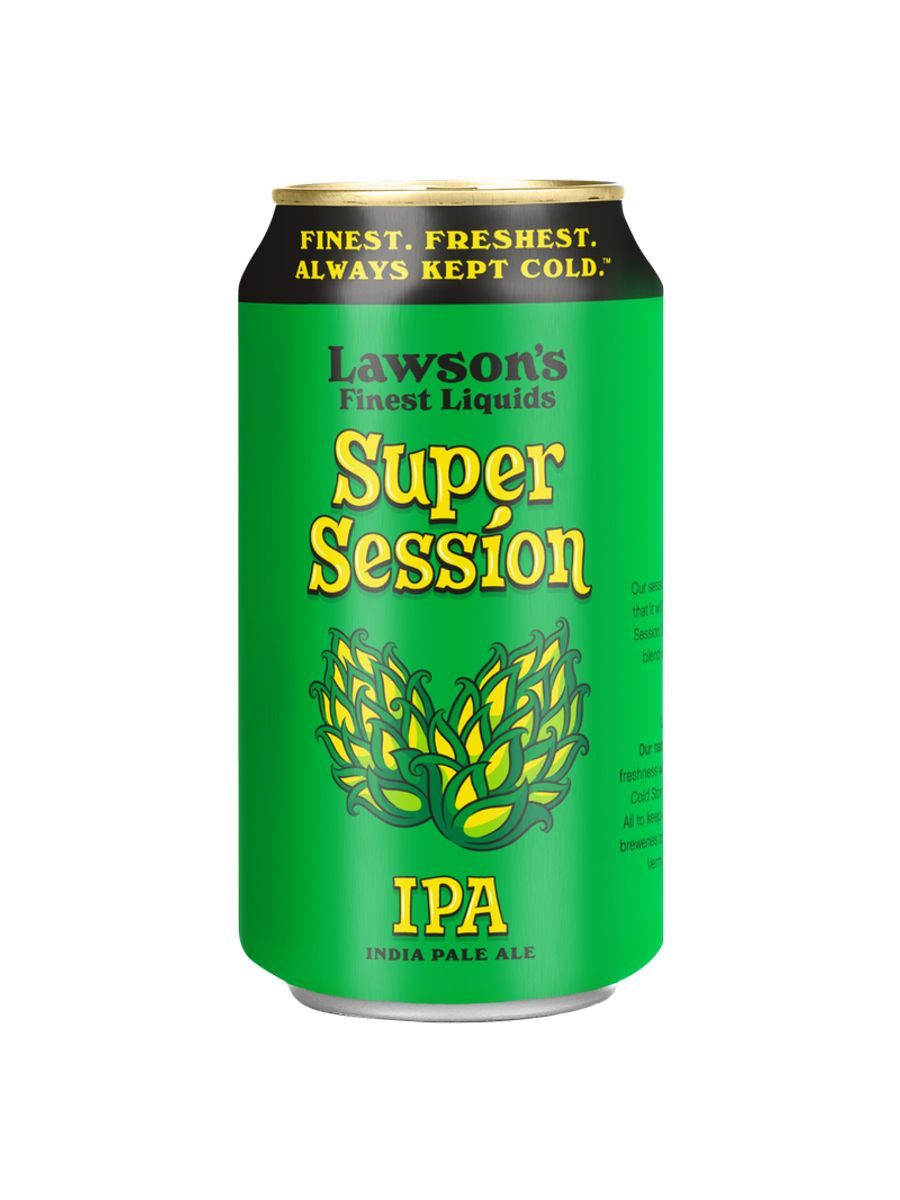
Super Session IPA
Brewed by Lawson’s Finest Liquids
citrus, tropical fruit, pine and dry malt.
BAR NOTES
Super Session carries Lawson’s bright citrus-and-resin voice into a sub-five-percent beer. The recipe preserves enough malt and bitterness to feel complete rather than simply watered down.
Pour around 44–46°F with sharp Vermont cheddar, spicy wings or roast chicken. Follow the brewery’s cold-storage emphasis and drink the can while its aromatics still sparkle.
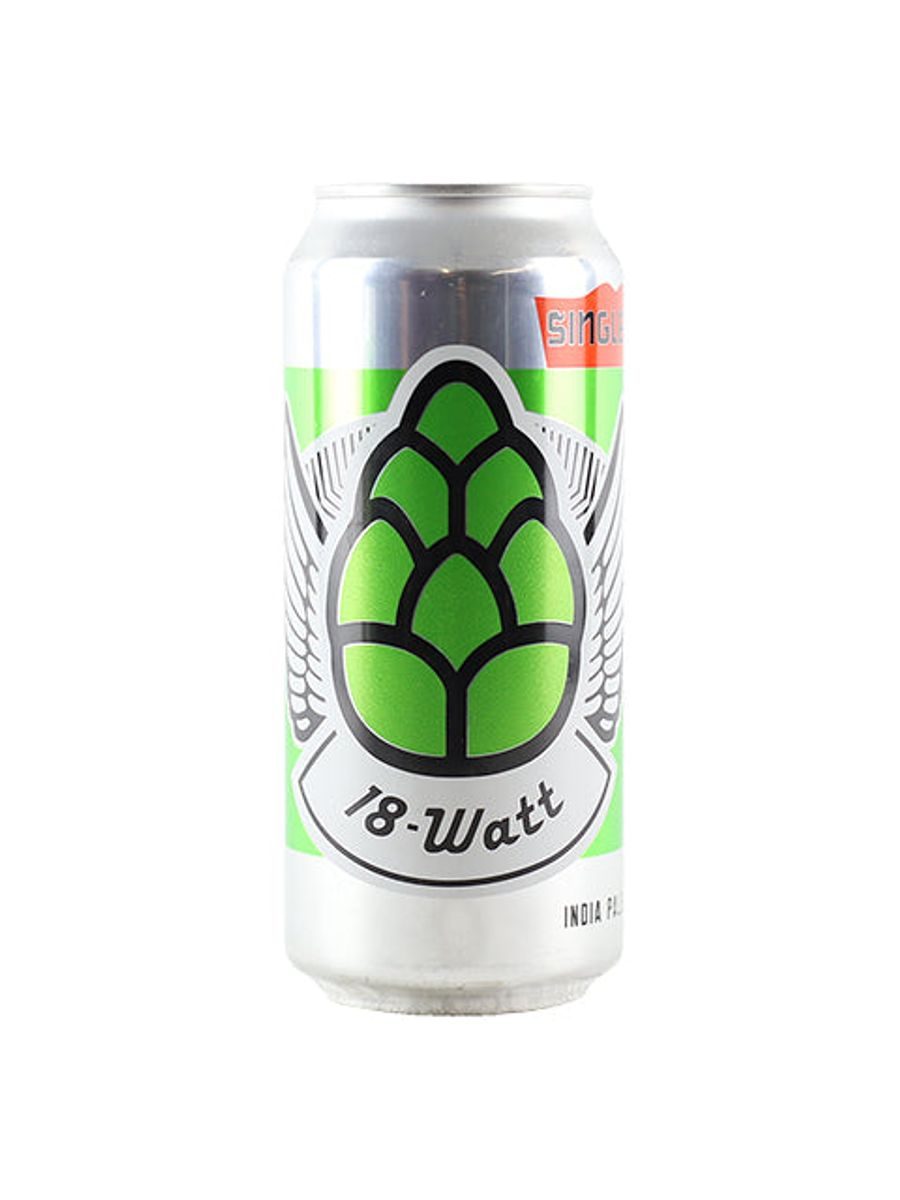
18-Watt IPA
Brewed by SingleCut Beersmiths
tangerine, tropical fruit, dank hops and soft malt.
BAR NOTES
18-Watt lands at the Brewers Association’s five-percent ceiling and uses every bit of that room. Tangerine and tropical fruit arrive over a lush middle, with dank resin giving the softness definition.
Serve around 45°F with spicy noodles, a smash burger or washed-rind cheese. A 16-ounce can is easy to underestimate, so keep the pace as measured as the ABV.
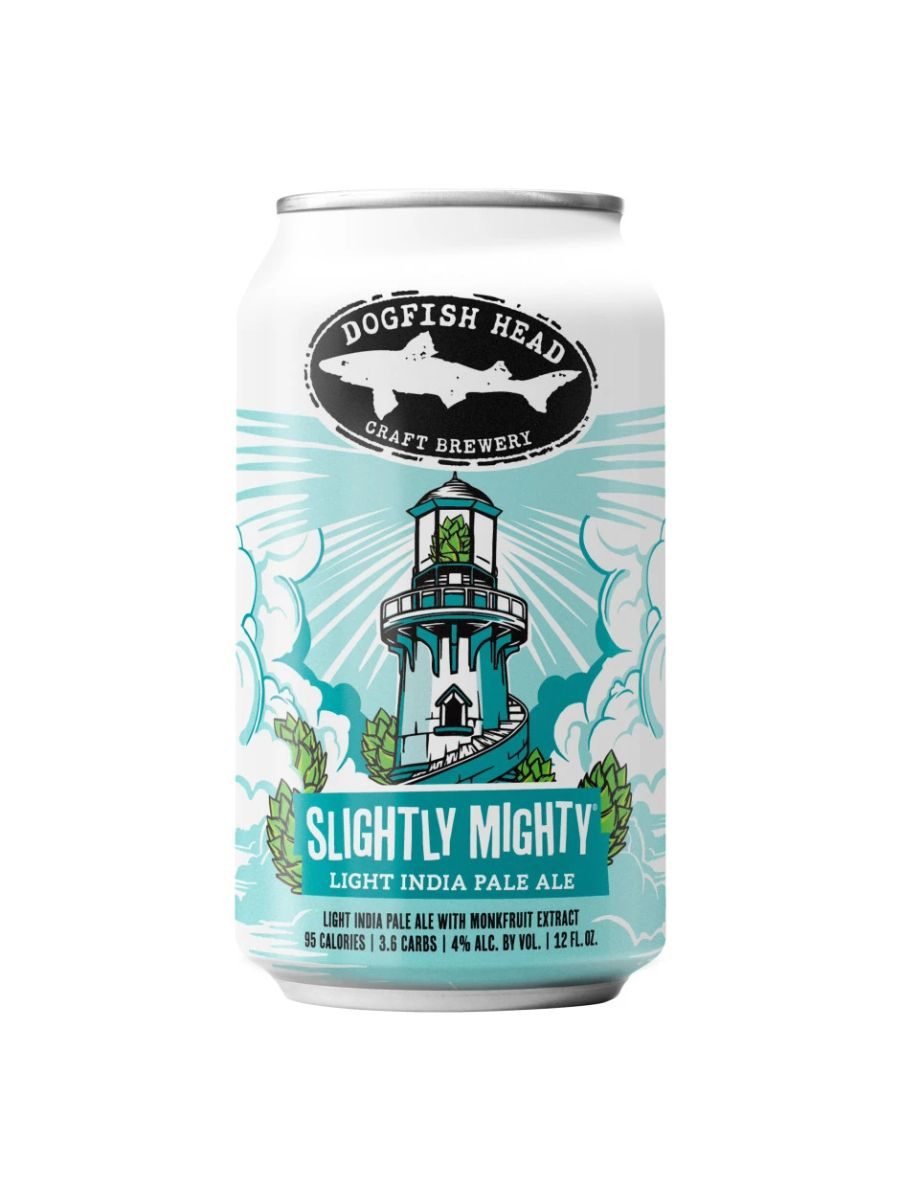
Slightly Mighty
Brewed by Dogfish Head Craft Brewery
pineapple, citrus, herbs and light bitterness.
BAR NOTES
Slightly Mighty uses monk fruit to create a little palate weight without a conventional high-gravity malt bill. The trick works because the tropical hops and dry finish remain the main event.
Pour around 42–45°F with crab cakes, grilled shrimp or spicy slaw. Keep it cold and fresh; the subtle body can feel thin once the brightest hop notes fade. For a wider comparison, see HBA’s lower-calorie beer guide.
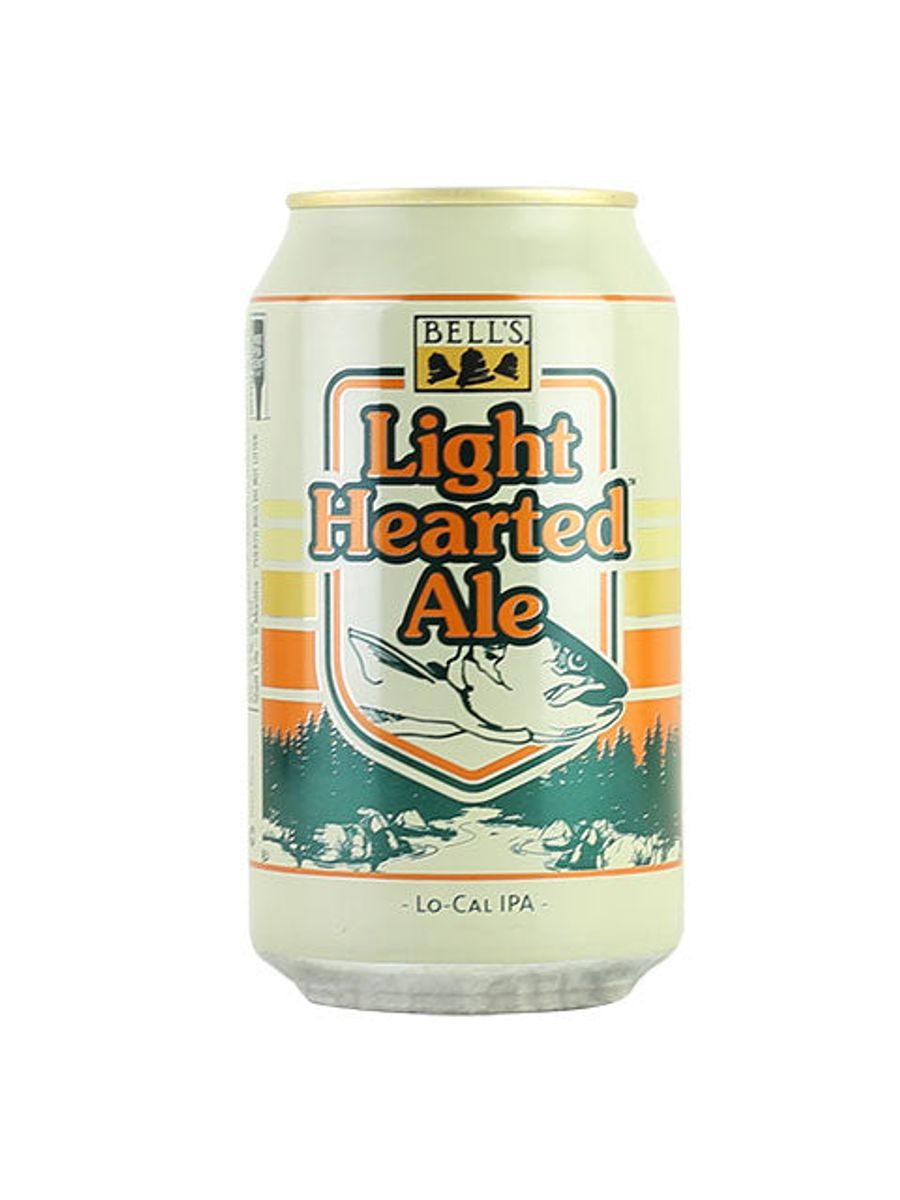
Light Hearted Ale
Brewed by Bell’s Brewery
orange, pine, tropical fruit and light grain.
BAR NOTES
Light Hearted borrows Centennial-driven citrus and pine from the Bell’s family, then adds Galaxy for a tropical lift. The reduced strength still feels like a designed beer rather than a diluted flagship.
Serve around 42–45°F with grilled fish, chicken salad or mild cheddar. Its delicate grain and hop balance shows best from a recently packaged, refrigerated can.
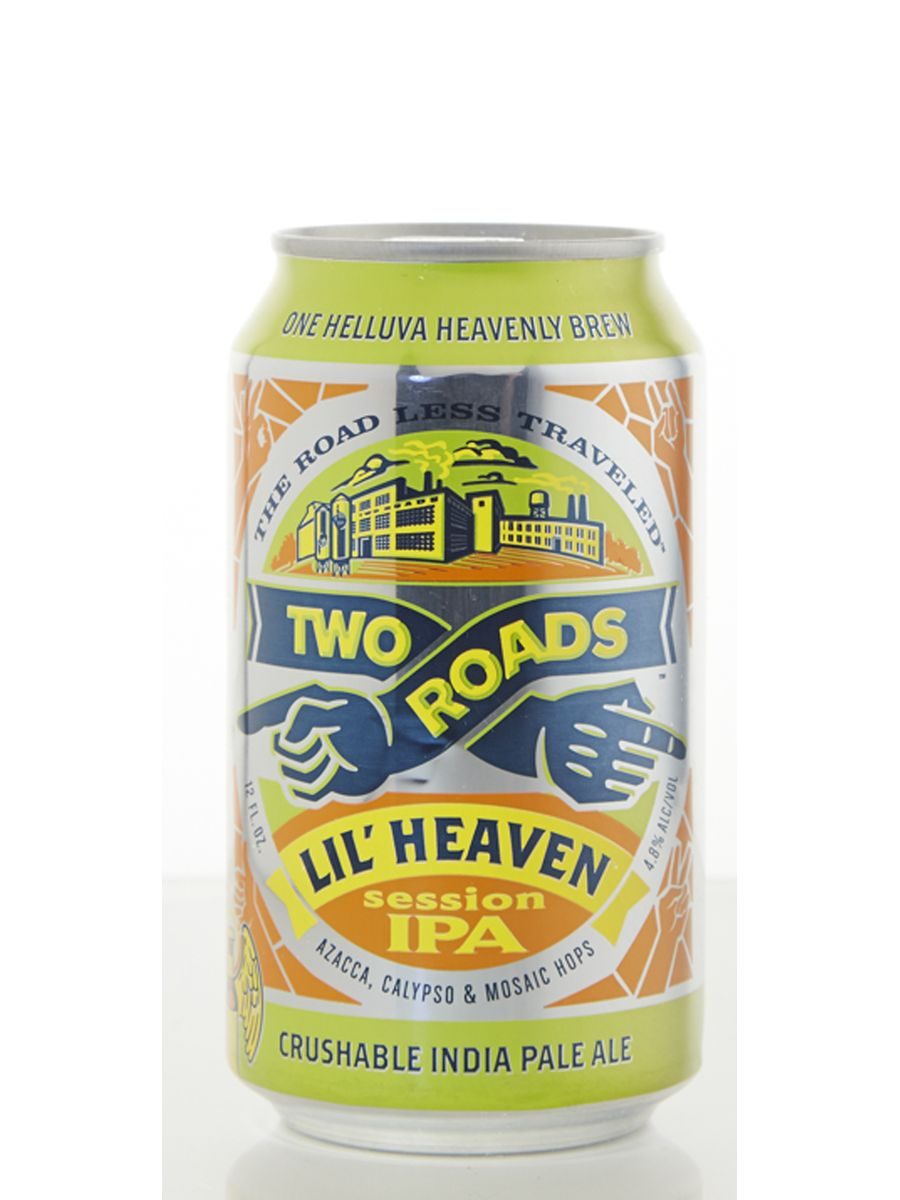
Lil’ Heaven
Brewed by Two Roads Brewing Company
pineapple, mango, citrus and balanced malt.
BAR NOTES
Lil’ Heaven takes its name from a hidden break room in the brewery’s historic factory. Azacca, Calypso and Mosaic bring tropical fruit while a visible malt core keeps the beer grounded.
Serve around 43–46°F with pizza, jerk chicken or a roast pork sandwich. A busy local draft line is ideal, though fresh cold cans travel well.
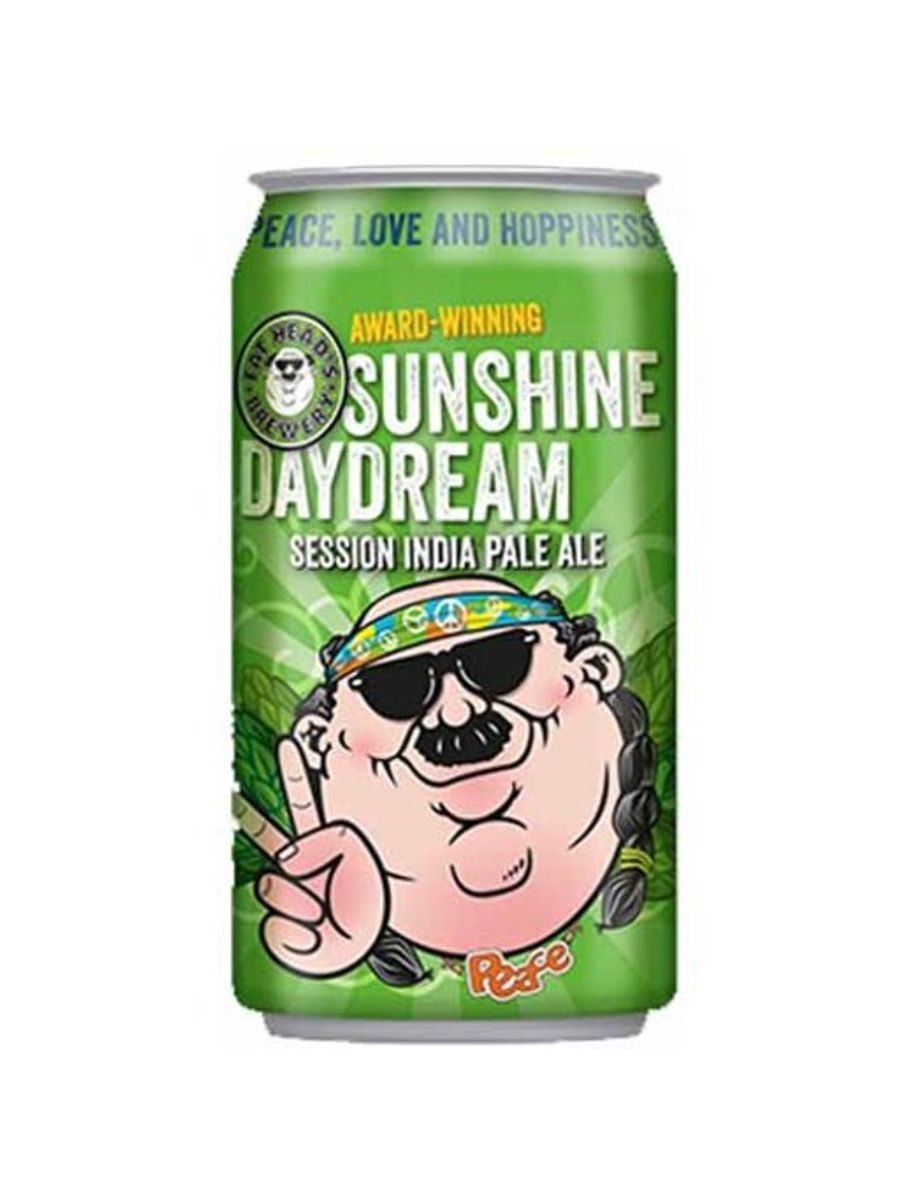
Sunshine Daydream
Brewed by Fat Head’s Brewery
orange, peach, tropical fruit and firm bitterness.
BAR NOTES
Sunshine Daydream delivers the citrus, peach and tropical aroma expected from a much larger IPA. Fat Head’s supports that volume with enough bitterness to keep every sip refreshing rather than soft and vague.
Pour around 44–46°F with wings, smoked sausage or pepper jack. Its 4.9-percent strength suits a full pint, but the hop aroma still demands cold storage.
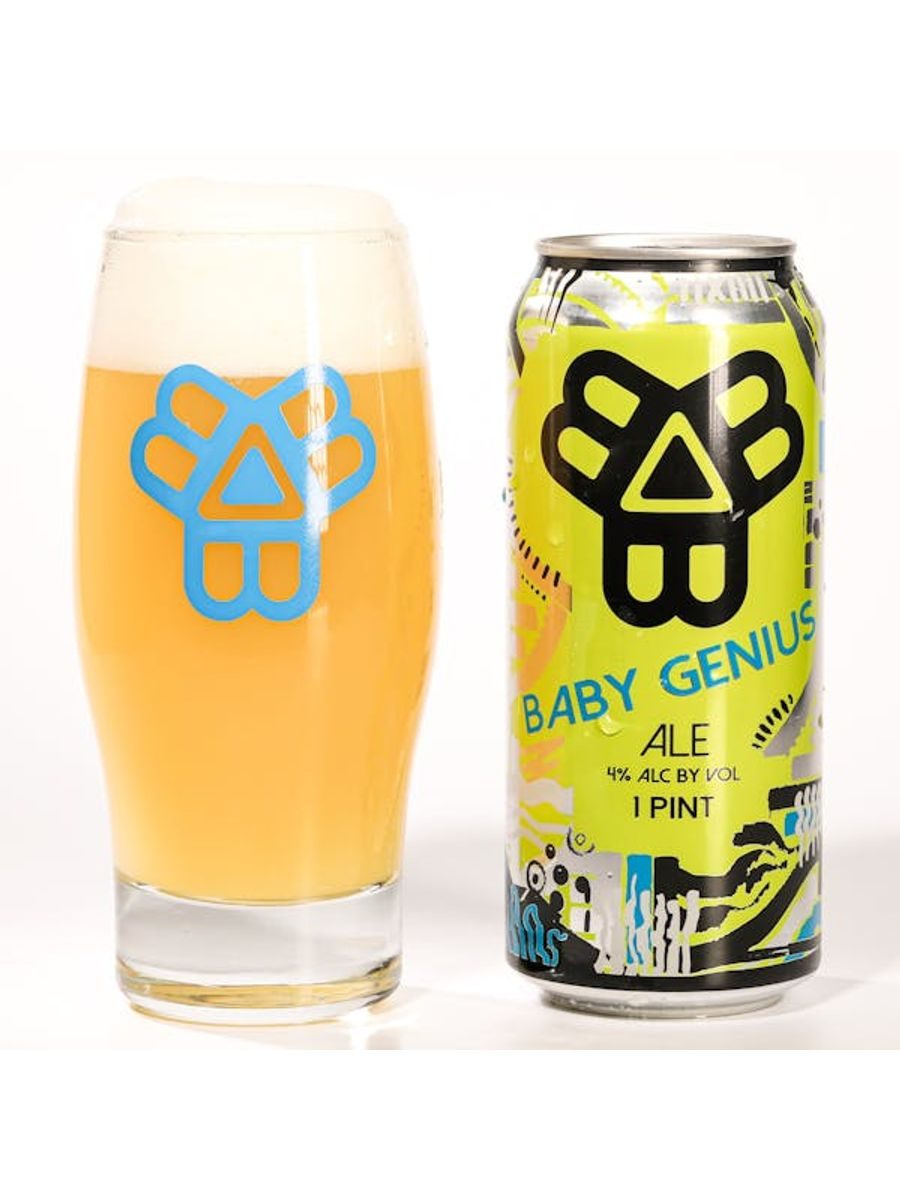
Baby Genius
Brewed by Bissell Brothers Brewing Company
citrus, flowers, tropical fruit and Maine grain.
BAR NOTES
Baby Genius is labeled ale rather than IPA, yet its Citra, Ella and Topaz profile belongs in the session conversation. Maine-grown grain gives the four-percent beer more texture and regional identity.
Serve around 42–45°F with a lobster roll, fried haddock or a picnic sandwich. Freshness preserves the delicate floral top notes, so buy close to release.
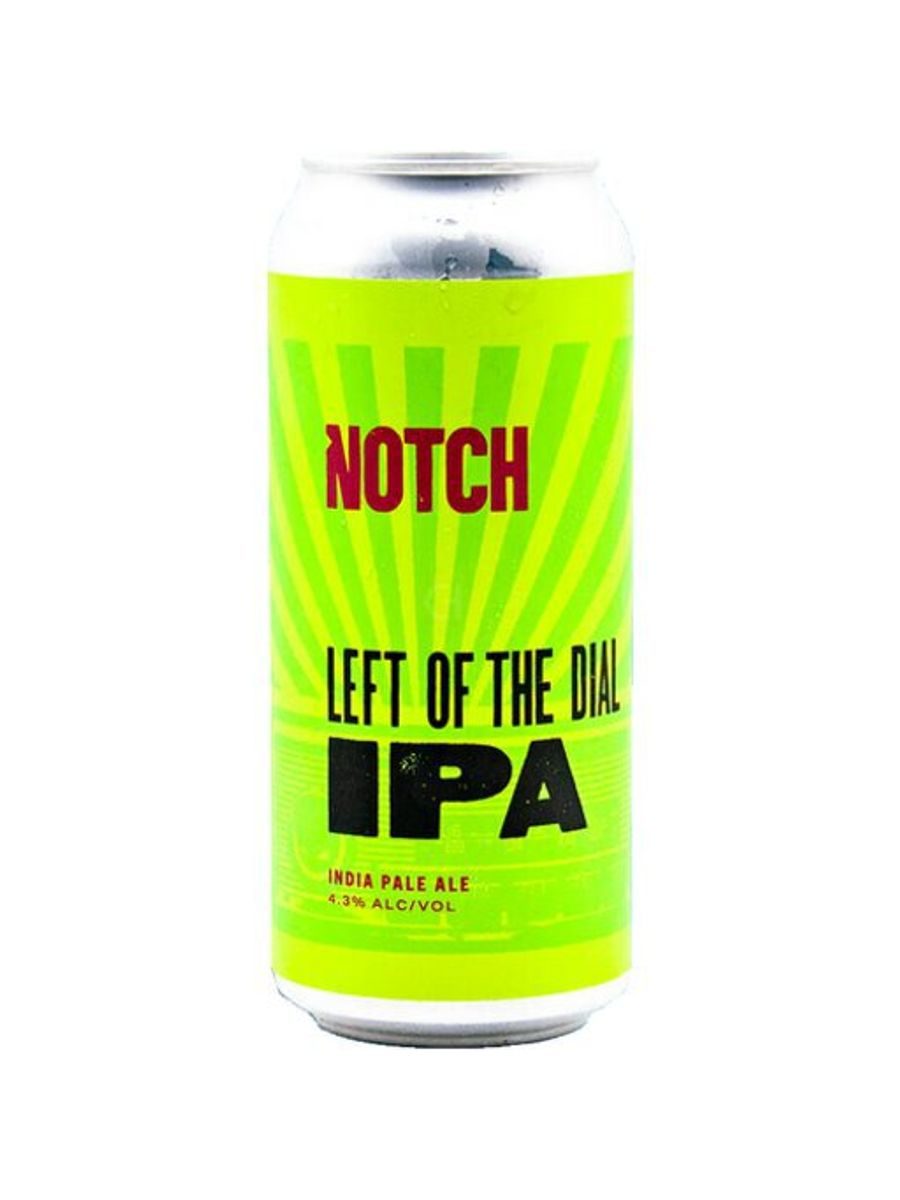
Left of the Dial
Brewed by Notch Brewing
orange, pine, floral hops and British malt.
BAR NOTES
Left of the Dial combines British malt, hard water and modest strength with Citra and Mosaic dry hopping. The result connects pub-style drinkability to the modern American aroma people expect from IPA.
Pour around 44–47°F with fish and chips, roast beef or sharp cheddar. Its balance suits a proper pint, especially from fresh draft at a Notch taproom.
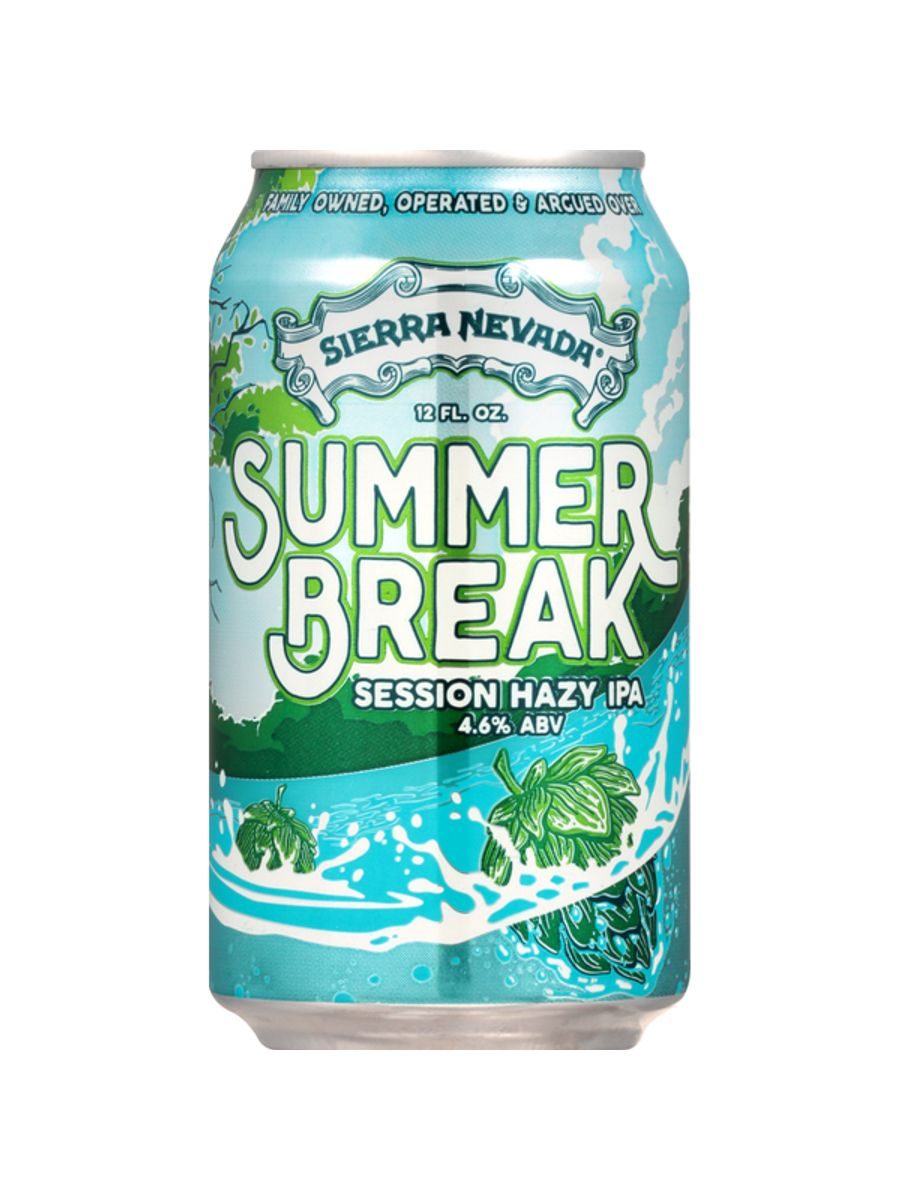
Summer Break
Brewed by Sierra Nevada Brewing Co.
mango, citrus, soft grain and gentle bitterness.
BAR NOTES
Summer Break adds a softer hazy texture to Sierra Nevada’s reliable fermentation and hop handling. The beer offers recognizable tropical fruit without turning a warm afternoon pint thick or sweet.
Serve around 42–45°F with grilled shrimp, chicken tacos or a picnic spread. Buy the seasonal release cold and early enough that summer heat has not flattened it. For a wider comparison, see HBA’s summer beer guide.
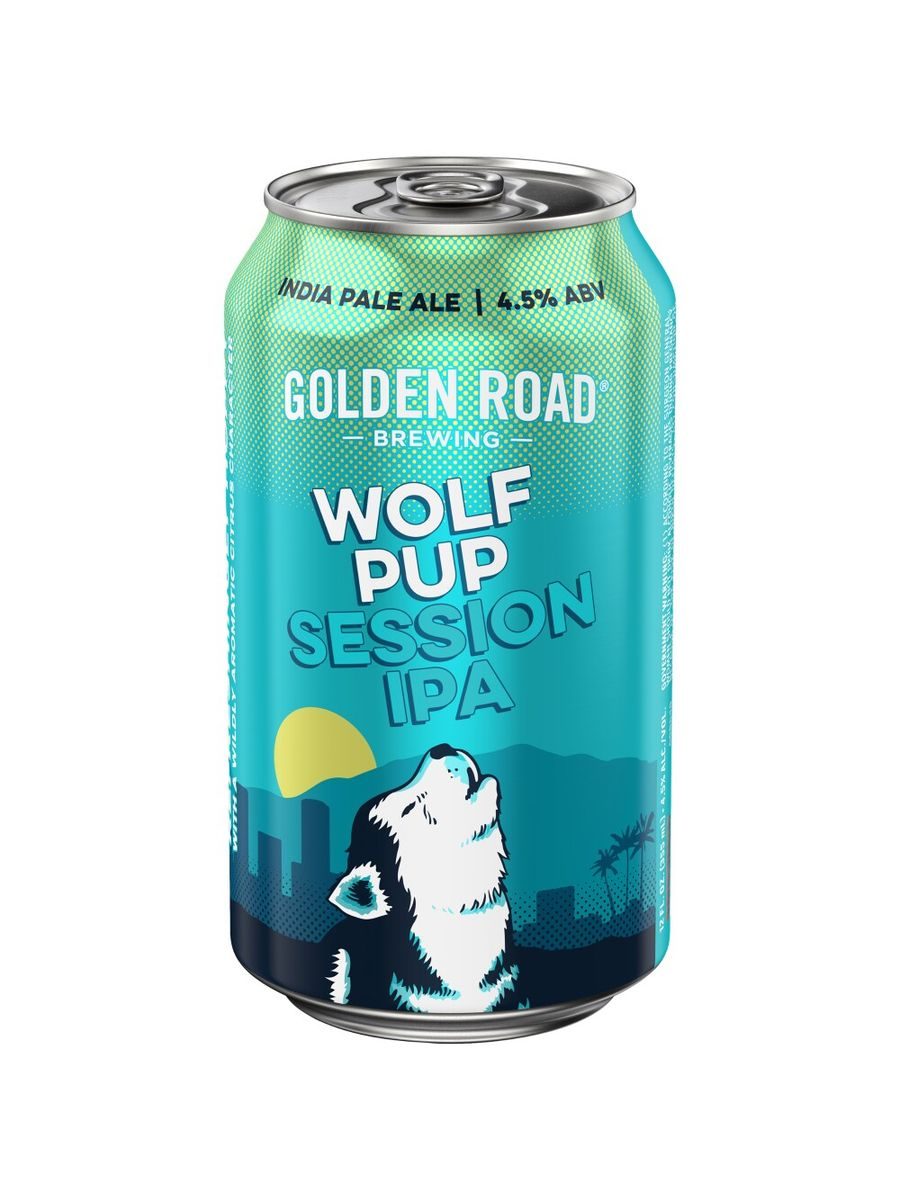
Wolf Pup
Brewed by Golden Road Brewing
orange, grapefruit, tropical fruit and light pine.
BAR NOTES
Wolf Pup packages orange, grapefruit and tropical aroma in a light body made for warm weather. A small pine edge and crisp finish keep the sunny branding from becoming fruit-soda territory.
Pour around 41–44°F with carne asada tacos, grilled chicken or salty fries. The beer is most convincing very fresh and cold, before its citrus aroma slips away.
Rec. League
Brewed by Harpoon Brewery
tropical citrus, soft grain and a lightly salty snap.
BAR NOTES
Rec. League uses buckwheat kasha, chia and sea salt to give a 4.0-percent hoppy ale more texture than expected. The unusual supporting ingredients stay quiet enough for tropical hops to lead.
Serve around 41–44°F with a turkey club, fried seafood or post-game pizza. Its light body and gentle salinity make a cold full pint the right format.
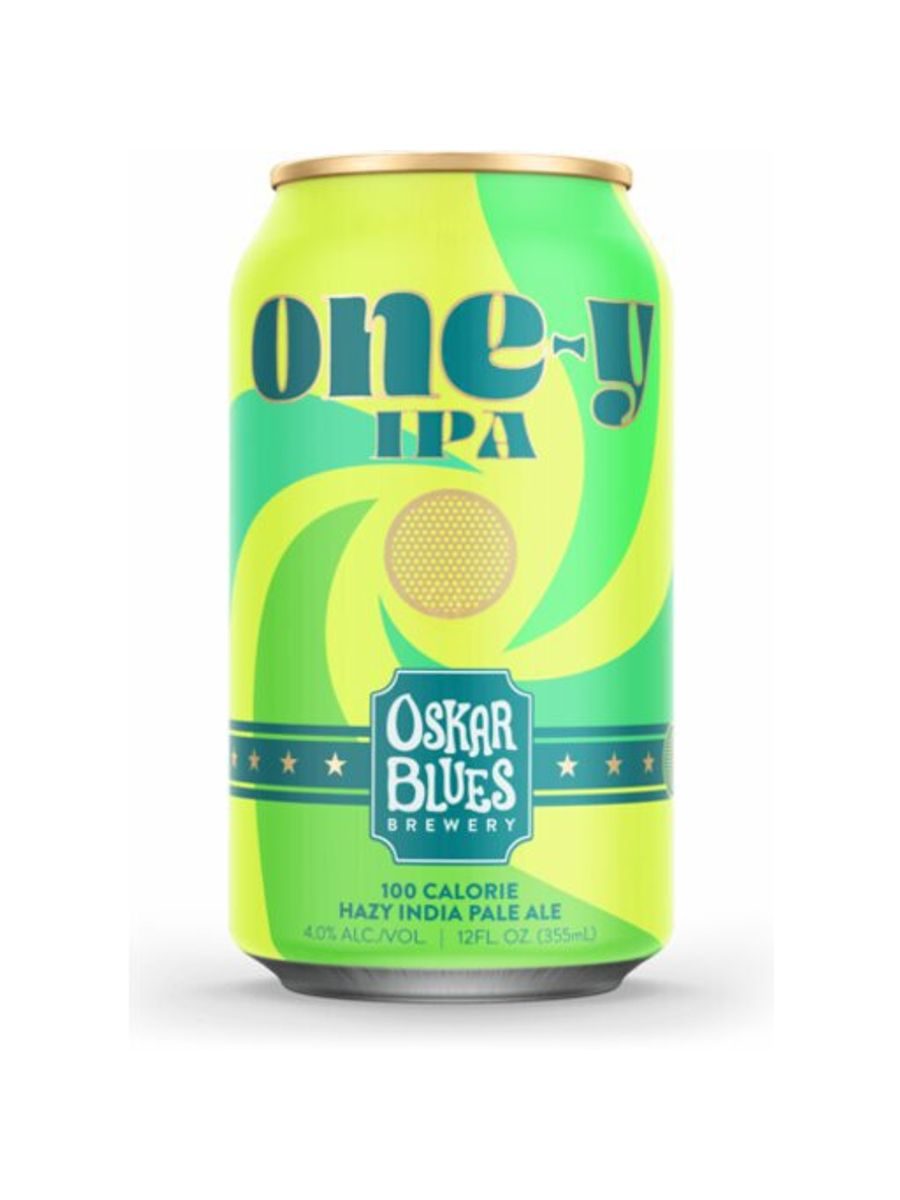
One-y IPA
Brewed by Oskar Blues Brewery
peach, mango, citrus and biscuit malt.
BAR NOTES
One-y uses wheat and a heavy dry hop to create more body than its 100-calorie label suggests. Peach, mango and citrus sit over a biscuit-like base instead of disappearing into seltzer thinness.
Pour around 42–45°F with grilled vegetables, fish tacos or a turkey burger. A fresh can keeps the haze aromatic rather than dull, grainy and forgettable.
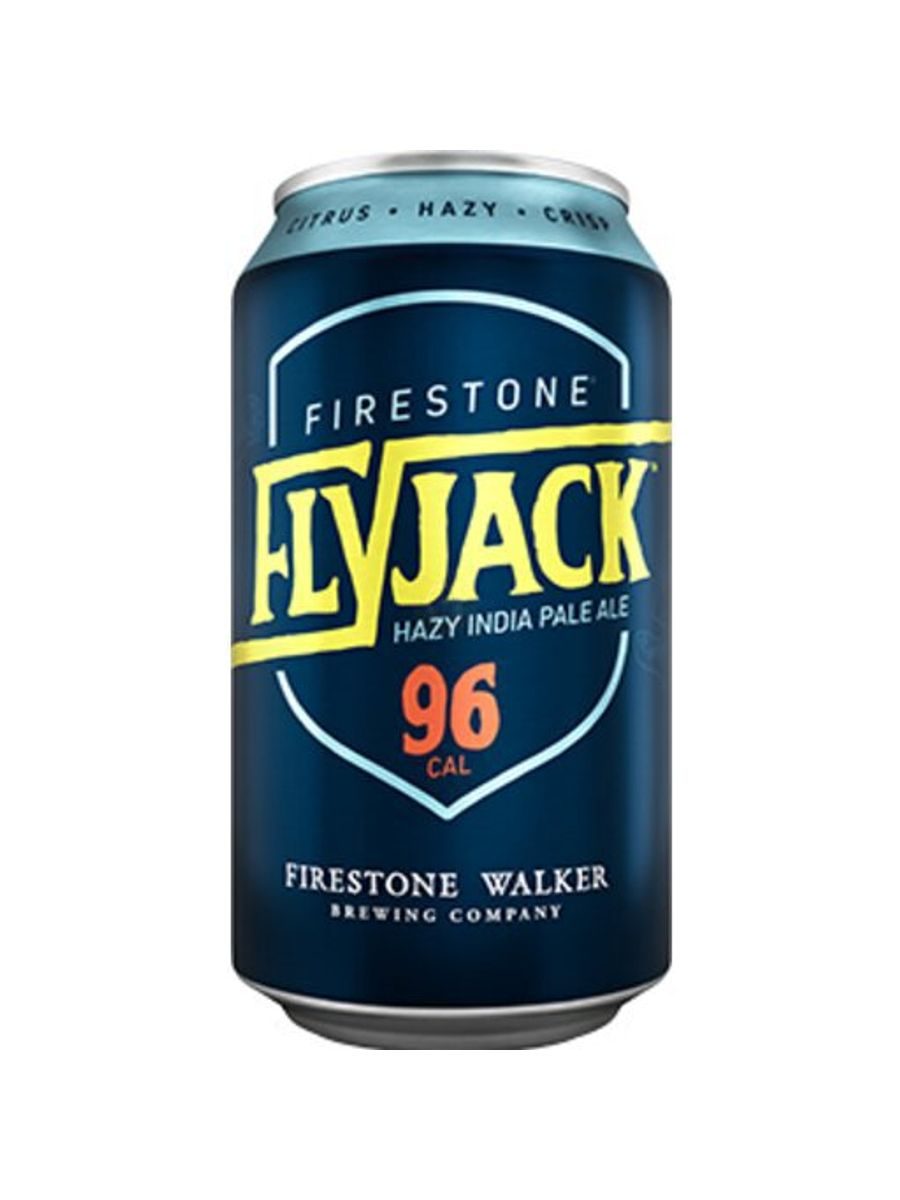
Flyjack
Brewed by Firestone Walker Brewing Company
lemon, tropical fruit, grass and crisp grain.
BAR NOTES
Flyjack applied Firestone Walker’s technical control to the hazy, low-calorie boom. The beer is light and lemony rather than plush, making it a useful historical contrast to sweeter modern haze.
Serve around 41–44°F with grilled fish, salad or mild tacos. This is a retired landmark, so any surviving package is more archive than freshness purchase. For a wider comparison, see HBA’s hazy IPA roundup.
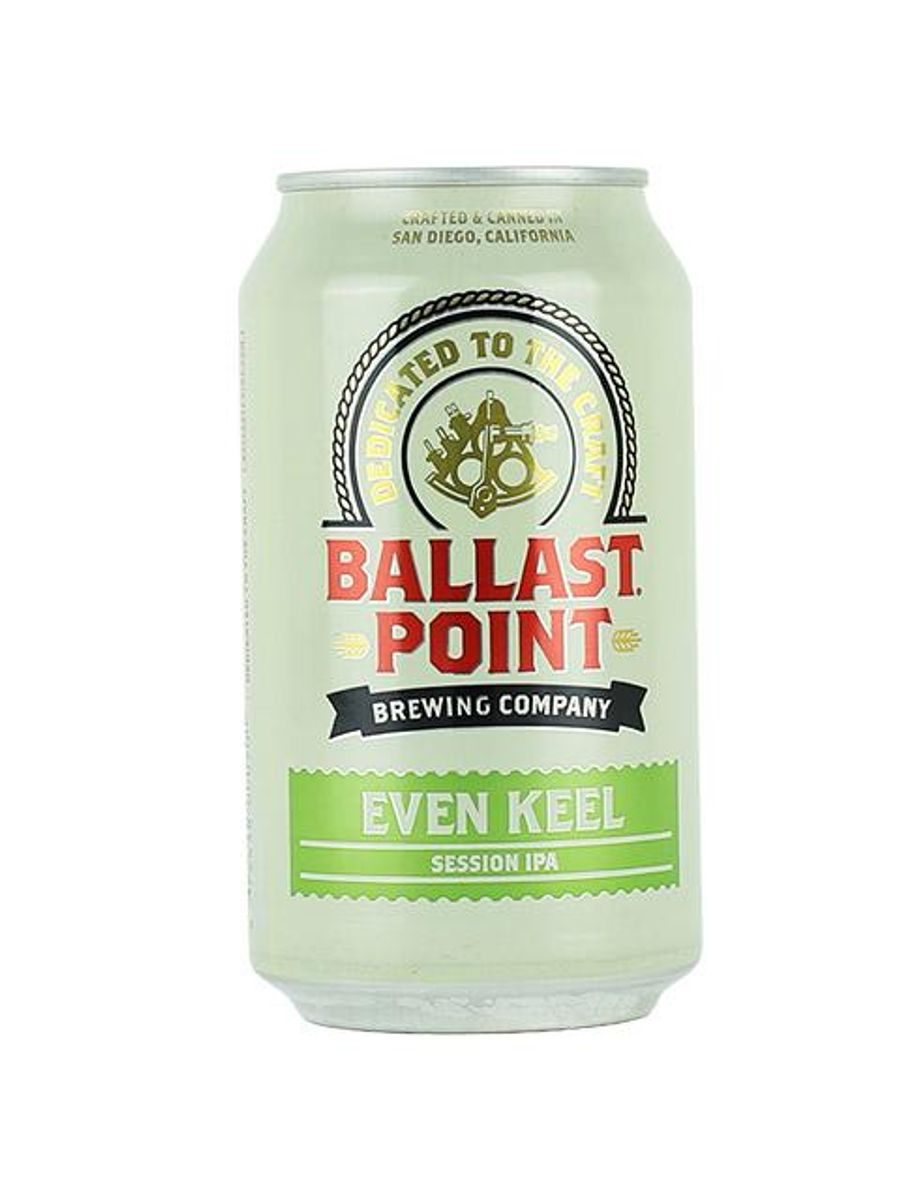
Even Keel
Brewed by Ballast Point Brewing Company
citrus, herbs, flowers and light malt.
BAR NOTES
Even Keel pushed session IPA below four percent while retaining herbal citrus, a little malt texture and a clean bitter finish. Its restraint made it more useful at the table than louder competitors.
Serve around 42–45°F with grilled seafood, ceviche or chicken tacos. Older cans lose their best herbal detail quickly, so regard this classic as fresh-only when found.

Clockwork Tangerine
Brewed by BrewDog
tangerine, tropical fruit, caramel and crisp bitterness.
BAR NOTES
Clockwork Tangerine uses actual tangerine to amplify the citrus already suggested by American hops. A light caramel base and crisp bitterness keep the fruit addition refreshing instead of candy-like.
Serve around 41–44°F with fish tacos, curry or a salty pub sandwich. The citrus is brightest in a fresh can, and colder service keeps the sweetness tidy.
British bitters: a balanced pub pint
Bitter is a British pale-ale family, often less bitter than an American IPA. Malt, earthy hops, yeast fruit, and a dry finish make the low-strength pint satisfying. Bottle and cask strengths can differ, so the ABV below refers to the bottle where specified.

Timothy Taylor Landlord
Brewed by Timothy Taylor’s
Golden Promise malt, floral hops and a firm, dry finish.
BAR NOTES
Landlord is the first pint to try if you want to understand why British bitter is about balance. Golden Promise malt makes the body feel complete, while Goldings and Fuggles bring a gentle, lingering bite rather than American IPA intensity.
The brewery lists its bottle at 4.1% and its cask version at 4.3%, a useful reminder to check the package before quoting strength. Pair a fresh bottle with fish and chips or mature cheddar; HBA’s Best Bitter style guide explains this middle lane.

Harvey’s Sussex Best
Brewed by Harvey’s Brewery
A dry, balanced bitter with malt depth and local hop character.
BAR NOTES
Sussex Best rewards attention to the way malt, yeast and hops meet in a modest-strength pint. Its place in Lewes pub culture matters as much as the bottle: fresh cask service adds texture that packaged versions cannot perfectly reproduce.
Take the bottled version as a practical introduction, then seek a well-kept pint on cask if you visit Sussex. Fish and chips or a ploughman’s lunch gives the dry finish useful work. HBA’s British Bitter overview sets the broader context.

Fuller’s London Pride
Brewed by Fuller’s Griffin Brewery
Biscuit and orange peel sit behind an easy, rounded bitter finish.
BAR NOTES
London Pride is an approachable route into the style for drinkers used to more carbonated bottled ales. A biscuit-like malt center, light fruit and measured hopping give it enough character for a full pint without making bitterness the whole show.
The bottle is labeled 4.7%; pub cask strength may differ, so use the vessel in front of you rather than a remembered number. Roast chicken or a sausage roll is an easy pairing. For a stronger Fuller’s comparison, see HBA’s Strong Bitter guide.

Timothy Taylor Boltmaker
Brewed by Timothy Taylor’s
Toasty malt and gentle citrus meet a clean bitter edge.
BAR NOTES
Boltmaker takes the same Yorkshire brewery in a warmer, copper-colored direction. Golden Promise, crystal and amber malts build a biscuity center; whole-leaf English hops bring fruit and a dry finish without turning it into a citrus-forward pale ale.
The brewery lists 4.2% in the bottle and 4.0% on cask. Roast beef and onions or a meat pie suit the toastier malt profile. If you brew, HBA’s Best Bitter recipe shows how to keep malt and hopping in balance.
Dark milds: quiet malt depth
Dark mild proves that roast, toast, and nutty malt can fit into a beer below four or five percent. Some of the best examples are regional and appear on cask; this list favors bottles and cans with identifiable product photography. For brewing context, see HBA’s dark mild recipe.

Ruby Mild
Brewed by Rudgate Brewery
A fuller, smokier ruby mild with nutty malt and a velvet finish; Champion Beer of Britain 2009.
BAR NOTES
Rudgate’s Ruby Mild sits at the robust end of the modern style. Deep red color introduces toast, nuts, faint smoke, and dark caramel, with enough strength to feel plush without becoming heavy.
This is a smart bridge for drinkers coming from brown ale or porter. The flavor is broad and satisfying, but the bitterness stays polite and the finish retains the calm, rounded shape of mild.

Black Country Mild
Brewed by Holden's Brewery
A Black Country staple with caramel, toasted bread, light fruit, and an unmistakably pub-ready finish.
BAR NOTES
Holden’s keeps the style rooted in the Black Country, where mild remained a living pub drink long after it disappeared elsewhere. Caramel, toast, light fruit, and soft roast arrive in compact succession.
The beer is neither sugary nor aggressively roasted. Instead, it lands in the difficult middle ground that defines excellent mild: flavorful enough to notice, restrained enough to order again without hesitation.

Dark Mild
Brewed by Last St Brewery
A clean Australian dark mild with cocoa, toast, caramel, and a crisp alpine-water finish.
BAR NOTES
Last St gives the style a polished Australian interpretation without inflating it into brown ale or porter. Toasted grain, cocoa, and restrained caramel sit inside a genuinely sessionable four-percent frame.
The upright 355ml can also makes this one of the easier modern milds to recognize and buy. Serve it cool rather than cold so its malt and fermentation character can open fully.

Brawler
Brewed by Yards Brewing Company
A reliable American English-style mild with ruby color, biscuit, caramel, and a clean roasted snap.
BAR NOTES
Brawler is one of the easiest American introductions to mild because it is packaged, consistent, and unmistakably malt-led. Crystal and amber malts supply caramel and biscuit while roasted barley sharpens the finish.
It is slightly stronger and more carbonated than many British cask examples, but the core priorities remain intact: moderate strength, low hop drama, and enough dry malt flavor to invite another can.

Banks's Mild
Brewed by Banks's
A foundational Black Country mild remembered for caramel, roasted nuts, dark fruit, and easy balance.
BAR NOTES
Banks’s Mild was once among the defining everyday milds of the Midlands. Its combination of caramel, roasted nut, light fruit, and modest bitterness made it richer than the strength suggested and exceptionally repeatable.
Its place here is historical as much as practical. Availability has shifted, so treat any remaining cans or pub sightings carefully and do not assume an old retailer page proves fresh, continuing production.

Black Cat
Brewed by Moorhouse's Brewery
A celebrated dark mild with dry chocolate malt, restrained fruit, and an unusually crisp finish.
BAR NOTES
Black Cat became a reference point for modern dark mild through its dry chocolate character and lean drinkability. Rather than tasting like mini stout, it kept roast low and let fruit and malt share the foreground.
Brewery and distribution changes have made current sightings less dependable, so it is best approached as a historically important target rather than a guaranteed shelf beer. A fresh cask remains worth chasing.

Mild Dark Ale
Brewed by Method Brewing
A modern canned mild with chocolate, coffee, caramel, and a dry roasted finish.
BAR NOTES
Method Brewing’s Mild Dark Ale uses a restrained modern presentation for an old pub style. Chocolate and coffee notes lead, but the body stays light and the roast closes dry rather than heavy.
At 3.8% ABV it remains true to mild’s sessionable purpose, while the clean can format makes the style approachable outside a handpump setting. Availability is limited, so check brewery stock before hunting. For a wider comparison, see HBA’s dark mild guide.

British Steel
Brewed by Garage Project
A Black Country-inspired mild with toasted hazelnut, toffee biscuit, English yeast, and classic hops.
BAR NOTES
British Steel demonstrates that dark mild can travel without becoming a parody. Autumn barley, crystal, chocolate, and roasted malts deliver hazelnut and toffee biscuit, supported by expressive English-style fermentation.
Admiral and East Kent Goldings stay in a supporting role, preserving the style’s malt-first shape. Distribution is limited, but the beer earns inclusion as a thoughtful modern interpretation rather than a novelty.
Blonde ales: the easy-drinking middle
Blonde ale can be crisp, gently fruity, or lightly hopped. It is an approachable contrast to the stronger aroma of a session IPA and the richer malt of mild. Serve it fresh and moderately cold with grilled food, seafood, or a simple sandwich.

Eureka Citra
Brewed by Tree House Brewing Co.
A tiny blonde ale carrying an absurd amount of fresh Citra aroma without IPA weight.
BAR NOTES
Tree House uses Eureka as a stripped-back stage for individual hop varieties, and the Citra edition is the clearest expression of the idea. Citrus, peach and tropical aroma ride above pale grain while bitterness stays crisp rather than punishing.
Drink it brewery-fresh at 40–43°F, because the entire point is volatile hop character in a light frame. Fish tacos, grilled shrimp and salty chips provide enough flavor without flattening the beer’s delicate body.

805
Brewed by Firestone Walker Brewing Co.
The modern mass-market benchmark: simple, dry, balanced and almost impossible to argue with cold.
BAR NOTES
Firestone Walker built 805 for California’s Central Coast, using a soft malt center and restrained hops to make a craft beer that behaves like an exceptionally polished bar lager. Its scale has not erased the clean fermentation underneath.
Serve at 39–42°F with tri-tip, tacos, pizza or anything coming off a grill. Fresh cans are forgiving, but a clean glass reveals the fine carbonation and faint floral note that disappear when drunk ice-cold.

Fancy Lawnmower
Brewed by Saint Arnold Brewing Co.
A Texas outdoor-beer institution with the medal cabinet to back up the lawnmower joke.
BAR NOTES
Fancy Lawnmower uses pale barley, a dash of wheat and Hallertauer Hersbrucker hops for light citrus and grain. It earned silver in Golden or Blonde Ale at the 2026 World Beer Cup after collecting years of regional and national awards.
Keep it around 40°F and pair with crawfish, fried chicken, tacos or hot-weather cookout food. Its lean finish handles salt and spice, while a slightly warmer sip reveals the wheat-softened middle.

Sweet Action
Brewed by Sixpoint Brewery
A New York original that refuses to choose between cream ale, pale ale and blonde ale.
BAR NOTES
Sweet Action has always lived between categories, with honeyed malt, gentle fruit and enough hop flavor to stay lively. The current NYC Pale Ale framing does not erase its blonde-ale roots or its defining balance.
Serve at 42–45°F with pizza, dumplings or a deli sandwich. It is sturdy enough for food but still freshness-sensitive; old cans lose the bright hop seam and leave a much sweeter impression.

Salty Crew Blonde
Brewed by Coronado Brewing Co.
A purpose-built boat beer with low bitterness, quick finish and no unnecessary drama.
BAR NOTES
Coronado keeps Salty Crew pale, light-bodied and dry, giving mild grain and a whisper of hops just enough structure for a full day outside. Its 2025 GABF bronze confirms that simplicity can be technically serious.
Serve at 38–42°F with fish tacos, ceviche, oysters or a lime wedge if that is the deck ritual. Cans suit the brief, and the modest alcohol matters more than hidden complexity on a long afternoon.

Big Wave Golden Ale
Brewed by Kona Brewing Co.
One of the most recognizable golden ales uses a little tropical hop lift without becoming pale ale.
BAR NOTES
Big Wave balances light caramel malt with fruity hop aroma, historically drawing on varieties such as Galaxy and Citra. The finish is soft and easy, but the aromatic top note gives it more identity than anonymous blonde lager.
Serve at 39–43°F with grilled mahi-mahi, poke, chicken or a citrusy salad. Clear bottles need protection from bright light, so cans or boxed multipacks are the safer freshness choice.

Perrin Gold Ale
Brewed by Perrin Brewing Co.
A Michigan gateway beer that makes light, clean and locally brewed feel like sufficient ambitions.
BAR NOTES
Perrin Gold was among the brewery’s early releases and remains built for traditional beer drinkers crossing into craft. Pale grain, faint sweetness and a clean finish do the work without fruit, spice or exaggerated hopping.
Serve near 40°F with burgers, lake fish or a basket of fries. It is best fresh and local, where short distribution preserves the carbonation and soft grain character that make the beer more than yellow background noise. For a wider comparison, see HBA’s blonde ale roundup.

Scottsdale Blonde
Brewed by Huss Brewing Co.
Clean, faintly sweet and designed for desert heat rather than tasting-room theatrics.
BAR NOTES
Scottsdale Blonde borrows Kölsch logic: restrained fruit from ale fermentation, pale malt and cold conditioning for a lager-like finish. The beer stays slightly sweet through the middle before a quick, clean close.
Serve at 39–42°F with street tacos, grilled chicken or chips and salsa. Its softness will not amplify chile heat, and the low hop load makes a properly fresh can exceptionally easy to repeat.

Above the Clouds
Brewed by Lawson's Finest Liquids
A dry, assertively citrusy golden ale that parks close to session IPA without crossing the line.
BAR NOTES
Above the Clouds places orange, grapefruit and lemon hop character over straw-like grain and a lean body. The bitterness is firmer than standard blonde ale, making this a useful boundary beer for drinkers moving down from IPA.
Drink fresh at 41–44°F with fish tacos, fried seafood or goat cheese. If the can has lost its hop aroma, the dry body feels much plainer, so cold storage and package date deserve attention.

Float Trip Ale
Brewed by Piney River Brewing Co.
A wheat-softened Ozark blonde designed around river days and an empty cooler by sundown.
BAR NOTES
Float Trip uses wheat to soften a light golden base, producing gentle grain, low bitterness and a smooth finish. Its competition history in American-style wheat beer marks the boundary clearly, but the drinking experience belongs in the blonde-ale neighborhood.
Serve at 38–42°F with fried catfish, barbecue or cold sandwiches on the riverbank. The can is the correct vessel for the setting, though a glass reveals the wheat haze and brisk carbonation.

Dirty Blonde
Brewed by Atwater Brewery
A Detroit blonde that borrows orange peel and coriander from witbier without the Belgian yeast fireworks.
BAR NOTES
Dirty Blonde is brewed with wheat, orange peel and coriander, making it a flavored boundary beer rather than a strict plain blonde. Its fermentation remains clean, so citrus and spice sit above soft grain instead of clove-heavy yeast.
Serve at 40–43°F with perch, grilled chicken or a spinach salad. A gentle swirl can lift settled haze, but avoid an aggressive pour if you want the beer’s spice to stay delicate.

Bean Flicker
Brewed by Odd Side Ales
Pale gold in the glass, fresh coffee in the nose—the classic blonde-ale magic trick.
BAR NOTES
Bean Flicker adds coffee to a clean blonde base, letting roast aroma appear without roasted malt or stout color. Mild grain and low bitterness make the coffee feel brighter, while modest alcohol preserves the pint’s easy rhythm.
Serve at 43–46°F with breakfast sandwiches, doughnuts or tiramisu. Coffee aromatics are fragile, so cold storage and a recent date matter; old cans retain bitterness after the inviting café nose disappears.
Cream ales: clean and soft
Cream ale is an American ale tradition with a light grain profile and a clean finish. Some breweries use cool fermentation or lagering techniques; the category is an ale-style comparison, not a claim that the beer contains cream. Flavor variants can add coffee, vanilla, or fruit.

Spotted Cow
Brewed by New Glarus Brewing Co.
Wisconsin’s cult beer bends cream ale toward farmhouse fruit without losing its easy-drinking core.
BAR NOTES
New Glarus calls Spotted Cow a naturally cloudy farmhouse ale, yet its pale color, corn in the grist and gentle fermentation place it squarely in cream-ale conversation. The haze and fruit are intentional boundary markers, not signs of staleness.
Buy it in Wisconsin, keep it cold and pour gently if you want less sediment in the glass. Cheese curds, grilled corn and bratwurst fit the regional mood, while moderate carbonation handles the food’s richness.

Nitro Cali Creamin
Brewed by Mother Earth Brew Co.
Vanilla and nitrogen turn cream ale into a soft draft-dessert pour without excessive strength.
BAR NOTES
Mother Earth’s nitro version uses vanilla bean character and a nitrogenated texture to make the name “cream” literal in sensation, not ingredients. It is a modern flavored branch rather than a textbook plain cream ale, and that distinction matters.
Chill the can, invert as directed, and pour hard into a roomy glass to trigger the cascading head. Vanilla works with churros, bread pudding or spicy tacos, but drink it fresh before the aroma fades.

Beer for Ball Games
Brewed by Off Color Brewing
A low-strength, corn-accented cream ale purpose-built for innings, hot dogs and repetition.
BAR NOTES
Off Color treats the historical brief seriously: a pale, affordable ale that could compete with lager before refrigeration became universal. Corn lightens the body, gentle fruit marks the warm-fermented lineage, and bitterness stays out of the scorebook.
Drink it cold from a can or plastic cup with a Chicago dog, popcorn or peanuts. Its virtue is continuity rather than intensity, so do not wait for it to warm or hunt for hidden pastry flavors. For a wider comparison, see HBA’s cream ale guide.

The Lawn Ranger
Brewed by Cedar Creek Brewery
A Texas heat-beater with enough grain and hop snap to outclass anonymous light lager.
BAR NOTES
The Lawn Ranger keeps alcohol and body low, using pale malt and restrained fermentation character to create flavor without weight. A dry finish and lively carbonation honor cream ale’s original job as the ale brewer’s answer to lager.
Serve at 38–41°F after yard work, with tacos, grilled sausage or fried catfish. The subtle beer is unforgiving of dirty lines or old cans, making freshness and clean glassware more important than elaborate tasting rituals.

Three Sheets Cream Ale
Brewed by Boxing Rock Brewing Co.
A clean Canadian cream ale with mild fruit, soft malt and a seaworthy dry finish.
BAR NOTES
Three Sheets offers a Canadian interpretation of cream ale, where the label often implies smooth amber ale rather than a strict American competition profile. Here the malt remains light, the fruit restrained and the finish dry enough for genuine refreshment.
Serve at 41–44°F with fish and chips, lobster rolls or smoked haddock. A clean pint shows its mild aroma best, and current cans will carry more snap than stock that has warmed repeatedly in distribution.

Cali Creamin
Brewed by Mother Earth Brew Co.
The standard-carbonation sibling to the nitro pour is brighter, snappier and easier to pair.
BAR NOTES
Cali Creamin adds Madagascar vanilla to a golden ale base, creating the impression of cream soda while retaining beer’s fermentation and hop structure. It is flavored cream ale, not evidence that traditional cream ale contains dairy.
Pour at 40–43°F with spicy fried chicken, tacos al pastor or vanilla ice cream. Carbon dioxide gives this version more palate-clearing bite than Nitro Cali Creamin, making it the better choice alongside a full meal.

Summer Solstice
Brewed by Anderson Valley Brewing Co.
A copper-colored seasonal that stretches the name toward caramel, vanilla and soft summer ale.
BAR NOTES
Summer Solstice is richer and darker than textbook American cream ale, with caramel malt and a cream-soda-like note leading the profile. It belongs here as a popular modern interpretation, clearly labeled rather than passed off as the historical norm.
Serve at 42–45°F with barbecue chicken, grilled peaches or mild cheddar. Buy it during its release window, when carbonation and subtle vanilla-like aroma are liveliest; this is not a beer improved by a forgotten winter in the fridge.

AGRO-NYS Cream Ale
Brewed by Lunkenheimer Craft Brewing Co.
A small-brewery cream ale that brings the style back to regional grain and local identity.
BAR NOTES
AGRO-NYS uses the state’s agricultural beer idea to reconnect cream ale with the regional breweries that originally made it. Pale grain, light fruit and restrained hopping keep the ingredients visible without turning the pint rustic or rough.
Serve at 40–43°F with grilled sausage, fried fish or a simple cheddar sandwich. Local small-batch cans reward short supply chains, so drink them close to the brewery and soon after packaging.
How to build a session flight
Start with a blonde or cream ale to establish a clean baseline. Move to a mild for malt, then a bitter for balance, and finish with a session IPA while its fresh hop aroma is most vivid. Keep the pours small enough to compare all five lanes. A lower strength beer is still affected by storage and package age.
Frequently asked questions
What ABV counts as session beer?
There is no single legal cutoff. Many brewers use roughly five percent or below, and British pub traditions often run lower. We use 5.0% or below for this list, but check the exact can or bottle: cask and packaged strengths may differ.
Are all session beers IPAs?
No. Bitter and mild have long offered flavorful, lower-strength pub pints. Blonde and cream ales take a cleaner approach, while session IPA emphasizes hops. The shared idea is a moderate alcohol level with enough flavor to make a full pint worthwhile.
Does low ABV mean alcohol-free?
No. A 4% beer still contains alcohol. If you need zero or very low alcohol, use the actual label and seek a nonalcoholic option rather than assuming the word “session” meets that requirement.
Keep the session going
Explore lighter hops, pub malt and clean American ale, then brew a mild for your own table.