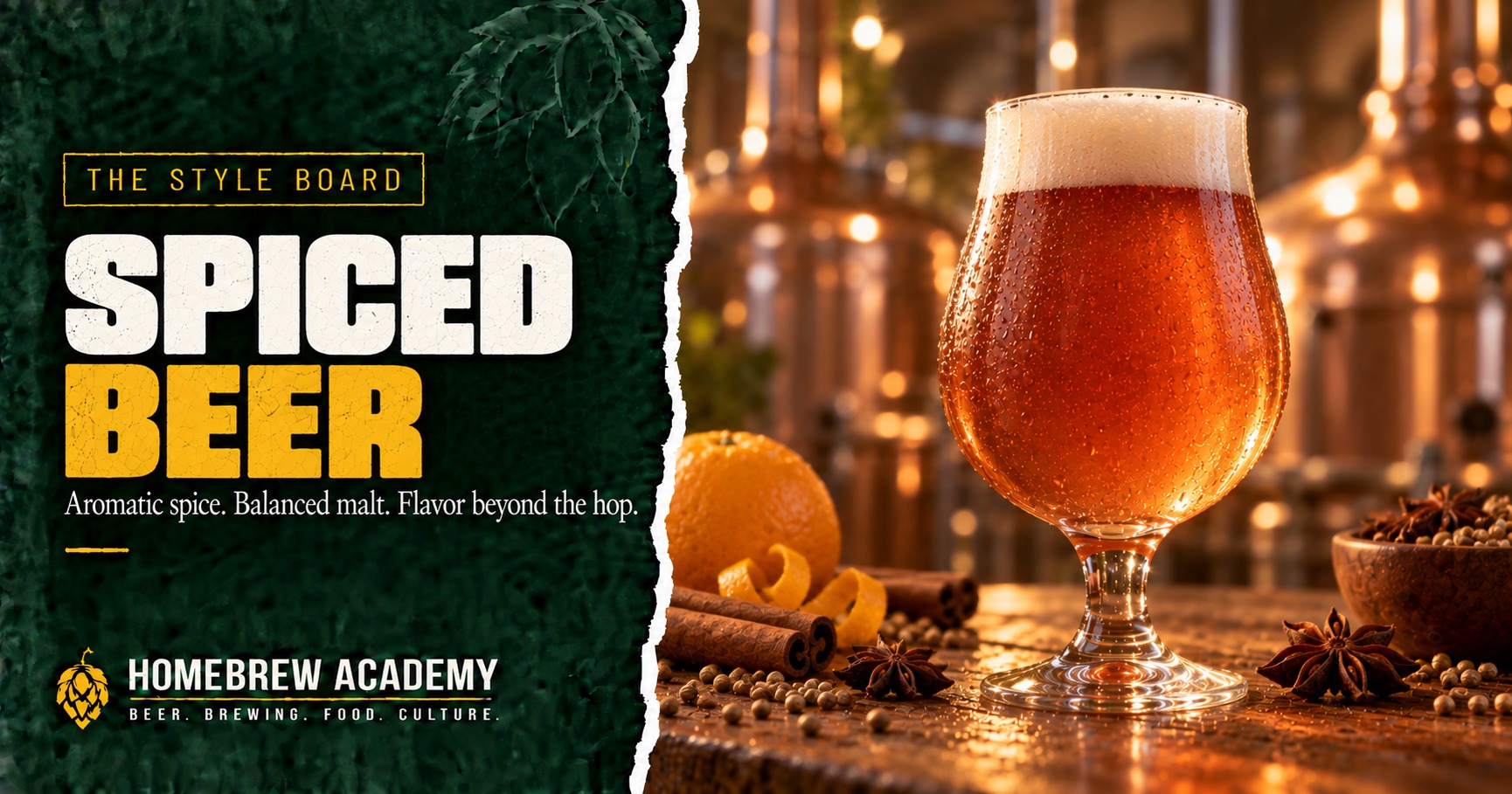
Spiced Beer Family: 10-Beer Comparison Flight and Style Guide
Spiced beer is at its best when an added ingredient gives the beer a clear direction without making the base disappear. Coriander can lift wheat, ginger can sharpen amber malt, pumpkin can deepen an autumn ale, and chile can turn roast into something warmer and more complex.
The category covers both ingredient-led beers and seasonally framed beers. That distinction matters: a cinnamon stout is not automatically a winter seasonal, and an Oktoberfest lager is not automatically an autumn seasonal. The brewer’s declared concept and what appears in the glass should agree.
The three spiced beer styles in this category
Spice, Herb, or Vegetable Beer
This broad style puts one or more culinary ingredients at the center: coriander, ginger, coffee, cacao, chile, vanilla, herbs, flowers, squash, or even savory vegetables. The base beer should remain identifiable, while the additions contribute a harmonious aroma, flavor, or finish.
Autumn Seasonal Beer
Autumn seasonals evoke harvest and cool weather through malt, pumpkin or squash, brown sugar, and familiar baking spices. Pumpkin is optional. The defining quality is a coherent autumn presentation rather than the presence of any single ingredient.
Winter Seasonal Beer
Winter seasonals range from moderate spiced brown ales to strong, dark holiday beers. Dried fruit, caramel, ginger, cinnamon, orange peel, honey, and warming alcohol are common, but unspiced versions can qualify when their strength and malt profile clearly fit the season.
How to judge balance
Start by identifying the base beer, then ask whether the additions reinforce or fight it. Bright herbs suit lean, dry beers because they remain vivid. Rich spices often need caramelized malt or alcohol for support. Chile heat should build gradually; vanilla should shape aroma and texture rather than flatten every other flavor.
Freshness matters differently across the category. Citrus peel and leafy herbs fade quickly, while cinnamon, clove, and pepper can become harsher with time. Strong winter ales may improve as alcohol settles, but aging cannot restore a vanished top note.
Ten Spiced Beer Family references and comparisons
Ten selections compare culinary ingredients, pumpkin seasoning and holiday ales. Cocoa, coffee, pepper, vanilla and kitchen spices remain distinct from chocolate malt and fermentation-derived spice. Mad Elf is explicitly a fruit-and-honey holiday comparison; the category branches preserve meaningful ingredient and established-style distinctions.
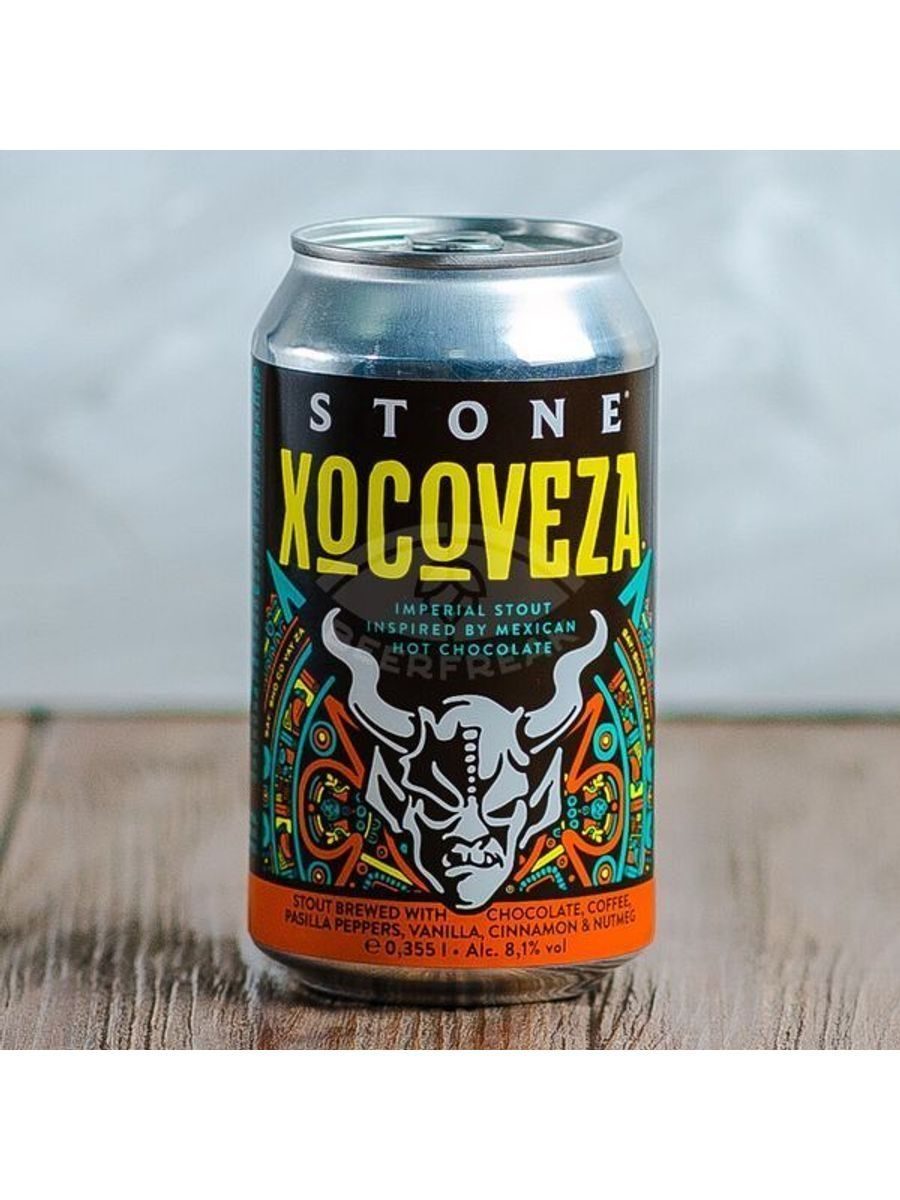
Stone Xocoveza
Brewed by Stone Brewing
Chocolate, coffee, spice and gentle chile heat.
BAR NOTES
Stone lists standard Xocoveza at 8.1 percent alcohol and fifty IBU. Cocoa, coffee, pasilla peppers, vanilla, cinnamon, nutmeg and lactose create its Mexican-hot-chocolate concept; it is distinct from the separate Tres Leches variation.
Begin with the fullest botanical combination and identify the base stout before counting added flavors. Cocoa and coffee need not bury pasilla, cinnamon or vanilla; use the dedicated ingredient guide to compare strong dark examples with lighter wheat and sour bases.
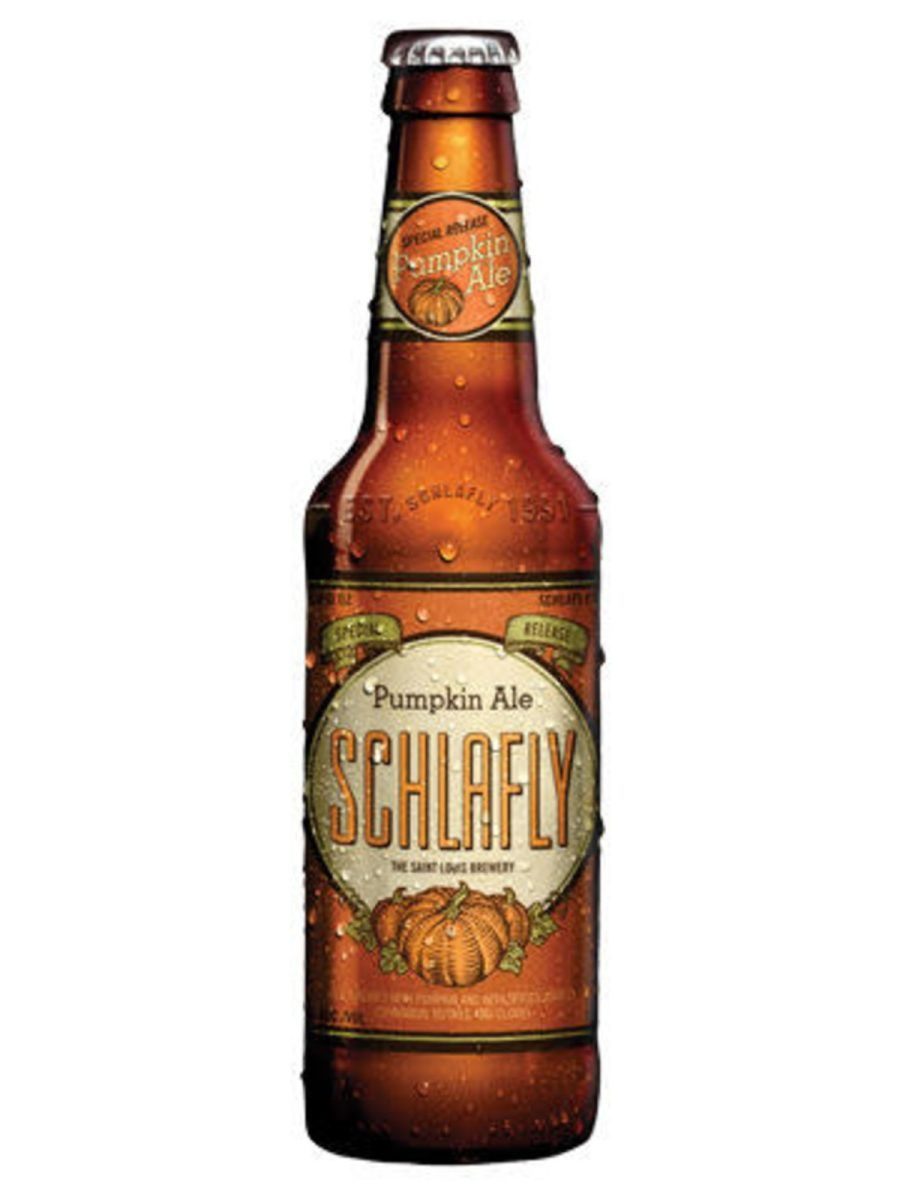
Pumpkin Ale
Brewed by Schlafly
A substantial malt base beneath autumn seasoning.
BAR NOTES
Schlafly lists its Pumpkin Ale at eight percent alcohol and sixteen IBU. Pumpkin and pie-style seasoning accompany a substantial malt foundation; pale, crystal, Munich, wheat and chocolate malts help explain why spice alone does not define the beer.
Pumpkin Ale anchors the autumn branch with substantial malt and pie-style seasoning. Separate the vegetable association from cinnamon-like aroma and actual sweetness; the autumn guide adds lighter pumpkin ales and unspiced controls to make those distinctions easier to taste.
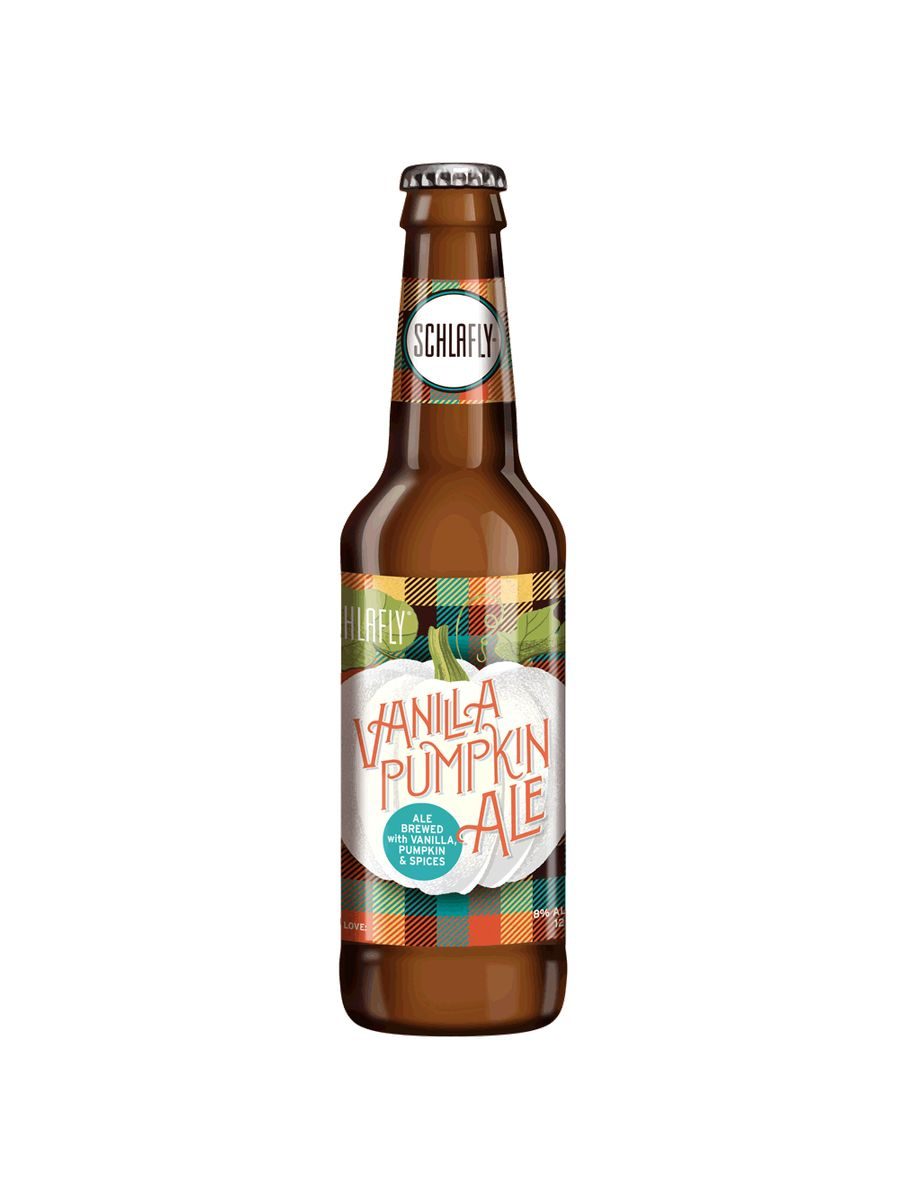
Vanilla Pumpkin Ale
Brewed by Schlafly
Vanilla changes the aromatic pumpkin-pie reference.
BAR NOTES
Schlafly describes Vanilla Pumpkin Ale as a seasonal pumpkin beer with pie spices and added vanilla. Its eight-percent strength and sixteen IBU match the brewery’s listed specification; the vanilla treatment gives the standard pumpkin comparison a specific second axis.
The vanilla variation demonstrates a controlled comparison within one brewery’s autumn range. Taste it beside the ordinary Pumpkin Ale before adding another brand; fragrance can become more dessert-like without an equivalent change in measured sweetness, strength or underlying malt structure.
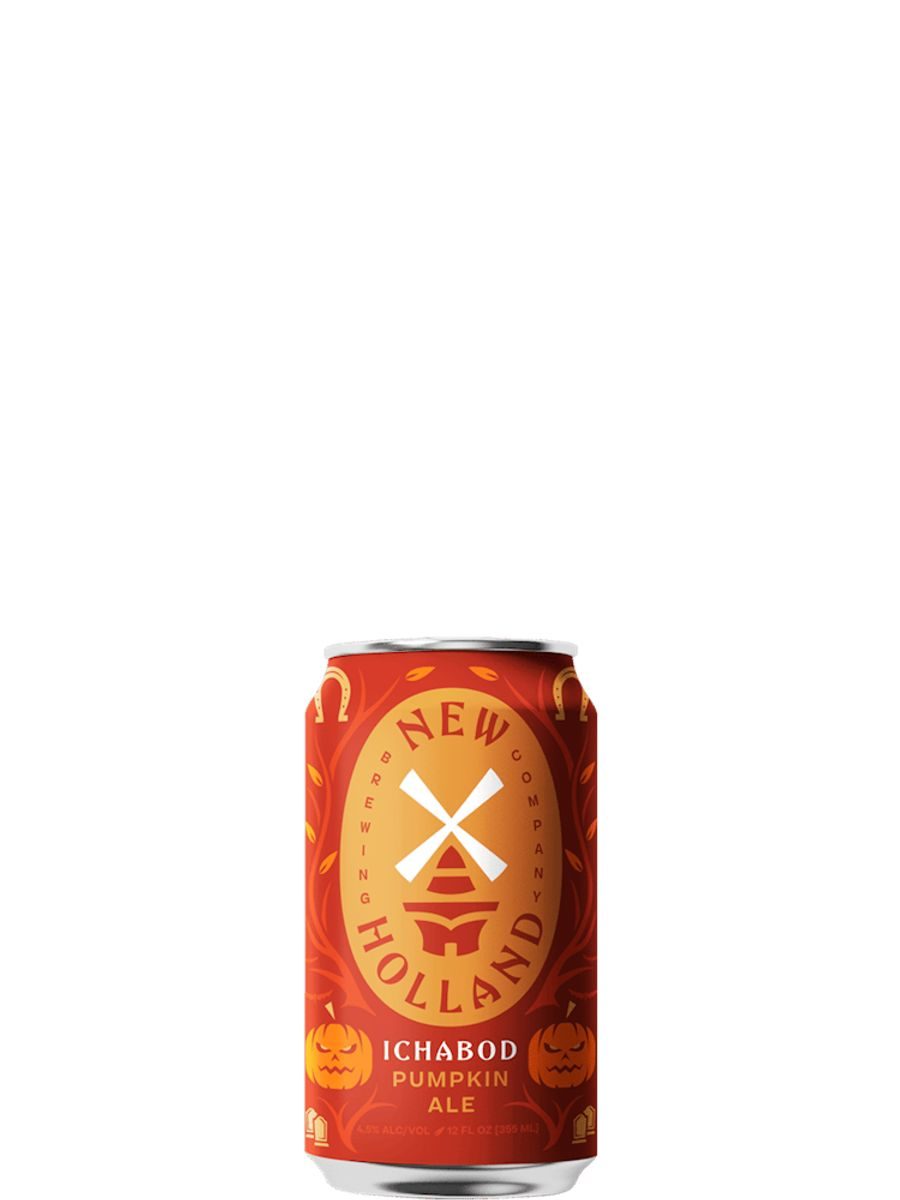
Ichabod
Brewed by New Holland Brewing
A lighter-strength real-pumpkin reference.
BAR NOTES
New Holland’s current Ichabod page lists 4.5 percent alcohol and an autumn release. Malted barley, real pumpkin, cinnamon and nutmeg make the declared recipe particularly useful beside wheat-based Pumpkinhead and the stronger Schlafly pumpkin ales.
Ichabod shows that a documented pumpkin-and-spice concept can work at a lighter strength. Cinnamon and nutmeg should stay proportionate to its barley foundation; compare with the stronger pumpkin pours to assess integration without mistaking higher alcohol for greater seasonal authenticity.
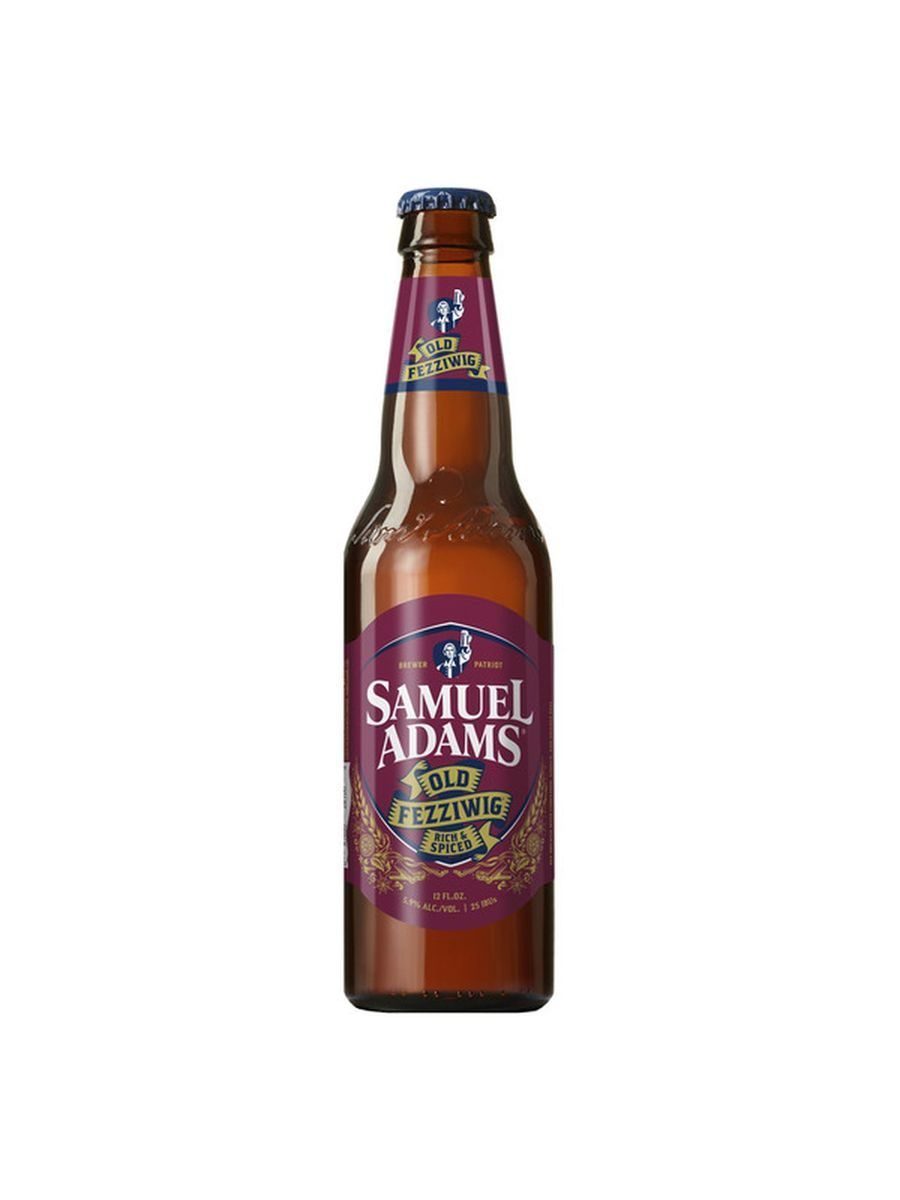
Old Fezziwig
Brewed by Samuel Adams
A brown-ale holiday spice reference.
BAR NOTES
Old Fezziwig is the comparatively moderate holiday reference in this flight. Samuel Adams describes a spiced brown ale with toffee and dark caramel alongside ginger and orange peel; its current listed strength is 5.9 percent.
Old Fezziwig supplies a relatively moderate spiced brown-ale winter example. Ginger and orange peel operate against caramel malt; compare with the pumpkin beers to show how a change in seasonal ingredients creates another theme without requiring a radically different beer strength.
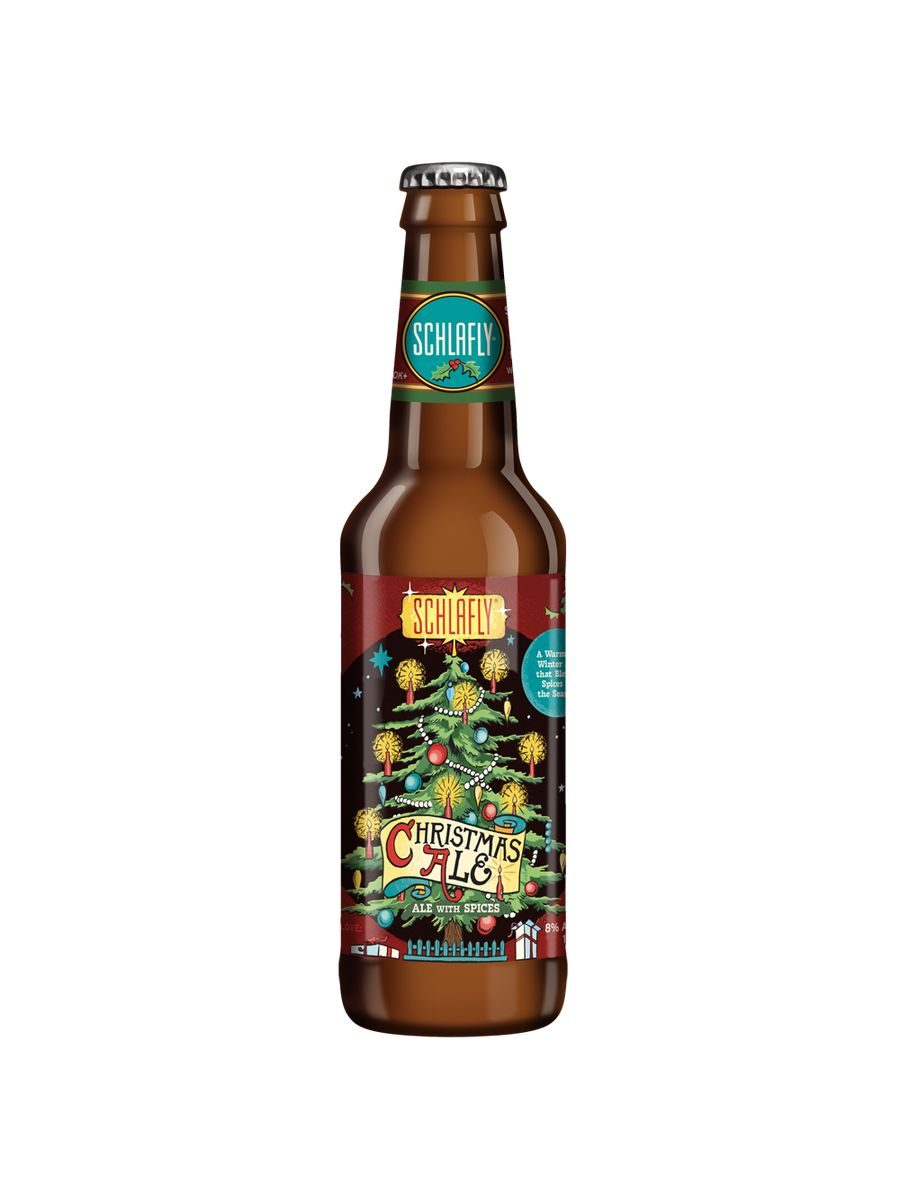
Christmas Ale
Brewed by Schlafly
A declared culinary-spice winter example.
BAR NOTES
Schlafly’s current special-release list gives Christmas Ale eight percent alcohol and twenty-two IBU. A declared blend of spices supplies its holiday seasoning, providing a direct added-ingredient comparison beside Belgian ales whose spicy impressions may arise from fermentation.
A declared blend of spices places this ale firmly in the declared holiday-seasoning discussion. Compare with Old Fezziwig and then Mad Elf; that progression separates two documented culinary spice recipes from a Belgian holiday beer whose spice impressions come through fermentation.
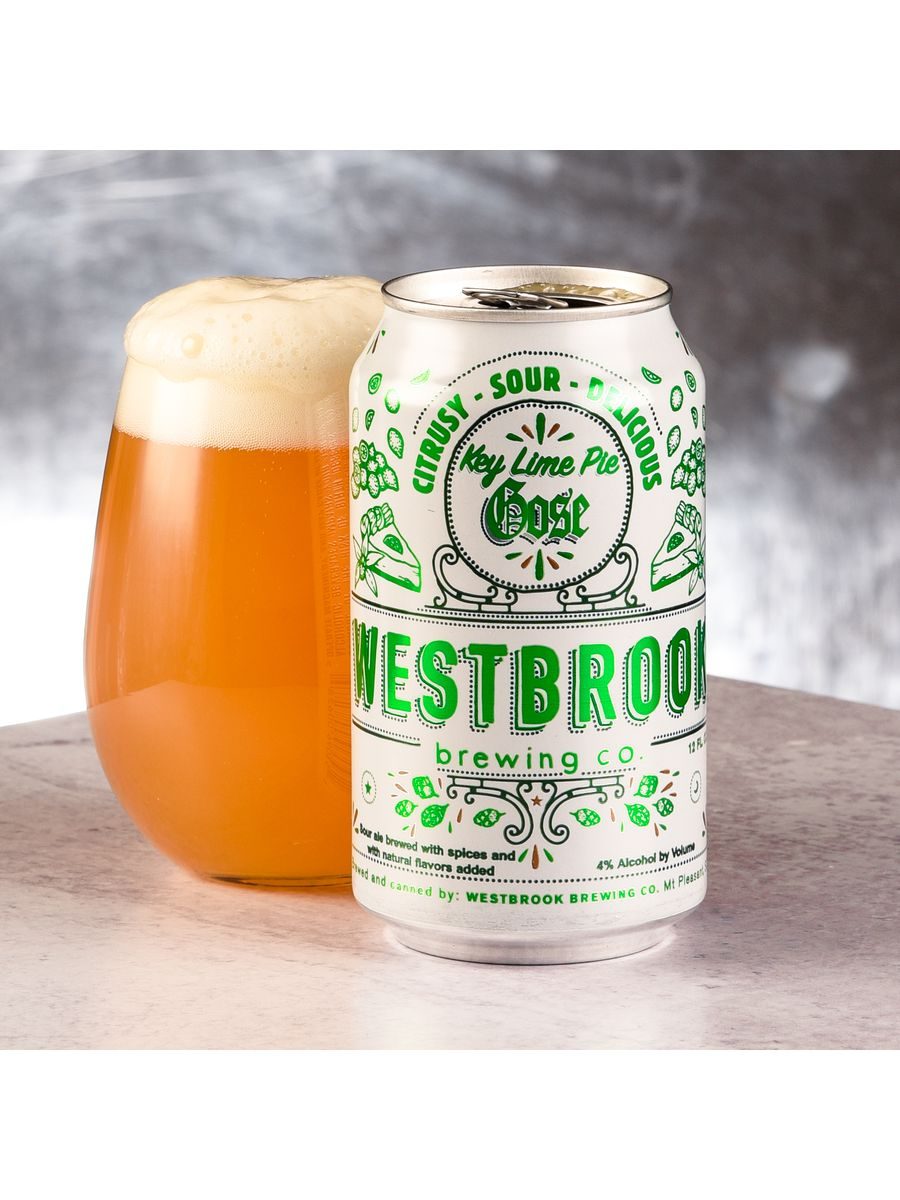
Key Lime Pie Gose
Brewed by Westbrook Brewing Co.
Tart lime, dessert-like spice and a salted wheat foundation.
BAR NOTES
Westbrook’s standard Key Lime Pie Gose is listed at 4.0%, combining key lime with cinnamon, vanilla, coriander and its salted sour wheat foundation. The producer lists February–May availability. It is distinct from Key Lime Pi, the separate stronger pastry release named for the mathematical constant.
Key Lime Pie shifts the botanical discussion into a lighter, sour culinary beer with fruit. Lime, cinnamon, vanilla and coriander share the concept, so its Fruit and Spice overlap remains explicit; compare texture and acidity before judging the intensity of dessert aroma.
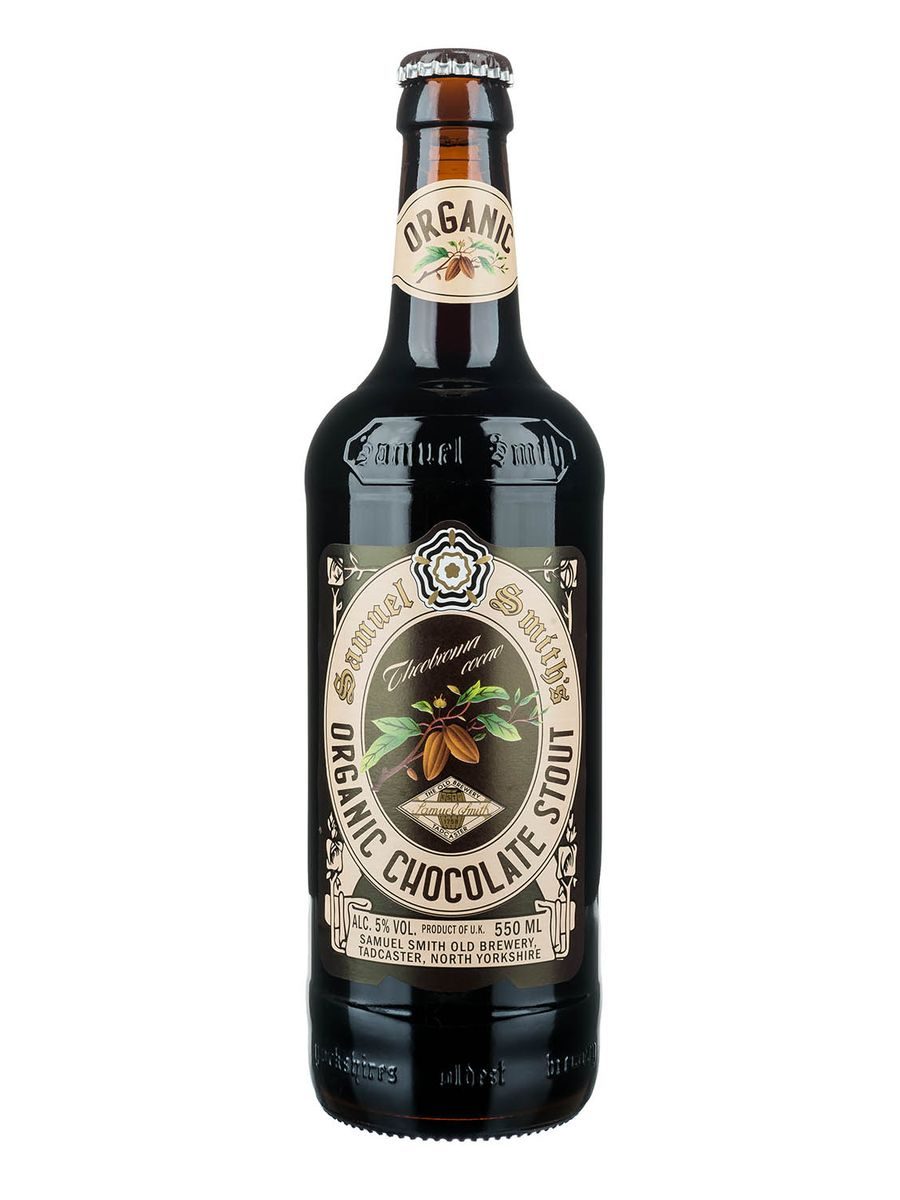
Organic Chocolate Stout
Brewed by Samuel Smith’s Brewery
Separate actual cocoa from roasted-malt language.
BAR NOTES
Samuel Smith lists organic cocoa extract among this stout’s ingredients, alongside gently roasted chocolate malt in its description. Its five-percent strength makes it a useful direct cocoa comparison; chocolate malt and actual cocoa are different recipe contributions.
Organic Chocolate Stout provides a clearly documented cocoa ingredient beside the broader botanical examples. Its lower strength helps distinguish cocoa character from imperial-stout warmth; compare with Mad Elf to hear actual cocoa separately from the role of chocolate malt.
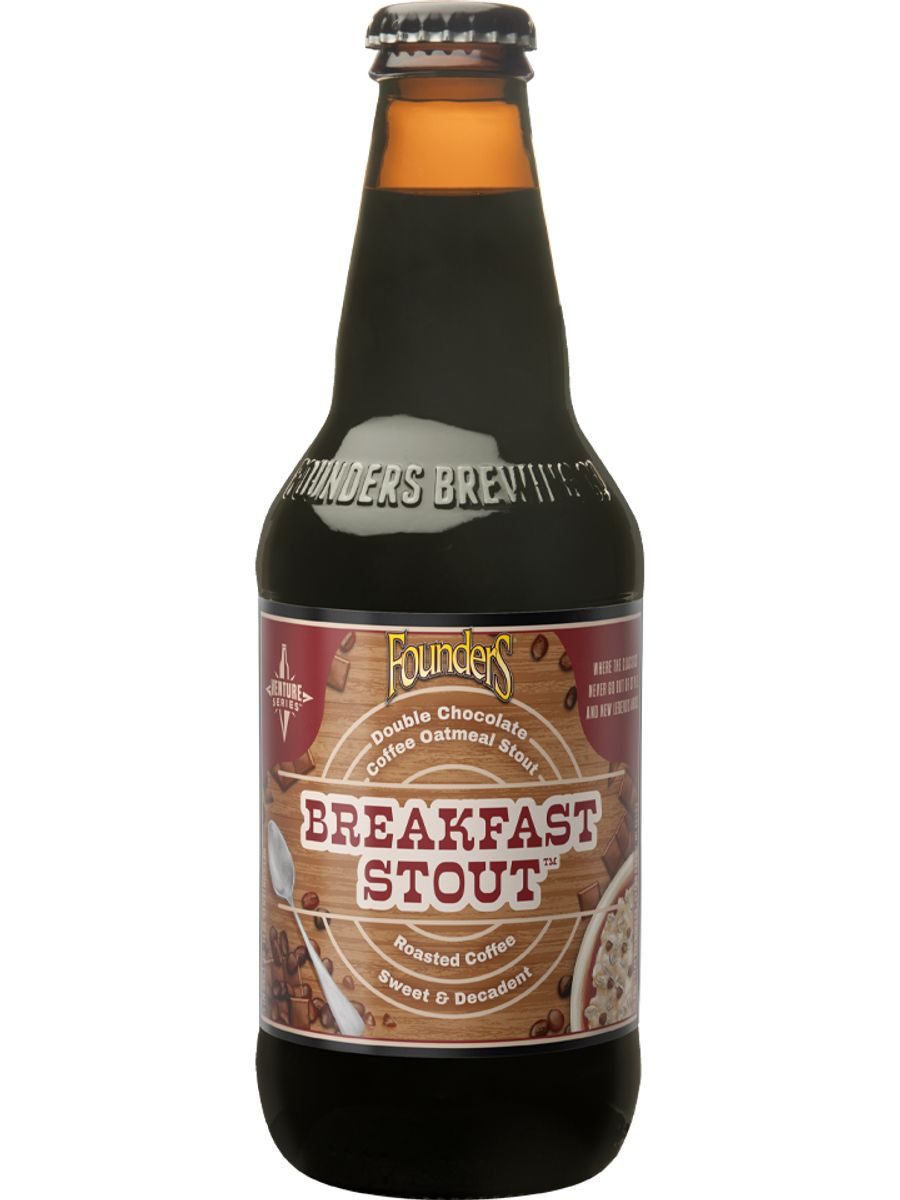
Breakfast Stout
Brewed by Founders Brewing
Coffee and cocoa over an oatmeal stout base.
BAR NOTES
Founders lists Breakfast Stout at 8.3 percent alcohol and sixty IBU. Oats, two types of chocolate and two coffees build its advertised breakfast concept; the stout foundation remains substantial rather than acting as a neutral carrier for flavoring.
Coffee and chocolate give Breakfast Stout another direct ingredient-led identity while oats shape the base texture. Compare with Xocoveza to isolate the extra peppers and kitchen spices; a useful family flight keeps these recipe differences visible instead of calling all dark flavors identical.
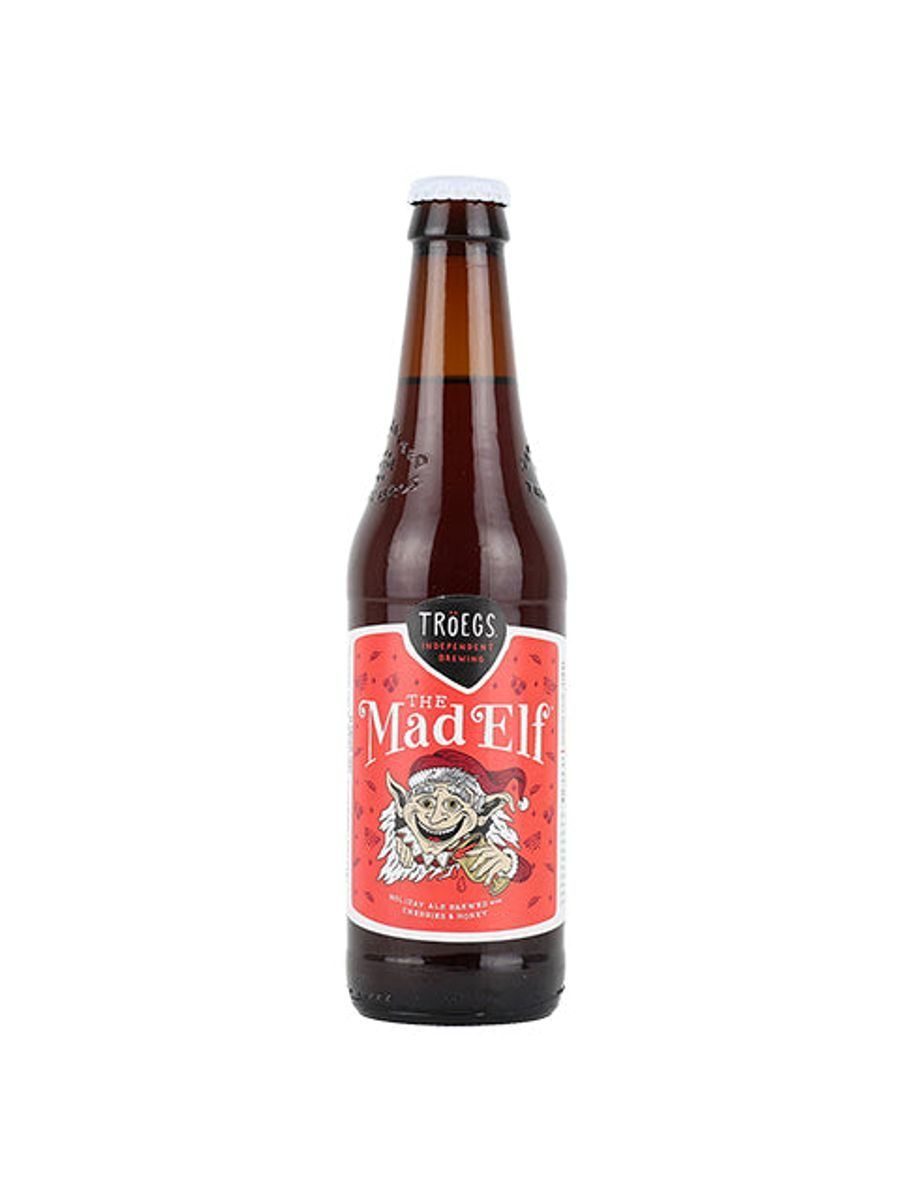
Mad Elf
Brewed by Tröegs Independent Brewing
Chocolate malt is not added cocoa.
BAR NOTES
Honey and five cherry varieties shape Mad Elf, while chocolate malt supplies part of its dark backbone. The brewery describes cinnamon, clove and allspice impressions from Belgian yeast; those aromas do not establish added culinary spices.
Mad Elf closes the family comparison with cherries, honey and Belgian yeast rather than an invented cocoa-and-spice recipe. Its holiday identity remains meaningful, but chocolate malt and fermentation-derived clove impressions should be recorded separately from documented added cocoa or cloves.
Keep Exploring Spiced Beer
Follow the links below to compare the category, its seasonal branches, and ingredient-led roundups.