50 Best Stout Beers to Drink in 2026
Stout is a much bigger world than one famous pint. This list runs from dry Irish pub classics and silky oatmeal stouts to coffee bombs, bourbon-barrel monsters, spiced dessert beers, and a genuinely useful non-alcoholic option.
The ranking weighs flavor, influence, execution, and whether the beer still matters to stout drinkers in 2026. Release-specific beers are labeled by vintage when the ABV or blend changes year to year.
The 50 Best Stout Beers
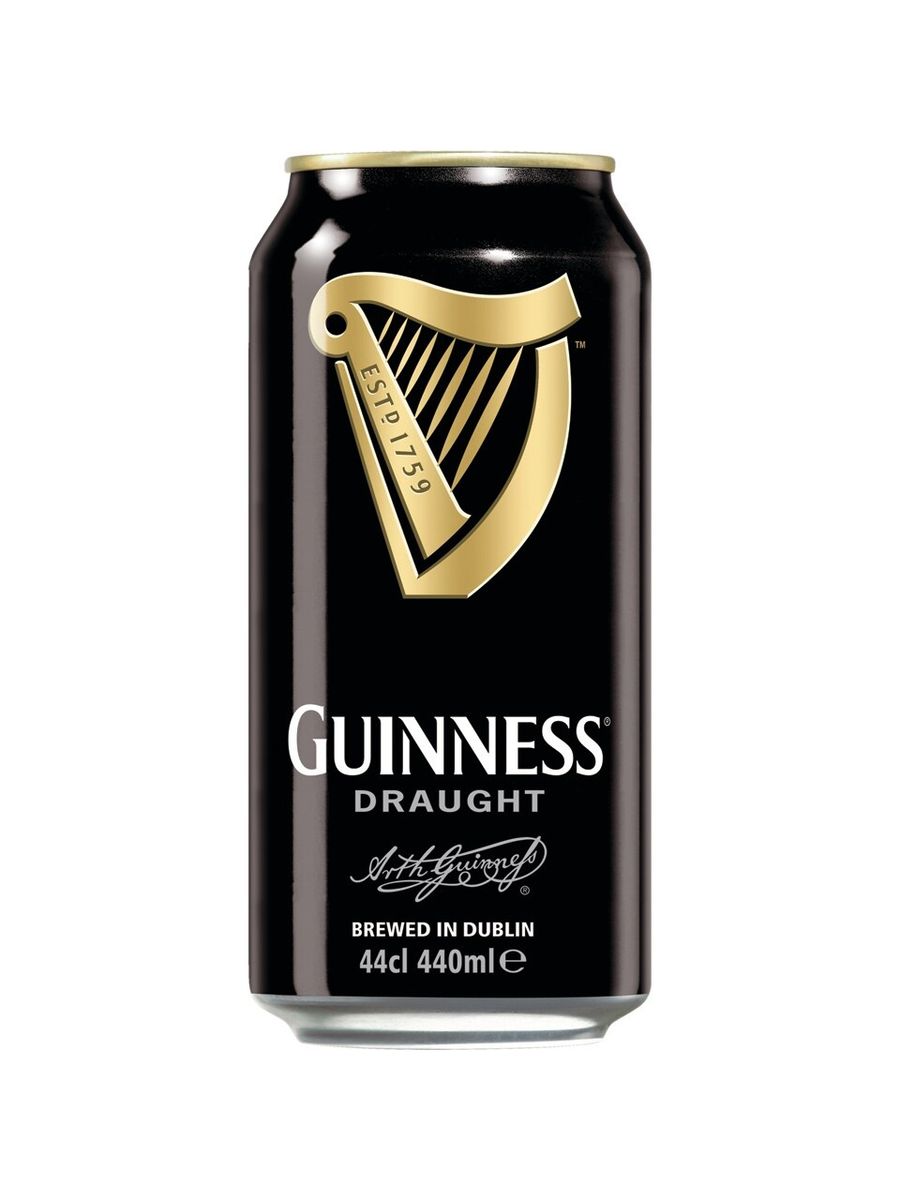
Guinness Draught
Brewed by Guinness
The benchmark nitro stout: dry roast, creamy texture, and absurd drinkability at just 4.2%.
BAR NOTES
The global reference point for dry stout is still remarkably restrained: roasted barley, coffee-and-cocoa aroma, a dry finish, and nitrogen doing the texture work instead of residual sugar.
Guinness Draught dates to 1959, when it was created for the brewery’s 200th anniversary. Serve it cool rather than ice-cold and give the nitrogenated head time to settle; the creamy texture is a major part of why a 4.2% beer can feel so substantial.
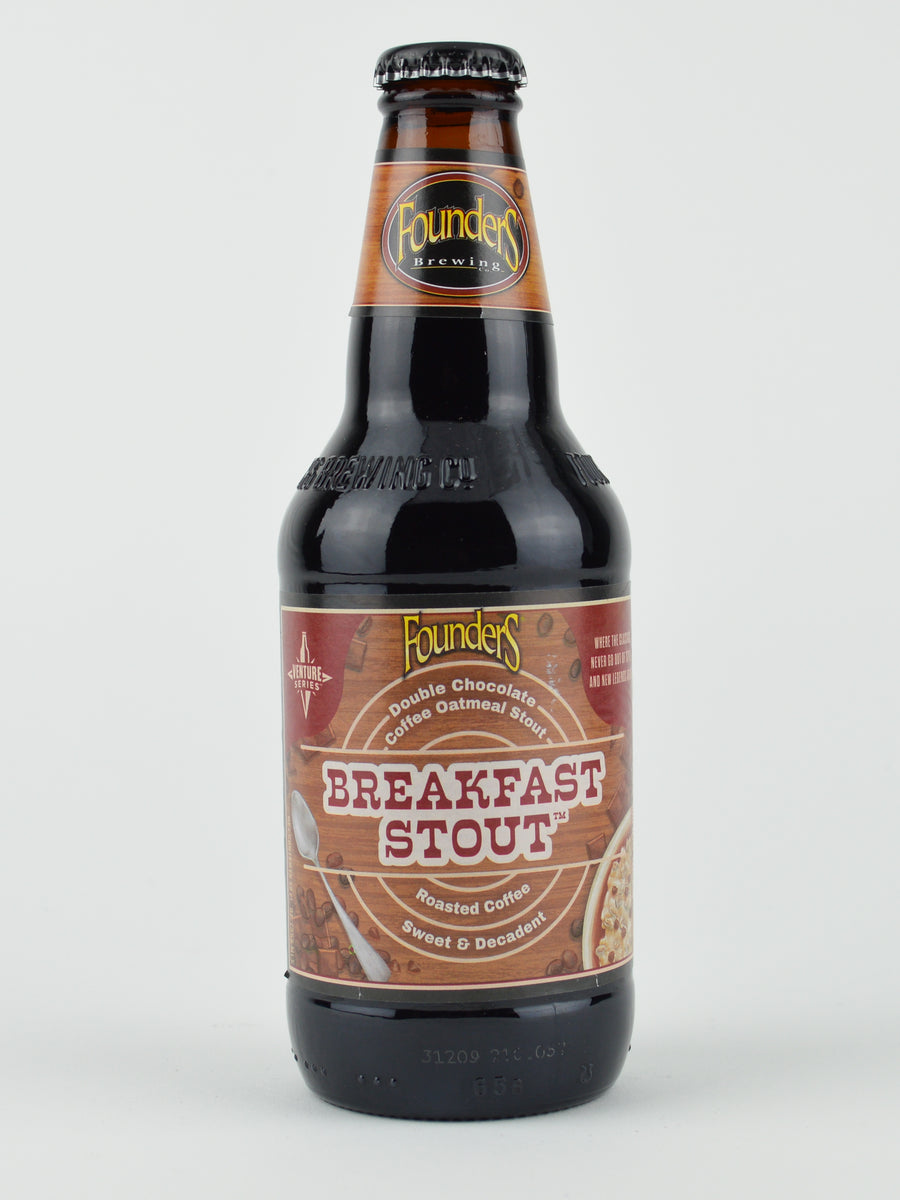
Breakfast Stout
Brewed by Founders Brewing Co.
Coffee, oats, and chocolate built into one of the defining American breakfast stouts.
BAR NOTES
Founders layers flaked oats, bitter and imported chocolates, and coffee into an imperial-strength stout that helped make “breakfast stout” a recognizable modern category rather than just a joke on a label.
Oats soften the roast and add body while coffee reinforces the dark-malt aromatics. This is one of the better bridges between classic stout structure and the adjunct-heavy beers that followed it.
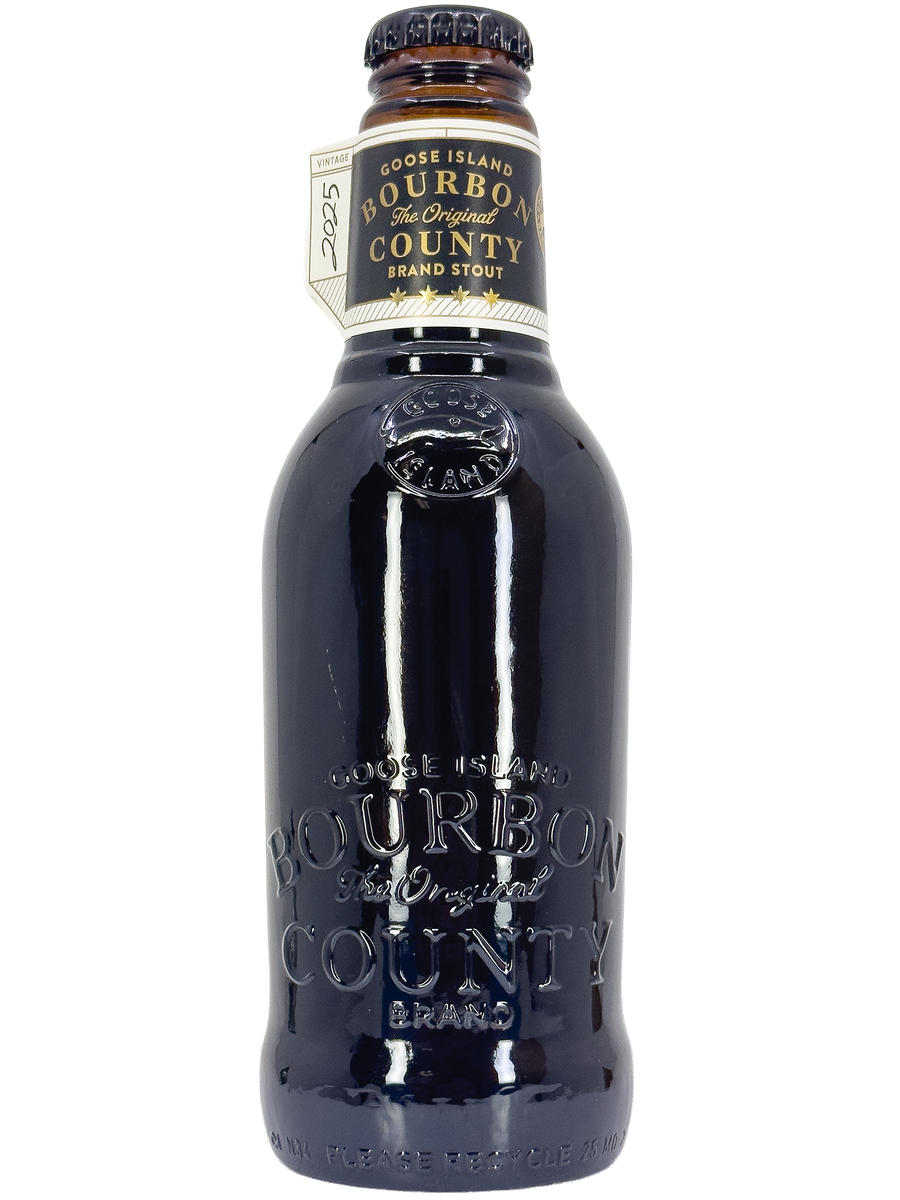
Bourbon County Brand Original Stout
Brewed by Goose Island Beer Co.
A foundational bourbon-barrel stout with massive oak, vanilla, char, and dark-malt depth.
BAR NOTES
Bourbon County is one of the beers that pushed bourbon-barrel aging from brewery experiment into a major American stout tradition. The barrel is not garnish here: oak, vanilla, char, caramel, and spirit warmth become part of the beer’s architecture.
High-gravity stout is especially suited to long barrel contact because its roast, sweetness, and alcohol can stand up to aggressive wood and whiskey character. Let a pour warm in a snifter and the barrel layers become much easier to separate.
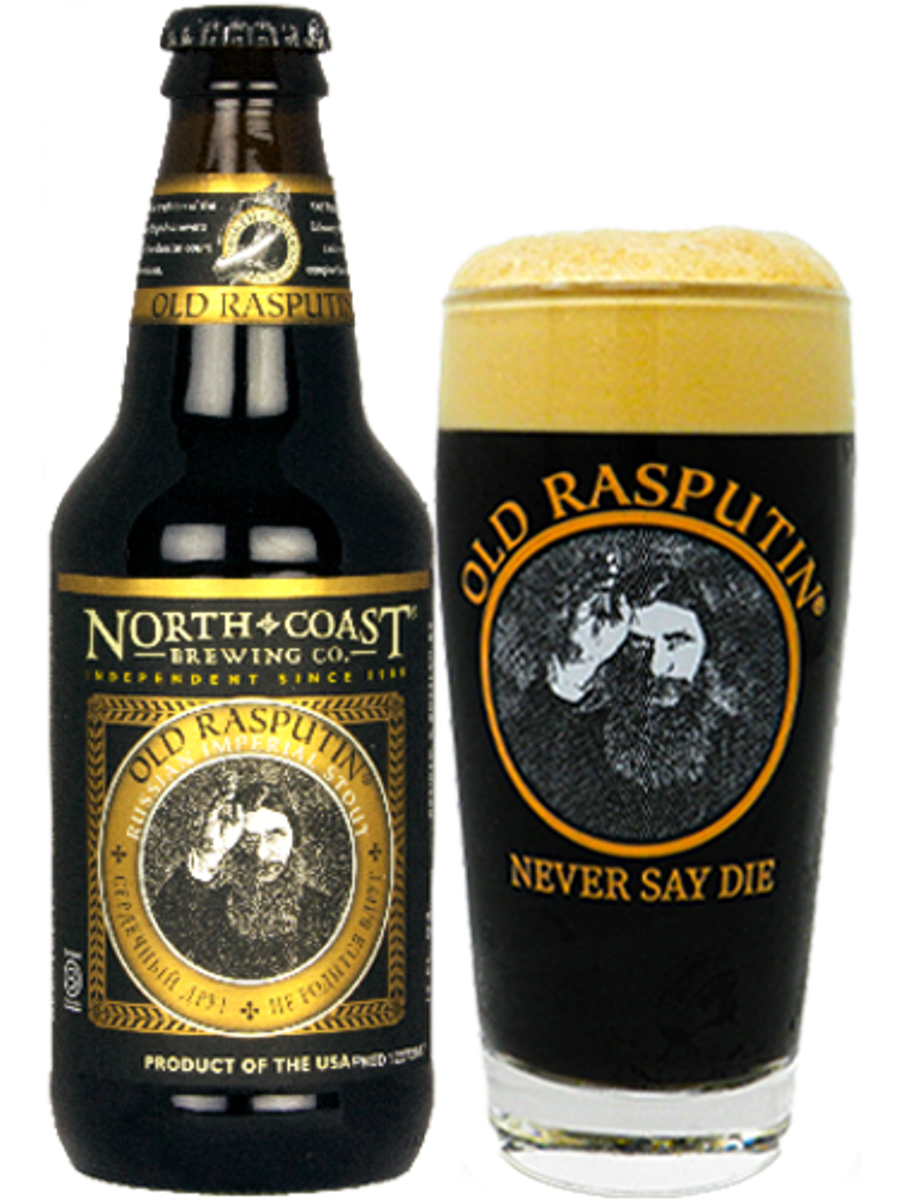
Old Rasputin
Brewed by North Coast Brewing Co.
Old-school imperial stout with firm bitterness, dense roast, and no need for pastry tricks.
BAR NOTES
Old Rasputin is a reminder that imperial stout does not need pastry ingredients or double-digit barrel aging to feel massive. It leans on dark malt, firm bitterness, and a warming 9% frame.
North Coast has long described the beer as being brewed in the tradition of strong stouts made for the Russian court. Its firm bitterness also matters: that hop structure keeps the dense roast and malt from becoming syrupy.
Milk Stout Nitro
Brewed by Left Hand Brewing Co.
Sweet lactose and nitrogen turn dark roast into one of stout’s creamiest mainstream pours.
BAR NOTES
Milk stout gets its signature sweetness from lactose, a milk sugar brewer’s yeast does not fully ferment. Left Hand’s nitro treatment adds another layer of softness, making the beer feel creamier without simply making it stronger.
That combination works especially well with chocolate desserts, roasted nuts, and sharp cheeses. The sweetness is real, but roasted malt keeps the finish recognizably stout-like rather than turning it into liquid candy.
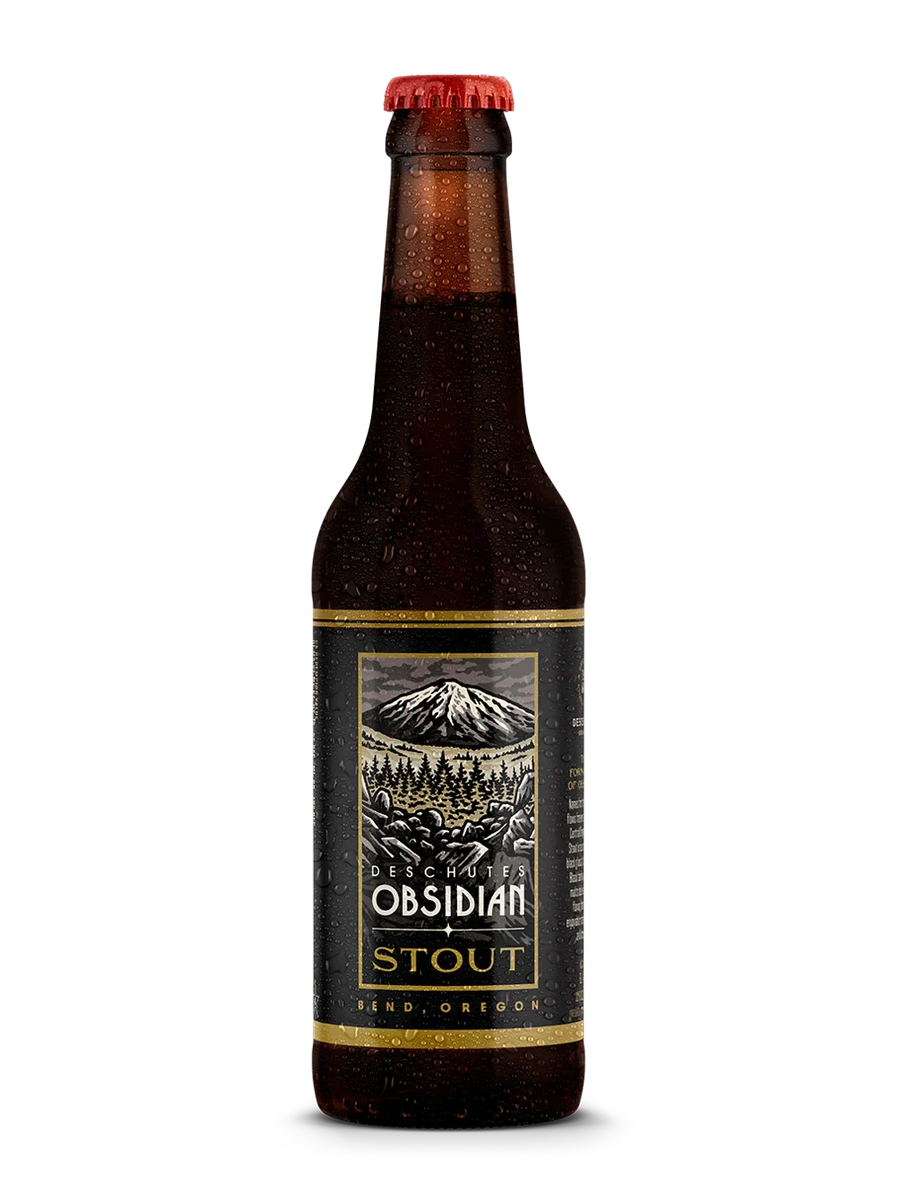
Obsidian Stout
Brewed by Deschutes Brewery
A balanced American stout where roast, hops, and chocolate stay more important than adjuncts.
BAR NOTES
Obsidian is a great example of the American stout lane: more hop presence and a sharper roast edge than many Irish examples, but still built as beer first rather than dessert.
The 6.4% strength makes it substantial without moving into slow-sipping imperial territory. Charred malt, coffee, dark chocolate, and hop bitterness make it a particularly good match for grilled or smoked food.
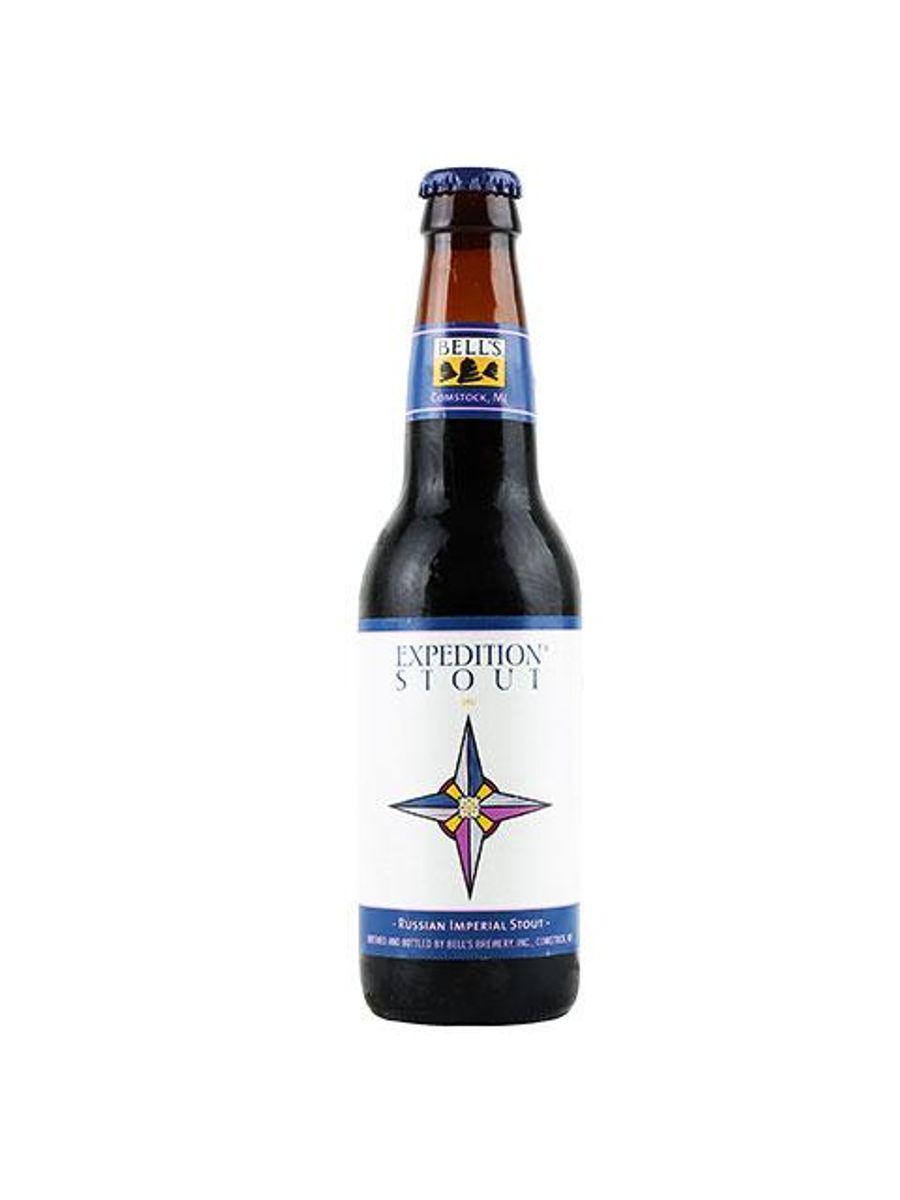
Expedition Stout
Brewed by Bell's Brewery
An intense Michigan imperial stout that is famous for rewarding careful cellar time.
BAR NOTES
Bell’s Expedition is one of the long-running American imperial stouts that rewards patience. Fresh, it is intensely roasted and bitter; with careful aging, those edges can soften into dark fruit, cocoa, and sherry-like complexity.
Cellaring stout is not automatically better, and oxidation eventually wins. But a strong, malt-dense beer like Expedition has the alcohol and structure to evolve for years when stored cool, dark, and upright.
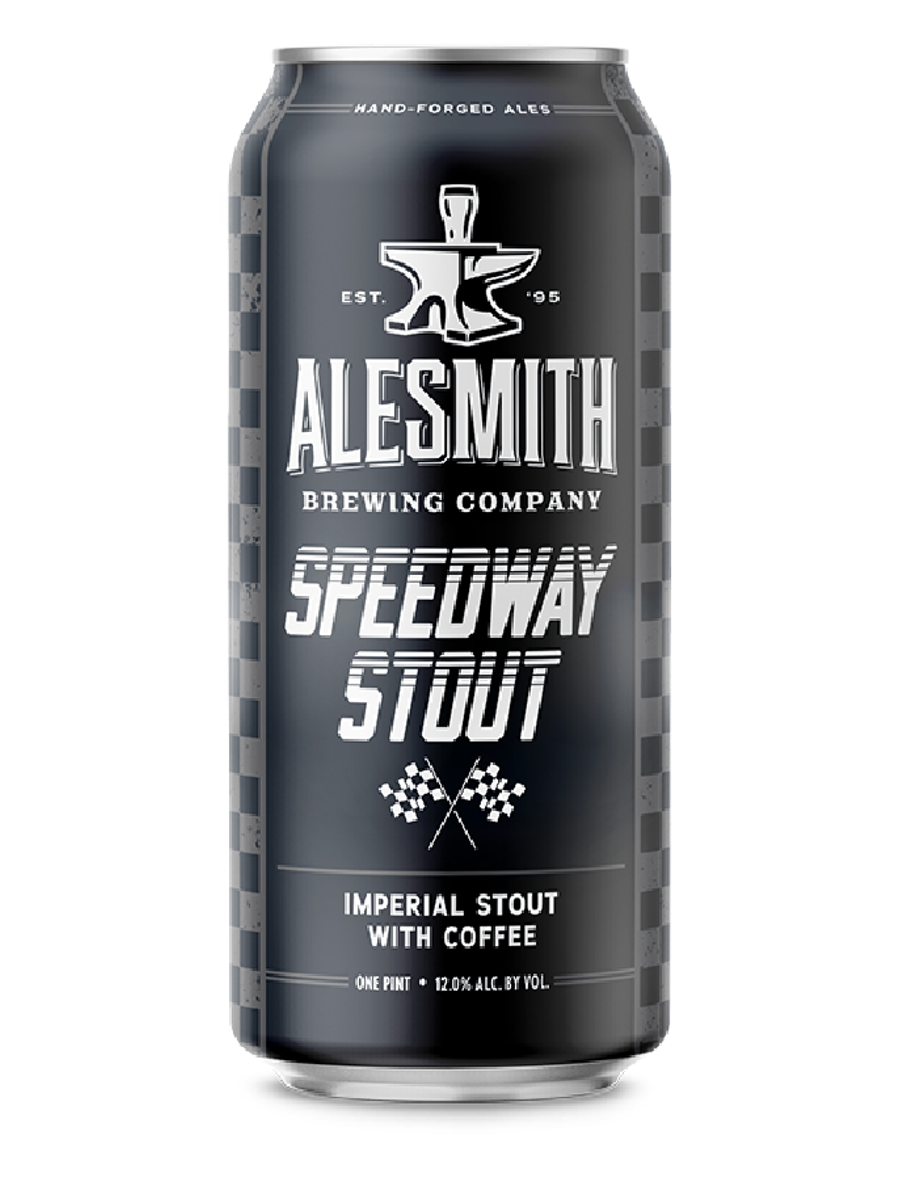
Speedway Stout
Brewed by AleSmith Brewing Co.
Coffee and dark chocolate ride a huge 12% imperial stout without losing the beer underneath.
BAR NOTES
Speedway helped establish coffee as one of imperial stout’s most natural adjuncts. Roasted malt already points toward espresso; real coffee can amplify that direction while adding origin-specific aroma and bitterness.
At 12%, this is a slow pour, not a pint-pounder. Give it time to warm and the coffee shifts from sharp roast toward chocolate, caramel, dark fruit, and a rounder alcohol warmth.
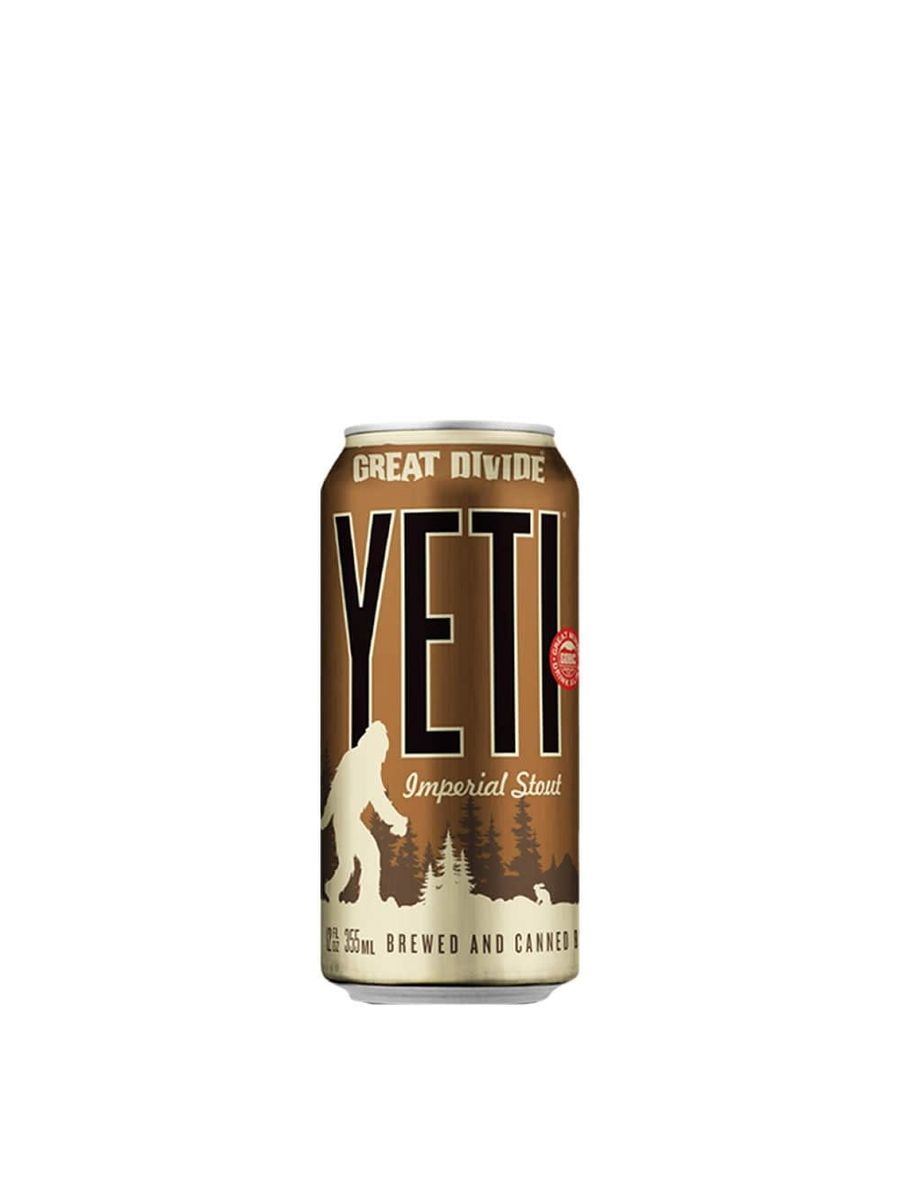
Yeti Imperial Stout
Brewed by Great Divide Brewing Co.
One of the classic American imperial stouts: bitter, roasty, dark, and unapologetically huge.
BAR NOTES
Yeti is one of the defining old-school American imperial stouts: huge roast, dark chocolate, assertive hops, and enough alcohol to carry all of it without relying on barrel character.
It is a useful benchmark for judging newer imperial stouts. Strip away vanilla, coconut, maple, and bourbon barrels and you can still build enormous flavor from malt, hops, fermentation, and strength alone.
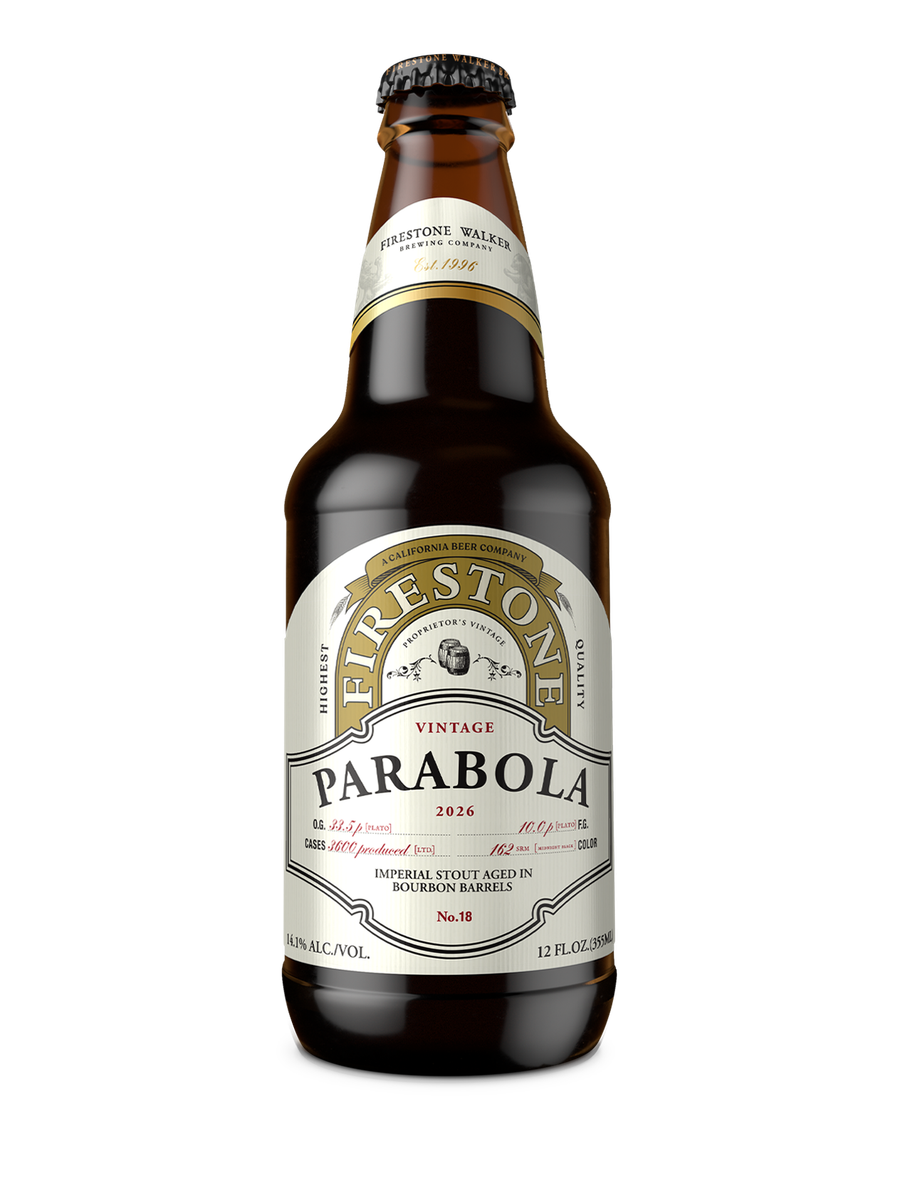
Parabola 2026
Brewed by Firestone Walker Brewing Co.
Firestone Walker’s polished bourbon-barrel benchmark, with layered oak and spirit character.
BAR NOTES
Parabola is built around Firestone Walker’s barrel program, with imperial stout aging in bourbon barrels until oak, spirit, vanilla, char, and dark malt read as a single beer rather than separate flavors.
The 2026 release sits at 13.4% ABV. This is exactly the kind of stout that benefits from smaller pours and warmer serving temperatures; too cold and much of the barrel nuance disappears.
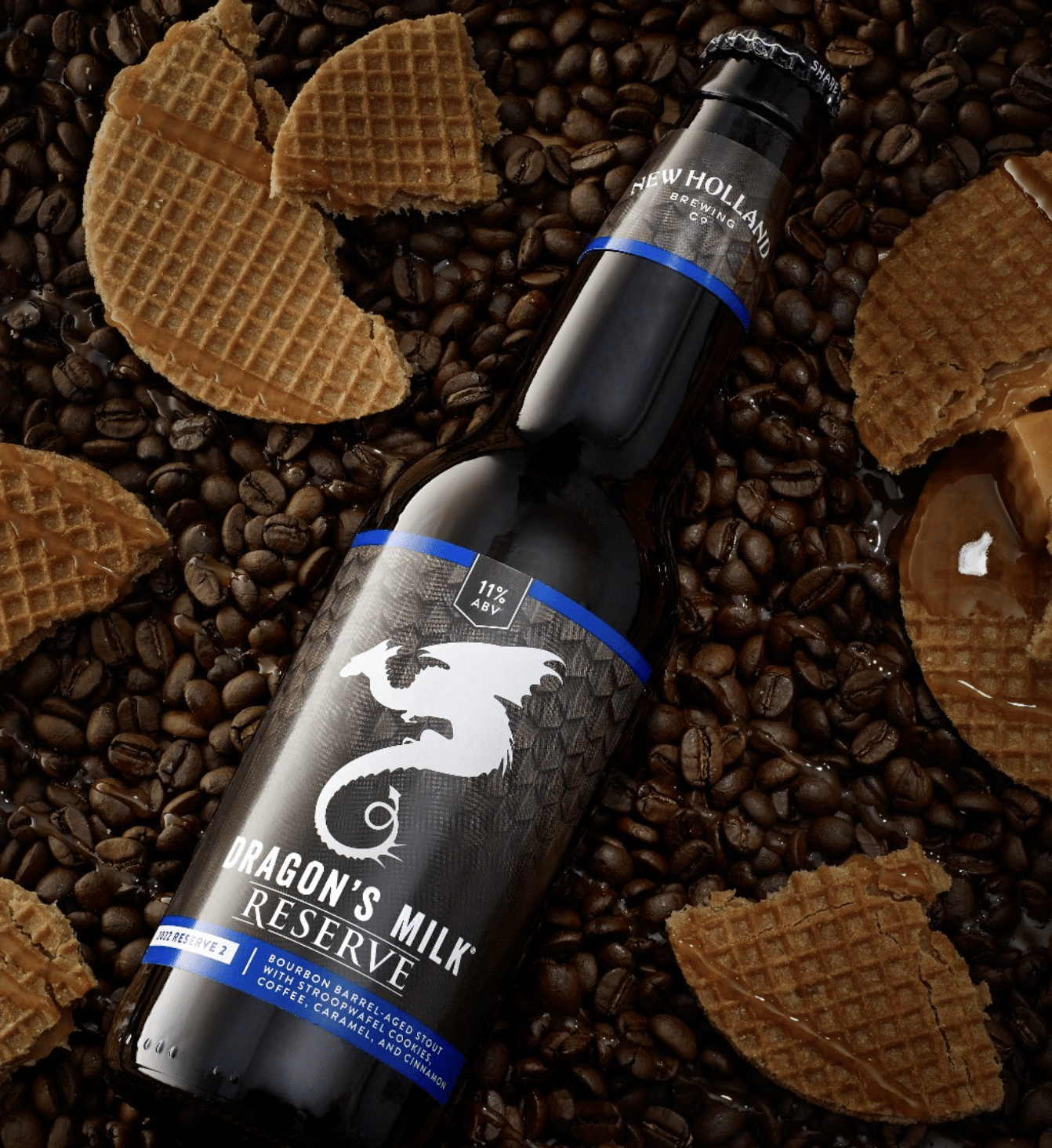
Dragon's Milk
Brewed by New Holland Brewing
A widely available gateway into bourbon-barrel stout that still drinks like a serious beer.
BAR NOTES
Dragon’s Milk made bourbon-barrel stout unusually accessible. Instead of being a once-a-year bottle hunt, it became a widely distributed gateway to vanilla, oak, caramel, and whiskey-toned dark beer.
That availability matters. Barrel-aged stout can feel like a collector’s category, but Dragon’s Milk gives drinkers an easy reference point for how bourbon wood changes a strong stout.
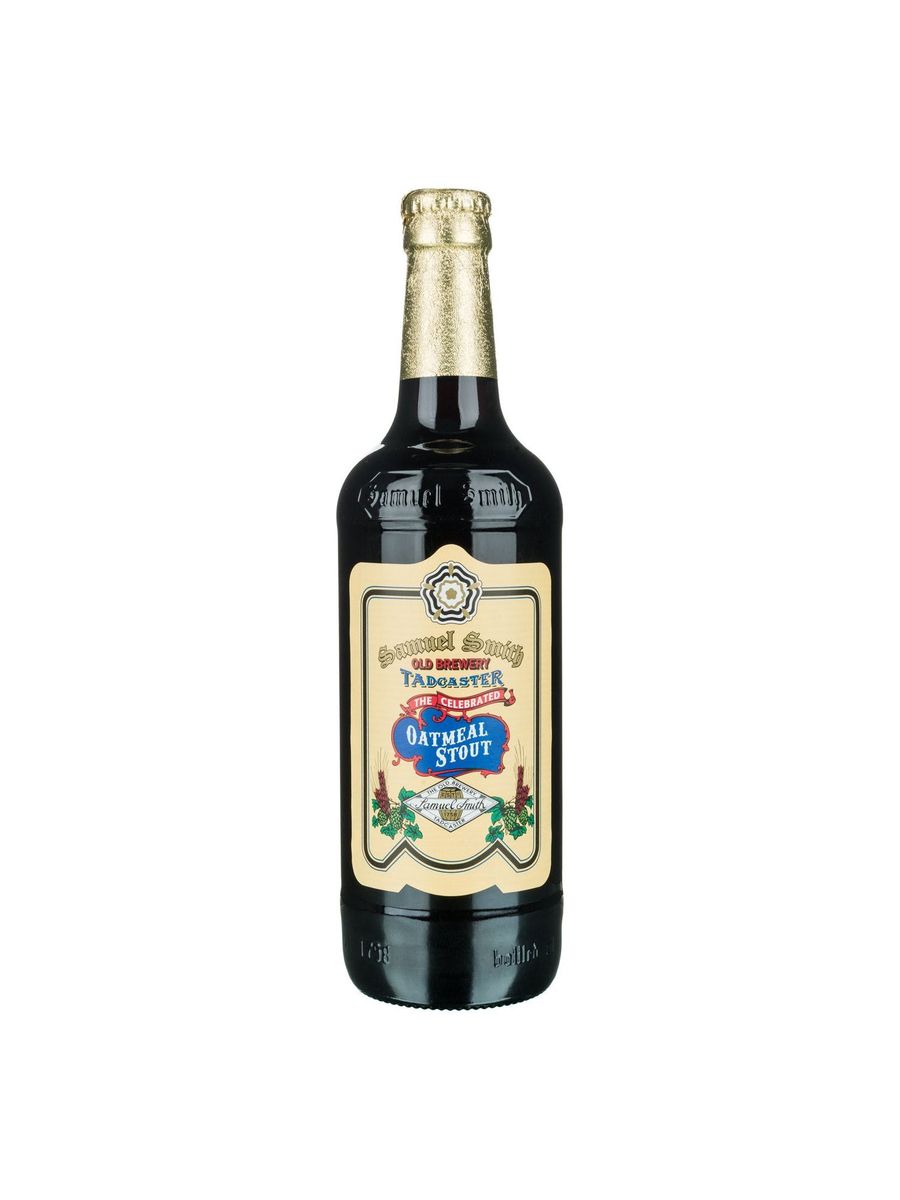
Oatmeal Stout
Brewed by Samuel Smith
Silky oats, gentle fruit, and classic English roast in a stout that never needs to shout.
BAR NOTES
Samuel Smith’s is the classic reminder of what oats can do without turning a stout sweet. Oats contribute proteins and beta-glucans that can increase fullness and create a smoother, almost velvety mouthfeel.
The flavor stays traditional: roast, cocoa, grain, restrained fruit, and gentle bitterness. It is a much quieter beer than most modern imperial stouts, which is exactly why it still belongs near the top of a broad stout list.
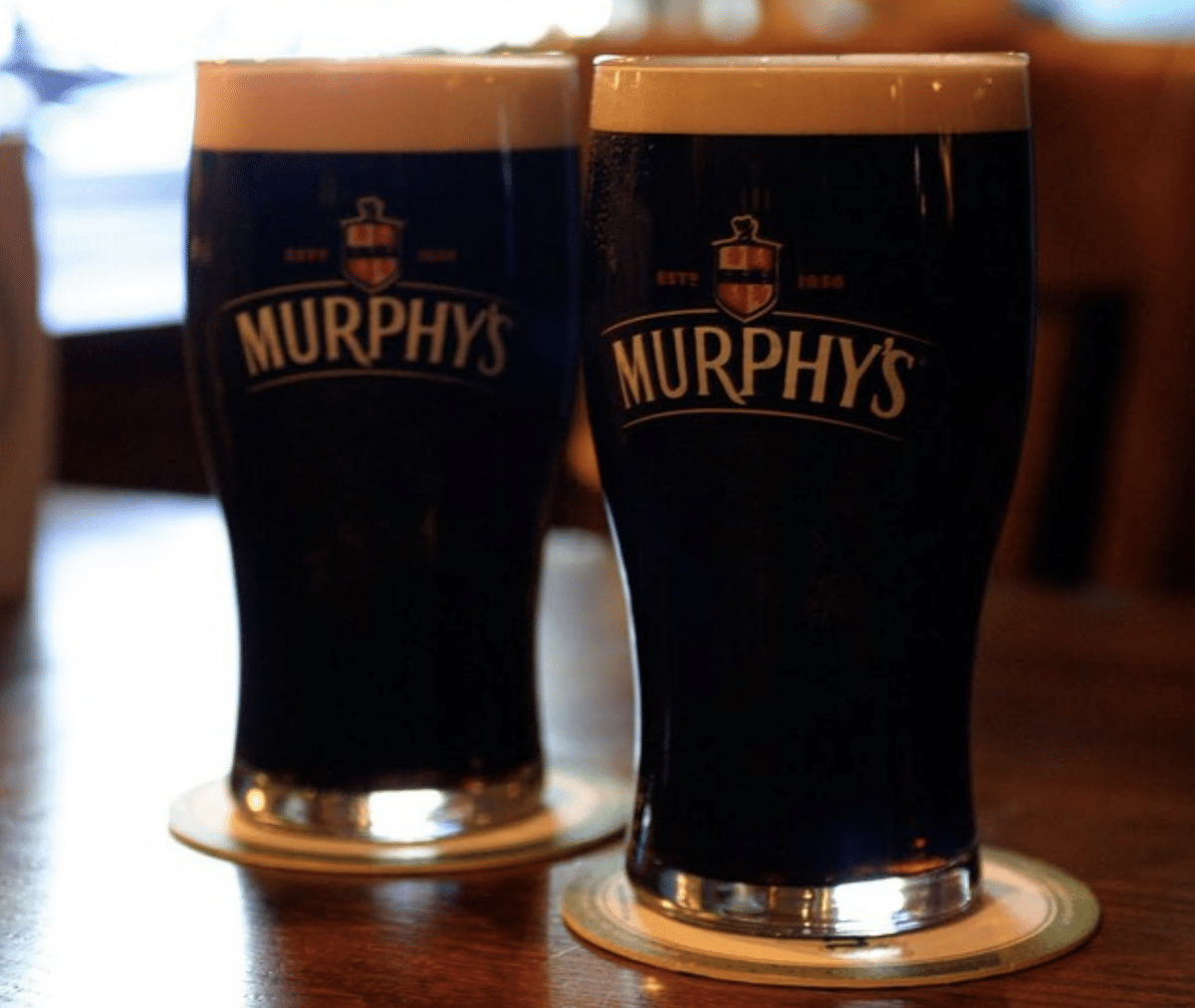
Murphy's Irish Stout
Brewed by Murphy's
Cork’s creamy dry-stout classic and a softer pub alternative to Guinness Draught.
BAR NOTES
Murphy’s shows the softer side of Irish dry stout, with a creamy nitro texture and a roast profile that many drinkers find a little less sharp than Guinness.
Dry stout works because roasted barley supplies color and coffee-like bitterness without requiring high alcohol. At roughly 4%, Murphy’s can deliver a full dark-beer experience while remaining genuinely sessionable.
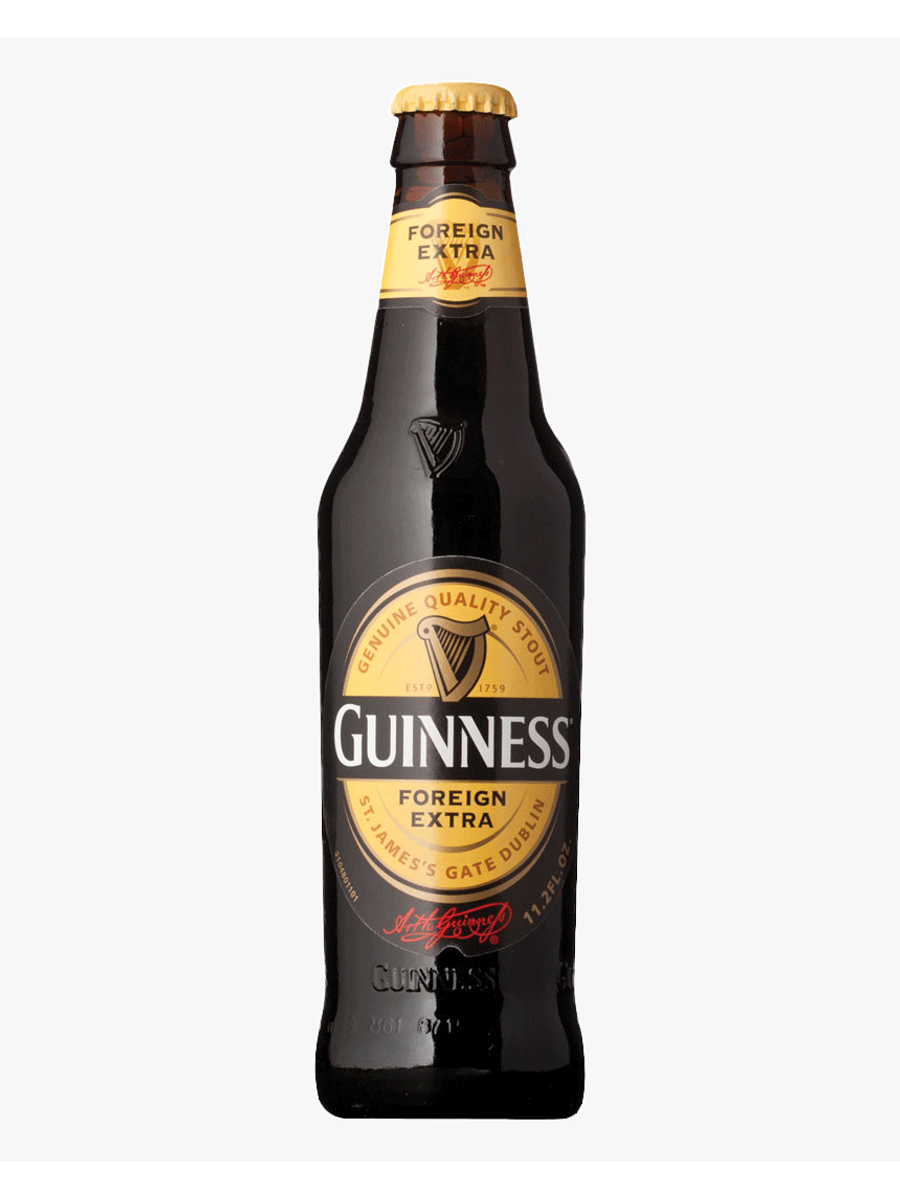
Guinness Foreign Extra Stout
Brewed by Guinness
Stronger, fruitier, and more intense than Draught—Guinness built for export-style depth.
BAR NOTES
Foreign Extra Stout is a very different Guinness experience from Draught: stronger, fruitier, more intensely roasted, and built with the durability historically associated with export beer.
The extra alcohol and malt give it enough weight for spicy food, stews, and grilled meat. It is also a useful lesson in how broad the stout family is: “Guinness” does not mean one flavor profile.
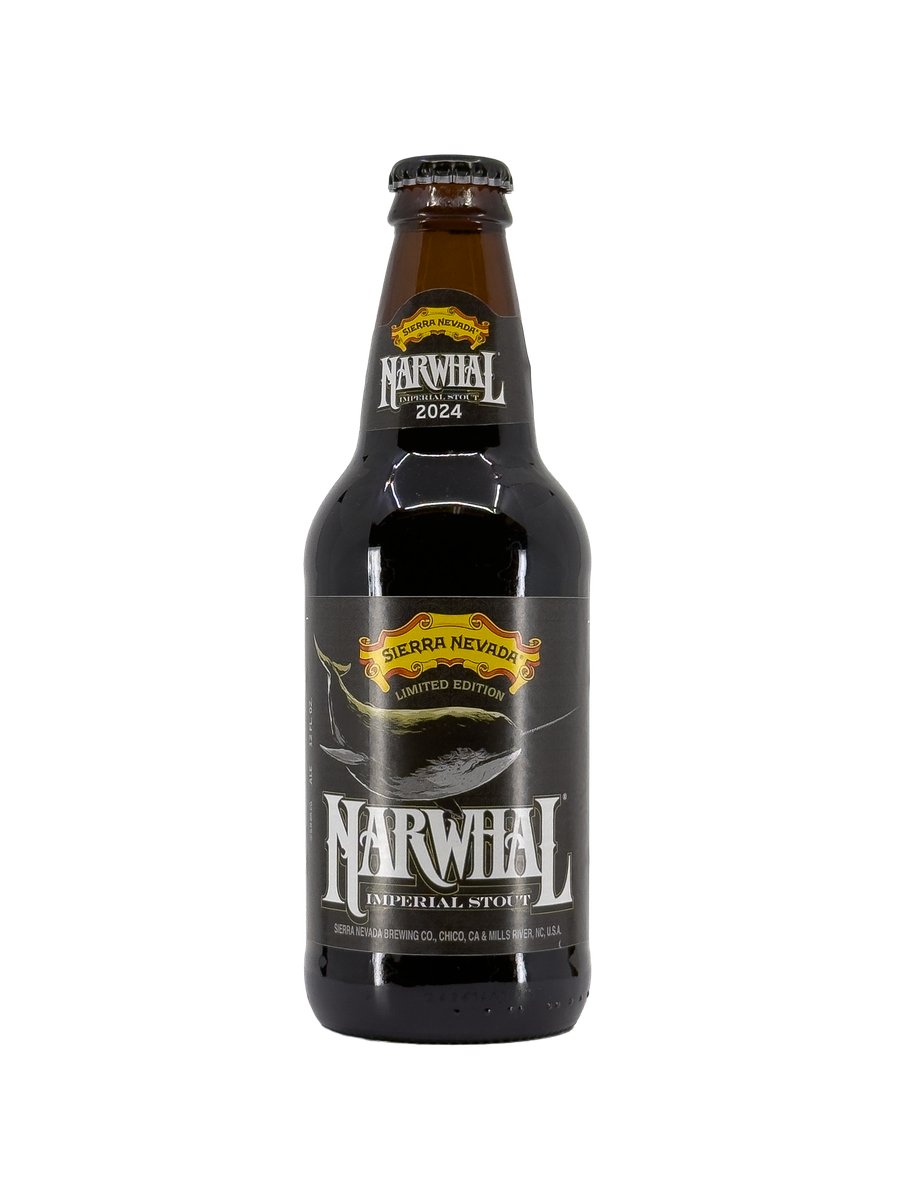
Narwhal Imperial Stout
Brewed by Sierra Nevada Brewing Co.
Sierra Nevada’s winter imperial stout delivers espresso, dark chocolate, and structured bitterness.
BAR NOTES
Narwhal brings Sierra Nevada’s clean, structured house approach to imperial stout: dense roast, dark chocolate, espresso, and enough bitterness to keep the finish from collapsing under its own weight.
The beer is released for colder-weather drinking and can handle some cellar time, but it is excellent fresh when the roast and hop edges are still vivid. Pair it with blue cheese or dense chocolate desserts.
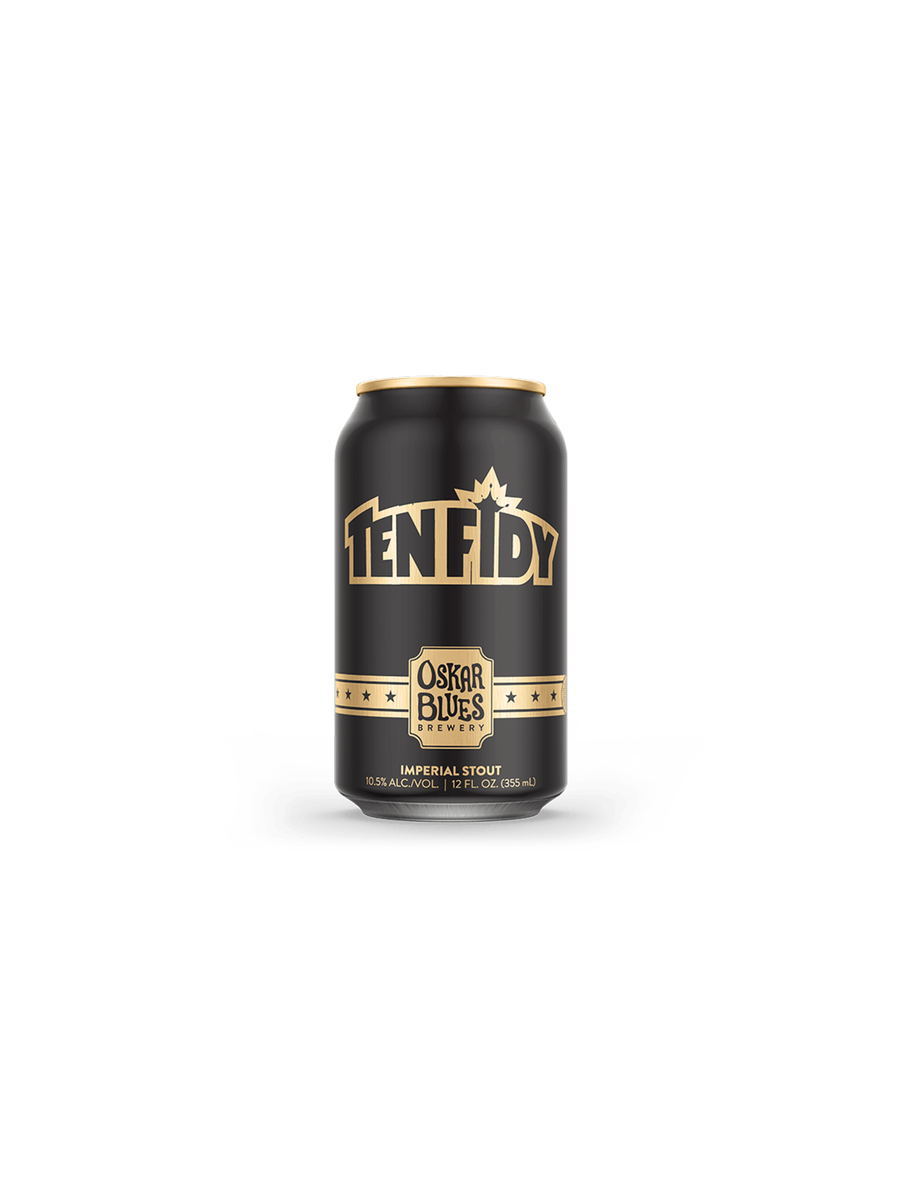
Ten FIDY
Brewed by Oskar Blues Brewery
Dense, chewy imperial stout that helped prove world-class dark beer belongs in a can.
BAR NOTES
Ten FIDY was an early proof that a serious imperial stout did not need a waxed 750ml bottle to feel important. The can contains an aggressively dense mix of roast, chocolate, caramel, and alcohol.
Its body is almost chewy, but the bitterness and char keep it from reading as simple sweetness. This is a good stout to split, especially if it has warmed to the low-50s Fahrenheit.
Bomb!
Brewed by Prairie Artisan Ales
Coffee, cacao, vanilla, and chile integrated into one of the modern adjunct-stout landmarks.
BAR NOTES
Bomb! helped define the modern adjunct imperial stout by combining coffee, cacao nibs, vanilla, and chile in a 12% base. The best pours keep those ingredients integrated instead of tasting like four separate flavorings.
Chile in stout does not need to mean painful heat. Used carefully, it adds warmth and a dry spice that can counter the sweetness of vanilla and chocolate while making the coffee feel more aromatic.

Abraxas
Brewed by Perennial Artisan Ales
Ancho chile, cacao, cinnamon, and vanilla make this a benchmark spiced imperial stout.
BAR NOTES
Abraxas uses ancho chile, cacao nibs, cinnamon, and vanilla to build a Mexican-chocolate-like profile around imperial stout. It is influential because the spice feels structural rather than decorative.
Recent releases can vary slightly in strength, so the vintage matters when comparing bottles. The core experience is consistent: dense cocoa, warming spice, dark roast, and a finish that invites slow sipping.

Gingerbread Stout
Brewed by Hardywood Park Craft Brewery
Ginger, honey, and stout combine into a holiday beer that actually tastes like gingerbread.
BAR NOTES
Hardywood’s Gingerbread Stout takes the holiday-beer idea seriously: ginger, honey, spice, dark malt, and a rich stout base combine into something much closer to baked gingerbread than generic “winter spice.”
The milk-stout-like sweetness helps carry the ginger and honey, but serving it too cold mutes those aromatics. This is one to pour smaller and let warm as you drink it.
Xocoveza
Brewed by Stone Brewing
Mexican-hot-chocolate flavors executed with enough roast and coffee to keep the finish grounded.
BAR NOTES
Xocoveza blends coffee, cocoa, cinnamon, vanilla, and chile into a stout that helped move Mexican-hot-chocolate flavors into the mainstream craft-beer conversation.
The important part is balance: roast and coffee give bitterness, cocoa and lactose-like sweetness add richness, and spice keeps the finish from feeling flat. It is especially good with churros, flan, or chocolate cake.

Black Note Stout
Brewed by Bell's Brewery
Bell’s coveted bourbon-barrel stout layers cocoa, dark fruit, vanilla, and oak.
BAR NOTES
Black Note blends strong stout character with bourbon barrels, producing dark fruit, cocoa, vanilla, char, and a deep spirit warmth. It is one of Bell’s most sought-after dark beers.
Because release strength can shift by vintage, the label is worth checking. The brewery’s standard sell-sheet figure is 11.2%, while individual modern vintages can land a little differently.

KBS
Brewed by Founders Brewing Co.
Breakfast Stout plus bourbon barrels: coffee, chocolate, oak, vanilla, and 12% warmth.
BAR NOTES
KBS takes the coffee-and-chocolate structure of Breakfast Stout and adds bourbon-barrel aging. That makes it an easy beer for understanding how oak and spirit transform an already adjunct-rich imperial stout.
Vanilla and caramel from bourbon wood can make the beer seem sweeter even when the roast remains firm. At 12%, it works best in a smaller glass with enough time for the alcohol and coffee aromatics to open.

Deth's Tar
Brewed by Revolution Brewing
A hulking bourbon-barrel oatmeal stout from Revolution’s Deep Wood program.
BAR NOTES
Deth’s Tar starts with an imperial oatmeal stout and then leans hard into bourbon-barrel aging. Oats help keep the body plush even after long wood contact, while dark malt supplies enough bitterness to stand up to the barrel.
Revolution lists Deth’s Tar at 14.8% ABV. The next Deep Wood release is scheduled for October 2, 2026, so this ranking treats it as a release-driven beer rather than pretending every vintage is interchangeable.

Darkness 2025
Brewed by Surly Brewing Co.
Surly’s annual cult stout pairs dark fruit and chocolate with the ritual of release-day beer.
BAR NOTES
Darkness is built around the ritual of an annual imperial stout release, and that event-like status helped make limited dark beer part of modern craft culture.
The beer itself earns the attention with dark fruit, chocolate, roast, and a large malt frame. A 2025 bottle is still a very current way to drink the series while the 2026 release approaches later in the year.

Marshal Zhukov's Imperial Stout
Brewed by Cigar City Brewing
Cigar City’s espresso-heavy imperial stout is dense, bitter, warming, and built for slow sipping.
BAR NOTES
Marshal Zhukov’s is intensely roast-driven, with espresso, dark chocolate, toffee, molasses, and enough alcohol to make the finish warming rather than merely bitter.
Cigar City’s current taproom listing places it at 11.5%. It is a stout that improves dramatically as it warms, when the dark-fruit and molasses notes become clearer beneath the roasted grain.

Mornin' Delight
Brewed by Toppling Goliath Brewing Co.
Maple and coffee pushed to luxury-stout intensity without losing the imperial base.
BAR NOTES
Mornin’ Delight combines coffee and maple in a way that can read like breakfast without losing its identity as a massive imperial stout. The key is the base beer’s roast and alcohol, which keep the maple from becoming one-note syrup.
The current release is 11.4% ABV. Pairing it with salty breakfast food, smoked bacon, or sharp cheese can actually work better than adding more sweetness beside it.

Medianoche
Brewed by WeldWerks Brewing Co.
WeldWerks builds this stout specifically for long bourbon-barrel aging and enormous body.
BAR NOTES
Medianoche is built specifically for long barrel residence, using an unusually dense base stout and extended boils so the beer can absorb bourbon character without thinning out.
WeldWerks commonly gives batches 15–20 months or more in spirit barrels. The result is a viscous, barrel-forward stout where char, vanilla, caramel, and whiskey sit on top of a serious dark-malt foundation.

Fundamental Observation 2026
Brewed by Bottle Logic Brewing
Vanilla and bourbon barrels meet with remarkable intensity in Bottle Logic’s flagship stout.
BAR NOTES
Fundamental Observation helped make carefully sourced vanilla a headline ingredient in barrel-aged stout. The vanilla intensifies the bourbon barrel’s natural vanilla and caramel notes rather than simply adding sweetness.
The 2026 release is 13.7% ABV. Because aroma is a huge part of the experience, a snifter or tulip and a slow warm-up do more for this beer than serving it refrigerator-cold.

Black Tuesday 2025
Brewed by The Bruery
A 19.1% barrel-aged behemoth that pushes imperial stout into fortified-wine territory.
BAR NOTES
Black Tuesday occupies the extreme end of stout: enormous original gravity, bourbon barrels, residual richness, and alcohol approaching fortified-wine territory.
The 2025 release is 19.1% ABV, so this is absolutely a share bottle. Small pours also let the beer warm slowly, revealing caramelized sugar, dark fruit, chocolate, oak, and spirit notes that are easy to miss when it is too cold.

Péché Mortel
Brewed by Dieu du Ciel!
One of the enduring coffee-stout benchmarks: focused espresso, cocoa, and imperial strength.
BAR NOTES
Péché Mortel is one of the enduring coffee-stout benchmarks because it treats coffee as a core brewing flavor rather than novelty. Roast malt and coffee overlap, then separate into cocoa, espresso, and bitter aromatics as the beer warms.
At 9.5%, it is powerful but not as boozy as many modern barrel-aged stouts. That makes it especially good when you want an imperial coffee stout that still has a relatively direct, focused profile.

The Abyss
Brewed by Deschutes Brewery
A layered Deschutes cellar beer with barrel character, molasses, roast, and dark-fruit depth.
BAR NOTES
The Abyss layers barrel aging and adjunct complexity onto an imperial stout base, creating a beer that can show molasses, licorice, coffee, chocolate, oak, and dark fruit in the same pour.
It also has a long reputation as a cellar candidate. Age can round the alcohol and roast, but tasting a fresh bottle beside an older one is the best way to learn what time actually changes rather than assuming older always means better.

Barrel-Aged Ten FIDY
Brewed by Oskar Blues Brewery
Ten FIDY goes into bourbon barrels and comes back bigger, warmer, and oakier.
BAR NOTES
Barrel-Aged Ten FIDY takes an already dense 10.5% imperial stout and gives it the bourbon treatment. The base beer’s char and bitterness are strong enough that the barrel does not erase its identity.
The current brewery listing puts the barrel-aged version at 12.5%. Expect more vanilla, oak, caramel, and spirit heat than regular Ten FIDY, but the same tar-dark core is still obvious.

Barrel-Aged Speedway Stout: Hammerhead Edition 2025
Brewed by AleSmith Brewing Co.
Speedway’s coffee base, espresso, and bourbon barrels collide in a 13.46% anniversary release.
BAR NOTES
Hammerhead takes Speedway’s coffee-and-chocolate base into a much more spirit-forward place, using bourbon barrels plus crushed Ethiopian and espresso beans for an intentionally intense coffee profile.
AleSmith lists the 2025 Hammerhead Edition at 13.46% ABV. This is a good example of why barrel-aged releases need vintage labels: the blend, treatment, and exact strength can change from year to year.

Kalamazoo Stout
Brewed by Bell's Brewery
A classic 6% American stout proving great dark beer does not require double-digit alcohol.
BAR NOTES
Kalamazoo Stout is a useful palate reset in a list full of barrel monsters. It delivers coffee, roast, dark chocolate, and a distinctly American stout profile at a manageable 6% ABV.
Classic-strength stouts like this are often better food beers than the biggest imperial examples. Try it with burgers, smoked meat, oysters, or cheddar, where roast can act almost like char from the grill.

Special Double Cream Stout
Brewed by Bell's Brewery
Soft, chocolatey, and full-bodied without the adjunct overload of modern pastry stout.
BAR NOTES
Special Double Cream Stout shows how a stout can feel plush and dessert-adjacent without needing a grocery list of pastry adjuncts. Dark malt and a soft sweetness do most of the work.
Bell’s current listing puts it at 6.1% ABV. It is a good winter beer for drinkers who want body and chocolate character without the alcohol burden of a 12–15% imperial stout.

Beer:Barrel:Time 2024
Brewed by Side Project Brewing
Side Project lets stout, whiskey barrels, and time do the work—no adjunct safety net.
BAR NOTES
Beer:Barrel:Time is deliberately non-adjunct: the point is imperial stout, carefully selected whiskey barrels, and patience. That makes it a useful counterweight to vanilla, maple, coconut, and coffee-heavy prestige stouts.
The 2024 blend was 15% ABV and combined stout aged in mature Willett and StilL630 barrels for extended periods. It is a showcase for what barrel selection alone can contribute: oak, spirit, vanilla, char, and oxidation-controlled depth.

Assassin
Brewed by Toppling Goliath Brewing Co.
A cult barrel-aged stout with huge dark malt and long whiskey-barrel character.
BAR NOTES
Assassin is part of the small-release barrel-aged stout culture that turned certain bottles into destination beers. The base profile is huge dark malt shaped by long whiskey-barrel contact.
Individual Assassin releases and variants matter, so vintage context is useful. The familiar 12.8% figure is associated with multiple celebrated releases; the beer is best approached as a slow tasting pour rather than a fixed everyday SKU.

Coopers Best Extra Stout
Brewed by Coopers Brewery
Bottle-conditioned Australian extra stout with roast, fruit, and serious traditional character.
BAR NOTES
Coopers Best Extra Stout brings bottle conditioning and an Australian brewing tradition into a list dominated by American barrel-aged beer. It is robust, roasty, fruity, and notably lively for a classic extra stout.
At 6.3%, it has enough strength for body without becoming imperial. Bottle conditioning means yeast remains part of the package, contributing to natural carbonation and allowing the beer to develop differently from filtered industrial stout.

Lion Stout
Brewed by Lion Brewery (Ceylon)
A tropical-stout benchmark: strong, fruity, sweet-edged, roasty, and built for warm climates.
BAR NOTES
Lion Stout is a reference point for the stronger, sweeter tropical-stout tradition: dark fruit, burnt sugar, chocolate, roast, and enough alcohol to stay expressive in warm-climate markets.
Tropical stout shows why “dark” does not automatically mean “dry.” Compared with Irish dry stout, the style is fuller, stronger, and more fruit-forward, making it especially good with spicy food and rich stews.

Young's Double Chocolate Stout
Brewed by Young's
Chocolate-forward but restrained enough to remain a highly drinkable 5.2% stout.
BAR NOTES
Young’s Double Chocolate Stout is an old-school answer to modern pastry stout: chocolate is obvious, but the beer remains relatively light in alcohol and anchored by traditional roasted malt.
At 5.2%, it is much easier to pair with dessert than a 14% barrel stout. Try it beside chocolate cake or vanilla ice cream, where the beer can provide roast and cocoa without overwhelming the plate.

Peanut Butter Milk Stout
Brewed by Belching Beaver Brewery
Peanut butter and milk-stout sweetness make this dessert-like without pushing the ABV sky-high.
BAR NOTES
Belching Beaver proved peanut butter could work in stout when the base beer has enough chocolate-like roast and sweetness to make the flavor feel familiar rather than bizarre.
The current beer is 5.3% ABV, which keeps it surprisingly manageable for a dessert-flavored stout. Salty peanut character is also useful because it breaks up the sweetness instead of adding another sugary layer.

Big Bad Baptist
Brewed by Epic Brewing Co.
Batch-driven whiskey-barrel stout with coffee and cacao; the exact strength varies for a reason.
BAR NOTES
Big Bad Baptist is a batch-driven beer: whiskey or bourbon barrels, coffee, and cacao nibs are constants, but Epic changes the coffee and release details from batch to batch.
That is why the brewery lists it as 11–12% rather than pretending every batch is identical. For a roundup, that range is more accurate than inventing a single permanent number.
Black House
Brewed by Modern Times Beer
Coffee and oats pack surprising stout intensity into a relatively sessionable 5.8% beer.
BAR NOTES
Black House is valuable because it brings coffee-stout flavor into a sub-6% package. Oats soften the body while coffee and roasted grain keep the aroma far bigger than the alcohol number suggests.
Not every stout needs to be a special-occasion bottle. A beer like this is closer to the category’s pub-friendly roots and is easier to drink with brunch, barbecue, or a weeknight meal.

Guinness Extra Stout
Brewed by Guinness
A sharper, more carbonated Guinness expression that puts roast ahead of nitro creaminess.
BAR NOTES
Guinness Extra Stout is sharper and more carbonated than Draught, putting more attention on roast and bitterness instead of nitrogen-driven creaminess.
U.S. Guinness materials list Extra Stout at 4.2% ABV, though strength can differ by market. That market variation is worth remembering whenever an imported beer’s ABV seems inconsistent across sources.

KBS Chocolate Espresso
Brewed by Founders Brewing Co.
KBS turned toward extra chocolate and espresso for an even more coffee-shop-like barrel stout.
BAR NOTES
KBS Chocolate Espresso takes the core KBS formula and turns both headline flavors up: chocolate and espresso sit on top of bourbon-barrel vanilla, oak, and warming alcohol.
Founders lists the beer at 12% ABV. Adjunct-heavy barrel stouts are often best relatively fresh if coffee aroma is a major reason you bought the bottle; time may soften the roast but can also mute the espresso character.

Bourbon Barrel-Aged Chocolate Expedition Stout
Brewed by Bell's Brewery
Expedition Stout, bourbon barrels, and chocolate combine into a 13.4% cellar-strength release.
BAR NOTES
This Bell’s release takes the already cellar-worthy Expedition Stout and adds bourbon-barrel aging plus chocolate, stacking cocoa and oak onto a famously robust imperial-stout base.
At 13.4%, the beer has enough strength to carry a lot of flavor, but temperature still matters. Start cool and taste it over 20–30 minutes; the barrel and chocolate become much more expressive as the pour warms.

Dragon's Milk Reserve: Oatmeal Cookie
Brewed by New Holland Brewing
A 2026 Dragon’s Milk Reserve built around bourbon barrel, oatmeal-cookie spice, and dessert richness.
BAR NOTES
Released in August 2026, Oatmeal Cookie shows how far the Dragon’s Milk Reserve line can push a familiar barrel-aged base into dessert territory while still keeping bourbon oak underneath.
The beer is 11% ABV and uses oats, raisins, cinnamon, brown sugar, and vanilla. That makes it a natural after-dinner pour, but the barrel’s char and alcohol keep the finish from behaving like a milkshake.

Speedway Stout: Chocolate Hazelnut Edition
Brewed by AleSmith Brewing Co.
Speedway’s coffee stout foundation gets a chocolate-hazelnut turn without losing imperial strength.
BAR NOTES
This Speedway variant layers chocolate and hazelnut onto the beer’s famous coffee-imperial-stout framework, creating a profile that lands somewhere between mocha, roasted nuts, and dark dessert.
At 12%, it is still fundamentally an imperial stout, not flavored porter. The coffee and roast are important because they give bitterness and prevent hazelnut sweetness from taking over the finish.

Guinness 0.0
Brewed by Guinness
A remarkably convincing alcohol-free take on the roasted, creamy Guinness Draught identity.
BAR NOTES
Guinness 0.0 earns a place because it shows how recognizable stout cues can survive without alcohol: roasted grain, dark color, nitrogen-like creaminess, and a dry bitter-sweet balance.
Alcohol contributes body and flavor, so removing it is not trivial. The fact that Guinness can preserve much of the Draught experience makes 0.0 one of the strongest examples of a non-alcoholic beer matching the identity of its original.

Beamish Irish Stout
Brewed by Beamish & Crawford
An old-school Cork dry stout that ends the list where stout began: roast, creaminess, and drinkability.
BAR NOTES
Beamish closes the list by returning to stout’s pub-scale fundamentals: low alcohol, roasted grain, dry finish, and a creamy draught texture rather than barrel-aged excess.
Cork has its own stout tradition alongside Dublin, and Beamish remains a reminder that the style’s enduring appeal was built on drinkability. After fifty beers, a 4.1% dry stout feels like exactly the right last pour.
If stout is where your glass keeps landing, there’s a lot more dark beer worth chasing.
Go deeper on barrel aging and stout styles, or take the next step and brew one yourself.