25 Best American Brown Ales to Drink in 2026
American brown ale lives between amber’s caramel snap and porter’s roasted depth, with enough native hop character to keep the whole thing moving. The best examples taste of toasted bread, cocoa, nuts and dark caramel, then finish cleaner and more bitter than their color suggests.
This Top 25 starts with the modern heavyweights, then works through classic everyday browns and the coffee, maple, cacao and nut variations the style handles unusually well. The ranking rewards a convincing brown-ale base first; barrels and adjuncts only count when they make that foundation more interesting.
The quick answer
Founders Underground Mountain Brown is the best American brown ale overall when you want the style at maximum volume: coffee, bourbon oak, dark caramel and enough malt structure to keep every addition aligned. The Civil Life American Brown is the best pure everyday example, Face Down Brown is the trophy-backed classic, and Moose Drool remains the easiest widely distributed starting point.
The 25 best American brown ales
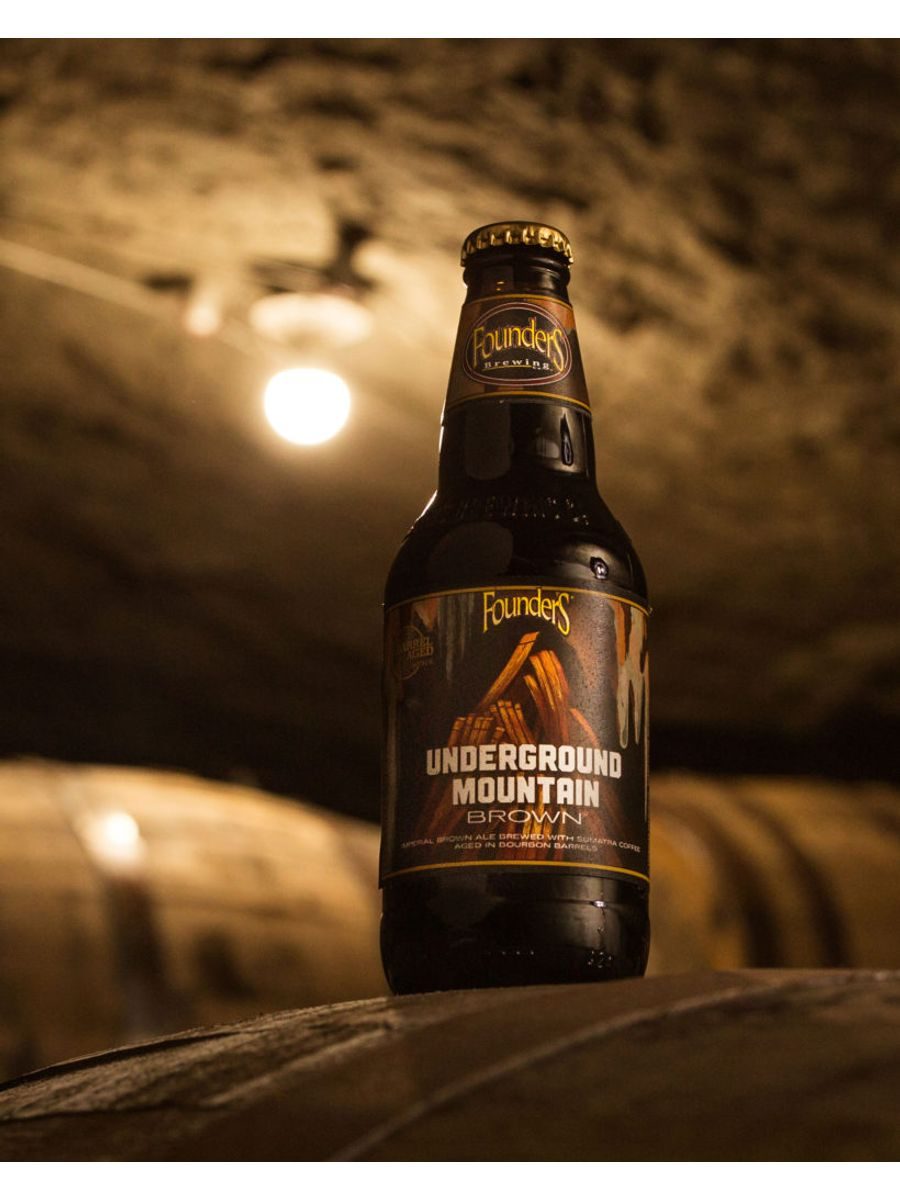
Underground Mountain Brown
Brewed by Founders Brewing Co.
A cave-aged coffee brown with the depth to justify its heavyweight reputation.
BAR NOTES
Founders ages this imperial brown ale in bourbon barrels before adding Sumatra coffee, so the aroma moves through espresso, charred oak, vanilla and dark caramel rather than reading like flavored syrup. The brown-ale base still matters beneath all that barrel weight.
Serve it around 52°F in a small snifter and let the first pour breathe. Chocolate cake is obvious, but smoked brisket, blue cheese and pecan pie also meet its roast, sweetness and alcohol without disappearing.
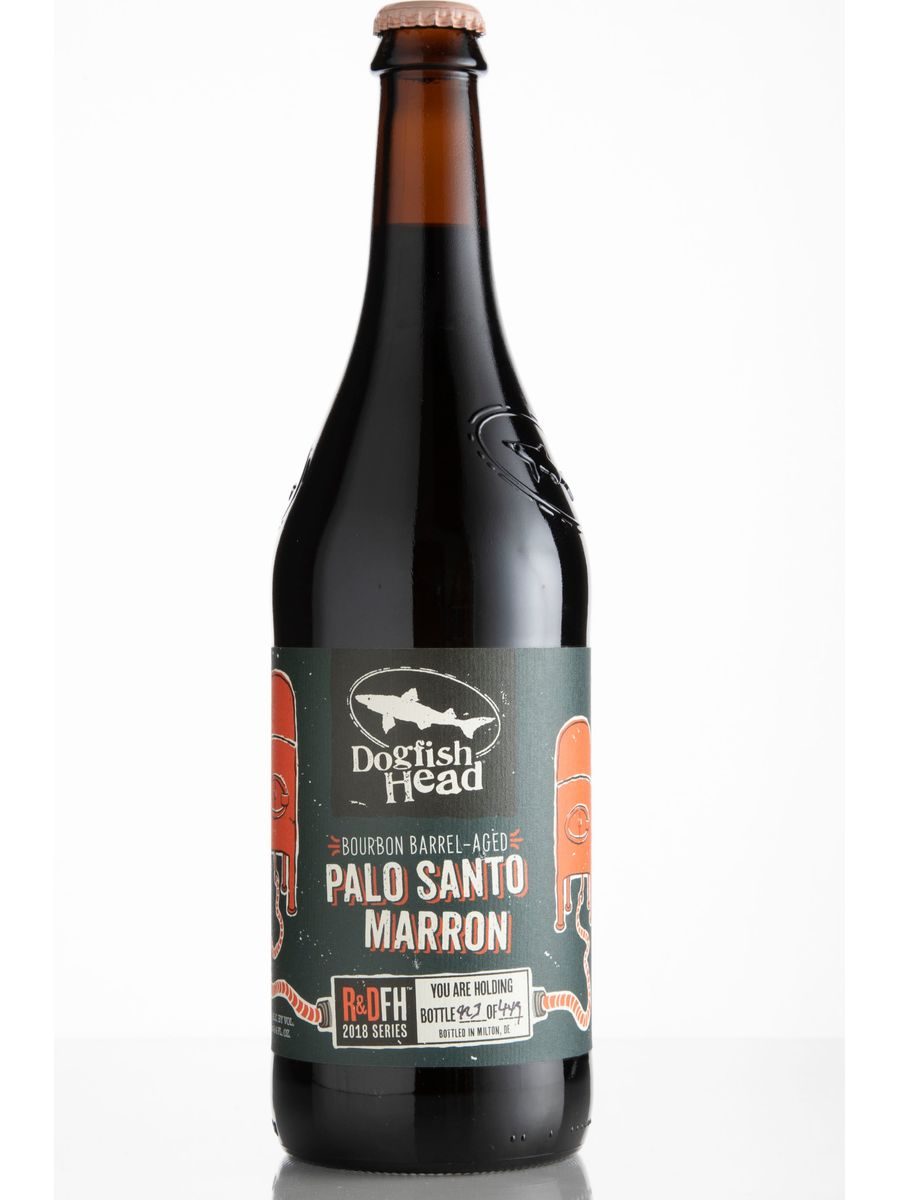
Bourbon Barrel-Aged Palo Santo Marron
Brewed by Dogfish Head Craft Brewery
A singular wood-driven brown ale that tastes more like a dark spirits cabinet than a pint.
BAR NOTES
The base beer spends time against dense Paraguayan palo santo wood, then bourbon barrels add vanilla, char and spirit warmth. Molasses, dark fruit and roasted malt keep the exotic wood from becoming the only story in the glass.
Treat this as a slow after-dinner pour at 52–55°F. A four-ounce serving is enough to map the changing aroma, and salty aged cheese or bittersweet chocolate handles the beer better than delicate dessert.
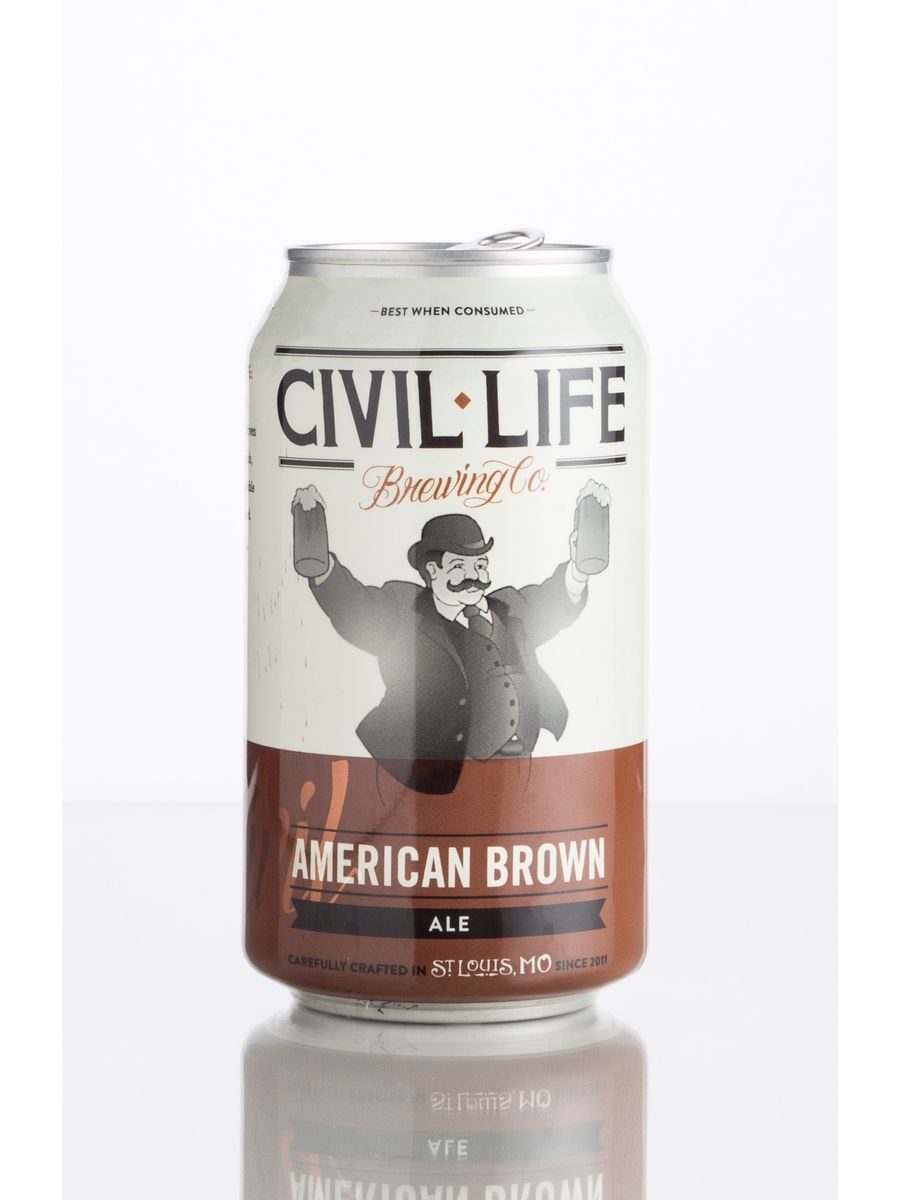
American Brown Ale
Brewed by The Civil Life Brewing Co.
The everyday benchmark: genuinely brown, firmly flavored and built for another pint.
BAR NOTES
Civil Life makes a persuasive case that American brown ale does not need coffee, maple or a barrel to matter. Toasted bread, cocoa, caramel and restrained American hops arrive in clear layers inside a notably modest alcohol frame.
Pour it at 45–48°F in a nonic pint with a cheeseburger, roast chicken or grilled mushrooms. Its dry finish and moderate carbonation reset the palate, which is exactly what many richer browns forget to do.
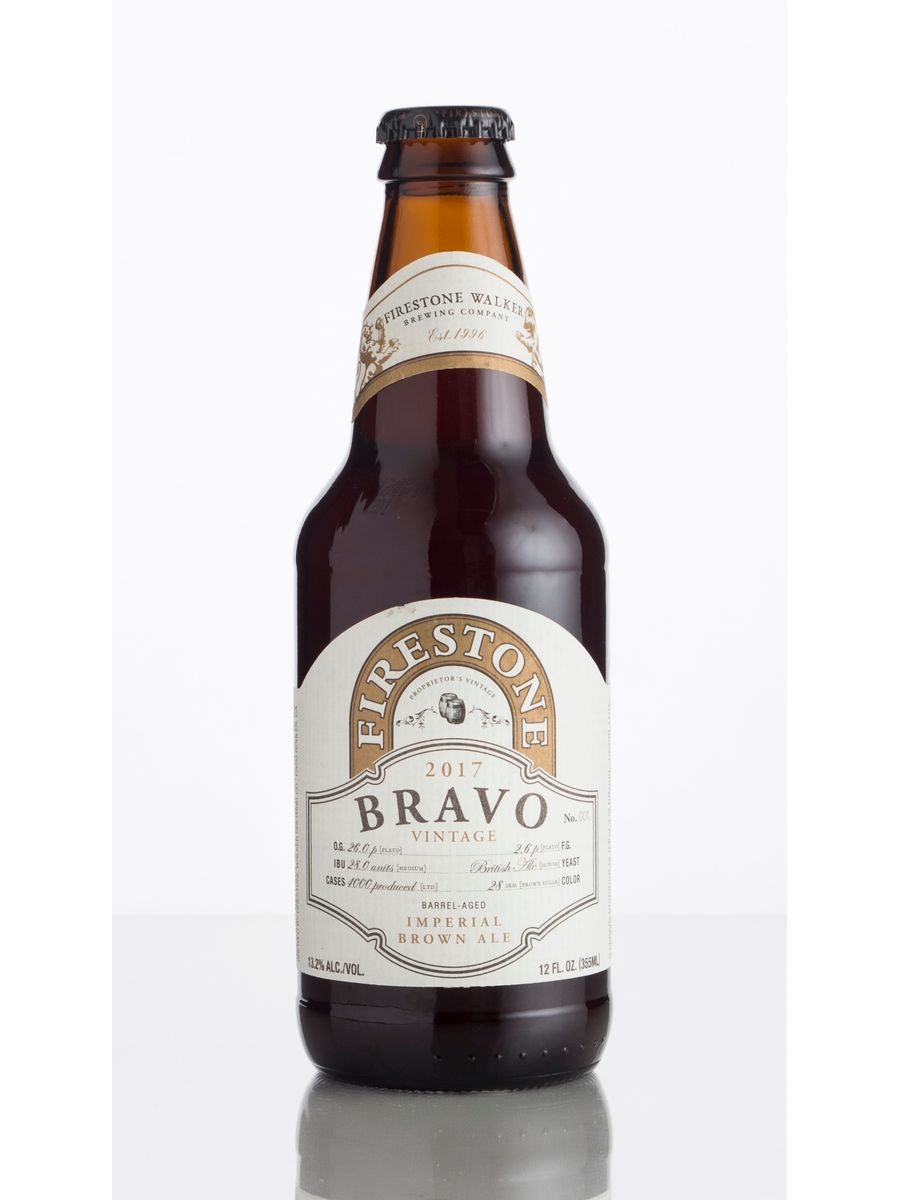
Bravo
Brewed by Firestone Walker Brewing Co.
Firestone Walker turns brown-ale malt into a precise, cellar-worthy barrel beer.
BAR NOTES
Bravo begins with a strong brown ale rich in toffee, caramel and dark bread, then bourbon barrels contribute coconut, vanilla and oak. Careful blending keeps the finished beer structured instead of collapsing into sugary barrel heat.
A recent vintage can be opened now, but a cool cellar softens the alcohol and joins the flavors over time. Serve near 54°F with bread pudding, toasted nuts or an assertive blue cheese.
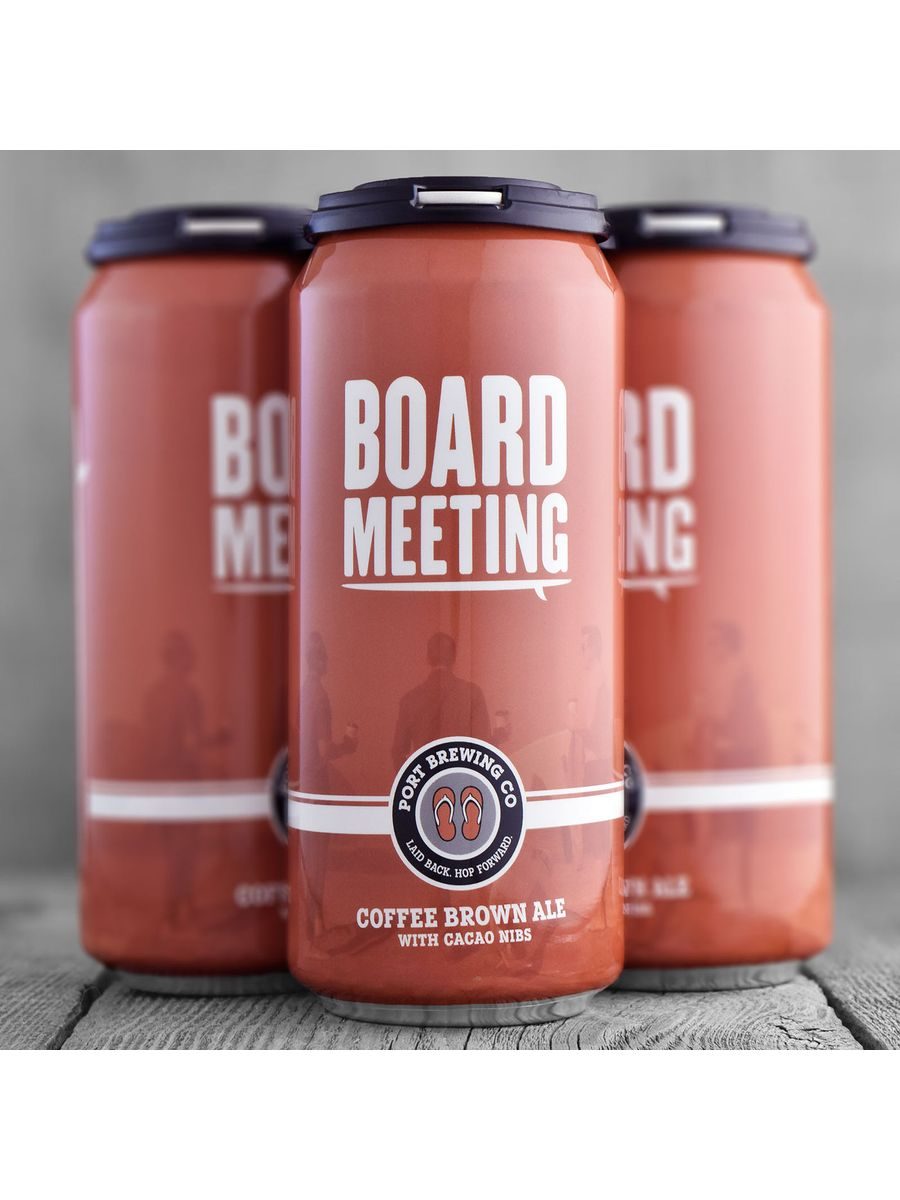
Board Meeting
Brewed by Port Brewing Co.
A coffee-and-cacao brown that remains recognizably beer-shaped.
BAR NOTES
Board Meeting folds locally roasted coffee and cacao nibs into a robust brown-ale base. Those additions amplify the malt’s natural chocolate and toast while a firm hop finish prevents the cup-of-mocha effect from becoming exhausting.
Serve at 48–50°F, preferably from a fresh can while the coffee aroma is vivid. It is excellent with breakfast-for-dinner, mole, grilled steak or a not-too-sweet chocolate tart.
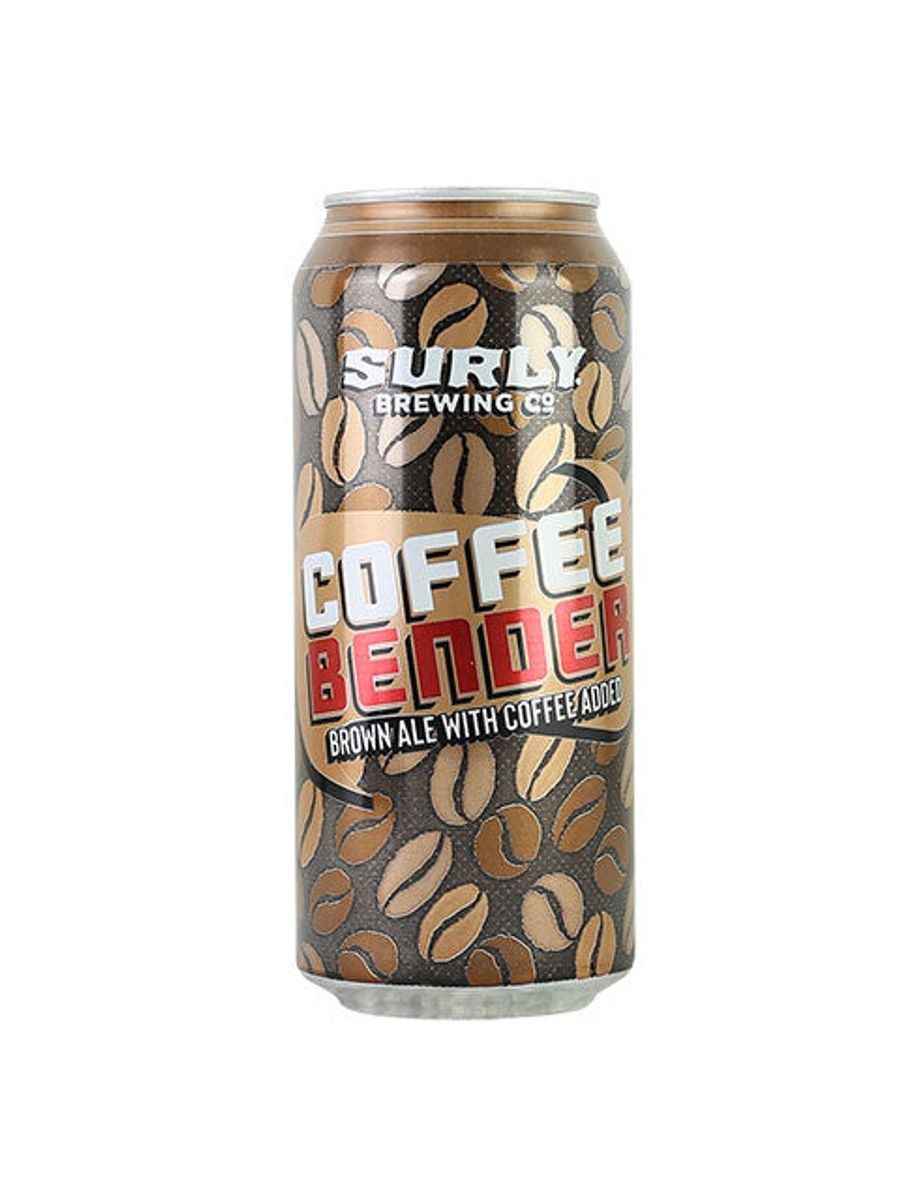
Coffee Bender
Brewed by Surly Brewing Co.
One of the rare coffee beers light enough to drink by the full pint.
BAR NOTES
Surly adds cold-steeped Guatemalan coffee to its oat-softened Bender base. The result smells like fresh grounds and cocoa, yet the beer stays dry, gently hoppy and far less sweet than most café-inspired releases.
Drink it fresh around 46°F because coffee aromatics flatten long before alcohol or malt becomes a problem. Brunch, barbecue, tiramisu and nutty Gouda all give the roast a useful counterpoint.
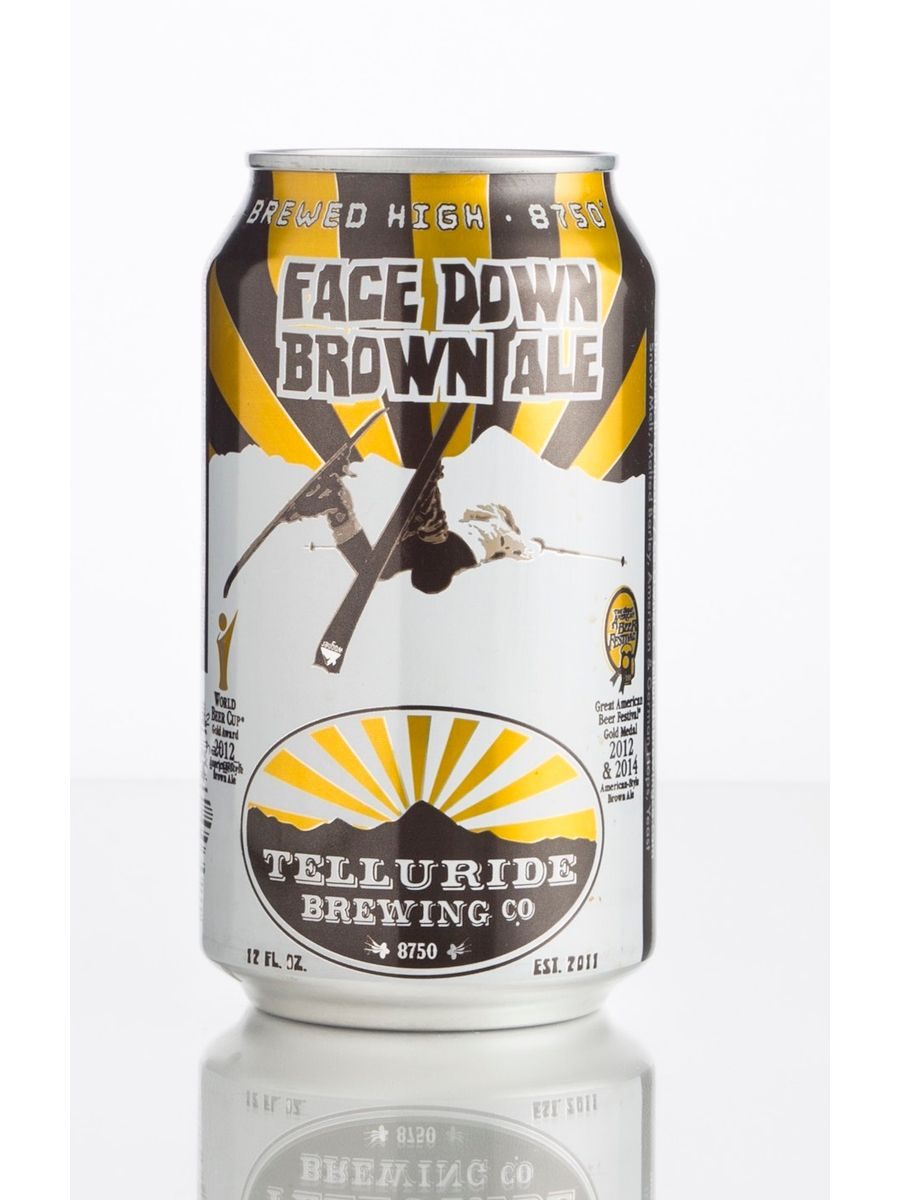
Face Down Brown
Brewed by Telluride Brewing Co.
A decorated mountain-town brown that proves balance can still win trophies.
BAR NOTES
Face Down Brown layers toffee, chocolate and nutty malt beneath Tettnanger, CTZ and Cascade hops. Its competition record comes from precision: enough bitterness to feel distinctly American, but not so much that the brown malt becomes scenery.
Serve at 44–47°F after a day outside, ideally with chili, a burger or smoked sausage. The beer has enough snap for fried food and enough malt for char without demanding a special occasion.
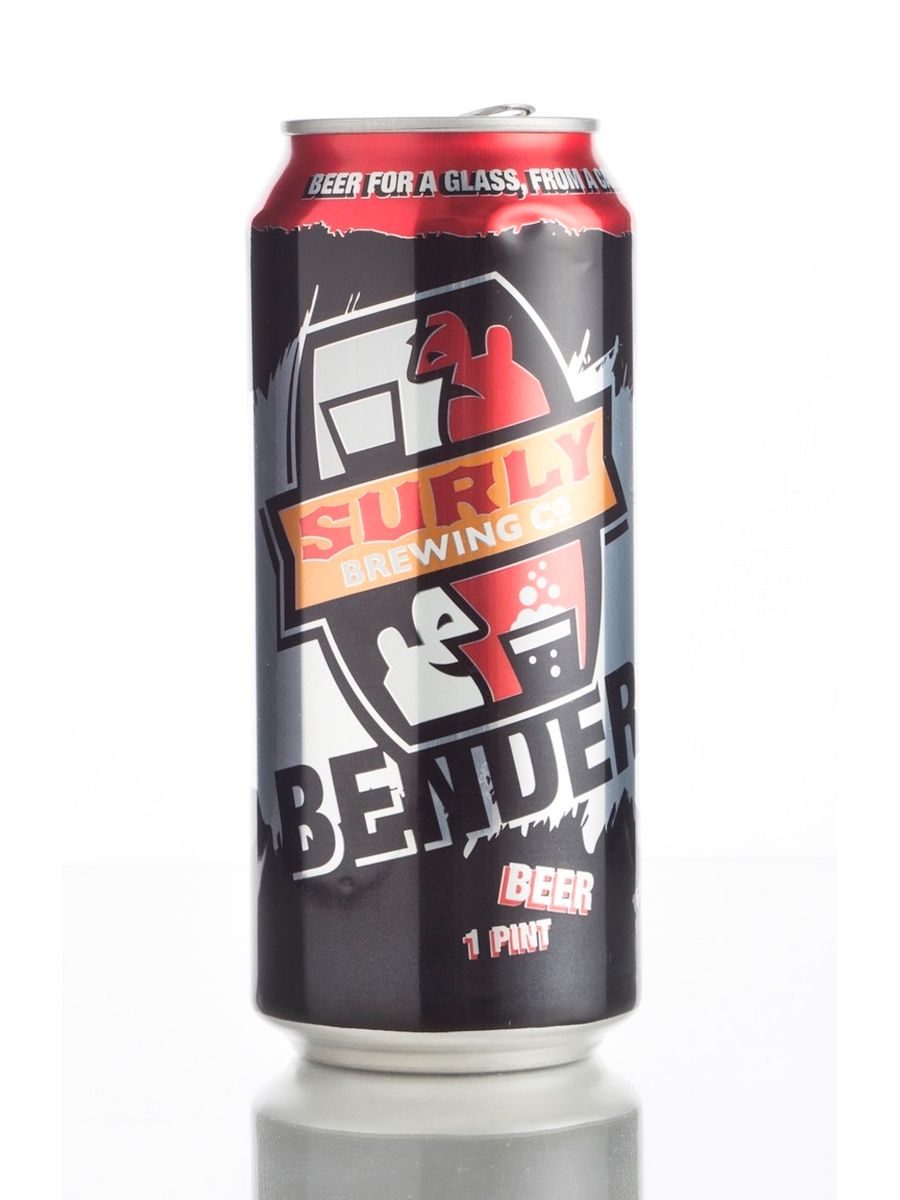
Bender
Brewed by Surly Brewing Co.
A velvety brown ale whose texture is as memorable as its malt.
BAR NOTES
Oats give Bender its soft, almost creamy body while roasted and caramel malts bring cocoa, toast and faint dark fruit. American hops trim the finish and stop the beer from drifting into sweet English-brown territory.
A clean pint at 45°F shows both the texture and the modest hop edge. Pair it with pulled pork, a mushroom melt or sharp cheddar; highly sugary desserts can make the beer seem thinner.
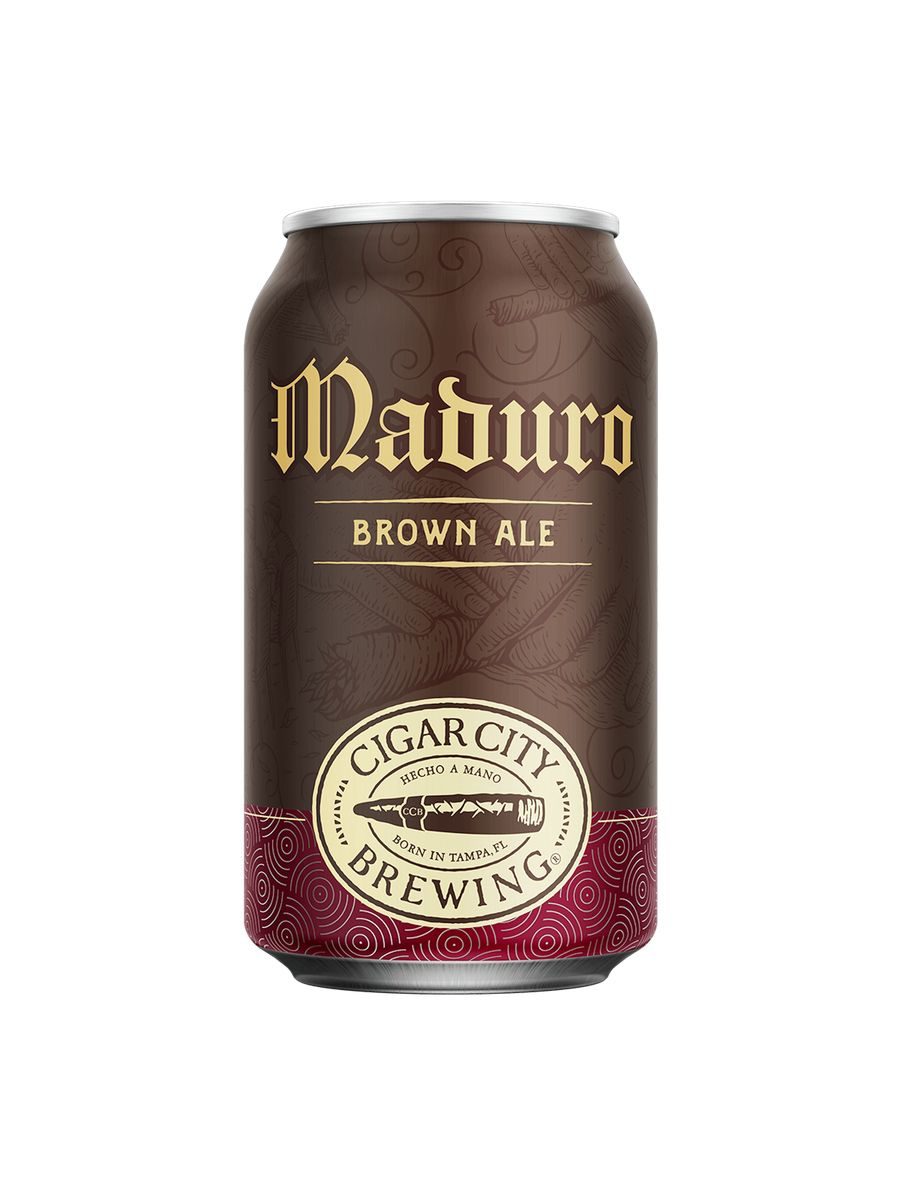
Maduro Brown Ale
Brewed by Cigar City Brewing
A silky Florida brown built to be flavorful in weather that punishes heavy beer.
BAR NOTES
Maduro takes inspiration from Northern English brown ale, using flaked oats for body and toasted, roasted and chocolate malts for depth. The finish stays dry enough for Tampa, with coffee bitterness appearing after the initial brown-sugar impression.
Serve it around 45°F with a Cuban sandwich, grilled pork or a mild cigar if that is your ritual. The can is a better warm-weather bet than an imperial brown because the alcohol stays out of the way.
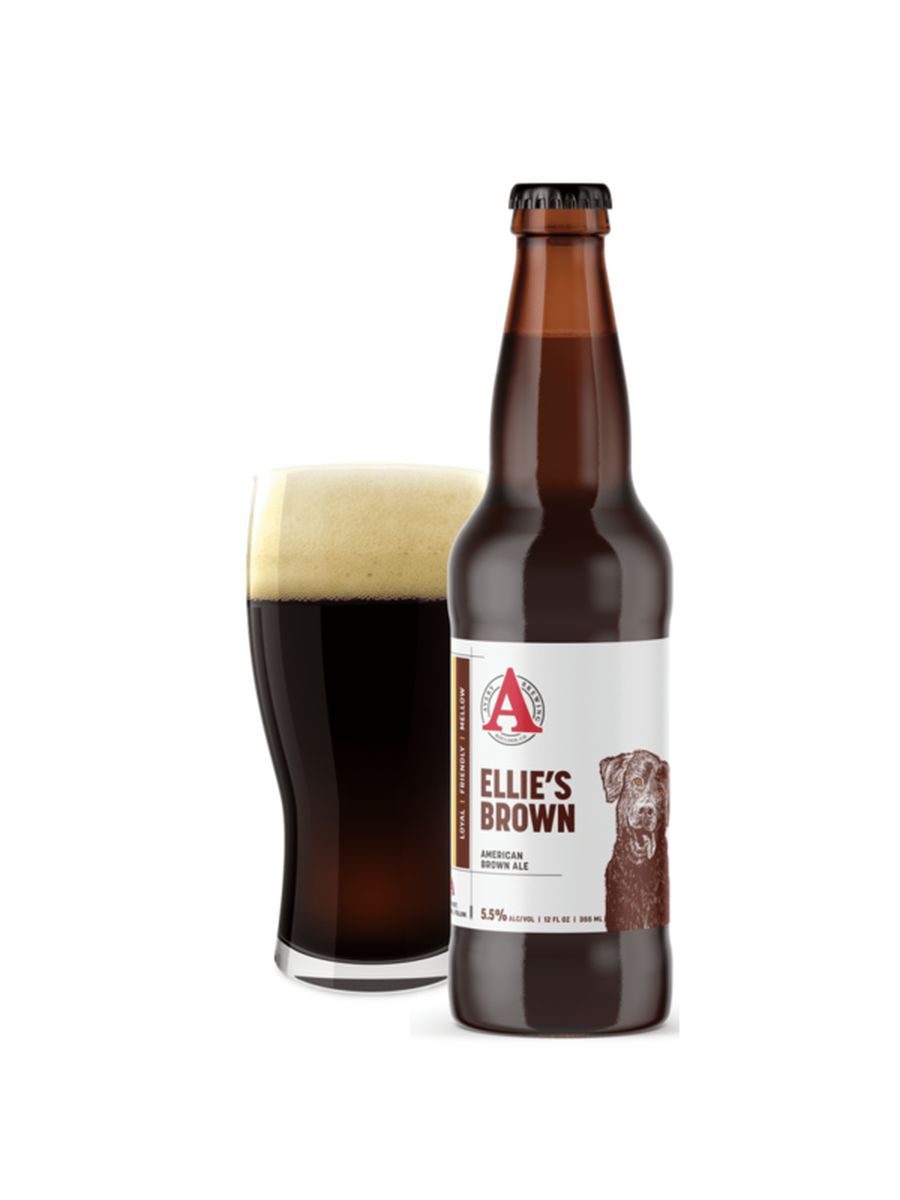
Ellie's Brown Ale
Brewed by Avery Brewing Co.
A Colorado classic named for a chocolate Labrador and brewed with the same friendly energy.
BAR NOTES
Ellie’s uses chocolate malt to build cocoa, caramel and toasted-nut flavor without porter-like roast. A measured hop charge supplies dryness and a little spice, making it richer than pale ale but still comfortably everyday.
Pour at 46°F with roast chicken, pork tacos or an aged Alpine cheese. The beer is forgiving, but very cold service hides the nutty middle that separates it from a generic dark ale.
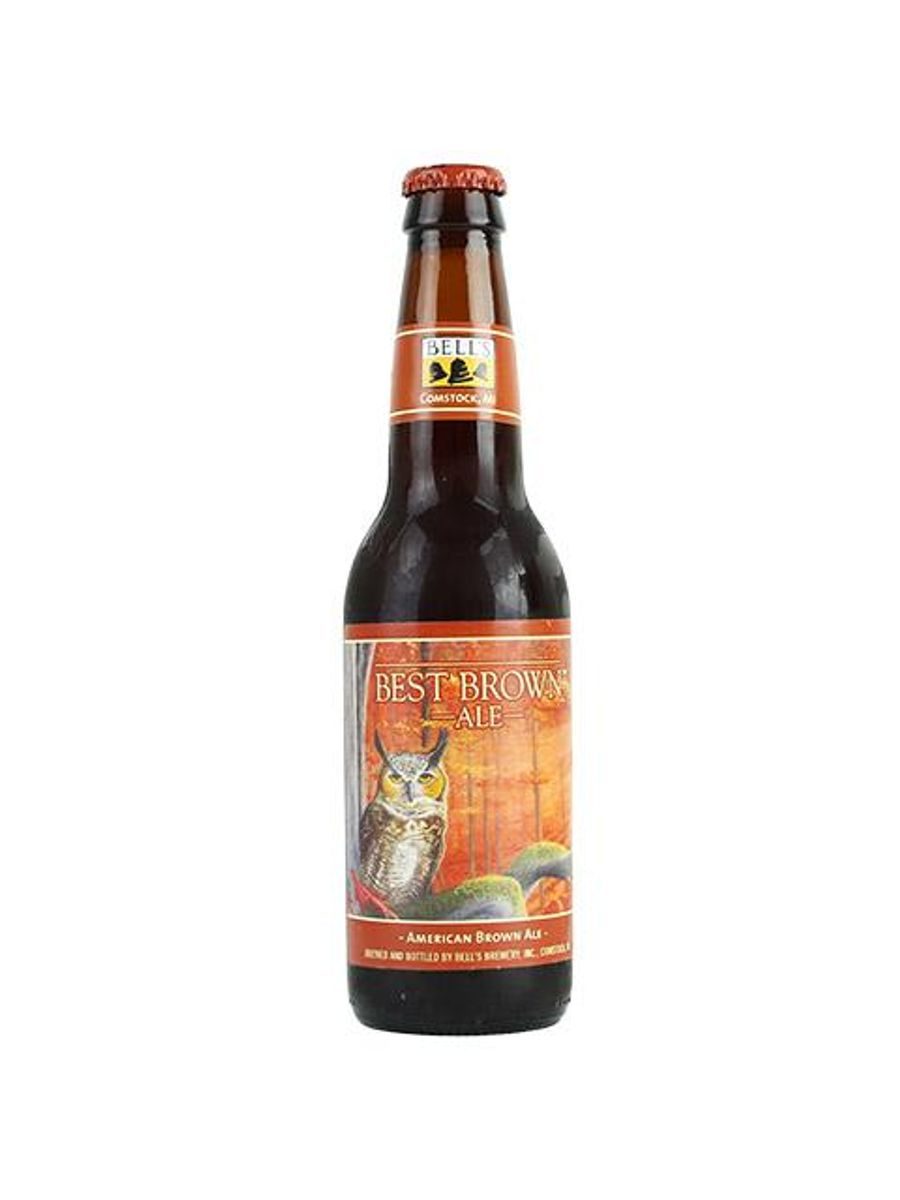
Bell's Best Brown Ale
Brewed by Bell's Brewery
An autumnal American brown that tastes complete without chasing novelty.
BAR NOTES
Bell’s builds Best Brown around caramel, cocoa, honey and molasses-like malt notes, then adds enough hop bitterness to keep the finish orderly. The owl label became a cold-weather signal for generations of Midwest beer drinkers.
Serve it at 46–48°F with roast turkey, squash, pork or cheddar. Seasonal stock is best bought soon after release; oxidation can turn its pleasant caramel into a dull, papery sweetness.
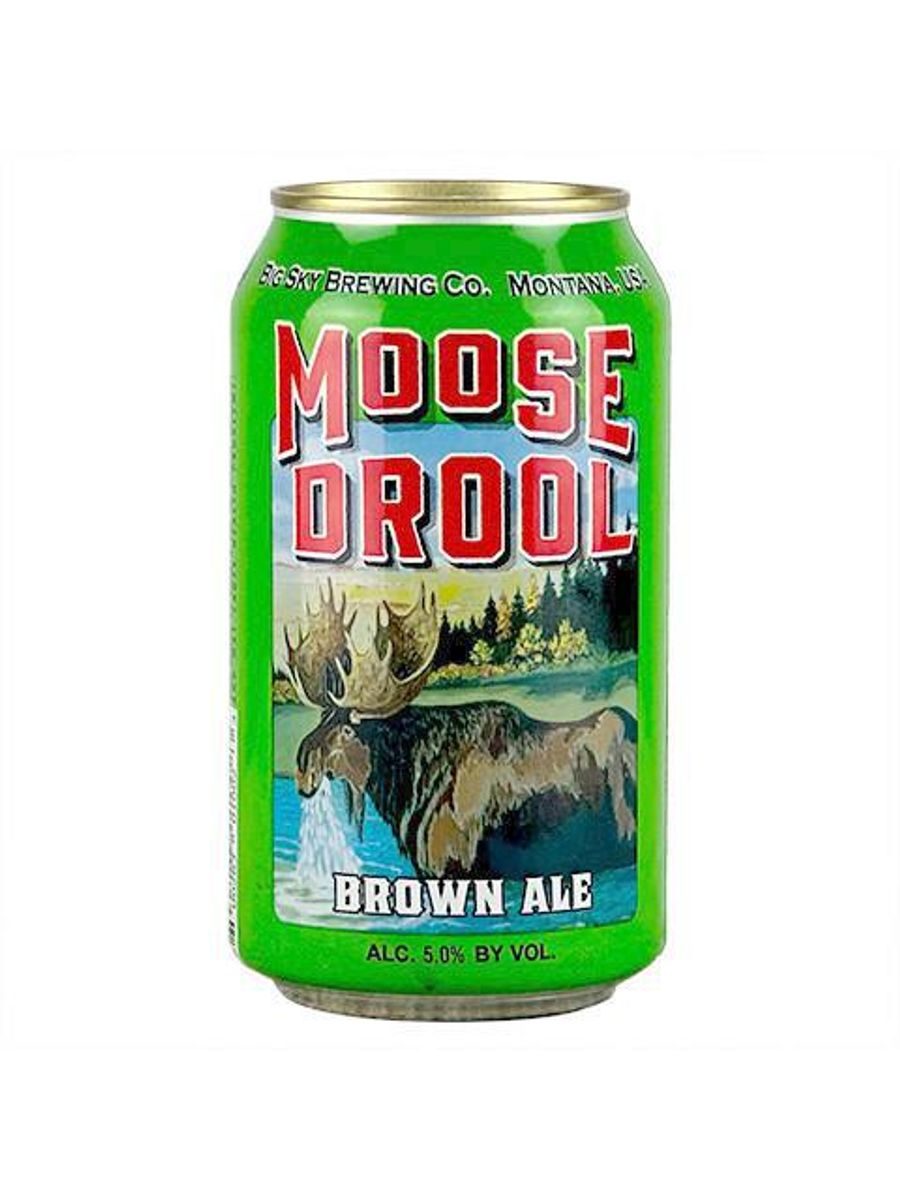
Moose Drool
Brewed by Big Sky Brewing Co.
The widely distributed gateway brown that still earns its refrigerator space.
BAR NOTES
Moose Drool combines four malts for chocolate, caramel and toast, while a light hop presence keeps the body smooth and approachable. Its reach helped introduce American drinkers to brown ale long after hoppier styles took the spotlight.
A pint around 44°F suits burgers, chili, meatloaf and campfire food. Do not overthink the glassware; freshness and a clean pour matter more than ceremony with this deliberately easygoing beer.
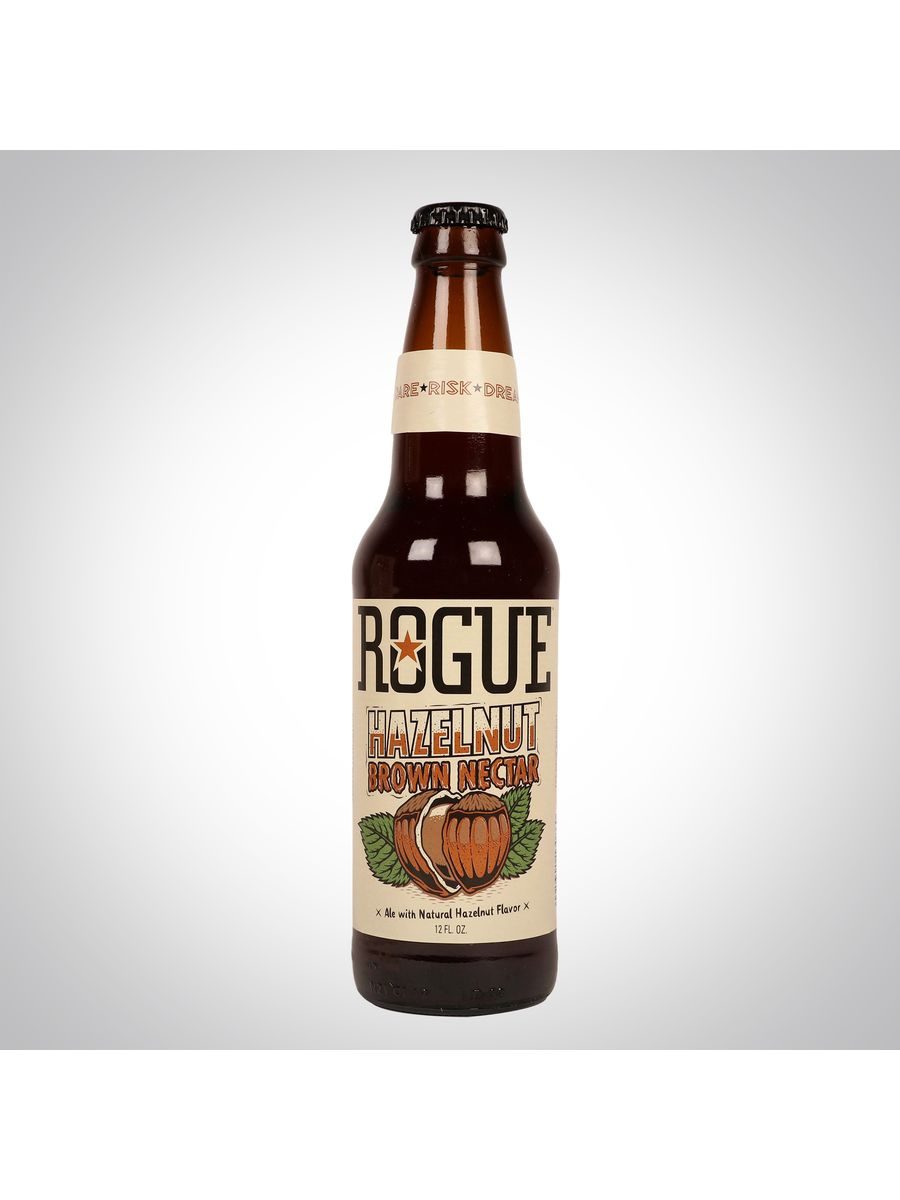
Hazelnut Brown Nectar
Brewed by Rogue Ales
The flavored brown ale that taught a generation how naturally nuts and malt fit.
BAR NOTES
Rogue’s classic uses hazelnut flavor to underline caramel, cocoa and toast already present in the malt bill. It is sweeter and more aromatic than a standard American brown, but a firm enough finish preserves drinkability.
Serve at 46–48°F with roast pork, aged Gouda or chocolate-hazelnut dessert. A smaller tulip concentrates the aroma, while an ice-cold shaker pint turns its signature nut character strangely mute.
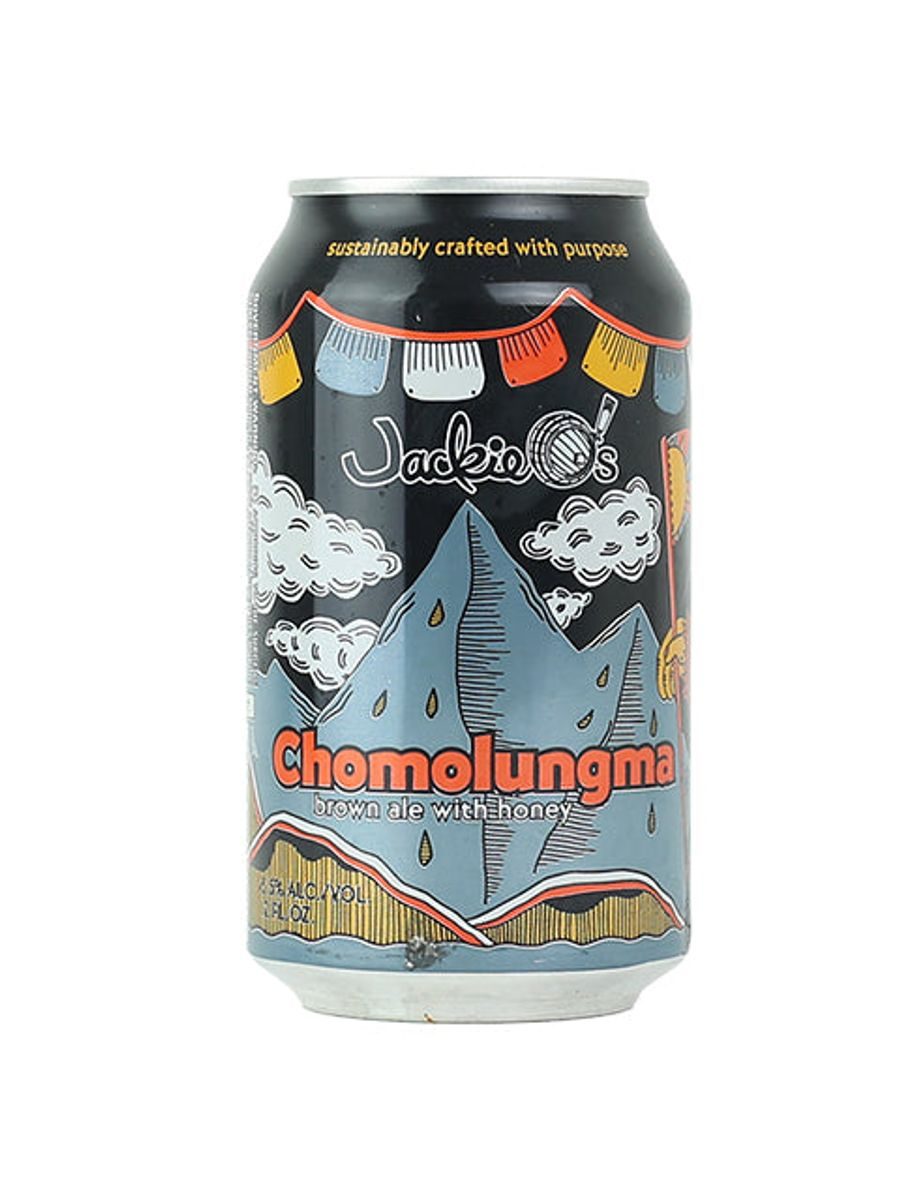
Chomolungma
Brewed by Jackie O's Brewery
Seven malts and local honey create a brown ale with genuine altitude.
BAR NOTES
Named for the Tibetan word for Mount Everest, Chomolungma uses seven malts, three hop varieties and Ohio wildflower honey. The honey ferments mostly dry, adding floral lift rather than sticky sweetness to the nutty, chocolate-rich base.
Serve near 47°F with glazed ham, roast root vegetables or a sturdy cheddar. Its extra strength is subtle, so the beer works best as a deliberate pint rather than an absent-minded six-pack crusher.
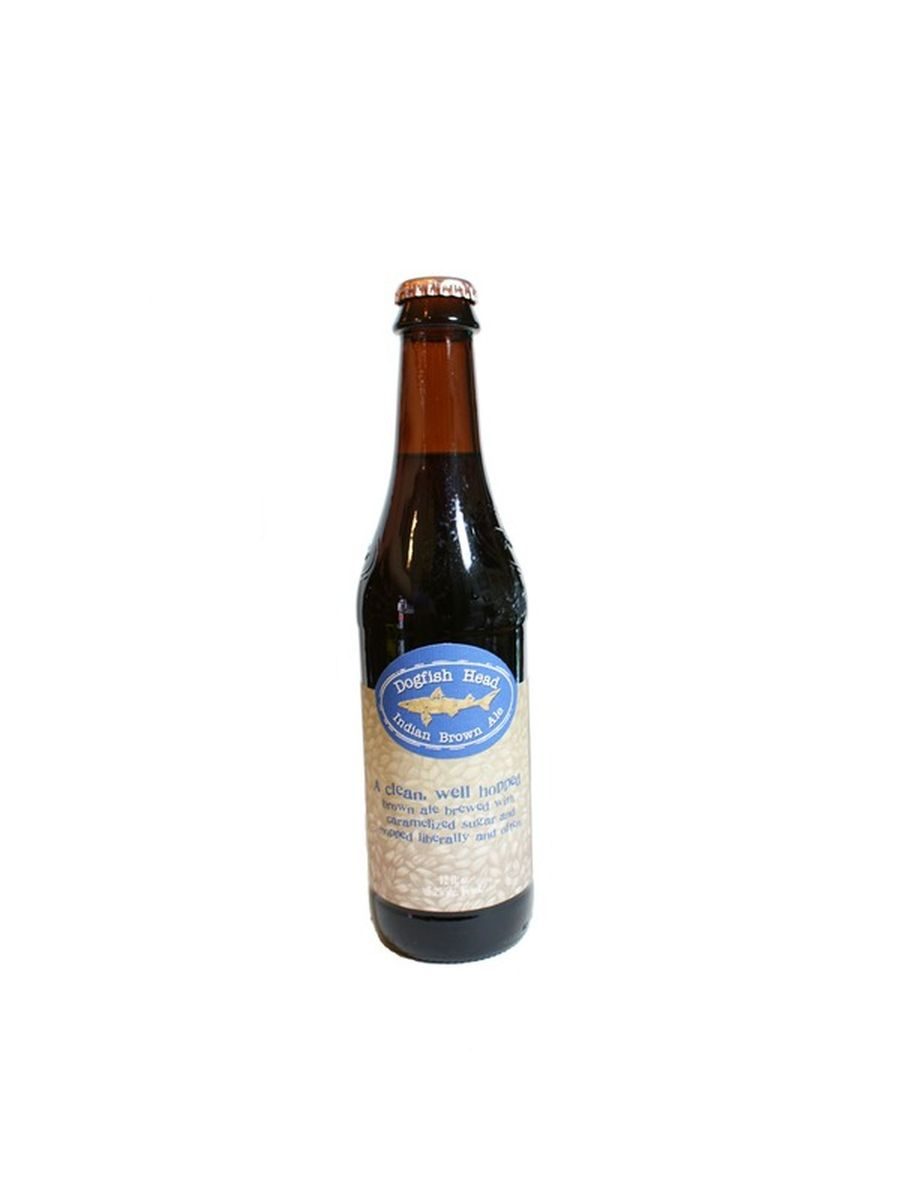
Indian Brown Ale
Brewed by Dogfish Head Craft Brewery
A formative hybrid that connected brown ale, IPA and dark sugar before mashups were fashionable.
BAR NOTES
Dogfish Head brewed this as a cross between Scotch ale, India pale ale and American brown. Caramelized sugar deepens the body while liberal hopping drives citrus and bitterness through chocolate, raisin and toasted malt.
Prioritize fresh bottles because faded hops leave the dark sugar exposed. Serve around 48°F with barbecue ribs, smoked Gouda or a rich burger, all of which can absorb its sweetness and bite.
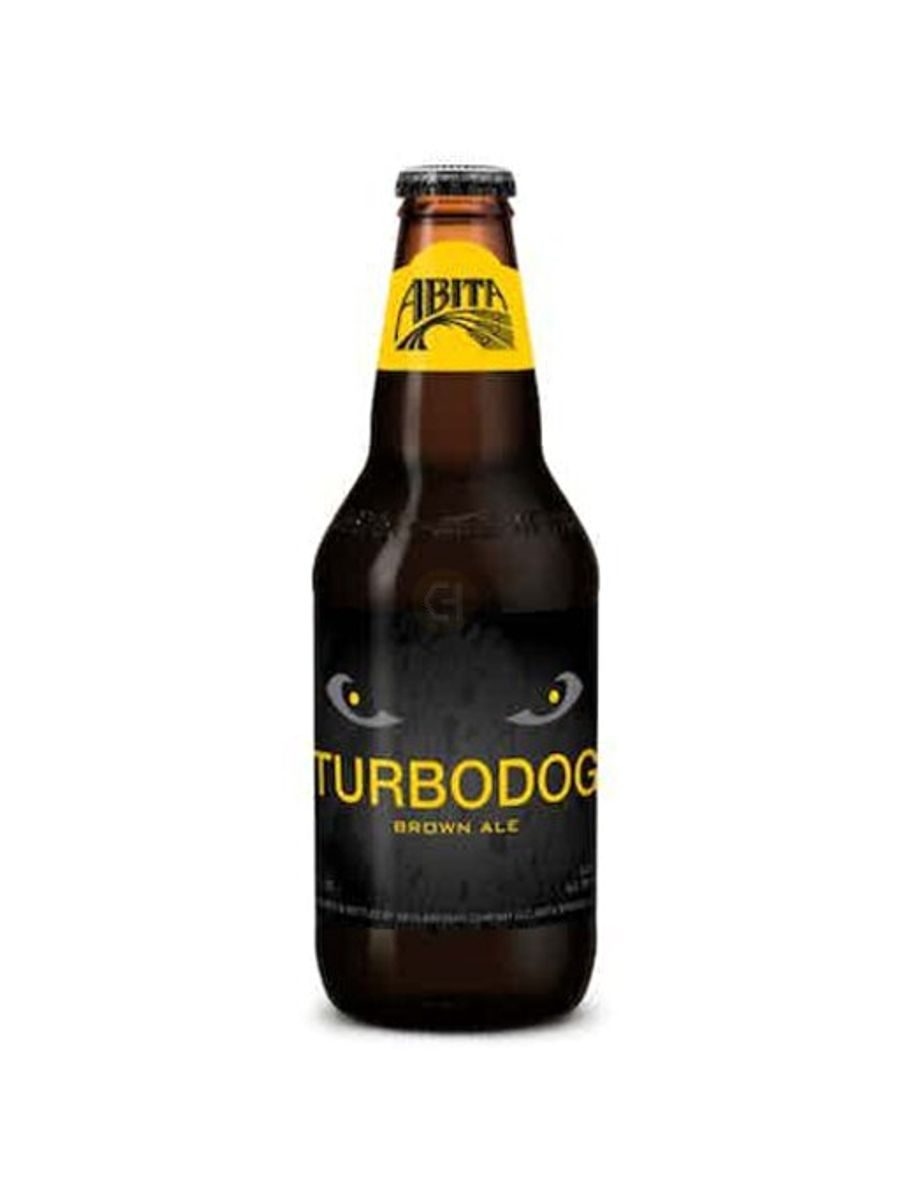
Turbodog
Brewed by Abita Brewing Co.