12 Best Pre-Prohibition Lagers to Drink in 2026
Pre-Prohibition lager was American pilsner before American lager became shorthand for pale, quiet and nearly weightless.
These 12 beers begin with direct recreations and modern revivals, then move into surviving heritage brands that help explain how the style evolved.
The best pre-Prohibition lagers at a glance
Live Oak Pre-War Pils is the best overall and the clearest 1912-style benchmark. Jack’s Abby is the strongest and most substantial; Conrad Seipp gives Chicago history a properly bitter six-row-and-corn frame. Champagne Velvet and Shiner 1909 are the most approachable heritage revivals. The final five are context bottles—important old American lager names, not claims of unchanged century-old recipes.
What pre-Prohibition lager actually tastes like
Classic American pilsner adapted German brewing to American ingredients. Protein-rich six-row barley often needed corn or rice to lighten the body and improve clarity. Cluster and imported noble-type hops supplied more bitterness and aroma than most modern standard lager. The usual target is deep yellow to gold, clean fermentation, firm grain, a dry finish and roughly 25–40 IBUs.
That makes the style different from merely being old. Budweiser, Coors and High Life existed before 1920, but their present formulations are not automatically strict historical examples. This ranking separates direct reconstructions from heritage comparisons so the history stays useful instead of becoming label nostalgia.
The 12 best pre-Prohibition lagers and heritage comparisons
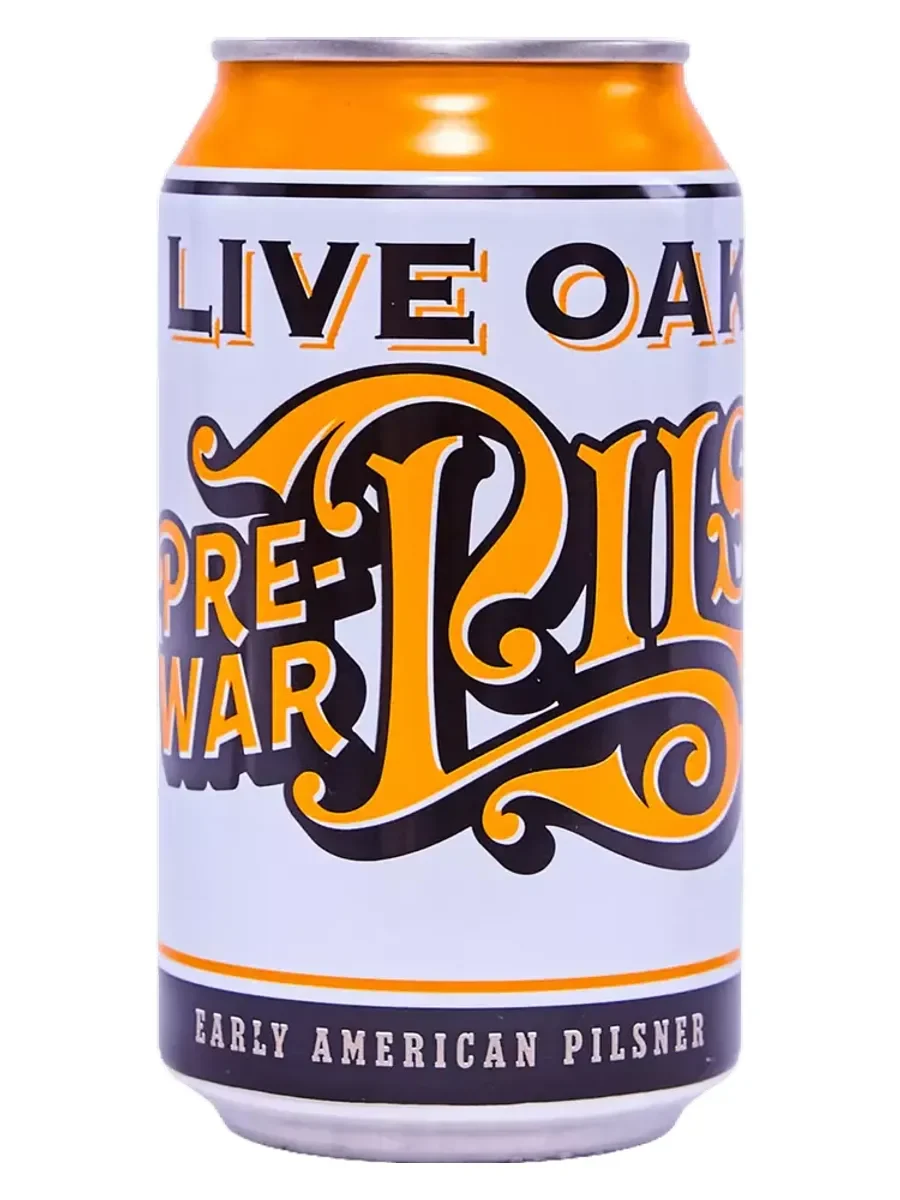
Live Oak Pre-War Pils
Brewed by Live Oak Brewing Company
Corn-grit body, firm old-school bitterness and clean lager fermentation make this the clearest modern style benchmark.
BAR NOTES
Live Oak starts with a documented 1912 German-American formula and mashes with 35% corn grits. That matters: the adjunct lightens high-protein American malt without stripping away the grainy, substantial center.
At 32 IBUs, it is noticeably more bitter than today’s mass-market lager. Serve it around 42–45°F with fried chicken, bratwurst or sharp mustard, where the dry finish can reset the palate.
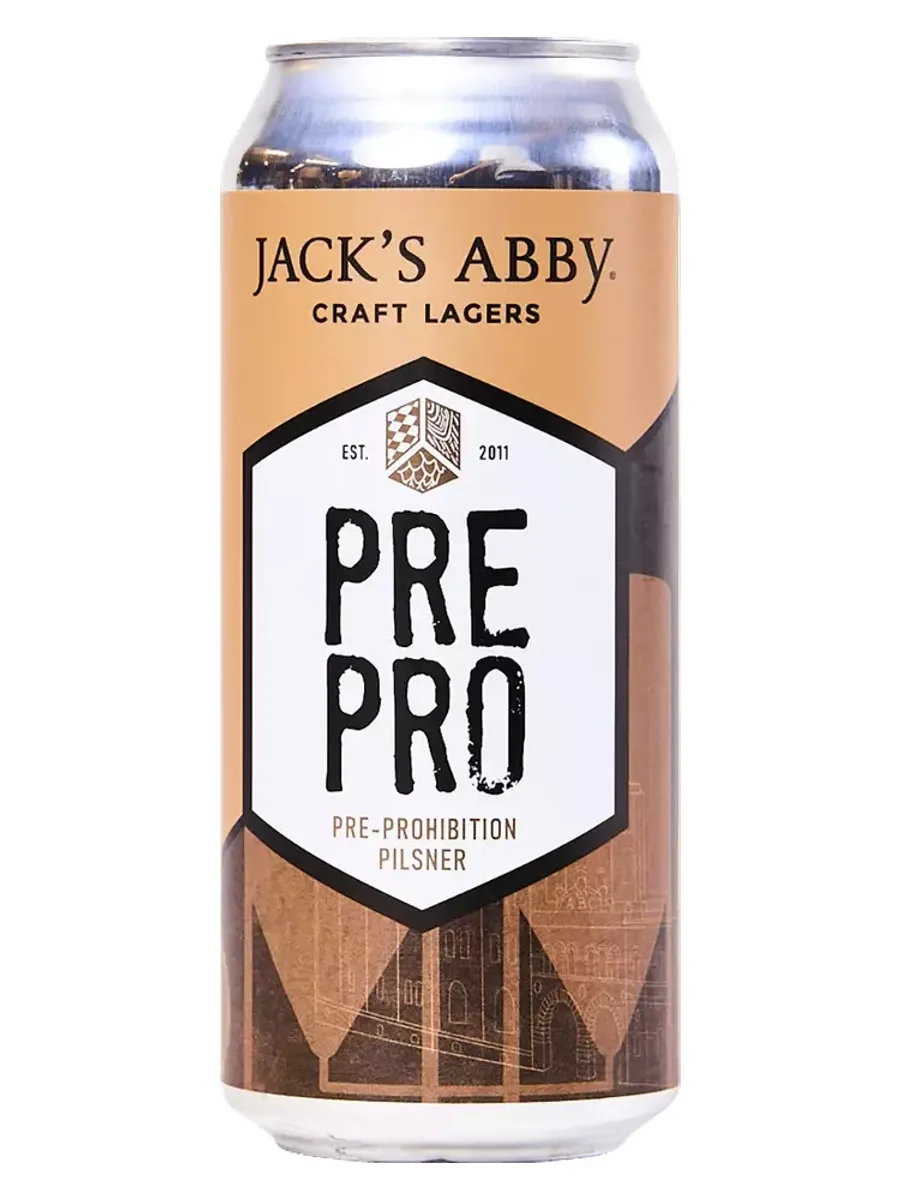
Jack’s Abby Pre Pro Pilsner
Brewed by Jack’s Abby Craft Lagers
A muscular golden lager with cereal depth, old-school American hops and more gravity than modern lawnmower beer.
BAR NOTES
Jack’s Abby uses a double mash of corn and barley, then pairs it with older American hop character. The result is fuller and stronger than most modern pale lager while retaining a crisp, disciplined finish.
The 5.8% strength pushes this toward the upper edge of the historical style. Give it a larger meal—roast chicken, kielbasa or a cheeseburger—and let the grainy sweetness meet salt and char.
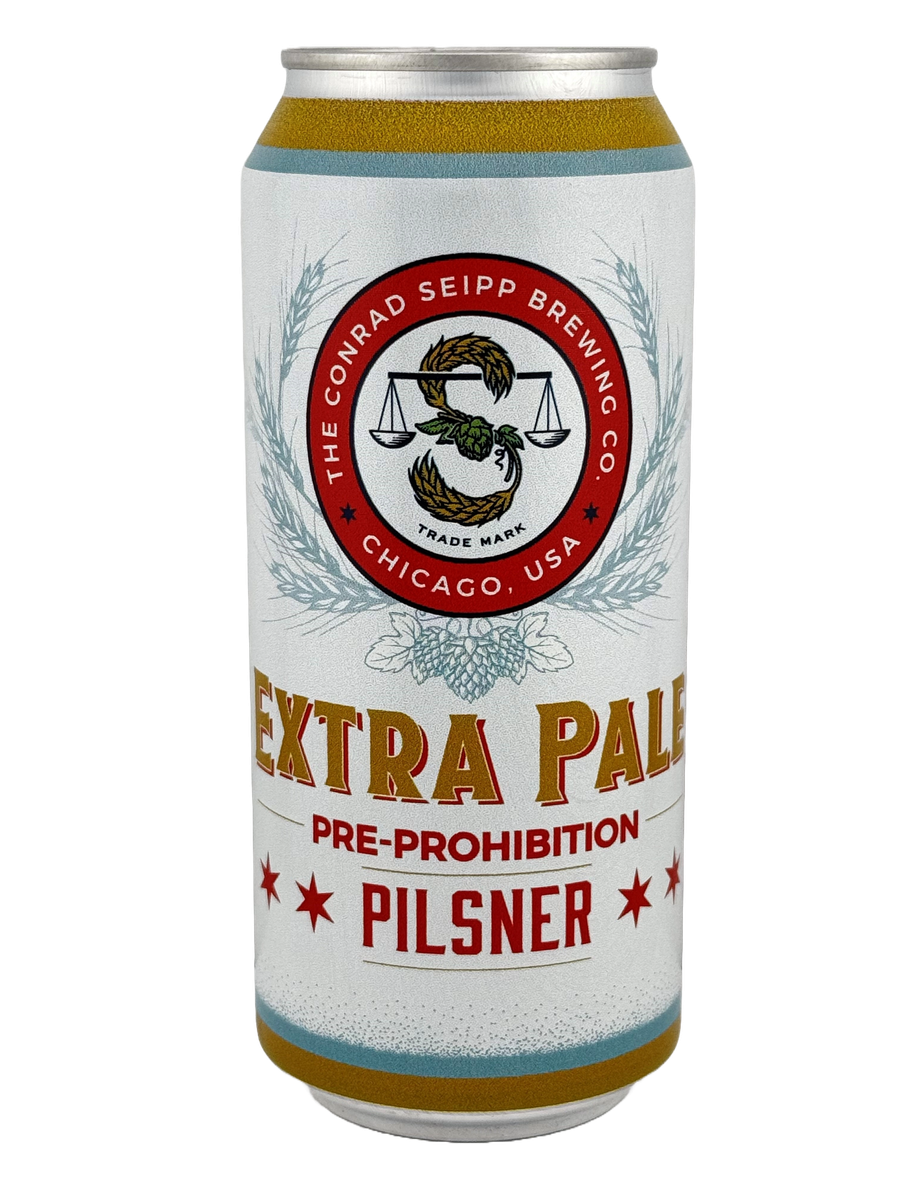
Conrad Seipp Pre-Prohibition Pilsner
Brewed by Conrad Seipp Brewing Company
Deep gold, grainy and herbal, with six-row malt, flaked corn and a dry Chicago-style historical finish.
BAR NOTES
This Chicago revival is built around the ingredients that define the style: six-row barley, flaked corn and spicy-herbal hops. It pours deeper gold than modern light lager and finishes with purposeful bitterness.
Drink it before the amber heritage beers so its cereal grain and hop edge remain easy to hear. Polish sausage, hot giardiniera or a tavern-cut pizza make historically appropriate, flavor-forward partners.
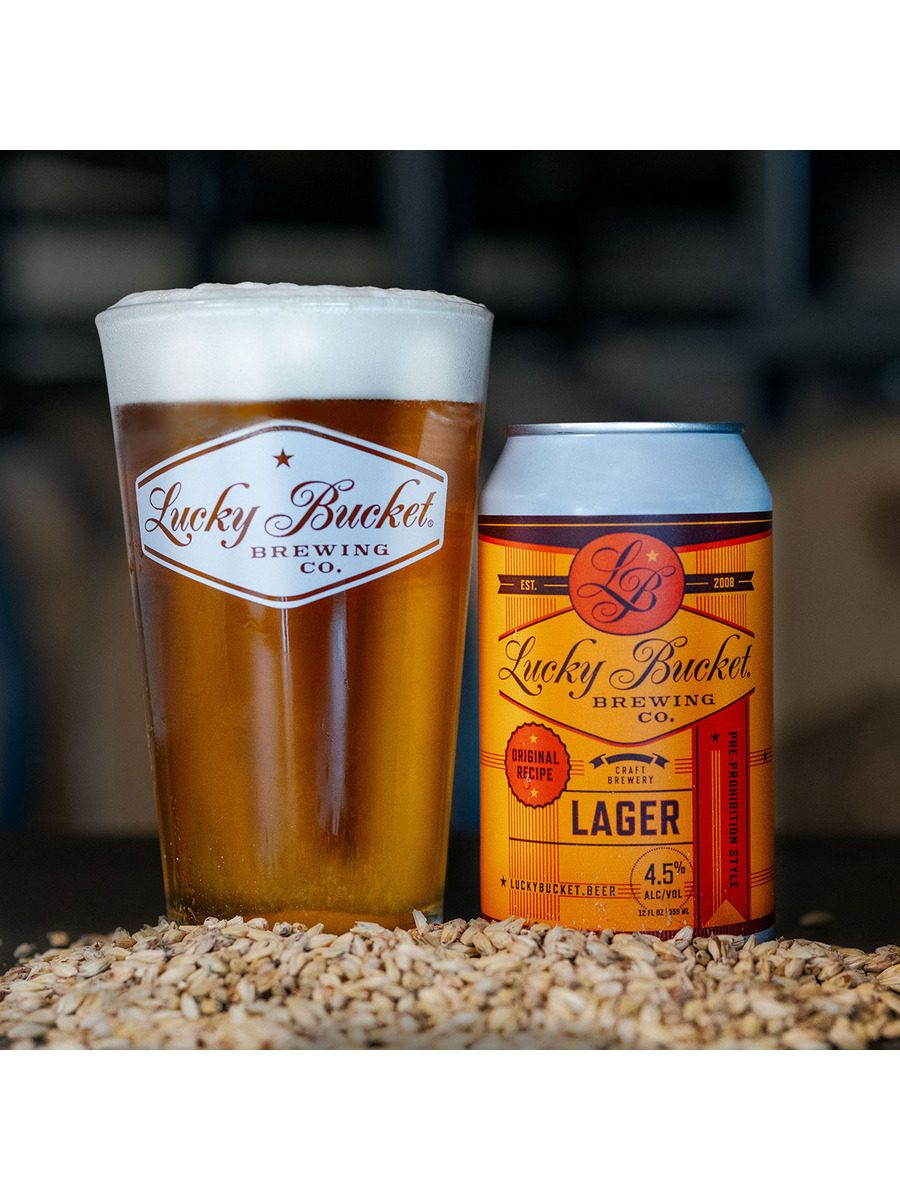
Lucky Bucket Pre-Prohibition Lager
Brewed by Lucky Bucket Brewing Company
A toasted, copper-leaning interpretation that trades pilsner brightness for caramel malt and balanced bitterness.
BAR NOTES
Lucky Bucket shows the amber side of the idea. Toast and light caramel sit ahead of the hops, but the beer avoids becoming a sweet Vienna-lager imitation by keeping the finish clean and balanced.
Its moderate strength and darker malt make it a natural bridge toward Yuengling and Brooklyn Lager later in the flight. Pair it with grilled pork, onion rings or a roast-beef sandwich.
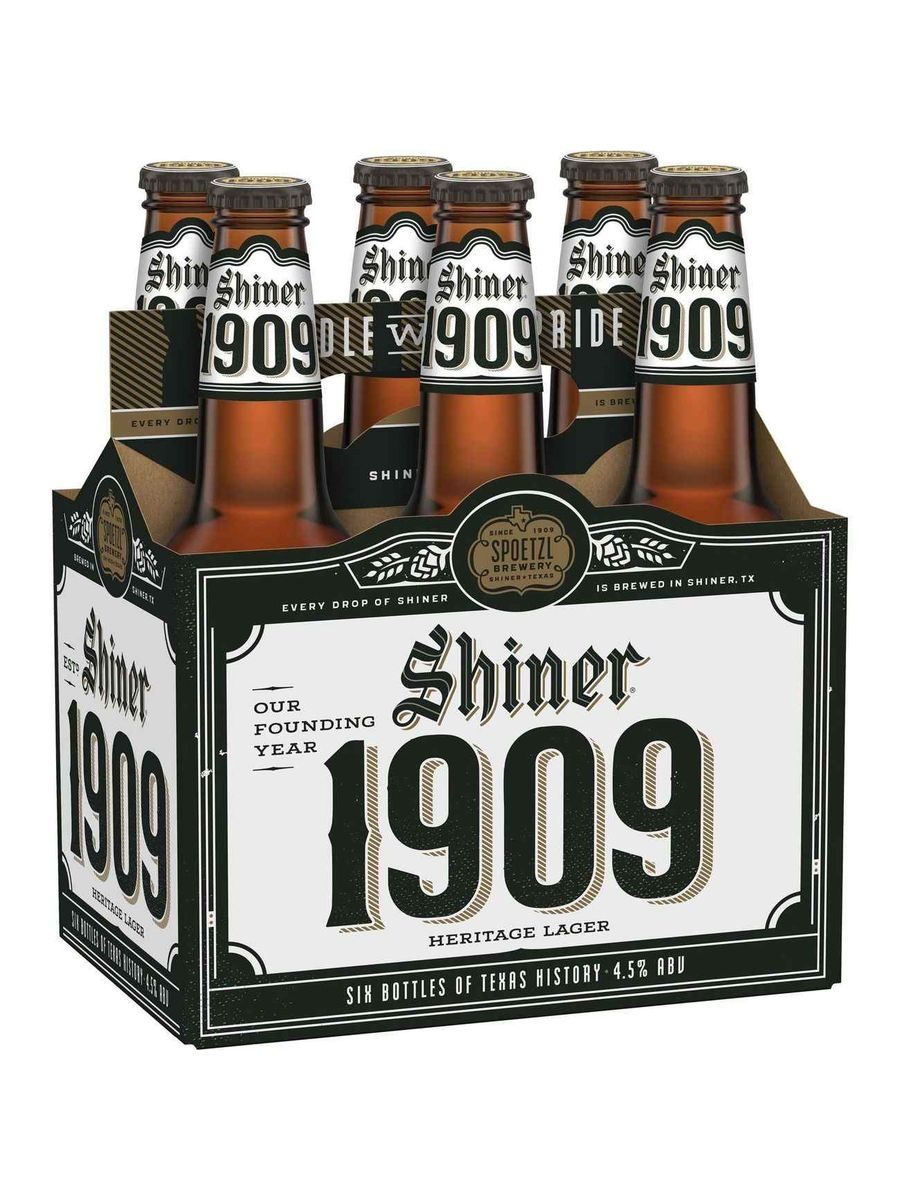
Shiner 1909 Heritage Lager
Brewed by Spoetzl Brewery
A pale, crisp heritage lager using old-school brewery cues without turning the glass into a museum exhibit.
BAR NOTES
Shiner 1909 was designed around the brewery’s founding-era ingredients and story. Heritage barley, noble hops and house lager yeast give it a softer, maltier profile than aggressively lean modern American lager.
This bottle is especially useful for comparison with Coors Banquet and High Life: similar refreshment, but a more explicit historical brief. Serve with barbecue sausage, pecans or a simple ham sandwich.
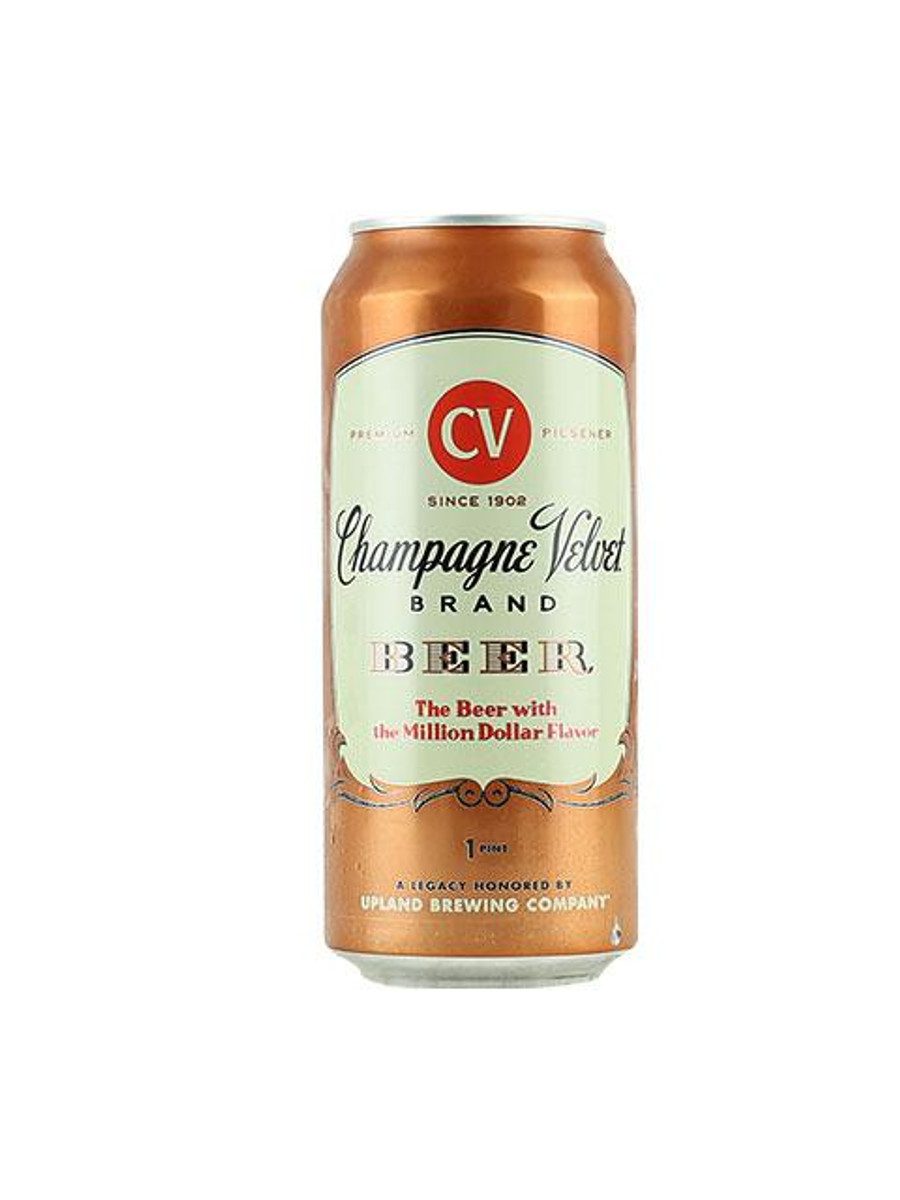
Upland Champagne Velvet
Brewed by Upland Brewing Company
A revived Indiana pilsener with corn softness, bright carbonation and a fuller “million dollar flavor” finish.
BAR NOTES
Champagne Velvet revives a Terre Haute brand and recipe lineage dating to 1902. Upland keeps the beer approachable, but the corn-supported body and 5.5% strength give it more presence than bargain-lager nostalgia suggests.
The fine carbonation makes the name feel earned, especially from a narrow pilsner glass. Fried pork tenderloin, popcorn or buttery biscuits all work with its soft grain and crisp closing snap.
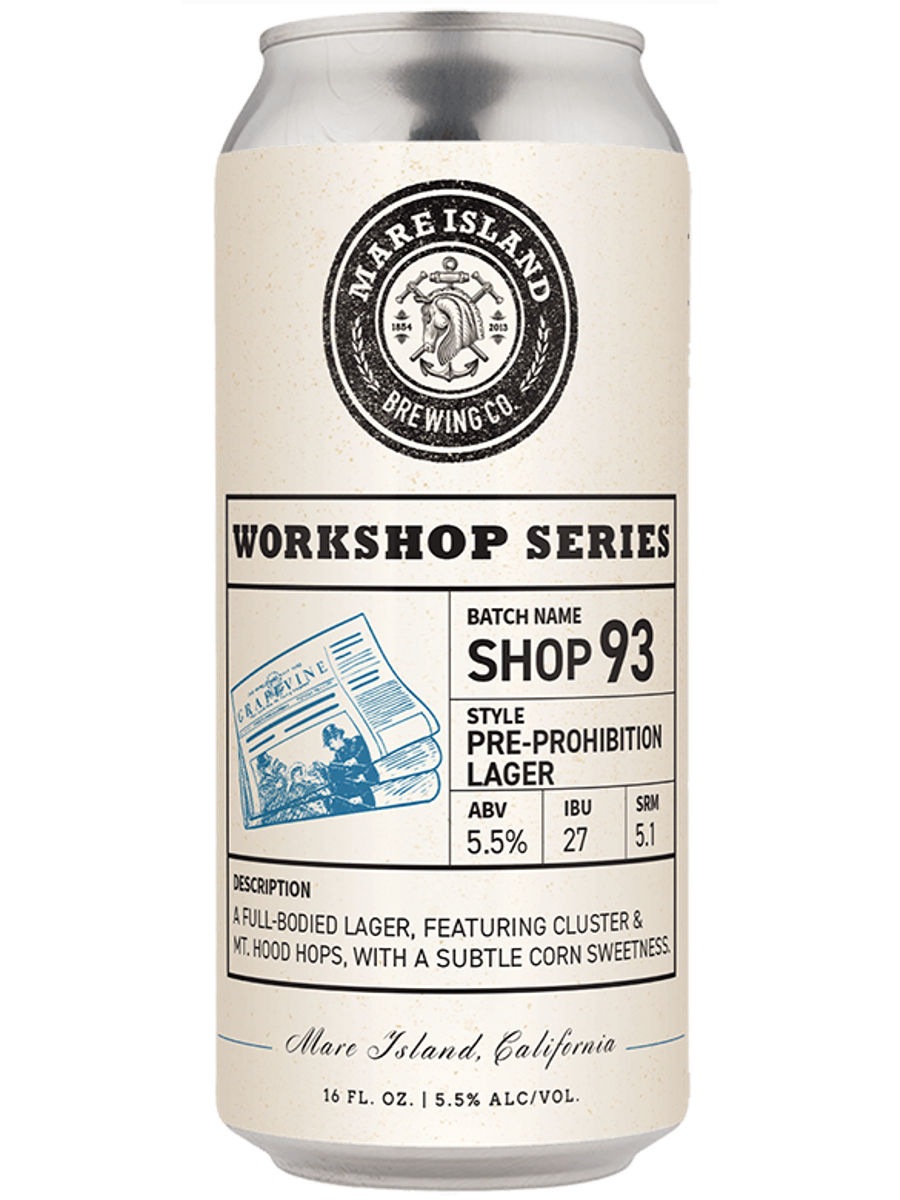
Shop 93 Pre-Prohibition Lager
Brewed by Mare Island Brewing Co.
A limited shipyard-inspired release with pale malt, measured bitterness and the sturdy build of an early industrial lager.
BAR NOTES
Shop 93 connects pre-Prohibition lager to American industrial history, naming the beer for Mare Island’s print shop. At 27 IBUs and 5.5%, the structure is firmer than modern standard lager.
This is an archive or rotating release, so freshness and availability matter more than chasing an old can. If you find it, pour with grilled seafood, sourdough or a salty deli sandwich.
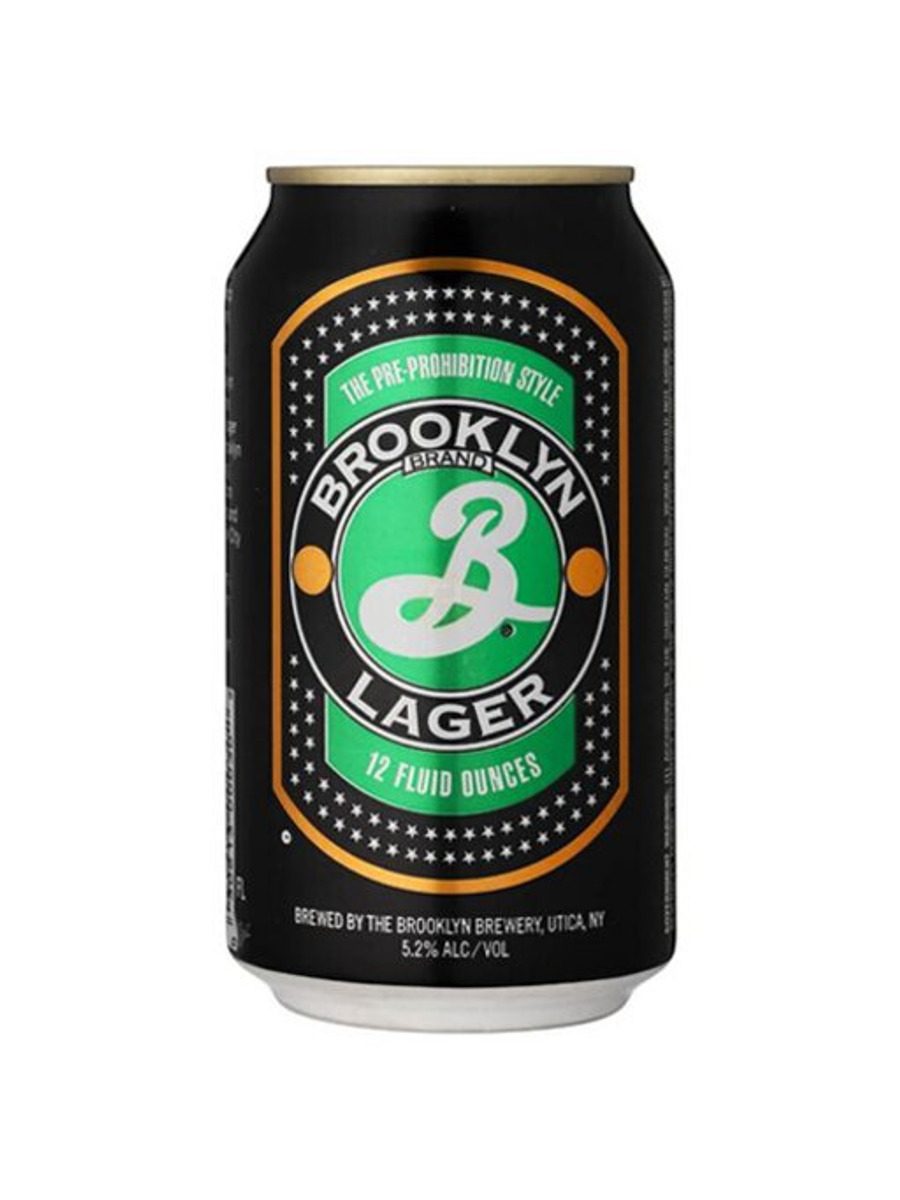
Brooklyn Lager
Brewed by Brooklyn Brewery
Dry-hopped amber lager that popularized an imagined pre-Prohibition New York profile for modern craft drinkers.
BAR NOTES
Brooklyn Lager is not a literal surviving 1890s recipe, but its amber color, firm malt and floral dry hopping helped define what pre-Prohibition-inspired American lager meant to early craft-beer drinkers.
Treat it as a historical interpretation rather than a strict BJCP specimen. Pizza, pastrami or a pretzel with mustard fit the caramel-and-hop balance, while a slightly warmer pour opens the malt.
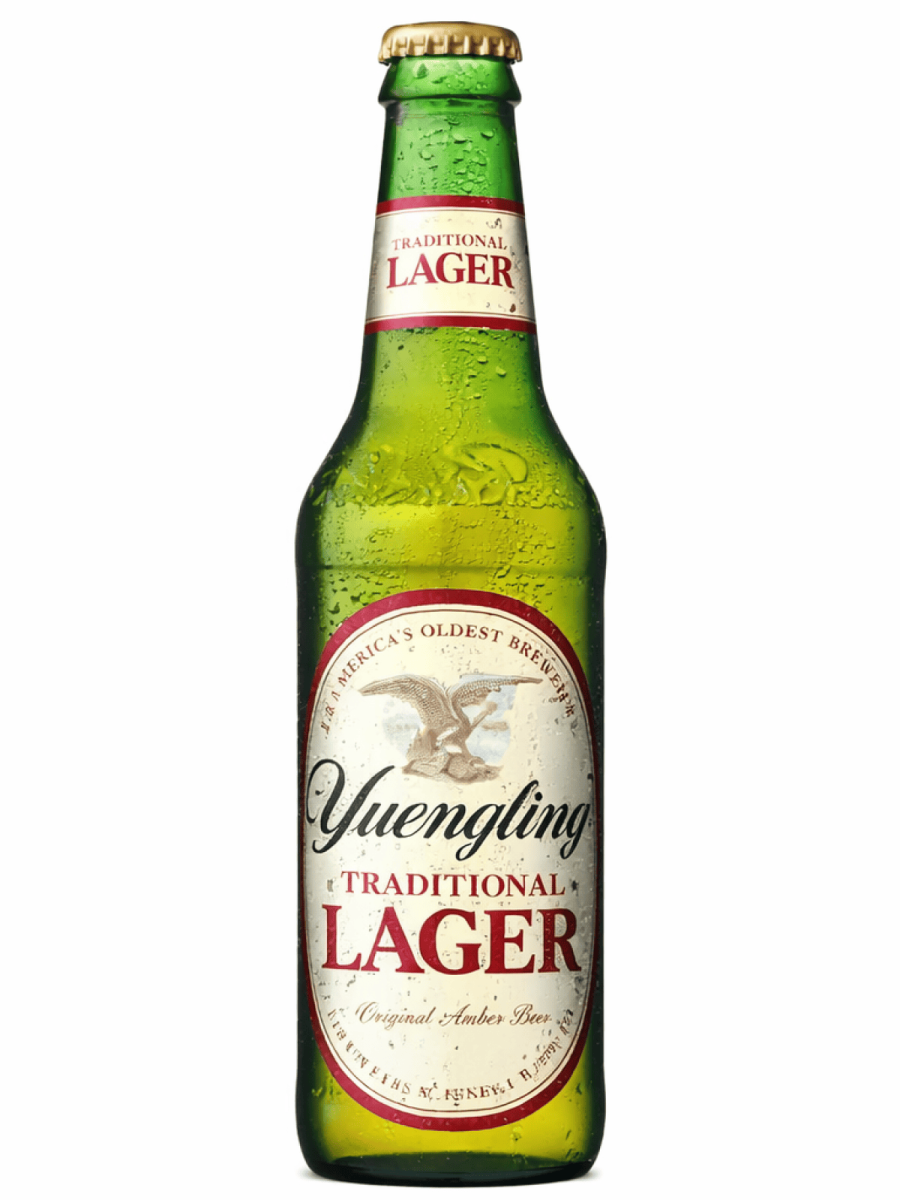
Yuengling Traditional Lager
Brewed by D. G. Yuengling & Son
Caramel malt, light hop bitterness and regional continuity from America’s oldest operating brewery.
BAR NOTES
Yuengling’s modern flagship was reintroduced long after Prohibition, yet its amber, balanced profile deliberately points toward the fuller lager common before national brands became progressively paler and lighter.
It is the most accessible amber comparison in this lineup. Serve it with wings, a cheesesteak or grilled sausage, then compare its caramel emphasis with Lucky Bucket’s cleaner historical reconstruction.
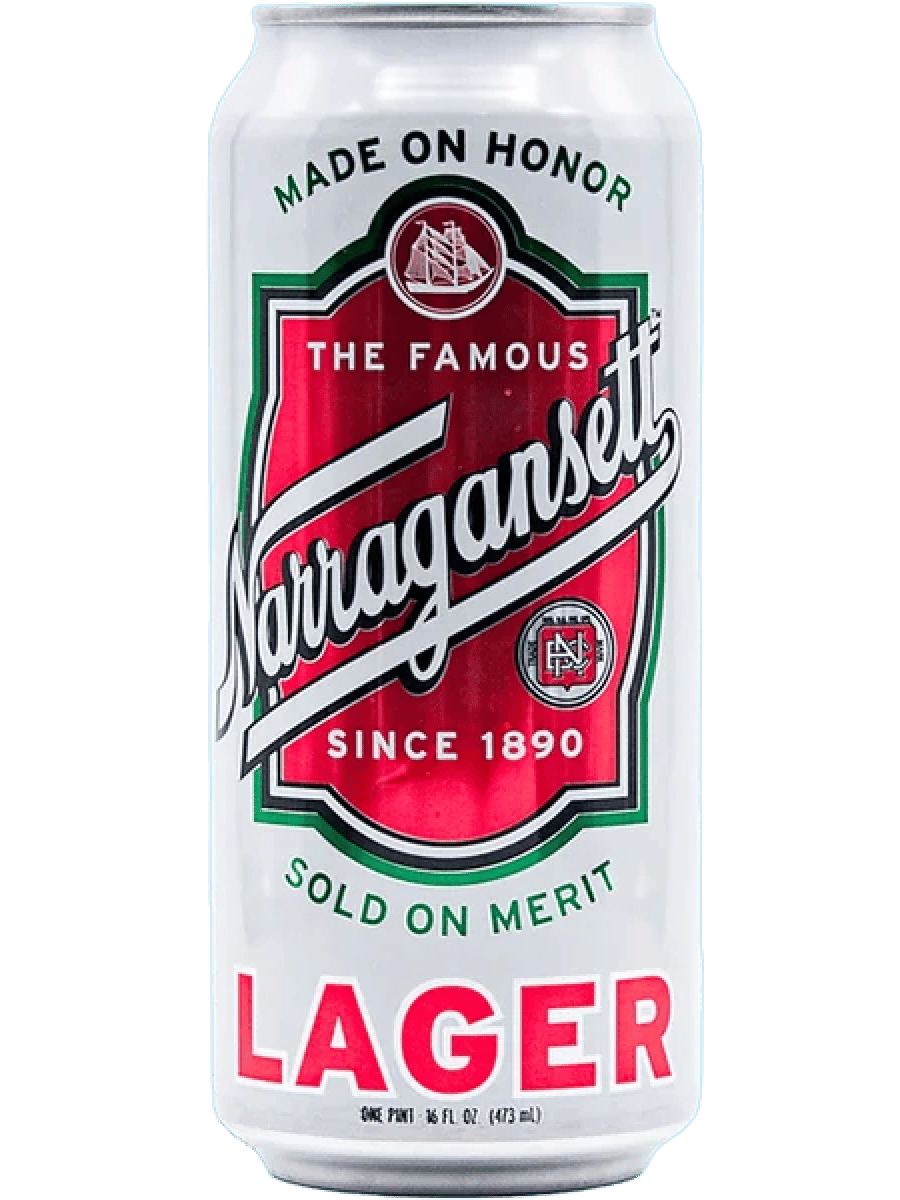
Narragansett Lager
Brewed by Narragansett Brewing Company
A crisp New England heritage lager with enough grain, sweetness and regional identity to outlive multiple beer eras.
BAR NOTES
Narragansett is here as a heritage benchmark, not a claim that every present-day detail matches its nineteenth-century brew. It preserves a regional lager identity with more body than many modern light beers.
Serve it cold with clam cakes, fried fish or a hot dog. Its value in the flight is contextual: this is what approachable American lager became while keeping a visible pre-Prohibition family name.
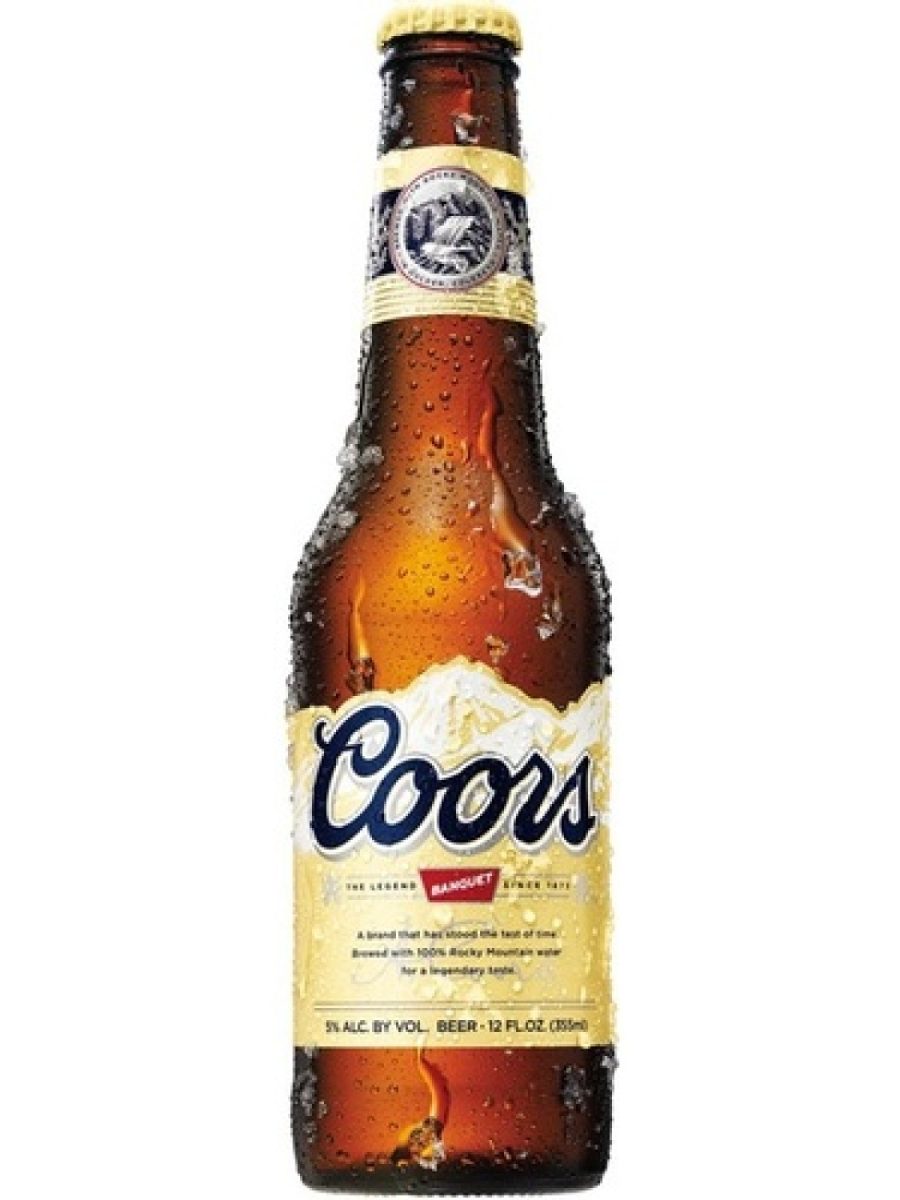
Coors Banquet
Brewed by Coors Brewing Company
A surviving pre-1920 brand with fruitier fermentation and more malt body than most national pale lagers.
BAR NOTES
Coors Banquet predates Prohibition, but today’s beer should be read as a surviving heritage lager rather than a strict recreation. Its gentle fruitiness and rounded grain still separate it from ultra-light descendants.
Use it as a control pour near the end of the tasting. Burgers, fried chicken and salty peanuts suit its balance, and the stubby bottle remains one of American beer’s strongest visual signatures.
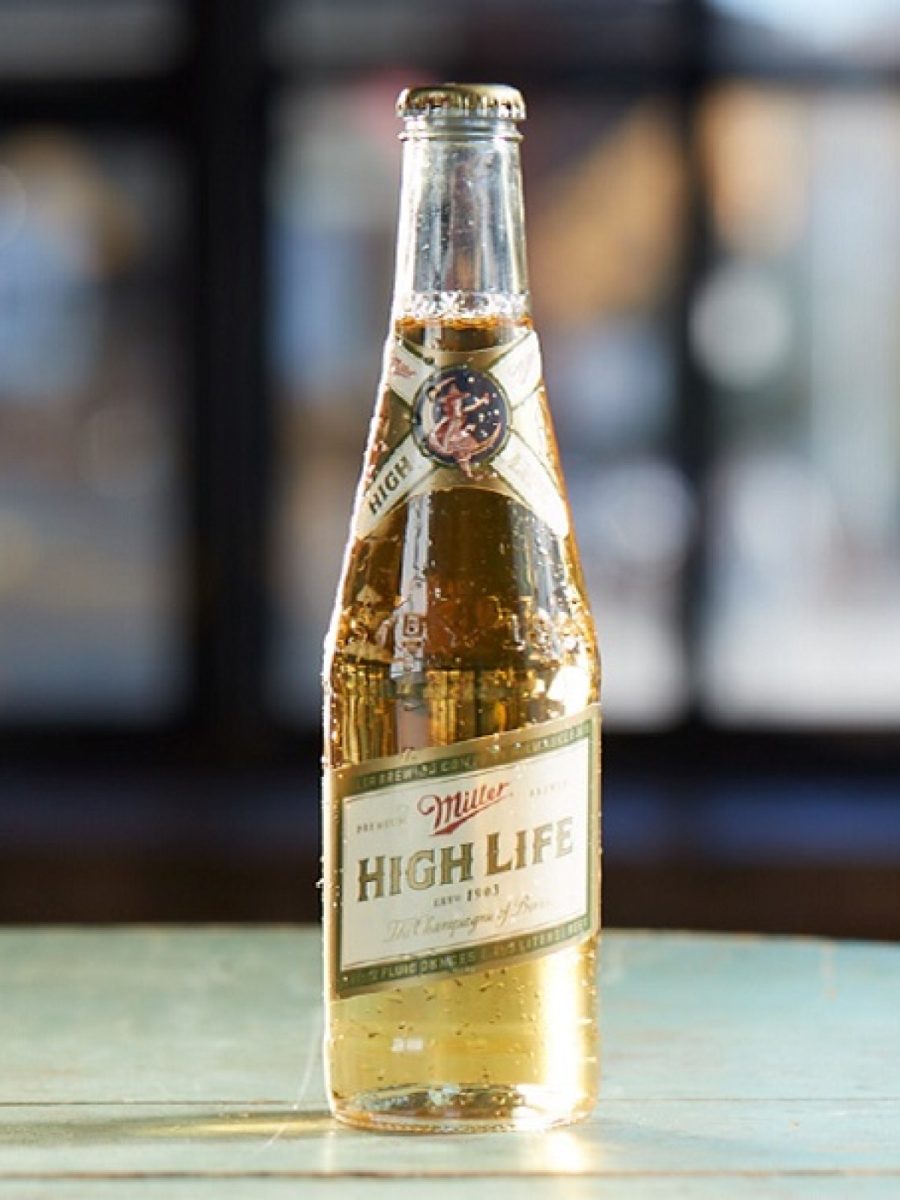
Miller High Life
Brewed by Miller Brewing Company
Bright, highly carbonated and dry—the pre-Prohibition survivor that best shows the road toward modern American lager.
BAR NOTES
High Life launched in 1903 and survived into a very different beer market. Its current profile is lighter than classic pre-Prohibition pilsner, yet the lively carbonation and clean grain make the historical through-line obvious.
Finish the flight here because its dryness and bubbles clear the palate after the amber beers. Serve very cold with fries, oysters or a smash burger, preferably from the classic clear bottle.
How to build the tasting flight
Pour Live Oak, Conrad Seipp and Jack’s Abby first to establish the historical grain-and-hop profile. Follow with Shiner 1909, Champagne Velvet, Shop 93 and Lucky Bucket. Finish with Brooklyn, Yuengling, Narragansett, Coors and High Life as the style moves toward familiar modern American lager.
Use six-ounce pours around 42–46°F. The historical recreations need enough warmth for corn, bread and herbal hops to appear; the national heritage lagers can be served a few degrees colder. Plain crackers and water keep the bitterness comparison honest.
Frequently asked questions
Why did early American lagers use corn?
American six-row barley contained more protein than the European malt familiar to immigrant brewers. Corn or rice diluted that protein, improved clarity and produced a lighter body while allowing the beer to retain meaningful malt and hop character.
Is pre-Prohibition lager stronger than modern American lager?
Usually it tastes fuller and more bitter, but not necessarily dramatically stronger. Historical-style examples commonly land around 4.5–6% ABV, with firmer grain and hopping doing more of the flavor work than alcohol.
Are Coors Banquet and High Life true style examples?
They are pre-Prohibition brand survivors and useful comparisons, not strict modern recreations of classic American pilsner. Their recipes and production evolved, which is why direct reconstructions rank ahead of them here.
Follow America’s Lager Lineage
Pre-Prohibition lager is where immigrant brewing knowledge met American barley, corn and Cluster hops. Compare the style with today’s lagers, trace its surviving brands, or brew the fuller pre-war profile yourself.
DRINK DEEPER
BREW IT YOURSELF

better beer.


