50 Weird Beer Additions That Actually Work
Beer can absorb almost anything—lobster, oysters, mushrooms, pickle brine, tea, peppers, breakfast cereal, marshmallow, cotton candy, or an entire bakery case. The hard part is making the addition taste intentional.
This combined Top 50 merges HBA’s two older community articles into one useful guide: real commercial examples, the odd ingredient or brewing move in every card, what it contributes, and where to keep exploring.
Two kinds of weird beer additions
Some additions go into the glass: tomato juice, Clamato, lime, olives, pickle brine, ginger wine, hot sauce, lemonade, cola, or a pinch of salt. Others go into the brewhouse, fermenter, or barrel, where yeast, heat, extraction, sanitation, and fermentation decide whether the result is brilliant or merely expensive soup.
The rankings below focus on finished commercial beers because a real bottle gives every addition a working example. If one ingredient grabs you, follow its contextual link into HBA’s deeper roundups for fruit beer, spicy beer, coffee beer, pickle beer, pastry stout, and more.
The community glass-addition hall of fame
The most repeated reader suggestions across the two original articles were tomato juice or Clamato, green olives, lemon or lime, ginger wine, pickle juice, hot sauce, salt, tropical fruit juice, herbs, and lemonade or cola. Those are serving hacks rather than beer styles, but several have established traditions behind them: micheladas, red beer, shandies, radlers, and salty citrus lagers.
Start with a small amount in a cheap, familiar beer and taste before adding more. Never put unknown drugs, unsafe foraged material, raw meat, or unverified extracts into a drink. “Weird” is supposed to mean interesting—not an ambulance with tasting notes.
The 50 weirdest beer additions that actually work
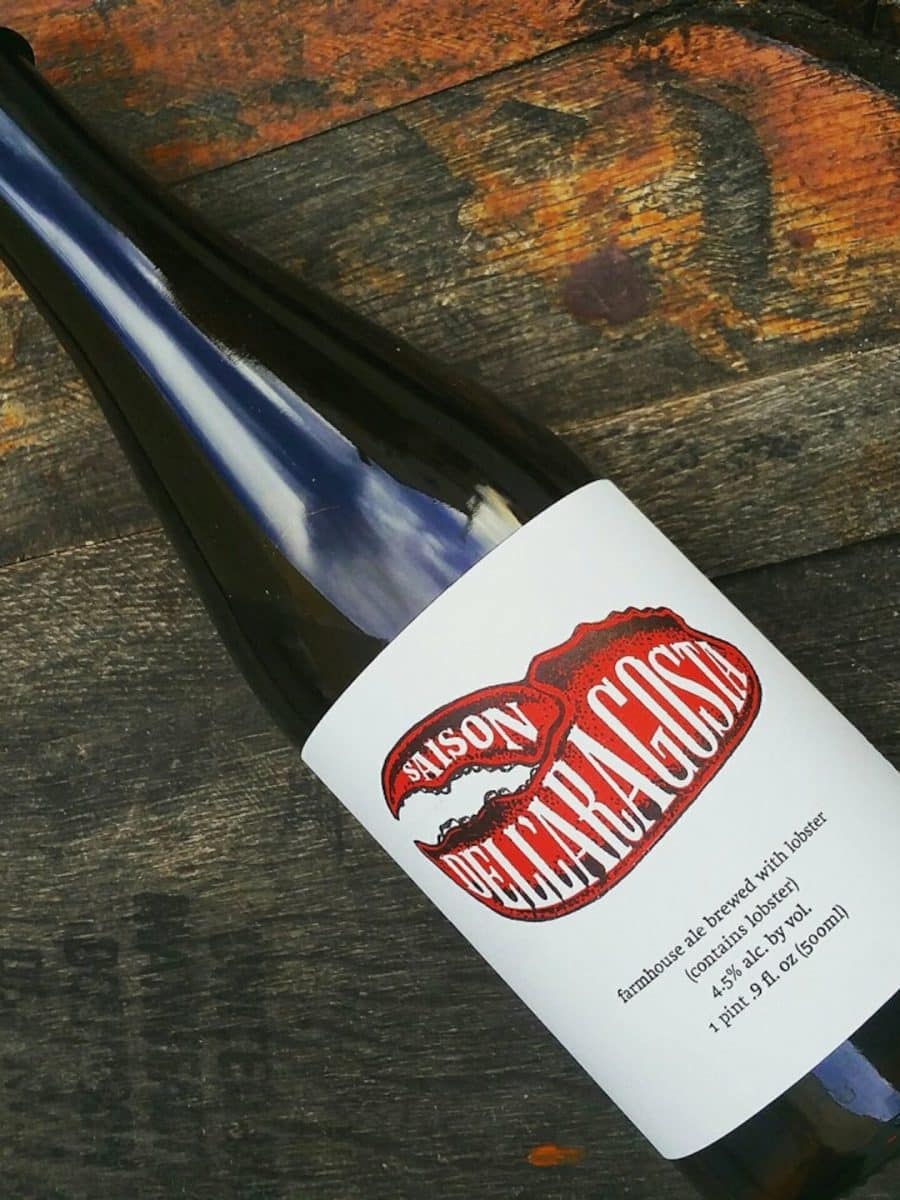
Lobster Saison
Brewed by Oxbow Brewing Company
A dry farmhouse ale brewed with Maine lobster and sea salt, turning a delicate saison into a briny, coastal experiment.
BAR NOTES
Lobster + sea salt sounds like a dare, but Lobster Saison gives it a real brewing job. A dry farmhouse ale brewed with Maine lobster and sea salt, turning a delicate saison into a briny, coastal experiment.
Savory additions need restraint, acidity, and a dry finish or the glass starts tasting like soup. Serve this cold beside fried food, seafood, sharp cheese, or barbecue, then use the saison guide to compare the underlying beer style.
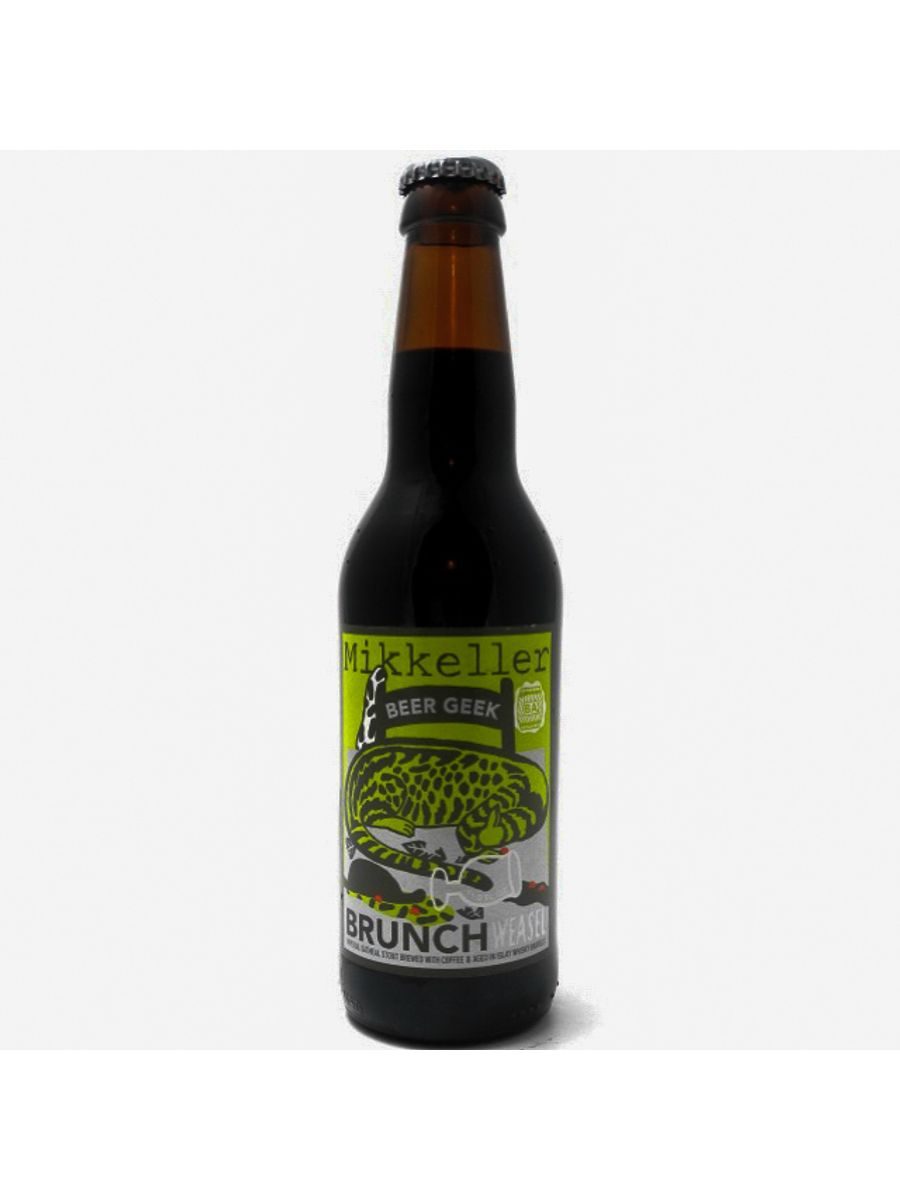
Civet Coffee Barrel Stout
Brewed by Mikkeller
Civet-processed coffee and smoky Islay whisky barrels push imperial stout into espresso, peat, oak, and dark-chocolate territory.
BAR NOTES
Civet Coffee Barrel Stout proves civet coffee + islay whisky barrels can be more than label bait. Civet-processed coffee and smoky Islay whisky barrels push imperial stout into espresso, peat, oak, and dark-chocolate territory.
Roast-heavy additions become harsh when coffee, char, and alcohol all peak at once, so temperature and balance matter. Pour a small serving, let it warm gradually, and compare gentler examples in the coffee beer roundup.

Oyster Stout
Brewed by Porterhouse Brew Co.
Real oysters add mineral depth and a faint saline snap to a dry, roasty stout rather than making the pint taste overtly fishy.
BAR NOTES
The strange part of Oyster Stout is oysters + shells; the smart part is how Porterhouse Brew Co. makes it fit the base beer. Real oysters add mineral depth and a faint saline snap to a dry, roasty stout rather than making the pint taste overtly fishy.
Savory additions need restraint, acidity, and a dry finish or the glass starts tasting like soup. Serve this cold beside fried food, seafood, sharp cheese, or barbecue, then use the stout guide to compare the underlying beer style.
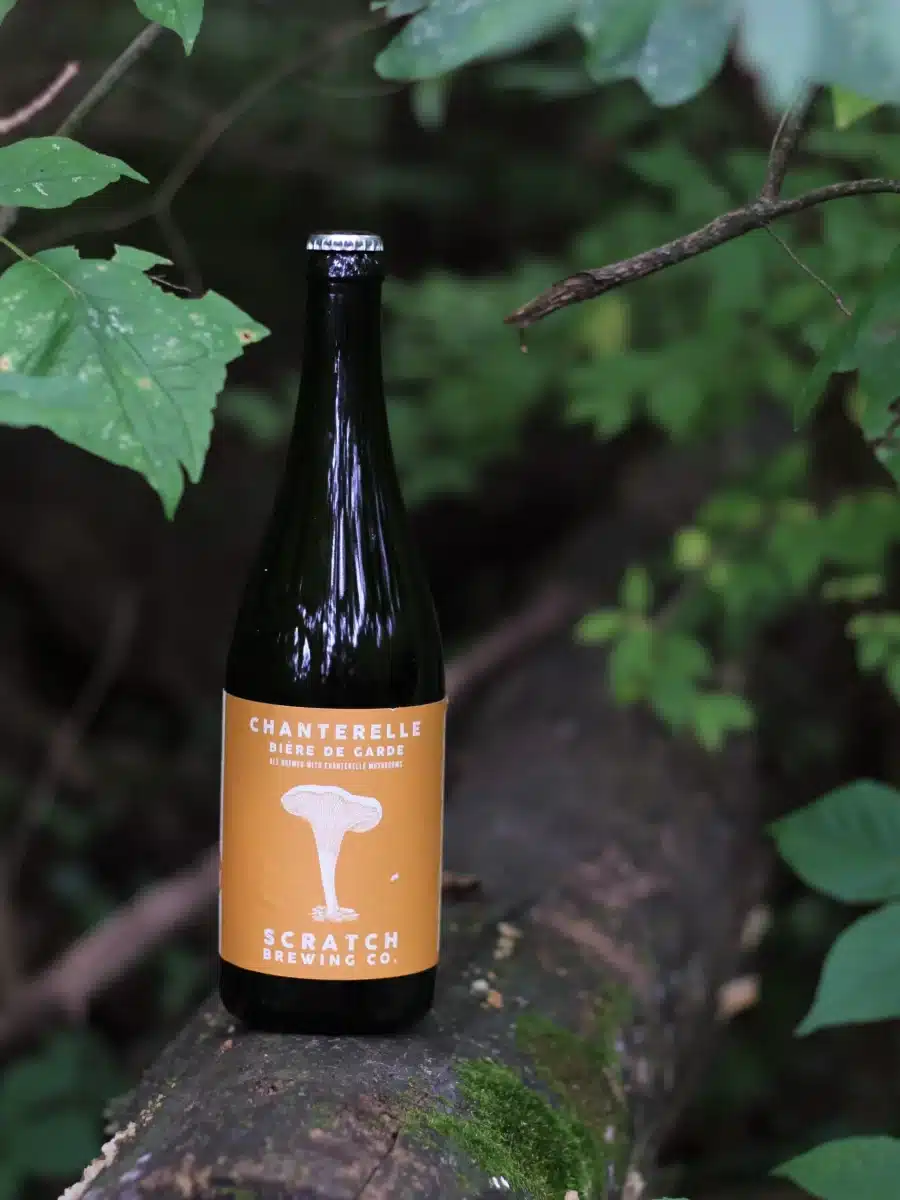
Mushroom Beer
Brewed by Scratch Brewing Company
Foraged chanterelles add apricot-like fruit, earth, and woodland savoriness to a malt-forward French farmhouse framework.
BAR NOTES
With foraged chanterelle mushrooms, Mushroom Beer pushes chanterelle bière de garde beyond its normal borders. Foraged chanterelles add apricot-like fruit, earth, and woodland savoriness to a malt-forward French farmhouse framework.
Botanicals are easiest to overdo because extraction continues quickly and perfume can outrun malt. The best versions keep the finish dry and the aroma recognizable; explore related approaches in the farmhouse ale guide.

Pickle Beer
Brewed by Martin House Brewing Company
Dill-pickle brine turns a tart wheat beer into a salty, herbal, unmistakably Texan crossover between beer and bar snack.
BAR NOTES
Dill pickle brine sounds like a dare, but Pickle Beer gives it a real brewing job. Dill-pickle brine turns a tart wheat beer into a salty, herbal, unmistakably Texan crossover between beer and bar snack.
Savory additions need restraint, acidity, and a dry finish or the glass starts tasting like soup. Serve this cold beside fried food, seafood, sharp cheese, or barbecue, then use the pickle beer roundup to compare the underlying beer style.

Maple Bacon Coffee Porter
Brewed by Funky Buddha Brewery
Coffee, maple sweetness, cocoa, and smoke reconstruct a diner breakfast inside a porter without adding actual greasy bacon texture.
BAR NOTES
Maple Bacon Coffee Porter proves coffee + maple + smoke can be more than label bait. Coffee, maple sweetness, cocoa, and smoke reconstruct a diner breakfast inside a porter without adding actual greasy bacon texture.
Dessert additions work only when roast, acidity, bitterness, or alcohol supplies a counterweight. Split the bottle, avoid an equally sweet pairing, and follow the ingredient into the maple beer guide.
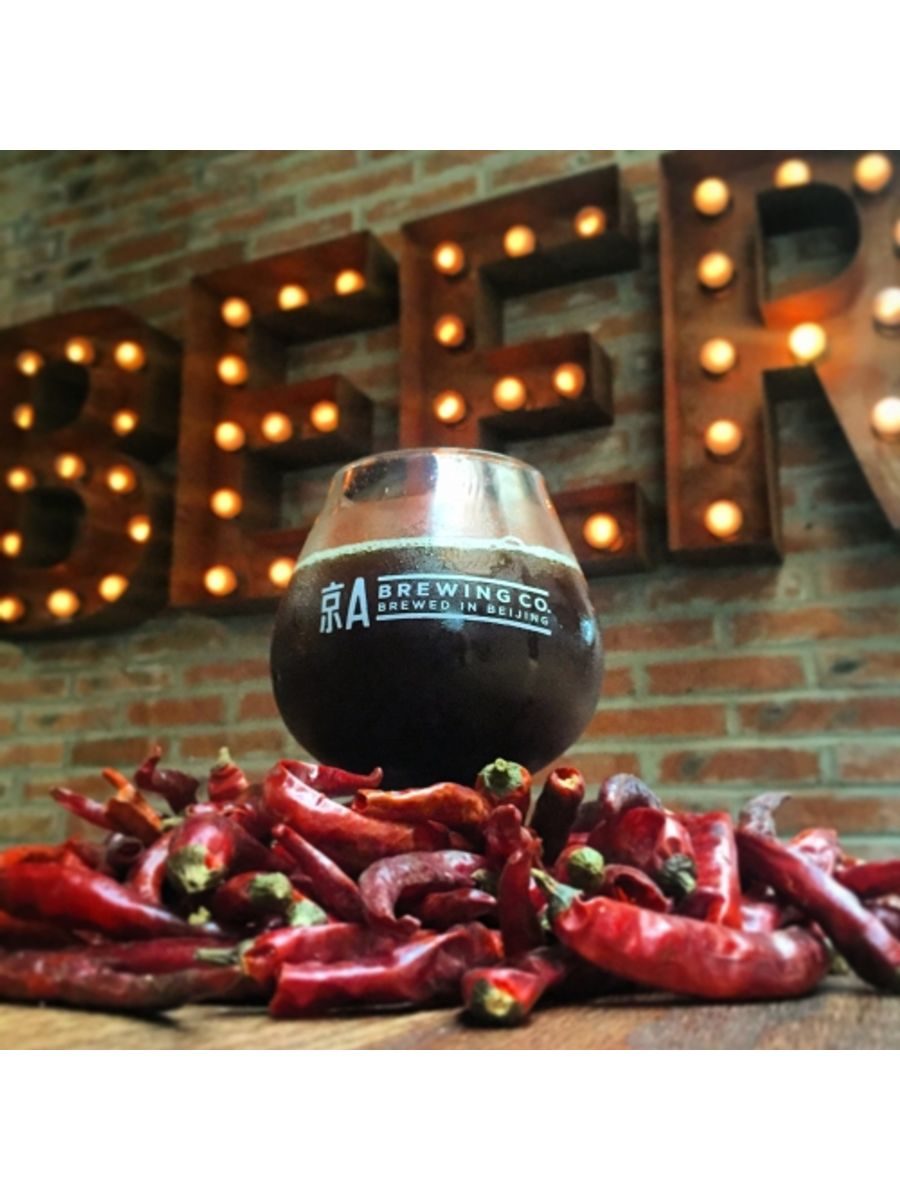
Smoked Chili Porter
Brewed by Jing-A Brewing Co.
Smoked Guizhou chiles sharpen coffee, cocoa, and porter roast with dried-pepper aroma and a controlled warming finish.
BAR NOTES
The strange part of Smoked Chili Porter is smoked guizhou chiles; the smart part is how Jing-A Brewing Co. makes it fit the base beer. Smoked Guizhou chiles sharpen coffee, cocoa, and porter roast with dried-pepper aroma and a controlled warming finish.
Heat should arrive after the beer’s malt, fruit, or roast—not replace it. Small additions, measured contact time, and repeated tasting protect drinkability; the spicy beer guide shows how other brewers control spice.

Scots Pine Ale
Brewed by Williams Bros. Brewing Co.
Pine and spruce shoots meet a strong Scottish ale, then barrel aging adds oak, vanilla, and warming depth to the forest aromatics.
BAR NOTES
With pine + spruce shoots, Scots Pine Ale pushes pine and spruce ale beyond its normal borders. Pine and spruce shoots meet a strong Scottish ale, then barrel aging adds oak, vanilla, and warming depth to the forest aromatics.
Botanicals are easiest to overdo because extraction continues quickly and perfume can outrun malt. The best versions keep the finish dry and the aroma recognizable; explore related approaches in the gruit ale guide.
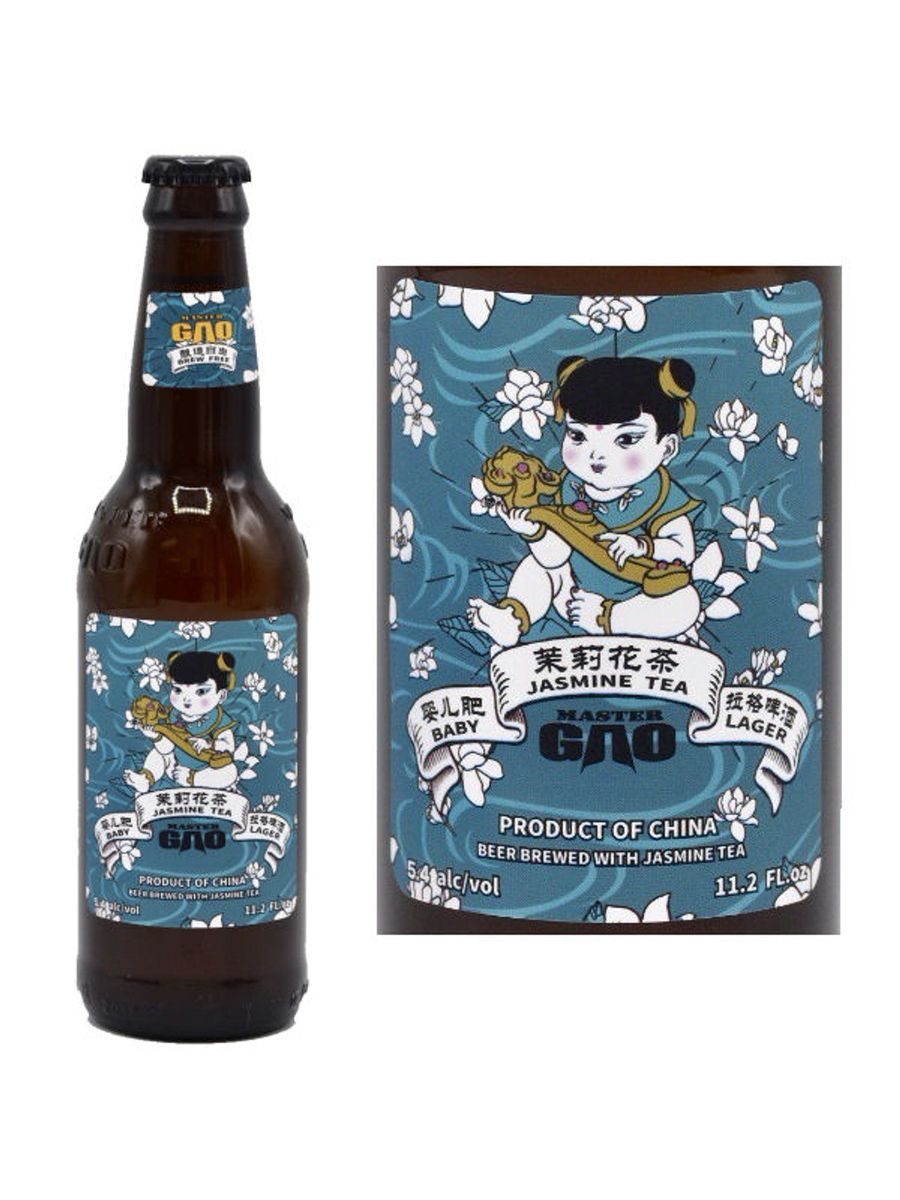
Jasmine Tea Lager
Brewed by Master Gao Brewing Co.
Jasmine tea turns a clean lager into a floral, lemony, lightly herbal beer while cracker-like malt keeps the perfume grounded.
BAR NOTES
Jasmine tea sounds like a dare, but Jasmine Tea Lager gives it a real brewing job. Jasmine tea turns a clean lager into a floral, lemony, lightly herbal beer while cracker-like malt keeps the perfume grounded.
Botanicals are easiest to overdo because extraction continues quickly and perfume can outrun malt. The best versions keep the finish dry and the aroma recognizable; explore related approaches in the lager guide.
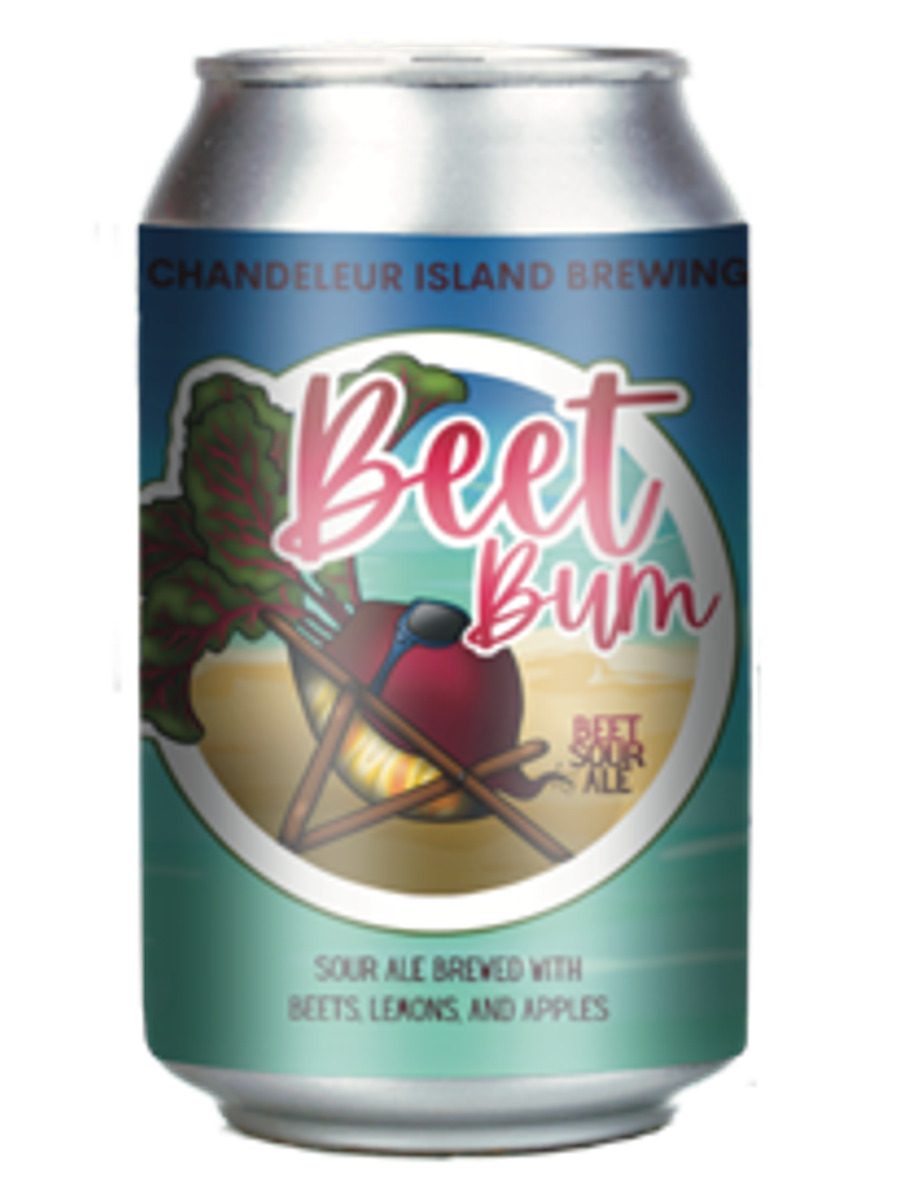
Beet Sour
Brewed by Chandeleur Island Brewing Company
Beetroot brings vivid color and earthy sweetness while apple, lemon, and lactic acidity keep this Gulf sour bright rather than vegetal.
BAR NOTES
Beet Sour proves beetroot + apple + lemon can be more than label bait. Beetroot brings vivid color and earthy sweetness while apple, lemon, and lactic acidity keep this Gulf sour bright rather than vegetal.
Fruit contributes sugar, acid, aroma, color, and sometimes pulp, so timing matters as much as quantity. Cold-side additions preserve fresh aroma but demand careful sanitation; compare more examples in the fruit beer guide.

Norwegian Raw Ale
Brewed by Nøgne Ø
Skipping the boil preserves grainy wort character while kveik fermentation supplies bright fruit and fast farmhouse energy.
BAR NOTES
The strange part of Norwegian Raw Ale is kveik yeast + unboiled wort; the smart part is how Nøgne Ø makes it fit the base beer. Skipping the boil preserves grainy wort character while kveik fermentation supplies bright fruit and fast farmhouse energy.
Here the “addition” is really a brewing move that changes the raw material itself. Control temperature, oxygen, sanitation, and repeatability before chasing novelty, then continue with the farmhouse ale guide.

Kvass Ale
Brewed by Scratch Brewing Company
Bread replaces part of the conventional grain bill, producing toast, rye, tang, and low-alcohol refreshment inspired by Eastern European kvass.
BAR NOTES
With bread + rye, Kvass Ale pushes bread-fermented ale beyond its normal borders. Bread replaces part of the conventional grain bill, producing toast, rye, tang, and low-alcohol refreshment inspired by Eastern European kvass.
Unusual grains change body and fermentation as much as flavor. Expect differences in mash handling, viscosity, and attenuation, then compare the result with related beers in the rye beer guide.

Gruit Ale
Brewed by Williams Bros. Brewing Co.
Heather and other botanicals take over the seasoning job normally assigned to hops, creating floral, herbal, honeyed bitterness.
BAR NOTES
Heather + gruit botanicals sounds like a dare, but Gruit Ale gives it a real brewing job. Heather and other botanicals take over the seasoning job normally assigned to hops, creating floral, herbal, honeyed bitterness.
Botanicals are easiest to overdo because extraction continues quickly and perfume can outrun malt. The best versions keep the finish dry and the aroma recognizable; explore related approaches in the gruit ale guide.

Sahti
Brewed by Finlandia Sahti
Juniper, rye, a low-carbonation body, and expressive yeast can make Sahti taste like banana bread carried through a Finnish forest.
BAR NOTES
Sahti proves juniper branches + berries can be more than label bait. Juniper, rye, a low-carbonation body, and expressive yeast can make Sahti taste like banana bread carried through a Finnish forest.
Botanicals are easiest to overdo because extraction continues quickly and perfume can outrun malt. The best versions keep the finish dry and the aroma recognizable; explore related approaches in the sahti guide.

Koyt
Brewed by Jopen
A revived Dutch ale uses oats, wheat, barley, and gruit spices to build a creamy, herbal beer without modern hop dominance.
BAR NOTES
The strange part of Koyt is oats + wheat + gruit spices; the smart part is how Jopen makes it fit the base beer. A revived Dutch ale uses oats, wheat, barley, and gruit spices to build a creamy, herbal beer without modern hop dominance.
Unusual grains change body and fermentation as much as flavor. Expect differences in mash handling, viscosity, and attenuation, then compare the result with related beers in the gruit ale guide.