50 Best Malty Beers to Drink in 2026
The best malty beer does not have to be sweet, dark, or heavy. Malt can read as fresh bread, toast, biscuit, caramel, cocoa, coffee, nuts, honey, or dark fruit, depending on the grain and how it was kilned. This ranking follows that spectrum through 50 bocks, porters, amber ales, and red ales.
Quick answer: Ayinger Celebrator is the clearest all-around showcase of deep malt flavor, while Weihenstephaner Korbinian and Paulaner Salvator push into darker bread and fruit. Black Butte Porter is the classic American dark-malt reference, Bell’s Amber Ale handles the balanced middle, and Maltings Irish Ale shows how dry and drinkable malt-forward beer can be.
We ranked beers for malt clarity, balance, style identity, and usefulness as a comparison pour—not by darkness or alcohol alone. Hop bitterness can still be present; it simply supports the grain instead of dominating it. For the opposite side of the spectrum, use HBA’s hoppy beer guide.
What makes a beer taste malty?
Malted grain supplies fermentable sugar, color, body, and a huge share of beer’s aroma. Pale malt can suggest crackers or fresh bread; Munich and Vienna malt lean toward toast and crust; crystal malt brings caramel and dried fruit; darker roasted grains introduce cocoa, coffee, and char. A malt-forward beer gives those flavors the lead while fermentation and hops keep the finish organized.
50 best malty beers to drink in 2026
Bocks and Doppelbocks: concentrated lager malt
Bock turns bread, honey, caramel, and dark fruit into strong lager without sacrificing clean fermentation. These fifteen move from dark Doppelbock into pale Maibock and American interpretations.
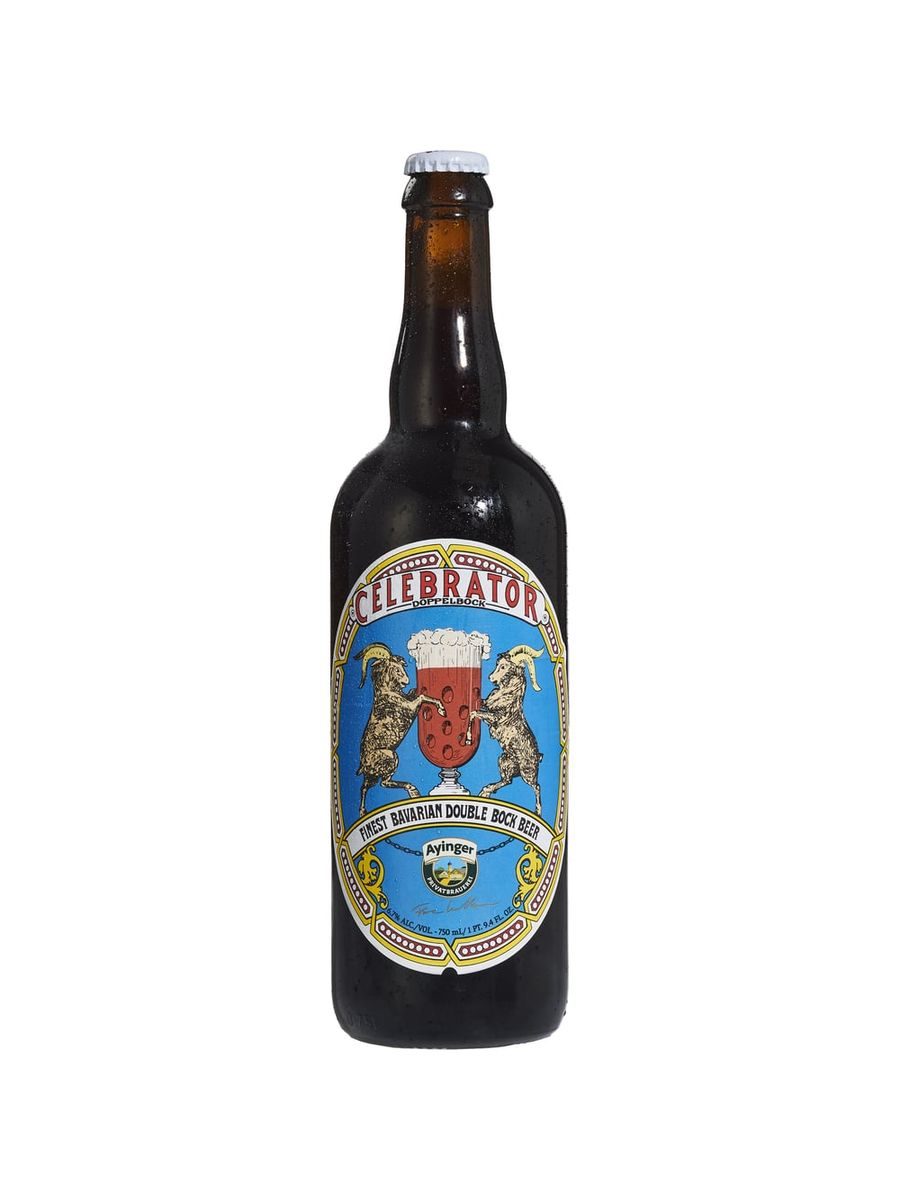
Ayinger Celebrator
Brewed by Ayinger Privatbrauerei
Dark bread, caramel, fig and restrained roast.
BAR NOTES
Ayinger Celebrator represents strong lager malt at 6.7%. Dark bread, caramel, fig and restrained roast. The result is layered rather than merely sweet, with fermentation and bitterness keeping the grain in focus.
Serve it in a clean tulip or nonic pint and let it warm slightly; malt aroma opens as the beer moves away from refrigerator temperature. Continue with HBA’s bock beer ranking when you want to compare the next branch of the malt spectrum.
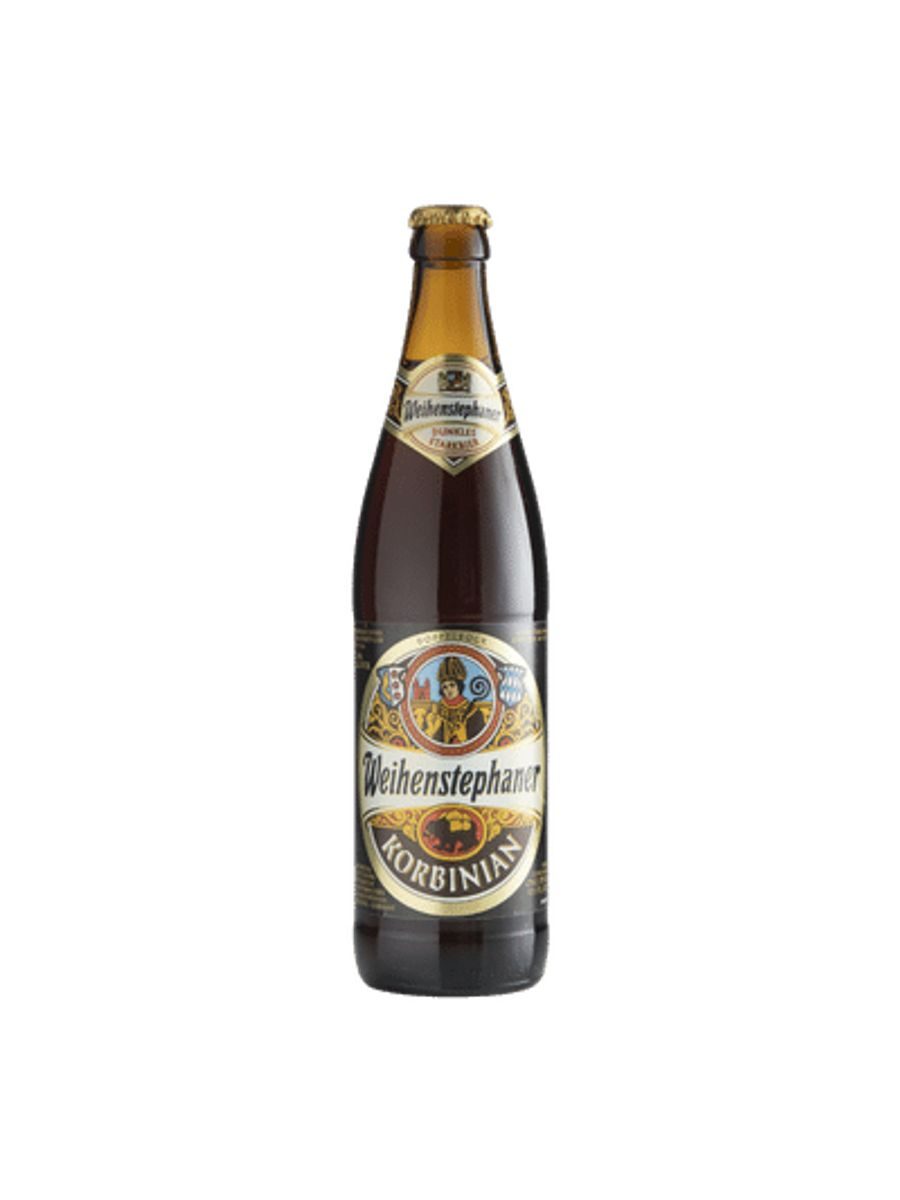
Weihenstephaner Korbinian
Brewed by Bayerische Staatsbrauerei Weihenstephan
Toffee, plum, dark bread and cocoa.
BAR NOTES
Weihenstephaner Korbinian represents strong lager malt at 7.4%. Toffee, plum, dark bread and cocoa. It earns its place because the malt stays specific and recognizable instead of collapsing into generic sweetness.
Pair it with roasted meat, mushrooms, aged cheese, or brown bread, where toasted flavors can echo the grain without making the finish seem sugary. Continue with HBA’s dark lager guide when you want to compare the next branch of the malt spectrum.
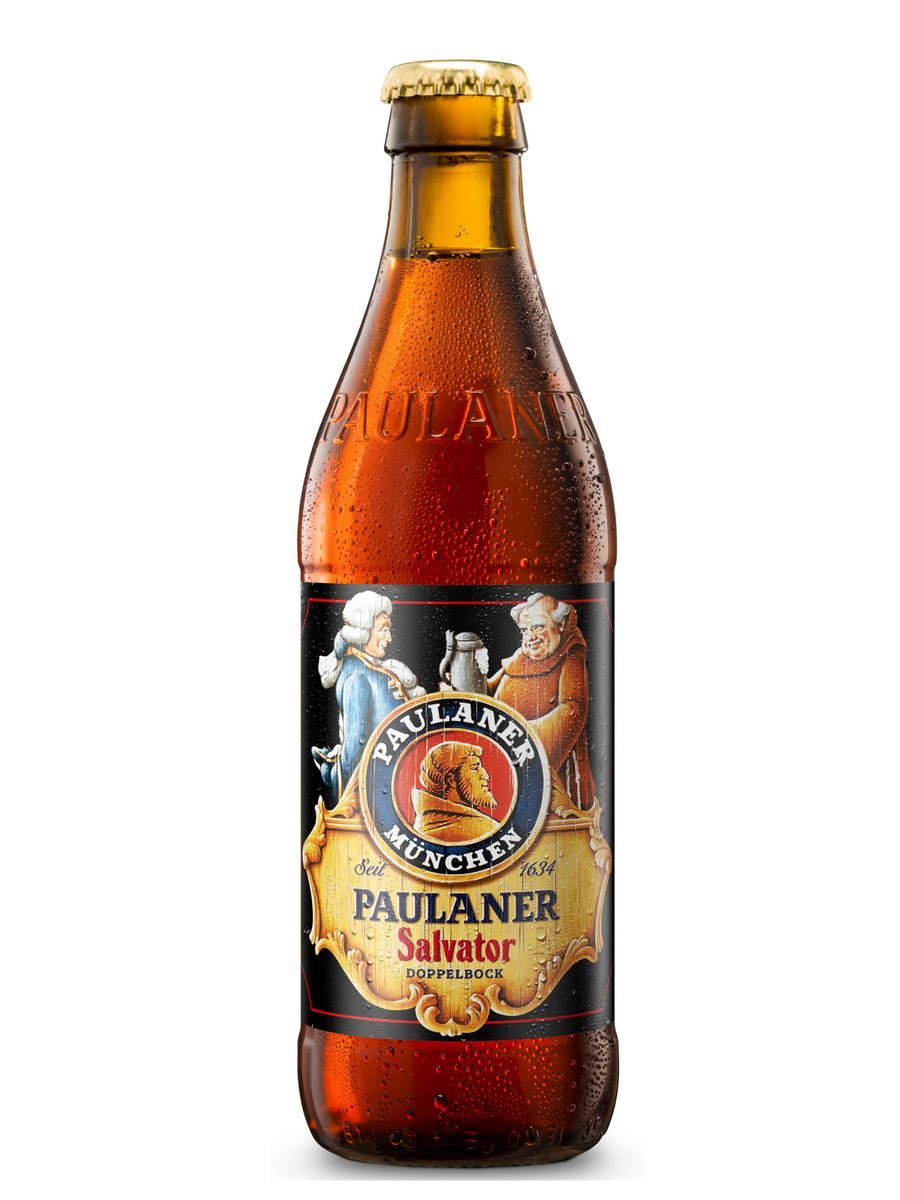
Paulaner Salvator
Brewed by Paulaner Brauerei
Caramelized malt, bread crust and chocolate.
BAR NOTES
Paulaner Salvator represents strong lager malt at 7.9%. Caramelized malt, bread crust and chocolate. That combination makes it a useful teaching beer as well as a satisfying pint.
Use this as a calibration pour: sweetness, malt flavor, and body are related, but they are not interchangeable, and this beer keeps the distinction clear. Continue with HBA’s German beer guide when you want to compare the next branch of the malt spectrum.
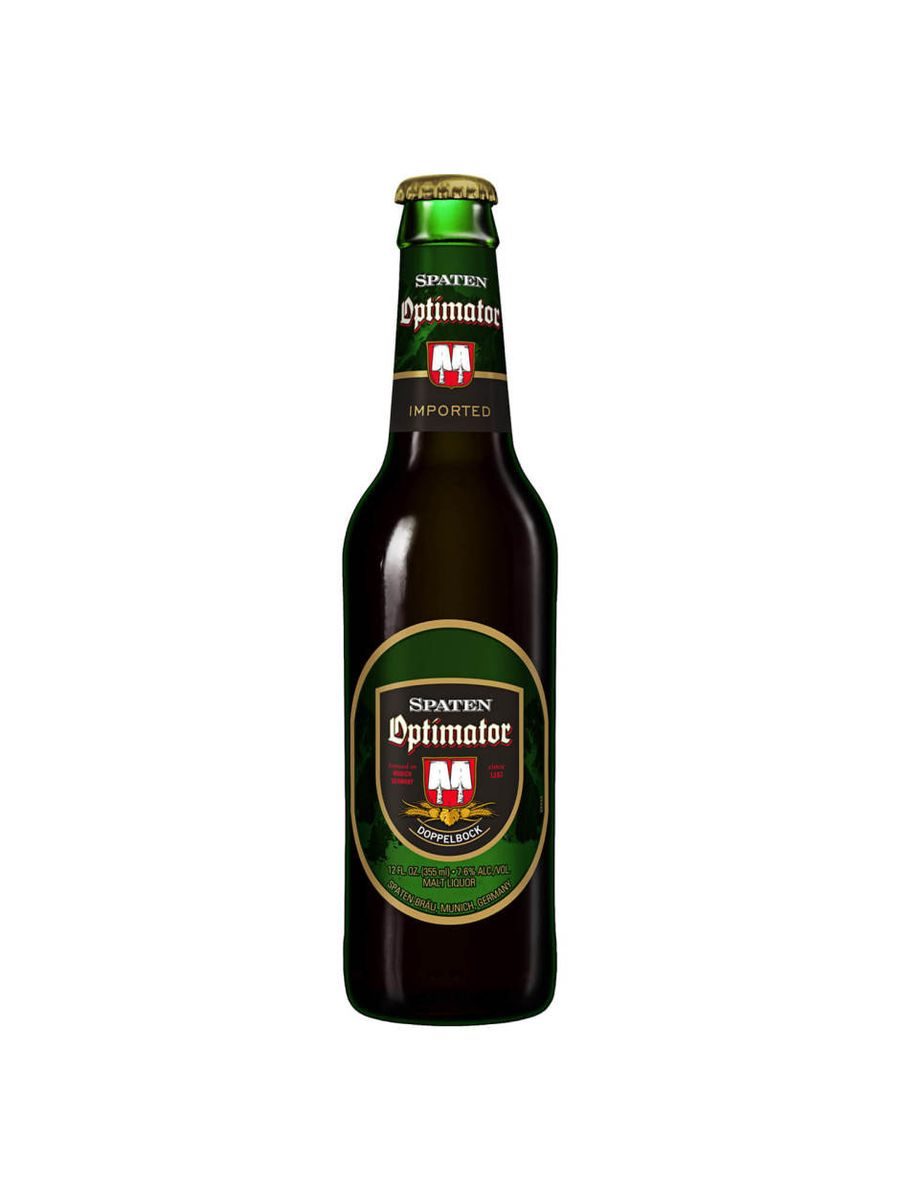
Spaten Optimator
Brewed by Spaten-Franziskaner-Bräu
Raisin, toasted malt and gentle roast.
BAR NOTES
Spaten Optimator represents strong lager malt at 7.6%. Raisin, toasted malt and gentle roast. Its best quality is proportion: the malt leads, but the finish still invites another sip.
Freshness still matters in malt-forward beer. Old packaging can flatten bread and caramel notes while leaving oxidation to read as papery sweetness. Continue with HBA’s Oktoberfest beer guide when you want to compare the next branch of the malt spectrum.
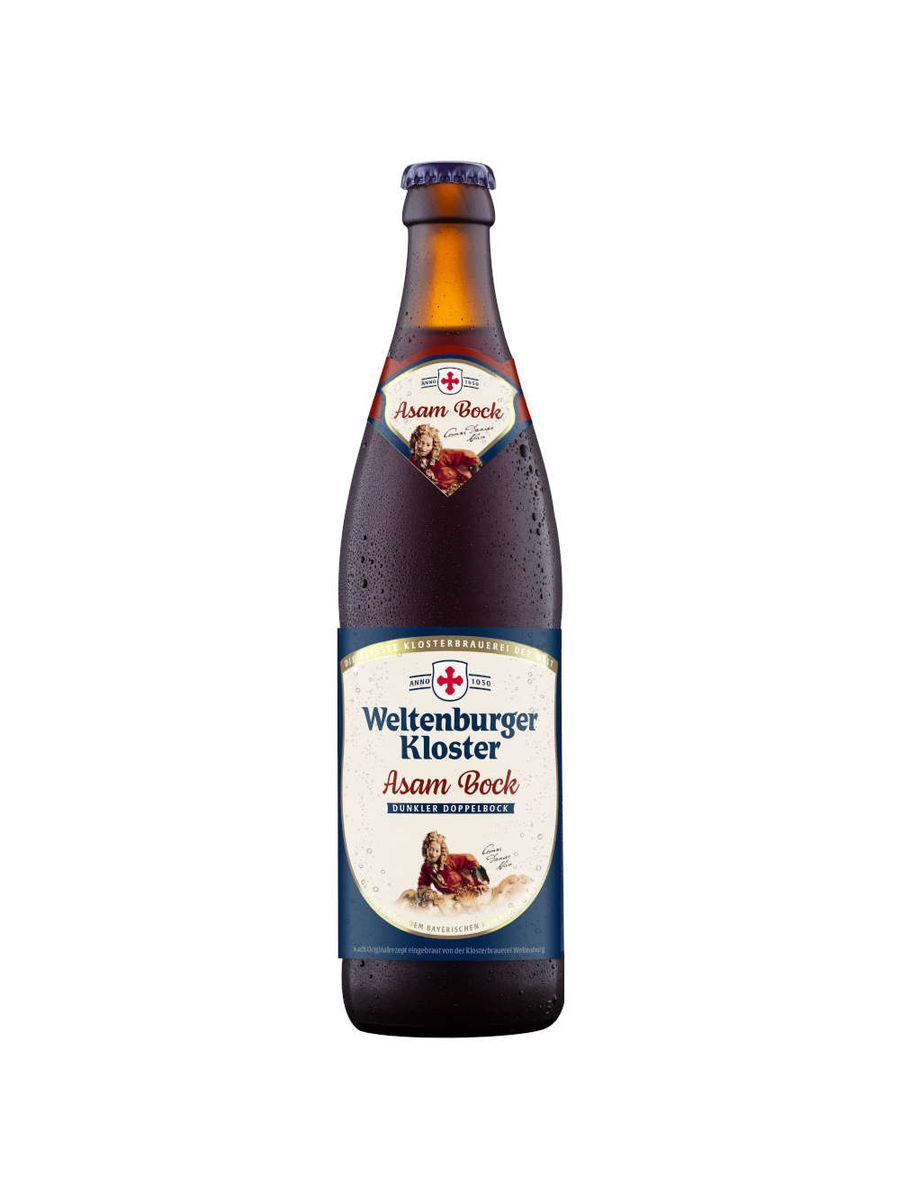
Weltenburger Kloster Asam Bock
Brewed by Klosterbrauerei Weltenburg
Dark caramel, bread, dried fruit and cocoa.
BAR NOTES
Weltenburger Kloster Asam Bock represents strong lager malt at 7.3%. Dark caramel, bread, dried fruit and cocoa. The result is layered rather than merely sweet, with fermentation and bitterness keeping the grain in focus.
Compare it beside a hop-forward pale ale at the same strength. The contrast makes bread crust, caramel, cocoa, and fermentation character easier to identify. Continue with HBA’s porter ranking when you want to compare the next branch of the malt spectrum.
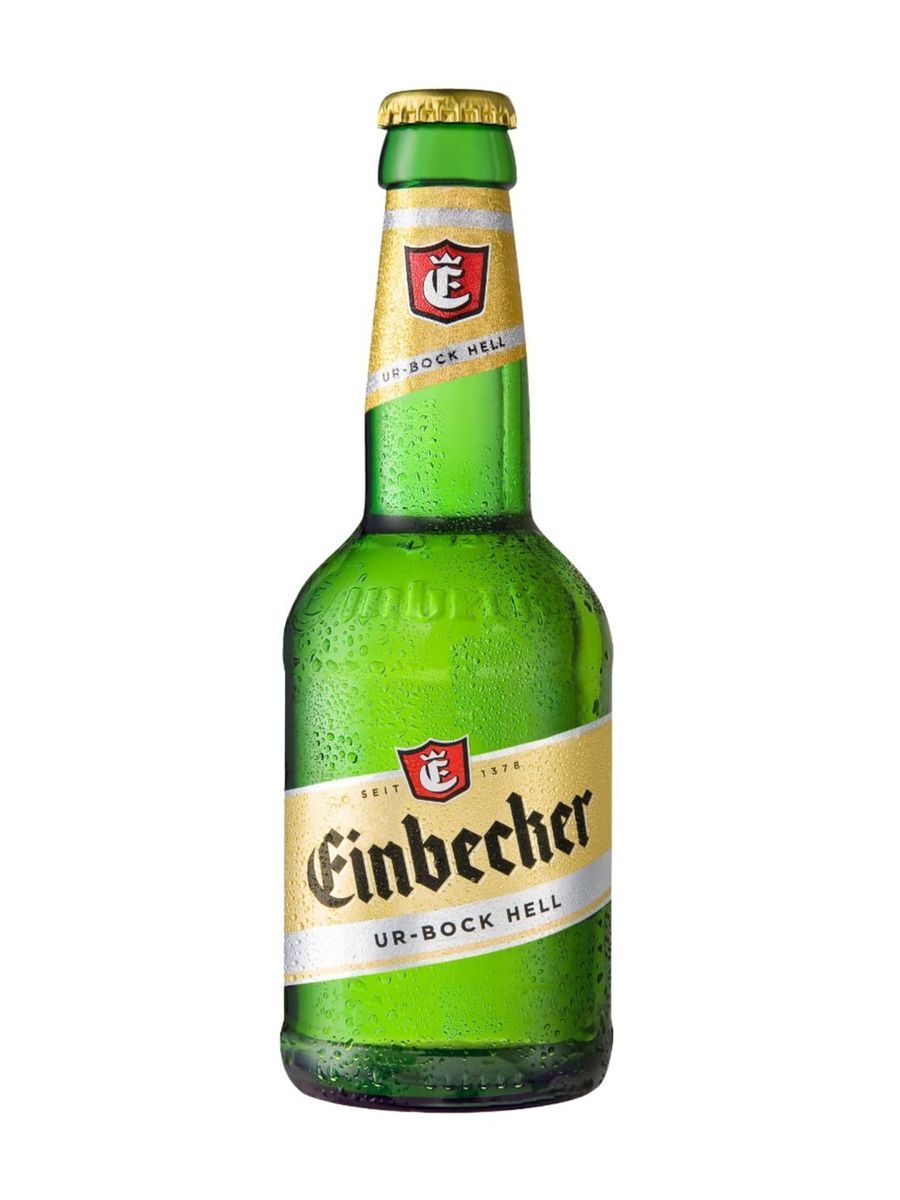
Einbecker Ur-Bock Hell
Brewed by Einbecker Brauhaus
Golden malt, honey, herbs and firm bitterness.
BAR NOTES
Einbecker Ur-Bock Hell represents strong lager malt at 6.5%. Golden malt, honey, herbs and firm bitterness. It earns its place because the malt stays specific and recognizable instead of collapsing into generic sweetness.
A slightly wider glass helps the grain aroma show itself. Avoid serving it ice-cold if you want toast, fruit, cocoa, or caramel to emerge. Continue with HBA’s dark beer guide when you want to compare the next branch of the malt spectrum.
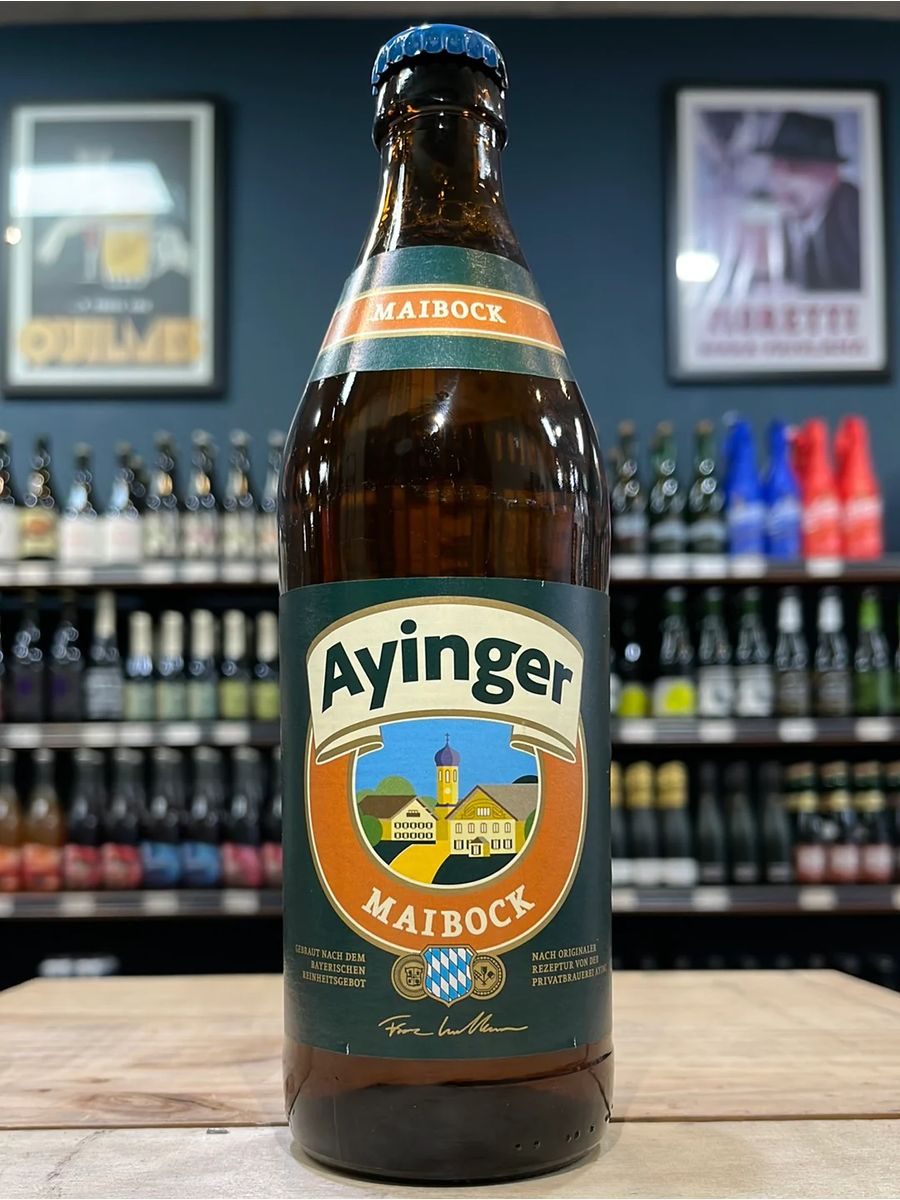
Ayinger Maibock
Brewed by Ayinger Privatbrauerei
Golden bread, honey and floral-spicy hops.
BAR NOTES
Ayinger Maibock represents strong lager malt at 6.8%. Golden bread, honey and floral-spicy hops. That combination makes it a useful teaching beer as well as a satisfying pint.
Serve it in a clean tulip or nonic pint and let it warm slightly; malt aroma opens as the beer moves away from refrigerator temperature. Continue with HBA’s chocolate beer guide when you want to compare the next branch of the malt spectrum.
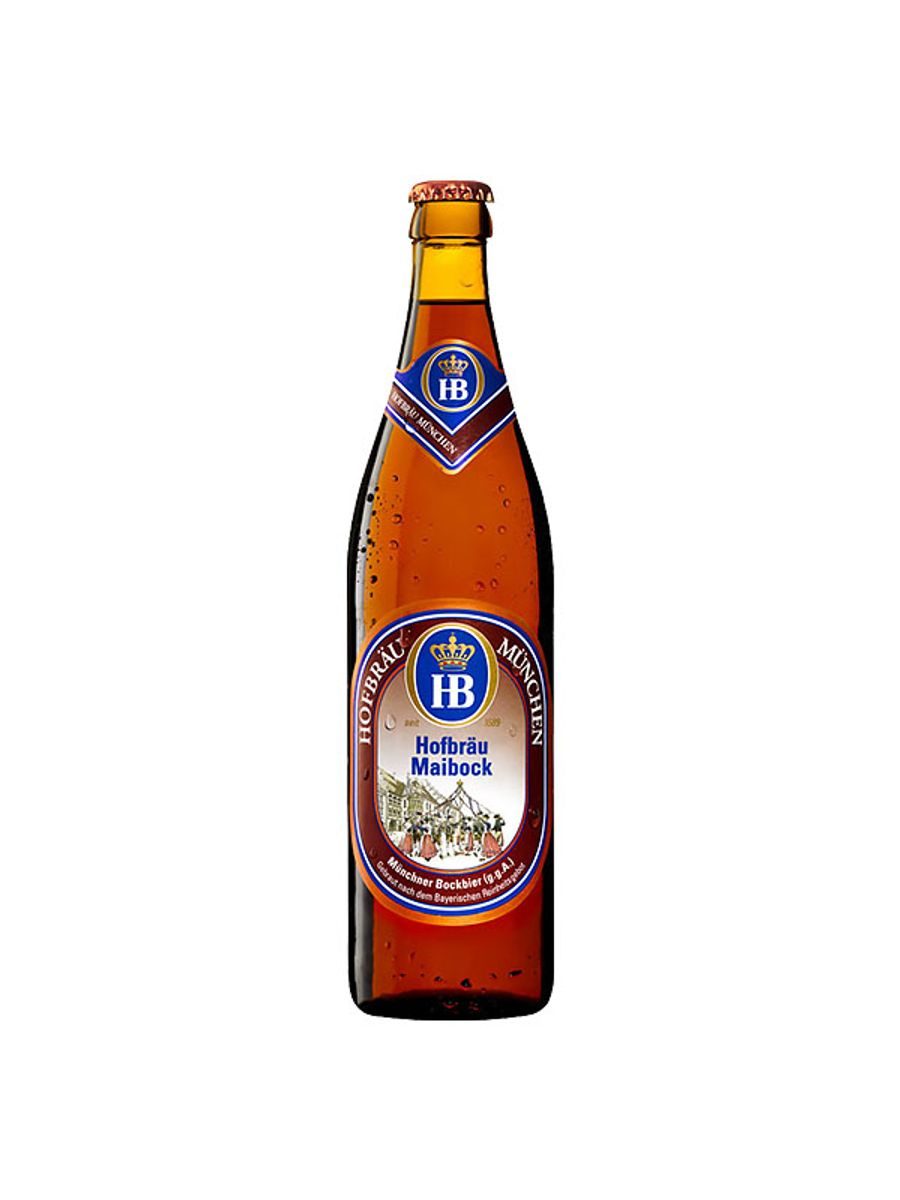
Hofbräu Maibock
Brewed by Hofbräu München
Toast, caramel, herbs and peppery hops.
BAR NOTES
Hofbräu Maibock represents strong lager malt at 7.2%. Toast, caramel, herbs and peppery hops. Its best quality is proportion: the malt leads, but the finish still invites another sip.
Pair it with roasted meat, mushrooms, aged cheese, or brown bread, where toasted flavors can echo the grain without making the finish seem sugary. Continue with HBA’s coffee beer guide when you want to compare the next branch of the malt spectrum.
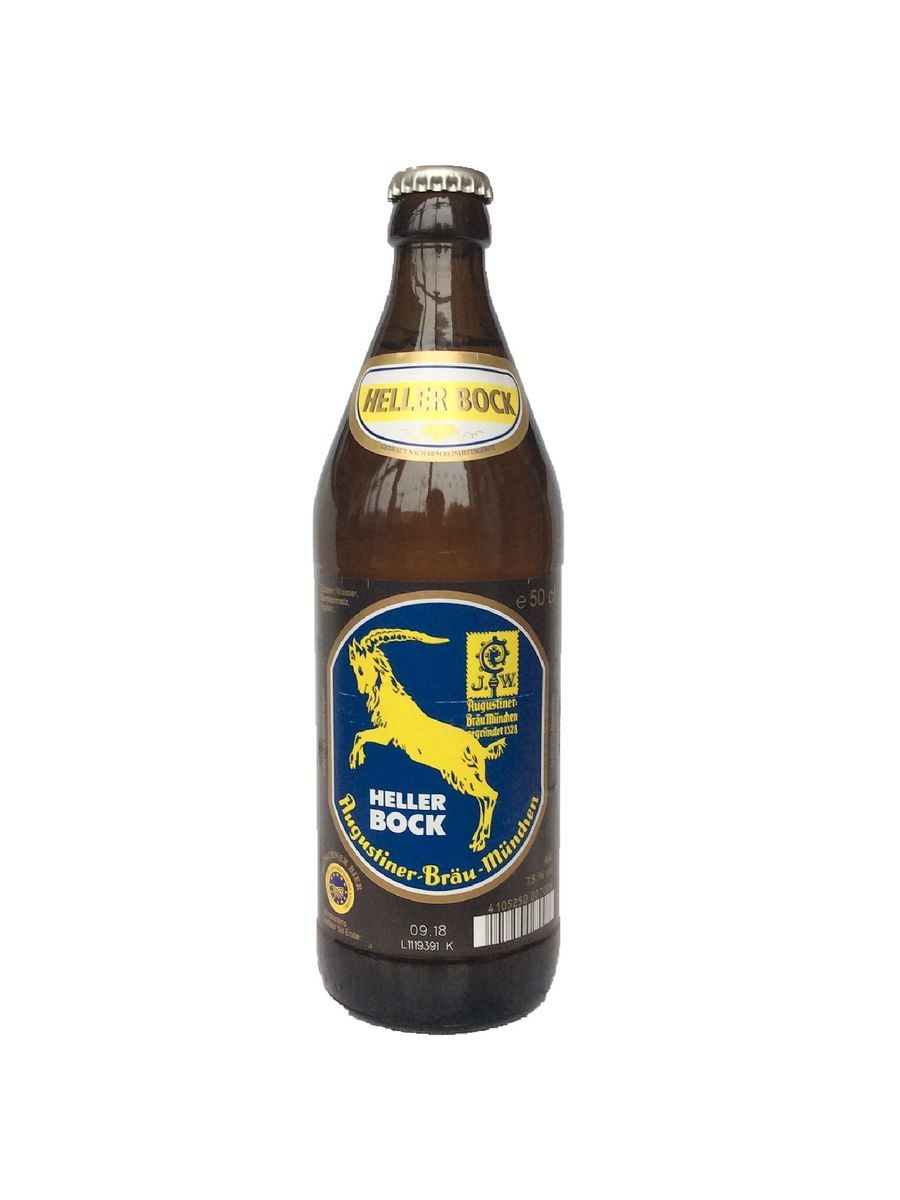
Augustiner Heller Bock
Brewed by Augustiner-Bräu
Clean pale malt, honey and noble hops.
BAR NOTES
Augustiner Heller Bock represents strong lager malt at 7.5%. Clean pale malt, honey and noble hops. The result is layered rather than merely sweet, with fermentation and bitterness keeping the grain in focus.
Use this as a calibration pour: sweetness, malt flavor, and body are related, but they are not interchangeable, and this beer keeps the distinction clear. Continue with HBA’s amber ale ranking when you want to compare the next branch of the malt spectrum.
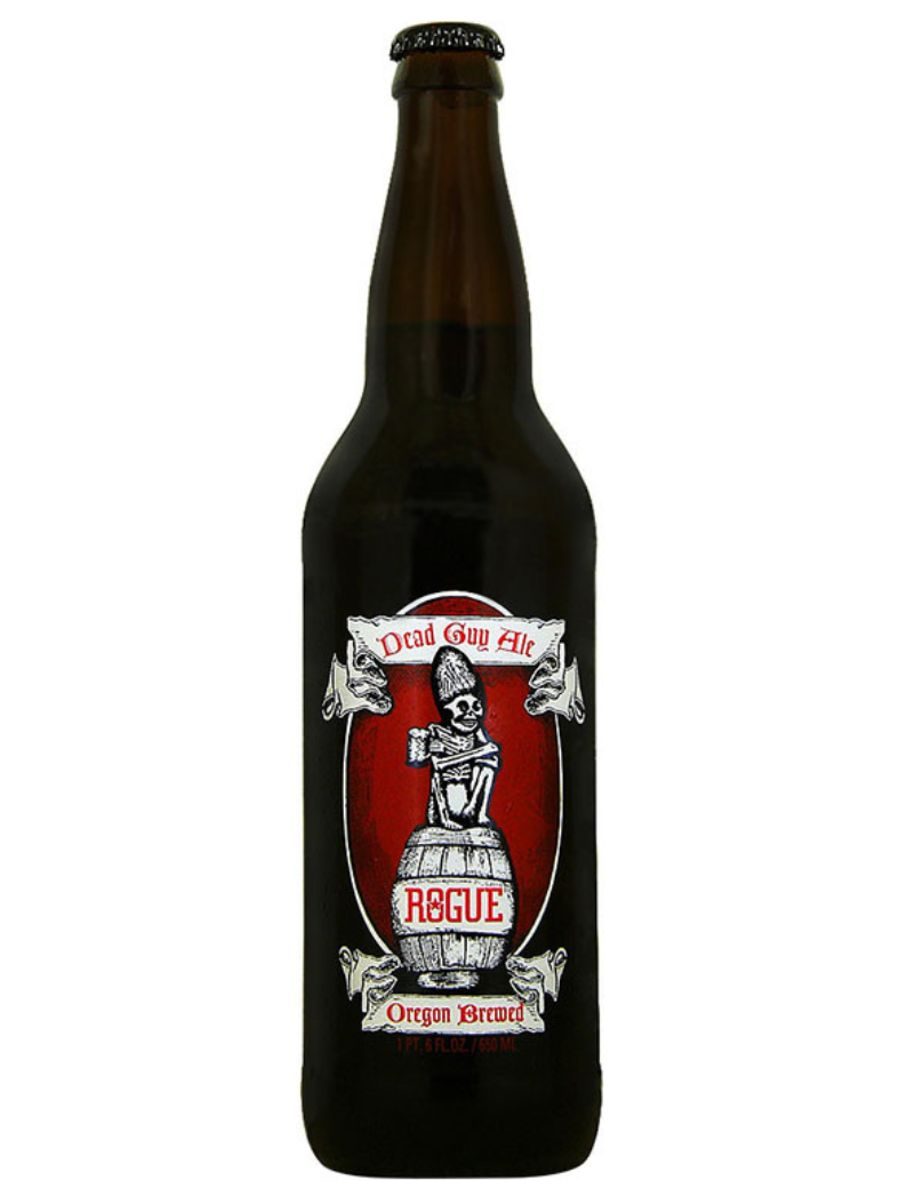
Rogue Dead Guy Ale
Brewed by Rogue Ales
Toast, caramel and earthy hop balance.
BAR NOTES
Rogue Dead Guy Ale represents strong lager malt at 6.8%. Toast, caramel and earthy hop balance. It earns its place because the malt stays specific and recognizable instead of collapsing into generic sweetness.
Freshness still matters in malt-forward beer. Old packaging can flatten bread and caramel notes while leaving oxidation to read as papery sweetness. Continue with HBA’s red ale ranking when you want to compare the next branch of the malt spectrum.
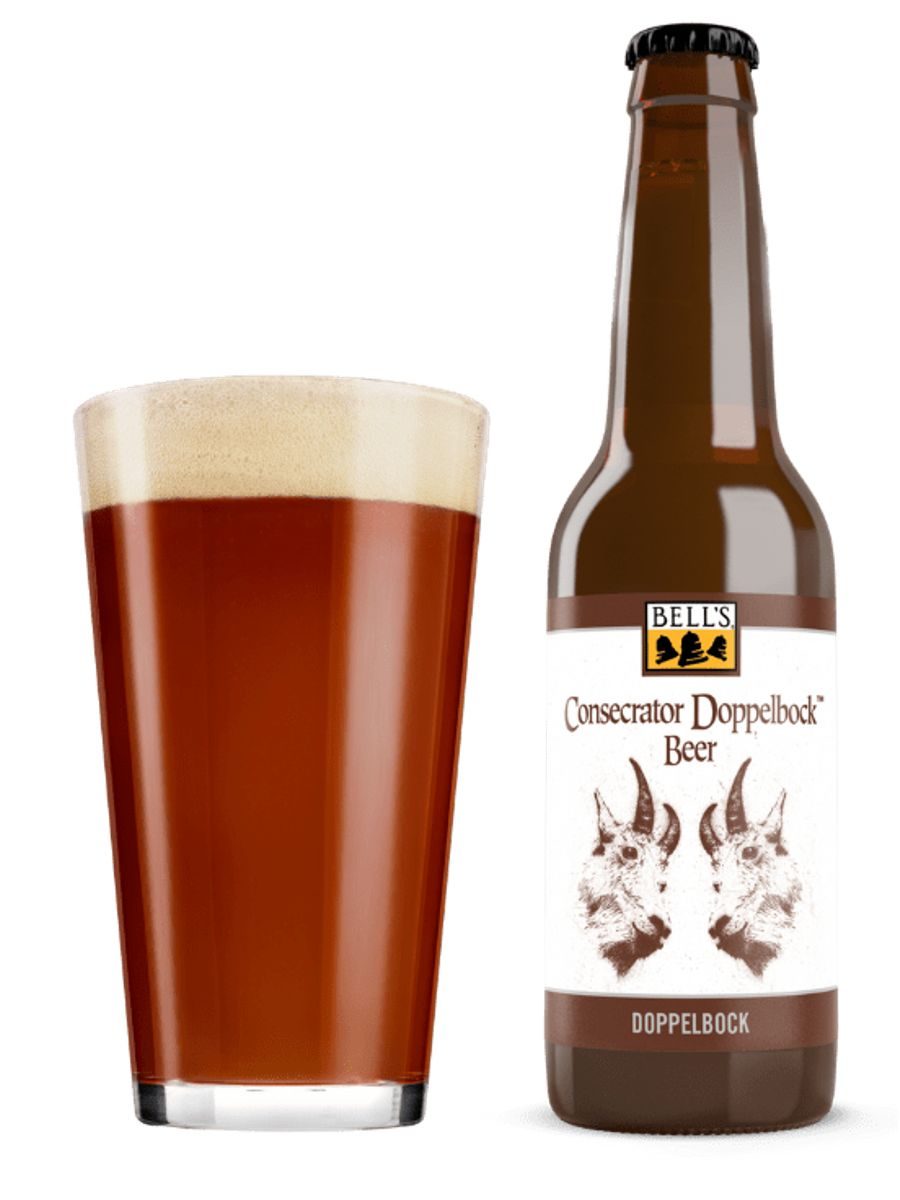
Bell's Consecrator
Brewed by Bell's Brewery
Dark bread, caramel, dried cherry and cocoa.
BAR NOTES
Bell’s Consecrator represents strong lager malt at 8.0%. Dark bread, caramel, dried cherry and cocoa. That combination makes it a useful teaching beer as well as a satisfying pint.
Compare it beside a hop-forward pale ale at the same strength. The contrast makes bread crust, caramel, cocoa, and fermentation character easier to identify. Continue with HBA’s American beer guide when you want to compare the next branch of the malt spectrum.
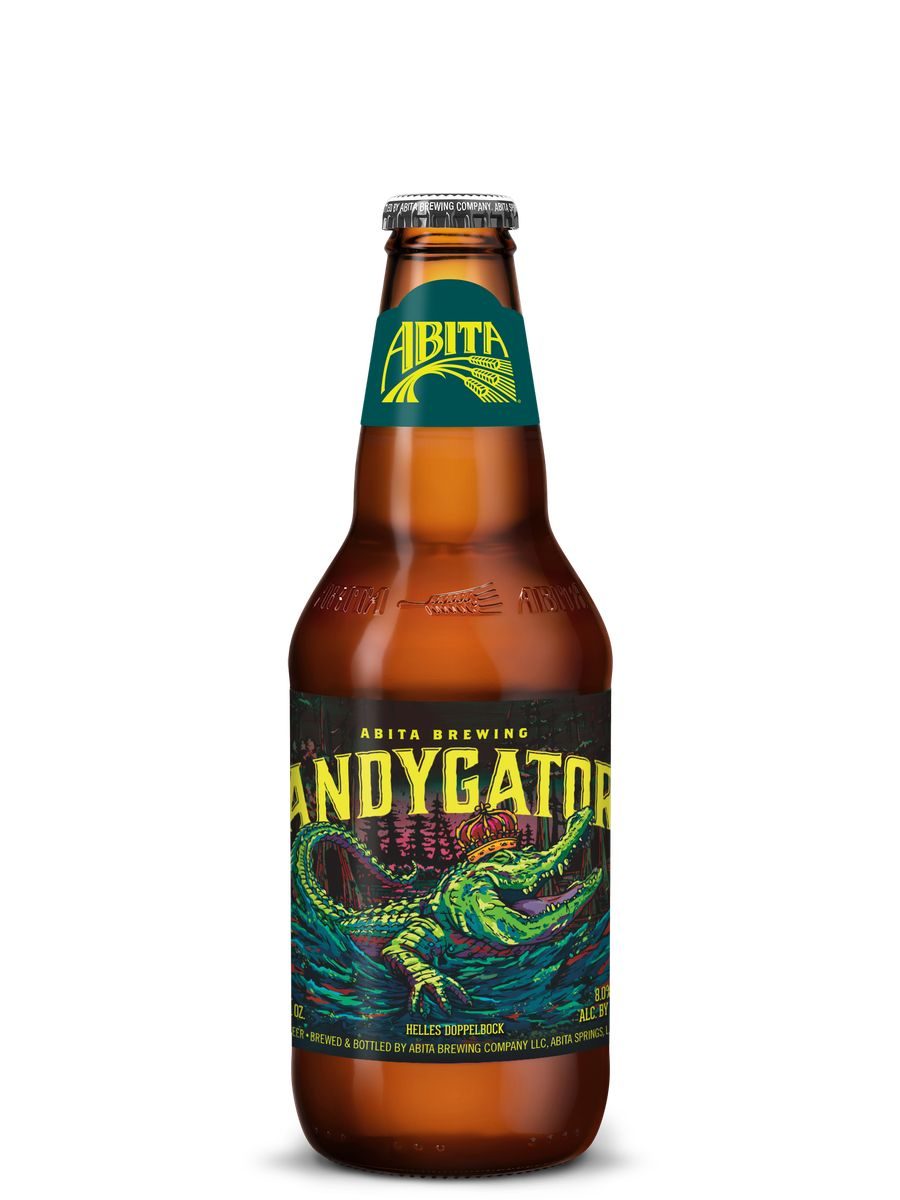
Abita Andygator
Brewed by Abita Brewing Company
Pilsner malt, honey and clean lager fruit.
BAR NOTES
Abita Andygator represents strong lager malt at 8.0%. Pilsner malt, honey and clean lager fruit. Its best quality is proportion: the malt leads, but the finish still invites another sip.
A slightly wider glass helps the grain aroma show itself. Avoid serving it ice-cold if you want toast, fruit, cocoa, or caramel to emerge. Continue with HBA’s fall beer guide when you want to compare the next branch of the malt spectrum.
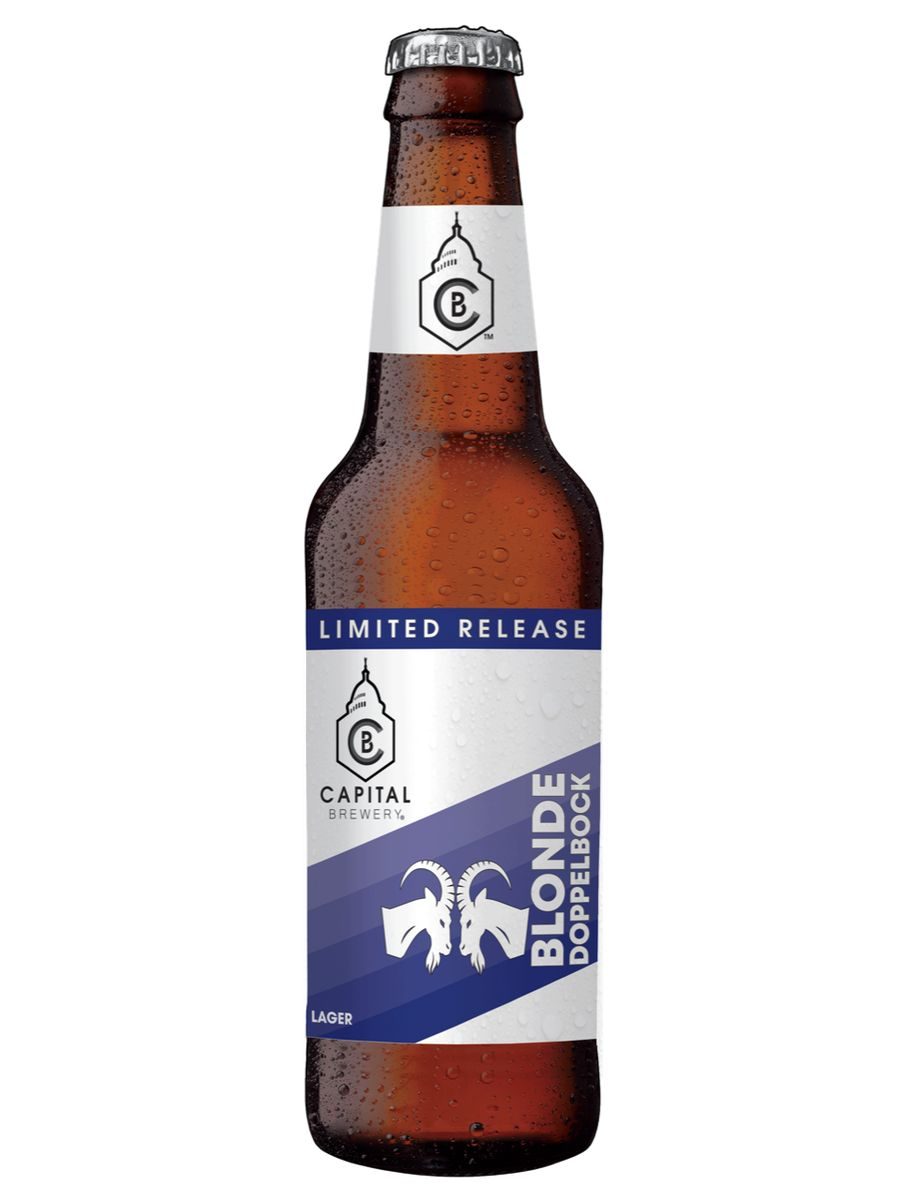
Capital Blonde Doppelbock
Brewed by Capital Brewery
Rich golden malt, caramel and smooth warmth.
BAR NOTES
Capital Blonde Doppelbock represents strong lager malt at 7.8%. Rich golden malt, caramel and smooth warmth. The result is layered rather than merely sweet, with fermentation and bitterness keeping the grain in focus.
Serve it in a clean tulip or nonic pint and let it warm slightly; malt aroma opens as the beer moves away from refrigerator temperature. Continue with HBA’s Irish beer guide when you want to compare the next branch of the malt spectrum.
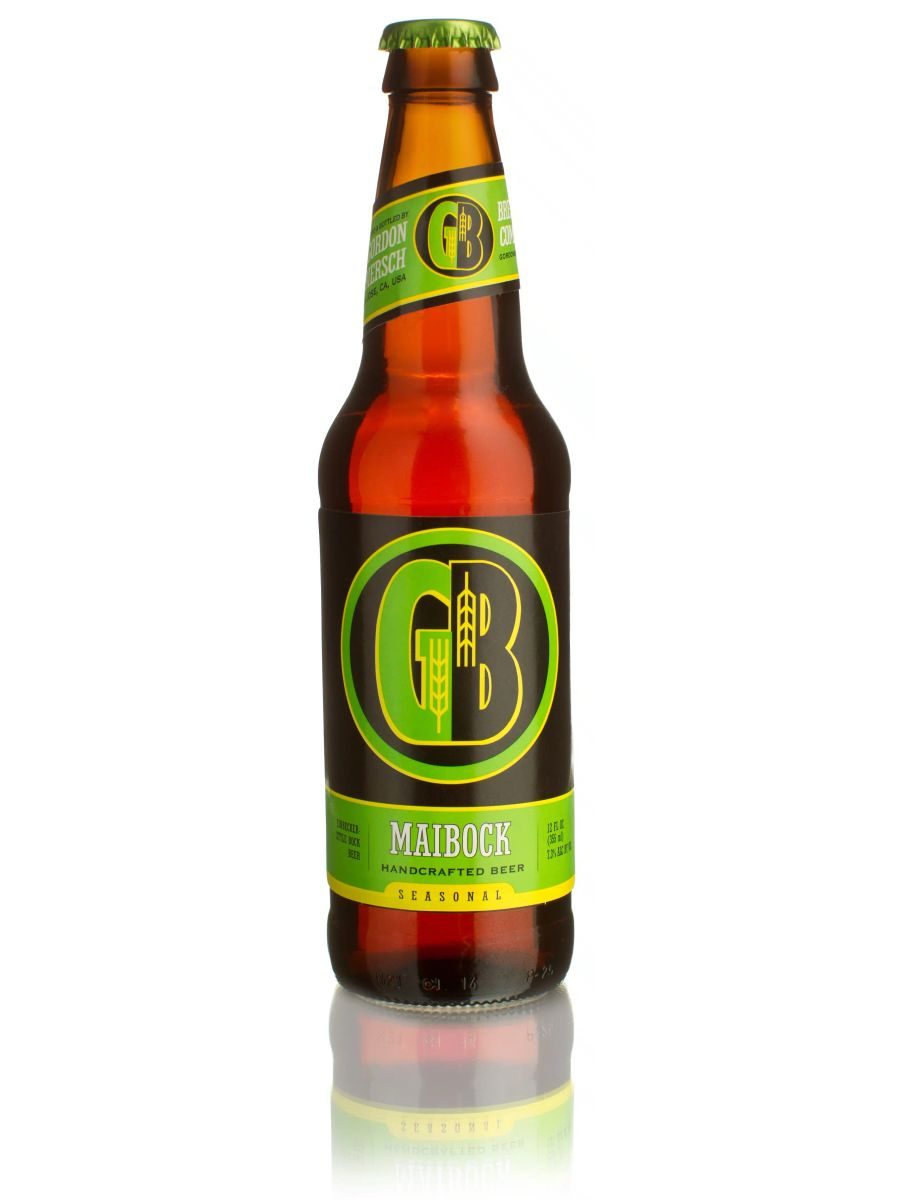
Gordon Biersch Maibock
Brewed by Gordon Biersch Brewing
Caramel malt, toast and restrained hops.
BAR NOTES
Gordon Biersch Maibock represents strong lager malt at 7.3%. Caramel malt, toast and restrained hops. It earns its place because the malt stays specific and recognizable instead of collapsing into generic sweetness.
Pair it with roasted meat, mushrooms, aged cheese, or brown bread, where toasted flavors can echo the grain without making the finish seem sugary. Continue with HBA’s lager guide when you want to compare the next branch of the malt spectrum.
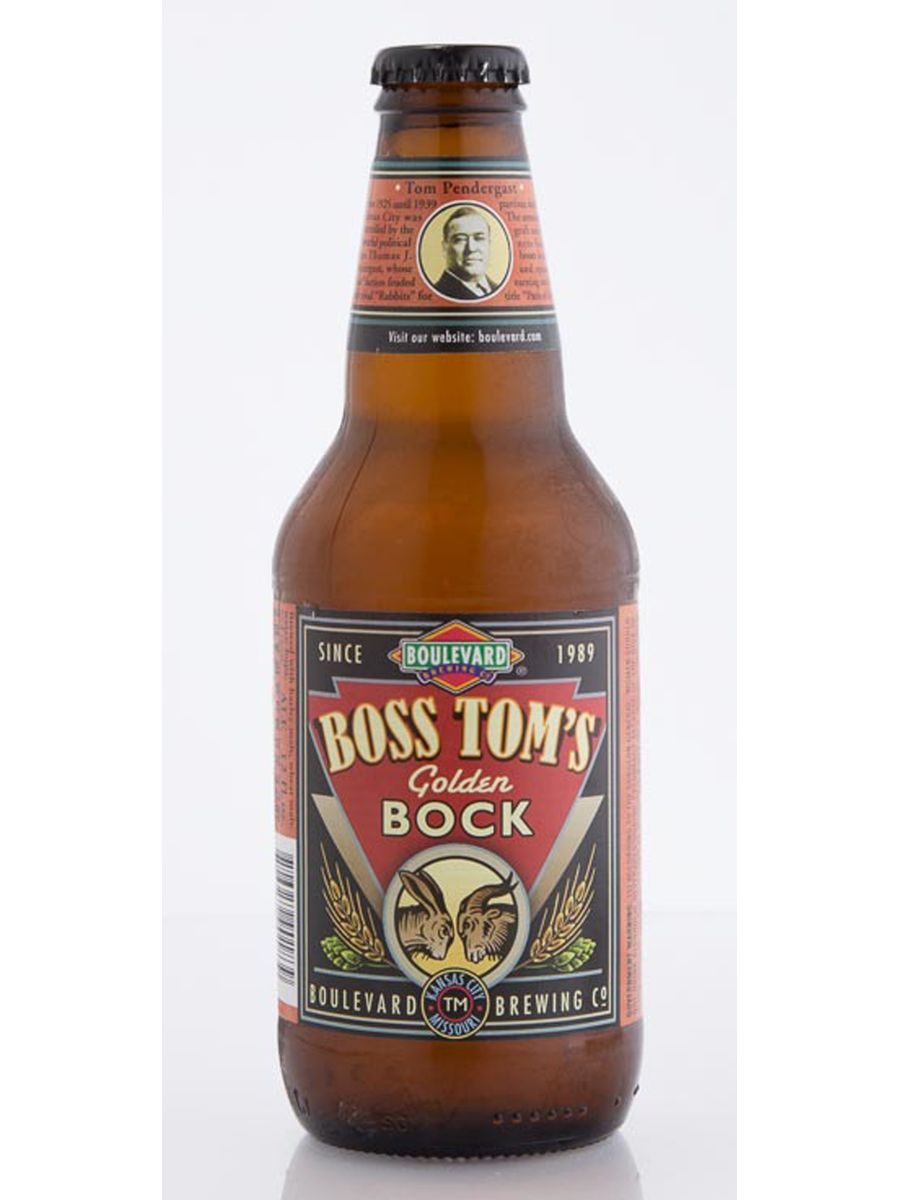
Boulevard Boss Tom's Golden Bock
Brewed by Boulevard Brewing Company
Toasted malt, caramel and spicy hops.
BAR NOTES
Boulevard Boss Tom’s Golden Bock represents strong lager malt at 6.1%. Toasted malt, caramel and spicy hops. That combination makes it a useful teaching beer as well as a satisfying pint.
Use this as a calibration pour: sweetness, malt flavor, and body are related, but they are not interchangeable, and this beer keeps the distinction clear. Continue with HBA’s bock beer ranking when you want to compare the next branch of the malt spectrum.
Porters: toast, cocoa, coffee, and roast
Porter shows the darker side of malt, from restrained English toast and cocoa to American roast and modern flavored versions. The best examples still taste like beer beneath the additions.
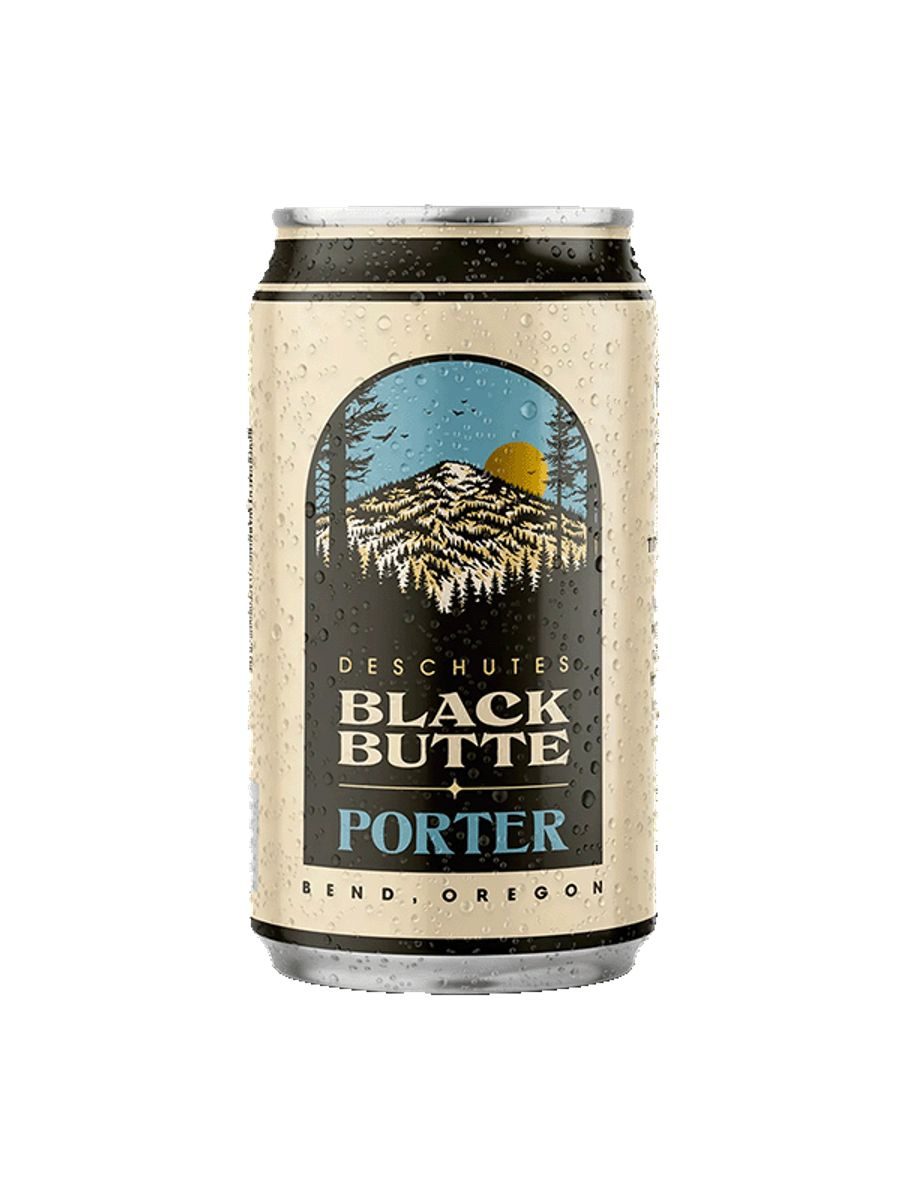
Black Butte Porter
Brewed by Deschutes Brewery