20 Best Ancient-Inspired Beers and Historical Recreations (2026)
The best ancient-inspired beers do more than borrow an old name. These 20 releases are tied to archaeological residue, written recipes, museum research, surviving farmhouse traditions, or carefully documented historical brewing records.
Some are forensic reconstructions; others are modern interpretations built for a contemporary brewhouse. We ranked them by the clarity of the historical connection, the thoughtfulness of the brewing method, and how convincingly the finished beer turns research into flavor. Availability varies because many were limited releases.
What counts as an ancient-inspired beer?
The strongest examples begin with evidence: chemical traces in pottery, excavated brewing sites, civic brewing ordinances, written household records, or a tradition that survived outside industrial brewing. No modern brewery can reproduce an ancient drink perfectly; grain varieties, microbes, water, equipment, and even the meaning of “beer” have changed. The useful question is whether a brewer shows its work and makes thoughtful choices from the available evidence.
How to taste this history flight
Start with lighter corn and herb beers, move through gruit and farmhouse ales, then finish with the strongest honeyed reconstructions. Small pours are ideal: several entries blur the boundary between beer, wine, and mead. Expect unfamiliar bitterness from herbs, roots, resin, and fruit rather than hops alone. HBA’s guide to unusual beer additions explains many of the ingredients that make these recreations possible.
The 20 best ancient-inspired and historical beers
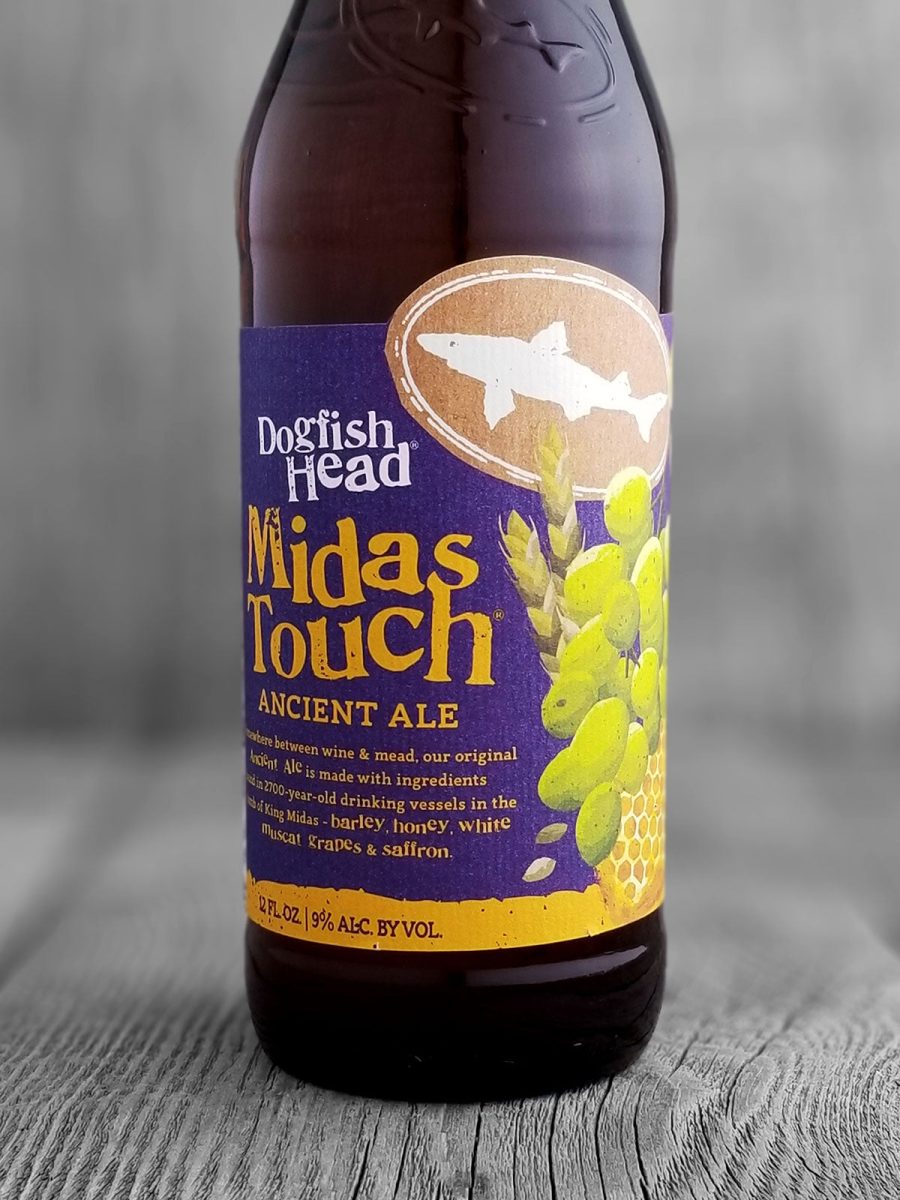
Midas Touch
Brewed by Dogfish Head Craft Brewery
Barley, honey, Muscat grapes, and saffron recreate the residue profile found in vessels associated with the Midas Tumulus, producing a vinous ale that sits between beer, wine, and mead.
BAR NOTES
Midas Touch remains the clearest introduction to the modern ancient-ale project because the historical evidence and sensory result are both easy to understand. Honeyed fruit leads, saffron adds dry earthiness, and the finish feels more like white wine than conventional strong ale.
Serve a small pour at 48–52°F with aged cheese, roast poultry, or apricot tart. Its wine-mead-beer structure also makes HBA’s hybrid beer guide a useful companion.
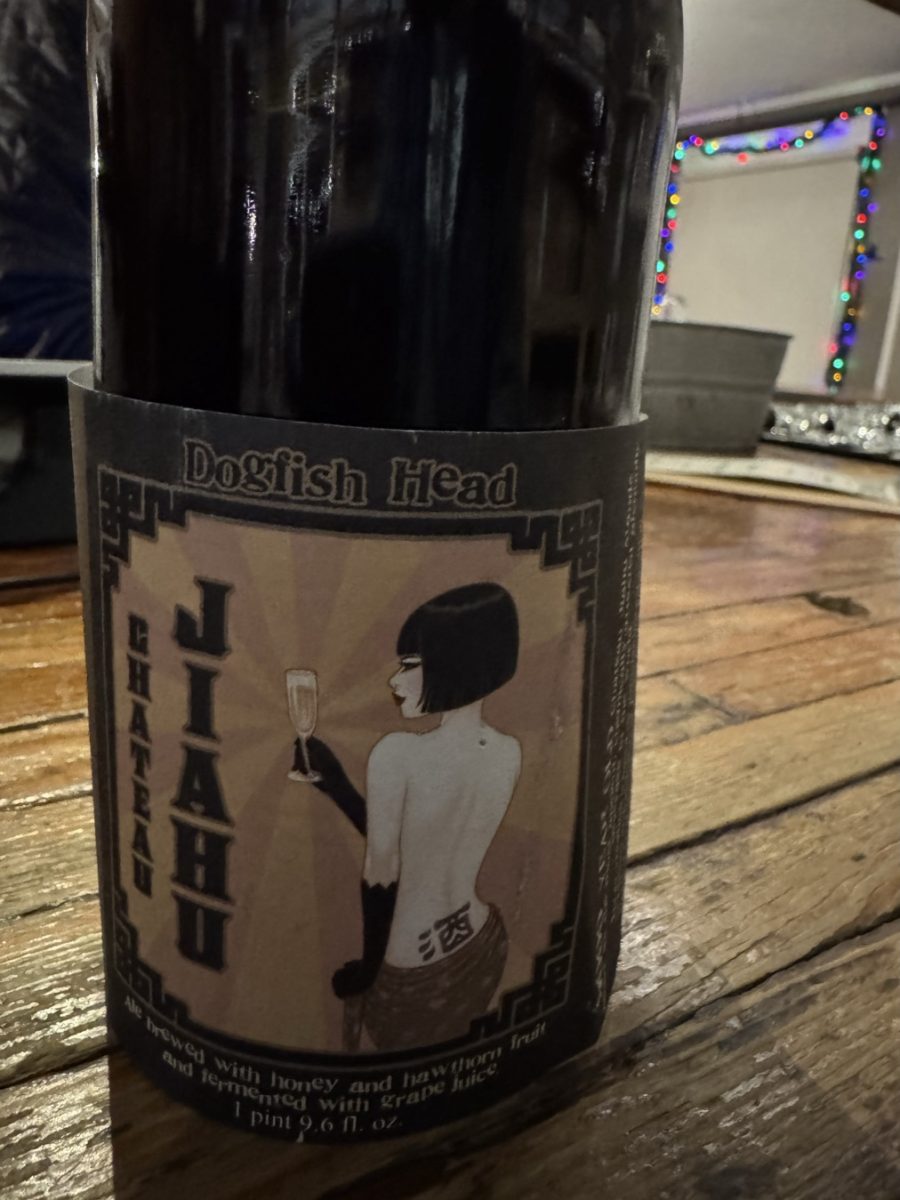
Chateau Jiahu
Brewed by Dogfish Head Craft Brewery
Rice, honey, grape, hawthorn fruit, and barley build a modern interpretation of the chemically attested fermented drink discovered at Jiahu in China’s Yellow River basin.
BAR NOTES
This is less a replica of modern beer than a working hypothesis in a bottle. The rice keeps the body light, honey raises the strength, and tart fruit gives the sweet ingredients a clean, wine-like edge.
Pour it in a wine glass with soft cheese or lightly spiced pork. For more unusual fermentables and flavor additions, continue through HBA’s weird beer additions.
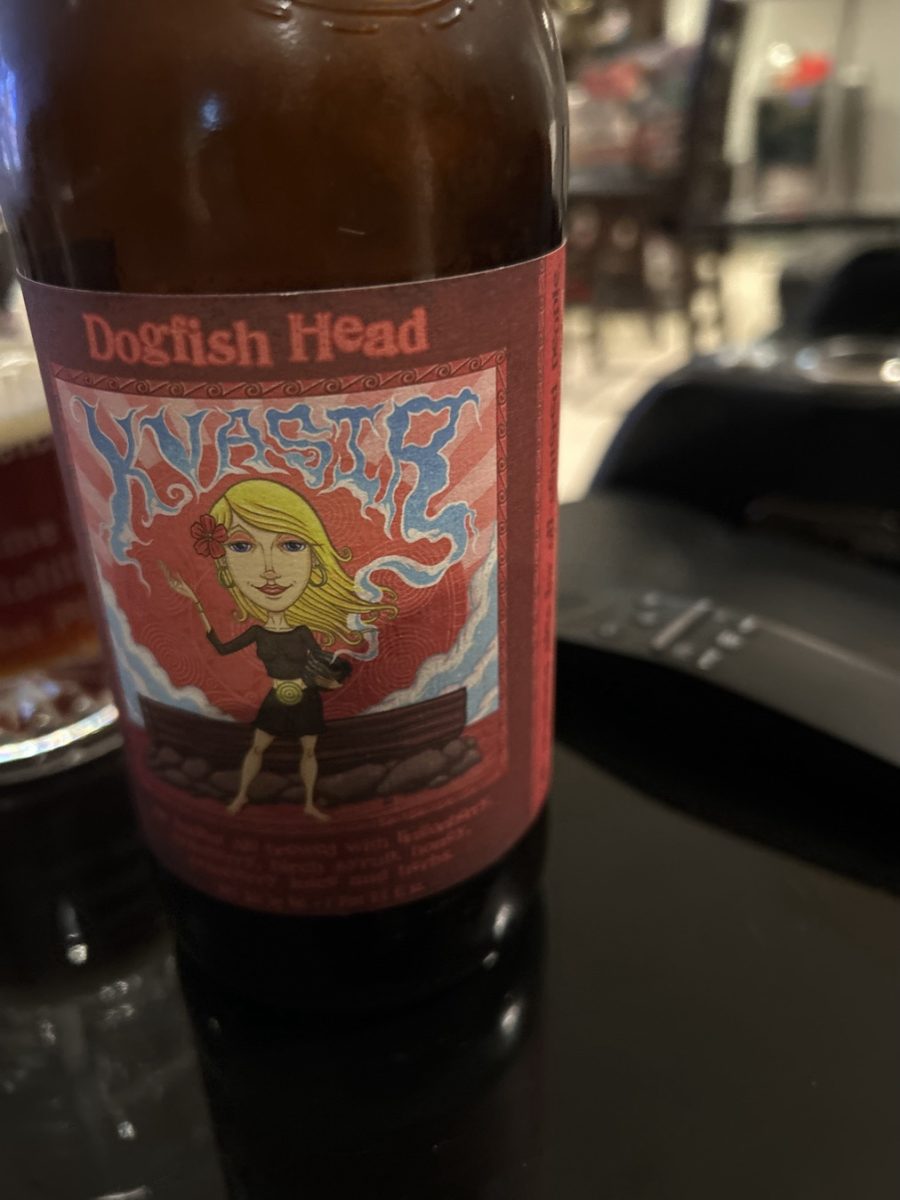
Kvasir
Brewed by Dogfish Head Craft Brewery
Lingonberries, birch syrup, herbs, and grain translate archaeological evidence from Scandinavian drinking vessels into a tart, aromatic hybrid rather than a familiar modern ale.
BAR NOTES
Kvasir is valuable because it shows how broad the word beer becomes when hops are not the organizing ingredient. Berry acidity, herbal bitterness, and birch sweetness pull in different directions while grain keeps the drink recognizable.
Try it cool with smoked fish, rye bread, or sharp cheese. Its northern farmhouse character connects naturally to HBA’s guide to the best sahti.
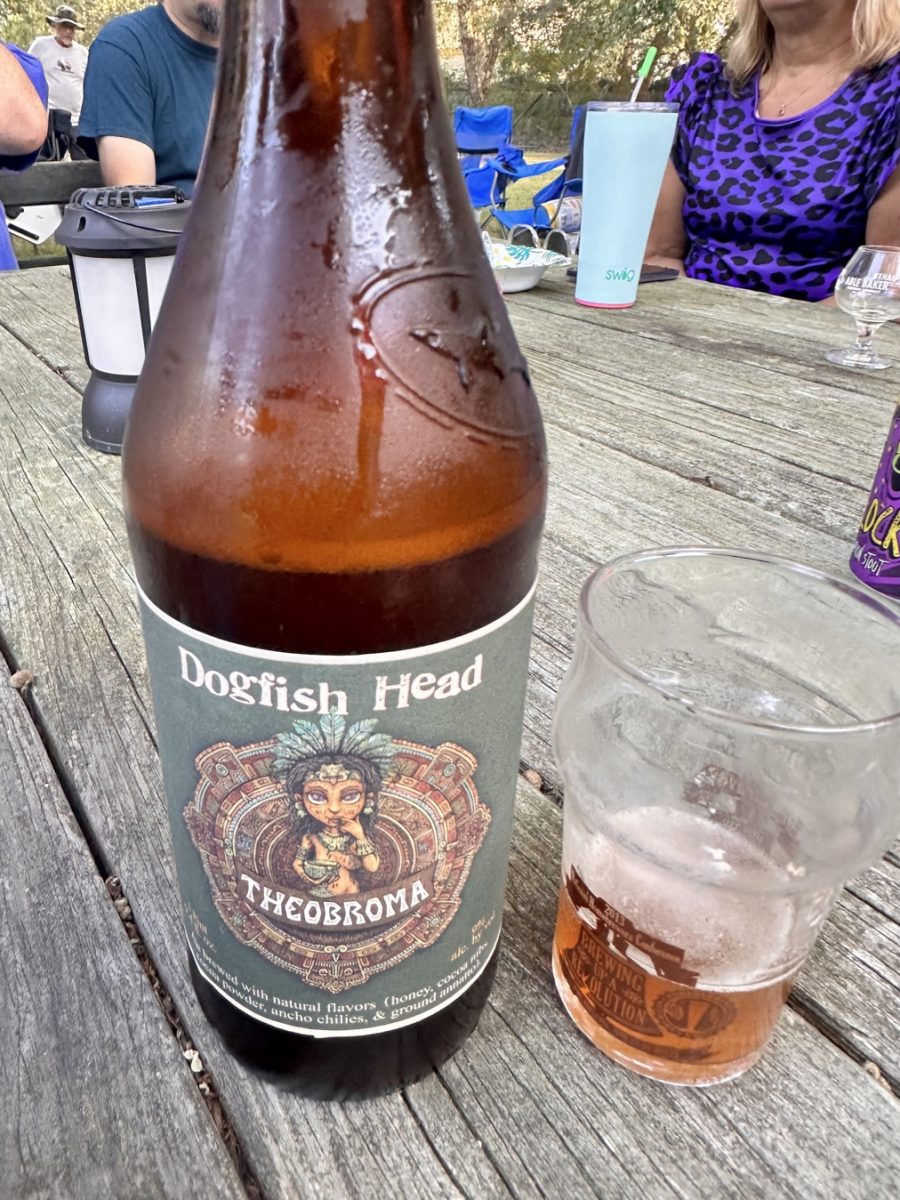
Theobroma
Brewed by Dogfish Head Craft Brewery
Cacao, honey, chile, and annatto draw on residue analysis from Honduran pottery associated with an early fermented chocolate beverage dating to roughly 1200 BCE.
BAR NOTES
Theobroma avoids tasting like a modern pastry stout. Cacao is earthy rather than creamy, chile supplies warmth instead of heat, and annatto adds a dry, aromatic edge around the honeyed malt.
Serve it near 50°F with mole, roast squash, or dark chocolate. Brewers interested in spice control can use HBA’s spiced beer guide for practical context.
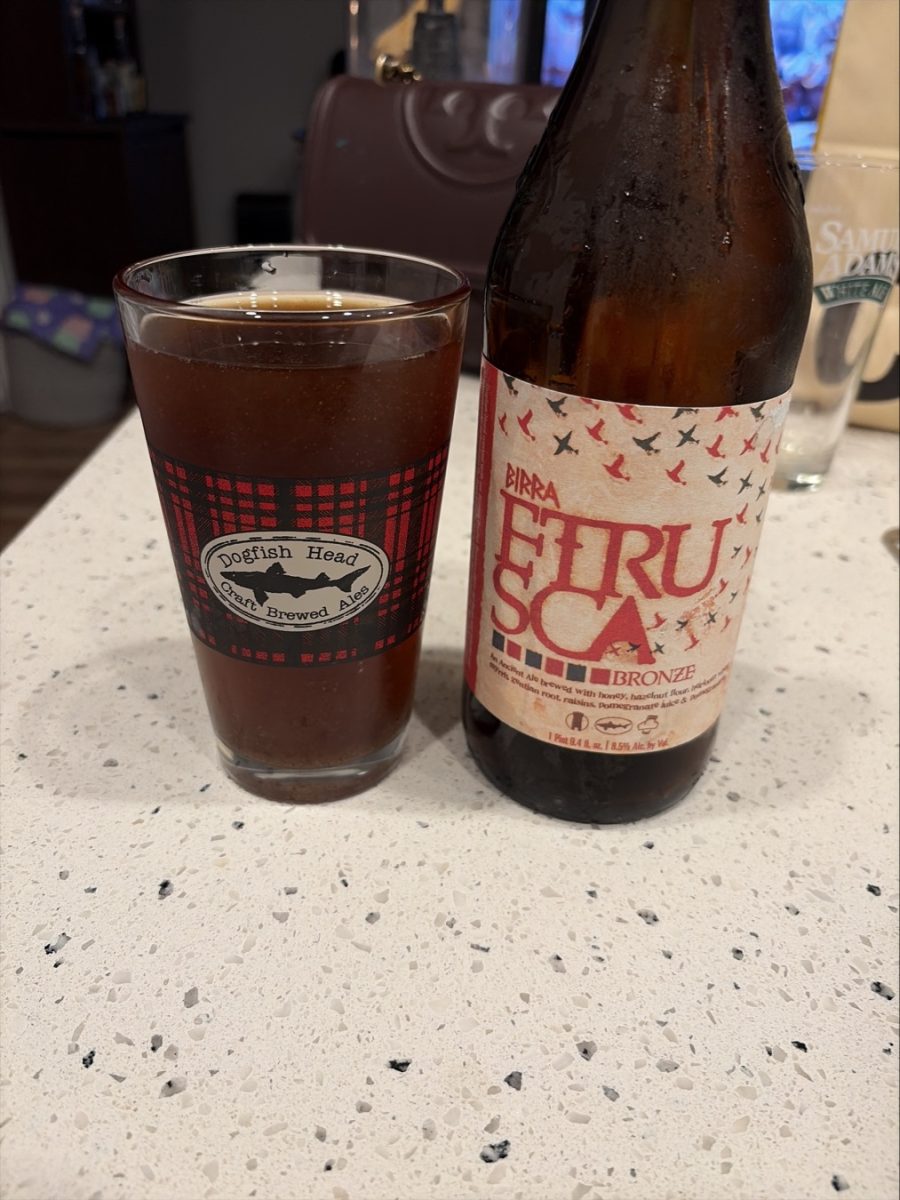
Birra Etrusca Bronze
Brewed by Dogfish Head Craft Brewery
Pomegranate, honey, hazelnut flour, gentian, myrrh, wheat, and barley form a modern interpretation of what Iron Age Etruscan drinking culture may have tasted like.
BAR NOTES
The appeal is its deliberate unfamiliarity. Fruit, resin, nuts, bitter roots, and honey overlap without resolving into IPA, saison, or wine, making the beer feel genuinely removed from modern style rules.
A small tulip pour works best with pecorino, olives, and roasted nuts. Compare its botanical bitterness with the gruit entries in HBA’s unusual additions roundup.
Sah'tea
Brewed by Dogfish Head Craft Brewery
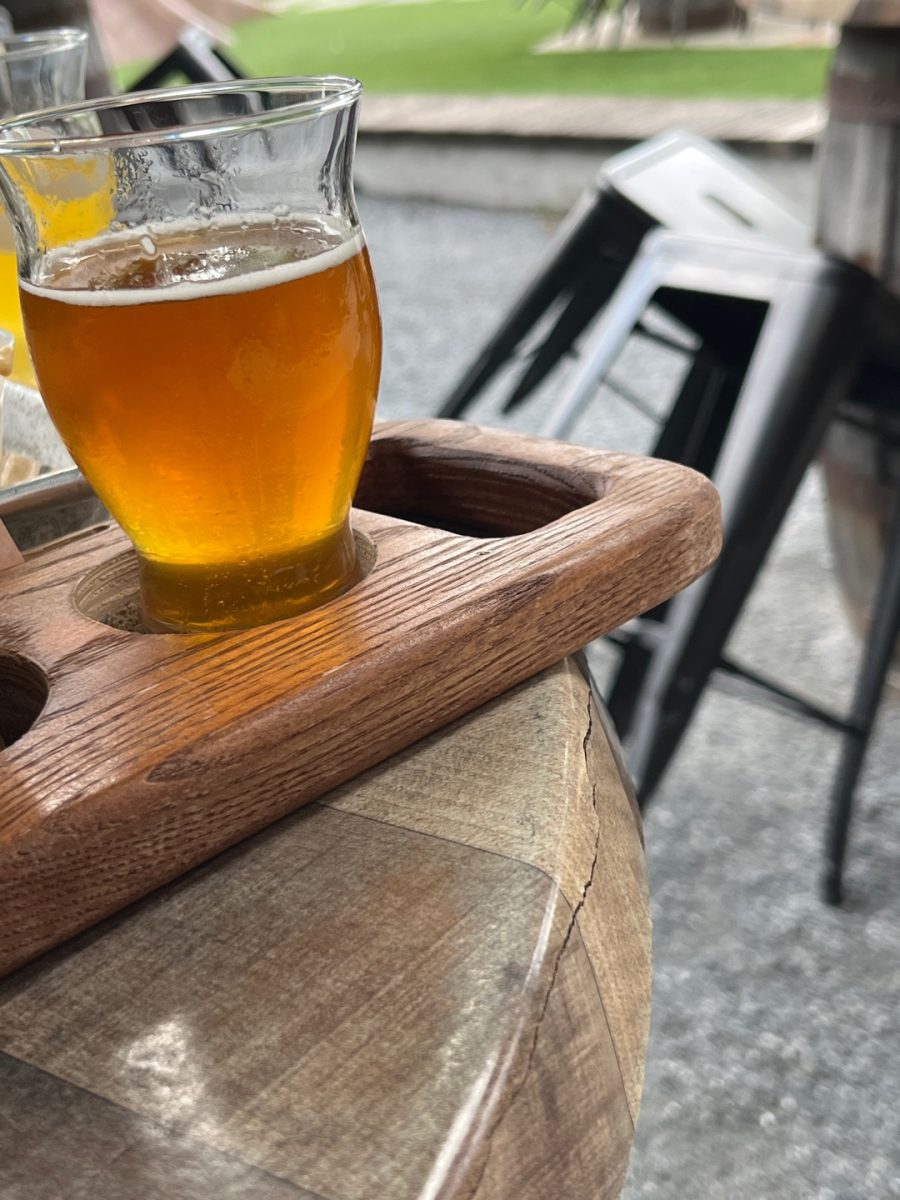
Rye, juniper, hot-rock caramelization, and a spiced tea turn the Finnish farmhouse tradition into a powerful, warming interpretation with banana-rich weizen fermentation.
BAR NOTES
White-hot river rocks are more than theater here: they deepen caramel character while juniper and baking spices keep the 9% beer aromatic. The result is recognizably sahti-inspired but polished for a bottle-conditioned strong ale.
Serve it around 50°F with rye bread, ham, or smoked sausage and allow the spiced aroma to open. HBA’s sahti roundup explains the farmhouse tradition and its modern variations.
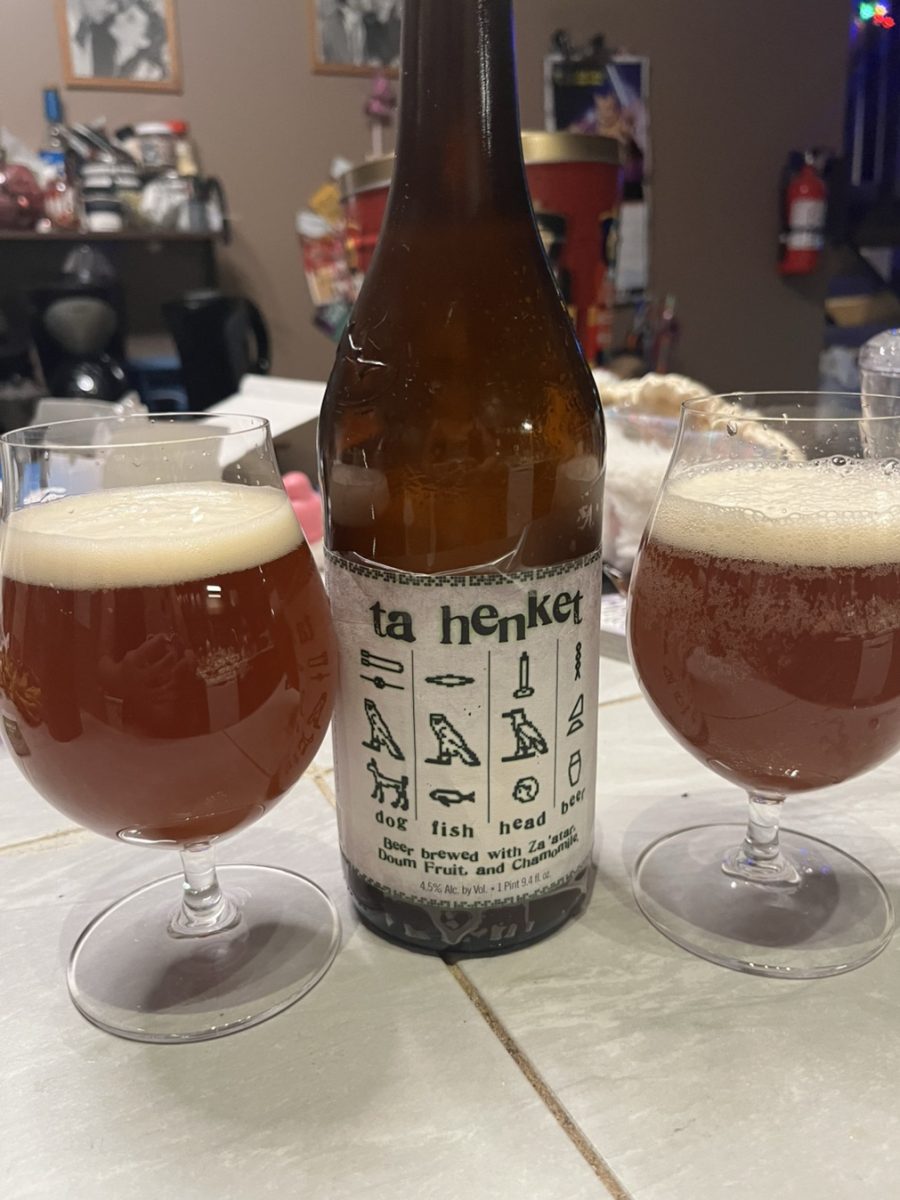
Ta Henket
Brewed by Dogfish Head Craft Brewery
Emmer wheat, dom-palm fruit, chamomile, and za’atar create a relatively light reconstruction shaped by ingredients sourced and cultured for the Egyptian brewing project.
BAR NOTES
At 4.5%, Ta Henket lets grain and herbs speak without a heavy alcoholic frame. The emmer reads rustic and bready, while chamomile and za’atar make the finish savory, floral, and dry.
Pour it cool with flatbread, hummus, grilled vegetables, or roast chicken. For a closer look at how grain choices shape beer, visit HBA’s beer ingredients guide.

Wari
Brewed by Off Color Brewing
Purple corn and molle berries connect this tart ale to archaeological work at the Wari brewery excavated at Cerro Baúl, which operated in Peru roughly 1,000 years ago.
BAR NOTES
Wari succeeds through restraint. Its low strength, light corn body, soft acidity, and peppery fruit make the historical idea drinkable rather than monumental, while the Field Museum collaboration gives the concept unusual research depth.
Serve it cold with ceviche, corn dishes, or salty snacks in a small stemmed glass. Its grain profile makes HBA’s unusual beer additions guide a useful next stop.
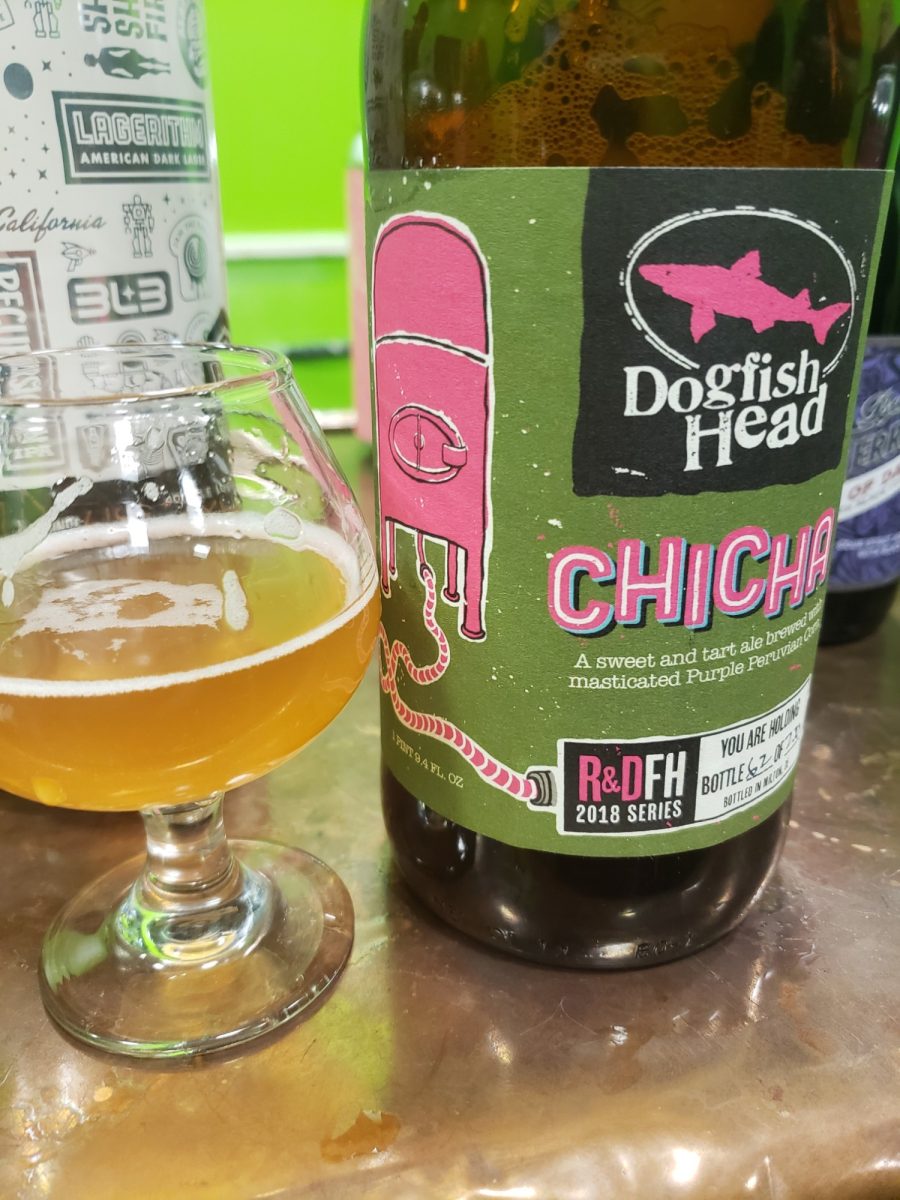
Chicha
Brewed by Dogfish Head Craft Brewery
Masticated purple Peruvian corn, malted corn, barley, strawberries, and mixed yeast recreate chicha through a deliberately hands-on modern brewery process.
BAR NOTES
This entry matters because chicha is not merely an extinct recipe. Dogfish Head adapted a living Andean tradition, using mastication to unlock corn starch before boiling the wort for sanitation and fermenting it dry.
Treat it like a light tart ale and pair it with grilled corn or spicy food. Compare its category-crossing character with HBA’s best hybrid beers.
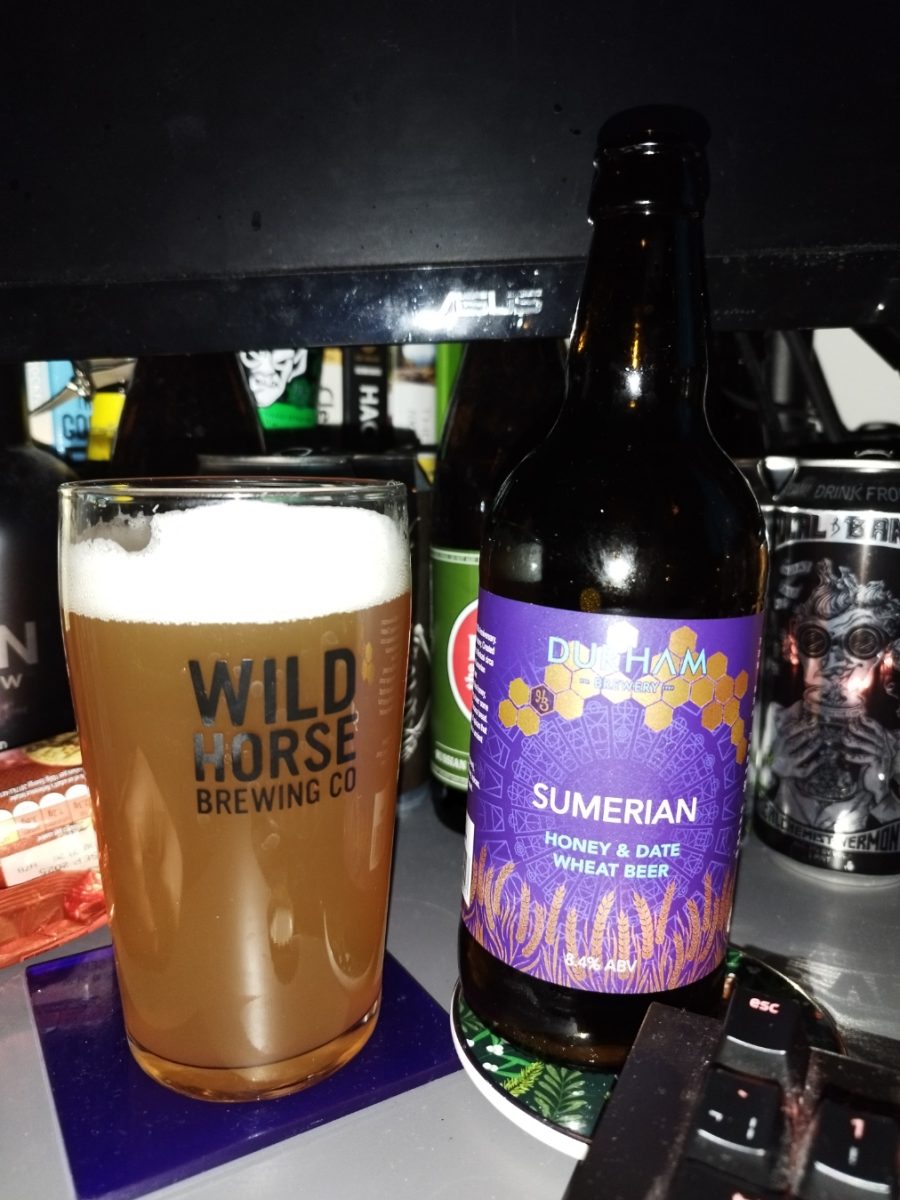
Sumerian
Brewed by The Durham Brewery
Honey, dates, and wheat evoke the ingredients and sweet-sour profile associated with early Mesopotamian brewing, presented as a strong contemporary historical beer.
BAR NOTES
Sumerian is not a literal time machine, and that honesty helps. The brewery uses modern control to organize date richness, honeyed aromatics, wheat softness, and enough fermentation dryness to keep the 8.4% beer composed.
Serve it in a small goblet with dates, blue cheese, or lamb. Homebrewers can compare its unconventional fermentables with HBA’s broader beer recipe library.
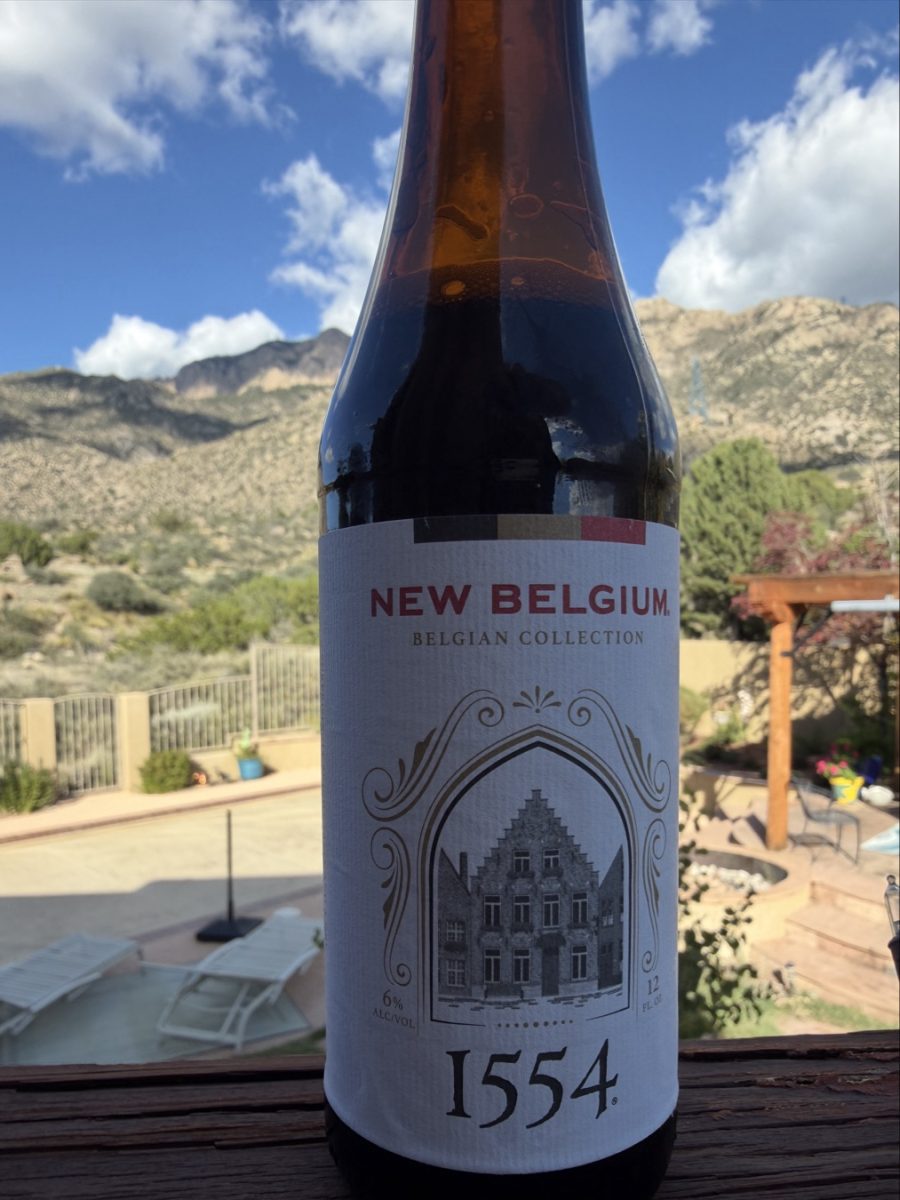
1554
Brewed by New Belgium Brewing Company
New Belgium built this dark, dry Belgian-style ale after finding a centuries-old reference to black beer, producing a widely available bridge between archival inspiration and everyday drinking.
BAR NOTES
Unlike the archaeological reconstructions above it, 1554 is designed as a durable modern brand. Dark malt brings cocoa and toast, lager-like fermentation keeps the profile clean, and modest bitterness leaves a crisp finish.
A full pint works with burgers, mushrooms, smoked sausage, or aged Gouda at the table. For more malt-led choices across many styles, see HBA’s best malty beers.
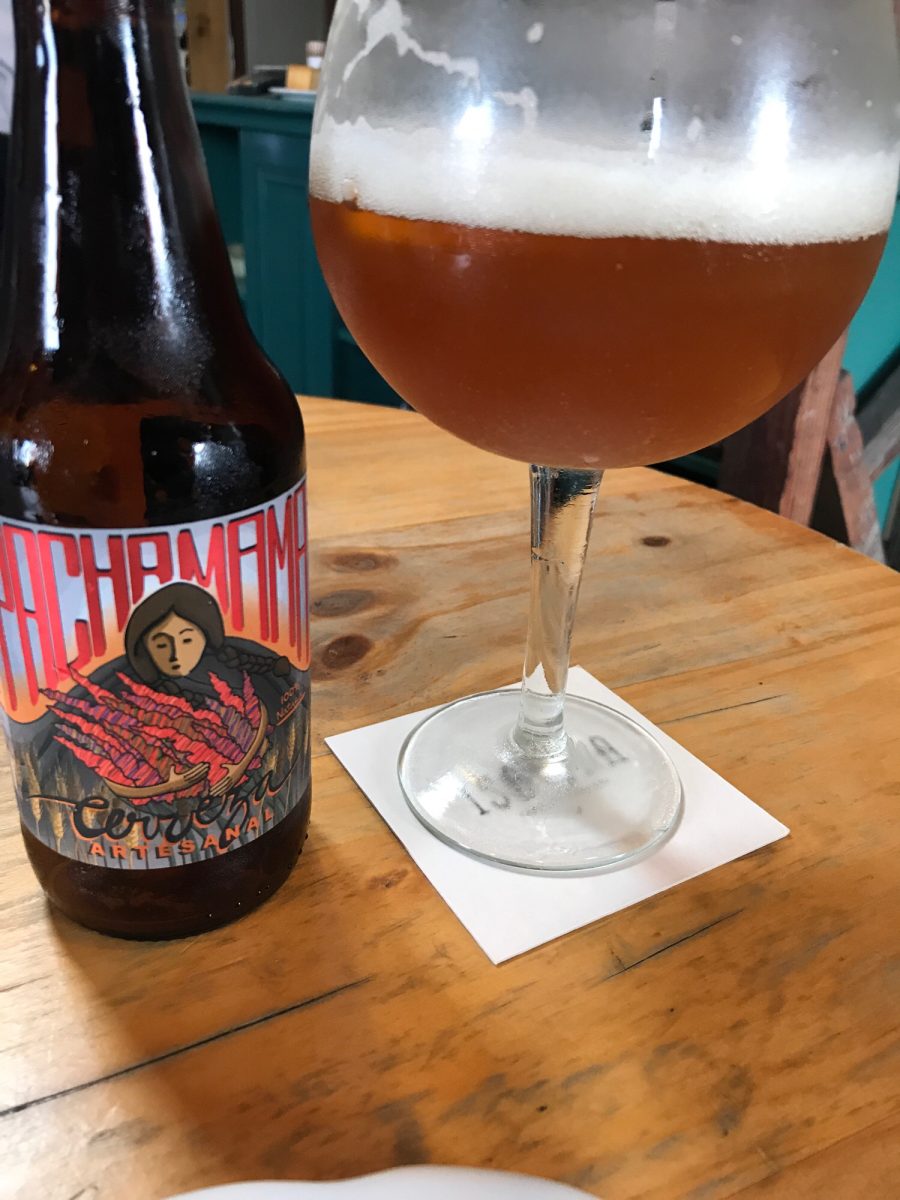
Pachamama
Brewed by Avery Brewing Co.
This chicha interpretation looks to pre-Columbian Peru, combining corn and quinoa before wild fermentation gives the beer a rustic, lightly acidic edge.
BAR NOTES
Pachamama emphasizes process over polish. Grainy corn and nutty quinoa establish the base, while spontaneous fermentation introduces the irregular fruit, earth, and tartness that a laboratory-pure yeast would smooth away.
Pour it cool with roasted sweet potato or grilled pork, preferably before the stronger gruit entries. Its untamed fermentation can lead into HBA’s roundup of best wild ales.
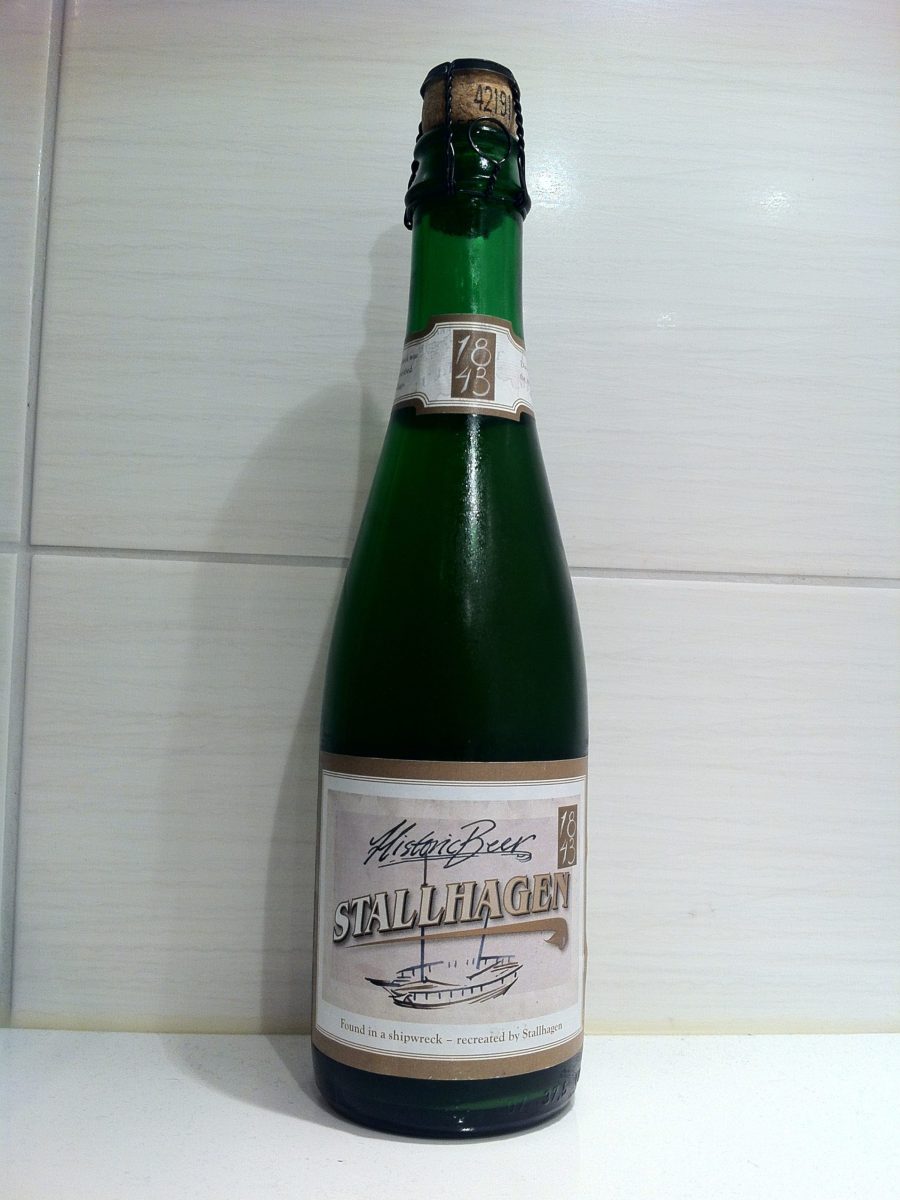
Historic Beer 1843
Brewed by Stallhagen
Stallhagen used scientific analysis of bottles recovered from an 1840s Baltic shipwreck to create a fresh interpretation of the softly sparkling, wine-like original.
BAR NOTES
Historic Beer 1843 is the list’s clearest forensic reconstruction from an intact beer rather than residue alone. Low bitterness, gentle carbonation, fruit, and spice suggest how different nineteenth-century Baltic beer could be from modern lager.
Serve it in a stemmed glass with fish, mild cheese, or rye crisps. Compare it with other revived lager traditions in HBA’s pre-Prohibition lager roundup.
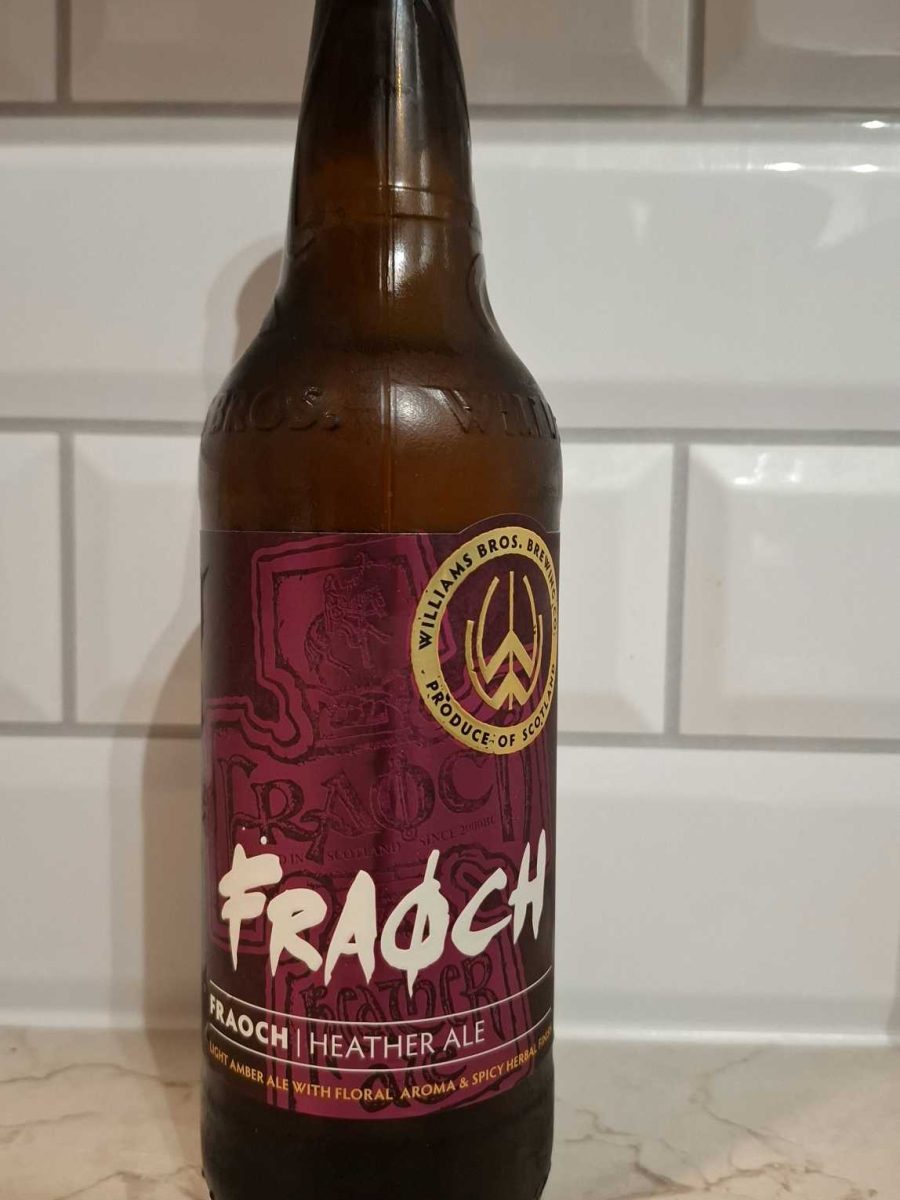
Fraoch Heather Ale
Brewed by Williams Brothers Brewing Co.
Heather flowers and bog myrtle replace a conventional hop-first profile in Williams Brothers’ long-running interpretation of Scotland’s historic leann fraoich tradition.
BAR NOTES
Fraoch is approachable enough to make gruit feel normal. Honeyed malt and floral heather lead, bog myrtle brings herbal bitterness, and the moderate strength keeps the finish brisk rather than perfumed.
Serve it at 45–50°F with smoked salmon or mature cheddar. Its herb-led structure is a practical reference point for HBA’s spiced and herbed beer guide.
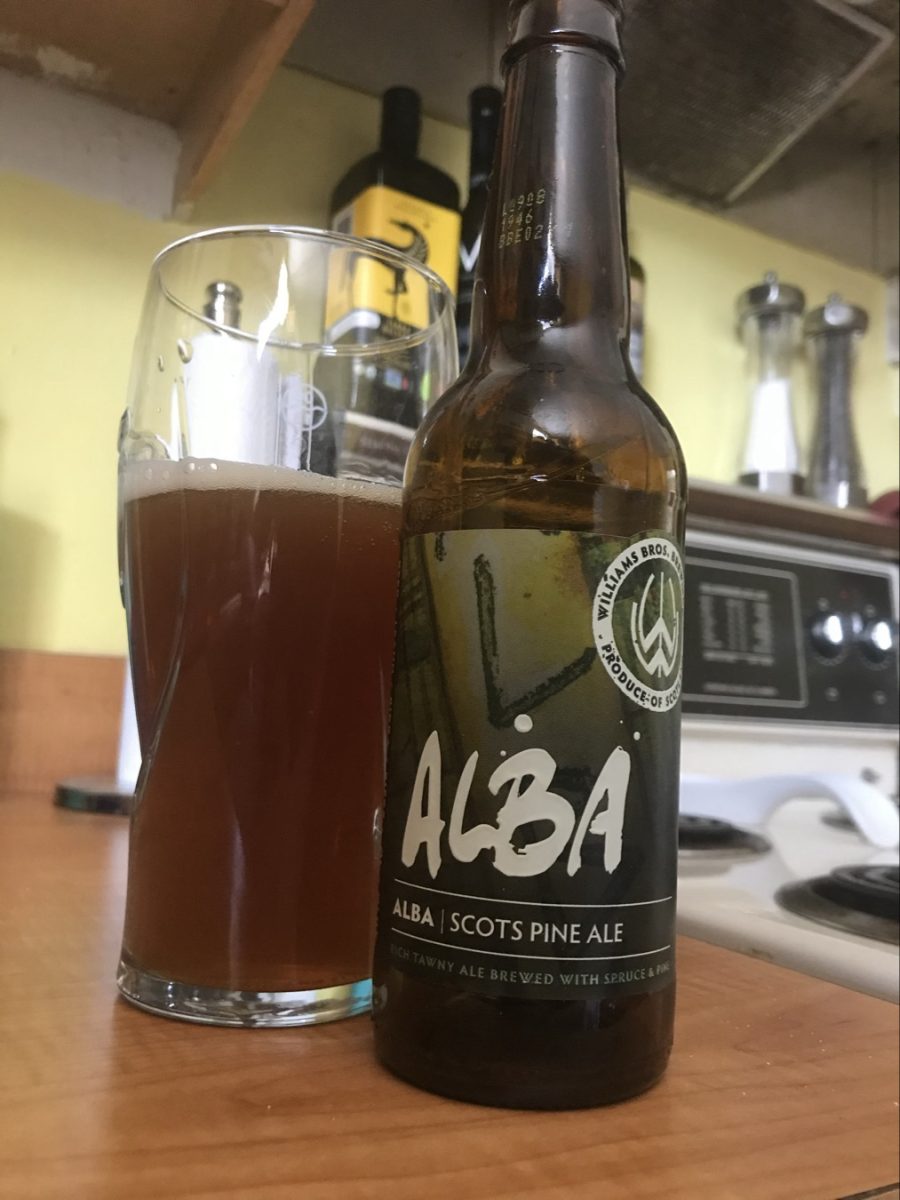
Alba Scots Pine Ale
Brewed by Williams Brothers Brewing Co.
Scots pine and spruce shoots revive the conifer ales once associated with the Scottish Highlands, producing a resinous, warming beer with a firm malt center.
BAR NOTES
Alba does not taste like a novelty Christmas tree. Caramel malt cushions the pine, spruce adds citrus-like lift, and the 7.5% strength gives the forest aromatics enough body to feel integrated.
A small pour pairs well with roast venison, mushrooms, or sharp cheese once the beer has warmed slightly. Continue the botanical theme with HBA’s unusual beer additions guide.
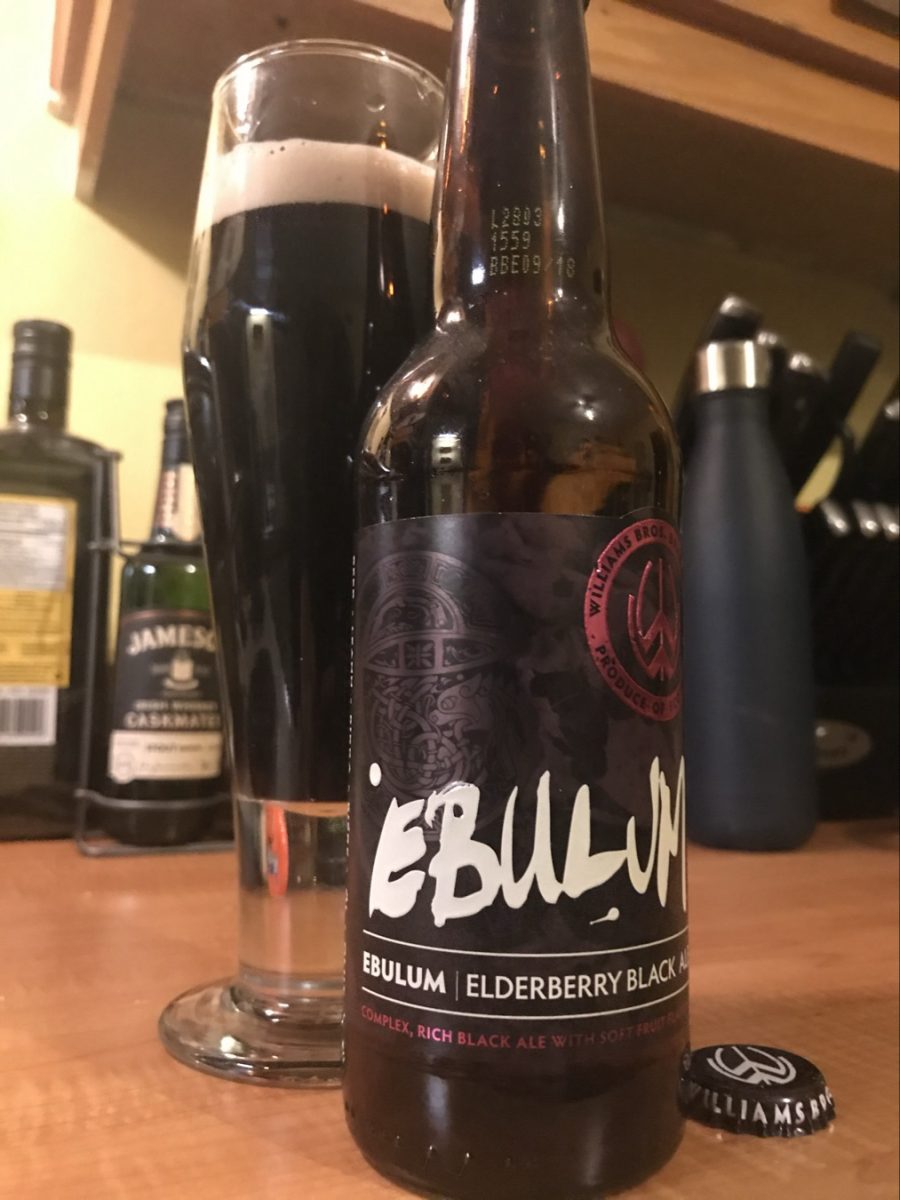
Ebulum Elderberry Black Ale
Brewed by Williams Brothers Brewing Co.
Elderberries, roasted barley, and chocolate malt reinterpret a recipe linked to sixteenth-century domestic drinking records from the Scottish Highlands.
BAR NOTES
Ebulum shows how fruit can reinforce dark malt instead of making beer taste like juice. Elderberry adds winey tartness and tannin, while roast and chocolate flavors keep the finish bitter and grounded.
Serve it near cellar temperature with game, blue cheese, or a not-too-sweet chocolate cake that leaves room for the fruit. For broader fruit-and-malt comparisons, open HBA’s best fruit beers.
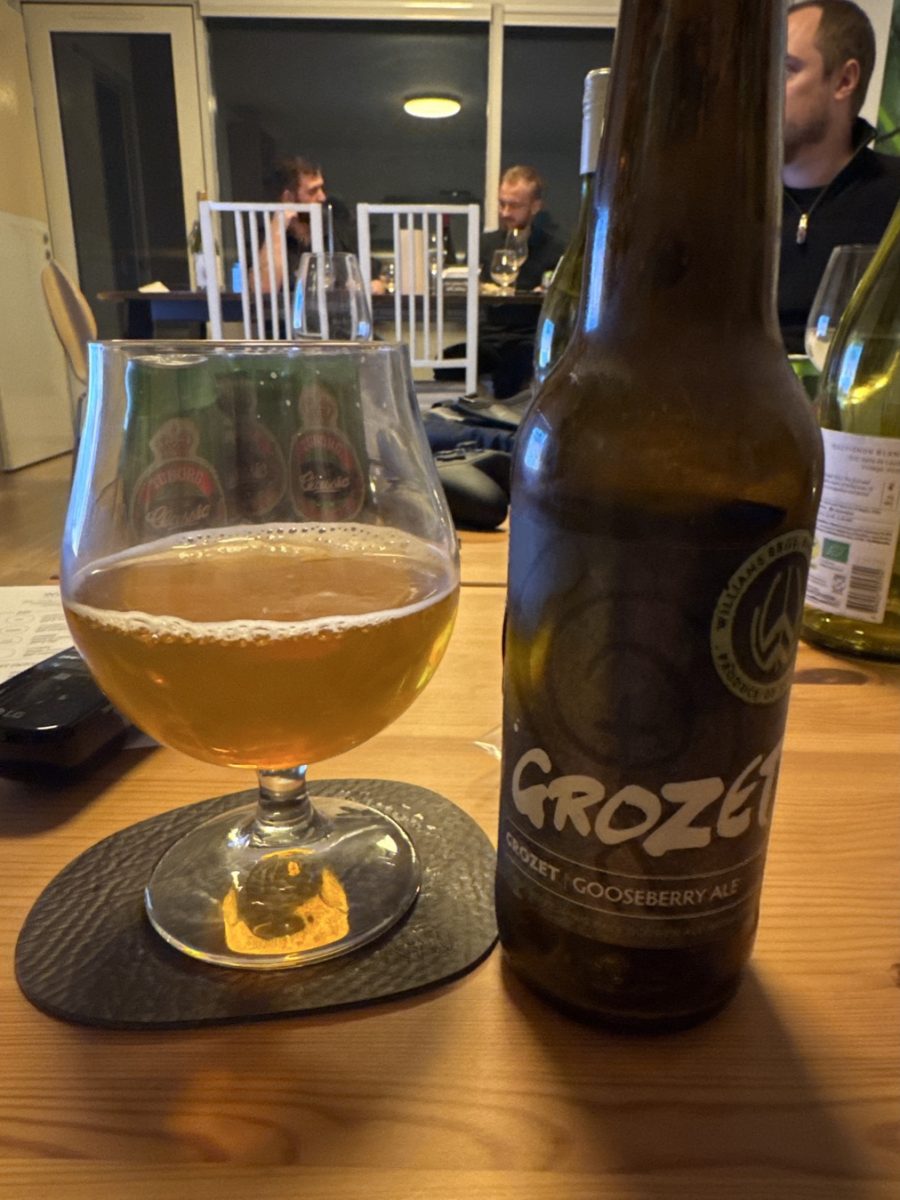
Grozet
Brewed by Williams Brothers Brewing Co.
Gooseberries and bog myrtle give this pale revival a tart, herbal profile rooted in old Scottish brewing rather than modern kettle-sour technique.
BAR NOTES
Grozet is one of the most refreshing historic interpretations here. Soft malt stays in the background while gooseberry supplies green fruit acidity and bog myrtle adds a lightly medicinal, drying finish.
Drink it cool with goat cheese, leafy salads, or grilled white fish as an early-flight refresher. Its bright fruit character fits naturally beside HBA’s fruit beer roundup.
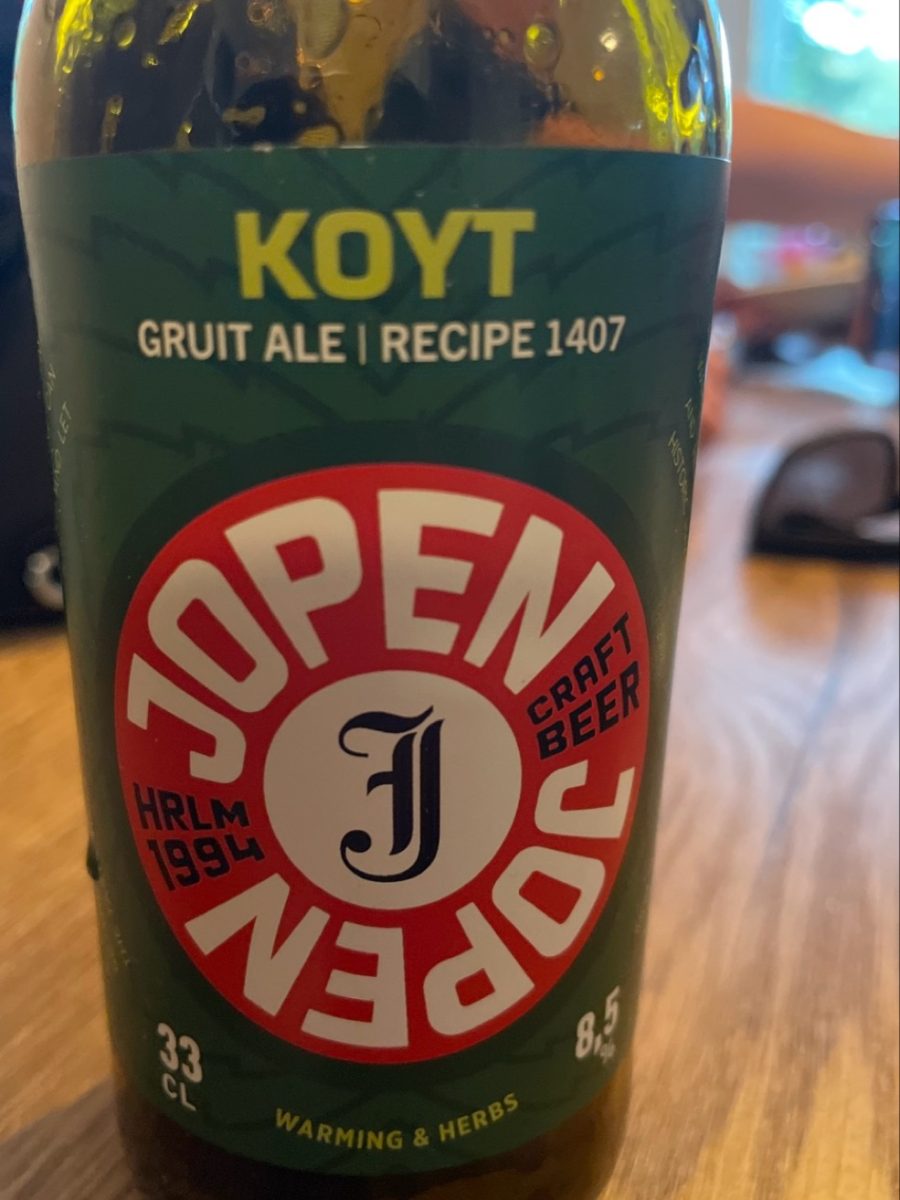
Koyt
Brewed by Jopen
Barley, wheat, oats, and a gruit herb blend follow Haarlem’s surviving 1407 city brewing ordinance, creating a malty beer with smooth botanical bitterness.
BAR NOTES
Koyt is valuable because its documentary source is unusually specific. The three-grain body feels broad and creamy, while herbs replace the sharp hop structure modern drinkers expect from a strong amber beer.
Serve it at cellar temperature with aged Gouda or roast pork. HBA’s beer ingredient guide helps explain what changes when hops stop carrying the bitterness.
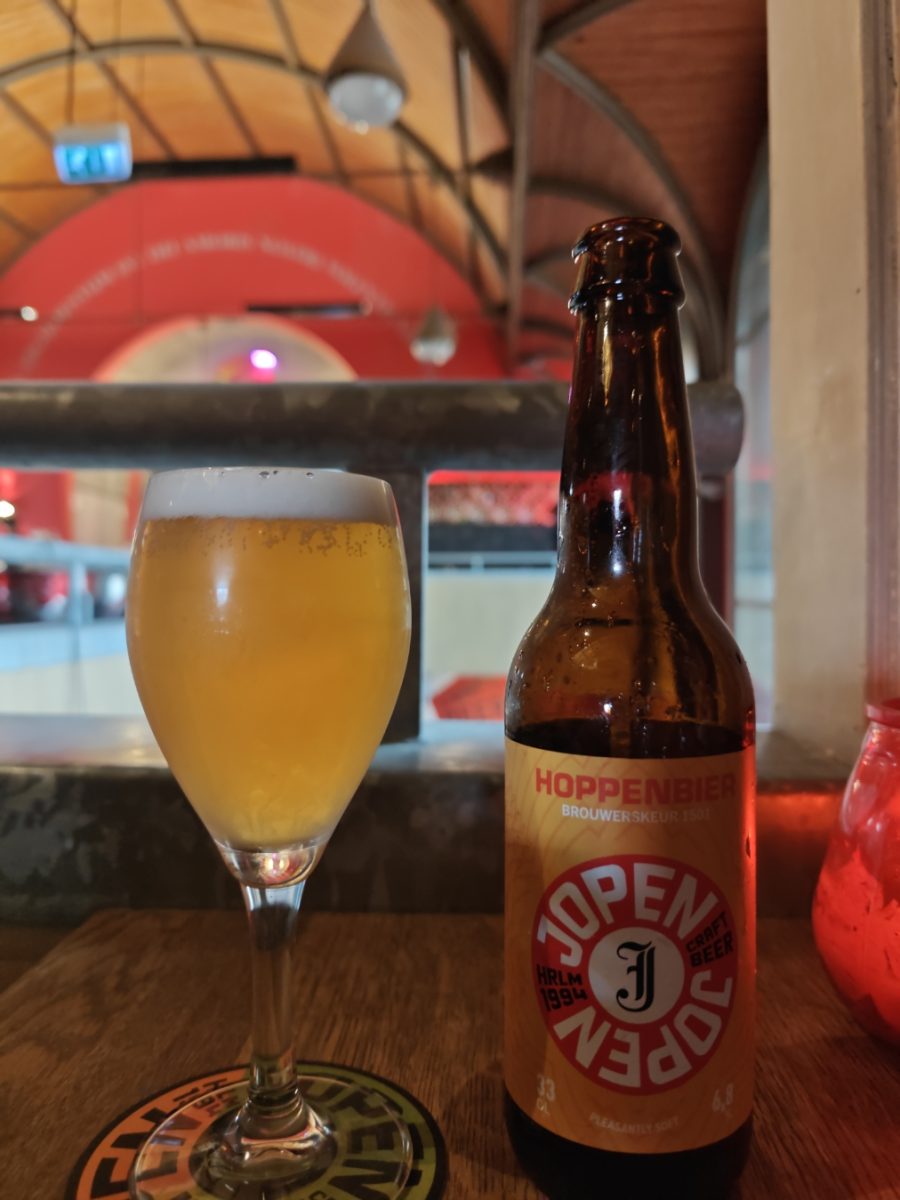
Hoppenbier
Brewed by Jopen
Jopen’s founding beer follows Haarlem’s 1501 city recipe, marking the historical shift from herb-bittered koyt toward the hopped beers that reshaped European brewing.
BAR NOTES
Taste this immediately after Koyt. The same barley-wheat-oat foundation makes the comparison useful, but hops sharpen the finish and demonstrate why the new preservative and bittering plant spread so successfully.
Pair it with sausages, mustard, or nutty cheese and compare it directly beside Koyt. For a deeper look at bitterness and aroma, continue to HBA’s wet-versus-dry hops guide.
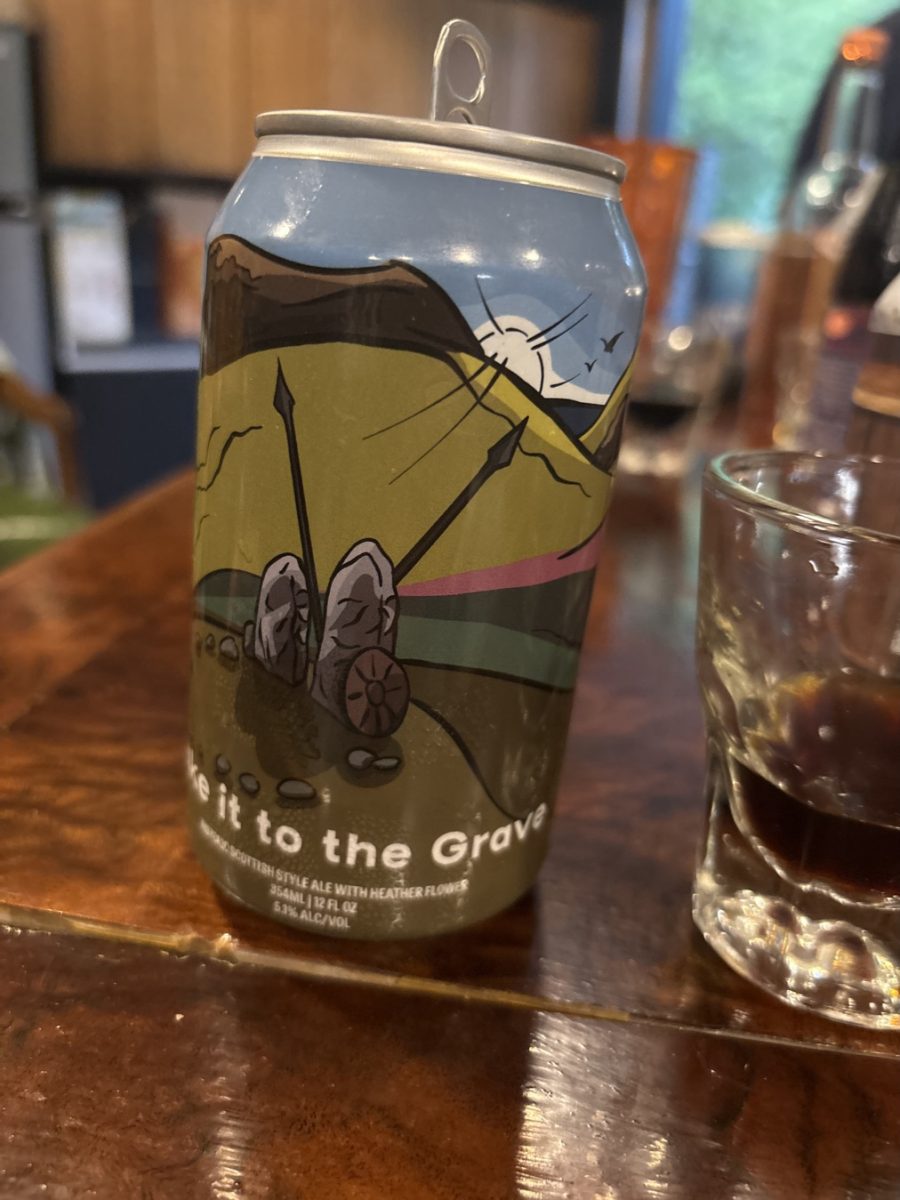
Take It To the Grave
Brewed by Archival Brewing
Heather flowers, caramel malt, and a Scottish-ale base turn the legend and archaeological story of Pictish heather ale into a balanced contemporary pub beer.
BAR NOTES
Take It To the Grave is less reconstruction than respectful interpretation, which earns it a useful place at the end of the list. Malt remains central, heather adds floral dryness, and modest strength supports a full pour.
Let it warm slightly and serve with stew, roast lamb, or cheddar. Homebrewers can build from the malt profile in HBA’s Scottish ale recipe.
Follow Beer Back Through Time
Compare surviving farmhouse traditions, herb-bittered ales, revived lagers, and practical recipes that bring historical ideas into a modern home brewery.
DRINK DEEPER
BREW IT YOURSELF

better beer.