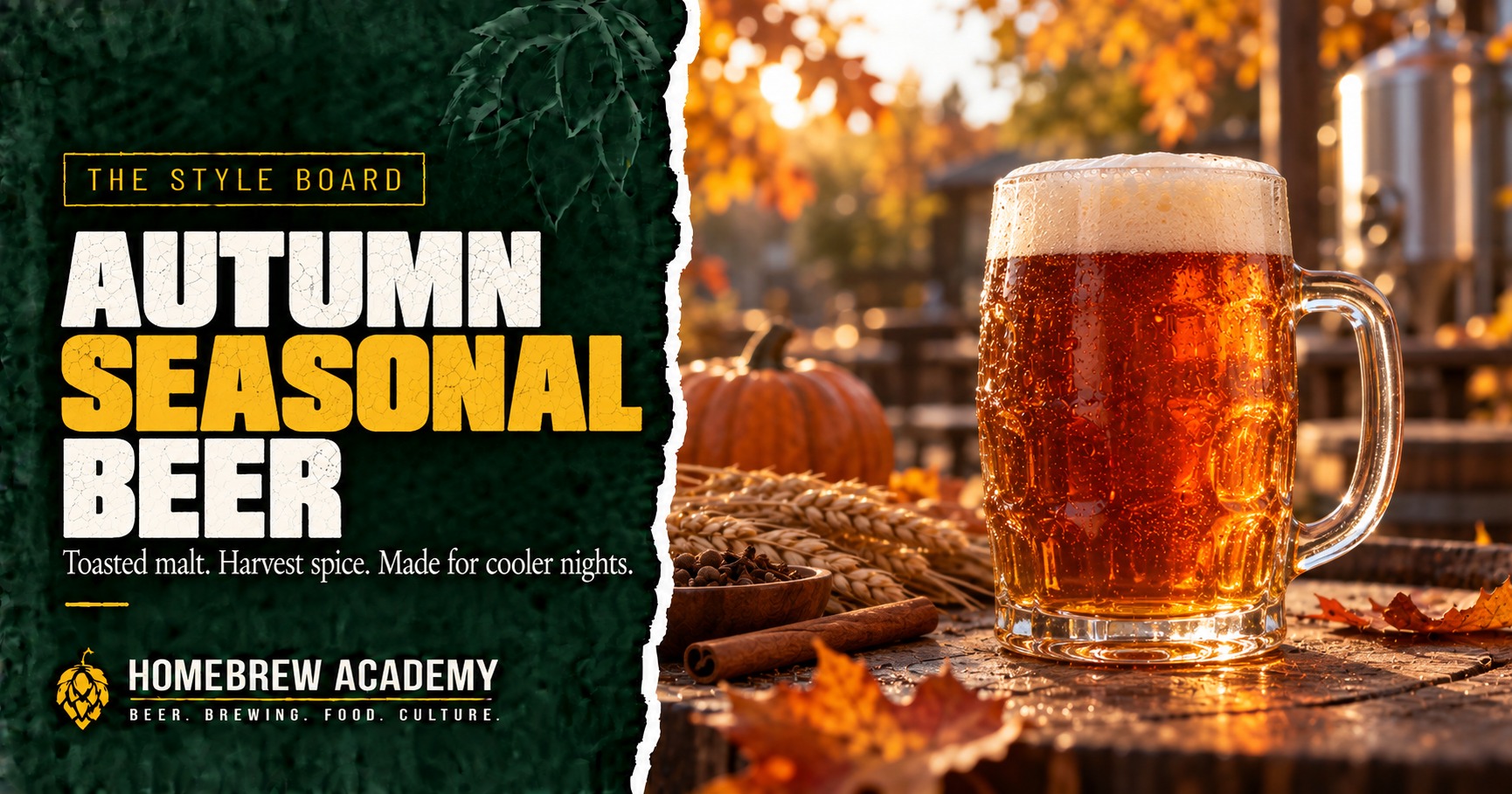
Autumn Seasonal Beer: 10-Beer Comparison Flight and Style Guide
Autumn seasonal beer translates harvest flavors and cooler weather into malt, spice, squash, and warming strength. Pumpkin ale is the best-known expression, but pumpkin is not mandatory and its flavor is often subtler than the cinnamon, ginger, nutmeg, or allspice surrounding it.
The goal is not simply “pumpkin pie in a glass.” The strongest examples use a recognizable beer base to organize the seasonal ingredients, creating a drink that still has a beginning, middle, and dry enough finish.
What defines an autumn seasonal
Expect amber to brown color, a malty center, restrained hop aroma, and some combination of toast, caramel, baked squash, brown sugar, maple, or baking spice. Strength varies from easy-drinking amber ale to rich imperial versions.
Oktoberfest and Märzen are associated with autumn on the calendar, but they are established unspiced lager styles. They do not become autumn seasonal beers unless a brewer adds a separate harvest concept that changes their identity.
Pumpkin versus pumpkin spice
Fermented pumpkin is earthy, gently sweet, and squash-like—not naturally redolent of pie. Much of the familiar “pumpkin” signal comes from cinnamon, nutmeg, ginger, clove, and vanilla. Malt selection supplies crust, caramel, and toast.
Real squash can add color, body, and a rounded vegetal depth, but it also brings water and fermentable material. A beer can succeed without it if the declared concept is spice-led. If pumpkin is promised, however, some actual squash character should survive.
Freshness and serving
Drink most examples during their release season. Aromatic spice fades, while oxidation can make caramel malt seem dull or papery. Very strong versions may mellow for a year, but they will trade fresh spice for deeper dried-fruit and sherry notes.
A tulip, nonic pint, or stemmed goblet works well. Serve cool rather than ice cold so the spice opens gradually, and pair with roast pork, squash, nutty cheese, or desserts that echo rather than overwhelm the beer.
Ten Autumn Seasonal Beer references and comparisons
Five pumpkin-season beers compare substantial malt, added vanilla, brown ale, lighter real-pumpkin ale and spiced wheat ale. Two Märzens, Rauchbier, Alaskan Amber and Harvey’s Old Ale are clearly unspiced controls with their established styles retained. These comparisons isolate seasoning rather than declaring ten strict Autumn Seasonal specialty entries.
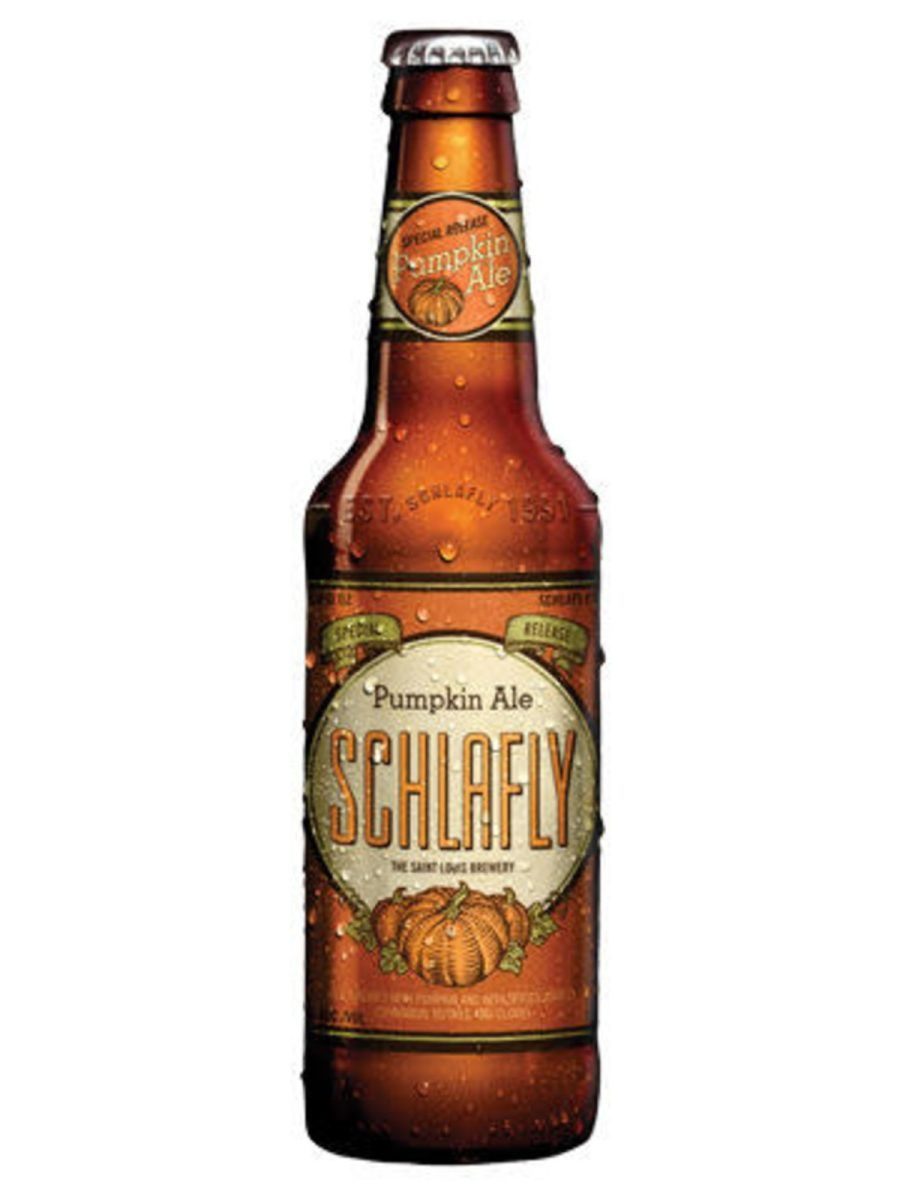
Pumpkin Ale
Brewed by Schlafly
A substantial malt base beneath autumn seasoning.
BAR NOTES
Schlafly lists its Pumpkin Ale at eight percent alcohol and sixteen IBU. Pumpkin and pie-style seasoning accompany a substantial malt foundation; pale, crystal, Munich, wheat and chocolate malts help explain why spice alone does not define the beer.
Start by separating pumpkin character from the pie-spice association and the substantial malt body. A roasted squash dish makes a useful partner; check whether seasoning remains integrated through the finish rather than measuring success only by aromatic intensity.
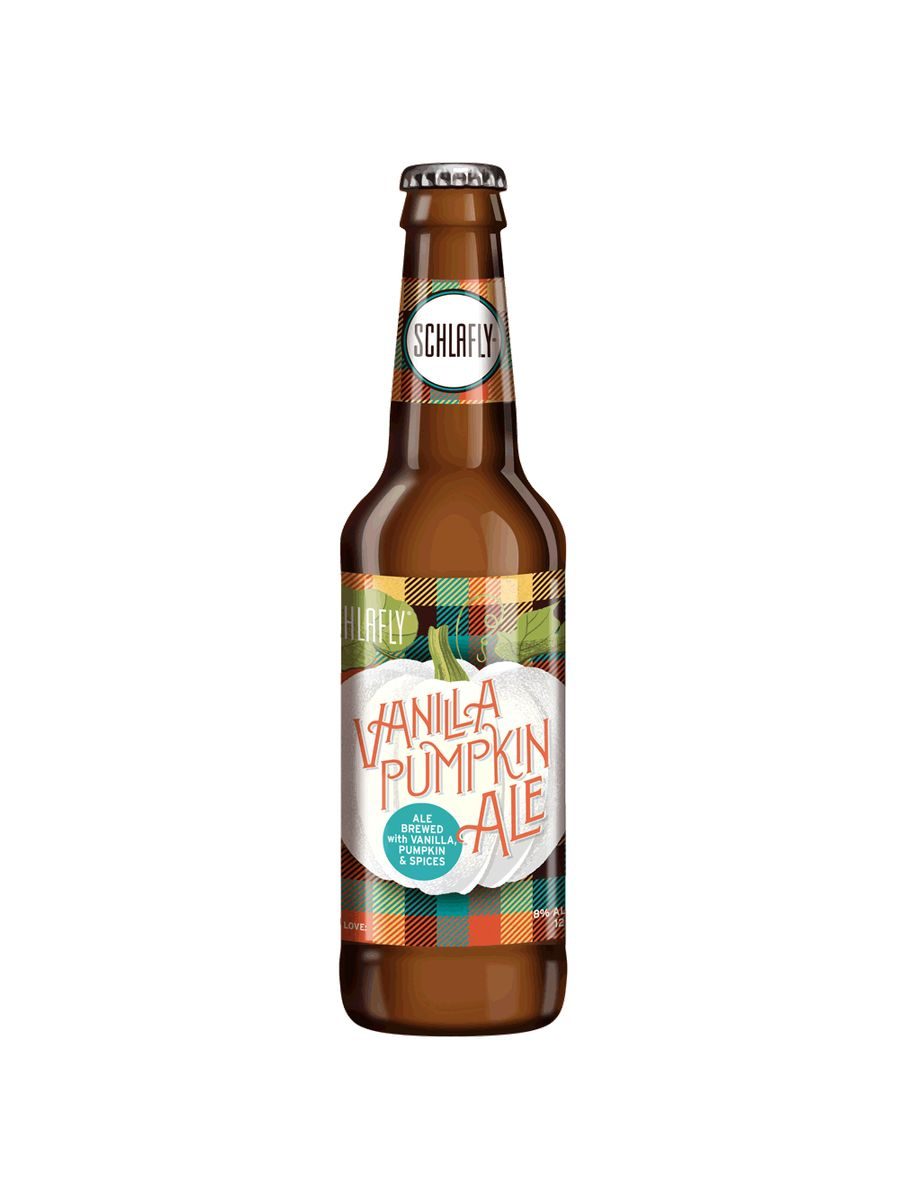
Vanilla Pumpkin Ale
Brewed by Schlafly
Vanilla changes the aromatic pumpkin-pie reference.
BAR NOTES
Schlafly describes Vanilla Pumpkin Ale as a seasonal pumpkin beer with pie spices and added vanilla. Its eight-percent strength and sixteen IBU match the brewery’s listed specification; the vanilla treatment gives the standard pumpkin comparison a specific second axis.
Compare this directly with ordinary Schlafly Pumpkin Ale before moving to another brewery. Vanilla can suggest dessert without proving more residual sugar; record sweetness and fragrance separately so the added aromatic layer does not conceal the shared strength and malt structure.
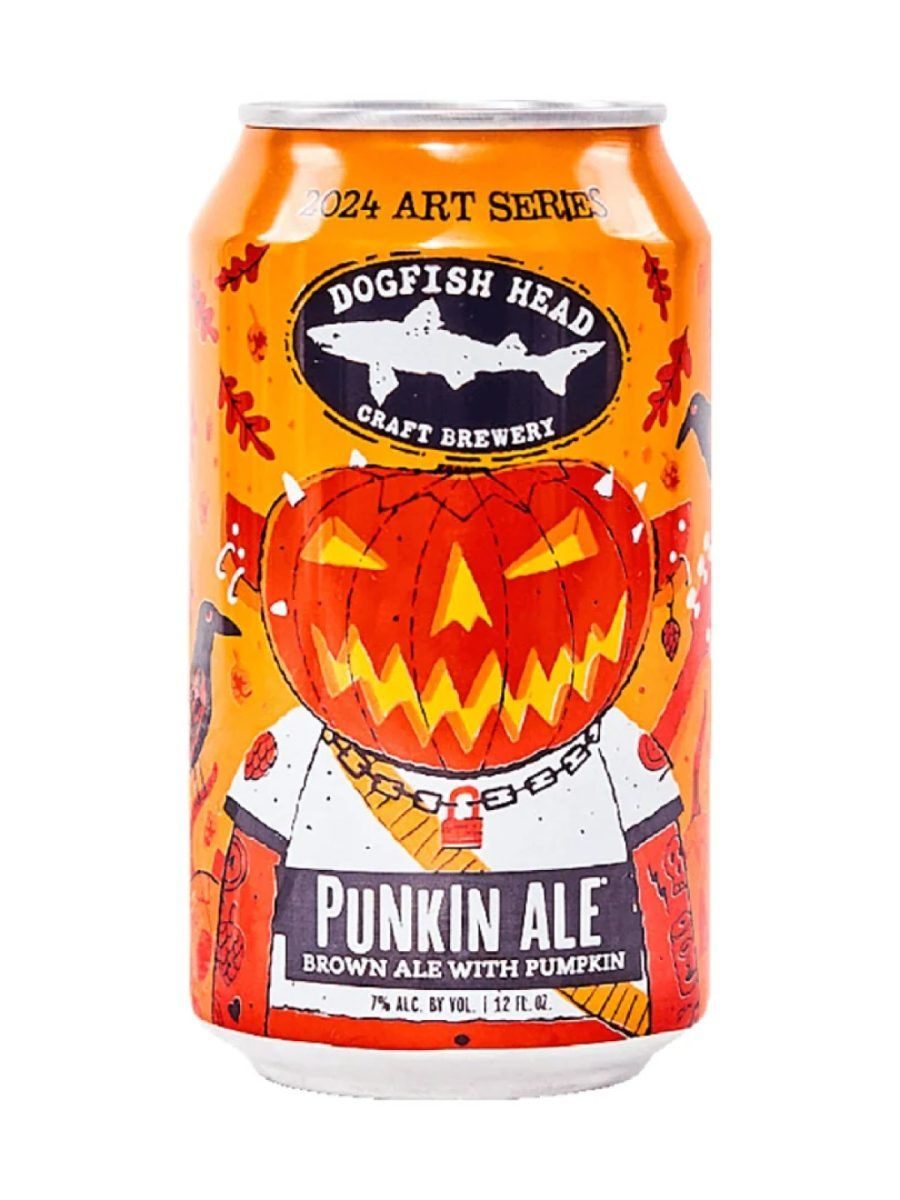
Punkin Ale
Brewed by Dogfish Head
Pumpkin flavor with a brown-ale foundation.
BAR NOTES
Dogfish Head describes Punkin as a full-bodied brown ale brewed with pumpkin meat, brown sugar and spices. The photographed Art Series can identifies the seven-percent beer; the brown-ale base matters alongside its recognizable autumn flavor treatment.
The brown-ale foundation distinguishes Punkin from wheat-based Pumpkinhead even before pumpkin and spices enter the discussion. Compare toasted malt, sweetness and seasoning independently, using the same serving temperature so a colder pour does not unfairly suppress one beer’s aroma.
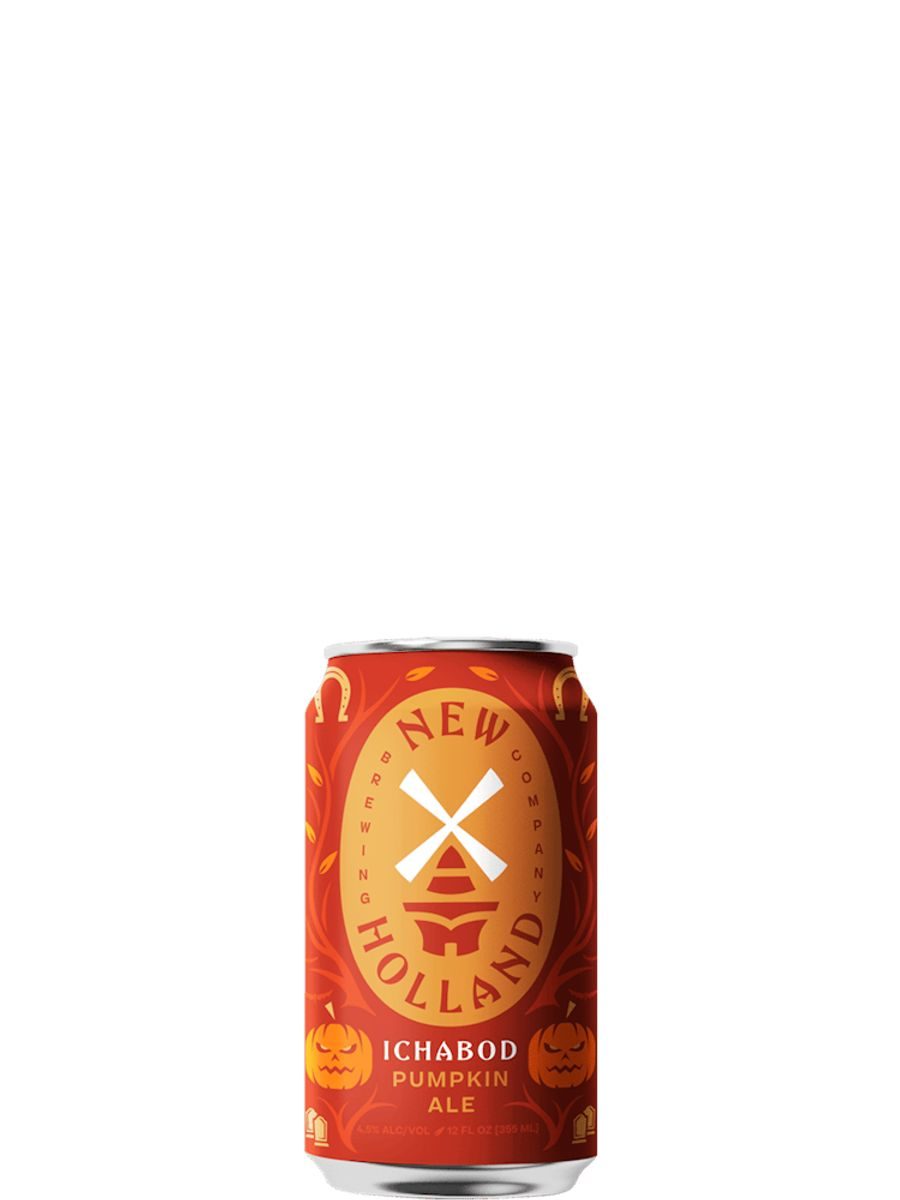
Ichabod
Brewed by New Holland Brewing
A lighter-strength real-pumpkin reference.
BAR NOTES
New Holland’s current Ichabod page lists 4.5 percent alcohol and an autumn release. Malted barley, real pumpkin, cinnamon and nutmeg make the declared recipe particularly useful beside wheat-based Pumpkinhead and the stronger Schlafly pumpkin ales.
Ichabod is the real-pumpkin comparison at a lighter alcohol level. Taste beside the stronger Schlafly examples and ask whether cinnamon and nutmeg remain proportionate to the base; lighter strength can still support a coherent autumn recipe without imperial-scale sweetness.
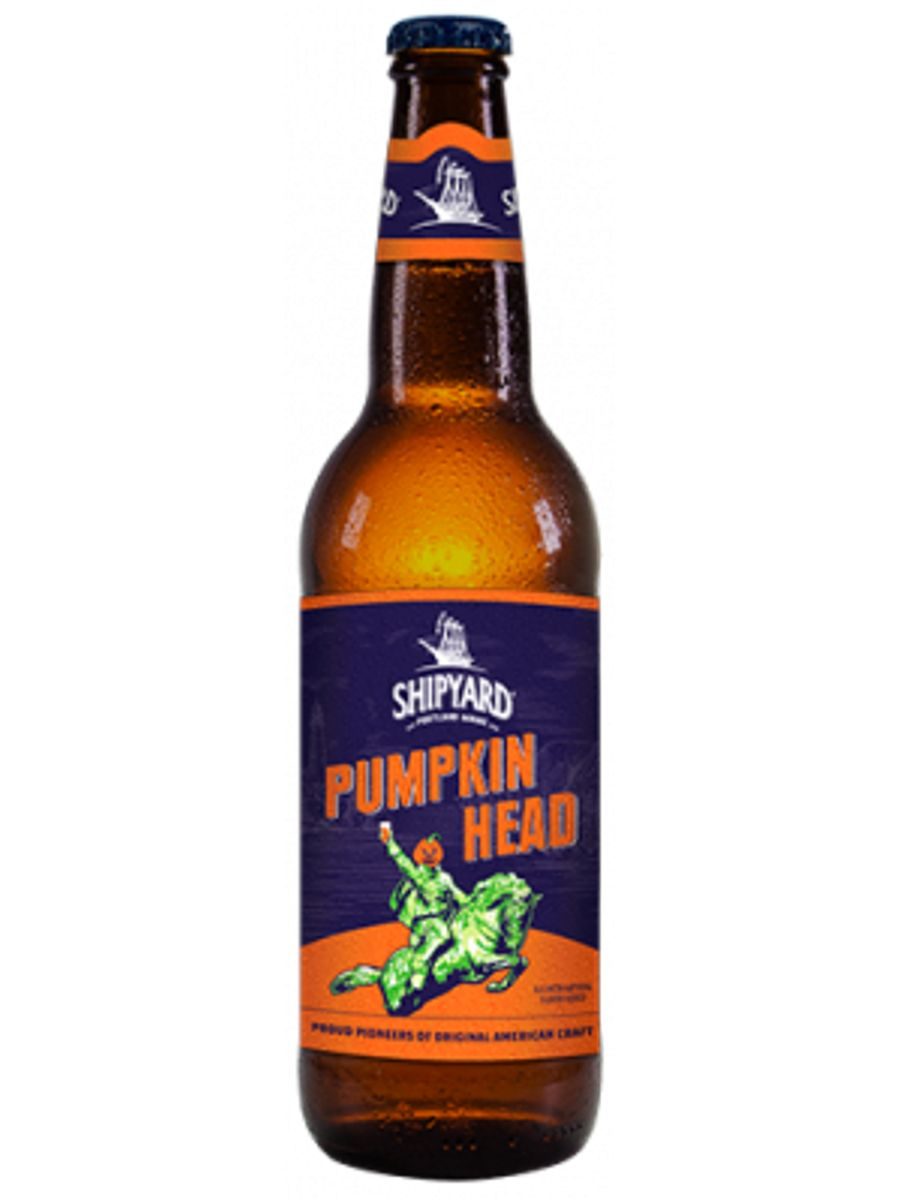
Pumpkinhead
Brewed by Shipyard Brewing
The lighter wheat-based autumn comparison.
BAR NOTES
Shipyard describes Pumpkinhead as a wheat ale with pumpkin-season flavor and cinnamon and nutmeg accents. At 4.5 percent alcohol and eighteen IBU, it provides a lighter comparison with the stronger pumpkin ales without requiring an invented pumpkin-fruit dose.
Pumpkinhead provides the wheat-based spice comparison at moderate strength. Its cinnamon and nutmeg accents illustrate autumn aroma without a specified real-pumpkin dose; keep that distinction visible when comparing it with Ichabod’s explicitly declared pumpkin ingredient and barley-based foundation.
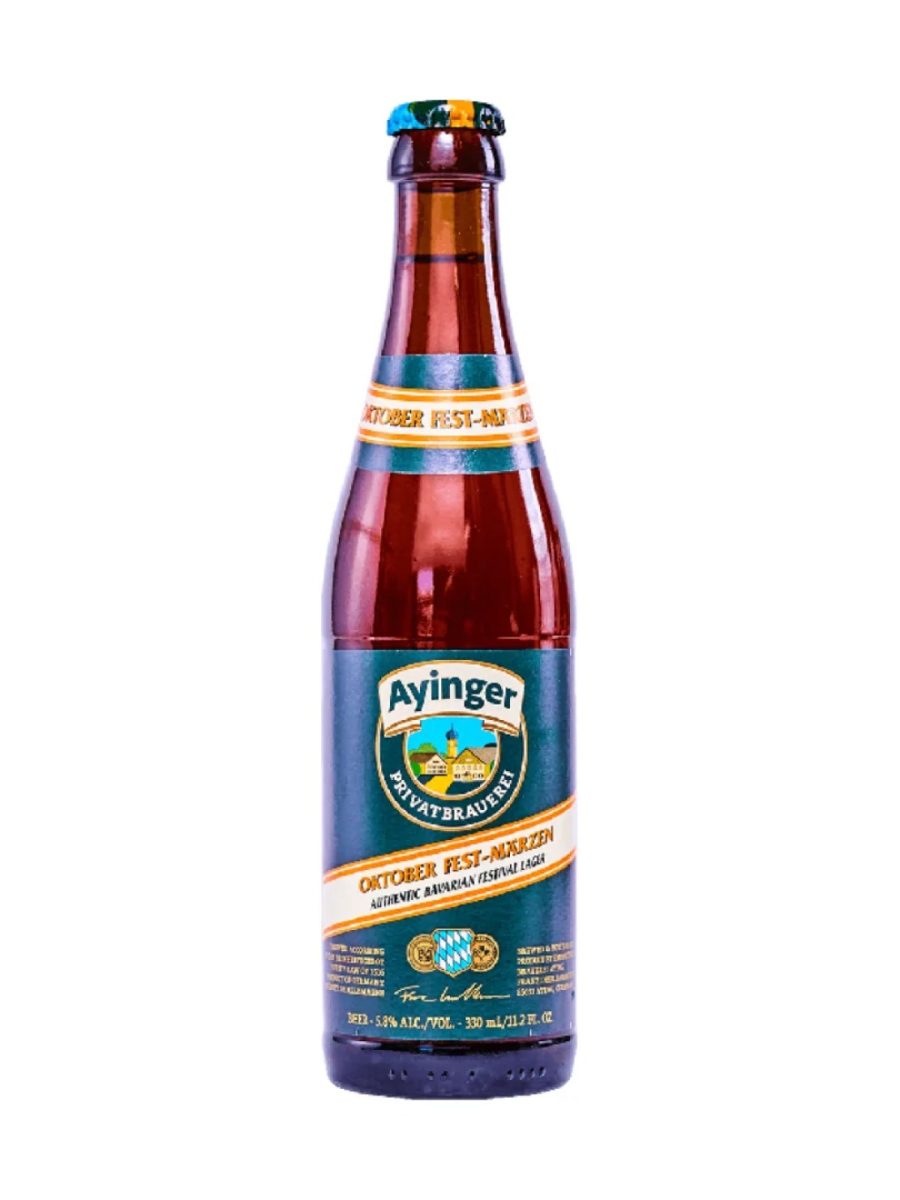
Ayinger Oktober Fest-Märzen
Brewed by Ayinger Privatbrauerei
Start here for malt richness with a softly dry finish.
BAR NOTES
Ayinger makes a useful opening reference because its malt depth and soft dryness belong together. The importer lists 5.8% ABV and 21 IBU, giving this amber-golden lager enough strength for a substantial body without shifting the lesson toward bock.
This Märzen is an intentionally unspiced autumn control, preserving its established German lager identity. Bread-like malt and a dry finish show what a harvest-season beer can achieve without pumpkin, making the added seasoning in the first five pours easier to isolate.
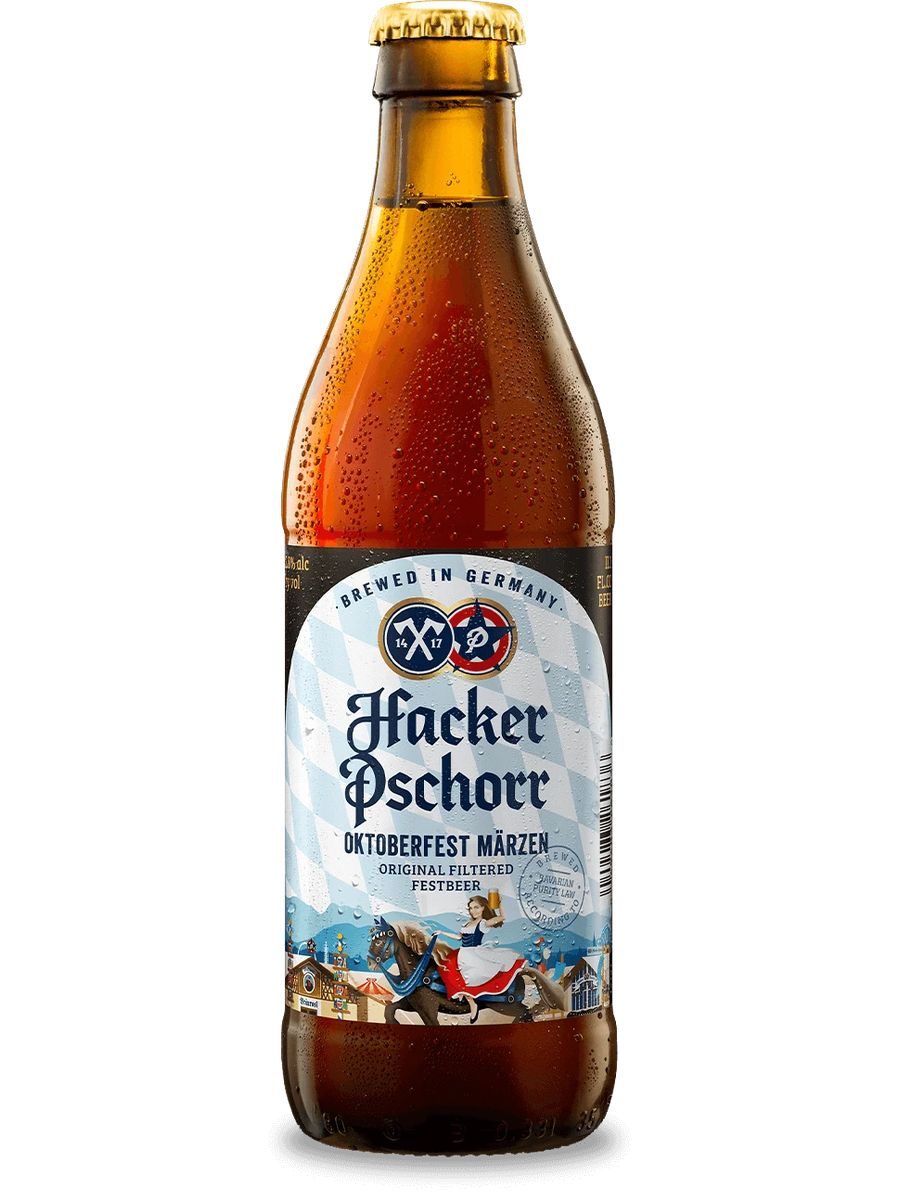
Hacker-Pschorr Oktoberfest Märzen
Brewed by Hacker-Pschorr
Choose Oktoberfest Märzen rather than the separate pale Oktoberfest Bier.
BAR NOTES
This selection is the brewery’s USA Oktoberfest Märzen, listed at 5.8% ABV. Its amber appearance and balanced malt character make it a meaningful companion to Ayinger. The separate pale Oktoberfest Bier is a different product, so check the exact label.
A second Märzen checks whether the autumn impression persists across breweries without culinary spice. Compare it with Ayinger before returning to pumpkin ale; malt richness and seasonal tradition should remain separate observations from a documented pumpkin or cinnamon addition.
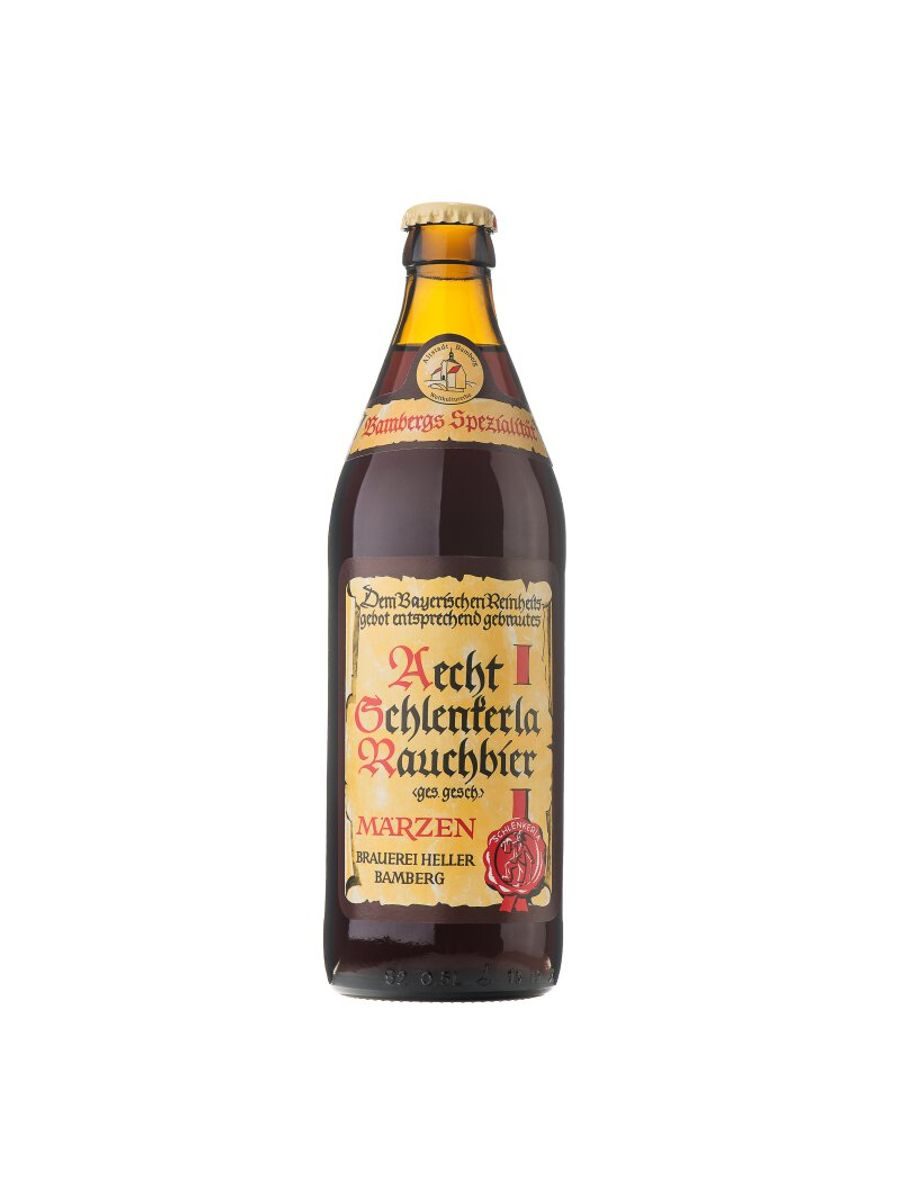
Aecht Schlenkerla Rauchbier Märzen
Brewed by Schlenkerla / Heller-Bräu Trum
The classic Märzen-based smoked-lager starting point.
BAR NOTES
Schlenkerla Märzen is a 5.1% bottom-fermented beer brewed with the brewery’s own smoked malt. Its dark amber malt foundation makes it a useful smoke reference, with fermentation and grain composition distinct from sour or wheat-based historical ales.
Rauchbier supplies an unspiced smoke-and-malt control for roasted autumn food. The smoke comes through the malt tradition, not pumpkin pie seasoning; compare with the clean Märzens to identify which associations arise from smoke and which require an added ingredient.
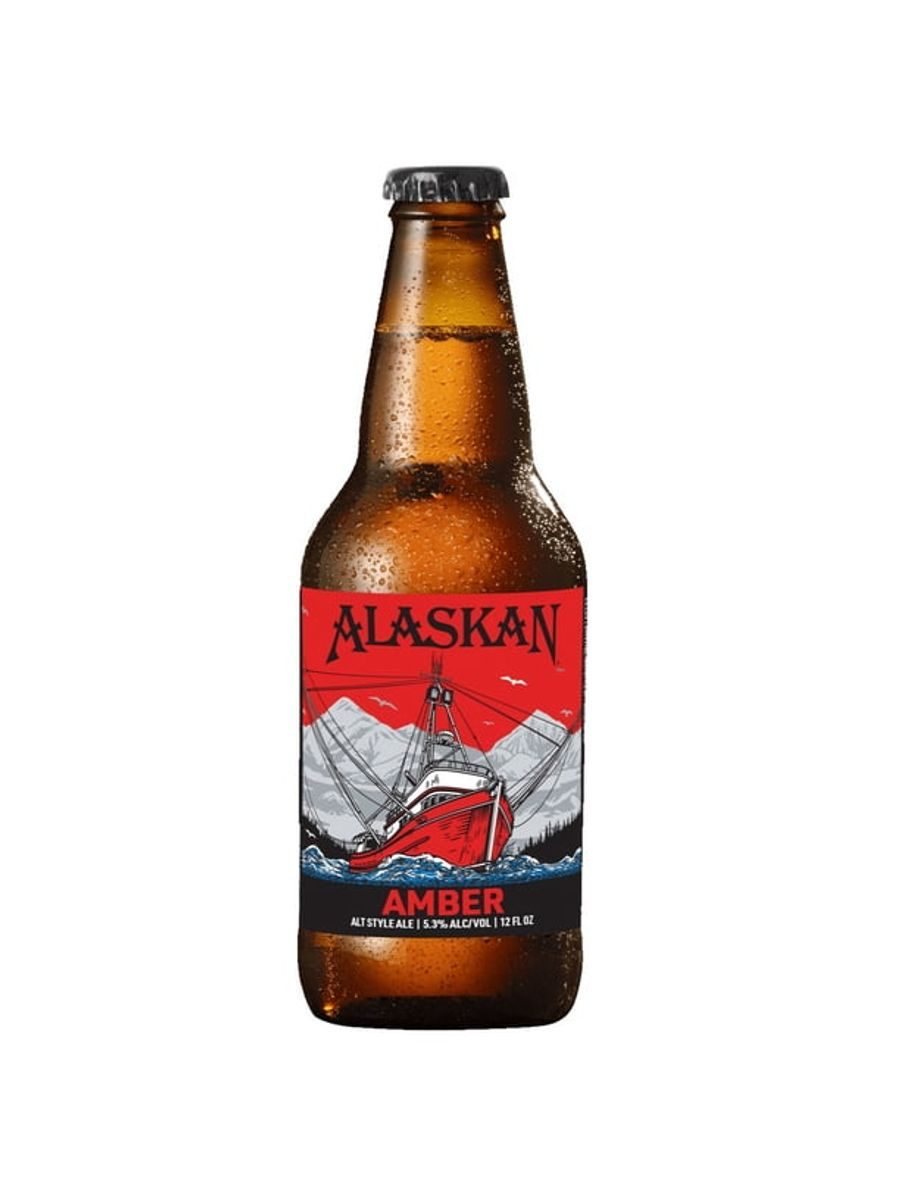
Alaskan Amber
Brewed by Alaskan Brewing Company
A malt-led alt-style neighbor separates amber color from American hop balance.
BAR NOTES
Alaskan explicitly identifies Amber as an alt-style ale, with slow, relatively cool ale fermentation contributing to its smooth finish. Its current 5.3% and 18 IBU favor rich malt with enough hop backing to stay composed.
Alaskan Amber is the unspiced amber-ale comparison, retaining its Alt-style identity. Its malt-forward character helps explain autumn food pairing without inventing squash or nutmeg; taste beside a pumpkin ale and record what changes when the culinary seasoning disappears.
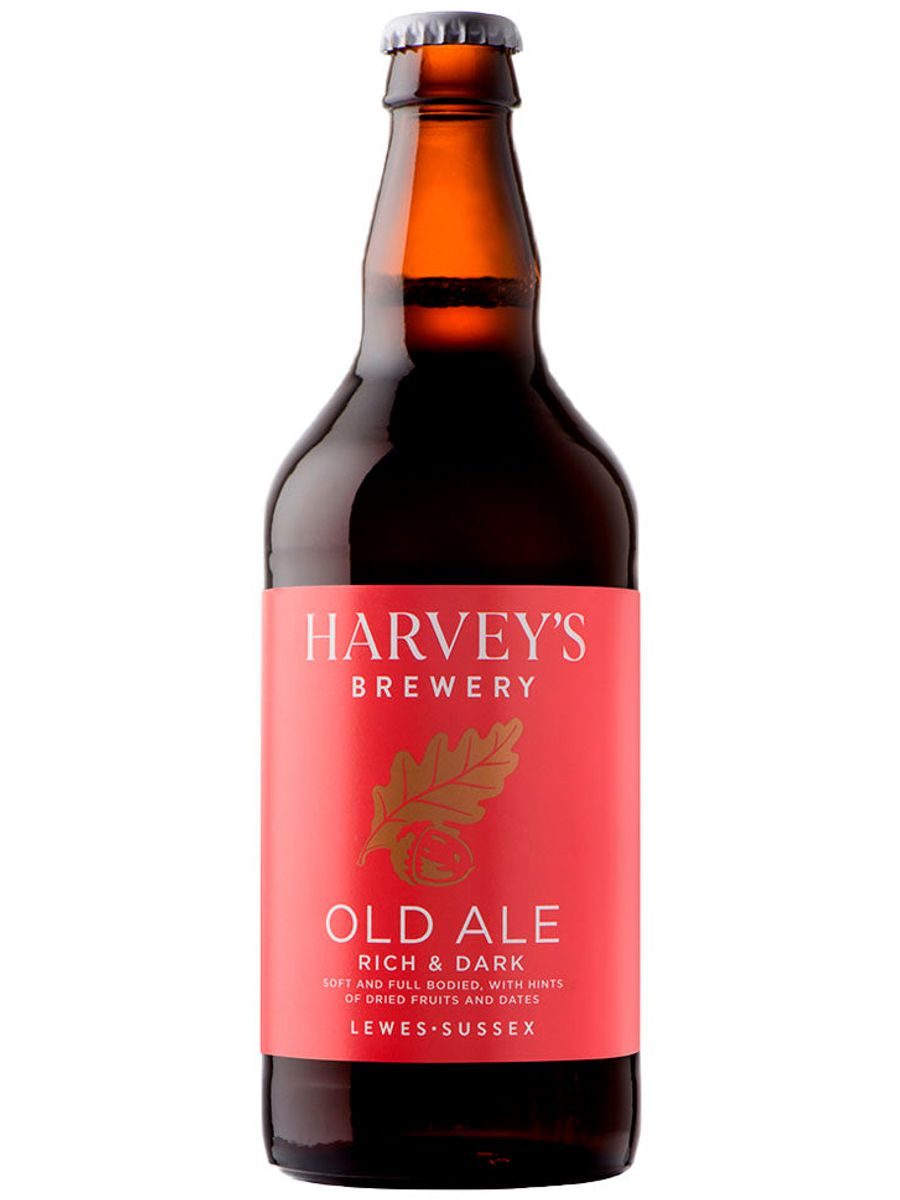
Harvey’s Old Ale
Brewed by Harvey’s Brewery
A 3.6% Old Ale comparison that challenges assumptions about strength and names.
BAR NOTES
Harvey’s bottled Old Ale is currently listed at 3.6%, despite a name that can suggest a much stronger beer. Its brewery notes describe burnt sugars, roasted malt and dried-fruit impressions; this is a neighboring comparison with Mild, not an automatic style reclassification.
Harvey’s Old Ale rounds out the unspiced seasonal controls with a British interpretation. Compare the malt impression with German Märzen and American amber ale; shared harvest-table appeal does not make these established beers strict pumpkin or autumn-specialty competition entries.
Keep Exploring Spiced Beer
Follow the links below to compare the category, its seasonal branches, and ingredient-led roundups.