25 Best Spicy Beers: Chile, Pepper & Mexican Chocolate Heat
Pepper beer has two terrible reputations: syrupy dessert bomb or barroom punishment. The good bottles prove there is a much wider middle ground, where chiles can add fruit, smoke, earth, and a measured warming finish.
This ranking covers 25 beers brewed with real chiles, hot sauce, or pepper-driven spice. It starts with layered Mexican-chocolate stouts, moves through fruit and green-chile ales, and ends with bottles best approached in very small pours.
Quick answer: Perennial Abraxas is our best spicy beer overall because ancho warmth supports its cacao, cinnamon, and vanilla instead of overwhelming them. For a lighter pint, choose Fate Hatch Chile Gatos or Tommyknocker Burro Verde.
The 25 best spicy beers
Availability note: Pepper beers are often seasonal, limited, or retired and revived. Packaging and ABV can change by release. Check the brewery or a trusted retailer before making a special trip, and never assume an older bottle will taste like a fresh batch.
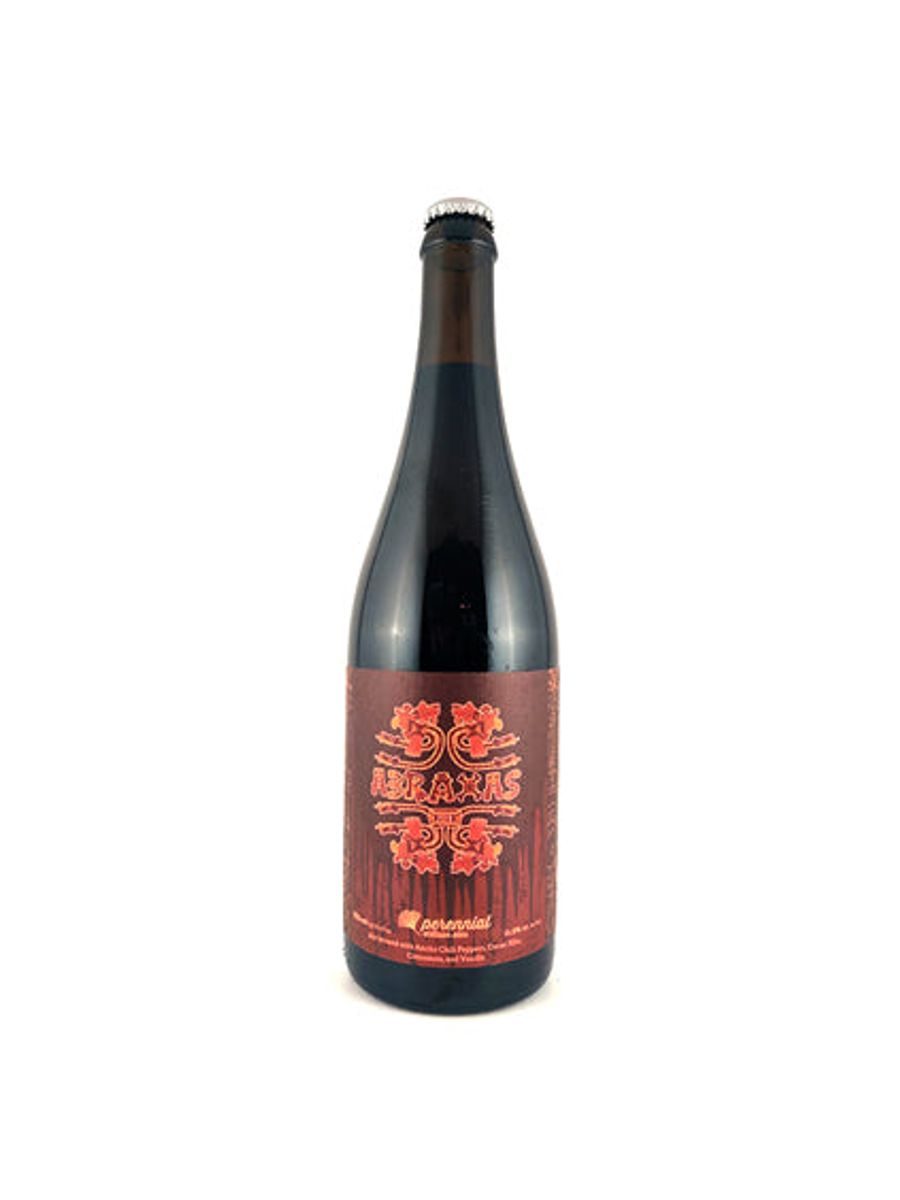
Abraxas
Brewed by Perennial Artisan Ales
The benchmark: deep ancho warmth folded into a luxurious Mexican-chocolate stout.
BAR NOTES
Abraxas is the bottle that proves “spicy beer” does not have to mean a dare. Ancho chile works with cacao, cinnamon, and vanilla, building a slow warmth beneath a huge roasted-malt base instead of scorching the palate.
Give it time to warm in a small snifter; refrigerator temperature hides the layered chocolate and baking spice. Its strength and sweetness suit slow sharing, and a fudgy brownie or mole-spiced dish can make the chile feel even more integrated.
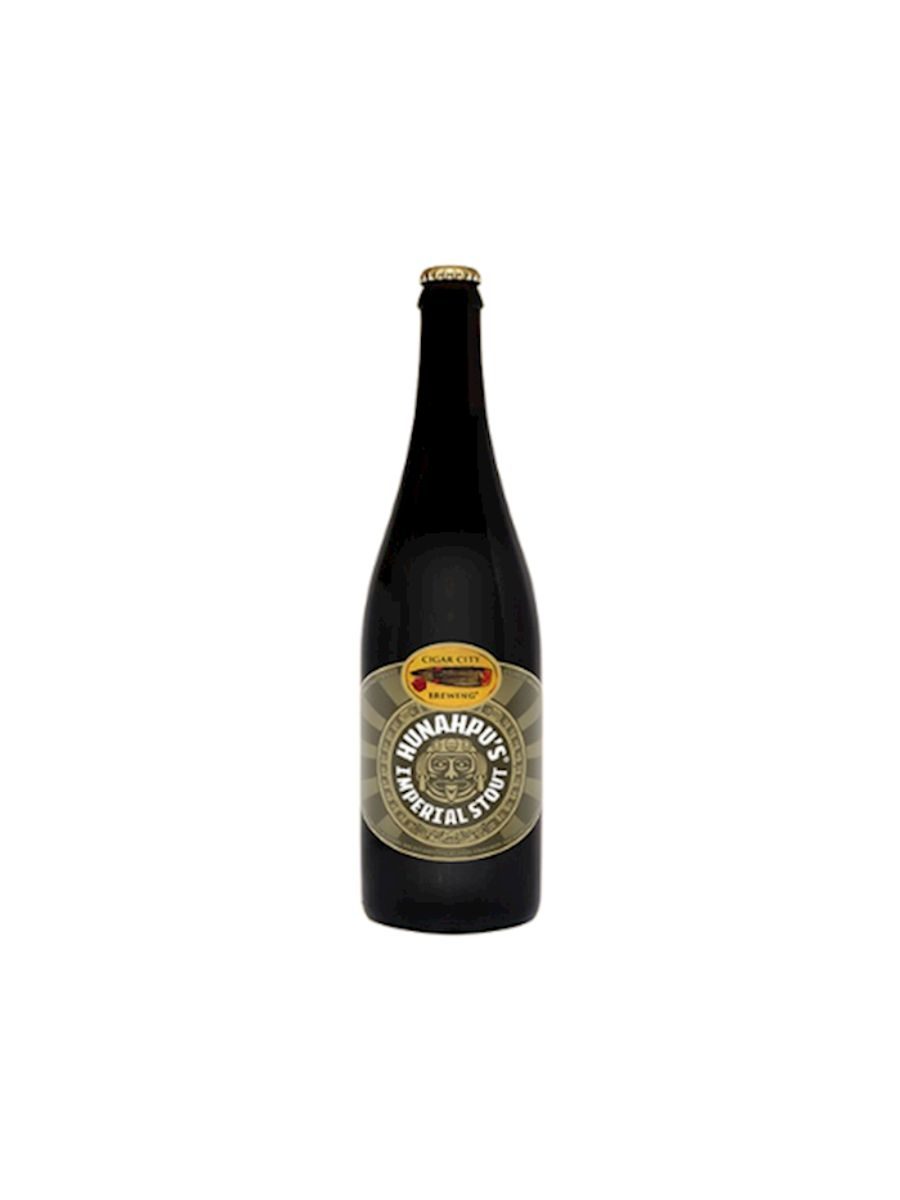
Hunahpu’s Imperial Stout
Brewed by Cigar City Brewing
Dense, celebratory stout with dark-fruit depth and a measured chile finish.
BAR NOTES
Hunahpu’s layers ancho and pasilla chiles into an already massive imperial stout. Cacao, vanilla, cinnamon, dark fruit, and roast arrive first; the pepper character then spreads across the finish with more earthy warmth than sharp burn.
This is a special-release sipper, so availability and vintage will vary. Split a bottle at cellar temperature, use stemmed glassware, and skip aggressively hot food—the beer already has enough alcohol, sweetness, and chile intensity to carry the evening.
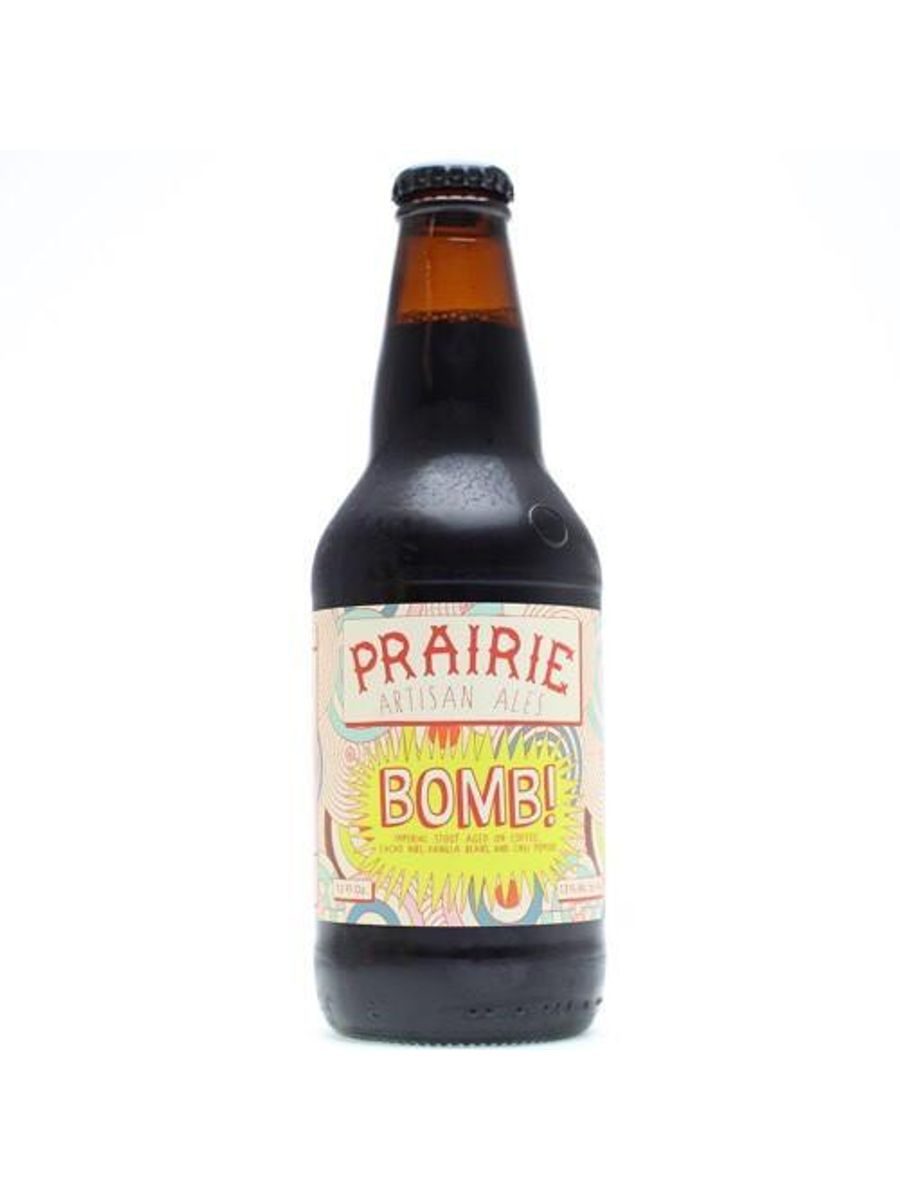
BOMB!
Brewed by Prairie Artisan Ales
Coffee leads, ancho hums underneath, and thirteen percent alcohol keeps the whole thing enormous.
BAR NOTES
BOMB! treats chile as one corner of a four-part flavor engine: coffee supplies bitterness, cacao adds dark richness, vanilla rounds the edges, and ancho pepper leaves a warming echo. The result is forceful but more composed than its name suggests.
Pour a modest serving and let it rise toward cellar temperature. The coffee can seem severe when ice-cold, while the vanilla and pepper become clearer after ten minutes. Pair it with pecan pie, chocolate cake, or nothing at all.
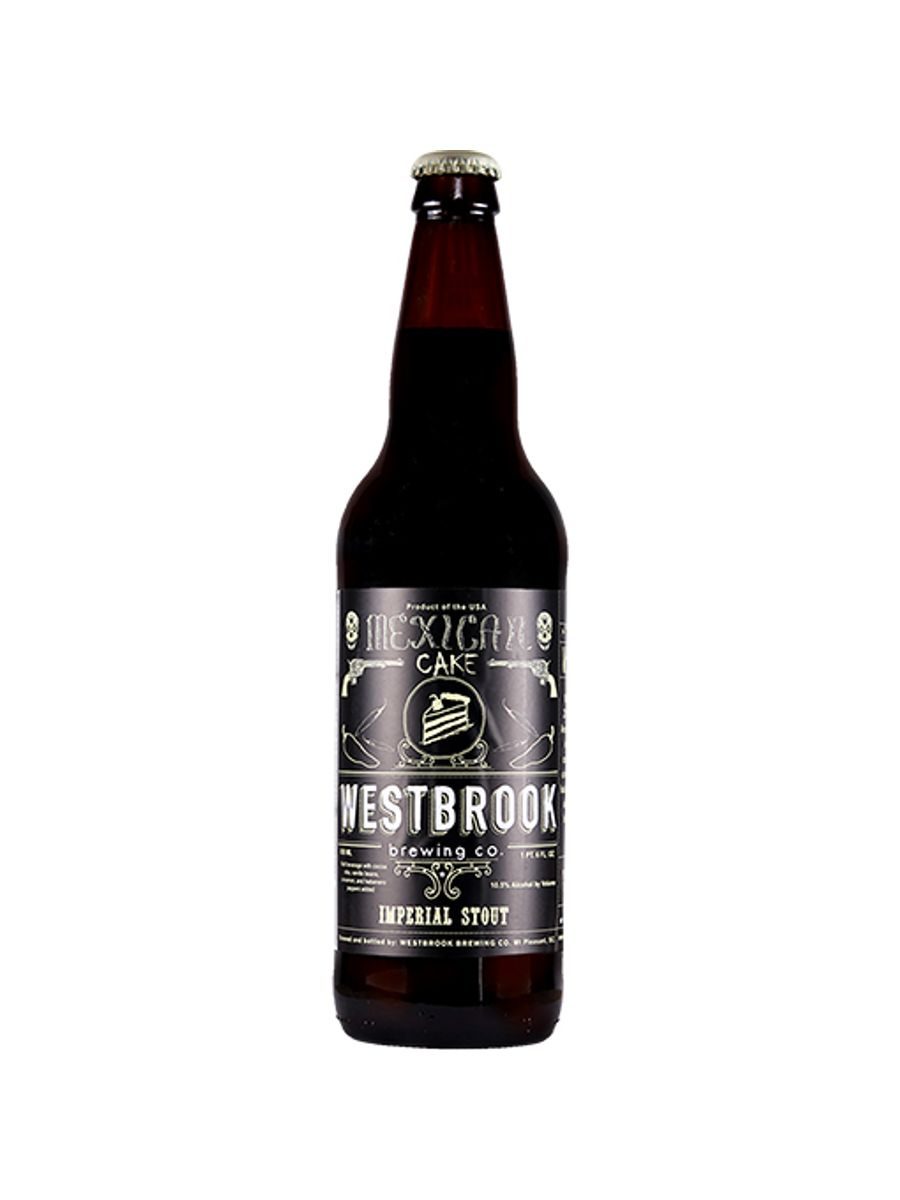
Mexican Cake
Brewed by Westbrook Brewing Co.
A cult anniversary stout where habanero cuts through cake-like richness.
BAR NOTES
Mexican Cake began as an anniversary beer and became a modern reference point for pastry-rich chile stout. Habanero brings a brighter, quicker heat than ancho, preventing cacao, vanilla, cinnamon, and thick malt sweetness from collapsing into syrup.
Fresh releases show the liveliest pepper edge; older bottles often trade some heat for smoother chocolate integration. Serve it in small pours around 50–55°F, and try it with vanilla ice cream if you enjoy hot-and-cold dessert contrasts.
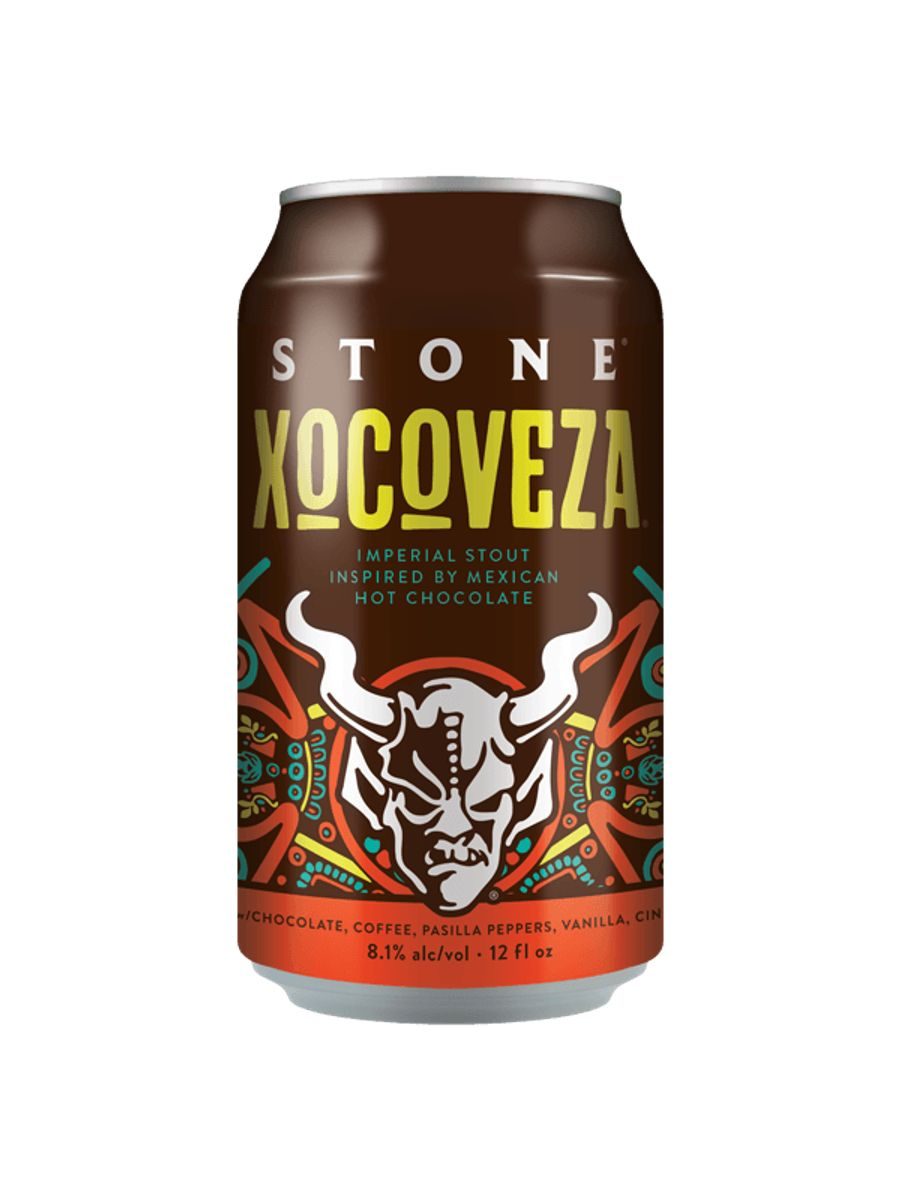
Xocoveza
Brewed by Stone Brewing
The easiest entry into Mexican-hot-chocolate stout: aromatic, roasty, and gently warming.
BAR NOTES
Xocoveza stacks pasilla pepper with coffee, cacao, cinnamon, nutmeg, and vanilla, yet remains more drinkable than the heavyweight bottles above it. The pepper reads as an earthy accent, supporting roast and spice instead of chasing maximum pain.
It is a smart first stop for stout drinkers who are chile-curious. Let the can warm slightly, then serve beside churros, flan, or cinnamon-dusted chocolate. The beer’s moderate heat will not bulldoze dessert after two bites.
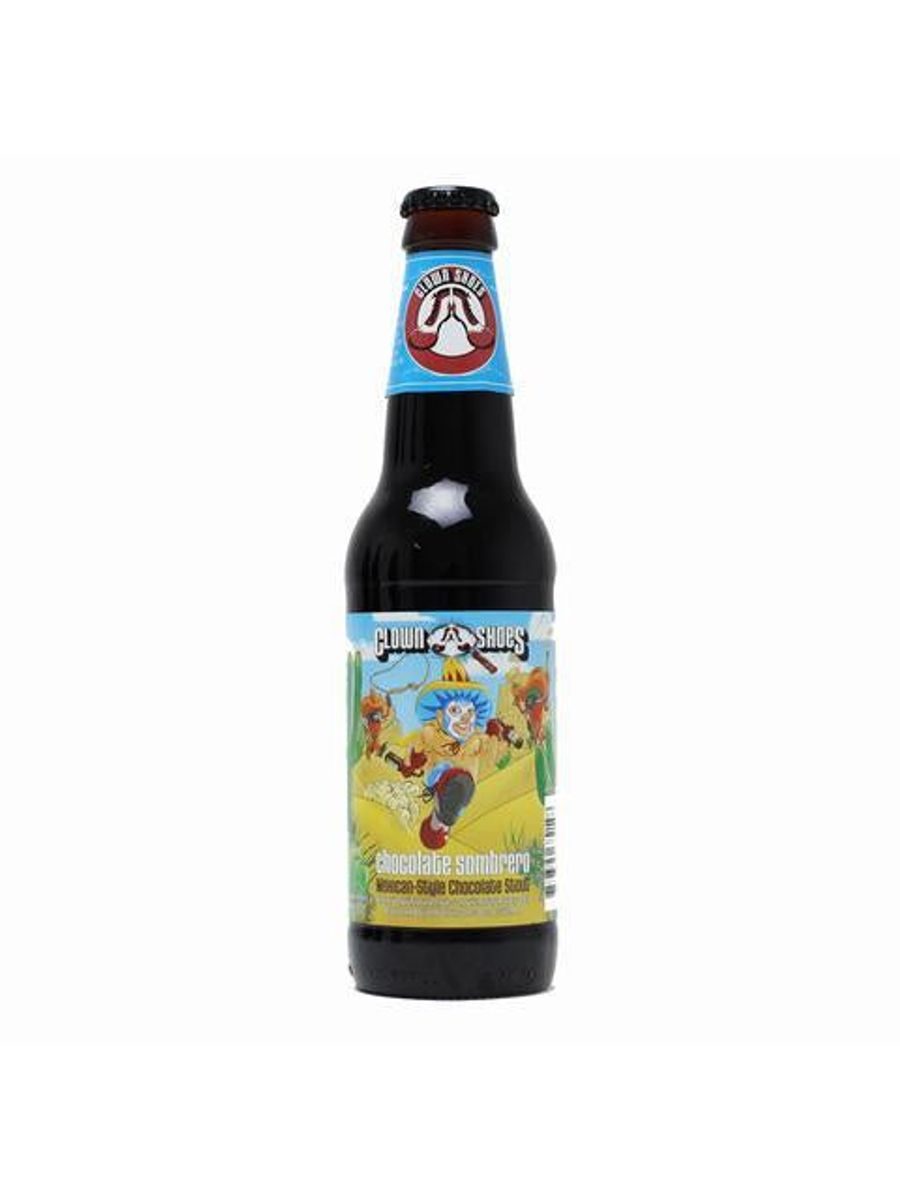
Chocolate Sombrero
Brewed by Clown Shoes Beer
Roasty and cocoa-forward, with ancho providing warmth rather than a fire alarm.
BAR NOTES
Chocolate Sombrero leans into roasted malt and cocoa before letting ancho chile and cinnamon show themselves. It feels like a stout first and a pepper beer second, which makes it useful for people who want flavor complexity without stunt-beer intensity.
Serve it just below cellar temperature in a tulip or snifter. The firm roast works well with grilled steak, while the cinnamon-and-chocolate side prefers brownies or tres leches cake. Avoid freezing the bottle; cold suppresses its best aromatics.
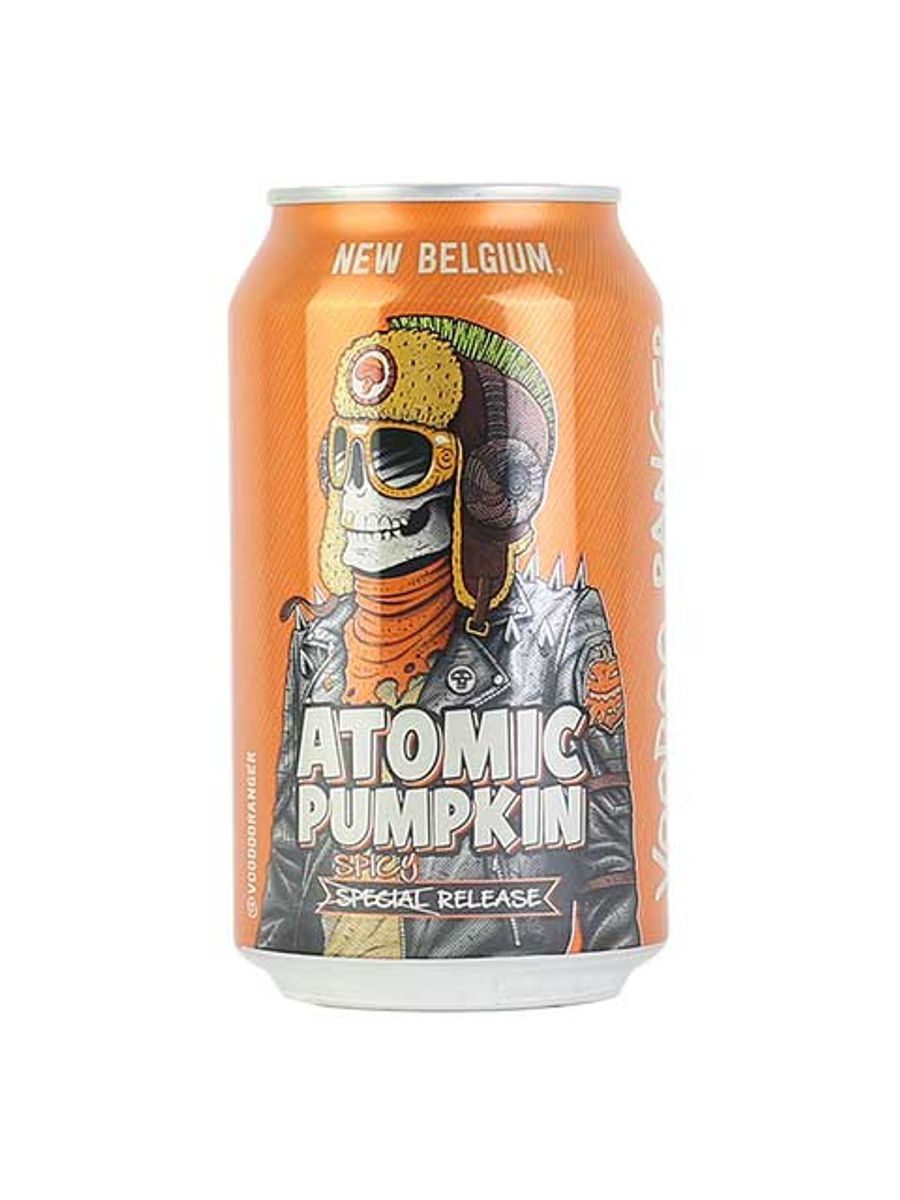
Voodoo Ranger Atomic Pumpkin
Brewed by New Belgium Brewing
Pumpkin spice gets an actual fuse: sweet squash up front, habanero afterburn behind it.
BAR NOTES
Atomic Pumpkin takes familiar autumn flavors and gives them a mischievous second act. Pumpkin and cinnamon arrive like a seasonal ale, then habanero builds through the swallow, cutting sweetness and leaving a clean pepper tingle.
It is usually a fall release, so check package dates rather than buying forgotten warm stock. Pour it around 45–50°F and pair it with roast pork, squash soup, or sharp cheddar. The savory options keep the pumpkin from becoming dessert.
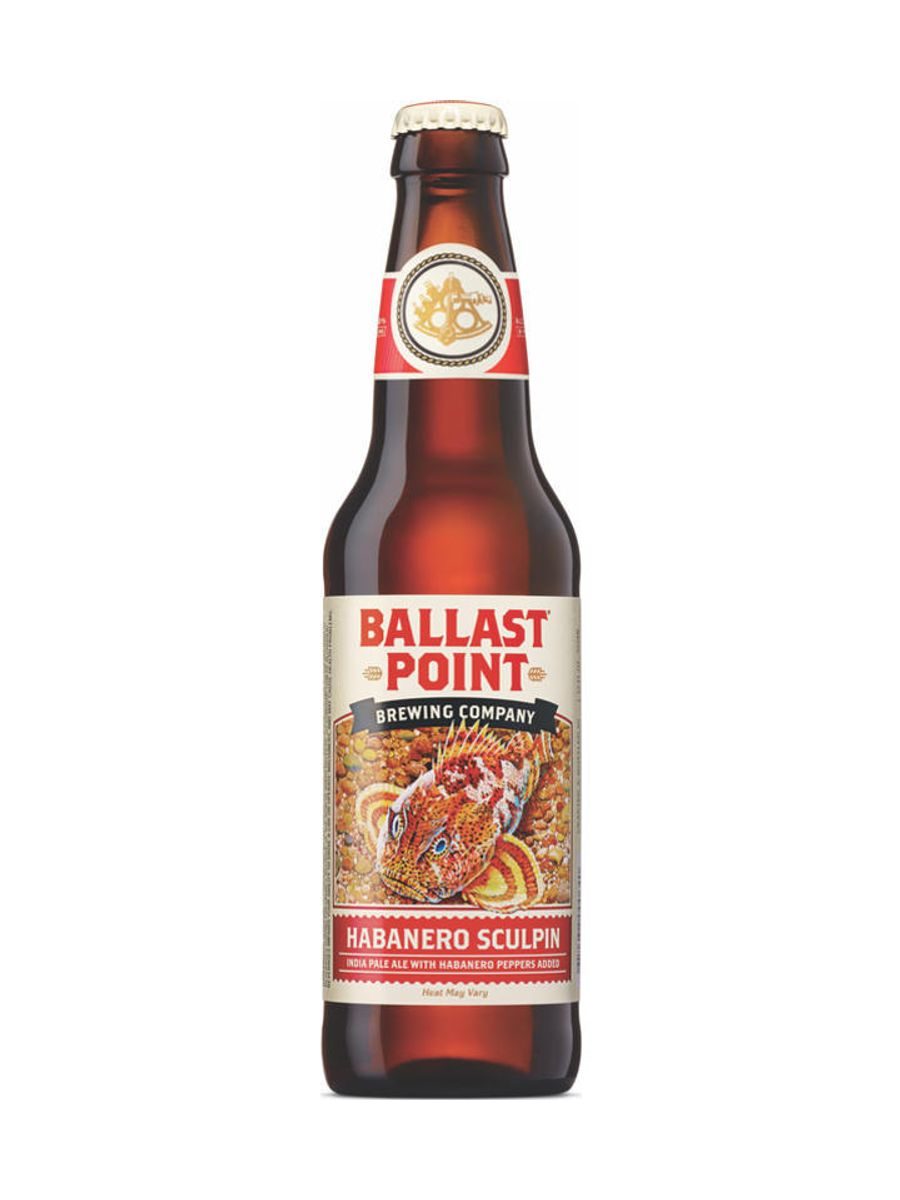
Habanero Sculpin
Brewed by Ballast Point Brewing
Bright citrus hops collide with unmistakable habanero heat in a famously direct IPA.
BAR NOTES
Habanero Sculpin starts with the grapefruit and tropical hop character associated with the base IPA, then adds a pepper burn that grows quickly. It is less plush than a spicy stout and therefore exposes every edge of the chile.
Drink it fresh and cool, but not painfully cold. Fatty tacos, carnitas, or a cheeseburger can soften the burn; very hot wings usually create a feedback loop. One bottle is plenty for most drinkers, especially when shared in a flight.
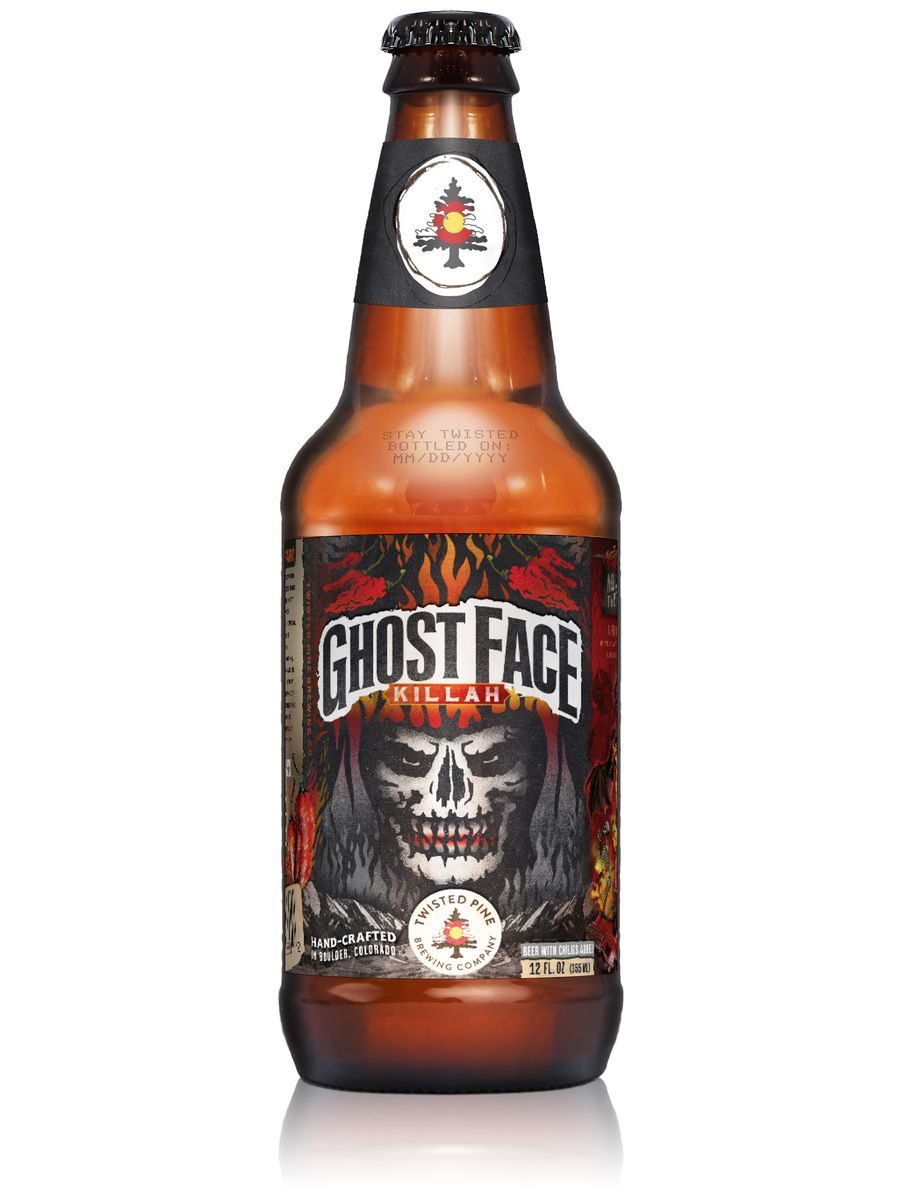
Ghost Face Killah
Brewed by Twisted Pine Brewing Company
A notorious six-pepper burn built for tiny pours, not heroic full-pint decisions.
BAR NOTES
Ghost Face Killah is the list’s first true warning-label beer. A blend of peppers—including ghost chile—creates immediate vegetal aroma followed by an escalating burn that can overwhelm the light malt base. Curiosity, not balance, is the main attraction.
Treat it like hot sauce: pour one or two ounces, keep water for hydration, and have dairy or food nearby if needed. Do not use bravado as a serving guide, and never hand it to someone without explaining what it is.
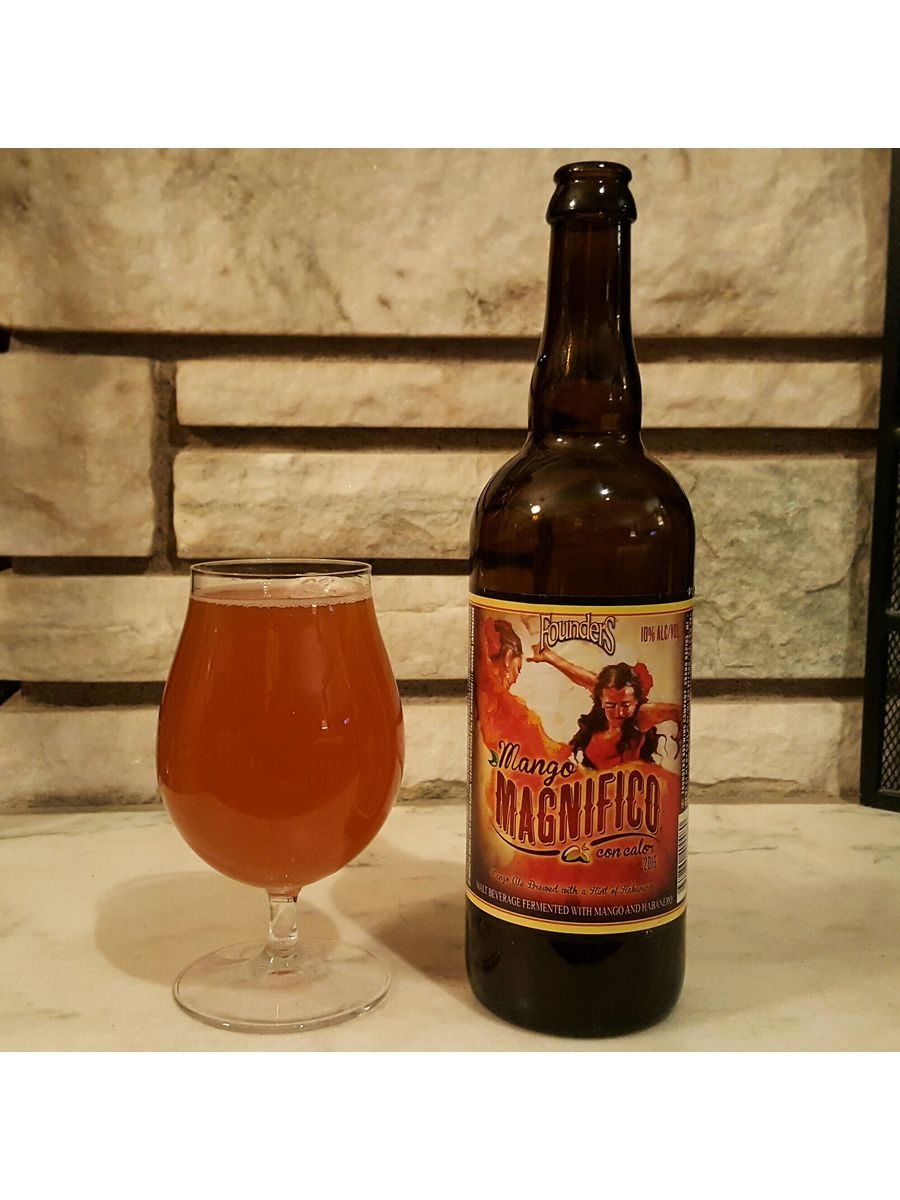
Mango Magnifico
Brewed by Founders Brewing Co.
Lush mango sweetness makes the habanero feel tropical before the heat catches up.
BAR NOTES
Mango Magnifico pairs ripe tropical fruit with a touch of habanero in a high-gravity ale. Mango lands thick and sweet, while the chile keeps the finish from feeling sticky. The warmth grows more noticeable as the beer approaches room temperature.
This limited release rewards a small dessert pour. Try it with coconut cake, mild blue cheese, or grilled pork with fruit salsa. Because sweetness can hide both alcohol and heat, share the large bottle and slow down before refilling.
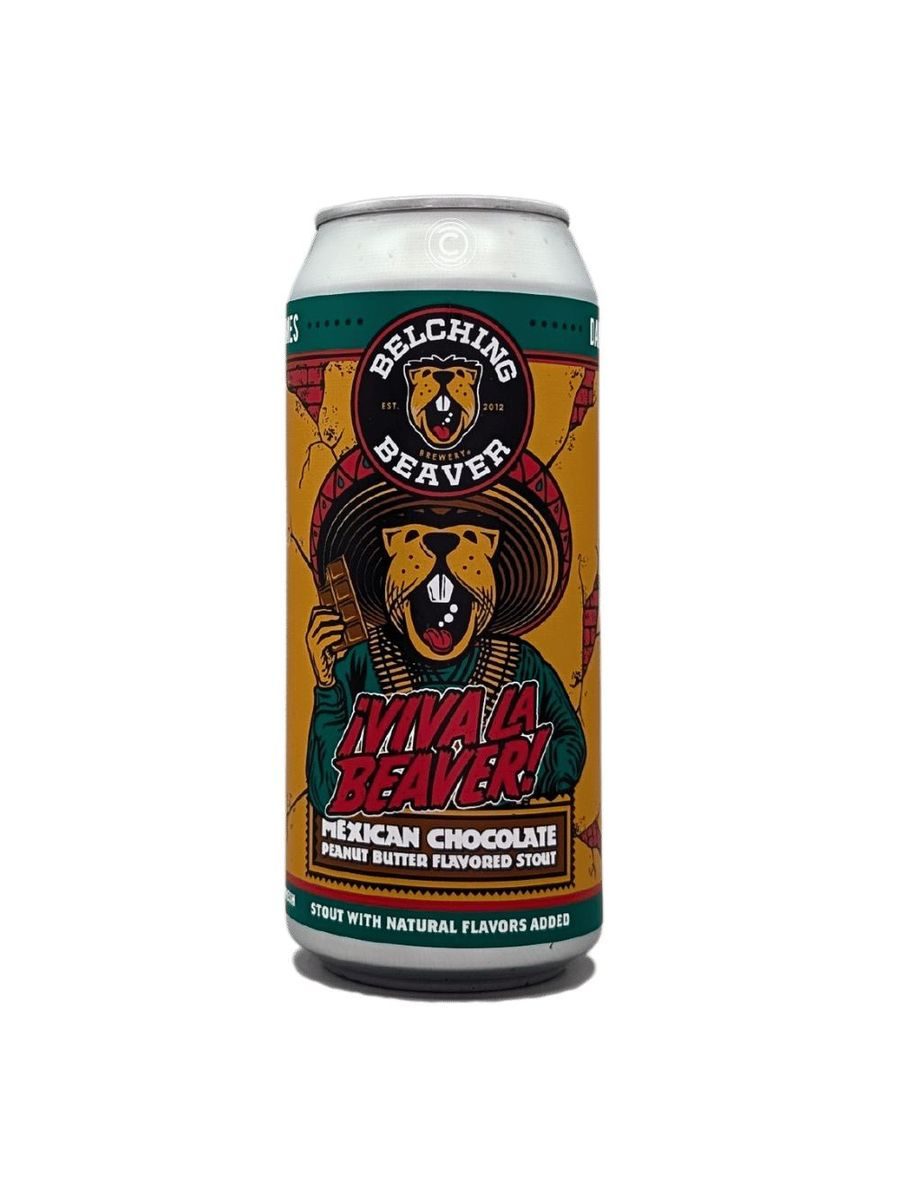
Viva La Beaver
Brewed by Belching Beaver Brewery
Peanut butter makes this decadent; chile and cinnamon keep the finish from going flat.
BAR NOTES
Viva La Beaver adds Mexican-chocolate spice to the brewery’s famously rich peanut-butter stout idea. Cacao and nutty sweetness dominate, while cinnamon and chile-like warmth provide contrast. It is playful, excessive, and surprisingly coherent when fresh.
Pour it as a dessert course rather than beside dinner. Chocolate cookies, vanilla ice cream, or roasted peanuts all work, but a small glass is enough. Letting it warm reveals more spice and roast while making the sweetness feel even larger.
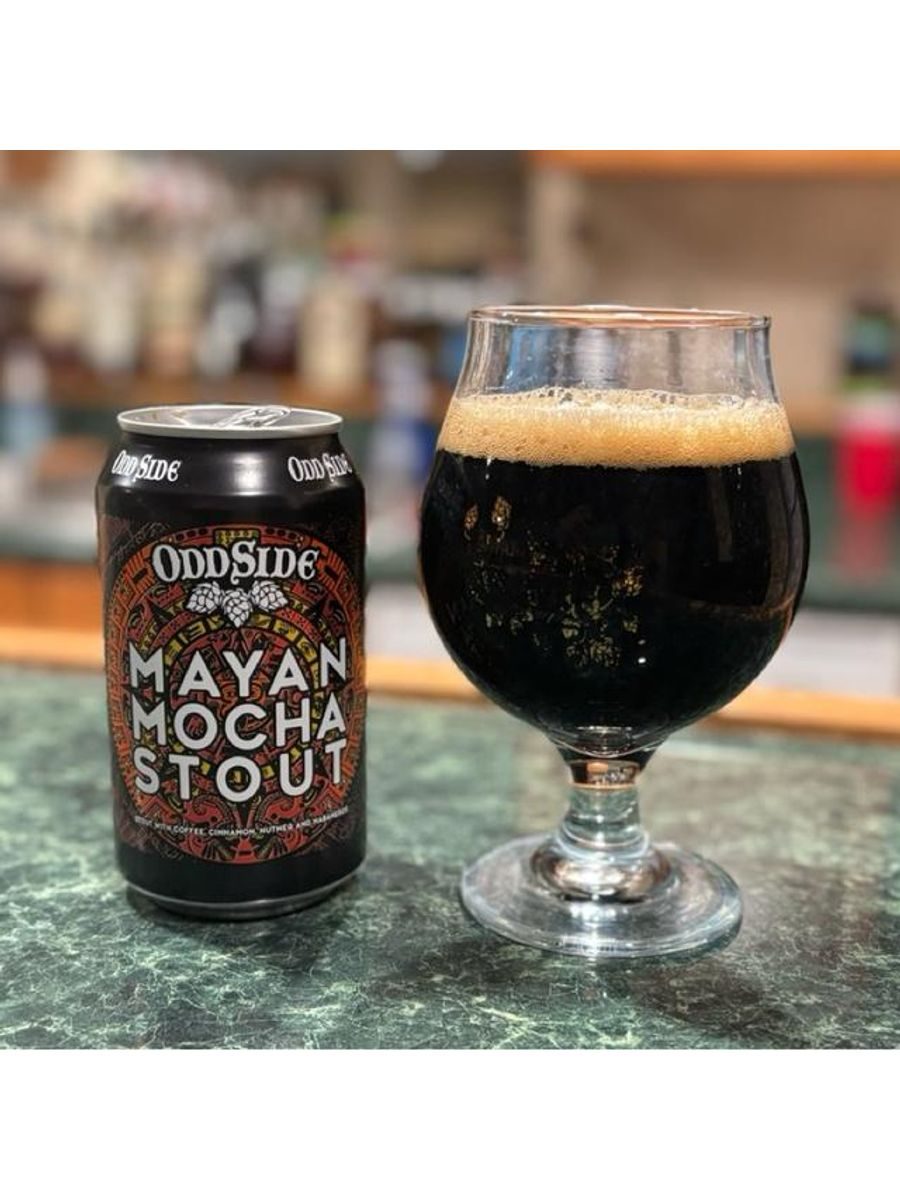
Mayan Mocha Stout
Brewed by Odd Side Ales
Coffee-shop roast meets restrained habanero in a stout that stays relatively sessionable.
BAR NOTES
Mayan Mocha Stout combines coffee, cinnamon, nutmeg, and habanero in a comparatively moderate-strength package. Roast and coffee lead, baking spices broaden the middle, and pepper warmth tidies the finish without turning every sip into a test.
This is a good bridge between ordinary coffee stout and chile-heavy imperial stout. Serve it around 50°F with breakfast-for-dinner, chocolate doughnuts, or smoky chili. Fresh coffee aromatics matter, so choose the newest can you can find.
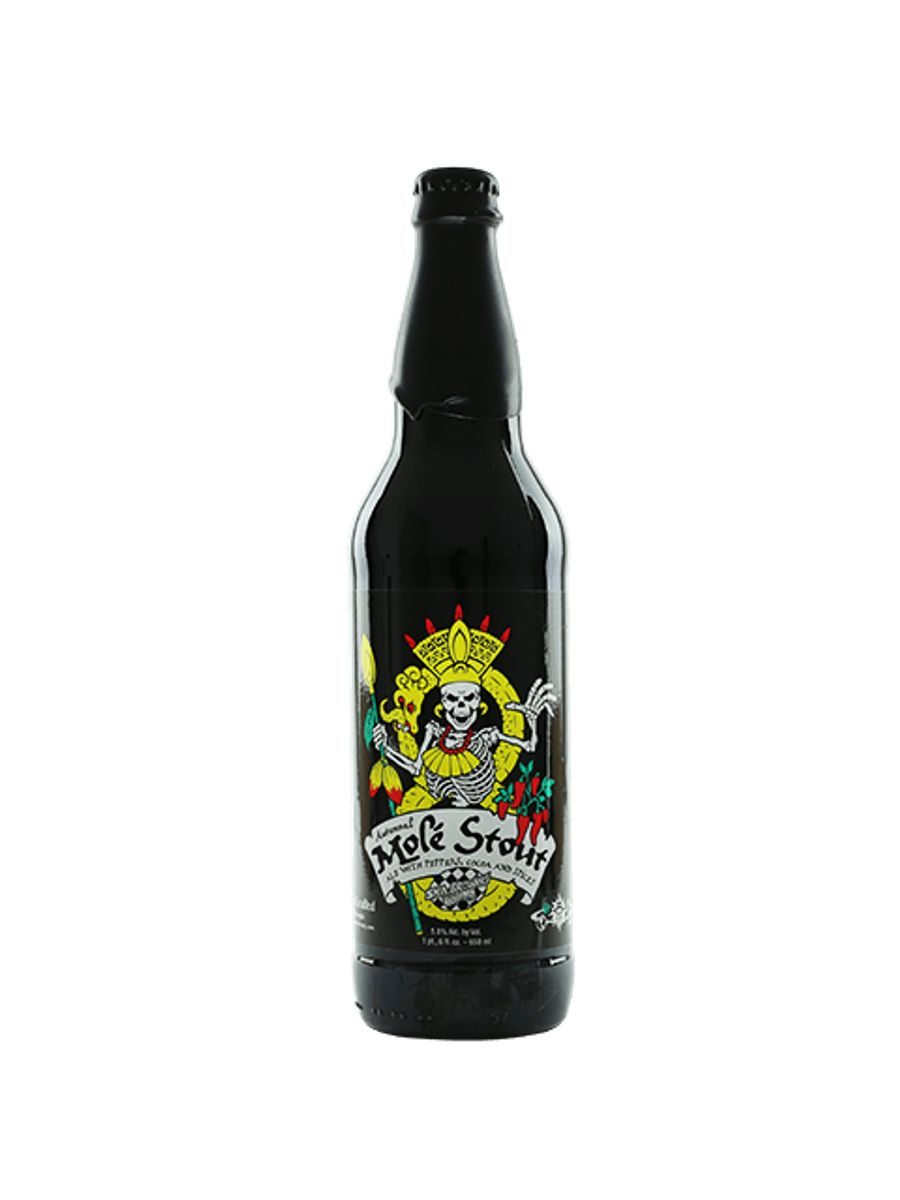
Autumnal Mole Stout
Brewed by Ska Brewing
A savory, mole-inspired stout where several chiles contribute flavor before fire.
BAR NOTES
Autumnal Mole Stout draws on mole’s balance of cacao, spice, and chile rather than merely dumping heat into dark beer. Ancho, guajillo, and Hatch green chiles give earthy, fruity, and vegetal layers against a dry roasted base.
Its lower alcohol and lighter body make it easier at the table than many Mexican-chocolate imperial stouts. Pair it with enchiladas, smoked turkey, or black-bean dishes. A gentle cool serving temperature keeps the roast crisp while allowing spice to open.
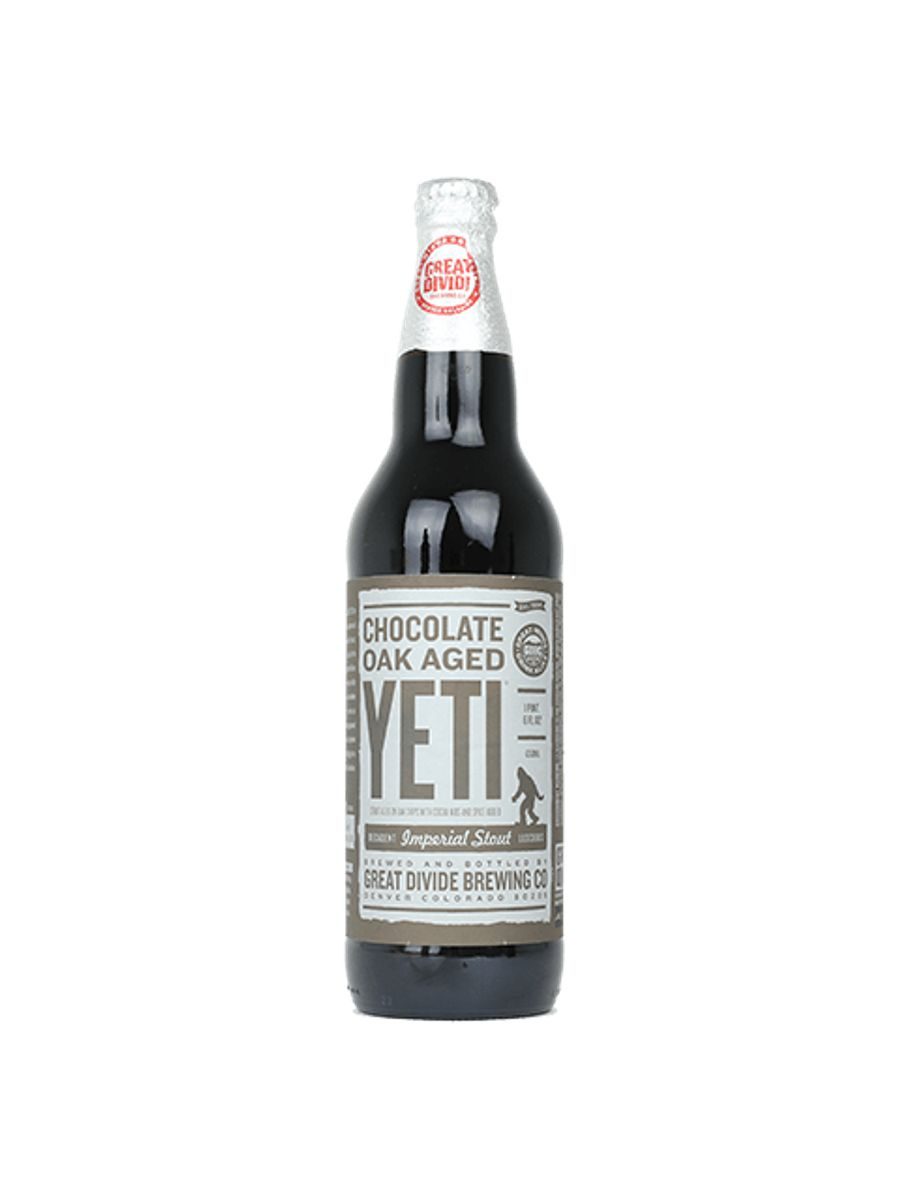
Chocolate Oak Aged Yeti
Brewed by Great Divide Brewing Company
Cayenne sharpens a hulking imperial stout while oak adds dryness and vanilla.
BAR NOTES
Chocolate Oak Aged Yeti builds from a famously muscular imperial stout, adding cacao nibs, oak character, and a touch of cayenne. The pepper is not the headline; it functions like seasoning, brightening roast and cutting through dense malt.
A snifter and patient warming are mandatory if you want more than alcohol and bitterness. Dark chocolate, blue cheese, and smoked beef all stand up to it. Older bottles may feel smoother, though the cayenne impression can fade.
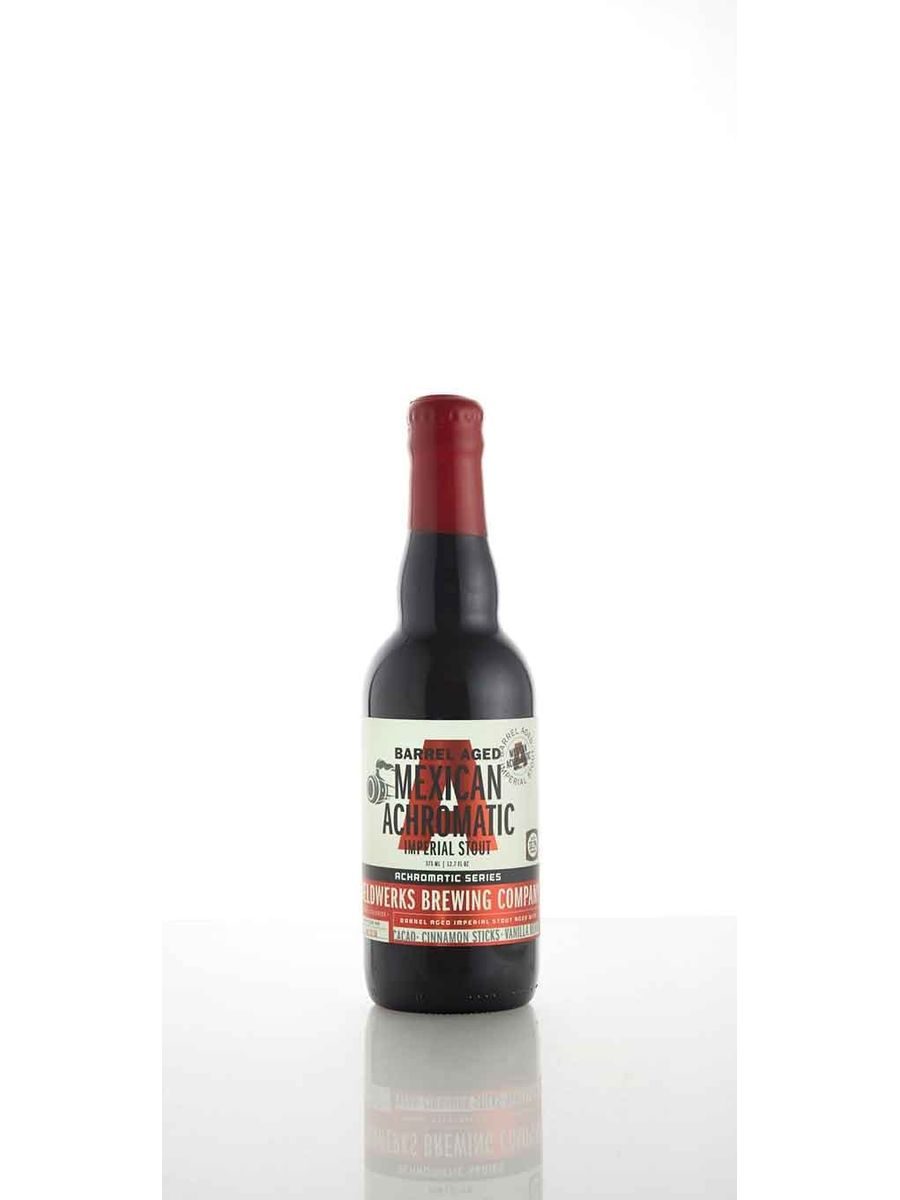
Barrel-Aged Mexican Achromatic
Brewed by WeldWerks Brewing Co.
Barrel depth, Mexican-chocolate richness, and a warming finish built for slow sharing.
BAR NOTES
Barrel-Aged Mexican Achromatic is an after-dinner heavyweight, layering spirit-barrel character over cacao, cinnamon, vanilla, and warming spice. The chile impression is integrated into oak and alcohol rather than presented as a single sharp blast.
Open it with friends and use four-ounce pours. A little air helps the barrel, chocolate, and spice separate, while refrigerator-cold service turns the beer mute and hot. Pair it with flourless chocolate cake or a salty aged cheese.