
International Lager: Top 10 Current Beers Across Pale, Amber and Dark Styles
International Lager is BJCP Category 2: pale, amber and dark mass-market lagers brewed around the world for clean flavor, easy drinking and broad appeal.
The word “international” describes a shared family resemblance, not a label you will usually see on the package. Color changes the malt expression, but all three styles remain restrained, highly drinkable and recognizably lager-like.
The quick answer
International Pale Lager is dry, balanced and highly carbonated. International Amber Lager adds toast and caramel. International Dark Lager moves into dark bread, cocoa and gentle roast while staying lighter and less intense than traditional dark European lager.
| Style | ABV | IBU | What changes |
|---|---|---|---|
| International Pale Lager | 4.5–6.0% | 18–25 | Pale grain, optional floral or herbal hops, crisp attenuation. |
| International Amber Lager | 4.5–6.0% | 8–25 | Caramel and toast become noticeable while bitterness stays restrained. |
| International Dark Lager | 4.2–6.0% | 8–20 | Dark bread, cocoa or light roast may appear without burnt intensity. |
What holds the category together
These beers grew from Pilsner-inspired lager brewing, then adapted to regional ingredients, industrial scale and local taste. Some use adjuncts such as corn, rice or sugar; others are all malt. Clean fermentation and broad drinkability matter more than a single grain bill.
The category is easy to underestimate because its flavors are deliberately moderate. That restraint leaves little cover for stale packaging, fermentation heat, harsh bitterness or excessive sweetness. A good international lager tastes composed, not empty.
Three colors, three jobs
2A. International Pale Lager
The driest and most hop-visible branch, though still less bitter and characterful than German Pils or Czech Premium Pale Lager. Think pale straw to gold, high carbonation and a neutral, refreshing finish.
2B. International Amber Lager
The middle lane adds caramel, toast and sometimes a faint adjunct sweetness. It should remain smooth and moderately dry, with less developed malt depth than Vienna Lager.
2C. International Dark Lager
The darkest branch uses caramel and roasted malt lightly. Coffee, cocoa or molasses can appear, but assertive burnt flavor, stout-like weight and heavy roast are out of place.
Top 10 current beers across pale, amber and dark lager
These HBA editorial selections form a comparison flight: four pale, three amber and three dark lagers. The order explains the category rather than claiming a blind-tasting winner. Current production does not guarantee local stock; product strengths refer to the stated market, and locations identify brand or brewery origins.

Heineken Original
Brewed by Heineken
Pale grain, light bread, grass and a clean bitter snap make a familiar international reference.
BAR NOTES
Heineken Original starts the flight with a 5.0% international pale lager and a recognizable balance of light malt and restrained bitterness. Its purpose here is to establish the clean fermentation common to all three color branches before adding caramel or dark malt.
Try the first four pale beers at the same temperature and without garnish, so added citrus does not become the main distinction. The helles roundup provides another soft-malt comparison when you want to separate international branding from a more specific Bavarian tradition.
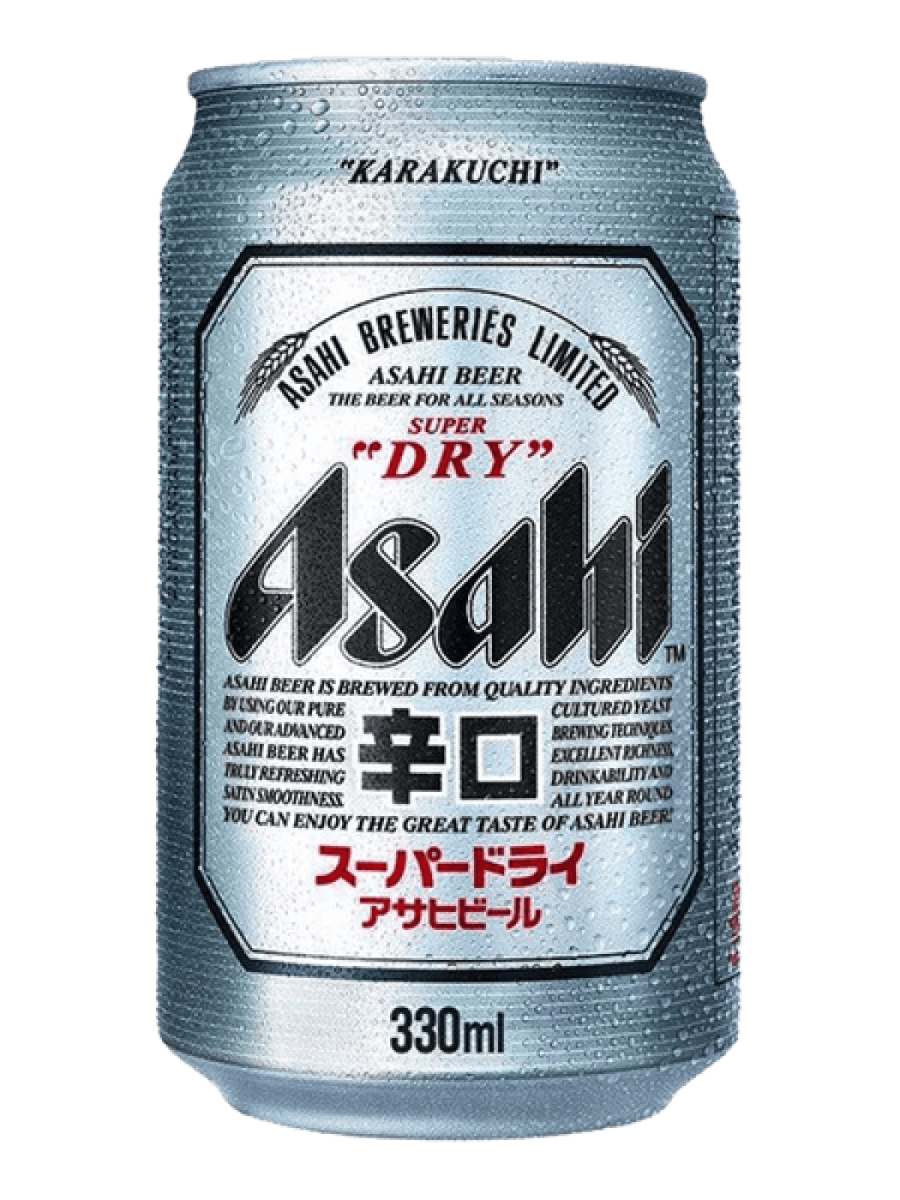
Asahi Super Dry
Brewed by Asahi Breweries
Brisk carbonation and a famously dry finish show the leaner end of international pale lager.
BAR NOTES
Asahi Super Dry makes finishing dryness the next comparison rather than simply increasing alcohol. Its 5.0% pale lager profile belongs beside Heineken in this flight, allowing subtle differences in grain impression and carbonation to remain visible before darker beers take over.
Dry is a product identity rather than a promise that every competing lager is sweet. Use the American lager selections to compare other restrained pale beers, and judge their balance from a fresh pour rather than a national stereotype.
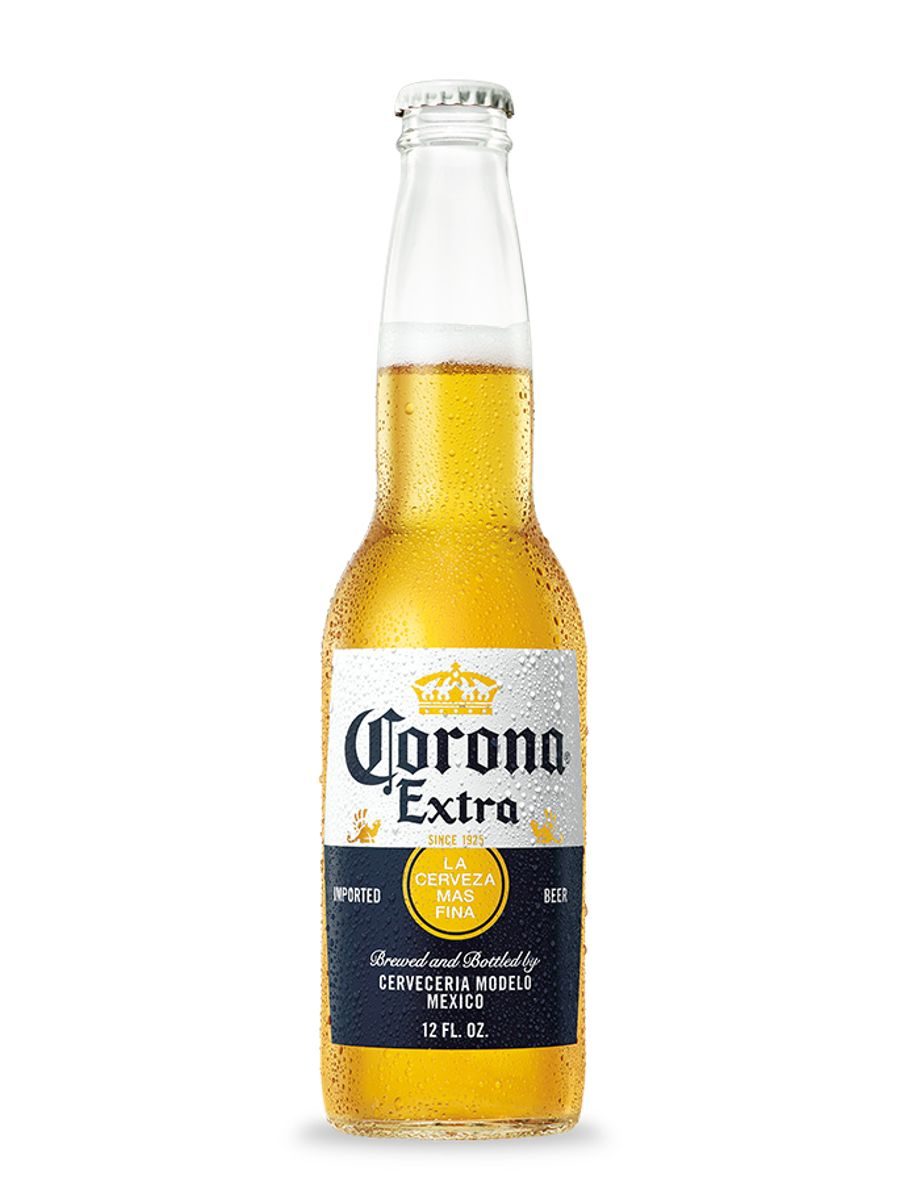
Corona Extra
Brewed by Grupo Modelo
Very pale malt, restrained sweetness and brisk carbonation form a globally familiar warm-weather lager.
BAR NOTES
Corona Extra adds a Mexican pale lager at 4.6% ABV, keeping the early flight within moderate strength. Pale color and clean fermentation are the useful common ground; the familiar clear bottle and usual lime ritual do not define a separate competition style.
Taste this reference without lime first, then decide whether garnish improves your own serving. Follow the Mexican lager board for pale and amber comparisons that demonstrate how one brewing country supports more than a single color, recipe or drinking occasion.
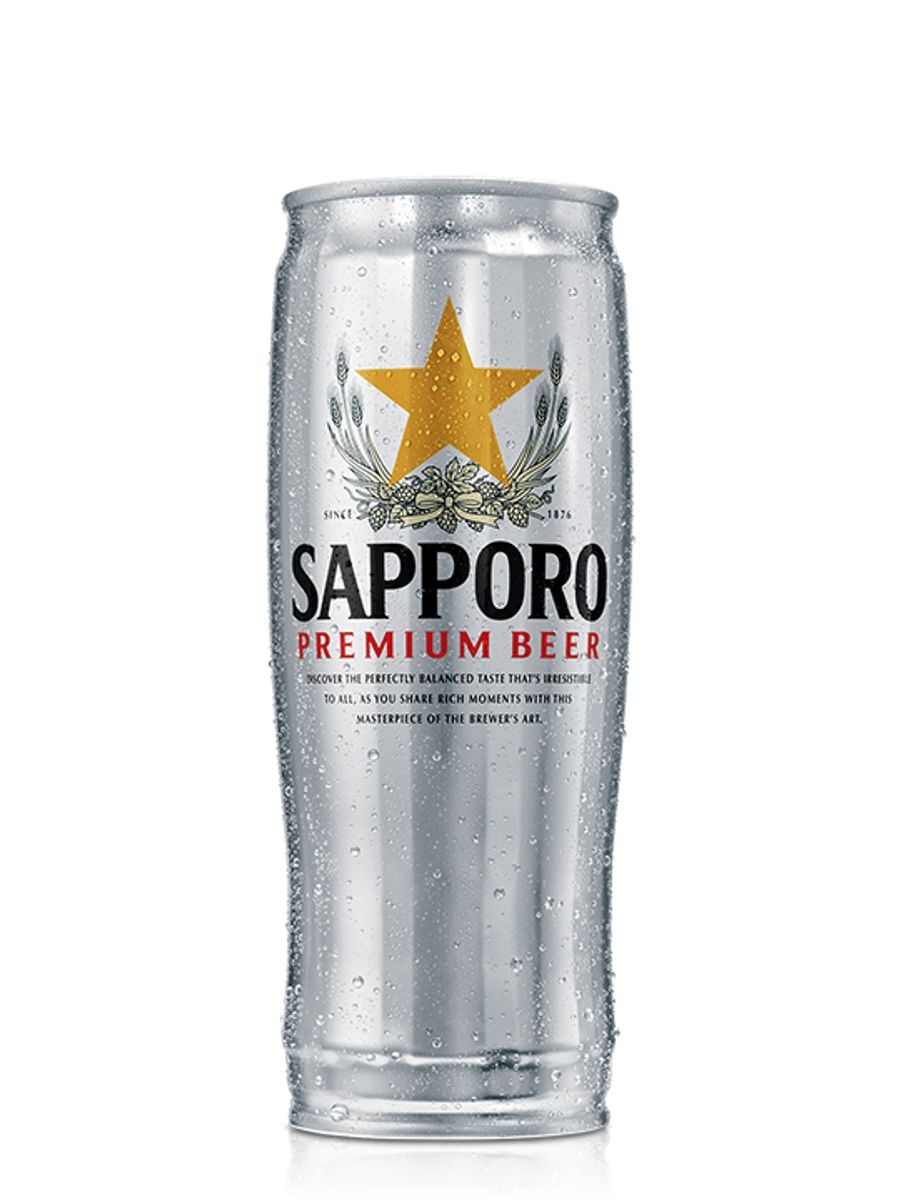
Sapporo Premium
Brewed by Sapporo Breweries
A crisp Japanese-origin lager that makes finish and malt restraint easy to compare.
BAR NOTES
Sapporo Premium completes the pale portion using the brewery’s current 4.9% U.S. specification. Its restrained malt and crisp finish give you another Japanese-origin reference beside Asahi, while the actual production location varies across the brand’s international brewing network.
Origin and recipe are separate questions, so avoid treating these Japanese brands as identical products. The pilsner selections offer a more assertive hop comparison before you return to this category’s clean, relatively restrained pale-lager purpose.
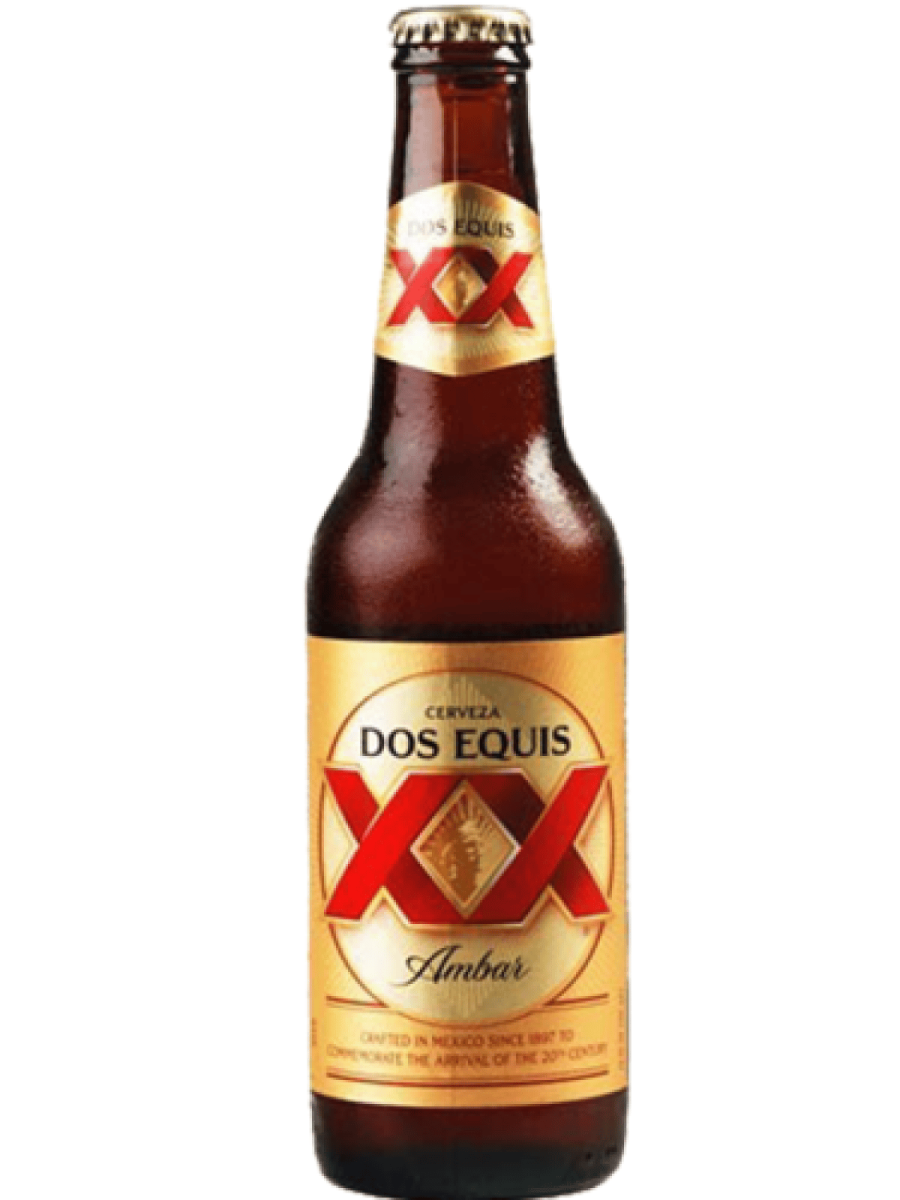
Dos Equis Ambar Especial
Brewed by Cervecería Cuauhtémoc Moctezuma
Light caramel, toast and clean fermentation show the durable Mexican branch of amber lager.
BAR NOTES
Dos Equis Ambar Especial introduces amber color through a 4.7% lager with a Vienna-descended malt identity. This is a change in toast and caramel emphasis rather than a switch to ale fermentation or an automatic jump to higher alcohol.
Pour it after the pale beers so the additional malt character is easier to notice. Compare the Vienna lager roundup for the neighboring tradition, keeping historical influence distinct from a claim that every Mexican amber beer fits one exact competition recipe.
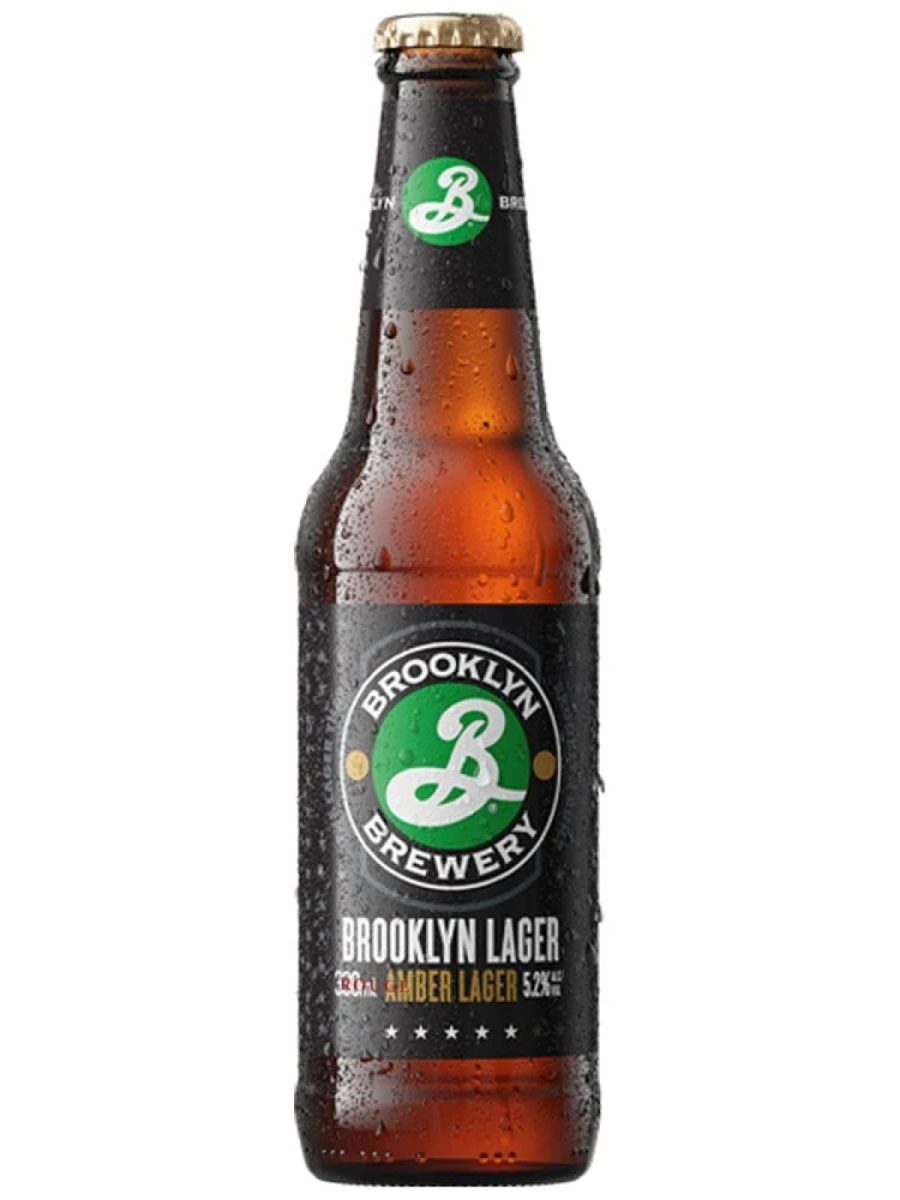
Brooklyn Lager
Brewed by Brooklyn Brewery
Toasted malt and aromatic hops give the style a distinctly American, moderately bitter expression.
BAR NOTES
Brooklyn Lager supplies a fuller 5.2% amber reference and is named among the BJCP’s International Amber Lager commercial examples. Its more assertive malt-and-hop balance helps prevent the middle of the flight from being reduced to nothing more than copper color.
Move slowly through the amber pours and compare finishing dryness separately from caramel aroma. The amber-ale roundup supplies a deliberate fermentation contrast, showing why similar colors can accompany different yeast expression, hop aroma and overall flavor structure.
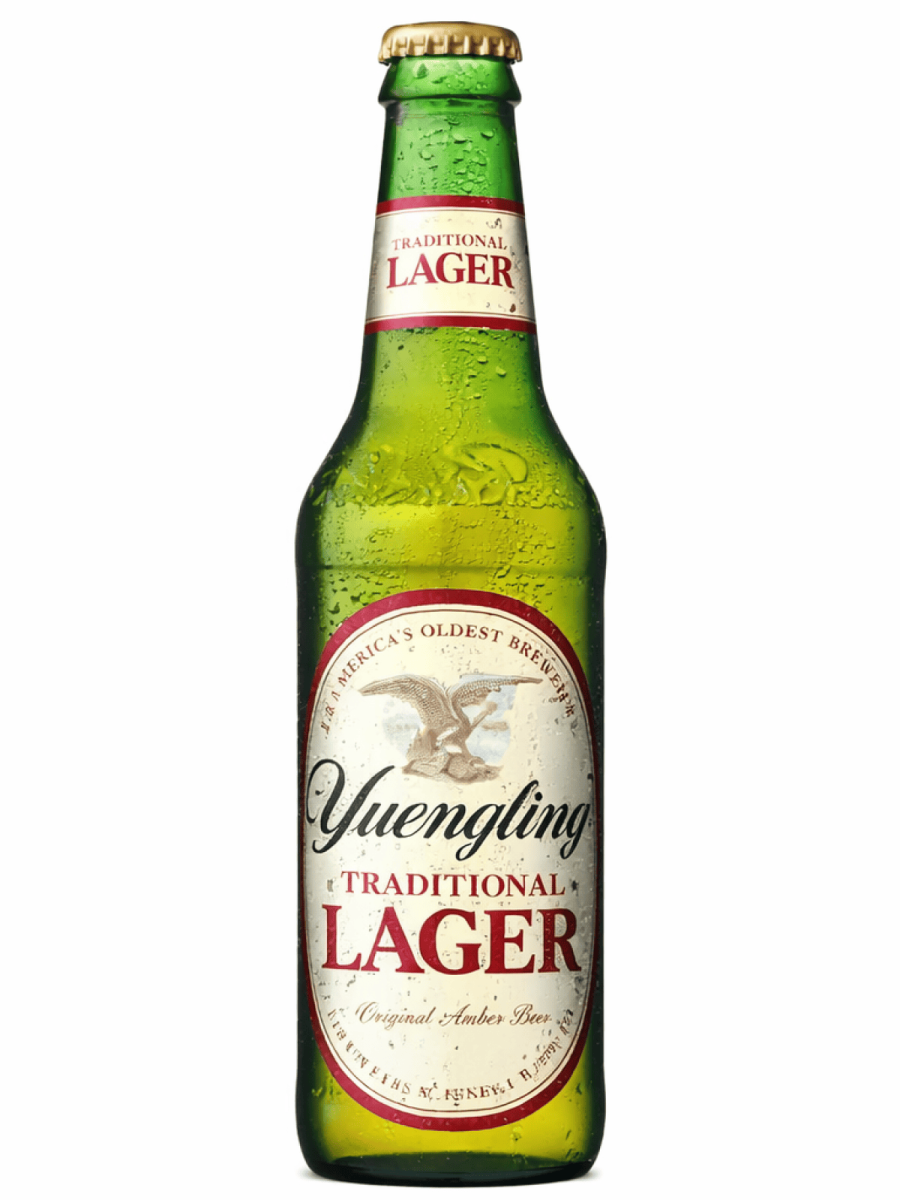
Yuengling Traditional Lager
Brewed by D.G. Yuengling & Son
Light toast, caramel and clean lager fermentation define the easygoing American side of the family.
BAR NOTES
Yuengling Traditional Lager rounds out the amber portion at 4.5% ABV, with a gentler everyday drinking purpose. Its place between Brooklyn and the dark beers makes strength and malt intensity separate observations rather than assuming that darker automatically means heavier.
The Pennsylvania location identifies brewery heritage, while national distribution does not guarantee local stock everywhere. Use the International Amber Lager guide to revisit the 2B boundaries and compare the fuller craft examples with these quieter commercial references.
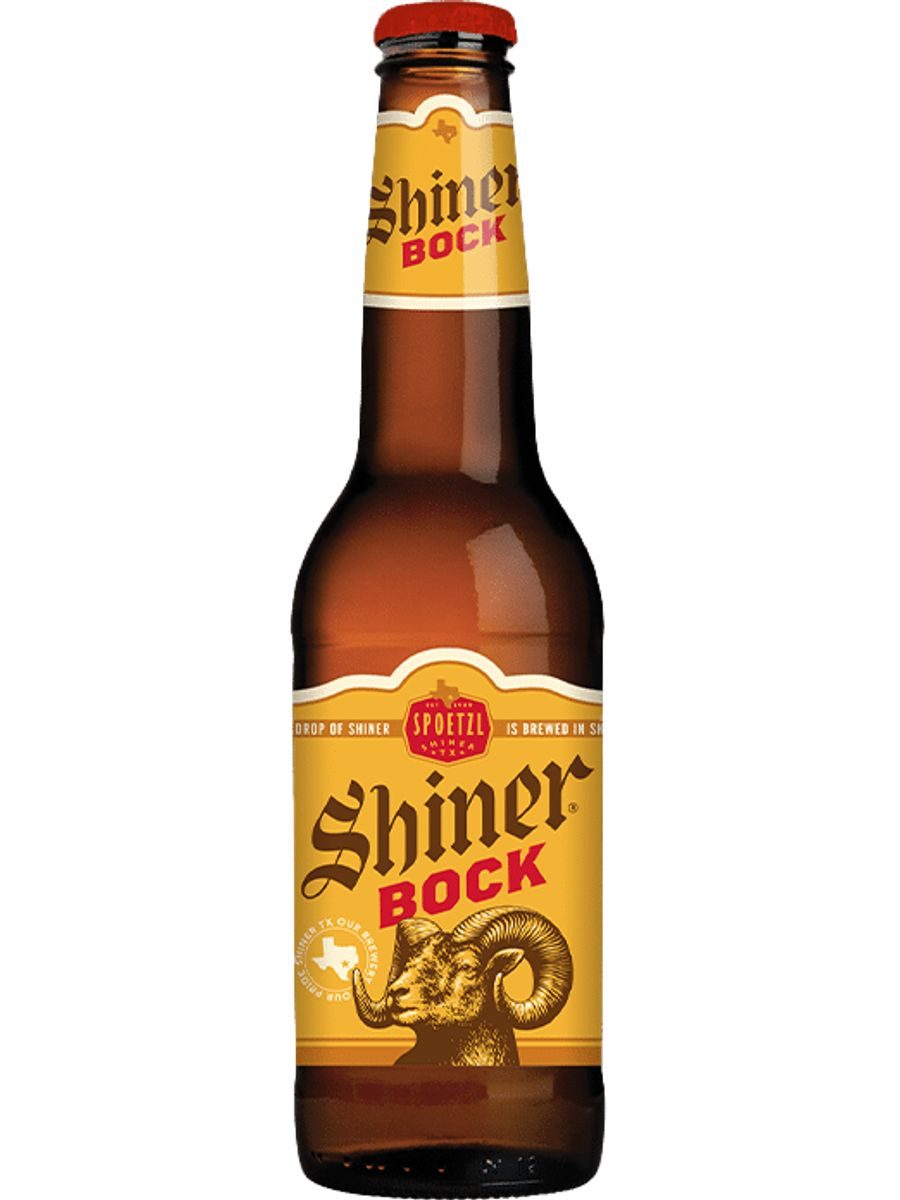
Shiner Bock
Brewed by Spoetzl Brewery
Light caramel, toast and a clean finish make this a BJCP-listed international dark lager benchmark.
BAR NOTES
Shiner Bock begins the dark portion at 4.4% ABV and is a named International Dark Lager example. The familiar Bock name is useful precisely because this everyday Texas lager does not carry the strength or malt concentration expected of traditional German bock.
Notice the shift in malt aroma before deciding that the beer has become strong or stout-like. The bock selections provide the next comparison for genuinely stronger malt-focused lager, making branding and a competition style easier to distinguish.
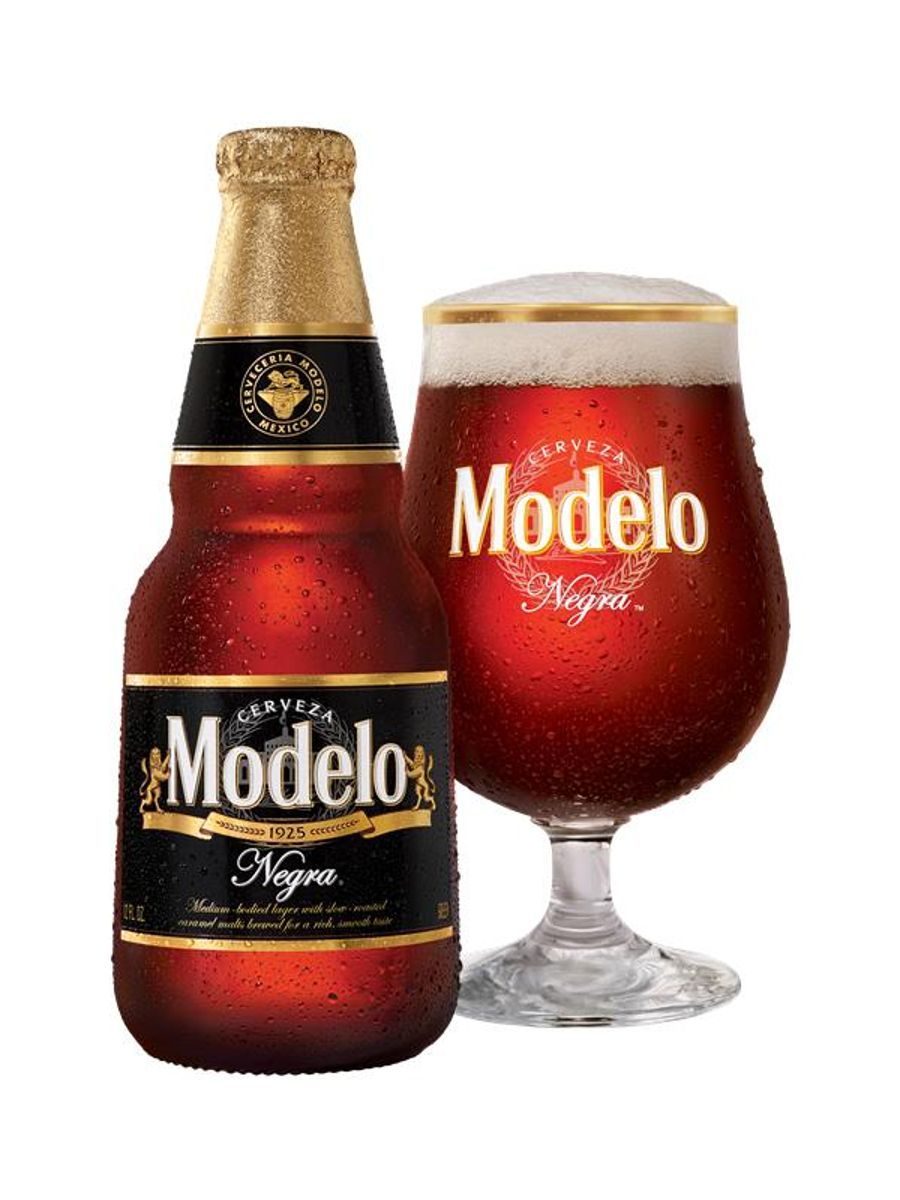
Modelo Negra
Brewed by Grupo Modelo
Caramel, dark bread and smooth fermentation make a useful richer reference at the style boundary.
BAR NOTES
Modelo Negra adds a 5.4% Mexican dark lager with Munich and Vienna influences, bringing a richer toasted-malt reference after Shiner. Those influences explain its brewing lineage without making the commercial beer an exact template for every neighboring European competition category.
Compare toast, roast and finishing sweetness as separate traits, and keep serving temperature consistent. The dark-lager roundup extends the flight into other clean-fermented dark beers, including examples that differ substantially in body despite sharing a deep color.
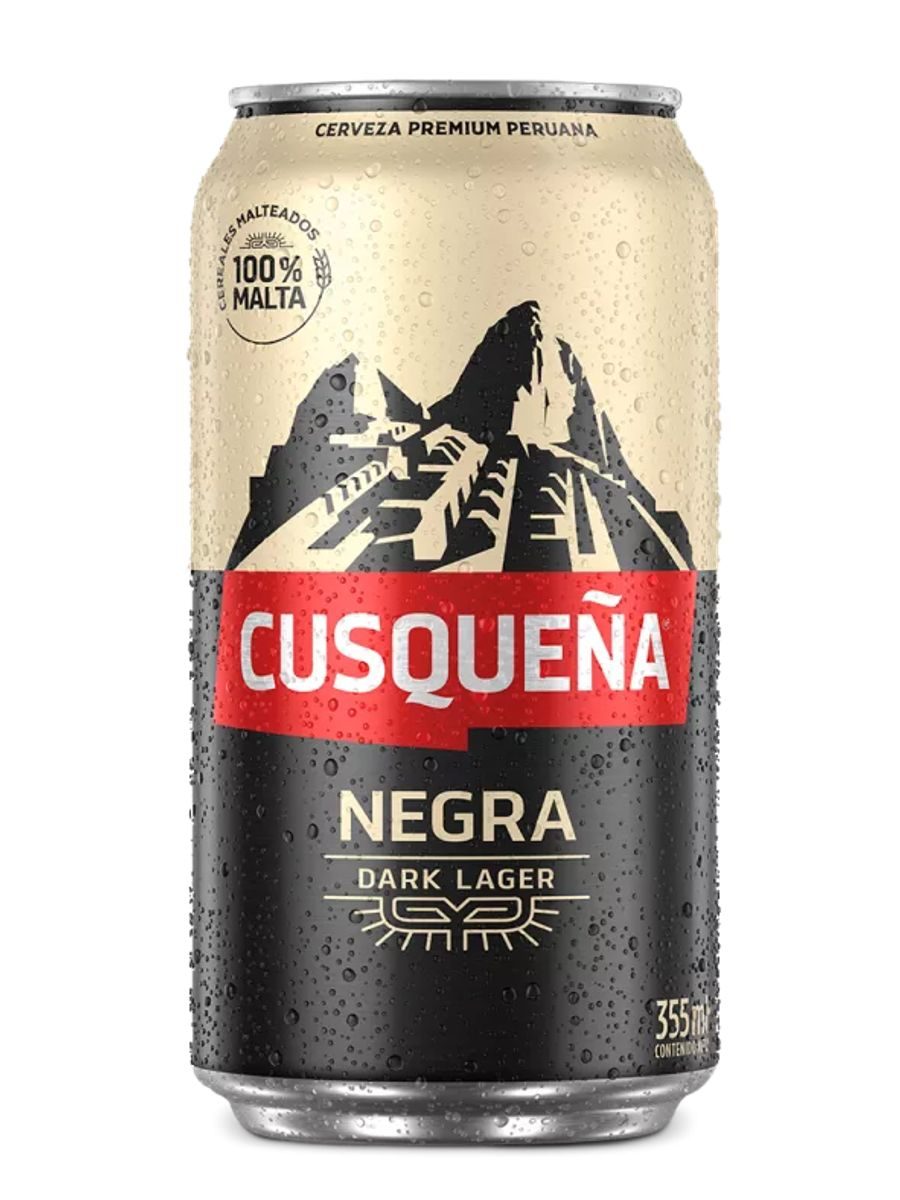
Cusqueña Negra
Brewed by Backus / Cusqueña
A sweet-leaning Peruvian dark lager with a substantial malt impression.
BAR NOTES
Cusqueña Negra finishes with a sweet-leaning Peruvian dark lager at 5.5% ABV and the brewery’s published 12 IBU. Its fuller malt impression makes a useful final contrast while remaining inside the International Dark Lager strength range rather than entering strong-bock territory.
The brewery’s ingredient list includes sugar, so malt-focused marketing does not imply a barley-only recipe. Compare the Schwarzbier selections next for drier black-lager interpretations, and use the International Dark Lager guide to keep the broader commercial family separate from that neighboring style.
How to taste the category
- Serve the flight around 40–45°F so carbonation stays lively without hiding the malt.
- Taste pale, then amber, then dark; returning to pale afterward makes the rise in caramel and roast especially clear.
- Judge intensity as well as flavor. Strong hops, deep toast or burnt roast can push a beer into a neighboring style.
- Use fresh packages. Light, heat and age can turn a clean lager into something papery, sweet or sulfurous.
Common misconceptions
“International” does not mean imported. A beer can be brewed domestically and still fit the category. The term groups similar mass-market lagers made in many countries.
Darker does not automatically mean stronger. The three styles overlap in alcohol. Dark malt changes flavor and color far more than it changes expected strength.
International Lager FAQ
Is International Lager a single beer style?
It is a BJCP category containing three styles: International Pale Lager, International Amber Lager and International Dark Lager.
How is International Pale Lager different from American Lager?
It is generally fuller and more bitter than American Lager, while remaining less hop-forward than German Pils and less malt-rich than Czech Premium Pale Lager.
Is International Amber Lager the same as Vienna Lager?
No. International Amber Lager usually has less developed malt flavor and may show an adjunct character, while Vienna Lager emphasizes a richer, more elegant toasted-malt profile.
Should International Dark Lager taste roasted?
Only lightly. Cocoa, coffee or gentle roast may appear, but burnt or strongly roasted flavors are inappropriate.
What temperature is best for serving these lagers?
About 40–45°F is cold enough for refreshment while still allowing quiet grain, caramel and hop notes to register.
Style ranges and category definitions follow the BJCP 2021 Beer Style Guidelines, Category 2.
Choose your next lager flight.
Taste the three international branches, then explore the neighboring styles that explain differences in malt, bitterness and roast.