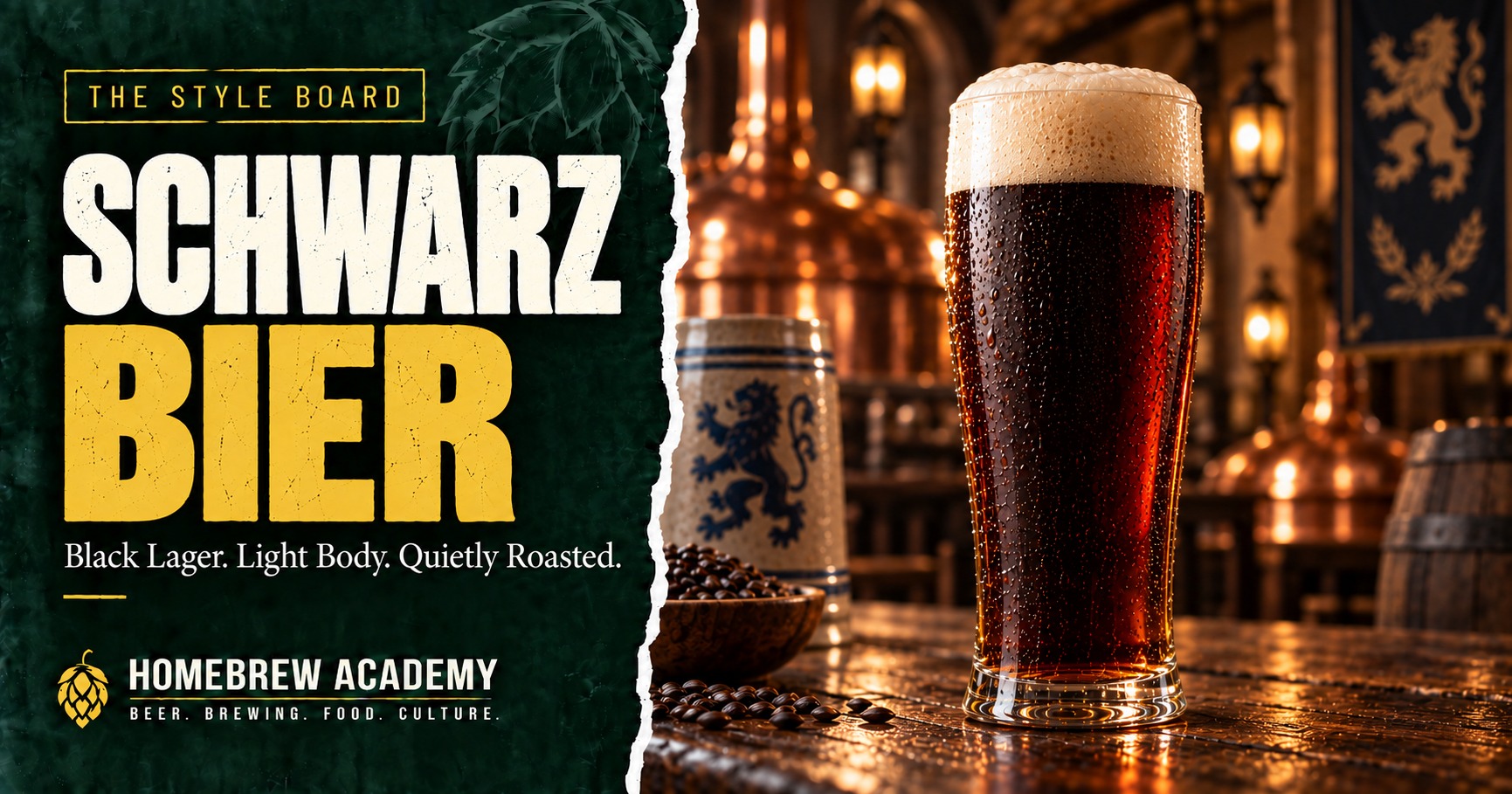
Schwarzbier: Top 10 Current Beers and Style Guide
Schwarzbier is a dark German lager with smooth cocoa-like roast, moderate bitterness and a dry, clean finish that drinks far lighter than its color suggests.
It is not a porter fermented with lager yeast. Roast stays restrained, the body remains moderate and every dark note must avoid burnt harshness.
The quick answer
Expect medium to very dark brown color with ruby highlights, brilliant clarity and a lasting tan head. Dark bread, cocoa and light coffee can appear over a crisp lager base.
| Measure | BJCP range |
|---|---|
| Original gravity | 1.046–1.052 |
| Final gravity | 1.010–1.016 |
| Bitterness | 20–35 IBU |
| Color | 19–30 SRM |
| Alcohol | 4.4–5.4% |
What Schwarzbier tastes like
Malt can range from clean and neutral to moderately bready, with light roast suggesting bitter chocolate or coffee. The finish is dry, and moderate bitterness keeps the aftertaste crisp rather than sweet.
The body is medium-light to medium with enough carbonation to lift the dark malt. Strong espresso, burnt grain, heavy caramel or porter-like thickness all miss the style’s restrained purpose.
How Schwarzbier is brewed
Pilsner and Munich malts form the base, while huskless roasted malts add color and smooth roast without burnt edges. German hops contribute moderate bitterness and may add a low spicy, floral or herbal accent.
A clean German lager strain and patient conditioning keep the beer polished. Brewers often manage dark grain late or gently because extraction matters as much as the recipe when avoiding astringency.
From regional specialty to modern black lager
Schwarzbier is associated with Thuringia, Saxony and Franconia. Its wider popularity grew after German reunification in 1990, and the style also influenced the black lagers developed by Japanese breweries.
Top 10 current Schwarzbier references
These ten current editorial references compare German Schwarzbier with American black lagers. Commercial variations, current strength figures and seasonal releases are identified in the notes. This is a comparative tasting route, not a blind-tasting ranking; check local availability before planning the flight.
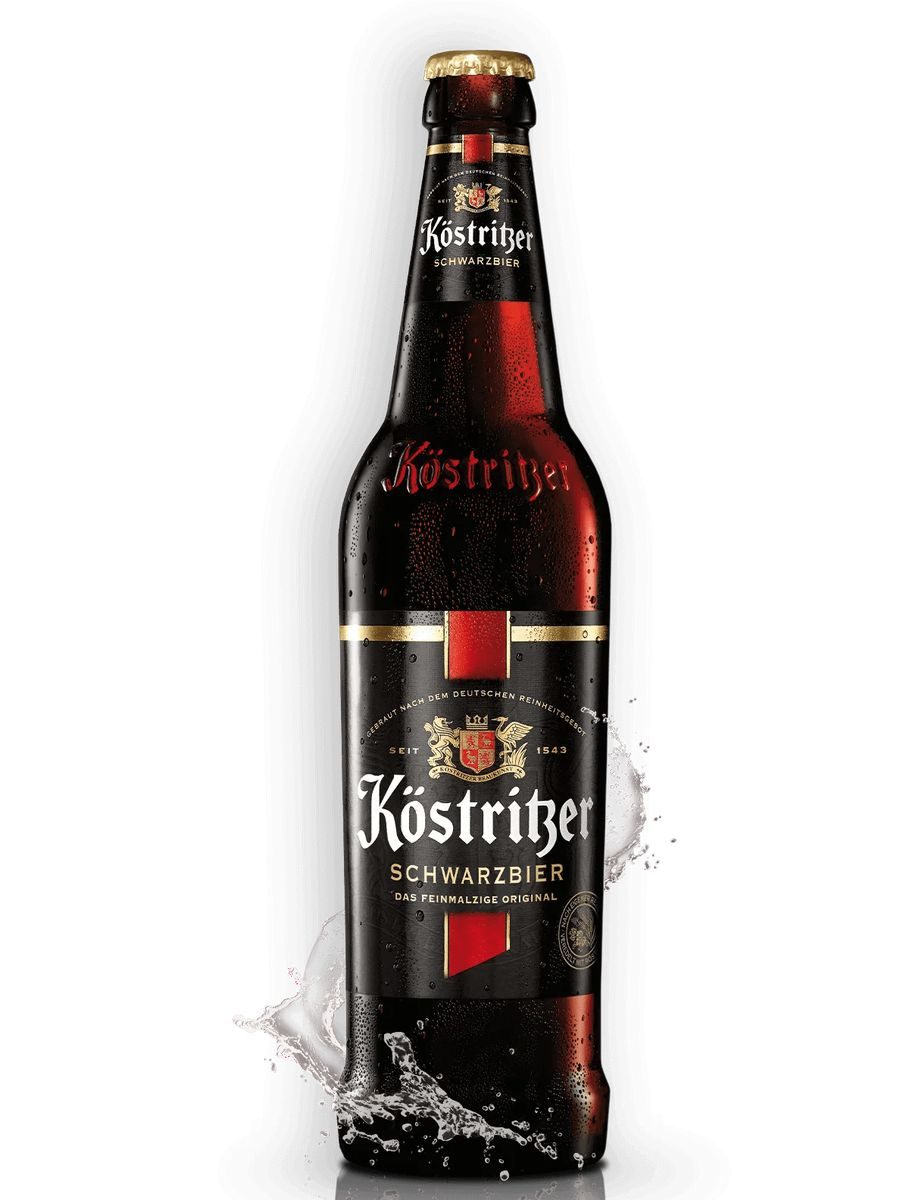
Köstritzer Schwarzbier
Brewed by Köstritzer Schwarzbierbrauerei
The established black-lager reference
BAR NOTES
Köstritzer is a useful starting point for German Schwarzbier because its dark color and lager identity are immediately clear. The current bottle lists 4.8% ABV; use it to introduce black lager before exploring the more individual regional and American interpretations.
Try it beside a Munich Dunkel in matching glasses and look beyond color. The comparison should ask how bread-like malt, restrained roast and finishing bitterness differ. A black appearance alone does not make either beer a stout or a strong lager.
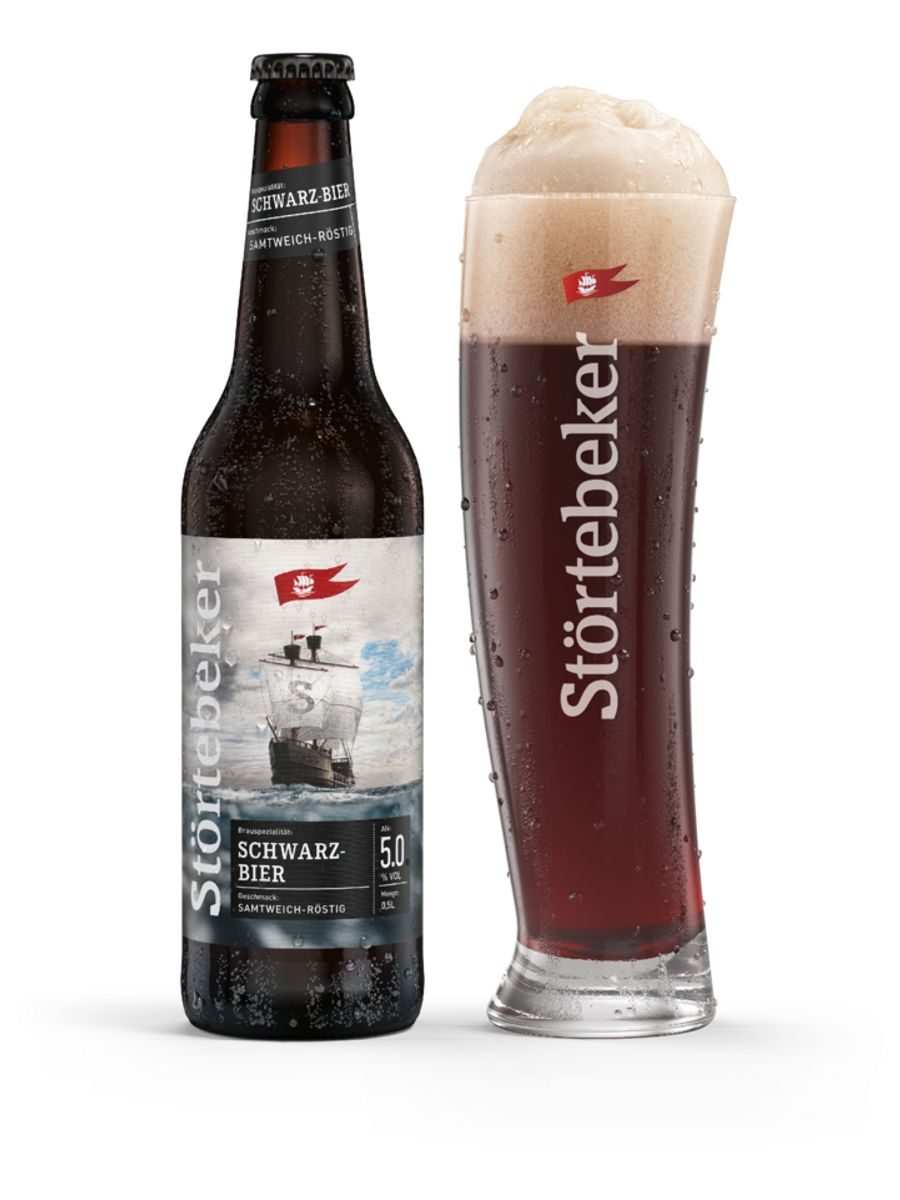
Störtebeker Schwarz-Bier
Brewed by Störtebeker Braumanufaktur
Roast and caramel in a coastal reference
BAR NOTES
Störtebeker lists Schwarz-Bier at 5.0% ABV with 12.5 degrees Plato original extract. Its producer description identifies roast and caramel malt character and Perle hops, giving a concrete ingredient-led contrast with the broader Schwarzbier style description.
Place this after Köstritzer and note whether caramel seems to round the roast impression. A small serving with browned meat is a useful tasting exercise, but assess the lager’s finish separately from the sweetness or seasoning of the food.
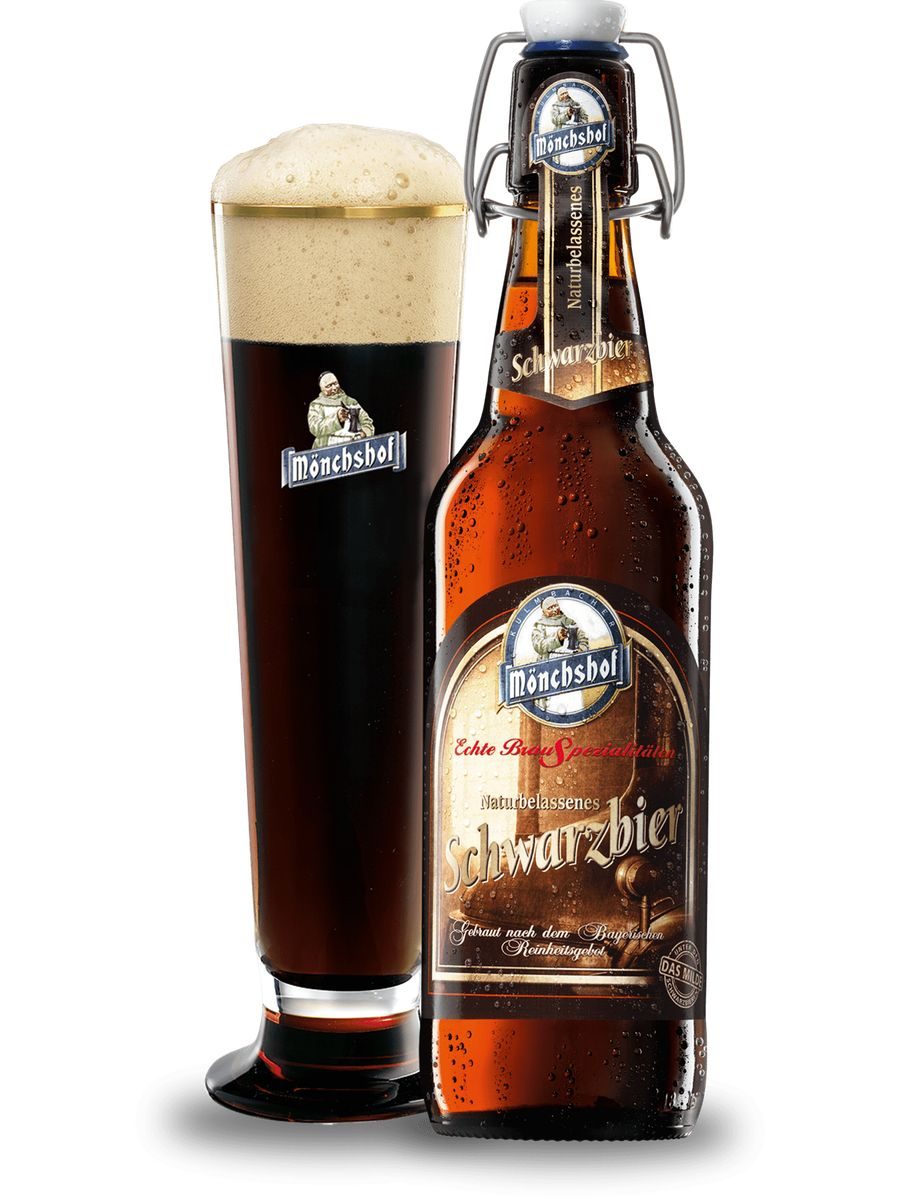
Mönchshof Schwarzbier
Brewed by Kulmbacher Brauerei
An explicitly unfiltered variation
BAR NOTES
Mönchshof’s current product page describes its Schwarzbier as unfiltered and lists 4.9% ABV. That matters: brilliant clarity belongs to the standard competition description, so this beer should be presented as an identifiable commercial variation rather than a visual ideal for every Schwarzbier.
Follow the producer’s suggested seven-to-eight-degree serving range and compare its texture with a clear example. Keep haze and roast as separate observations: suspended material can change appearance and mouthfeel without proving that the malt was roasted more intensely.
Einsiedler Schwarzbier
Brewed by Einsiedler Brauhaus
A Saxon reference with moderate bitterness
BAR NOTES
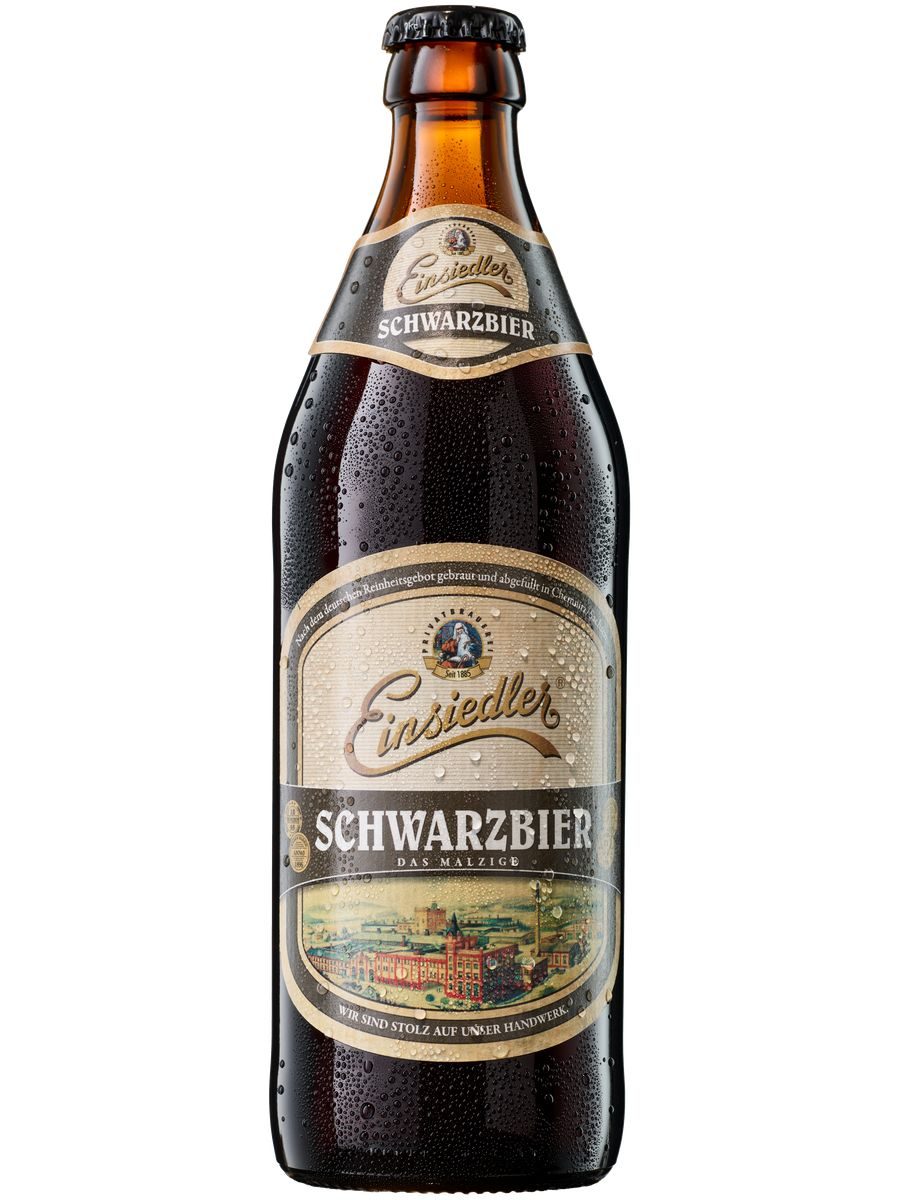
Einsiedler’s current German and English beer listings give Schwarzbier 5.0% ABV and 25 IBU. Using those producer figures avoids older retail listings with a different strength, and provides a clear middle-of-the-range bitterness reference for the flight.
Taste it before the more bitter American examples, using equal pours and a neutral snack. Pay attention to where bitterness appears and how quickly it clears, rather than assuming that an IBU figure fully predicts the sensation of roast or dryness.
Neuzeller Schwarzbier
Brewed by Klosterbrauerei Neuzelle
Keep the Schwarzbier distinct from Schwarzer Abt
BAR NOTES
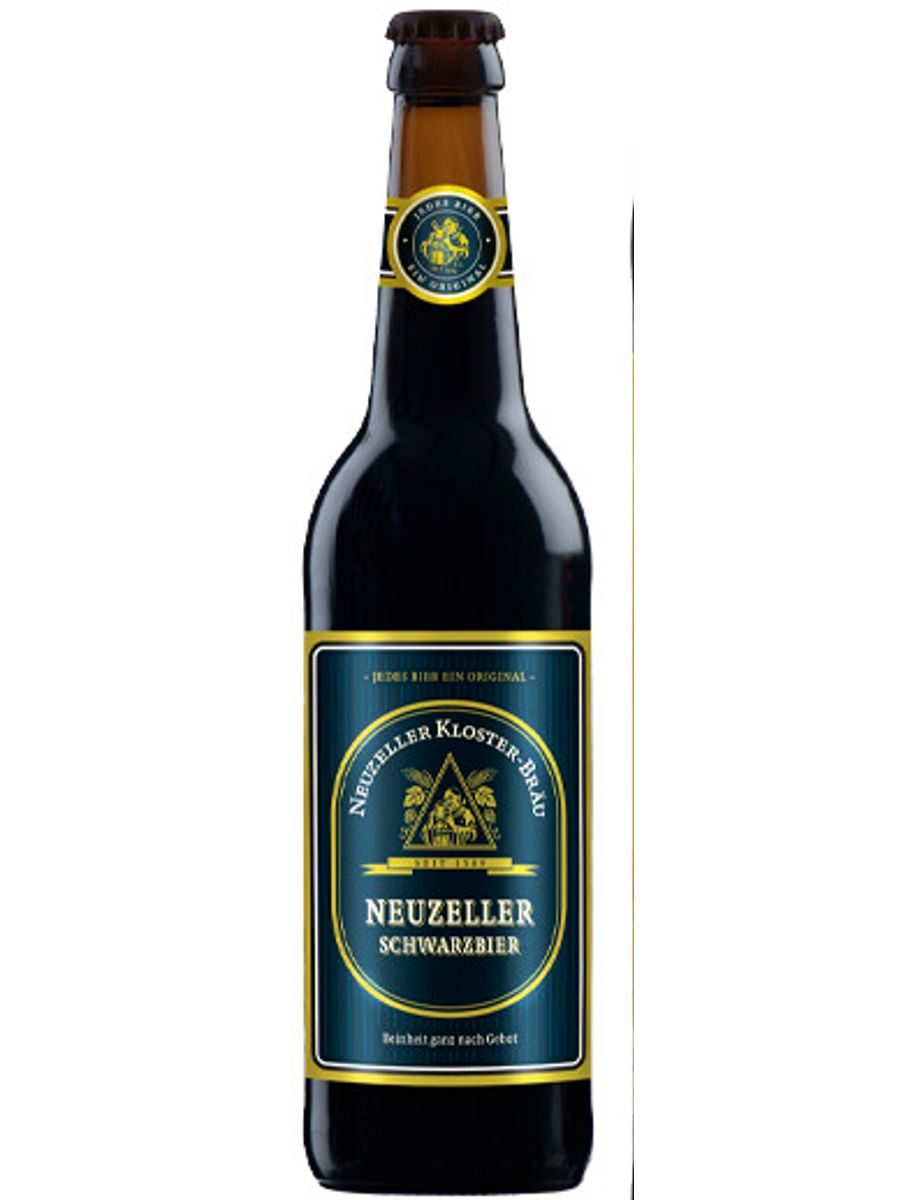
Neuzelle’s own shop lists this Schwarzbier at 4.9% ABV and describes a recipe using three malts. It is a separate product from the brewery’s sweeter Schwarzer Abt; keeping those names straight prevents a misleading comparison of two differently positioned beers.
Use the exact Schwarzbier bottle when assembling a flight and read the label before pouring. Compare its balance with another German reference, paying attention to malt depth and the finish instead of treating every dark product from one brewery as interchangeable.
Jacobinus Schwarzbier
Brewed by Eschweger Klosterbrauerei
A Hessian regional comparison
BAR NOTES
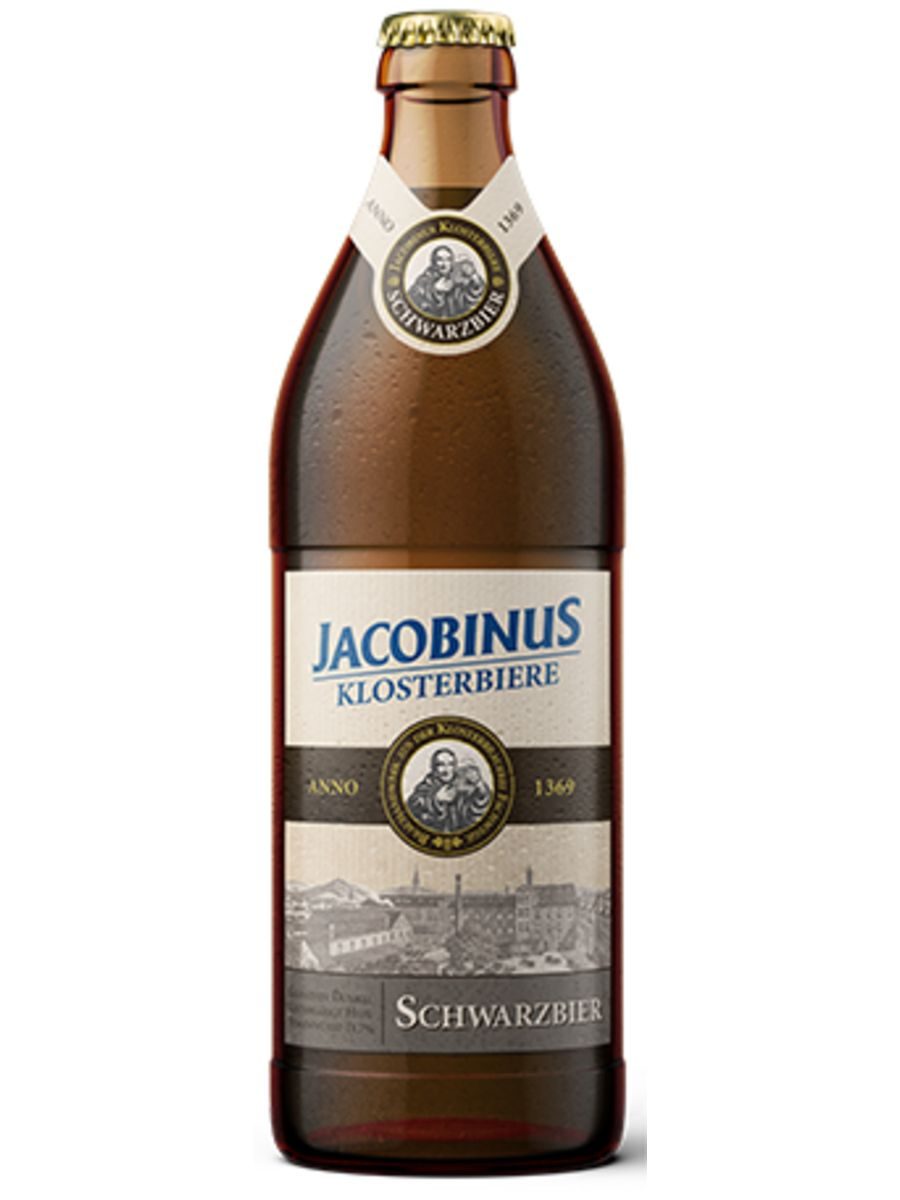
Eschweger’s producer listing gives Jacobinus Schwarzbier 4.9% ABV and a seven-degree serving recommendation. This adds a Hessian regional reference to the flight without relying on a retailer’s interpretation of the beer or an unsupported numerical bitterness claim.
Try it alongside Einsiedler with both glasses served at the same temperature. The practical exercise is to distinguish aroma, body and finishing bitterness in sequence. Regional origin supplies context, but does not substitute for evaluating the actual balance in your glass.
Schussenrieder Schwarzbier
Brewed by Schussenrieder Brauerei Ott
A fuller dark export interpretation
BAR NOTES
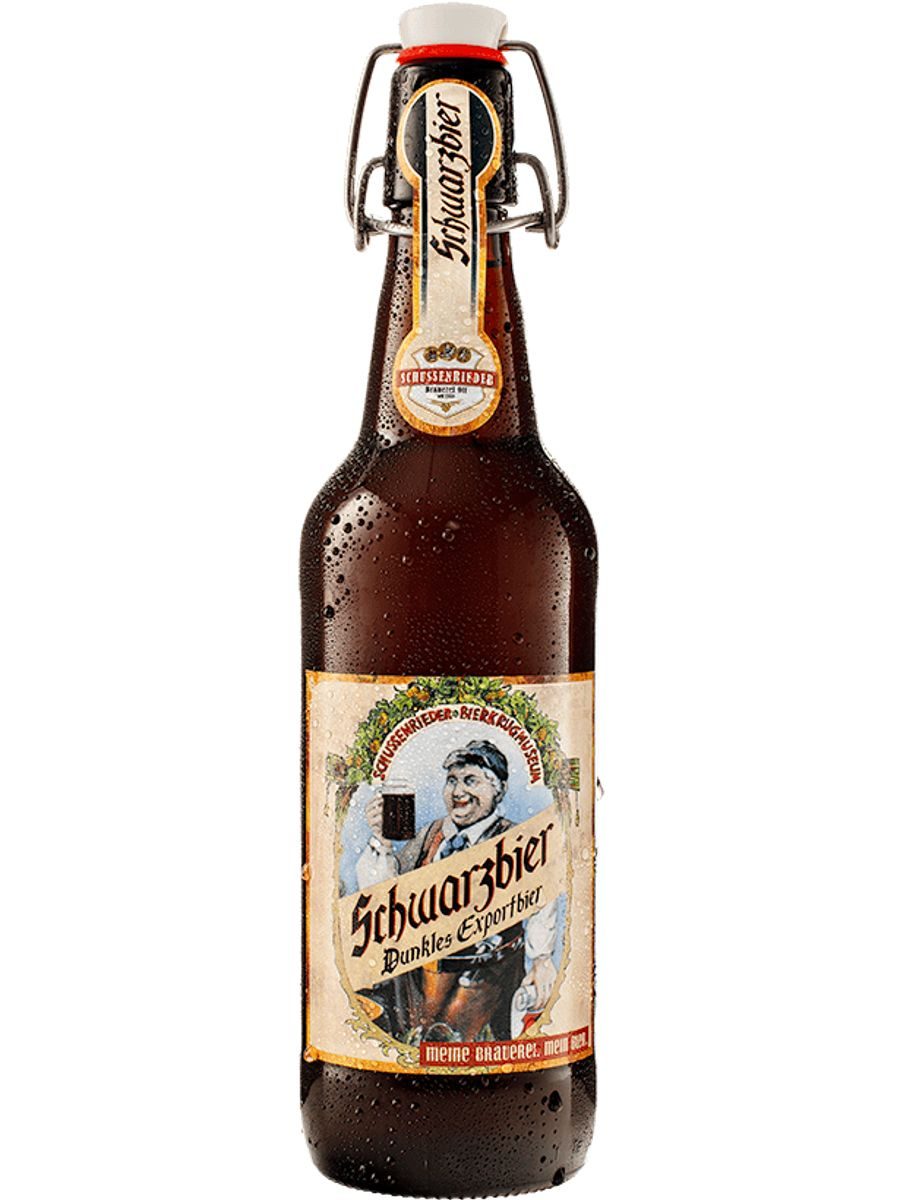
Schussenrieder calls its Schwarzbier a dark export lager and lists 5.3% ABV with 12.8% original extract. Its producer page names Hallertauer Tradition, Perle and Tettnanger hops, plus open cold fermentation and a traditional two-tank process.
Use this as the fuller end of the German comparison, then return to Köstritzer with a fresh small pour. The exercise separates malt weight from black color, while the brewery’s export wording reminds you that commercial naming can be broader than competition shorthand.
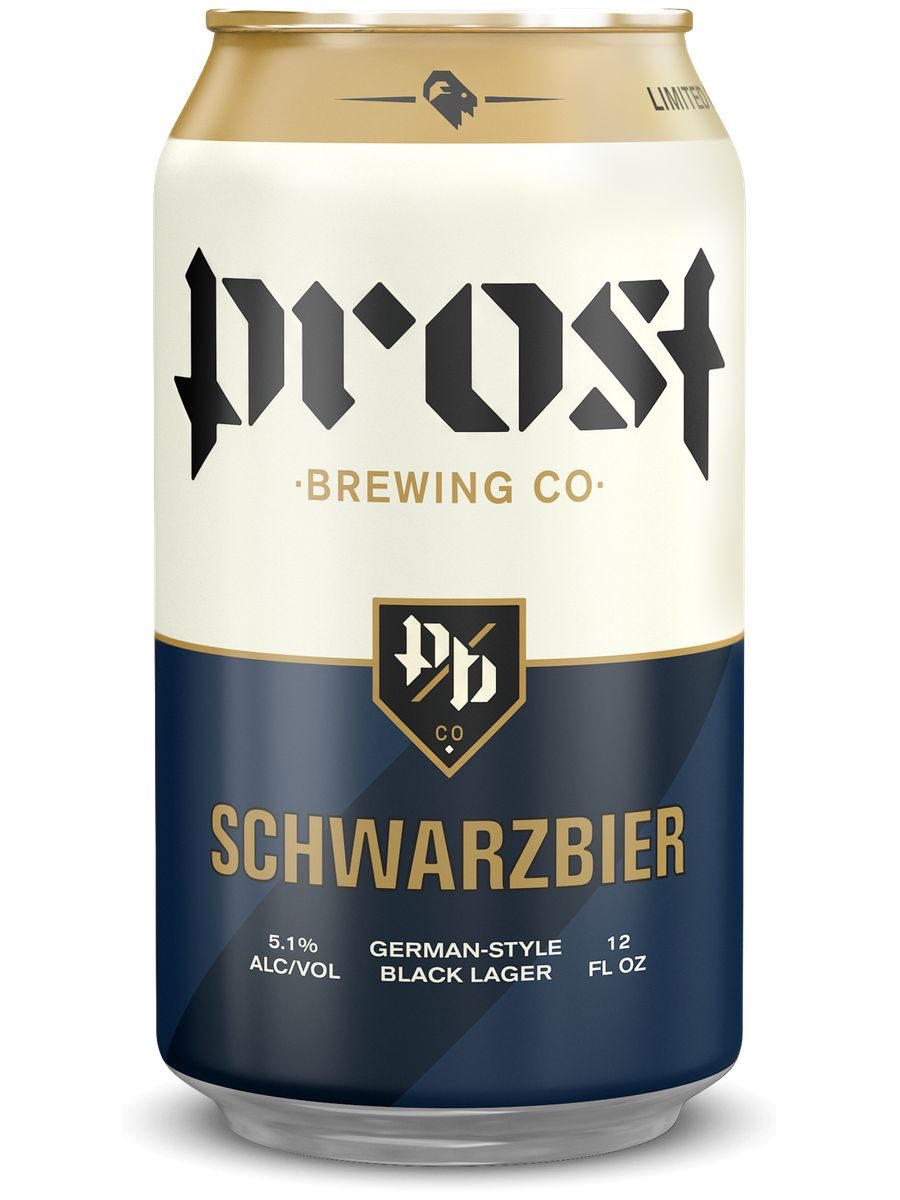
Prost Schwarzbier
Brewed by Prost Brewing Co.
Single decoction and restrained roast
BAR NOTES
Prost lists its Schwarzbier at 5.1% ABV and 25 IBU, with single decoction and lager production details on the dedicated beer page. It belongs here as an American brewing interpretation grounded in an explicitly German-style production approach.
Taste it beside Prost Dunkel if both are available to compare dark malt expression within one brewery. Schwarzbier is listed as a limited offering, so confirm the current release before building a flight around it rather than promising year-round availability.
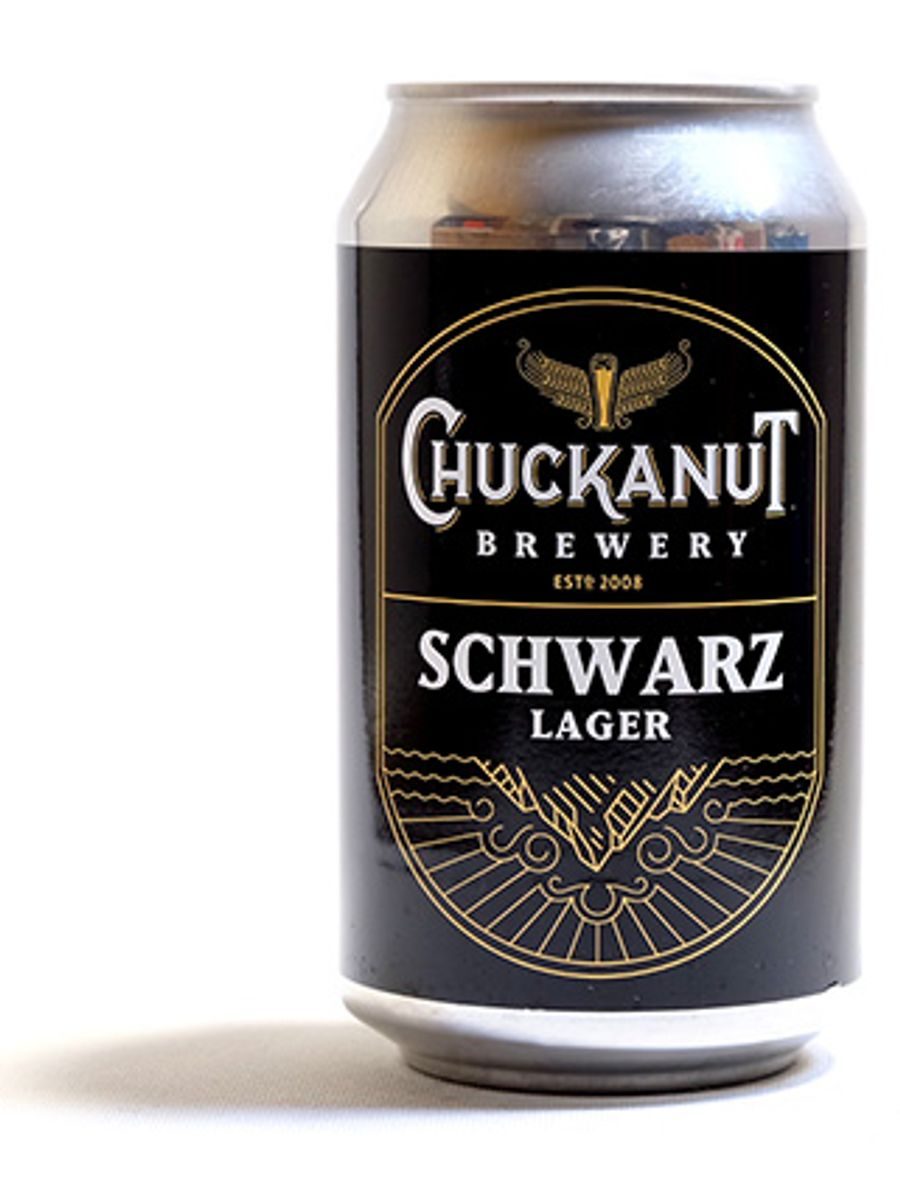
Chuckanut Schwarz Lager
Brewed by Chuckanut Brewery
A dry American black-lager reference
BAR NOTES
Chuckanut’s current Schwarz Lager page gives 4.8% ABV and 27 IBU, with a description centered on bitter chocolate, bread and a dry finish. Those details make it a useful American reference for Schwarzbier’s clean lager structure.
The brewery’s master list is a catalog rather than a guarantee of present stock, so check current taps or packaged availability. In the glass, compare its finishing dryness with a maltier Dunkel instead of expecting stout-like weight from the black color.
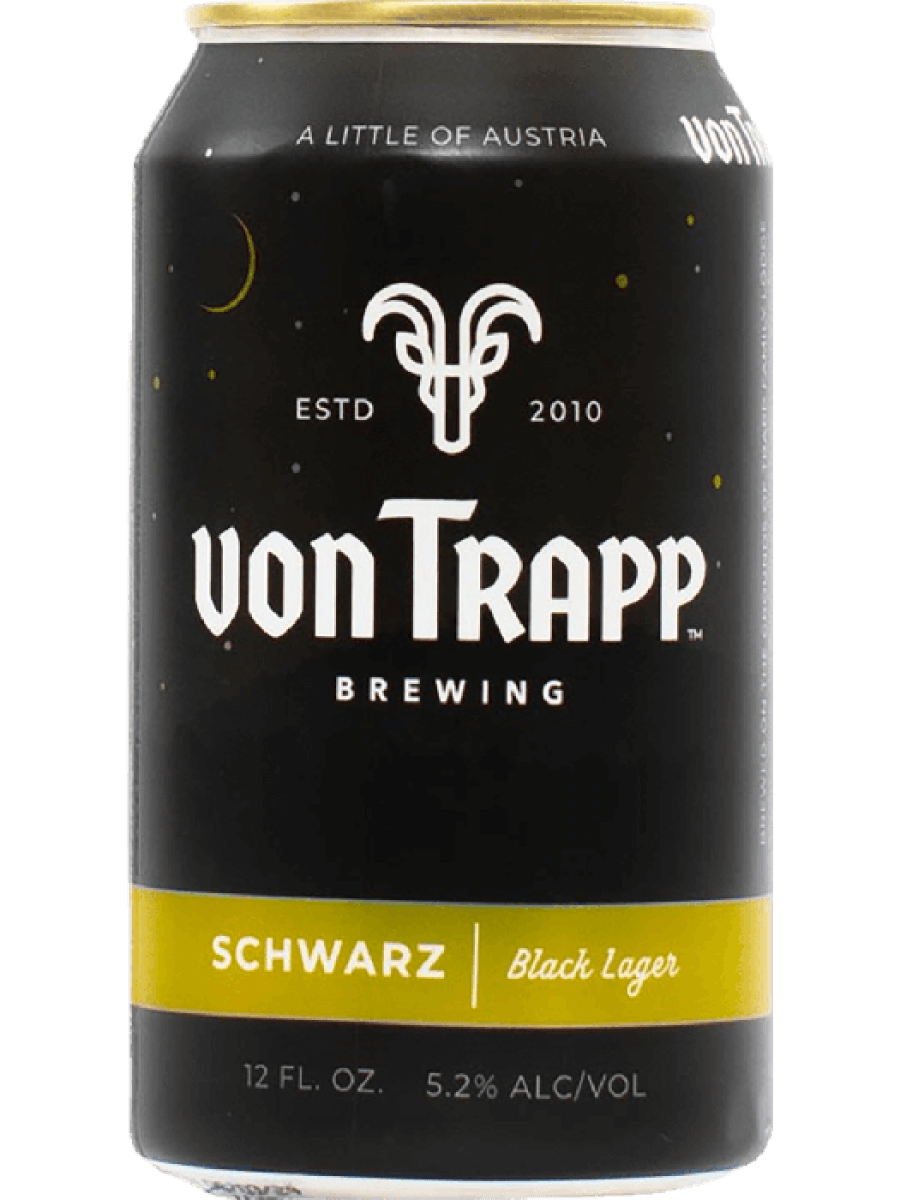
von Trapp Schwarz
Brewed by von Trapp Brewing
The firmer bitterness end of the flight
BAR NOTES
von Trapp’s 2026 Schwarz sell sheet lists 5.2% ABV and 35 IBU, putting the beer at the firm end of the style’s bitterness range. The same sheet identifies a January-through-February release window, so this is a seasonal reference.
Finish the flight with a small pour and compare it directly with the lower-bitterness German examples. Keep roast sensation separate from hop bitterness when describing the finish. Outside its release window, use the guide for planning rather than assuming bottles or cans remain available.
Schwarzbier compared with nearby styles
Munich Dunkel is breadier, rounder and less roasty. Czech Dark Lager is generally maltier and may show more hops. Porter carries more roast, body and ale character, while Schwarzbier stays clean, dry and lager-light.
Keep exploring Schwarzbier
Compare black-lager references with the bread-led Munich branch.