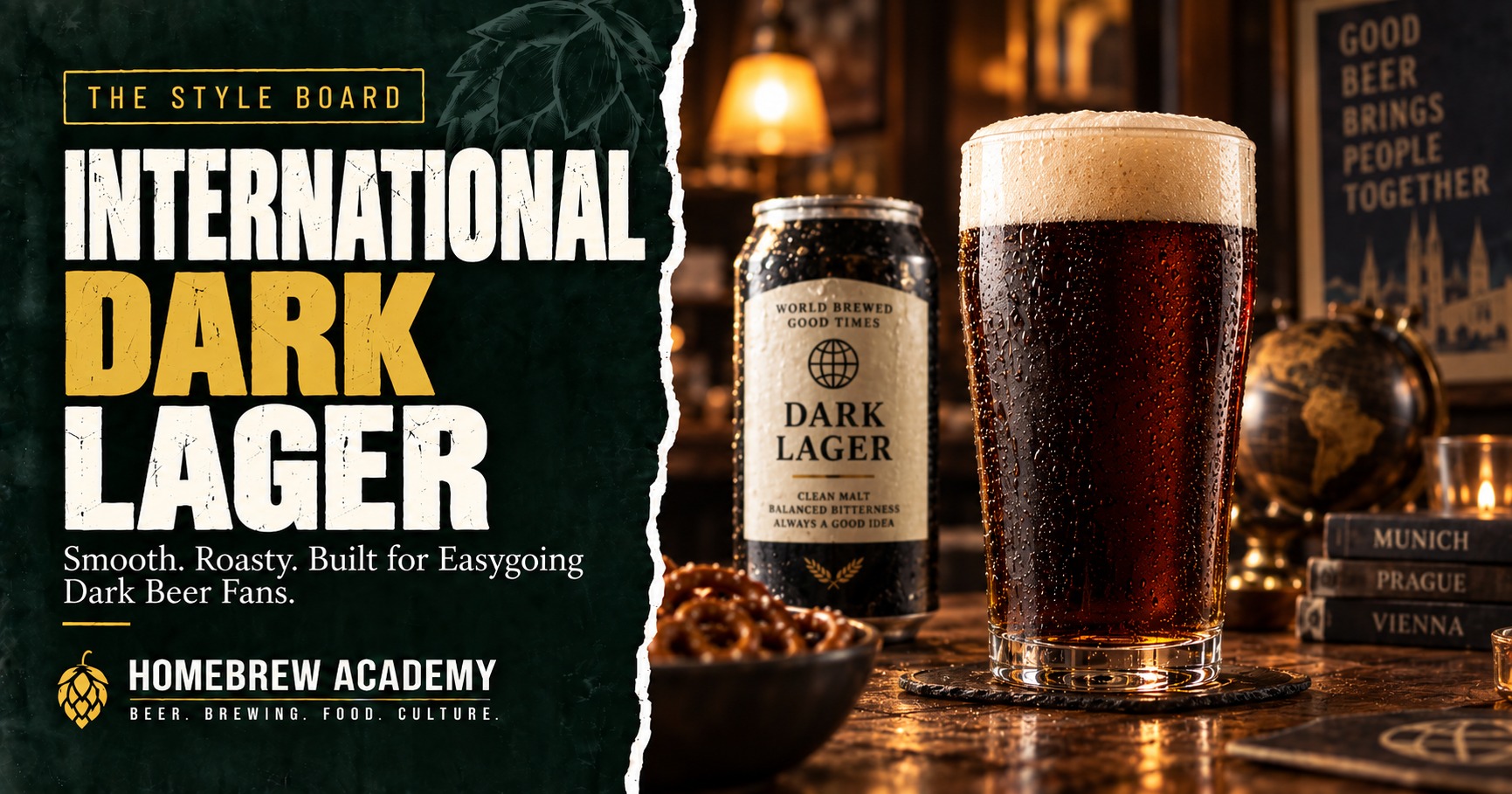
International Dark Lager: Top 10 Current Beers and Style Guide
International Dark Lager adds caramel, dark bread, cocoa or gentle roast to a clean, highly drinkable lager without becoming heavy, burnt or stout-like.
The style is darker and somewhat sweeter than International Pale Lager, but its light-to-medium-light body and moderate carbonation keep the experience accessible.
The quick answer
Expect deep amber to very dark brown color, ruby highlights and a beige head. Malt leads with caramel, cocoa, coffee, molasses or brown sugar in low doses; bitterness and hops stay restrained.
| Measure | BJCP range |
|---|---|
| Original gravity | 1.044–1.056 |
| Final gravity | 1.008–1.012 |
| Bitterness | 8–20 IBU |
| Color | 14–30 |
| Alcohol | 4.2–6.0% |
What International Dark Lager tastes like
Aroma is usually quiet. Faint malt comes first, with optional caramel or mild roast and perhaps a touch of spicy, herbal or floral hops. Fermentation should remain clean, though very light fruitiness can appear.
The palate is somewhat malty and can carry low to medium sweetness. The key limit is intensity: burnt malt and moderately strong roast are inappropriate, and the finish should remain moderately crisp.
Top 10 current International Dark Lager references
These HBA editorial picks compare current dark lagers, from gentle caramel malt to fuller chocolate and roasted-malt impressions. Brand names such as Bock and the older Kirin Stout name do not override the product’s actual lager identity. This is a learning board rather than a blind-tasting ranking.
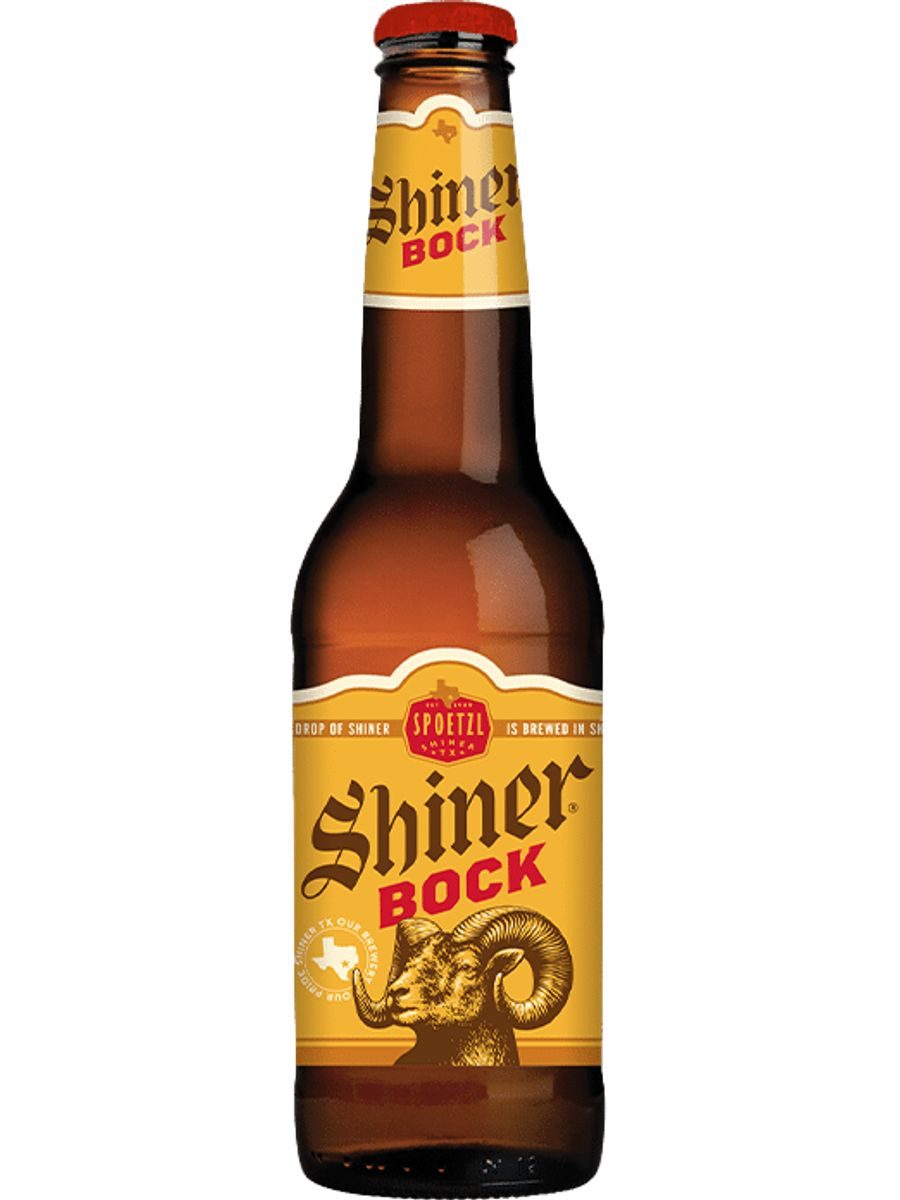
Shiner Bock
Brewed by Spoetzl Brewery
Light caramel, toast and a clean finish make this a BJCP-listed international dark lager benchmark.
BAR NOTES
Shiner Bock is a direct BJCP example despite the name on the label. Its modest strength, light body and caramel-toast profile fit International Dark Lager more closely than traditional German bock.
That mismatch is useful: style is judged by what is in the glass, not the marketing term. Taste the beer beside a true bock and the difference in malt depth and alcohol becomes immediate. The bock selections make that contrast easier to study, with stronger examples and a much greater emphasis on malt concentration than this everyday Texas lager.
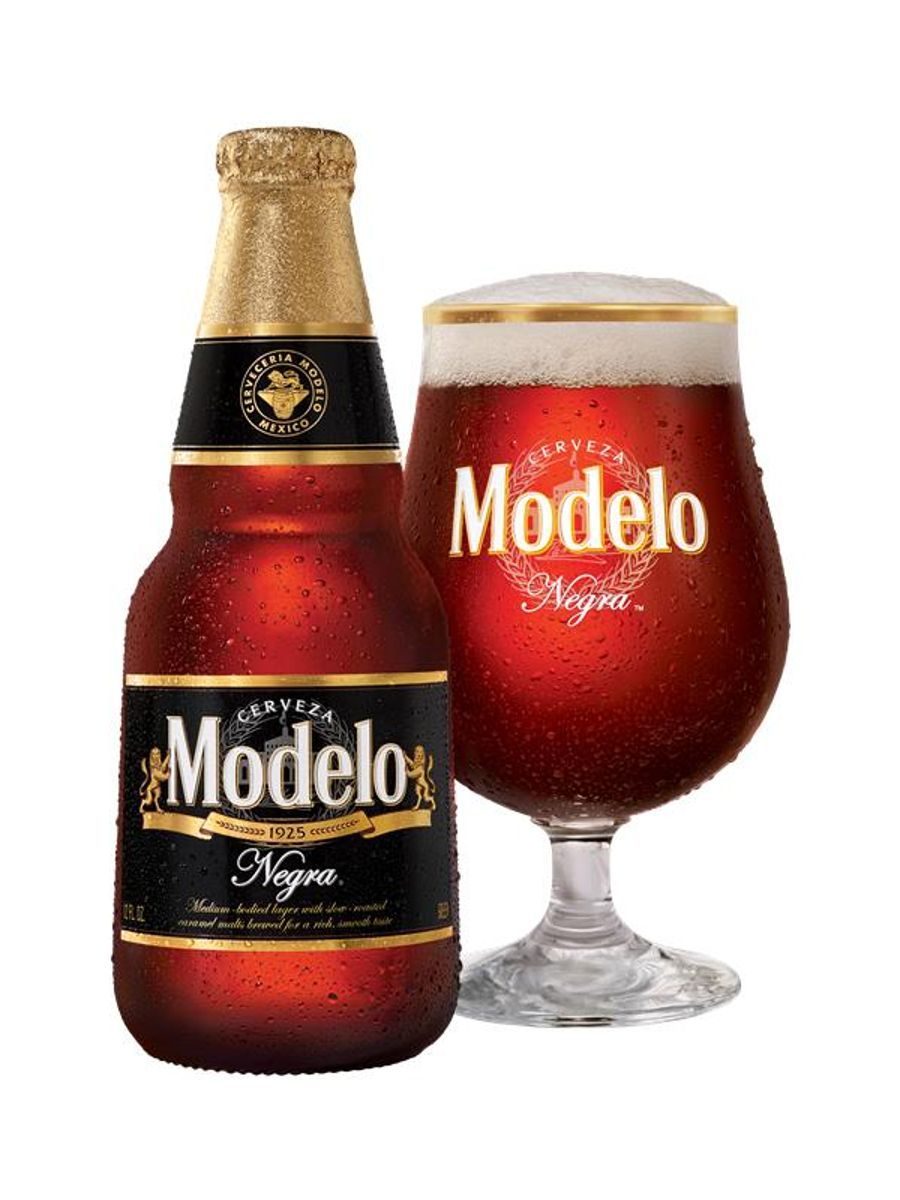
Modelo Negra
Brewed by Grupo Modelo
Caramel, dark bread and smooth fermentation make a useful richer reference at the style boundary.
BAR NOTES
Modelo Negra sits near the richer edge, with dark bread and caramel that overlap Vienna and Munich-inspired lager traditions. It remains smooth and far less intense than a full dark bock.
Use it as a boundary marker rather than a perfect center point. The beer shows how Mexican lager history can blur tidy style lines while still delivering clean fermentation and broad drinkability. The Mexican lager roundup puts that maltier bottle beside pale products, letting you compare roast, toast and body without assuming a different fermentation family.
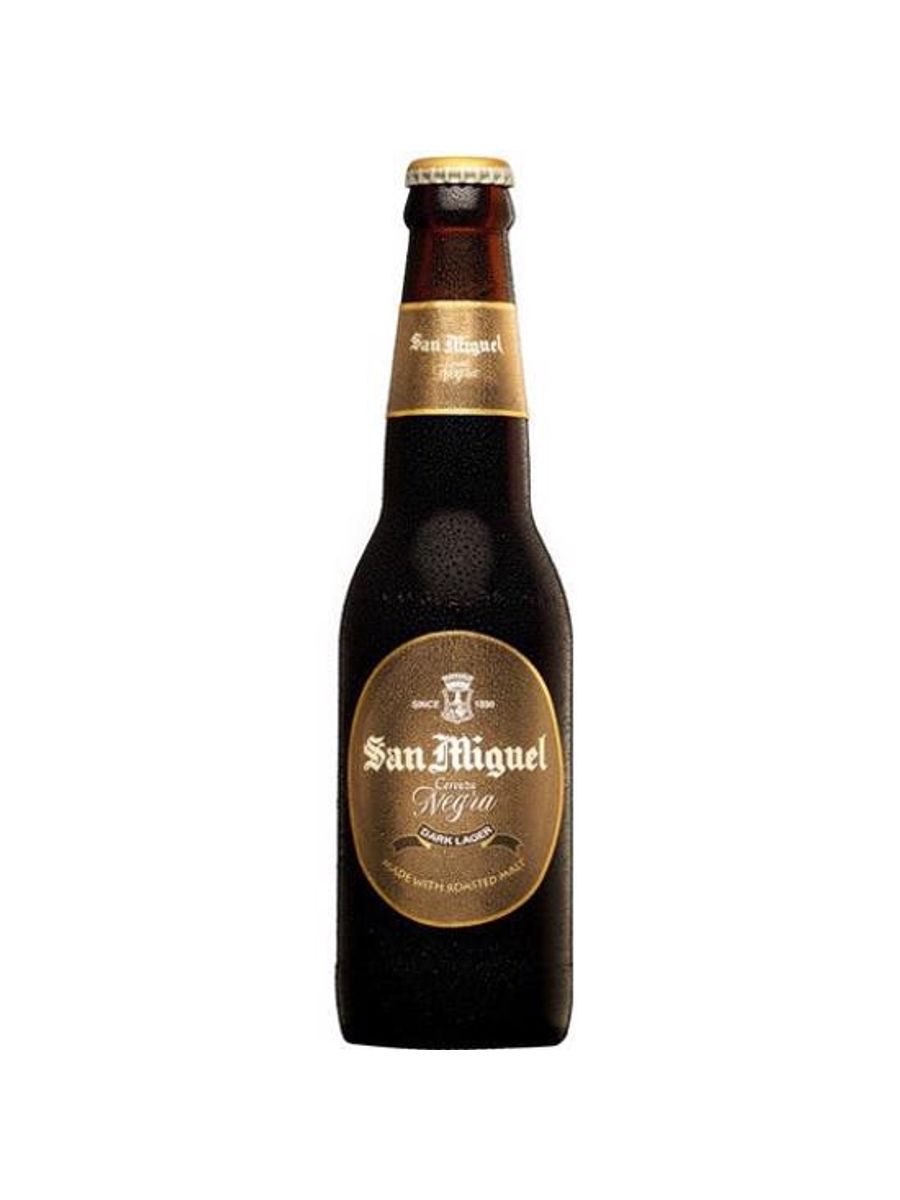
San Miguel Cerveza Negra
Brewed by San Miguel Brewery
Caramel, toast, cocoa and dried fruit sit over a smooth, accessible lager frame.
BAR NOTES
San Miguel Cerveza Negra brings caramel, toast, cocoa and dried fruit into a smooth Philippine lager frame. It shows how the category adapts dark malt to regional drinking culture.
Pair it with grilled pork, adobo or barbecue. Sweet-savory sauces draw out the caramel, while carbonation and a moderately crisp finish keep the combination from becoming heavy. Use the dark-lager roundup for another comparison with clean fermentation and dark malt, keeping the food pairing focused on flavor balance rather than color alone.
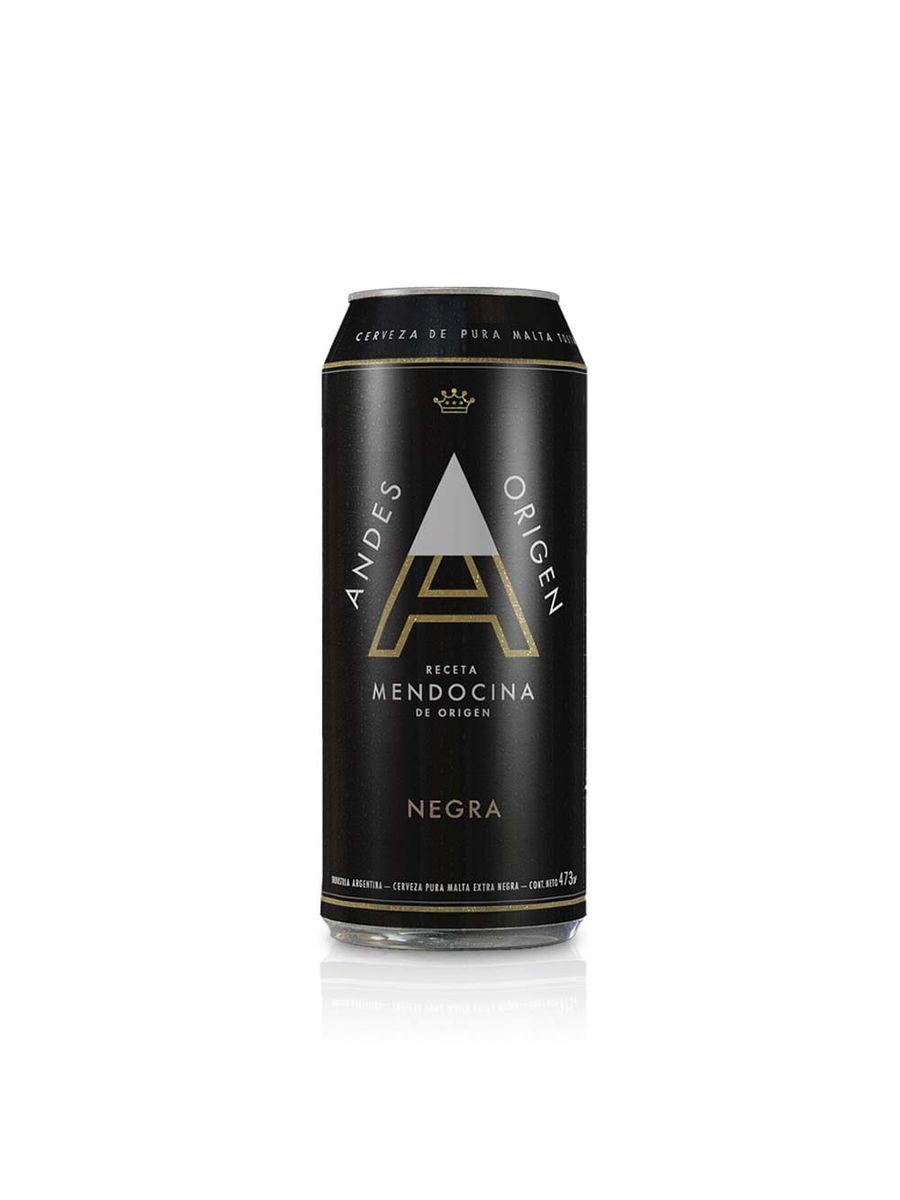
Andes Origen Negra
Brewed by Cervecería Andes
Toast, caramel, cocoa and dark bread stay composed through a moderately crisp finish.
BAR NOTES
Andes Origen Negra offers toast, cocoa and dark bread with balanced bitterness. The all-malt profile gives it more grain definition while preserving the clean shape expected of dark lager.
Let it rise toward 45°F before judging it. Served ice-cold, the beer shows mostly carbonation and color; a little warmth reveals the malt without creating sweetness. Try the Schwarzbier selections next for a drier, more roast-defined black-lager flight, rather than expecting all deeply colored lagers to share one sweet malt profile.

Club Colombia Negra
Brewed by Cervecería Bavaria
Caramel, cocoa, nuts and mild roast add depth without turning the beer heavy or burnt.
BAR NOTES
Club Colombia’s current 330 ml brewery listing identifies Negra as lager at 4.5% ABV and 12 BU. Other market listings show 4.7%; this card follows the brewery’s specific bottle reference rather than treating all specifications as universal.
Its restraint makes it useful with roasted meat, empanadas and beans. Strongly smoked or very sweet food can overwhelm the beer, so keep the pairing savory rather than massive. The dark-beer roundup introduces stronger and more roast-driven families for contrast; deep color alone should never be used to predict alcohol, heaviness or bitterness.
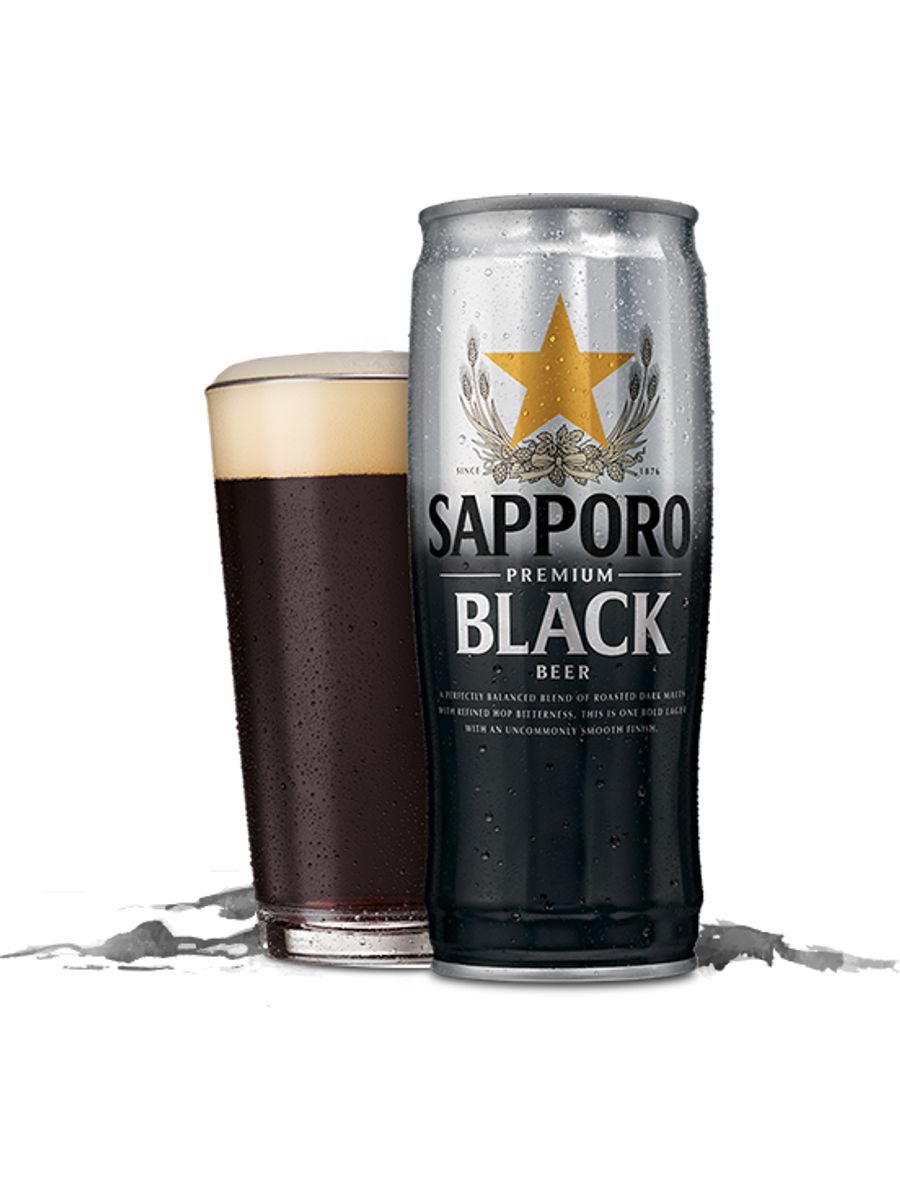
Sapporo Premium Black
Brewed by Sapporo Breweries
A current U.S. dark-lager reference with coffee, chocolate and a rounded malt center.
BAR NOTES
Sapporo’s current U.S. product page lists Premium Black at 5.0% ABV. Dark roasted malt gives it coffee and chocolate accents, while the brewery emphasizes a smooth, crisp finish; this is the Black product, not ordinary Premium in different packaging.
Roast and body vary across dark lagers, so use this as a fuller reference beside Shiner rather than expecting identical sweetness. The Schwarzbier roundup supplies a useful next flight focused on drier black lager and more distinct roasted-malt structure.
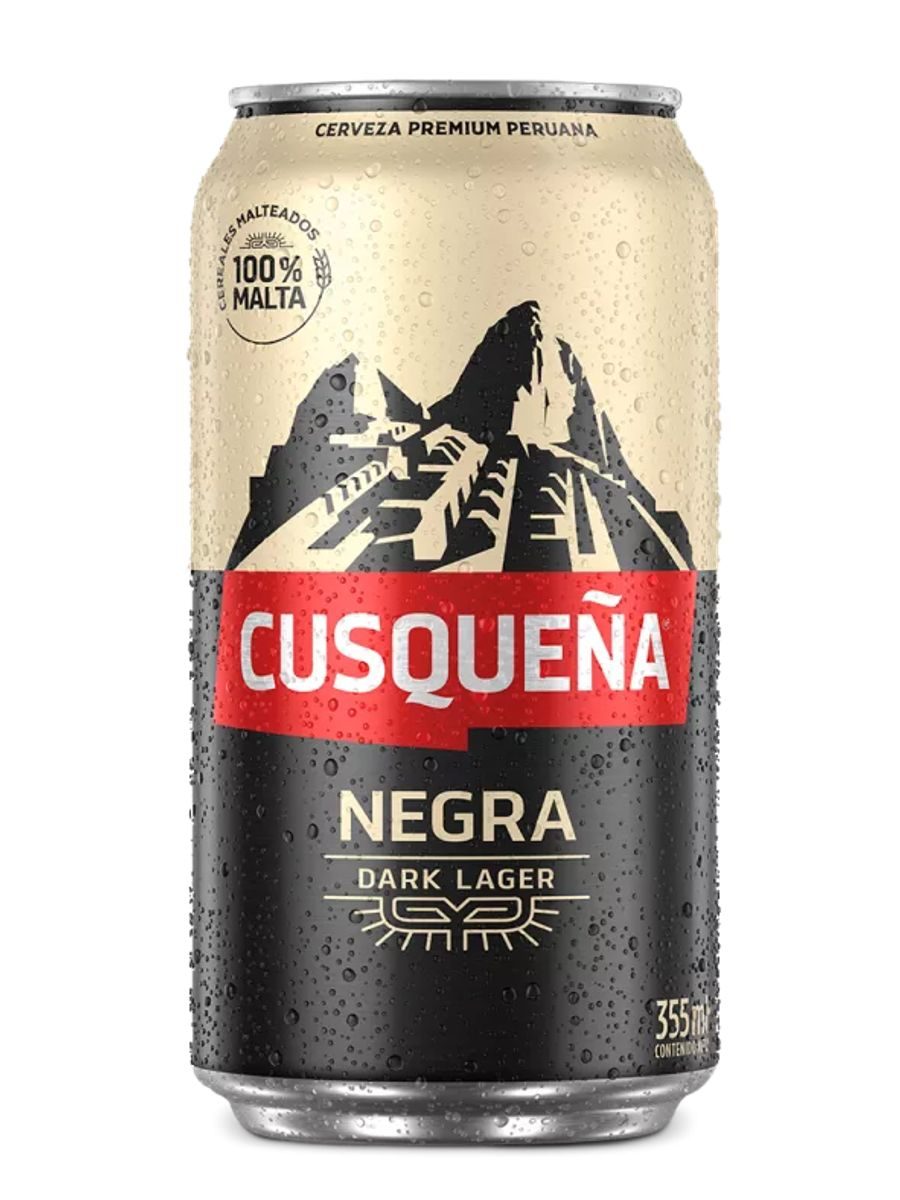
Cusqueña Negra
Brewed by Backus / Cusqueña
A sweet-leaning Peruvian dark lager with a substantial malt impression.
BAR NOTES
Cusqueña explicitly identifies Negra as dark lager and publishes 5.5% ABV with 12 IBU. Its sweet-leaning malt profile and extended maturation provide a richer Peruvian comparison, while the alcohol remains within the International Dark Lager range.
Negra is a separate product from Cusqueña Dorada, Roja and Doble Malta. The brewery’s ingredient list includes sugar, so its malt-focused branding should not be read as a promise of barley alone; compare the dark-lager selections for differences in body and finishing sweetness.
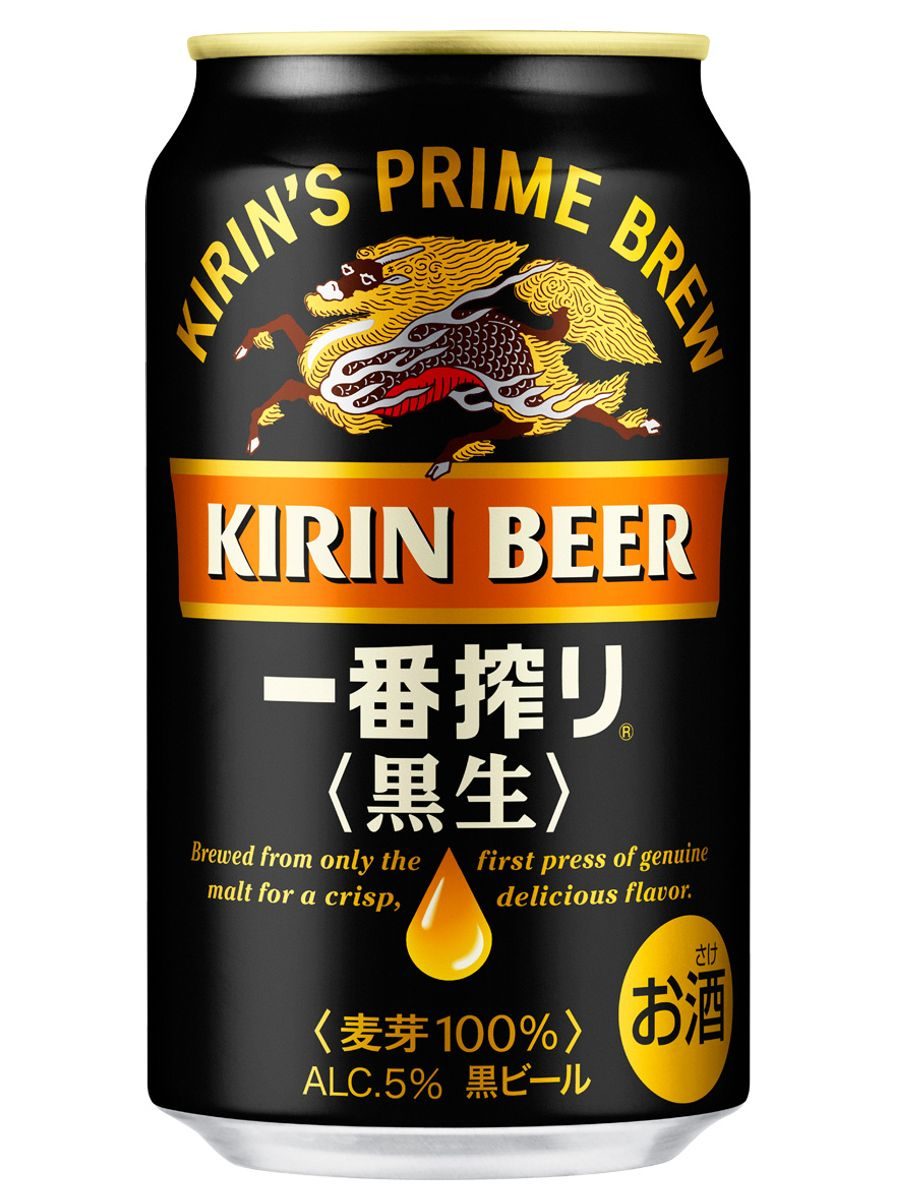
Kirin Ichiban Kuro Nama
Brewed by Kirin Brewery Company
The current black Ichiban lager, distinct from the older Ichiban Stout name.
BAR NOTES
Kirin’s current Japanese product page lists Ichiban Kuro Nama at 5.0% ABV, and Kirin City identifies the beer as dark lager. The brewery emphasizes first-press wort and adjusted malt proportions for a clean, approachable black beer.
Use the current Kuro Nama name when shopping: it succeeded the older Ichiban Stout product in Japan. Compare it with the broader dark-beer board to separate color and roast from the stronger body, alcohol and fermentation character found in other dark families.
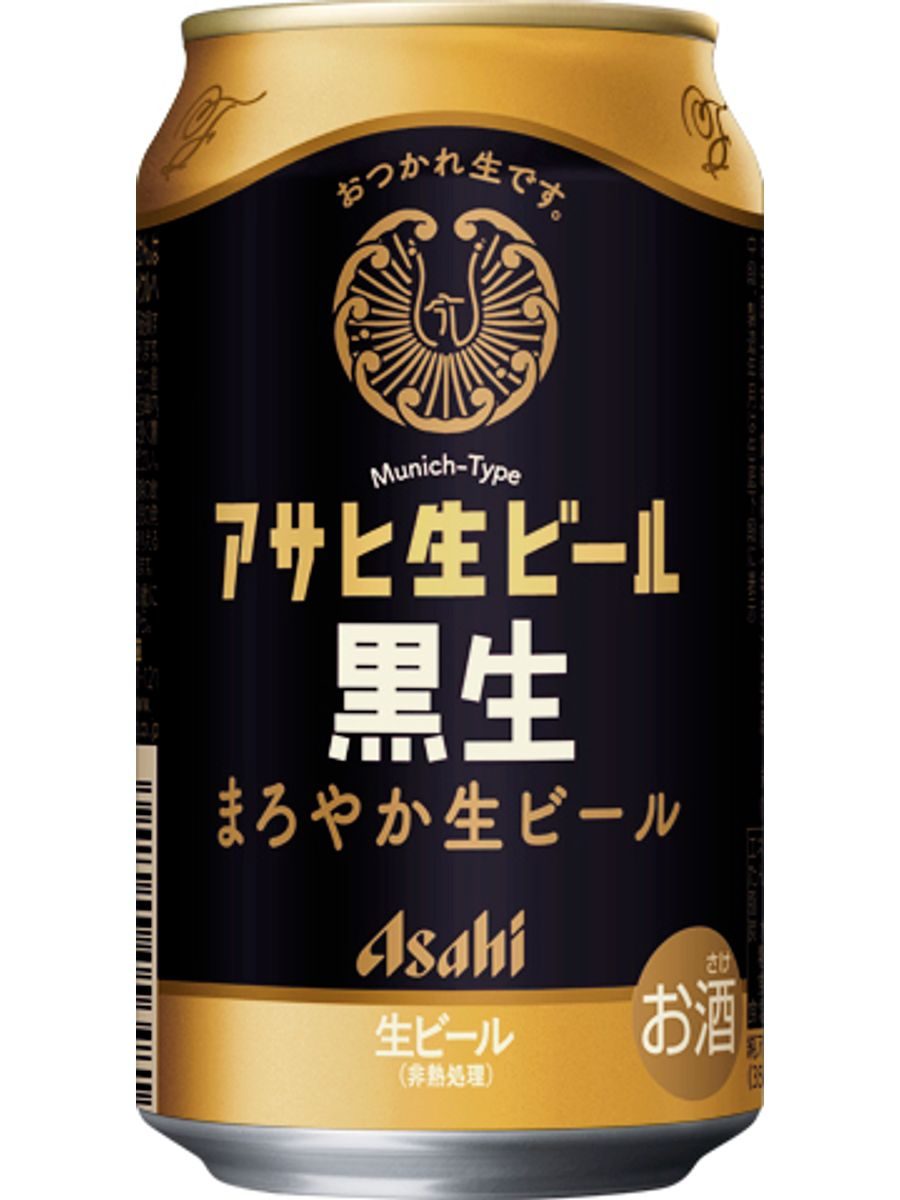
Asahi Nama Beer Kuronaama
Brewed by Asahi Breweries
Asahi’s current black draft-beer product adds gentle roast to a lager frame.
BAR NOTES
Asahi’s current ingredient table lists Nama Beer Kuronaama at 5.0% ABV with malt, hops, rice, corn and starch. That recipe makes a useful counterpoint to richer malt-focused dark beers without suggesting that dark color requires a stout-style grain bill.
This is the current black Nama Beer product, not the older Super Dry Black. Compare the International Pale Lager board for the brewery’s pale Super Dry reference, then notice how dark malt changes aroma while a clean lager finish remains the common thread.
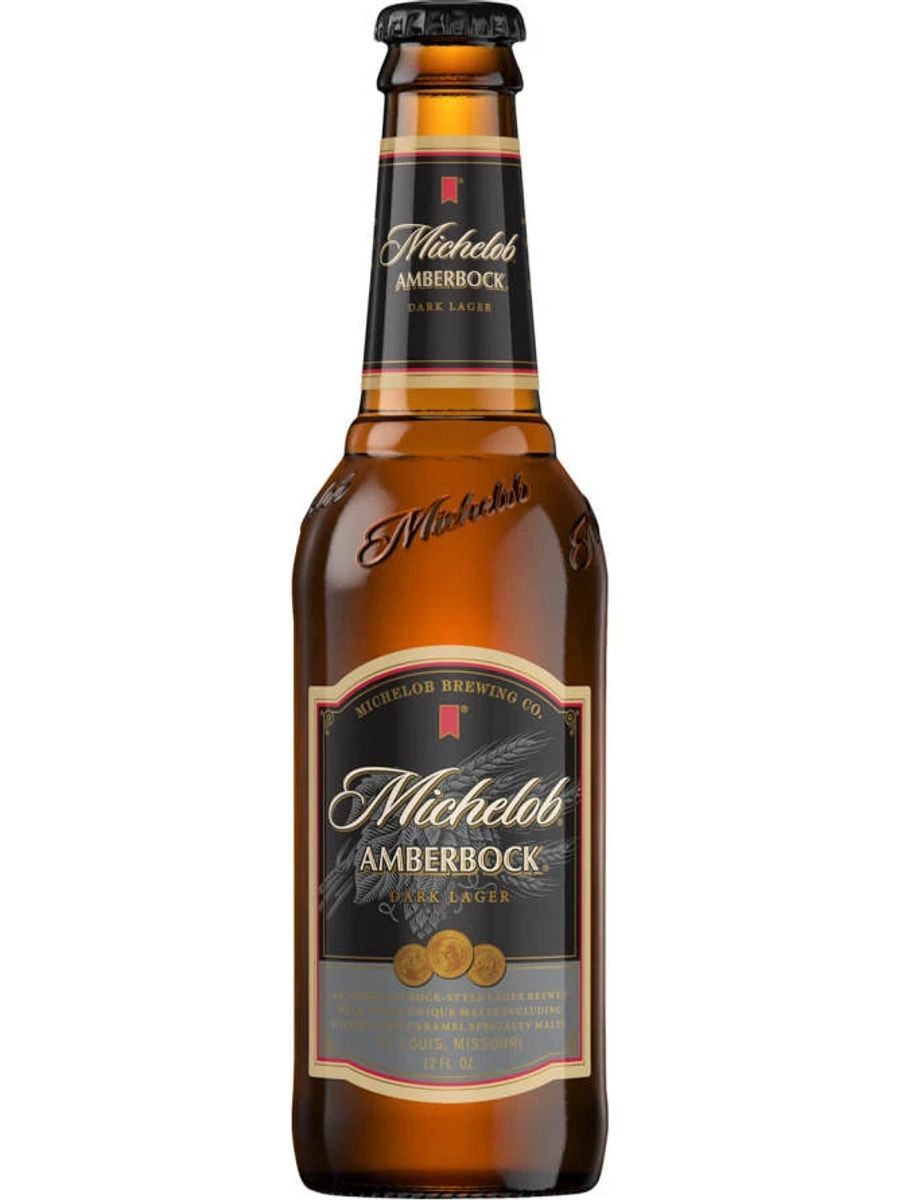
Michelob AmberBock
Brewed by Anheuser-Busch
An American dark lager whose Bock name does not imply German bock strength.
BAR NOTES
Michelob AmberBock remains listed by current U.S. distributors and retailers as a 5.2% American-style dark lager. Roasted black and caramel malts provide its dark amber color, and its moderate strength makes it a useful companion to Shiner’s misleadingly familiar Bock name.
AmberBock is included for the clean American dark-lager profile, not as a traditional German bock template. Compare the bock roundup for the jump in malt concentration and alcohol; follow the package label if a market listing gives a different strength.
How the style is brewed
Recipes may use two-row or six-row barley with corn, rice or sugar. Caramel malt and small amounts of darker roasted malt provide color and accents; some commercial versions also use coloring agents.
Restraint is the technical challenge. Dark grain should suggest cocoa or coffee without acrid bite, while healthy lager fermentation and solid attenuation prevent the beer from finishing thick or sugary.
Where the style came from
Many examples began as darker companions to international pale lagers from the same large brewery. Others simplified a traditional regional dark lager into a less expensive, broader-appeal product.
The result is not one tightly defined national tradition. It is a shared commercial idea: the familiar clean lager experience with darker color and a little more malt flavor.
Serving and food pairing
Serve around 42–48°F in a mug, lager glass or nonic pint. The slightly warmer range opens caramel and cocoa while preserving the clean finish.
Pair with grilled pork, burgers, roast chicken, mushrooms, beans, mild mole and nutty cheeses. Dark bread and caramel connect naturally with browned food, while carbonation controls richness.
How it differs from nearby styles
Munich Dunkel is richer in malt depth and bread-crust character. Schwarzbier is generally drier and more roast-defined. Traditional bock is stronger, fuller and more intensely malty.
Most porter and stout rely on ale fermentation and usually carry more pronounced roast, coffee or burnt flavor. International Dark Lager should remain smoother, lighter and less assertive.
International Dark Lager FAQ
Is International Dark Lager a stout?
No. It is a clean-fermented lager with a lighter body, lower roast intensity and more restrained flavor than stout.
Should it taste burnt?
No. Light coffee, cocoa or roast can appear, but burnt or moderately strong roasted-malt flavor is inappropriate.
Is it stronger than pale lager?
Not necessarily. Its 4.2–6.0% ABV range overlaps the pale and amber styles; the darker color does not automatically signal more alcohol.
Is Shiner Bock really a bock?
In BJCP style terms, Shiner Bock is listed as an International Dark Lager example. Its strength and malt intensity are much lower than traditional German bock.
Can adjuncts be used?
Yes. Corn, rice or sugar may supplement barley, and some commercial examples use coloring agents alongside caramel or dark roasted malt.
Style ranges and definitions follow the BJCP 2021 Beer Style Guidelines.
Go darker without losing the lager finish.
Compare gentle caramel, drier black lager and the stronger malt traditions beyond this everyday dark-beer lane.