10 Best Sahti and Sahti-Inspired Beers to Drink in 2026
The best sahti is not a fizzy novelty beer with a handful of juniper berries. It is a living farmhouse drink built from grain, raw wort, expressive yeast and a brewing tradition that still belongs to rural Finland.
Because authentic sahti is fresh, fragile and rarely exported, this ranking begins with current Finnish producers and then follows the style into American beers that preserve part of the process or ingredient logic.
The best sahti at a glance
Lammin Sahti is the essential traditional benchmark. Finlandia Sahti Strong is the fruitier, more powerful pour, Hirvi Kivisahti adds hot-stone caramelization, and Varastopanimon Sahti shows the paler East Häme expression. In the United States, Barrel + Beam Sahti is the cleanest modern bridge while Sahati is the wildest interpretation.
What makes real sahti different
Traditional sahti is commonly made from barley with rye and other grains, flavored or filtered with juniper, fermented with baker’s yeast and served with very little carbonation. The wort is often left unboiled, preserving a dense grain texture and a sweet, fresh character unlike polished modern ale.
That process also explains why finding the beer is difficult. Authentic versions require cold handling and are usually consumed close to the brewery. American interpretations travel better because they are boiled, carbonated, barrel-aged or fermented with house cultures, but those choices also move them away from the Finnish original.
The 10 best sahti and sahti-inspired beers to drink in 2026
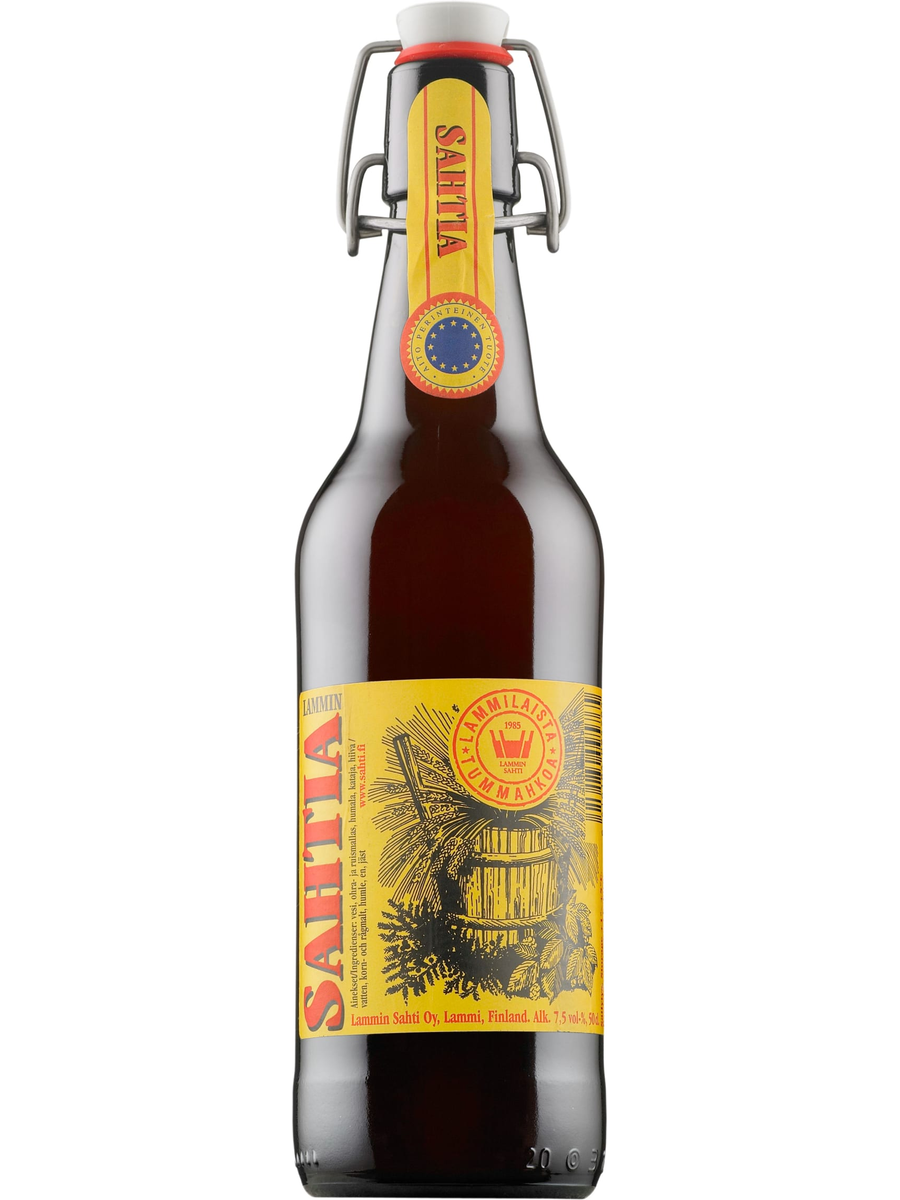
Lammin Sahti
Brewed by Lammin Sahti Oy
The commercial reference point: dense malt, ripe banana, rye bread and restrained foresty juniper in a still, deceptively strong pour.
BAR NOTES
Lammin is the bottle to understand before chasing modern variations. The brewery traces its commercial history to the 1980s, while the beer preserves the sweet, unfiltered body and baker’s-yeast fruit expected from traditional sahti.
Drink it fresh and cool rather than ice-cold. As the beer warms, banana, dark bread and soft juniper become more obvious; smoked fish, rye bread and roast pork give that heavy texture something savory to push against.
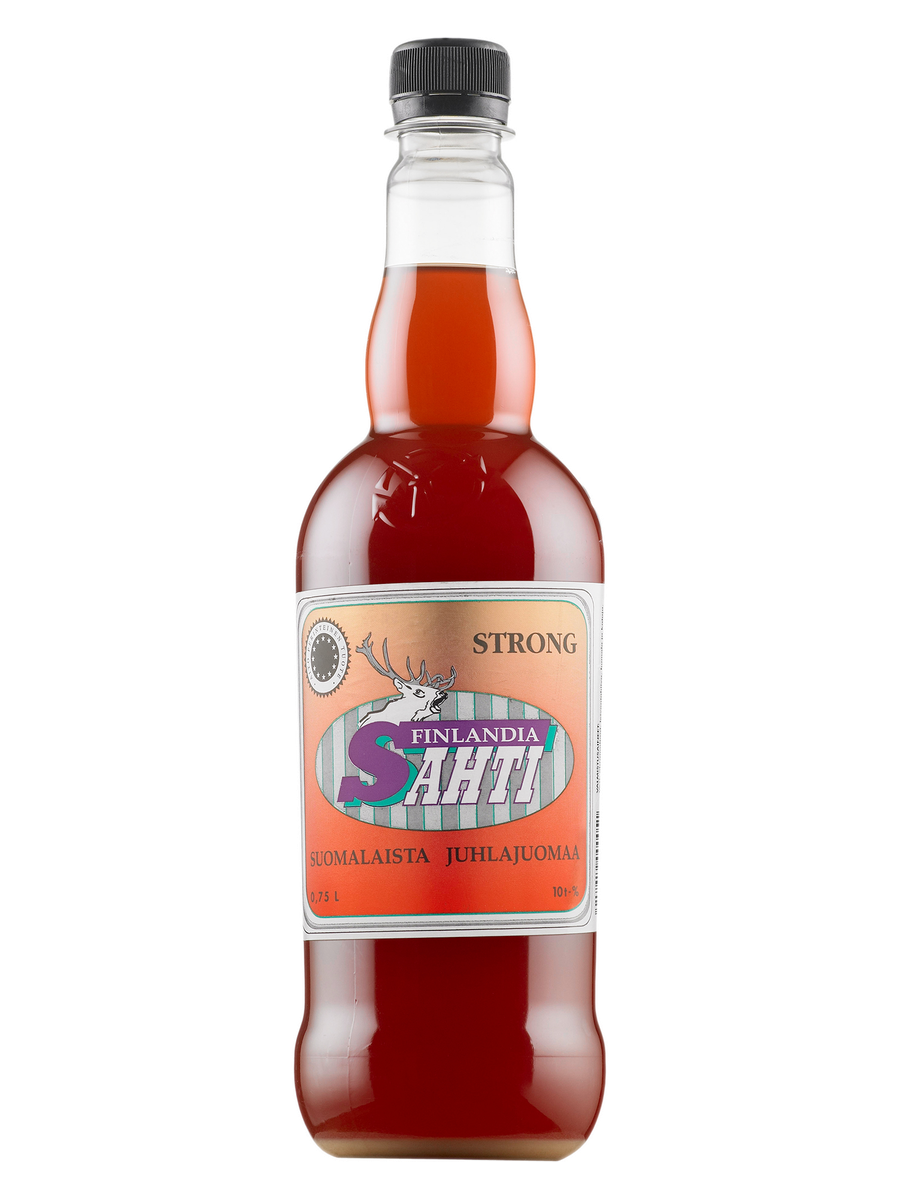
Finlandia Sahti Strong
Brewed by Finlandia Sahti
A fruit-forward strong sahti where caramel, overripe pear and banana hide double-digit strength behind a plush, nearly still body.
BAR NOTES
Finlandia’s strong version turns the style’s baker’s-yeast character all the way up. Expect ripe banana, pear, caramelized grain and warming alcohol rather than hop bitterness or the dry snap of a modern strong ale.
This is a sharing pour, not a casual half-liter. Serve a modest glass with blue cheese, baked ham or a restrained fruit dessert, and keep the remainder cold because living, unpasteurized sahti changes quickly.
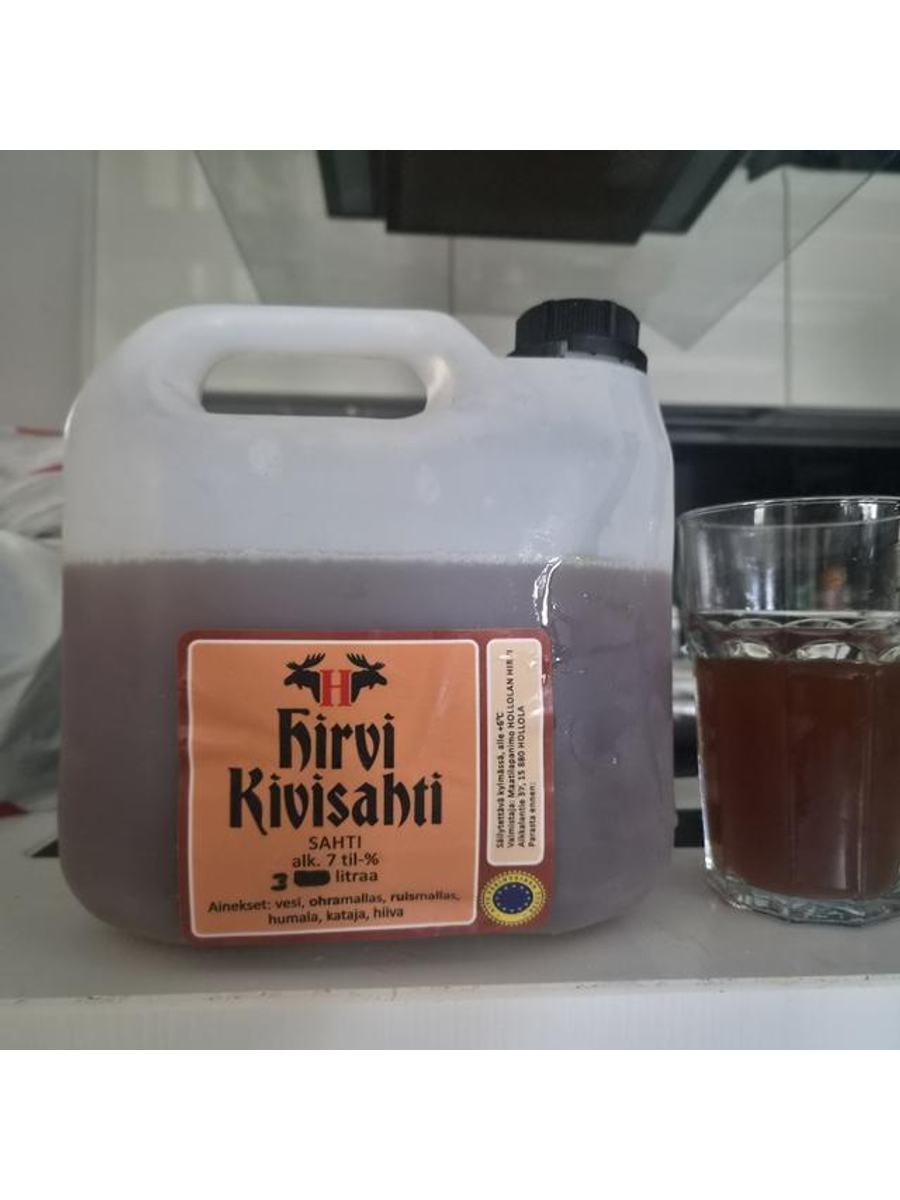
Hirvi Kivisahti
Brewed by Maatilapanimo Hollolan Hirvi
Red-hot stones raise the mash temperature and leave a faint smoky, caramelized edge beneath rye, juniper and farmhouse fermentation.
BAR NOTES
Kivisahti reaches farther back than a metal kettle. Hollolan Hirvi raises the mash temperature with glowing stones, adding scorched-grain depth and a whisper of smoke without turning the beer into a conventional smoked beer.
The brewery also uses rye malt, juniper and homegrown hops, so the result still reads unmistakably as sahti. Pair its dark caramel and subtle smoke with game, grilled sausage or mushrooms browned hard in butter.
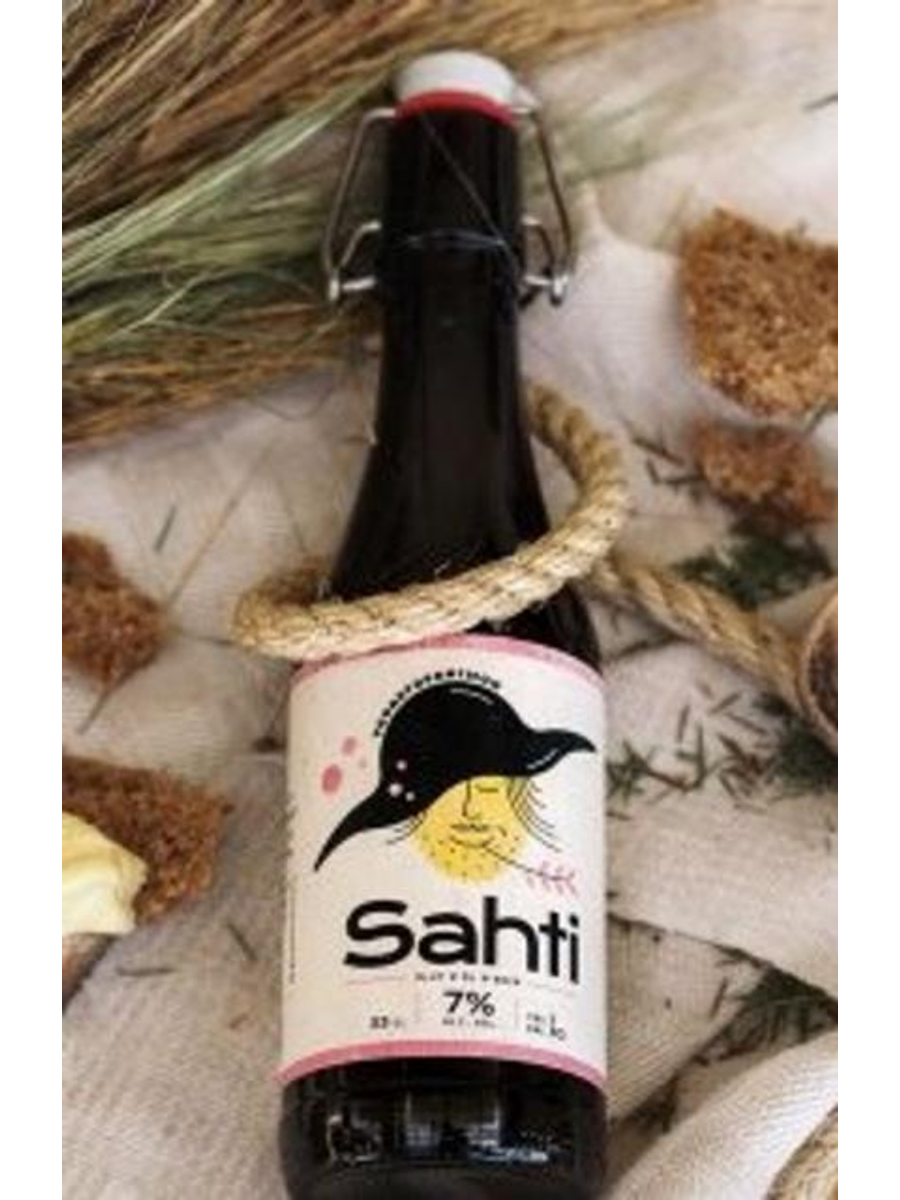
Varastopanimon Sahti
Brewed by Varastopanimo
A lighter-colored East Häme expression with banana, grain and licorice-like spice carried by a smooth, almost uncarbonated body.
BAR NOTES
Varastopanimo makes an East Häme-style pale sahti, a useful contrast to darker, more caramel-heavy examples. Banana-rich fermentation and gentle licorice or juniper impressions sit over fresh grain with almost no carbonic bite.
Its resemblance to an unfiltered Bavarian wheat beer makes this one of the easier bridges into the style, though the sweetness and low fizz remain distinct. Compare it with the drier pours in our farmhouse ale guide.
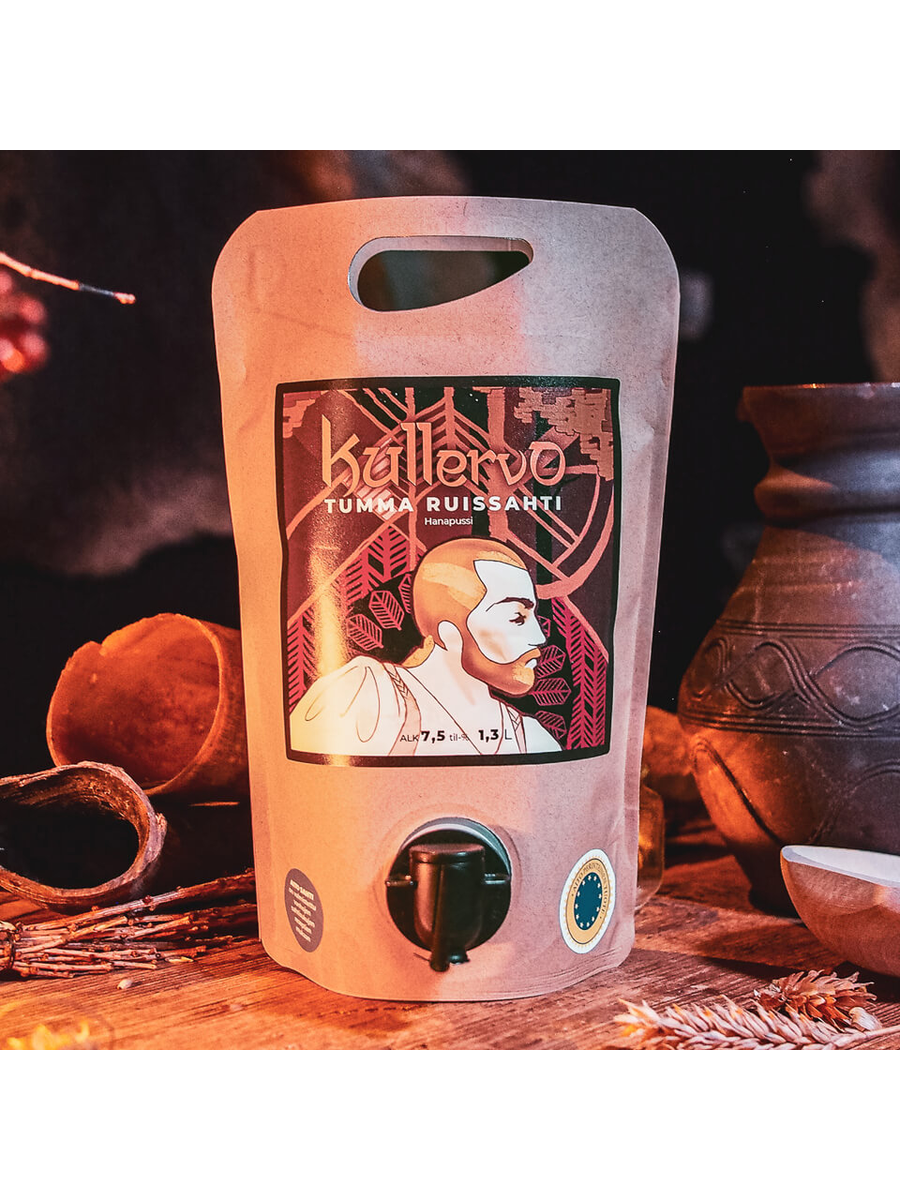
Kullervo Tumma Ruissahti
Brewed by Olu Bryki Raum
Dark rye pushes the style toward pumpernickel, molasses and earthy grain while traditional low carbonation keeps the finish broad and soft.
BAR NOTES
Kullervo puts rye at the center rather than treating it as a background accent. Darker malt deepens the familiar banana-and-juniper profile with pumpernickel, cocoa husk and earthier grain character.
Rye also increases body, which can make an already substantial style feel almost chewy. If that grain profile is the hook, continue through the wider family in our ranking of the best rye beers.
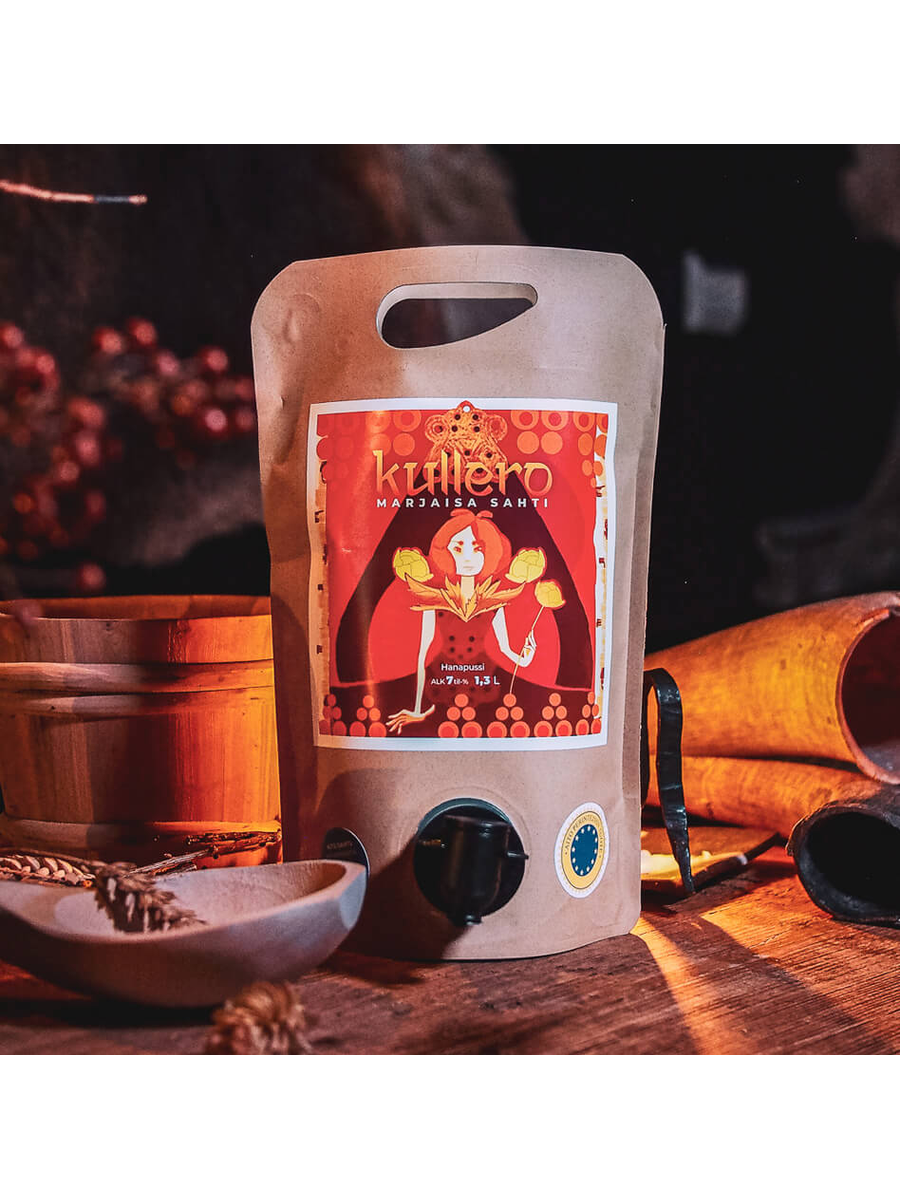
Marjaisa Mallassahti
Brewed by Olu Bryki Raum
A rounder, malt-led branch of Olu Bryki Raum’s sahti range, emphasizing bread, caramel and orchard-fruit fermentation over sharper rye.
BAR NOTES
Marjaisa shows how much room exists inside a style often reduced to “banana and juniper.” Here the center of gravity is malt: soft bread, caramel and grain sweetness arrive before herbal or resinous notes.
The gentler profile works especially well with roast chicken, root vegetables or a Finnish-style baked cheese. Keep the serving small and cool, then let several minutes in the glass reveal the fermentation fruit.
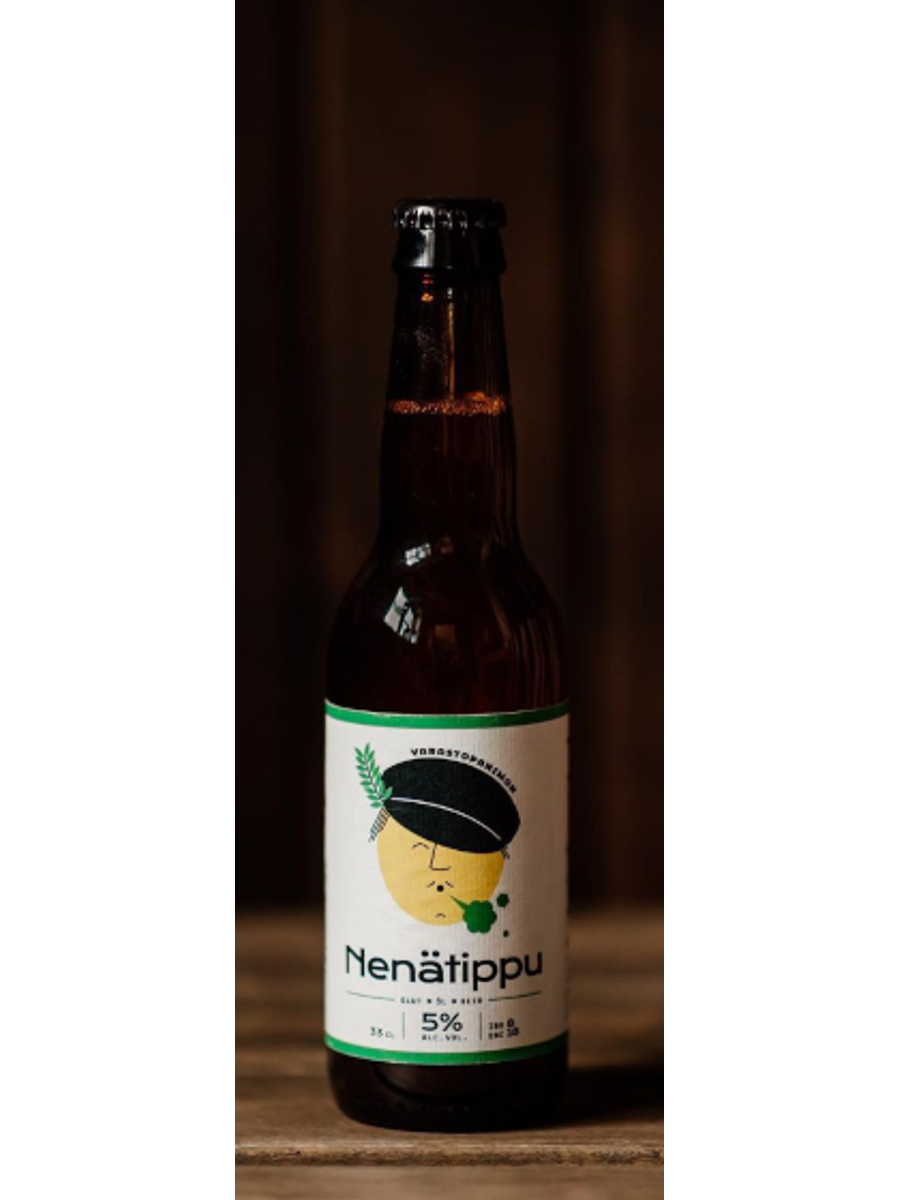
Nenätippu
Brewed by Varastopanimo
A lighter, carbonated farmhouse beer made from sahti’s second runnings, joining wheat-beer lift with the malt and yeast character of the main brew.
BAR NOTES
Nenätippu comes from the weaker wort rinsed from the grain after the main sahti runoff. Historically that made practical sense as a lower-strength work drink; Varastopanimo turns the idea into a polished five-percent beer.
Wheat and carbonation make it brighter than classic sahti, while the reused mash preserves a family resemblance in grain and fermentation. It is the smartest first pour for drinkers wary of a heavy, still farmhouse ale.
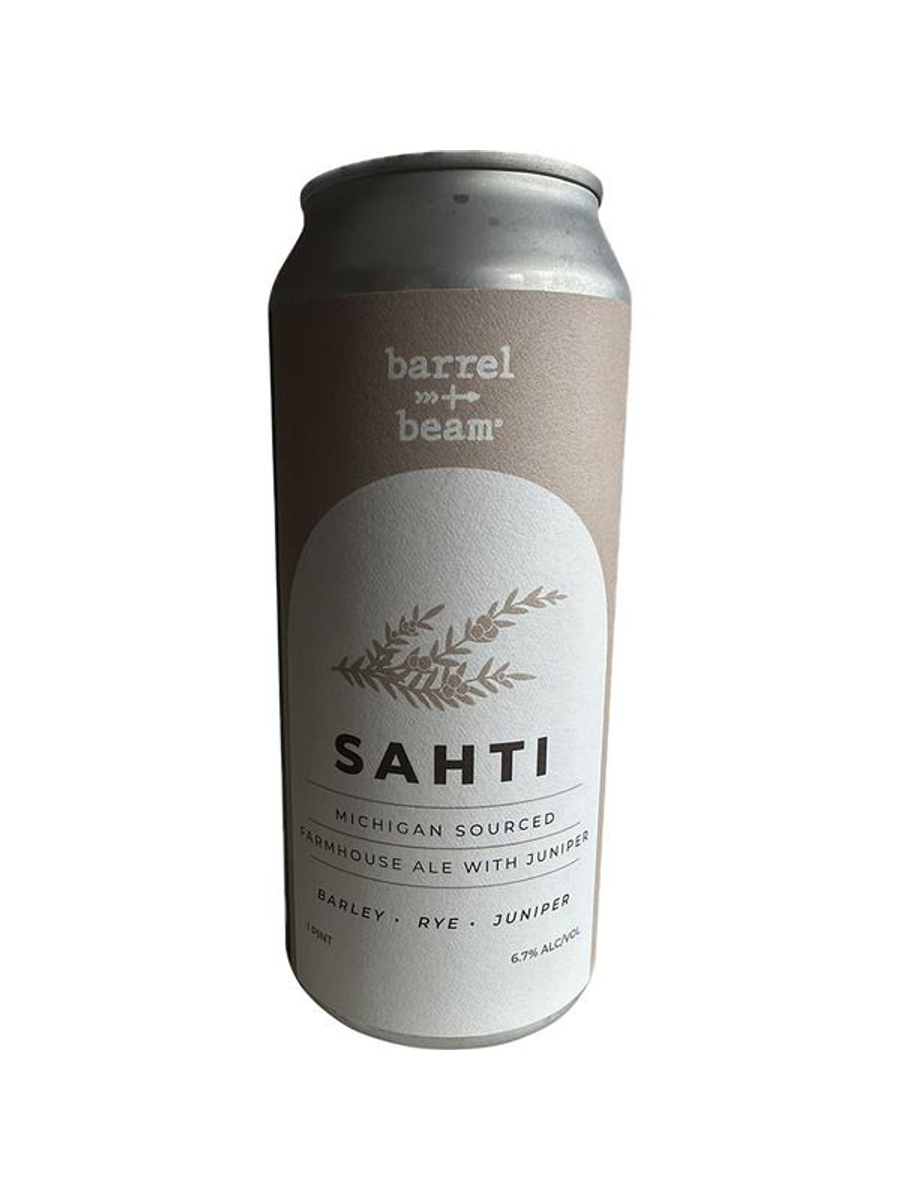
Barrel + Beam Sahti
Brewed by Barrel + Beam
Michigan rye and juniper boughs translate sahti into a fully carbonated American farmhouse ale with toast, fruit and woody spice.
BAR NOTES
Barrel + Beam keeps the Nordic ingredient logic but adapts the drinking experience for an American taproom. Local grain and juniper boughs build the flavor, while house yeast and full carbonation make the finish livelier.
The beer remains recognizably rustic without pretending to be Finnish village sahti. It also gives the Michigan beer landscape a rare historical branch beyond the state’s better-known IPA and stout traditions.
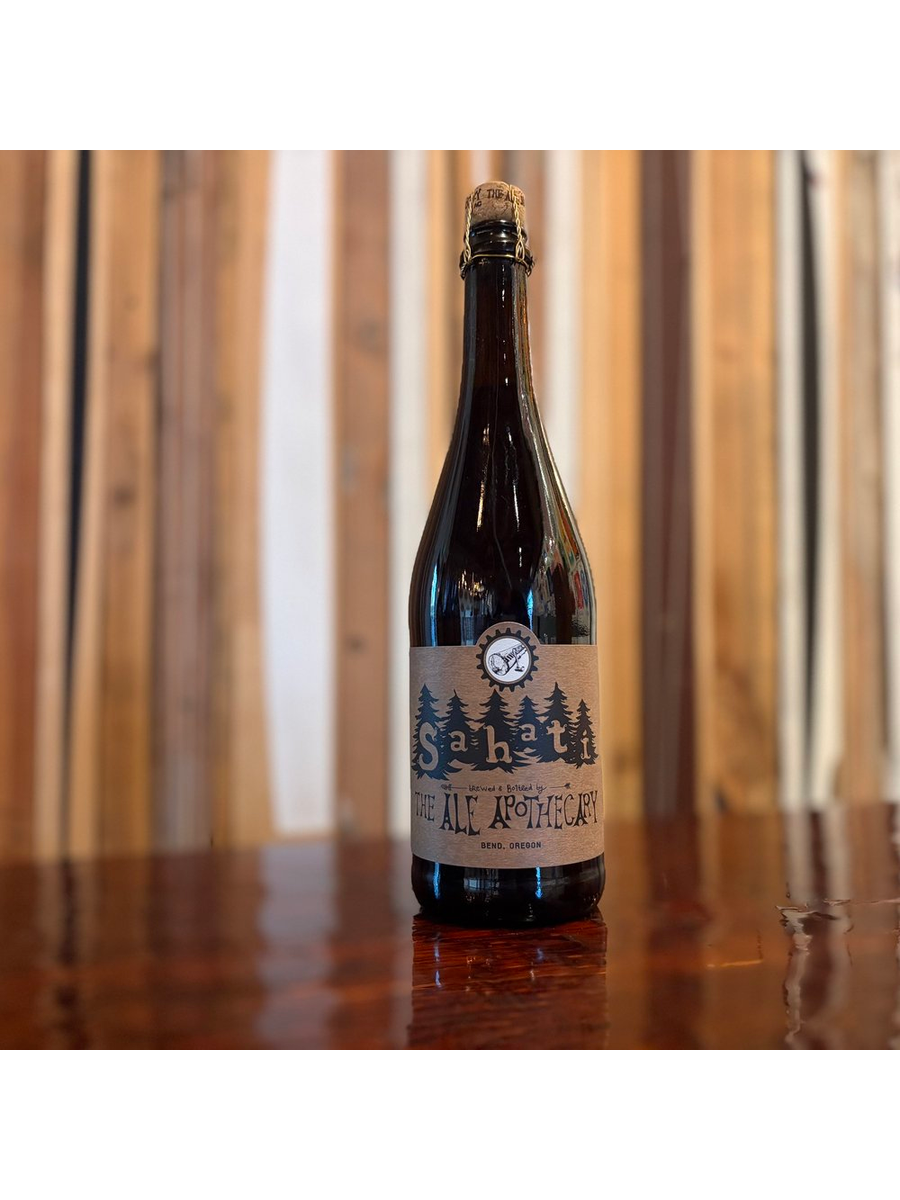
Sahati
Brewed by The Ale Apothecary
A wild, barrel-aged interpretation built with rye, spruce branches and a kuurna, trading traditional sweetness for resin, citrus, oak and acidity.
BAR NOTES
Sahati uses sahti as a process inspiration rather than a strict flavor replica. The Ale Apothecary combines rye malt, spruce gathered on the property, aged hops, house culture and sour wort before extended aging.
Earlier batches ran through a spruce-log kuurna, while the finished beer’s oak, acidity and bottle conditioning pull it toward American wild ale. It belongs beside the adventurous bottles in our Oregon beer guide.
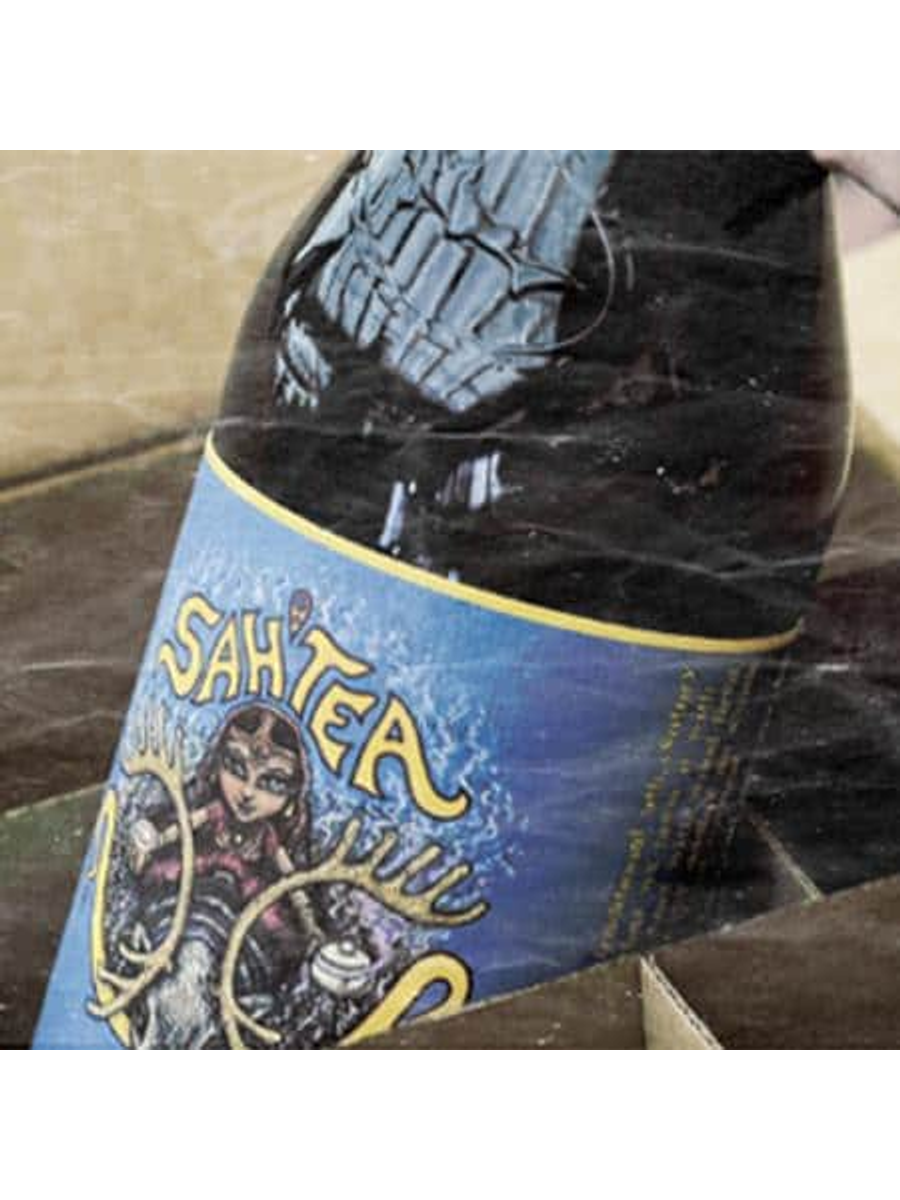
Sah’tea
Brewed by Dogfish Head Craft Brewery
White-hot river rocks, weizen yeast, juniper and black chai turn the Finnish idea into a banana-bread-like ancient ale with warming spice.
BAR NOTES
Dogfish Head caramelizes the wort with white-hot river rocks, then ferments with German weizen yeast. Juniper joins black tea, cardamom, cinnamon, ginger, cloves and black pepper in a deliberately global interpretation.
The spice list sounds loud, but the beer’s best trick is balance: banana-like fermentation and full malt keep chai from becoming potpourri. It remains one of the strangest historical-minded releases associated with Delaware beer.
How to taste a sahti flight
Start with Varastopanimon Sahti and Lammin, then move through Finlandia Strong, Kullervo and Marjaisa before the hot-stone Kivisahti. Use small pours: the combination of sweetness, low carbonation and deceptive strength becomes tiring faster than the flavor suggests.
Finish with Nenätippu, Barrel + Beam, Sahati and Sah’tea so increasing carbonation, acidity and spice do not overwrite the subtler Finnish beers. Plain rye bread, smoked fish, mild cheese and cool water make better resets than heavily salted bar snacks.
Frequently asked questions
Why does sahti taste like banana?
The banana aroma comes mainly from isoamyl acetate produced during fermentation, especially by the baker’s yeast favored by many Finnish brewers. In sahti that character is expected, not automatically treated as a fermentation flaw.
Is sahti brewed without hops?
Some examples use no hops, while others use a small amount in the mash, filter bed or wort. Juniper supplies the defining herbal and resinous counterpoint, but it does not make every authentic sahti literally hop-free.
Why is sahti usually flat?
Traditional sahti is served fresh with little or no forced carbonation. Its low fizz emphasizes body, grain sweetness and yeast character, while modern American interpretations often add carbonation because that format travels and pours more familiarly.
Can you buy Finnish sahti in the United States?
Rarely. The unpasteurized beer has a short life and must remain cold, so most authentic Finnish sahti stays near its producer. American breweries offer inspired versions, but a Finland trip remains the dependable route to the real thing.
Drink Deeper Into Nordic Farmhouse Beer
Sahti sits where raw wort, rye, baker’s yeast and juniper meet. Follow the historical style, compare its farmhouse relatives, then brew the Finnish original.
DRINK DEEPER
BREW IT YOURSELF

better beer.