50 Best Beers in the World to Drink in 2026
Calling one beer the best in the world is a little ridiculous. A Czech pilsner, a Belgian gueuze, a fresh-hop IPA, and a bourbon-barrel stout are solving completely different problems. So this Top 50 ranks greatness by lane: brewing execution, influence, style-defining character, current relevance, and whether the beer still earns another pour.
This is not a medal table or a popularity contest. Classics get credit for changing how beer is brewed and understood, modern releases get credit for pushing their category forward, and every beer has to bring a recognizable point of view in the glass.
The 50 Best Beers in the World
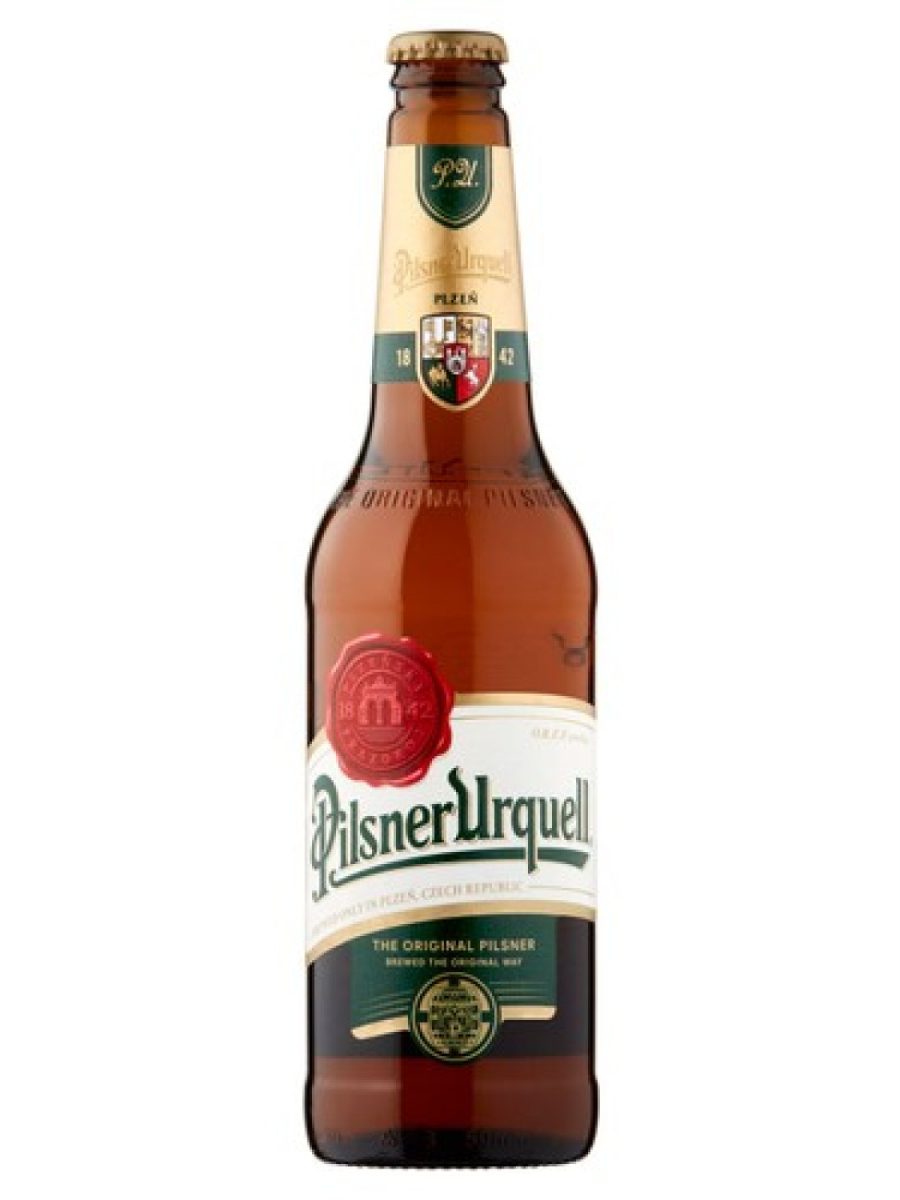
Pilsner Urquell
Brewed by Plzeňský Prazdroj
Saaz bitterness, soft bread malt, and a snappy mineral finish make the 1842 original feel more alive than most beers built in its shadow.
BAR NOTES
Pilsner Urquell belongs here because it remains the reference point for pale lager and the beer that changed what the word lager meant around the world. That is the kind of clear, style-specific greatness this list rewards in 2026.
Fresh bread and lightly honeyed malt meet spicy, herbal Saaz hops, with enough bitterness to keep the finish sharp. Pour it with schnitzel, roast chicken, fried food, or a plate of salty bar snacks; the crisp finish resets the palate without disappearing.
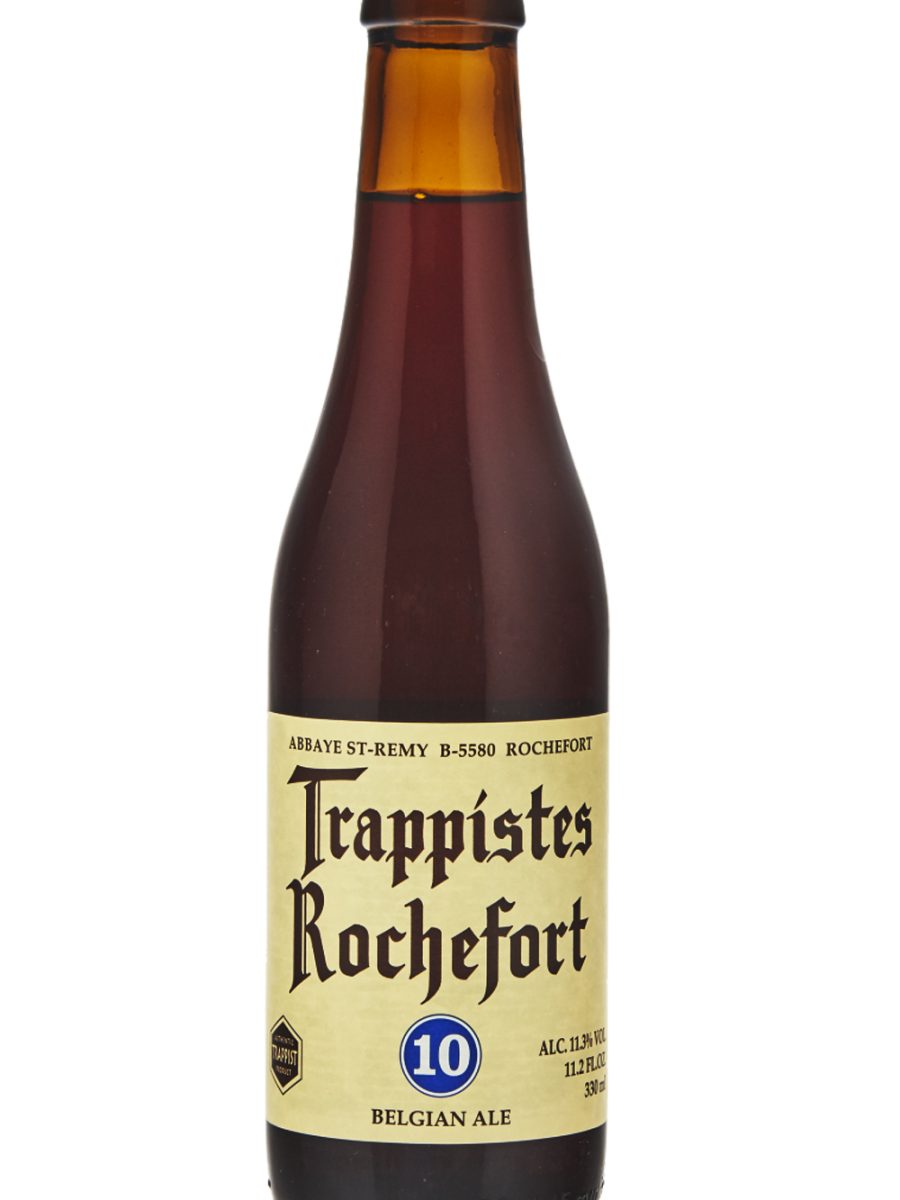
Rochefort 10
Brewed by Brasserie de Rochefort
Dark fruit, caramelized malt, spice, and warming strength stack into a Trappist strong ale that stays composed instead of turning syrupy.
BAR NOTES
Rochefort 10 belongs here because few strong dark ales combine monastic tradition, fermentation character, and sheer depth with this much control. That is the kind of clear, style-specific greatness this list rewards in 2026.
Fig, plum, raisin, dark caramel, peppery yeast, and warming alcohol unfold slowly as the beer comes up from cellar temperature. Treat it like a slow after-dinner pour with aged cheese, braised beef, or dark bread rather than something to crush ice-cold.
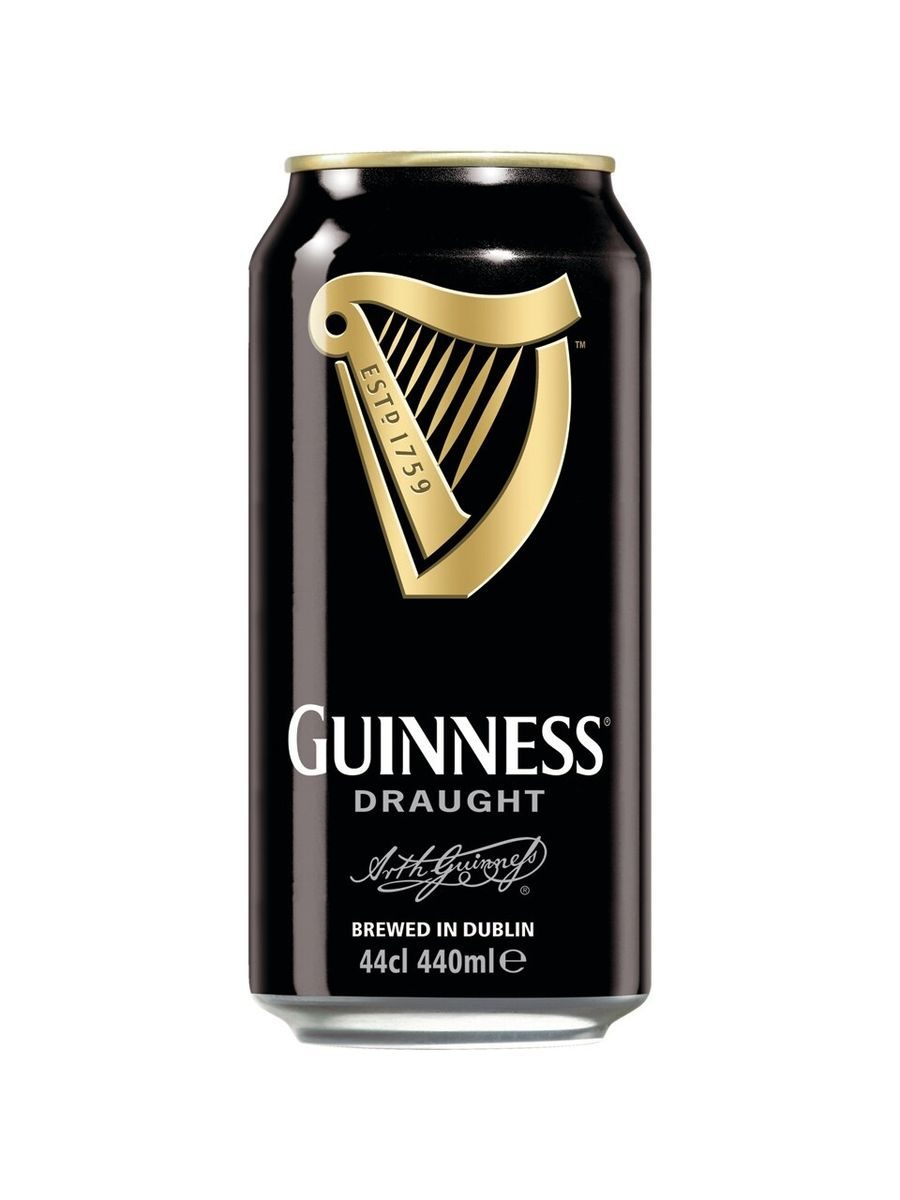
Guinness Draught
Brewed by Guinness
Roast, dry cocoa, creamy nitrogen texture, and low alcohol make this one of the rare globally famous beers that still nails its specific job.
BAR NOTES
Guinness Draught belongs here because it turned dry stout into a worldwide language while staying remarkably sessionable. That is the kind of clear, style-specific greatness this list rewards in 2026.
Coffee-like roast and bitter cocoa ride beneath the soft nitro head, finishing dry rather than sweet. The obvious move is pub food: oysters, beef stew, shepherd’s pie, burgers, or simply a second pint while the first one is still settling.

Sierra Nevada Celebration Fresh Hop IPA
Brewed by Sierra Nevada Brewing Co.
Fresh Cascade and Centennial deliver pine, citrus, flowers, and the firm bitterness that made American IPA exciting before haze became the default.
BAR NOTES
Sierra Nevada Celebration Fresh Hop IPA belongs here because it has signaled the American hop harvest for decades and still tastes unmistakably like fresh late-season hops rather than generic tropical juice. That is the kind of clear, style-specific greatness this list rewards in 2026.
Pine resin, grapefruit, floral hop oils, caramelized malt, and a clean bitter finish land with old-school confidence. It is excellent with sharp cheddar, spicy sausage, roast turkey, and the richer food that starts showing up when fresh-hop season rolls into the holidays.
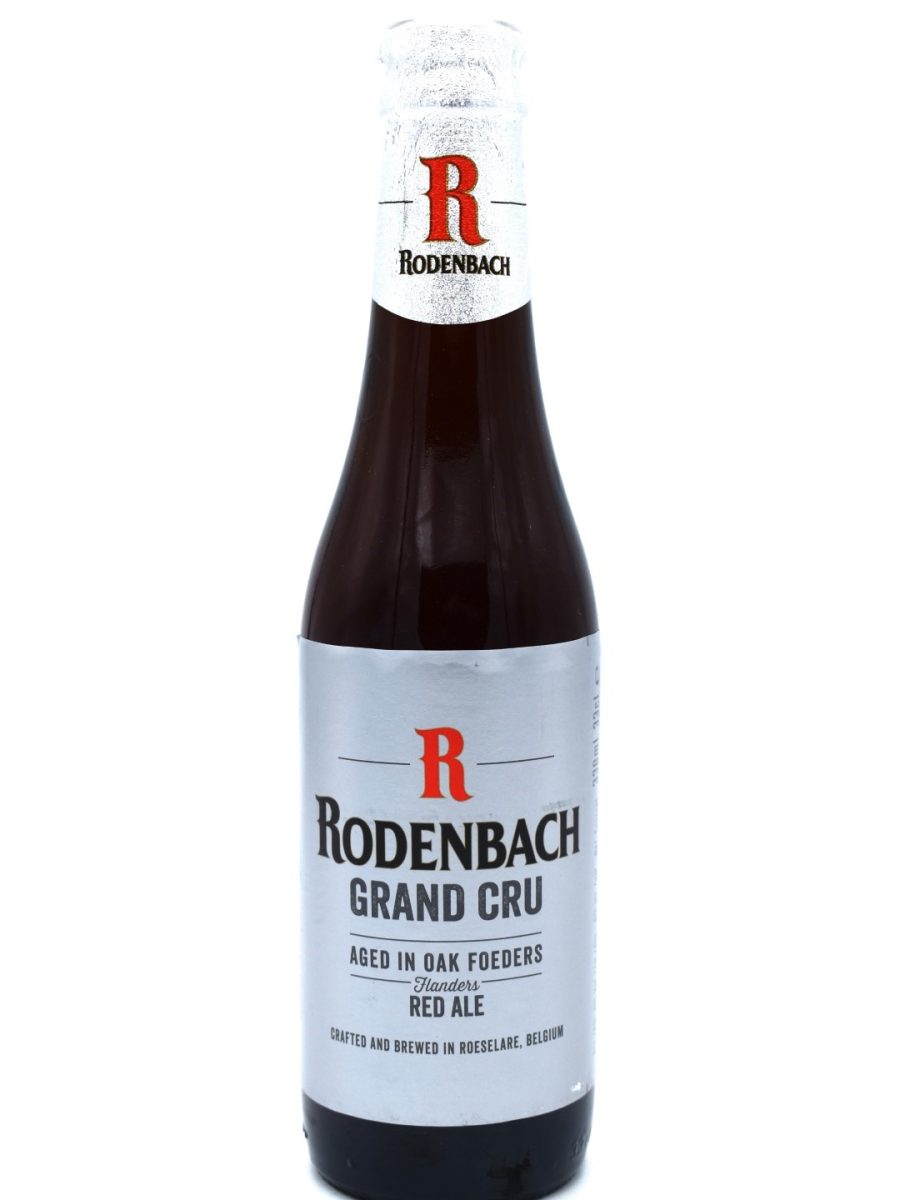
Rodenbach Grand Cru
Brewed by Brouwerij Rodenbach
Oak-aged acidity, red fruit, balsamic depth, and malt sweetness meet in a beer that shows how sourness can be layered rather than one-note.
BAR NOTES
Rodenbach Grand Cru belongs here because it is one of the clearest introductions to the blended, wood-aged tradition of Flanders red ale. That is the kind of clear, style-specific greatness this list rewards in 2026.
Tart cherry, red currant, oak, light caramel, and a wine-like acidity move between sweet and sour instead of choosing one side. Try it with roast duck, rich pork, funky cheese, or charcuterie, where the acidity can cut fat while the malt and fruit still echo the food.
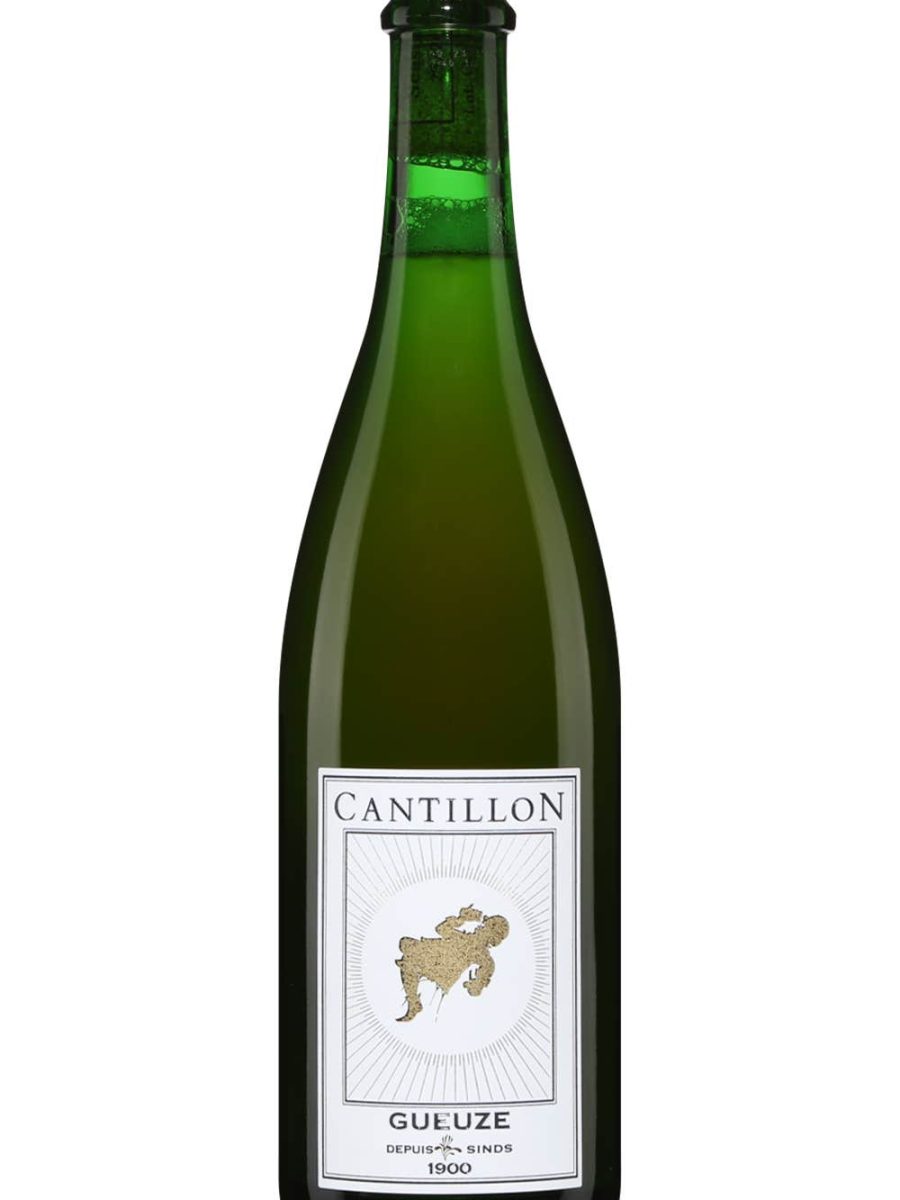
Cantillon Gueuze
Brewed by Brasserie Cantillon
Wild fermentation, aged lambic blending, cellar funk, citrus, and bone-dry acidity make this a bottle that can completely reset a drinker’s idea of beer.
BAR NOTES
Cantillon Gueuze belongs here because it remains a defining expression of traditional Brussels lambic and blended gueuze. That is the kind of clear, style-specific greatness this list rewards in 2026.
Lemon peel, hay, cellar funk, mineral acidity, oak, and a champagne-like dryness keep changing from the first pour to the last. It loves mussels, goat cheese, cured meat, and fatty charcuterie; acidity and carbonation do the same work that a sharp white wine would.
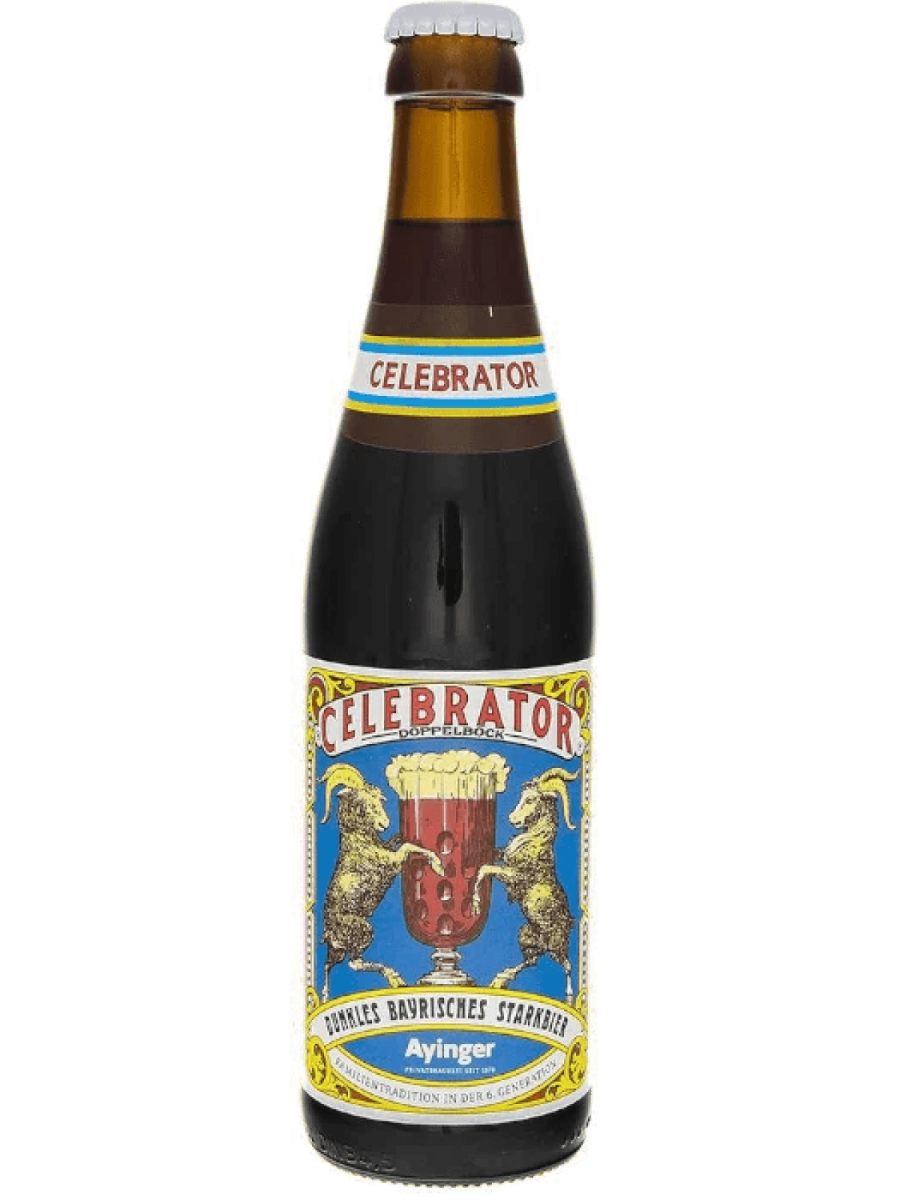
Celebrator
Brewed by Ayinger Privatbrauerei
Dark bread, dried fruit, cocoa, and caramel pack into a surprisingly controlled 6.7% lager that proves malt intensity does not require sticky sweetness.
BAR NOTES
Celebrator belongs here because it is one of the beers brewers reach for when they want to explain what doppelbock should taste like. That is the kind of clear, style-specific greatness this list rewards in 2026.
Raisin, fig, toasted bread crust, cocoa, and deep Munich-malt richness stay clean enough to show the discipline underneath the weight. Pair it with aged alpine cheese, braised beef, roast pork, or a cold night when one smaller glass is more useful than three pale lagers.
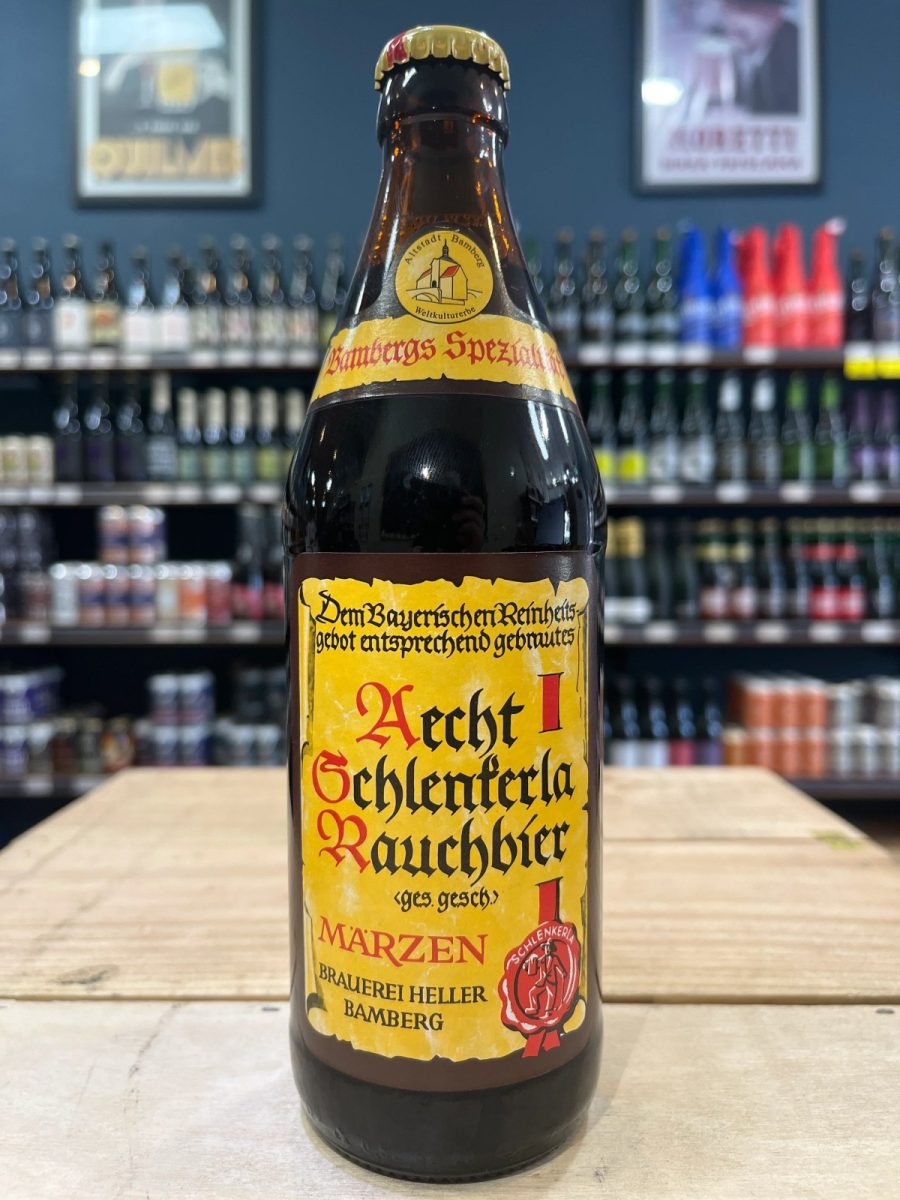
Aecht Schlenkerla Rauchbier Märzen
Brewed by Heller-Bräu Trum
Beechwood-smoked malt makes the first aroma feel almost shocking, then the underlying amber lager reveals toast, depth, and ridiculous drinkability.
BAR NOTES
Aecht Schlenkerla Rauchbier Märzen belongs here because no beer explains Bamberg’s smoke-beer tradition more directly, and few supposedly extreme flavors become this normal by the second glass. That is the kind of clear, style-specific greatness this list rewards in 2026.
Campfire smoke, bacon-like savoriness, toasted malt, bread crust, and a clean lager finish knit together more tightly with every sip. Smoked sausage, roast pork, grilled mushrooms, bacon, and charred food all make the smoke feel less like a stunt and more like seasoning.

Breakfast Stout
Brewed by Founders Brewing Co.
Coffee, oats, chocolate, and roast turned a once-straightforward stout into one of the most influential American breakfast-beer templates.
BAR NOTES
Breakfast Stout belongs here because it helped establish coffee stout as a serious modern category rather than a novelty ingredient beer. That is the kind of clear, style-specific greatness this list rewards in 2026.
Fresh coffee roast, dark chocolate, oats, and a creamy but not syrupy body make the 8.3% strength feel surprisingly integrated. Pour it with brunch, smoked bacon, chocolate cake, or a rich breakfast sandwich; the coffee character can either mirror roast or cut sweetness.
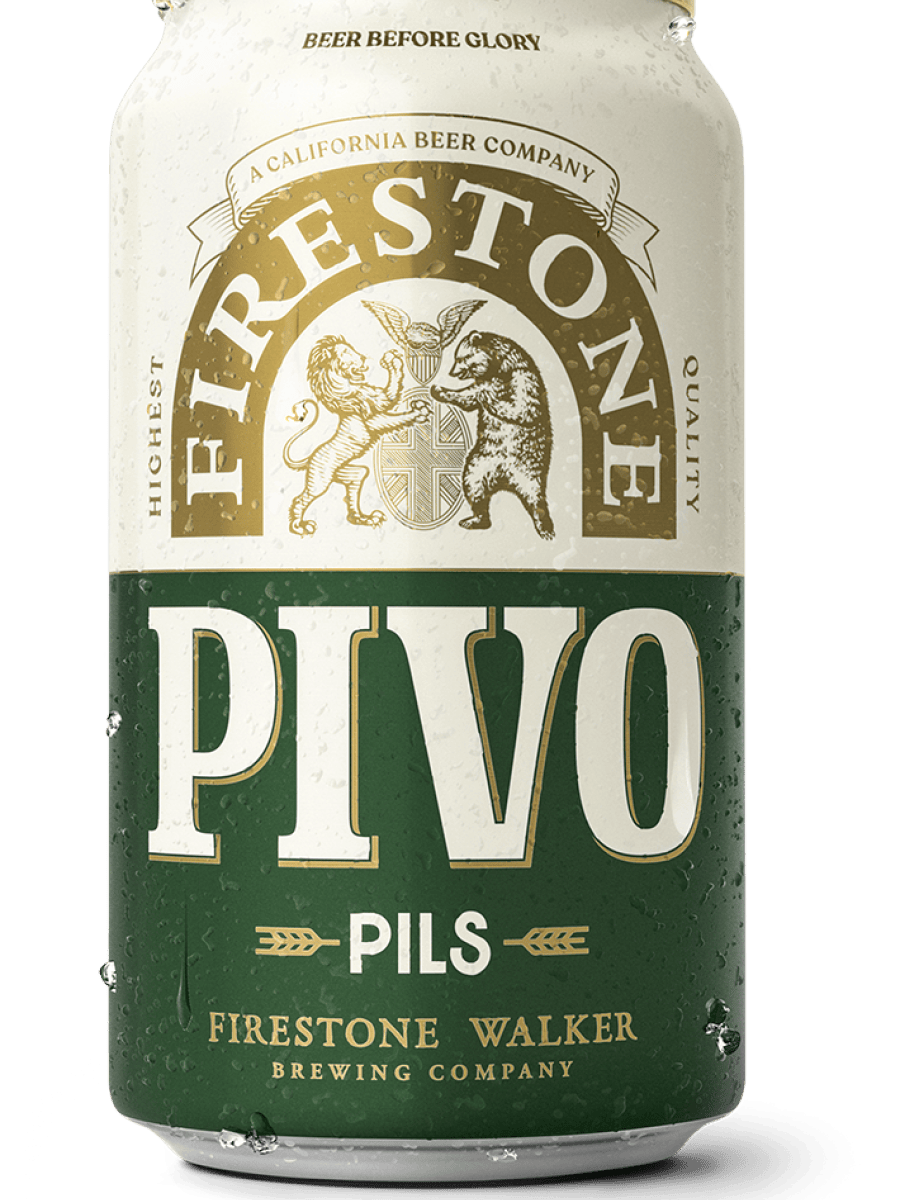
Pivo Pils
Brewed by Firestone Walker Brewing Company
Bright noble-hop character and a dry, lean lager base showed American craft drinkers that pilsner could be as obsessive and aromatic as IPA.
BAR NOTES
Pivo Pils belongs here because it helped make serious, hop-forward pilsner fashionable again in modern American craft beer. That is the kind of clear, style-specific greatness this list rewards in 2026.
Cracker malt, floral and herbal hops, firm bitterness, and a tight dry finish make the beer feel precise without becoming sterile. It works with pizza, tacos, grilled chicken, fried seafood, or nearly anything salty enough to want a clean bitter reset between bites.

Bourbon County Brand Original Stout
Brewed by Goose Island Beer Co.
Bourbon barrels, huge stout, oak, vanilla, dark chocolate, and spirit warmth helped create the template for an entire modern beer category.
BAR NOTES
Bourbon County Brand Original Stout belongs here because its influence on barrel-aged imperial stout is impossible to separate from the style’s rise in American craft beer. That is the kind of clear, style-specific greatness this list rewards in 2026.
Bourbon, charred oak, vanilla, fudge, dark fruit, and roasted malt arrive in layers rather than as a single blast of alcohol. This is a small-glass beer for blue cheese, chocolate desserts, smoked beef, or the end of a long night when the bottle is the event.
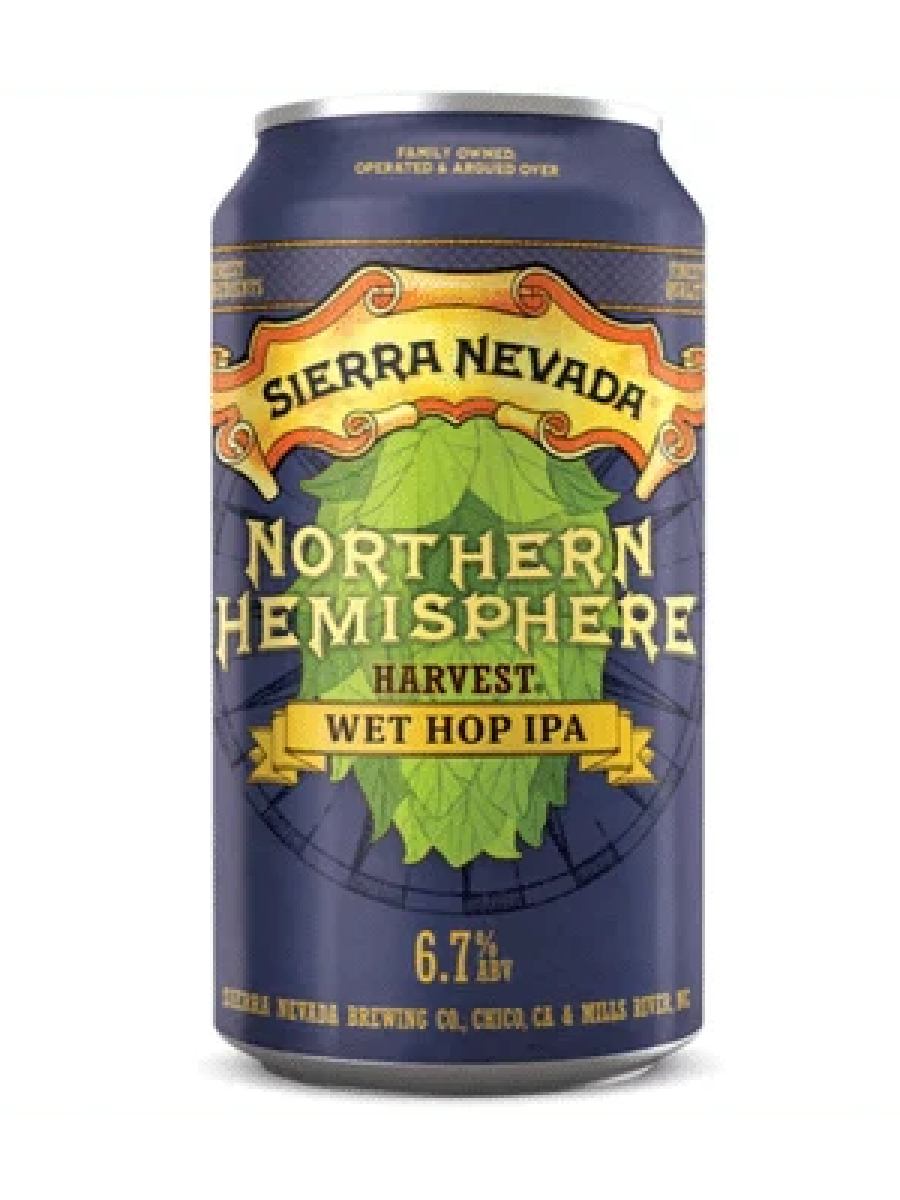
Sierra Nevada Northern Hemisphere Harvest
Brewed by Sierra Nevada Brewing Co.
Fresh Centennial hops move from harvest to the kettle within a day, giving the beer a green, floral, resinous intensity that dried hops cannot exactly mimic.
BAR NOTES
Sierra Nevada Northern Hemisphere Harvest belongs here because it helped establish wet-hop beer as a genuine harvest season rather than another label-driven seasonal. That is the kind of clear, style-specific greatness this list rewards in 2026.
Pine, rose, citrus blossom, fresh-cut greenery, and resin sit over a sturdy pale-ale malt base with enough bitterness to stay focused. Drink it as fresh as possible with grilled sausage, sharp cheddar, spicy food, or anything that can stand beside the raw edge of harvest hops.
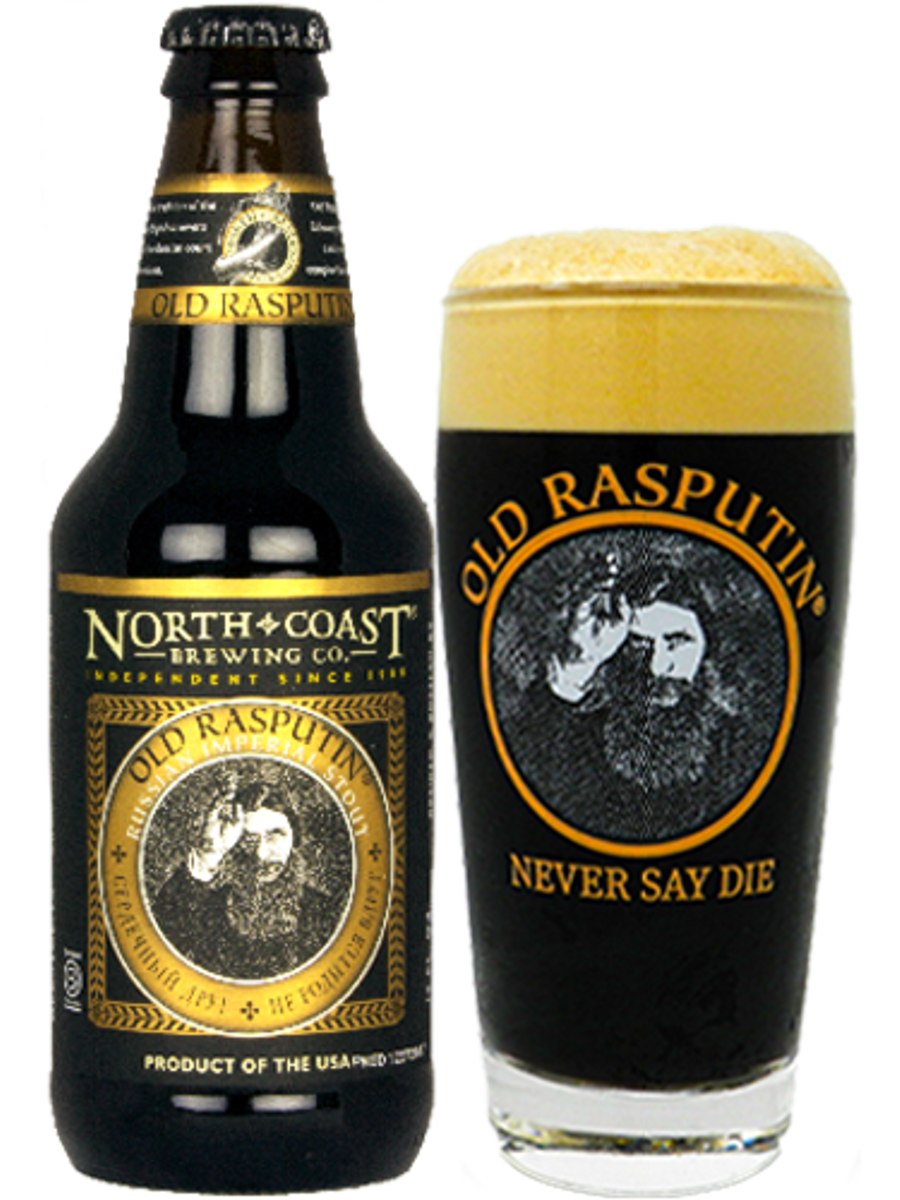
Old Rasputin
Brewed by North Coast Brewing Co.
Roast, bitter chocolate, dark fruit, and firm hops deliver imperial stout without pastry ingredients or barrel tricks.
BAR NOTES
Old Rasputin belongs here because it remains a dependable reference for the more bitter, roasty, old-school side of American imperial stout. That is the kind of clear, style-specific greatness this list rewards in 2026.
Espresso roast, cocoa, dark fruit, licorice, and assertive bitterness keep the nine-percent body from drifting into dessert beer. Aged cheddar, steak, smoked meat, and bittersweet chocolate are better matches than ultra-sweet desserts because the beer already brings plenty of intensity.
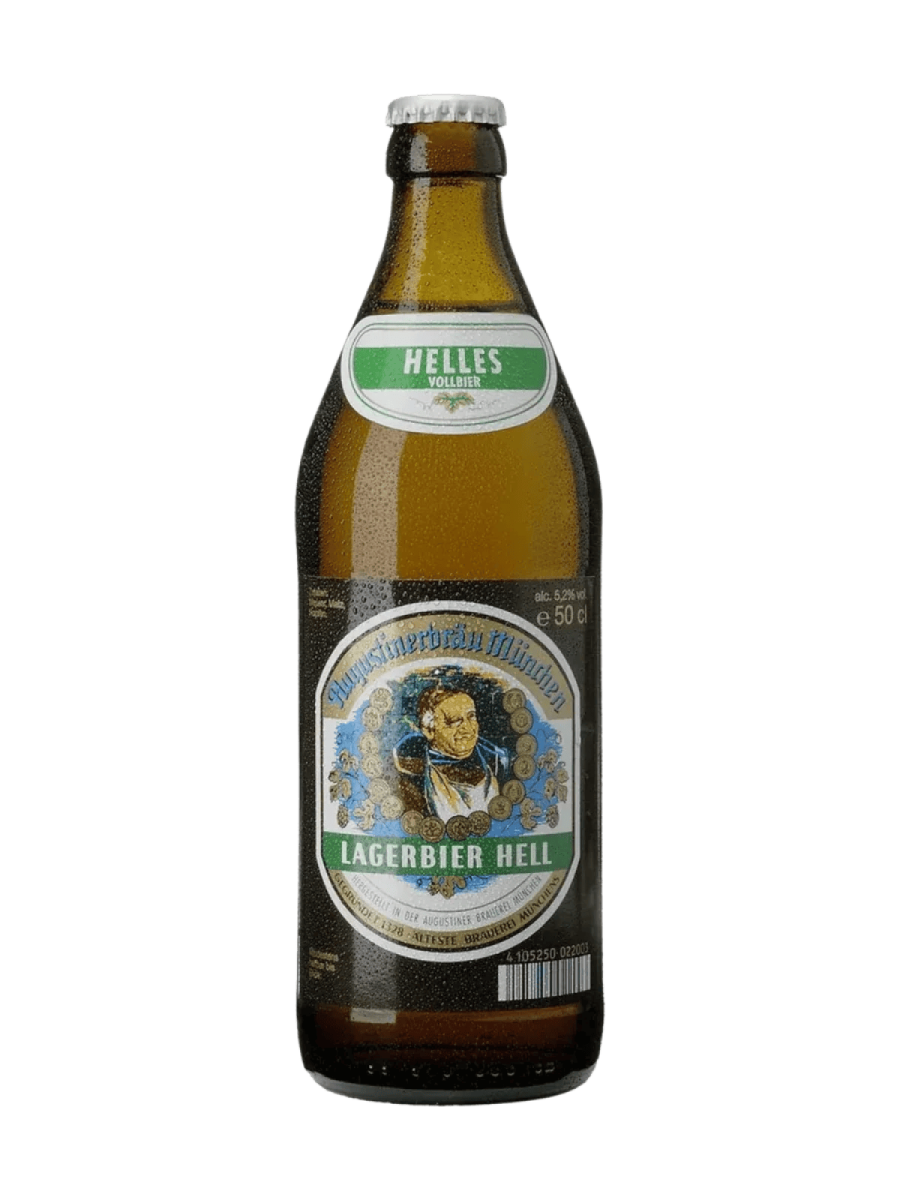
Augustiner Lagerbier Hell
Brewed by Augustiner-Bräu
Soft malt, gentle hops, and exceptionally clean fermentation make a quiet beer feel almost impossible to improve.
BAR NOTES
Augustiner Lagerbier Hell belongs here because it is one of Munich’s most beloved helles lagers and a lesson in how much skill can hide inside apparent simplicity. That is the kind of clear, style-specific greatness this list rewards in 2026.
Fresh bread, cereal grain, a touch of honey, restrained herbal hops, and a smooth dry finish stay balanced from the first gulp to the last. This is beer-hall food territory: roast chicken, sausages, pretzels, potato dishes, and anything where a louder beer would only get in the way.
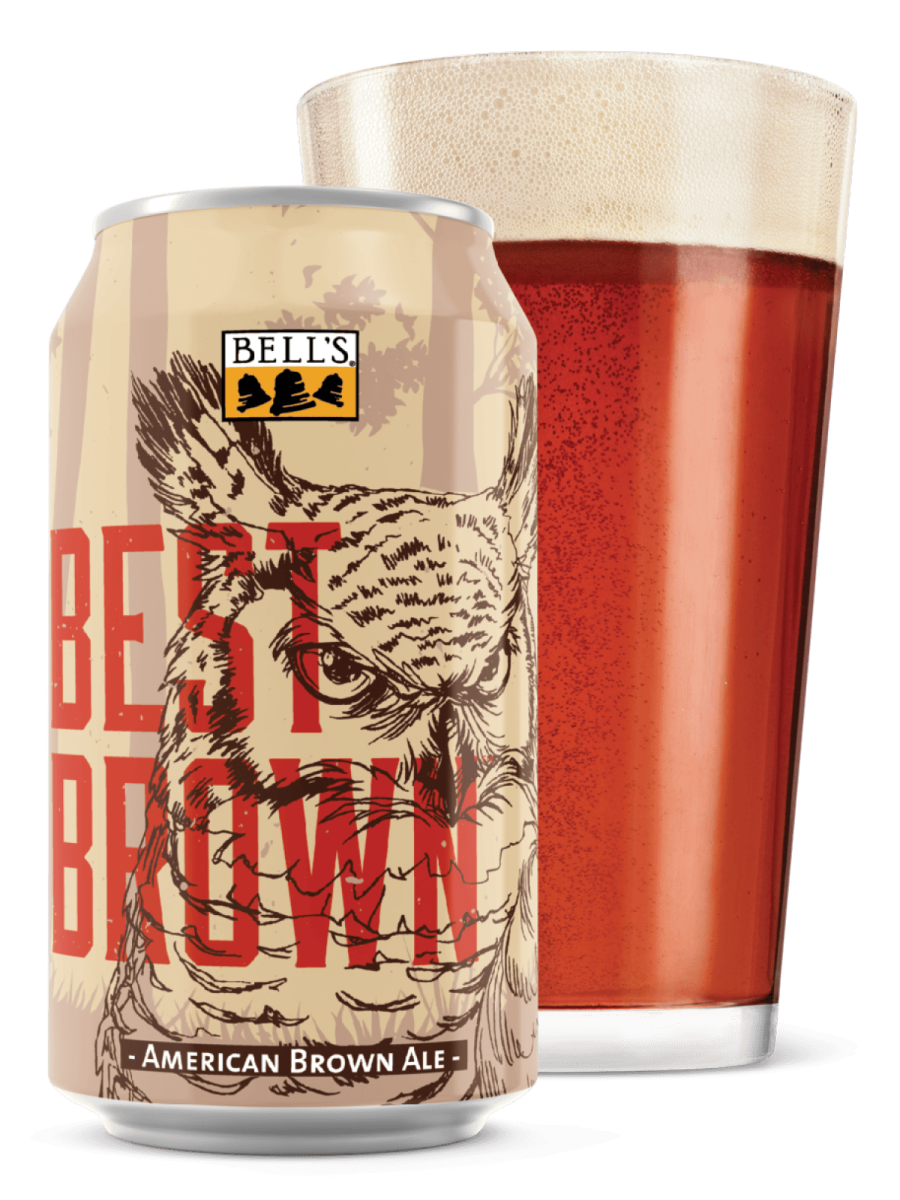
Bell's Best Brown Ale
Brewed by Bell's Brewery
Cocoa, caramel, toast, and American hops hit the exact middle ground between pale beer and stout, which is why the beer feels so right when the weather turns.
BAR NOTES
Bell’s Best Brown Ale belongs here because it keeps the nearly forgotten American brown-ale lane relevant by balancing malt depth with enough hop structure to stay lively. That is the kind of clear, style-specific greatness this list rewards in 2026.
Toasty malt, cocoa, caramel, nuts, and a measured hop bitterness create real depth without the heaviness of stout. Roast pork, mushrooms, burgers, cheddar, and anything browned in a skillet make the nutty malt feel more intentional.
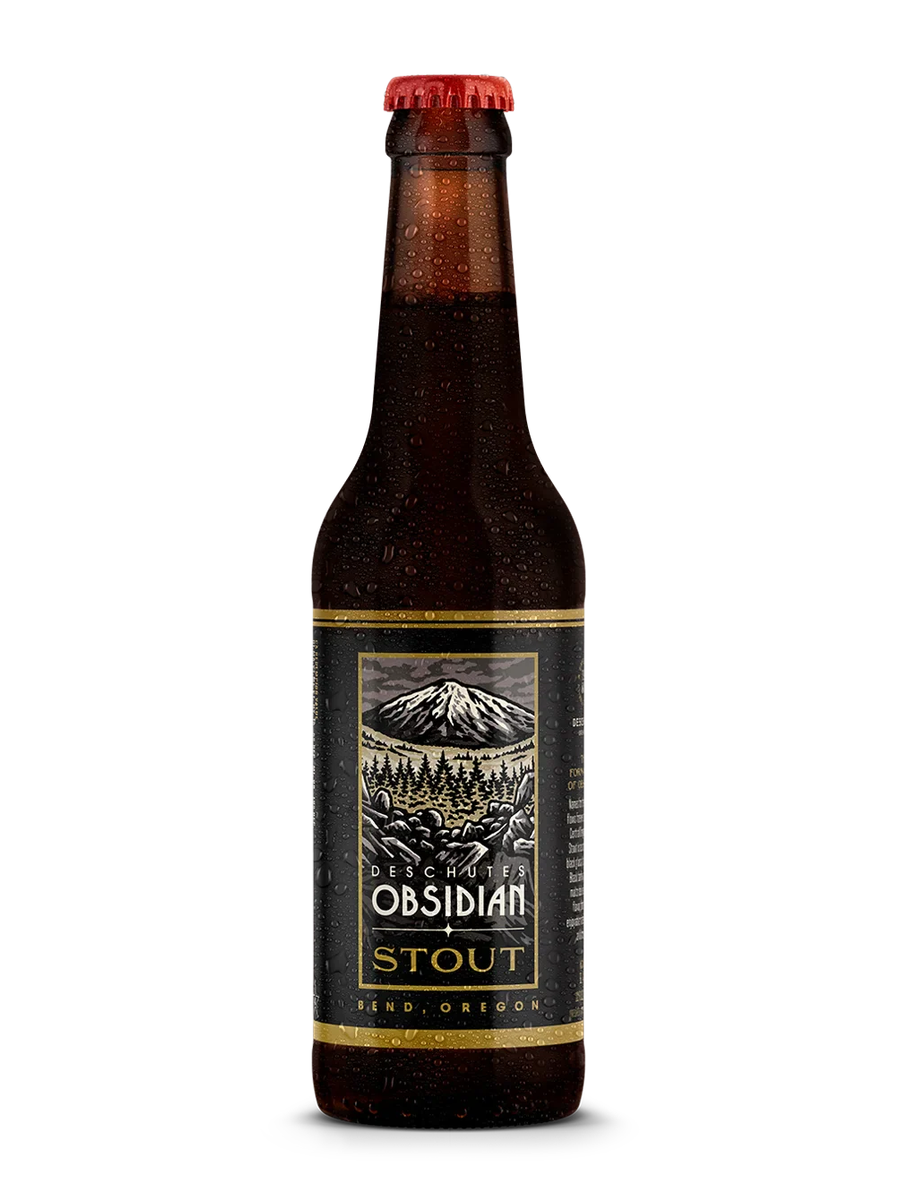
Obsidian Stout
Brewed by Deschutes Brewery
Roast, cocoa, firm hopping, and a dry enough finish make this a full-flavored stout that still behaves like a pint rather than dessert.
BAR NOTES
Obsidian Stout belongs here because it remains one of the clearest widely available examples of the assertive American stout tradition. That is the kind of clear, style-specific greatness this list rewards in 2026.
Dark chocolate, roasted coffee, caramel edges, and a noticeable hop bite keep the body layered without becoming heavy. Burgers, chili, smoked meat, oysters, and chocolate desserts all work because the beer has both roast to echo food and bitterness to cut it.
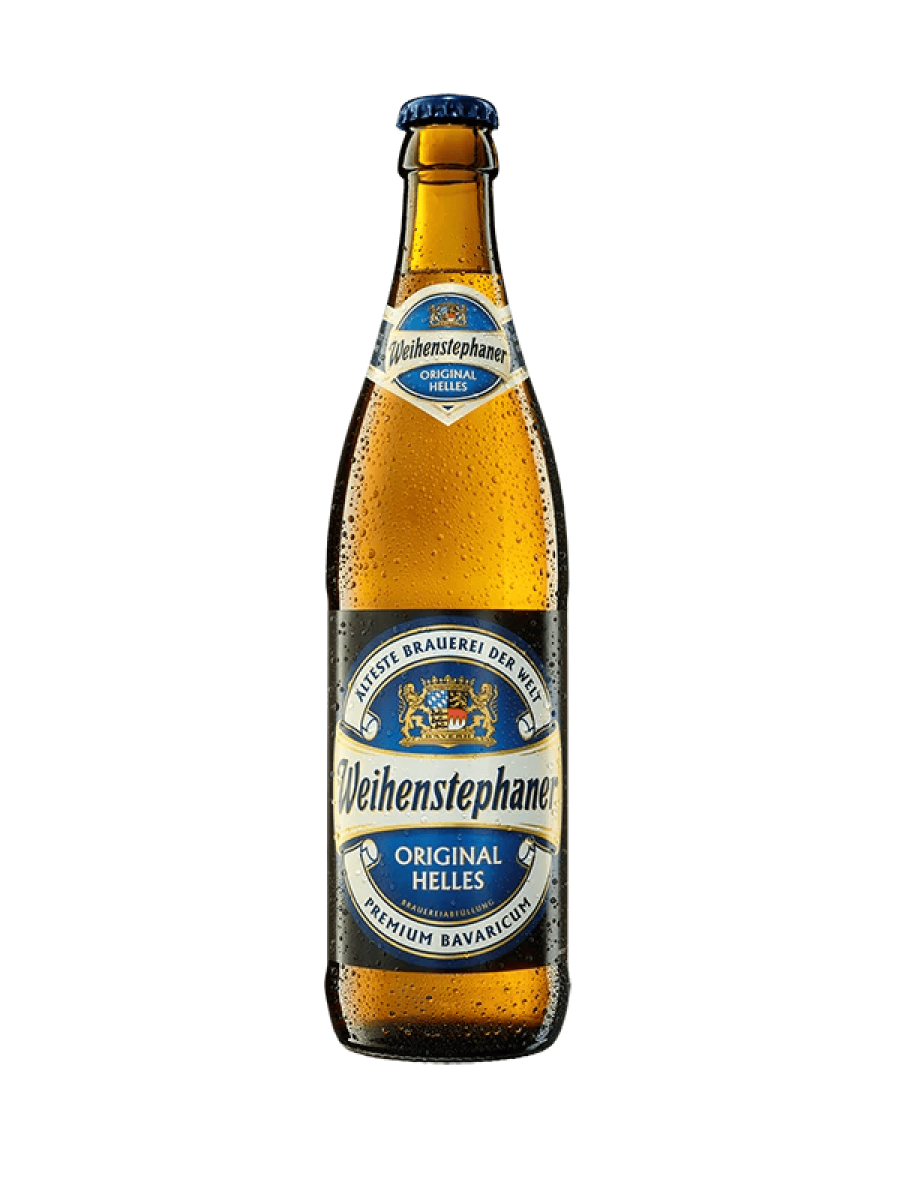
Weihenstephaner Original Helles
Brewed by Bayerische Staatsbrauerei Weihenstephan
Bread-like malt, gentle floral hops, and faultless lager fermentation show why a brewery famous for centuries of tradition still matters in a modern cooler.
BAR NOTES
Weihenstephaner Original Helles belongs here because it is a reference helles from one of the most historically important brewing institutions in Bavaria. That is the kind of clear, style-specific greatness this list rewards in 2026.
Soft bread, grain, a light honey impression, modest floral hopping, and a clean finish make the beer subtle without ever becoming blank. It belongs with roast chicken, schnitzel, pretzels, mild sausage, or any meal where refreshment matters more than showing off.
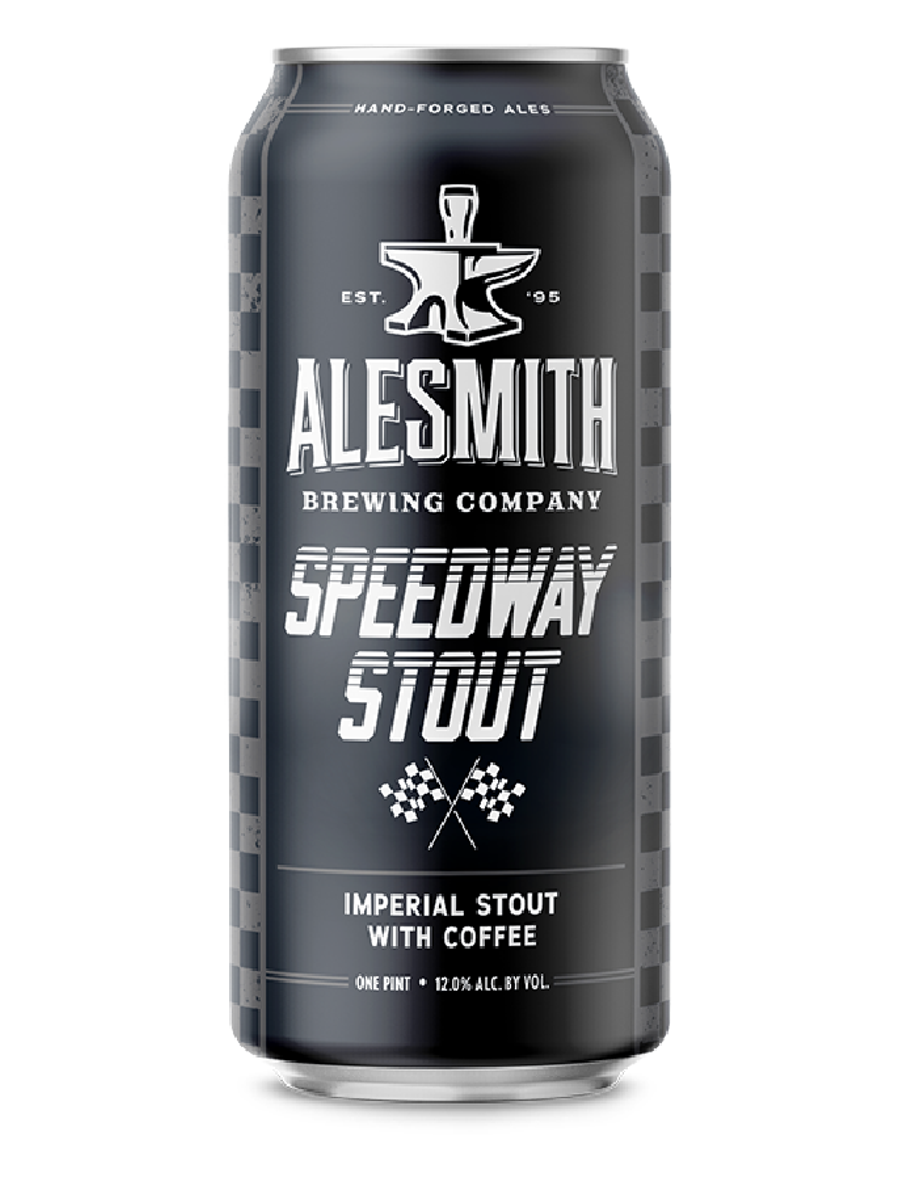
Speedway Stout
Brewed by AleSmith Brewing Company
Coffee and massive imperial-stout malt land with enough roast and bitterness to keep twelve percent from tasting like melted candy.
BAR NOTES
Speedway Stout belongs here because it became a touchstone for big American coffee stout before adjunct-heavy imperial stout became an arms race. That is the kind of clear, style-specific greatness this list rewards in 2026.
Espresso, dark chocolate, roast, caramelized malt, and warming alcohol build a dense profile that still has bitter edges. Try it with tiramisu, dark chocolate, blue cheese, or slow-cooked beef; a small pour is enough to carry an entire dessert course.
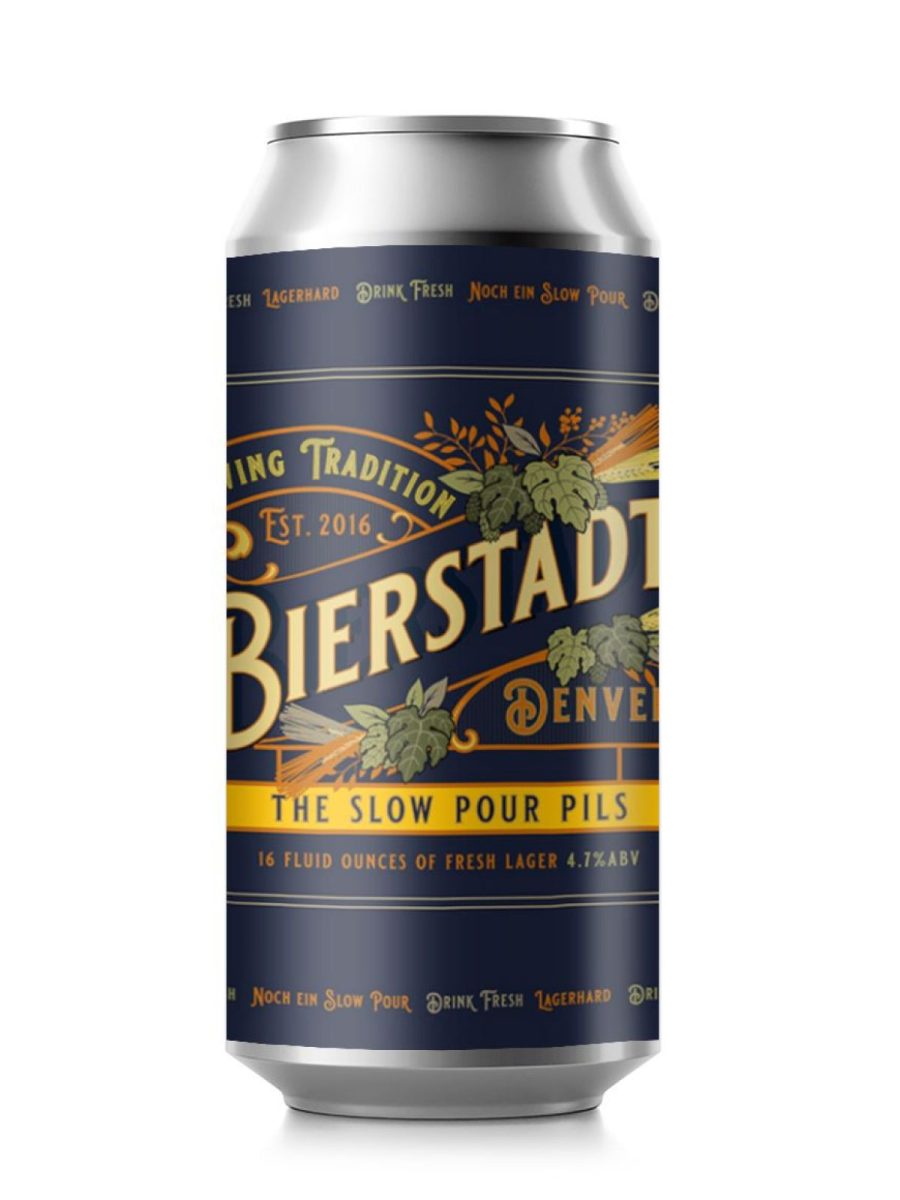
Slow Pour Pils
Brewed by Bierstadt Lagerhaus
A deliberate multi-stage pour and crisp German-style pilsner base turned service ritual into part of the beer’s identity without making the liquid an afterthought.
BAR NOTES
Slow Pour Pils belongs here because it helped teach a generation of American drinkers that lager presentation, foam, bitterness, and patience can matter as much as hop aroma. That is the kind of clear, style-specific greatness this list rewards in 2026.
Crackery malt, herbal hops, firm bitterness, and a dense lasting head make a simple-looking glass feel unusually structured. Drink it with pretzels, schnitzel, fried chicken, or salty fries and give the foam time to do what the brewery intended.
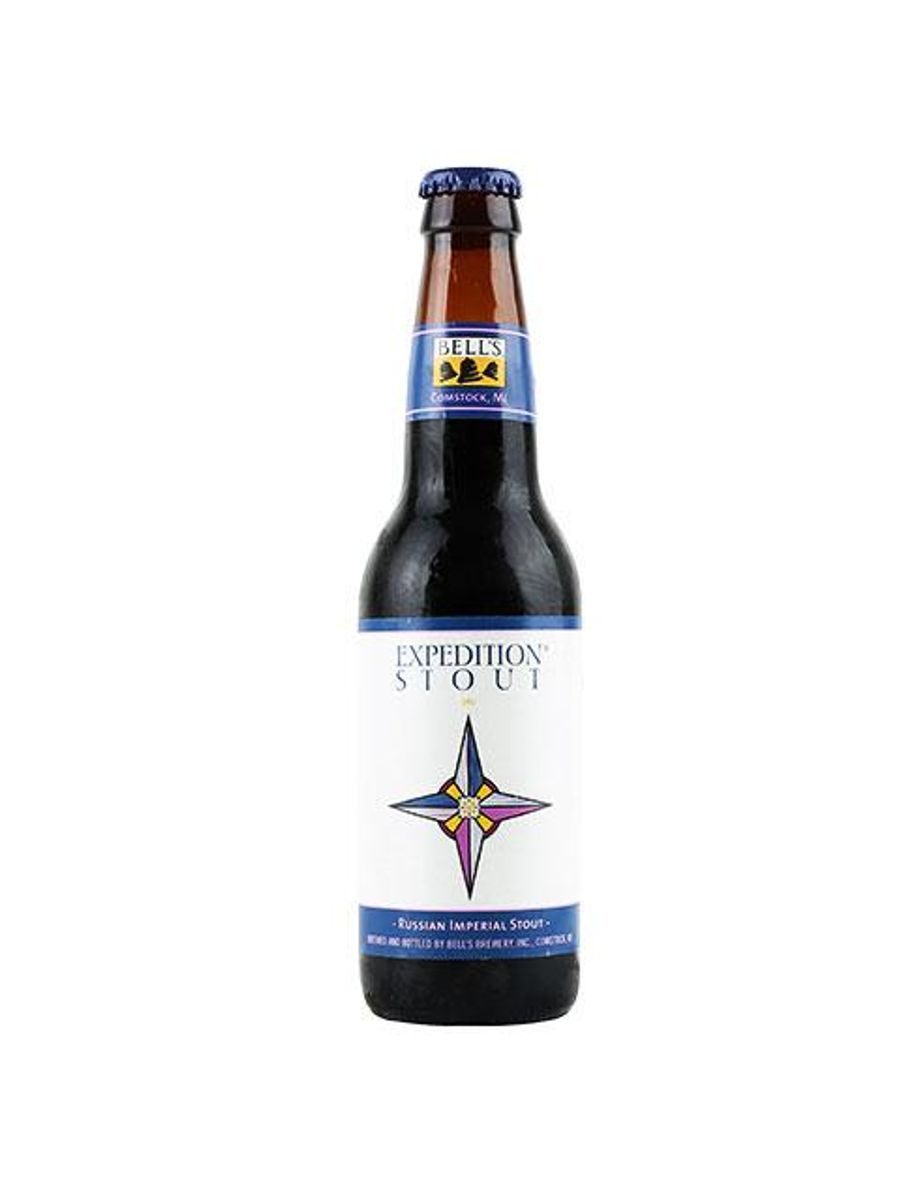
Expedition Stout
Brewed by Bell's Brewery
Dark fruit, roast, cocoa, and a big malt frame make this one of the American imperial stouts that genuinely rewards time in the cellar.
BAR NOTES
Expedition Stout belongs here because it has carried the old-school imperial-stout banner for decades without needing pastry adjuncts or trend chasing. That is the kind of clear, style-specific greatness this list rewards in 2026.
Molasses, raisin, dark chocolate, roast, and warming alcohol are intense when fresh and rounder as the beer ages. Pair a younger bottle with steak or blue cheese, or let an older one sit beside dark chocolate and dried fruit after dinner.
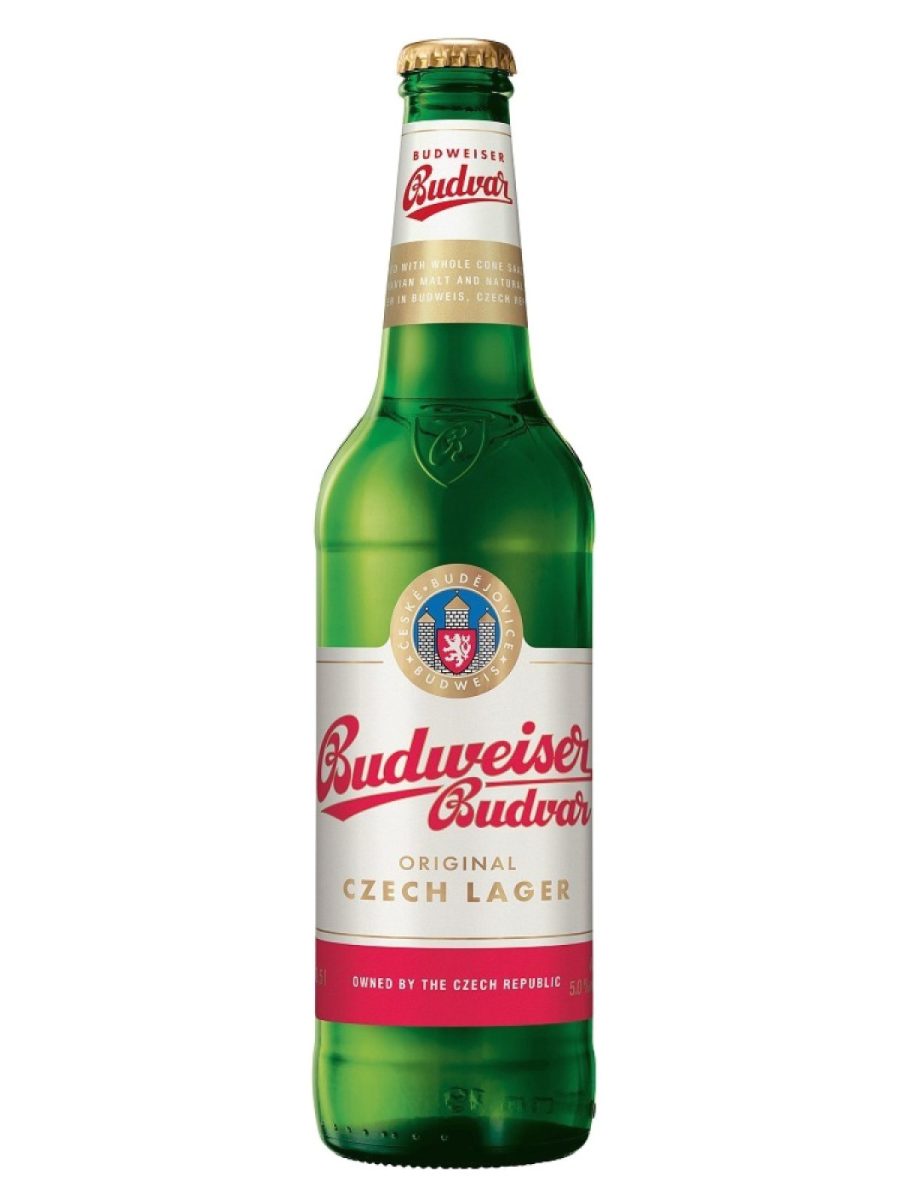
Budweiser Budvar Original
Brewed by Budějovický Budvar
A fuller malt profile, Czech hops, and long lagering give this famous name considerably more character than the international branding dispute suggests.
BAR NOTES
Budweiser Budvar Original belongs here because it represents a historic Czech pale-lager tradition that is bigger and richer than the light industrial lager many drinkers expect from the name. That is the kind of clear, style-specific greatness this list rewards in 2026.
Soft bread, grain, herbal hops, moderate bitterness, and a rounded lager finish give the beer enough body to feel substantial without slowing down. Roast pork, sausages, fried cheese, and hearty pub food all suit the maltier Czech profile.
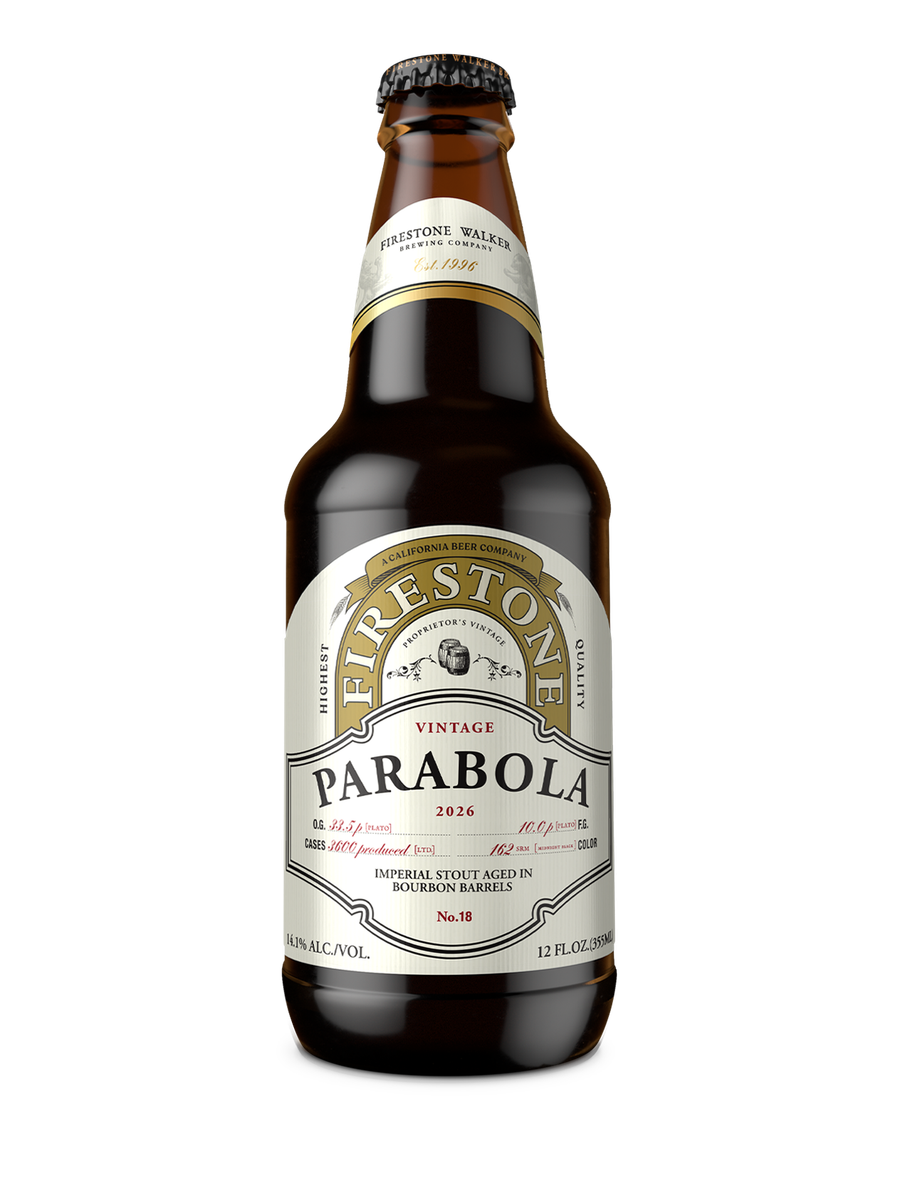
Parabola 2026
Brewed by Firestone Walker Brewing Company
A serious barrel program, huge stout, and obsessive blending turn bourbon, oak, cocoa, and dark fruit into something more polished than a simple barrel bomb.
BAR NOTES
Parabola 2026 belongs here because it shows how far American barrel-aged stout can go when blending and barrel selection matter as much as raw strength. That is the kind of clear, style-specific greatness this list rewards in 2026.
Bourbon, vanilla, charred oak, dark chocolate, molasses, and dark fruit arrive in layers around a warming but composed finish. Serve a small pour with blue cheese, smoked beef, chocolate tart, or nothing at all; this one can carry the entire late-night slot by itself.
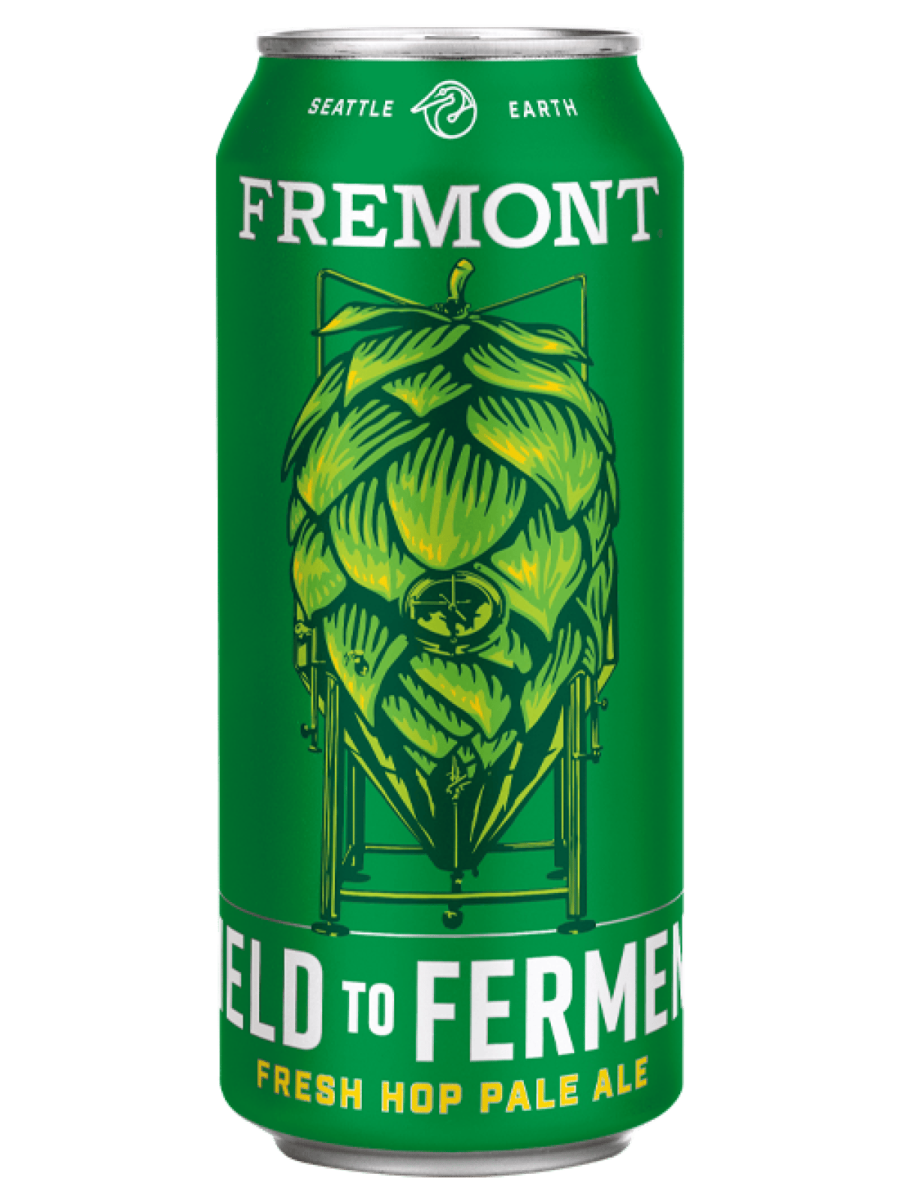
Fremont Field to Ferment
Brewed by Fremont Brewing
Fresh Centennial and fresh-hop Simcoe character arrive in a pale-ale frame that lets harvest aromatics speak without burying them under double-IPA weight.
BAR NOTES
Fremont Field to Ferment belongs here because it is a sharp expression of the Pacific Northwest’s short, obsessive fresh-hop season. That is the kind of clear, style-specific greatness this list rewards in 2026.
Citrus, pine, green hop oils, resin, and a clean pale-malt base make the beer smell and taste tied to a particular moment in the hop calendar. Tacos, grilled chicken, sharp cheese, and spicy food all give the fresh hops something substantial to lean against.
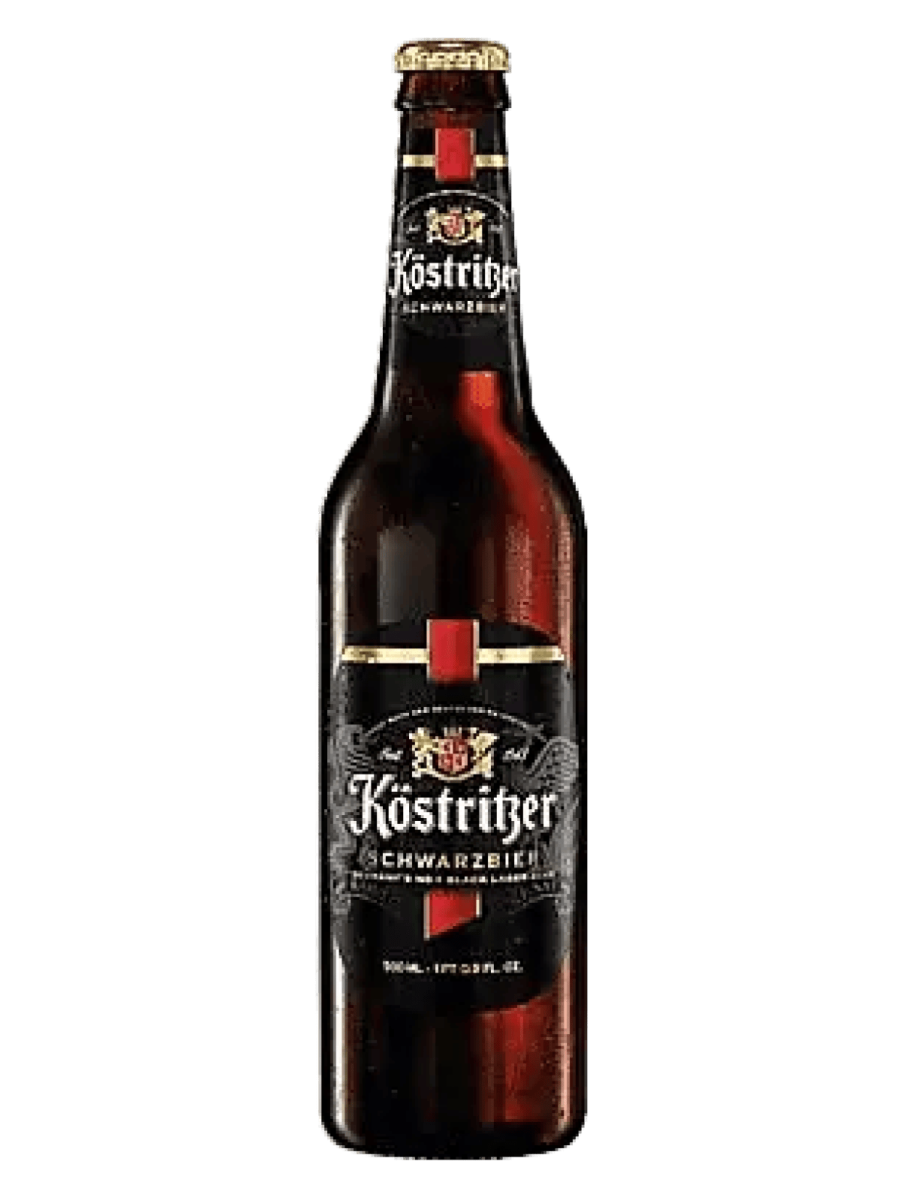
Köstritzer Schwarzbier
Brewed by Köstritzer Schwarzbierbrauerei
Black color, toast, cocoa, restrained roast, and a crisp finish destroy the lazy assumption that dark beer has to be heavy.
BAR NOTES
Köstritzer Schwarzbier belongs here because it remains the bottle most often used to explain what schwarzbier is supposed to do. That is the kind of clear, style-specific greatness this list rewards in 2026.
Toasted bread, cocoa, faint coffee, and gentle hops sit on a clean lager frame that finishes much lighter than the color suggests. Sausages, roast pork, mushrooms, grilled chicken, and smoked meat all work because the beer adds dark-malt flavor without stout-level weight.
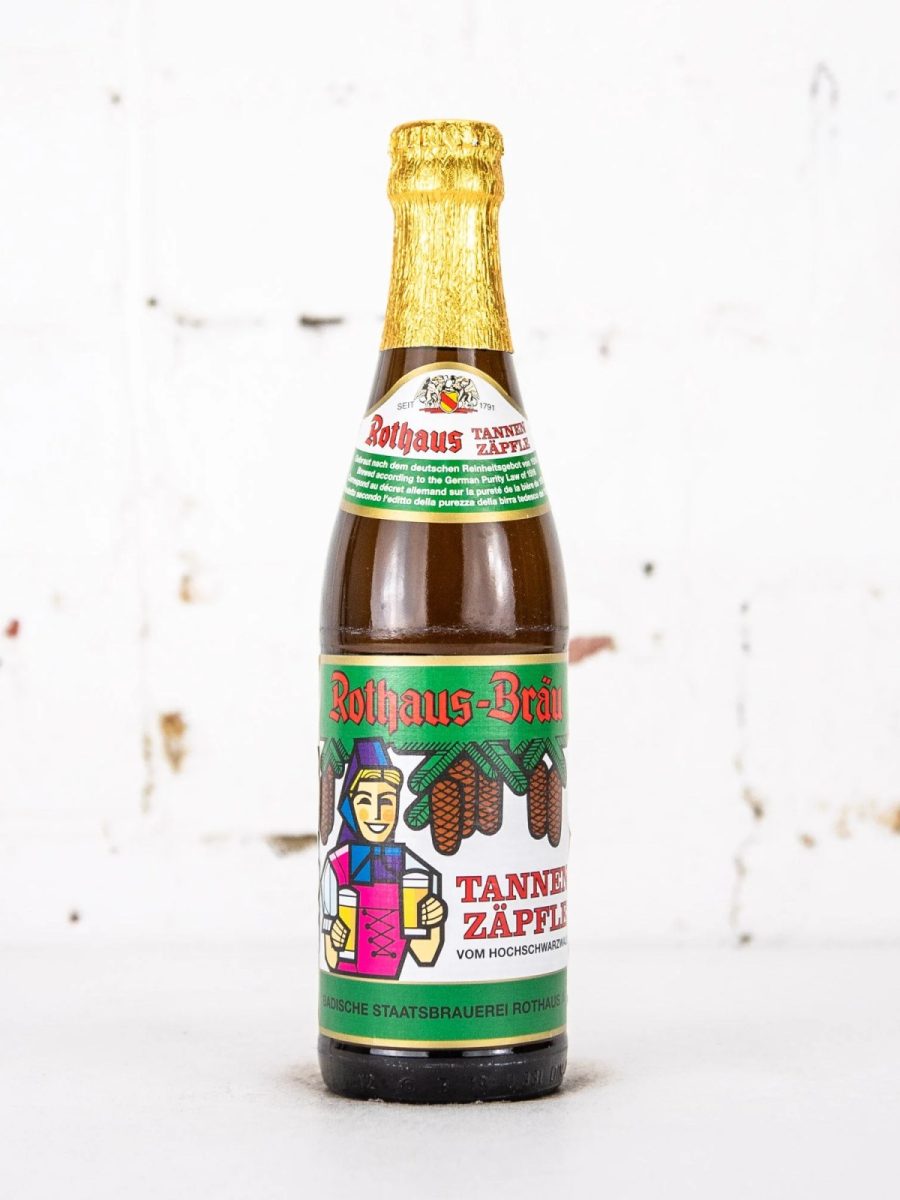
Rothaus Tannenzäpfle
Brewed by Badische Staatsbrauerei Rothaus
Firm bitterness, pale malt, and clean fermentation give this Black Forest pilsner a sharper edge than softer helles-style lagers.
BAR NOTES
Rothaus Tannenzäpfle belongs here because it has become a cult favorite because it makes classic German pilsner feel vivid rather than merely correct. That is the kind of clear, style-specific greatness this list rewards in 2026.
Cracker malt, herbal hops, mineral crispness, and a dry bitter finish keep each sip energetic. Fried fish, bratwurst, salty pretzels, schnitzel, and hard cheese all benefit from that clean bitterness.
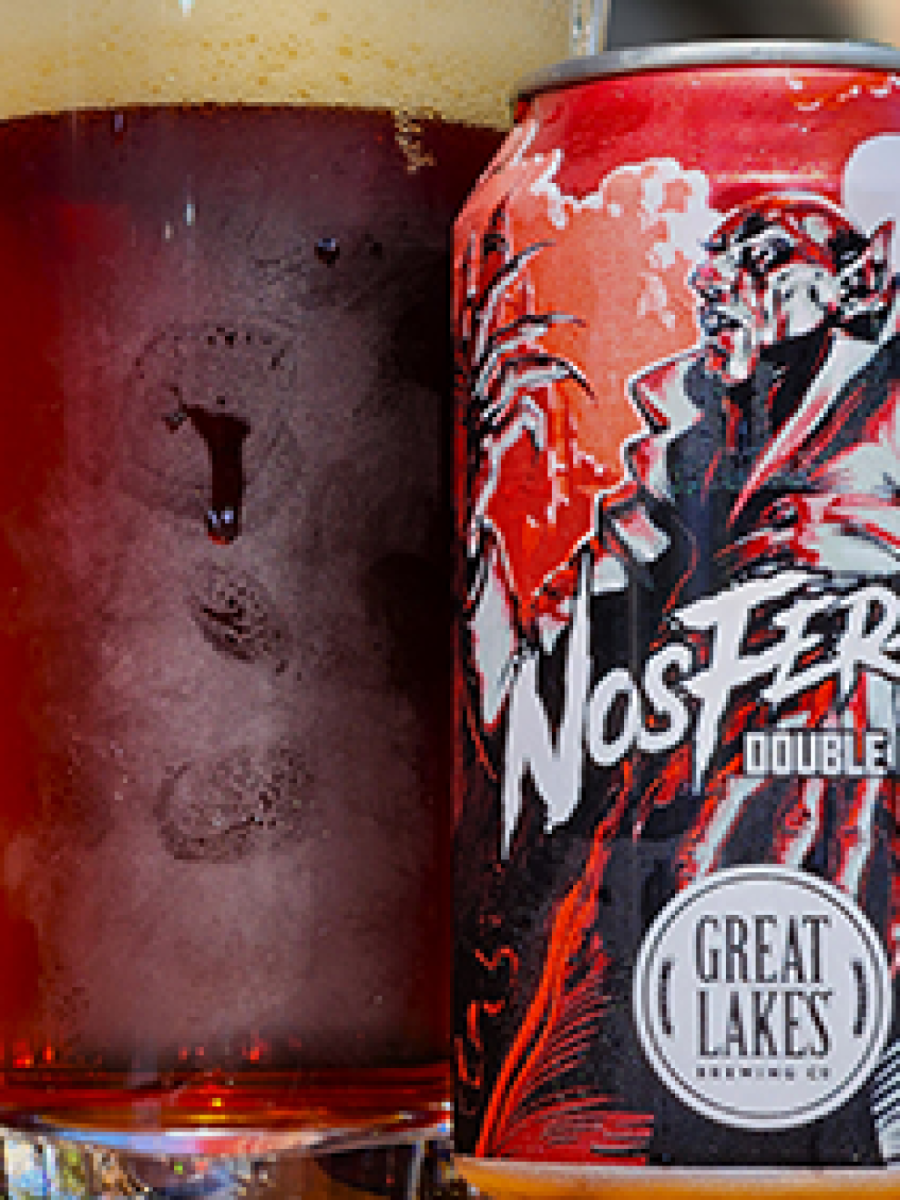
Great Lakes Nosferatu
Brewed by Great Lakes Brewing Company
Deep red malt and aggressive Simcoe-Cascade hopping create an eight-percent beer that refuses to choose between chewy fall malt and classic American IPA bitterness.
BAR NOTES
Great Lakes Nosferatu belongs here because it keeps the nearly extinct double-red-ale lane alive with enough personality to justify the Halloween packaging. That is the kind of clear, style-specific greatness this list rewards in 2026.
Caramelized red malt, pine, citrus, toast, and a firm bitter finish build a beer that is both malty and unapologetically hoppy. Sausage pizza, grilled beef, root vegetables, and sharp cheddar all make sense because the beer can handle browned flavors and fat.
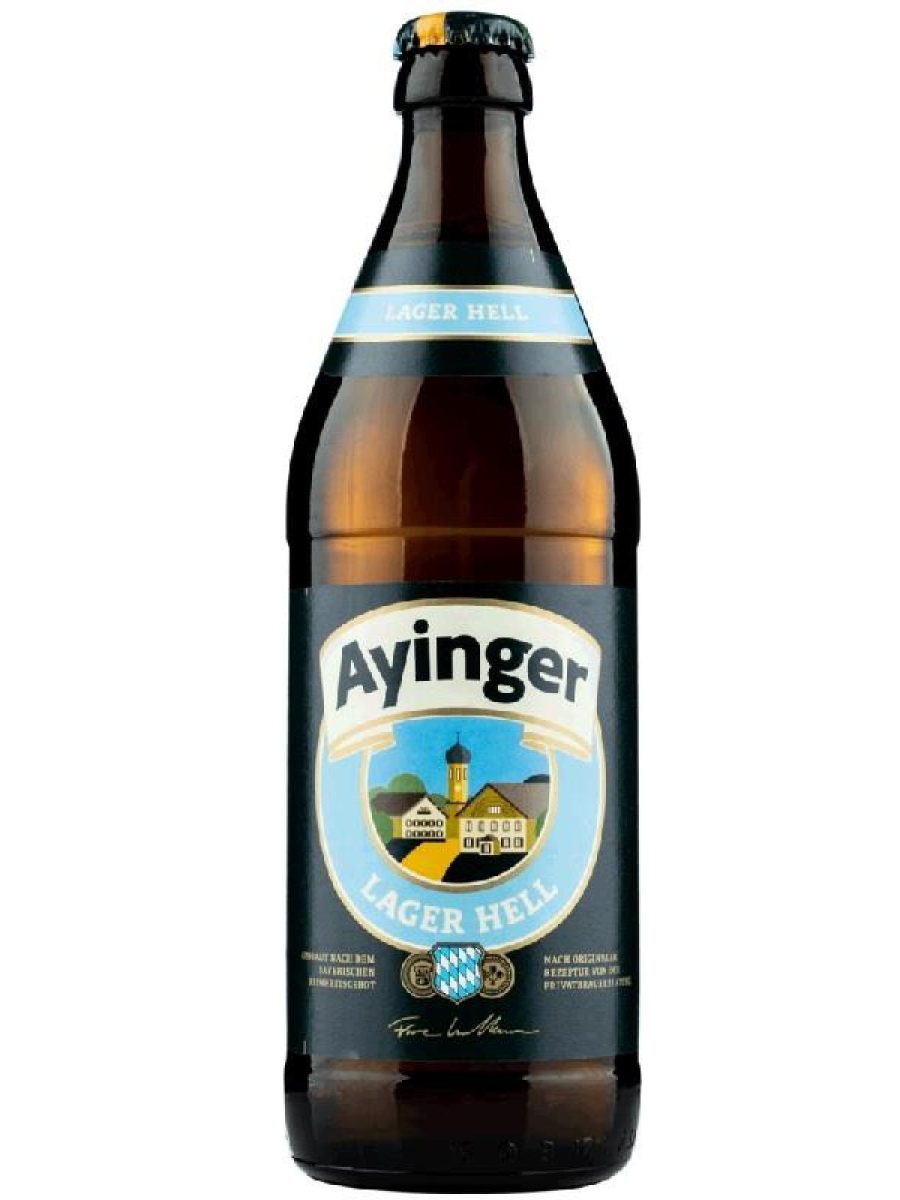
Ayinger Lager Hell
Brewed by Ayinger Privatbrauerei
Soft bread malt and restrained noble-hop bitterness are so cleanly executed that the beer makes simplicity feel luxurious.
BAR NOTES
Ayinger Lager Hell belongs here because Ayinger’s lager consistency turns an everyday Bavarian style into a benchmark for balance. That is the kind of clear, style-specific greatness this list rewards in 2026.
Bread dough, cereal grain, a faint honey note, gentle herbal hops, and a smooth dry finish stay in perfect proportion. It is ideal with roast chicken, pretzels, mild sausage, soft cheese, or any meal where a bigger beer would become tiring.
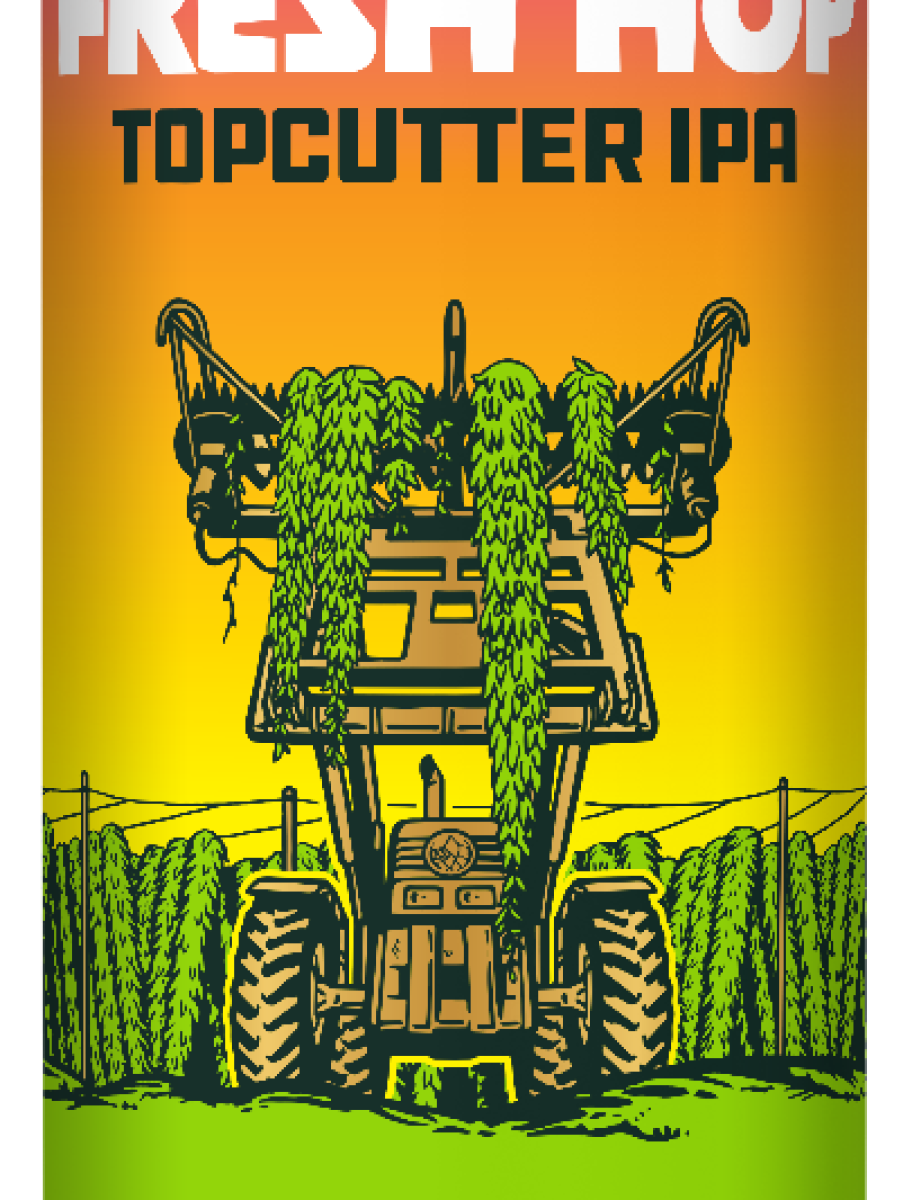
Bale Breaker Fresh Hop Topcutter IPA
Brewed by Bale Breaker Brewing Company
Fresh Simcoe can move from the family hop fields to the brewhouse in minutes, giving the beer a literal farm-to-kettle advantage during harvest.
BAR NOTES
Bale Breaker Fresh Hop Topcutter IPA belongs here because few breweries are more physically connected to the hops defining the beer in the glass. That is the kind of clear, style-specific greatness this list rewards in 2026.
Pine, citrus, green resin, and vivid fresh-hop aromatics ride on a classic Northwest IPA frame with enough bitterness to stay sharp. Burgers, smoked meat, blue cheese, and spicy food are sturdy enough to stand beside the raw intensity of just-picked hops.
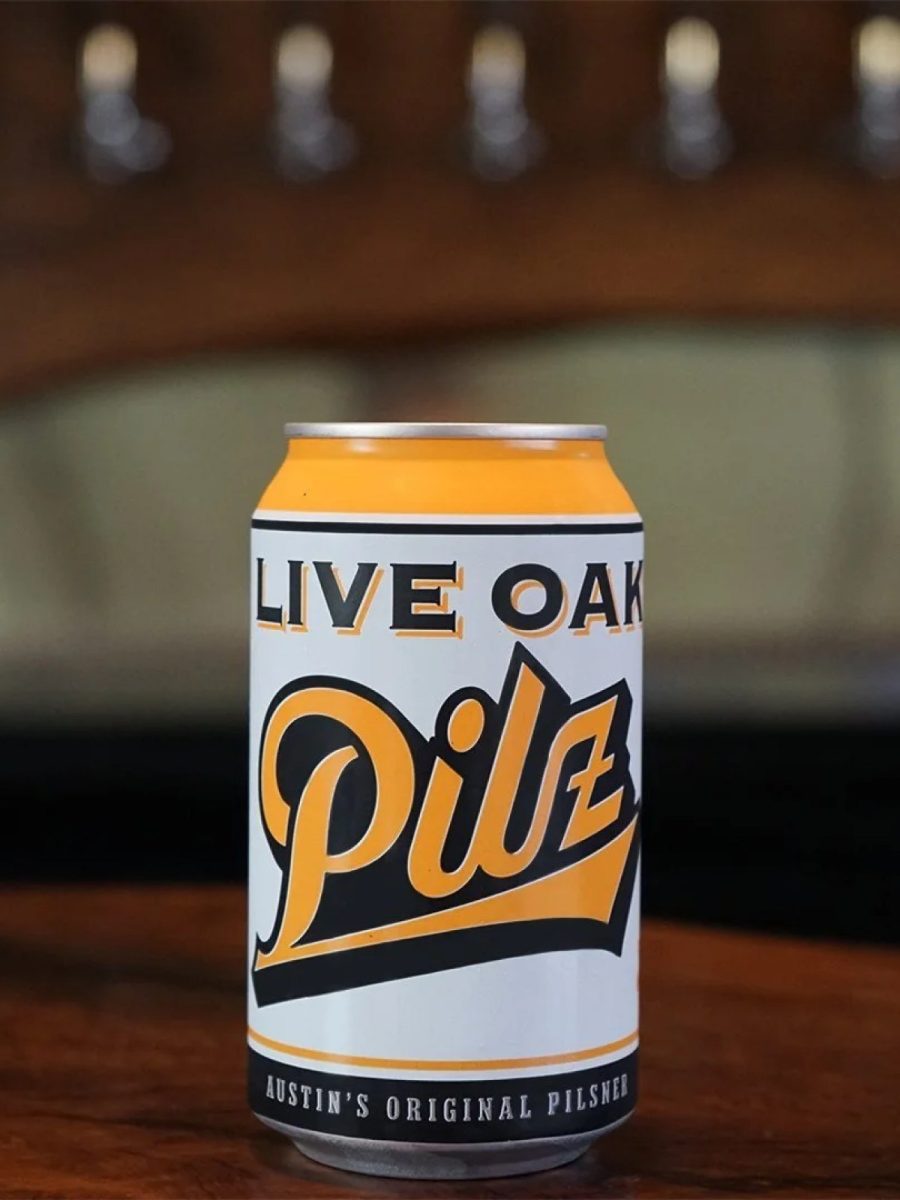
Pilz
Brewed by Live Oak Brewing Company
Traditional lager technique and a hop-forward Czech profile make this Austin beer feel remarkably at home in a city better known for heat than old-world lager.
BAR NOTES
Pilz belongs here because it has long been one of the American craft beers brewers point to when discussing serious Czech-style pilsner. That is the kind of clear, style-specific greatness this list rewards in 2026.
Grainy pale malt, spicy hops, firm bitterness, and a crisp dry finish keep the 4.7% body light without making it thin. Tacos, smoked sausage, barbecue, fried food, and hot-weather drinking are exactly where a bitter, low-strength lager proves its value.
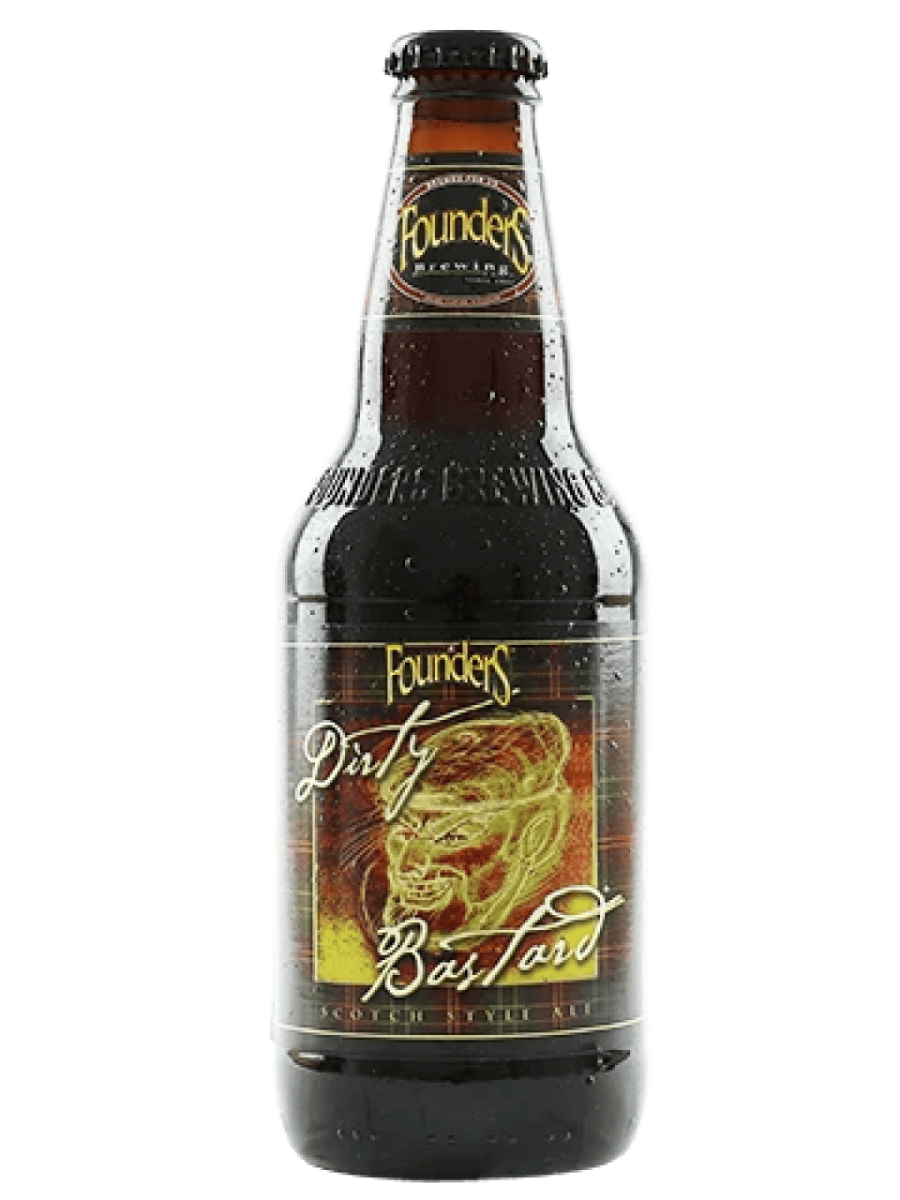
Dirty Bastard
Brewed by Founders Brewing Co.
Caramelized malt, dark fruit, earthy bitterness, and warming strength make a big Scotch ale feel tougher and less sugary than the name might suggest.
BAR NOTES
Dirty Bastard belongs here because it has stayed relevant by owning a malt-heavy lane that modern craft beer often ignores. That is the kind of clear, style-specific greatness this list rewards in 2026.
Caramel, toasted bread, raisin, plum, earthy hops, and a warming finish make it rich without drifting into syrup. Roast beef, smoked meat, sharp cheddar, and a bonfire meal all give the malt enough savory contrast to keep the glass moving.
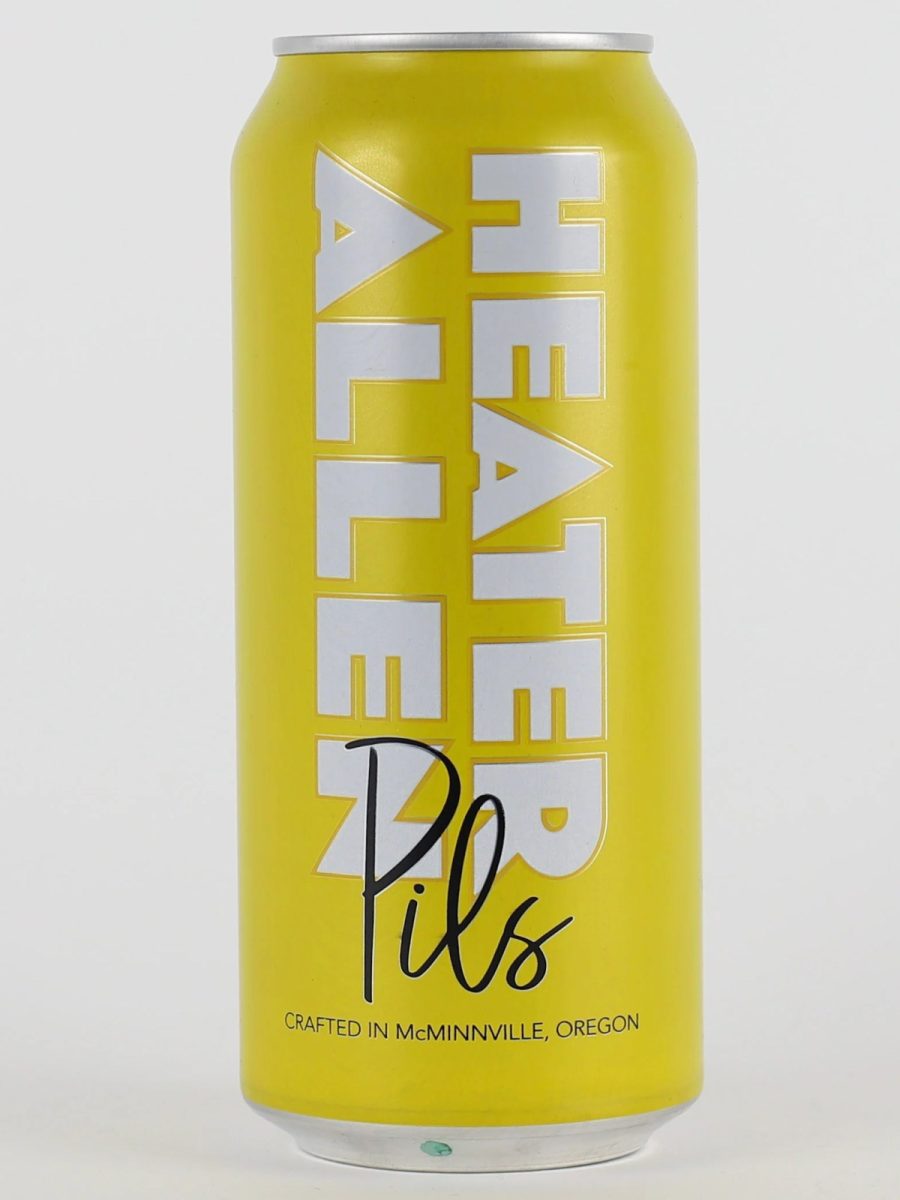
Pils
Brewed by Heater Allen Brewing
A small Oregon brewery built around lager makes a clean, bitter, malt-focused pils that has earned outsized respect from brewers.
BAR NOTES
Pils belongs here because it is a modern American example of how specialization and patience can matter more than hype. That is the kind of clear, style-specific greatness this list rewards in 2026.
Crisp pale malt, spicy hops, moderate bitterness, and a dry finish create the kind of pilsner that gets more interesting as the glass disappears. Fried chicken, pizza, pretzels, grilled fish, and salty snacks are exactly the right scale for a beer this precise.
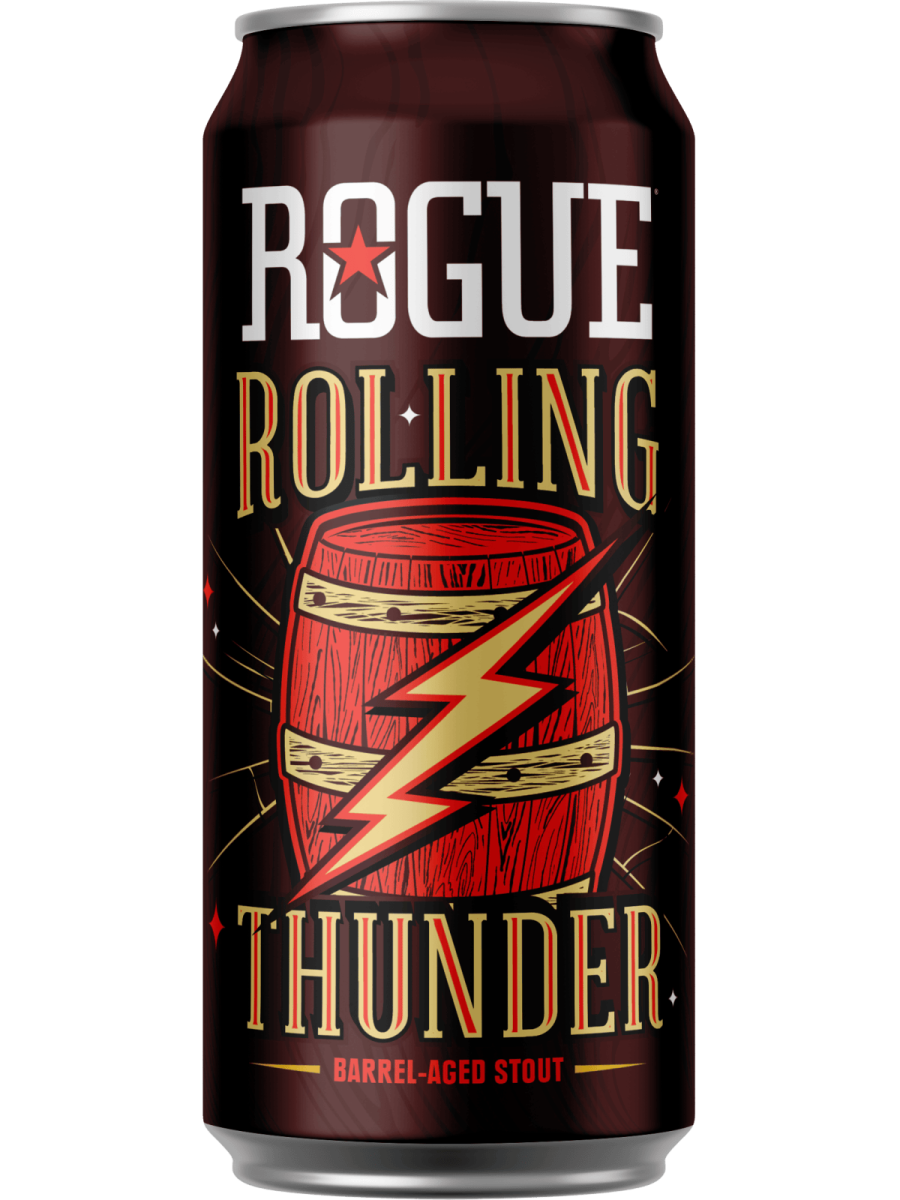
Rogue Rolling Thunder Imperial Stout 2026
Brewed by Rogue Ales & Spirits
Nine months in barrels that previously held Rogue’s Dead Guy Whiskey layer oak, vanilla, cacao, and spirit character into a vintage-specific imperial stout.
BAR NOTES
Rogue Rolling Thunder Imperial Stout 2026 belongs here because the current 2026 release keeps a barrel program relevant by treating each vintage as an actual beer rather than recycling an old label. That is the kind of clear, style-specific greatness this list rewards in 2026.
Dark chocolate, roasted malt, cacao, brown sugar, whiskey oak, and vanilla stack into a slow, warming finish. Aged cheese, smoked beef, chocolate desserts, or a quiet cold night all fit a beer that should be opened with intention rather than by reflex.

Dortmunder Gold
Brewed by Great Lakes Brewing Company
Rich pale malt and firmer hop bitterness create a lager with more muscle than helles while remaining cleaner and more refreshing than amber ale.
BAR NOTES
Dortmunder Gold belongs here because it helped keep the underappreciated Dortmunder export style visible to American craft drinkers. That is the kind of clear, style-specific greatness this list rewards in 2026.
Bread, light honey, grain, and a sturdy bitter finish give the 5.8% beer extra weight without heaviness. Burgers, grilled sausages, roast pork, and sharp cheddar are where the extra malt and bitterness make practical sense.
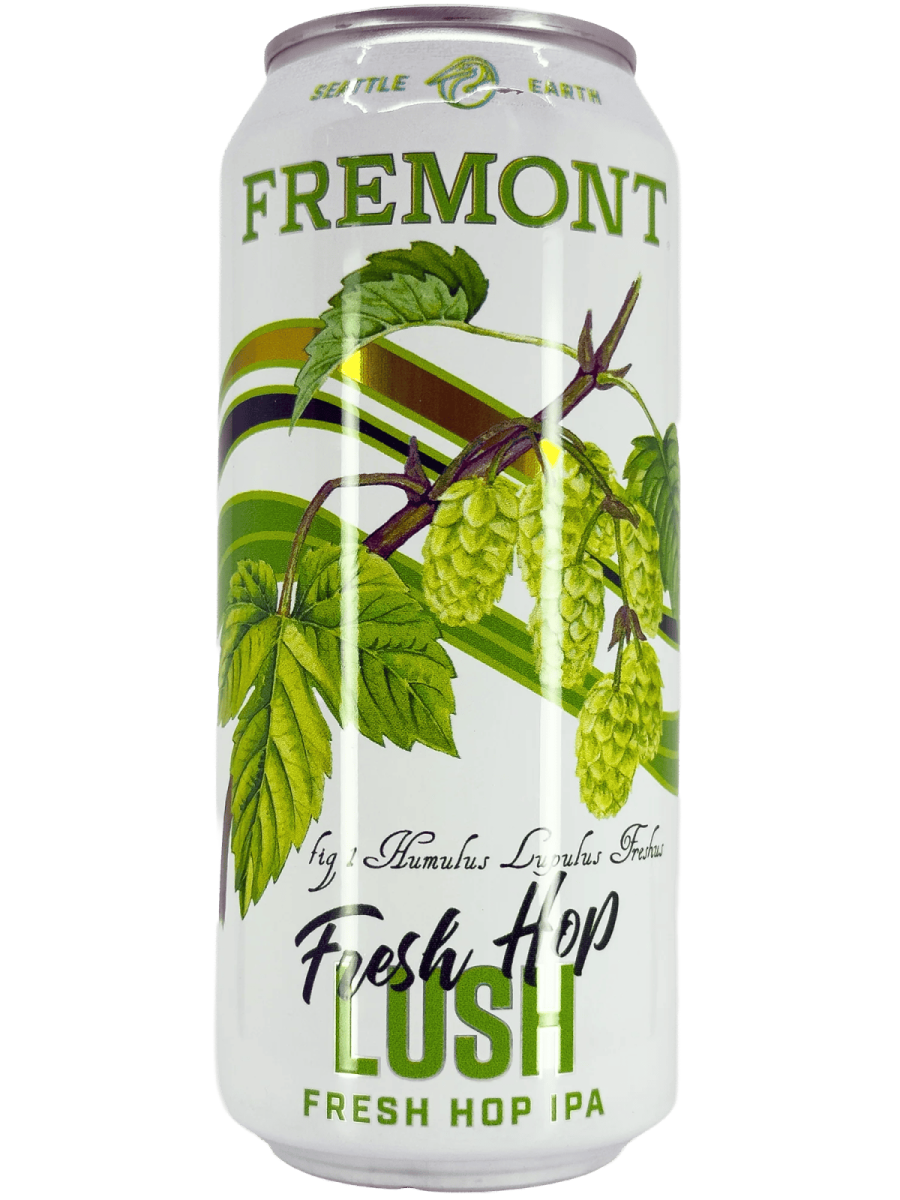
Fremont Fresh Hop Lush
Brewed by Fremont Brewing
Fresh hops turn Fremont’s lush IPA instincts greener, louder, and more time-sensitive, creating a beer that exists because the harvest window exists.
BAR NOTES
Fremont Fresh Hop Lush belongs here because it captures the urgency that makes Pacific Northwest fresh-hop beer a season rather than just a recipe. That is the kind of clear, style-specific greatness this list rewards in 2026.
Green citrus, resin, pine, fresh hop oils, and ripe aroma ride on a seven-percent IPA body with enough bitterness to hold shape. Spicy tacos, burgers, sharp cheddar, and smoked meat all stand up to a beer that is at its best when the hops still taste newly harvested.
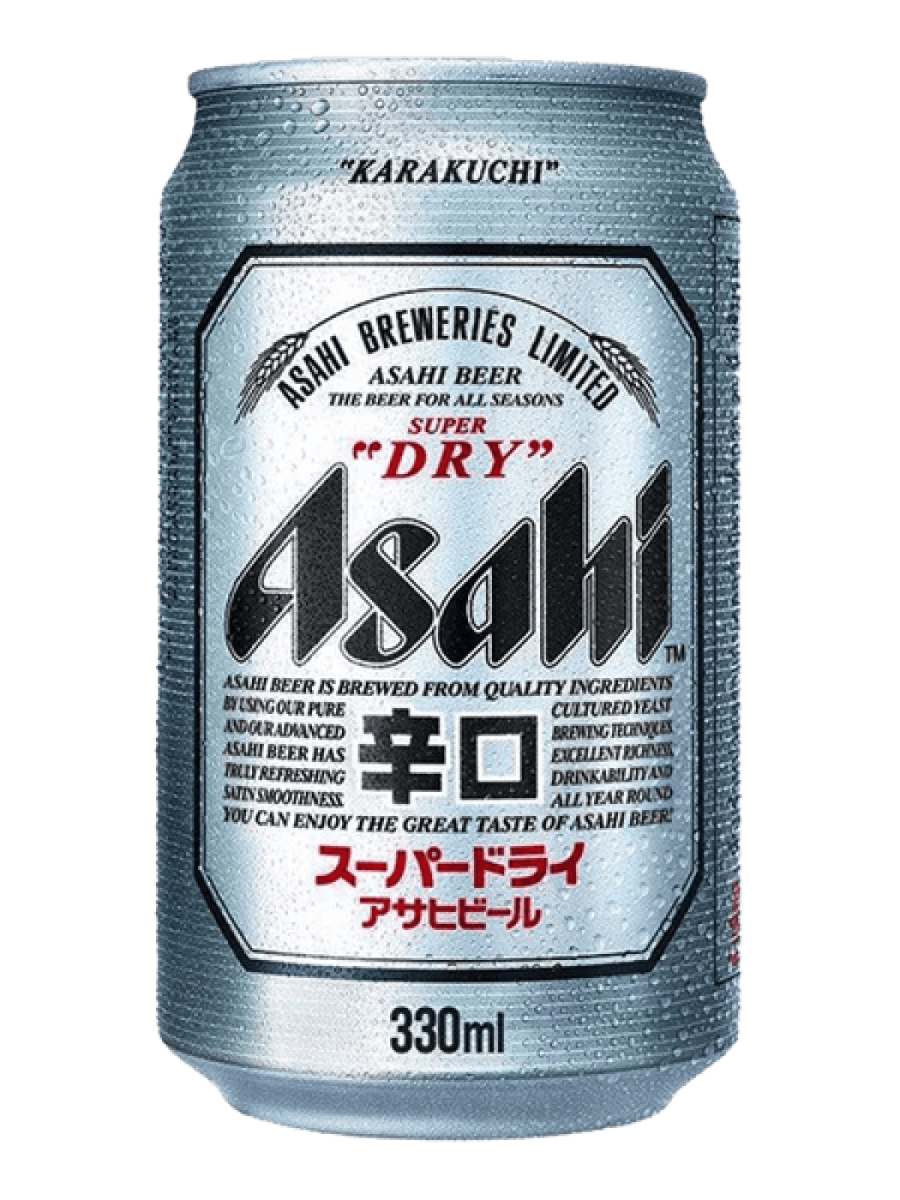
Asahi Super Dry
Brewed by Asahi Breweries
A lean, highly attenuated finish helped define the modern Japanese dry-lager boom and made crispness itself the beer’s central flavor idea.
BAR NOTES
Asahi Super Dry belongs here because its 1987 launch reshaped a major national beer market and influenced dry lager far beyond Japan. That is the kind of clear, style-specific greatness this list rewards in 2026.
Light grain, restrained hops, brisk carbonation, and almost no lingering sweetness make the finish unusually clean. Sushi, yakitori, tempura, ramen, fried chicken, and delicate seafood all benefit from a beer that clears the palate without demanding attention.
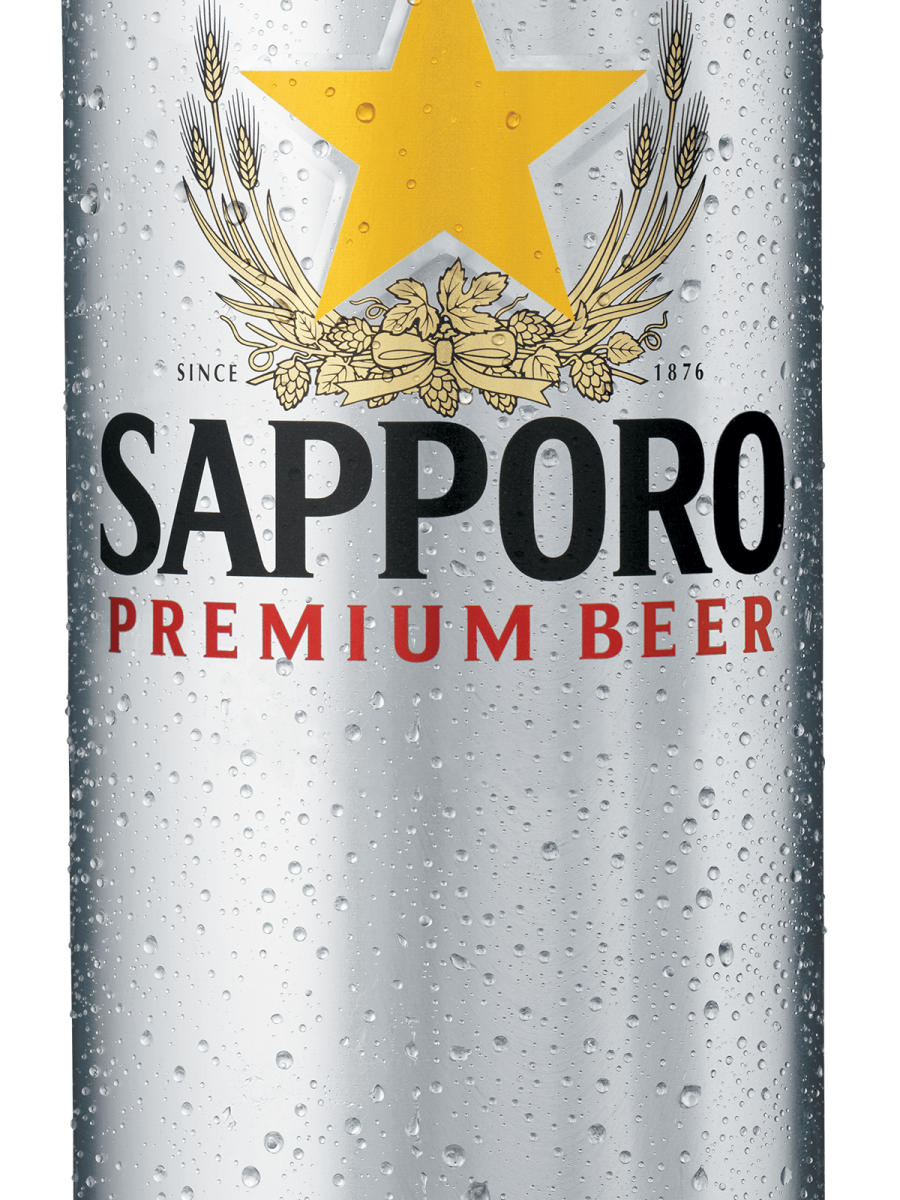
Sapporo Premium
Brewed by Sapporo Breweries
Clean grain, mild bitterness, and high carbonation make this famous silver-can lager a reliable restaurant beer rather than just an export badge.
BAR NOTES
Sapporo Premium belongs here because it carries one of Japan’s oldest brewing legacies into a globally recognizable everyday lager. That is the kind of clear, style-specific greatness this list rewards in 2026.
Soft cereal malt, restrained bitterness, faint floral hops, and a crisp finish stay deliberately unobtrusive. Sushi, grilled skewers, ramen, fried seafood, and salty snacks are all better served by the beer’s restraint than by a louder IPA.
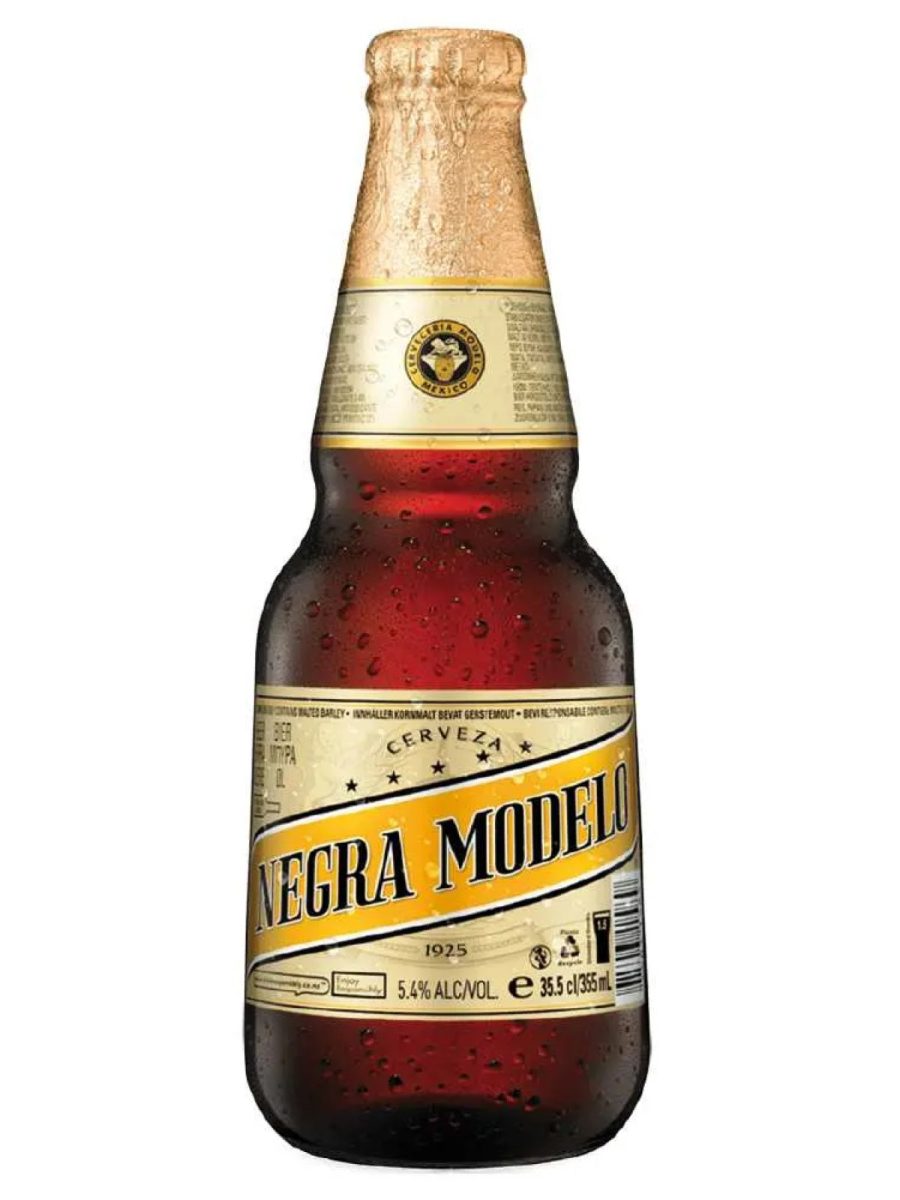
Modelo Negra
Brewed by Grupo Modelo
Toast, caramel, and light roast prove that dark lager can be rich enough for dinner while staying refreshing in warm weather.
BAR NOTES
Modelo Negra belongs here because it is one of the most widely available reminders that Mexican lager extends far beyond pale beach beer. That is the kind of clear, style-specific greatness this list rewards in 2026.
Toasted bread, caramel, light cocoa, and clean fermentation give the dark color more flavor than weight. Grilled steak, mole, roast pork, carne asada, and charred vegetables make the toasted malt feel especially natural.
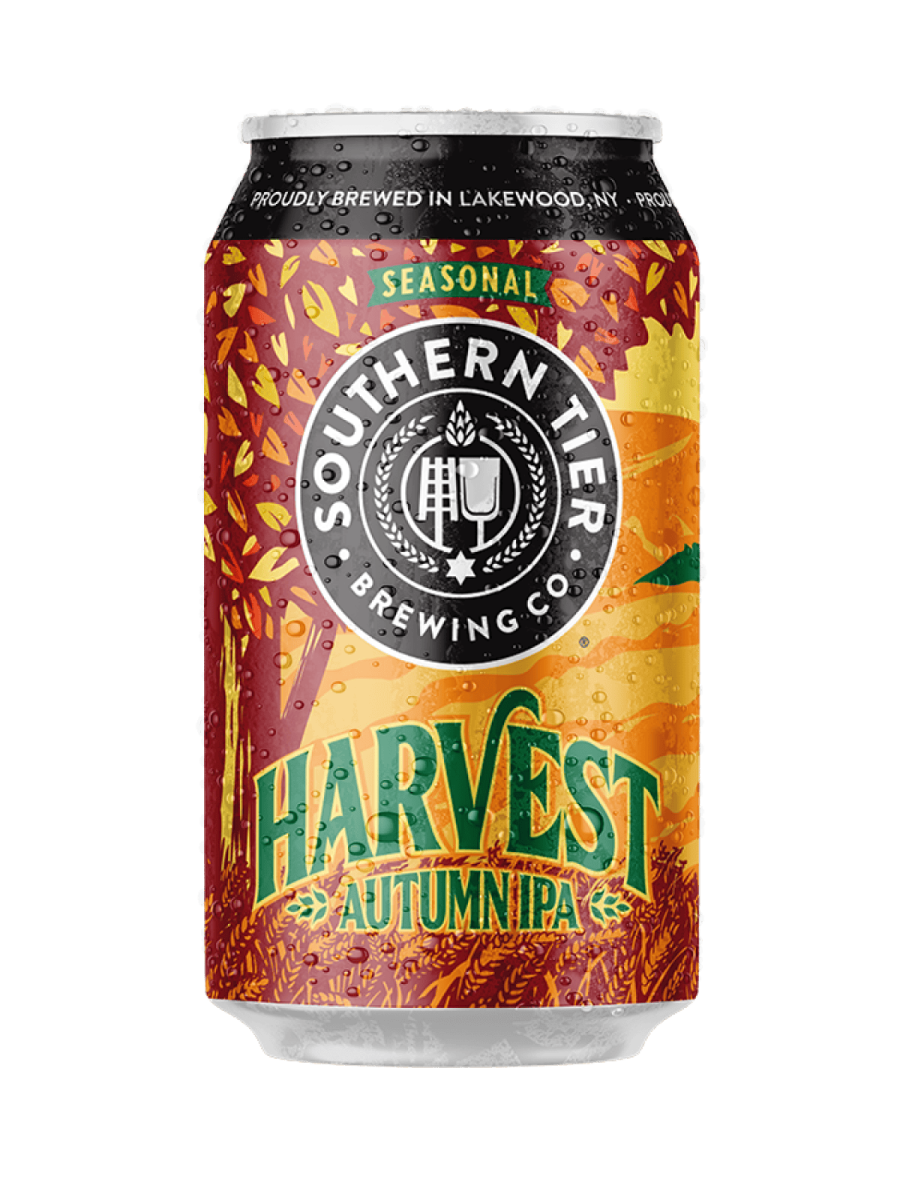
Southern Tier Harvest Autumn IPA
Brewed by Southern Tier Brewing Company
Pine, grapefruit, and firm bitterness give fall beer a hoppy counterweight to the season’s flood of caramel and baking spice.
BAR NOTES
Southern Tier Harvest Autumn IPA belongs here because it proves autumn beer can signal cooler weather through darker malt and classic hops without touching pumpkin. That is the kind of clear, style-specific greatness this list rewards in 2026.
Pine, grapefruit peel, spice, caramel malt, and a firm bitter finish create a darker, sturdier IPA shape. Chili, burgers, sharp cheddar, and grilled sausage can all take the bitterness while echoing the beer’s richer malt.
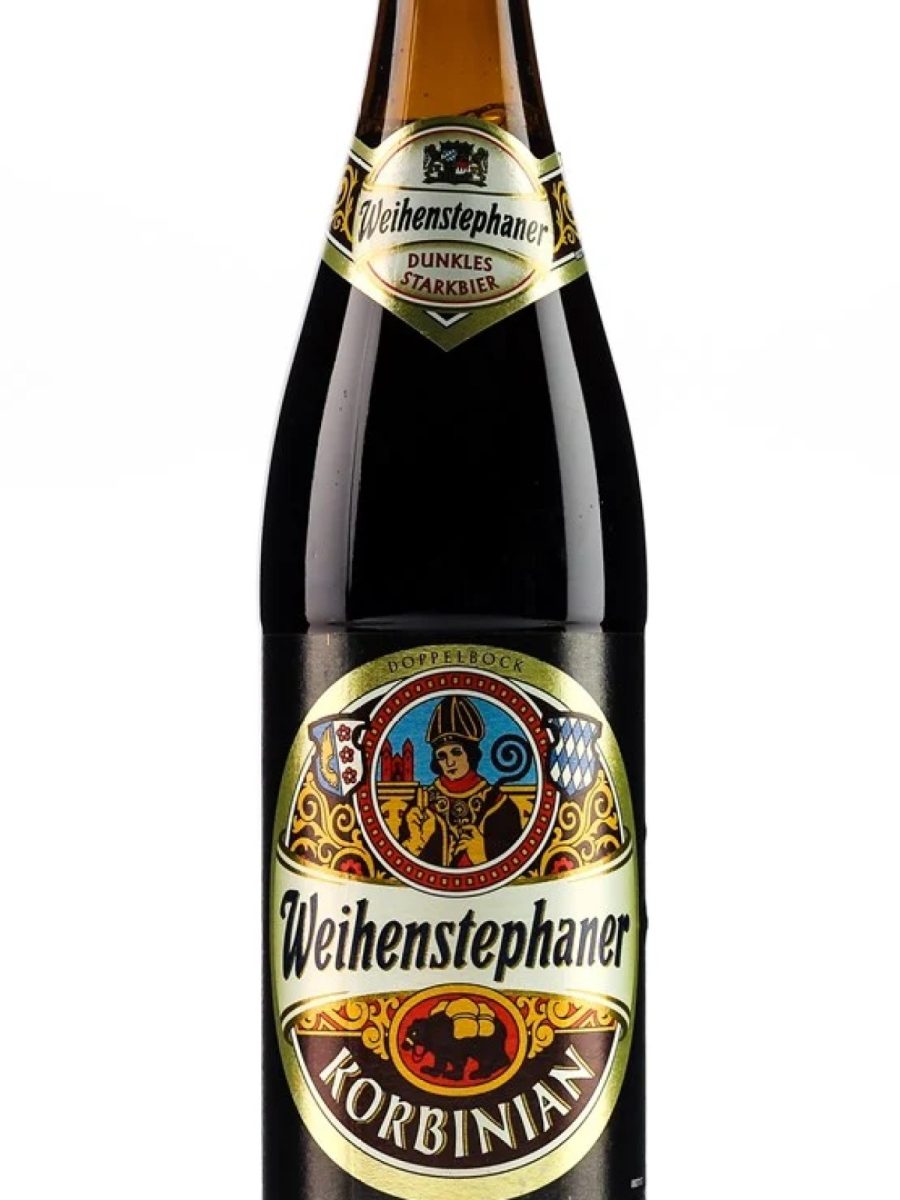
Korbinian
Brewed by Bayerische Staatsbrauerei Weihenstephan
Dark bread, plum, fig, toffee, and clean lager fermentation show how strong malt beer can feel decadent without tasting sloppy.
BAR NOTES
Korbinian belongs here because it is a polished benchmark for the darker, fruitier side of doppelbock. That is the kind of clear, style-specific greatness this list rewards in 2026.
Dark bread crust, toffee, fig, plum, and gentle warmth build slowly while the clean fermentation keeps the finish from sticking. Braised beef, roast pork, aged cheese, and not-too-sweet chocolate desserts all fit the beer’s deep malt profile.
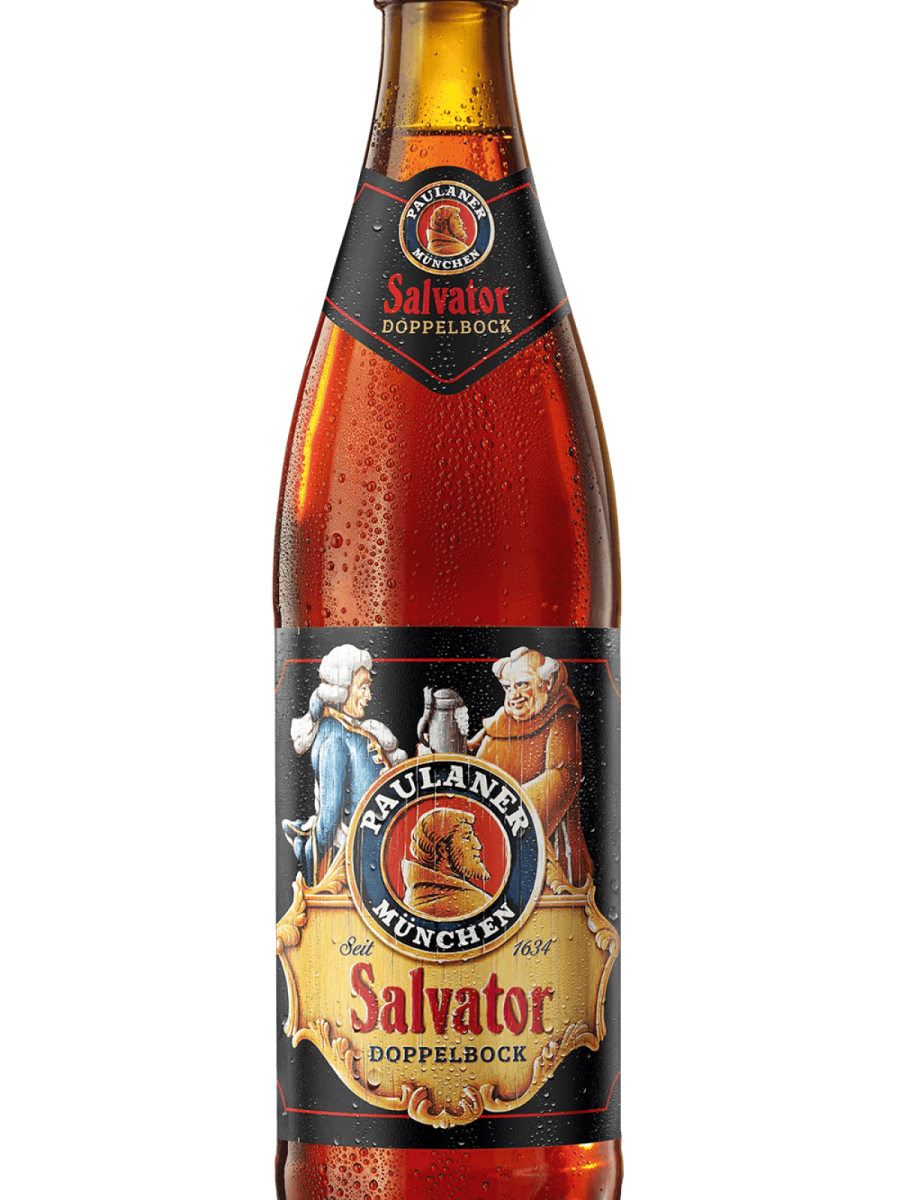
Salvator
Brewed by Paulaner
Historic monastic roots and a rich strong-lager profile made this beer so central to doppelbock that generations of imitators copied the '-ator' naming convention.
BAR NOTES
Salvator belongs here because its history is inseparable from how the doppelbock style is understood today. That is the kind of clear, style-specific greatness this list rewards in 2026.
Bread crust, caramel, dried fruit, toasted malt, and warming alcohol create a strong but still distinctly lager-clean beer. Roast pork, aged cheese, rye bread, and cold-weather stews are exactly the kind of substantial food the beer was built to meet.
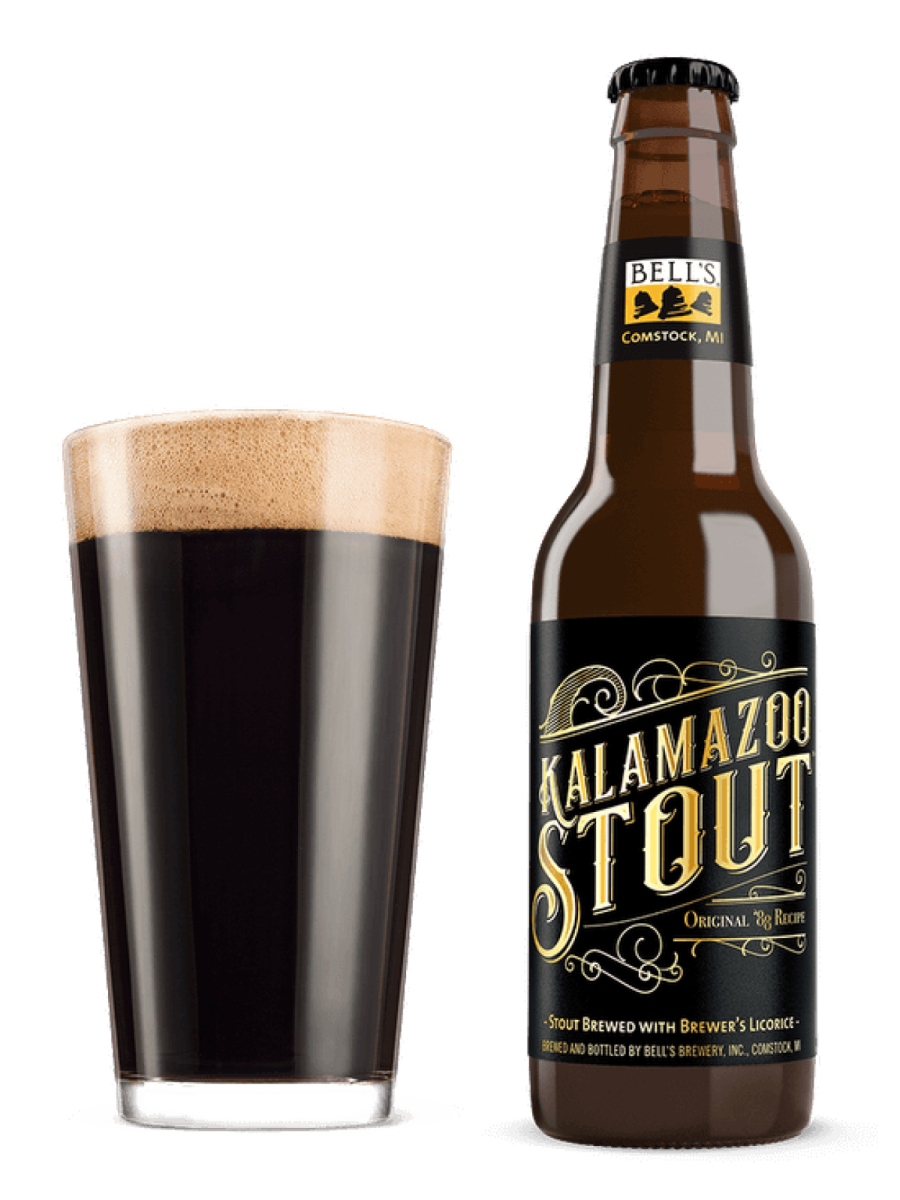
Bell's Kalamazoo Stout
Brewed by Bell's Brewery
Dark chocolate, coffee, licorice, and firm hop structure make this one of the most dependable old-school American stouts still on shelves.
BAR NOTES
Kalamazoo Stout is the kind of beer that explains why American stout became its own thing. Bell’s keeps the roast assertive, adds real hop structure, and avoids turning the beer into a pastry dessert.
Dark chocolate, coffee, brewer’s licorice, and a dry enough finish make it excellent with chili, burgers, smoked meat, or brownies. It still tastes like a complete beer first, which is exactly why it remains relevant.
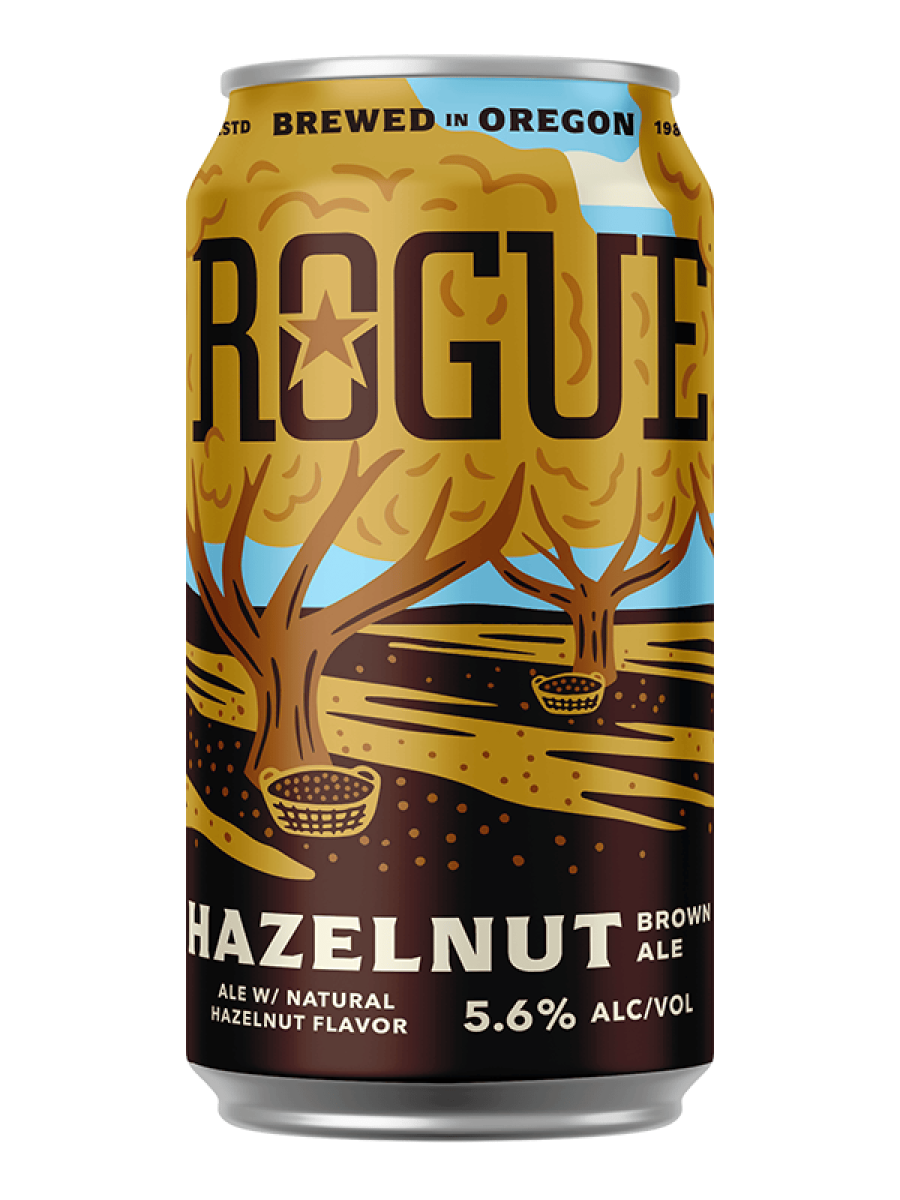
Hazelnut Brown Nectar
Brewed by Rogue Ales & Spirits
Toasty brown ale and distinct hazelnut aroma make this a long-running specialty beer that still feels recognizable after decades of adjunct escalation.
BAR NOTES
Rogue’s hazelnut brown ale predates the modern pastry-beer arms race and proves a flavored beer can still maintain a clear malt backbone. The nutty aroma sits naturally over caramel, toast, and cocoa-like brown-malt character.
It is especially good with roast chicken, pork, nutty cheese, chocolate desserts, or a cold-weather dinner where stout would feel too heavy. The moderate strength also keeps the flavor from becoming exhausting halfway through the glass.
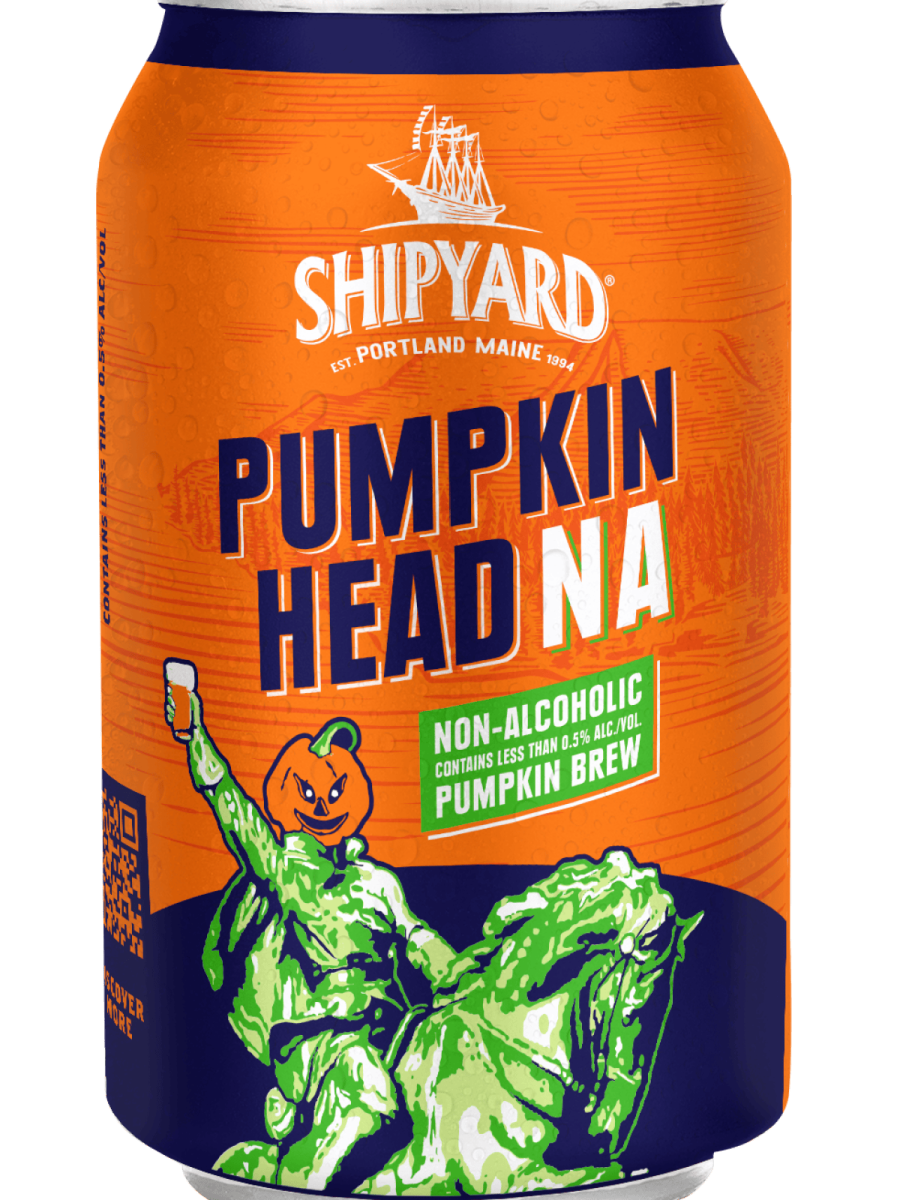
Pumpkinhead N/A
Brewed by Shipyard Brewing Company
A current non-alcoholic seasonal that keeps Pumpkinhead's cinnamon-and-nutmeg identity while proving fall beer does not require alcohol.
BAR NOTES
Pumpkinhead N/A earns a spot because non-alcoholic beer has moved far beyond generic pale lager. Shipyard carried a recognizable seasonal brand into zero-proof territory instead of asking non-drinkers to give up the entire autumn-beer ritual.
Wheat, cinnamon, nutmeg, soft malt, and familiar pumpkin-spice character make it useful at tailgates, Halloween parties, or any long session where keeping a beer in hand matters more than adding another round of alcohol.
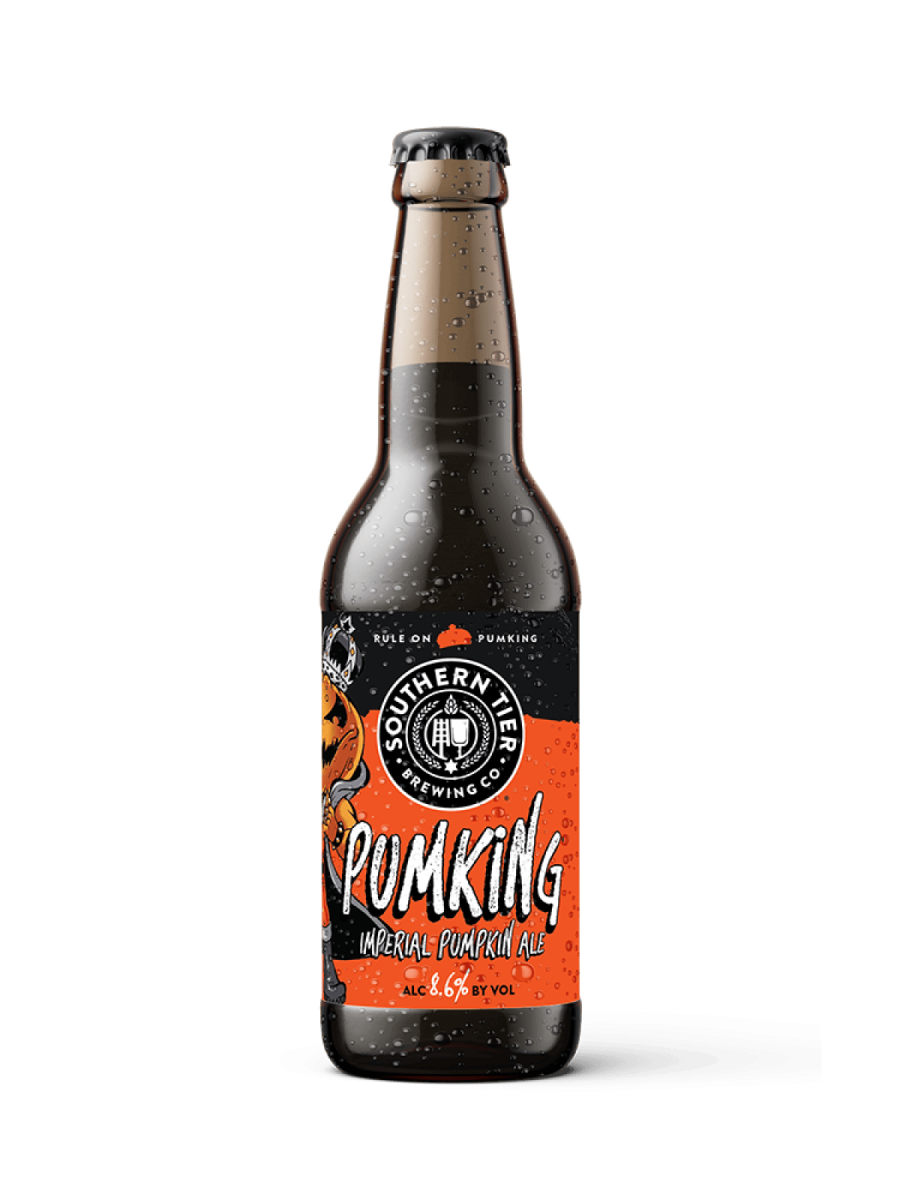
Pumking
Brewed by Southern Tier Brewing Company
Pumpkin pie spice, vanilla, buttery crust, and a full-strength ale base made Pumking one of the defining American pumpkin beers.
BAR NOTES
Pumking earns a place because it helped set the modern expectation for imperial pumpkin beer. Southern Tier commits fully to cinnamon, nutmeg, clove, vanilla, crust-like malt, and enough alcohol to make the dessert comparison convincing.
It is best treated like a seasonal specialty rather than an everyday pint. Cheesecake, pumpkin pie, vanilla ice cream, or a slow post-dinner pour all work because the beer is already operating near dessert territory.
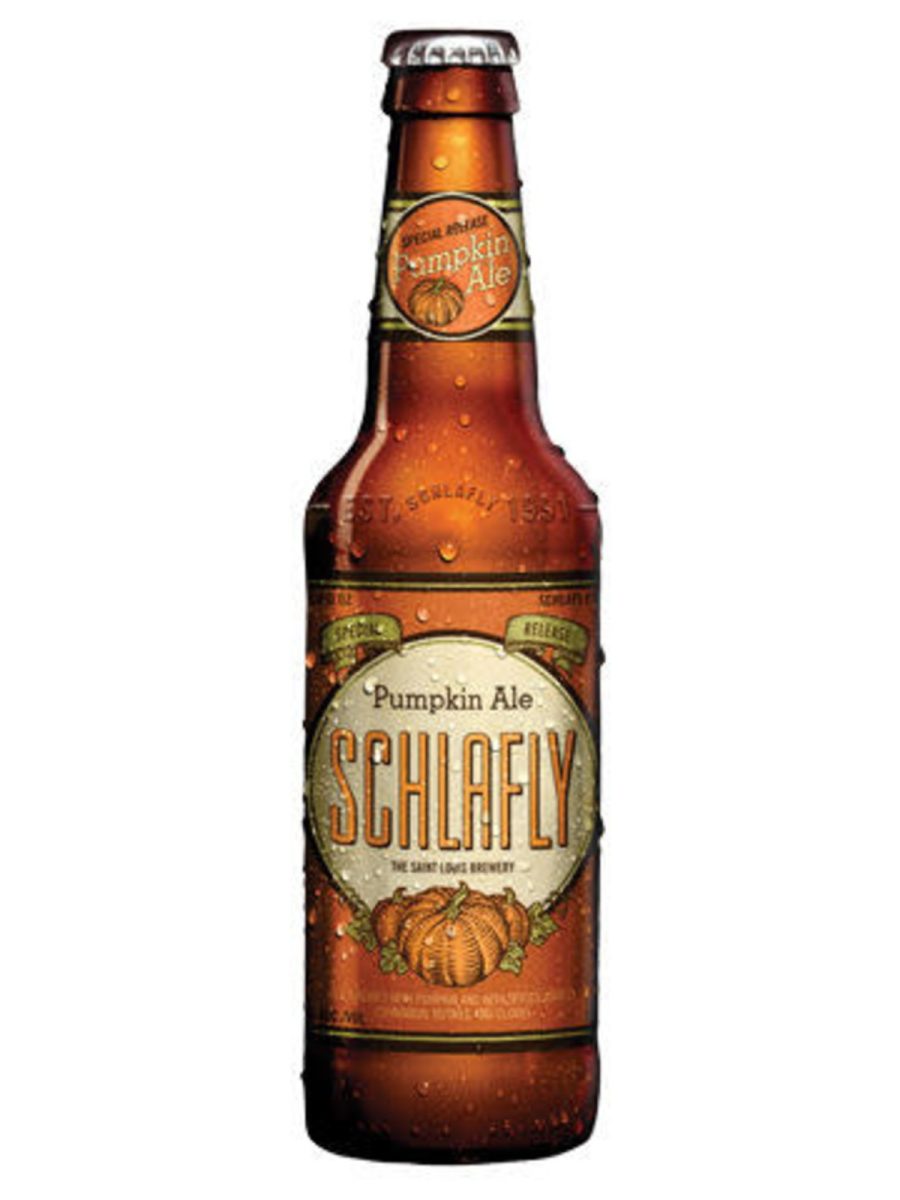
Schlafly Pumpkin Ale
Brewed by Schlafly Beer
A rich, cinnamon-forward pumpkin ale that tastes unapologetically seasonal while keeping enough malt underneath to remain beer.
BAR NOTES
Schlafly Pumpkin Ale has stayed relevant because it never tried to make pumpkin beer subtle. The spice is obvious, the body is substantial, and the eight-percent strength gives the whole profile enough room to carry real intensity.
Roast turkey, pumpkin bread, vanilla desserts, and sharp cheese can all work because the beer has enough sweetness and spice to meet assertive food. Serve it a little warmer than fridge temperature so the aromatics open up.
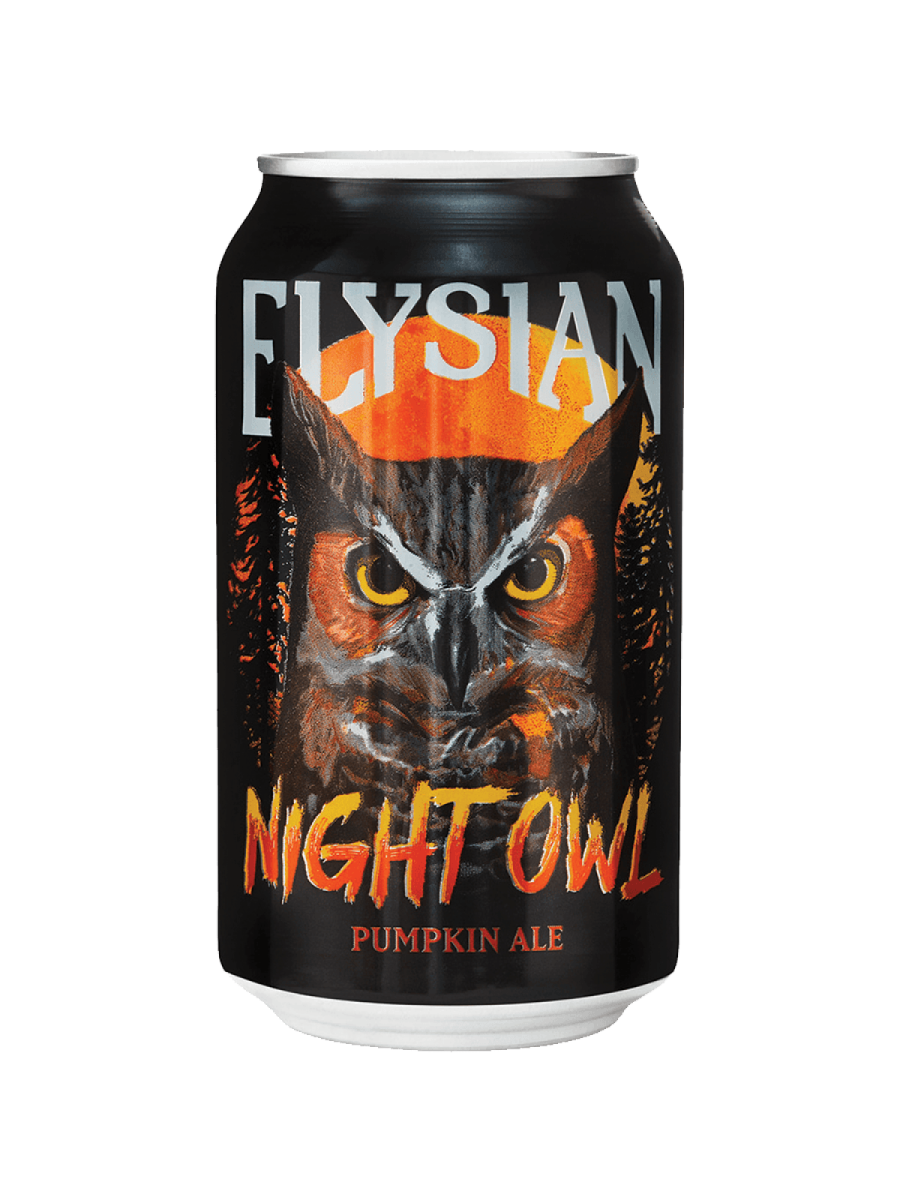
Night Owl
Brewed by Elysian Brewing
Real pumpkin and seeds meet cinnamon, nutmeg, ginger, and clove in one of the most recognizable modern pumpkin ales.
BAR NOTES
Night Owl anchors Elysian’s long-running obsession with pumpkin beer and lands in a useful middle ground between a restrained autumn ale and a huge imperial dessert beer. The real pumpkin gives the spice something more substantial to sit on.
Roast chicken, pork, squash, and mild cheeses all work because the beer carries warm spice without the density of a stout. It is also one of the easier pumpkin beers to pour for someone who wants obvious seasonality without maximum strength.
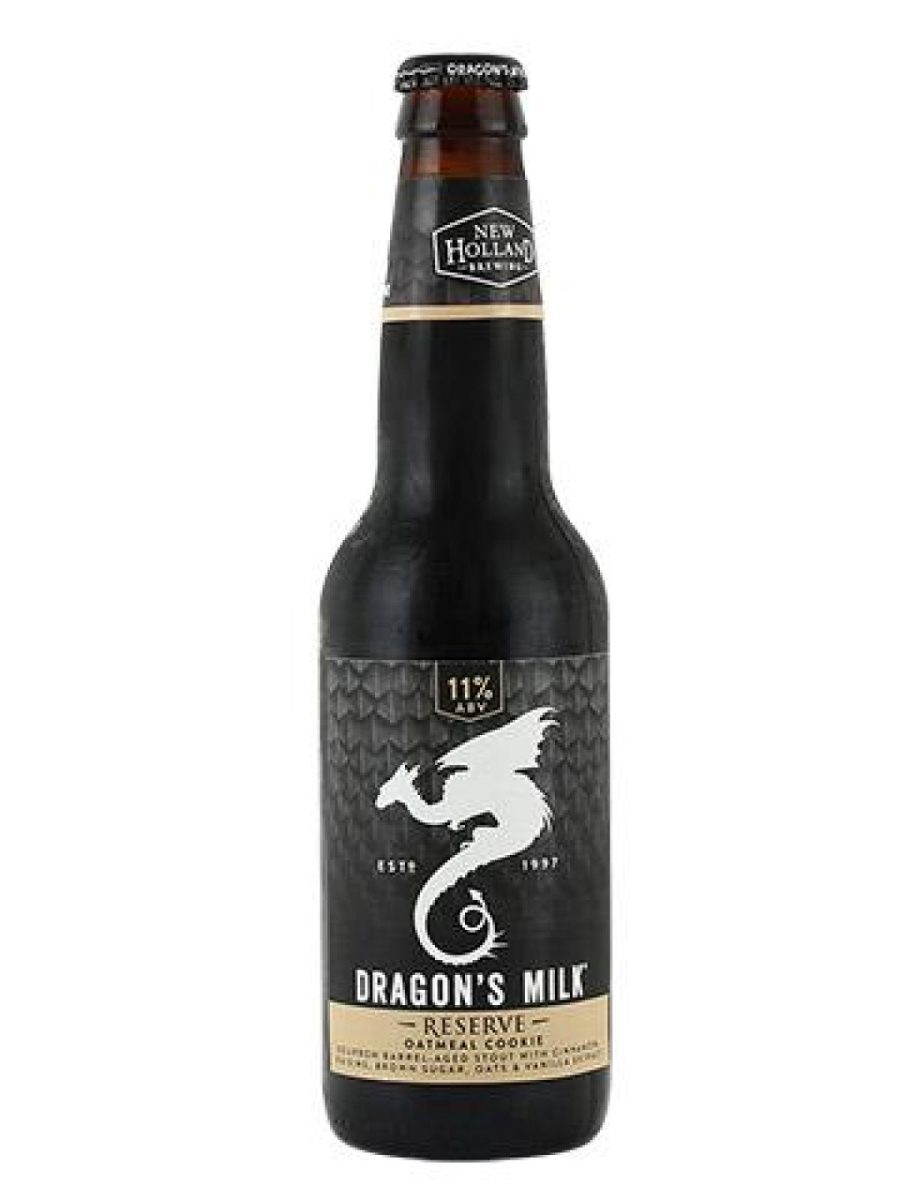
Dragon's Milk Reserve Oatmeal Cookie
Brewed by New Holland Brewing
The 2026 reserve folds oats, raisins, cinnamon, brown sugar, and vanilla into Dragon's Milk's bourbon-barrel stout base.
BAR NOTES
This 2026 Dragon’s Milk Reserve shows where modern American stout has gone: barrel aging is no longer the finish line, but the platform for another layer of flavor. Oats, raisins, cinnamon, brown sugar, and vanilla ride over bourbon oak and dark malt.
It is absolutely a smaller-glass beer. Bread pudding, oatmeal cookies, aged cheese, or a cold-night pour all fit the eleven-percent frame, and allowing the beer to warm helps the barrel character separate from the sweeter adjunct notes.
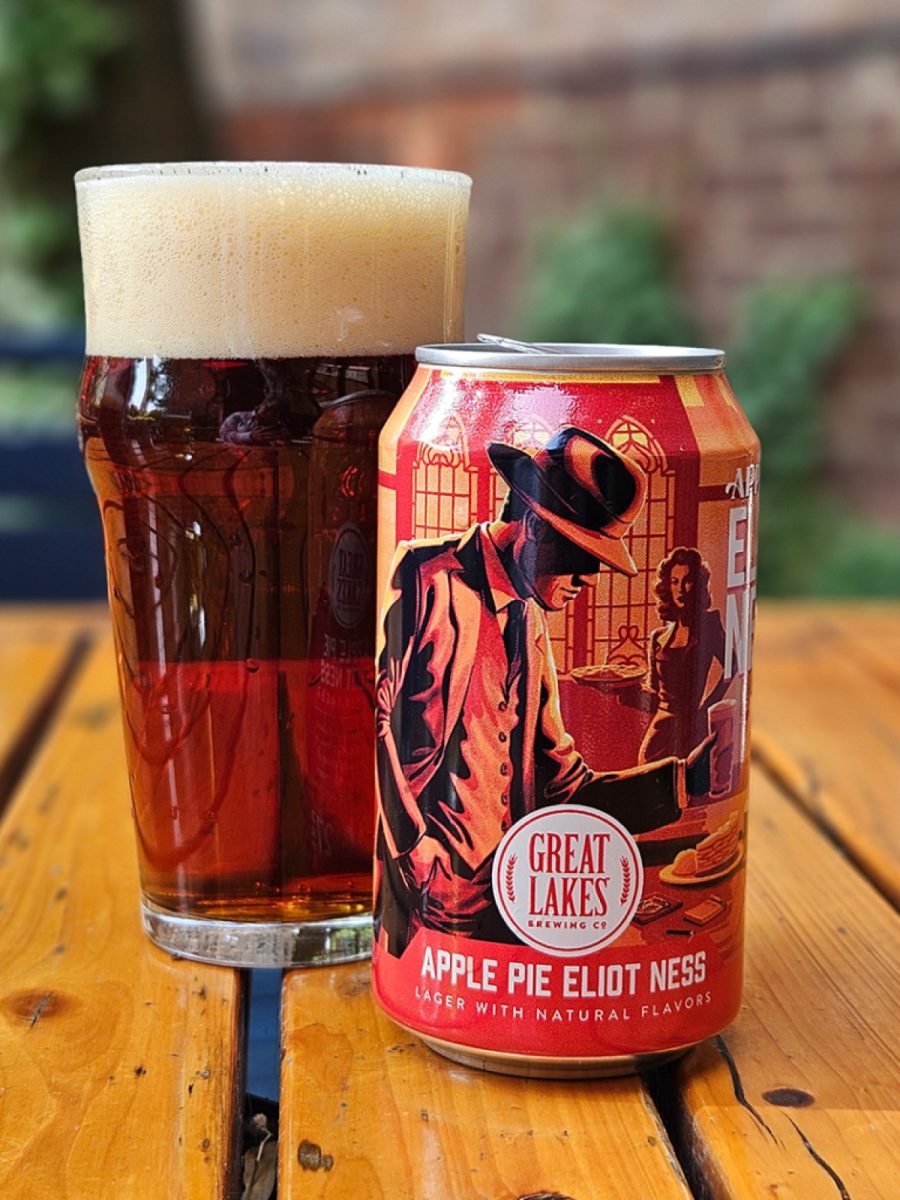
Apple Pie Eliot Ness
Brewed by Great Lakes Brewing Company
A 2026 seasonal variant that layers baked-apple-pie spice over the clean toasted malt of Great Lakes' long-running amber lager.
BAR NOTES
Apple Pie Eliot Ness is interesting because Great Lakes did not build the concept on a neutral sweet base. The brewery started with an established amber lager, so toasted malt and clean fermentation remain visible underneath the apple-pie seasoning.
Pork chops, sharp cheddar, apple desserts, and roasted vegetables all give the spice something savory to push against. The result is still clearly a novelty release, but one with enough underlying beer structure to justify the experiment.
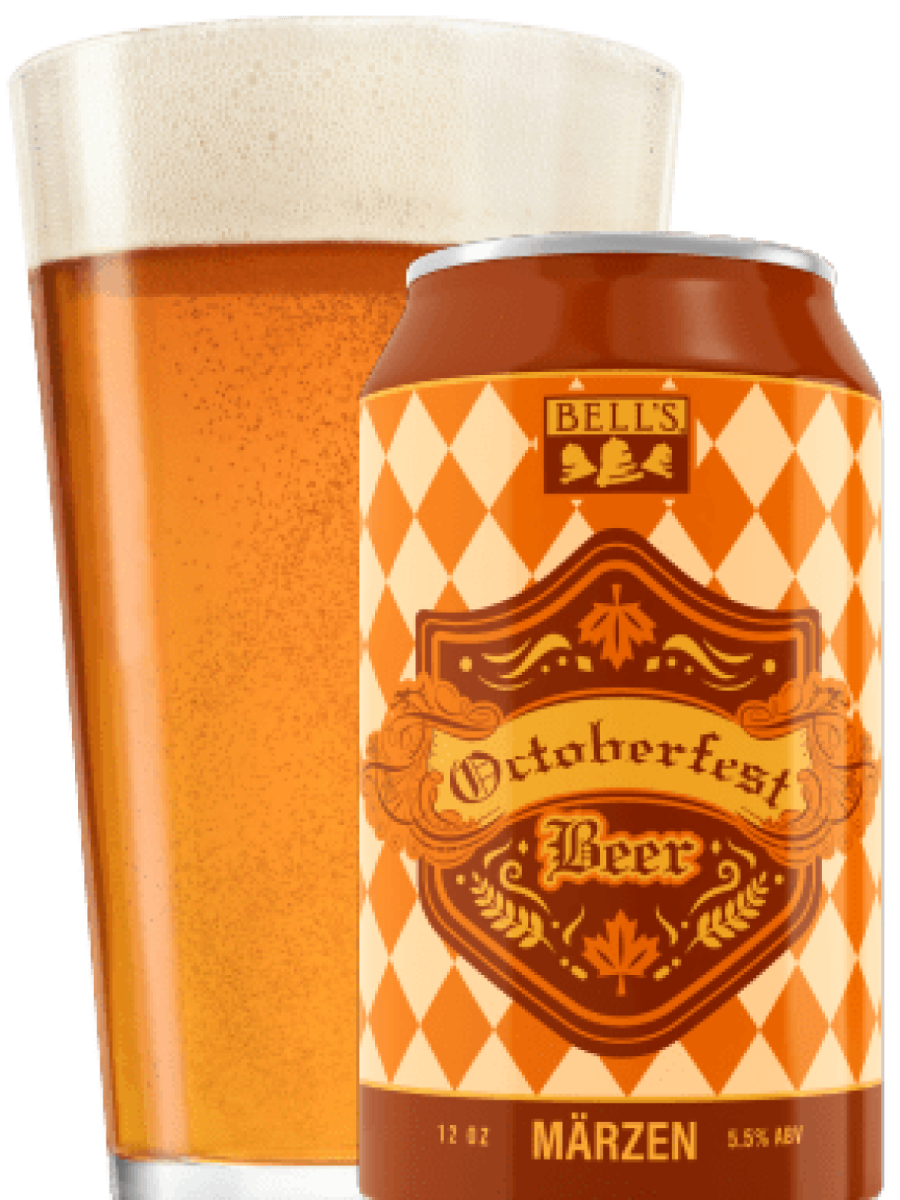
Bell's Octoberfest
Brewed by Bell's Brewery
A clean, malt-forward Märzen with toast, light caramel, restrained bitterness, and the balance that makes traditional fall lager so useful.
BAR NOTES
Bell’s Octoberfest belongs here because it keeps the recipe centered on the things Märzen is supposed to do well: toasted malt, moderate strength, smooth fermentation, and enough bitterness to stop the amber body from getting sticky.
Brats, roast pork, cheddar, pretzels, and grilled chicken are straightforward wins. It is a useful contrast to the stronger, sweeter beers around it because the pleasure comes from balance and repeatability rather than intensity.
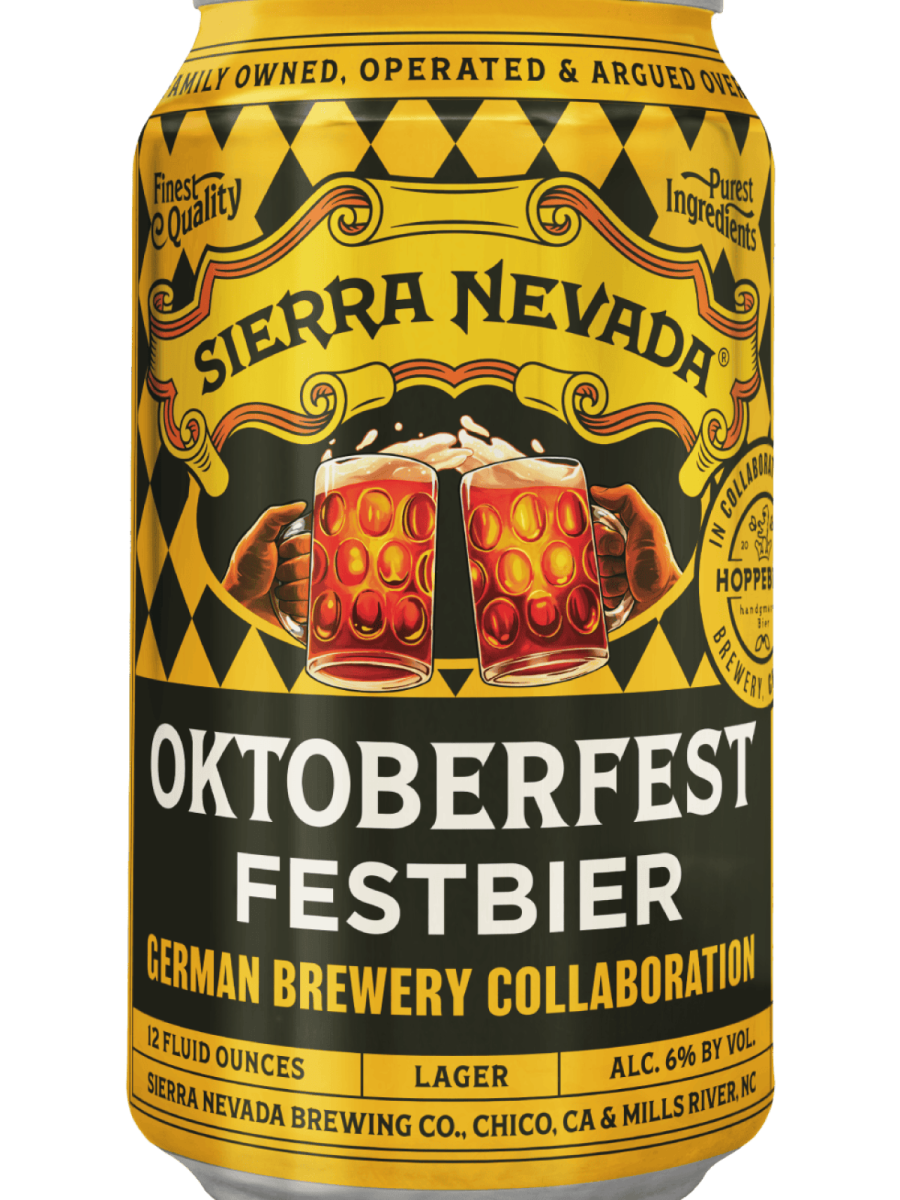
Sierra Nevada Oktoberfest 2026
Brewed by Sierra Nevada Brewing Co. x Hoppebräu
The current Hoppebräu collaboration closes the list with biscuity Munich malt, floral hops, and crisp modern Festbier drinkability.
BAR NOTES
Sierra Nevada’s 2026 Oktoberfest collaboration with Bavaria’s Hoppebräu is a good place to end because this list is not only about museum-piece classics. Great beer is still being made now, and cross-Atlantic lager collaborations can be genuinely worthwhile.
Munich malt gives the beer a biscuity center while floral-herbal hopping and clean fermentation keep the six-percent body moving. Pretzels, roast chicken, sausages, and a long fall afternoon are exactly the environment the beer was designed for.
Fifty beers barely scratches the surface.
Go deeper by style, then take the next step and brew one of the world's great beer traditions yourself.
DRINK DEEPER

better beer.


