30 Best Jalapeño and Chile Beers: From Green Heat to Ghost Pepper
Jalapeño beer and chile beer are not automatically the same experience. Fresh green peppers bring grassy aroma and moderate heat; chipotle contributes smoke; ancho and pasilla add earthy dried-fruit depth; habanero is floral and sharp; ghost pepper and Carolina Reaper can turn a tasting into an endurance test.
This Top 30 only includes beers made with named peppers, chile sauce, or an explicit pepper blend. That separates it from our broader spicy-beer ranking and makes the useful question easier to answer: which pepper is in the glass, and what does it do to the beer?
The 30 Best Jalapeño and Chile Beers
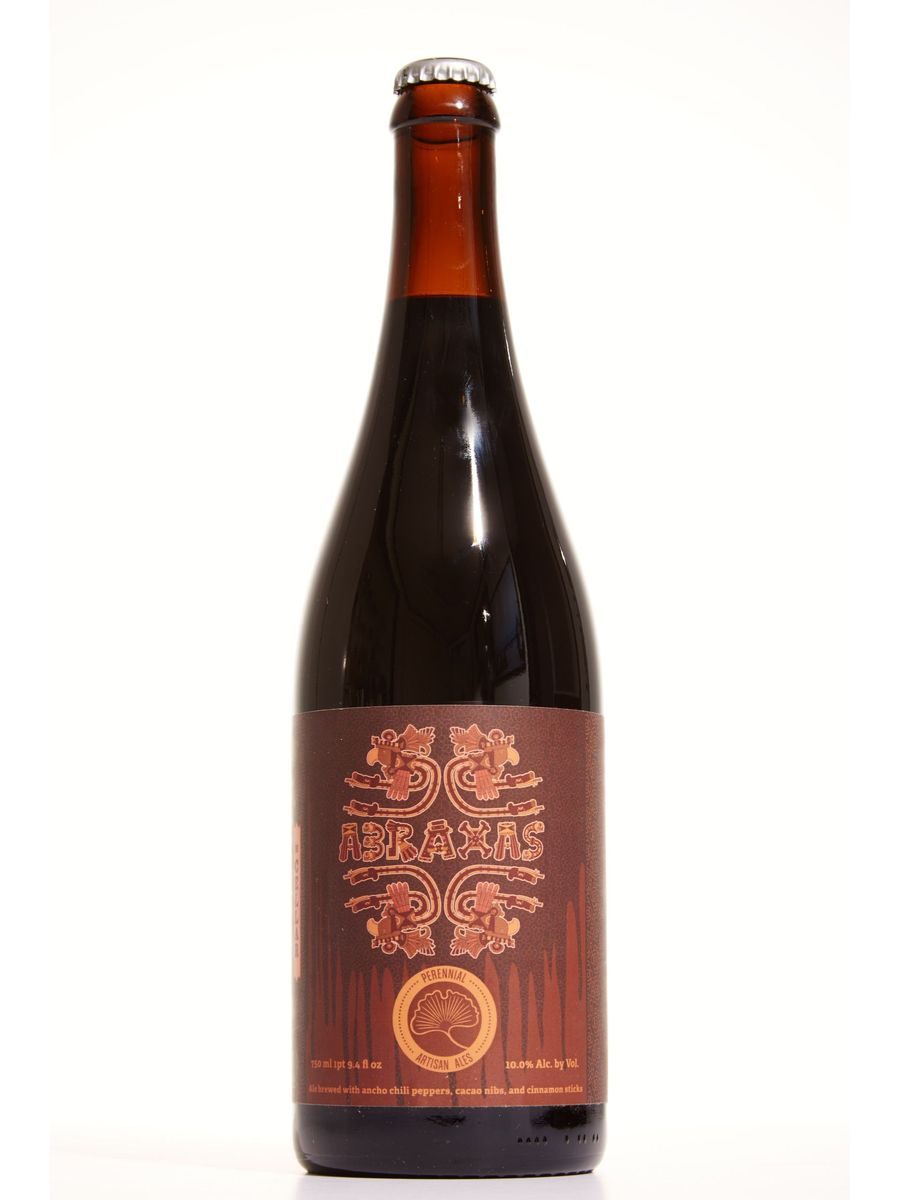
Perennial Abraxas
Brewed by Perennial Artisan Ales
Perennial Abraxas uses ancho chile to sharpen cacao, cinnamon, vanilla, and roasted imperial-stout depth. The pepper adds flavor before punishment.
BAR NOTES
Perennial Abraxas ranks #1 because ancho chile works with cacao, cinnamon, vanilla, and roasted imperial-stout depth. The pepper’s role is medium, slow warmth, so the ranking rewards aroma, flavor, and integration—not merely the highest capsaicin level a brewer can force into a bottle.
Serve four ounces at 50–54°F in a snifter. Pair it with mole poblano, smoked brisket, or dark chocolate. Pepper intensity can shift between batches and grows more obvious as the glass warms, so begin with a measured pour before committing to a full serving. Check the brewery’s current release notes because many pepper beers are seasonal, draft-only, or limited batches.
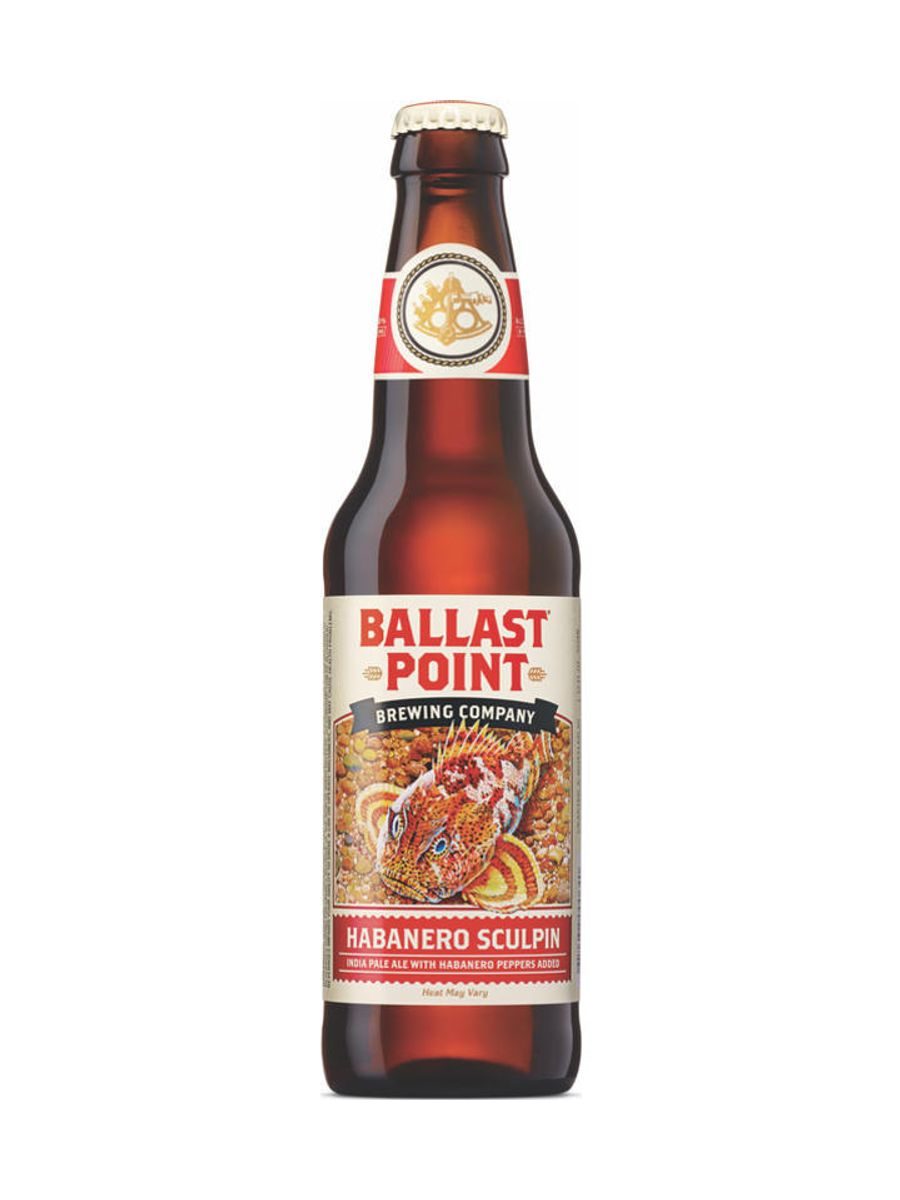
Habanero Sculpin
Brewed by Ballast Point Brewing
Habanero Sculpin uses fresh habanero to sharpen citrus hops, tropical fruit, sharp bitterness, and floral pepper. Heat supports the beer instead of erasing it.
BAR NOTES
Habanero Sculpin ranks #2 because fresh habanero works with citrus hops, tropical fruit, sharp bitterness, and floral pepper. The pepper’s role is high, quick heat, so the ranking rewards aroma, flavor, and integration—not merely the highest capsaicin level a brewer can force into a bottle.
Pour eight ounces at 42–46°F into an IPA glass. Pair it with fish tacos, citrus chicken, or mango salsa. Pepper intensity can shift between batches and grows more obvious as the glass warms, so begin with a measured pour before committing to a full serving. Check the brewery’s current release notes because many pepper beers are seasonal, draft-only, or limited batches.
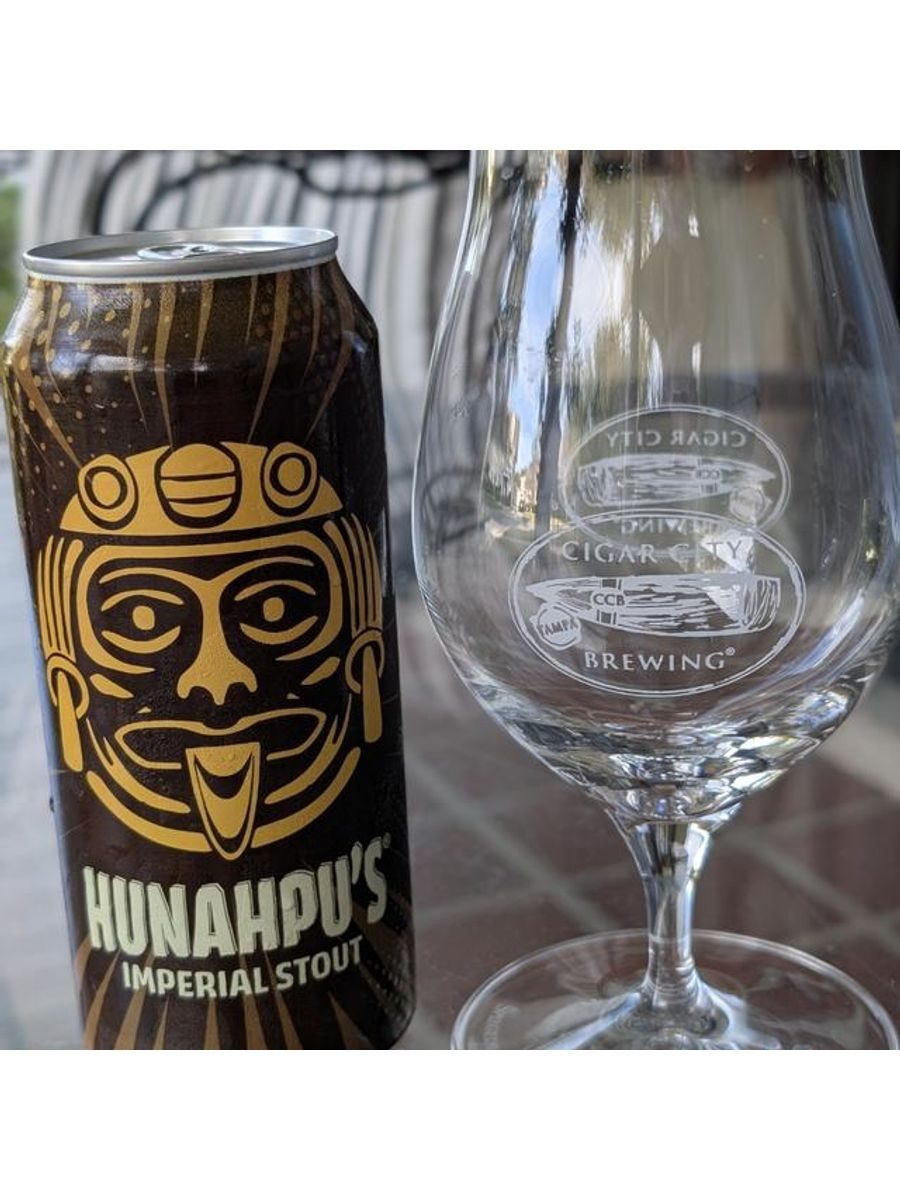
Hunahpu's Imperial Stout
Brewed by Cigar City Brewing
Hunahpu's Imperial Stout uses ancho and pasilla chiles to sharpen cacao, cinnamon, vanilla, dark fruit, and massive roast. The base style still matters after the burn arrives.
BAR NOTES
Hunahpu’s Imperial Stout ranks #3 because ancho and pasilla chiles works with cacao, cinnamon, vanilla, dark fruit, and massive roast. The pepper’s role is medium, layered warmth, so the ranking rewards aroma, flavor, and integration—not merely the highest capsaicin level a brewer can force into a bottle.
Serve four ounces at 52–56°F in a snifter. Pair it with braised beef, mole, or blue cheese. Pepper intensity can shift between batches and grows more obvious as the glass warms, so begin with a measured pour before committing to a full serving. Check the brewery’s current release notes because many pepper beers are seasonal, draft-only, or limited batches.
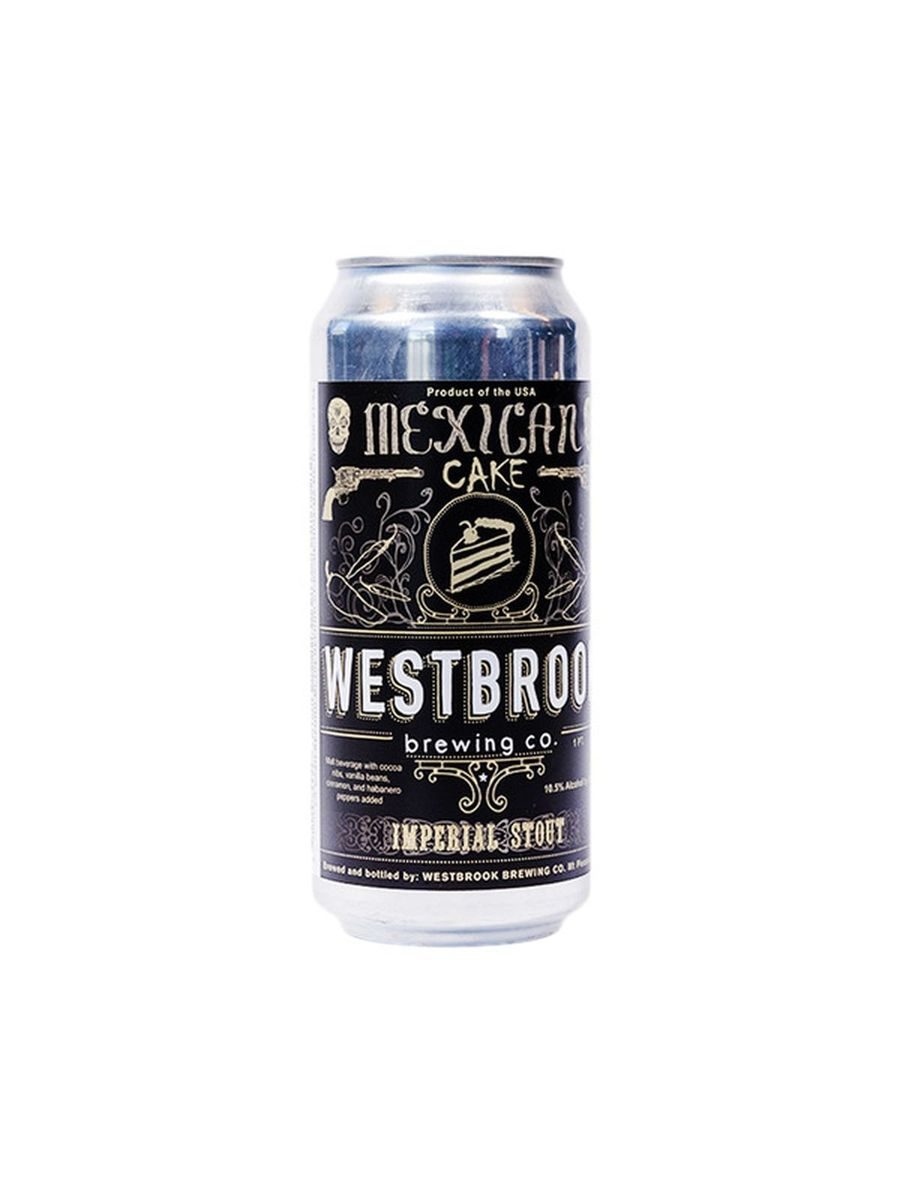
Westbrook Mexican Cake
Brewed by Westbrook Brewing Co.
Westbrook Mexican Cake uses fresh habanero to sharpen cocoa nibs, vanilla, cinnamon, cake-like malt, and chile. This is spicy beer with an actual point of view.
BAR NOTES
Westbrook Mexican Cake ranks #4 because fresh habanero works with cocoa nibs, vanilla, cinnamon, cake-like malt, and chile. The pepper’s role is medium-high, building heat, so the ranking rewards aroma, flavor, and integration—not merely the highest capsaicin level a brewer can force into a bottle.
Pour five ounces at 50–54°F into a tulip. Pair it with churros, barbecue, or aged Gouda. Pepper intensity can shift between batches and grows more obvious as the glass warms, so begin with a measured pour before committing to a full serving. Check the brewery’s current release notes because many pepper beers are seasonal, draft-only, or limited batches.
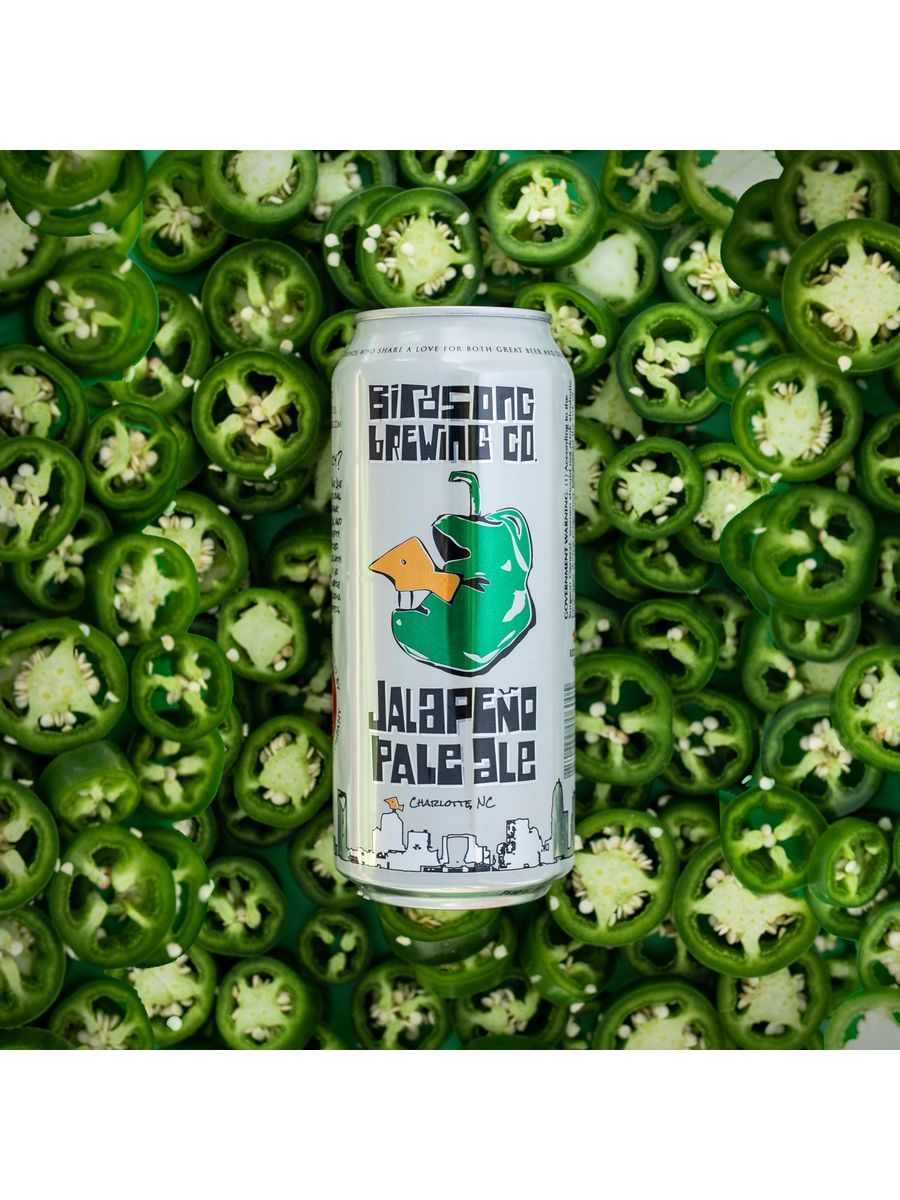
Jalapeño Pale Ale
Brewed by Birdsong Brewing Co.
Jalapeño Pale Ale uses fresh jalapeño to sharpen grassy pepper aroma, citrus hops, pale malt, and clean bitterness. The pepper adds flavor before punishment.
BAR NOTES
Jalapeño Pale Ale ranks #5 because fresh jalapeño works with grassy pepper aroma, citrus hops, pale malt, and clean bitterness. The pepper’s role is low-medium, green heat, so the ranking rewards aroma, flavor, and integration—not merely the highest capsaicin level a brewer can force into a bottle.
Serve at 42–46°F in a nonic pint. Pair it with tacos al pastor, grilled corn, or pepper jack. Pepper intensity can shift between batches and grows more obvious as the glass warms, so begin with a measured pour before committing to a full serving. Check the brewery’s current release notes because many pepper beers are seasonal, draft-only, or limited batches.
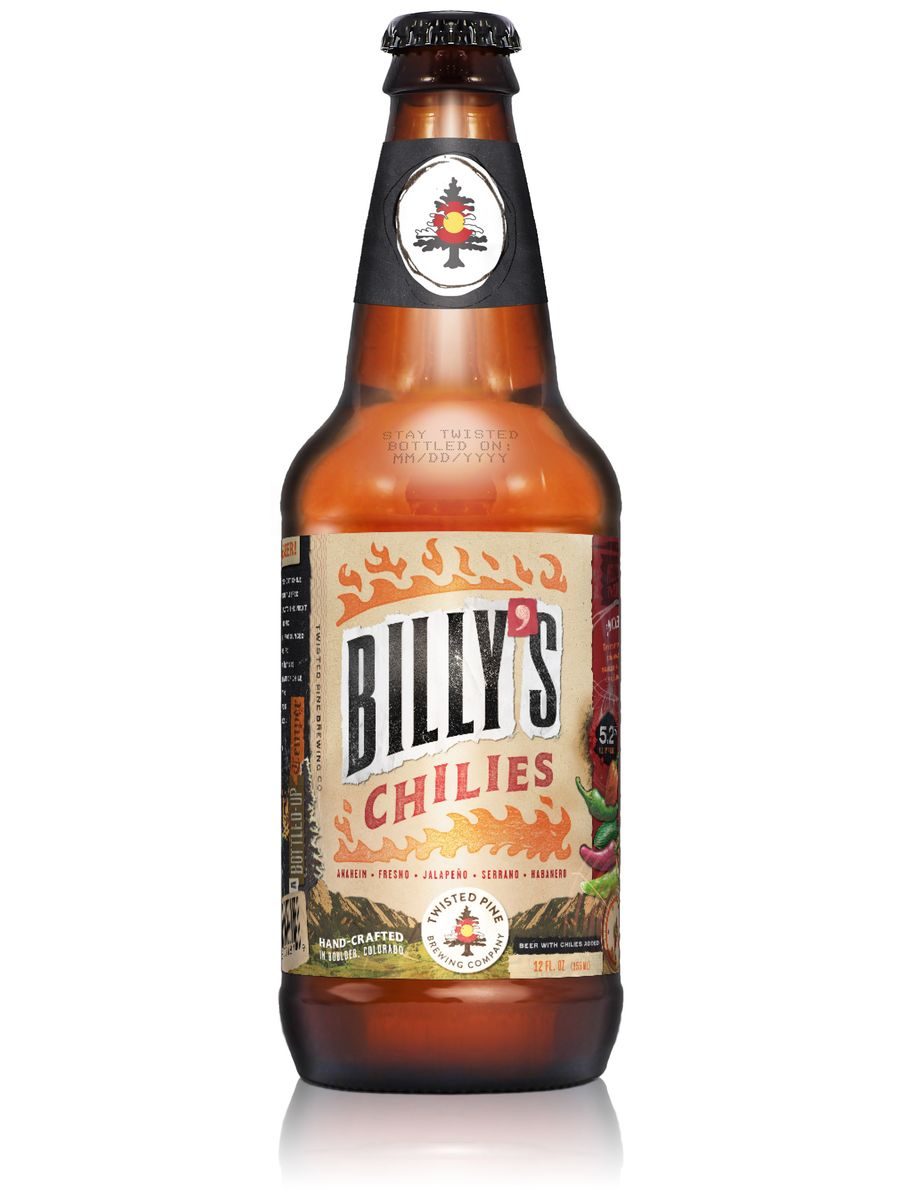
Billy's Chilies
Brewed by Twisted Pine Brewing Company
Billy's Chilies uses Anaheim, Fresno, jalapeño, serrano, and habanero to sharpen five distinct peppers over a light wheat-ale frame. Heat supports the beer instead of erasing it.
BAR NOTES
Billy’s Chilies ranks #6 because Anaheim, Fresno, jalapeño, serrano, and habanero works with five distinct peppers over a light wheat-ale frame. The pepper’s role is medium, layered heat, so the ranking rewards aroma, flavor, and integration—not merely the highest capsaicin level a brewer can force into a bottle.
Pour eight ounces at 42–46°F into a wheat-beer glass. Pair it with fajitas, grilled sausage, or queso fundido. Pepper intensity can shift between batches and grows more obvious as the glass warms, so begin with a measured pour before committing to a full serving. Check the brewery’s current release notes because many pepper beers are seasonal, draft-only, or limited batches.

Stone Xocoveza
Brewed by Stone Brewing
Stone Xocoveza uses pasilla chile to sharpen coffee, cacao, cinnamon, vanilla, nutmeg, and roast. The base style still matters after the burn arrives.
BAR NOTES
Stone Xocoveza ranks #7 because pasilla chile works with coffee, cacao, cinnamon, vanilla, nutmeg, and roast. The pepper’s role is low-medium, warming finish, so the ranking rewards aroma, flavor, and integration—not merely the highest capsaicin level a brewer can force into a bottle.
Serve at 48–52°F in a snifter. Pair it with coffee-rubbed beef, churros, or mole. Pepper intensity can shift between batches and grows more obvious as the glass warms, so begin with a measured pour before committing to a full serving. Check the brewery’s current release notes because many pepper beers are seasonal, draft-only, or limited batches.

Prairie Bomb!
Brewed by Prairie Artisan Ales
Prairie Bomb! uses ancho chile to sharpen coffee, cacao nibs, vanilla, alcohol, and dense stout. This is spicy beer with an actual point of view.
BAR NOTES
Prairie Bomb! ranks #8 because ancho chile works with coffee, cacao nibs, vanilla, alcohol, and dense stout. The pepper’s role is medium, delayed warmth, so the ranking rewards aroma, flavor, and integration—not merely the highest capsaicin level a brewer can force into a bottle.
Pour four ounces at 50–54°F into a snifter. Pair it with smoked ribs, espresso cake, or sharp cheddar. Pepper intensity can shift between batches and grows more obvious as the glass warms, so begin with a measured pour before committing to a full serving. Check the brewery’s current release notes because many pepper beers are seasonal, draft-only, or limited batches.
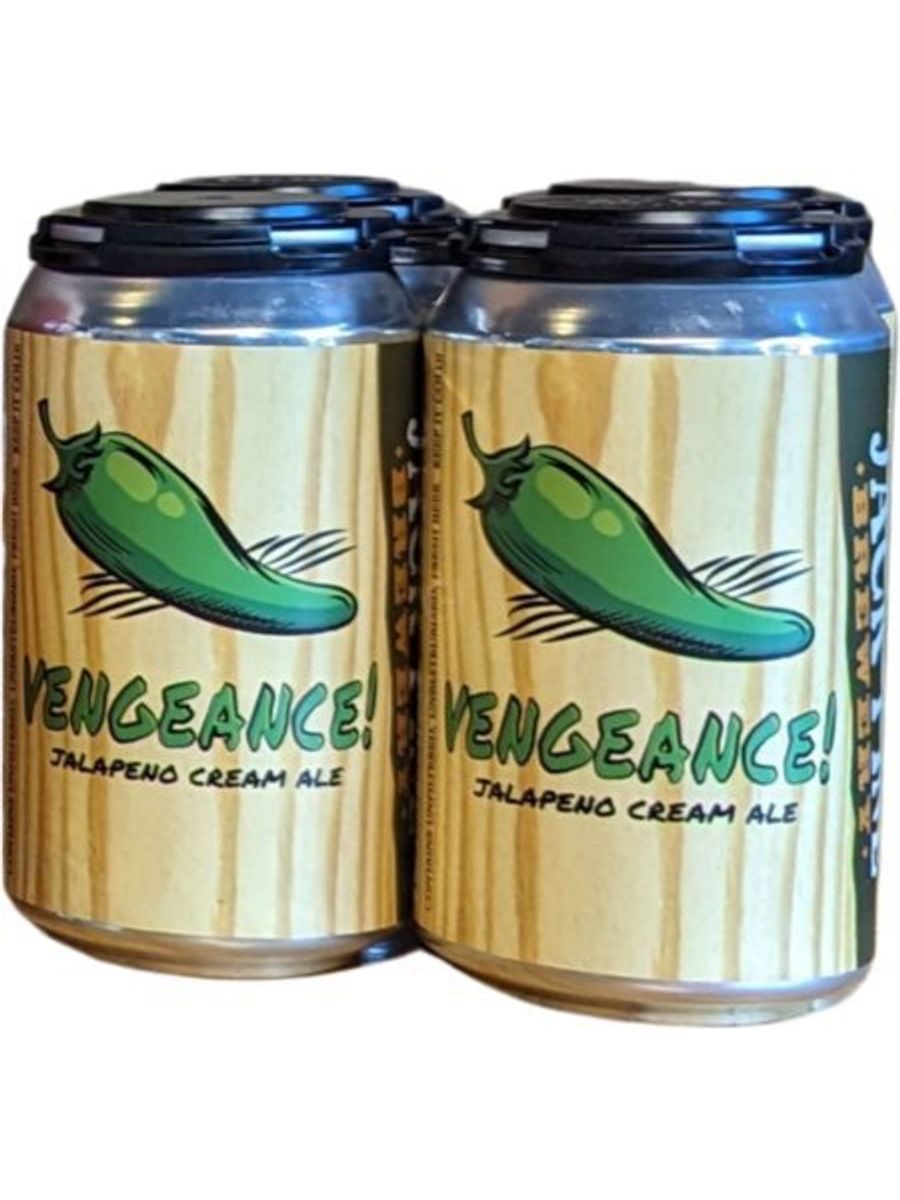
Vengeance! Jalapeño Cream Ale
Brewed by Jack Pine Brewery
Vengeance! Jalapeño Cream Ale uses jalapeño to sharpen green pepper flavor over a quiet, lightly sweet cream-ale base. The pepper adds flavor before punishment.
BAR NOTES
Vengeance! Jalapeño Cream Ale ranks #9 because jalapeño works with green pepper flavor over a quiet, lightly sweet cream-ale base. The pepper’s role is low-medium, savory heat, so the ranking rewards aroma, flavor, and integration—not merely the highest capsaicin level a brewer can force into a bottle.
Serve at 40–44°F in a clean pint glass. Pair it with fish tacos, grilled corn, or a cheeseburger. Pepper intensity can shift between batches and grows more obvious as the glass warms, so begin with a measured pour before committing to a full serving. Check the brewery’s current release notes because many pepper beers are seasonal, draft-only, or limited batches.
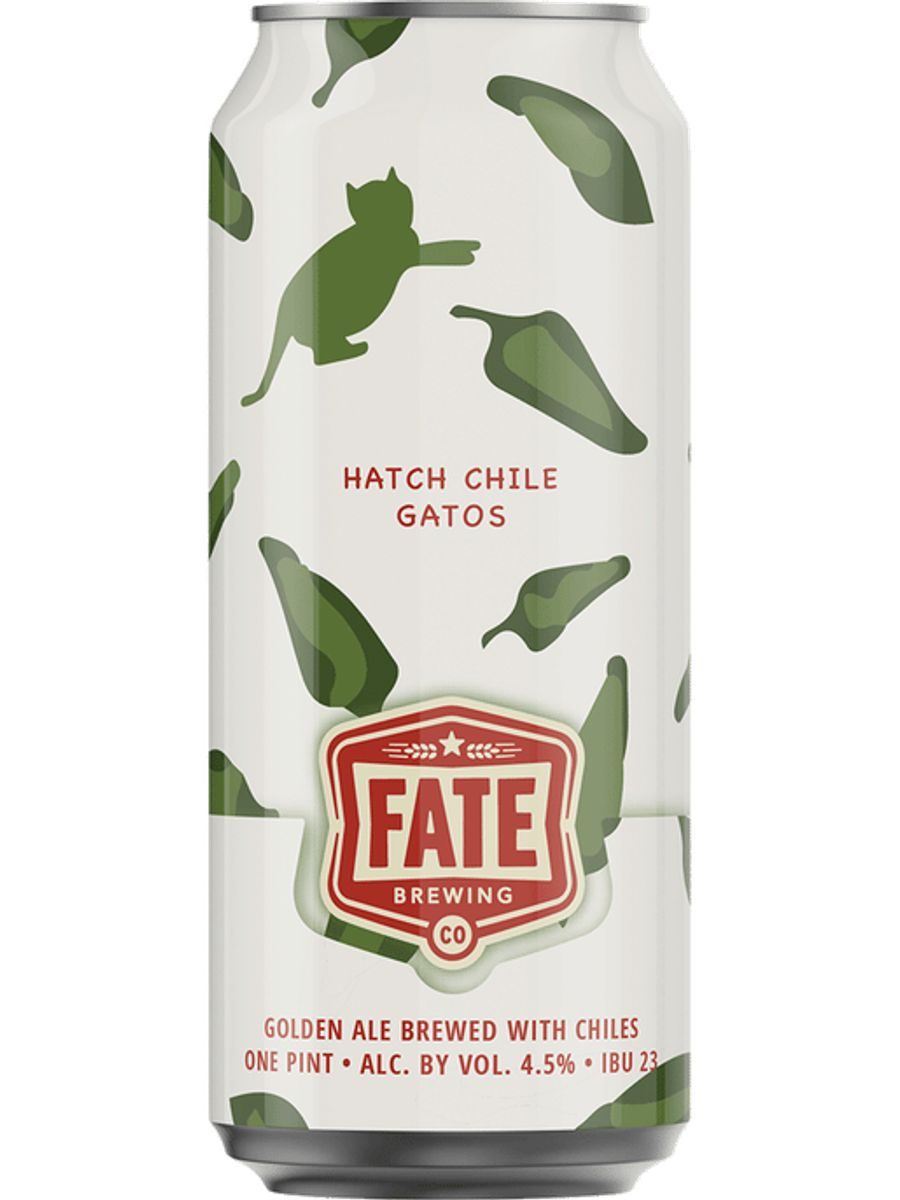
Hatch Chile Gatos
Brewed by Fate Brewing Company
Hatch Chile Gatos uses roasted Hatch green chile to sharpen roasted green pepper, grain, and a crisp golden-ale finish. Heat supports the beer instead of erasing it.
BAR NOTES
Hatch Chile Gatos ranks #10 because roasted Hatch green chile works with roasted green pepper, grain, and a crisp golden-ale finish. The pepper’s role is low, food-friendly warmth, so the ranking rewards aroma, flavor, and integration—not merely the highest capsaicin level a brewer can force into a bottle.
Pour at 40–44°F into a nonic pint. Pair it with green-chile stew, tacos, or grilled chicken. Pepper intensity can shift between batches and grows more obvious as the glass warms, so begin with a measured pour before committing to a full serving. Check the brewery’s current release notes because many pepper beers are seasonal, draft-only, or limited batches.
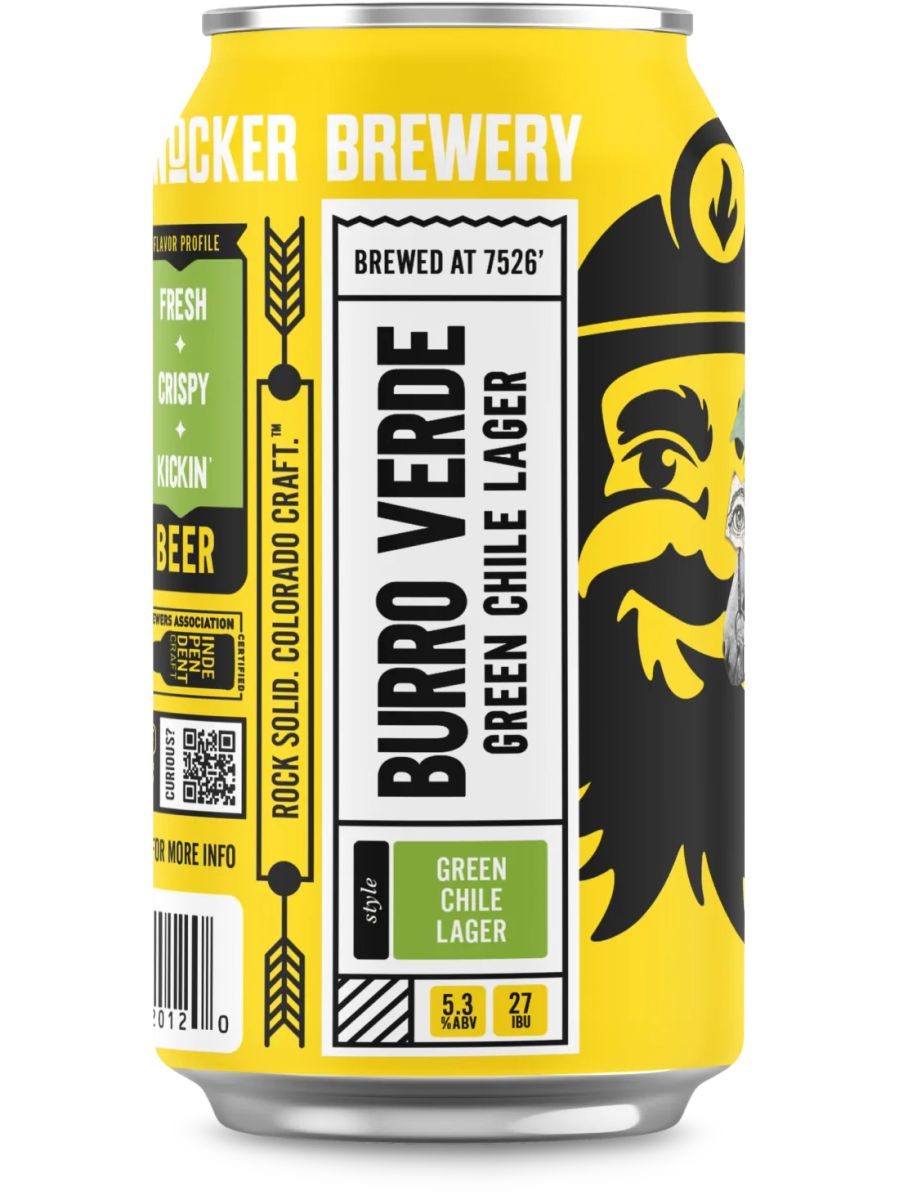
Burro Verde Green Chile Lager
Brewed by Tommyknocker Brewery
Burro Verde Green Chile Lager uses fire-roasted Anaheim chile to sharpen clean lager fermentation, green chile aroma, and firm bitterness. The base style still matters after…
BAR NOTES
Burro Verde Green Chile Lager ranks #11 because fire-roasted Anaheim chile works with clean lager fermentation, green chile aroma, and firm bitterness. The pepper’s role is low-medium, roasted warmth, so the ranking rewards aroma, flavor, and integration—not merely the highest capsaicin level a brewer can force into a bottle.
Serve at 40–44°F in a lager glass. Pair it with green-chile cheeseburgers, bratwurst, or nachos. Pepper intensity can shift between batches and grows more obvious as the glass warms, so begin with a measured pour before committing to a full serving. Check the brewery’s current release notes because many pepper beers are seasonal, draft-only, or limited batches.
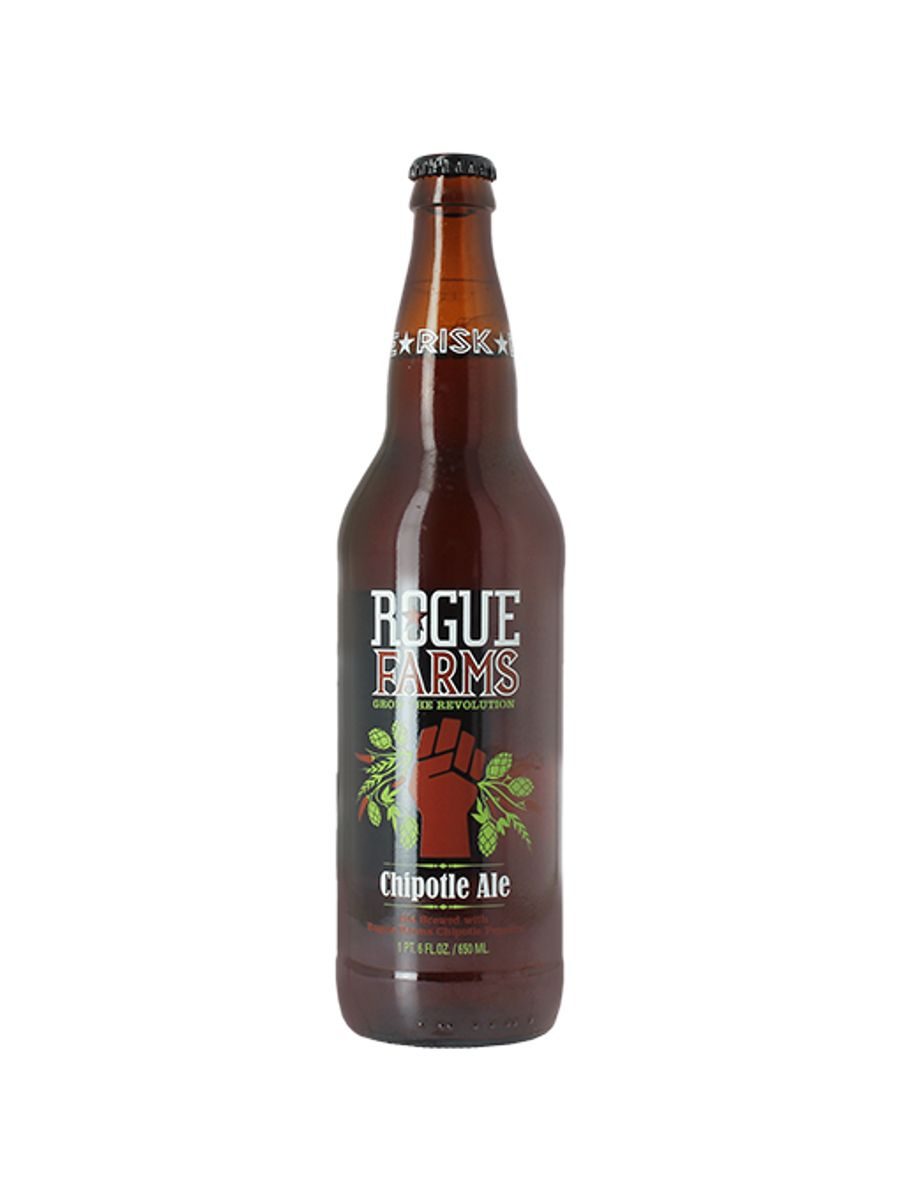
Chipotle Ale
Brewed by Rogue Ales
Chipotle Ale uses smoked chipotle to sharpen dried pepper, campfire smoke, caramel malt, and amber-ale toast. This is spicy beer with an actual point of view.
BAR NOTES
Chipotle Ale ranks #12 because smoked chipotle works with dried pepper, campfire smoke, caramel malt, and amber-ale toast. The pepper’s role is low-medium, smoky warmth, so the ranking rewards aroma, flavor, and integration—not merely the highest capsaicin level a brewer can force into a bottle.
Pour at 44–48°F into a nonic pint. Pair it with barbecue pork, smoked sausage, or chili. Pepper intensity can shift between batches and grows more obvious as the glass warms, so begin with a measured pour before committing to a full serving. Check the brewery’s current release notes because many pepper beers are seasonal, draft-only, or limited batches.
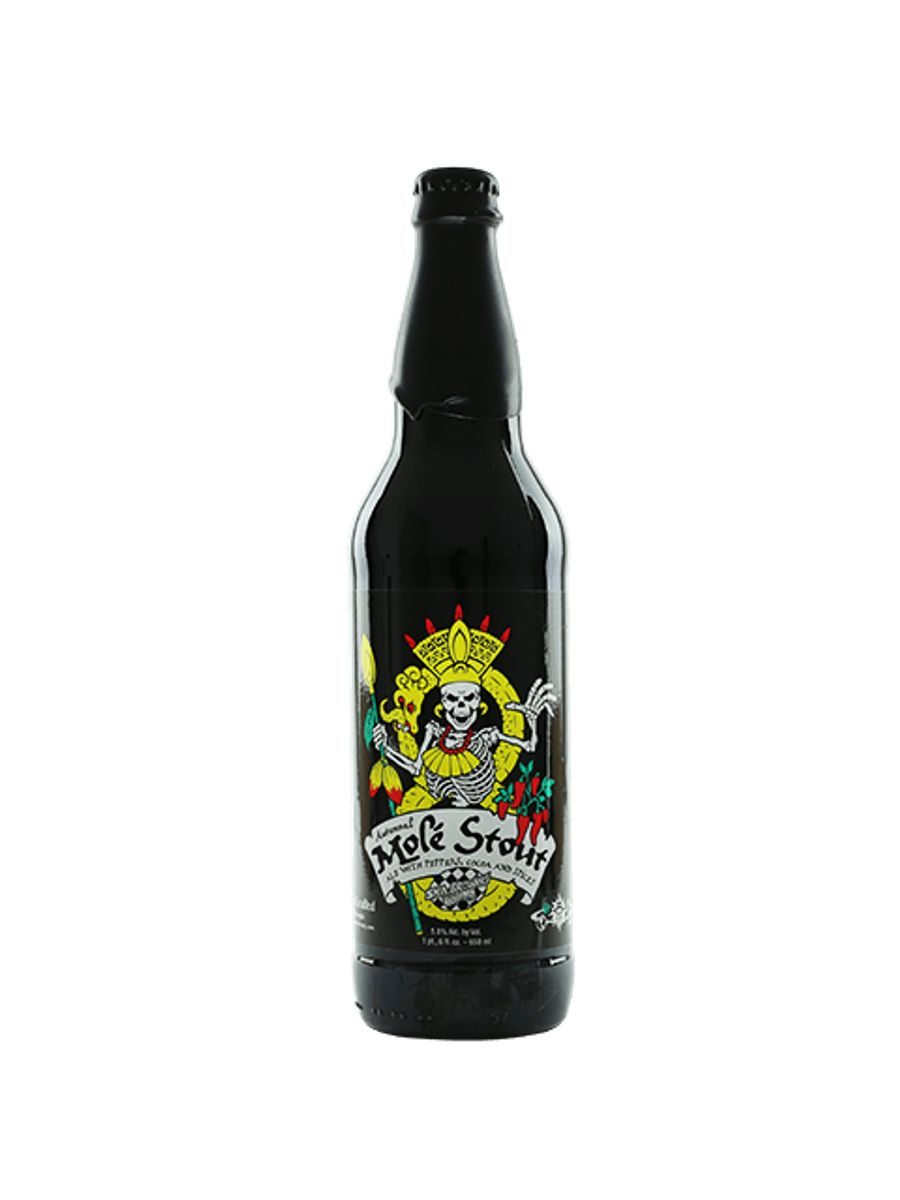
Autumnal Mole Stout
Brewed by Ska Brewing
Autumnal Mole Stout uses ancho, guajillo, and Hatch chiles to sharpen cacao, roast, earthy pepper, and mole-inspired depth. The pepper adds flavor before punishment.
BAR NOTES
Autumnal Mole Stout ranks #13 because ancho, guajillo, and Hatch chiles works with cacao, roast, earthy pepper, and mole-inspired depth. The pepper’s role is medium, savory warmth, so the ranking rewards aroma, flavor, and integration—not merely the highest capsaicin level a brewer can force into a bottle.
Serve at 46–50°F in a tulip. Pair it with mole, smoked beef, or roasted mushrooms. Pepper intensity can shift between batches and grows more obvious as the glass warms, so begin with a measured pour before committing to a full serving. Check the brewery’s current release notes because many pepper beers are seasonal, draft-only, or limited batches.
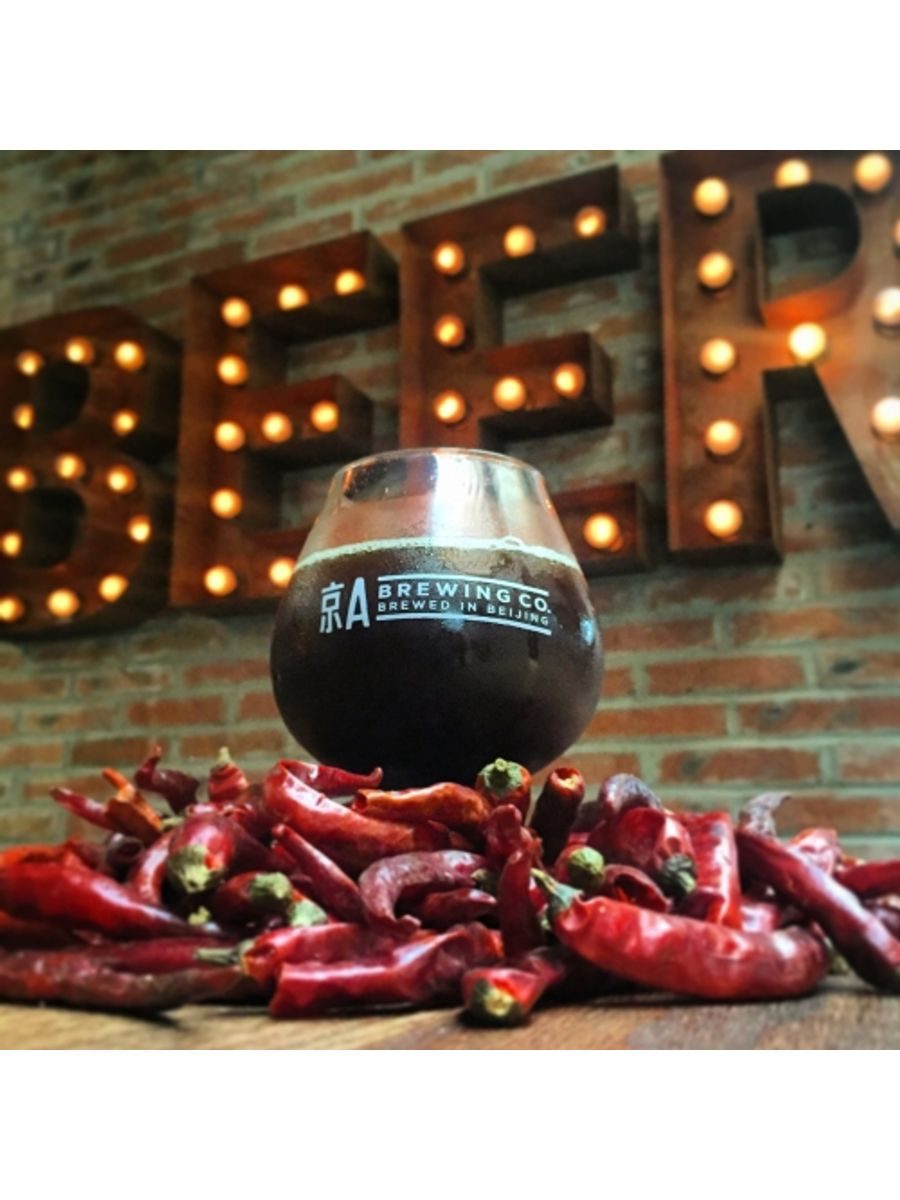
Guizhou Smoked Chili Porter
Brewed by Jing-A Brewing Co.
Guizhou Smoked Chili Porter uses smoked Guizhou chiles to sharpen coffee, cocoa, smoke, dried chile, and porter roast. Heat supports the beer instead of erasing it.
BAR NOTES
Guizhou Smoked Chili Porter ranks #14 because smoked Guizhou chiles works with coffee, cocoa, smoke, dried chile, and porter roast. The pepper’s role is medium, smoky warmth, so the ranking rewards aroma, flavor, and integration—not merely the highest capsaicin level a brewer can force into a bottle.
Pour at 46–50°F into a nonic pint. Pair it with char siu, smoked pork, or dark chocolate. Pepper intensity can shift between batches and grows more obvious as the glass warms, so begin with a measured pour before committing to a full serving. Check the brewery’s current release notes because many pepper beers are seasonal, draft-only, or limited batches.
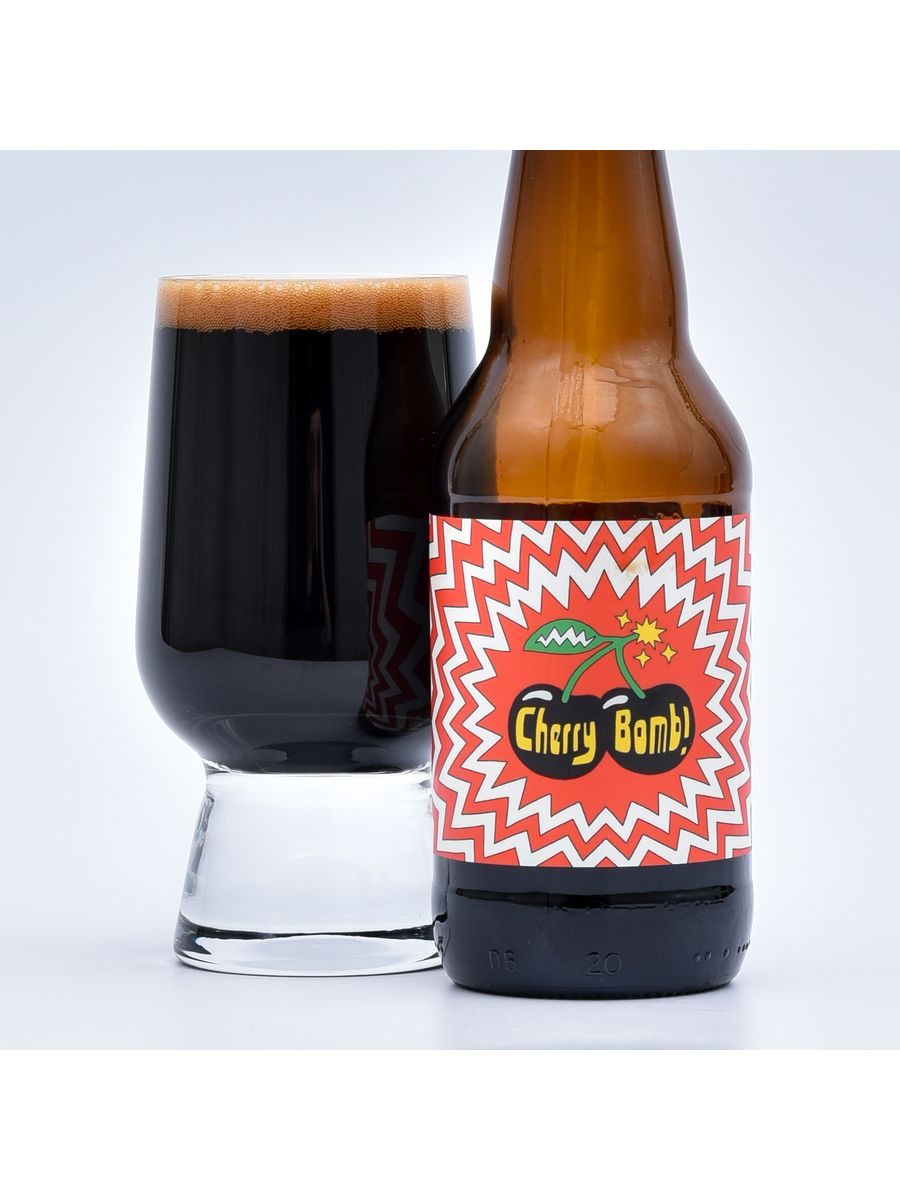
Prairie Cherry Bomb!
Brewed by Prairie Artisan Ales
Prairie Cherry Bomb! uses ancho chile to sharpen sweet cherry, espresso, dark chocolate, vanilla, and stout. The base style still matters after the burn arrives.
BAR NOTES
Prairie Cherry Bomb! ranks #15 because ancho chile works with sweet cherry, espresso, dark chocolate, vanilla, and stout. The pepper’s role is medium, fruit-softened warmth, so the ranking rewards aroma, flavor, and integration—not merely the highest capsaicin level a brewer can force into a bottle.
Serve four ounces at 50–54°F in a snifter. Pair it with duck, mole, or cherry-glazed pork. Pepper intensity can shift between batches and grows more obvious as the glass warms, so begin with a measured pour before committing to a full serving. Check the brewery’s current release notes because many pepper beers are seasonal, draft-only, or limited batches.

Founders Mango Magnifico
Brewed by Founders Brewing Co.
Founders Mango Magnifico uses habanero to sharpen lush mango, caramel malt, warming alcohol, and tropical pepper. This is spicy beer with an actual point of view.
BAR NOTES
Founders Mango Magnifico ranks #16 because habanero works with lush mango, caramel malt, warming alcohol, and tropical pepper. The pepper’s role is medium-high, delayed burn, so the ranking rewards aroma, flavor, and integration—not merely the highest capsaicin level a brewer can force into a bottle.
Pour five ounces at 46–50°F into a tulip. Pair it with jerk chicken, mango salsa, or coconut rice. Pepper intensity can shift between batches and grows more obvious as the glass warms, so begin with a measured pour before committing to a full serving. Check the brewery’s current release notes because many pepper beers are seasonal, draft-only, or limited batches.

Prairie Sweet Heat
Brewed by Prairie Artisan Ales
Prairie Sweet Heat uses jalapeño to sharpen strawberry, watermelon, coconut cream, acidity, and green pepper. The pepper adds flavor before punishment.
BAR NOTES
Prairie Sweet Heat ranks #17 because jalapeño works with strawberry, watermelon, coconut cream, acidity, and green pepper. The pepper’s role is low-medium, bright heat, so the ranking rewards aroma, flavor, and integration—not merely the highest capsaicin level a brewer can force into a bottle.
Serve at 40–44°F in a small tulip. Pair it with fish tacos, watermelon salad, or salty fries. Pepper intensity can shift between batches and grows more obvious as the glass warms, so begin with a measured pour before committing to a full serving. Check the brewery’s current release notes because many pepper beers are seasonal, draft-only, or limited batches.

Bistro Pineapple & Lime Jalapeño
Brewed by Energy City Brewing
Bistro Pineapple & Lime Jalapeño uses jalapeño to sharpen pineapple, lime, plush fruit, tart wheat, and fresh pepper. Heat supports the beer instead of erasing it.
BAR NOTES
Bistro Pineapple & Lime Jalapeño ranks #18 because jalapeño works with pineapple, lime, plush fruit, tart wheat, and fresh pepper. The pepper’s role is low-medium, citrusy heat, so the ranking rewards aroma, flavor, and integration—not merely the highest capsaicin level a brewer can force into a bottle.
Pour at 40–44°F into a tulip. Pair it with shrimp tacos, ceviche, or coconut rice. Pepper intensity can shift between batches and grows more obvious as the glass warms, so begin with a measured pour before committing to a full serving. Check the brewery’s current release notes because many pepper beers are seasonal, draft-only, or limited batches.

Pineapple Habanero
Brewed by Vault City Brewing
Pineapple Habanero uses habanero to sharpen juicy pineapple, sour acidity, tropical sweetness, and chile. The base style still matters after the burn arrives.
BAR NOTES
Pineapple Habanero ranks #19 because habanero works with juicy pineapple, sour acidity, tropical sweetness, and chile. The pepper’s role is medium-high, building heat, so the ranking rewards aroma, flavor, and integration—not merely the highest capsaicin level a brewer can force into a bottle.
Serve at 40–44°F in a small tulip. Pair it with jerk chicken, grilled pineapple, or blue cheese. Pepper intensity can shift between batches and grows more obvious as the glass warms, so begin with a measured pour before committing to a full serving. Check the brewery’s current release notes because many pepper beers are seasonal, draft-only, or limited batches.

New Belgium Voodoo Ranger Atomic Pumpkin
Brewed by New Belgium Brewing
New Belgium Voodoo Ranger Atomic Pumpkin uses habanero and de árbol chile to sharpen pumpkin, Saigon cinnamon, caramel malt, and chile. This is spicy beer with an actual point…
BAR NOTES
New Belgium Voodoo Ranger Atomic Pumpkin ranks #20 because habanero and de árbol chile works with pumpkin, Saigon cinnamon, caramel malt, and chile. The pepper’s role is medium-high, spiced heat, so the ranking rewards aroma, flavor, and integration—not merely the highest capsaicin level a brewer can force into a bottle.
Pour at 44–48°F into a tulip. Pair it with roast pork, pumpkin tacos, or sharp cheddar. Pepper intensity can shift between batches and grows more obvious as the glass warms, so begin with a measured pour before committing to a full serving. Check the brewery’s current release notes because many pepper beers are seasonal, draft-only, or limited batches.

Carolina Reaper Peach IPA
Brewed by Flying Dog Brewery
Carolina Reaper Peach IPA uses Carolina Reaper to sharpen peach, citrus hops, bitterness, and one of the hottest peppers. The pepper adds flavor before punishment.
BAR NOTES
Carolina Reaper Peach IPA ranks #21 because Carolina Reaper works with peach, citrus hops, bitterness, and one of the hottest peppers. The pepper’s role is very high, aggressive heat, so the ranking rewards aroma, flavor, and integration—not merely the highest capsaicin level a brewer can force into a bottle.
Start with a two- to four-ounce pour around 42°F. Pair it with plain grilled meat, rice, or cooling dairy on the side. This belongs in a shared tasting rather than a blind full-pint challenge; start small and stop when the heat overwhelms the beer. Check the brewery’s current release notes because many pepper beers are seasonal, draft-only, or limited batches.

Sweet Heat
Brewed by Burnside Brewing Co.
Sweet Heat uses Scotch bonnet to sharpen apricot purée, bright fruit, and perfumed chile warmth. Heat supports the beer instead of erasing it.
BAR NOTES
Sweet Heat ranks #22 because Scotch bonnet works with apricot purée, bright fruit, and perfumed chile warmth. The pepper’s role is medium-high, floral heat, so the ranking rewards aroma, flavor, and integration—not merely the highest capsaicin level a brewer can force into a bottle.
Serve six ounces at 42–46°F in a tulip. Pair it with apricot-glazed pork, curry, or goat cheese. Pepper intensity can shift between batches and grows more obvious as the glass warms, so begin with a measured pour before committing to a full serving. Check the brewery’s current release notes because many pepper beers are seasonal, draft-only, or limited batches.

Cape May Mexican Coffee Stout
Brewed by Cape May Brewing Co.
Cape May Mexican Coffee Stout uses guajillo chile to sharpen Chiapas coffee, cinnamon, vanilla, dark malt, and dried pepper. The base style still matters after the burn arrives.
BAR NOTES
Cape May Mexican Coffee Stout ranks #23 because guajillo chile works with Chiapas coffee, cinnamon, vanilla, dark malt, and dried pepper. The pepper’s role is low-medium, earthy warmth, so the ranking rewards aroma, flavor, and integration—not merely the highest capsaicin level a brewer can force into a bottle.
Pour at 46–50°F into a snifter. Pair it with churros, coffee cake, or smoked brisket. Pepper intensity can shift between batches and grows more obvious as the glass warms, so begin with a measured pour before committing to a full serving. Check the brewery’s current release notes because many pepper beers are seasonal, draft-only, or limited batches.

Sriracha Hot Stout
Brewed by Rogue Ales
Sriracha Hot Stout uses Sriracha chile sauce to sharpen garlic, vinegar, chile, roasted malt, and stout bitterness. This is spicy beer with an actual point of view.
BAR NOTES
Sriracha Hot Stout ranks #24 because Sriracha chile sauce works with garlic, vinegar, chile, roasted malt, and stout bitterness. The pepper’s role is medium, savory heat, so the ranking rewards aroma, flavor, and integration—not merely the highest capsaicin level a brewer can force into a bottle.
Serve six ounces at 44–48°F in a nonic pint. Pair it with barbecue, chili, or grilled sausage. Pepper intensity can shift between batches and grows more obvious as the glass warms, so begin with a measured pour before committing to a full serving. Check the brewery’s current release notes because many pepper beers are seasonal, draft-only, or limited batches.

Jalapeño Pickle Sour
Brewed by Loveland Aleworks
Jalapeño Pickle Sour uses jalapeño to sharpen cucumber brine, dill, acidity, salt, and green pepper. The pepper adds flavor before punishment.
BAR NOTES
Jalapeño Pickle Sour ranks #25 because jalapeño works with cucumber brine, dill, acidity, salt, and green pepper. The pepper’s role is medium, briny heat, so the ranking rewards aroma, flavor, and integration—not merely the highest capsaicin level a brewer can force into a bottle.
Pour at 40–44°F into a small tulip. Pair it with fried pickles, burgers, or grilled cheese. Pepper intensity can shift between batches and grows more obvious as the glass warms, so begin with a measured pour before committing to a full serving. Check the brewery’s current release notes because many pepper beers are seasonal, draft-only, or limited batches.

Michelada Picante
Brewed by 4 Noses Brewing Company
Michelada Picante uses chile blend to sharpen tomato, lime, pickle brine, lager, and michelada spice. Heat supports the beer instead of erasing it.
BAR NOTES
Michelada Picante ranks #26 because chile blend works with tomato, lime, pickle brine, lager, and michelada spice. The pepper’s role is medium, savory heat, so the ranking rewards aroma, flavor, and integration—not merely the highest capsaicin level a brewer can force into a bottle.
Serve at 38–42°F in a lager glass. Pair it with tacos, nachos, or grilled corn. Pepper intensity can shift between batches and grows more obvious as the glass warms, so begin with a measured pour before committing to a full serving. Check the brewery’s current release notes because many pepper beers are seasonal, draft-only, or limited batches.

Chelada Piña Picante
Brewed by Modelo
Chelada Piña Picante uses chile-pepper blend to sharpen pineapple, savory chelada seasoning, lager, and mild pepper. The base style still matters after the burn arrives.
BAR NOTES
Chelada Piña Picante ranks #27 because chile-pepper blend works with pineapple, savory chelada seasoning, lager, and mild pepper. The pepper’s role is low-medium, fruity heat, so the ranking rewards aroma, flavor, and integration—not merely the highest capsaicin level a brewer can force into a bottle.
Pour cold at 38–42°F into a chelada glass. Pair it with fish tacos, ceviche, or salty chips. Pepper intensity can shift between batches and grows more obvious as the glass warms, so begin with a measured pour before committing to a full serving. Check the brewery’s current release notes because many pepper beers are seasonal, draft-only, or limited batches.

Joaquin Murrieta Chili Pepper Beer
Brewed by Valentins
Joaquin Murrieta Chili Pepper Beer uses fresh Fresno chiles to sharpen clean lager grain, fresh pepper aroma, and a sharper finish. This is spicy beer with an actual point of view.
BAR NOTES
Joaquin Murrieta Chili Pepper Beer ranks #28 because fresh Fresno chiles works with clean lager grain, fresh pepper aroma, and a sharper finish. The pepper’s role is medium-high, late heat, so the ranking rewards aroma, flavor, and integration—not merely the highest capsaicin level a brewer can force into a bottle.
Start with four ounces at 40–44°F. Pair it with carne asada, beans, or grilled onions. Pepper intensity can shift between batches and grows more obvious as the glass warms, so begin with a measured pour before committing to a full serving. Check the brewery’s current release notes because many pepper beers are seasonal, draft-only, or limited batches.

Original Cave Creek Chili Beer
Brewed by Cave Creek Beer Company
Original Cave Creek Chili Beer uses whole chile pepper to sharpen pale lager, vegetal pepper, and the infamous pepper-in-bottle presentation. The pepper adds flavor before…
BAR NOTES
Original Cave Creek Chili Beer ranks #29 because whole chile pepper works with pale lager, vegetal pepper, and the infamous pepper-in-bottle presentation. The pepper’s role is high, direct heat, so the ranking rewards aroma, flavor, and integration—not merely the highest capsaicin level a brewer can force into a bottle.
Serve very cold in a small glass and inspect the bottle carefully. Pair it with tacos, grilled meat, or a very cautious dare. This belongs in a shared tasting rather than a blind full-pint challenge; start small and stop when the heat overwhelms the beer. Check the brewery’s current release notes because many pepper beers are seasonal, draft-only, or limited batches.

Ghost Face Killah
Brewed by Twisted Pine Brewing Company
Ghost Face Killah uses serrano, habanero, jalapeño, Fresno, Anaheim, and ghost pepper to sharpen six-pepper intensity over a deceptively light wheat-beer base. Heat supports…
BAR NOTES
Ghost Face Killah ranks #30 because serrano, habanero, jalapeño, Fresno, Anaheim, and ghost pepper works with six-pepper intensity over a deceptively light wheat-beer base. The pepper’s role is extreme, sustained burn, so the ranking rewards aroma, flavor, and integration—not merely the highest capsaicin level a brewer can force into a bottle.
Start with a one- to two-ounce taste around 40°F. Pair it with plain crackers, rice, or a small cooling side. This belongs in a shared tasting rather than a blind full-pint challenge; start small and stop when the heat overwhelms the beer. Check the brewery’s current release notes because many pepper beers are seasonal, draft-only, or limited batches.
Jalapeño versus hotter chile peppers in beer
Jalapeño usually contributes more green pepper aroma than extreme heat, making it useful in pale ale, cream ale, wheat beer, fruit sour, and pickle beer. Serrano is typically sharper. Habanero brings floral, tropical heat that naturally connects with mango and pineapple.
Dried ancho, pasilla, guajillo, and chipotle peppers behave differently. They can contribute raisin, cocoa, tobacco, earth, or smoke, which is why they work so well in porter, stout, mole-inspired beer, and recipes using coffee, cacao, or cinnamon.
What makes a good chile beer
The best examples remain recognizable as beer. Malt, hops, roast, fruit, acidity, smoke, or salt provides structure before the burn arrives. A pepper beer that only hurts may be memorable, but it is rarely the bottle anyone wants to finish.
Balance does not require low heat. Habanero Sculpin is forceful, yet citrus hops give the pepper a clear partner. Abraxas and Hunahpu’s use dark malt, cacao, vanilla, and cinnamon to turn dried-chile warmth into depth instead of a stunt.
How to serve and pair pepper beer
Serve pale pepper ales, lagers, and fruit sours cool. Let imperial stouts warm enough to reveal cacao, coffee, and malt, but remember that heat can also feel stronger as the beer warms. Small pours are the smart default for unfamiliar bottles.
Food should echo or soften the beer: tacos, barbecue, grilled meat, roasted corn, mole, mango, pineapple, and salty snacks all work. High alcohol does not cancel capsaicin, so a stronger chile stout is not automatically easier on the palate than a lighter pepper lager.
Pick your next pepper burn
Pepper beer ranges from bright jalapeño aroma and smoky chipotle depth to fruit-softened habanero and full ghost-pepper punishment. Use the broader spicy-beer list for the heat ranking; use these guides to follow the ingredient.