
Amber and Brown American Beer: Three Styles Explained
Amber and brown American beer is a family built around malt without surrendering American hop character. Amber ale brings caramel and toast, California Common pairs warm lager fermentation with woody hops, and American brown ale moves into cocoa, nuts and darker bread.
Color links the styles, but flavor separates them. The useful question is not simply how dark the beer looks; it is how malt, fermentation and bitterness shape the finish.
The family at a glance
| Style | ABV | IBU | Color | Defining impression |
|---|---|---|---|---|
| American Amber Ale | 4.5–6.2% | 25–40 | 10–17 SRM | Caramel and toast balanced by American hops |
| California Common | 4.5–5.5% | 30–45 | 9–14 SRM | Toasty malt, woody or minty hops and crisp warm lager fermentation |
| American Brown Ale | 4.3–6.2% | 20–30 | 18–35 SRM | Toast, nuts and chocolate with a clean, moderately bitter finish |
American amber ale
Amber ale sits between pale ale and brown ale. Caramel malt is more visible than in pale ale, but the beer should still finish clean enough for American hops to register. Citrus, flowers, pine or resin can all work, provided they complement rather than erase the malt.
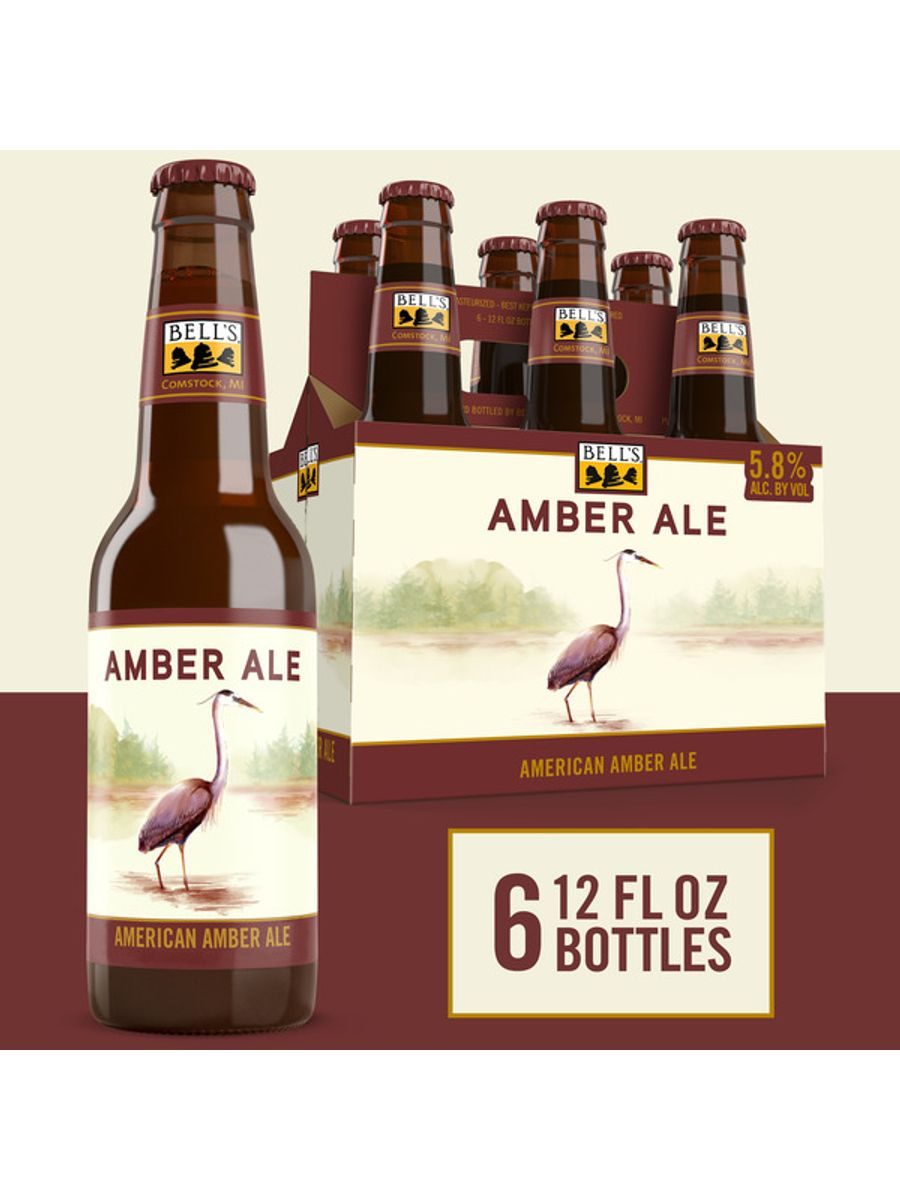
Bell's Amber Ale
Brewed by Bell's Brewery
The all-purpose American amber that still tastes complete.
BAR NOTES
Bell’s built its first flagship around toasted grain, sweet caramel and a floral-citrus hop lift. The fermentation adds a faint fruit note that keeps the malt from reading heavy.
This is the refrigerator anchor of the list: reliable with burgers, chili, roast chicken or nothing at all. Pour around 44°F and let the toasted character emerge.
California Common
California Common is the family’s brewing outlier. It uses lager yeast at relatively warm temperatures, producing a beer that combines crisp attenuation with a faintly fruity or rustic fermentation profile. Toasty malt and Northern Brewer’s woody, minty character form the classic flavor signature.
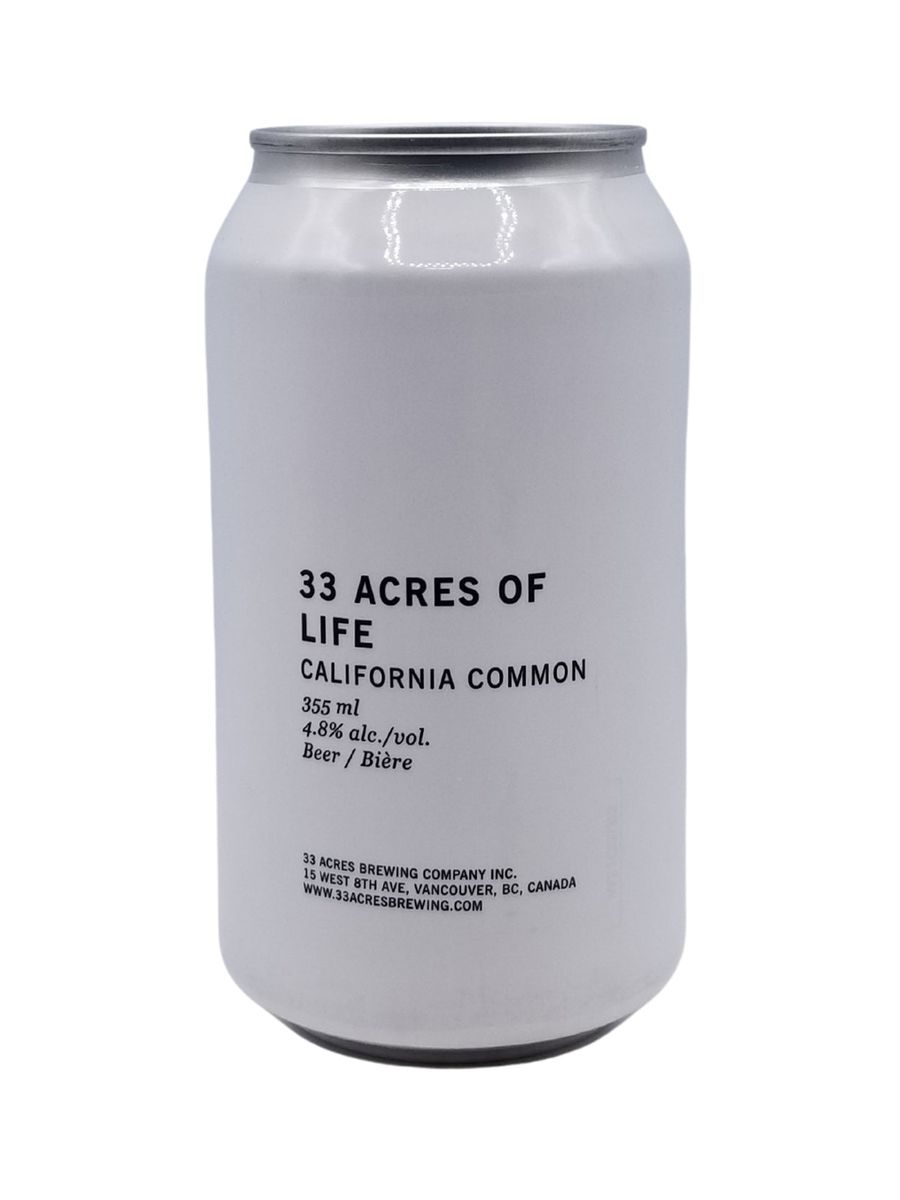
33 Acres of Life
Brewed by 33 Acres Brewing Company
The most complete modern interpretation here: toasty amber malt, quiet fruit and a clean lager snap in a genuinely easy pint.
BAR NOTES
33 Acres of Life catches the style’s central tension beautifully. Warm-fermented lager yeast supplies a faintly fruity lift, while toasted malt and measured bitterness keep the beer composed rather than ale-like or sugary.
Pour it around 46–50°F with roast chicken, pork loin or a sharp cheddar sandwich. Its subtle fermentation character is easiest to read before stronger or heavily hopped beers fatigue the palate.
American brown ale
Brown ale deepens the malt spectrum into bread crust, nuts, cocoa and light roast. American versions are typically hoppier and cleaner than their English relatives. The best examples stay drinkable: chocolate flavor should not become stout-like burnt bitterness, and caramel should not turn syrupy.
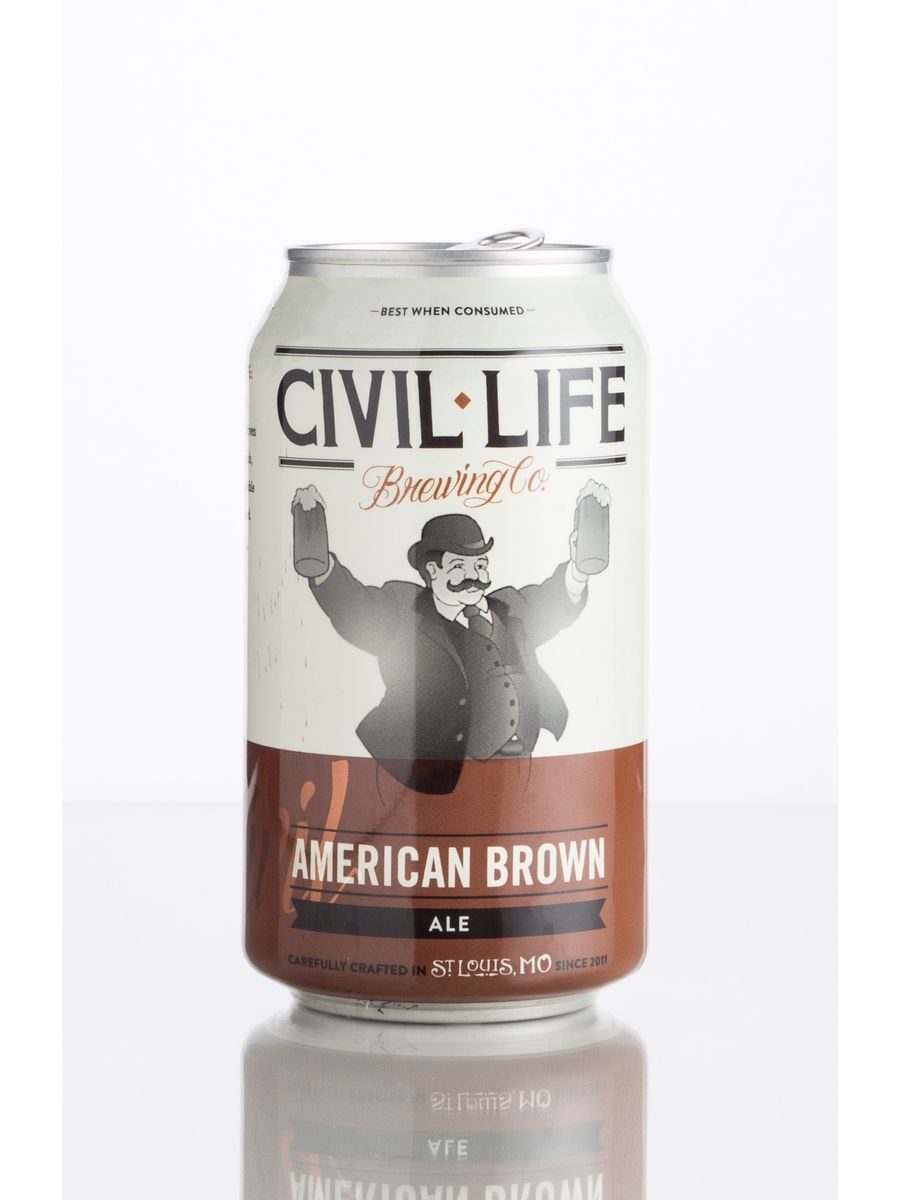
American Brown Ale
Brewed by The Civil Life Brewing Co.
The everyday benchmark: genuinely brown, firmly flavored and built for another pint.
BAR NOTES
Civil Life makes a persuasive case that American brown ale does not need coffee, maple or a barrel to matter. Toasted bread, cocoa, caramel and restrained American hops arrive in clear layers inside a notably modest alcohol frame.
Pour it at 45–48°F in a nonic pint with a cheeseburger, roast chicken or grilled mushrooms. Its dry finish and moderate carbonation reset the palate, which is exactly what many richer browns forget to do.
How the styles overlap
All three reward a layered malt bill and careful attenuation. Each can use American hops, though their role changes from citrusy counterpoint in amber ale to woody tradition in California Common and firm background structure in brown ale. None should finish like liquid candy.
They also share natural food affinity. Toast and caramel echo browned meat, bread crust and roasted vegetables; moderate bitterness clears fat; and restrained strength keeps the glass useful across a full meal.
Brewing priorities
- Build color with flavor: choose malts for toast, caramel, cocoa or bread rather than chasing an SRM number with harsh dark grain.
- Keep the wort fermentable: layered malt needs a clean finish or the beer becomes heavy.
- Match hops to the malt: citrus and pine suit amber ale, Northern Brewer defines classic California Common, and woody or citrus hops work in brown ale.
- Control oxygen: malt-forward beer also stales; oxidation turns fresh caramel and toast into dull sweetness and paper.
Choosing a glass
Pick amber ale for the brightest hop profile, California Common for a crisp hybrid with a distinctive woody edge, and American brown ale for deeper cocoa and nut flavors. Serve all three cool rather than cold—roughly 44–50°F depending on strength—to let malt aroma open.
Amber and brown American beer FAQ
Are all amber beers malt-forward?
No. Color can come from a small amount of dark malt, while the beer remains dry and hoppy. Flavor balance matters more than appearance.
Is California Common an ale or a lager?
It is a lager by yeast family, fermented warmer than most lagers and traditionally associated with open or shallow fermentation. Its drinking character sits between conventional ale and lager expectations.
Is American brown ale a porter?
No. Brown ale emphasizes toast, nuts, caramel and chocolate with less roast. Porter normally has a darker coffee-like or roasted edge.
Keep exploring amber and brown American beer
Move from caramel-led amber ale through the hybrid snap of California Common and into the toast, cocoa and nutty depth of American brown ale.