American Brown Ale: 10-Beer Comparison Flight and Style Guide
American brown ale takes the comfort of toasted malt and gives it a clean, hop-aware American finish. Nuts, cocoa, caramel and dark bread can all appear, but the beer should remain more drinkable than its color suggests.
Compared with English brown ale, the American version usually carries more bitterness, more hop aroma and a firmer roasted edge. Compared with porter, it is softer and less coffee-like. The sweet spot is depth without heaviness.
American brown ale style profile
| Measure | BJCP range |
|---|---|
| Original gravity | 1.045–1.060 |
| Final gravity | 1.010–1.016 |
| Bitterness | 20–30 IBU |
| Color | 18–35 SRM |
| Alcohol | 4.3–6.2% ABV |
What American brown ale tastes like
Malt aroma commonly suggests chocolate, nuts, caramel, toast or dark bread. Hop aroma may be low to moderate, using citrus, floral, resinous or woody American varieties. Low fruity esters are acceptable, but fermentation should not dominate.
On the palate, medium malt flavor meets enough bitterness to avoid a sweet finish. Light roast can add dryness, though burnt grain and acrid bitterness belong to stout or robust porter. Body is medium to medium-full, with moderate carbonation and a clean close.
Brown ale compared with porter and amber ale
Amber ale stops mainly at caramel and toast, while brown ale adds cocoa, nuts and darker bread. Porter moves further into coffee and roast. The borders blur, but the center of American brown ale remains rounded malt depth with visible American hop balance.
Ten American Brown Ale references and comparisons
Six American, regional or hybrid brown references start this ten-beer flight, followed by four explicitly English-style comparisons. Face Down is a declared English–American hybrid, while Old Brown Dog’s 6.5% exceeds the usual American Brown Ale alcohol band of 4.3–6.2%. Best Brown’s current limited-release context remains explicit rather than implying permanent shelf availability.
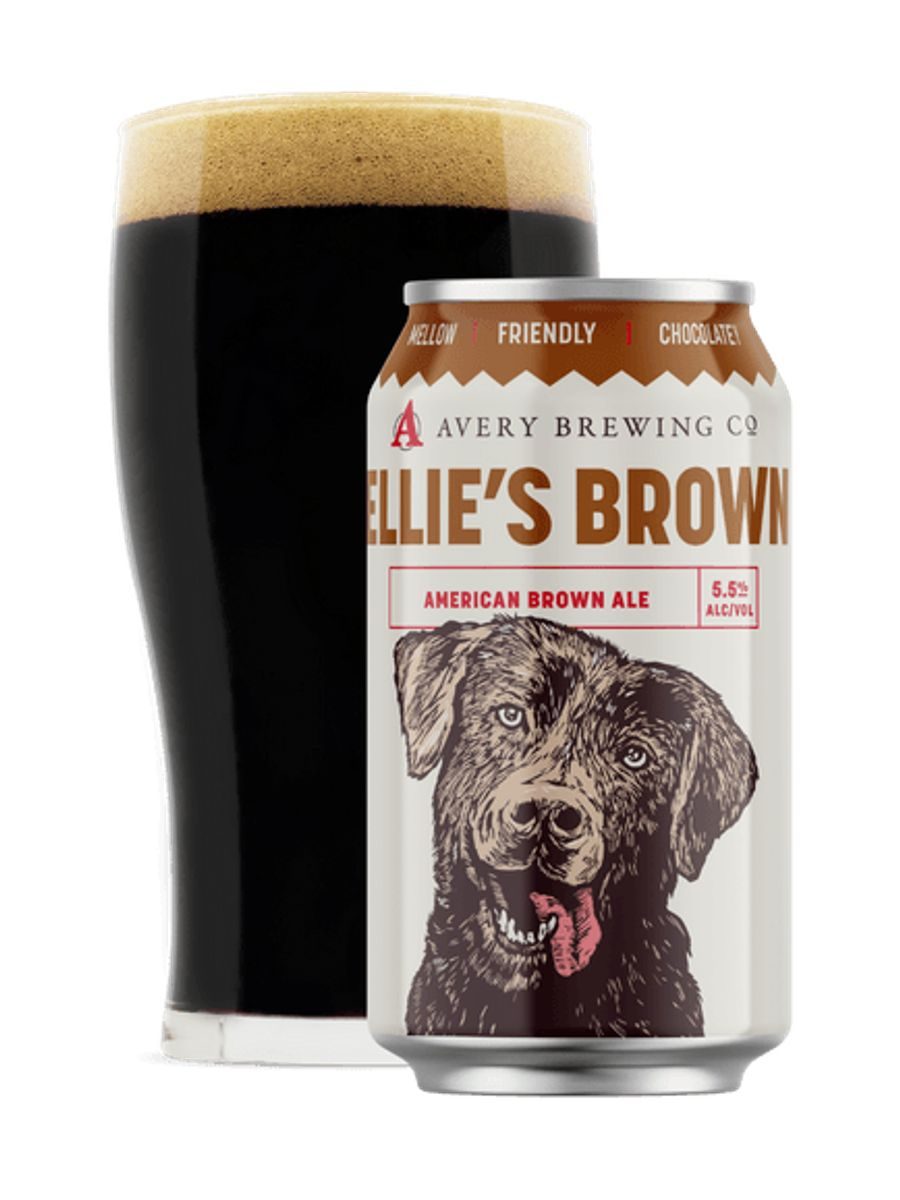
Ellie’s Brown Ale
Brewed by Avery Brewing Company
The Labrador tribute emphasizes mellow malt depth at everyday strength.
BAR NOTES
Avery’s current Ellie’s Brown is a 5.5% American Brown Ale in six-pack cans. The beer honors Adam Avery’s chocolate Labrador, while its flavor combines chocolate and brown-sugar maltiness with hints of vanilla and nuts.
Let a small pour warm enough to distinguish nutty malt from simple sweetness. Avery suggests smoked brisket as a pairing, which makes sense for the beer’s rich yet dry edge. Explore cooking with beer for ways to connect browned food with layered malt flavors.
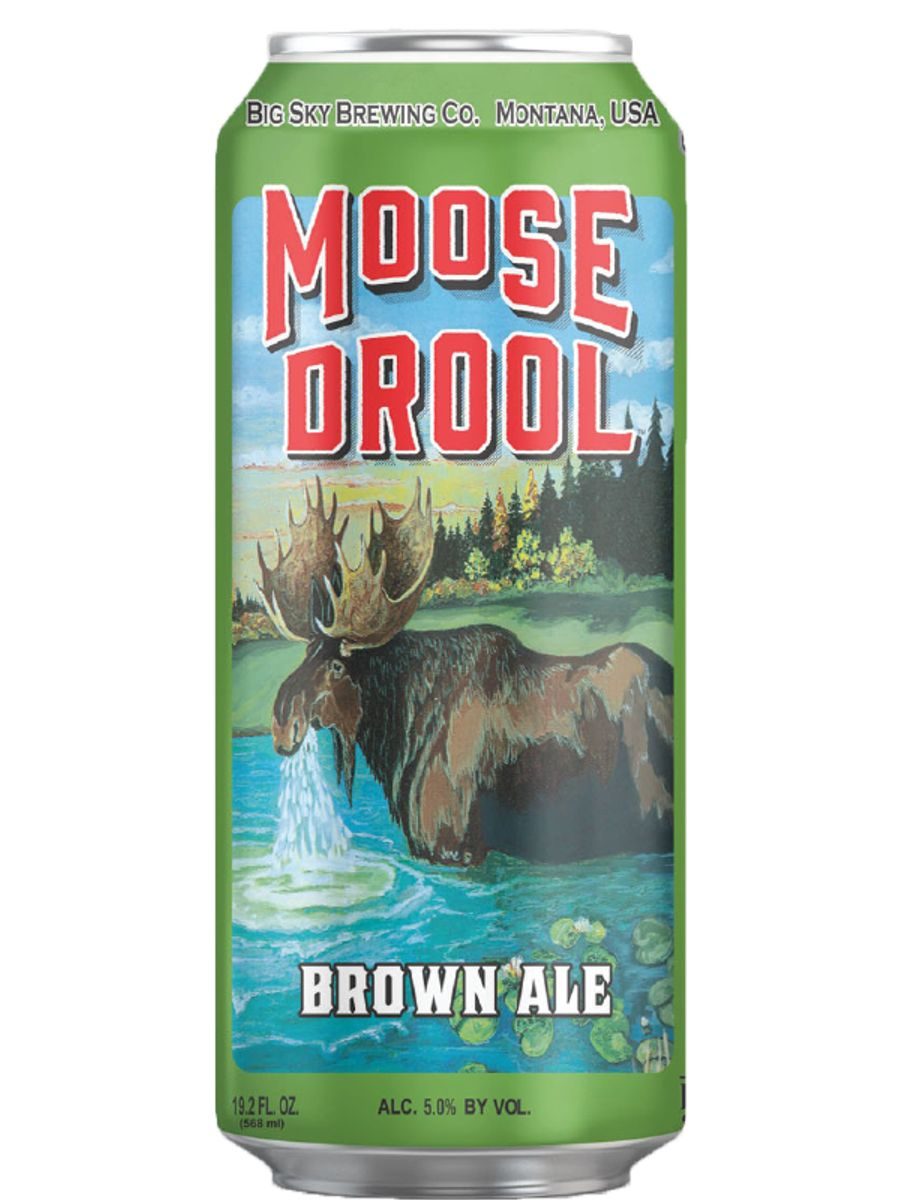
Moose Drool Brown Ale
Brewed by Big Sky Brewing Company
Four malts and gentle traditional hops support an approachable brown pint.
BAR NOTES
Big Sky’s current Moose Drool page lists 5.2% and 26 IBU, so older 5.0% listings should not be carried forward uncritically. Four malts meet East Kent Goldings, Willamette and Liberty hops in this year-round American Brown reference.
Traditional hop varieties can still support an American Brown Ale; the style is broader than an automatic citrus requirement. Compare its balance with Ellie’s using the flavor wheel to separate toasted grain, caramel and cocoa from bitterness, body and fermentation impressions.
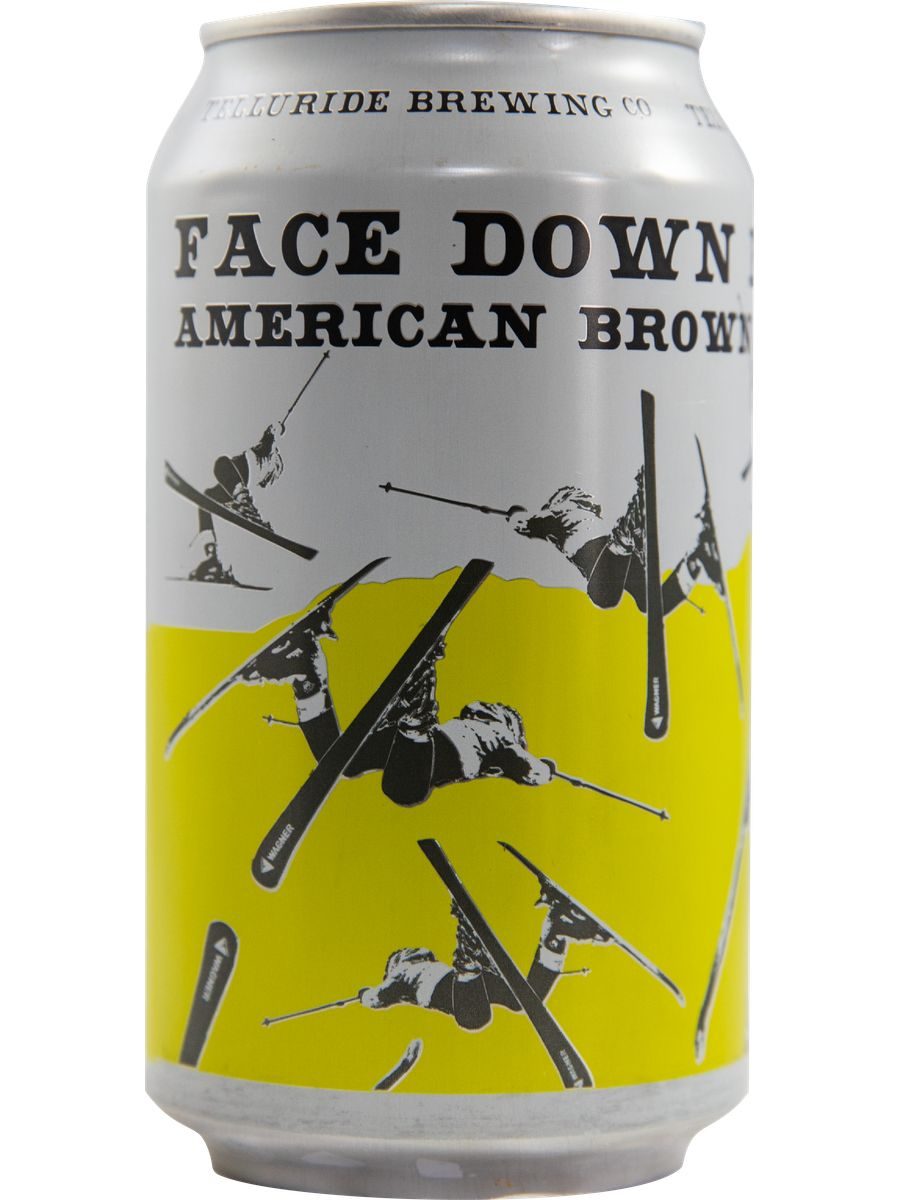
Face Down Brown Ale
Brewed by Telluride Brewing Company
An explicitly hybrid brown pairs English malt comfort with American hop lift.
BAR NOTES
Telluride describes Face Down as a hybrid of English and American Brown Ale at 5.7%. Toffee, chocolate and nut aromas meet German noble and American aroma hops, making the boundary between the two brown traditions especially useful to taste.
The brewery confirms cans and draft in Colorado, so availability remains regional rather than a nationwide promise. Compare its hop-forward finish with Maduro’s softer English-style center; the American Brown Ale recipe shows how to sharpen layered malt without crossing into dark IPA.
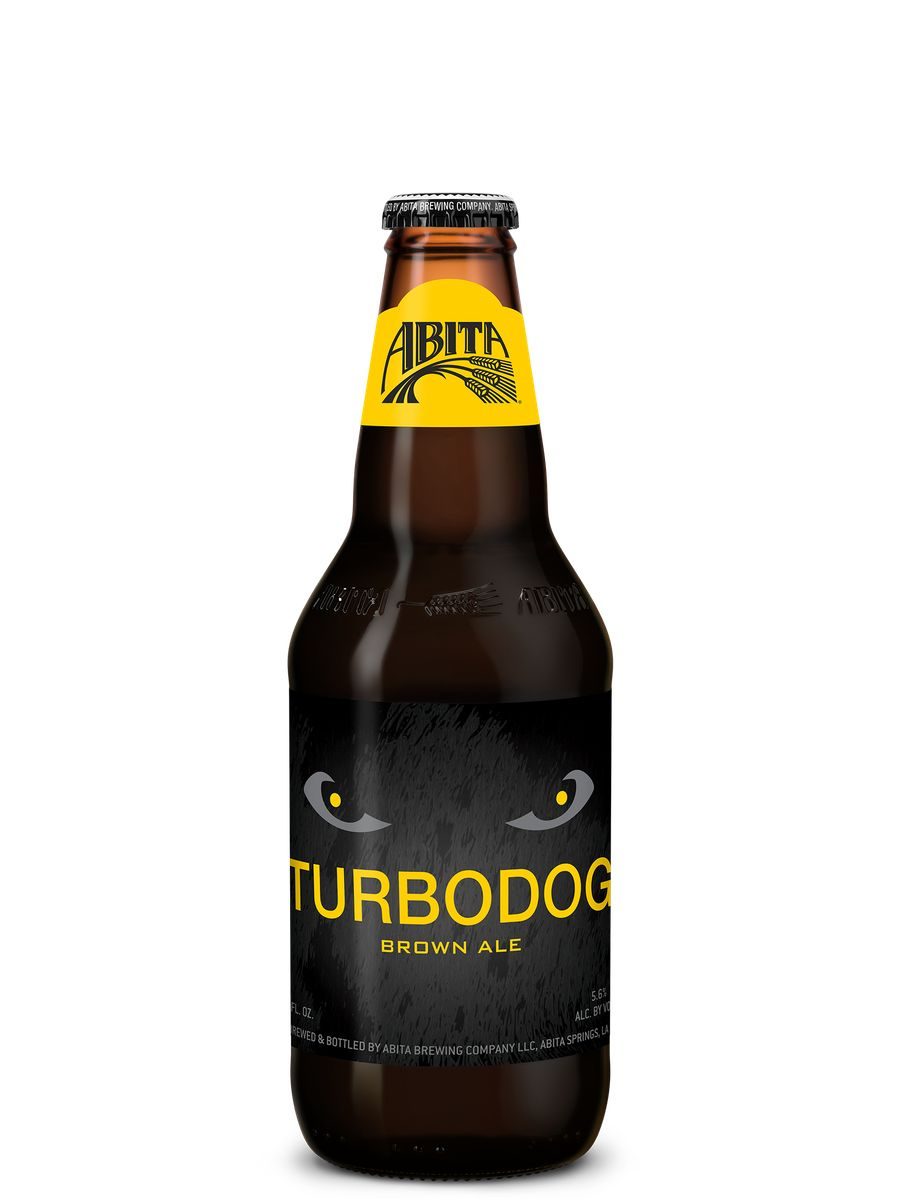
Turbodog
Brewed by Abita Brewing Company
Pale, caramel and chocolate malt support a toffee-rich Louisiana brown.
BAR NOTES
Abita’s current Turbodog recipe is listed at 5.6% and 28 IBU. Pale, caramel and chocolate malts combine with Willamette hops and German ale yeast, producing the chocolate-and-toffee impression behind this year-round Louisiana flagship.
The current specification differs from older 6.3% descriptions, so use the selected recipe when comparing strength. Abita recommends burgers, sausages and jambalaya; the brewing recipe collection offers a useful next step for designing malt depth without relying on extra alcohol or heavy residual sweetness.
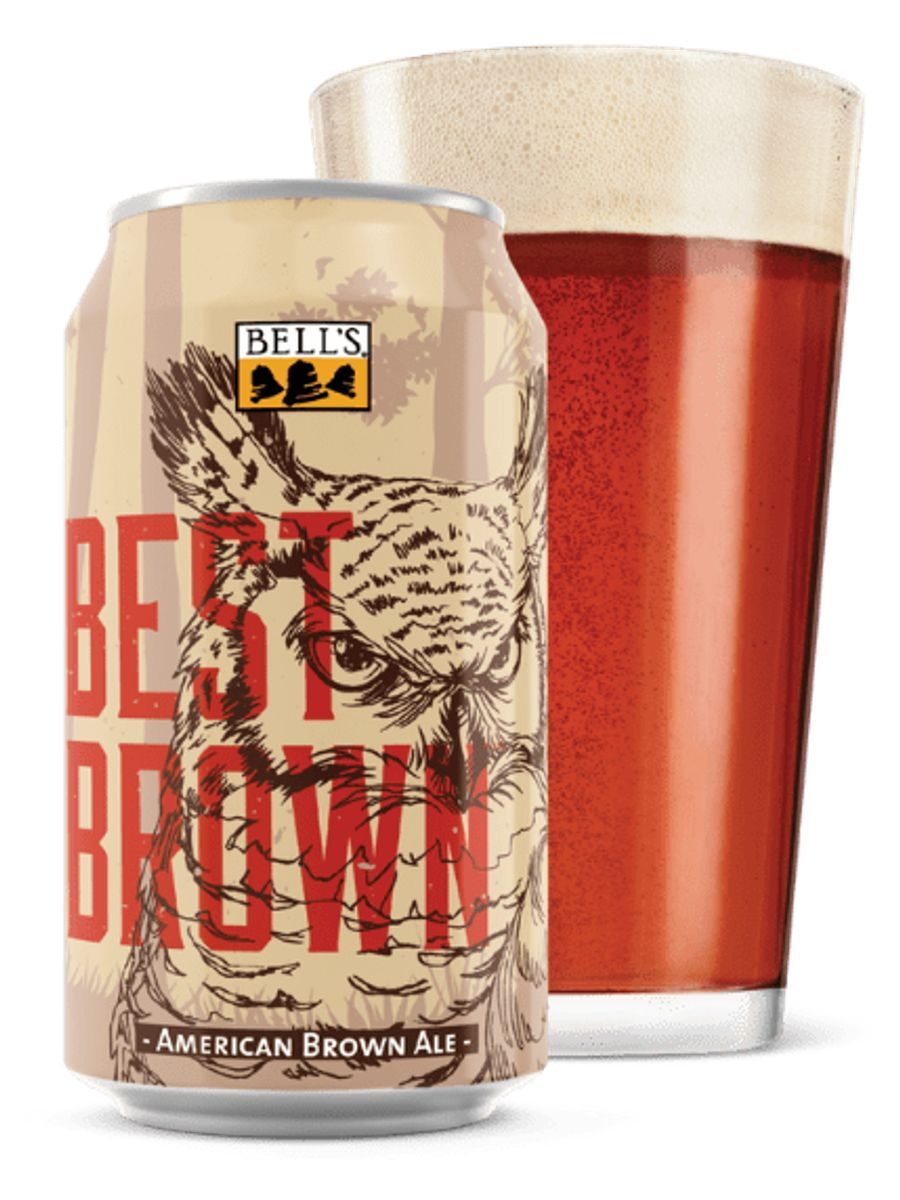
Bell’s Best Brown Ale
Brewed by Bell’s Brewery
Cocoa, caramel and toast in Bell’s limited American Brown reference.
BAR NOTES
Bell’s Best Brown is a 5.8% American Brown with cocoa, caramel and a smooth toasted profile. Current brewery listings place it in Throwback and Larry’s Library contexts, so it should not be presented as a permanent standalone six-pack.
The alcohol fits the ordinary American Brown range even though it is a stronger comparison in the British Brown guide. Check current packaging and dates, then use American Amber Ale to compare caramel-led malt with deeper cocoa-and-toast layers.
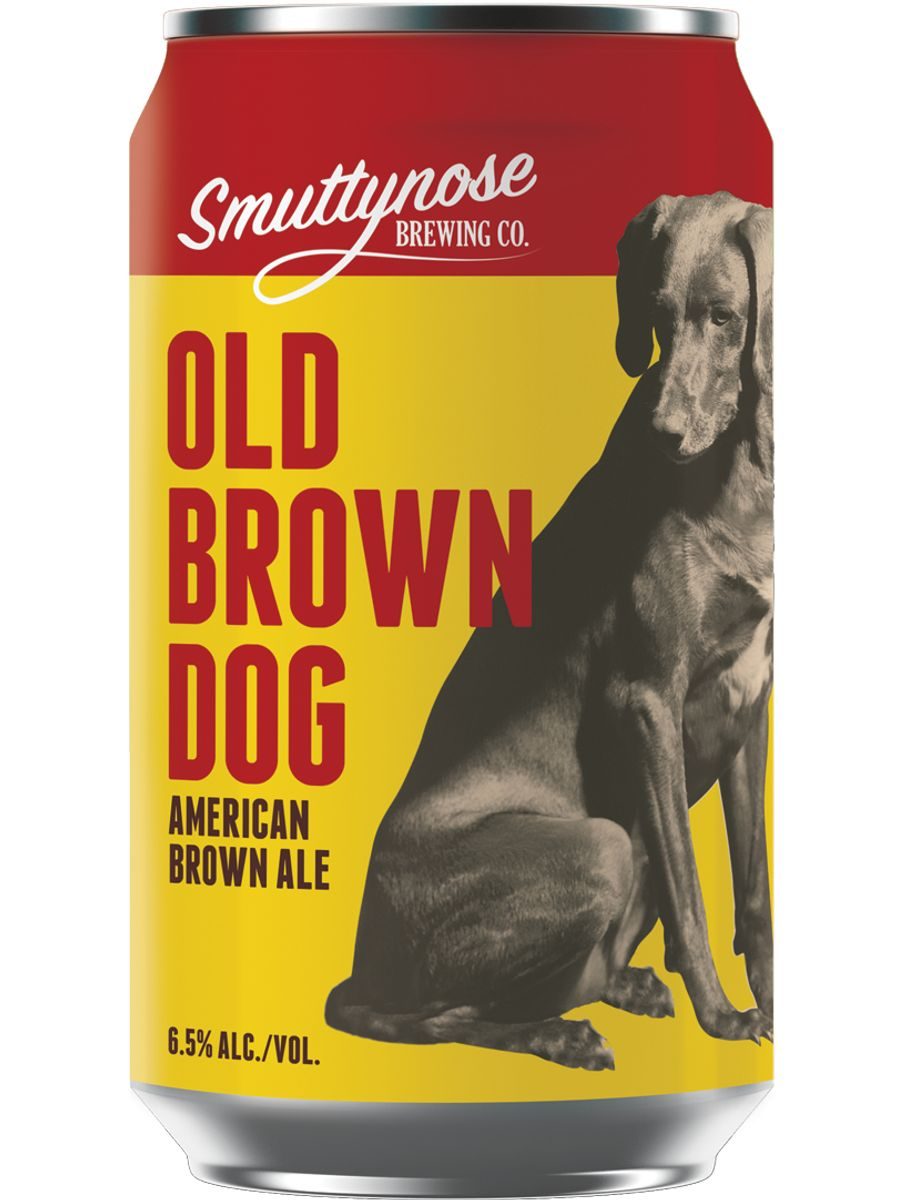
Old Brown Dog Ale
Brewed by Smuttynose Brewing Company
Munich, crystal and chocolate malt make a fuller-strength American Brown reference.
BAR NOTES
Smuttynose’s current Old Brown Dog is a year-round 6.5% ale with 30 IBU. North American two-row, Munich, dark crystal and chocolate malts meet Cascade, Galena and Willamette hops in a fuller-bodied brown first brewed in 1994.
Its strength exceeds the usual American Brown range of 4.3–6.2%, so treat it as a labeled commercial exception rather than a precise competition template. Compare the malt structure with Ellie’s before judging alcohol alone; the American Brown Ale recipe helps place the distinction.
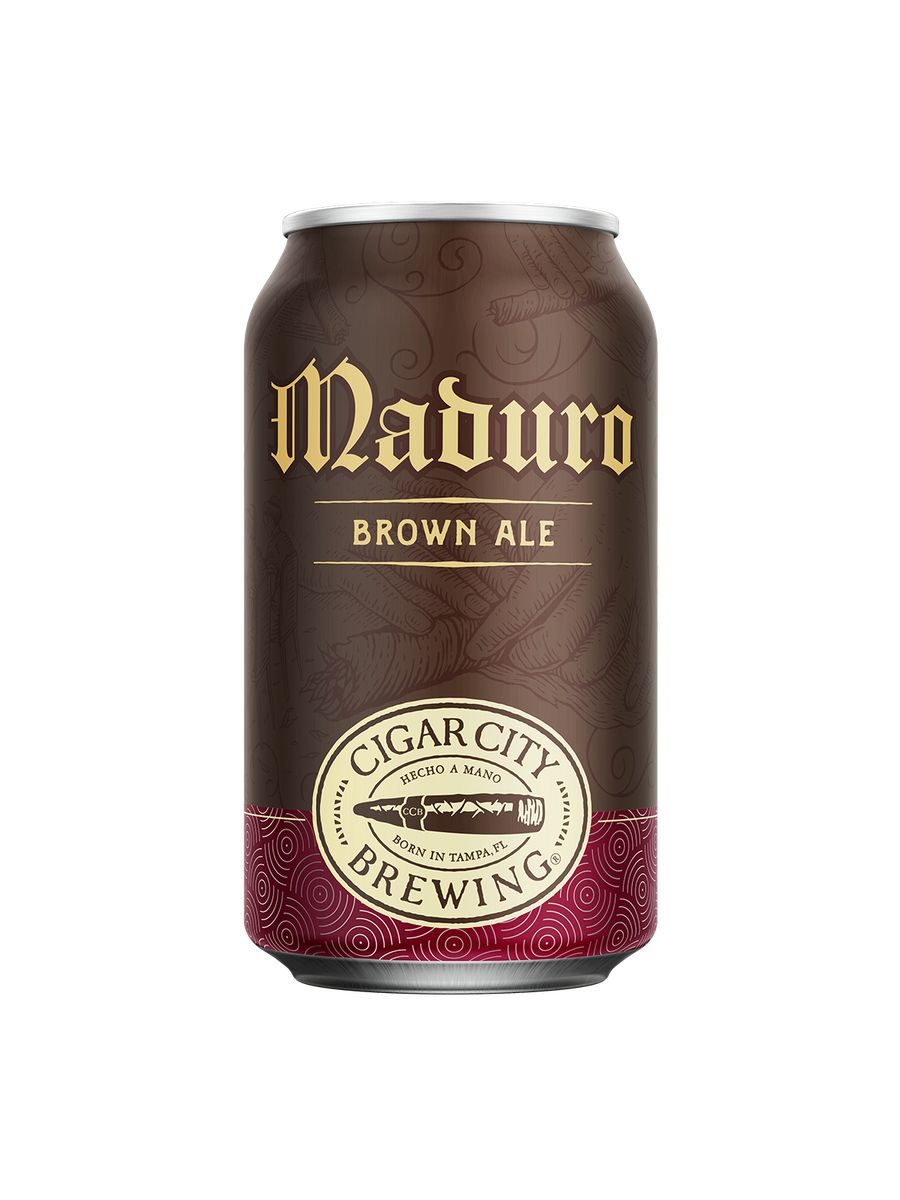
Maduro
Brewed by Cigar City Brewing
Toffee, almond and brown sugar give way to a dry coffee-like close.
BAR NOTES
Cigar City calls Maduro an English-style Brown Ale, despite its American brewery address. The year-round 5.5% recipe uses chocolate malt and flaked oats, with almond, toffee and brown-sugar impressions that dissipate into a dry, coffee-like finish.
Its place here is a labeled neighbor, useful for comparing body and malt with more hop-aware American browns. The British Brown Ale guide helps explain why country of production and style tradition answer different questions, even when the beers share a similar color.
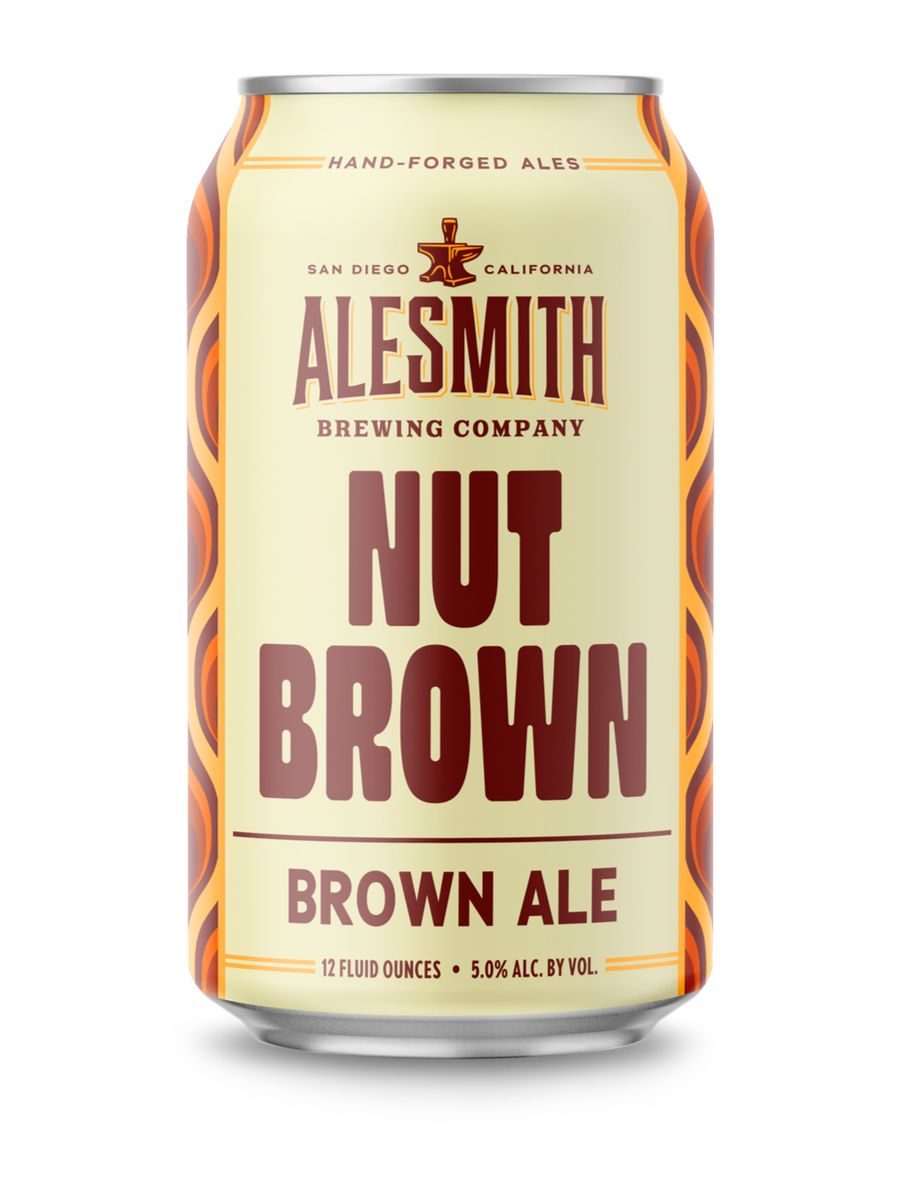
AleSmith Nut Brown
Brewed by AleSmith Brewing Company
An American brewery’s English-style Nut Brown supplies a gentler hop comparison.
BAR NOTES
AleSmith explicitly calls Nut Brown a tribute to a favorite British style. Its current 5.0% recipe has 12 IBU, with biscuit, mild cocoa, earthy hops and a creamy malt-led body rather than the firmer bitterness expected from American Brown.
Use it as a neighboring comparison, not as proof that every American-brewed brown belongs in the American style. Contrast its quiet hop finish with Face Down; the malt and adjunct chart helps describe biscuit and cocoa without assuming additional flavoring ingredients.
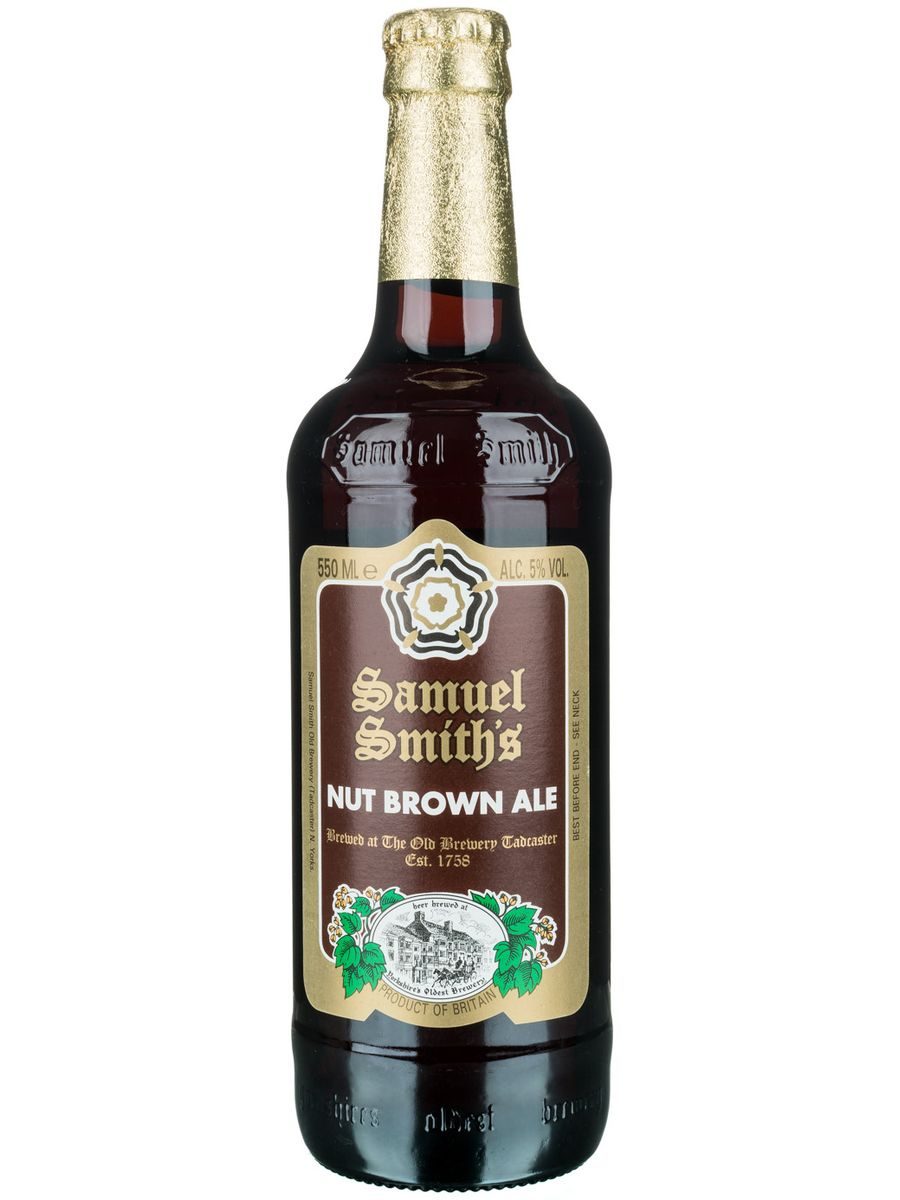
Samuel Smith’s Nut Brown Ale
Brewed by Samuel Smith’s Old Brewery
A dry, nutty British reference makes the American hop contrast easier to read.
BAR NOTES
Samuel Smith’s 5.0% Nut Brown is fermented in stone Yorkshire squares and described with beech-nut, almond and walnut impressions. These are sensory descriptors, not evidence that actual nuts have been added to the recipe.
A small pour at cool cellar temperature makes a useful endpoint for comparing malt and fermentation with American browns. The relatively dry palate matters more than the dark color; the Brown British Beer family shows where English Brown, Mild and Porter separate.
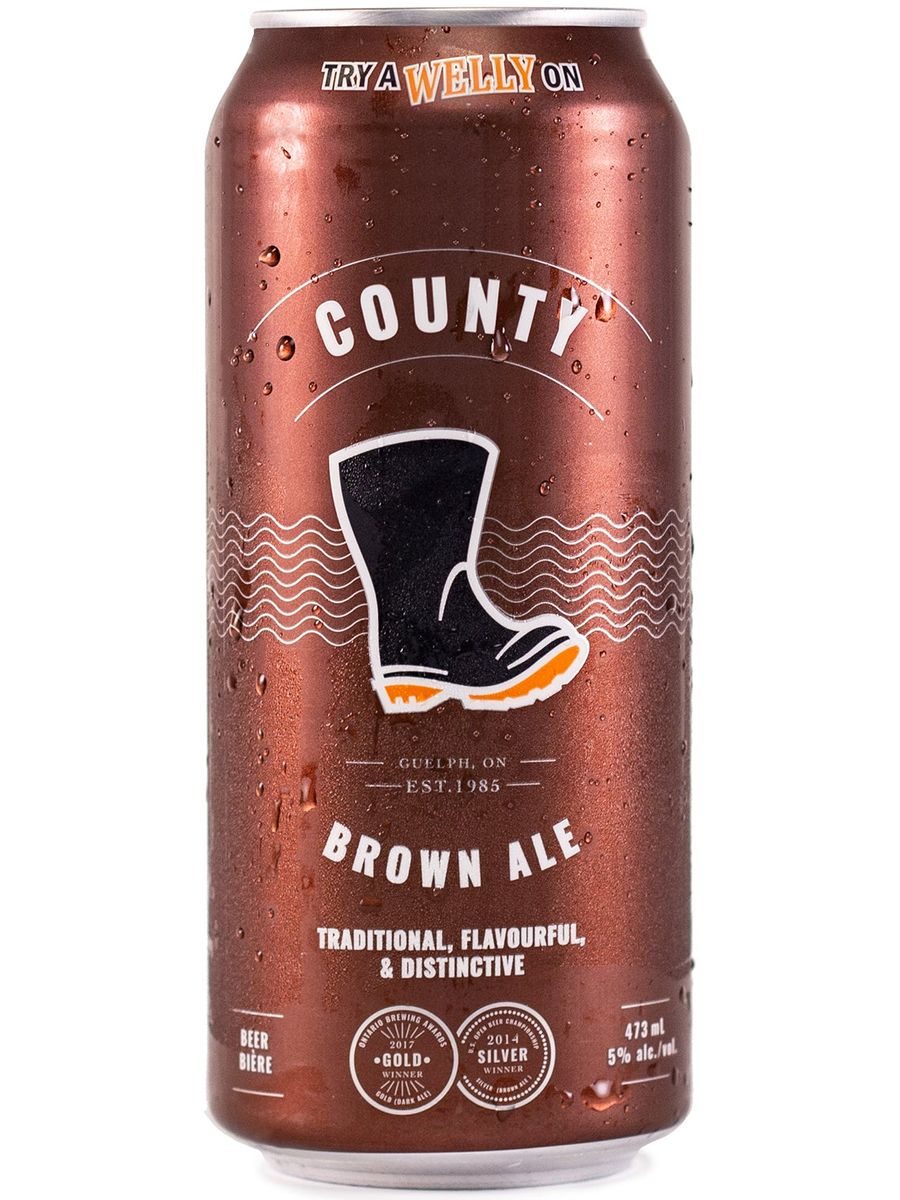
Wellington County Brown Ale
Brewed by Wellington Brewery
A Canadian English-style brown supplies a malt-led neighboring comparison.
BAR NOTES
Wellington’s County Brown is currently a 5.0% English-style Brown Ale from Guelph, Ontario. Roasted malt, nut and toffee impressions accompany a mild hop finish, making a useful contrast to the more hop-aware American references without porter-like heaviness.
Use it as another labeled neighboring style, comparing its malt center with AleSmith and Samuel Smith’s before returning to the American beers. The British Brown Ale guide explains the family resemblance while leaving room for differences in body, fermentation and finish.
Building layered malt flavor
Begin with American pale malt, then add medium or dark crystal for caramel and dark fruit, Munich or toasted malt for bread, and chocolate malt for cocoa. Small amounts of pale chocolate or dehusked dark malt can deepen color without harshness.
Restraint matters. Too many specialty grains create an indistinct brown sweetness, while too much roasted malt produces ash. Each addition should have a job, and the base malt should still provide the fermentable center.
Hops, yeast and water
American citrus, pine, floral or woody hops all work. Bitterness should be firm enough to balance malt but lower than in most pale ales. A clean American ale strain lets the grist show clearly, though a lightly fruity strain can add complexity if attenuation remains healthy.
Balanced chloride and sulfate usually serves the style better than an extreme profile. Chloride rounds the middle; sulfate keeps the finish from dragging. Excess alkalinity can make dark malt taste dull or harsh, so mash pH deserves attention.
How to brew American brown ale
- Design malt in layers: choose separate sources for bread, caramel and cocoa rather than relying on one heavy crystal malt.
- Protect fermentability: a moderate mash temperature prevents a rich grist from becoming syrupy.
- Add roast carefully: chocolate flavor is welcome; burnt husk character is not.
- Use hops as structure: bitterness and a modest late addition should sharpen the beer without turning it into a dark IPA.
- Allow full conditioning: young dark malt can taste angular, but extended aging is unnecessary for standard-strength examples.
Serving and pairing
Serve around 45–50°F in a nonic pint or tulip. Burgers, barbecue, roast chicken, sausages, mushrooms, aged cheddar and nutty cheeses all fit. Cocoa and caramel also make the style friendly with brownies or pecan desserts, provided the food is not far sweeter than the beer.
American brown ale FAQ
Is American brown ale heavy?
Not necessarily. Most examples sit near ordinary pale-ale strength and should finish cleanly. Dark color comes from malt choice, not automatically from high alcohol or body.
Is brown ale sweet?
It can suggest caramel and chocolate, but bitterness and attenuation should prevent a sugary finish. The best examples balance richness with repeatability.
Can brown ale be aged?
Standard-strength brown ale is best fresh, when hop aroma and clean malt flavor are intact. Strong barrel-aged versions may develop in a cellar, but they are outside the core style.
Keep exploring amber and brown American beer
Move from caramel-led amber ale through the hybrid snap of California Common and into the toast, cocoa and nutty depth of American brown ale.