
California Common: 10-Beer Comparison Flight and Style Guide
California Common is a lager fermented with the urgency of an ale. Its signature comes from a lager strain working at relatively warm temperatures, backed by toasty malt, assertive bitterness and the woody, minty character traditionally associated with Northern Brewer hops.
The method grew from practical brewing conditions on the American West Coast, but the result is not a compromise. A good example is crisp yet characterful, rustic around the edges and remarkably food-friendly.
California Common style profile
| Measure | BJCP range |
|---|---|
| Original gravity | 1.048–1.054 |
| Final gravity | 1.011–1.014 |
| Bitterness | 30–45 IBU |
| Color | 9–14 SRM |
| Alcohol | 4.5–5.5% ABV |
What California Common tastes like
Expect light caramel, toast and grain in the malt, often with a woody, herbal, minty or lightly rustic hop aroma. Fermentation may contribute a restrained fruitiness, but the beer should remain cleaner than a typical warm-fermented ale.
Bitterness is firm and the finish is moderately dry. Body sits around medium, carbonation is lively and the overall impression is amber, crisp and direct. Strong sulfur, heavy esters, sweet caramel or modern tropical-hop saturation obscure the traditional shape.
Why the fermentation is unusual
California Common uses a lager yeast strain selected to perform well above conventional lager temperatures. That does not mean any lager yeast can simply be left warm. Strain choice, pitching rate, oxygen and temperature stability determine whether the result is clean and lightly characterful or rough and sulfurous.
After primary fermentation, cool conditioning helps yeast and haze settle while smoothing the hop-malt edges. The process is faster and warmer than classic lagering, but it still benefits from patience.
Ten California Common references and comparisons
Three California Common references anchor this ten-beer comparison flight: 33 Acres of Life, OPE California Common and Kevin. Kevin is currently sold out and remains a release to watch. Seven clearly labeled neighboring beers explore toasted malt, clean fermentation and contrasting hop character; they are comparisons rather than seven more examples of California Common.
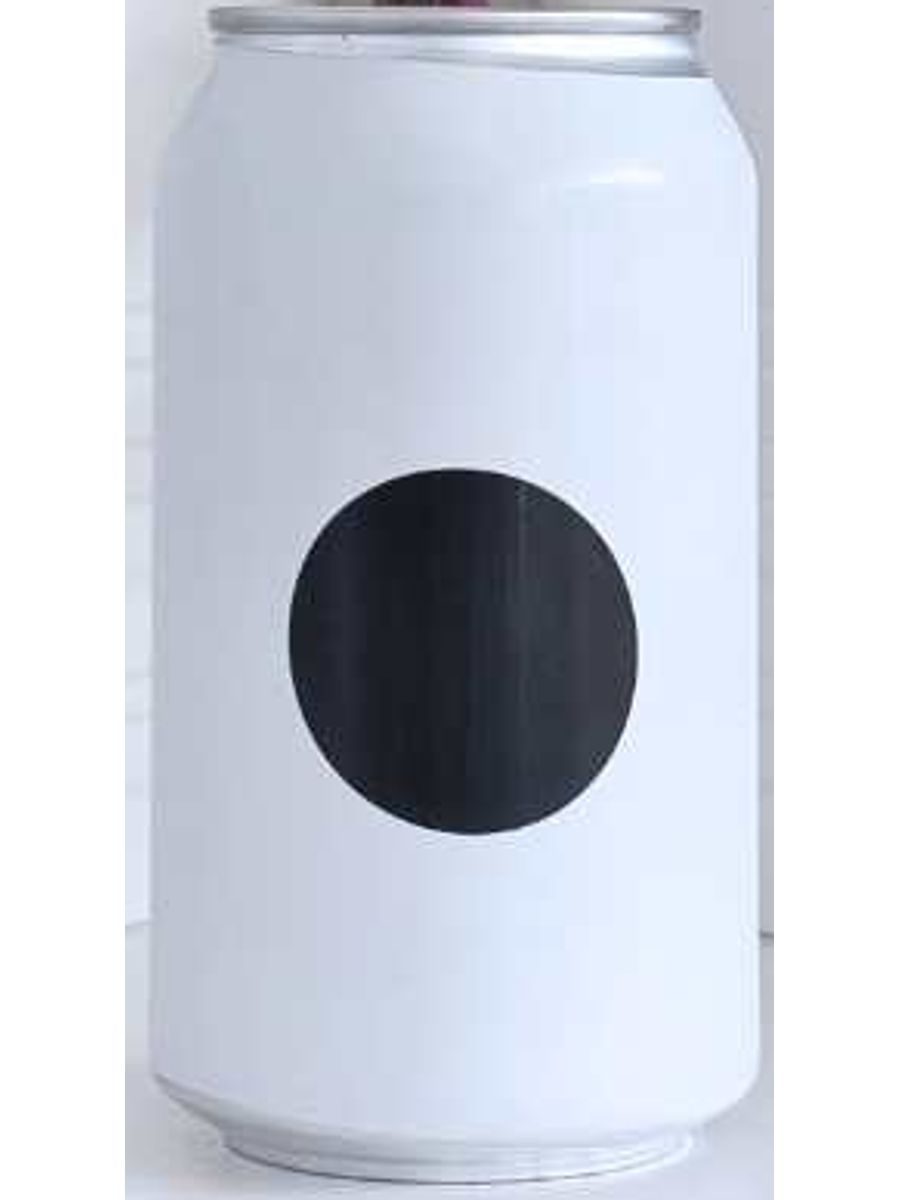
33 Acres of Life
Brewed by 33 Acres Brewing Company
Toast, faint fruit and a crisp finish make the hybrid method clear.
BAR NOTES
33 Acres describes Life as an amber lager rooted in the California Common tradition. Its current 4.8% profile combines faint fruit, toasted malt and light caramel with sharp carbonation, while Northern Brewer contributes a restrained evergreen impression.
Compare it directly with an amber ale at similar strength before focusing on color. The important question is how warm lager fermentation changes the finish; the California Common recipe shows why yeast choice and temperature control belong together rather than being interchangeable shortcuts.
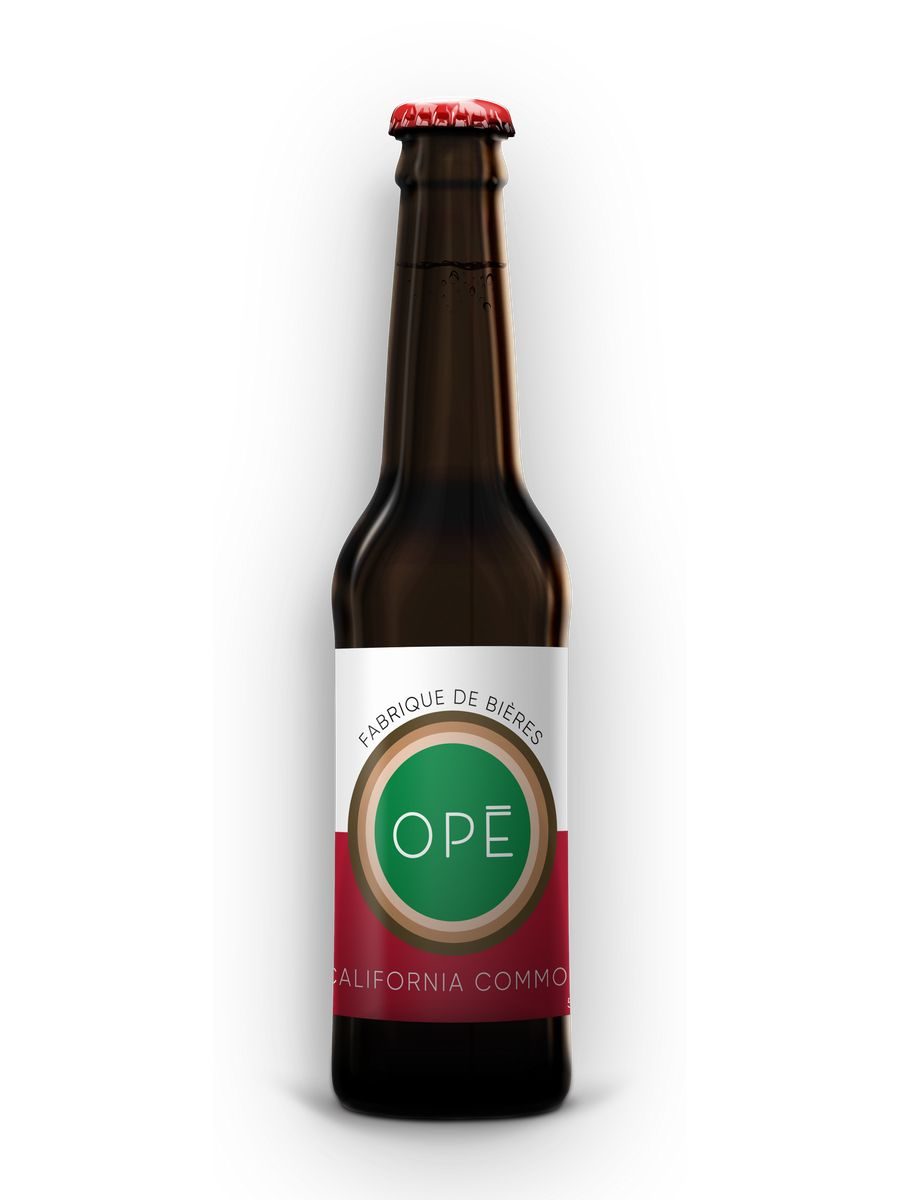
OPÉ California Common
Brewed by Brasserie OPÉ
Vienna, Munich and biscuit malt support caramel, toast and a minty close.
BAR NOTES
OPÉ’s current California Common is 5.5% with 31 IBU. Its grist includes pale, Vienna, Munich, biscuit and amber caramel malts plus wheat, with Challenger, Phoenix and Perle hops and a California Lager M54 yeast strain.
This French interpretation keeps the method recognizable while changing the hop selection. Compare its toast and minty finish with Life’s evergreen note, then visit the brewing education guides to explore how ingredients and fermentation can point toward similar sensory results through different routes.
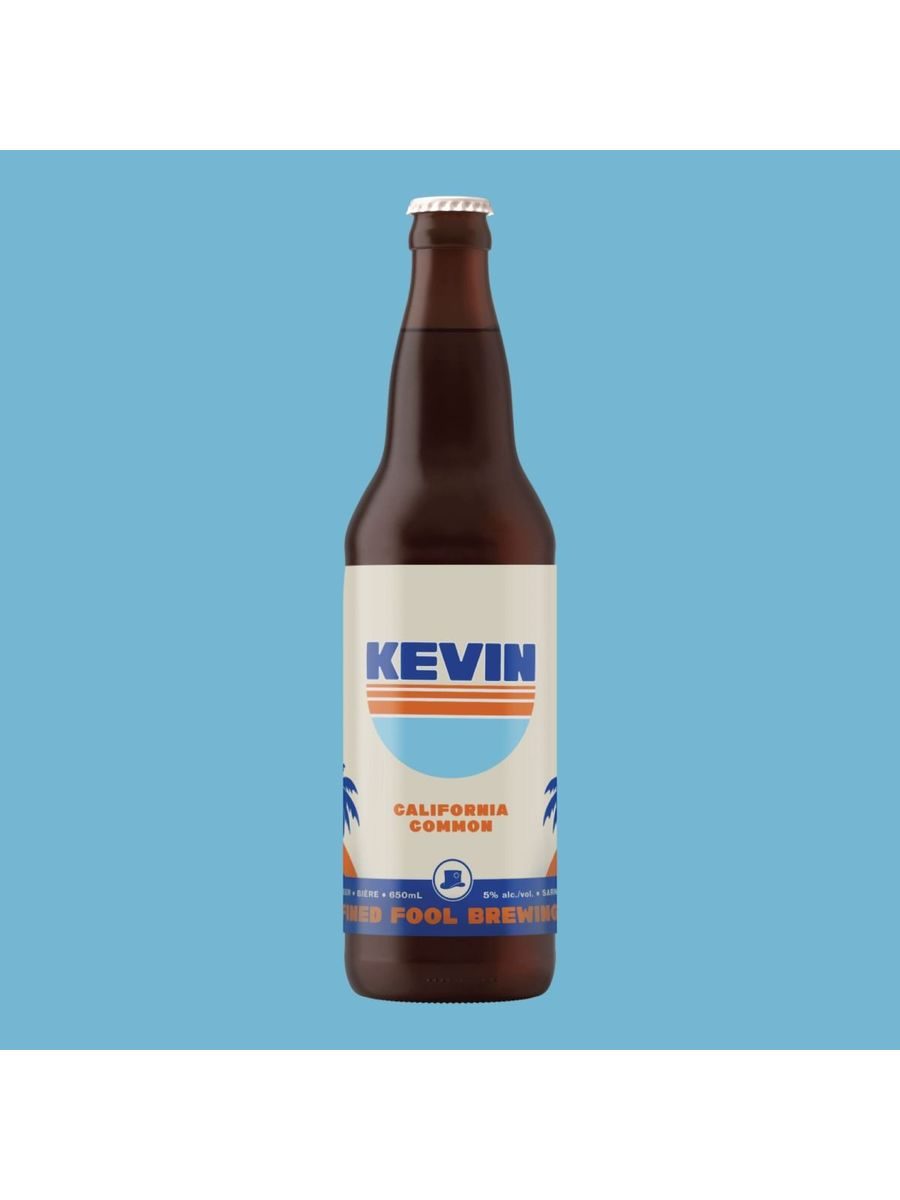
Kevin
Brewed by Refined Fool Brewing Company
Brown sugar, biscuit and nuts meet a leafy, grassy finish.
BAR NOTES
Refined Fool’s listed Kevin recipe is a 5.0% California Common with 40 IBU and a 650ml bottle format. Brown sugar, toasted biscuit, nuts and bread precede leafy, grassy hops, giving this reference a more rustic malt-and-hop conversation.
The brewery shop currently marks Kevin sold out, so treat it as a release to watch rather than an available shelf recommendation. Read the California Common guide for the method, and buy any future release fresh instead of chasing aged bottles.
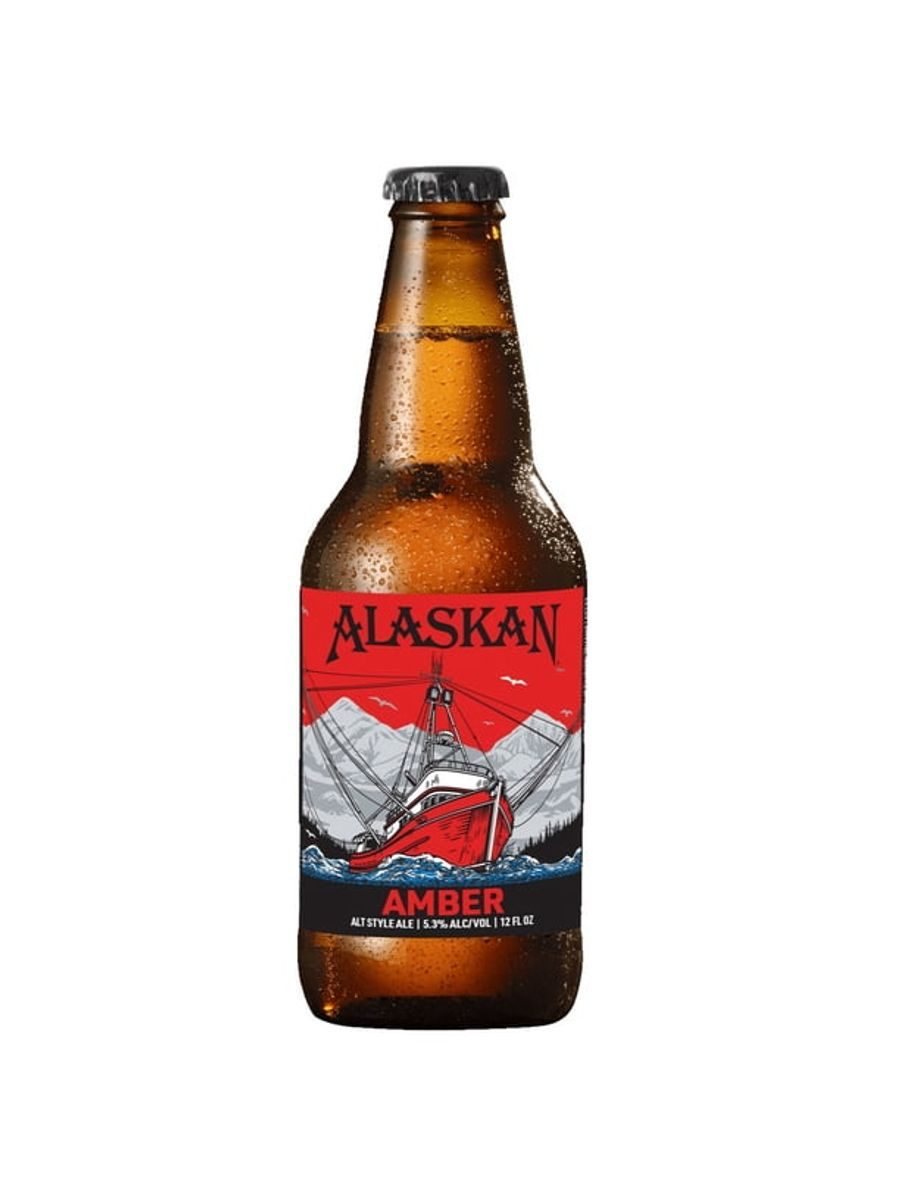
Alaskan Amber
Brewed by Alaskan Brewing Company
A malt-led alt-style neighbor separates amber color from American hop balance.
BAR NOTES
Alaskan explicitly identifies Amber as an alt-style ale, with slow, relatively cool ale fermentation contributing to its smooth finish. Its current 5.3% and 18 IBU favor rich malt with enough hop backing to stay composed.
Use it as a neighboring comparison, especially beside the more citrus-aware American amber references. The yeast remains an ale strain; amber color does not turn it into California Common. The Altbier guide explains the tradition behind this useful distinction.
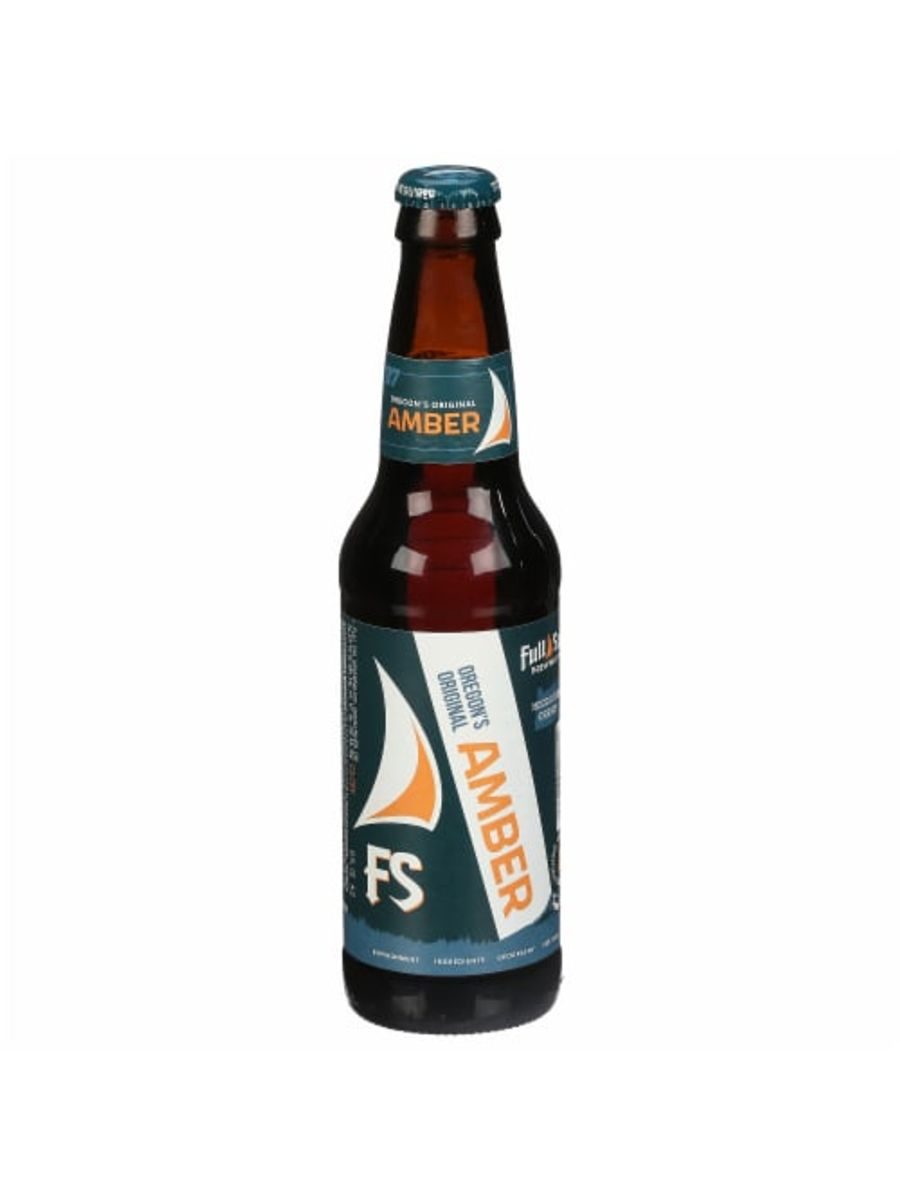
Full Sail Amber
Brewed by Full Sail Brewing Company
Pale, crystal and chocolate malt support a floral, spicy hop close.
BAR NOTES
Full Sail’s current Amber is a year-round 6.0% ale with 31 IBU. Pale, crystal and chocolate malts provide its sweet-seeming malt center, while Columbus and Cascade hops bring a spicy, floral finish that keeps the beer moving.
A little chocolate malt does not automatically make this a brown ale. Compare the depth of its toast with the darker cocoa-and-nut impressions in American Brown Ale, paying attention to the finish after the first caramel impression has faded.
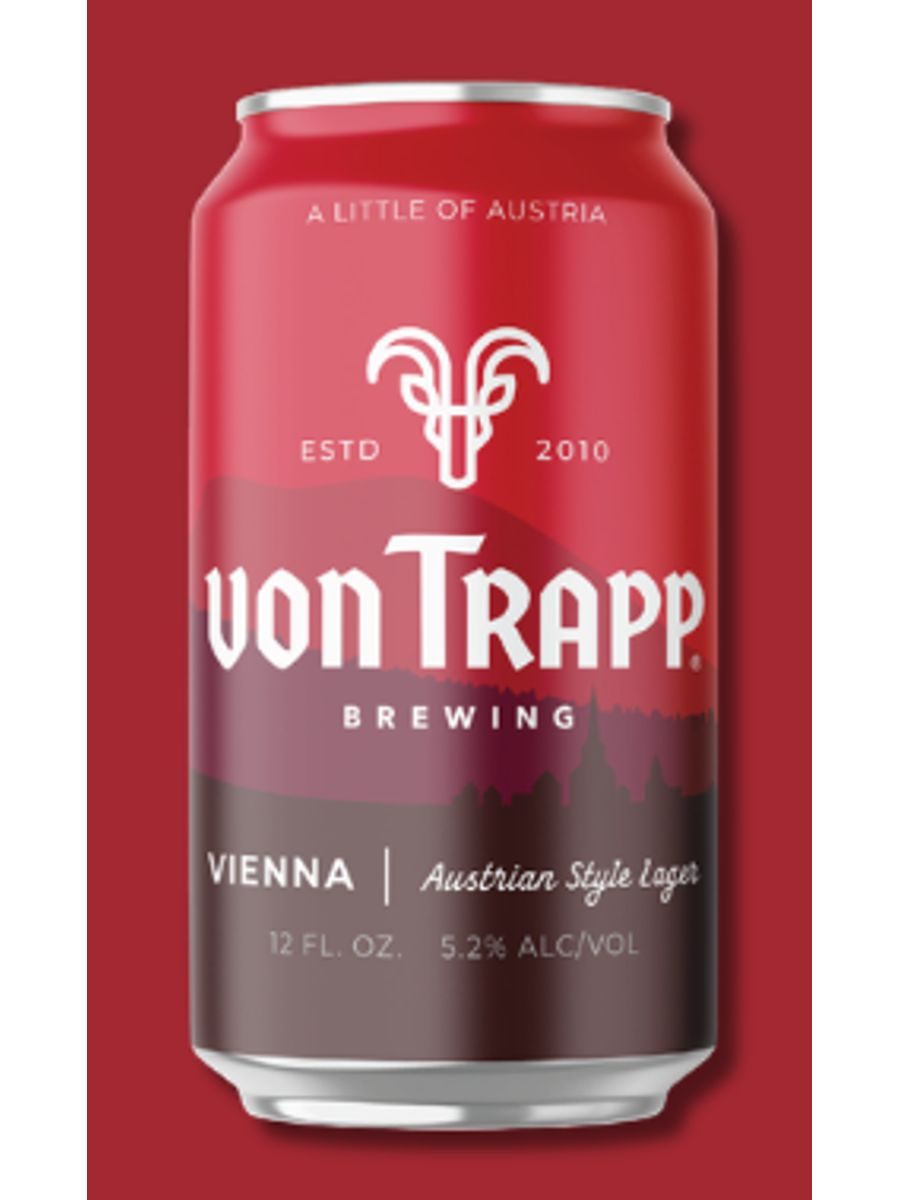
von Trapp Vienna
Brewed by von Trapp Brewing
A conventional Vienna Lager helps isolate the warm-fermentation question.
BAR NOTES
von Trapp’s current Vienna is 5.2%, with bread-crust, toffee and toast notes beneath grassy and floral hop aromatics. This is the Vienna product, distinct from the brewery’s Oktoberfest and Dunkel, and it serves as a conventional lager comparison.
Taste it beside Life before adding more assertive amber ales to the flight. A clean finish can occur through different fermentation schedules, so avoid inferring the method from smoothness. The Märzen guide adds another clearly labeled amber lager contrast.
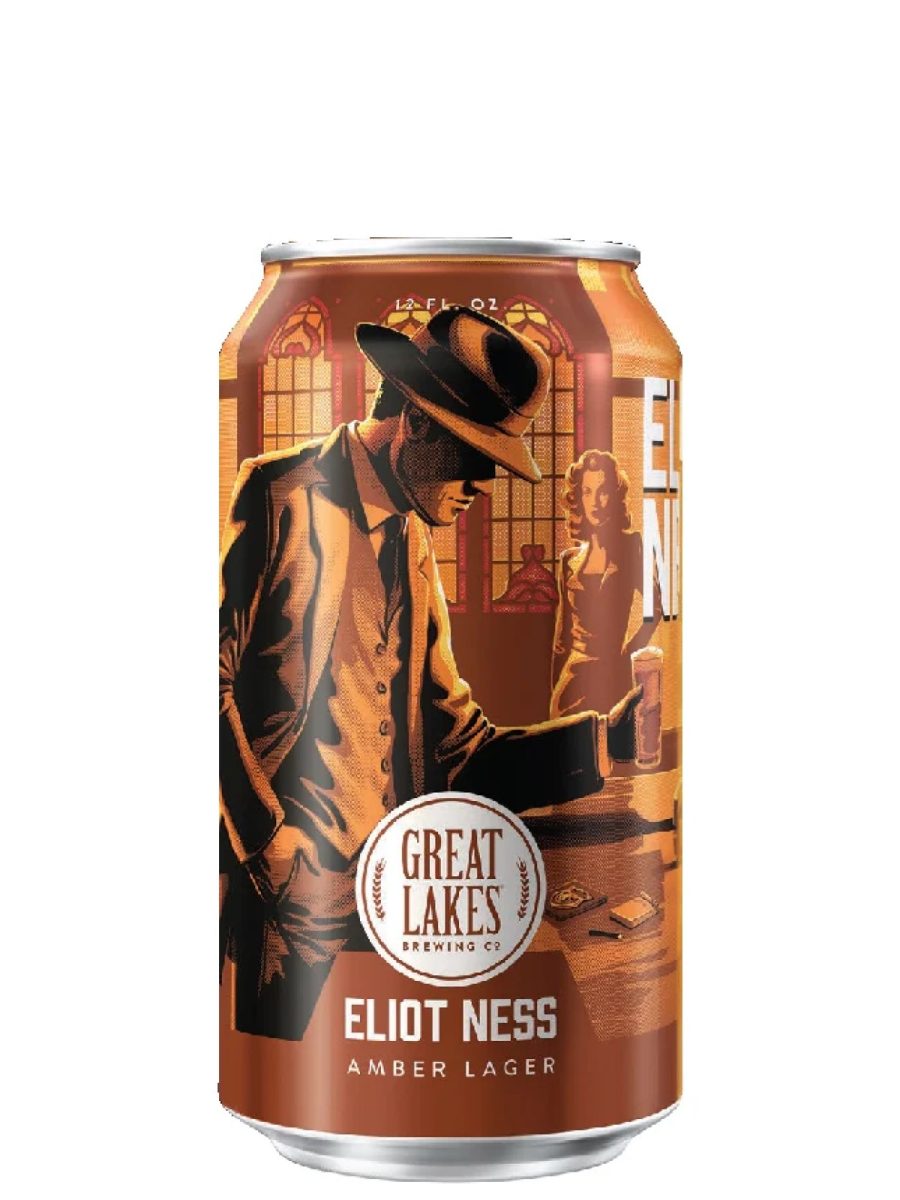
Great Lakes Eliot Ness
Brewed by Great Lakes Brewing Company
Munich and caramel malt define an amber lager comparison, not warm lager fermentation.
BAR NOTES
Great Lakes currently labels Eliot Ness an Amber Lager at 6.1%. Munich and caramel malt make it a richer commercial Vienna-style reference, above the usual California Common strength band, with its own lager identity kept explicit.
Amber lager color alone does not demonstrate the warm-fermented California Common method. Compare the malt and finish with Life, then move to the Vienna Lager style guide for the separate tradition rather than treating all copper-colored lagers as interchangeable.
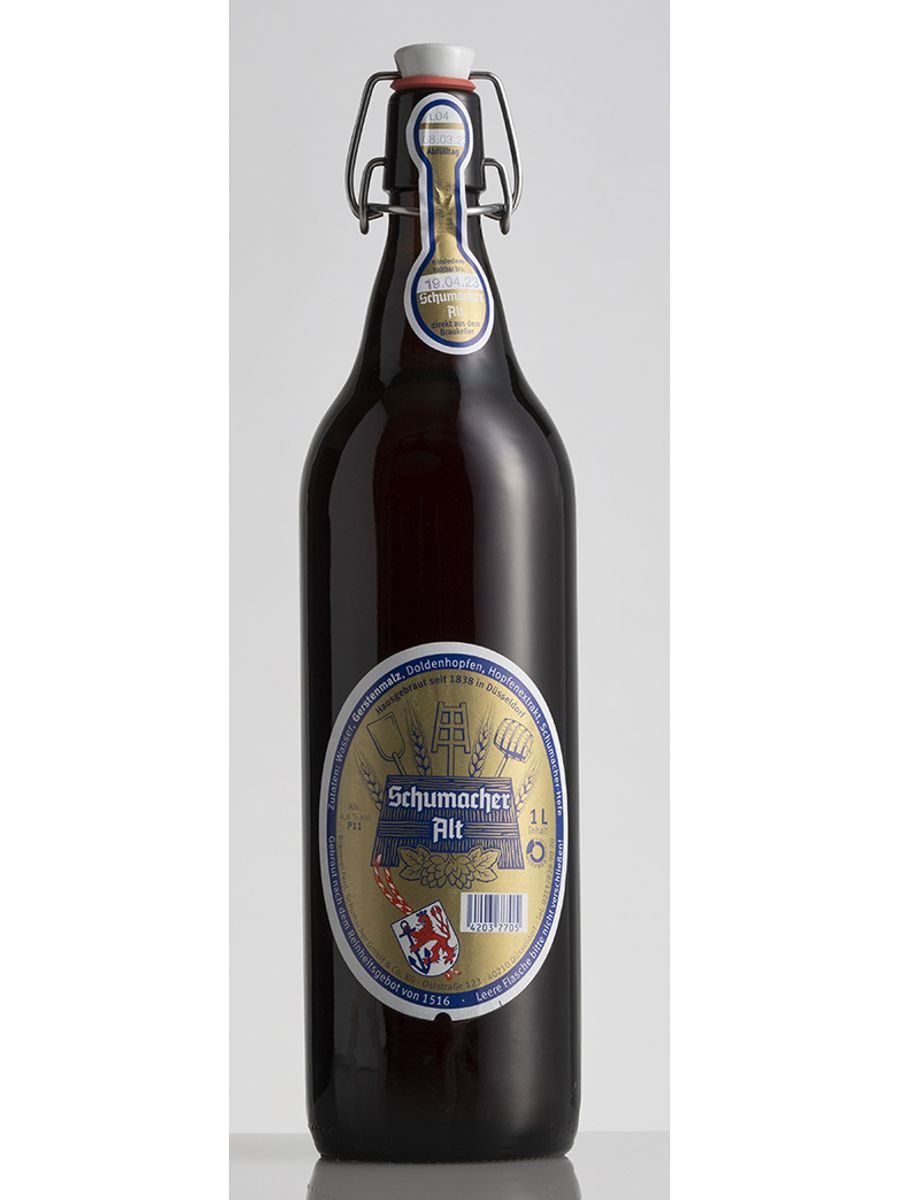
Schumacher Alt
Brewed by Brauerei Schumacher
Düsseldorf’s house Alt demonstrates a polished finish from an ale process.
BAR NOTES
Schumacher’s standard Alt is 4.6%, with open fermentation and its house yeast shaping the traditional Düsseldorf beer. Its polished finish belongs to an ale process, giving this flight a useful contrast to warm-fermented lager yeast.
Keep the standard Alt distinct from Latzen, 1838er and alcohol-free releases. Compare its toasted center and finish with Alaskan Amber rather than assuming all alt-style beers taste alike; the Altbier guide explains the shared tradition and its room for variation.
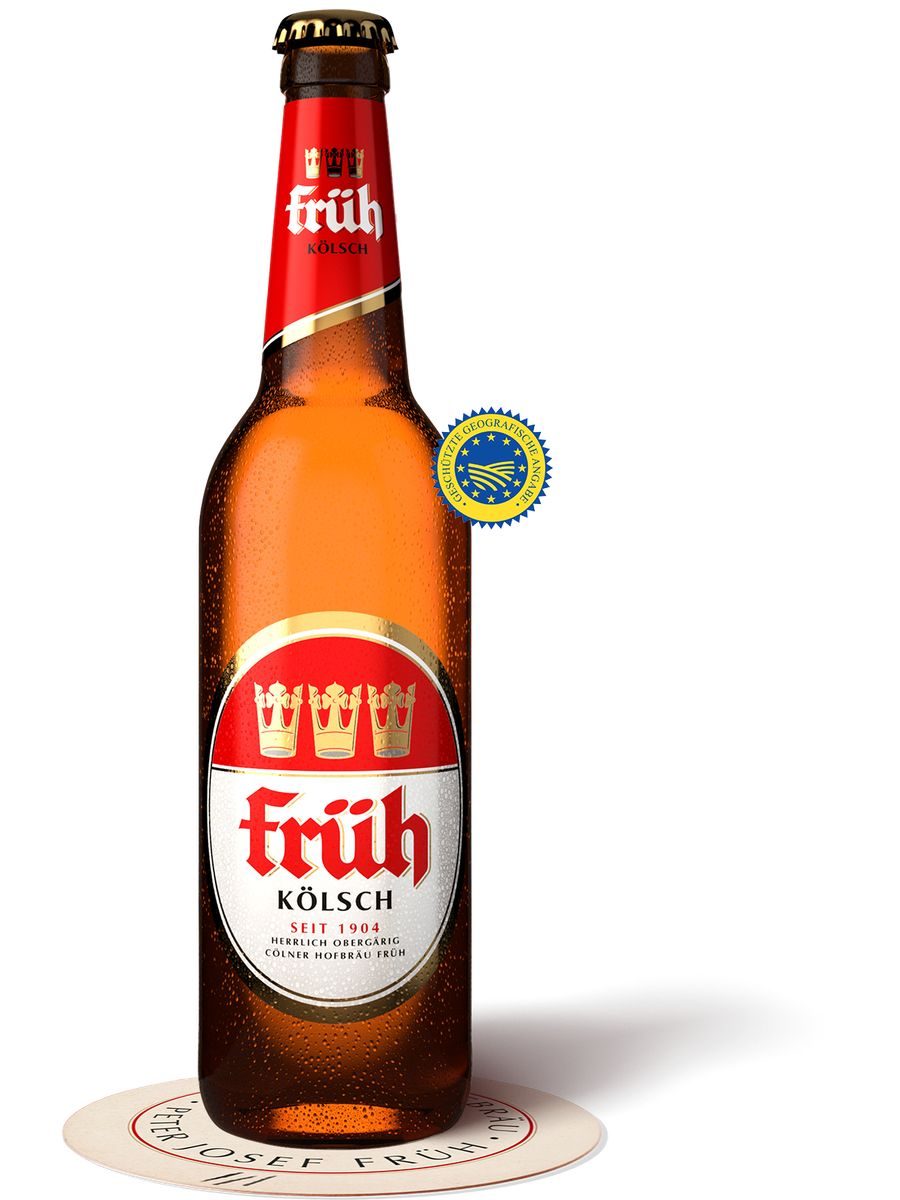
Früh Kölsch
Brewed by Cölner Hofbräu Früh
A pale Cologne ale separates polished fermentation from amber malt flavor.
BAR NOTES
Früh’s 4.8% Kölsch is pale and top-fermented, with mild hop character and patient maturation. It is included as a fermentation comparison rather than an amber beer or a California Common, making the yeast distinction easier to examine.
Compare a small fresh pour with the amber lager references before letting color dominate the discussion. Clean flavor does not identify the yeast family on its own; the Kölsch style guide explains why a restrained ale can still finish with a lager-like polish.
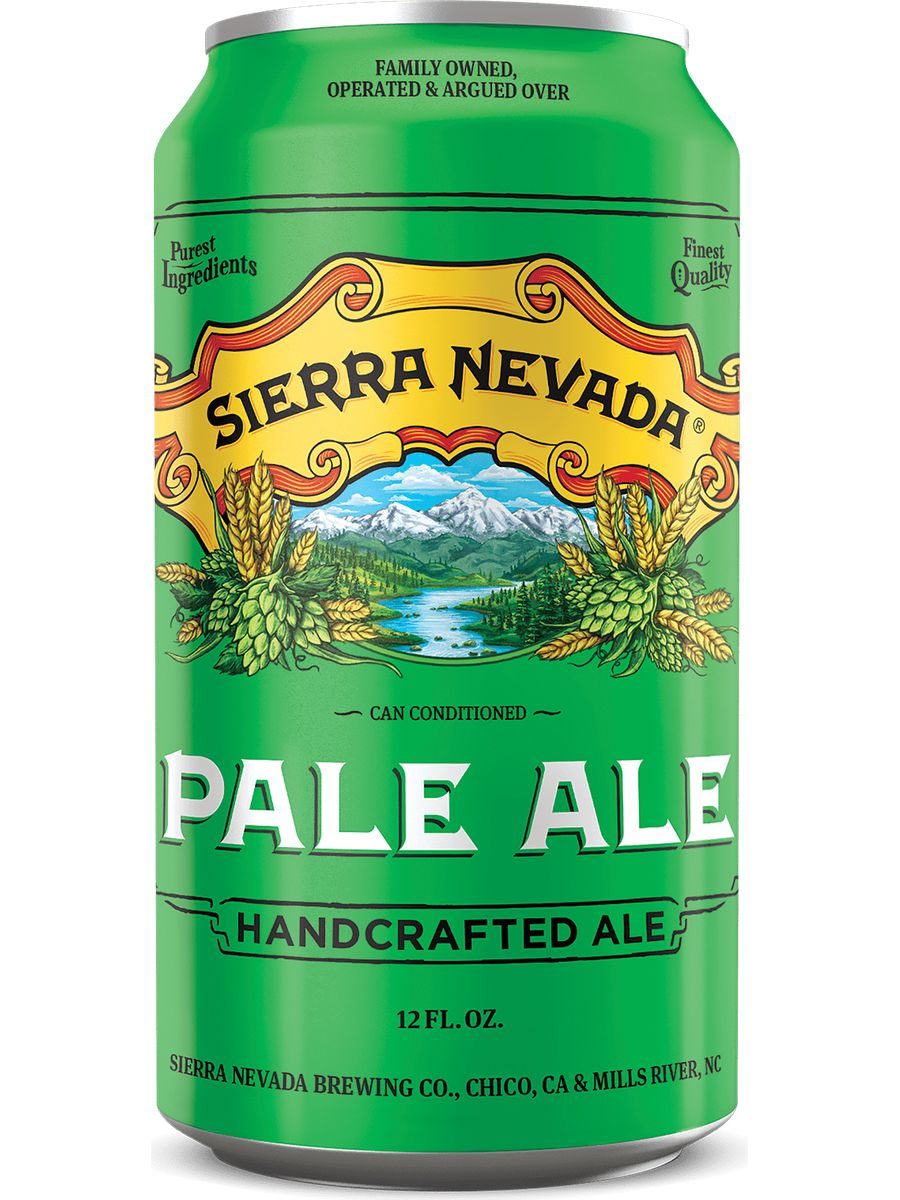
Sierra Nevada Pale Ale
Brewed by Sierra Nevada Brewing Company
Grapefruit and pine provide the more aromatic pale-ale boundary.
BAR NOTES
Sierra Nevada’s Pale Ale is 5.6% with 38 IBU and a Cascade-led hop identity. It belongs to American Pale Ale, making it a labeled neighboring comparison for amber malt balance and the less citrus-dominant California Common tradition.
Pour it after the subtler references and compare aroma, bitterness and malt support separately. The fuller citrus-and-pine conversation does not establish warm lager fermentation; the American Pale Ale recipe shows how its own clean ale process and hop schedule build the contrast.
Ingredients for the classic profile
Pale malt forms the base, with medium crystal and sometimes toasted malt adding the amber color and bread-crust center. The grist should be simpler than many amber ales because fermentation and hops need room to register.
Northern Brewer is the signature hop: woody, minty, herbal and firm. Related varieties can work, but a blast of mango or candy-like fruit changes the beer’s identity. Water with moderate sulfate supports the crisp bitterness without making it coarse.
How to brew California Common
- Choose the strain first: use a lager yeast known to remain clean in the low-to-mid 60s°F.
- Pitch generously: warm temperature does not remove the need for an adequate lager-sized yeast population.
- Hold temperature steady: uncontrolled heat creates fruit and solvent character that cold conditioning cannot erase.
- Build firm bitterness: the beer needs a clear hop spine to balance caramel and toast.
- Condition cool: give the finished beer time to clarify and develop the crisp finish promised by its lager yeast.
Serving and pairing
Serve around 44–48°F in a nonic pint. The beer works with grilled sausages, burgers, roast pork, pizza, firm cheese and roasted vegetables. Toasted malt connects with browned food, while herbal bitterness cuts fat.
California Common FAQ
Is steam beer the same as California Common?
The historical names are closely connected, but trademark considerations led style guides and many breweries to use California Common as the generic term.
Can California Common be brewed with ale yeast?
A clean ale strain can make a pleasant amber hybrid, but the classic style depends on warm-fermented lager yeast for its particular crisp yet lightly rustic character.
Does it need months of lagering?
Usually not. A few weeks of cool conditioning may be enough, depending on yeast health, fermentation and package method. Clarity and flavor stability are better guides than the calendar alone.
Keep exploring amber and brown American beer
Move from caramel-led amber ale through the hybrid snap of California Common and into the toast, cocoa and nutty depth of American brown ale.