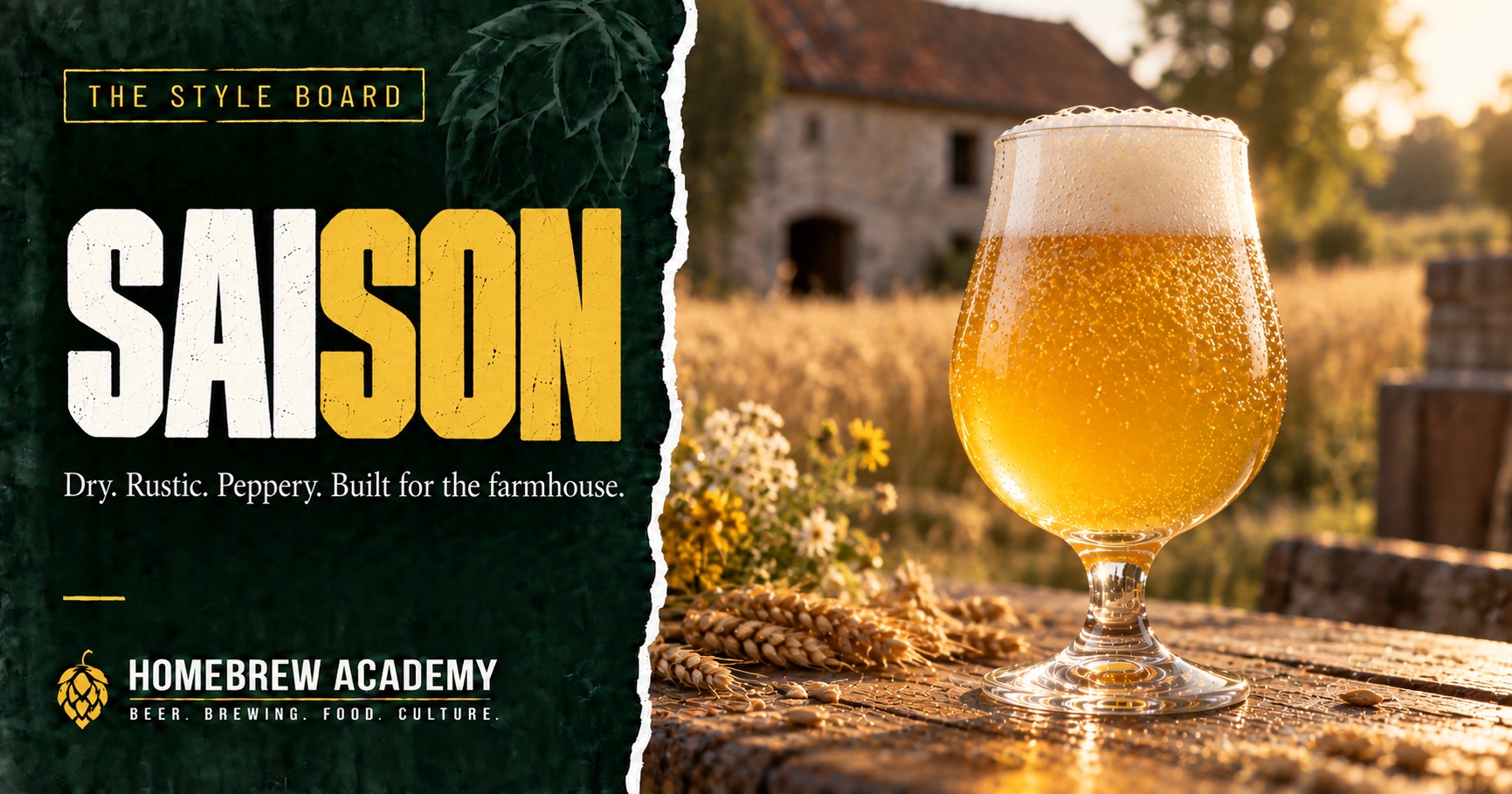
Saison: 10-Beer Comparison Flight and Style Guide
Saison is a dry, highly carbonated farmhouse ale known for peppery fermentation, bright fruit, grain, and a firm refreshing finish. It can be pale or dark, modest or strong, pristine or rustic, but should never feel lazy.
The range is wide because saison grew from regional tradition rather than one fixed recipe. Dryness, drinkability, and expressive fermentation are better guideposts than an exact ingredient list.
At a glance
- OG: 1.048–1.065 for standard strength
- FG: 1.002–1.008
- IBU: 20–35
- SRM: 5–14
- ABV: 3.5–9.5%; commonly 5–7%
What saison tastes like
Classic pale saison suggests lemon, pear, white pepper, hay, fresh grain, and herbal hops. A faint earthy note adds depth, but heavy banana, clove, sweetness, or sourness should not define it.
Very high attenuation creates the finish. Carbonation adds lift, while bitterness prevents thinness. The result can be intensely aromatic yet exceptionally refreshing.
Farmhouse roots and modern variety
Saison is associated with Wallonia and beers brewed in cooler seasons for farm use. The neat story of one universal provision is probably too simple, but rural brewing and local variation remain central.
Modern brewers use spelt, rye, oats, herbs, fruit, mixed cultures, and assertive hops. Variations work when the beer retains a dry, energetic structure.
The famous fermentation
Some classic strains slow in certain fermenters or under pressure, then continue as conditions change. Open fermentation, patient temperature management, or blending strains can help, depending on the yeast.
Warm finishing temperatures promote attenuation, but heating from the start can create harsh alcohol. Pitch healthy yeast, begin within range, and let temperature rise with momentum.
Grain, hops, and optional spice
Pilsner malt is common, with wheat, spelt, rye, Vienna, or Munich adding grain character. Sugar can dry a stronger version. Hops should reinforce pepper and citrus.
Spices are optional because yeast and hops already create spice-like aromas. If herbs, pepper, or peel are used, keep them hard to separate from fermentation.
Serving and food pairing
Serve at 45–50°F in a tulip with room for a large head. Saison fits farmhouse cheese, roast chicken, seafood, charcuterie, asparagus, salads, and herb-driven dishes.
Ten Saison references and comparisons
Ten farmhouse references compare classic Saison Dupont, the current 5.5% organic Saison Bio and the current Styrian Wolf dry-hopped can with St-Feuillien, 3 Monts and Baptist. Hennepin explicitly adds spices; Tank 7 adds strength and a stronger hop presence. Far Yeast White is a 5% Japanese Saison, while Bons Voeux is a 9.5% super-strength comparison. Grain choice, hop aroma and added seasoning remain separate from yeast-driven dryness.
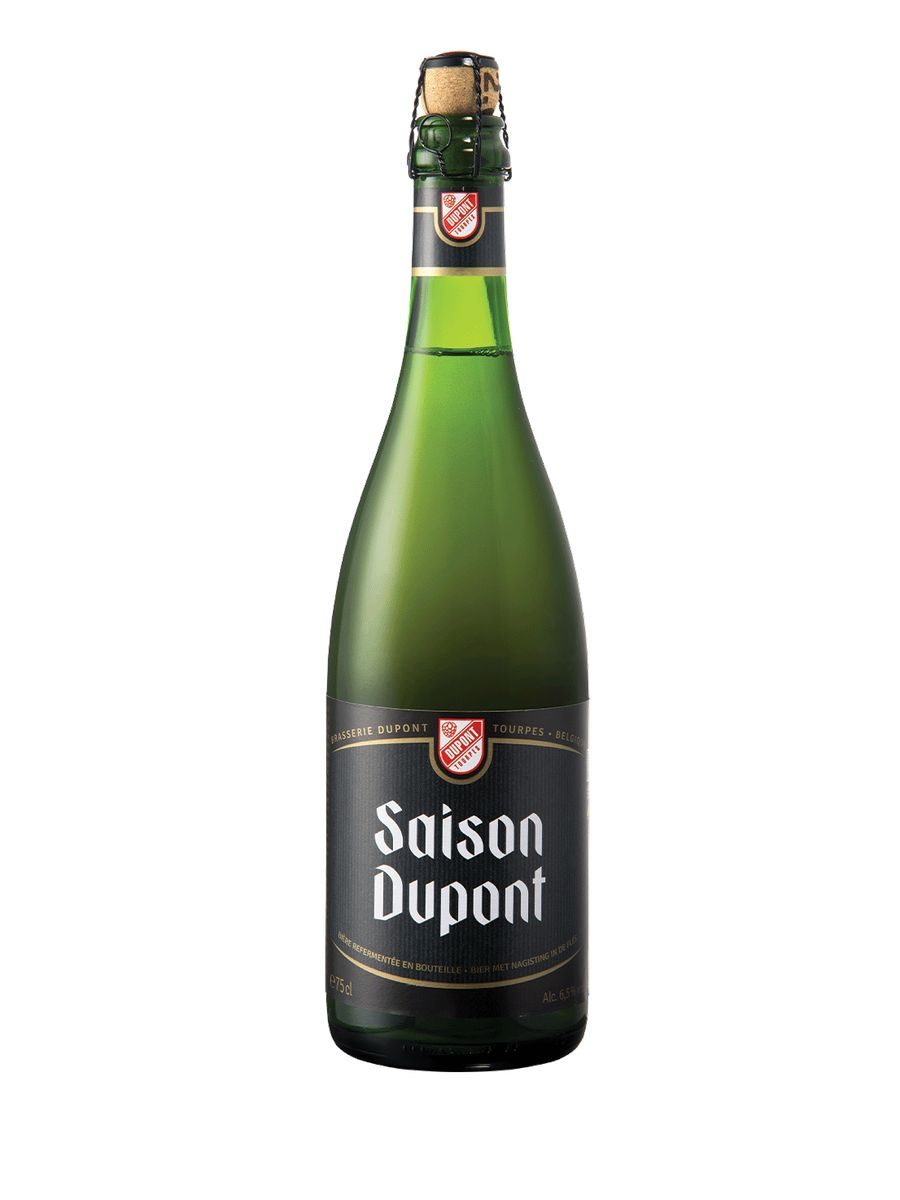
Saison Dupont
Brewed by Brasserie Dupont
Grapefruit, clove-like fermentation and persistent bitterness.
BAR NOTES
Saison Dupont is the brewery’s 6.5% flagship farmhouse reference. Its grapefruit and clove-like impressions lead into a strongly attenuated-feeling finish, establishing the relationship between expressive fermentation, bitterness and refreshment in the Saison flight.
Taste it before stronger or more heavily seasoned examples, separating the grain middle from the drying finish. A farm-brewery origin does not make sourness or mustiness mandatory. Saison recipe planning keeps yeast performance, attenuation and carbonation central to the brewing target.
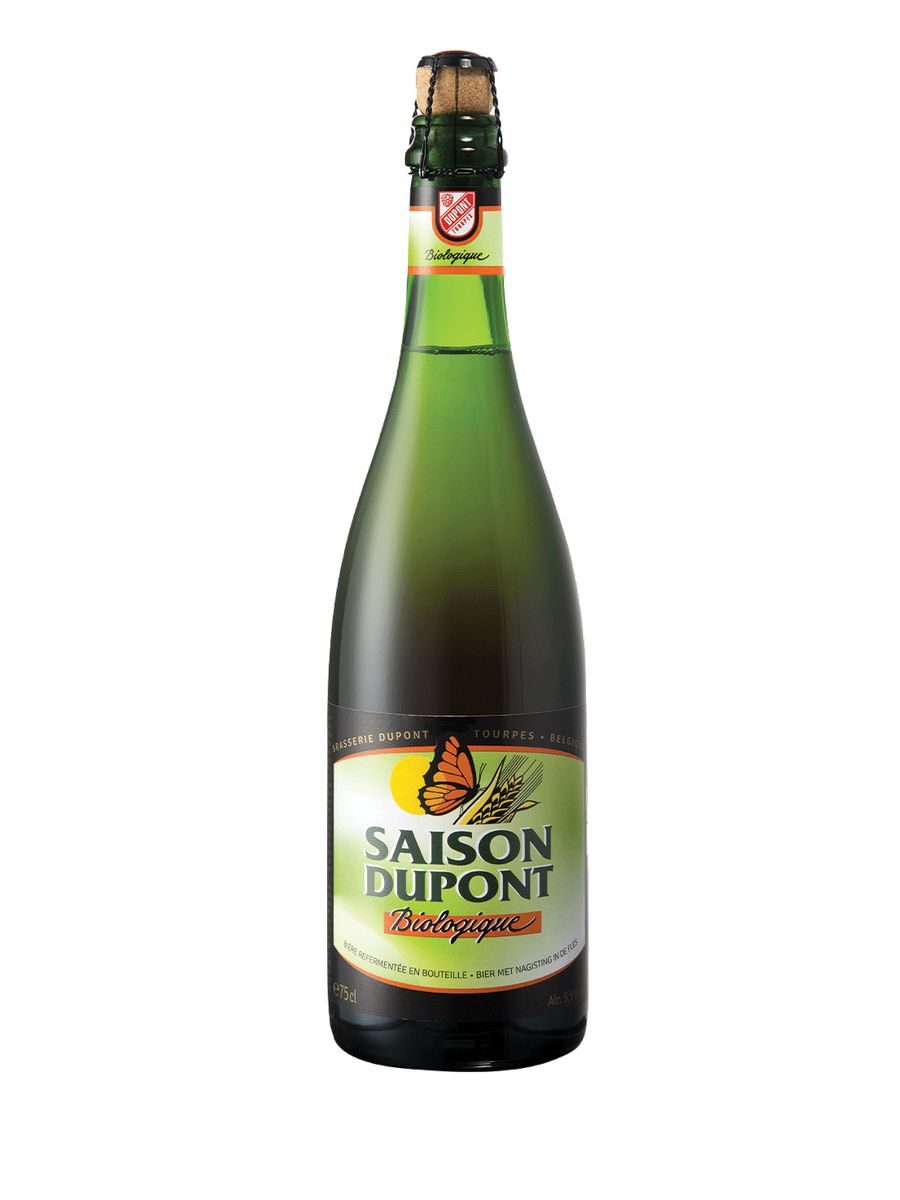
Saison Bio
Brewed by Brasserie Dupont
Citrus, white-flower and spice impressions with a dry finish.
BAR NOTES
Dupont currently lists Saison Bio at 5.5%, distinct from the regular 6.5% Saison Dupont. Its organically grown ingredients accompany citrus, floral and clove-like impressions, providing a lower-strength comparison within the brewery’s own Saison range.
Compare Bio with the regular bottle at the same temperature and check how much of the apparent body comes from carbonation. Organic certification identifies ingredient sourcing; it does not predict a separate flavor category. Saison fundamentals keeps strength and fermentation expression separate.
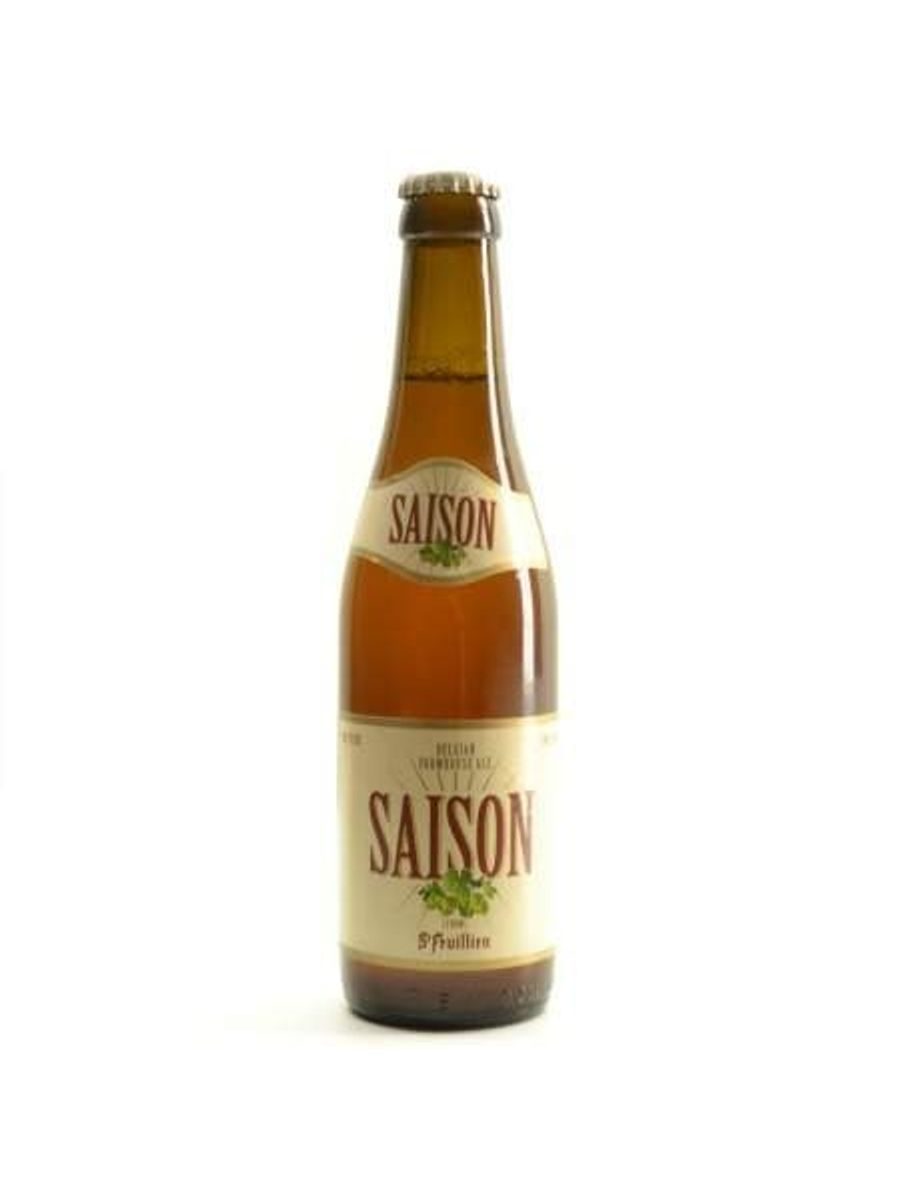
St-Feuillien Saison
Brewed by Brasserie St-Feuillien
Golden grain, hop character and a lightly tangy finish.
BAR NOTES
St-Feuillien Saison is the brewery’s 6.5% unfiltered farmhouse beer, with further fermentation in the bottle. Its golden appearance, hop character and lightly tangy impression make a useful same-strength comparison with Saison Dupont.
Assess the tang separately from assertive sourness, then check how quickly the grain impression clears. Unfiltered packaging can affect appearance without requiring a wild-fermentation flavor. brewing a dry Saison connects the tasting result with yeast selection, full attenuation and careful conditioning.
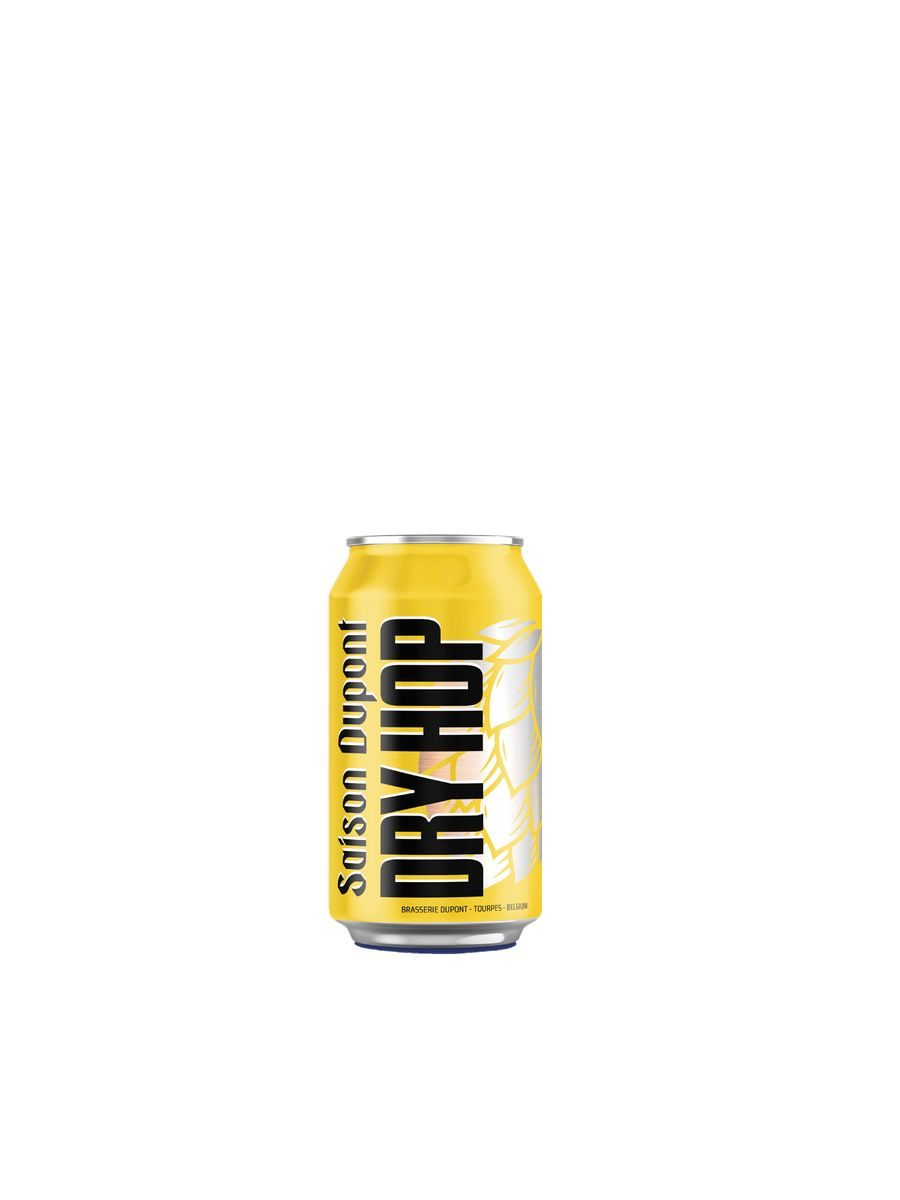
Saison Dry Hop
Brewed by Brasserie Dupont
Grapefruit and tropical hops alongside farmhouse fermentation.
BAR NOTES
Dupont currently lists Saison Dry Hop at 6.5%, with Styrian Wolf added through dry hopping and a 33cl can in the current range. Citrus and tropical impressions overlay the farmhouse fermentation profile, distinguishing it from the regular Saison bottle.
Compare the two at the same stated strength, listening for added hop aroma rather than assuming every tropical note comes from yeast. The specific current hop edition matters because older releases used different selections. Saison brewing keeps attenuation and fermentation central while allowing deliberate hopping variations.
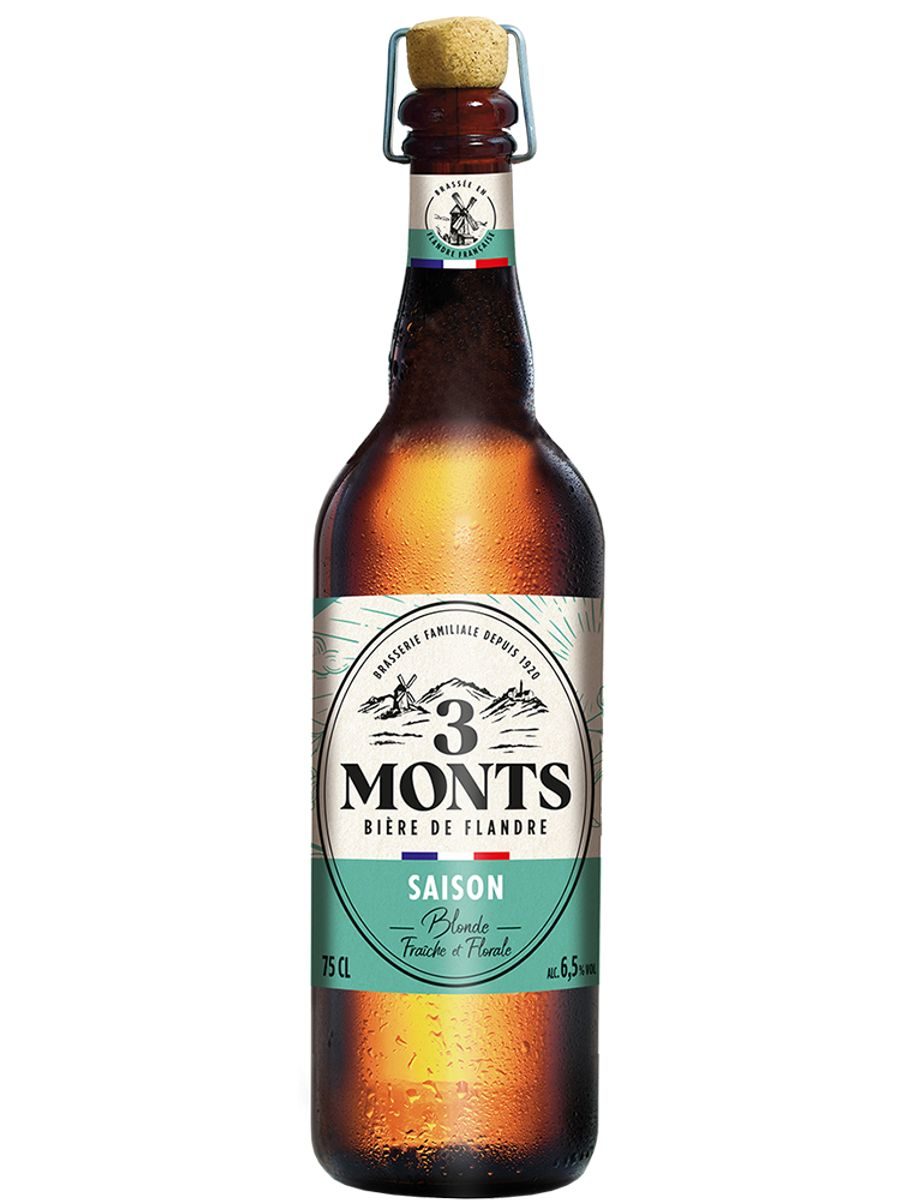
3 Monts Saison
Brewed by Brasserie 3 Monts
Fruit and lightly tart freshness with fine bitterness.
BAR NOTES
3 Monts Saison is the brewery’s current 6.5% farmhouse interpretation, made with barley and wheat and Nugget and Savinjski Golding hops. It is separate from the stronger Blonde, Ambrée and Triple bottles in the range.
Compare it with the brewery’s Bière de Garde selections to separate farmhouse fermentation expression from the cleaner keeping-beer balance. A shared French location does not make the beers identical styles. Bière de Garde explains that nearby tradition while Saison establishes this flight’s target.
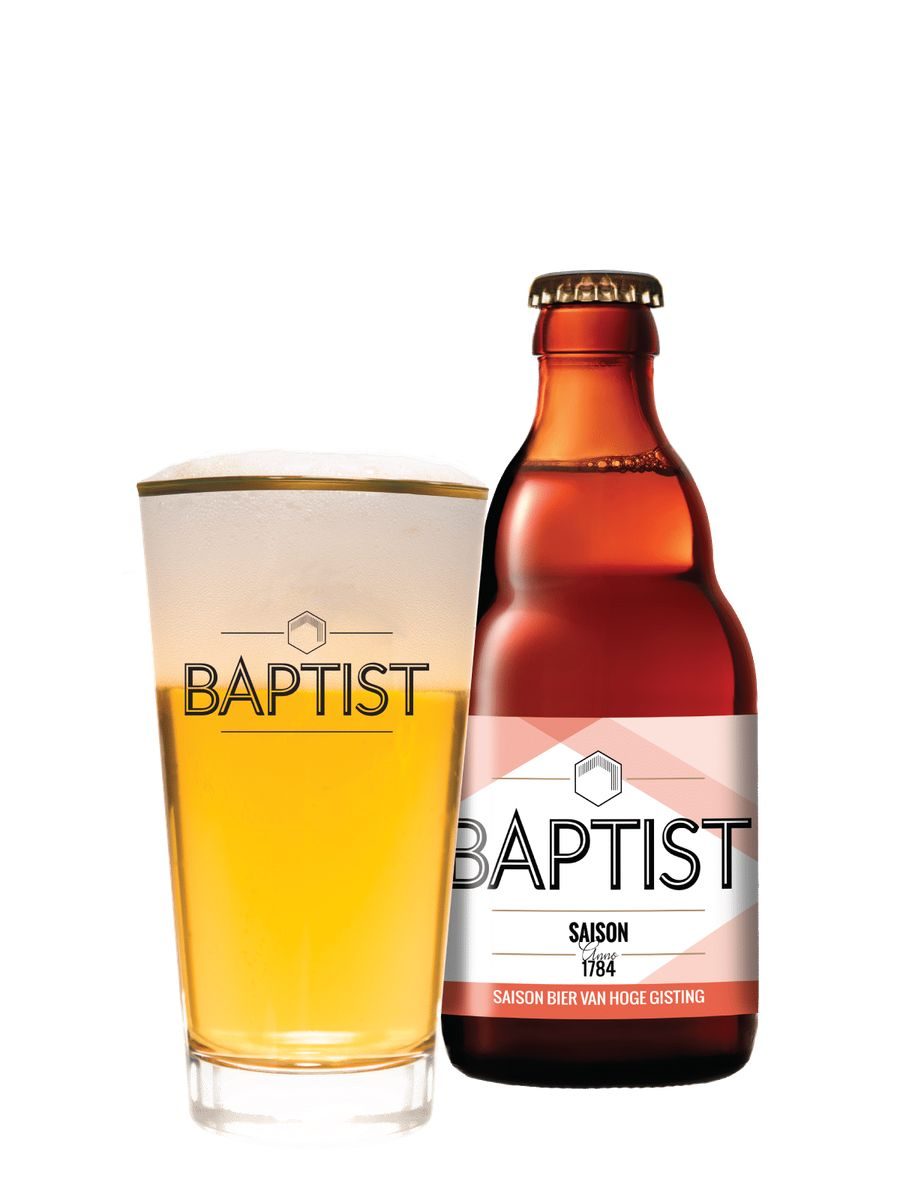
Baptist Saison
Brewed by Brouwerij Van Steenberge
Dry hop-accented palate with a lightly tart impression.
BAR NOTES
Baptist Saison is currently 6.5% and 30 IBU, with barley malt, rice and sugar declared by the brewery. Its dry, hop-accented character gives a useful comparison without assuming wheat belongs in every Saison recipe.
Taste it alongside the spelt and wheat examples, focusing on the final dryness rather than grain-name expectations. The Baptist branding also appears on distinct Blond, White and IPA beers, so select the Saison bottle carefully. Saison recipe design prioritizes fermentation performance over a single mandatory grist.
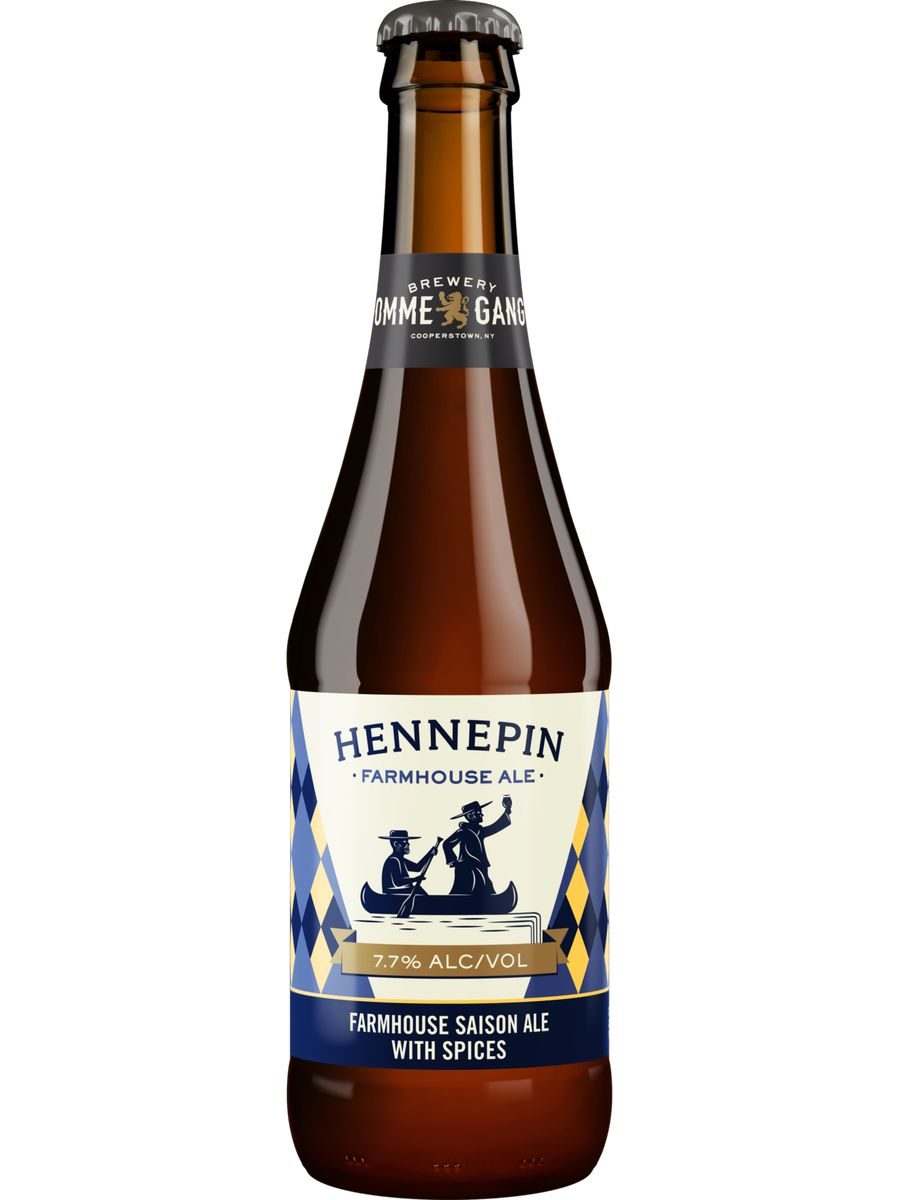
Hennepin
Brewed by Brewery Ommegang
Ginger, citrus and fermentation fruit with lively carbonation.
BAR NOTES
Hennepin is currently 7.7% and 24 IBU, made with Pilsner malt and flaked corn. Orange peel, coriander, ginger and grains of paradise are explicitly declared additions, so the spice impression should not be attributed solely to the house yeast.
Taste it beside the unseasoned reference to distinguish a known spice recipe from fermentation-generated pepper or clove. Its bottle-conditioned format also makes carbonation part of the comparison. Saison fundamentals explains why added spices are optional rather than compulsory.
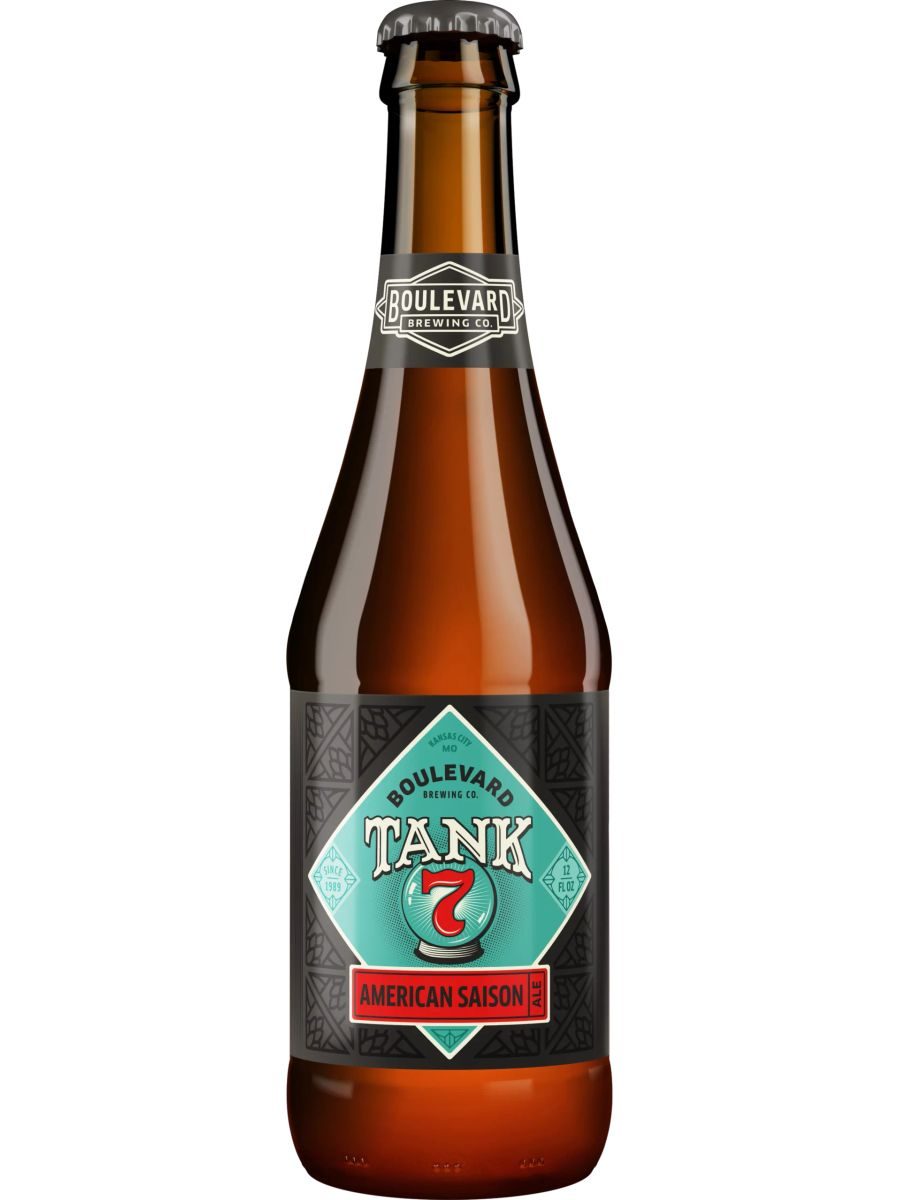
Tank 7
Brewed by Boulevard Brewing Company
Fruit, grapefruit-like hops and a peppery finish.
BAR NOTES
Tank 7 is Boulevard’s current 8.5% American Saison at 45 IBU. Its stronger alcohol and pronounced hop bitterness give the flight an American interpretation with a different balance from the quieter lower-strength references.
Compare the grapefruit-like hop impression with Saison Dupont’s fermentation-led citrus before judging the aroma alone. Follow bitterness through the finish and ask whether it remains refreshing despite the stronger palate. Saison brewing priorities connects that question with attenuation, hopping and fermentation management.
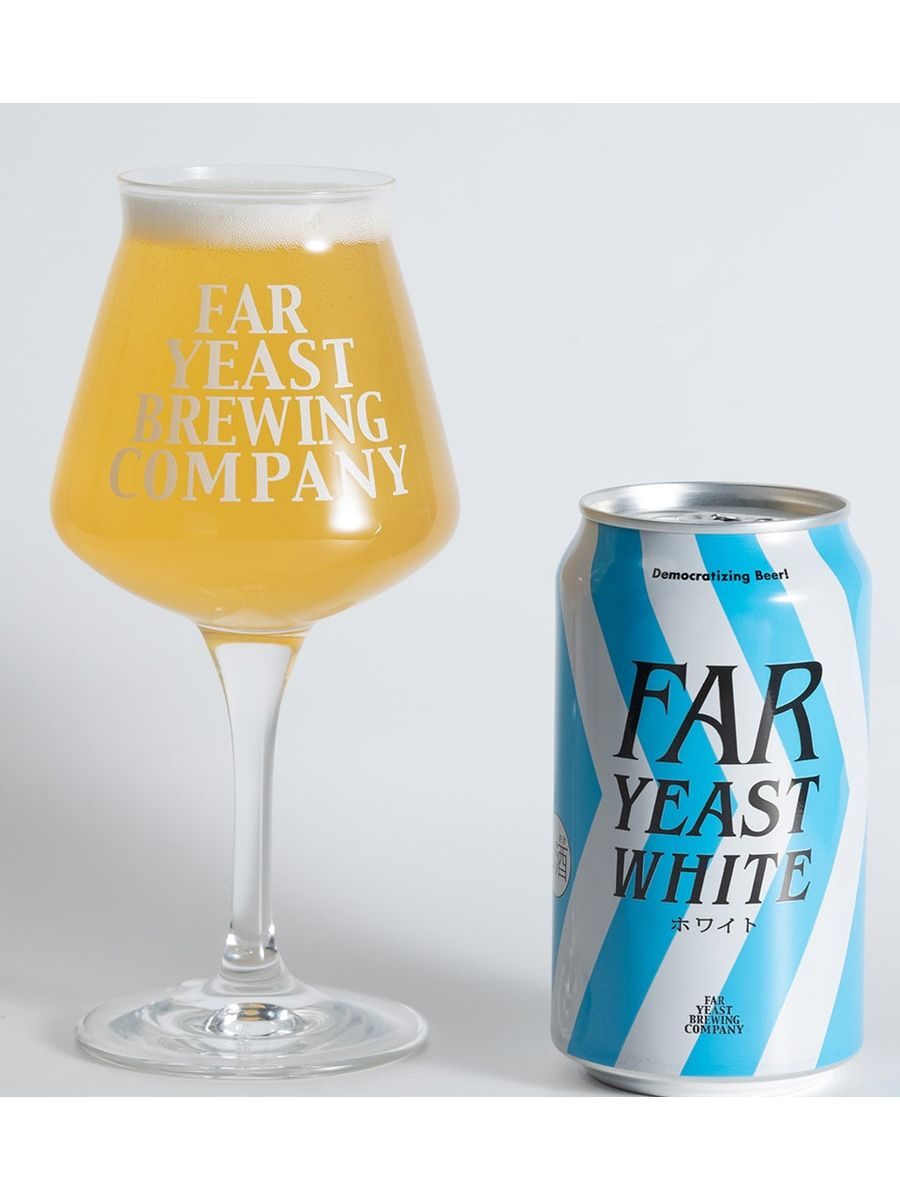
Far Yeast White
Brewed by Far Yeast Brewing
Light wheat-grain texture with a fresh hop accent.
BAR NOTES
Far Yeast currently identifies White as a 5% Saison at 20 IBU, using Citra with barley malt, wheat malt, wheat and sugar. The White name does not make this a Belgian Witbier or establish orange peel and coriander additions.
Use this lower-strength can beside the Belgian references to compare grain texture and modern hopping without adding a large alcohol variable. The current shop listing does not guarantee stock in any particular market. Saison’s flexible recipe framework explains the deliberate interpretation.

Bons Voeux
Brewed by Brasserie Dupont
Ripe fruit, citrus and spice over a richer malt base.
BAR NOTES
Bons Voeux is Dupont’s current 9.5% strong blond, with dry hopping and a more substantial malt impression than the regular Saison. Its seasonal-greeting name reflects its origins; the brewery now lists it as a commercially available selection.
Use a smaller pour after Saison Dupont and compare fruit intensity, body and alcohol separately. The shared house tradition does not make the two strengths interchangeable or guarantee identical availability. Saison’s strength variants places this more powerful reference within the broader flight.
The bottom line
Saison is broad by nature, but its center is clear: expressive fermentation, decisive dryness, lively carbonation, and food-friendly structure.
Choose your next Strong Belgian Ale comparison
Explore the existing family guides, or choose a recipe for the beer you want to brew.