Pale Commonwealth Beer: 10-Beer Comparison Flight and Style Guide
Pale Commonwealth Beer brings together British Golden Ale, Australian Sparkling Ale and English IPA—styles linked by pale malt and refreshment, but separated by yeast character, hopping and strength.
Think of the category as a tasting map rather than a single flavor target: bright and modern, brisk and sparkling, or firmly bitter and malt-supported.
Explore all three companion guides: British Golden Ale, Australian Sparkling Ale and English IPA. Each expands the tasting references, brewing approach and style comparison for its branch of BJCP Category 12.
The styles at a glance
| Style | What defines it | Typical ABV |
|---|---|---|
| British Golden Ale | Pale, hop-forward and clean-finishing | 3.8–5.0% |
| Australian Sparkling Ale | Fruity, highly attenuated and lively | 4.5–6.0% |
| English IPA | Firmly bitter with English malt and hops | 5.0–7.5% |
What connects these beers
All three styles use a relatively pale base to keep the focus on fermentation and hops. None should drink like a sweet amber ale, and each relies on a dry or drying finish to remain refreshing.
The differences become clearer in the glass. British Golden Ale usually feels cleanest and most modern. Australian Sparkling Ale brings obvious yeast fruit and vigorous carbonation. English IPA has the broadest malt foundation and the firmest traditional bitterness.
How to taste the category
Taste from lightest to strongest: Golden Ale first, Sparkling Ale second and English IPA last. Use a clean tulip or nonic pint, pour carefully, and let each beer rise a few degrees above refrigerator temperature.
Pay attention to the source of fruit character. Modern hops can suggest citrus or tropical fruit in Golden Ale, while Sparkling Ale often gains pear, apple or banana-like notes from yeast. English IPA may combine marmalade-like esters with earthy, floral or spicy hops.
A ten-beer Pale Commonwealth tasting flight
This ten-beer tasting route visits four British golden-ale references, three Australian conditioned-ale references and three English IPAs. The companion guides expand each branch into a ten-beer flight with clear distinctions between strict style references and deliberate comparisons. Follow malt balance, fermentation, hop character and strength across the category.
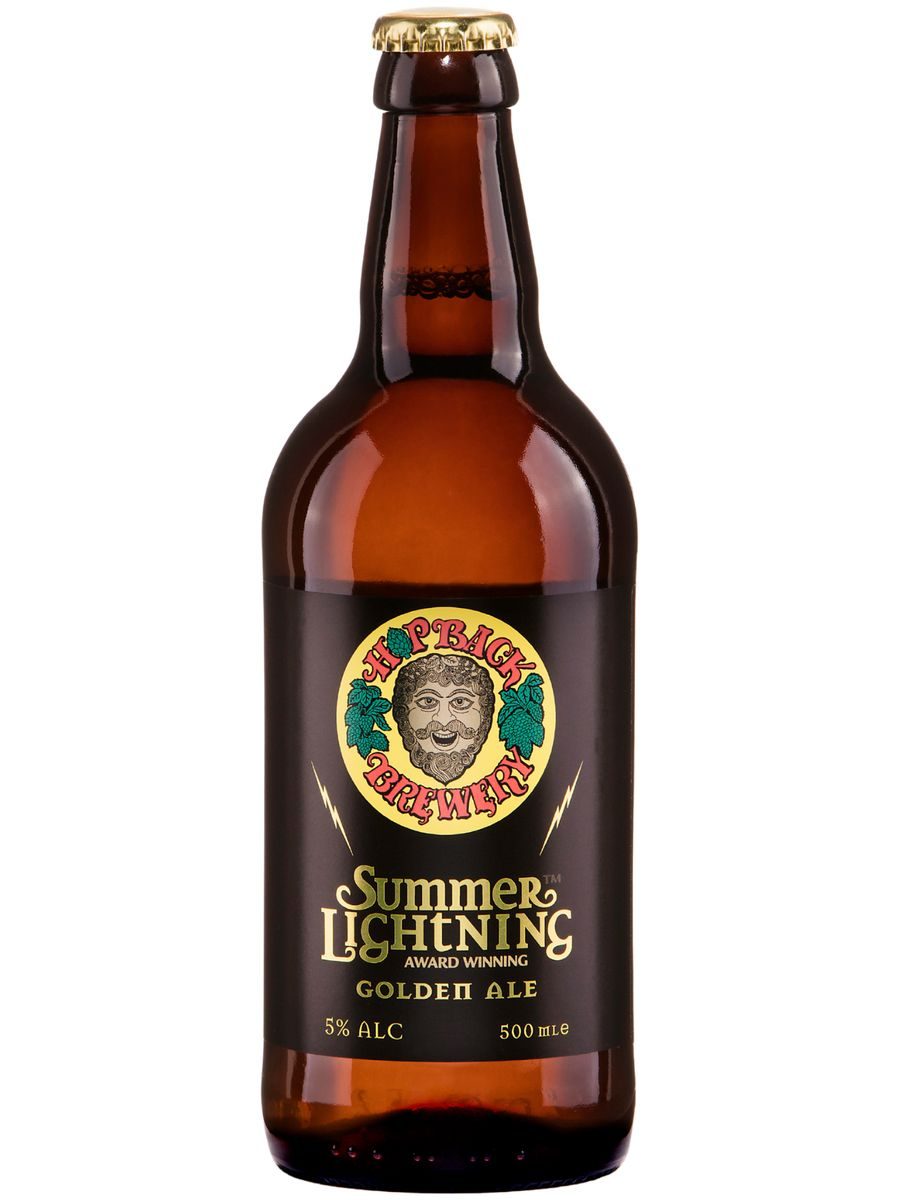
Hop Back Summer Lightning
Brewed by Hop Back Brewery
A formative golden-ale reference: pale malt, traditional hops and a dry finish.
BAR NOTES
For this category tasting route, summer Lightning helped establish the modern British golden-ale tradition. Hop Back describes a straw-colored, intensely bitter beer with East Kent Goldings aroma and a long, dry finish; its current bottled version is bottle conditioned.
Compare this stop with the adjacent branch. Begin the golden-ale flight here and distinguish pale color from gentle bitterness. A light grist can carry a firm hop finish without tasting sugary. The British Bitter guide offers the contrasting biscuit-and-fruit balance of the bitter family.
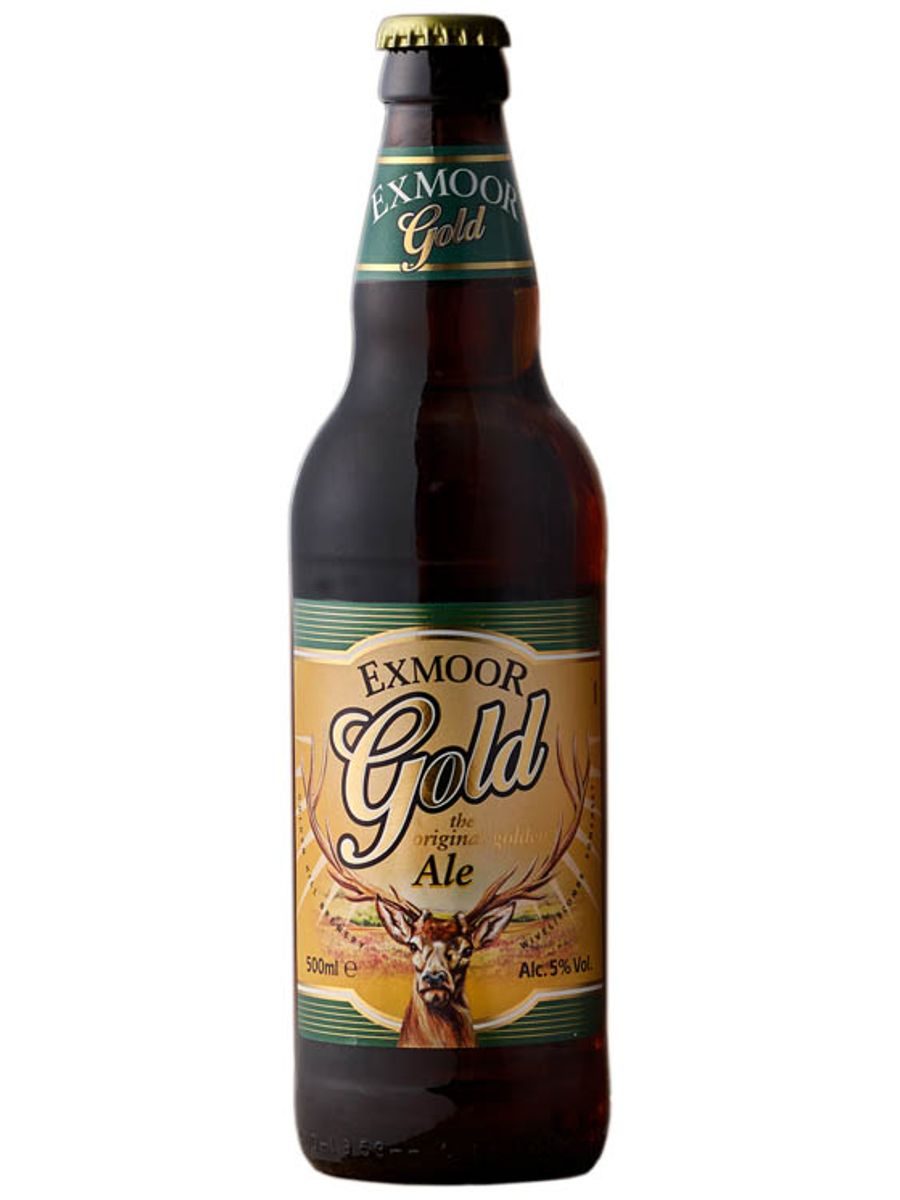
Exmoor Gold
Brewed by Exmoor Brewery
A formative golden ale with its stronger bottled specification stated explicitly.
BAR NOTES
For this category tasting route, exmoor Gold dates to 1986 and was designed around a single-malt golden grist. The brewery specifies 4.5% draught and 5.0% bottled strengths, with Challenger, Goldings and Fuggles providing its fresh, floral and citrus-edged hop character.
Compare this stop with the adjacent branch. Use the bottle specification shown here when comparing its fullness with lower-strength golden ales. A different packaged strength is meaningful context, not an interchangeable number. The Pale Commonwealth family helps position its malt and hops across the three category branches.
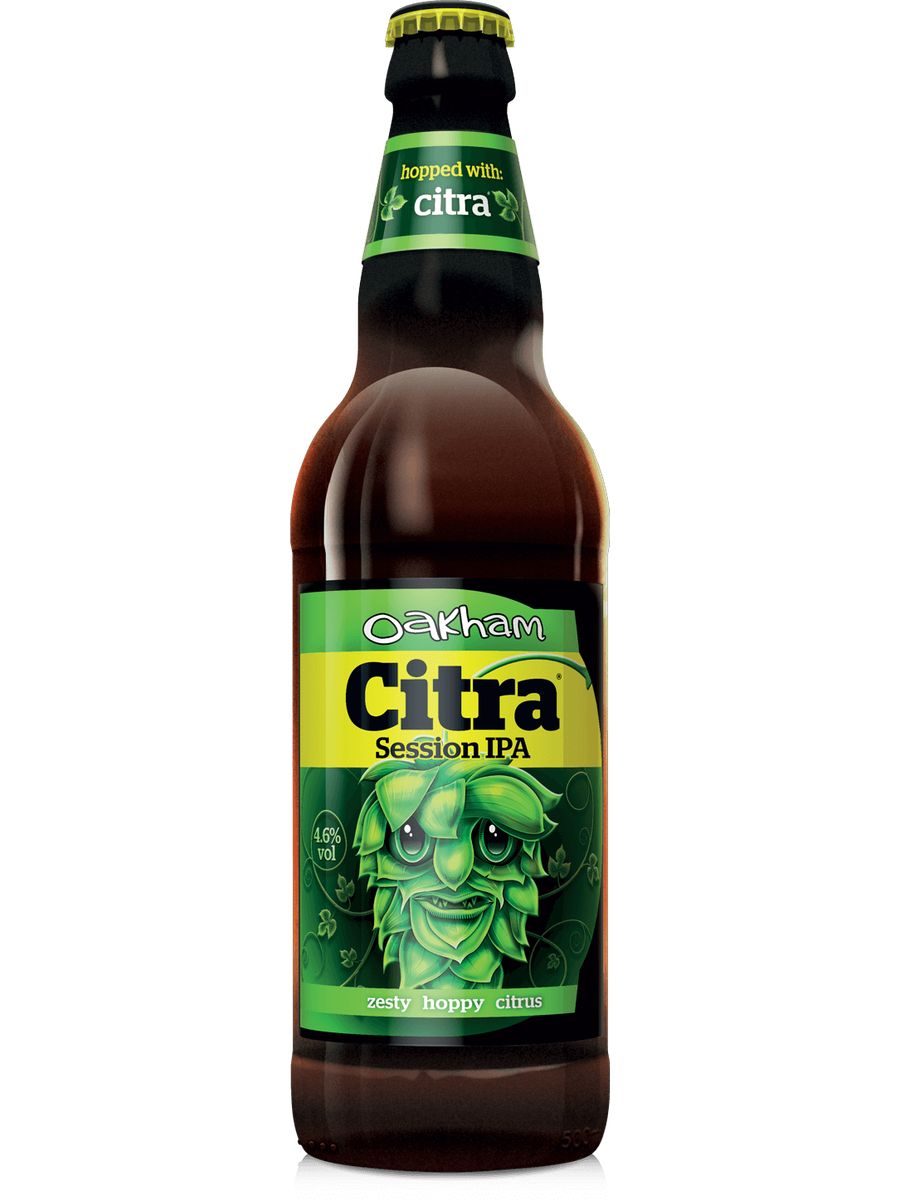
Oakham Citra
Brewed by Oakham Ales
A modern Citra-led comparison, with its session-IPA identity and bottled strength shown.
BAR NOTES
For this category tasting route, oakham calls Citra a Session IPA and lists 4.6% bottles, distinct from 4.2% cask. Its use of American Citra hops created a citrus-and-tropical interpretation that also serves as a useful modern golden-ale comparison.
Compare this stop with the adjacent branch. Compare aroma intensity with JHB while keeping the serving temperature similar. Hop origin can change the fruit impression without requiring a much stronger beer. The IPA style comparison helps distinguish a session-IPA name from the traditional English IPA strength band.
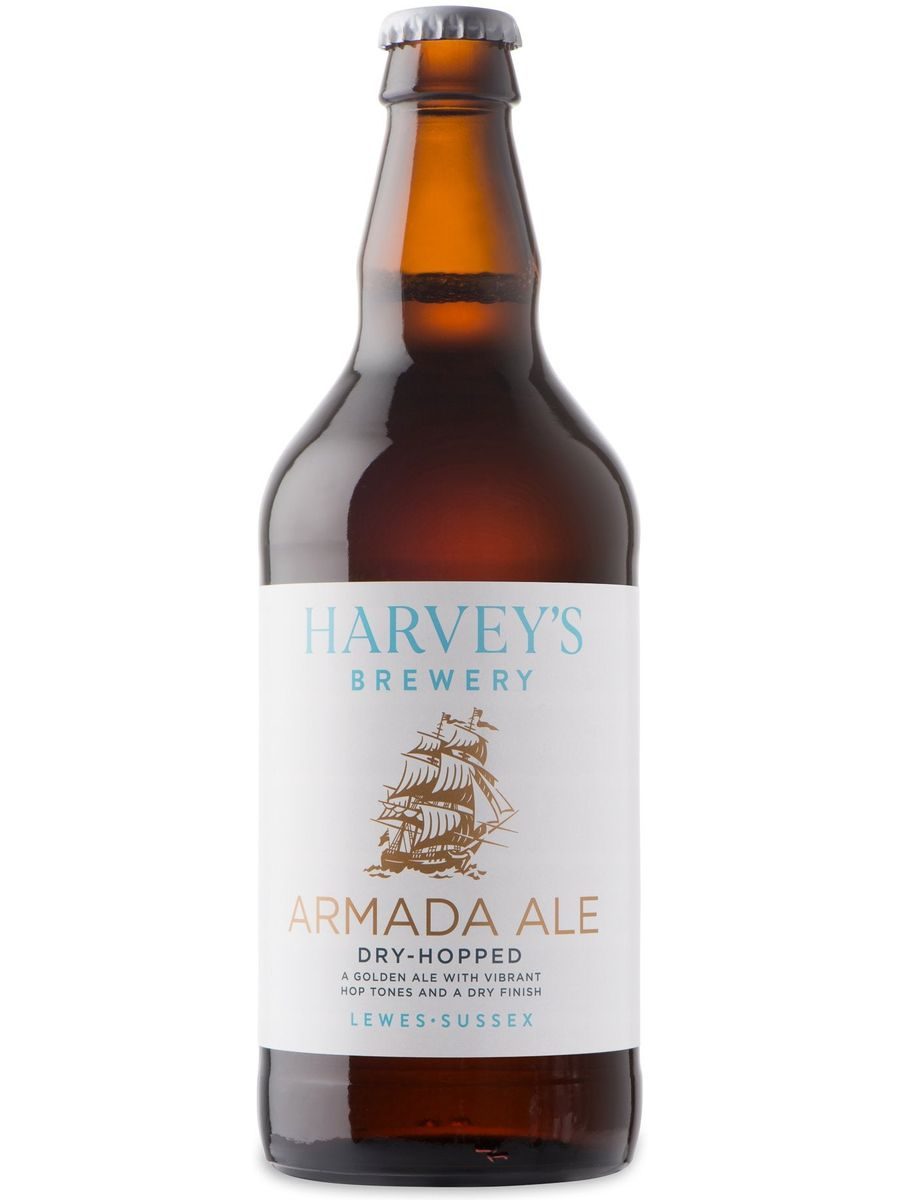
Harvey’s Armada Ale
Brewed by Harvey’s Brewery
A dry-hopped golden ale that bridges soft summer beer and firmer IPA bitterness.
BAR NOTES
For this category tasting route, armada is Harvey’s dry-hopped 4.5% golden ale, originally commissioned by the National Maritime Museum. The brewery identifies Fuggle and Golding hops and a pronounced but balanced hop character, with a dry finish and pale copper appearance.
Compare this stop with the adjacent branch. Taste Armada after Olympia to compare two golden beers from one brewing tradition. Focus on the finish before making a judgment about hop strength. The English IPA guide shows how greater bitterness and malt support move the same broad ingredients toward English IPA.
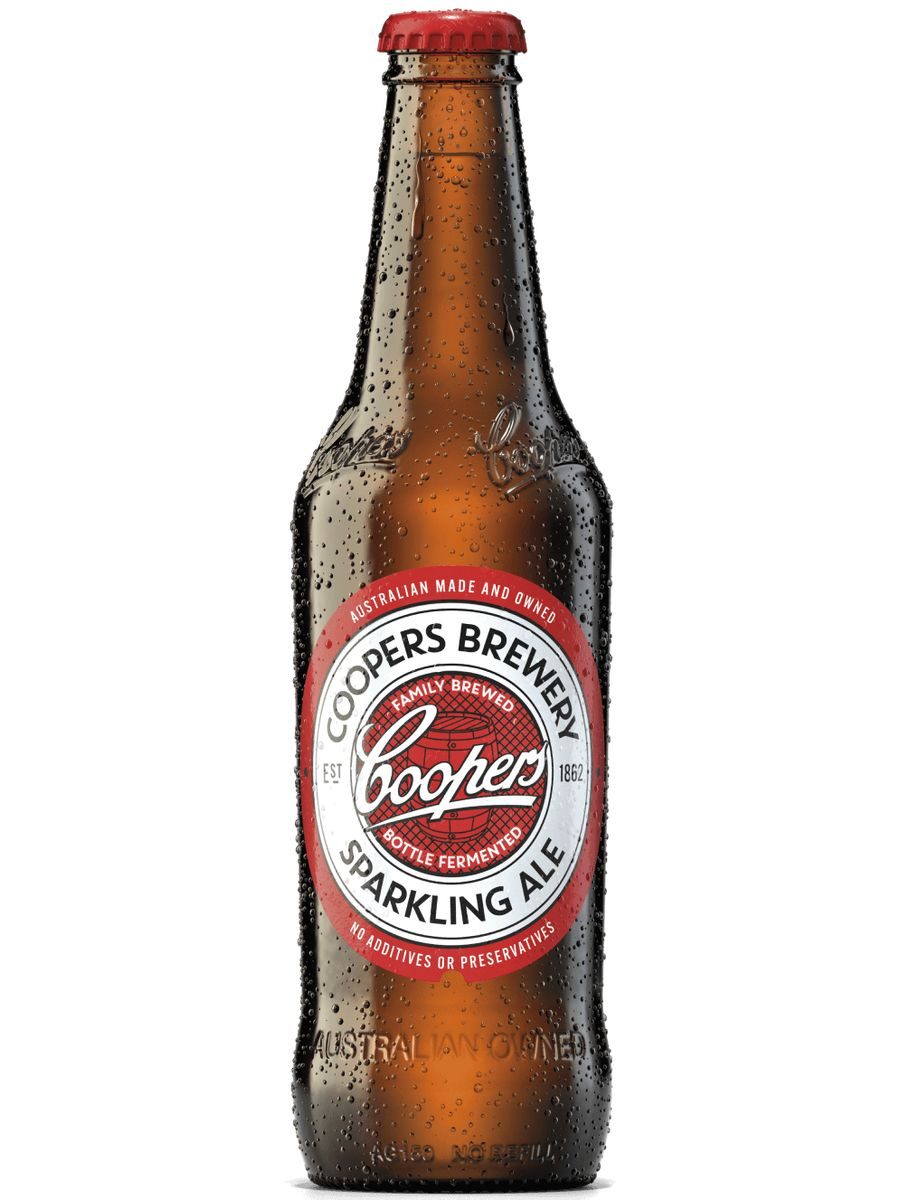
Coopers Sparkling Ale
Brewed by Coopers Brewery
The benchmark; the remaining beers are explicitly labeled conditioning and style comparisons.
BAR NOTES
For this category tasting route, coopers Sparkling Ale is the defining modern Australian Sparkling Ale reference. The brewery specifies 5.8% and 32 IBU, with natural conditioning in bottle, can or keg using its own yeast strain and the familiar cloudy sediment appearance.
Compare this stop with the adjacent branch. Compare a careful clear pour with a gently roused pour from a separate bottle, observing how yeast changes aroma and texture. The Australian Sparkling Ale guide explains why lively carbonation and a lean finish matter more than simply seeing haze in the glass.
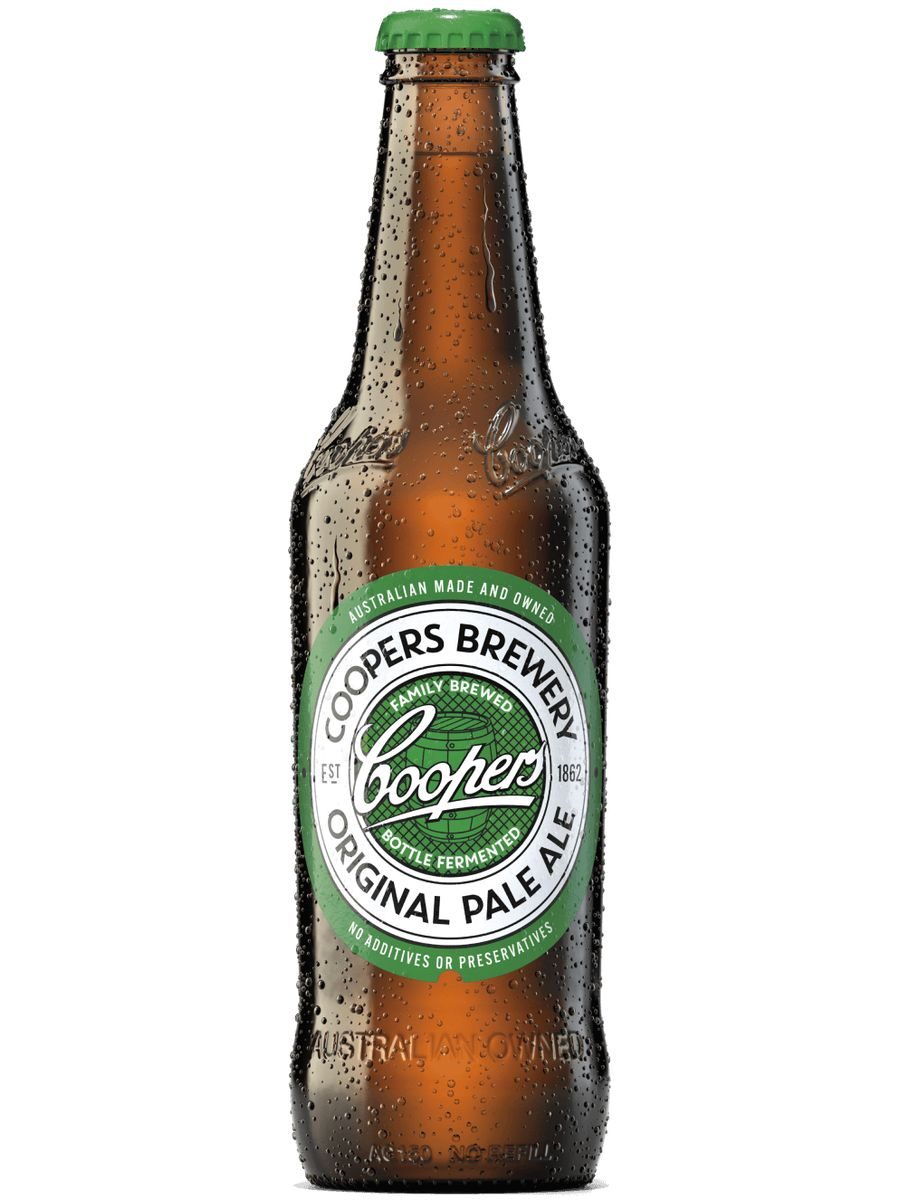
Coopers Original Pale Ale
Brewed by Coopers Brewery
A lower-strength sibling that separates brewery character from Sparkling Ale identity.
BAR NOTES
For this category tasting route, original Pale Ale shares Coopers’ natural conditioning and sediment but is a separate 4.5% pale ale. Its listed 26 IBU and fruity, floral character make it a useful lower-strength companion to Sparkling rather than an identical beer.
Compare this stop with the adjacent branch. Taste the two bottles side by side and compare body, fruit and finishing bitterness. Shared yeast and conditioning allow the strength difference to become clearer. The Australian Pale Ale guide explores the broader Australian pale-ale tradition surrounding this brewery’s better-known Sparkling Ale benchmark.
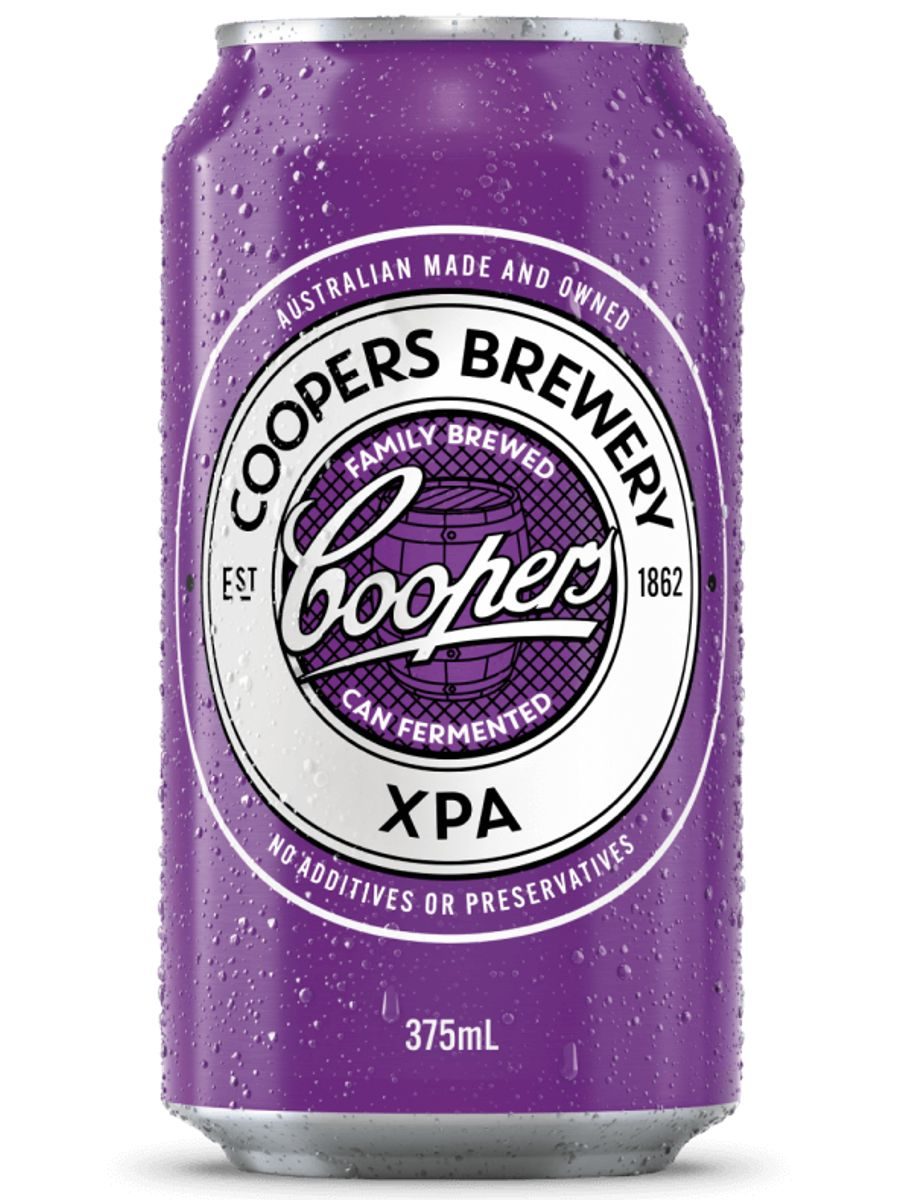
Coopers XPA
Brewed by Coopers Brewery
A hop-forward XPA comparison whose strength alone does not make it Sparkling Ale.
BAR NOTES
For this category tasting route, coopers XPA is a naturally conditioned 5.2% extra pale ale, with Simcoe and Lemondrop hops and a listed 37 IBU. The brewery emphasizes bright citrus and grapefruit aroma, distinguishing this modern hop-led product from its traditional Sparkling Ale.
Compare this stop with the adjacent branch. Taste XPA after Original Pale Ale and before the stronger vintage beer. Ask how much of the added intensity comes from hops rather than alcohol. The Australian and New Zealand beer roundup puts this contemporary interpretation alongside other Australian and New Zealand brewing landmarks.
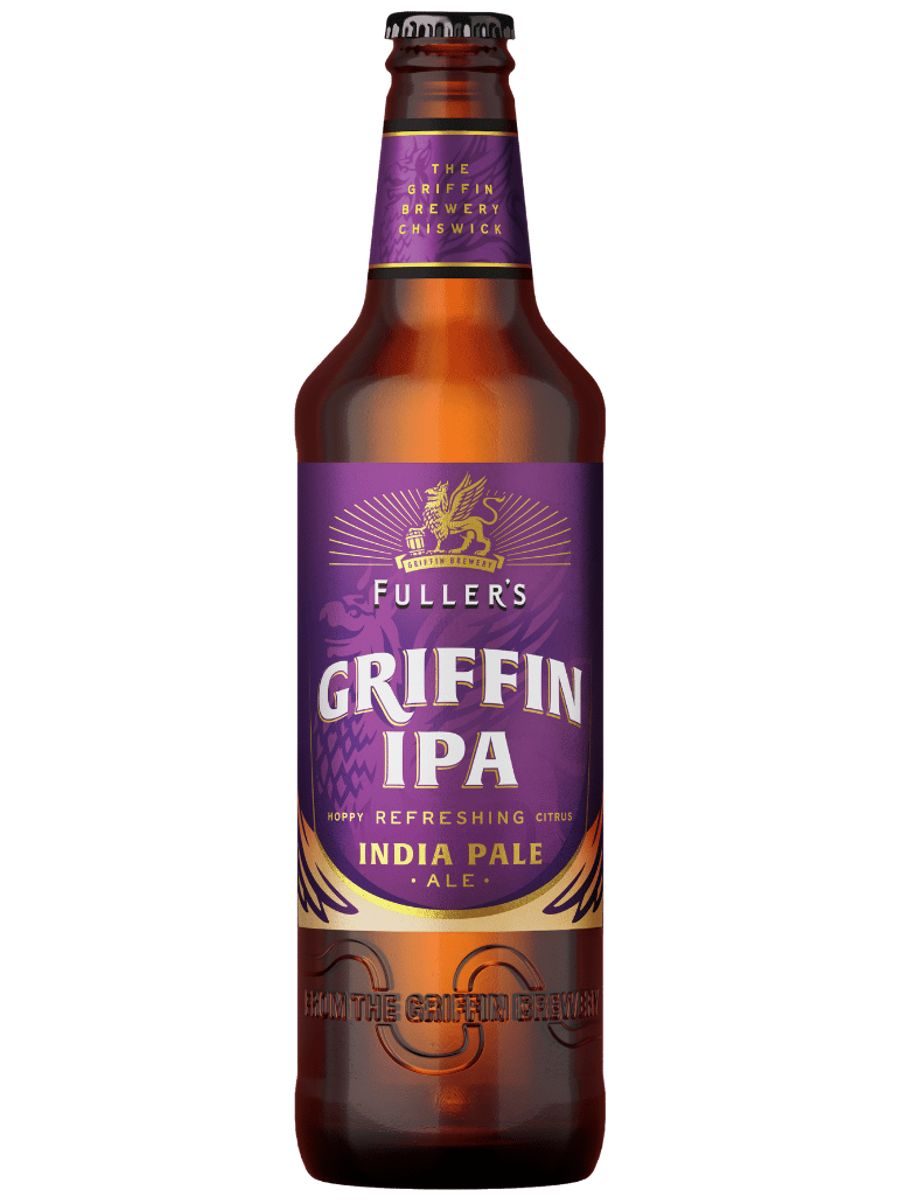
Fuller’s Griffin IPA
Brewed by Fuller’s Griffin Brewery
A current bottle-conditioned English-style IPA with British hops and malt.
BAR NOTES
For this category tasting route, fuller’s Griffin IPA is its current bottle-conditioned English-style IPA. The brewery emphasizes British hops and malt, a deep-gold appearance, floral and spicy hop notes and a mildly bitter finish, making this a useful traditional starting point.
Compare this stop with the adjacent branch. Taste it before the American-hop comparisons and describe how malt supports the finish. Bottle conditioning adds another serving variable, so pour consistently. The English IPA guide provides the English IPA balance expectations to use before judging a beer simply by geographic origin.
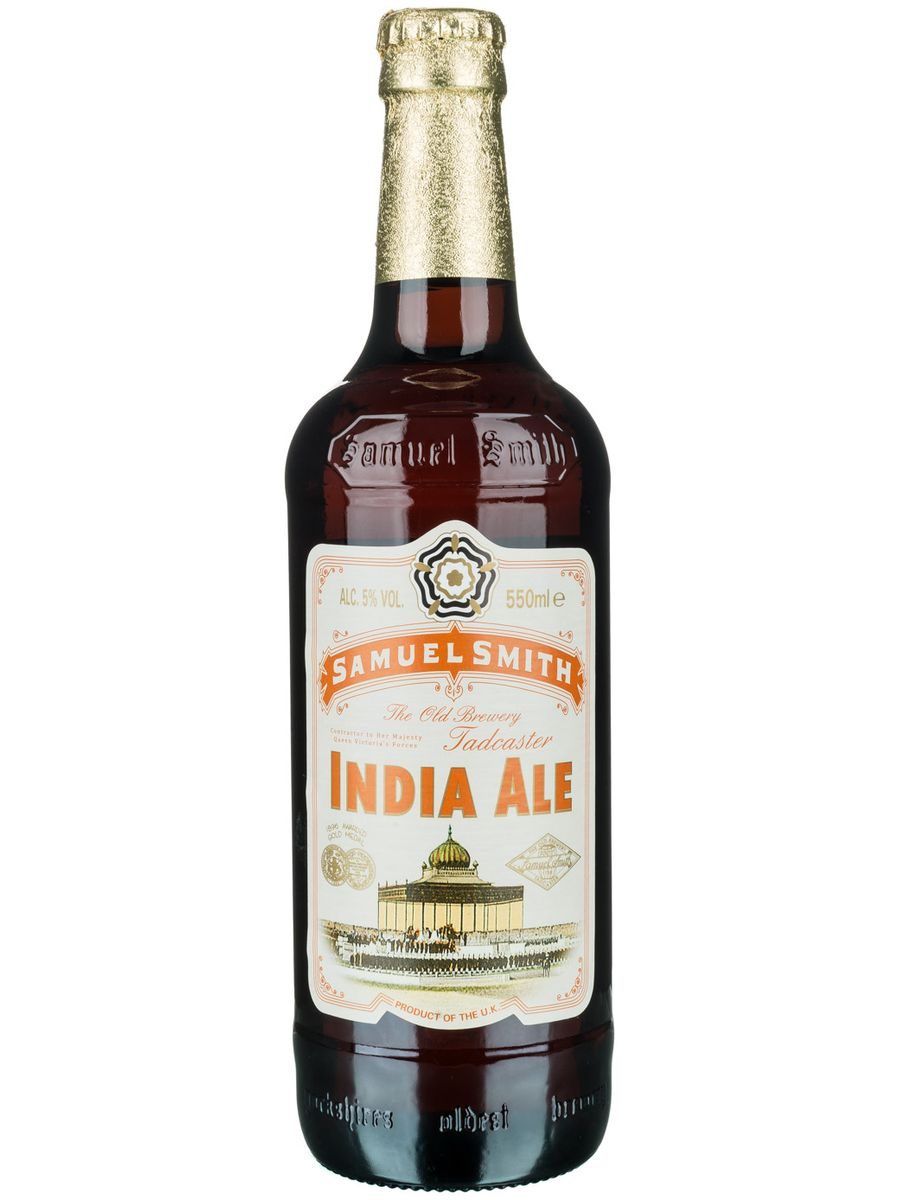
Samuel Smith’s India Ale
Brewed by Samuel Smith’s Old Brewery
A malt-and-fruit reference tied to the brewery’s Yorkshire-square fermentation tradition.
BAR NOTES
For this category tasting route, samuel Smith’s lists India Ale at 5.0% and describes fermentation in stone Yorkshire squares. Well water, malted barley and aroma hops support its full malt and fruity hop character; the bottle label draws on the brewery’s Victorian letterhead.
Compare this stop with the adjacent branch. Let a modest serving warm toward the brewery’s suggested eleven degrees Celsius and compare the malt impression with Griffin IPA. The beer glass guide helps select a glass with enough headroom to retain aroma while avoiding an unnecessarily large strong-beer serving.
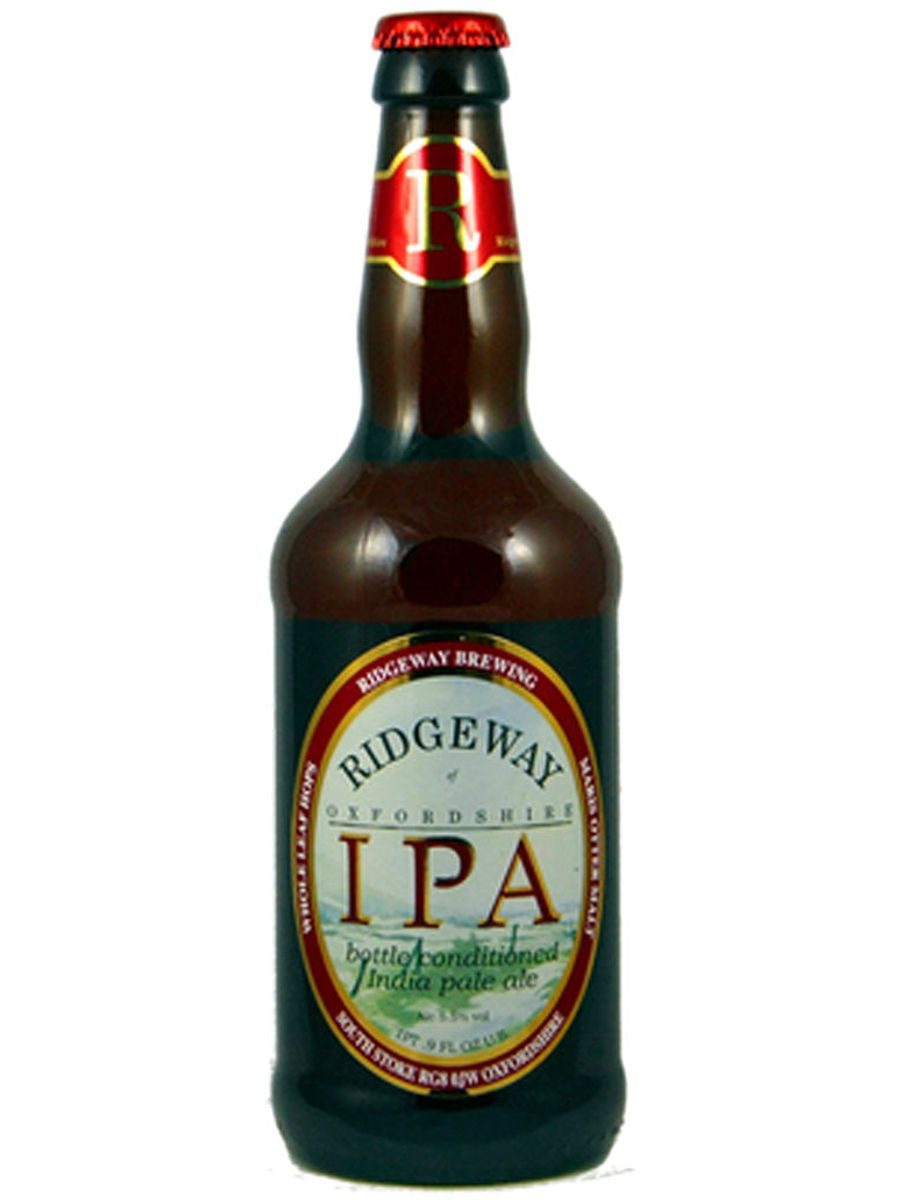
Ridgeway IPA
Brewed by Ridgeway Brewing
A traditional bottle-conditioned IPA whose hop character changes with age.
BAR NOTES
For this category tasting route, ridgeway describes its 5.5% IPA as a traditional English, bottle-conditioned beer. The current product notes emphasize floral hop character, hop resins and a tannin-like edge that can soften with age as spicy impressions become more apparent.
Compare this stop with the adjacent branch. Compare a fresh bottle with a properly stored older bottle only when their dates and handling are known. Hop evolution should not be confused with freshness failure. The English IPA guide explains the floral, earthy and resinous vocabulary that helps describe this particular English reference.
Choosing the right style
Choose British Golden Ale when you want hop aroma without IPA strength, Australian Sparkling Ale when lively yeast and carbonation sound appealing, and English IPA when firm bitterness and a fuller malt platform are the goal.
Explore the Commonwealth’s pale ales
Move from bright British golden ale through Australian sparkle to the firmer malt and hop depth of English IPA.