British Golden Ale: 10-Beer Comparison Flight and Style Guide
British Golden Ale is a modern, refreshing English ale that pairs a very pale malt base with noticeable hop flavor and a clean, dry finish.
It can feature traditional English hops or newer citrus-forward varieties, but it should stay easy to drink and lighter in color and caramel than Bitter.
The quick answer
Expect straw to gold color, medium-light to medium body and moderate carbonation. Hop aroma can range from floral and earthy to citrus and fruit, supported by soft bread or cracker-like malt.
| Measure | BJCP range |
|---|---|
| Original gravity | 1.038–1.053 |
| Final gravity | 1.006–1.012 |
| Bitterness | 20–45 IBU |
| Color | 2–5 SRM |
| Alcohol | 3.8–5.0% |
What British Golden Ale tastes like
The style is hop-forward by British standards, yet rarely aggressive. Bitterness is noticeable, malt is deliberately pale and uncluttered, and fermentation character is usually lower than in many Bitters.
A good example finishes crisp enough to invite another sip. Strong caramel, heavy toast, sugary sweetness and hot alcohol all work against the style’s bright, summery purpose.
Where the style came from
British Golden Ale developed in the late twentieth century as breweries looked for a cask-conditioned answer to pale lager. Hop Back Summer Lightning, first brewed in 1986, became one of the most influential early examples.
The category grew as British brewers explored pale malts and increasingly aromatic hops. That flexibility remains central: the beer can taste traditionally floral or strikingly citrusy without becoming an American IPA.
How it is brewed
A base of pale ale malt or lager-like low-color malt keeps the beer bright. Small wheat additions may support the head, while crystal malt is limited or omitted so caramel does not obscure the hops.
Brewers use English, European, American or Southern Hemisphere hops depending on the intended aroma. Clean English ale yeast, good attenuation and sulfate-leaning water can sharpen the dry, bitter finish.
Ten British Golden Ale references and comparisons
These ten current references move from classic golden ales into clearly labeled pale-ale and honey-beer comparisons. Bottled strengths are shown separately from cask versions where they differ. Compare malt lightness, hop character and finish rather than treating every pale British ale as an identical competition-style example.
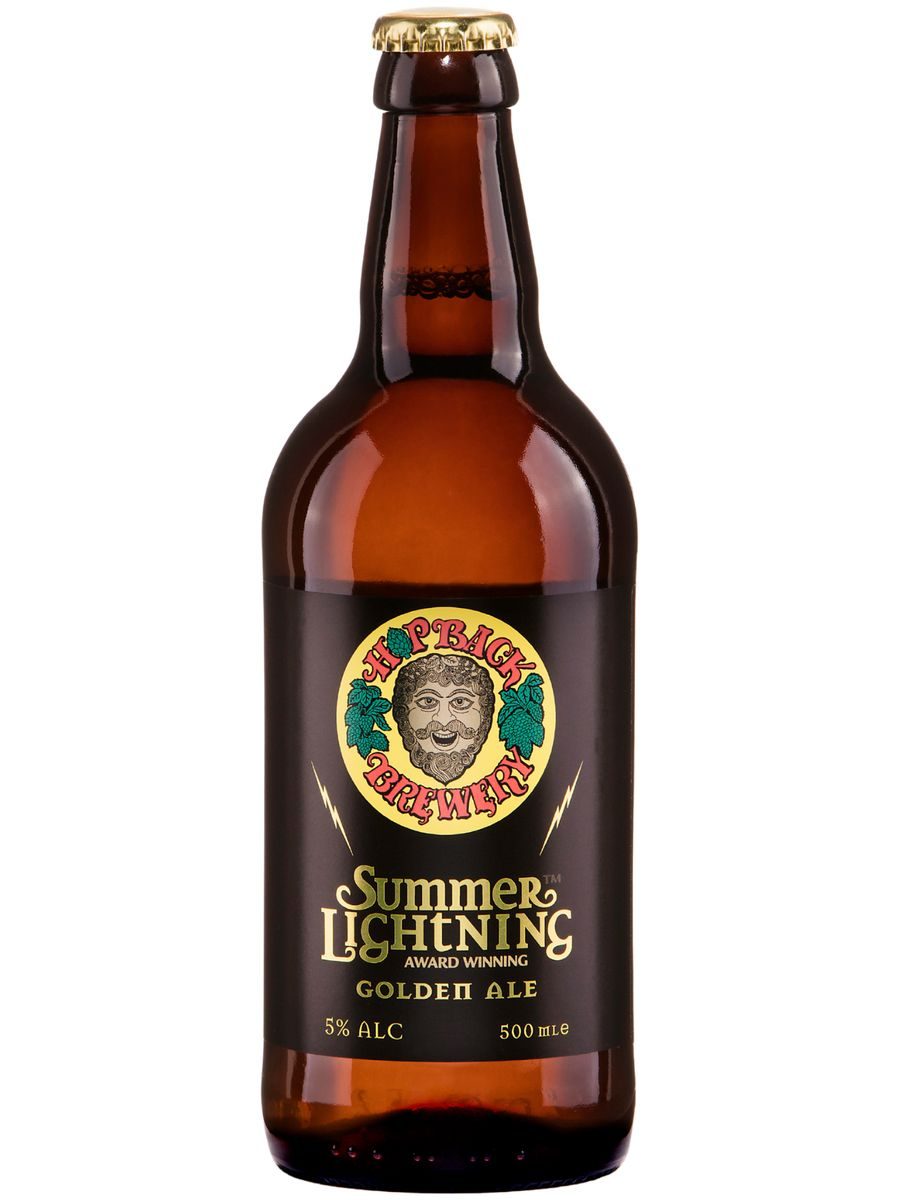
Hop Back Summer Lightning
Brewed by Hop Back Brewery
A formative golden-ale reference: pale malt, traditional hops and a dry finish.
BAR NOTES
Summer Lightning helped establish the modern British golden-ale tradition. Hop Back describes a straw-colored, intensely bitter beer with East Kent Goldings aroma and a long, dry finish; its current bottled version is bottle conditioned.
Begin the golden-ale flight here and distinguish pale color from gentle bitterness. A light grist can carry a firm hop finish without tasting sugary. The British Bitter guide offers the contrasting biscuit-and-fruit balance of the bitter family.
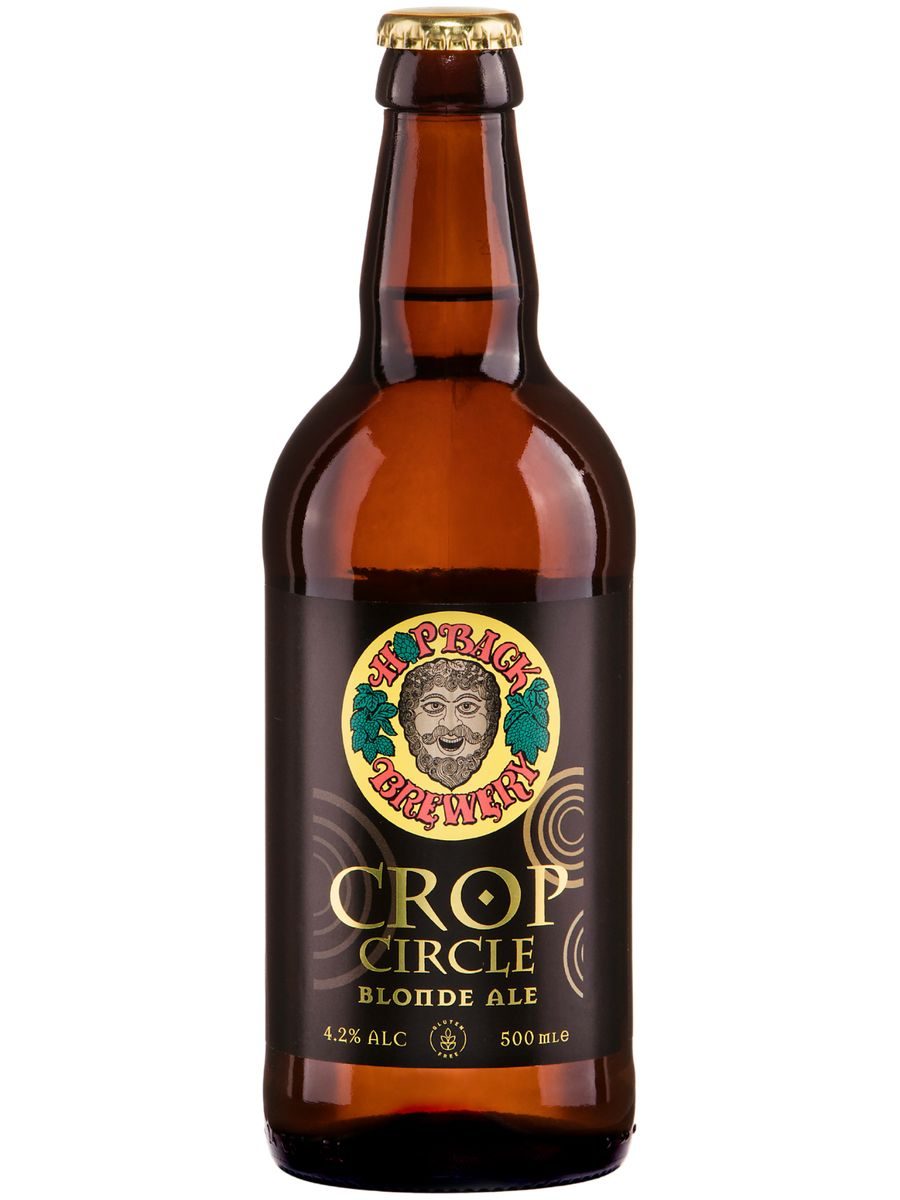
Hop Back Crop Circle
Brewed by Hop Back Brewery
A crisp golden reference that makes the effect of maize worth discussing.
BAR NOTES
Crop Circle is Hop Back’s 4.2% pale, thirst-quenching beer, with flaked maize in the grist and a delicately fruity hop finish. The brewery separately identifies its bottled version as gluten free despite its barley ingredients.
Compare its crispness with Summer Lightning before judging hop intensity. Adjuncts can change body and texture rather than simply reduce quality. The grain and adjunct chart explains the ingredient vocabulary behind a beer whose grist is more than malted barley.
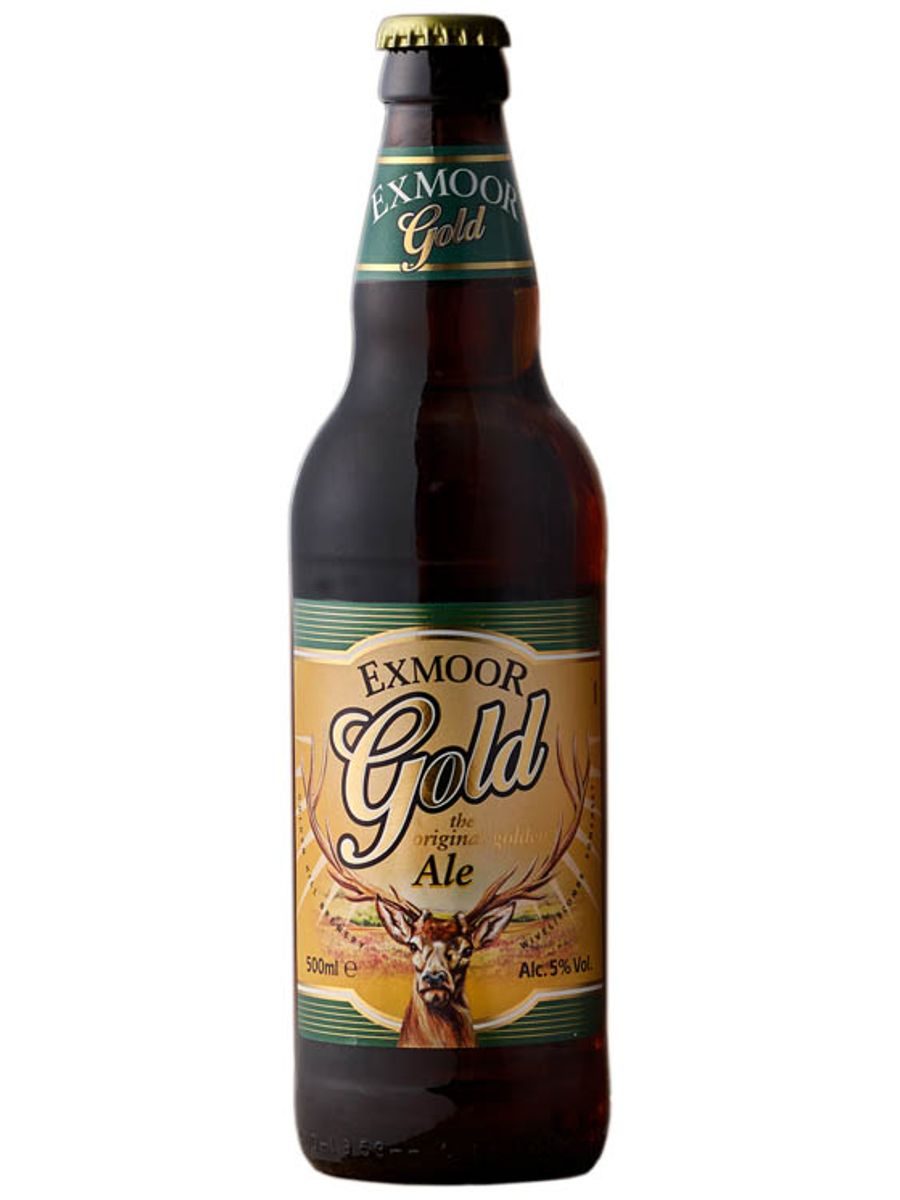
Exmoor Gold
Brewed by Exmoor Brewery
A formative golden ale with its stronger bottled specification stated explicitly.
BAR NOTES
Exmoor Gold dates to 1986 and was designed around a single-malt golden grist. The brewery specifies 4.5% draught and 5.0% bottled strengths, with Challenger, Goldings and Fuggles providing its fresh, floral and citrus-edged hop character.
Use the bottle specification shown here when comparing its fullness with lower-strength golden ales. A different packaged strength is meaningful context, not an interchangeable number. The Pale Commonwealth family helps position its malt and hops across the three category branches.
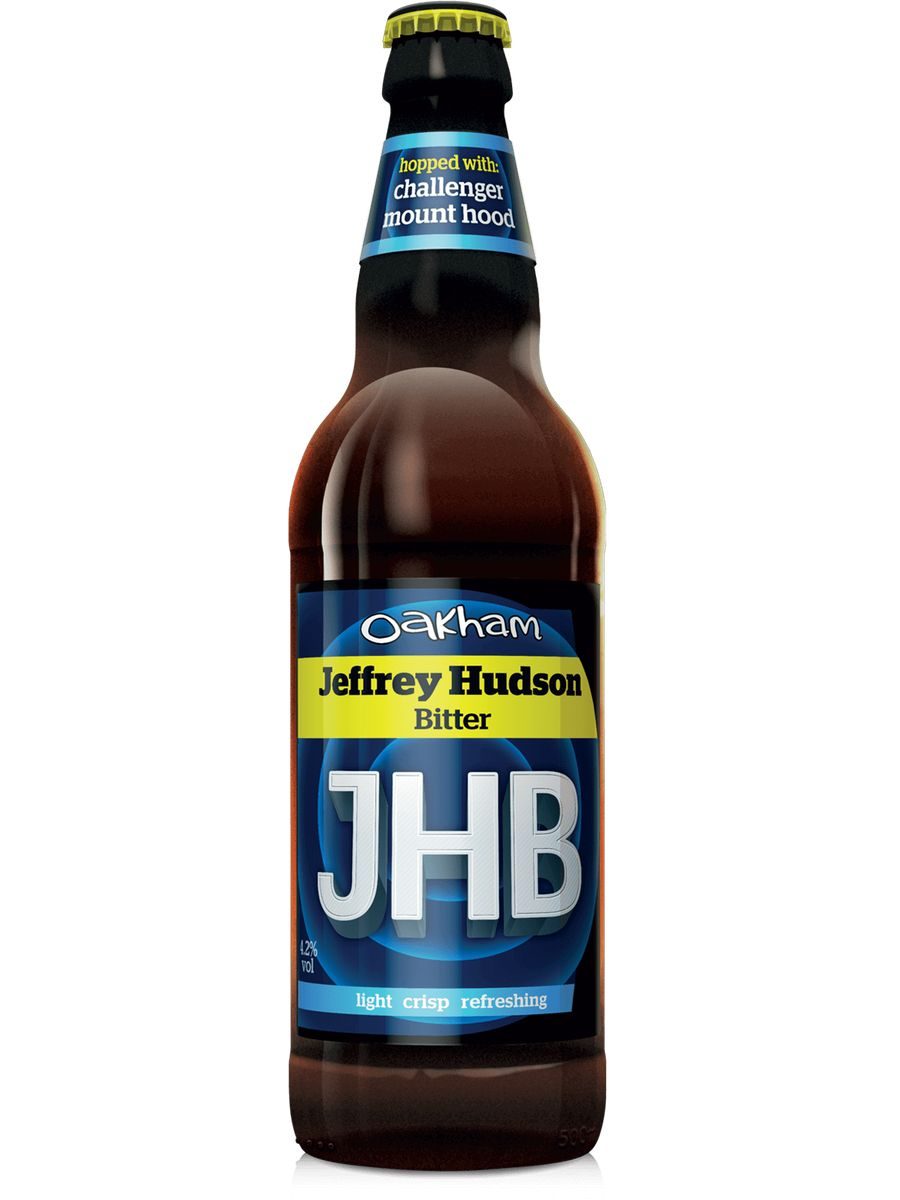
Oakham JHB
Brewed by Oakham Ales
A pale bitter at 4.2% in bottle, with the separate cask strength retained.
BAR NOTES
JHB was Oakham’s first beer in 1993. Its current brew sheet separates 3.8% cask from 4.2% bottles and identifies Mount Hood and Challenger hops over Maris Otter and Clear Choice malts, producing a light-gold, refreshing beer.
Taste this beside Exmoor Gold to compare two routes to a pale, dry pint. The commercial word bitter need not imply a dark caramel profile. The British Bitter guide makes that distinction easier to describe without relying on the label alone.
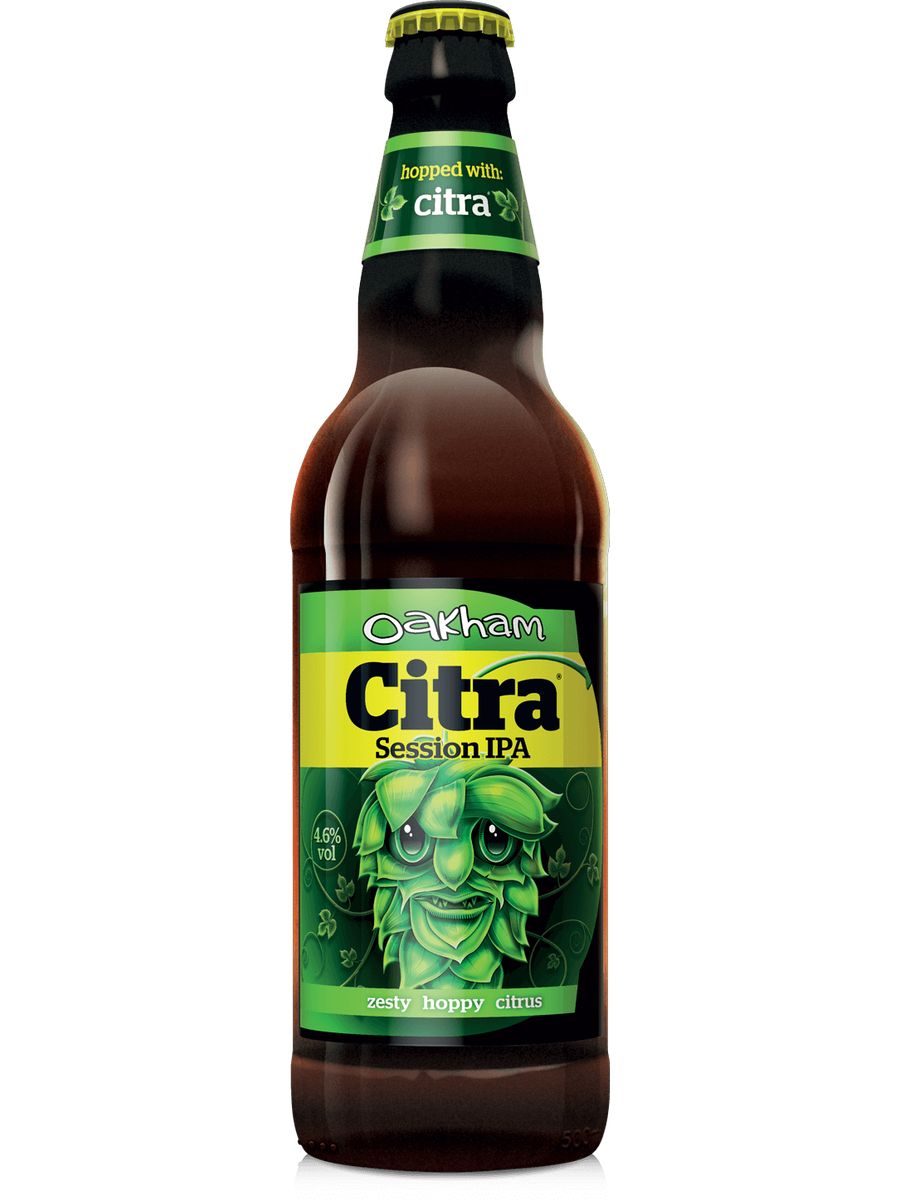
Oakham Citra
Brewed by Oakham Ales
A modern Citra-led comparison, with its session-IPA identity and bottled strength shown.
BAR NOTES
Oakham calls Citra a Session IPA and lists 4.6% bottles, distinct from 4.2% cask. Its use of American Citra hops created a citrus-and-tropical interpretation that also serves as a useful modern golden-ale comparison.
Compare aroma intensity with JHB while keeping the serving temperature similar. Hop origin can change the fruit impression without requiring a much stronger beer. The IPA style comparison helps distinguish a session-IPA name from the traditional English IPA strength band.
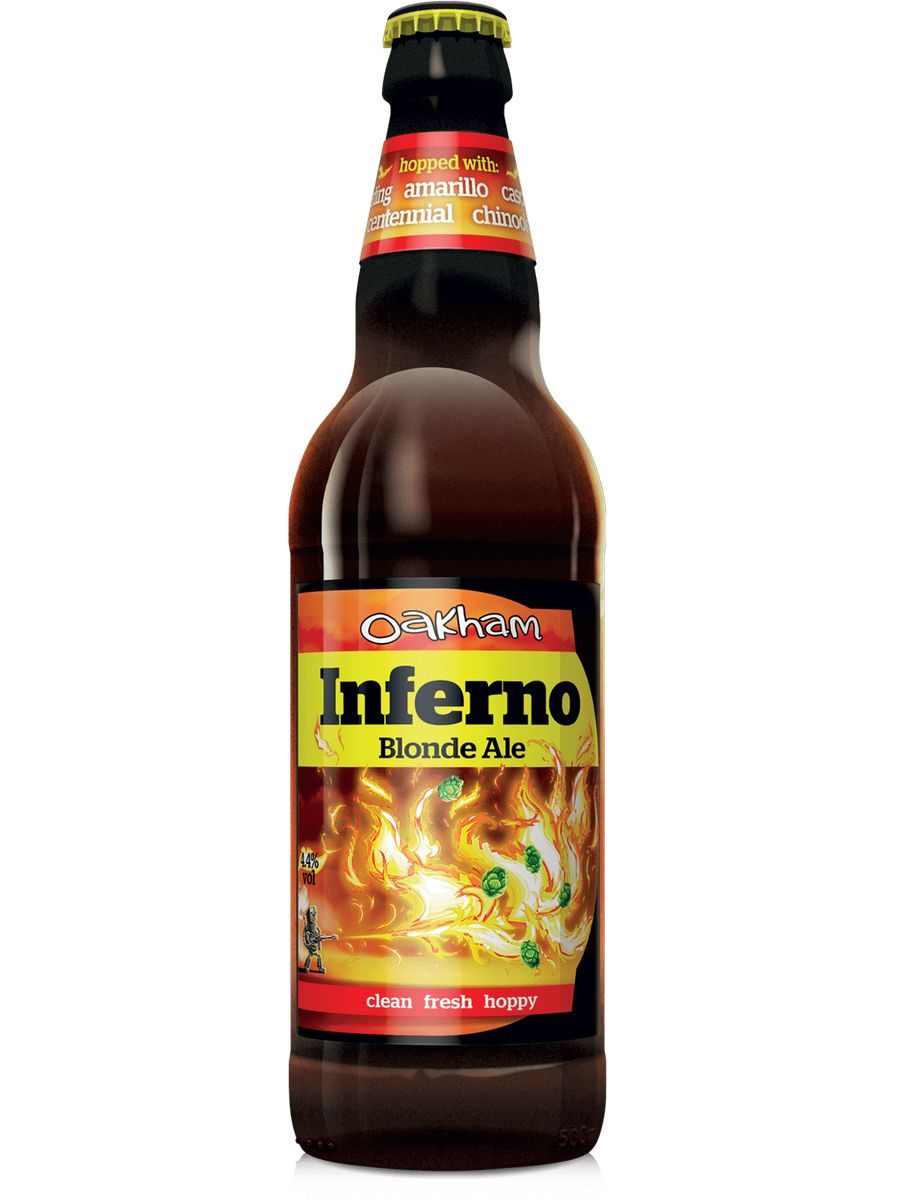
Oakham Inferno
Brewed by Oakham Ales
A five-hop blonde ale with packaged and cask strengths kept separate.
BAR NOTES
Inferno is Oakham’s blonde ale, first brewed in 2004 and now part of its core range. Bottles are 4.4%, compared with 4.0% cask; Sterling, Amarillo, Centennial, Cascade and Chinook create its fruity, citrus-led hop expression.
Use it to compare a blended hop bill with the single-variety emphasis of Citra. Ask whether a broader aroma changes your impression of bitterness. The British Golden Ale guide explains why modern British golden ales can include American hops without losing their pale, refreshing purpose.
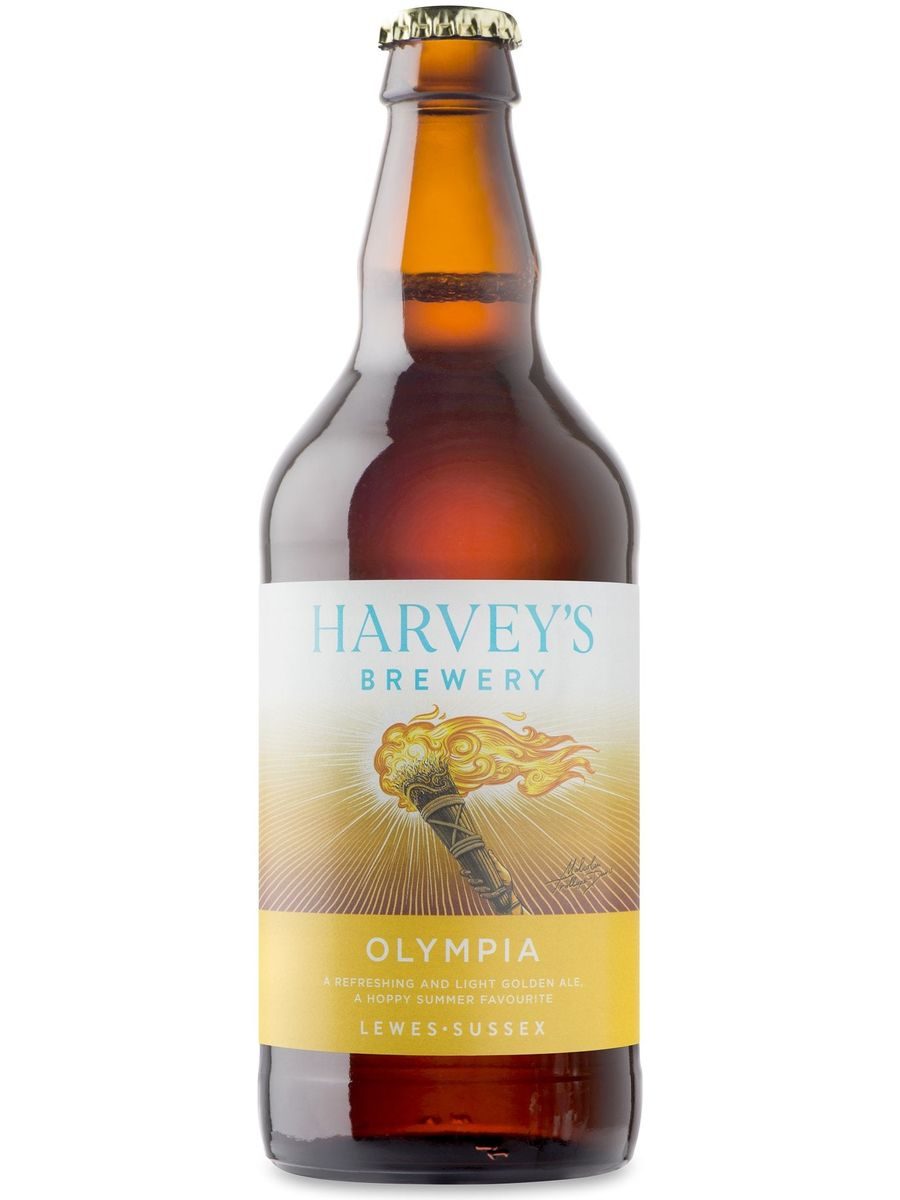
Harvey’s Olympia
Brewed by Harvey’s Brewery
A lighter traditional-hop reference for the softer side of golden ale.
BAR NOTES
Harvey’s Olympia is a 4.0% golden ale with soft bitterness from Fuggle and Golding hops. It was first produced in 2005 to celebrate the brewery’s summer award at Kensington Olympia, then became a recurring light, refreshing reference.
Compare its softer hop impression with the more assertive Summer Lightning rather than treating all golden ales as identical. A small serving makes the contrast clear. The beer glass guide helps choose a glass that preserves aroma and leaves room for a proper head.
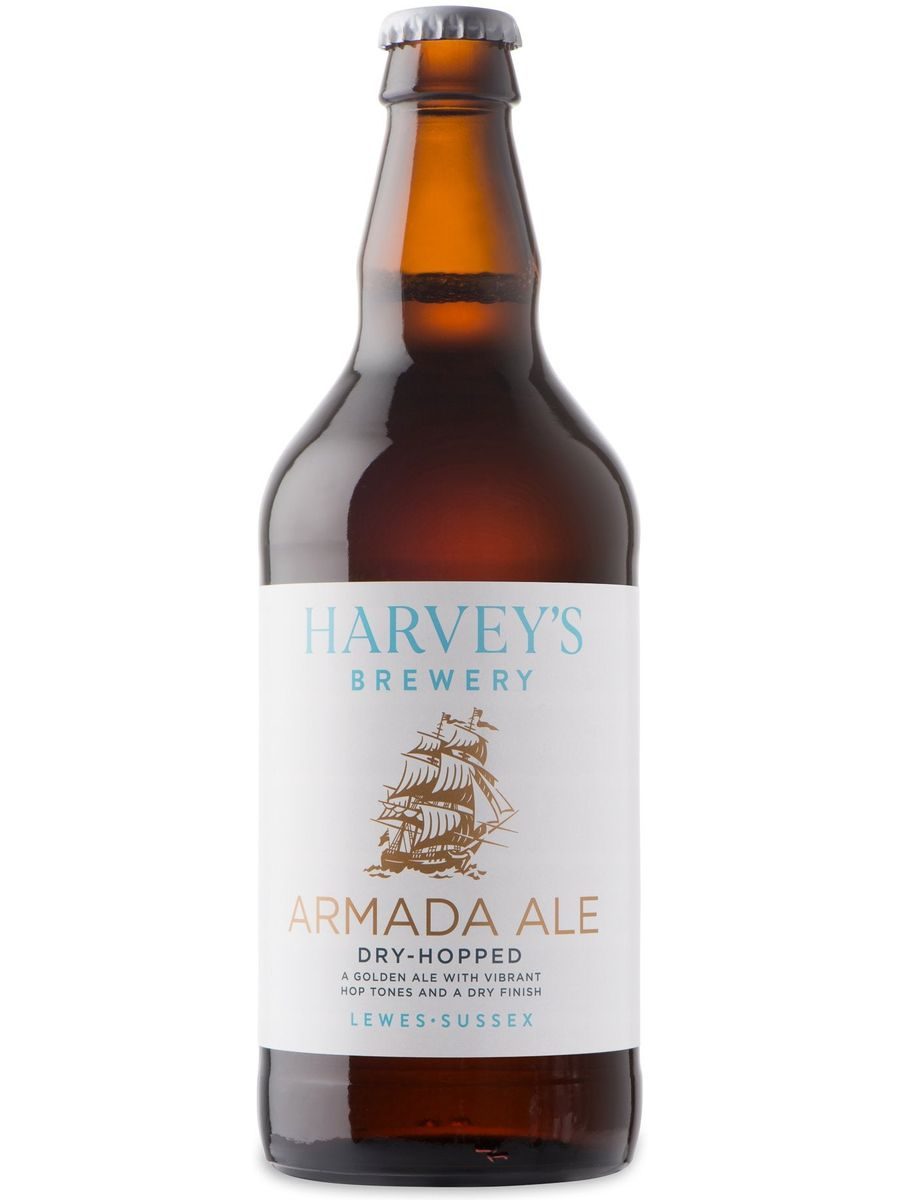
Harvey’s Armada Ale
Brewed by Harvey’s Brewery
A dry-hopped golden ale that bridges soft summer beer and firmer IPA bitterness.
BAR NOTES
Armada is Harvey’s dry-hopped 4.5% golden ale, originally commissioned by the National Maritime Museum. The brewery identifies Fuggle and Golding hops and a pronounced but balanced hop character, with a dry finish and pale copper appearance.
Taste Armada after Olympia to compare two golden beers from one brewing tradition. Focus on the finish before making a judgment about hop strength. The English IPA guide shows how greater bitterness and malt support move the same broad ingredients toward English IPA.
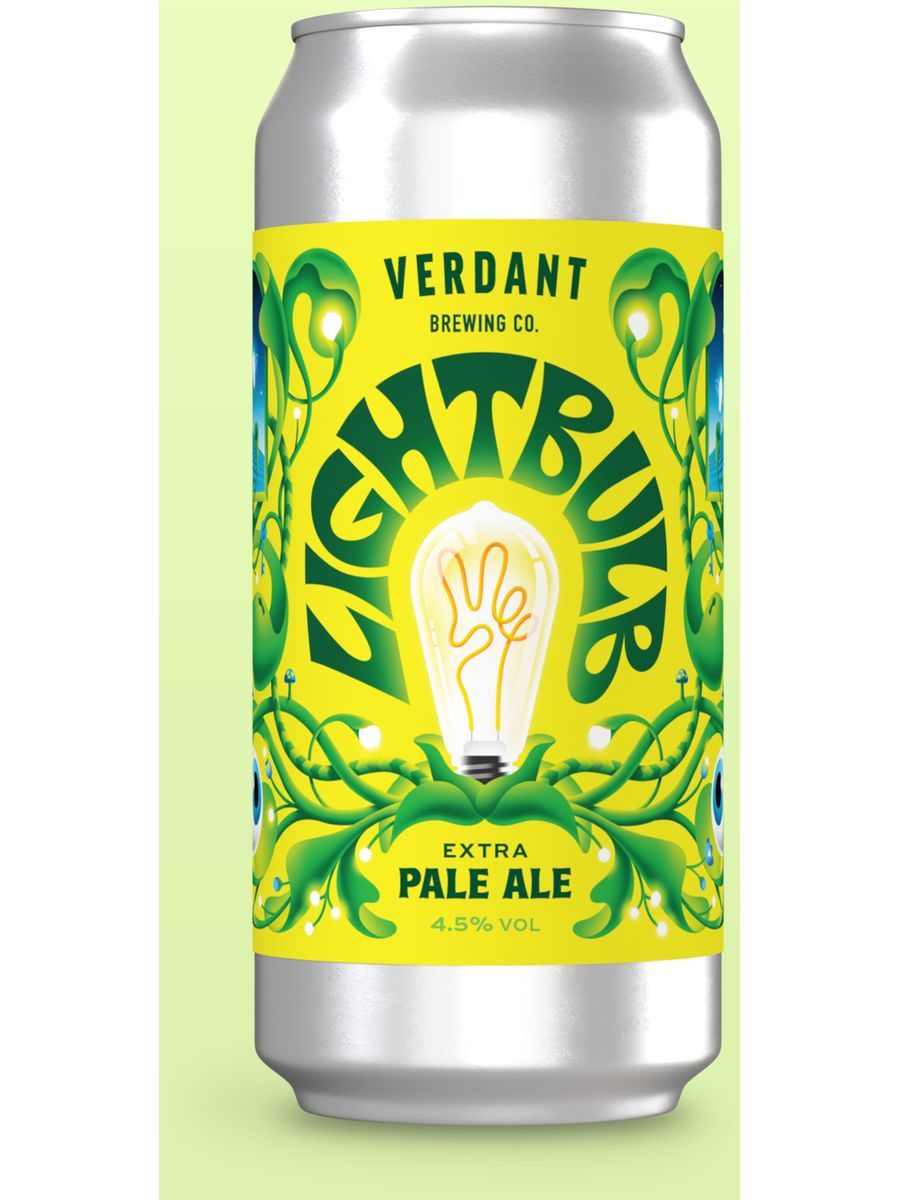
Verdant Lightbulb
Brewed by Verdant Brewing Co.
A clearly labeled modern Extra Pale Ale comparison at pub-friendly strength.
BAR NOTES
Lightbulb is Verdant’s 4.5% Extra Pale Ale, not a strict traditional golden-ale exemplar. The brewery lists Centennial and Simcoe with BRY-97 yeast, plus oats and dextrin malt among the ingredients supporting its fruity, gently resinous hop profile.
Compare its texture with the leaner traditional bottles in this flight. A pale appearance does not guarantee the same yeast character or mouthfeel. The IPA tasting hub gives further examples of how modern hop-forward beers interpret body, aroma and bitterness differently.
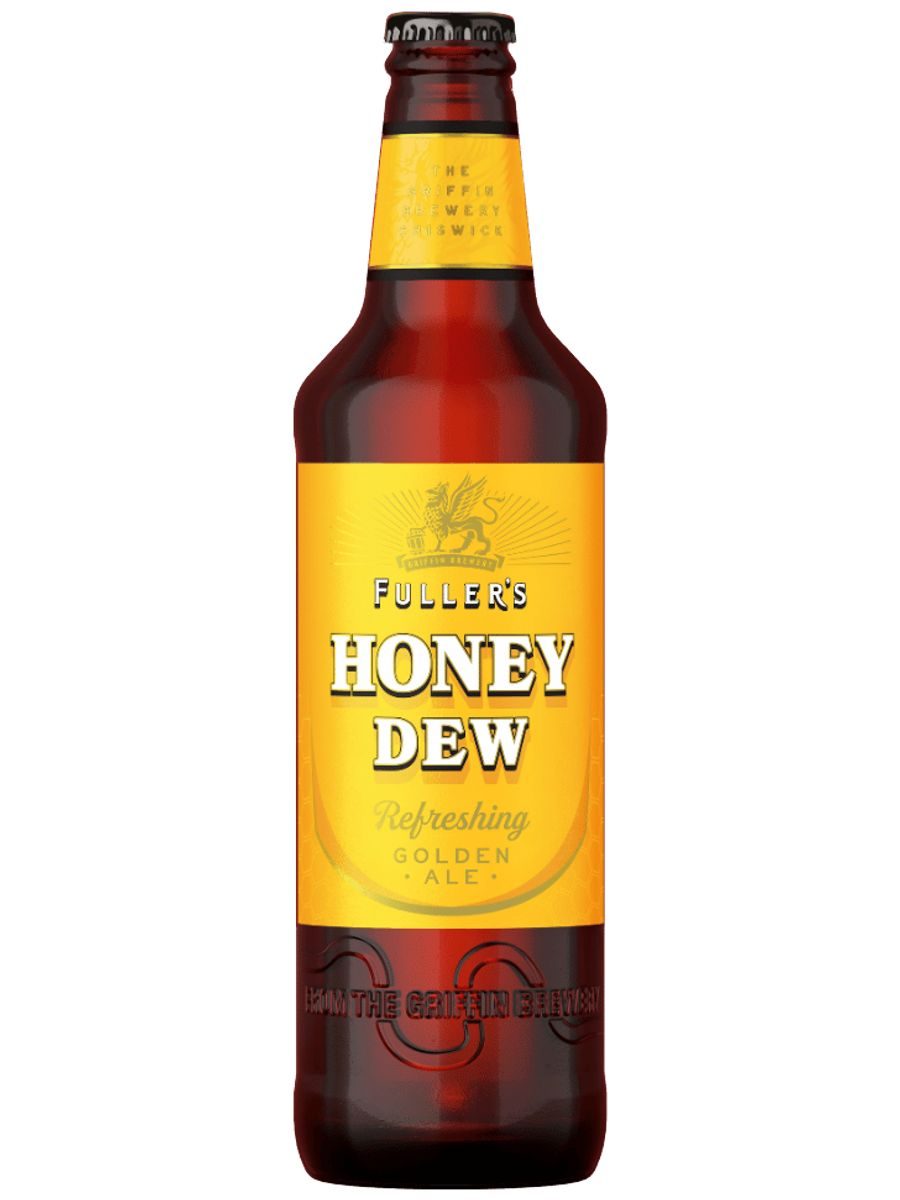
Fuller’s Honey Dew
Brewed by Fuller’s Griffin Brewery
A honey-beer comparison; the current product is no longer certified organic.
BAR NOTES
Fuller’s currently sells Honey Dew as a golden beer brewed with English malts, English hops and honey. Its shop explicitly says it is no longer certified organic, so the older Organic Honey Dew name is not used for this reference.
Compare its rounded honey impression with the dry, hop-led beers before it. Ingredient additions create useful boundaries, but do not automatically define a competition style. The grain and adjunct chart helps place honey alongside the grist ingredients that control fermentation and body.
British Golden Ale compared with nearby styles
Blonde Ale is generally softer and less hop-driven. British Bitter is darker and more malt- or ester-forward. American Pale Ale tends to use bolder American hops, while Kölsch is cleaner, more delicate and lagered.
Find the bright edge of British ale
See how pale malt, expressive hops and a dry finish created a modern alternative to lager.