50 Best Spanish Beers to Drink in 2026 [Lagers, IPAs & Craft Ales]
Spain’s best beer is not one simple ice-cold lager story. Mahou, Estrella Damm, Estrella Galicia, Alhambra, San Miguel, Ambar, Cruzcampo, and fiercely local island brands still define the everyday bar, while Basqueland, Garage, La Pirata, Naparbier, DouGall’s, Soma, Espiga, Montseny, and other independents have built one of Europe’s liveliest modern craft scenes.
This Top 50 balances cultural importance, brewing quality, regional identity, availability, and each beer’s usefulness as a doorway into Spanish pale lager, tostada, strong lager, alcohol-free brewing, IPA, stout, sour ale, and the regional food cultures that make the bottles meaningful.
50 Best Spanish Beers to Drink in 2026
Start with the national and regional classics, then follow the list through Madrid, Barcelona, Galicia, Andalusia, the Basque Country, Cantabria, Valencia, Aragon, Castile-La Mancha, Murcia, and the Canary Islands.

Alhambra Reserva 1925
Brewed by Cervezas Alhambra
toasted grain, caramel, dried fruit, herbs, and firm balancing bitterness
BAR NOTES
Alhambra Reserva 1925 earns its place because it is Spain's most distinctive widely distributed premium lager, with a green bottle and richer malt profile that reward a slower pour. Brewed in Granada, Andalusia, it brings toasted grain, caramel, dried fruit, herbs, and firm balancing bitterness; that combination says more about Spanish beer than another generic promise of Mediterranean refreshment.
Serve Alhambra Reserva 1925 in clean glassware and pair it with jamón ibérico, Manchego, roast pork, or grilled mushrooms. Keep the amber lager fresh and appropriately chilled, but let stronger or darker examples warm slightly so malt and fermentation detail can open.

Estrella Galicia Especial
Brewed by Hijos de Rivera
fresh grain, white bread, grass, mild fruit, and a clean bitter finish
BAR NOTES
The reason to seek out Estrella Galicia Especial is straightforward: it is a fiercely regional Galician lager that grew into one of Spain's most recognizable quality-minded national brands. From A Coruña, Galicia, its profile of fresh grain, white bread, grass, mild fruit, and a clean bitter finish gives the beer a distinct job within a list spanning lager, hops, roast, sourness, and regional tradition.
At the table, Estrella Galicia Especial works especially well with pulpo a la gallega, fried fish, tortilla, or mild cheese. Pour the pale lager gently, check freshness when hops matter, and avoid serving a complex strong beer so cold that its aroma disappears.

Mahou Cinco Estrellas
Brewed by Mahou San Miguel
cereal, light toast, herbs, apple, and brisk bitterness
BAR NOTES
Mahou Cinco Estrellas captures an important side of Spanish brewing as Madrid's defining everyday lager and the clearest starting point for understanding Spain's bar-and-tapas beer culture. Look for cereal, light toast, herbs, apple, and brisk bitterness, with enough identity to represent Madrid alongside the country's larger national and regional brands.
Try Mahou Cinco Estrellas alongside croquetas, calamari sandwiches, olives, or grilled pork. Its pale lager character becomes easier to read as the first chill lifts, while clean glassware keeps sweetness, fruit, roast, acidity, and bitterness in balance.
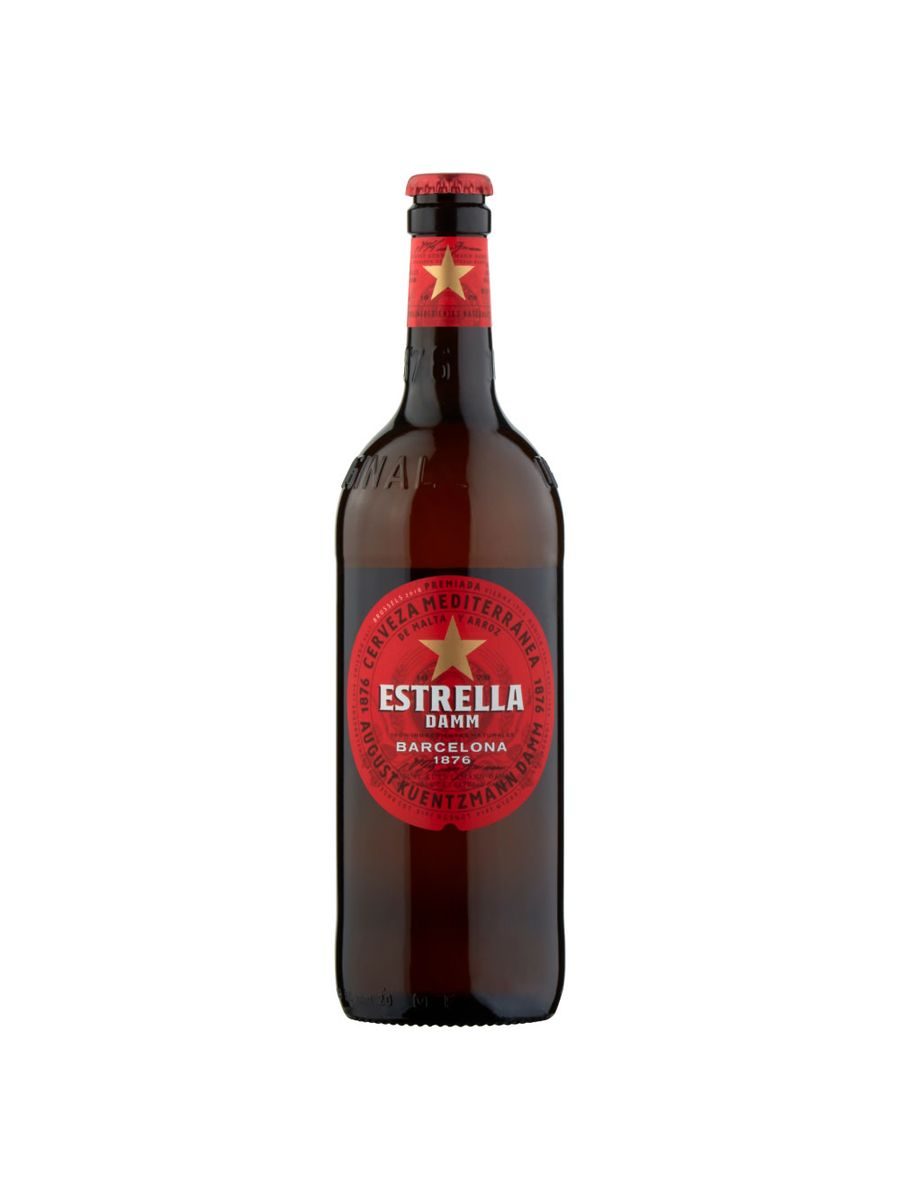
Estrella Damm
Brewed by Damm
pale malt, grain, soft herbs, citrus, and a crisp dry close
BAR NOTES
A serious Spanish beer list needs Estrella Damm, Barcelona's signature lager and a durable reference for the dry, food-friendly Mediterranean style. The useful tasting markers are pale malt, grain, soft herbs, citrus, and a crisp dry close, showing how brewers in Barcelona, Catalonia translate local drinking culture into a clearly defined glass.
A practical pairing for Estrella Damm is pan con tomate, anchovies, grilled prawns, or paella. Serve lighter beer cold and direct; with a fuller mediterranean lager, allow a few minutes in the glass before judging aroma, texture, and finish.
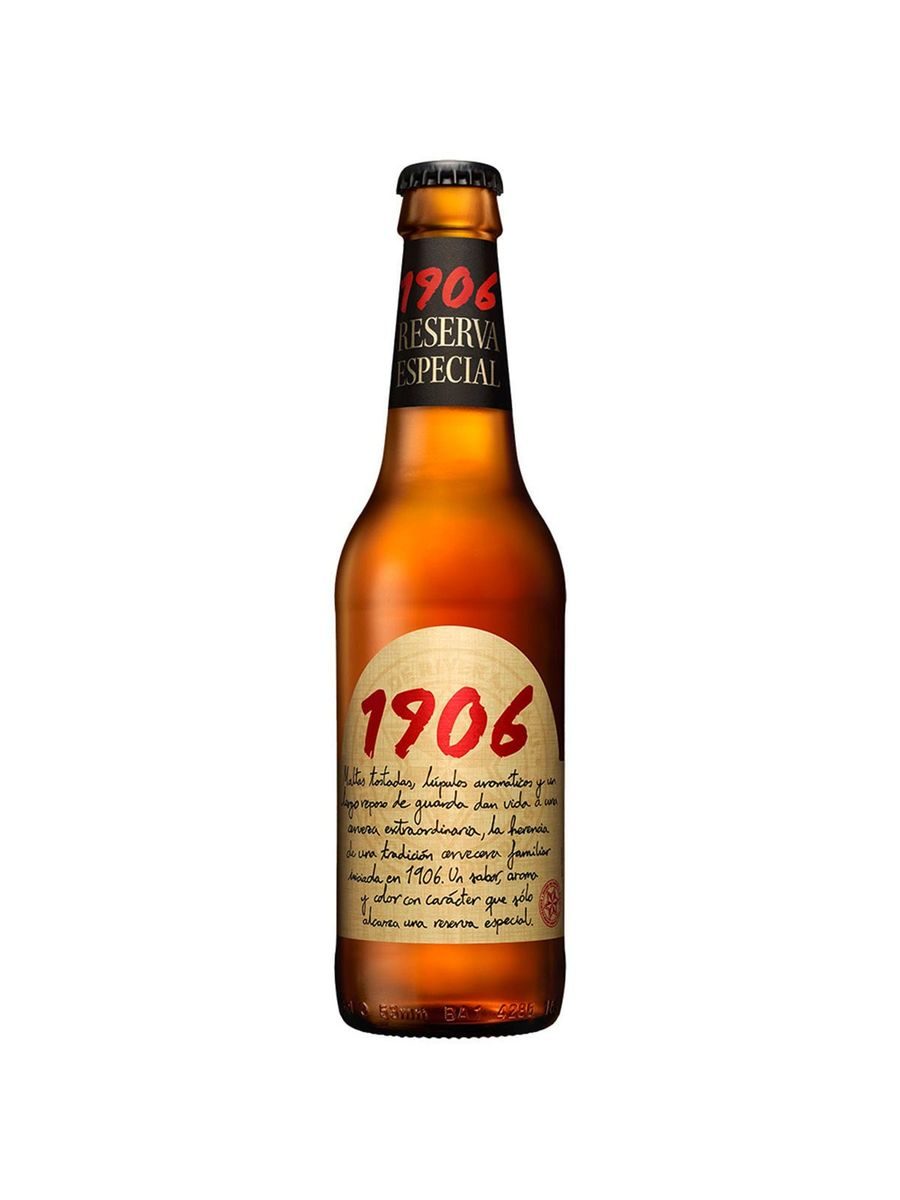
1906 Reserva Especial
Brewed by Hijos de Rivera
toast, caramel, herbs, floral hops, and a warm dry finish
BAR NOTES
1906 Reserva Especial matters beyond its label because it is the polished, stronger malt-led sibling to Estrella Galicia and a benchmark Spanish premium lager. A proper pour reveals toast, caramel, herbs, floral hops, and a warm dry finish, making this A Coruña, Galicia beer a strong reference point for its brewery, region, or style.
1906 Reserva Especial is at its most useful with food such as roast pork, aged cheese, octopus, or empanada gallega. Temperature matters: crisp beer should stay refreshing, while a richer helles bock gains detail as it edges toward cellar temperature.
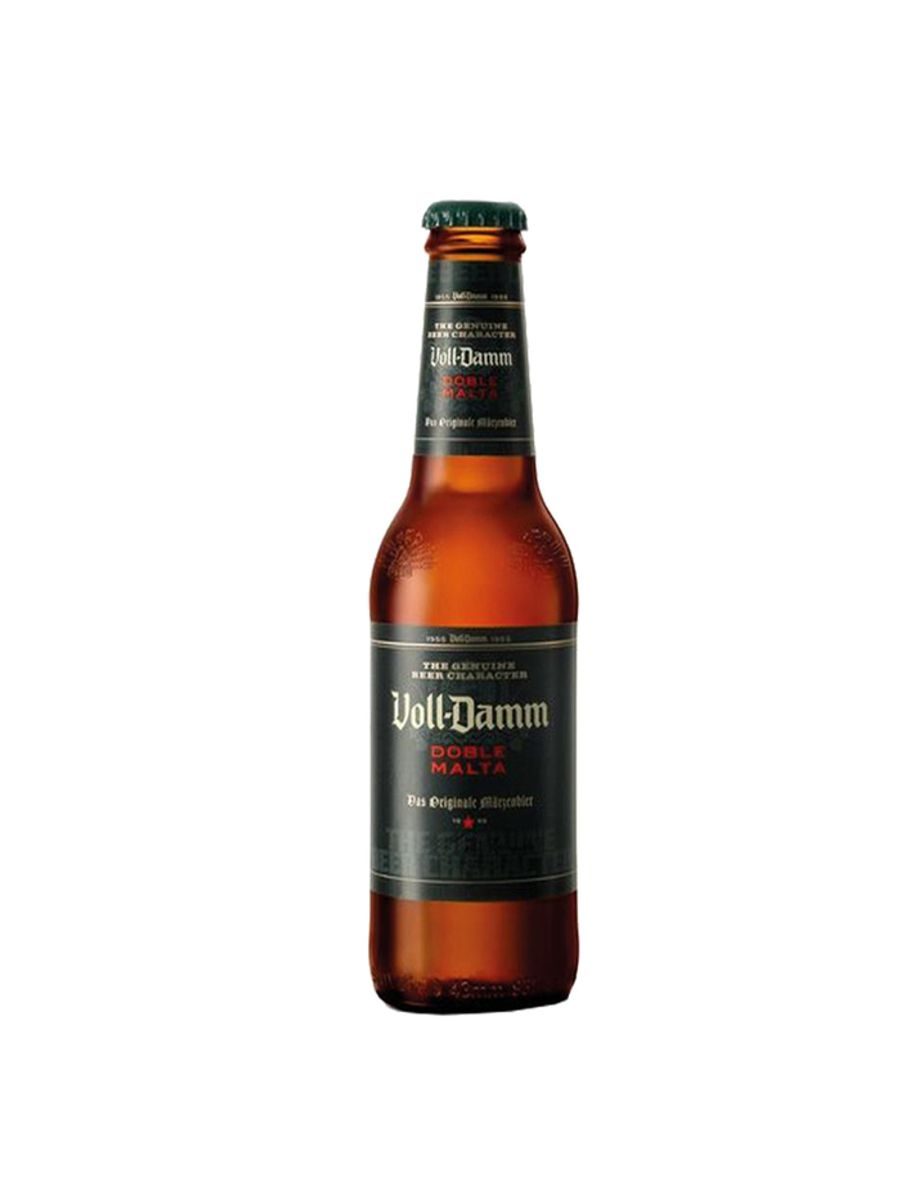
Voll-Damm
Brewed by Damm
biscuit, caramel, dried fruit, herbal hops, and warming bitterness
BAR NOTES
Voll-Damm earns its place because it is a full-bodied double-malt lager that has occupied its own strong-beer lane in Spain since the 1950s. Brewed in Barcelona, Catalonia, it brings biscuit, caramel, dried fruit, herbal hops, and warming bitterness; that combination says more about Spanish beer than another generic promise of Mediterranean refreshment.
Serve Voll-Damm in clean glassware and pair it with patatas bravas, grilled sausage, roast chicken, or hard cheese. Keep the märzen / double malt lager fresh and appropriately chilled, but let stronger or darker examples warm slightly so malt and fermentation detail can open.
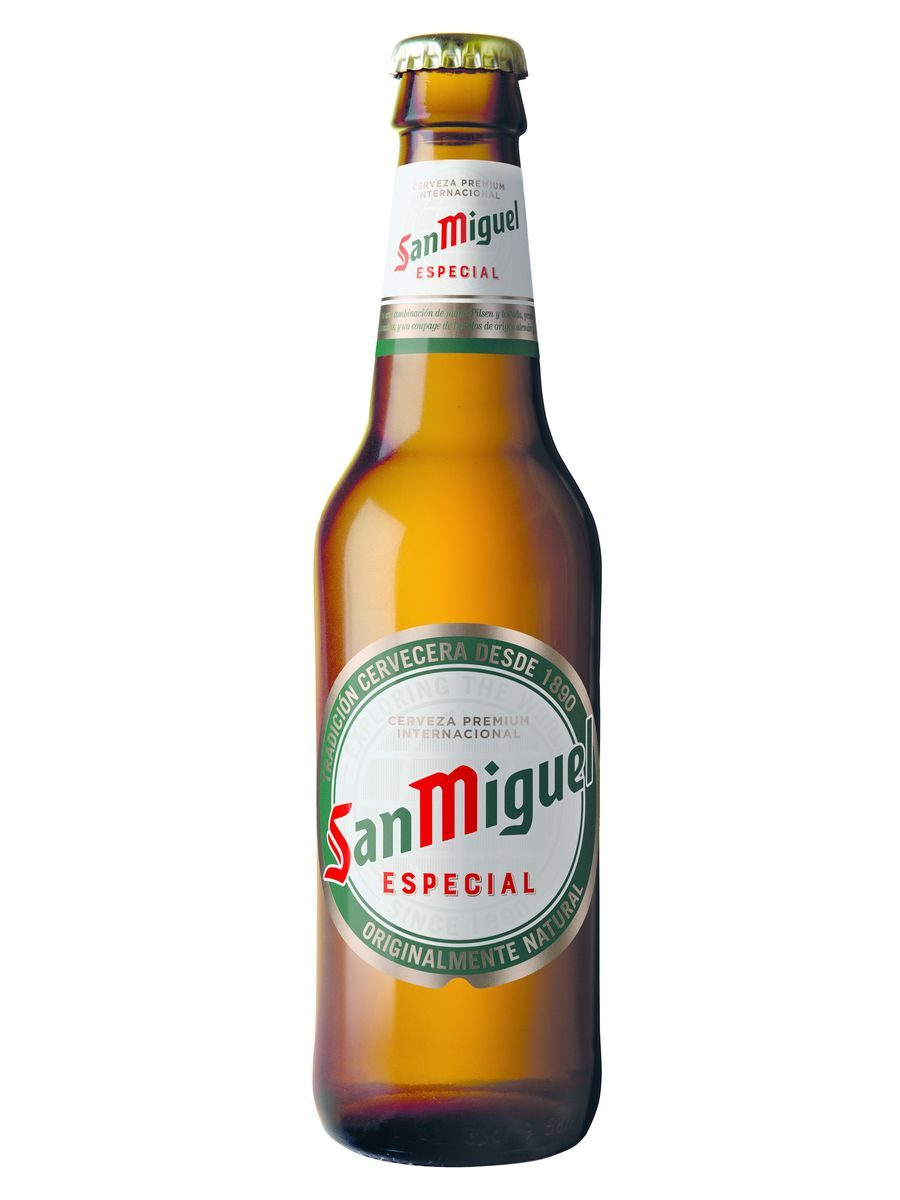
San Miguel Especial
Brewed by Mahou San Miguel
grain, lemon, light bread, grass, and clean bitterness
BAR NOTES
The reason to seek out San Miguel Especial is straightforward: it is an internationally familiar Spanish lager whose crisp profile still makes sense beside salty tapas and warm-weather food. From Málaga, Andalusia, its profile of grain, lemon, light bread, grass, and clean bitterness gives the beer a distinct job within a list spanning lager, hops, roast, sourness, and regional tradition.
At the table, San Miguel Especial works especially well with boquerones, olives, grilled chicken, or salty almonds. Pour the pale lager gently, check freshness when hops matter, and avoid serving a complex strong beer so cold that its aroma disappears.
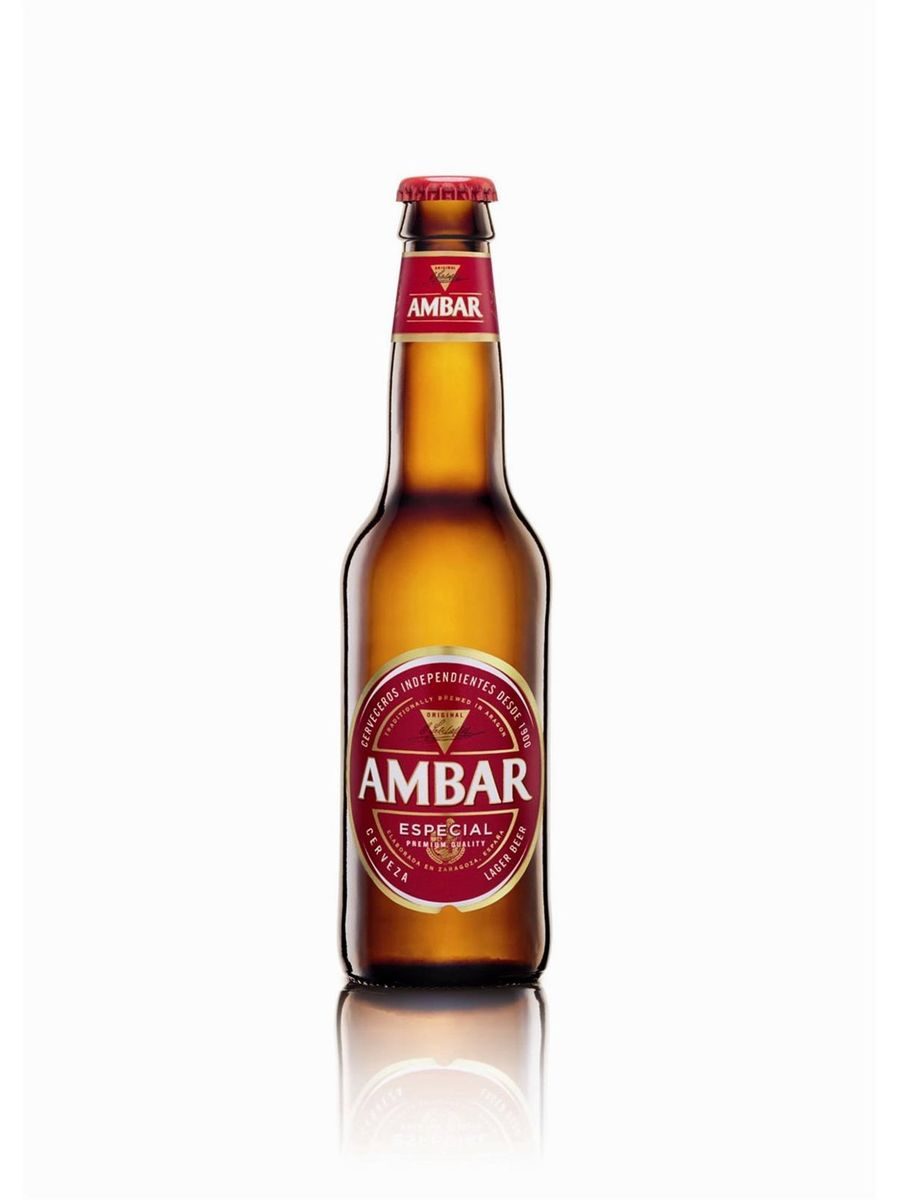
Ambar Especial
Brewed by Cervezas Ambar
grain, biscuit, flowers, light fruit, and tidy hop bitterness
BAR NOTES
Ambar Especial captures an important side of Spanish brewing as Aragon's enduring flagship and a useful regional counterpoint to Spain's better-known Madrid, Barcelona, and Galician lagers. Look for grain, biscuit, flowers, light fruit, and tidy hop bitterness, with enough identity to represent Zaragoza, Aragon alongside the country's larger national and regional brands.
Try Ambar Especial alongside migas, roast lamb, tortilla, or cured ham. Its pale lager character becomes easier to read as the first chill lifts, while clean glassware keeps sweetness, fruit, roast, acidity, and bitterness in balance.
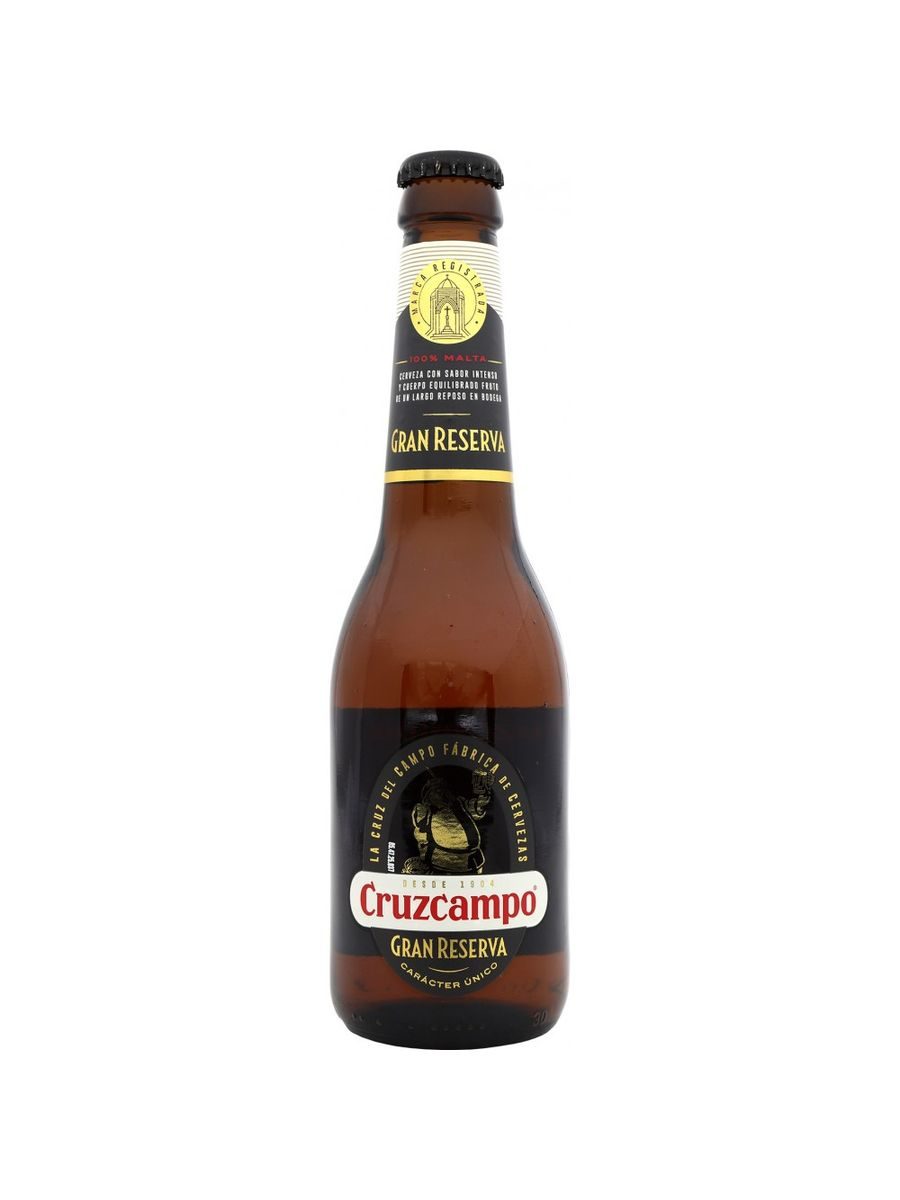
Cruzcampo Gran Reserva
Brewed by Cruzcampo
toast, caramel, ripe fruit, herbs, and rounded bitterness
BAR NOTES
A serious Spanish beer list needs Cruzcampo Gran Reserva, a longer-matured, fuller expression of Andalusia's biggest beer name, built for more than an ice-cold quick pour. The useful tasting markers are toast, caramel, ripe fruit, herbs, and rounded bitterness, showing how brewers in Seville, Andalusia translate local drinking culture into a clearly defined glass.
A practical pairing for Cruzcampo Gran Reserva is jamón, grilled pork, aged cheese, or meatballs. Serve lighter beer cold and direct; with a fuller strong lager, allow a few minutes in the glass before judging aroma, texture, and finish.
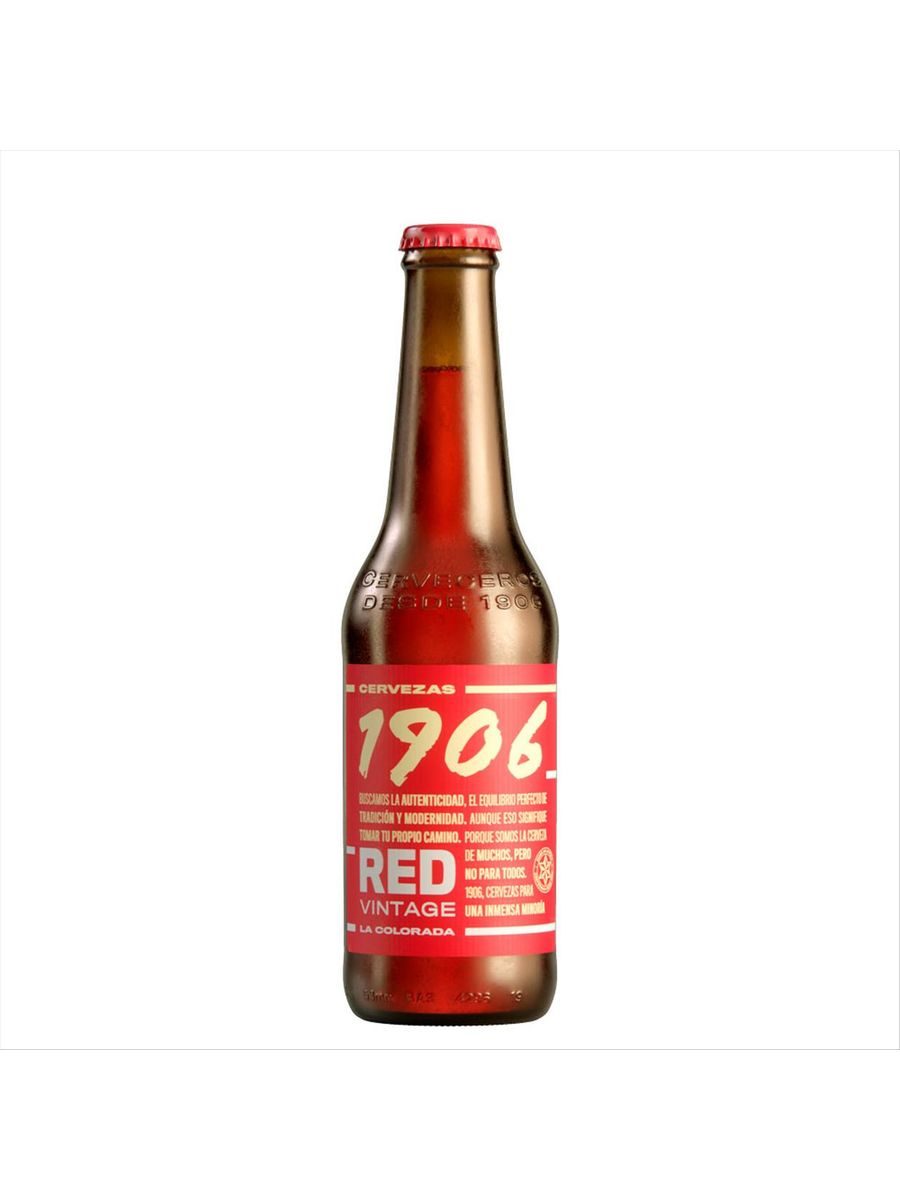
1906 Red Vintage
Brewed by Hijos de Rivera
caramel, dark bread, dried fruit, herbs, and warming alcohol
BAR NOTES
1906 Red Vintage matters beyond its label because it is a potent red-label lager inspired by an old Hijos de Rivera recipe and one of Spain's most convincing cold-weather bottles. A proper pour reveals caramel, dark bread, dried fruit, herbs, and warming alcohol, making this A Coruña, Galicia beer a strong reference point for its brewery, region, or style.
1906 Red Vintage is at its most useful with food such as beef stew, roast lamb, blue cheese, or chocolate. Temperature matters: crisp beer should stay refreshing, while a richer strong lager gains detail as it edges toward cellar temperature.
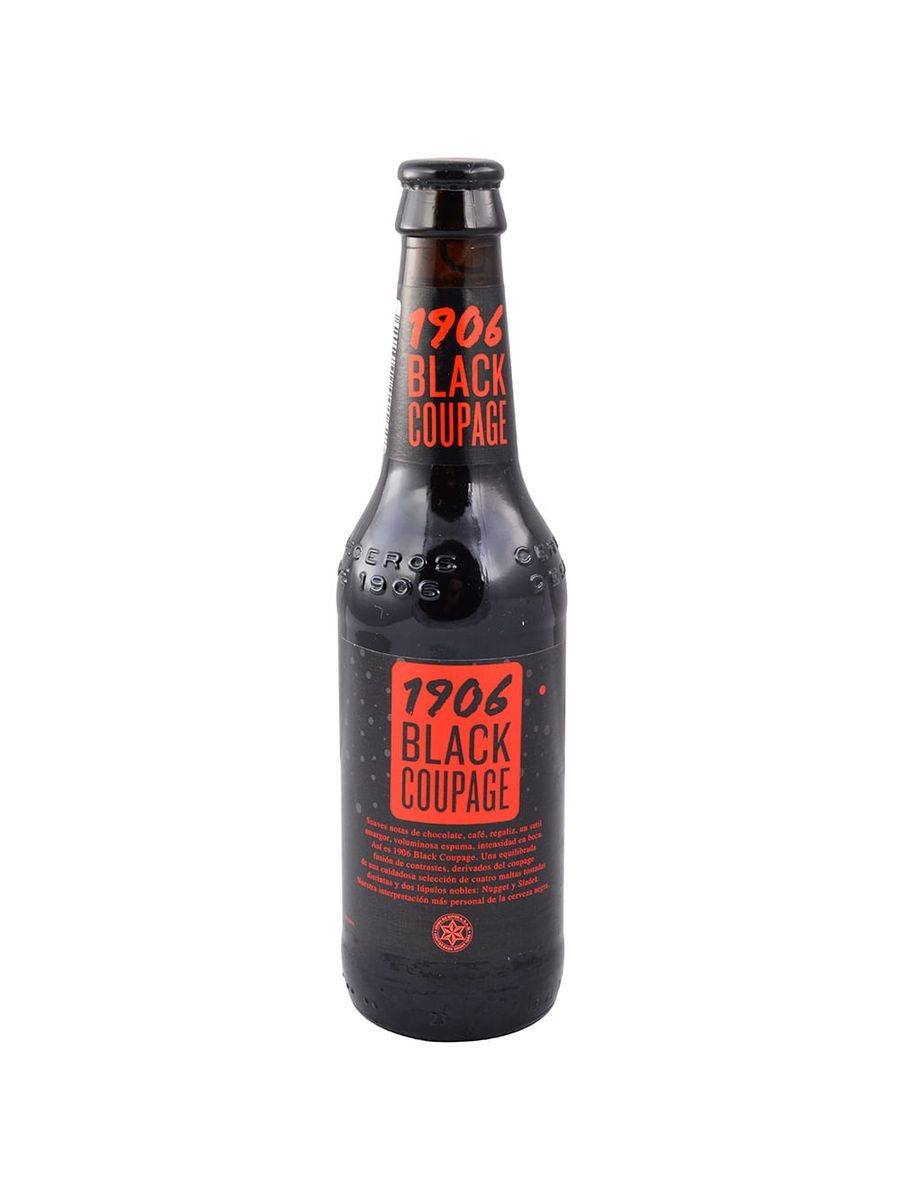
1906 Black Coupage
Brewed by Hijos de Rivera
coffee, cocoa, caramel, dark bread, and gentle herbal bitterness
BAR NOTES
1906 Black Coupage earns its place because it is the dark member of the 1906 family, giving Spain's premium-lager tradition a roasted, bock-like dimension. Brewed in A Coruña, Galicia, it brings coffee, cocoa, caramel, dark bread, and gentle herbal bitterness; that combination says more about Spanish beer than another generic promise of Mediterranean refreshment.
Serve 1906 Black Coupage in clean glassware and pair it with braised beef, mushrooms, smoked cheese, or almond cake. Keep the dunkel bock fresh and appropriately chilled, but let stronger or darker examples warm slightly so malt and fermentation detail can open.
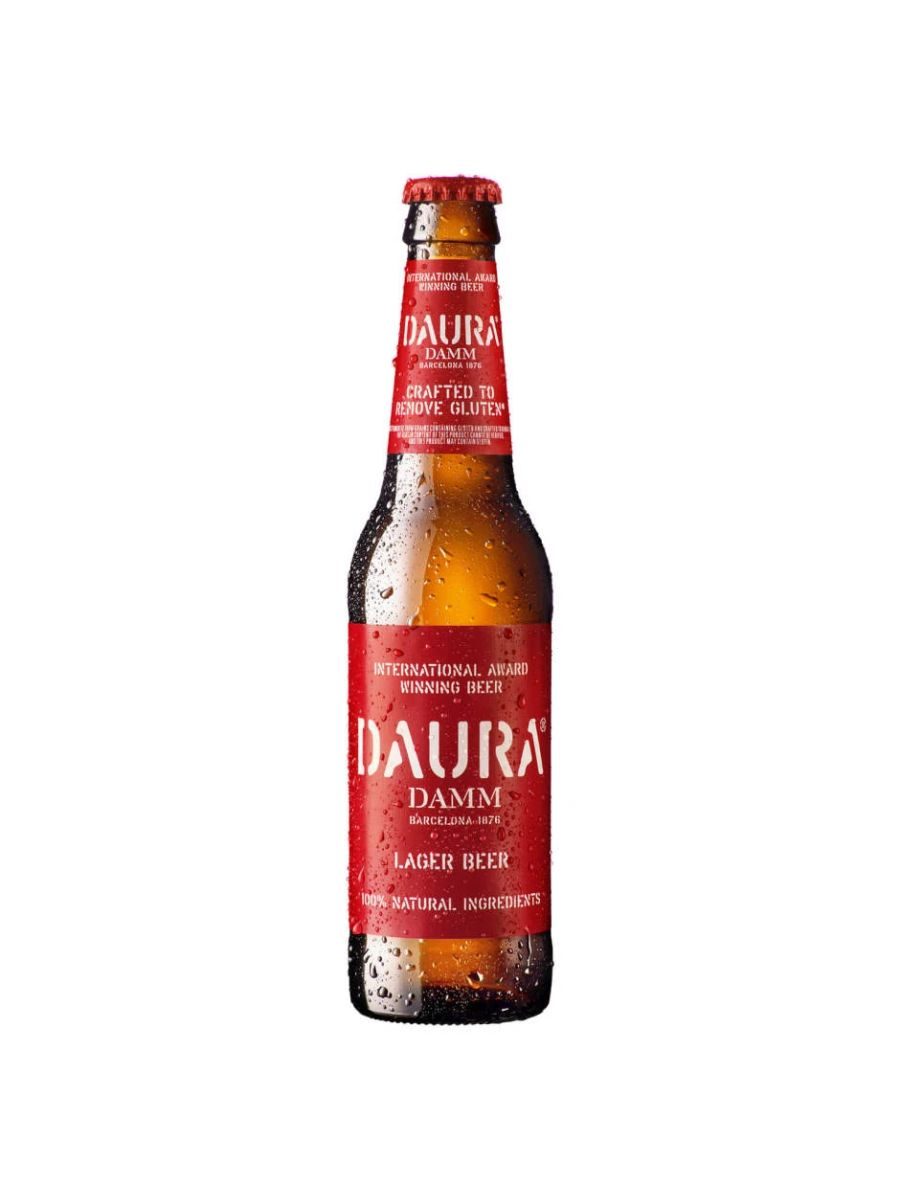
Daura Damm
Brewed by Damm
pale grain, bread, citrus, soft herbs, and a crisp finish
BAR NOTES
The reason to seek out Daura Damm is straightforward: it is one of the world's best-known gluten-reduced lagers and an important accessibility milestone in Spanish brewing. From Barcelona, Catalonia, its profile of pale grain, bread, citrus, soft herbs, and a crisp finish gives the beer a distinct job within a list spanning lager, hops, roast, sourness, and regional tradition.
At the table, Daura Damm works especially well with grilled fish, rice dishes, chicken, or green olives. Pour the gluten-reduced lager gently, check freshness when hops matter, and avoid serving a complex strong beer so cold that its aroma disappears.
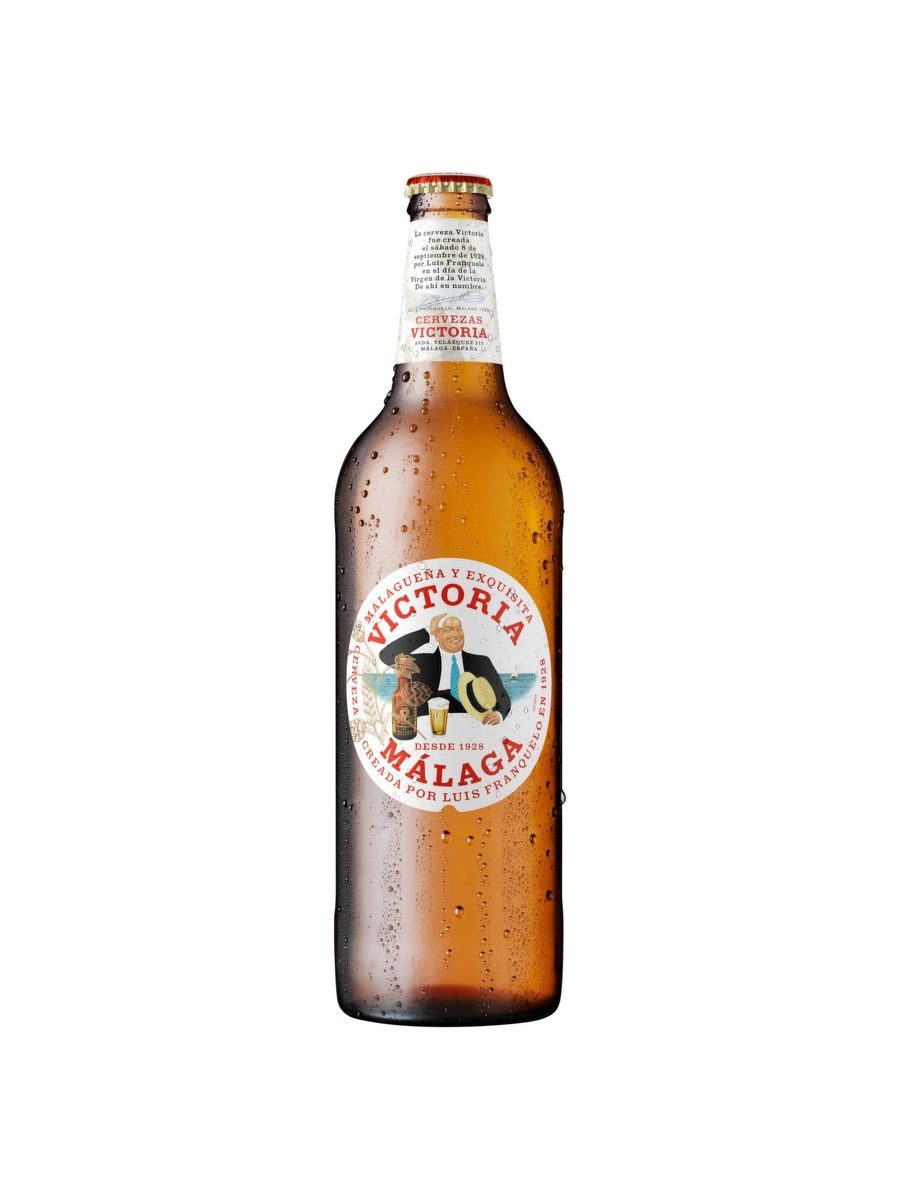
Victoria Málaga
Brewed by Cervezas Victoria
grain, light bread, lemon, herbs, and gentle bitterness
BAR NOTES
Victoria Málaga captures an important side of Spanish brewing as Málaga's hometown lager, revived as a proud local alternative with a soft profile suited to the Costa del Sol. Look for grain, light bread, lemon, herbs, and gentle bitterness, with enough identity to represent Málaga, Andalusia alongside the country's larger national and regional brands.
Try Victoria Málaga alongside fried fish, espetos, olives, or gazpacho. Its pale lager character becomes easier to read as the first chill lifts, while clean glassware keeps sweetness, fruit, roast, acidity, and bitterness in balance.
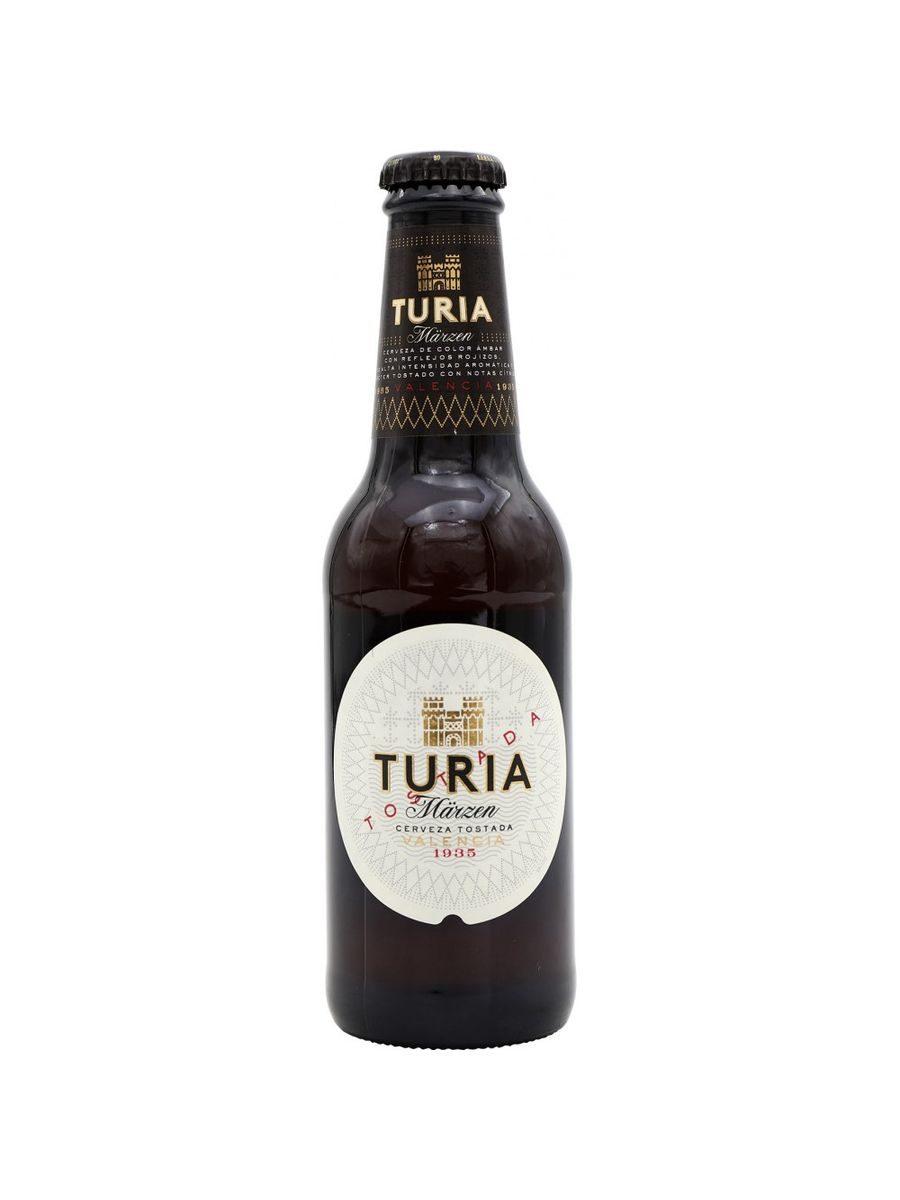
Turia Märzen
Brewed by Damm
toast, caramel, nuts, dried fruit, and mild bitterness
BAR NOTES
A serious Spanish beer list needs Turia Märzen, Valencia's toasted lager, a dependable amber option when pale caña-style beer feels too light for the food. The useful tasting markers are toast, caramel, nuts, dried fruit, and mild bitterness, showing how brewers in Valencia translate local drinking culture into a clearly defined glass.
A practical pairing for Turia Märzen is paella, grilled sausage, roast vegetables, or aged cheese. Serve lighter beer cold and direct; with a fuller märzen, allow a few minutes in the glass before judging aroma, texture, and finish.
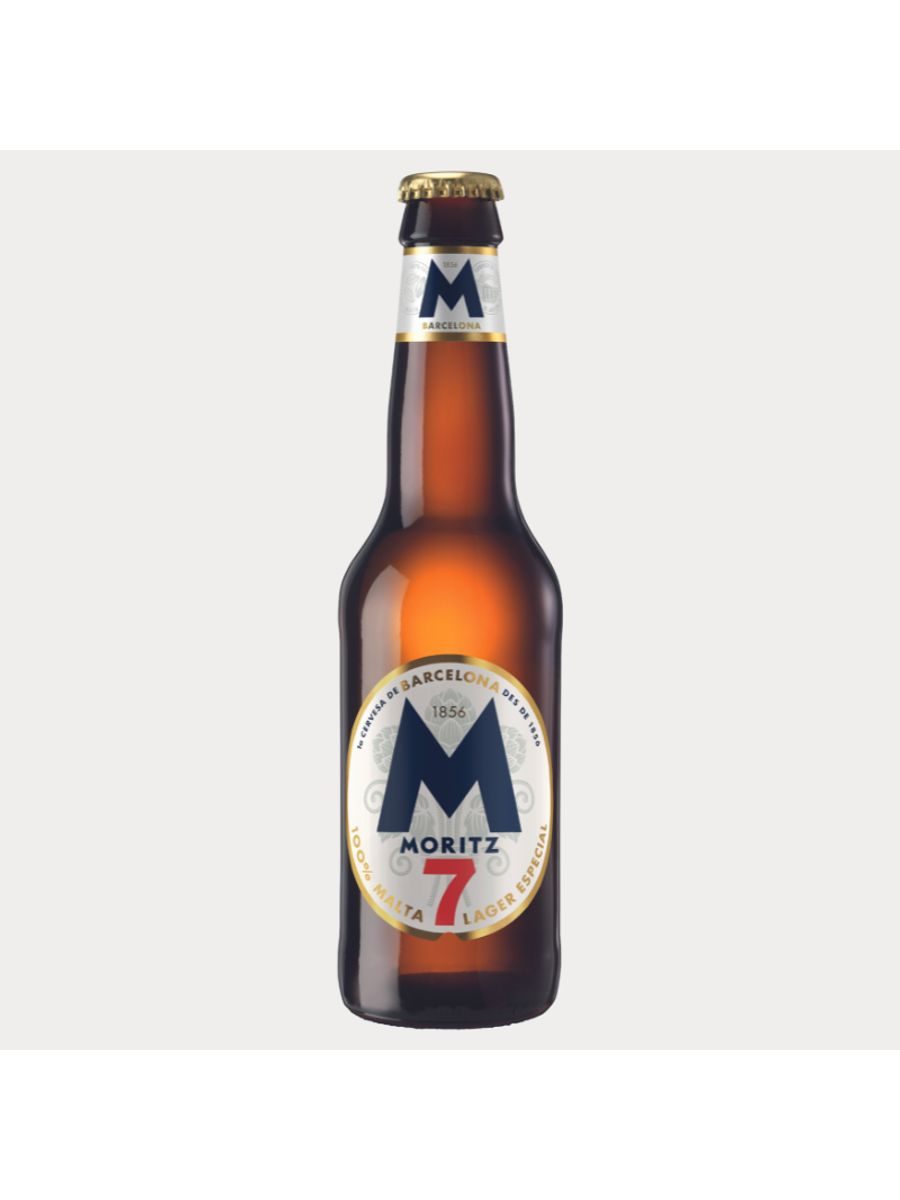
Moritz 7
Brewed by Moritz
bread, cereal, flowers, honey, and balanced herbal bitterness
BAR NOTES
Moritz 7 matters beyond its label because it is a maltier flagship extension from Barcelona's revived Moritz brewery, brewed with seven carefully selected ingredients. A proper pour reveals bread, cereal, flowers, honey, and balanced herbal bitterness, making this Barcelona, Catalonia beer a strong reference point for its brewery, region, or style.
Moritz 7 is at its most useful with food such as bombas, roast chicken, grilled vegetables, or mild cheese. Temperature matters: crisp beer should stay refreshing, while a richer premium lager gains detail as it edges toward cellar temperature.

Moritz Epidor
Brewed by Moritz
caramel, toast, ripe fruit, spice, and warming bitterness
BAR NOTES
Moritz Epidor earns its place because it is a revived 1923 strong lager whose amber malt and extra strength offer a historical counterpoint to modern Barcelona craft. Brewed in Barcelona, Catalonia, it brings caramel, toast, ripe fruit, spice, and warming bitterness; that combination says more about Spanish beer than another generic promise of Mediterranean refreshment.
Serve Moritz Epidor in clean glassware and pair it with roast pork, patatas bravas, hard cheese, or crema catalana. Keep the strong amber lager fresh and appropriately chilled, but let stronger or darker examples warm slightly so malt and fermentation detail can open.

Rosa Blanca Hoppy Lager
Brewed by Rosa Blanca
citrus, flowers, light grain, tropical fruit, and snappy bitterness
BAR NOTES
The reason to seek out Rosa Blanca Hoppy Lager is straightforward: it is a revived Balearic name whose modern hoppy lager is light enough for beach weather without tasting anonymous. From Palma, Mallorca, its profile of citrus, flowers, light grain, tropical fruit, and snappy bitterness gives the beer a distinct job within a list spanning lager, hops, roast, sourness, and regional tradition.
At the table, Rosa Blanca Hoppy Lager works especially well with fried squid, sobrasada, olives, or grilled fish. Pour the hoppy lager gently, check freshness when hops matter, and avoid serving a complex strong beer so cold that its aroma disappears.

El Águila 1900
Brewed by El Águila
fresh bread, cereal, citrus, yeast, and soft herbal bitterness
BAR NOTES
El Águila 1900 captures an important side of Spanish brewing as the unfiltered revival of a historic Madrid brand, bringing visible haze and fuller grain character to a mainstream shelf. Look for fresh bread, cereal, citrus, yeast, and soft herbal bitterness, with enough identity to represent Madrid alongside the country's larger national and regional brands.
Try El Águila 1900 alongside tortilla, grilled chicken, croquetas, or Manchego. Its unfiltered lager character becomes easier to read as the first chill lifts, while clean glassware keeps sweetness, fruit, roast, acidity, and bitterness in balance.

La Virgen Madrid Lager
Brewed by Cervezas La Virgen
fresh bread, honey, flowers, herbs, and a clean dry finish
BAR NOTES
A serious Spanish beer list needs La Virgen Madrid Lager, the flagship of Madrid's modern craft revival, combining German-style lager discipline with a distinctly local brewery identity. The useful tasting markers are fresh bread, honey, flowers, herbs, and a clean dry finish, showing how brewers in Madrid translate local drinking culture into a clearly defined glass.
A practical pairing for La Virgen Madrid Lager is calamari sandwiches, tortilla, chicken, or mild cheese. Serve lighter beer cold and direct; with a fuller helles lager, allow a few minutes in the glass before judging aroma, texture, and finish.

La Virgen IPA
Brewed by Cervezas La Virgen
grapefruit, pine, orange, caramel malt, and firm bitterness
BAR NOTES
La Virgen IPA matters beyond its label because it is a direct, resinous IPA that helped make hop-forward craft beer approachable in Madrid bars and bottle shops. A proper pour reveals grapefruit, pine, orange, caramel malt, and firm bitterness, making this Madrid beer a strong reference point for its brewery, region, or style.
La Virgen IPA is at its most useful with food such as burgers, spicy chorizo, tacos, or aged cheddar. Temperature matters: crisp beer should stay refreshing, while a richer american ipa gains detail as it edges toward cellar temperature.

La Pirata Black Block
Brewed by La Pirata Brewing
espresso, dark chocolate, molasses, dried fruit, and warming roast
BAR NOTES
La Pirata Black Block earns its place because it is one of Spain's cult imperial stouts, delivering the scale and polish that put La Pirata on international craft lists. Brewed in Súria, Catalonia, it brings espresso, dark chocolate, molasses, dried fruit, and warming roast; that combination says more about Spanish beer than another generic promise of Mediterranean refreshment.
Serve La Pirata Black Block in clean glassware and pair it with brownies, blue cheese, braised beef, or vanilla ice cream. Keep the imperial stout fresh and appropriately chilled, but let stronger or darker examples warm slightly so malt and fermentation detail can open.

P9 Barcelona Weisse
Brewed by Garage Beer Co
raspberry, passion fruit, lemon, wheat, and refreshing tartness
BAR NOTES
The reason to seek out P9 Barcelona Weisse is straightforward: it is a raspberry-and-passion-fruit sour that captures Garage's playful side and Barcelona's appetite for bright modern beer. From Barcelona, Catalonia, its profile of raspberry, passion fruit, lemon, wheat, and refreshing tartness gives the beer a distinct job within a list spanning lager, hops, roast, sourness, and regional tradition.
At the table, P9 Barcelona Weisse works especially well with goat cheese, ceviche, fruit salad, or salty chips. Pour the fruit berliner weisse gently, check freshness when hops matter, and avoid serving a complex strong beer so cold that its aroma disappears.

Soup IPA
Brewed by Garage Beer Co
mango, citrus, peach, Mosaic dankness, and a soft chewy body
BAR NOTES
Soup IPA captures an important side of Spanish brewing as Garage's hazy flagship and one of the cans that made Barcelona an essential modern European beer stop. Look for mango, citrus, peach, Mosaic dankness, and a soft chewy body, with enough identity to represent Barcelona, Catalonia alongside the country's larger national and regional brands.
Try Soup IPA alongside fried chicken, fish tacos, curry, or young cheese. Its new england ipa character becomes easier to read as the first chill lifts, while clean glassware keeps sweetness, fruit, roast, acidity, and bitterness in balance.

Santako
Brewed by Garage Beer Co
pine, grapefruit, orange peel, dank hops, and a dry bitter finish
BAR NOTES
A serious Spanish beer list needs Santako, a leaner Garage IPA with the resin, citrus, and bitterness needed to offset the brewery's hazier reputation. The useful tasting markers are pine, grapefruit, orange peel, dank hops, and a dry bitter finish, showing how brewers in Barcelona, Catalonia translate local drinking culture into a clearly defined glass.
A practical pairing for Santako is grilled pork, burgers, spicy potatoes, or sharp cheddar. Serve lighter beer cold and direct; with a fuller west coast ipa, allow a few minutes in the glass before judging aroma, texture, and finish.

Imparable IPA
Brewed by Basqueland Brewing
grapefruit, pine, orange, tropical fruit, and clean assertive bitterness
BAR NOTES
Imparable IPA matters beyond its label because it is Basqueland's evergreen IPA and a standard-bearer for the polished, internationally minded Basque craft scene. A proper pour reveals grapefruit, pine, orange, tropical fruit, and clean assertive bitterness, making this Hernani, Basque Country beer a strong reference point for its brewery, region, or style.
Imparable IPA is at its most useful with food such as pintxos, burgers, barbecue ribs, or aged cheese. Temperature matters: crisp beer should stay refreshing, while a richer american ipa gains detail as it edges toward cellar temperature.

Haze Gods
Brewed by Soma Beer
mango, peach, citrus, melon, and a creamy saturated body
BAR NOTES
Haze Gods earns its place because it is a polished haze bomb representing the export-ready edge of contemporary Spanish hop brewing. Brewed in Girona, Catalonia, it brings mango, peach, citrus, melon, and a creamy saturated body; that combination says more about Spanish beer than another generic promise of Mediterranean refreshment.
Serve Haze Gods in clean glassware and pair it with spicy chicken, burgers, curry, or blue cheese. Keep the double new england ipa fresh and appropriately chilled, but let stronger or darker examples warm slightly so malt and fermentation detail can open.

Mucho Mucho Citra
Brewed by Basqueland Brewing
mango, lime, grapefruit, peach, and dense aromatic hop oil
BAR NOTES
The reason to seek out Mucho Mucho Citra is straightforward: it is a saturated showcase for multiple Citra hop products and Basqueland's command of contemporary double IPA. From Hernani, Basque Country, its profile of mango, lime, grapefruit, peach, and dense aromatic hop oil gives the beer a distinct job within a list spanning lager, hops, roast, sourness, and regional tradition.
At the table, Mucho Mucho Citra works especially well with spicy wings, burgers, blue cheese, or grilled lamb. Pour the double ipa gently, check freshness when hops matter, and avoid serving a complex strong beer so cold that its aroma disappears.

Aker IPA
Brewed by Naparbier
citrus, pine, tropical fruit, caramel malt, and firm resinous bitterness
BAR NOTES
Aker IPA captures an important side of Spanish brewing as a vivid flagship from one of Spain's earliest internationally recognized craft breweries. Look for citrus, pine, tropical fruit, caramel malt, and firm resinous bitterness, with enough identity to represent Noáin, Navarre alongside the country's larger national and regional brands.
Try Aker IPA alongside lamb skewers, burgers, spicy peppers, or hard cheese. Its american ipa character becomes easier to read as the first chill lifts, while clean glassware keeps sweetness, fruit, roast, acidity, and bitterness in balance.

942
Brewed by DouGall's
orange, mango, flowers, pale malt, and crisp bitterness
BAR NOTES
A serious Spanish beer list needs 942, DouGall's seminal pale ale and one of the beers that proved Spanish craft could be aromatic, precise, and highly drinkable. The useful tasting markers are orange, mango, flowers, pale malt, and crisp bitterness, showing how brewers in Liérganes, Cantabria translate local drinking culture into a clearly defined glass.
A practical pairing for 942 is anchovies, grilled fish, burgers, or young cheese. Serve lighter beer cold and direct; with a fuller american pale ale, allow a few minutes in the glass before judging aroma, texture, and finish.

IPA 4
Brewed by DouGall's
citrus, pine, tropical fruit, light caramel, and dry bitterness
BAR NOTES
IPA 4 matters beyond its label because it is a gluten-free modern IPA that keeps DouGall's hallmark drinkability while turning up hop aroma and structure. A proper pour reveals citrus, pine, tropical fruit, light caramel, and dry bitterness, making this Liérganes, Cantabria beer a strong reference point for its brewery, region, or style.
IPA 4 is at its most useful with food such as barbecue, spicy food, burgers, or mature cheese. Temperature matters: crisp beer should stay refreshing, while a richer american ipa gains detail as it edges toward cellar temperature.

Tres Mares
Brewed by DouGall's
toffee, biscuit, nuts, chocolate, and an earthy dry finish
BAR NOTES
Tres Mares earns its place because it is a toasted, gluten-free amber ale that shows DouGall's can build depth without relying only on bright American hops. Brewed in Liérganes, Cantabria, it brings toffee, biscuit, nuts, chocolate, and an earthy dry finish; that combination says more about Spanish beer than another generic promise of Mediterranean refreshment.
Serve Tres Mares in clean glassware and pair it with roast pork, mushrooms, hard cheese, or lentils. Keep the american amber ale fresh and appropriately chilled, but let stronger or darker examples warm slightly so malt and fermentation detail can open.

Blonde Ale
Brewed by Cervesa Espiga
lemon, flowers, herbs, pale grain, and gentle bitterness
BAR NOTES
The reason to seek out Blonde Ale is straightforward: it is Espiga's accessible gateway beer, with enough citrus and herbal lift to separate it from generic blonde ale. From Sant Llorenç d'Hortons, Catalonia, its profile of lemon, flowers, herbs, pale grain, and gentle bitterness gives the beer a distinct job within a list spanning lager, hops, roast, sourness, and regional tradition.
At the table, Blonde Ale works especially well with grilled fish, salads, chicken, or soft cheese. Pour the blonde ale gently, check freshness when hops matter, and avoid serving a complex strong beer so cold that its aroma disappears.

Garage IPA
Brewed by Cervesa Espiga
pine, orange peel, tropical fruit, bread crust, and dry bitterness
BAR NOTES
Garage IPA captures an important side of Spanish brewing as a resinous gluten-free IPA whose retro fuel-pump can hides a focused and modern Catalan hop profile. Look for pine, orange peel, tropical fruit, bread crust, and dry bitterness, with enough identity to represent Sant Llorenç d'Hortons, Catalonia alongside the country's larger national and regional brands.
Try Garage IPA alongside burgers, spicy sausage, grilled vegetables, or aged cheese. Its gluten-free ipa character becomes easier to read as the first chill lifts, while clean glassware keeps sweetness, fruit, roast, acidity, and bitterness in balance.

Lupulus
Brewed by Cervesa del Montseny
citrus, flowers, light bread, herbs, and refreshing bitterness
BAR NOTES
A serious Spanish beer list needs Lupulus, a foundational Catalan craft blonde that foregrounds hops while remaining easy enough for the table. The useful tasting markers are citrus, flowers, light bread, herbs, and refreshing bitterness, showing how brewers in Seva, Catalonia translate local drinking culture into a clearly defined glass.
A practical pairing for Lupulus is escalivada, grilled chicken, seafood, or mild cheese. Serve lighter beer cold and direct; with a fuller blonde ale, allow a few minutes in the glass before judging aroma, texture, and finish.

Mala Vida
Brewed by Cervesa del Montseny
coffee, cocoa, licorice, caramel, and dense roasted malt
BAR NOTES
Mala Vida matters beyond its label because it is Montseny's skull-labeled strong stout and a durable early marker of serious Catalan dark-beer brewing. A proper pour reveals coffee, cocoa, licorice, caramel, and dense roasted malt, making this Seva, Catalonia beer a strong reference point for its brewery, region, or style.
Mala Vida is at its most useful with food such as dark chocolate, beef stew, blue cheese, or nuts. Temperature matters: crisp beer should stay refreshing, while a richer imperial stout gains detail as it edges toward cellar temperature.

IPA Amarillo
Brewed by Cervesa Guineu
orange, mango, pineapple, herbs, and persistent resinous bitterness
BAR NOTES
IPA Amarillo earns its place because it is a focused single-hop-style IPA that helped give Guineu a clear identity in Catalonia's first craft wave. Brewed in Valls de Torroella, Catalonia, it brings orange, mango, pineapple, herbs, and persistent resinous bitterness; that combination says more about Spanish beer than another generic promise of Mediterranean refreshment.
Serve IPA Amarillo in clean glassware and pair it with grilled pork, spicy food, burgers, or hard cheese. Keep the american ipa fresh and appropriately chilled, but let stronger or darker examples warm slightly so malt and fermentation detail can open.

Mantra
Brewed by Soma Beer
citrus, stone fruit, tropical fruit, white bread, and smooth bitterness
BAR NOTES
The reason to seek out Mantra is straightforward: it is a modern hazy IPA that displays Soma's reputation for soft texture, careful hop selection, and vivid geometric cans. From Girona, Catalonia, its profile of citrus, stone fruit, tropical fruit, white bread, and smooth bitterness gives the beer a distinct job within a list spanning lager, hops, roast, sourness, and regional tradition.
At the table, Mantra works especially well with fish tacos, curry, fried chicken, or soft cheese. Pour the hazy ipa gently, check freshness when hops matter, and avoid serving a complex strong beer so cold that its aroma disappears.

Hoptimista
Brewed by Edge Brewing
grapefruit, pine, orange, caramel, and a clean 56-IBU finish
BAR NOTES
Hoptimista captures an important side of Spanish brewing as a defining bottle from Barcelona's American-influenced craft boom, built around clarity, aroma, and measured bitterness. Look for grapefruit, pine, orange, caramel, and a clean 56-IBU finish, with enough identity to represent Barcelona, Catalonia alongside the country's larger national and regional brands.
Try Hoptimista alongside burgers, barbecue, spicy peppers, or cheddar. Its american ipa character becomes easier to read as the first chill lifts, while clean glassware keeps sweetness, fruit, roast, acidity, and bitterness in balance.

Bohemia
Brewed by La Sagra
bread, grain, flowers, mild honey, and tidy bitterness
BAR NOTES
A serious Spanish beer list needs Bohemia, La Sagra's clean premium lager and a useful doorway into the brewery's fusion-minded approach from Toledo province. The useful tasting markers are bread, grain, flowers, mild honey, and tidy bitterness, showing how brewers in Numancia de la Sagra, Castile-La Mancha translate local drinking culture into a clearly defined glass.
A practical pairing for Bohemia is Manchego, roast chicken, croquetas, or grilled vegetables. Serve lighter beer cold and direct; with a fuller premium lager, allow a few minutes in the glass before judging aroma, texture, and finish.

Imperial IPA
Brewed by La Cibeles
orange, pine, caramel, herbs, and forceful bitterness
BAR NOTES
Imperial IPA matters beyond its label because it is a robust Madrid IPA that reflects the capital's early independent craft movement and its preference for bold, food-ready beer. A proper pour reveals orange, pine, caramel, herbs, and forceful bitterness, making this Leganés, Madrid beer a strong reference point for its brewery, region, or style.
Imperial IPA is at its most useful with food such as roast lamb, burgers, aged cheese, or spicy chorizo. Temperature matters: crisp beer should stay refreshing, while a richer imperial ipa gains detail as it edges toward cellar temperature.

Tyris Original
Brewed by Tyris
cereal, citrus, soft fruit, flowers, and mild bitterness
BAR NOTES
Tyris Original earns its place because it is Valencia's approachable modern craft flagship, double-fermented and bright enough to convert lager drinkers without flattening flavor. Brewed in Valencia, it brings cereal, citrus, soft fruit, flowers, and mild bitterness; that combination says more about Spanish beer than another generic promise of Mediterranean refreshment.
Serve Tyris Original in clean glassware and pair it with paella, grilled fish, chicken, or olives. Keep the blonde ale fresh and appropriately chilled, but let stronger or darker examples warm slightly so malt and fermentation detail can open.

Tyris IPA
Brewed by Tyris
pine, citrus peel, tropical fruit, pale malt, and a dry herbal finish
BAR NOTES
The reason to seek out Tyris IPA is straightforward: it is a direct Valencia IPA with enough resin and herbal snap to stand beside the city's softer Mediterranean lagers. From Valencia, its profile of pine, citrus peel, tropical fruit, pale malt, and a dry herbal finish gives the beer a distinct job within a list spanning lager, hops, roast, sourness, and regional tradition.
At the table, Tyris IPA works especially well with spicy rice, burgers, grilled sausage, or hard cheese. Pour the american ipa gently, check freshness when hops matter, and avoid serving a complex strong beer so cold that its aroma disappears.

Domus Regia
Brewed by Cervezas Domus
biscuit, caramel, orange, flowers, and balanced earthy bitterness
BAR NOTES
Domus Regia captures an important side of Spanish brewing as a restrained English-style pale ale whose bottle conditioning and local identity make it a useful contrast to louder Spanish craft. Look for biscuit, caramel, orange, flowers, and balanced earthy bitterness, with enough identity to represent Toledo, Castile-La Mancha alongside the country's larger national and regional brands.
Try Domus Regia alongside roast chicken, Manchego, mushrooms, or grilled vegetables. Its english pale ale character becomes easier to read as the first chill lifts, while clean glassware keeps sweetness, fruit, roast, acidity, and bitterness in balance.

Dorada Especial
Brewed by Compañía Cervecera de Canarias
toast, grain, tropical fruit, herbs, and rounded bitterness
BAR NOTES
A serious Spanish beer list needs Dorada Especial, Tenerife's fuller premium lager and an essential reminder that Spain's beer map includes strong island loyalties. The useful tasting markers are toast, grain, tropical fruit, herbs, and rounded bitterness, showing how brewers in Santa Cruz de Tenerife, Canary Islands translate local drinking culture into a clearly defined glass.
A practical pairing for Dorada Especial is papas arrugadas, grilled fish, goat cheese, or roast pork. Serve lighter beer cold and direct; with a fuller premium lager, allow a few minutes in the glass before judging aroma, texture, and finish.

Tropical Pilsen
Brewed by Compañía Cervecera de Canarias
grain, light bread, grass, soft fruit, and a refreshing dry close
BAR NOTES
Tropical Pilsen matters beyond its label because it is Gran Canaria's elephant-labeled hometown pilsner, brewed since 1924 and deeply embedded in island drinking culture. A proper pour reveals grain, light bread, grass, soft fruit, and a refreshing dry close, making this Las Palmas de Gran Canaria, Canary Islands beer a strong reference point for its brewery, region, or style.
Tropical Pilsen is at its most useful with food such as fried fish, papas arrugadas, grilled chicken, or olives. Temperature matters: crisp beer should stay refreshing, while a richer pilsner gains detail as it edges toward cellar temperature.

Estrella de Levante
Brewed by Estrella de Levante
grain, light bread, flowers, lemon, and clean bitterness
BAR NOTES
Estrella de Levante earns its place because it is Murcia's unmistakable regional lager, closing the list with a beer locals identify with their landscape and everyday table. Brewed in Espinardo, Murcia, it brings grain, light bread, flowers, lemon, and clean bitterness; that combination says more about Spanish beer than another generic promise of Mediterranean refreshment.
Serve Estrella de Levante in clean glassware and pair it with zarangollo, grilled seafood, rice dishes, or salted almonds. Keep the pale lager fresh and appropriately chilled, but let stronger or darker examples warm slightly so malt and fermentation detail can open.

18/70 La Rubia
Brewed by Heineken España
bread, cereal, light fruit, herbs, and a warming dry finish
BAR NOTES
The reason to seek out 18/70 La Rubia is straightforward: it is a stronger modern lager with a deliberately minimalist identity and enough body to work beyond the quickest bar pour. From Seville, Andalusia, its profile of bread, cereal, light fruit, herbs, and a warming dry finish gives the beer a distinct job within a list spanning lager, hops, roast, sourness, and regional tradition.
At the table, 18/70 La Rubia works especially well with croquetas, roast pork, aged cheese, or grilled peppers. Pour the special lager gently, check freshness when hops matter, and avoid serving a complex strong beer so cold that its aroma disappears.

Keler
Brewed by Keler
grain, bread, herbs, apple, and a firm clean finish
BAR NOTES
Keler captures an important side of Spanish brewing as San Sebastián's heritage lager and a natural companion to the city's pintxo culture and fierce local identity. Look for grain, bread, herbs, apple, and a firm clean finish, with enough identity to represent San Sebastián, Basque Country alongside the country's larger national and regional brands.
Try Keler alongside pintxos, anchovies, grilled steak, or Idiazabal. Its pale lager character becomes easier to read as the first chill lifts, while clean glassware keeps sweetness, fruit, roast, acidity, and bitterness in balance.

Ambar Export
Brewed by Cervezas Ambar
toast, caramel, nuts, dried fruit, and balancing herbal bitterness
BAR NOTES
A serious Spanish beer list needs Ambar Export, a stronger three-malt lager that gives Ambar's historic Zaragoza range real weight and complexity. The useful tasting markers are toast, caramel, nuts, dried fruit, and balancing herbal bitterness, showing how brewers in Zaragoza, Aragon translate local drinking culture into a clearly defined glass.
A practical pairing for Ambar Export is roast lamb, sausages, hard cheese, or mushrooms. Serve lighter beer cold and direct; with a fuller dortmunder export, allow a few minutes in the glass before judging aroma, texture, and finish.

Free Damm 0.0
Brewed by Damm
pale grain, bread, lemon, herbs, and very gentle bitterness
BAR NOTES
Free Damm 0.0 matters beyond its label because it is a widely available alcohol-free Spanish lager that makes the country's bar-and-tapas ritual more inclusive. A proper pour reveals pale grain, bread, lemon, herbs, and very gentle bitterness, making this Barcelona, Catalonia beer a strong reference point for its brewery, region, or style.
Free Damm 0.0 is at its most useful with food such as olives, tortilla, grilled fish, or light salads. Temperature matters: crisp beer should stay refreshing, while a richer alcohol-free lager gains detail as it edges toward cellar temperature.
Keep exploring the Iberian beer map
Move from Spain's lagers, tostadas, IPAs, stouts, and regional classics into neighboring beer cultures and practical recipes built for tapas, warm weather, and late-night pours.