20 Best Pastry Stouts to Drink in 2026
Pastry stout is beer dressed like dessert, but the best examples still remember they are beer. Chocolate, coffee, vanilla, fruit, nuts, maple, spice, and lactose can build a convincing bakery illusion; roast, bitterness, carbonation, salt, chile, or oak must stop it from becoming flat sugar.
This Top 20 rewards a recognizable stout foundation, purposeful ingredients, flavor clarity, and a finish worth revisiting. It includes landmark bottles, current rotating releases, and a few easier-to-find cans so the list is useful outside a bottle-share fantasy draft.
What actually makes a pastry stout
Pastry stout is an informal modern category rather than one tightly defined historic style. Brewers use dessert-associated ingredients and a sweet, full-bodied stout base to evoke cake, cookies, doughnuts, candy, breakfast plates, ice cream, or spiced chocolate. Imperial strength is common but not required.
The strongest versions give every ingredient a job. Lactose and oats create texture, coffee and cacao add bitterness, fruit supplies acidity, salt sharpens caramel, chile extends warmth, and barrel tannin shapes the finish. Ingredient count alone is not complexity.
How to drink dessert without palate collapse
Most pastry stouts improve between roughly 48°F and 55°F, served in a tulip or small snifter. Start cooler with lower-strength milk stouts and warmer with barrel-aged imperial releases. Four to eight ounces is usually more revealing than a full pint.
Pair sweetness with salt, acidity, bitterness, smoke, or funk. Blue cheese, raspberries, espresso, bacon, roasted nuts, and grilled meat often work better than stacking cake beside liquid cake. Buy coffee-, fruit-, maple-, and spice-driven releases fresh; age only sturdy bottles whose base beer can survive losing those aromatics.
The 20 best pastry stouts
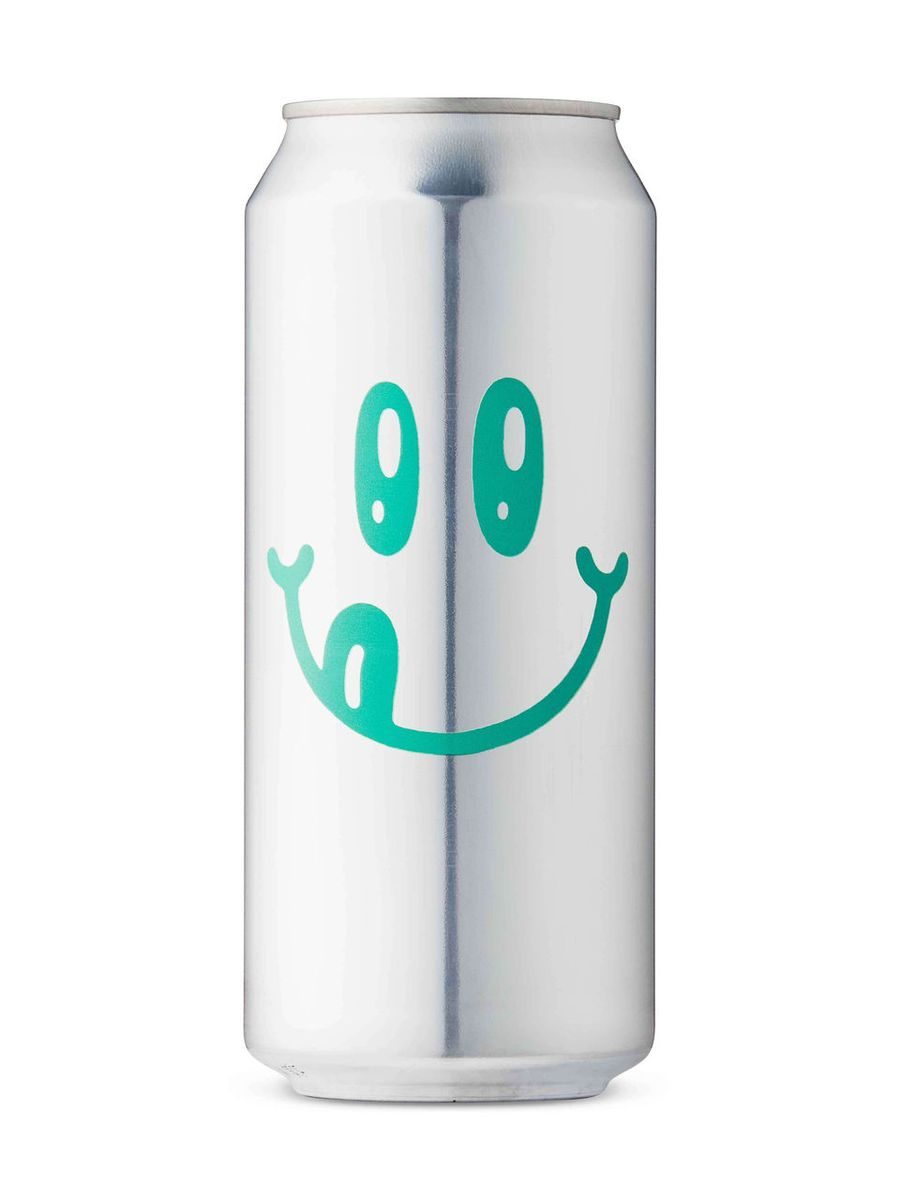
Noa Pecan Mud Cake
Brewed by Omnipollo
Dense chocolate, toasted pecan, vanilla, and cake-batter richness with roast underneath.
BAR NOTES
Noa became a pastry-stout landmark because it treats texture as part of the flavor. Pecan, vanilla, chocolate, and a deliberately dense body evoke mud cake, while roasted malt keeps the beer from reading as ordinary syrup in a clever can.
A four-ounce pour around 52–55°F is enough. Pair it with salty blue cheese, roasted nuts, or fresh raspberries instead of another heavy dessert. Follow the package directions if sediment needs gentle rolling, and never shake a pressurized can.
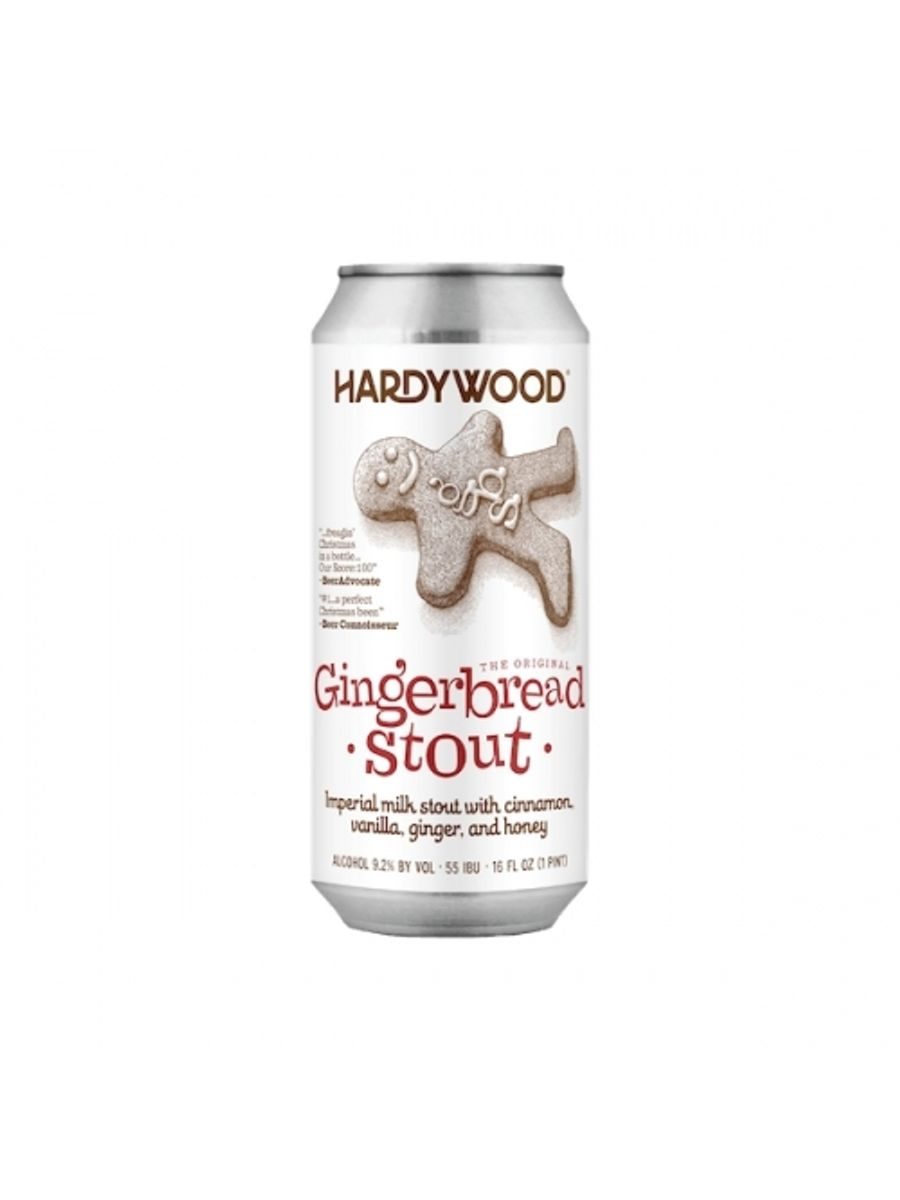
Gingerbread Stout
Brewed by Hardywood Park Craft Brewery
Virginia ginger, cinnamon, vanilla, and honey turn a strong milk stout into liquid gingerbread.
BAR NOTES
Hardywood helped prove that a dessert stout could have a sense of place. Fresh Virginia ginger and local honey join cinnamon and vanilla, building a recognizable gingerbread profile without relying only on sugar or artificial bakery aroma.
Serve around 50–54°F with roast pork, vanilla ice cream, or an actual gingerbread cookie for comparison. Ginger and spice fade faster than the stout base, so buy a current seasonal release rather than treating every bottle as a long cellar project.

KBS Maple Mackinac Fudge
Brewed by Founders Brewing Co.
Fudge-flavored coffee and maple push bourbon-aged KBS toward a regional dessert.
BAR NOTES
This KBS variant translates Mackinac Island fudge into beer through fudge-flavored coffee and maple syrup. Bourbon vanilla, oak, chocolate, and espresso already live in the base, so the new ingredients extend an existing flavor structure instead of starting from nothing.
Serve a small pour near 52–54°F with salted nuts or extra-sharp cheddar. Maple and coffee are most articulate when fresh, while age emphasizes bourbon and dark fruit. Check the release year because Founders rotates specialty KBS editions.

Double Stack
Brewed by Great Notion Brewing
A breakfast-table stout where maple and whole-bean coffee land with startling clarity.
BAR NOTES
Double Stack goes straight for pancakes and coffee, using maple syrup and whole beans over a thick imperial base. The trick is contrast: coffee bitterness and roast draw boundaries around the maple, keeping the breakfast illusion vivid rather than merely sweet.
Split the can around 50–53°F and pair it with bacon, blue cheese, or toasted pecans. Maple and coffee both fade with time, so this is built for fresh drinking. A cooler first pour helps keep the sweetness from arriving all at once.

Mornin' Delight
Brewed by Toppling Goliath Brewing Co.
Coffee, maple syrup, fudge, and toast in an enormous Iowa breakfast stout.
BAR NOTES
Mornin’ Delight takes the breakfast-stout idea to prestige-bottle scale. Espresso supplies bitter roast, maple creates aroma and sweetness, and the imperial base contributes fudge and toasted grain. Its scarcity brings attention, but the ingredient definition earns the ranking.
Treat it as dessert despite the morning name. Serve around 52°F in a small snifter with salty bacon, sharp cheese, or roasted walnuts. Fresh bottles show the cleanest coffee and maple; questionable secondary-market storage can erase what made it special.
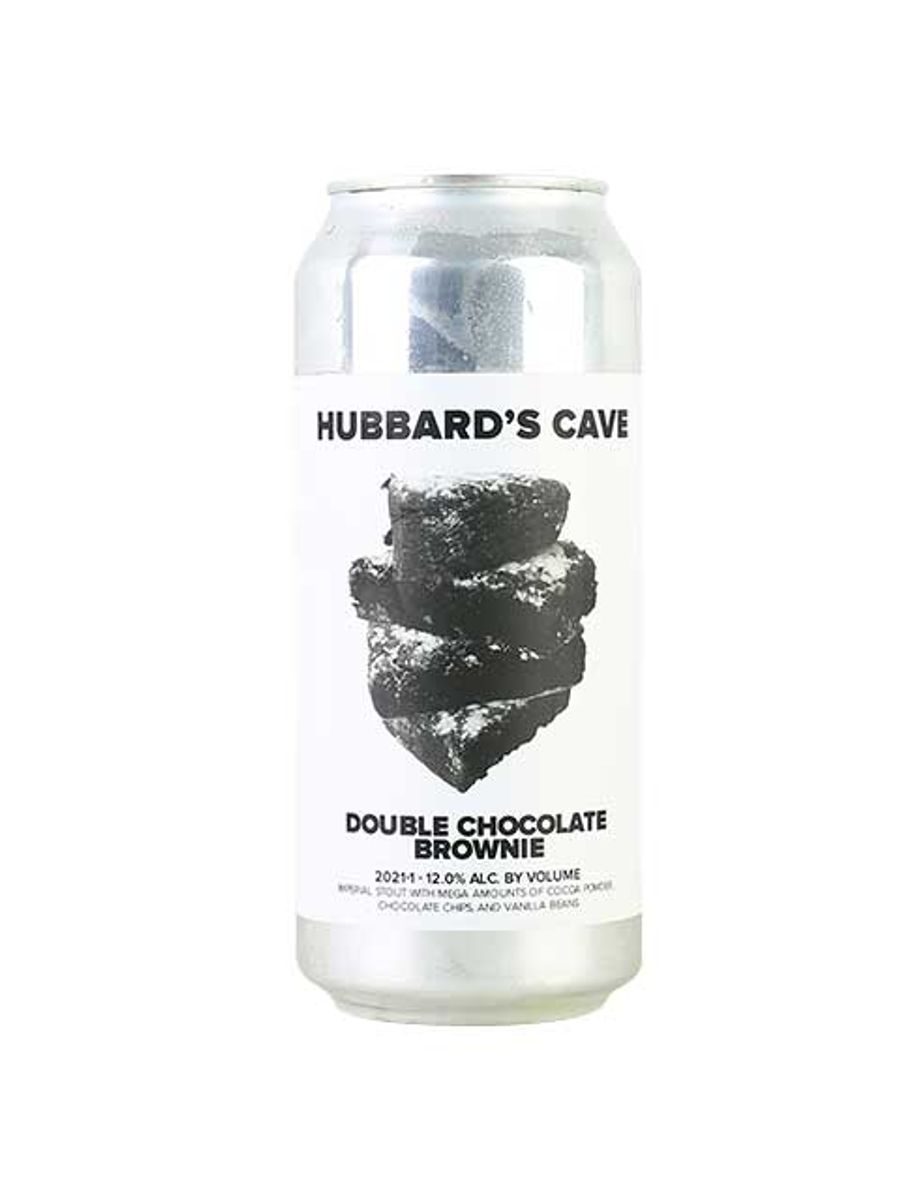
Double Chocolate Brownie
Brewed by Hubbard's Cave
Brownie-batter excess built from multiple chocolate inputs over a dense imperial stout.
BAR NOTES
Double Chocolate Brownie states the assignment with unusual honesty. Cocoa powder brings dry bitterness, chocolate chips add confectionery weight, and vanilla beans suggest batter. The imperial base has enough roast and alcohol to keep those ingredients from floating without support.
Share the can in four-ounce pours around 52–55°F. Raspberries, espresso, or sharp cheddar provide acidity, bitterness, or salt against the residual sweetness. Drink it comparatively fresh because vanilla and chocolate aroma lose definition before the base beer collapses.
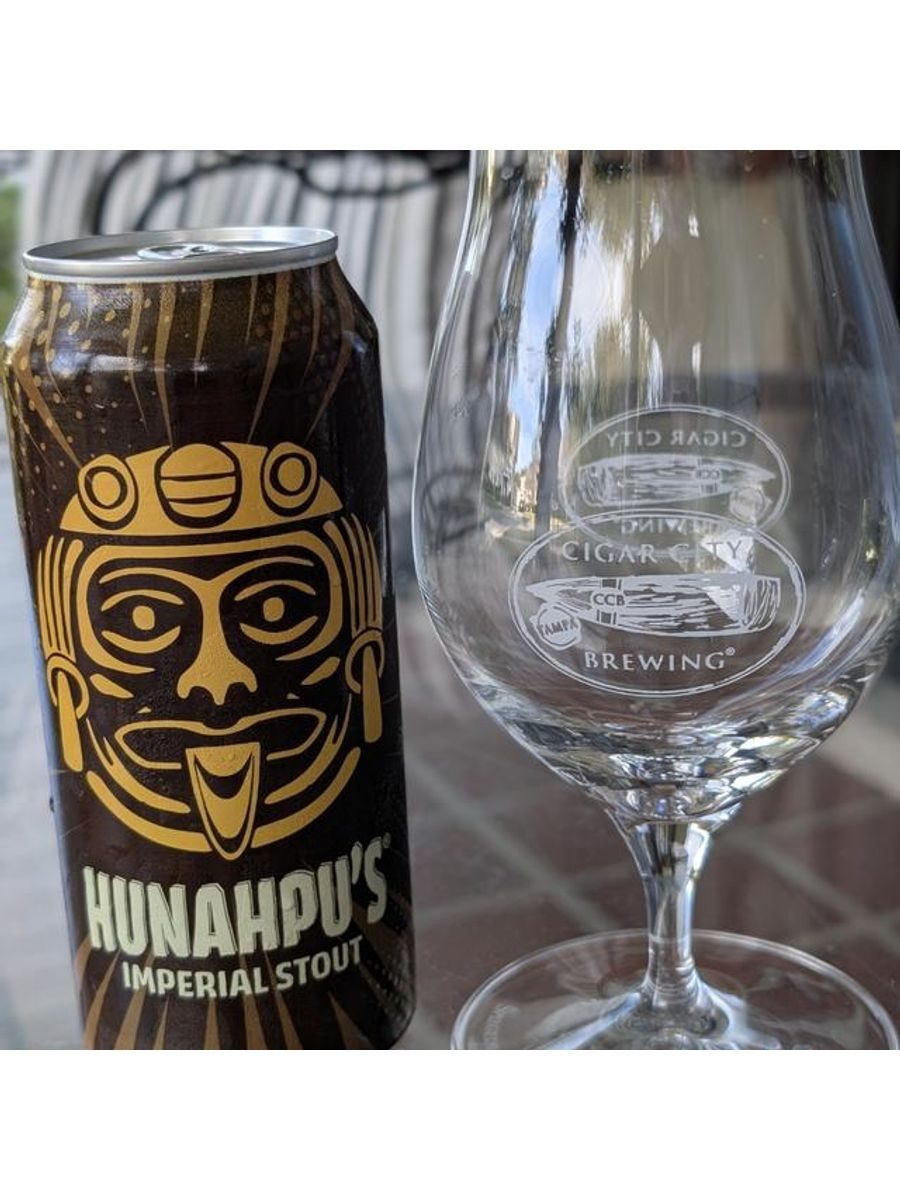
Hunahpu's Imperial Stout
Brewed by Cigar City Brewing
A prestige stout that recreates spiced chocolate with real heat and massive dark-malt structure.
BAR NOTES
Hunahpu’s predates much of the pastry-stout boom but speaks the same dessert language. Cacao nibs, cinnamon, vanilla, and chile create layered spiced chocolate, while a huge roasted base keeps the beer connected to stout rather than novelty sauce.
Serve four ounces around 53–56°F with mole, flan, or roasted pork. Fresh bottles preserve the sharpest spice architecture; age softens chile and cinnamon before it fully tames the alcohol. Check the exact vintage when comparing strength or flavor.
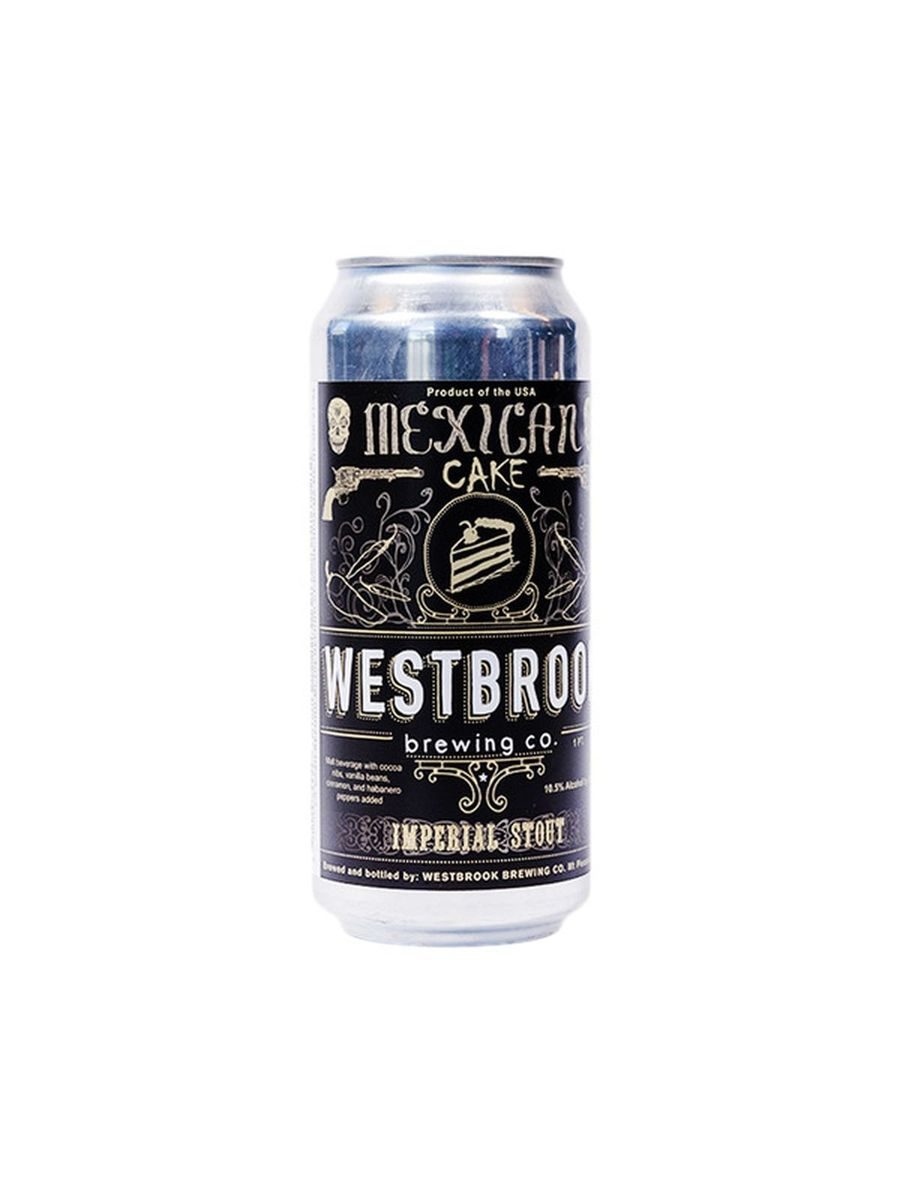
Mexican Cake
Brewed by Westbrook Brewing Co.
Cocoa nibs, vanilla, cinnamon, and habanero turn imperial stout into a controlled fire drill.
BAR NOTES
Mexican Cake balances actual habanero heat against cocoa, vanilla, and cinnamon. The pepper matters because it lengthens the finish and cuts through sweetness, giving this dessert stout a shape that many imitators lose beneath lactose and flavoring.
Begin around 50–52°F; warmer beer magnifies both chile and alcohol. Carnitas, vanilla ice cream, or chocolate flan can handle the intensity. Adjunct character changes with age, so buy the newest sound bottle when you want the intended spice.
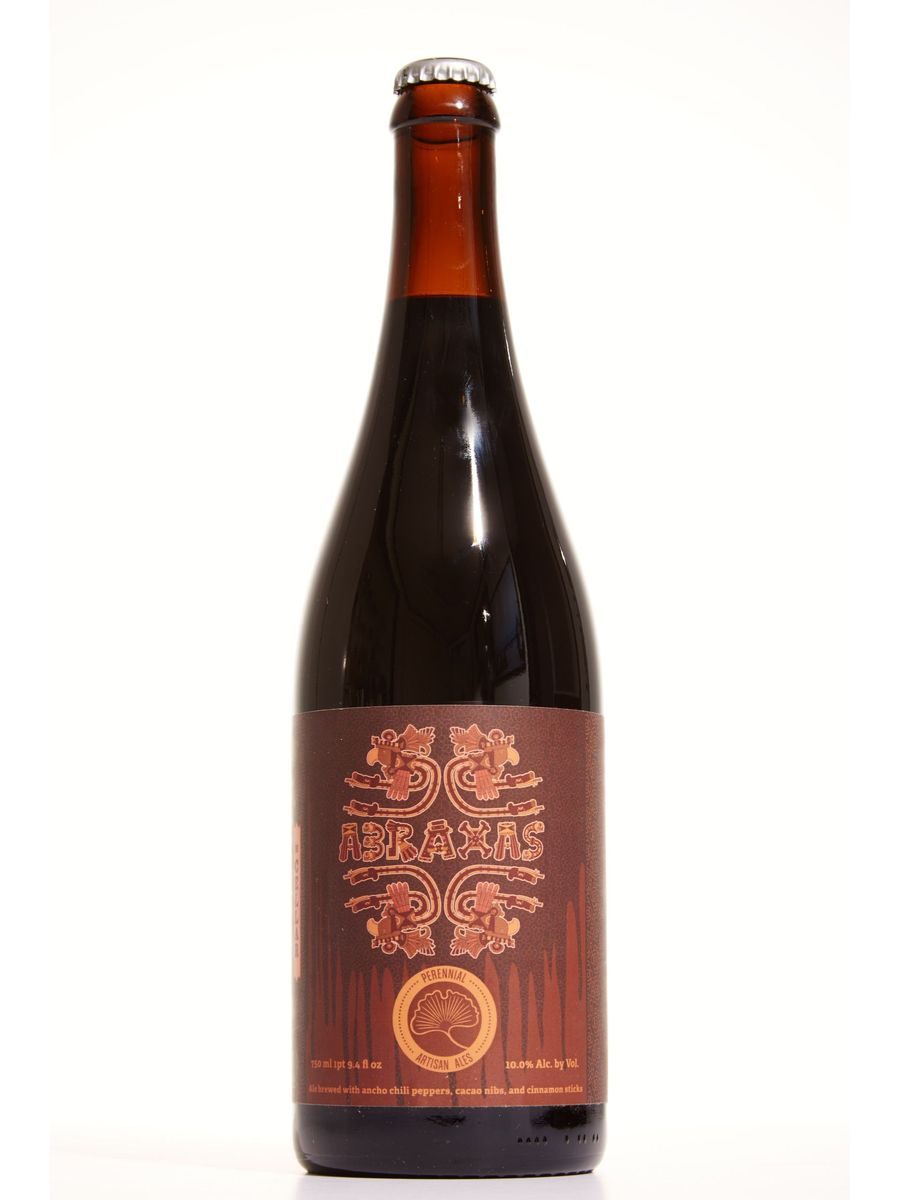
Abraxas
Brewed by Perennial Artisan Ales
Cacao, ancho chile, cinnamon, and vanilla arrive in sequence rather than as one sweet blur.
BAR NOTES
Abraxas succeeds through proportion. Cacao provides bitterness and depth, cinnamon lifts the aroma, vanilla rounds the body, and ancho chile adds earthy warmth instead of raw fire. The imperial stout underneath is strong enough to keep every ingredient in its lane.
Serve around 52–55°F with mole poblano, roasted pork, or plain dark chocolate. Fresh bottles show clearer cinnamon and chile; age trades those edges for softer dark fruit. A small pour gives the beer time to unfold without palate fatigue.
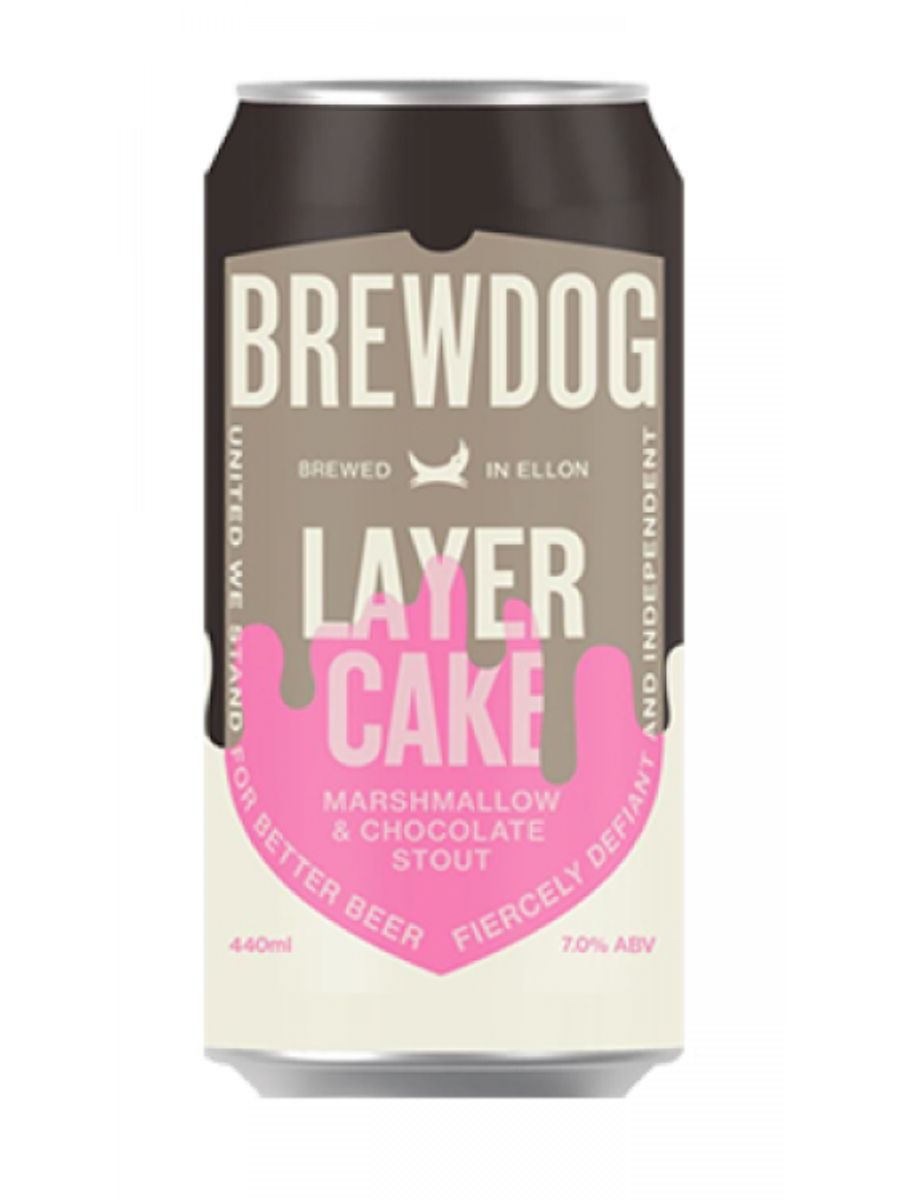
Layer Cake
Brewed by BrewDog
Cocoa, vanilla, and marshmallow deliver cake-shop flavor at a comparatively manageable strength.
BAR NOTES
Layer Cake earns the name by stacking cocoa, vanilla, chocolate, and marshmallow rather than simply making a sweet stout. At seven percent, it occupies a useful middle ground: clearly pastry-driven, but less exhausting than the double-digit cans surrounding it.
Serve around 48–52°F with raspberry tart, salty popcorn, or mature cheddar. Freshness matters because marshmallow and vanilla aromas flatten quickly. The lower alcohol also means it has less structural reason to spend years in a cellar.
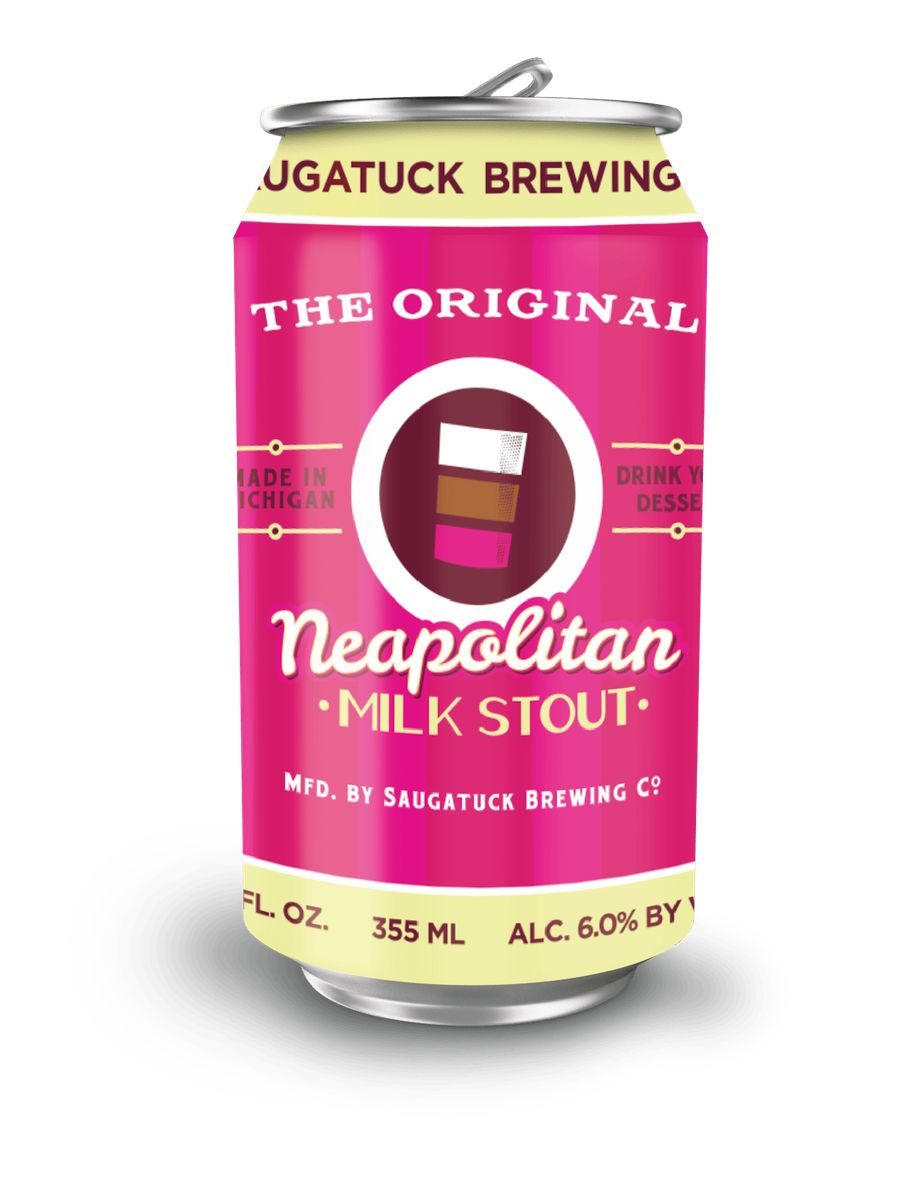
Neapolitan Milk Stout
Brewed by Saugatuck Brewing Company
The three-flavor ice-cream carton translated into a surprisingly balanced Michigan stout.
BAR NOTES
Saugatuck’s Neapolitan idea works because strawberry provides acidity and aroma against chocolate and vanilla. Lactose supplies the ice-cream texture, but roasted malt gives the glass enough bitterness to avoid tasting like melted pink-and-brown syrup.
Pour around 46–50°F with shortcake, waffles, or salty pretzels. The strawberry is the most fragile part, so choose fresh packaging and skip long aging. This is one of the rare pastry stouts suited to a full serving rather than a four-ounce pour.
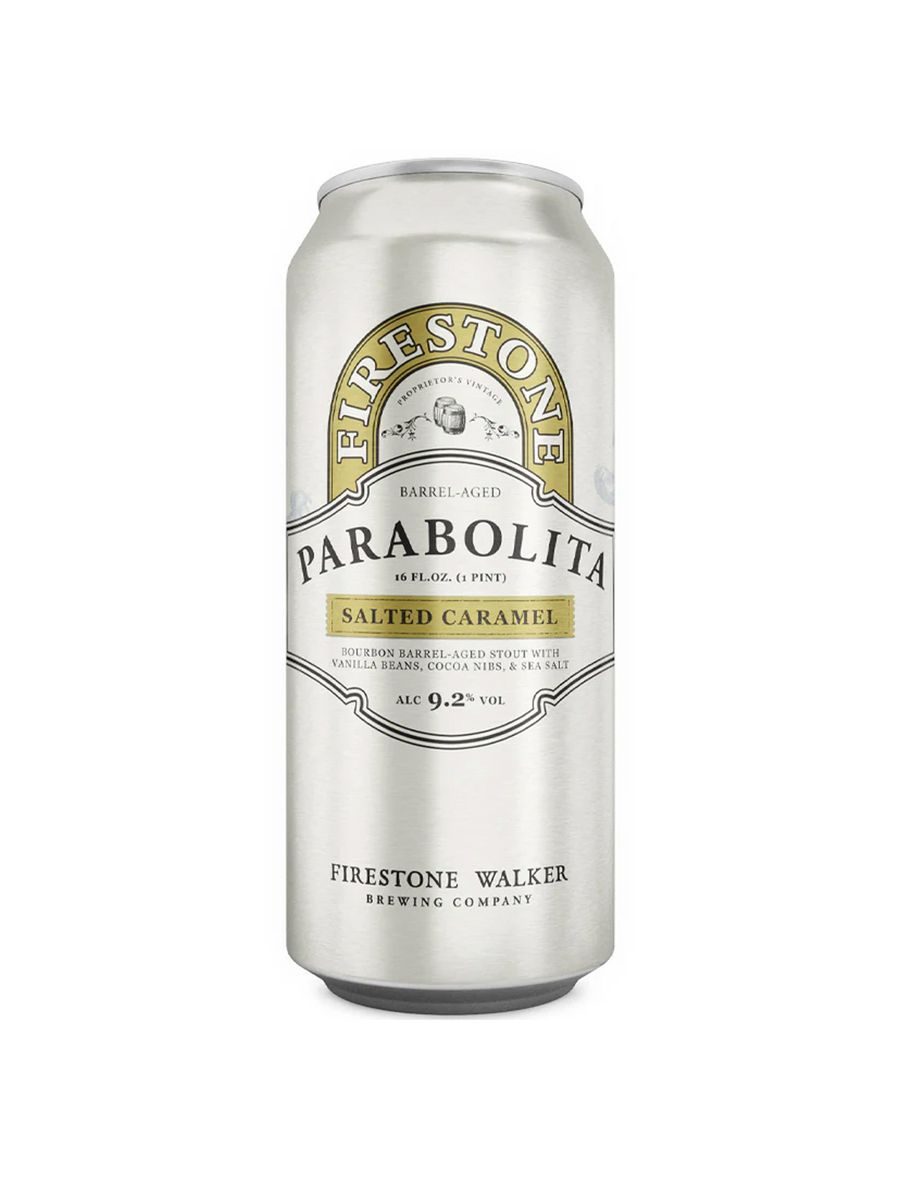
Parabolita
Brewed by Firestone Walker Brewing Company
Barrel-aged stout, softer oatmeal stout, cocoa, vanilla, and sea salt assembled for caramel clarity.
BAR NOTES
Parabolita uses blending to make pastry stout more composed. Barrel-aged stout contributes bourbon, oak, and dark intensity; Velvet Merlin softens the body; cocoa, vanilla, and sea salt sharpen a salted-caramel impression without demanding Parabola-level strength.
Serve around 50–53°F with pretzels, blue cheese, or apple tart. Salt already heightens the sweetness, so avoid an aggressively salty pairing. The beer is best while vanilla and cocoa remain vivid rather than after years of barrel-driven oxidation.
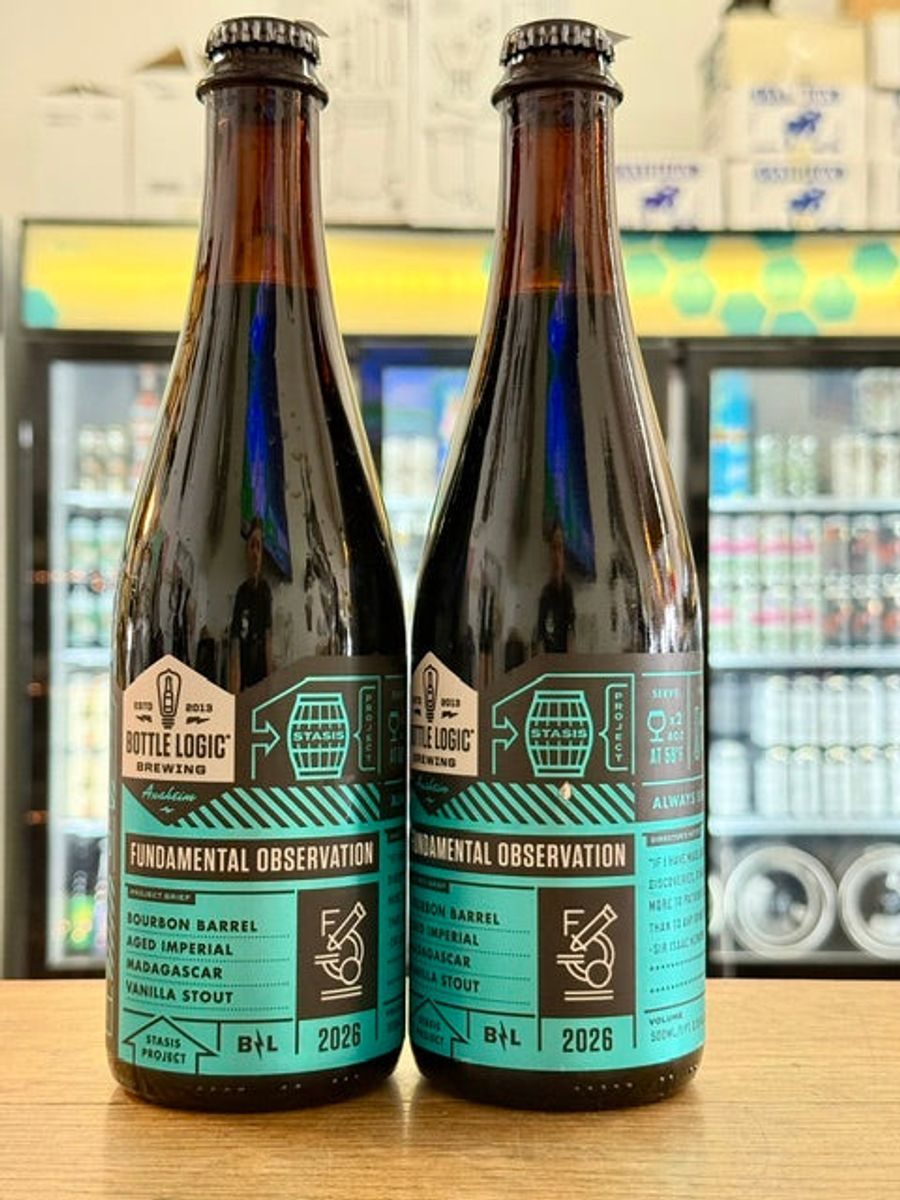
Fundamental Observation 2026
Brewed by Bottle Logic Brewing
A vanilla-forward prestige stout with enough roast, chocolate, and tannin to make the sweetness behave.
BAR NOTES
Fundamental Observation sits on pastry stout’s border because vanilla is both adjunct and barrel echo. The beans amplify vanilla compounds already present in bourbon and toasted oak, producing custard and fudge impressions without needing a long bakery-list label.
Serve a small pour around 53–55°F with crème brûlée, salted pecans, or sharp cheese. Fresh bottles show the most articulate vanilla, while age favors dark fruit and softer oak. Bottle Logic’s release year matters, so identify the exact edition.
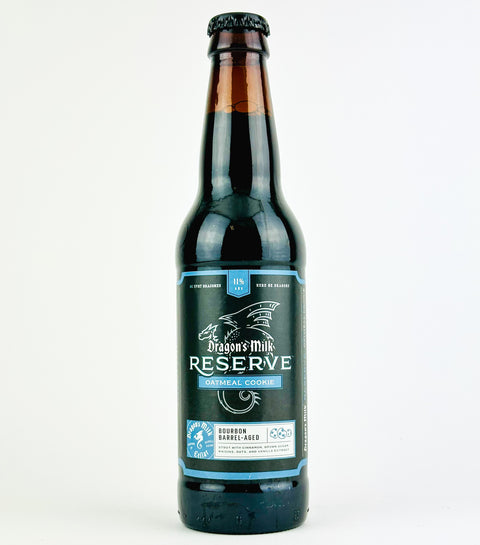
Dragon's Milk Reserve: Oatmeal Cookie
Brewed by New Holland Brewing
Oatmeal-cookie spice and grain layered onto the familiar vanilla-oak Dragon’s Milk framework.
BAR NOTES
Oatmeal Cookie Reserve starts with a widely understood barrel stout and sends it directly toward dessert. Grain, baking spice, vanilla, and bourbon build the cookie impression, while Dragon’s Milk contributes chocolate and enough roast to keep the finish recognizable.
Treat it as a rotating 2026 reserve, not a permanent flagship. Serve around 50–52°F with cheddar or toasted nuts rather than another sugary plate. The baking-spice detail is most useful before long storage blends everything into generalized sweetness.
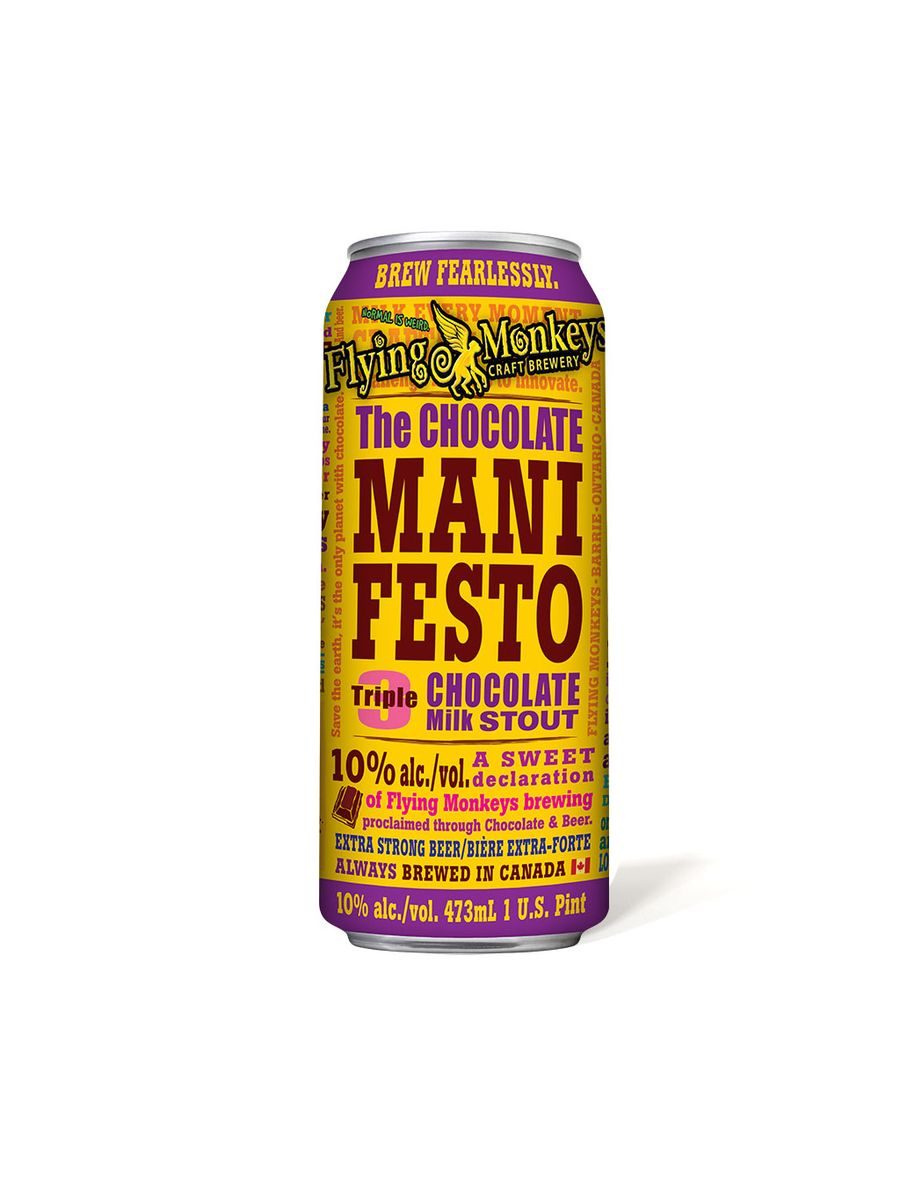
The Chocolate Manifesto
Brewed by Flying Monkeys Craft Brewery
Cacao nibs, cacao powder, and chocolate malt build aroma, body, and bitter depth.