10 Best California Common Beers to Track Down in 2026
California Common is the beer world’s great in-between: lager yeast fermented warm, amber malt served with a firm hop snap, and a clean finish that still carries a little fruit. The method was made famous in San Francisco, but the idea now turns up in small breweries far beyond California.
This is a deliberately focused Top 10, not a padded Top 50. The style is rare, many examples rotate seasonally, and several of the most interesting cans travel poorly. These are the bottles and cans worth watching brewery shops, specialty retailers and tap lists for in 2026.
The quick answer
33 Acres of Life is the best California Common to seek out first for its complete balance of toast, light fruit and clean lager structure. Steam Engine gives the clearest American reference point, OPÉ is the most technically interesting malt bill, and Rooster’s is the best session-strength interpretation.
The 10 best California Common beers to track down
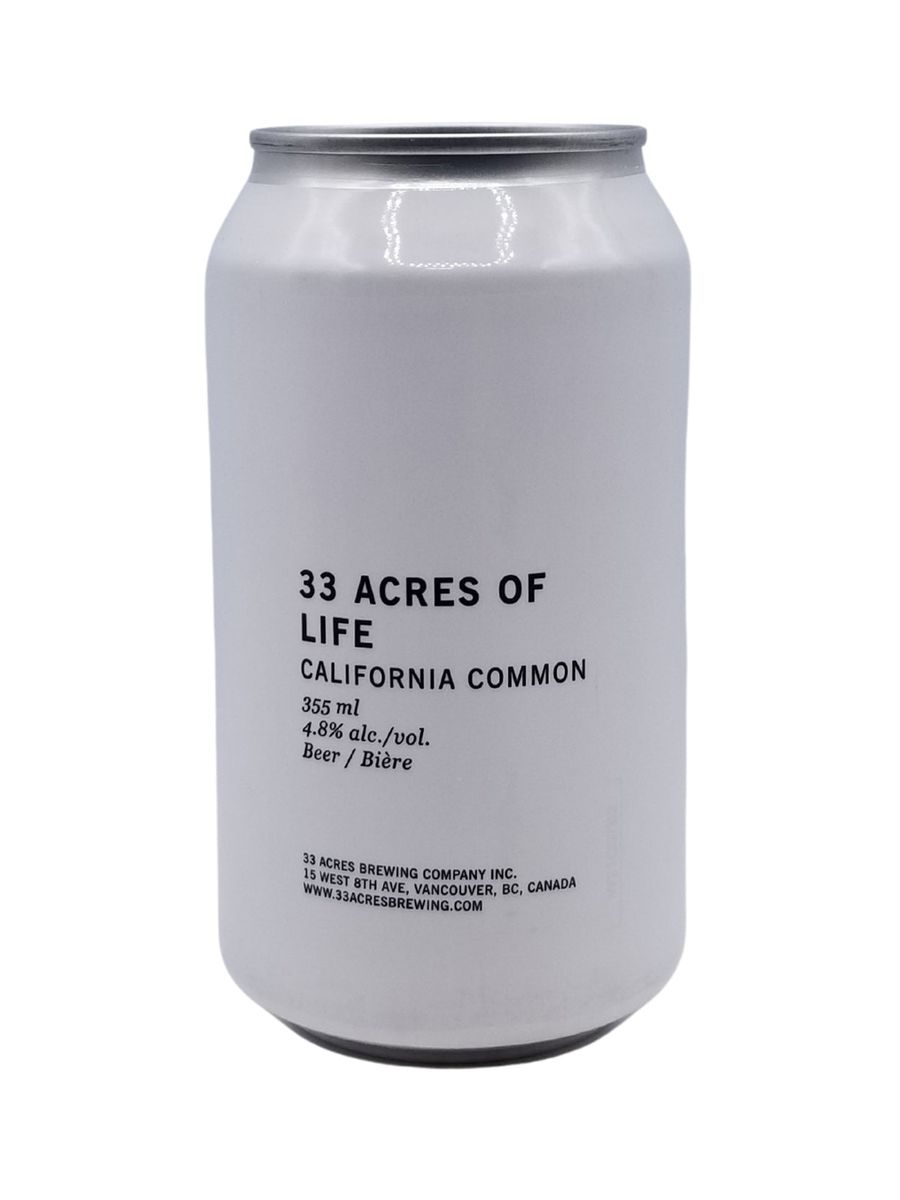
33 Acres of Life
Brewed by 33 Acres Brewing Company
The most complete modern interpretation here: toasty amber malt, quiet fruit and a clean lager snap in a genuinely easy pint.
BAR NOTES
33 Acres of Life catches the style’s central tension beautifully. Warm-fermented lager yeast supplies a faintly fruity lift, while toasted malt and measured bitterness keep the beer composed rather than ale-like or sugary.
Pour it around 46–50°F with roast chicken, pork loin or a sharp cheddar sandwich. Its subtle fermentation character is easiest to read before stronger or heavily hopped beers fatigue the palate.
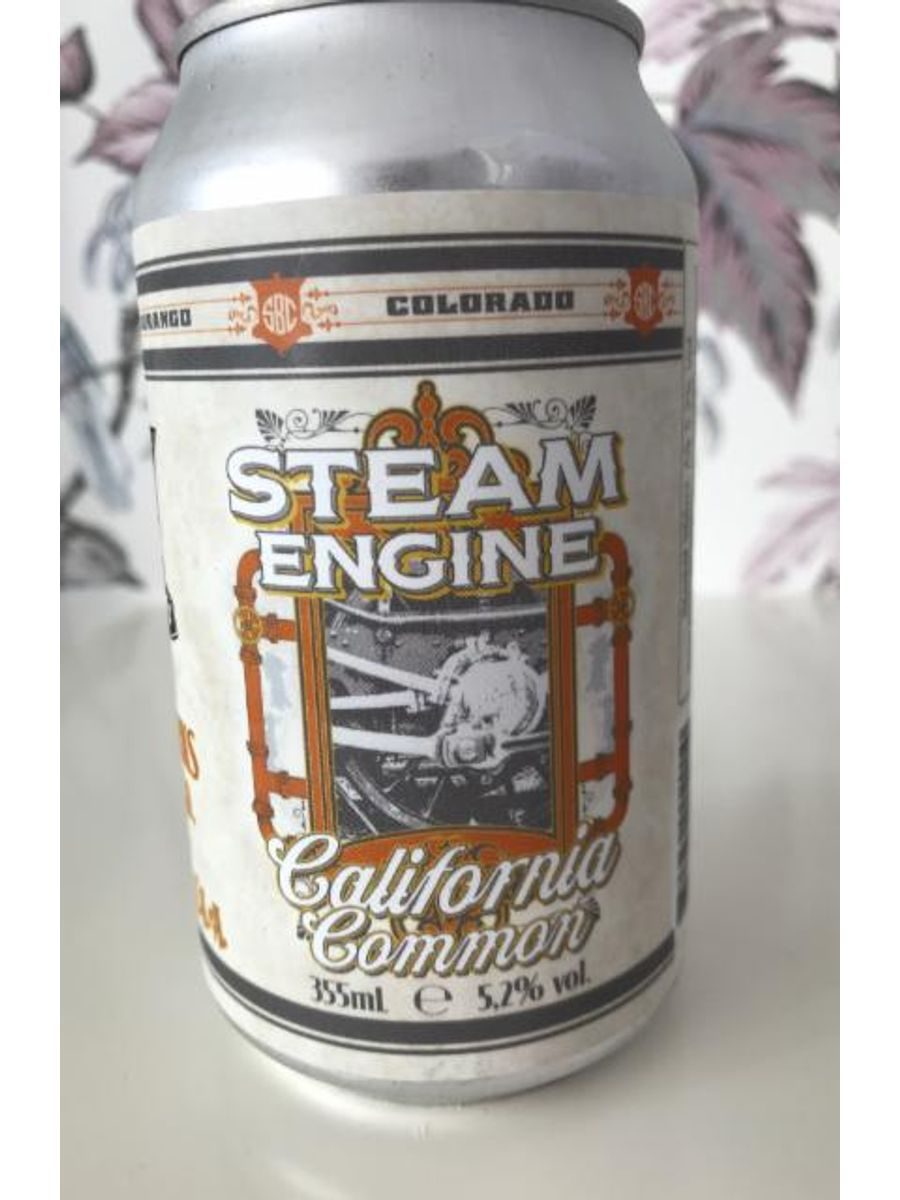
Steam Engine Lager
Brewed by Steamworks Brewing Company
A direct, well-balanced steam-style lager whose firm amber malt and woody hop edge make the old San Francisco blueprint easy to understand.
BAR NOTES
Steam Engine Lager uses the warm-lager method for exactly what California Common does best: ale-speed fermentation with a cleaner, tighter finish. Toast, caramel and a little fruit meet an assertive but not citrus-heavy bitterness.
Serve it in a nonic pint at 48–52°F with grilled pork, a cheeseburger or bread pudding. Letting it warm slightly exposes the malt layers that refrigerator-cold service tends to flatten.
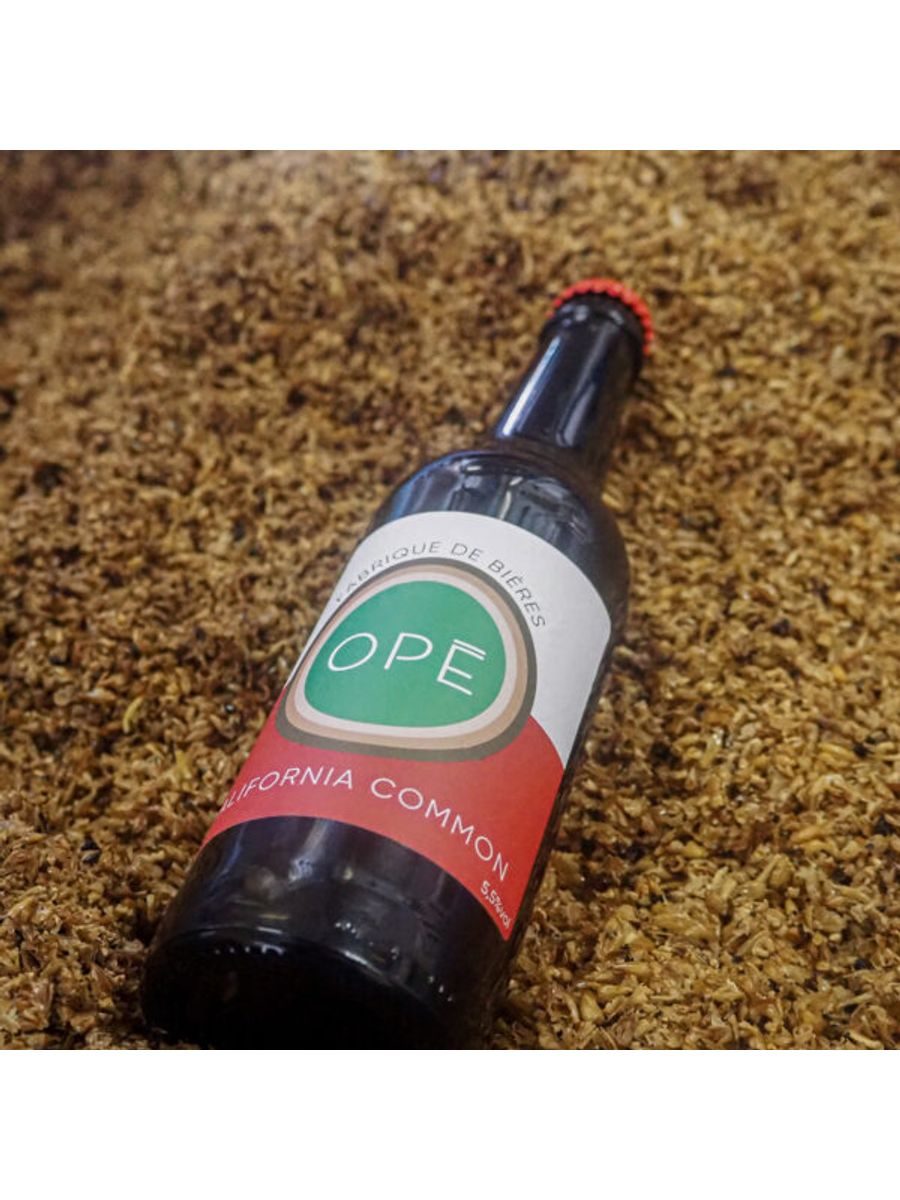
OPÉ California Common
Brewed by Brasserie OPÉ
A thoughtful French reading built from Vienna, Munich and biscuit malts, then balanced with old-school earthy and spicy hop varieties.
BAR NOTES
OPÉ layers pale, Vienna, Munich, biscuit and Cara Amber malts beneath Challenger, Phoenix and Perle hops. Fermented with a California-lager strain, it lands on toast, caramel and restrained fruit instead of modern citrus saturation.
Serve at 48–52°F with roast pork, nutty cheese or a savory galette. The 31-IBU bitterness is gentler than some American examples, making this a useful malt-forward counterpoint within the flight.
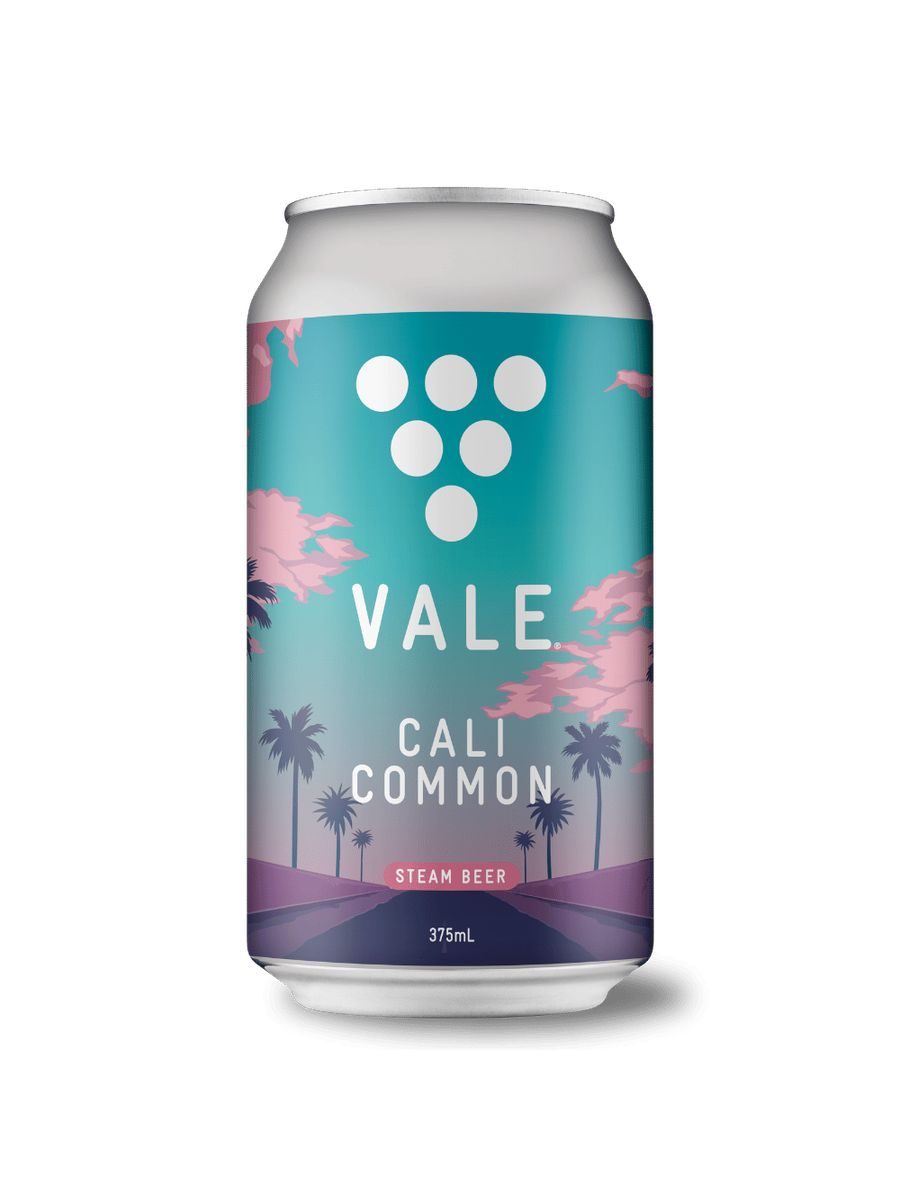
Vale Cali Common
Brewed by Vale Brewing
An Australian seasonal that translates the hybrid method into a bright, polished amber lager with enough malt character to avoid tasting anonymous.
BAR NOTES
Vale Cali Common puts clean fermentation and brisk drinkability ahead of heaviness. Toasted grain and caramel remain visible, but the finish stays crisp enough to make sense in South Australia’s warmer drinking weather.
Check the can for the current release strength and date, because this is not a permanent core beer. Serve at 46–50°F with grilled sausages, roast vegetables or a mature cheddar.
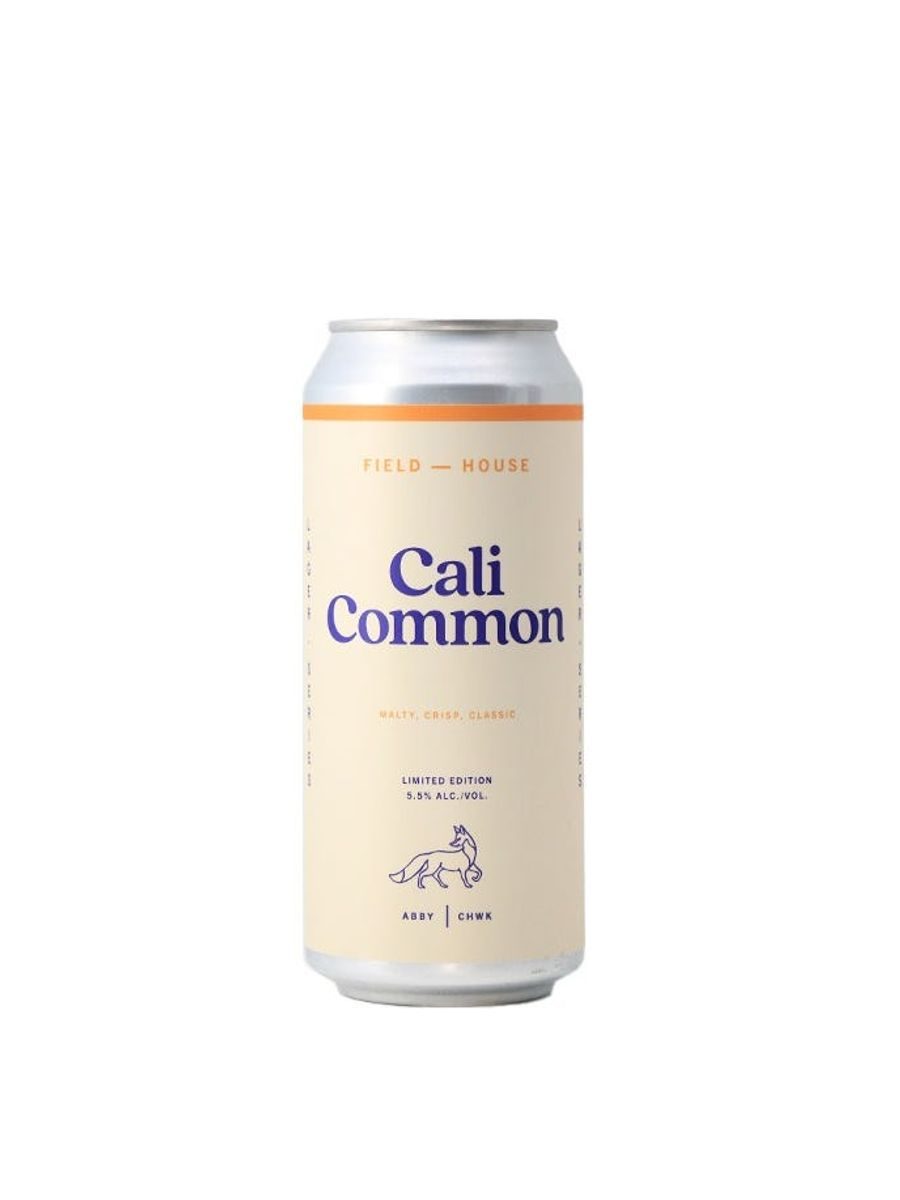
Cali Common Lager
Brewed by Field House Brewing Company
A softer contemporary common: golden-amber, lightly malty and crisp, with enough warm-fermentation character to distinguish it from ordinary lager.
BAR NOTES
Field House describes this beer with the style’s defining question: is it lager or ale? At five percent and 25 IBU, it favors a gentle balance rather than the sharper bitterness of historical examples.
This is a recurring brewery release rather than a guaranteed year-round shelf beer, so buy it when it appears and drink it fresh. Pair the clean malt with pizza, roast chicken or mild washed-rind cheese.
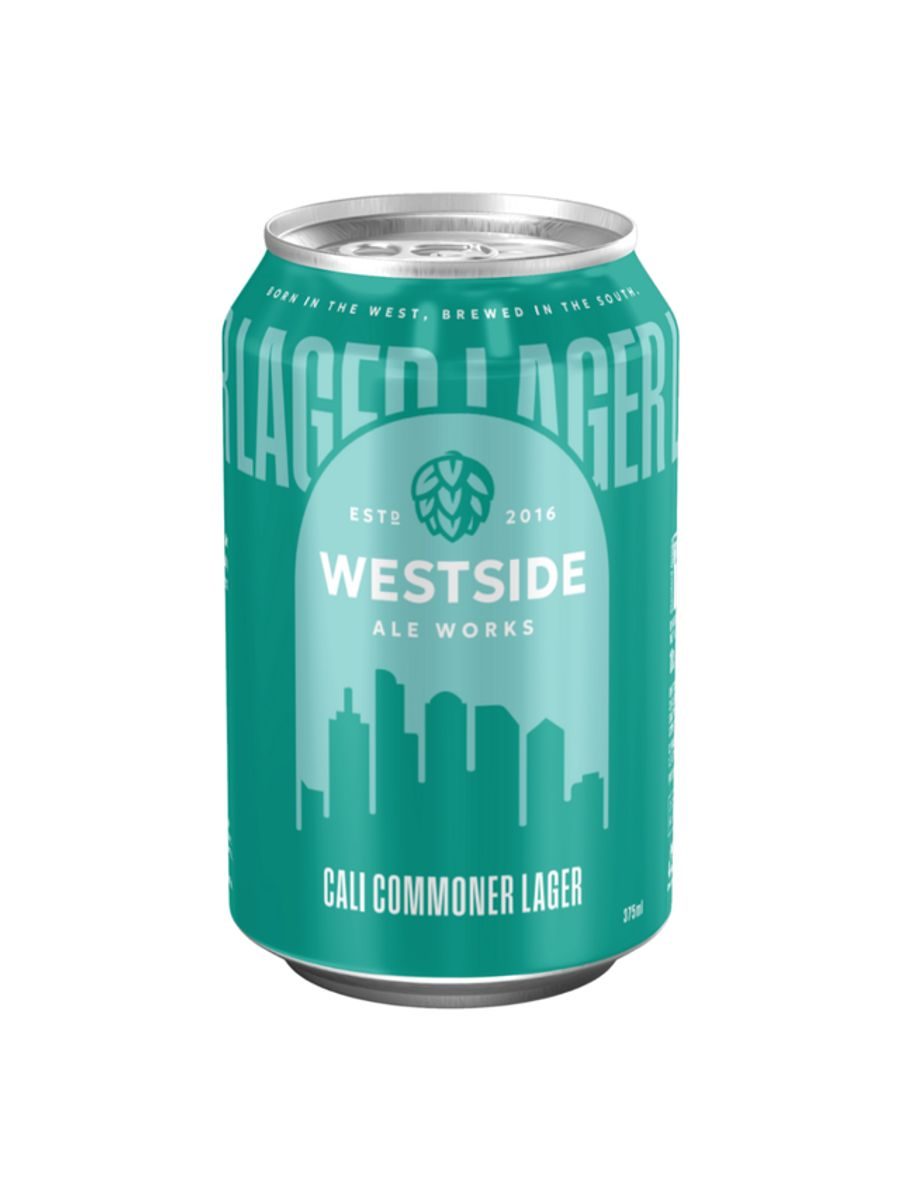
Cali Commoner
Brewed by Westside Ale Works
A light-bodied steam ale that uses Australian hops for soft fruit while retaining the crisp, smooth structure expected from the hybrid style.
BAR NOTES
Cali Commoner makes a persuasive bridge for lager drinkers. Its warm-fermented lager base stays clean and brisk, while local hop character gives the amber malt a light fruit accent rather than pine-heavy aggression.
Availability and packaged strength can change by release, so confirm the current can before buying. Serve at 46–50°F with grilled prawns, pork skewers or a salty pub snack.
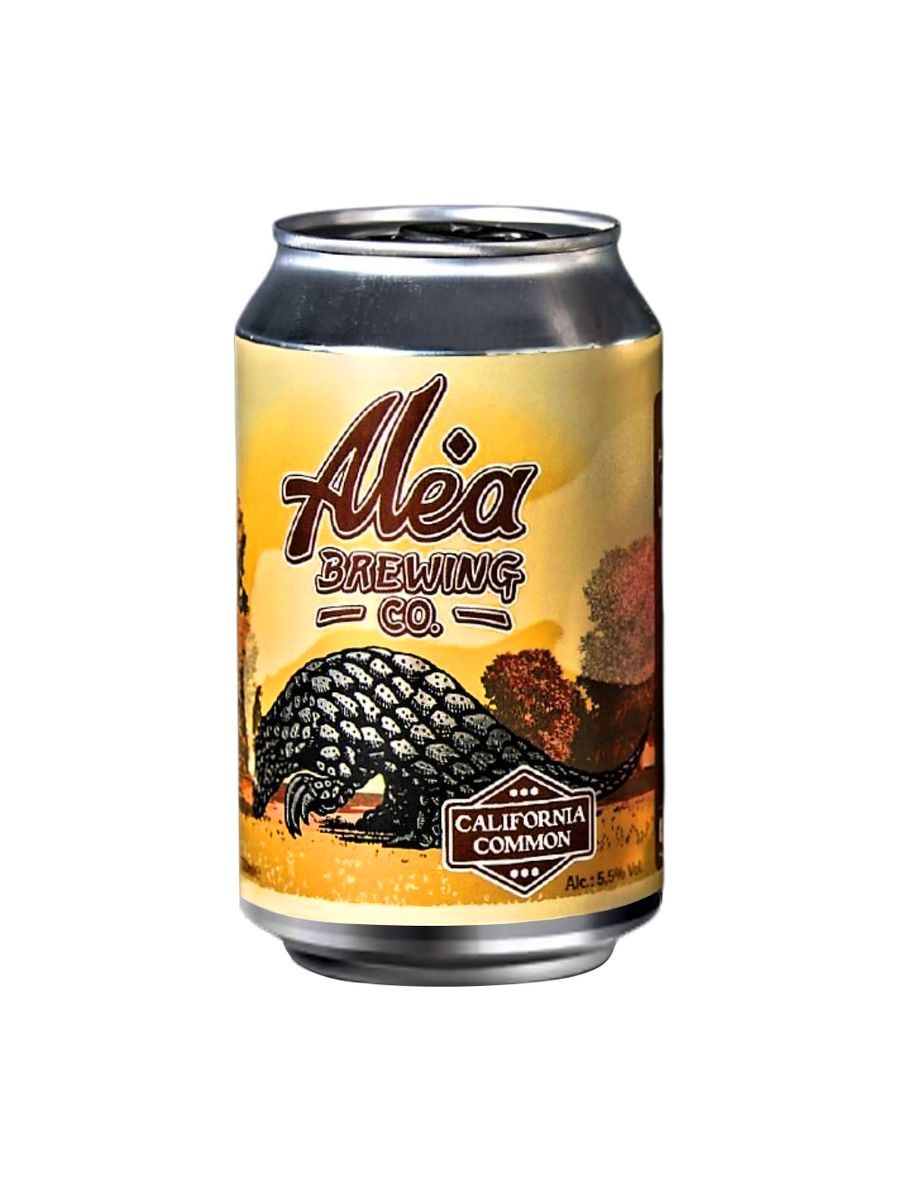
Alea California Lager
Brewed by Alea Brewing Co.
A polished Greek take that shows the California method travels: amber malt, moderate bitterness and a clean finish with just enough fermentation character.
BAR NOTES
Alea calls the beer California Lager, but the warm-fermented lager method places it in the California Common family. The result is an accessible amber pour whose toast and light caramel never bury its crisp finish.
Serve at 46–50°F with souvlaki, roast peppers or firm sheep’s-milk cheese. At 5.5 percent it sits near the upper end of the classic range without becoming a strong amber lager.
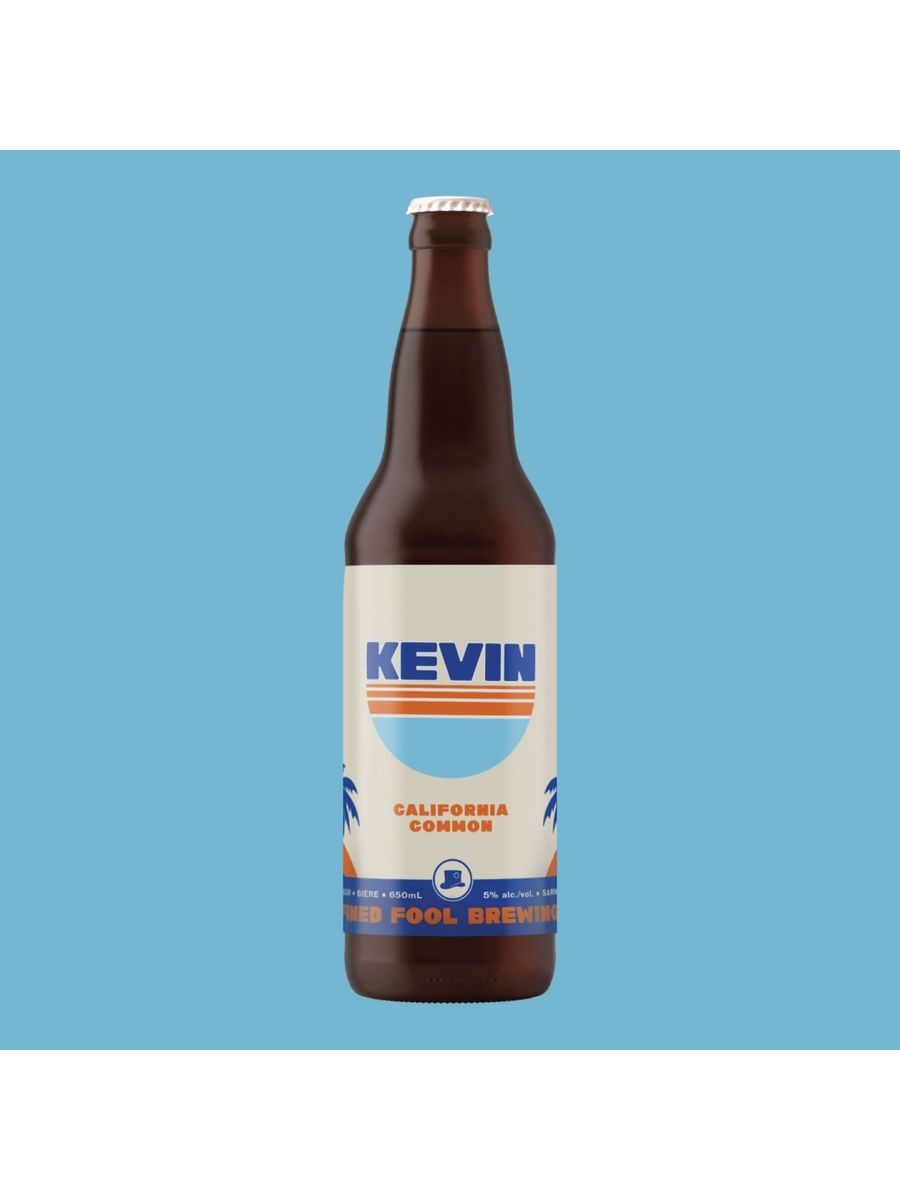
Kevin
Brewed by Refined Fool Brewing Company
A full-flavored Canadian common with brown sugar, toasted biscuit and nuts, cut by a leafy, grassy 40-IBU finish.
BAR NOTES
Kevin leans into the style’s rustic side. Brown sugar and bread-crust flavors suggest sweetness, but the brewery’s firm leafy bitterness and clean fermentation pull the finish back into balance.
This release may rotate out of the brewery shop, so treat it as a beer to watch for rather than a permanent shelf promise. Pair it with a burger, pork loin or aged Gouda at about 50°F.
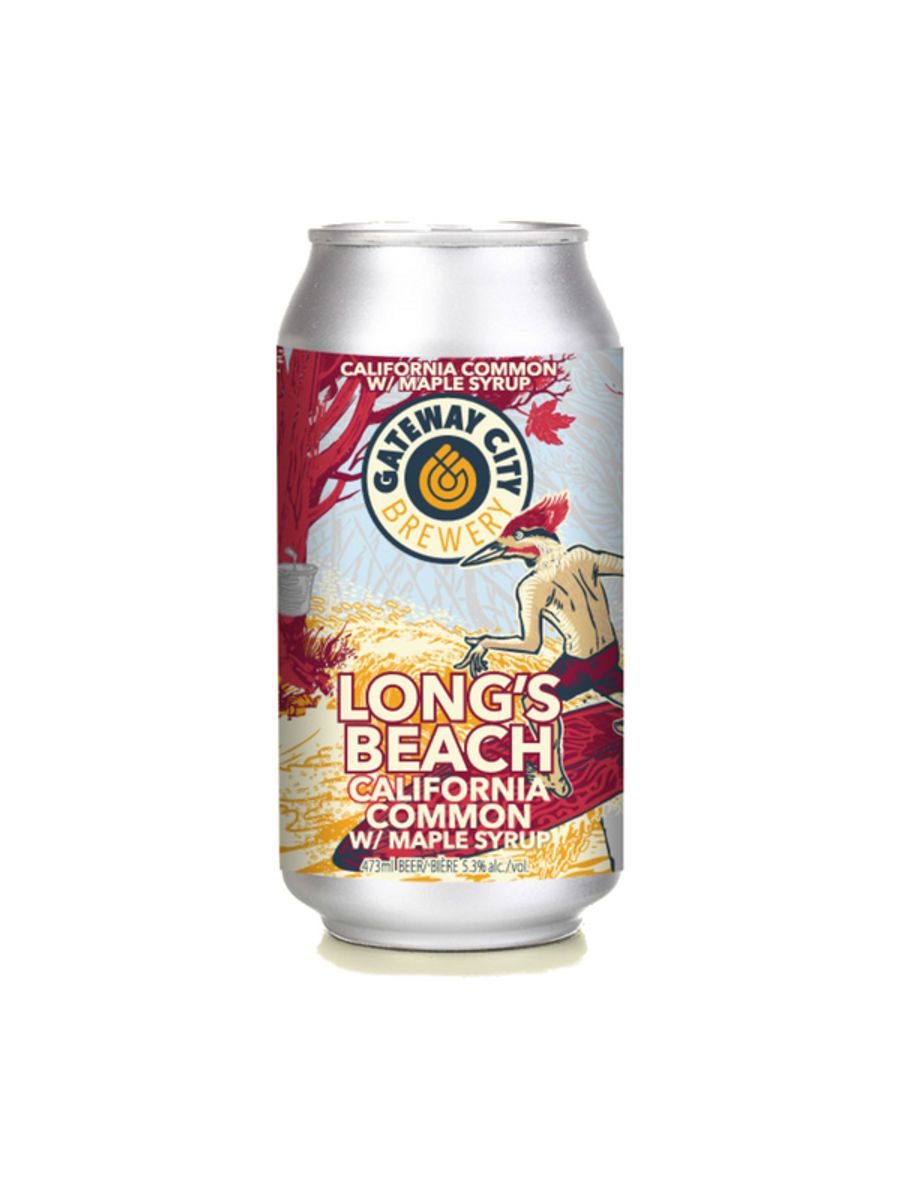
Long's Beach
Brewed by Gateway City Brewery
A creative common brewed with wheat, rye and maple syrup, adding grain spice and dry woodland depth without turning the beer into pastry.
BAR NOTES
Long’s Beach stretches the historical template intelligently. Wheat softens the body, rye adds peppery grain, and maple syrup ferments mostly dry, leaving an aromatic suggestion rather than pancake-level sweetness.
At 40 IBU, it has enough bitterness to meet smoked meat, roast squash or a sharp cheddar. Look for brewery re-releases and serve around 48–52°F, where the unusual grain bill can open up.
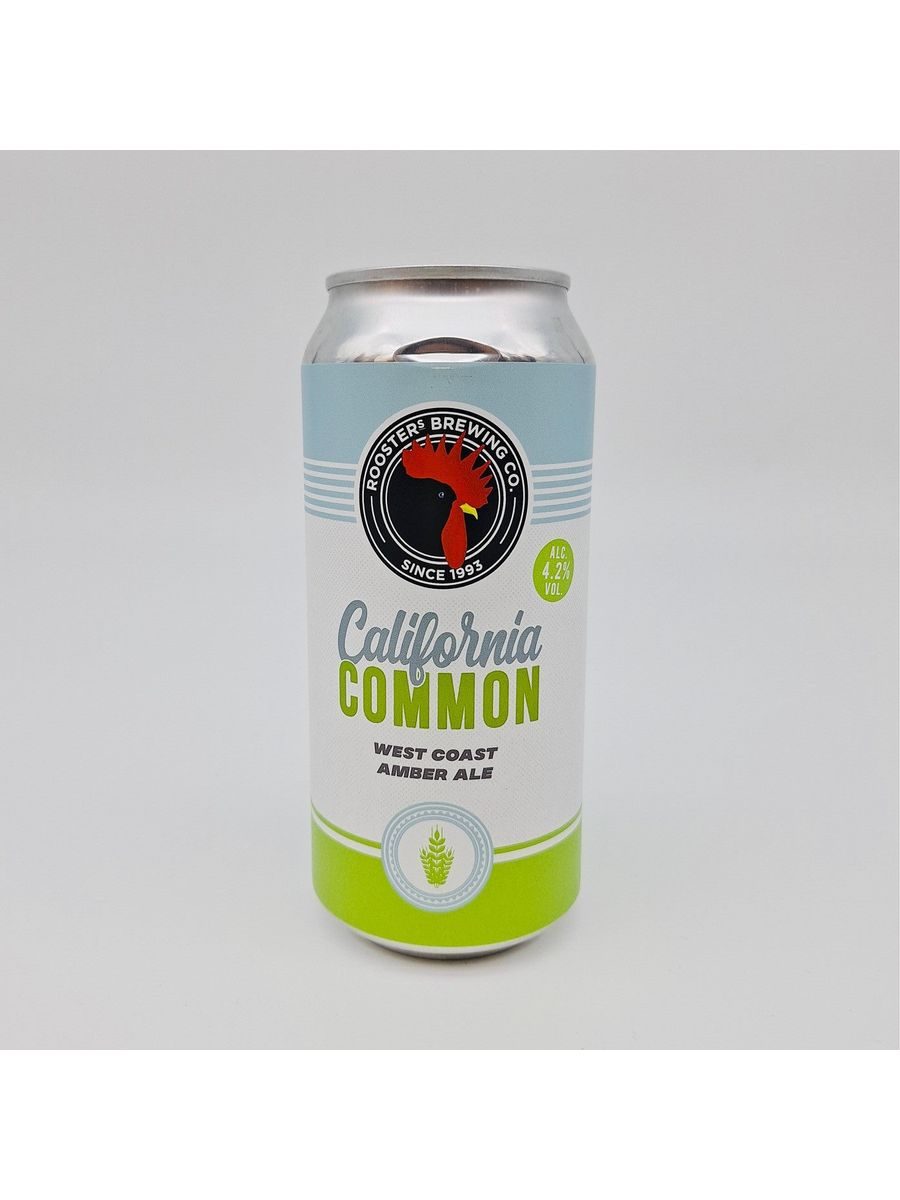
California Common
Brewed by Rooster's Brewing Company
A lean English interpretation that keeps the toast-and-hop conversation intact at a notably sessionable 4.2 percent.
BAR NOTES
Rooster’s version proves the method does not require extra strength. Amber malt supplies toast and light caramel, while warm lager fermentation preserves enough fruit to distinguish the pint from a conventional bitter.
Its modest alcohol makes it a strong lunch-pint candidate with pork pie, cheddar or roast chicken. Buy fresh when the seasonal release appears; delicate malt and hop character gain nothing from long storage.
What California Common tastes like
Expect an amber-to-copper beer with toasted bread, light caramel and a firm hop bitterness that often reads woody, minty or rustic rather than tropical. Fermentation can contribute restrained fruit, but the finish should remain crisp enough to invite another sip.
The classic range is roughly ordinary-strength rather than imperial: usually around 4.5–5.7 percent alcohol. A good example has more malt depth than pale lager, less estery softness than amber ale and less citrus-heavy aroma than American pale ale.
Why warm-fermented lager yeast matters
California Common uses lager yeast above the cold temperatures associated with modern pale lager. That warmer fermentation works faster and can make a little more fruit, while the yeast still attenuates cleanly enough to keep caramel malt from becoming sticky.
The result is genuinely hybrid rather than a labeling trick. It carries some ale-like personality but retains lager-like definition, making the style especially useful for drinkers who find pale lager too quiet and amber ale too soft.
Steam beer versus California Common
Drinkers often use the names interchangeably, but “Steam Beer” is associated legally and historically with Anchor. Brewers and style organizations generally use “California Common” for the broader family of warm-fermented amber lagers.
The romantic origin stories involve shallow cooling vessels, rooftop steam or the pressure released from old kegs. Whatever explanation you prefer, the useful modern definition is in the glass: toasted amber malt, characteristic lager fermentation and assertive hops.
How to buy and serve it
Because many of these beers are seasonal or taproom-scale, start with the brewery and confirm the current release before ordering through a secondary retailer. Keep cans cold, check dates, and avoid treating a subtle hybrid beer like a cellar candidate.
Serve around 48–52°F in a nonic pint. Pork loin, grilled sausage, roast chicken, nutty cheese and bread pudding all suit the mix of toast, caramel and bitterness; the style is particularly good beside browned or roasted flavors.
California Common FAQ
Is California Common an ale or a lager?
It is made with lager yeast but traditionally fermented warmer than standard lager, so “hybrid beer” is the clearest answer. Its production method and crisp finish lean lager; its fermentation speed and light fruit can feel ale-like.
Can I still buy Anchor Steam?
Do not assume so. Production stopped in 2023, and although Anchor’s assets were purchased the following year, no confirmed fresh commercial return had reached shelves at this update. Verify any future relaunch directly with the brewery.
What hops belong in California Common?
Northern Brewer is the classic reference because its woody, minty and rustic character fits toasted amber malt. Modern interpretations may use other varieties, but heavy tropical dry hopping pulls the result toward pale ale or IPA.
Why are some beers on this list hard to find?
California Common is now a niche style, and breweries often rotate it through seasonal, local or one-off schedules. That scarcity is why this roundup stays at ten and treats availability honestly instead of inventing a bloated national ranking.
Follow the hybrid trail through toast, hops and clean fermentation
California Common sits where amber ale and lager overlap. Compare the neighboring American classics, then use the brewing guides to see how yeast temperature changes the whole pint.
DRINK DEEPER

better beer.