50 Best American Pale Ales to Drink in 2026

THE PALE BOARD · UPDATED 2026

American pale ale is the beer that taught the country to love hops before IPA took over every tap list. The best examples still hit a sweet spot that IPA often misses: vivid citrus, pine, tropical fruit, and floral aroma with enough malt to taste complete and enough restraint to make the next pint sound sensible.

This Top 50 starts with the Cascade-driven originals, then follows the style through Midwestern cult cans, regional flagships, single-hop showcases, hazy pale ales, rye variations, fruit additions, and current competition-level releases. It is a map of American hop culture at human volume.

The quick answer

Sierra Nevada Pale Ale is still the best American pale ale overall. It created the Cascade-hop blueprint, remains widely available, and balances grapefruit, pine, caramel malt, and bottle-conditioned depth better than beers designed decades later. Zombie Dust is the louder cult favorite, Daisy Cutter is the modern Chicago classic, and Pseudo Sue is the best bridge into soft, fruit-saturated pale ale.

The 50 best American pale ales
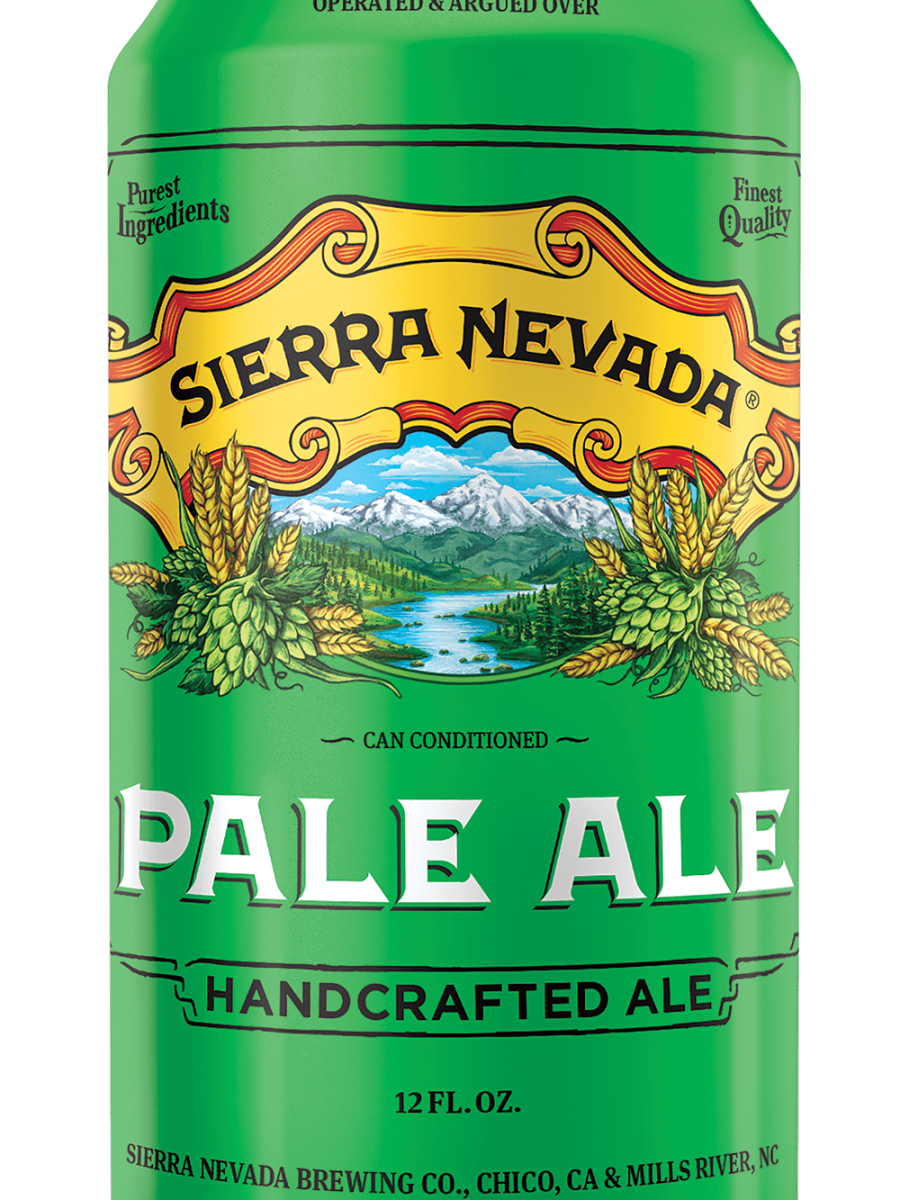
Sierra Nevada Pale Ale
#1 in this roundup
Beer profile

Sierra Nevada Pale Ale

Brewed by Sierra Nevada Brewing Co.

StyleAmerican Pale Ale
ABV5.6%
American pale moveThe Cascade-hop blueprint that made citrus, pine, and clean bitterness the American standard
Brewed inChico, California

Grapefruit, pine, floral hops, and a firm caramel-malt spine remain remarkably exact after more than four decades.

BAR NOTES

Sierra Nevada Pale Ale is the starting line because it turned Cascade hops into a national flavor vocabulary. Bottle conditioning, a sturdy malt base, and bright grapefruit-pine bitterness made it the beer countless early American craft drinkers used to understand hops.

Serve it around 44°F in a clean nonic pint with pizza, grilled chicken, or sharp cheddar. Check the package date and buy cold; familiar packaging does not make oxidation any less damaging to its defining hop aroma.
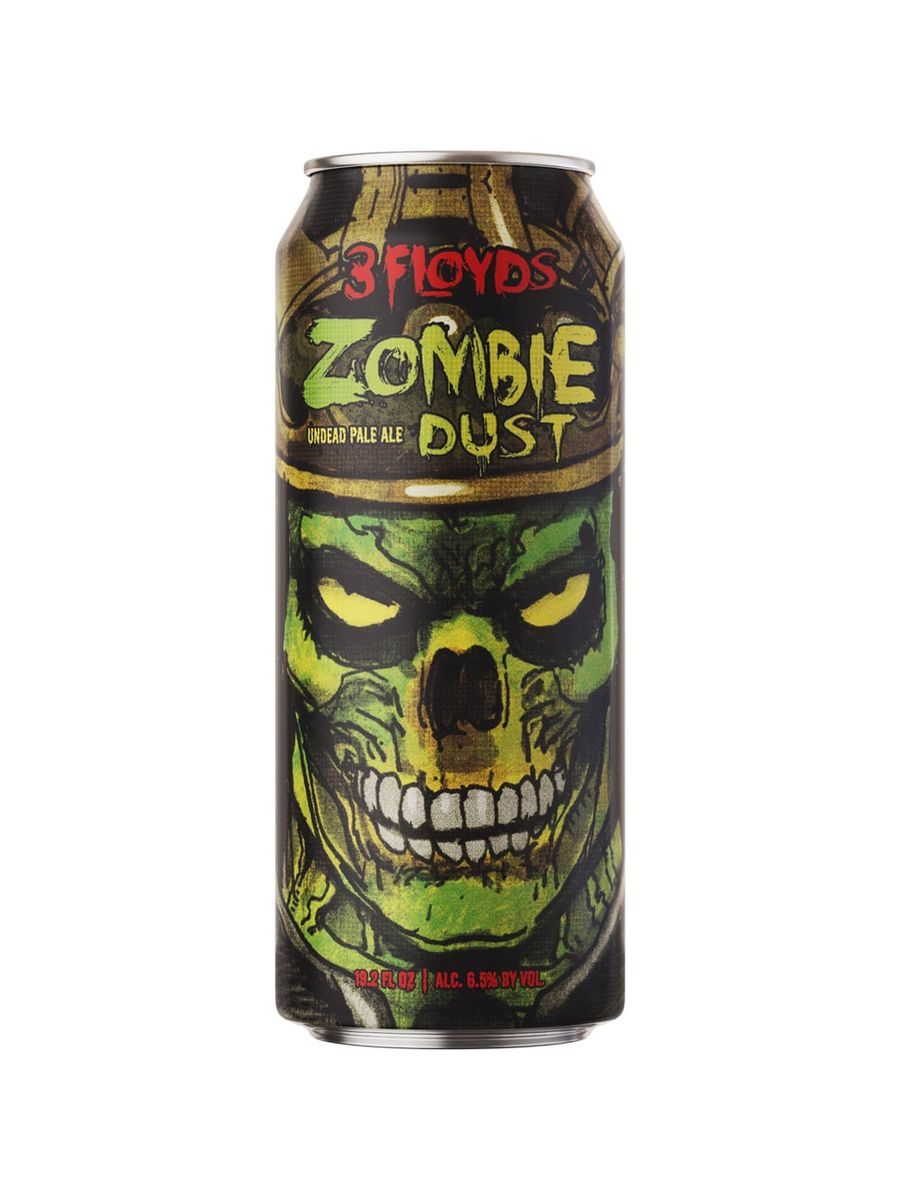
Zombie Dust
#2 in this roundup
Beer profile

Zombie Dust

Brewed by 3 Floyds Brewing Co.

StyleUndead Pale Ale
ABV6.5%
American pale moveA Citra-driven cult pale ale that pushed the style toward modern IPA intensity
Brewed inMunster, Indiana

Mango, grapefruit, resin, and a dry malt finish deliver enormous aroma without abandoning pale-ale balance.

BAR NOTES

Zombie Dust became a cult beer by showing how much personality one hop could carry. Citra supplies mango, grapefruit, and dank resin, while a lean malt base keeps the beer recognizable as pale ale even at the style’s muscular edge.

Treat every can like fresh produce: keep it refrigerated, pour around 44°F, and do not save it for a mythical special occasion. Spicy fried chicken, tacos al pastor, and blue cheese all stand up to its saturated hop character.
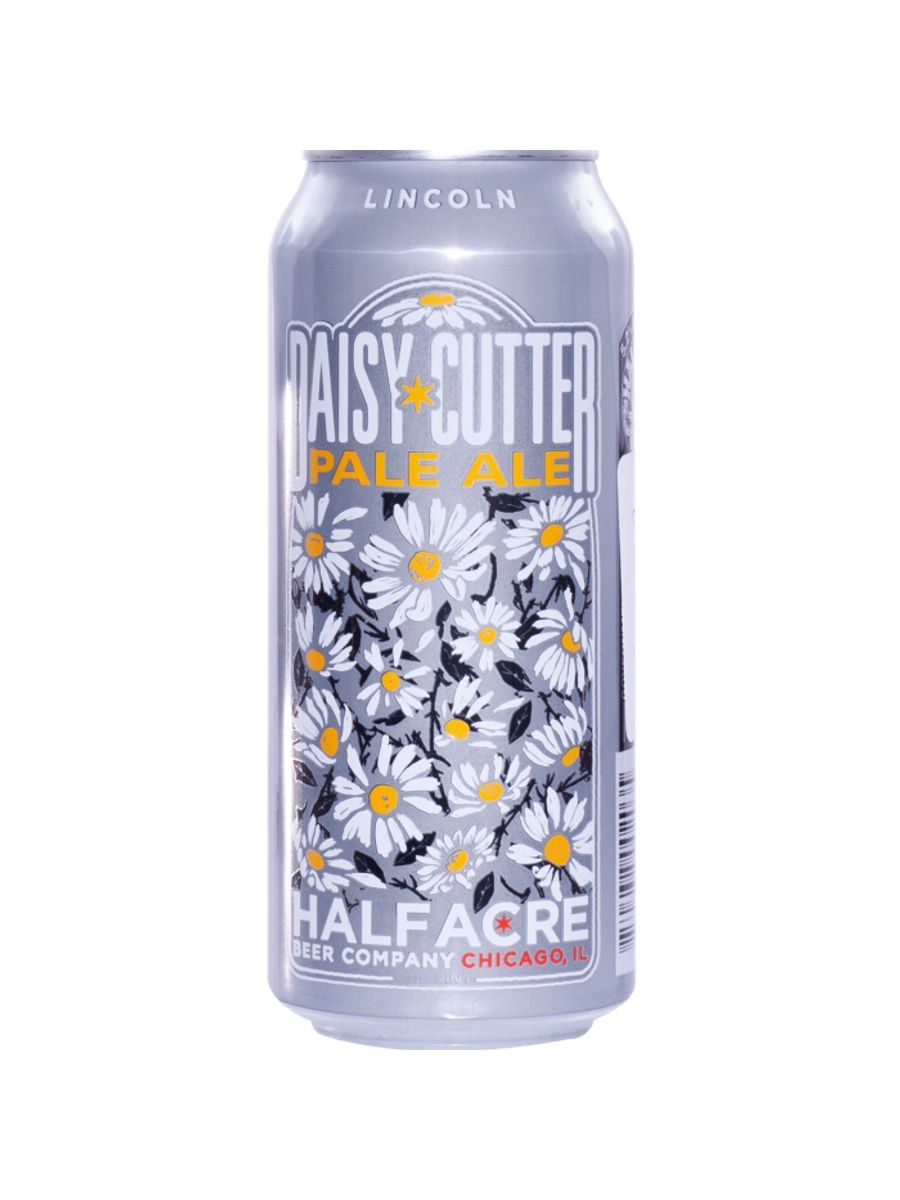
Daisy Cutter
#3 in this roundup
Beer profile

Daisy Cutter

Brewed by Half Acre Beer Company

StyleWest Coast Pale Ale
ABV5.2%
American pale moveChicago's second-wave flagship joined old-school bitterness to tropical modern hops
Brewed inChicago, Illinois

Dank pine, papaya, mango, and citrus ride over biscuit malt into a dry, snappy finish.

BAR NOTES

Daisy Cutter helped define the second generation of American pale ale. Warrior, Columbus, Centennial, Simcoe, and Amarillo create a layered hop profile—pine and dankness first, then citrus and tropical fruit—without turning the body syrupy.

A fresh 16-ounce can deserves a wide-mouthed pint around 43–45°F. Pair it with a Chicago-style Italian beef sandwich, charred sausage, or pepperoni pizza, where its dry bitterness can reset the palate after each rich bite.
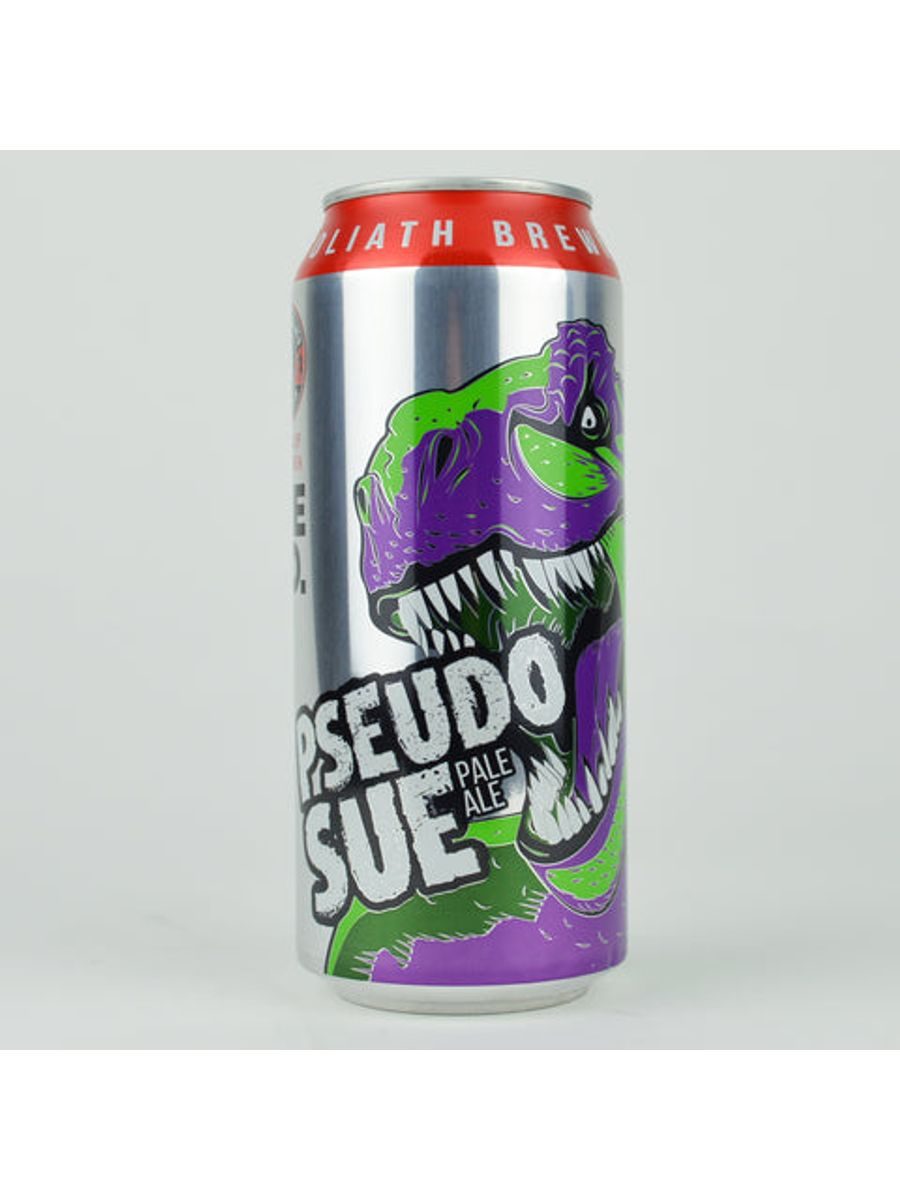
Pseudo Sue
#4 in this roundup
Beer profile

Pseudo Sue

Brewed by Toppling Goliath Brewing Co.

StyleCitra Pale Ale
ABV5.8%
American pale moveA single-hop pale ale that delivers hazy-era fruit with a light, clean frame
Brewed inDecorah, Iowa

Grapefruit, mango, citrus, and evergreen roar out of a delicate body with restrained finishing bitterness.

BAR NOTES

Pseudo Sue proved that a pale ale could smell enormous while drinking with surprising delicacy. Citra supplies grapefruit, mango, and evergreen aromatics, but the finish remains cleaner and less punishing than the dinosaur on the can suggests.

Drink it very fresh around 42–44°F and use a tulip or sensory glass to collect the aroma. It is especially good with fish tacos, citrus-marinated chicken, or pepper jack, all of which echo its fruit without burying it.
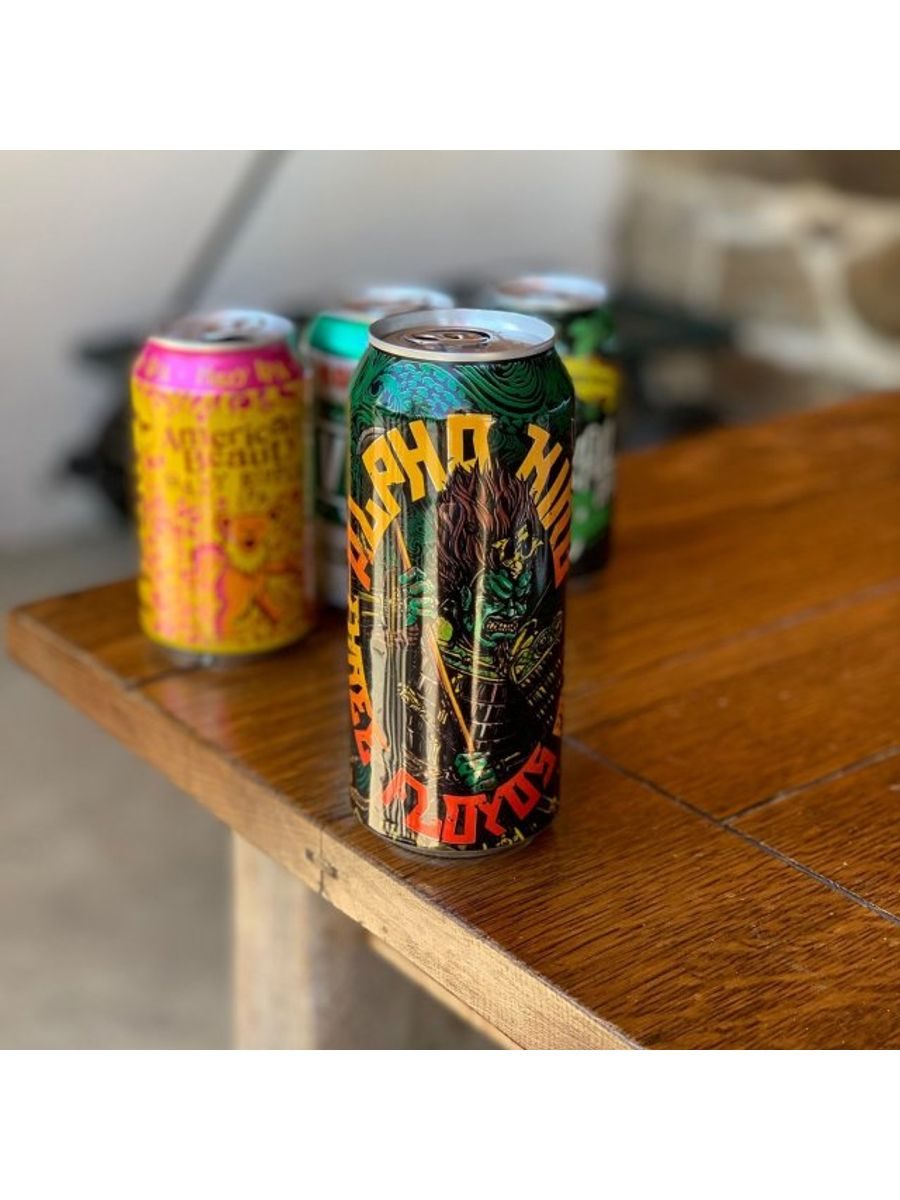
Alpha King
#5 in this roundup
Beer profile

Alpha King

Brewed by 3 Floyds Brewing Co.

StyleAmerican Pale Ale
ABV6.66%
American pale moveCaramel malt and aggressive citrus hops preserve the burly Midwestern pale-ale lane
Brewed inMunster, Indiana

Orange peel, pine, caramel, and firm bitterness make this a full-bodied bridge from pale ale to IPA.

BAR NOTES

Alpha King comes from an era when American pale ale still carried obvious caramel malt beneath its hops. The result is darker, richer, and more forceful than today’s featherweight examples, with citrus and pine locked against a chewy amber center.

Let the can warm to roughly 46°F before judging its balance. Burgers, barbecue, and aged cheddar fit the maltier frame, and a fresh can will keep its bitterness purposeful instead of leaving only sticky caramel behind.
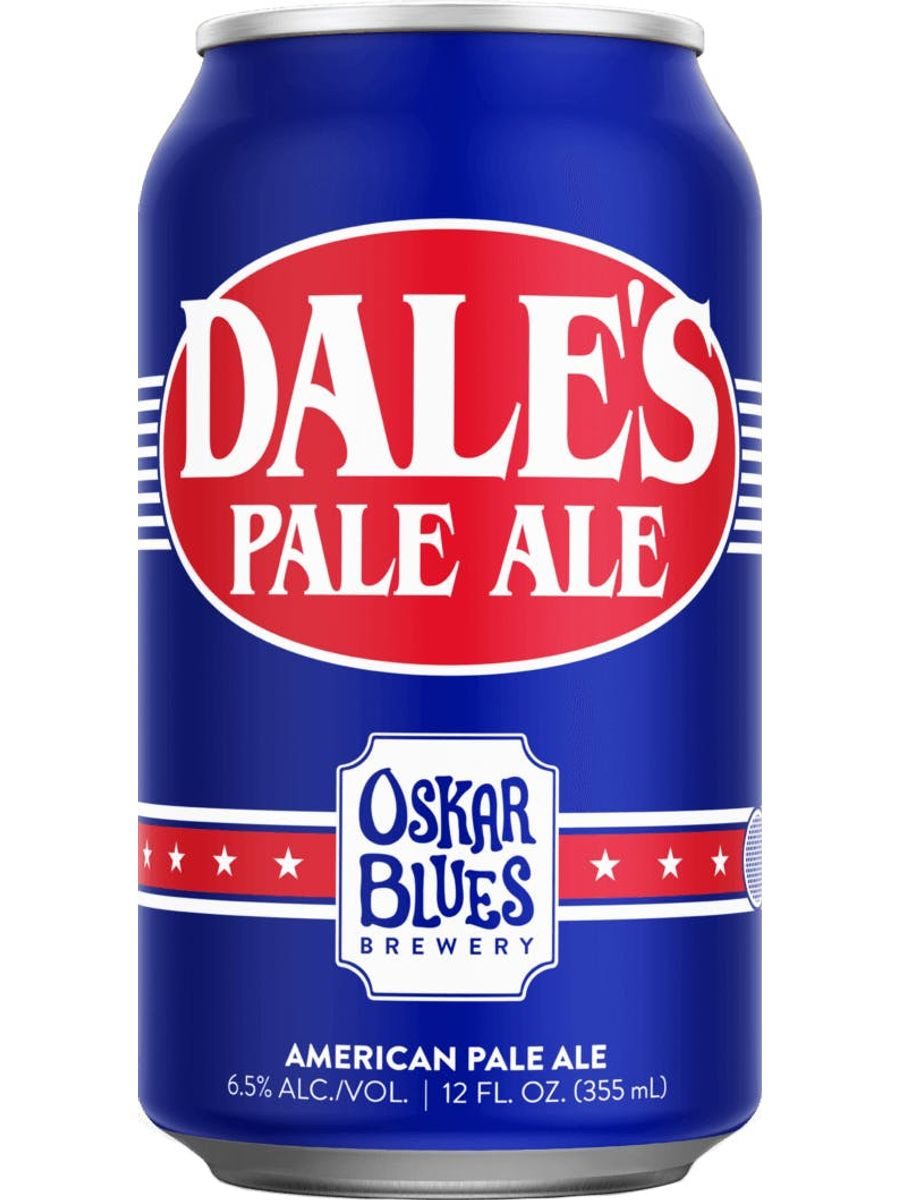
Dale's Pale Ale
#6 in this roundup
Beer profile

Dale's Pale Ale

Brewed by Oskar Blues Brewery

StyleAmerican Strong Pale Ale
ABV6.5%
American pale moveThe 2002 flagship that made serious craft beer in cans feel normal
Brewed inLongmont, Colorado

Orange, grapefruit, pine, and sturdy caramel malt deliver old-school mountain-town confidence.

BAR NOTES

Dale’s Pale Ale matters as much for its container as its flavor. Oskar Blues put the full-strength, hop-forward flagship into cans in 2002, helping dismantle the assumption that cans belonged only to industrial lager.

The beer’s Comet, Cascade, and Centennial character works best around 44–46°F with grilled meat, nachos, or smoked cheddar. Its malt can handle a little age, but the citrus top notes still reward cold storage and a recent date.
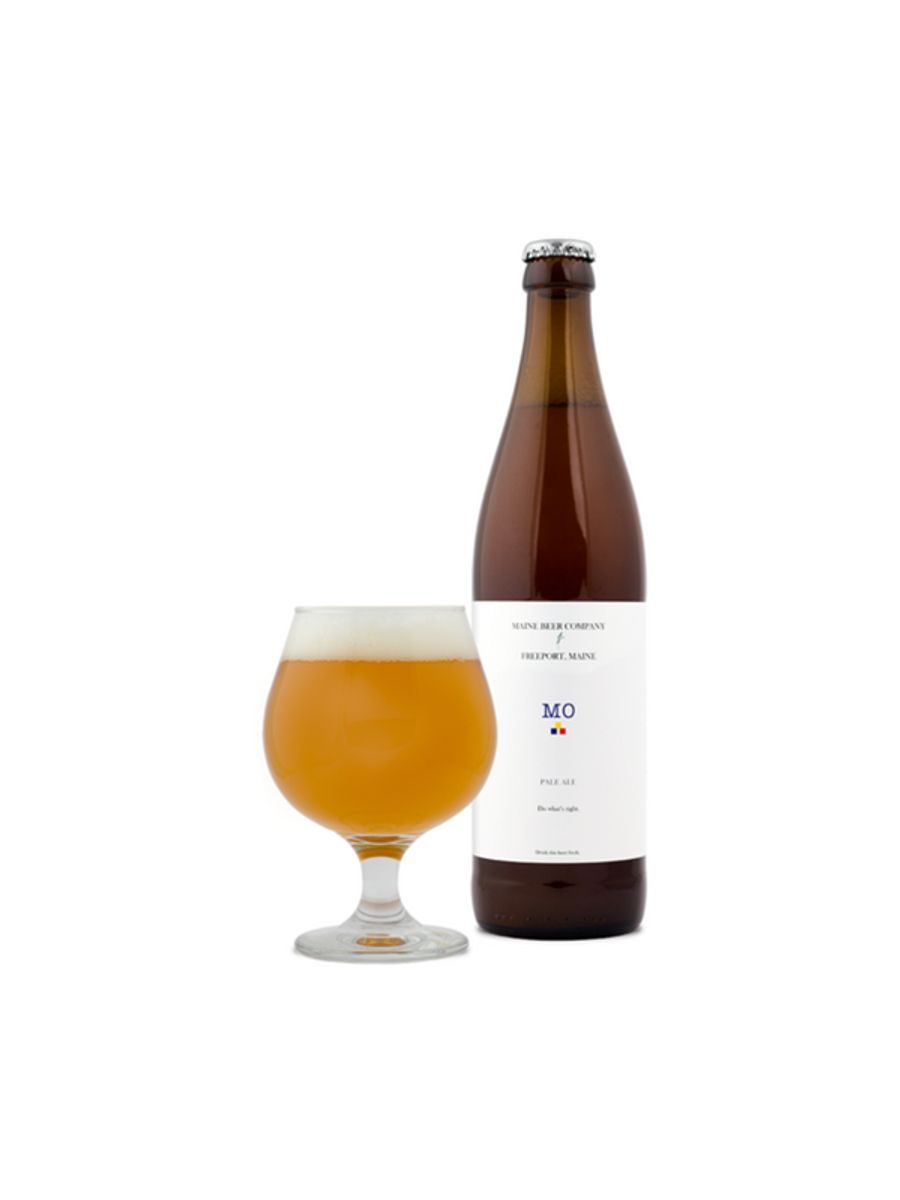
MO
#7 in this roundup
Beer profile

MO

Brewed by Maine Beer Company

StyleAmerican Pale Ale
ABV6.0%
American pale moveFalconer's Flight and Simcoe turn a minimalist bottle into a maximal aroma lesson
Brewed inFreeport, Maine

Orange, apricot, passionfruit, pine, and grass meet a quiet thread of malt sweetness.

BAR NOTES

MO wears Maine Beer Company’s famously restrained label, but the liquid is expansive. Falconer’s Flight and Simcoe build orange, apricot, passionfruit, pine, and grass over Golden Promise and caramel malt without muddling the individual notes.

Pour the large-format bottle into two glasses around 44°F and keep the sediment controlled. Roast chicken, lobster rolls, and washed-rind cheese work beautifully; the bottle date matters because the hop perfume is the entire point.
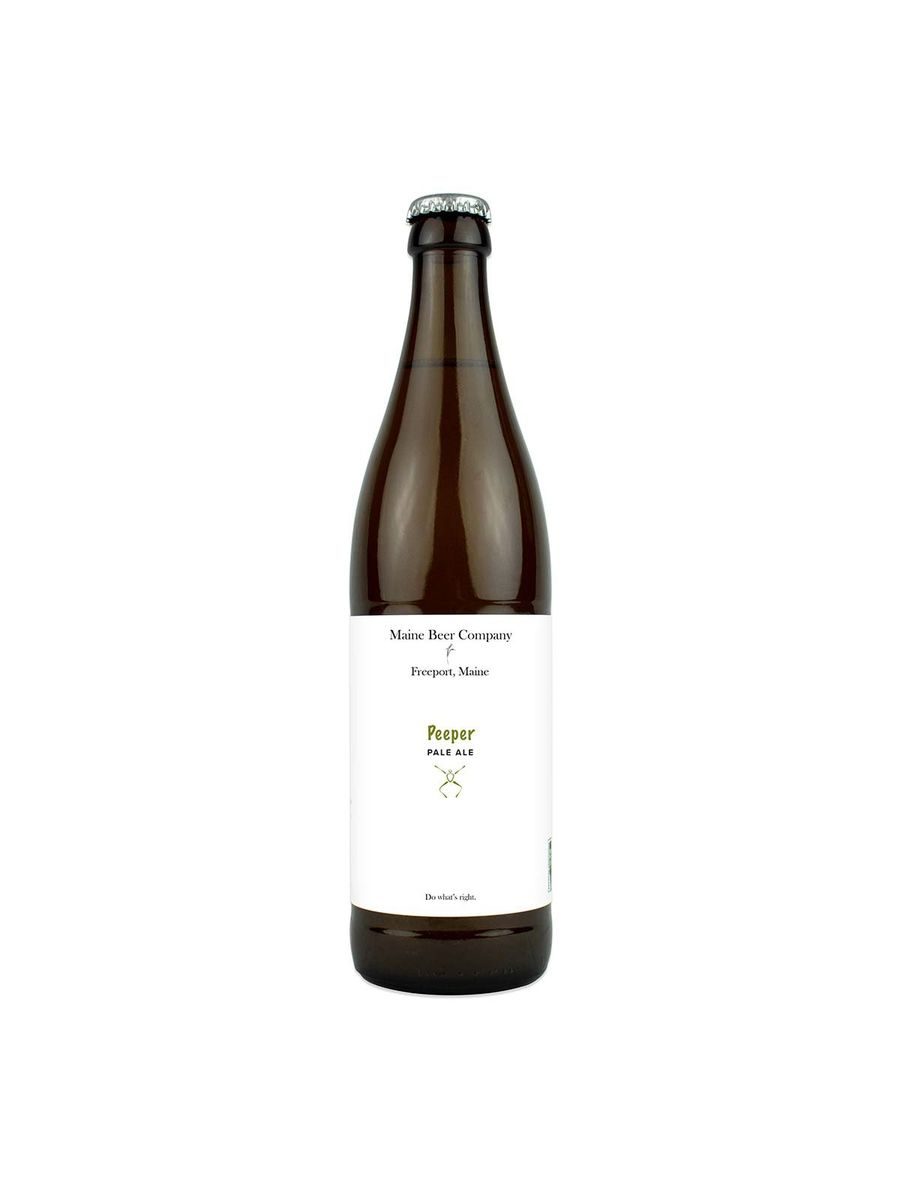
Peeper
#8 in this roundup
Beer profile

Peeper

Brewed by Maine Beer Company

StyleAmerican Pale Ale
ABV5.5%
American pale moveMaine Beer Company's original beer keeps pale ale soft, floral, and exact
Brewed inFreeport, Maine

Lemon, grapefruit, flowers, and light bread finish cleanly with elegant rather than crushing bitterness.

BAR NOTES

Peeper was Maine Beer Company’s first beer and remains the quieter counterpoint to MO. American hops bring lemon, grapefruit, and flowers, while a pale, bready base lets the finish feel complete without the sweetness or alcohol of IPA.

Serve it at 42–44°F in a tulip with grilled fish, chèvre, or a simple roast chicken. Buy the newest bottle available and refrigerate it; its graceful aroma suffers more from warm storage than louder, heavier beers do.
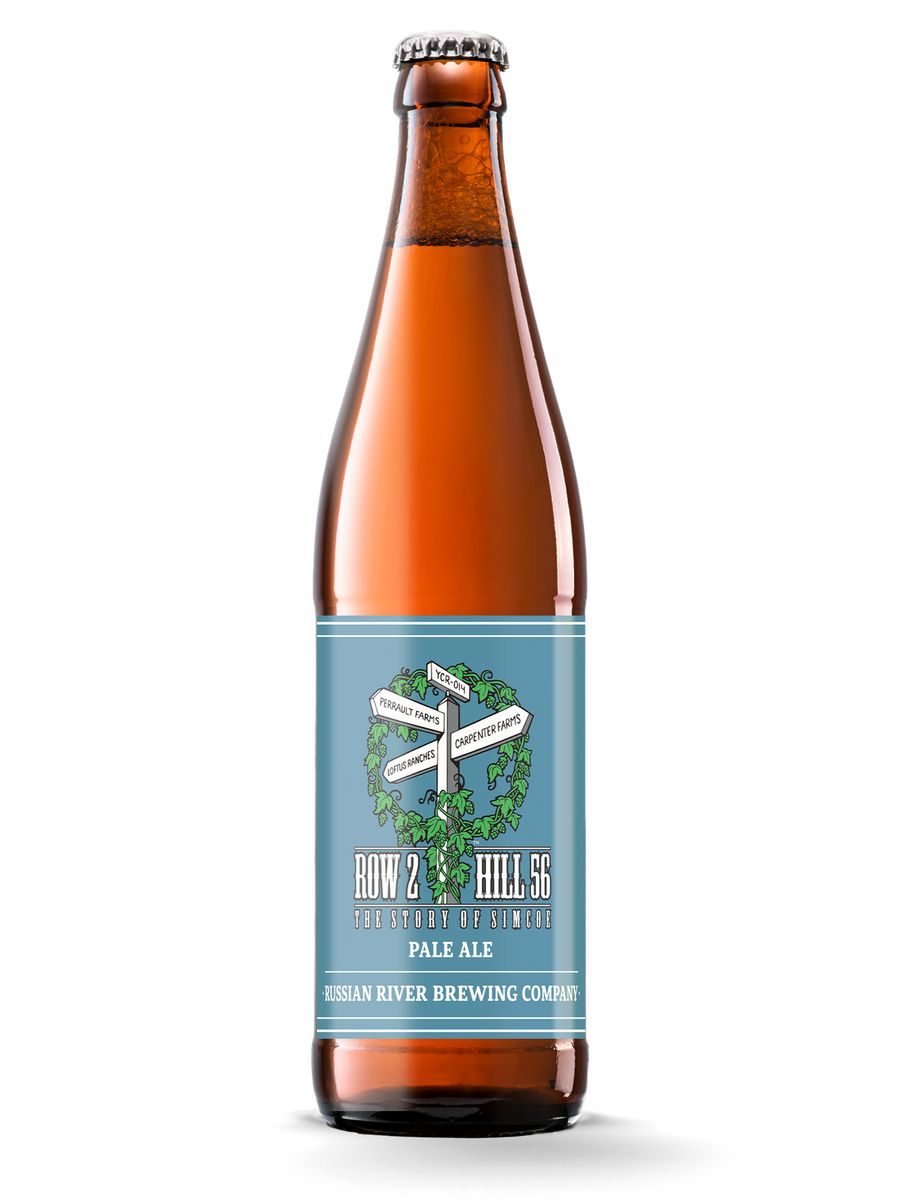
Row 2/Hill 56
#9 in this roundup
Beer profile

Row 2/Hill 56

Brewed by Russian River Brewing Company

StyleSimcoe Pale Ale
ABV5.4%
American pale moveA single-hop bottle tells the agricultural origin story of Simcoe
Brewed inSanta Rosa, California

Pine, grapefruit, berry, and a faint catty edge show Simcoe with unusual transparency.

BAR NOTES

Row 2/Hill 56 is less a novelty than a hop-history lesson. Russian River built the pale ale around Simcoe and named it for the hop’s original experimental plot, letting pine, grapefruit, berry, and savory resin speak clearly.

Open the bottle fresh and pour around 44°F into a narrow tulip. Cedar-plank salmon, herb-roasted chicken, and aged Gouda complement its woodsy edge, while excessive heat or age will flatten the hop detail the recipe exists to display.
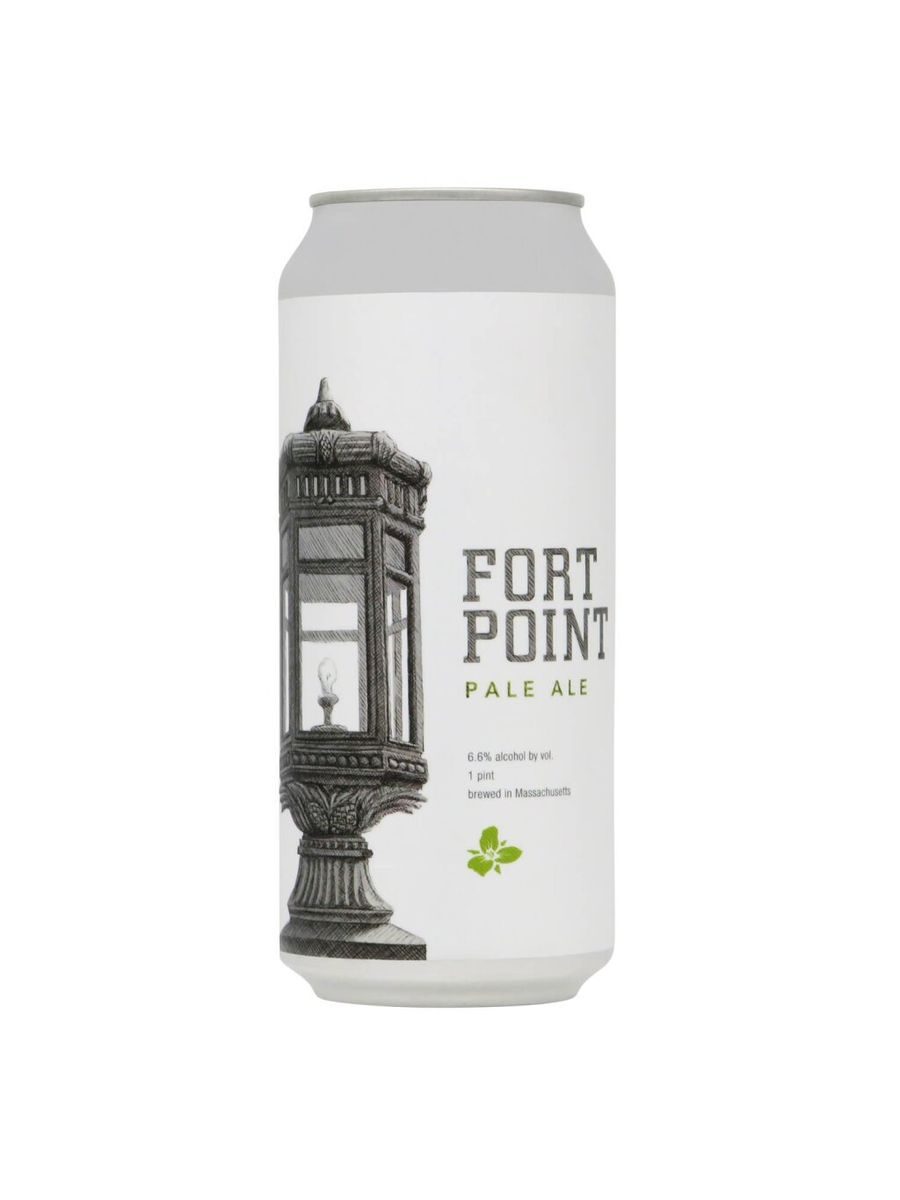
Fort Point Pale Ale
#10 in this roundup
Beer profile

Fort Point Pale Ale

Brewed by Trillium Brewing Company

StyleNew England Pale Ale
ABV6.6%
American pale moveA Boston pale ale helped establish the saturated New England hop aesthetic
Brewed inCanton, Massachusetts

Orange, peach, tropical fruit, and soft malt arrive with haze and very little harshness.

BAR NOTES

Fort Point became one of the beers that explained New England hop character before every brewery used the language. Trillium layers citrus and tropical fruit into a soft, hazy body while keeping the alcohol just below full IPA swagger.

Keep the can cold from purchase to pour and serve at 42–44°F in a tulip. Spicy noodles, fried chicken, and creamy blue cheese suit its plush fruit; age will dull aroma long before the beer becomes technically undrinkable.
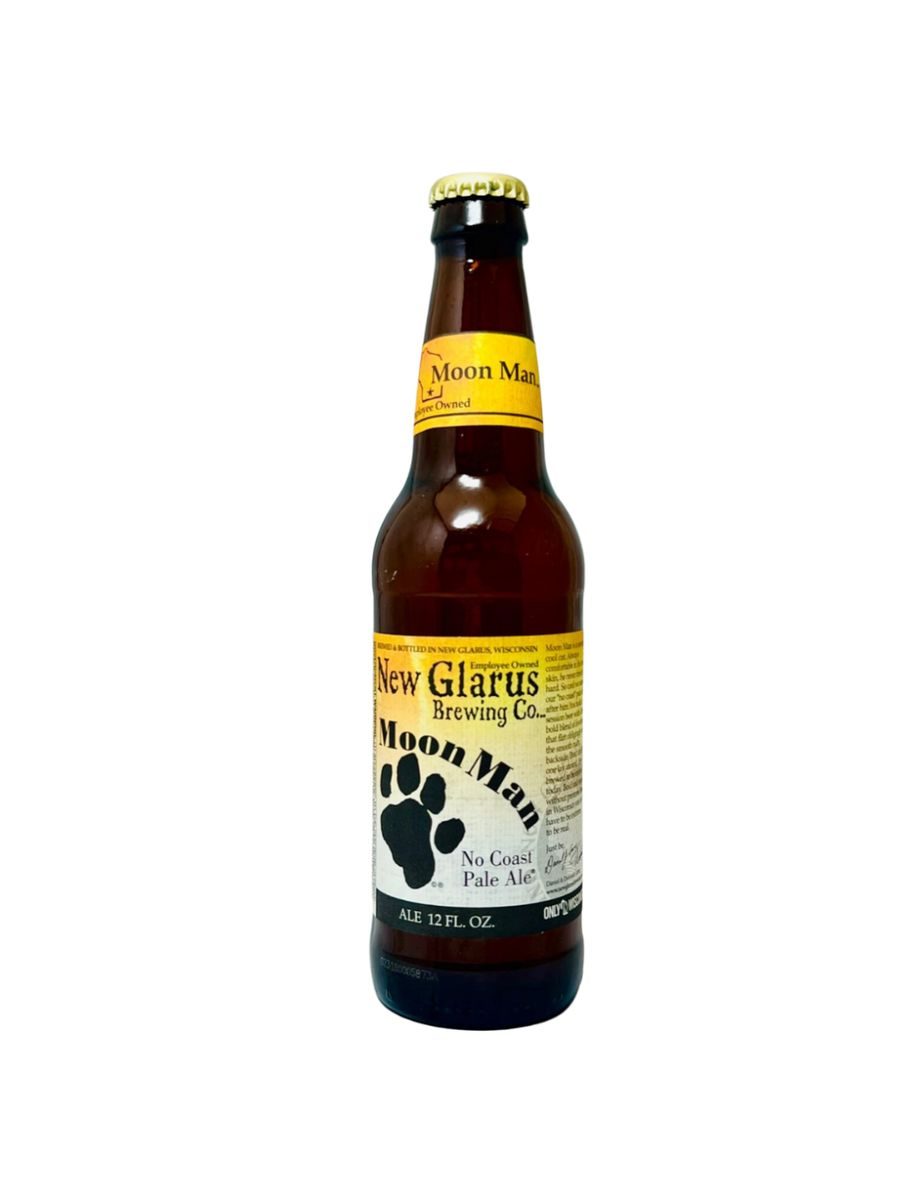
Moon Man
#11 in this roundup
Beer profile

Moon Man

Brewed by New Glarus Brewing Company

StyleNo Coast Pale Ale
ABV5.0%
American pale moveFive hops create a balanced Wisconsin pale ale sold only inside the state
Brewed inNew Glarus, Wisconsin

Bright citrus and pine sit over soft bread and caramel in an exceptionally drinkable regional classic.

BAR NOTES

Moon Man calls itself a No Coast pale ale, an apt description for a beer that avoids both West Coast aggression and New England softness. Five hops supply brightness while bread and faint caramel keep the center calm.

Because New Glarus sells only in Wisconsin, freshness is rarely a cross-country warehouse gamble—someone usually carried it home. Serve around 43°F with bratwurst, fried cheese curds, or roast chicken and drink it before the hop lift fades.
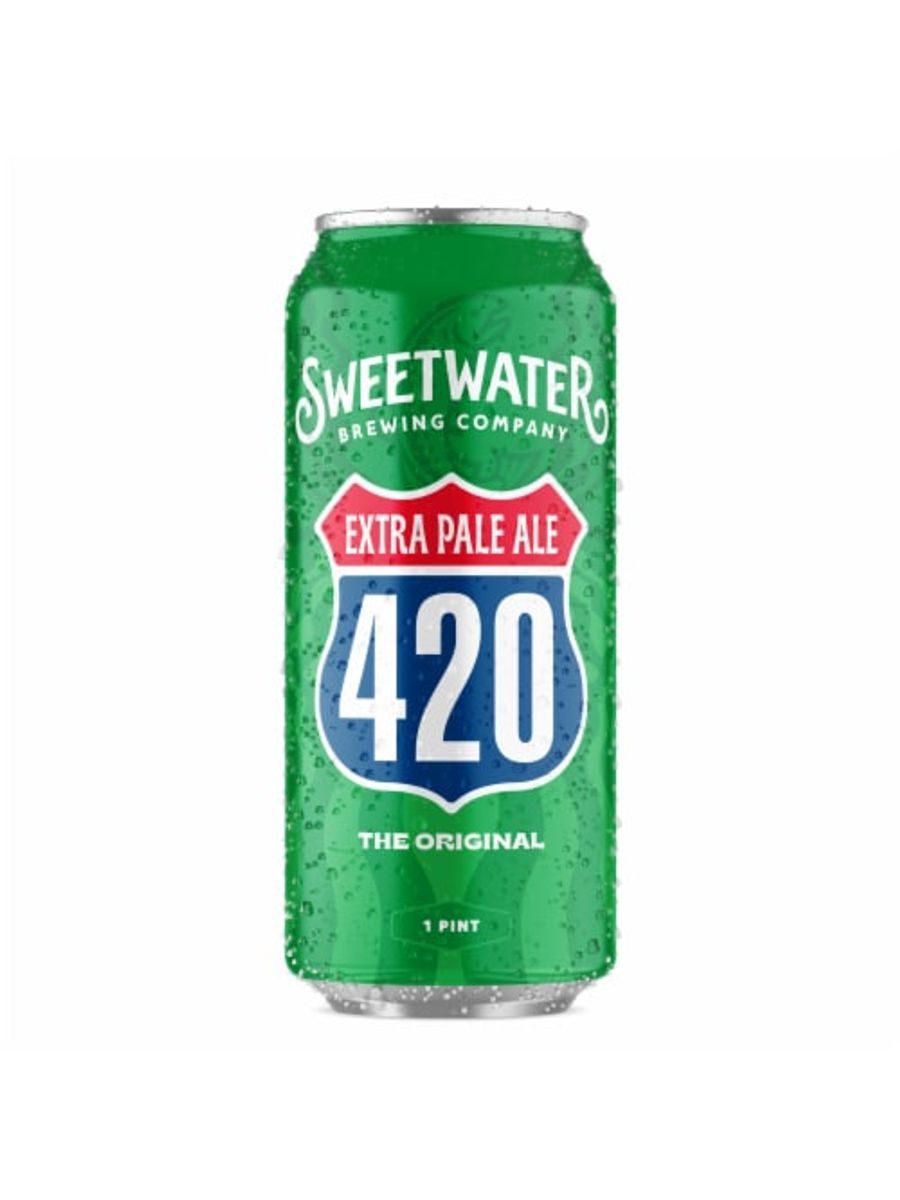
420 Extra Pale Ale
#12 in this roundup
Beer profile

420 Extra Pale Ale

Brewed by SweetWater Brewing Company

StyleExtra Pale Ale
ABV5.7%
American pale moveA hazy Atlanta flagship keeps the classic pale-ale formula loose and herbal
Brewed inAtlanta, Georgia

Citrus, pine, herbs, and light caramel make a relaxed but unmistakably hop-forward Southern flagship.

BAR NOTES

420 Extra Pale Ale helped carry American craft beer through the Southeast with a profile that is more relaxed than austere. Citrus and pine meet an herbal, slightly sweet middle, and light haze signals its unfiltered presentation.

Serve it cold but not numb, roughly 42–44°F, with wings, smoked pork, or a loaded sandwich. Its easygoing image should not excuse old stock: the green can is far more expressive when refrigerated and recently packaged.
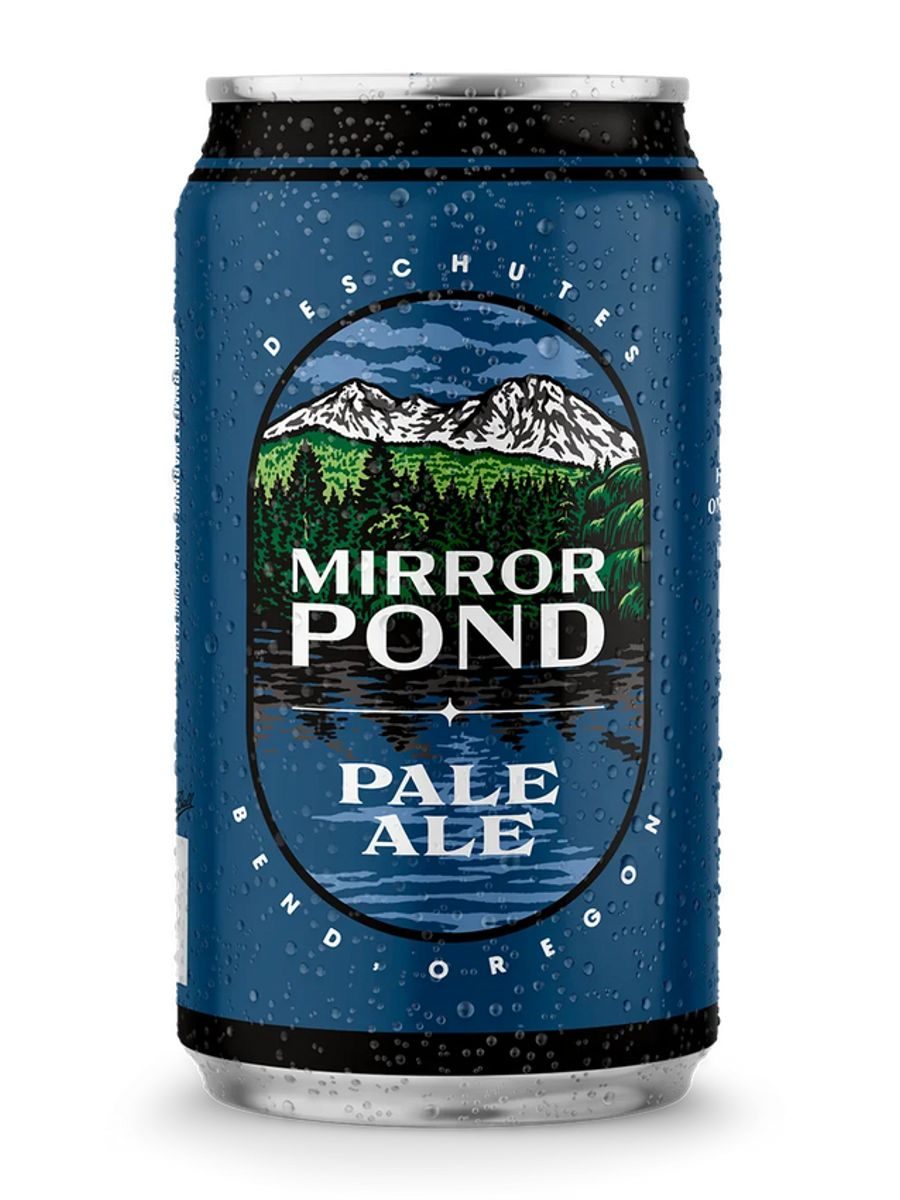
Mirror Pond Pale Ale
#13 in this roundup
Beer profile

Mirror Pond Pale Ale

Brewed by Deschutes Brewery

StyleNorthwest Pale Ale
ABV5.0%
American pale moveA single-hop Cascade classic preserves the rounded Northwest school
Brewed inBend, Oregon

Caramel, citrus, flowers, and gentle pine form a softer, maltier counterpoint to modern pale ale.

BAR NOTES

Mirror Pond is a useful reminder that Northwest pale ale once prized rounded malt as much as raw hop volume. Cascade supplies floral citrus and pine, while caramel malt gives the pint an amber glow and an almost toasty middle.

Pour it around 45°F with grilled salmon, mushroom pizza, or nutty cheese. The can is preferable when both packages are equally fresh, but date and cold storage matter more than the old bottle-versus-can argument.
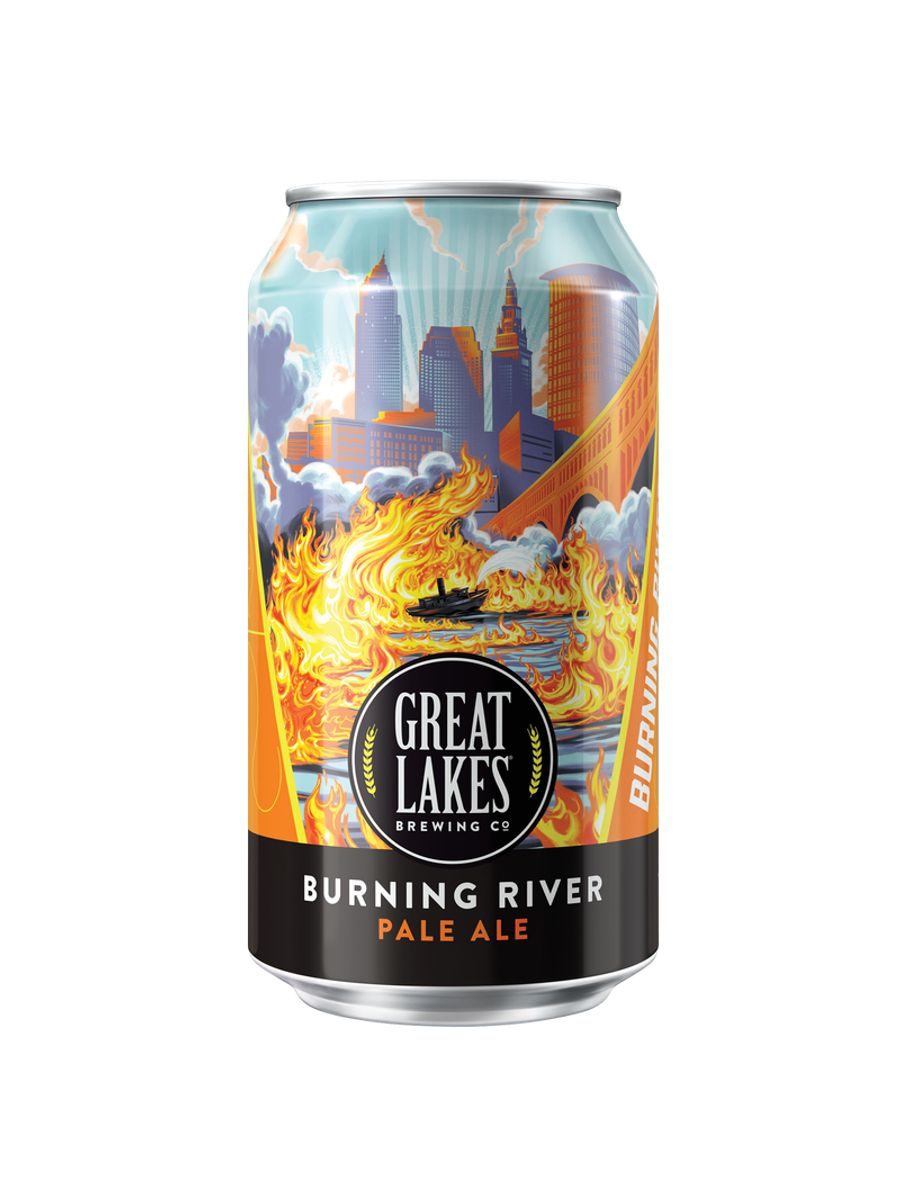
Burning River
#14 in this roundup
Beer profile

Burning River

Brewed by Great Lakes Brewing Co.

StyleAmerican Pale Ale
ABV6.0%
American pale moveCleveland history anchors a firm, citrus-and-pine Midwestern pale ale
Brewed inCleveland, Ohio

Grapefruit, pine, toasted malt, and assertive bitterness give the copper pint durable structure.

BAR NOTES

Burning River turns the infamous Cuyahoga River fire into a story of environmental recovery and local brewing identity. The beer itself is a sturdy copper pale ale, combining grapefruit and pine with enough toasted malt to resist hop fatigue.

A nonic pint around 45°F suits its old-school structure. Try it with a Polish sausage, burger, or sharp Ohio cheddar; the firm bitterness scrubs fat clean, while the malt keeps the pairing from feeling one-dimensional.
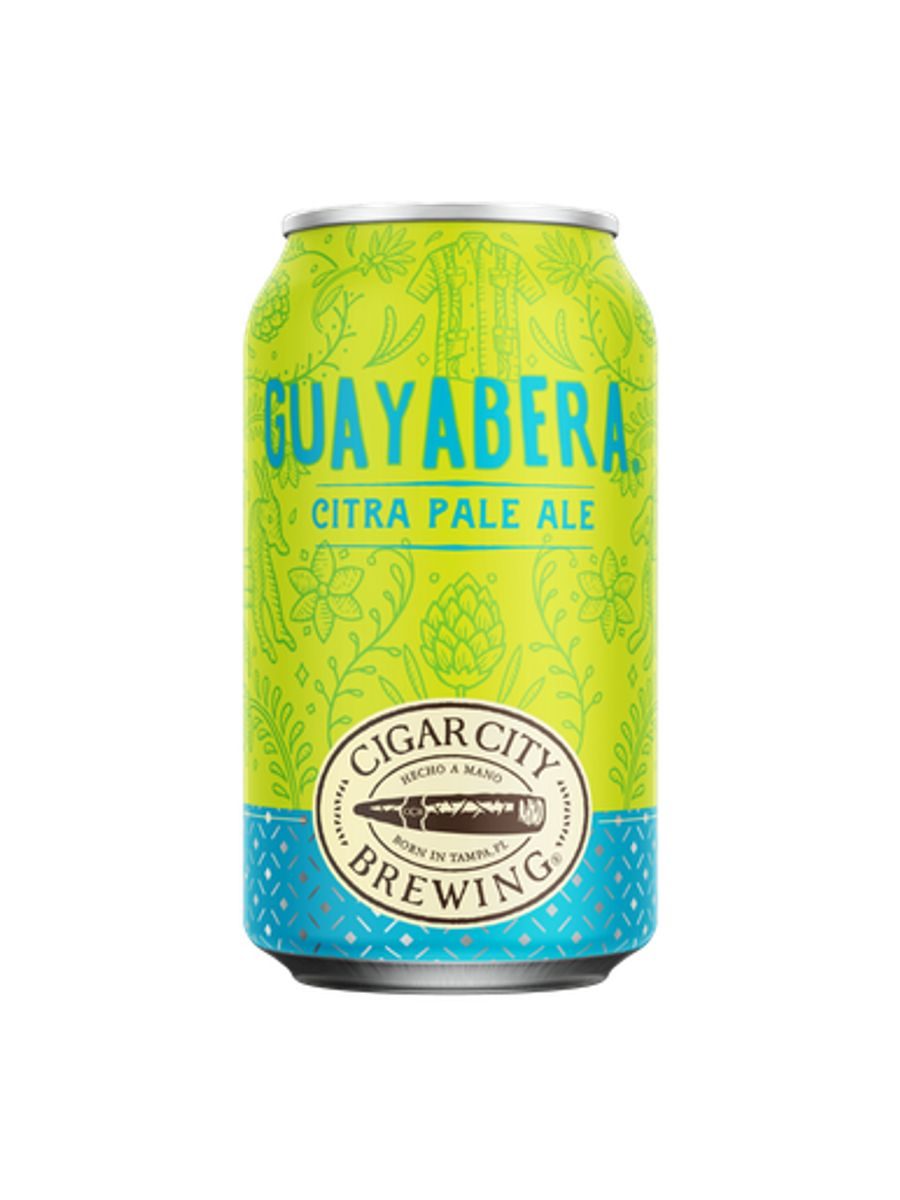
Guayabera
#15 in this roundup
Beer profile

Guayabera

Brewed by Cigar City Brewing

StyleCitra Pale Ale
ABV5.5%
American pale moveTampa's flagship pale ale translates Citra into bright tropical refreshment
Brewed inTampa, Florida

Tangerine, lime, passionfruit, and restrained malt finish dry enough for humid weather.

BAR NOTES

Guayabera takes its name from the lightweight shirt worn across the Caribbean and treats Citra with the same warm-weather logic. Tangerine, lime, and tropical fruit stay vivid over a lean body instead of becoming sticky juice.

Serve the can at 41–43°F with Cuban sandwiches, grilled shrimp, or black-bean tacos. Florida heat makes cold-chain discipline especially important, so choose refrigerated stock and skip sun-warmed display cases whenever possible.

Lizard King
#16 in this roundup
Beer profile

Lizard King

Brewed by Pipeworks Brewing Co.

StyleMosaic Pale Ale
ABV6.0%
American pale moveMosaic gets the neon Chicago treatment without the weight of double IPA
Brewed inChicago, Illinois

Blueberry, mango, citrus, and resin explode from a crisp, lightly sweet pale base.

BAR NOTES

Lizard King gives Mosaic the solo spotlight and shows why the hop became a modern brewery favorite. Blueberry, mango, citrus, and resin can all appear in the same glass, supported by just enough malt to avoid tasting thin.

A fresh tall can should be split only if six percent feels less sessionable than the name implies. Serve around 43°F with spicy sausage, tacos, or funky cheese, and use a tulip to concentrate Mosaic’s shifting aromatics.

Whirlpool
#17 in this roundup
Beer profile

Whirlpool

Brewed by Night Shift Brewing

StyleNew England Pale Ale
ABV4.5%
American pale moveA low-strength flagship helped make soft, hazy pale ale a Boston staple
Brewed inEverett, Massachusetts

Peach, grapefruit, clementine, and a silky grain bill deliver juice without palate weight.

BAR NOTES

Whirlpool predates the nationwide haze stampede and remains convincing because it never needed high alcohol to create texture. Wheat and oats soften the body while Mosaic and Ella bring peach, grapefruit, and clementine with minimal harshness.

Keep it continuously cold and drink it young at roughly 42°F. Fried clams, spicy noodles, and soft-ripened cheese all fit; the modest alcohol makes a second can reasonable, but oxidation makes an old first can disappointing.

Fist City
#18 in this roundup
Beer profile

Fist City

Brewed by Revolution Brewing

StyleChicago Pale Ale
ABV5.5%
American pale moveFive American hops build a bright neighborhood pale ale with real malt underneath
Brewed inChicago, Illinois

Lemon, grapefruit, pine, and light bread make a crisp, balanced Chicago all-rounder.

BAR NOTES

Fist City earns its Chicago billing through usefulness rather than gimmick. Centennial, Citra, Chinook, Cascade, and Crystal create layered citrus and pine, while two-row and red wheat keep the body structured without adding distracting sweetness.

Serve around 43–45°F with tavern-cut pizza, a grilled brat, or fried chicken. The beer’s moderate body handles salt and fat, and the year-round can makes freshness easier to prioritize than rarity.

One Claw
#19 in this roundup
Beer profile

One Claw

Brewed by Westbrook Brewing Co.

StyleRye Pale Ale
ABV5.5%
American pale moveSpicy rye gives Citra's tropical fruit a dry, grainy counterweight
Brewed inMount Pleasant, South Carolina

Grapefruit, tropical fruit, peppery rye, and a crisp finish keep the blue can sharply refreshing.

BAR NOTES

One Claw makes a strong case for rye in pale ale. The grain’s peppery, dry snap reins in Citra’s tropical fruit and grapefruit, creating a beer that feels more architectural than a simple single-hop showcase.

Pour it at 42–44°F with smoked fish, pastrami, or a sharp pimento-cheese sandwich. Rye can read harsh when the beer is too cold, so give the glass a few minutes before deciding where spice ends and hop bitterness begins.

Grunion Pale Ale
#20 in this roundup
Beer profile

Grunion Pale Ale

Brewed by Ballast Point Brewing Company

StyleAmerican Pale Ale
ABV5.5%
American pale moveA homebrew-competition recipe pairs Mosaic fruit with Calypso's herbal edge
Brewed inSan Diego, California

Tangerine, grapefruit, tropical fruit, herbs, and caramel finish with a clean coastal snap.

BAR NOTES

Grunion began as a homebrew competition winner, giving the commercial beer a useful link back to brewery culture. Mosaic contributes fruit, Calypso adds apple-like and herbal notes, and a caramel thread keeps the hop blend coherent.

Serve it around 43°F with grilled fish tacos, ceviche, or pepper jack. San Diego pale ale should feel bright rather than bruising, so look for fresh cold cans and avoid letting the teal package bake in direct light.

.394 San Diego Pale Ale
#21 in this roundup
Beer profile

.394 San Diego Pale Ale

Brewed by AleSmith Brewing Company

StyleSan Diego Pale Ale
ABV6.0%
American pale moveTony Gwynn's batting average becomes a tribute brewed with Hall of Fame precision
Brewed inSan Diego, California

Citrus, stone fruit, resin, and biscuit malt make a polished, medium-bodied San Diego pale.

BAR NOTES

.394 honors Tony Gwynn’s extraordinary 1994 batting average and was developed with the Gwynn family. The beer is equally detail-minded, placing citrus, apricot-like fruit, and resin over a biscuity malt base rather than chasing haze.

A clean pint around 44°F works with carne asada, grilled chicken, or a ballpark pretzel and mustard. Six percent gives it enough body for food, while a fresh can preserves the crisp hop finish that keeps the tribute lively.

The Public
#22 in this roundup
Beer profile

The Public

Brewed by DC Brau Brewing Company

StyleAmerican Pale Ale
ABV6.0%
American pale moveWashington's hometown pale ale balances Vienna malt with Centennial hops
Brewed inWashington, D.C.

Orange, pine, bread crust, and caramel land firmly between session pale ale and IPA.

BAR NOTES

The Public helped establish production craft brewing inside Washington, D.C. Vienna and crystal malts give the beer a copper, bread-crust center, while Centennial hops bring the orange and pine expected from an American pale ale.

Serve around 45°F with half-smokes, burgers, or aged cheddar. Its six-percent frame tolerates a little malt development, but the can is most convincing when fresh enough that Centennial still smells bright rather than merely bitter.

Field 41 Pale Ale
#23 in this roundup
Beer profile

Field 41 Pale Ale

Brewed by Bale Breaker Brewing Company

StyleAmerican Pale Ale
ABV4.5%
American pale moveA hop-farm brewery puts Yakima Valley agriculture directly into the glass
Brewed inYakima, Washington

Citrus, berries, melon, and pine ride a very light body built for the hop field.

BAR NOTES

Field 41 was named for the hop field surrounding Bale Breaker’s brewery, making place more than a marketing line. The pale body gives farm-grown hops room to show citrus, berry, melon, and pine without heavy malt interference.

Drink the can as close to harvest and packaging as possible at 41–43°F. It works with grilled chicken, fresh chèvre, or salmon, but its real purpose is comparative tasting alongside a maltier Northwest classic.

Daybreak Pale Ale
#24 in this roundup
Beer profile

Daybreak Pale Ale

Brewed by Bale Breaker Brewing Company

StyleAmerican Pale Ale
ABV5.5%
American pale moveA current farm-brewed pale ale layers Simcoe and Mosaic over a crisp base
Brewed inYakima, Washington

Grapefruit, apricot, pine, mango, and blueberry show the modern face of Yakima pale ale.

BAR NOTES

Daybreak carries Bale Breaker’s field-to-glass idea into a fuller modern recipe. Simcoe and Mosaic produce grapefruit, apricot, pine, mango, and berry notes, while pilsner and light Munich malt keep the body crisp rather than watery.

Serve around 42–44°F with breakfast-for-dinner, grilled salmon, or spicy noodles. Despite the sunrise name, the decisive buying question is the packaged-on date; hop-farm romance cannot restore aroma lost to warm storage.

pFriem Pale
#25 in this roundup
Beer profile

pFriem Pale

Brewed by pFriem Family Brewers

StyleAmerican Pale Ale
ABV5.4%
American pale moveA precise Columbia Gorge pale links Northwest hops to a dry European sensibility
Brewed inHood River, Oregon

Citrus, flowers, pine, and crackery malt finish polished, dry, and unusually food-friendly.

BAR NOTES

pFriem Pale reflects a brewery equally comfortable with Belgian, German, and Northwest traditions. American hop citrus and pine sit over a clean, crackery base, and the finish feels more polished than aggressively resinous.

Serve it around 43°F with grilled trout, roast chicken, or alpine cheese. The balanced structure makes it a useful midpoint tasting after the first twenty-four beers: aromatic enough for hop drinkers, restrained enough for the table.

Universale Pale Ale
#26 in this roundup
Beer profile

Universale Pale Ale

Brewed by Fremont Brewing

StyleNorthwest Pale Ale
ABV5.6%
American pale moveCentennial and Simcoe meet biscuit malt in an award-winning Seattle flagship
Brewed inSeattle, Washington

Lemon, biscuit, floral hops, and light spice deliver classic Northwest balance.

BAR NOTES

Universale is Fremont’s argument for the durable middle ground. Centennial and Simcoe bring lemon, flowers, pine, and spice, but pale and light crystal malts keep the beer biscuity enough to remain recognizably pale ale.

A 44°F nonic pint pairs with fish and chips, roast chicken, or a Seattle-style hot dog. Because the recipe values balance, stale hop aroma exposes itself quickly; choose cold cans with good local turnover.

City of Dreams
#27 in this roundup
Beer profile

City of Dreams

Brewed by Fort George Brewery

StyleHazy Pale Ale
ABV5.5%
American pale moveA 2025 GABF gold medal shows hazy pale ale can still reward precision
Brewed inAstoria, Oregon

Peach, citrus, tropical fruit, and soft grain arrive plush but finish clean.

BAR NOTES

City of Dreams gives the modern half of the board real competition credibility, earning 2025 GABF gold in Juicy or Hazy Pale Ale. Its fruit-forward aroma and soft body are carefully controlled rather than simply murky and sweet.

Keep it cold and serve around 42°F with fried seafood, Thai curry, or creamy cheese. Hazy pale ale is exceptionally vulnerable to tired aroma and darkening, so favor the freshest can over the rarest batch code.

Automatic
#28 in this roundup
Beer profile

Automatic

Brewed by Creature Comforts Brewing Co.

StyleAmerican Pale Ale
ABV5.5%
American pale moveMosaic and Crystal make a soft Southern pale ale built for repeat pours
Brewed inAthens, Georgia

Berry, citrus, flowers, and gentle malt make a composed, easygoing modern pale ale.

BAR NOTES

Automatic is designed around repetition rather than extremity. Mosaic supplies berry and tropical fruit while Crystal adds floral spice, and the malt remains quiet enough that the beer can live comfortably beside food or a second can.

Serve at 42–44°F with pimento cheese, grilled chicken, or a vegetable pizza. Its restraint is an advantage only when the aroma is fresh, so keep the flamingo can refrigerated and use package dates as the tie-breaker.

Flavor Country
#29 in this roundup
Beer profile

Flavor Country

Brewed by Austin Beerworks

StyleHoppy Pale Ale
ABV5.9%
American pale moveConcentrated lupulin brings big aroma without dragging excess plant bitterness along
Brewed inAustin, Texas

Tropical citrus and resin hit hard, then leave through a clean, low-astringency finish.

BAR NOTES

Flavor Country uses concentrated lupulin to chase hop oil while limiting the leafy material that can make heavily hopped beer abrasive. The result is loud tropical citrus and resin with a smoother finish than its aroma predicts.

Serve around 42–44°F with brisket tacos, queso, or hot chicken. The recipe is engineered for aromatic impact, making cold storage non-negotiable; once the hop nose fades, the technical trick has little left to demonstrate.

Day Tripper Pale Ale
#30 in this roundup
Beer profile

Day Tripper Pale Ale

Brewed by Indeed Brewing Company

StyleAmerican Pale Ale
ABV5.4%
American pale moveA Minneapolis pale ale balances peachy hops with bread and a dry pine finish
Brewed inMinneapolis, Minnesota

Peach, pine, pepper, and toasted bread finish dry enough to invite another trip.

BAR NOTES

Day Tripper is a pale ale with an unusually clear beginning, middle, and end. Peachy aroma opens the sip, bread-like malt fills the center, and pine plus peppery bitterness dries the finish without erasing the grain.

Pour it at 43–45°F with bratwurst, grilled vegetables, or a mushroom burger. The toasty malt can flatter an older can, but the beer is far better when its peach and pine still arrive before the bread.

Xtra-Citra Pale Ale
#31 in this roundup
Beer profile

Xtra-Citra Pale Ale

Brewed by Surly Brewing Co.

StyleCitra Pale Ale
ABV4.5%
American pale moveSession strength carries Citra aroma without reducing the beer to flavored water
Brewed inMinneapolis, Minnesota

Lime, grapefruit, mango, and light grain bring IPA-sized aroma at an easy 4.5 percent.

BAR NOTES

Xtra-Citra tackles the difficult low-alcohol problem: preserving hop aroma while keeping enough body to taste like beer. Citra supplies lime, grapefruit, and mango, while a compact grain bill prevents the finish from collapsing into thin bitterness.

Serve cold around 41–43°F with fried cheese curds, fish tacos, or spicy chips. It is built for a longer session, but only fresh cans show the aromatic excess promised by the name.

Boat Beer
#32 in this roundup
Beer profile

Boat Beer

Brewed by Carton Brewing

StyleSession Pale Ale
ABV4.2%
American pale moveKölsch yeast and American hops make a crisp New Jersey session hybrid
Brewed inAtlantic Highlands, New Jersey

Grapefruit, pine, white fruit, and a mineral-dry finish pack real detail into low alcohol.

BAR NOTES

Boat Beer bends the pale-ale formula with Kölsch yeast and German malt, then steers it back toward America with citrusy, piney hops. The fermentation stays crisp while the hop profile supplies far more detail than the modest strength suggests.

Serve at 40–42°F with clams, grilled fish, or a deli sandwich. Its low alcohol and dry finish suit a long afternoon, but the delicate body also makes warm storage and papery oxidation painfully obvious.

Philadelphia Pale Ale
#33 in this roundup
Beer profile

Philadelphia Pale Ale

Brewed by Yards Brewing Company

StyleAmerican Pale Ale
ABV4.6%
American pale moveA low-strength city flagship keeps Cascade citrus crisp and direct
Brewed inPhiladelphia, Pennsylvania

Lemon, grapefruit, flowers, and soft grain make a bright, uncomplicated hometown pint.

BAR NOTES

Philadelphia Pale Ale is intentionally less imposing than the city’s cheesesteak mythology. Cascade hops bring lemon, grapefruit, and flowers over a light malt base, giving Yards a hometown flagship that works at lunch as easily as late night.

Serve around 42°F with a roast-pork sandwich, soft pretzel, or fried fish. The lower alcohol rewards a full pint, while a recent can keeps the gentle hop aroma from disappearing behind plain grain.

Summit Extra Pale Ale
#34 in this roundup
Beer profile

Summit Extra Pale Ale

Brewed by Summit Brewing Company

StyleExtra Pale Ale
ABV5.1%
American pale moveA 1986 Minnesota classic preserves caramel malt and citrus-hop equilibrium
Brewed inSaint Paul, Minnesota

Caramel, biscuit, orange, and pine deliver a balanced amber pint with a clean bitter finish.

BAR NOTES

Summit Extra Pale Ale has been teaching Minnesota drinkers about craft balance since 1986. Caramel and biscuit malt remain clearly present, but citrus and pine keep the amber pint lively and prevent nostalgia from tasting sweet.

Serve at 44–46°F with grilled sausage, a cheeseburger, or nutty cheddar. This is an excellent control beer for comparing eras: taste it beside Xtra-Citra and notice how much modern pale ale moved weight from malt to aroma.

Osiris Pale Ale
#35 in this roundup
Beer profile

Osiris Pale Ale

Brewed by Sun King Brewery

StyleWest Coast Pale Ale
ABV5.6%
American pale moveAn Indianapolis flagship brings citrus punch to a lightly sweet malt base
Brewed inIndianapolis, Indiana

Orange, grapefruit, pine, and a faint honeyed malt note finish brisk and balanced.

BAR NOTES

Osiris gives Indianapolis a clear West Coast–style reference point. Citrus and pine lead, a small amount of malt sweetness fills the middle, and firm bitterness closes the pint without pushing the beer into IPA weight.

Serve around 43–45°F with breaded pork tenderloin, grilled chicken, or pepper jack. The beer’s balance is forgiving with food, but its citrus nose still depends on cold storage and recently packaged cans.

Johnny Utah
#36 in this roundup
Beer profile

Johnny Utah

Brewed by Georgetown Brewing Company

StyleAmerican Pale Ale
ABV5.6%
American pale moveA Seattle pale ale uses modern hop fruit without losing Northwest dryness
Brewed inSeattle, Washington

Grapefruit, tropical fruit, pine, and light cracker finish snappy and aromatic.

BAR NOTES

Johnny Utah is Georgetown’s packaged pale-ale answer to a city that knows both classic and modern hops. Grapefruit and tropical fruit arrive over a light cracker base, while the finish retains the dry snap associated with the Northwest.

Pour at 42–44°F with teriyaki, salmon, or a spicy sandwich. The blue can travels better than draft-only local legends, but it still deserves refrigeration and a quick turnaround to keep the tropical notes intact.

Fire Rock Pale Ale
#37 in this roundup
Beer profile

Fire Rock Pale Ale

Brewed by Kona Brewing Hawaii

StyleAmerican Pale Ale
ABV5.9%
American pale moveRoasted specialty malt gives Hawaii's pale ale a copper, almost red-ale depth
Brewed inKailua-Kona, Hawaii

Citrus, flowers, toast, and caramel make a maltier island counterpoint to tropical-hop clichés.

BAR NOTES

Fire Rock resists the assumption that every Hawaiian beer must taste overtly tropical. Galena, Cascade, and Mt. Hood hops bring citrus and flowers, but roasted specialty malt gives the copper beer toast, caramel, and a dry edge.

Serve around 44–46°F with kalua pork, grilled tuna, or a mushroom burger. Imported mainland stock can sit longer than local bottles, so inspect dates and avoid warm shelves that turn its malt dull and papery.

Mosaic Promise
#38 in this roundup
Beer profile

Mosaic Promise

Brewed by Founders Brewing Co.

StyleSingle-Hop Pale Ale
ABV5.5%
American pale moveMosaic hops and Golden Promise malt turn a two-ingredient idea into a full flavor spectrum
Brewed inGrand Rapids, Michigan

Berry, melon, citrus, pine, and lightly sweet grain show why Mosaic became a brewing workhorse.

BAR NOTES

Mosaic Promise is a disciplined two-name recipe: Mosaic hops over Golden Promise malt. The hop shifts among berry, melon, citrus, and pine, while the Scottish malt provides a clean, lightly sweet surface that makes those changes easy to notice.

Serve around 43°F with roast chicken, feta, or a grain bowl. Availability can be seasonal, so buy fresh when it appears rather than cellaring extras; the beer’s educational value depends on preserving Mosaic’s volatile aroma.

Citra Pale Ale
#39 in this roundup
Beer profile

Citra Pale Ale

Brewed by Odd Side Ales

StyleSingle-Hop Pale Ale
ABV5.75%
American pale moveA Michigan single-hop pale ale keeps Citra bright, direct, and affordable
Brewed inGrand Haven, Michigan

Lime, grapefruit, passionfruit, and gentle malt provide a clean study of one famous hop.

BAR NOTES

Odd Side’s Citra Pale Ale strips the pitch down to a single recognizable hop and a supportive grain bill. Lime, grapefruit, and passionfruit come through clearly, making it a useful calibration beer before more complicated hop blends.

Pour the can at 42–44°F with whitefish tacos, spicy chicken, or chèvre. West Michigan distribution can be regional, so a recently packaged local can is a better buy than an older one carried far from the brewery.

St. Lupulin
#40 in this roundup
Beer profile

St. Lupulin

Brewed by Odell Brewing Co.

StyleExtra Pale Ale
ABV6.5%
American pale moveA summer hop tribute piles floral resin onto a clean Colorado base
Brewed inFort Collins, Colorado

Flowers, orange, pine, and resin meet enough pale malt to support the full 6.5 percent.

BAR NOTES

St. Lupulin mythologizes the yellow lupulin glands that hold hop oils and resins, then backs the joke with an aromatic seasonal beer. Floral citrus and pine sit on a clean base at the strong edge of pale ale.

Serve around 43–45°F with grilled lamb, green-chile burgers, or aged cheese. Seasonal release timing is an advantage: buy it when the fresh batch lands, refrigerate it, and do not turn a hop celebration into a cellar experiment.

Euphoria Pale Ale
#41 in this roundup
Beer profile

Euphoria Pale Ale

Brewed by Ska Brewing

StyleSeasonal American Pale Ale
ABV6.1%
American pale moveA winter pale ale uses toasted malt to meet grapefruit-heavy dry hopping
Brewed inDurango, Colorado

Grapefruit, grass, toast, and caramel make a warming pale ale without becoming a holiday spice beer.

BAR NOTES

Euphoria is a cold-weather pale ale that creates seasonal character without cinnamon or fruit puree. Toasted and caramel malt deepen the body while a substantial dry hop contributes grapefruit and grass, making the blue can feel built for snow.

Serve around 45°F with chili, smoked sausage, or sharp cheddar. Buy it during its intended winter window; the malt can survive a forgotten can, but the grapefruit aroma that balances it will not.

Saranac American Pale Ale
#42 in this roundup
Beer profile

Saranac American Pale Ale

Brewed by F.X. Matt Brewing Company

StyleAmerican Pale Ale
ABV5.5%
American pale moveA heritage New York brewery updated pale ale with a four-hop American blend
Brewed inUtica, New York

Citrus, pine, caramel, and light fruit combine in an approachable Adirondack-style pint.

BAR NOTES

Saranac American Pale Ale shows a long-established regional brewery adapting its pale ale from English balance toward American hop expression. Cascade, Chinook, Citra, and Willamette layer citrus, pine, and flowers over caramel malt.

Serve around 44–46°F with grilled sausage, pizza, or roast turkey. It benefits from food because the malt leans slightly sweet; a fresh can keeps the hop blend lively enough to pull the finish back into balance.

Sweetgrass American Pale Ale
#43 in this roundup
Beer profile

Sweetgrass American Pale Ale

Brewed by Grand Teton Brewing

StyleAmerican Pale Ale
ABV6.0%
American pale moveA mountain brewery builds an award-winning pale ale on resin, citrus, and biscuit malt
Brewed inVictor, Idaho

Grapefruit, pine, herbs, and biscuit deliver a sturdy Rocky Mountain pale ale.

BAR NOTES

Sweetgrass is a durable Rocky Mountain interpretation with enough malt for altitude-season food and enough hop aroma to stay refreshing. Grapefruit, pine, and herbs sit over biscuit rather than a stripped-down modern base.

Serve around 44–46°F with elk burgers, roast chicken, or aged cheddar. The six-percent body can hide some age, so make a point of checking package dates instead of assuming a sturdy beer is an immortal one.

Omission Pale Ale
#44 in this roundup
Beer profile

Omission Pale Ale

Brewed by Omission Brewing Co.

StyleGluten-Reduced American Pale Ale
ABV5.8%
American pale moveAn enzyme-treated barley beer brings pale-ale flavor to a gluten-reduced lane
Brewed inPortland, Oregon

Citrus, pine, biscuit, and caramel taste convincingly classic despite the specialized process.

BAR NOTES

Omission Pale Ale matters because it approaches gluten reduction without abandoning barley-beer flavor. An enzyme breaks down gluten after brewing, while citrus and pine hops work over biscuit and caramel in a recognizable American pale ale.

This is gluten-reduced, not automatically safe for everyone with celiac disease, so read the package and consult medical guidance when the distinction matters. Serve around 44°F with grilled chicken, salads, or firm cheese.

Full Nelson Virginia Pale Ale
#45 in this roundup
Beer profile

Full Nelson Virginia Pale Ale

Brewed by Blue Mountain Brewery

StyleVirginia Pale Ale
ABV5.9%
American pale moveA Virginia flagship combines bold American hops with a firm amber base
Brewed inAfton, Virginia

Citrus, pine, floral hops, and caramel malt deliver a broad-shouldered regional pale ale.

BAR NOTES

Full Nelson helped make Blue Mountain a recognizable Virginia brewery by offering a pale ale with IPA-like hop energy and clear malt structure. Citrus and pine meet caramel in a pint that feels regional, sturdy, and direct.

Serve around 44–46°F with pulled pork, country ham, or aged cheddar. The can’s 60-IBU reputation makes freshness important: lively aroma creates balance, while an old can leaves bitterness stranded above tired malt.

Yazoo Pale Ale
#46 in this roundup
Beer profile

Yazoo Pale Ale

Brewed by Yazoo Brewing Company

StyleAmerican Pale Ale
ABV5.8%
American pale moveNashville's pale ale keeps citrus hops tied to a warm, toasty malt center
Brewed inNashville, Tennessee

Orange, pine, toast, and light caramel make a friendly Southern taproom classic.

BAR NOTES

Yazoo Pale Ale takes the familiar American formula and gives it a Nashville accent through warmth and balance rather than novelty ingredients. Citrus and pine ride above a toasted, lightly caramelized center with an approachable finish.

Serve around 44°F with hot chicken, smoked pork, or a cheeseburger. The malt makes it flexible at the table, but the beer still needs a recent can if the citrus aroma is going to stay ahead of the toast.

1500 Pale Ale
#47 in this roundup
Beer profile

1500 Pale Ale

Brewed by Drake's Brewing Company

StyleDry-Hopped Pale Ale
ABV5.5%
American pale moveA milestone batch became a permanent Bay Area showcase for Amarillo and Simcoe
Brewed inSan Leandro, California

Orange blossom, grapefruit, pine, and a touch of honey finish bright and clean.

BAR NOTES

1500 began as Drake’s fifteen-hundredth batch and outlived the celebration because the recipe was too useful to retire. Amarillo and Simcoe provide orange blossom, grapefruit, and pine over a small honeyed malt note.

Serve the tall can around 43°F with fish tacos, grilled chicken, or a sharp cheese plate. Dry hopping makes aroma the priority, so choose refrigerated stock and drink it before the milestone turns into museum inventory.

Steelhead Extra Pale Ale
#48 in this roundup
Beer profile

Steelhead Extra Pale Ale

Brewed by Mad River Brewing Company

StyleExtra Pale Ale
ABV5.6%
American pale moveA Humboldt County classic connects citrus hops to a round malt backbone
Brewed inBlue Lake, California

Orange, flowers, pine, biscuit, and caramel create a balanced old-guard California pale.

BAR NOTES

Steelhead Extra Pale Ale comes from Northern California’s earlier craft wave and tastes like it. Citrus and floral hops remain tied to biscuit and caramel malt, creating a rounder profile than the lean modern West Coast norm.

Serve around 45°F with grilled salmon, roast chicken, or nutty cheese. Bottles on distant shelves can linger, so prioritize date and storage; fresh hop lift is what keeps the rounded malt from feeling heavy.

Poleeko Pale Ale
#49 in this roundup
Beer profile

Poleeko Pale Ale

Brewed by Anderson Valley Brewing Company

StyleAmerican Pale Ale
ABV5.0%
American pale moveA Boonville pale ale keeps grapefruit and pine at an easy old-school strength
Brewed inBoonville, California

Pink grapefruit, pine, soft caramel, and a dry finish make an understated redwood-country pint.

BAR NOTES

Poleeko represents the quieter end of California pale ale. Pink grapefruit and pine rise from a modest caramel base, while the five-percent strength recalls a period when a full-flavored craft pint did not automatically mean six-plus percent.

Serve around 44°F with grilled mushrooms, roast chicken, or a turkey sandwich. Regional availability can be uneven, so inspect the can date closely; an understated beer has nowhere to hide stale hop character.

Superfuzz Blood Orange Pale Ale
#50 in this roundup
Beer profile

Superfuzz Blood Orange Pale Ale

Brewed by Elysian Brewing Company

StyleFruit Pale Ale
ABV6.4%
American pale moveBlood orange peel and puree push pale ale into a bright, psychedelic fruit lane
Brewed inSeattle, Washington

Blood orange, citrus peel, floral hops, and light malt close the board with juicy bitterness.

BAR NOTES

Superfuzz closes the board by showing how far the American pale-ale base can stretch without disappearing. Blood orange peel and puree amplify Cascade, Citra, and Amarillo, creating real citrus bitterness rather than soda-like sweetness.

Serve around 42–44°F with carnitas, grilled shrimp, or goat cheese. Fruit does not protect hop aroma from age, so buy fresh; oxidation can turn its bright orange character into a dull, marmalade-like heaviness.

What makes an American pale ale different?

American pale ale grew from British pale-ale structure but replaced earthy English hop restraint with cleaner fermentation and brighter American varieties. Cascade established grapefruit, flowers, and pine as the early signature; later hops added mango, passionfruit, berry, melon, and saturated citrus.

The useful dividing line from IPA is not one exact bitterness number. Pale ale normally carries less alcohol, a smaller hop load, and a more visible malt center. Strong examples such as Alpha King and Dale’s blur that line, while Whirlpool and Boat Beer prove aroma does not require weight.

How to buy and serve pale ale

Buy pale ale by freshness and storage before reputation. Refrigerated cans with a recent packaged-on date usually beat famous bottles that sat warm under fluorescent light. Citrus, pine, and tropical hop oils fade first; oxidation then pushes caramel malt toward honey, paper, and dull sweetness.

Most of this list shows best between 42°F and 46°F in a nonic pint or tulip. Colder service hides malt and aroma, while warm service exaggerates bitterness. Pale ale is exceptionally food-friendly: pizza, grilled chicken, burgers, tacos, fried fish, cheddar, and spicy dishes all work.

American pale ale FAQ

What is the best American pale ale?

Sierra Nevada Pale Ale is the best overall because it defined the modern American interpretation and still delivers exceptional balance, availability, and consistency. Zombie Dust, Daisy Cutter, Pseudo Sue, and Alpha King are stronger choices when you want more hop intensity.

What is the difference between pale ale and IPA?

American pale ale is generally lower in alcohol and hop intensity, with malt playing a more obvious balancing role. IPA usually increases aroma, bitterness, or both. Modern recipes overlap, so the brewery’s intent and the finished beer matter more than a rigid numerical border.

Is American pale ale always bitter?

No. Classic West Coast and Midwestern examples can be firmly bitter, but hazy and low-strength pale ales often emphasize aroma and soft texture. Every good version still needs enough bitterness or dryness to keep fruit and malt from becoming cloying.

Should pale ale be refrigerated?

Yes. Cold storage slows the loss of hop aroma and the development of stale, papery flavors. Pale ale does not need to be served refrigerator-cold, but it should be stored cold and allowed to warm briefly in the glass.

What food goes best with American pale ale?

Pizza, burgers, grilled chicken, tacos, fried fish, sausages, cheddar, and spicy dishes are reliable pairings. Hop bitterness cuts fat, citrus echoes seasoning, and the moderate malt body supports food without dominating it.

KEEP THE FLIGHT GOING

Follow pale ale from the first grapefruit snap to full hop overload

Compare the American and English branches, jump into the larger IPA board, or take Cascade and clean American yeast into your own brewhouse.

Karl S
BEHIND THE BAR

Written by Karl S

Lead marketer, brewer, dad, and husband. Pretty much an all-round awesome guy. Self proclaimed coffee addict who's been home brewing beer (among other things) for 25+ yrs. Also an aspiring pro-brewer and micro-brewery owner!

Meet Karl →