The Great American Porktoberfeast: 50 States, 50 Pork Plates, 50 Local Beers
The Great American Porktoberfeast is a coast-to-coast pork parade: breakfast gravy, reindeer sausage, scrapple, Cubanos, manapua, tenderloins, stuffed ham, whole hog, white hots, pork pasties, pepperoni rolls, brats, and one deeply irresponsible plate of pig candy.
The route starts with a state-by-state survey of pork eaters, then HBA pairs every plate with a verified local beer. The order runs alphabetically from Alabama to Wyoming; the numbers mark stops, not a declaration that biscuits and gravy defeated reindeer sausage in single combat.
The Great American Porktoberfeast: 50 Pork Plates and Local Beers
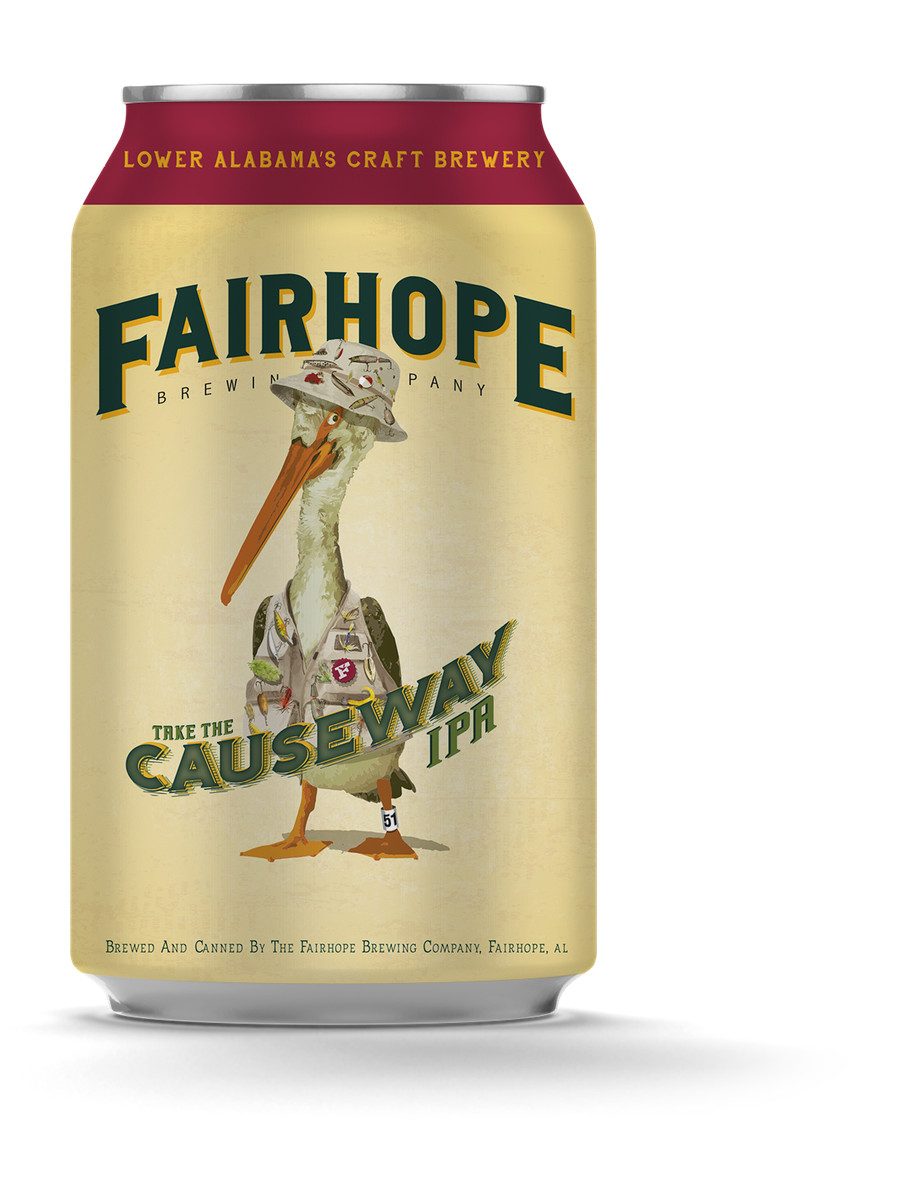
Take the Causeway
Brewed by Fairhope Brewing Company
Bitter enough for fat; crisp enough for seconds.
BAR NOTES
Alabama’s Biscuits and pork gravy meets Take the Causeway where pork richness needs bitterness, carbonation, or a clean malt edge. Creamy gravy and pork sausage need the IPA’s bitterness and carbonation, while biscuit crust gives the malt something toasted to hold onto. The pairing keeps the plate recognizable while giving every fatty bite a useful reset.
Split the biscuits while hot, keep the gravy pepper-forward, and serve a smaller pour; this eight-percent IPA is a knife, not breakfast juice. Pour the beer at proper serving temperature and taste it after the pork, not before; the best signal is whether the second bite feels sharper than the first.
Keep drinking through the complete Alabama beer guide →
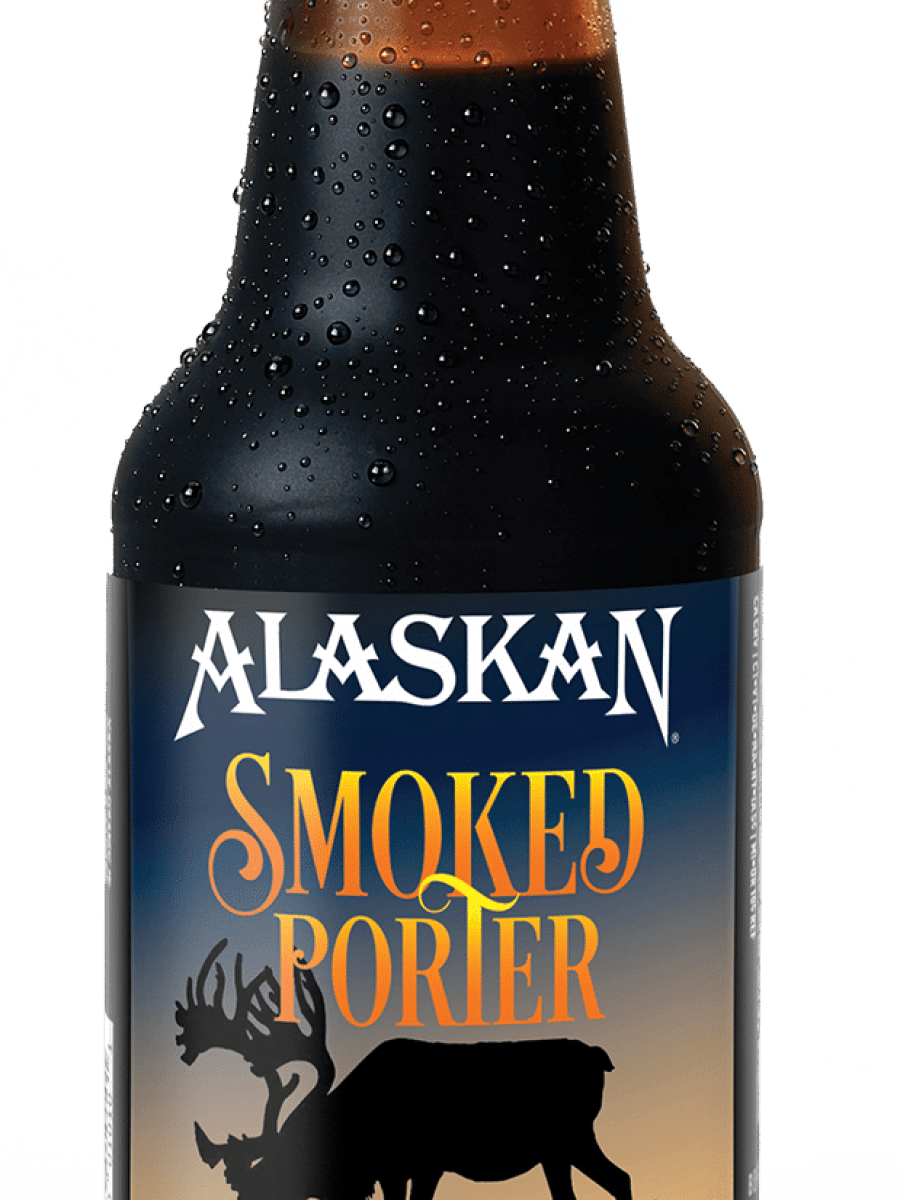
Smoked Porter
Brewed by Alaskan Brewing Company
Smoke, salt, and malt reporting for feast duty.
BAR NOTES
The Reindeer sausage is Alaska’s Porktoberfeast contribution, and Smoked Porter is the local counterweight. Commercial reindeer sausage commonly leans on pork for fat and texture, and smoked porter mirrors the casing’s char without losing the meat’s spice. That makes the beer part of the plate’s structure instead of a random in-state souvenir.
Griddle the links hard, add sharp mustard and pickled cabbage, and let the beer warm slightly so its smoke joins the sausage instead of merely shadowing it. Keep portion size sensible and the beer cold. Pork, cheese, gravy, bread, and smoke become much easier to understand when every component has enough room to remain distinct.
Keep drinking through the complete Alaska beer guide →
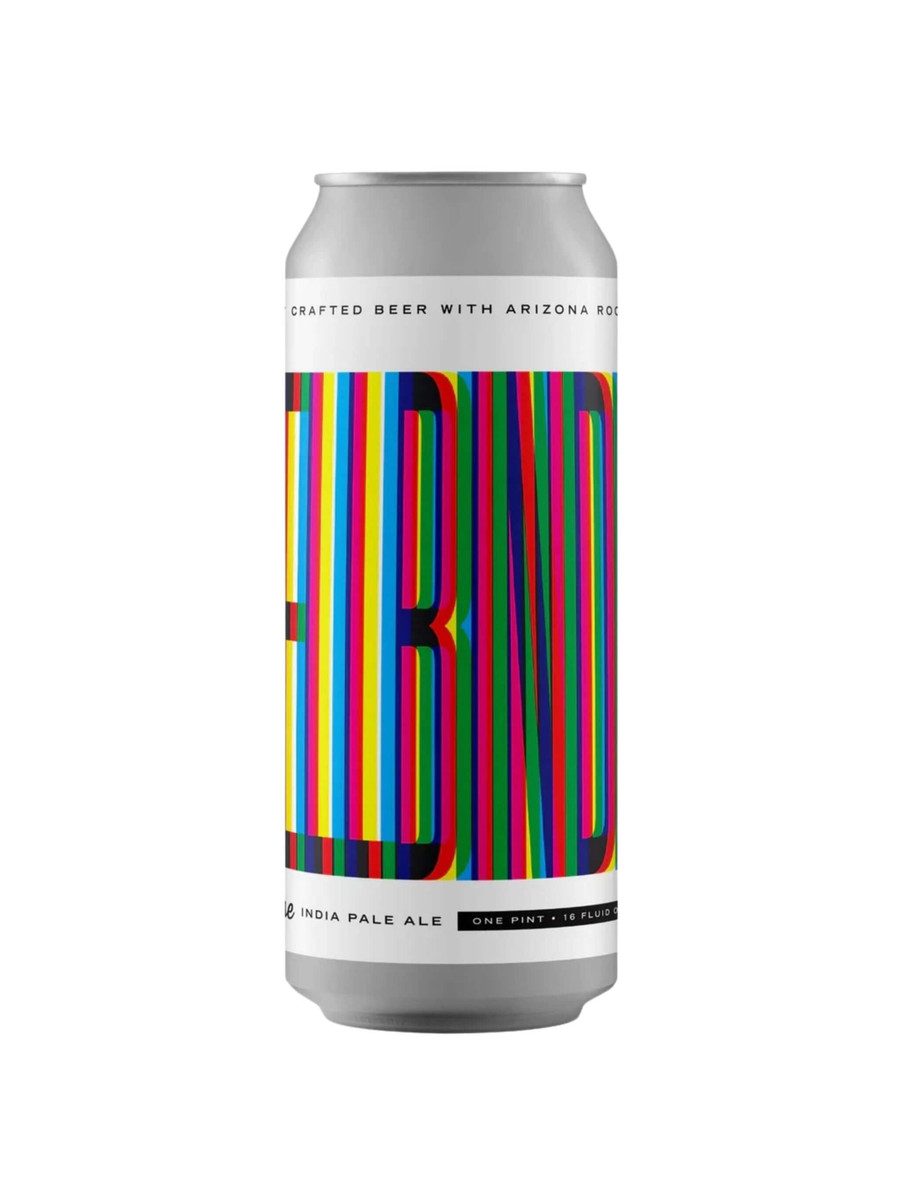
Spellbinder
Brewed by Wren House Brewing Company
The local beer keeps the pork parade moving.
BAR NOTES
Wren House Brewing Company’s hazy ipa earns its place beside Pork chimichanga through contrast rather than simple flavor matching. Juicy pork and a fried tortilla give hazy citrus hops enough weight, while bitterness clears cheese, crema, and chile between forkfuls. The beer cleans, lifts, or connects the plate without turning a regional dish into a tasting-room stunt.
Keep the filling savory, fry the shell crisp, and use bright salsa instead of heavy queso; the beer should refresh the plate, not fight another creamy blanket. Alternate bite and sip instead of washing the food down automatically. The pairing succeeds when pork flavor returns clearly after the beer rather than disappearing behind hops or malt.
Keep drinking through the complete Arizona beer guide →
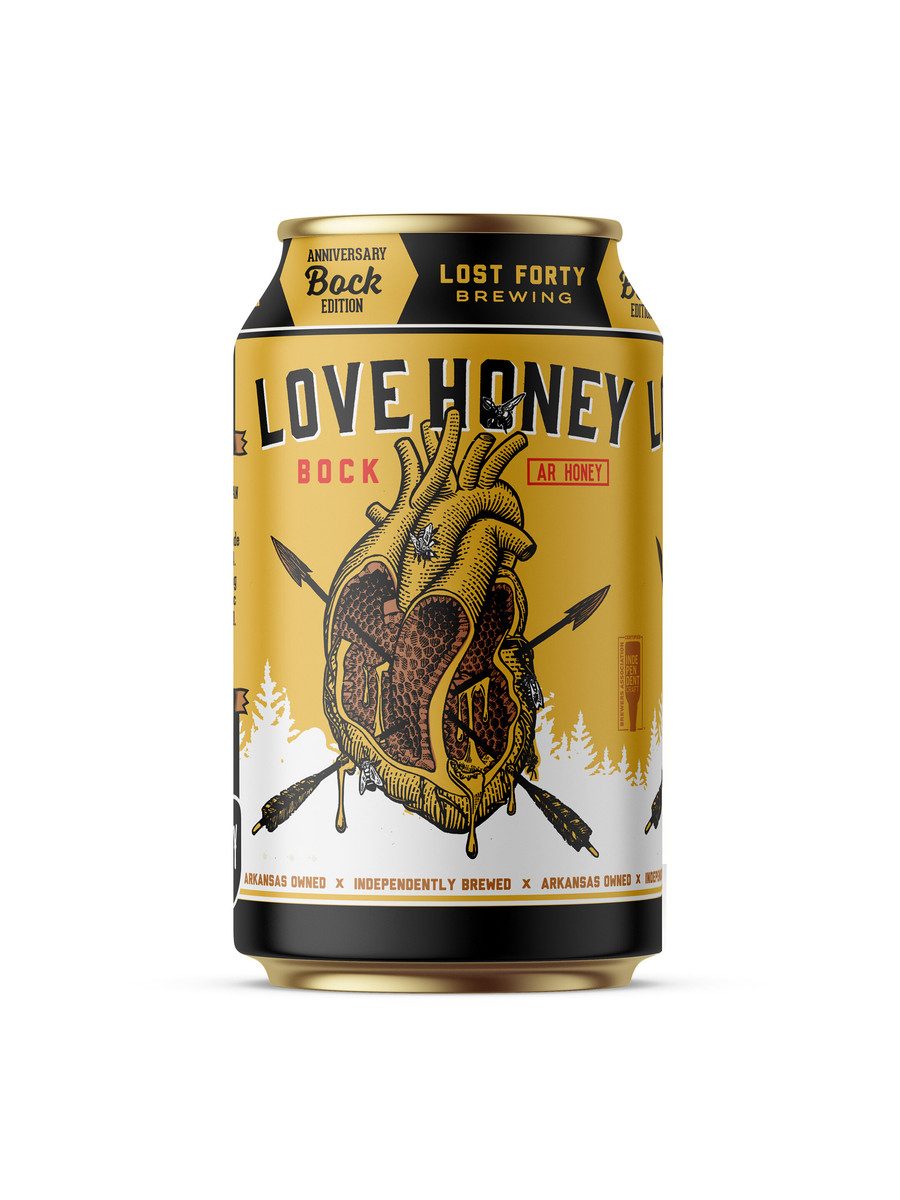
Love Honey Bock
Brewed by Lost Forty Brewing
Rich plate, cold pour, absolutely no surrender.
BAR NOTES
This stop treats Biscuits and pork gravy as a complete regional plate, not merely an excuse to add bacon. Honeyed malt finds the browned sausage and biscuit crust, while enough carbonation remains to loosen a rich, peppery gravy. Love Honey Bock brings the local pour and enough structure to keep richness, smoke, salt, and sauce in motion.
Use a modest spoonful of honey in the biscuits rather than the gravy, then finish with black pepper so the pairing stays savory despite the bock’s soft sweetness. Serve the plate hot enough for aroma and the beer cold enough for precision. That temperature split keeps rendered fat pleasant and prevents alcohol, sweetness, or bitterness from taking over.
Keep drinking through the complete Arkansas beer guide →
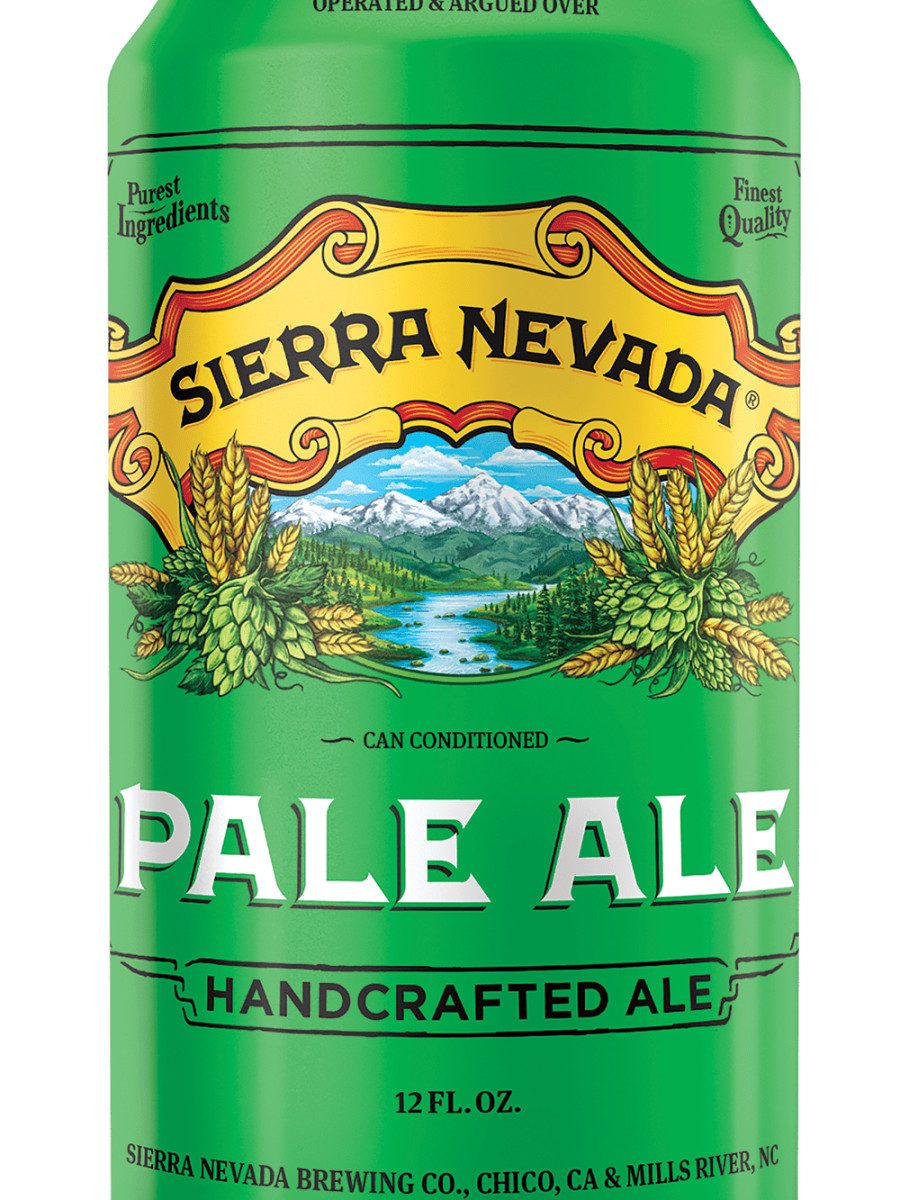
Sierra Nevada Pale Ale
Brewed by Sierra Nevada Brewing Co.
Pork handles the flavor; beer handles traffic control.
BAR NOTES
California sends Carnitas burrito to the table with Sierra Nevada Pale Ale, a pairing built around what the pork actually needs. Pale-ale citrus and bitterness sharpen slow-cooked pork, rice, beans, avocado, and tortilla without turning the burrito into an acid contest. Every sip should reopen the plate rather than simply echo smoke, salt, or sweetness.
Crisp the carnitas before rolling, keep the rice light, and use salsa verde generously; browned edges are what connect the pork to the beer’s toasted grain. Resist adding extra sauce until after the first taste. A good local beer often supplies the missing bitterness, acidity, or carbonation more cleanly than another condiment can.
Keep drinking through the complete California beer guide →
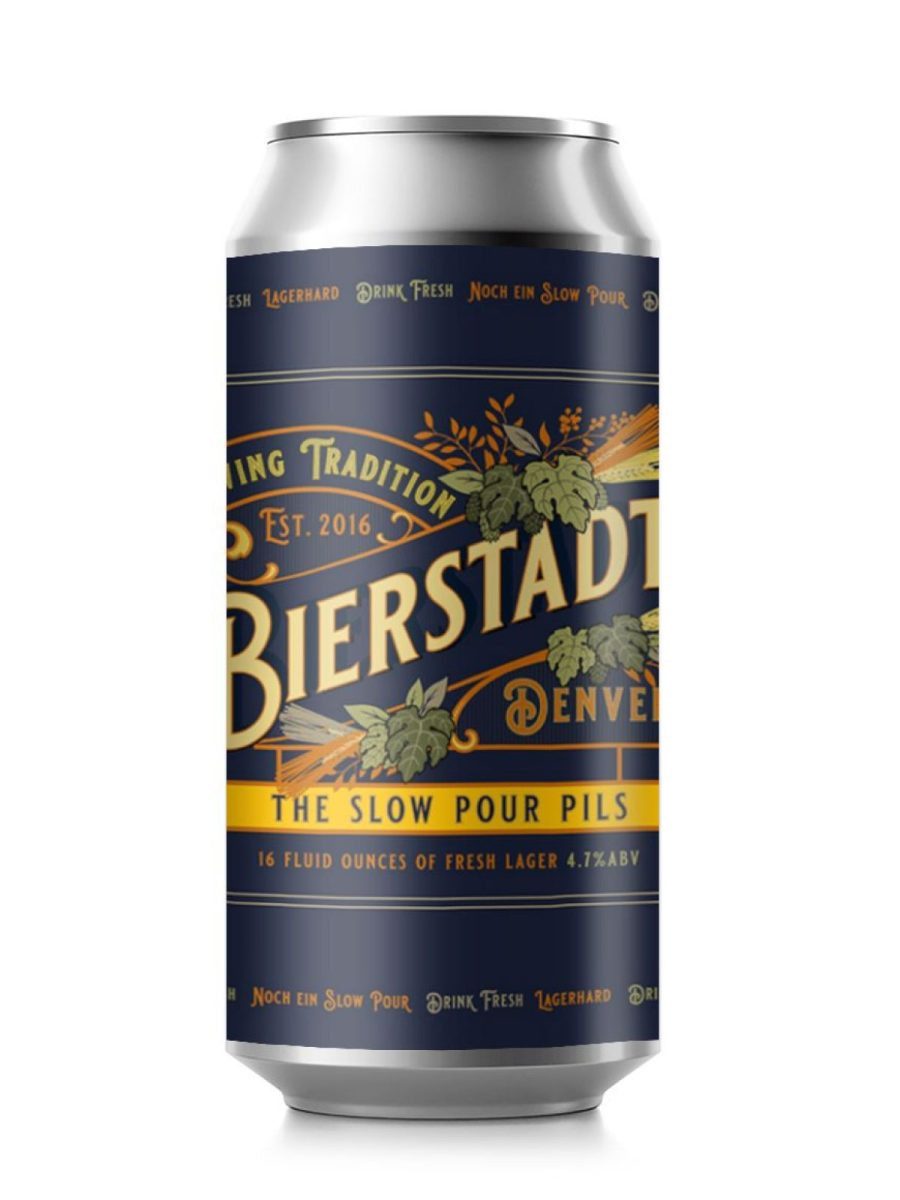
Slow Pour Pils
Brewed by Bierstadt Lagerhaus
Bitter enough for fat; crisp enough for seconds.
BAR NOTES
Colorado’s Green chile ribs meets Slow Pour Pils where pork richness needs bitterness, carbonation, or a clean malt edge. A precise pilsner lets roasted chile remain the star while its bitter snap and carbonation clean rendered rib fat after every bite. The pairing keeps the plate recognizable while giving every fatty bite a useful reset.
Roast the chile until smoky, keep the sauce thin, and avoid excessive sugar; the slow pour works best when it is cutting pork rather than chasing dessert glaze. Pour the beer at proper serving temperature and taste it after the pork, not before; the best signal is whether the second bite feels sharper than the first.
Keep drinking through the complete Colorado beer guide →
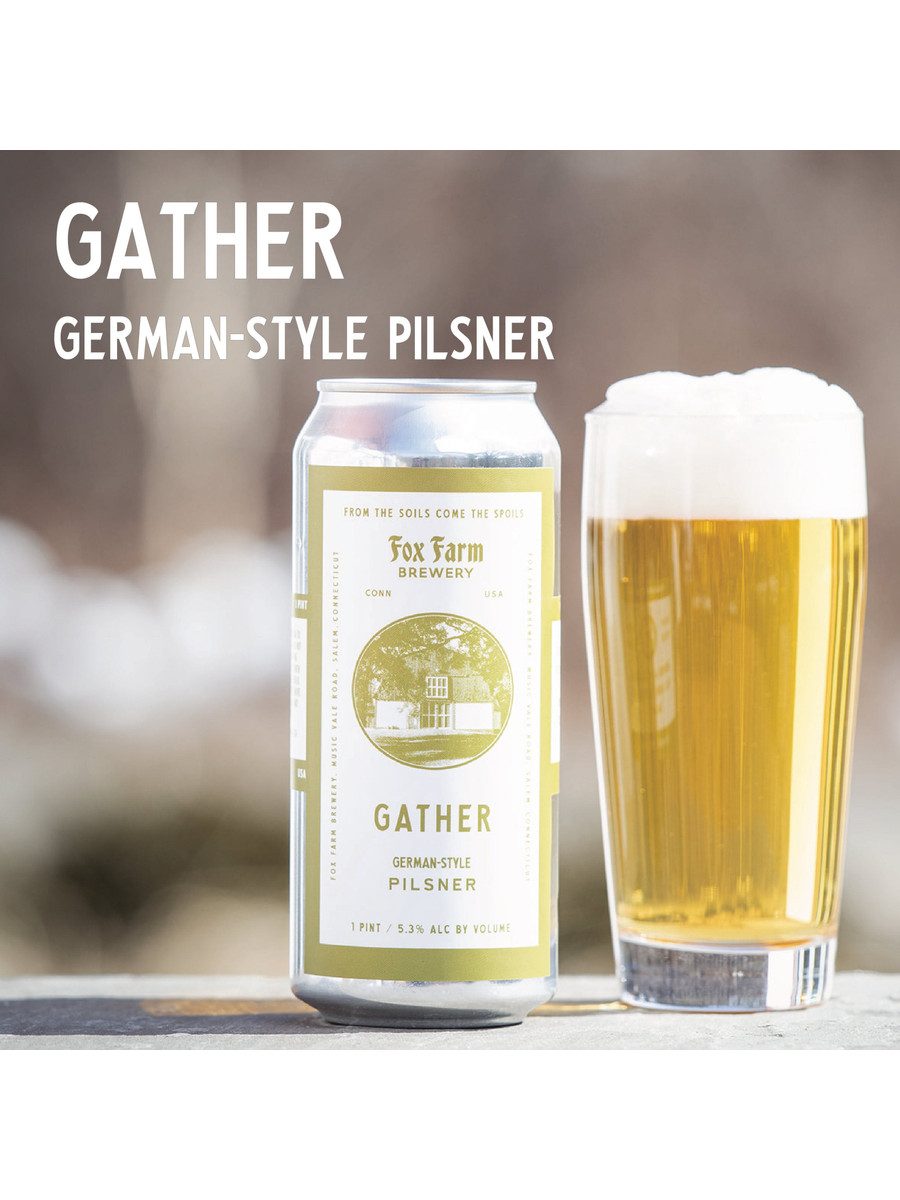
Gather
Brewed by Fox Farm Brewery
Smoke, salt, and malt reporting for feast duty.
BAR NOTES
The The New Englander hot dog is Connecticut’s Porktoberfeast contribution, and Gather is the local counterweight. Clean pilsner malt supports the bun and sausage while bitterness organizes bacon, sauerkraut, mustard, and the inevitable pile of regional opinions. That makes the beer part of the plate’s structure instead of a random in-state souvenir.
Use a natural-casing dog, crisp the bacon, and drain the kraut before building; the beer rewards snap and tang but cannot rescue a soaked bun. Keep portion size sensible and the beer cold. Pork, cheese, gravy, bread, and smoke become much easier to understand when every component has enough room to remain distinct.
Keep drinking through the complete Connecticut beer guide →
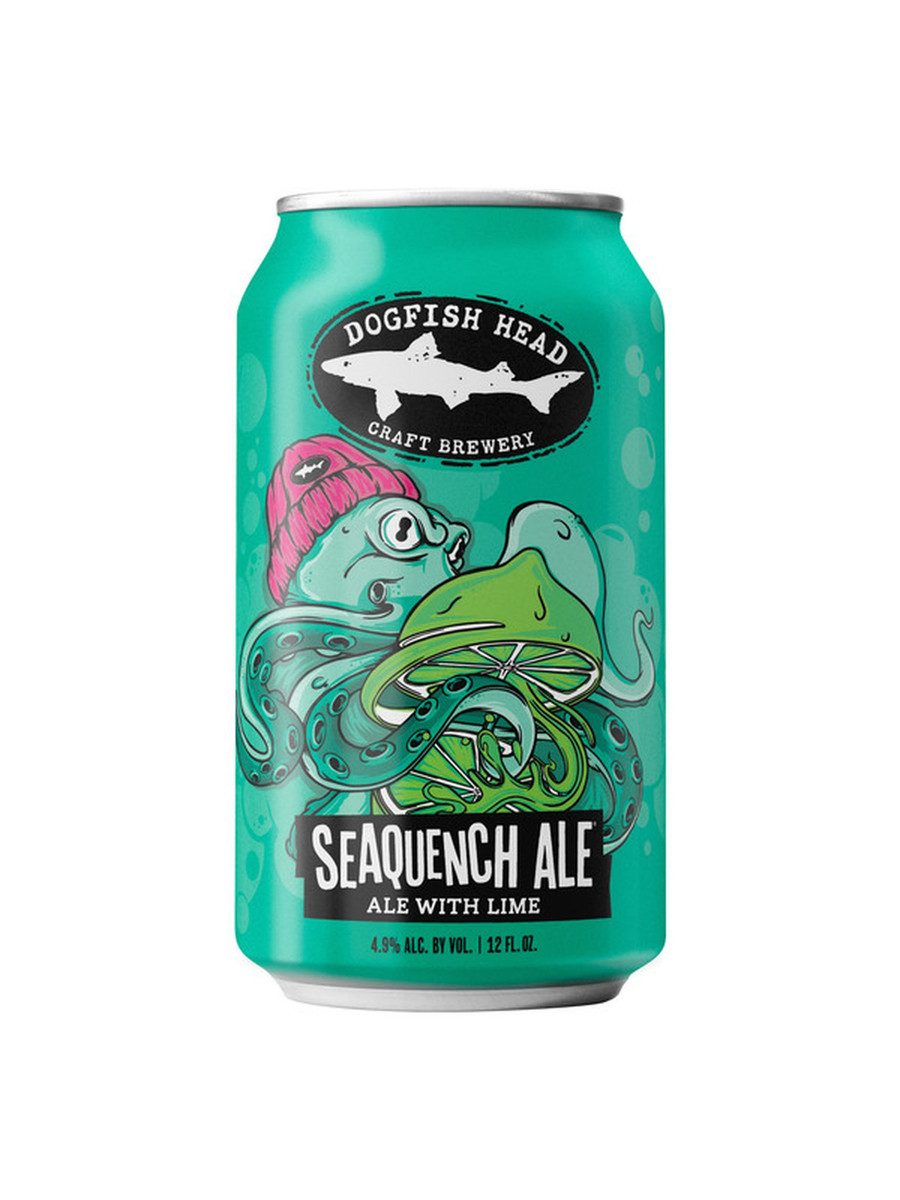
SeaQuench Ale
Brewed by Dogfish Head Craft Brewery
The local beer keeps the pork parade moving.
BAR NOTES
Dogfish Head Craft Brewery’s session sour ale earns its place beside Scrapple through contrast rather than simple flavor matching. SeaQuench brings lemon, lime, salt, and tartness to a deeply savory pork-and-grain slice, cutting richness without pretending scrapple is delicate. The beer cleans, lifts, or connects the plate without turning a regional dish into a tasting-room stunt.
Slice the scrapple thick enough to keep a soft center, fry both faces dark, and use hot sauce sparingly so the sour ale still has room to work. Alternate bite and sip instead of washing the food down automatically. The pairing succeeds when pork flavor returns clearly after the beer rather than disappearing behind hops or malt.
Keep drinking through the complete Delaware beer guide →
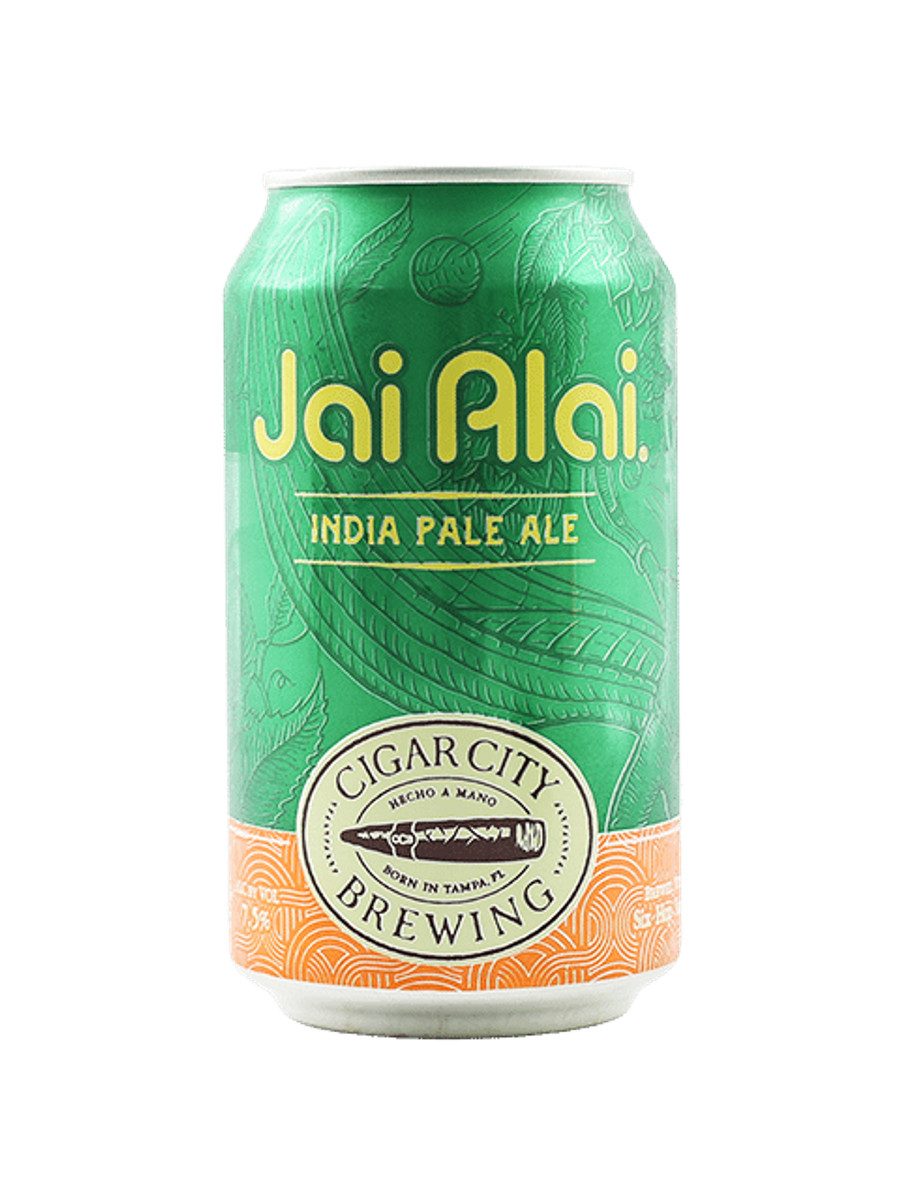
Jai Alai IPA
Brewed by Cigar City Brewing
Rich plate, cold pour, absolutely no surrender.
BAR NOTES
This stop treats Cubano as a complete regional plate, not merely an excuse to add bacon. Jai Alai’s citrus-heavy bitterness cuts roast pork, ham, Swiss, and buttered bread, while the sandwich’s mustard and pickles keep the IPA from tasting blunt. Jai Alai IPA brings the local pour and enough structure to keep richness, smoke, salt, and sauce in motion.
Press the sandwich until flat and crackling, use yellow mustard, and keep the pickles sharp; every fatty layer needs either browning or acid to earn its place. Serve the plate hot enough for aroma and the beer cold enough for precision. That temperature split keeps rendered fat pleasant and prevents alcohol, sweetness, or bitterness from taking over.
Keep drinking through the complete Florida beer guide →
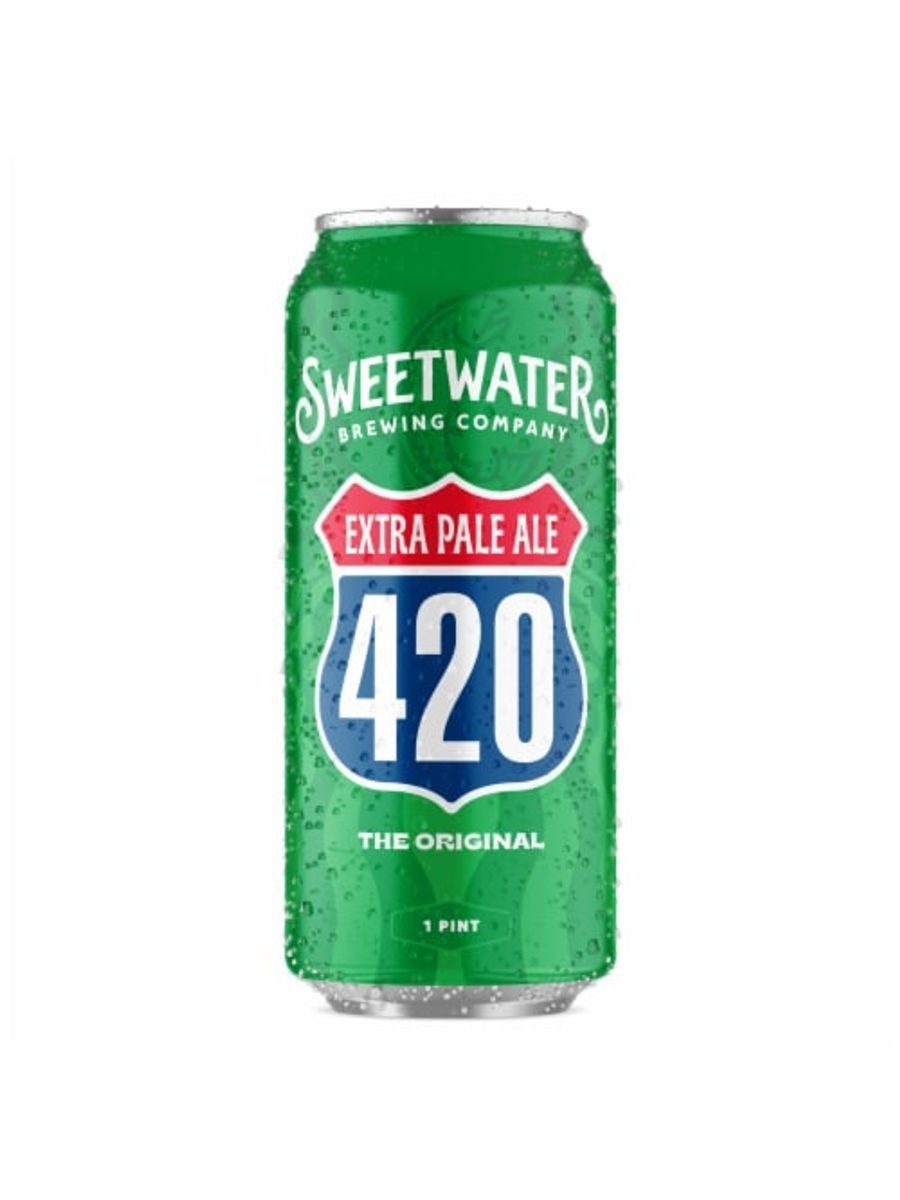
420 Extra Pale Ale
Brewed by SweetWater Brewing Company
Pork handles the flavor; beer handles traffic control.
BAR NOTES
Georgia sends Low-Country boil to the table with 420 Extra Pale Ale, a pairing built around what the pork actually needs. The pork contribution is smoked sausage, and the extra pale ale bridges its spice to sweet corn, shrimp, lemon, and Old Bay without overpowering the seafood. Every sip should reopen the plate rather than simply echo smoke, salt, or sweetness.
Drain the pot thoroughly, slice the sausage thick, and dust seasoning at the table; a balanced boil gives the beer several flavors to connect instead of one wall of salt. Resist adding extra sauce until after the first taste. A good local beer often supplies the missing bitterness, acidity, or carbonation more cleanly than another condiment can.
Keep drinking through the complete Georgia beer guide →
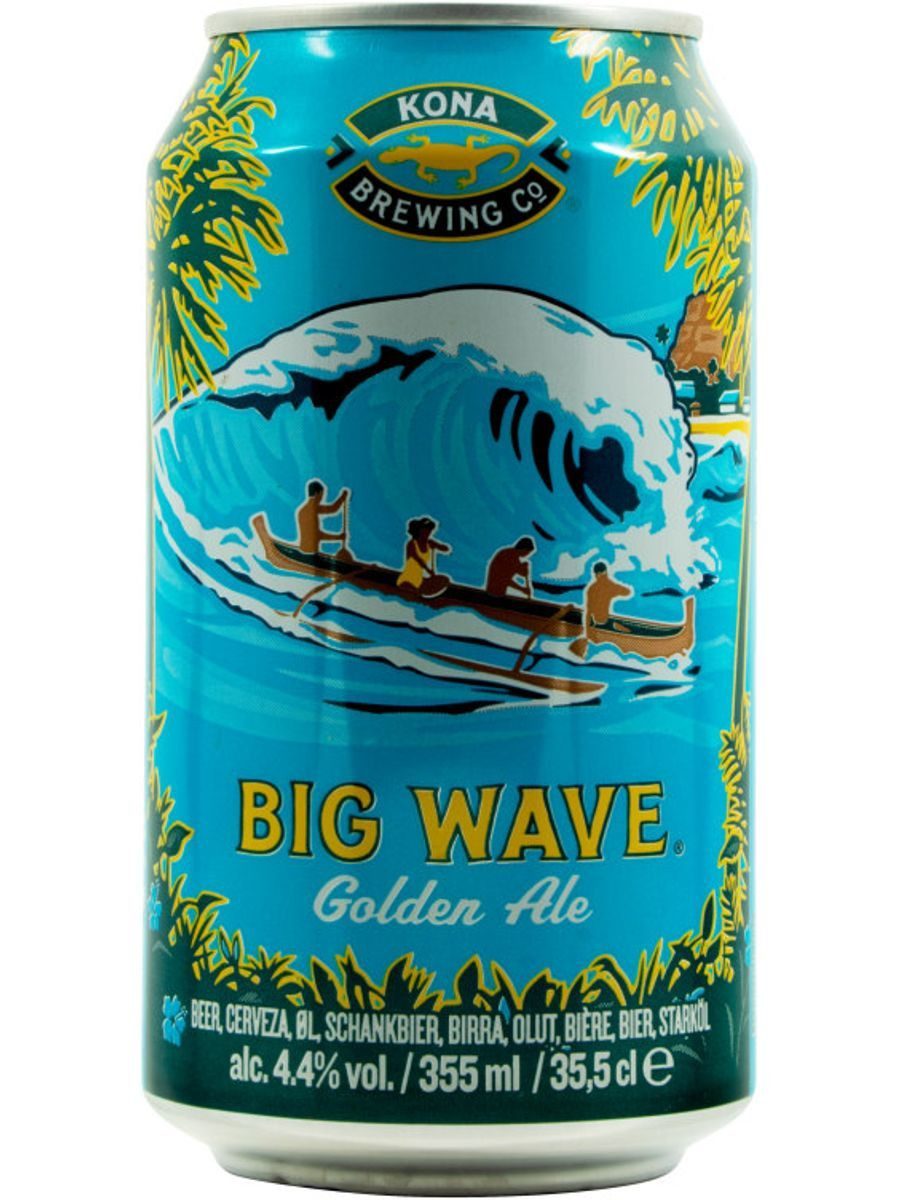
Big Wave Golden Ale
Brewed by Kona Brewing Hawaiʻi
Bitter enough for fat; crisp enough for seconds.
BAR NOTES
Hawaii’s Manapua meets Big Wave Golden Ale where pork richness needs bitterness, carbonation, or a clean malt edge. Golden ale keeps a light hand beside sweet-savory char siu, matching the pillowy bun while carbonation prevents glaze and pork fat from becoming sticky. The pairing keeps the plate recognizable while giving every fatty bite a useful reset.
Steam the buns until tender, use a balanced filling, and add chile sauce only at the table; Big Wave works because it stays quieter than the food. Pour the beer at proper serving temperature and taste it after the pork, not before; the best signal is whether the second bite feels sharper than the first.
Keep drinking through the complete Hawaii beer guide →
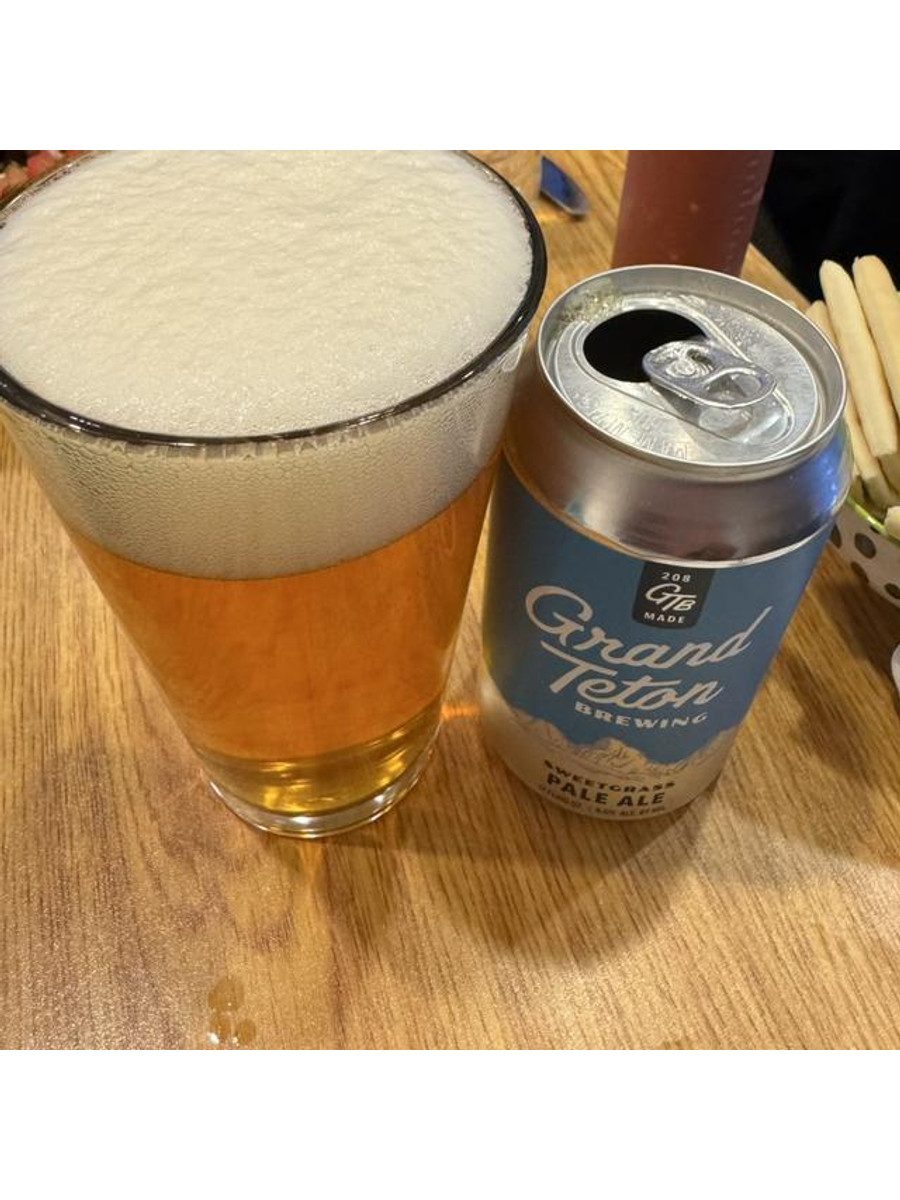
Sweetgrass Pale Ale
Brewed by Grand Teton Brewing
Smoke, salt, and malt reporting for feast duty.
BAR NOTES
The Potato ham bake is Idaho’s Porktoberfeast contribution, and Sweetgrass Pale Ale is the local counterweight. Sweetgrass brings enough citrus and malt to lift potatoes, smoky ham, cream, and browned cheese without erasing the casserole’s deliberately comforting character. That makes the beer part of the plate’s structure instead of a random in-state souvenir.
Slice the potatoes evenly, brown the top aggressively, and choose a sharp cheese; texture and salt keep this pairing alive long after the first creamy bite. Keep portion size sensible and the beer cold. Pork, cheese, gravy, bread, and smoke become much easier to understand when every component has enough room to remain distinct.
Keep drinking through the complete Idaho beer guide →
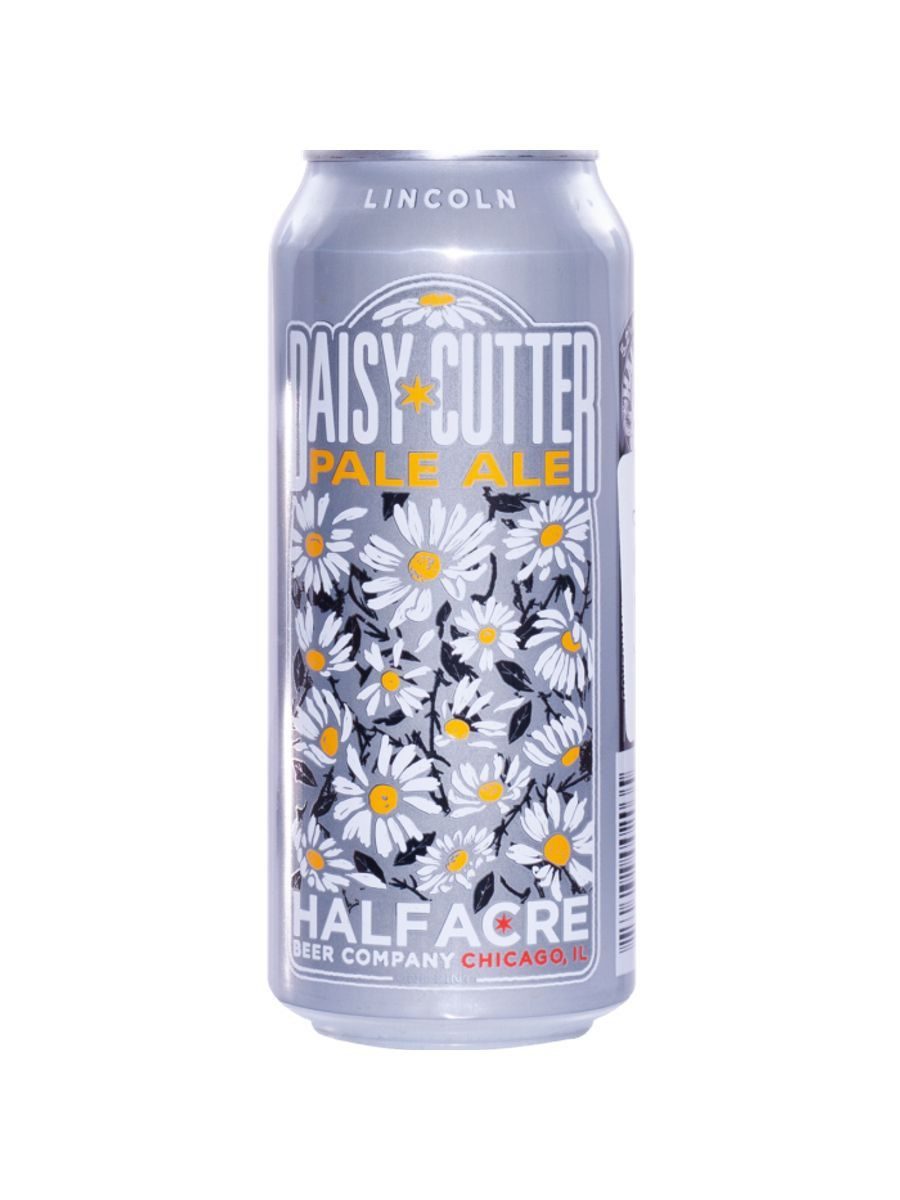
Daisy Cutter
Brewed by Half Acre Beer Co.
The local beer keeps the pork parade moving.
BAR NOTES
Half Acre Beer Co.’s american pale ale earns its place beside Chicago deep-dish pepperoni pizza through contrast rather than simple flavor matching. Daisy Cutter’s clean bitterness cuts cheese and pepperoni fat, while pale malt follows the browned crust through a slice thick enough to qualify as architecture. The beer cleans, lifts, or connects the plate without turning a regional dish into a tasting-room stunt.
Bake until the edge is nearly fried, keep the sauce bright, and resist unnecessary toppings; the beer needs a defined target rather than an entire refrigerator in the pan. Alternate bite and sip instead of washing the food down automatically. The pairing succeeds when pork flavor returns clearly after the beer rather than disappearing behind hops or malt.
Keep drinking through the complete Illinois beer guide →
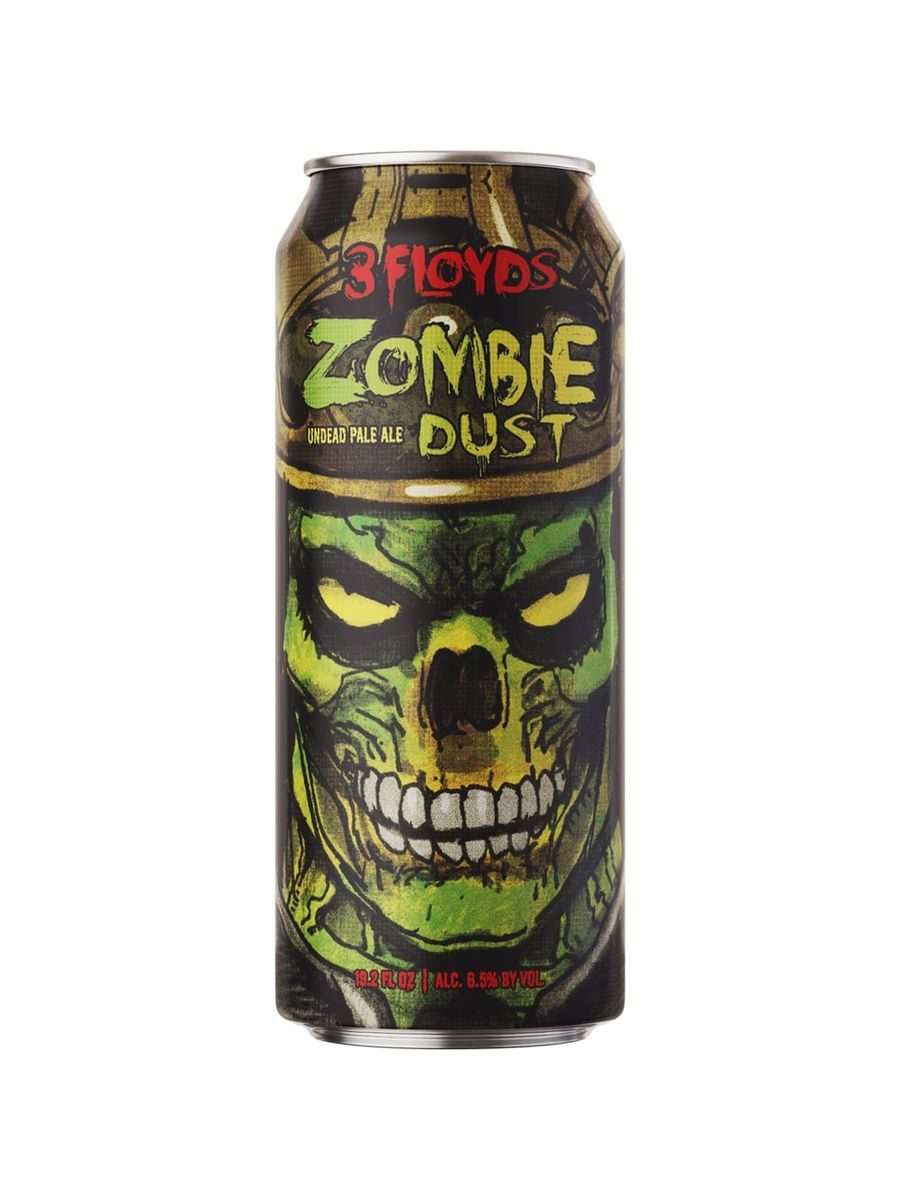
Zombie Dust
Brewed by 3 Floyds Brewing
Rich plate, cold pour, absolutely no surrender.
BAR NOTES
This stop treats Breaded pork tenderloin sandwich as a complete regional plate, not merely an excuse to add bacon. Zombie Dust has the hop force for a fried cutlet whose crisp edges extend far beyond the bun, while citrus lifts mustard, onion, and pickles. Zombie Dust brings the local pour and enough structure to keep richness, smoke, salt, and sauce in motion.
Pound the pork thin, bread it evenly, and use a comically modest bun; the mismatch is part of the dish, but soggy breading is not. Serve the plate hot enough for aroma and the beer cold enough for precision. That temperature split keeps rendered fat pleasant and prevents alcohol, sweetness, or bitterness from taking over.
Keep drinking through the complete Indiana beer guide →
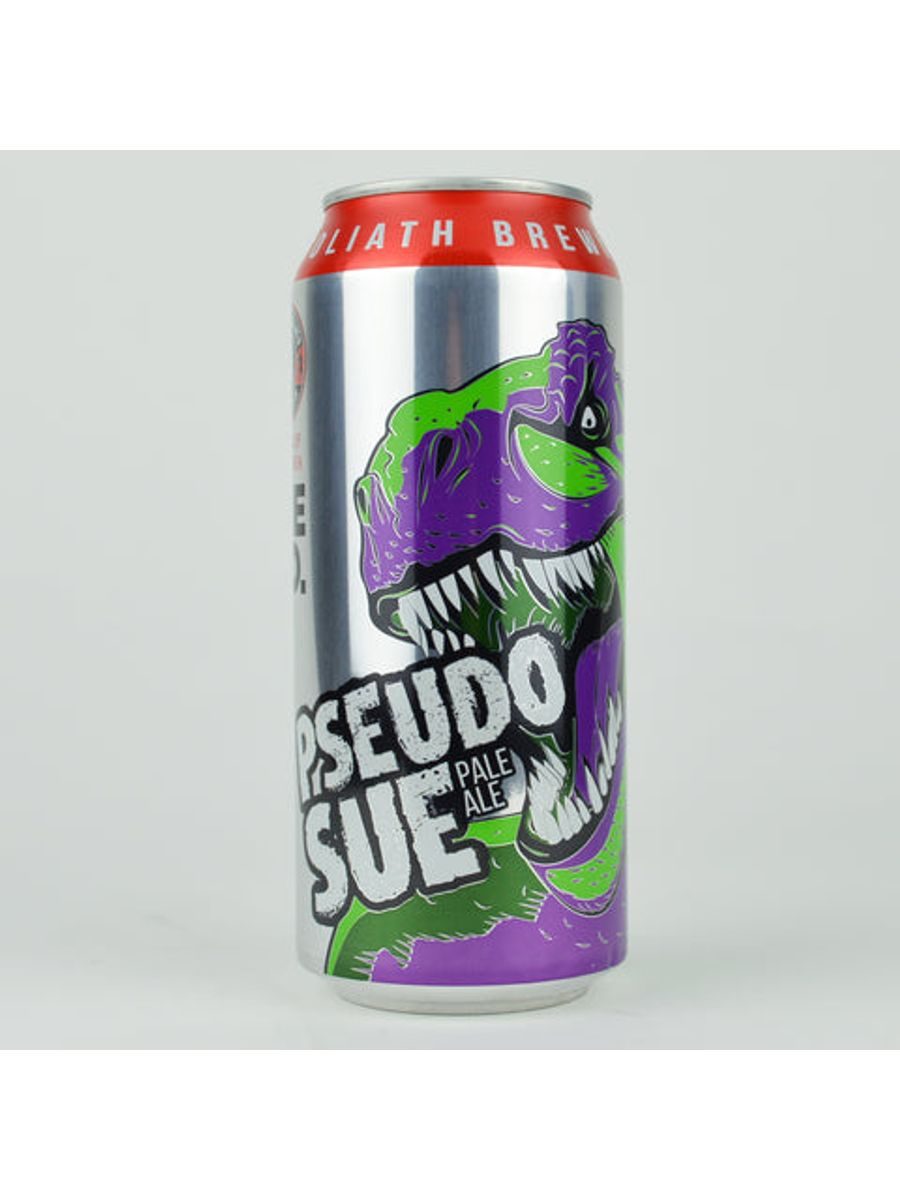
Pseudo Sue
Brewed by Toppling Goliath Brewing Co.
Pork handles the flavor; beer handles traffic control.
BAR NOTES
I