50 Best Fruit Beers for 2026: Cherries, Citrus & Beyond
Fruit beer is bigger than raspberry syrup and orange wedges. The strongest examples use whole cherries, apricots, grapes, citrus, tropical fruit, or berries as real brewing ingredients—fermenting sweetness away, adding tannin and acidity, or sharpening hops and grain.
This Top 50 rewards recognizable fruit, a solid beer underneath it, balance, and a reason to order another pour. The board moves from world-class Belgian lambic and barrel-aged American wild ale through modern fruit sour, gose, wheat beer, and genuinely useful alcohol-free options.
The 50 Best Fruit Beers
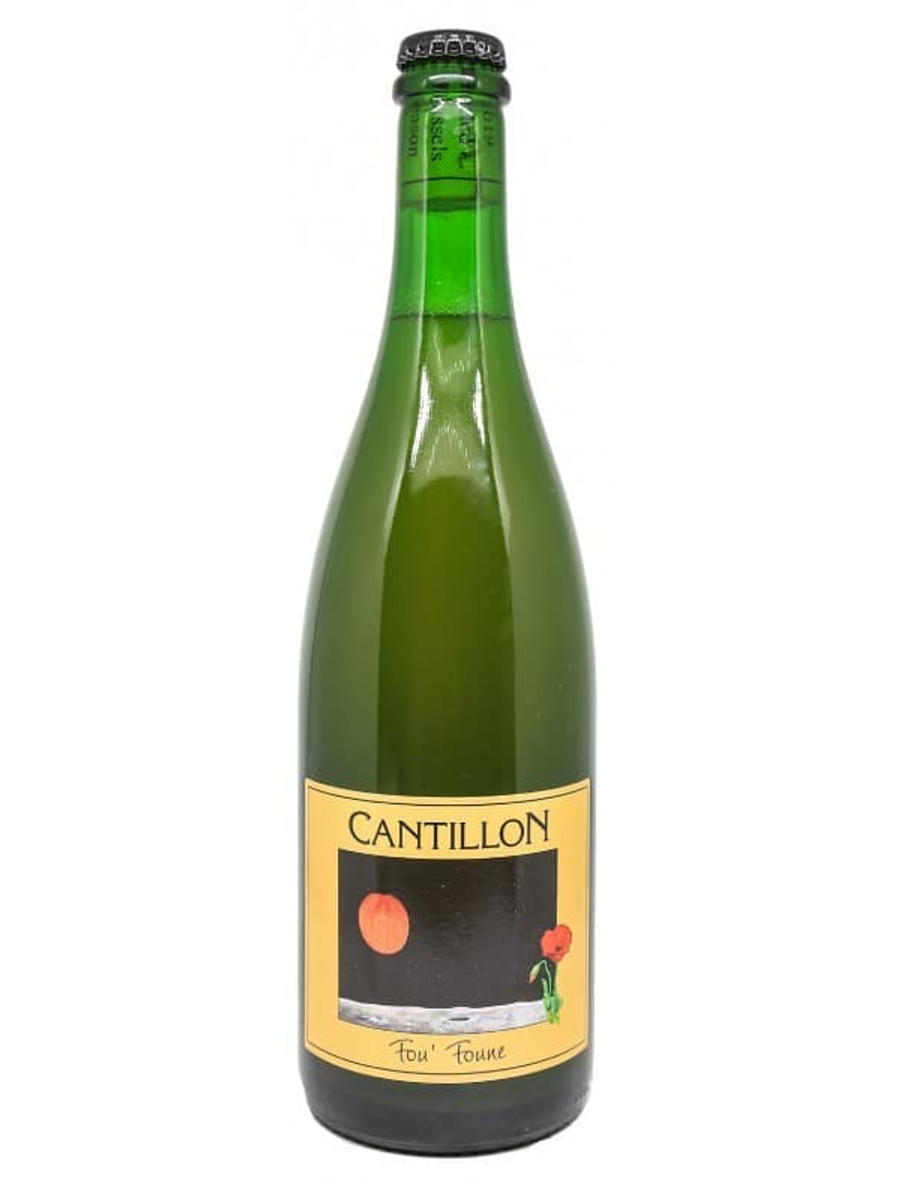
Cantillon Fou' Foune
Brewed by Brasserie Cantillon
Apricot lambic: ripe apricot, lemon peel, cellar funk, and a dry mineral finish.
BAR NOTES
Cantillon Fou' Foune brings ripe apricot, lemon peel, cellar funk, and a dry mineral finish. Its place on this board comes from the way it whole Bergeron apricots amplify mature lambic without masking its native fermentation character. The fruit has a job beyond sweetness, adding aroma, acidity, tannin, color, or a sharper finish.
Serve it around 42–50°F in a tulip, wine glass, or tumbler and pair it with goat cheese, roast duck, or almond tart. Buy hop-forward and delicate fruit cans fresh; bottle-conditioned lambic and sturdy barrel-aged releases may gain softer, more integrated character in a cool dark cellar.
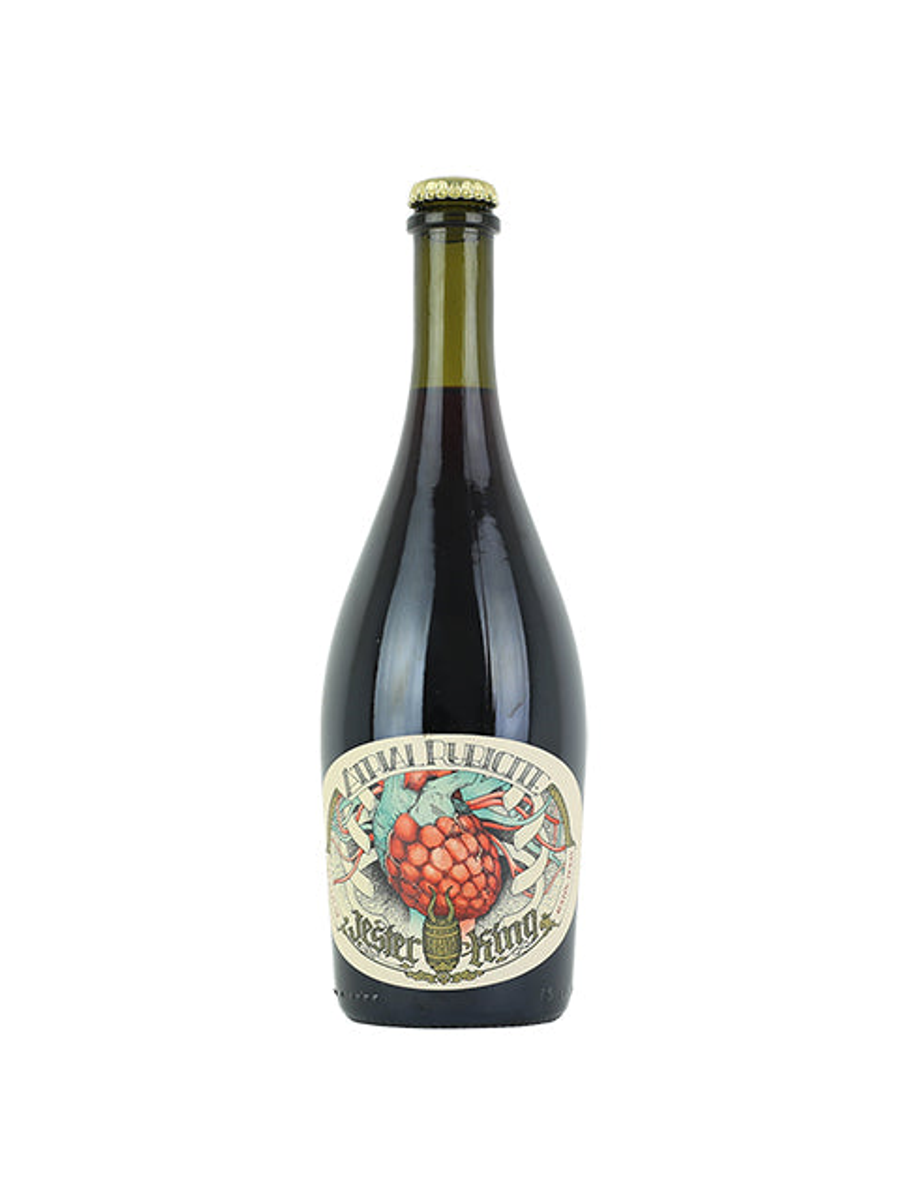
Jester King Atrial Rubicite
Brewed by Jester King Brewery
Farmhouse ale + raspberries: dense raspberry, lemon, mineral, oak, and native-culture funk.
BAR NOTES
Jester King Atrial Rubicite brings dense raspberry, lemon, mineral, oak, and native-culture funk. Its place on this board comes from the way it became a Texas farmhouse landmark by making fruit intensity and local mixed fermentation support each other. The fruit has a job beyond sweetness, adding aroma, acidity, tannin, color, or a sharper finish.
Serve it around 42–50°F in a tulip, wine glass, or tumbler and pair it with chèvre, pork loin, or dark chocolate. Buy hop-forward and delicate fruit cans fresh; bottle-conditioned lambic and sturdy barrel-aged releases may gain softer, more integrated character in a cool dark cellar.
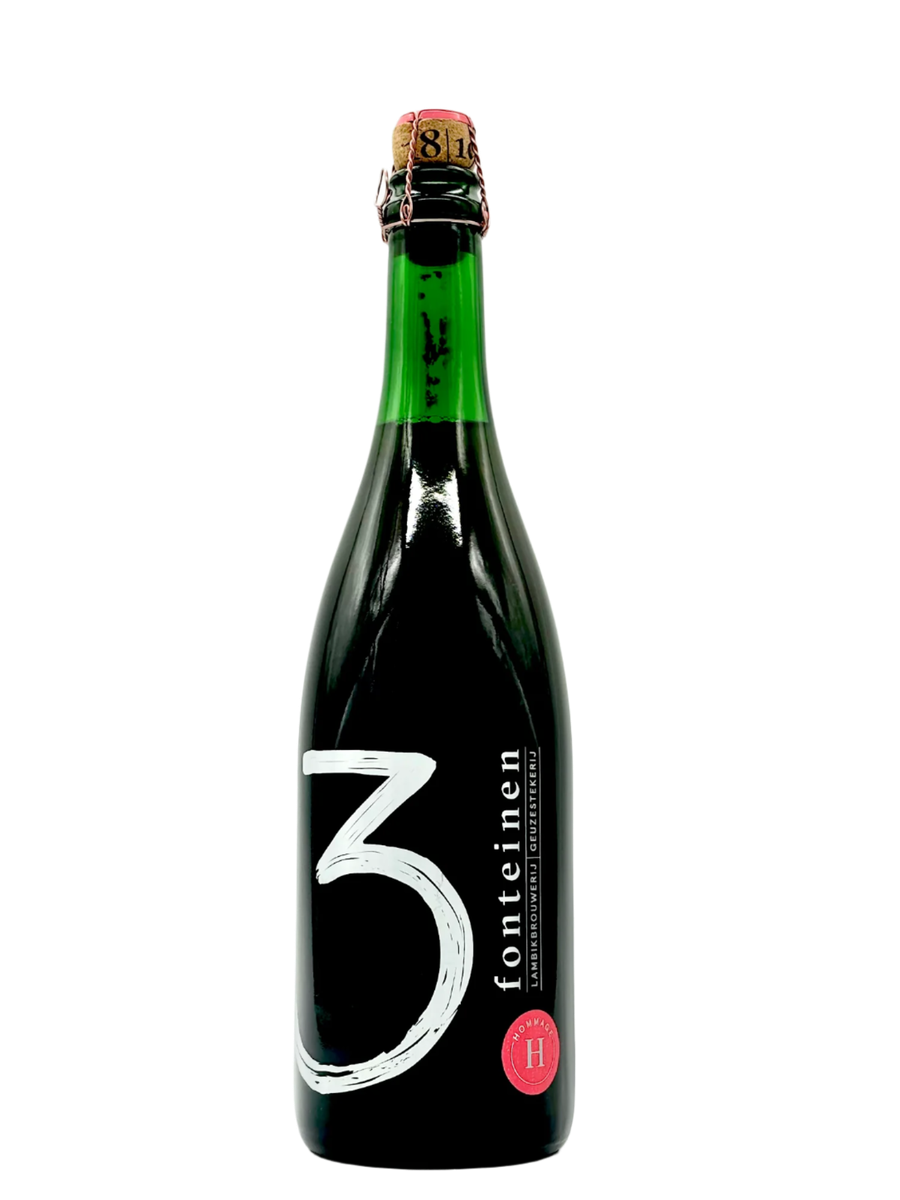
3 Fonteinen Hommage
Brewed by Brouwerij 3 Fonteinen
Red-fruit lambic: raspberry, sour cherry, almond, mineral, and soft oak.
BAR NOTES
3 Fonteinen Hommage brings raspberry, sour cherry, almond, mineral, and soft oak. Its place on this board comes from the way it the raspberry-and-cherry combination creates remarkable fruit density without sacrificing spontaneous-fermentation structure. The fruit has a job beyond sweetness, adding aroma, acidity, tannin, color, or a sharper finish.
Serve it around 42–50°F in a tulip, wine glass, or tumbler and pair it with duck, chèvre, or dark chocolate. Buy hop-forward and delicate fruit cans fresh; bottle-conditioned lambic and sturdy barrel-aged releases may gain softer, more integrated character in a cool dark cellar.
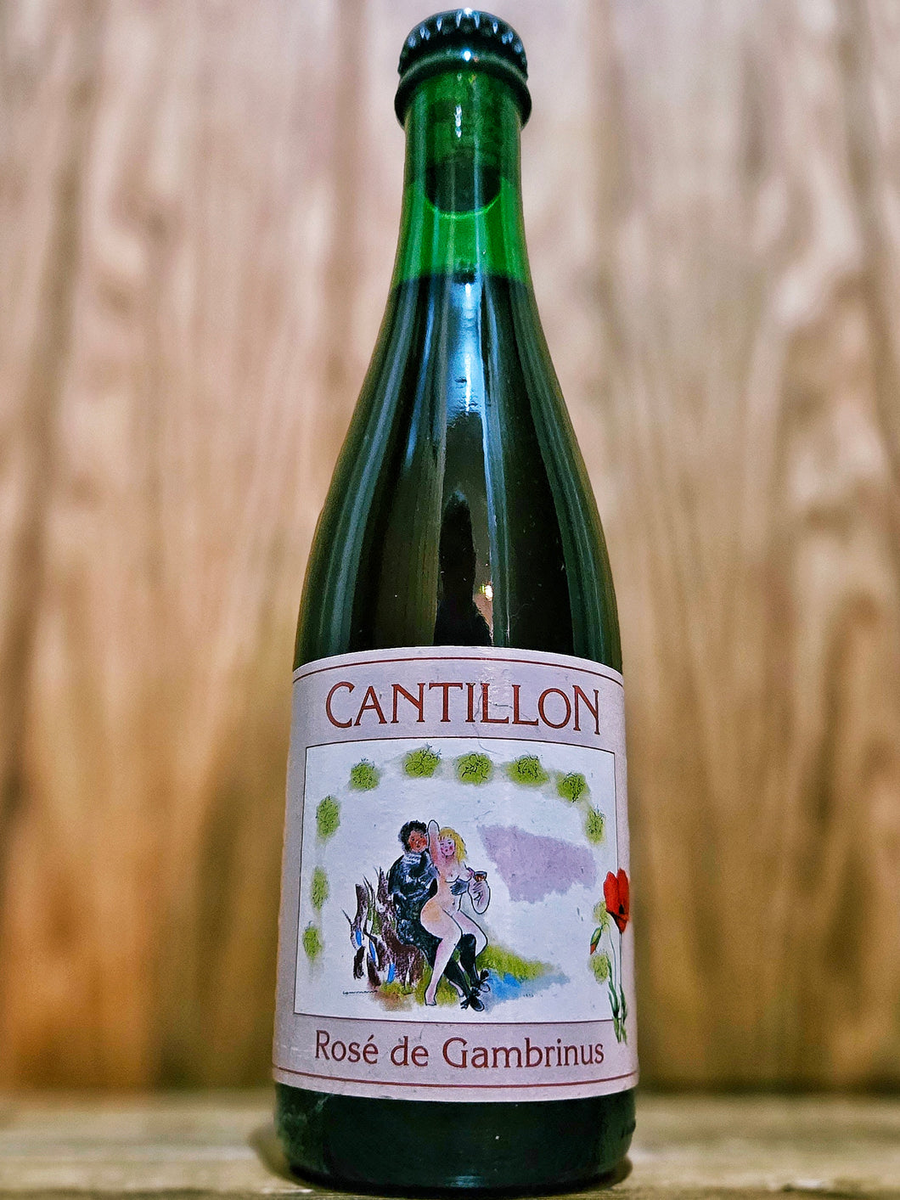
Cantillon Rosé de Gambrinus
Brewed by Brasserie Cantillon
Raspberry lambic: fresh raspberry, rose petal, lemon, oak, and bright acidity.
BAR NOTES
Cantillon Rosé de Gambrinus brings fresh raspberry, rose petal, lemon, oak, and bright acidity. Its place on this board comes from the way it a generous raspberry maceration brings perfume and color while the base beer keeps the finish dry. The fruit has a job beyond sweetness, adding aroma, acidity, tannin, color, or a sharper finish.
Serve it around 42–50°F in a tulip, wine glass, or tumbler and pair it with chèvre, duck, or flourless chocolate cake. Buy hop-forward and delicate fruit cans fresh; bottle-conditioned lambic and sturdy barrel-aged releases may gain softer, more integrated character in a cool dark cellar.
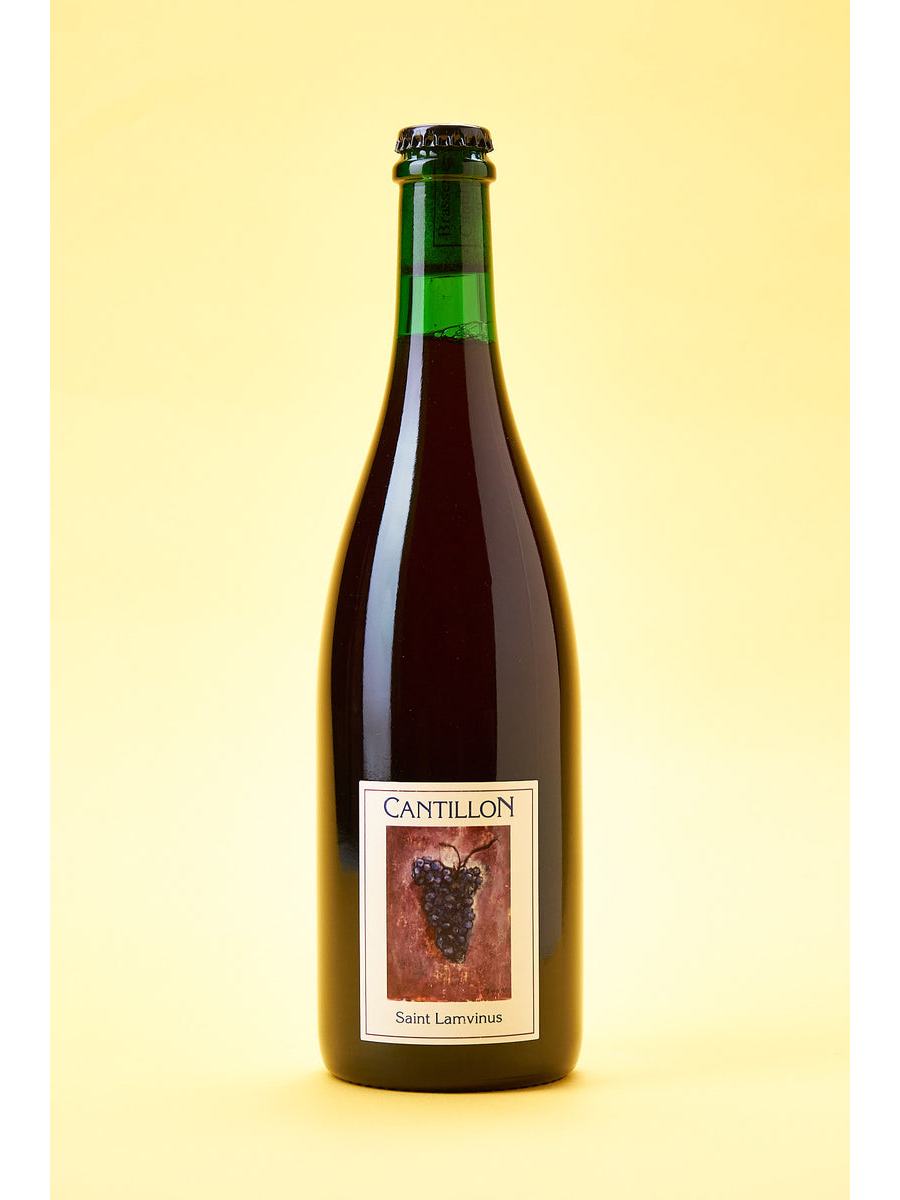
Cantillon Saint Lamvinus
Brewed by Brasserie Cantillon
Red-wine grape lambic: Merlot skin, black cherry, violet, oak, and vinous acidity.
BAR NOTES
Cantillon Saint Lamvinus brings Merlot skin, black cherry, violet, oak, and vinous acidity. Its place on this board comes from the way it wine grapes add tannin and dark-fruit depth without turning spontaneous beer into a novelty hybrid. The fruit has a job beyond sweetness, adding aroma, acidity, tannin, color, or a sharper finish.
Serve it around 42–50°F in a tulip, wine glass, or tumbler and pair it with duck breast, pâté, or blue cheese. Buy hop-forward and delicate fruit cans fresh; bottle-conditioned lambic and sturdy barrel-aged releases may gain softer, more integrated character in a cool dark cellar.
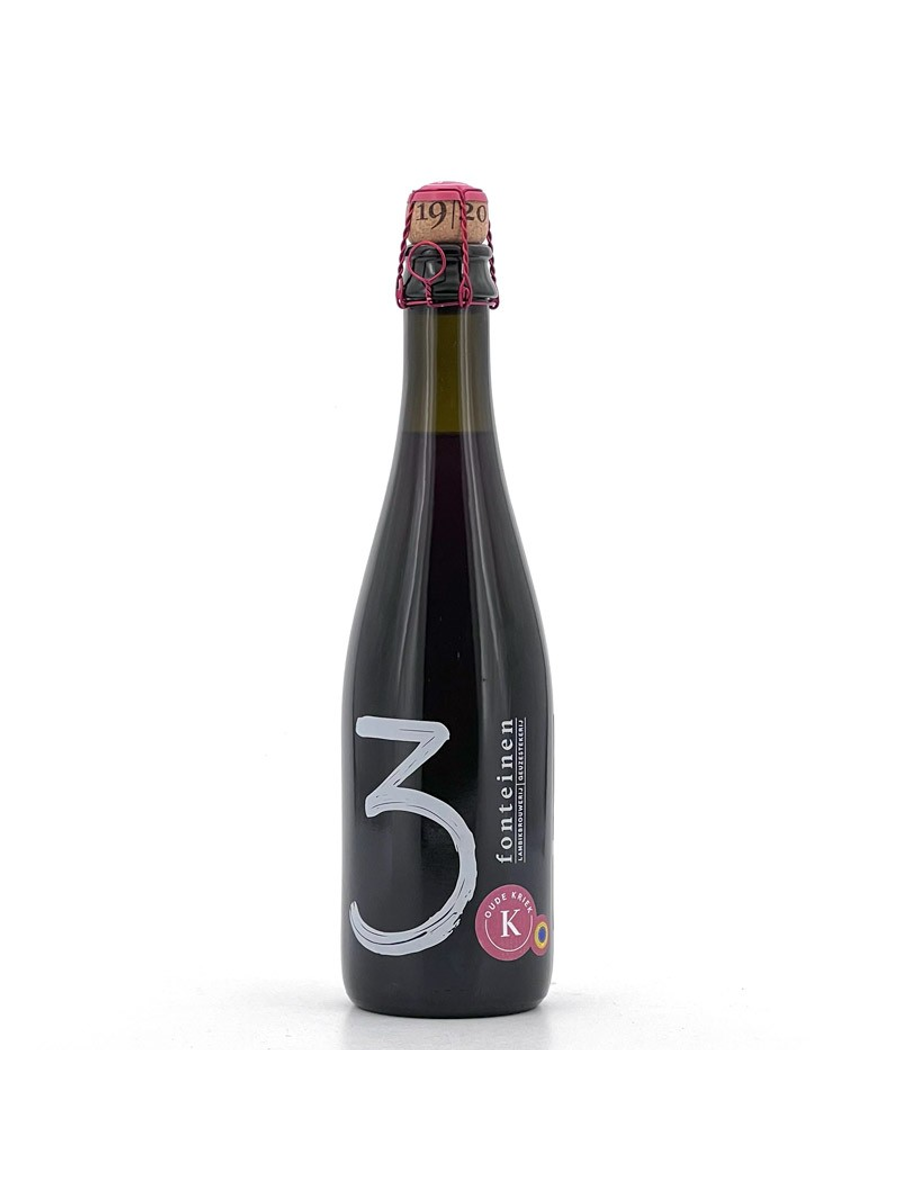
3 Fonteinen Oude Kriek
Brewed by Brouwerij 3 Fonteinen
Traditional kriek: fresh cherry, pit, lemon, hay, and mineral acidity.
BAR NOTES
3 Fonteinen Oude Kriek brings fresh cherry, pit, lemon, hay, and mineral acidity. Its place on this board comes from the way it whole fruit and patient bottle conditioning make the cherry taste agricultural rather than manufactured. The fruit has a job beyond sweetness, adding aroma, acidity, tannin, color, or a sharper finish.
Serve it around 42–50°F in a tulip, wine glass, or tumbler and pair it with duck breast, pâté, or chocolate tart. Buy hop-forward and delicate fruit cans fresh; bottle-conditioned lambic and sturdy barrel-aged releases may gain softer, more integrated character in a cool dark cellar.
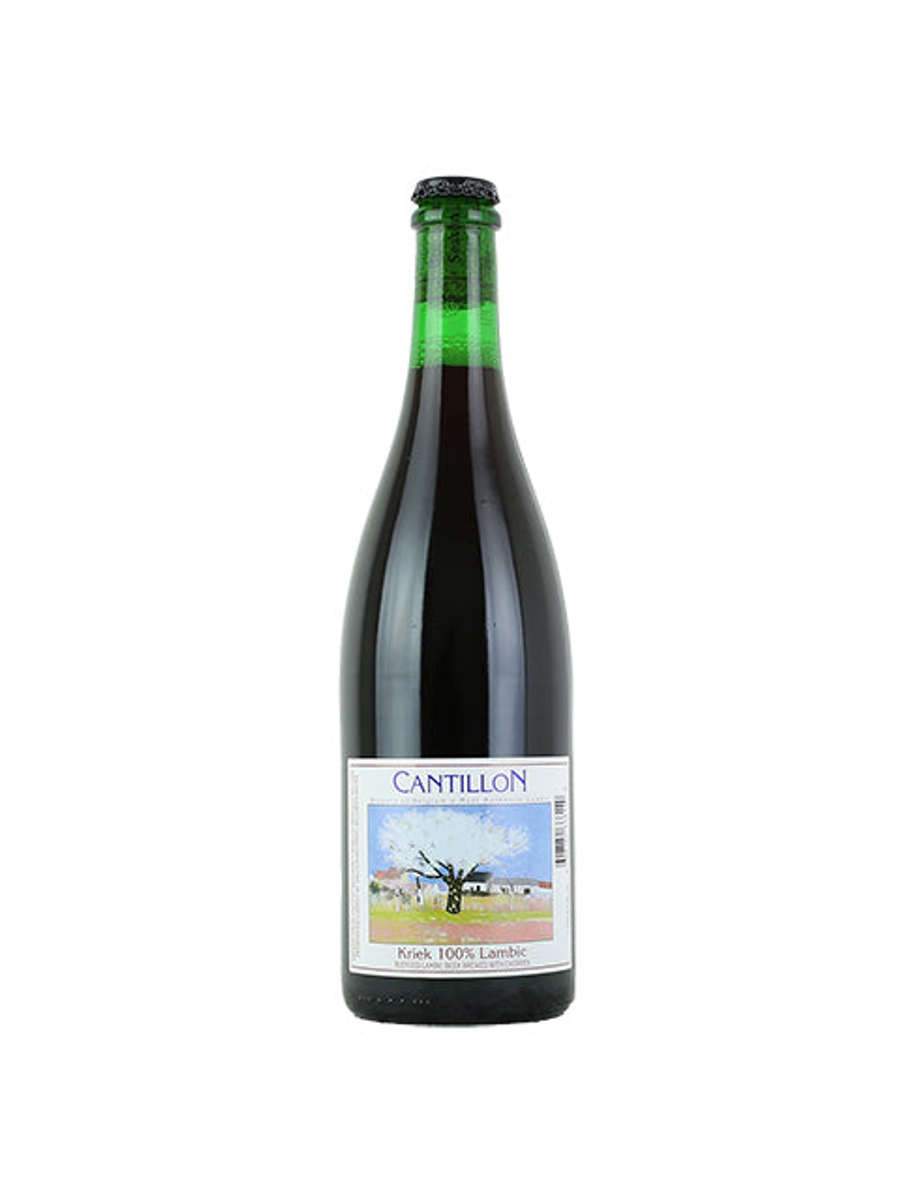
Cantillon Kriek
Brewed by Brasserie Cantillon
Traditional kriek: tart cherry, almond skin, lemon, oak, and earthy funk.
BAR NOTES
Cantillon Kriek brings tart cherry, almond skin, lemon, oak, and earthy funk. Its place on this board comes from the way it real sour cherries ferment nearly dry, leaving fruit, pit, tannin, and lambic instead of syrup. The fruit has a job beyond sweetness, adding aroma, acidity, tannin, color, or a sharper finish.
Serve it around 42–50°F in a tulip, wine glass, or tumbler and pair it with charcuterie, duck, or dark chocolate. Buy hop-forward and delicate fruit cans fresh; bottle-conditioned lambic and sturdy barrel-aged releases may gain softer, more integrated character in a cool dark cellar.
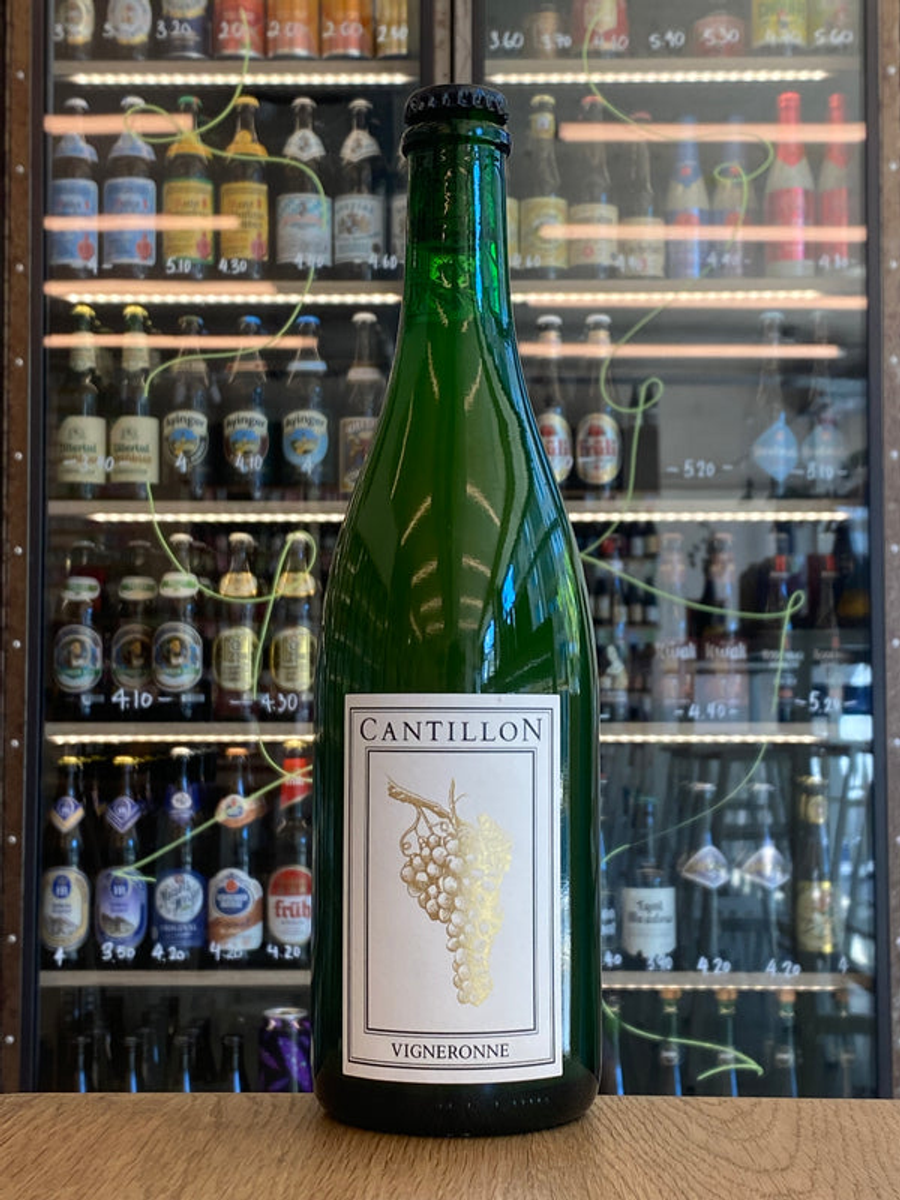
Cantillon Vigneronne
Brewed by Brasserie Cantillon
White-grape lambic: Muscat, peach skin, white flowers, lemon, and dry oak.
BAR NOTES
Cantillon Vigneronne brings Muscat, peach skin, white flowers, lemon, and dry oak. Its place on this board comes from the way it aromatic grapes soften the edges of lambic while adding perfume rather than residual sweetness. The fruit has a job beyond sweetness, adding aroma, acidity, tannin, color, or a sharper finish.
Serve it around 42–50°F in a tulip, wine glass, or tumbler and pair it with goat cheese, scallops, or roast chicken. Buy hop-forward and delicate fruit cans fresh; bottle-conditioned lambic and sturdy barrel-aged releases may gain softer, more integrated character in a cool dark cellar.
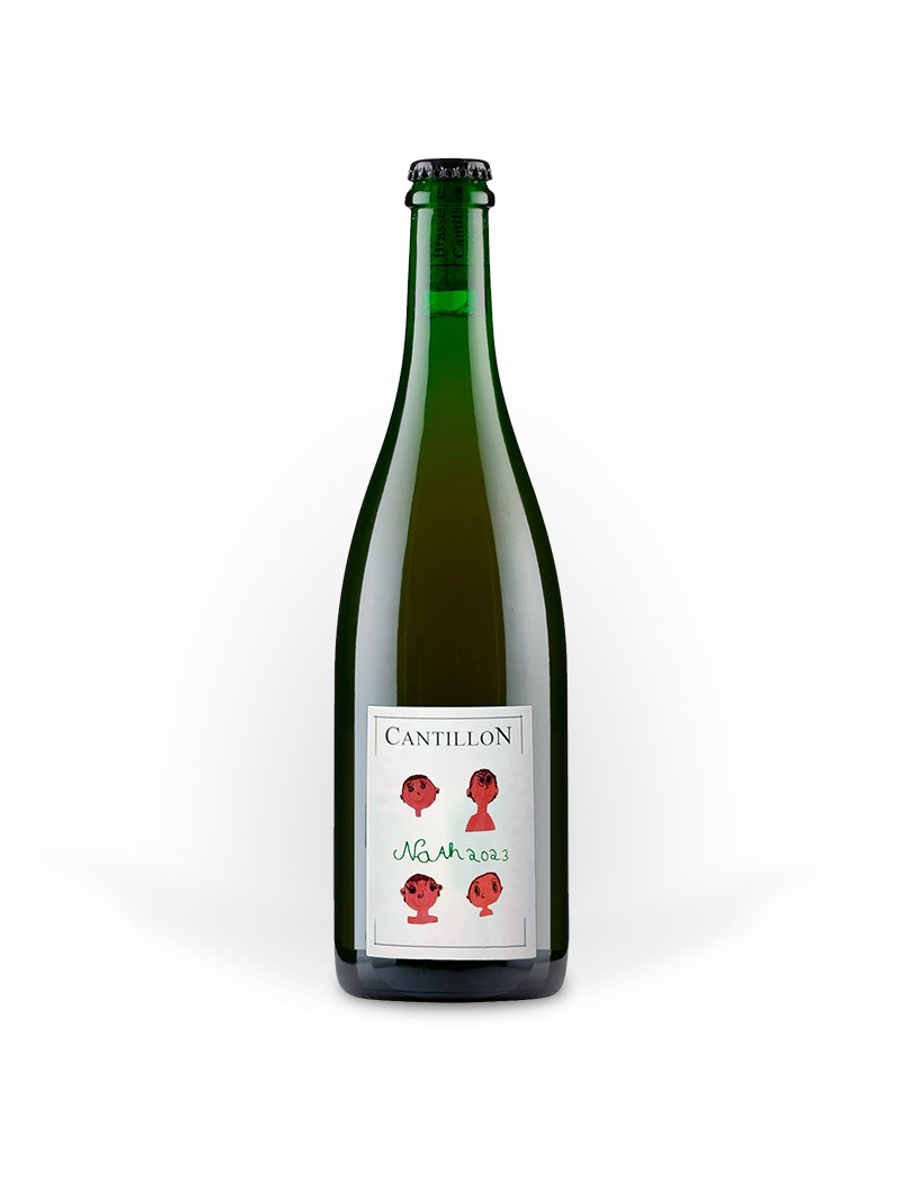
Cantillon Nath
Brewed by Brasserie Cantillon
Rhubarb lambic: rhubarb, red apple, lemon, earth, and gentle tannin.
BAR NOTES
Cantillon Nath brings rhubarb, red apple, lemon, earth, and gentle tannin. Its place on this board comes from the way it rhubarb reinforces lambic’s natural acidity while contributing a distinctive green, wine-like edge. The fruit has a job beyond sweetness, adding aroma, acidity, tannin, color, or a sharper finish.
Serve it around 42–50°F in a tulip, wine glass, or tumbler and pair it with pork loin, soft cheese, or strawberry tart. Buy hop-forward and delicate fruit cans fresh; bottle-conditioned lambic and sturdy barrel-aged releases may gain softer, more integrated character in a cool dark cellar.
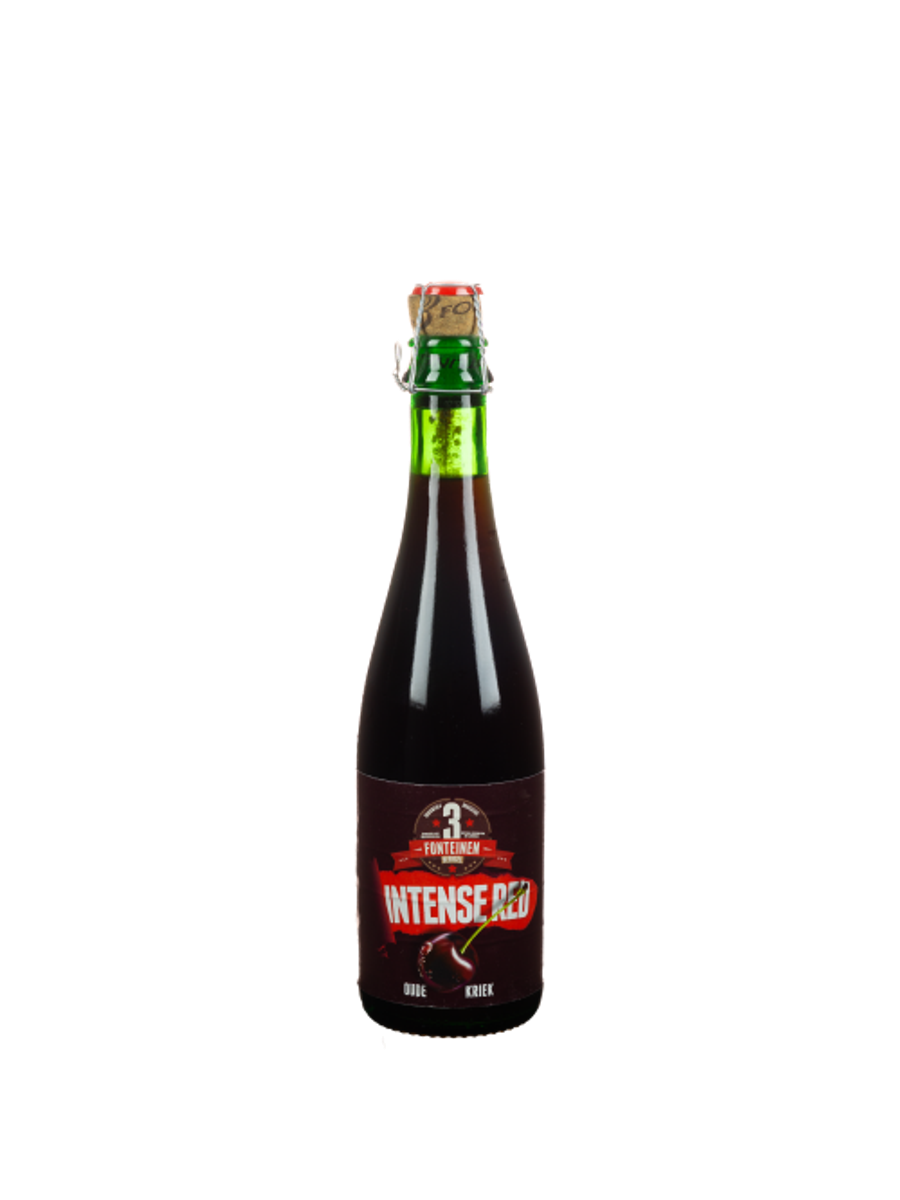
3 Fonteinen Intense Red
Brewed by Brouwerij 3 Fonteinen
Extra-fruit kriek: black cherry, almond, wine, oak, and muscular acidity.
BAR NOTES
3 Fonteinen Intense Red brings black cherry, almond, wine, oak, and muscular acidity. Its place on this board comes from the way it an unusually heavy cherry ratio delivers color and fruit intensity while fermentation keeps the finish dry. The fruit has a job beyond sweetness, adding aroma, acidity, tannin, color, or a sharper finish.
Serve it around 42–50°F in a tulip, wine glass, or tumbler and pair it with duck, venison, or dark chocolate. Buy hop-forward and delicate fruit cans fresh; bottle-conditioned lambic and sturdy barrel-aged releases may gain softer, more integrated character in a cool dark cellar.
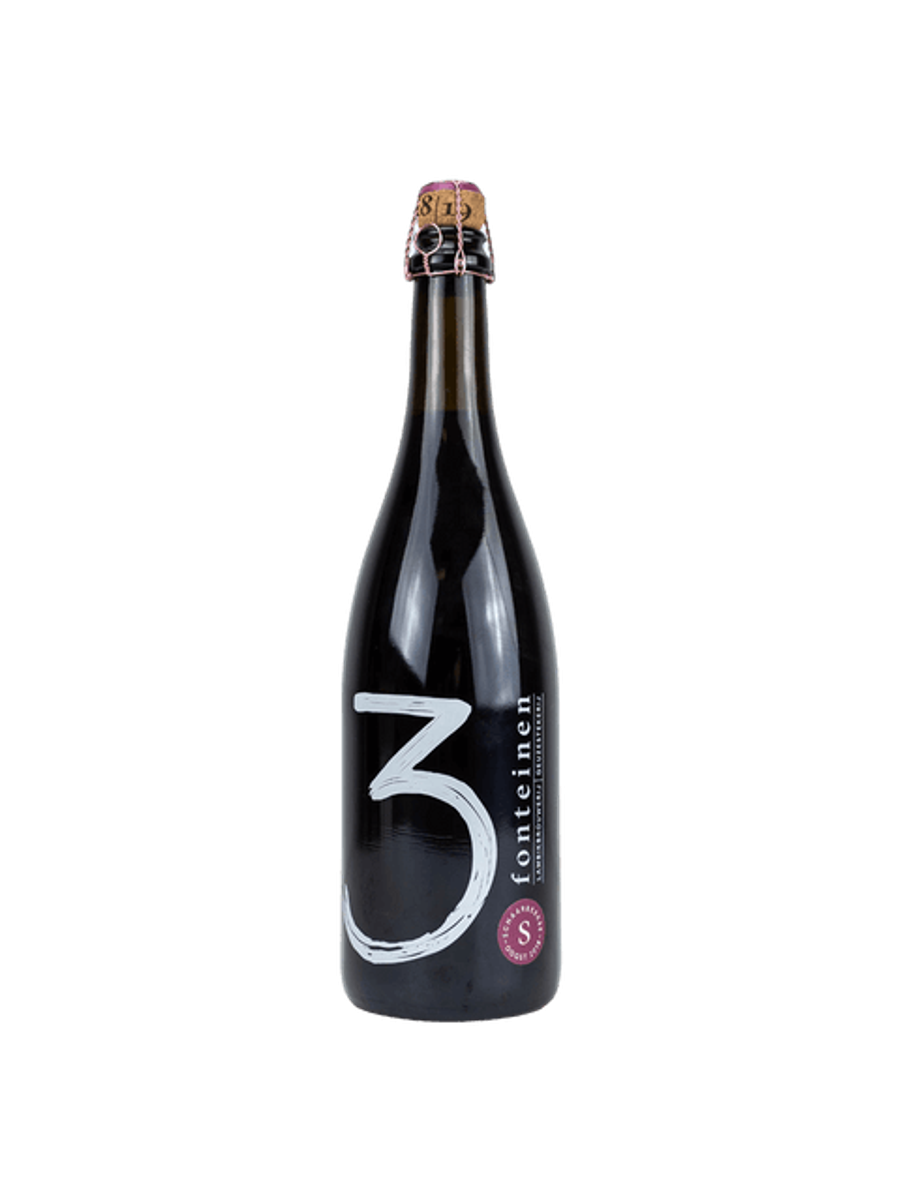
3 Fonteinen Schaarbeekse Kriek
Brewed by Brouwerij 3 Fonteinen
Heritage-cherry kriek: wild cherry, almond pit, lemon, mineral, and oak.
BAR NOTES
3 Fonteinen Schaarbeekse Kriek brings wild cherry, almond pit, lemon, mineral, and oak. Its place on this board comes from the way it scarce Schaarbeek cherries supply perfume, acidity, and tannin that ordinary sweet cherries cannot imitate. The fruit has a job beyond sweetness, adding aroma, acidity, tannin, color, or a sharper finish.
Serve it around 42–50°F in a tulip, wine glass, or tumbler and pair it with pâté, duck breast, or chocolate. Buy hop-forward and delicate fruit cans fresh; bottle-conditioned lambic and sturdy barrel-aged releases may gain softer, more integrated character in a cool dark cellar.
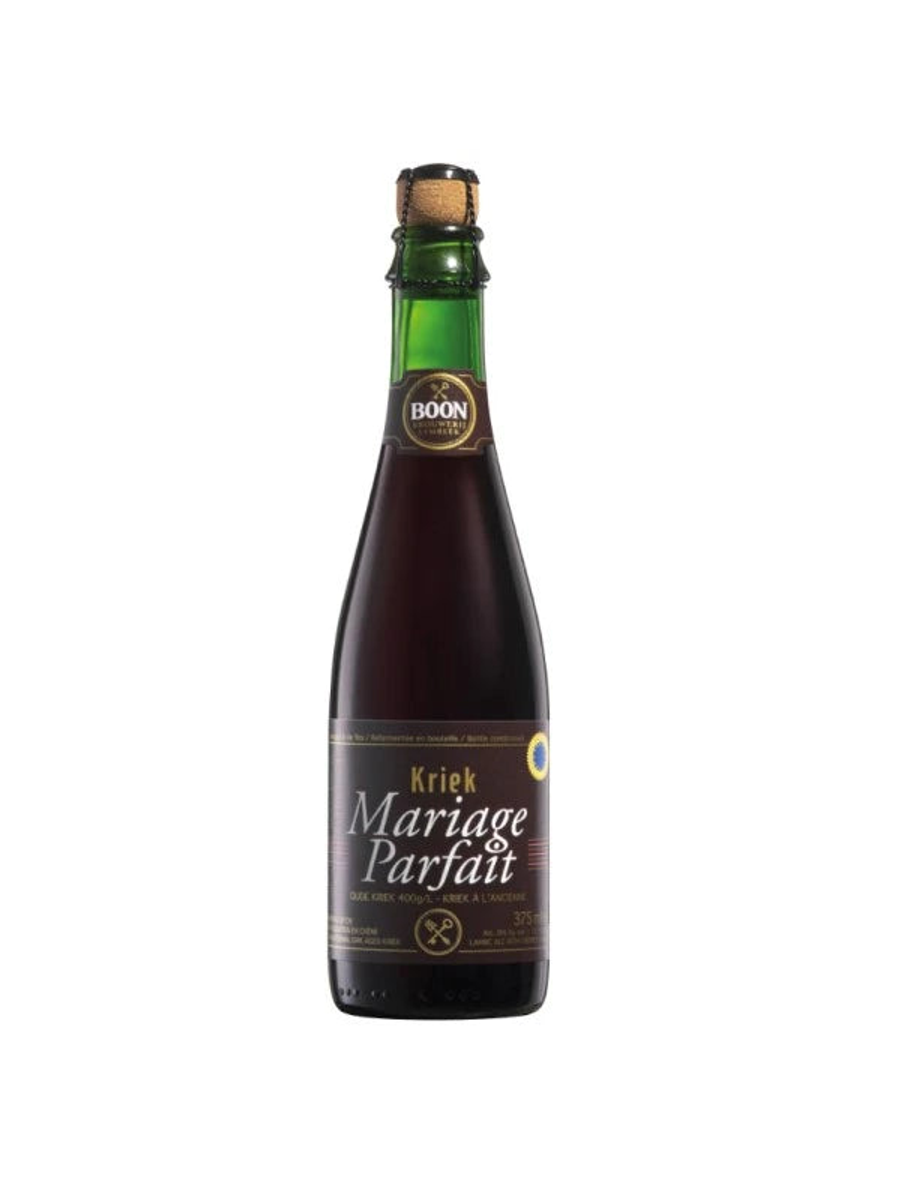
Boon Kriek Mariage Parfait
Brewed by Brouwerij Boon
Vintage-strength kriek: black cherry, almond, oak, citrus, and warming depth.
BAR NOTES
Boon Kriek Mariage Parfait brings black cherry, almond, oak, citrus, and warming depth. Its place on this board comes from the way it a stronger vintage lambic carries serious cherry concentration while still finishing tannic and dry. The fruit has a job beyond sweetness, adding aroma, acidity, tannin, color, or a sharper finish.
Serve it around 42–50°F in a tulip, wine glass, or tumbler and pair it with venison, aged gouda, or chocolate cake. Buy hop-forward and delicate fruit cans fresh; bottle-conditioned lambic and sturdy barrel-aged releases may gain softer, more integrated character in a cool dark cellar.
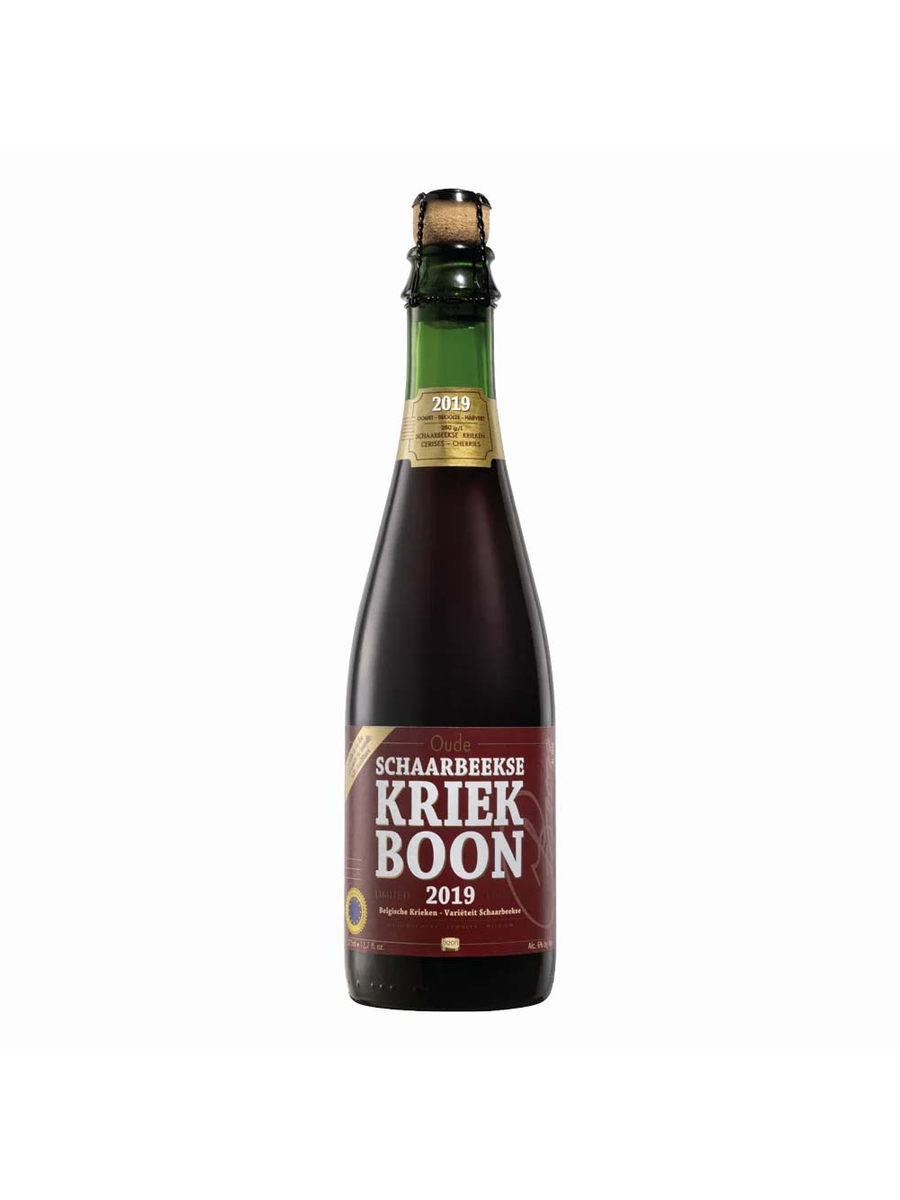
Boon Oude Schaarbeekse Kriek
Brewed by Brouwerij Boon
Heritage-cherry kriek: sour cherry, almond, vanilla, oak, and fine carbonation.
BAR NOTES
Boon Oude Schaarbeekse Kriek brings sour cherry, almond, vanilla, oak, and fine carbonation. Its place on this board comes from the way it Schaarbeek fruit brings a darker, more tannic cherry profile to Boon’s controlled cellar style. The fruit has a job beyond sweetness, adding aroma, acidity, tannin, color, or a sharper finish.
Serve it around 42–50°F in a tulip, wine glass, or tumbler and pair it with duck, venison, or chocolate cake. Buy hop-forward and delicate fruit cans fresh; bottle-conditioned lambic and sturdy barrel-aged releases may gain softer, more integrated character in a cool dark cellar.
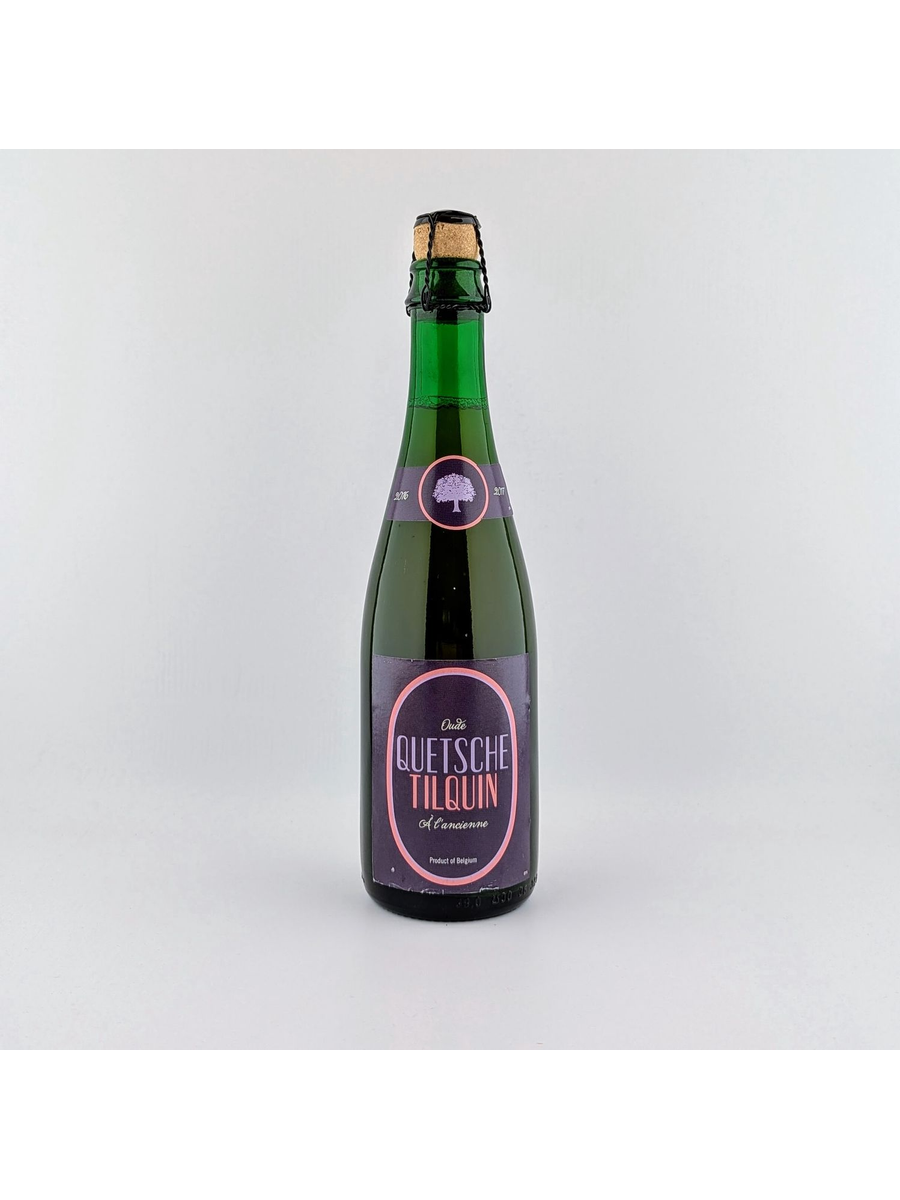
Tilquin Oude Quetsche
Brewed by Gueuzerie Tilquin
Plum lambic: purple plum, skin tannin, lemon, pepper, and earthy oak.
BAR NOTES
Tilquin Oude Quetsche brings purple plum, skin tannin, lemon, pepper, and earthy oak. Its place on this board comes from the way it whole quetsche plums add flesh and skin character while refermentation strips away simple sweetness. The fruit has a job beyond sweetness, adding aroma, acidity, tannin, color, or a sharper finish.
Serve it around 42–50°F in a tulip, wine glass, or tumbler and pair it with pork, blue cheese, or plum tart. Buy hop-forward and delicate fruit cans fresh; bottle-conditioned lambic and sturdy barrel-aged releases may gain softer, more integrated character in a cool dark cellar.
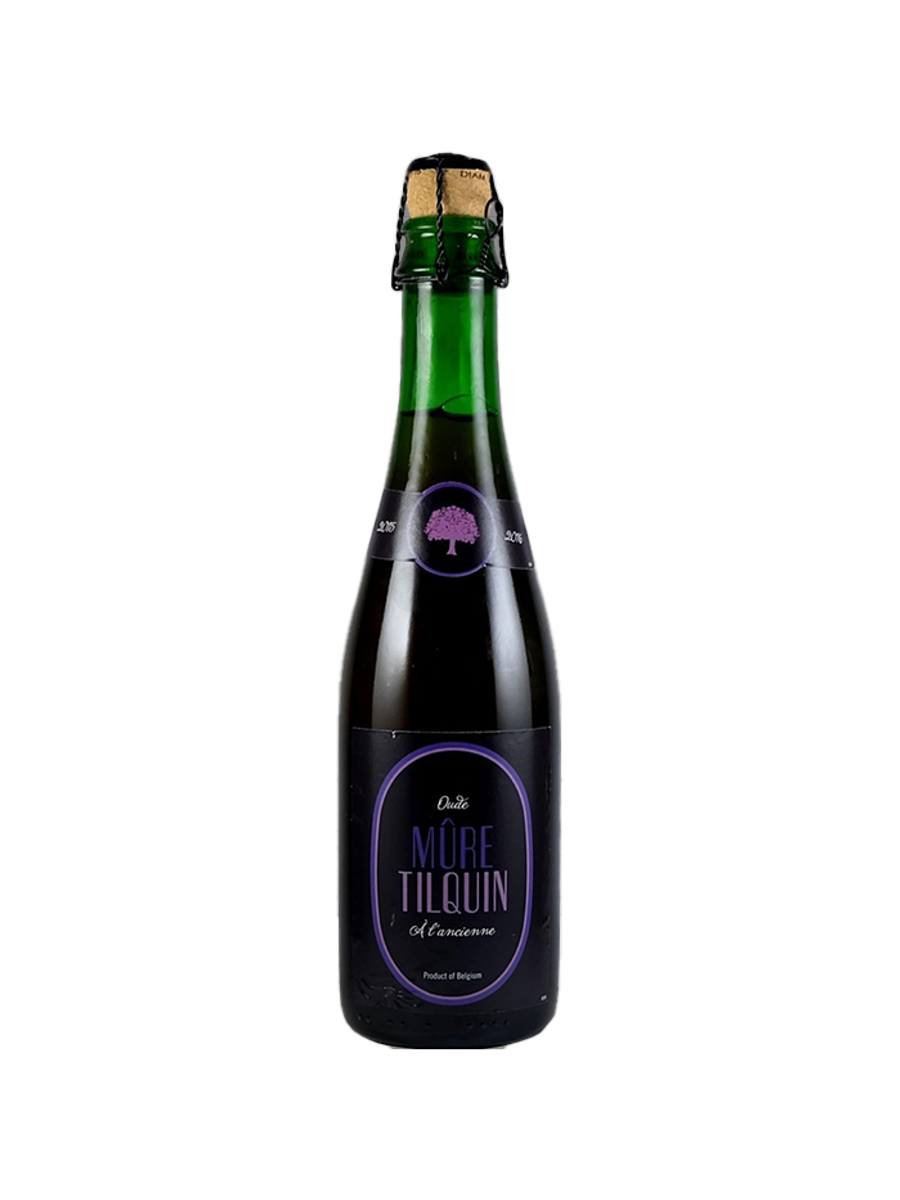
Tilquin Oude Mûre
Brewed by Gueuzerie Tilquin
Blackberry lambic: blackberry, violet, lemon, seed tannin, and cellar funk.
BAR NOTES
Tilquin Oude Mûre brings blackberry, violet, lemon, seed tannin, and cellar funk. Its place on this board comes from the way it blackberries give the blend perfume and dark color without covering Tilquin’s peppery house profile. The fruit has a job beyond sweetness, adding aroma, acidity, tannin, color, or a sharper finish.
Serve it around 42–50°F in a tulip, wine glass, or tumbler and pair it with duck, chèvre, or dark chocolate. Buy hop-forward and delicate fruit cans fresh; bottle-conditioned lambic and sturdy barrel-aged releases may gain softer, more integrated character in a cool dark cellar.
Tilquin Pinot Noir
Brewed by Gueuzerie Tilquin
Red-grape lambic: Pinot Noir skin, cherry, earth, oak, and wine-like tannin.
BAR NOTES
Tilquin Pinot Noir brings Pinot Noir skin, cherry, earth, oak, and wine-like tannin. Its place on this board comes from the way it grape maceration makes the relationship between lambic and natural wine especially vivid. The fruit has a job beyond sweetness, adding aroma, acidity, tannin, color, or a sharper finish.
Serve it around 42–50°F in a tulip, wine glass, or tumbler and pair it with duck breast, mushrooms, or aged cheese. Buy hop-forward and delicate fruit cans fresh; bottle-conditioned lambic and sturdy barrel-aged releases may gain softer, more integrated character in a cool dark cellar.

Tilquin Riesling
Brewed by Gueuzerie Tilquin
White-grape lambic: lime, white grape, stone fruit, mineral, and dry oak.
BAR NOTES
Tilquin Riesling brings lime, white grape, stone fruit, mineral, and dry oak. Its place on this board comes from the way it Riesling’s acid and mineral profile fits lambic naturally while aromatic fruit lifts the cellar character. The fruit has a job beyond sweetness, adding aroma, acidity, tannin, color, or a sharper finish.
Serve it around 42–50°F in a tulip, wine glass, or tumbler and pair it with shellfish, chèvre, or roast chicken. Buy hop-forward and delicate fruit cans fresh; bottle-conditioned lambic and sturdy barrel-aged releases may gain softer, more integrated character in a cool dark cellar.

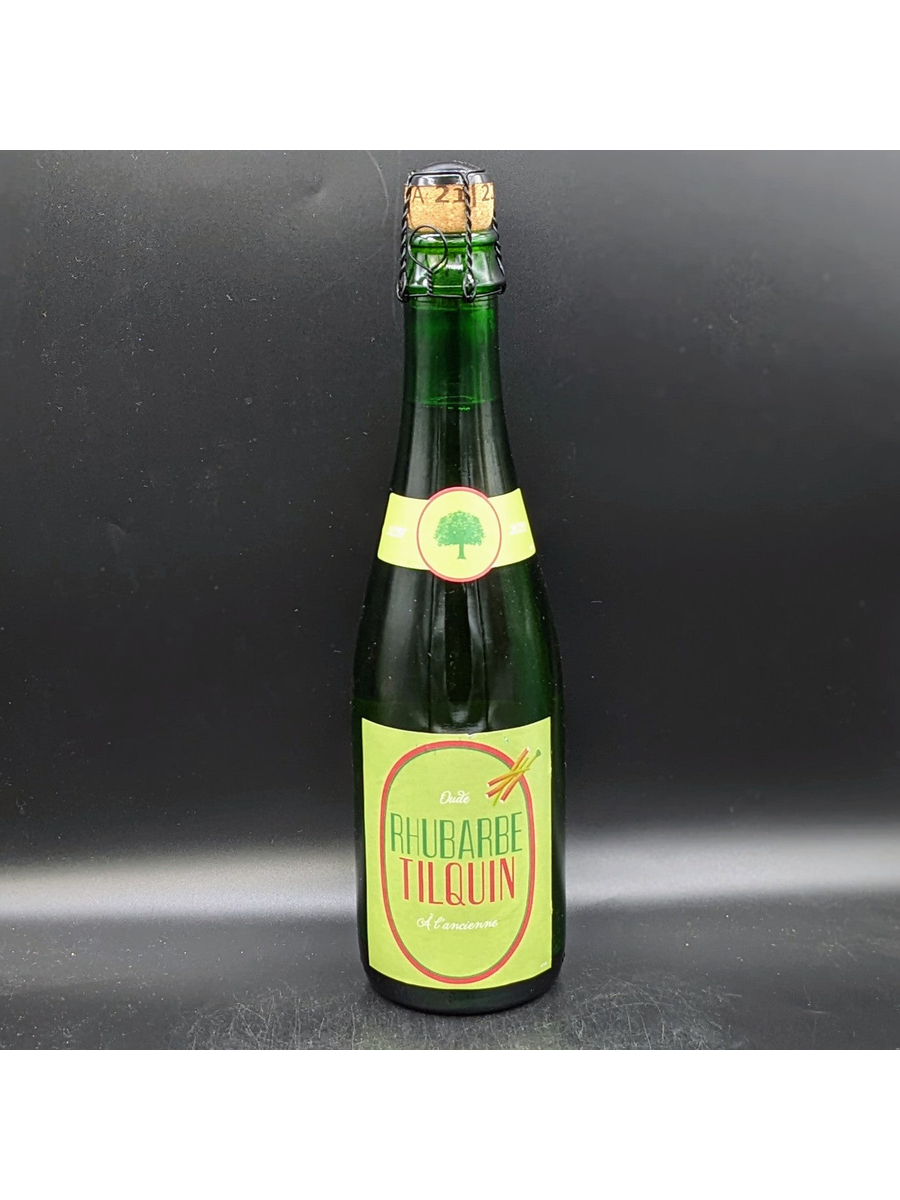
Tilquin Rhubarbe
Brewed by Gueuzerie Tilquin
Rhubarb lambic: rhubarb stalk, lemon, green apple, pepper, and and oak.
BAR NOTES
Tilquin Rhubarbe brings rhubarb stalk, lemon, green apple, pepper, and and oak. Its place on this board comes from the way it rhubarb contributes tartness and vegetal tannin, giving the blend shape without obvious fruit sweetness. The fruit has a job beyond sweetness, adding aroma, acidity, tannin, color, or a sharper finish.
Serve it around 42–50°F in a tulip, wine glass, or tumbler and pair it with roast pork, goat cheese, or strawberry tart. Buy hop-forward and delicate fruit cans fresh; bottle-conditioned lambic and sturdy barrel-aged releases may gain softer, more integrated character in a cool dark cellar.

Tilquin Mirabelle
Brewed by Gueuzerie Tilquin
Golden-plum lambic: yellow plum, apricot, lemon, spice, and soft oak.
BAR NOTES
Tilquin Mirabelle brings yellow plum, apricot, lemon, spice, and soft oak. Its place on this board comes from the way it small golden plums bring delicate stone-fruit aroma to Tilquin’s muscular base lambic. The fruit has a job beyond sweetness, adding aroma, acidity, tannin, color, or a sharper finish.
Serve it around 42–50°F in a tulip, wine glass, or tumbler and pair it with pork loin, alpine cheese, or almond tart. Buy hop-forward and delicate fruit cans fresh; bottle-conditioned lambic and sturdy barrel-aged releases may gain softer, more integrated character in a cool dark cellar.

Lindemans Framboise
Brewed by Brouwerij Lindemans
Sweetened framboise: raspberry preserves, lemon, wheat, and lively carbonation.
BAR NOTES
Lindemans Framboise brings raspberry preserves, lemon, wheat, and lively carbonation. Its place on this board comes from the way it it is sweet by design, but its intense fruit and low alcohol make it effective with dessert and brunch. The fruit has a job beyond sweetness, adding aroma, acidity, tannin, color, or a sharper finish.
Serve it around 42–50°F in a tulip, wine glass, or tumbler and pair it with chocolate cake, cheesecake, or waffles. Buy hop-forward and delicate fruit cans fresh; bottle-conditioned lambic and sturdy barrel-aged releases may gain softer, more integrated character in a cool dark cellar.

Lindemans Pêche
Brewed by Brouwerij Lindemans
Sweetened peach lambic: ripe peach, apricot, citrus, and sparkling sweetness.
BAR NOTES
Lindemans Pêche brings ripe peach, apricot, citrus, and sparkling sweetness. Its place on this board comes from the way it this is the welcoming fruit-first end of lambic, useful when traditional gueuze feels too austere. The fruit has a job beyond sweetness, adding aroma, acidity, tannin, color, or a sharper finish.
Serve it around 42–50°F in a tulip, wine glass, or tumbler and pair it with vanilla ice cream, fruit tart, or brunch. Buy hop-forward and delicate fruit cans fresh; bottle-conditioned lambic and sturdy barrel-aged releases may gain softer, more integrated character in a cool dark cellar.

Firestone Walker Bretta Rosé
Brewed by Firestone Walker Barrelworks
Wild ale + raspberries: raspberry, rose petal, lemon, oak, and dry funk.
BAR NOTES
Firestone Walker Bretta Rosé brings raspberry, rose petal, lemon, oak, and dry funk. Its place on this board comes from the way it uses berry aroma and bottle conditioning to create lift without turning the finish jammy. The fruit has a job beyond sweetness, adding aroma, acidity, tannin, color, or a sharper finish.
Serve it around 42–50°F in a tulip, wine glass, or tumbler and pair it with chèvre, duck, or berry tart. Buy hop-forward and delicate fruit cans fresh; bottle-conditioned lambic and sturdy barrel-aged releases may gain softer, more integrated character in a cool dark cellar.

Crooked Stave Sour Rosé
Brewed by Crooked Stave Artisan Beer Project
Foeder + berries: raspberry, blueberry, citrus, oak, and champagne-like fizz.
BAR NOTES
Crooked Stave Sour Rosé brings raspberry, blueberry, citrus, oak, and champagne-like fizz. Its place on this board comes from the way it delivers serious mixed-culture structure in a bright, low-strength package that works beyond special occasions. The fruit has a job beyond sweetness, adding aroma, acidity, tannin, color, or a sharper finish.
Serve it around 42–50°F in a tulip, wine glass, or tumbler and pair it with salad, soft cheese, or grilled fish. Buy hop-forward and delicate fruit cans fresh; bottle-conditioned lambic and sturdy barrel-aged releases may gain softer, more integrated character in a cool dark cellar.

Casey Fruit Stand Cherry
Brewed by Casey Brewing and Blending
Oak-aged + whole cherry: fresh cherry, pit, lemon, farmhouse yeast, and soft oak.
BAR NOTES
Casey Fruit Stand Cherry brings fresh cherry, pit, lemon, farmhouse yeast, and soft oak. Its place on this board comes from the way it treats fruit like agricultural material, not flavoring, with fermentation pulling sweetness down to the bone. The fruit has a job beyond sweetness, adding aroma, acidity, tannin, color, or a sharper finish.
Serve it around 42–50°F in a tulip, wine glass, or tumbler and pair it with duck, chèvre, or cherry pie. Buy hop-forward and delicate fruit cans fresh; bottle-conditioned lambic and sturdy barrel-aged releases may gain softer, more integrated character in a cool dark cellar.

Cascade Kriek
Brewed by Cascade Brewing
Barrel-aged + cherries: black cherry, cinnamon, oak, citrus, and bright acidity.
BAR NOTES
Cascade Kriek brings black cherry, cinnamon, oak, citrus, and bright acidity. Its place on this board comes from the way it represents the bold Pacific Northwest barrel-sour school, with fruit and acid turned deliberately high. The fruit has a job beyond sweetness, adding aroma, acidity, tannin, color, or a sharper finish.
Serve it around 42–50°F in a tulip, wine glass, or tumbler and pair it with duck, barbecue, or chocolate cake. Buy hop-forward and delicate fruit cans fresh; bottle-conditioned lambic and sturdy barrel-aged releases may gain softer, more integrated character in a cool dark cellar.

Cascade Apricot
Brewed by Cascade Brewing
Barrel-aged + apricot: apricot skin, lemon, oak, vanilla, and assertive tartness.
BAR NOTES
Cascade Apricot brings apricot skin, lemon, oak, vanilla, and assertive tartness. Its place on this board comes from the way it made apricot one of the defining fruits of American sour beer by emphasizing skin and acidity over nectar. The fruit has a job beyond sweetness, adding aroma, acidity, tannin, color, or a sharper finish.
Serve it around 42–50°F in a tulip, wine glass, or tumbler and pair it with pork loin, chèvre, or almond tart. Buy hop-forward and delicate fruit cans fresh; bottle-conditioned lambic and sturdy barrel-aged releases may gain softer, more integrated character in a cool dark cellar.

Russian River Supplication
Brewed by Russian River Brewing Company
Pinot oak + sour cherries: cherry, cocoa, pinot, leather, and supple acidity.
BAR NOTES
Russian River Supplication brings cherry, cocoa, pinot, leather, and supple acidity. Its place on this board comes from the way it connects brown ale, local wine barrels, fruit, Brettanomyces, and bacteria in a remarkably integrated bottle. The fruit has a job beyond sweetness, adding aroma, acidity, tannin, color, or a sharper finish.
Serve it around 42–50°F in a tulip, wine glass, or tumbler and pair it with duck, mushrooms, or aged gouda. Buy hop-forward and delicate fruit cans fresh; bottle-conditioned lambic and sturdy barrel-aged releases may gain softer, more integrated character in a cool dark cellar.

Russian River Consecration
Brewed by Russian River Brewing Company
Cabernet oak + currants: black currant, wine, cocoa, leather, and warming acidity.
BAR NOTES
Russian River Consecration brings black currant, wine, cocoa, leather, and warming acidity. Its place on this board comes from the way it handles high alcohol and dark fruit with enough fermentation character to avoid becoming sticky. The fruit has a job beyond sweetness, adding aroma, acidity, tannin, color, or a sharper finish.
Serve it around 42–50°F in a tulip, wine glass, or tumbler and pair it with venison, blue cheese, or chocolate. Buy hop-forward and delicate fruit cans fresh; bottle-conditioned lambic and sturdy barrel-aged releases may gain softer, more integrated character in a cool dark cellar.

Sierra Nevada Wild Little Thing
Brewed by Sierra Nevada Brewing Co.
Kettle sour + fruit: guava, hibiscus, strawberry, citrus, and a clean tart finish.
BAR NOTES
Sierra Nevada Wild Little Thing brings guava, hibiscus, strawberry, citrus, and a clean tart finish. Its place on this board comes from the way it offers a nationally available fruit sour with enough fermentation snap to stay refreshing. The fruit has a job beyond sweetness, adding aroma, acidity, tannin, color, or a sharper finish.
Serve it around 42–50°F in a tulip, wine glass, or tumbler and pair it with fish tacos, ceviche, or fruit salad. Buy hop-forward and delicate fruit cans fresh; bottle-conditioned lambic and sturdy barrel-aged releases may gain softer, more integrated character in a cool dark cellar.

Prairie Rainbow Sherbet
Brewed by Prairie Artisan Ales
Kettle sour + citrus and berries: raspberry, pineapple, orange, lime, and candy-like tartness.
BAR NOTES
Prairie Rainbow Sherbet brings raspberry, pineapple, orange, lime, and candy-like tartness. Its place on this board comes from the way it understands the dessert reference but keeps carbonation and acidity high enough to refresh. The fruit has a job beyond sweetness, adding aroma, acidity, tannin, color, or a sharper finish.
Serve it around 42–50°F in a tulip, wine glass, or tumbler and pair it with spicy wings, fruit tart, or vanilla ice cream. Buy hop-forward and delicate fruit cans fresh; bottle-conditioned lambic and sturdy barrel-aged releases may gain softer, more integrated character in a cool dark cellar.

Urban Artifact The Gadget
Brewed by Urban Artifact
Fruit tart + berries: blackberry, raspberry, vanilla, jam, and forceful acidity.
BAR NOTES
Urban Artifact The Gadget brings blackberry, raspberry, vanilla, jam, and forceful acidity. Its place on this board comes from the way it uses an enormous fruit load while maintaining the brewery’s dry, intensely tart house identity. The fruit has a job beyond sweetness, adding aroma, acidity, tannin, color, or a sharper finish.
Serve it around 42–50°F in a tulip, wine glass, or tumbler and pair it with blue cheese, duck, or chocolate cake. Buy hop-forward and delicate fruit cans fresh; bottle-conditioned lambic and sturdy barrel-aged releases may gain softer, more integrated character in a cool dark cellar.

Rhinegeist Bubbles
Brewed by Rhinegeist Brewery
Fruit + sparkling finish: apple, peach, cranberry, citrus, and lively carbonation.
BAR NOTES
Rhinegeist Bubbles brings apple, peach, cranberry, citrus, and lively carbonation. Its place on this board comes from the way it occupies the useful border between fruit sour and sparkling wine without losing a beer-like finish. The fruit has a job beyond sweetness, adding aroma, acidity, tannin, color, or a sharper finish.
Serve it around 42–50°F in a tulip, wine glass, or tumbler and pair it with brunch, soft cheese, or salad. Buy hop-forward and delicate fruit cans fresh; bottle-conditioned lambic and sturdy barrel-aged releases may gain softer, more integrated character in a cool dark cellar.

Dogfish Head Festina Pêche
Brewed by Dogfish Head Craft Brewery
Berliner + peach: white peach, lemon, soft wheat, and a crisp dry finish.
BAR NOTES
Dogfish Head Festina Pêche brings white peach, lemon, soft wheat, and a crisp dry finish. Its place on this board comes from the way it remains a landmark American fruit Berliner because the peach reads fresh instead of syrupy. The fruit has a job beyond sweetness, adding aroma, acidity, tannin, color, or a sharper finish.
Serve it around 42–50°F in a tulip, wine glass, or tumbler and pair it with salad, chèvre, or grilled chicken. Buy hop-forward and delicate fruit cans fresh; bottle-conditioned lambic and sturdy barrel-aged releases may gain softer, more integrated character in a cool dark cellar.

Boulevard Berry Noir
Brewed by Boulevard Brewing Co.
Kettle sour + blackberry: blackberry, lemon, violet, and a clean lightly sweet finish.
BAR NOTES
Boulevard Berry Noir brings blackberry, lemon, violet, and a clean lightly sweet finish. Its place on this board comes from the way it delivers dark-berry flavor in a lighter format built for a full can rather than a tasting pour. The fruit has a job beyond sweetness, adding aroma, acidity, tannin, color, or a sharper finish.
Serve it around 42–50°F in a tulip, wine glass, or tumbler and pair it with barbecue, chèvre, or berry pie. Buy hop-forward and delicate fruit cans fresh; bottle-conditioned lambic and sturdy barrel-aged releases may gain softer, more integrated character in a cool dark cellar.
Brewed by Anderson Valley Brewing Company Watermelon + salt: fresh watermelon, lemon, wheat, and a gently briny finish.Anderson Valley Briney Melon Gose
BAR NOTES
Anderson Valley Briney Melon Gose brings fresh watermelon, lemon, wheat, and a gently briny finish. Its place on this board comes from the way it uses melon as a refreshing extension of salinity rather than burying the base beer under sweetness. The fruit has a job beyond sweetness, adding aroma, acidity, tannin, color, or a sharper finish.
Serve it around 42–50°F in a tulip, wine glass, or tumbler and pair it with feta salad, grilled shrimp, or prosciutto. Buy hop-forward and delicate fruit cans fresh; bottle-conditioned lambic and sturdy barrel-aged releases may gain softer, more integrated character in a cool dark cellar.

Westbrook Key Lime Pie Gose
Brewed by Westbrook Brewing Co.
Dessert-inspired gose: key lime, cinnamon, vanilla, wheat, and sea salt.
BAR NOTES
Westbrook Key Lime Pie Gose brings key lime, cinnamon, vanilla, wheat, and sea salt. Its place on this board comes from the way it captures a recognizable pie profile while enough acid and carbonation keep the glass lively. The fruit has a job beyond sweetness, adding aroma, acidity, tannin, color, or a sharper finish.
Serve it around 42–50°F in a tulip, wine glass, or tumbler and pair it with fish tacos, coconut shrimp, or cheesecake. Buy hop-forward and delicate fruit cans fresh; bottle-conditioned lambic and sturdy barrel-aged releases may gain softer, more integrated character in a cool dark cellar.

Victory Kirsch Gose
Brewed by Victory Brewing Company
Gose + cherries: tart cherry, wheat, coriander, salt, and a dry finish.
BAR NOTES
Victory Kirsch Gose brings tart cherry, wheat, coriander, salt, and a dry finish. Its place on this board comes from the way it uses cherry as a natural extension of gose acidity while keeping the body lean and highly drinkable. The fruit has a job beyond sweetness, adding aroma, acidity, tannin, color, or a sharper finish.
Serve it around 42–50°F in a tulip, wine glass, or tumbler and pair it with sausages, chèvre, or roast pork. Buy hop-forward and delicate fruit cans fresh; bottle-conditioned lambic and sturdy barrel-aged releases may gain softer, more integrated character in a cool dark cellar.

Anderson Valley Blood Orange Gose
Brewed by Anderson Valley Brewing Company
Blood orange + salt: orange peel, ruby citrus, wheat, and a softly saline finish.
BAR NOTES
Anderson Valley Blood Orange Gose brings orange peel, ruby citrus, wheat, and a softly saline finish. Its place on this board comes from the way it adds enough bitter peel and tart juice to taste like citrus rather than orange soda. The fruit has a job beyond sweetness, adding aroma, acidity, tannin, color, or a sharper finish.
Serve it around 42–50°F in a tulip, wine glass, or tumbler and pair it with grilled chicken, goat cheese, or fish tacos. Buy hop-forward and delicate fruit cans fresh; bottle-conditioned lambic and sturdy barrel-aged releases may gain softer, more integrated character in a cool dark cellar.

Westbrook Lemon Cucumber Gose
Brewed by Westbrook Brewing Co.
Citrus + cucumber: lemon zest, cucumber, coriander, wheat, and sea salt.
BAR NOTES
Westbrook Lemon Cucumber Gose brings lemon zest, cucumber, coriander, wheat, and sea salt. Its place on this board comes from the way it layers two cooling flavors over a proven base and finishes far drier than spa-water comparisons suggest. The fruit has a job beyond sweetness, adding aroma, acidity, tannin, color, or a sharper finish.
Serve it around 42–50°F in a tulip, wine glass, or tumbler and pair it with sushi, oysters, or herb salad. Buy hop-forward and delicate fruit cans fresh; bottle-conditioned lambic and sturdy barrel-aged releases may gain softer, more integrated character in a cool dark cellar.

Two Roads Passion Fruit Gose
Brewed by Two Roads Brewing Company
Tropical fruit + salt: passion fruit, citrus, wheat, and a lightly mineral finish.
BAR NOTES
Two Roads Passion Fruit Gose brings passion fruit, citrus, wheat, and a lightly mineral finish. Its place on this board comes from the way it uses naturally sharp tropical fruit to reinforce acidity instead of relying on residual sweetness. The fruit has a job beyond sweetness, adding aroma, acidity, tannin, color, or a sharper finish.
Serve it around 42–50°F in a tulip, wine glass, or tumbler and pair it with spicy noodles, mango salad, or shrimp. Buy hop-forward and delicate fruit cans fresh; bottle-conditioned lambic and sturdy barrel-aged releases may gain softer, more integrated character in a cool dark cellar.

Boulevard Hibiscus Gose
Brewed by Boulevard Brewing Co.
Floral + saline: hibiscus, cranberry-like tartness, coriander, wheat, and sea salt.
BAR NOTES
Boulevard Hibiscus Gose brings hibiscus, cranberry-like tartness, coriander, wheat, and sea salt. Its place on this board comes from the way it uses flowers for color, tannin, and fragrance while the underlying gose stays visible. The fruit has a job beyond sweetness, adding aroma, acidity, tannin, color, or a sharper finish.
Serve it around 42–50°F in a tulip, wine glass, or tumbler and pair it with goat cheese, duck, or fruit salad. Buy hop-forward and delicate fruit cans fresh; bottle-conditioned lambic and sturdy barrel-aged releases may gain softer, more integrated character in a cool dark cellar.

Collective Arts Guava Gose
Brewed by Collective Arts Brewing
Guava + salt: pink guava, citrus, wheat, coriander, and a soft saline edge.
BAR NOTES
Collective Arts Guava Gose brings pink guava, citrus, wheat, coriander, and a soft saline edge. Its place on this board comes from the way it lets guava bring both perfume and tartness while carbonation keeps the tropical fruit from feeling heavy. The fruit has a job beyond sweetness, adding aroma, acidity, tannin, color, or a sharper finish.
Serve it around 42–50°F in a tulip, wine glass, or tumbler and pair it with fish tacos, ceviche, or chèvre. Buy hop-forward and delicate fruit cans fresh; bottle-conditioned lambic and sturdy barrel-aged releases may gain softer, more integrated character in a cool dark cellar.

Modern Times Fruitlands
Brewed by Modern Times Beer
Passion fruit + guava: guava, passion fruit, lemon, wheat, and sea salt.
BAR NOTES
Modern Times Fruitlands brings guava, passion fruit, lemon, wheat, and sea salt. Its place on this board comes from the way it became a modern fruited-gose reference by packing in tropical aroma while maintaining a dry, crushable frame. The fruit has a job beyond sweetness, adding aroma, acidity, tannin, color, or a sharper finish.
Serve it around 42–50°F in a tulip, wine glass, or tumbler and pair it with spicy tacos, grilled shrimp, or fruit salad. Buy hop-forward and delicate fruit cans fresh; bottle-conditioned lambic and sturdy barrel-aged releases may gain softer, more integrated character in a cool dark cellar.

Dogfish Head SuperEIGHT
Brewed by Dogfish Head Craft Brewery
Gose + eight fruits: berry, mango, kiwi, quinoa, salt, and tart citrus.
BAR NOTES
Dogfish Head SuperEIGHT brings berry, mango, kiwi, quinoa, salt, and tart citrus. Its place on this board comes from the way it packs an absurd ingredient list into a surprisingly coherent, dry, colorful sour. The fruit has a job beyond sweetness, adding aroma, acidity, tannin, color, or a sharper finish.
Serve it around 42–50°F in a tulip, wine glass, or tumbler and pair it with spicy noodles, fruit salad, or chèvre. Buy hop-forward and delicate fruit cans fresh; bottle-conditioned lambic and sturdy barrel-aged releases may gain softer, more integrated character in a cool dark cellar.

DESTIHL Salted Watermelon Gose
Brewed by DESTIHL Brewery
Watermelon + sea salt: watermelon flesh, lemon, coriander, wheat, and clear salinity.
BAR NOTES
DESTIHL Salted Watermelon Gose brings watermelon flesh, lemon, coriander, wheat, and clear salinity. Its place on this board comes from the way it pushes the salt-and-melon connection harder than most versions while keeping acidity in charge. The fruit has a job beyond sweetness, adding aroma, acidity, tannin, color, or a sharper finish.
Serve it around 42–50°F in a tulip, wine glass, or tumbler and pair it with feta, grilled shrimp, or prosciutto. Buy hop-forward and delicate fruit cans fresh; bottle-conditioned lambic and sturdy barrel-aged releases may gain softer, more integrated character in a cool dark cellar.

WeldWerks Guava Lime Gose
Brewed by WeldWerks Brewing Co.
Tropical + citrus: guava puree, lime juice, coriander, wheat, and sea salt.
BAR NOTES
WeldWerks Guava Lime Gose brings guava puree, lime juice, coriander, wheat, and sea salt. Its place on this board comes from the way it balances plush tropical aroma against lime sharpness so the finish remains more refreshing than smoothie-like. The fruit has a job beyond sweetness, adding aroma, acidity, tannin, color, or a sharper finish.
Serve it around 42–50°F in a tulip, wine glass, or tumbler and pair it with ceviche, shrimp tacos, or mango salad. Buy hop-forward and delicate fruit cans fresh; bottle-conditioned lambic and sturdy barrel-aged releases may gain softer, more integrated character in a cool dark cellar.
Brewed by Westbrook Brewing Co. Fruit pie + salt: strawberry, rhubarb, cinnamon, vanilla, and sea salt.Westbrook Strawberry Rhubarb Pie Gose
BAR NOTES
Westbrook Strawberry Rhubarb Pie Gose brings strawberry, rhubarb, cinnamon, vanilla, and sea salt. Its place on this board comes from the way it uses rhubarb’s natural bite to counter the pie-spice concept and preserve a genuinely tart finish. The fruit has a job beyond sweetness, adding aroma, acidity, tannin, color, or a sharper finish.
Serve it around 42–50°F in a tulip, wine glass, or tumbler and pair it with goat cheese, roast pork, or shortcake. Buy hop-forward and delicate fruit cans fresh; bottle-conditioned lambic and sturdy barrel-aged releases may gain softer, more integrated character in a cool dark cellar.
Follow the fruit from the orchard to the coolship, sour tank, and hop field.
Go deeper on lambic, sour beer, salty fruit gose, seasonal fruit brewing, and the practical choices that keep a homebrew batch tasting like beer.

