American Christmas Beer History: From Anchor to Today’s Top Seasonal Picks
American Christmas beer is not one style and never has been. It is a seasonal idea that American brewers have expressed through strong malt, fresh hops, baking spice, fruit, local ingredients, annual label art, and sometimes nothing more than a release date and a winter story.
The turning point came in 1975, when Anchor Brewing released Our Special Ale. This update follows what happened before and after that bottle, corrects the modern Anchor timeline, and finishes with ten American holiday beers that still make the history tangible in the glass.
What counts as an American Christmas beer?
There is no single official “Christmas beer” style. A brewery can make one as a winter warmer, old ale, Scotch ale, red ale, Belgian-inspired strong ale, fresh-hop IPA, wheat beer, stout, or something that resists a standard category. The common thread is seasonal intent: a beer designed, named, packaged, or released for the late-year holidays.
That distinction matters because the American tradition developed as several branches, not one recipe. Sierra Nevada made the hop harvest taste like Christmas. Great Lakes made honey, ginger, and cinnamon into a Cleveland ritual. Deschutes paired dark malt with new annual artwork. Bell’s and Great Divide showed that malt alone could create a winter mood. The broader 50 best Christmas beers compares the global field; this article stays with the American history.
Before 1975: holiday packaging before a stable craft tradition
American brewers used Christmas greetings, gift cases, seasonal labels, and winter advertising long before the modern craft movement. Those artifacts prove that beer and the holiday were already commercially linked, but they do not add up to one continuous national style. Lager breweries could dress a familiar beer for December, while smaller or regional brewers might make a stronger seasonal batch.
Prohibition shattered the older brewing landscape, and the consolidated post-Repeal market increasingly favored dependable year-round lager. By the 1960s and early 1970s, a special annual beer with a changing recipe looked unusual in the United States. That context is why Anchor’s 1975 release matters more than the claim that it was simply the first American beer ever to mention Christmas.
1975: Anchor Our Special Ale resets the tradition
Anchor Brewing introduced Our Special Ale in 1975 under owner Fritz Maytag. The beer later became widely known as Anchor Christmas Ale. Its importance came from the annual ritual: Anchor changed the recipe over time, commissioned a different tree for each label, and treated the release as a new vintage rather than a generic lager in holiday clothes.
The early beer grew from the same young San Francisco craft culture that produced Liberty Ale, but the series did not remain one fixed flavor. Across nearly five decades, releases ranged through malty, dark, hoppy, herbal, and spiced territory. The changing recipe established a powerful American idea: Christmas beer could be an event that returned each year without being identical.
The original article needs one major present-day correction. Anchor stopped brewing and closed in 2023. Chobani founder Hamdi Ulukaya acquired the brewery’s assets in May 2024 and announced an intention to revive the San Francisco institution, including interest in Christmas Ale. As of September 2026, however, Anchor has not announced a firm public reopening date or returned Our Special Ale to normal seasonal distribution. It belongs at the center of this history, but not in the current top ten below.
1981–1989: fresh hops, dark malt, and collectible art
Sierra Nevada Celebration arrived in 1981 and broke the most persistent stereotype about holiday beer. It used the late-summer hop harvest—not cinnamon or cloves—as its seasonal clock. The modern release remains a 6.8% IPA built around freshly selected Cascade, Centennial, and Chinook hops, joining pine and citrus to a caramel-malt base.
Deschutes added another durable model with Jubelale in 1988. Its robust malt, cocoa, toffee, and hop spice fit the winter-warmer idea, while the changing annual label turned each release into a visual time stamp. Between Anchor’s trees, Celebration’s harvest logic, and Jubelale’s artwork, the 1980s established three traditions that still define the category: changing vintages, seasonal ingredients, and collectible packaging.
The 1990s: Christmas beer becomes regional culture
The growth of regional craft breweries gave Christmas beer a hometown accent. Great Lakes Christmas Ale, introduced in 1992, made honey, ginger, and cinnamon synonymous with the holiday season in Cleveland. Breckenridge Christmas Ale followed the malt-driven winter-warmer path in Colorado in 1993, and Great Divide’s Hibernation Ale added a more assertively hopped old-ale interpretation in 1995.
These beers mattered because they were repeated local rituals, not isolated experiments. Release parties, first pours, case buying, taproom traditions, and recurring label designs taught drinkers to expect a brewery’s winter beer the way they expected pumpkin beer in autumn. HBA’s seasonal beer guide follows how that calendar now stretches through the whole year.
The 2000s and 2010s: ingredients, irreverence, and stronger identities
By the early 2000s, American brewers were no longer deciding whether a Christmas beer could exist; they were deciding how strange, local, strong, or theatrical it could become. Tröegs first brewed Mad Elf in 2002 with cherries, Pennsylvania honey, chocolate malt, and Belgian yeast. It was not a restrained imitation of a British winter warmer—it was an unmistakable new American holiday brand.
Later releases widened the field further. Revolution’s Fistmas used ginger, orange peel, red malt, and modern hop bitterness. Shiner Holiday Cheer made Texas peaches and roasted pecans part of a dunkelweizen-inspired seasonal. Pastry stout, barrel aging, coffee, cocoa, spruce, and fruit all entered the conversation, while unspiced beers continued to prove that holiday character could come from malt and fermentation alone.
Why the category still resists a rulebook
Christmas beer works more like a record shelf than a style box. “Holiday” tells you when and why the beer appears; it does not reliably tell you its color, yeast, bitterness, strength, or ingredients. The useful way to shop is to identify the branch you want: fresh and hoppy, dark and malty, explicitly spiced, fruit-driven, Belgian-inspired, or barrel-aged.
That is also why “winter warmer” and “Christmas ale” are related but not interchangeable. Winter warmer usually suggests a stronger, malt-forward cold-weather beer, while Christmas beer can include hop-forward IPA, moderate-strength red ale, or wheat beer. Readers looking specifically for spice should use HBA’s cinnamon beer list; readers looking for dark richness can continue into chocolate beer or stout.
The 10 best American Christmas beers to drink now
These ten are ranked as living examples of the history above. Historical influence counts, but so do current product identity, brewing quality, distinctiveness, usefulness at a holiday table, and the ability to explain a different branch of the American tradition. Anchor Our Special Ale is discussed separately because it is historically essential but not currently in normal release.
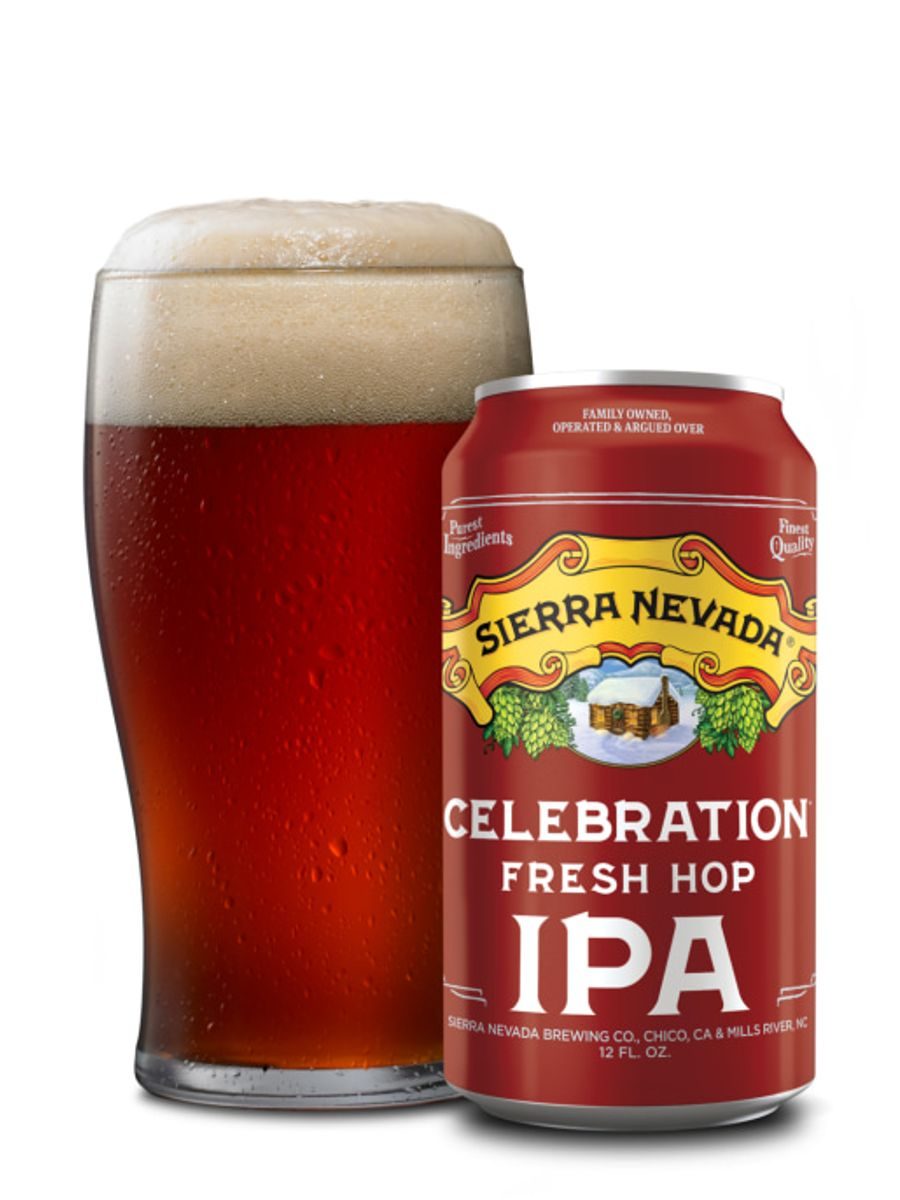
Sierra Nevada Celebration IPA
Brewed by Sierra Nevada Brewing Co.
Fresh Cascade, Centennial, and Chinook hops over caramel malt.
BAR NOTES
Celebration is the most important rebuttal to the idea that a Christmas beer must taste like a spice cabinet. First brewed in 1981, it connects the holidays to the annual hop harvest through pine, citrus, resin, and firm bitterness.
Drink the newest release at 42–46°F in an IPA glass with roast turkey, sharp cheddar, or spicy sausage. This is a fresh-hop beer, not a cellar project: hop aroma is the historical point and fades with age. Continue with HBA’s best IPA guide for the broader style.
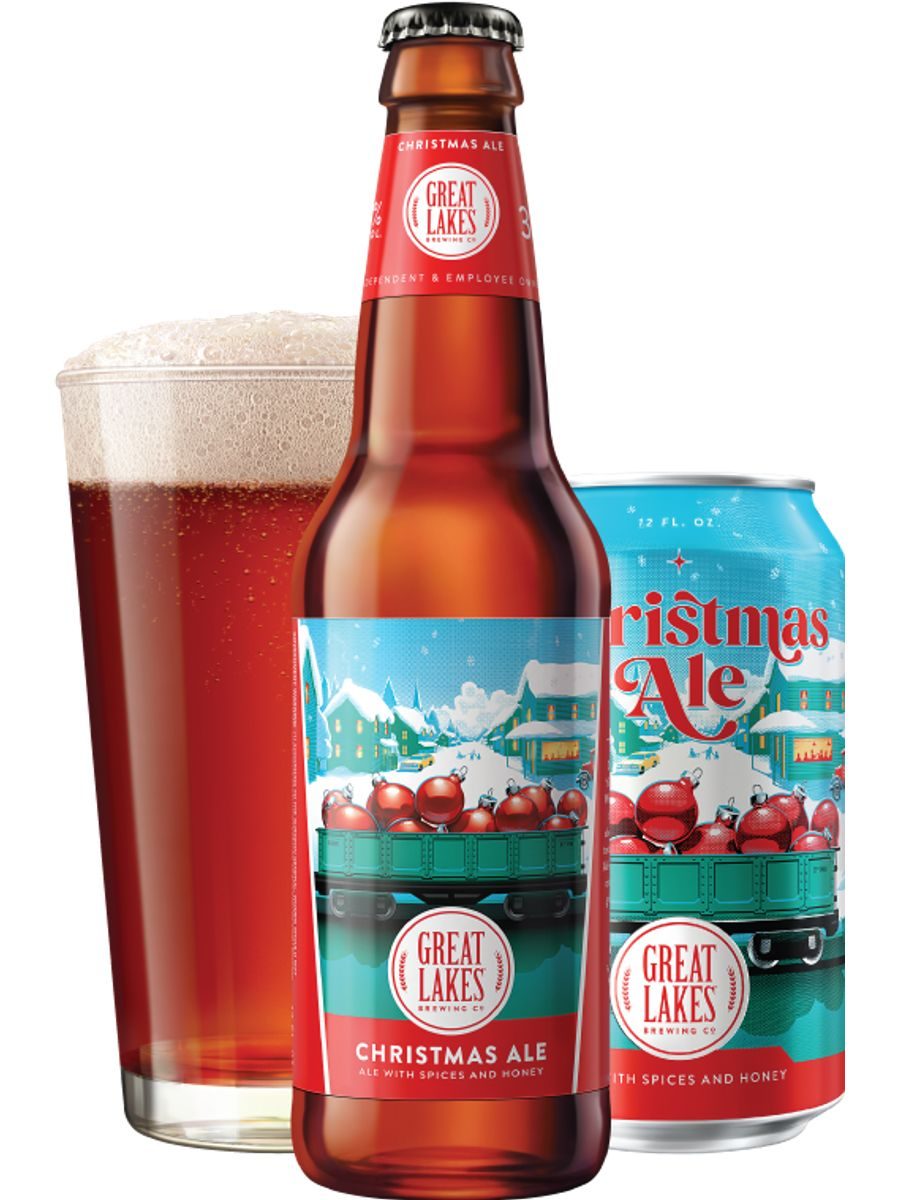
Great Lakes Christmas Ale
Brewed by Great Lakes Brewing Co.
Honey, ginger, cinnamon, amber malt, and a warming finish.
BAR NOTES
Great Lakes turned one regional recipe into a civic ritual. Honey rounds the amber malt while ginger and cinnamon supply a clear holiday signature, making this the clearest American example of the modern spiced-Christmas-ale branch.
Serve at 46–50°F with glazed ham, gingerbread, or creamy cheddar. Fresh cans show the spices most clearly, while the 7.5% strength is warming without pushing the beer into after-dinner-only territory. Continue with HBA’s cinnamon beer guide for the broader style.
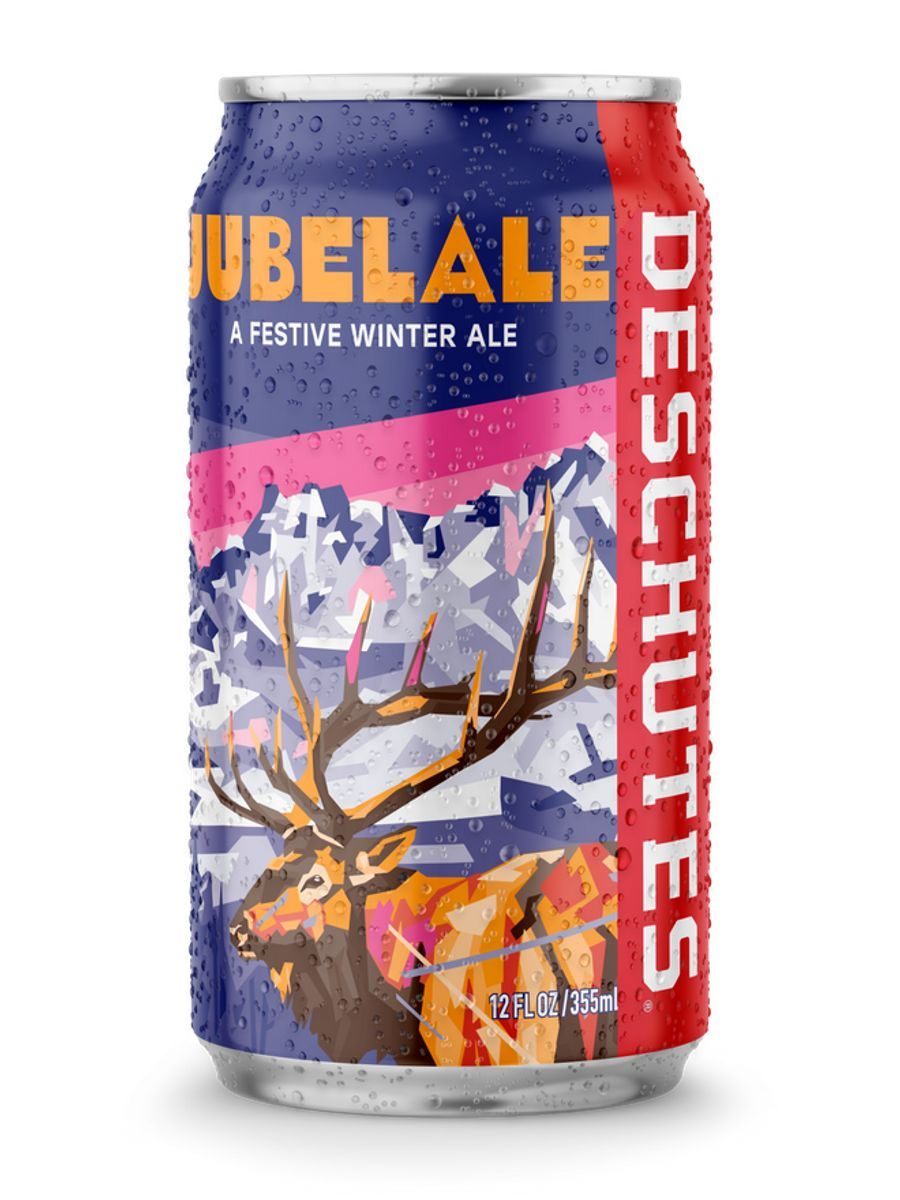
Deschutes Jubelale
Brewed by Deschutes Brewery
Toffee, cocoa, dried fruit, hop spice, and changing annual label art.
BAR NOTES
Jubelale has carried the same winter ritual since 1988 while commissioning new package art each year. The beer itself stays malt-led and recognizable, showing how annual label culture became part of American seasonal-beer collecting.
Serve at 46–50°F in a nonic pint with stew, roasted vegetables, or chocolate cake. A little warmth opens the toffee and cocoa; modest cellaring is possible, but the current release best shows the intended balance. Continue with HBA’s winter warmer guide for the broader style.
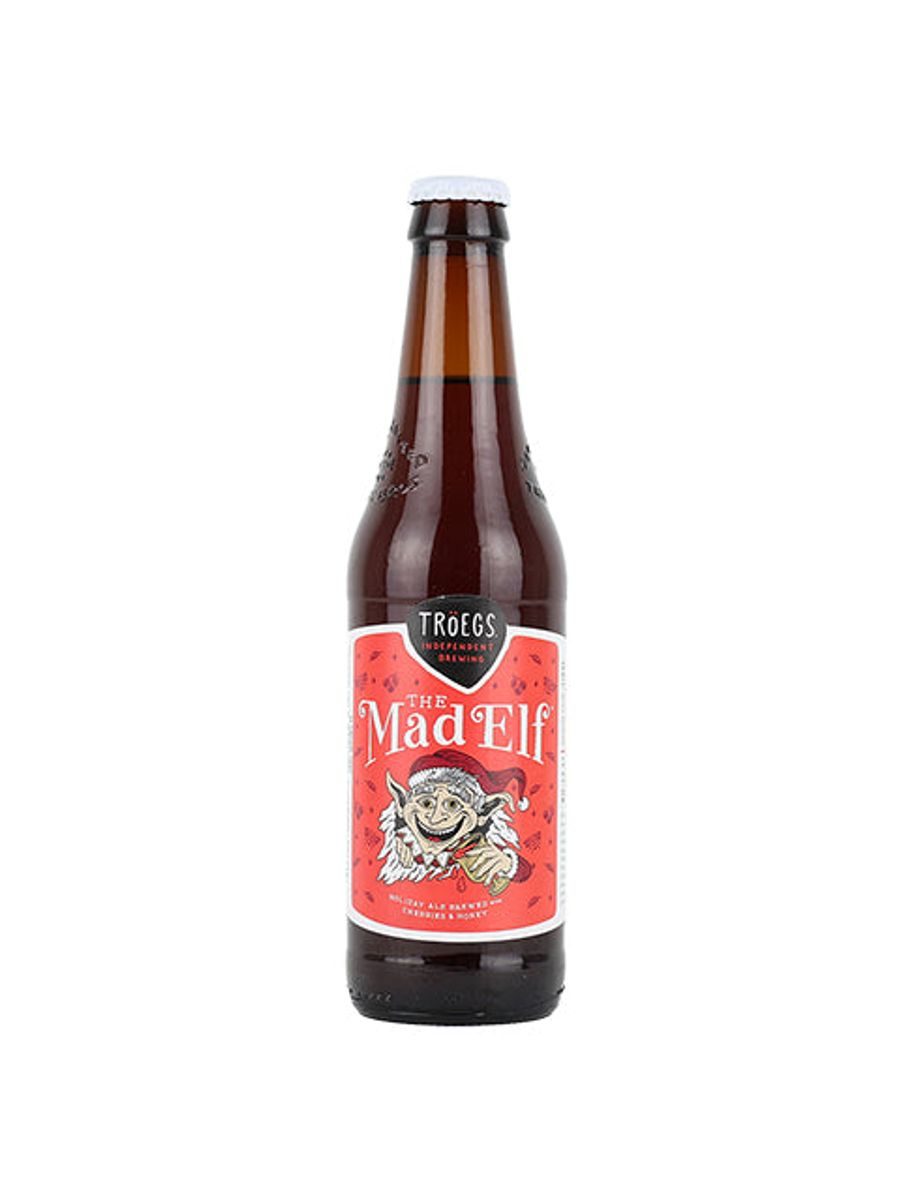
Troegs Mad Elf
Brewed by Troegs Independent Brewing
Five cherry varieties, Pennsylvania honey, chocolate malt, and Belgian yeast.
BAR NOTES
Mad Elf marks the point when American holiday beer became proudly theatrical and ingredient-driven. The 2002 original combined cherries, local honey, chocolate malt, and expressive Belgian yeast without simply copying an older European Christmas ale.
Pour a smaller serving at 48–52°F in a tulip with glazed ham, cherry pie, or washed-rind cheese. Its eleven percent strength and fruit intensity reward slow drinking, and carefully stored bottles can develop gracefully. Continue with HBA’s Belgian beer guide for the broader style.
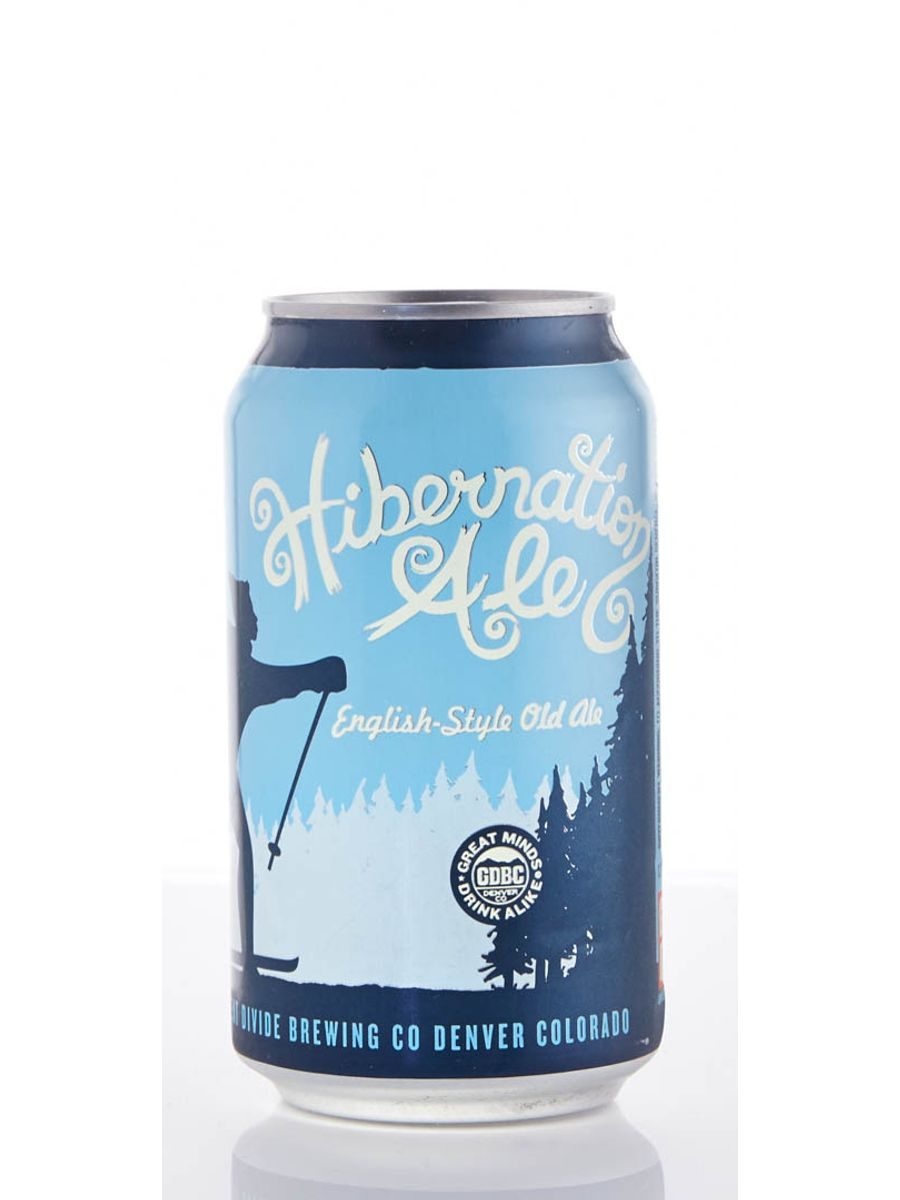
Great Divide Hibernation Ale
Brewed by Great Divide Brewing Co.
Dark fruit, cocoa, gingerbread-like malt, and assertive hopping.
BAR NOTES
Hibernation helped establish a Colorado winter-beer identity in 1995. It uses an old-ale framework—chewy malt, dark fruit, warmth, and meaningful bitterness—rather than reaching for cinnamon or novelty adjuncts.
Serve at 50–54°F in a tulip with roast lamb, fruitcake, or aged cheddar. Fresh bottles show the hop structure; a year or two of good storage can soften bitterness and deepen the dried-fruit character. Continue with HBA’s winter warmer guide for the broader style.
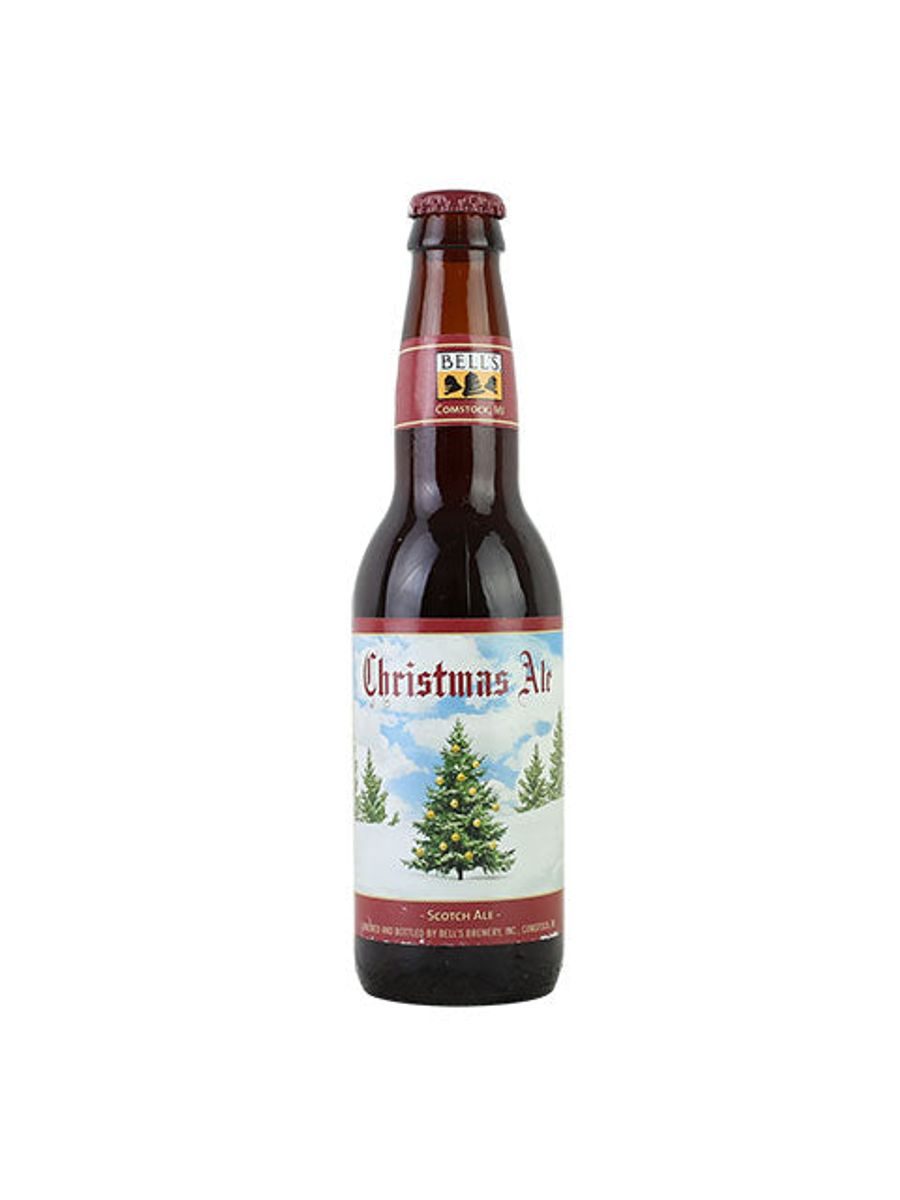
Bell's Christmas Ale
Brewed by Bell's Brewery
Caramel, toast, molasses, dried fruit, and restrained hops.
BAR NOTES
Bell’s Christmas Ale represents the unspiced school: holiday flavor created through malt rather than added cinnamon, clove, or ginger. Its Scotch-ale shape makes caramel, toast, and gentle alcohol warmth do the seasonal work.
Serve at 48–52°F with roast beef, mature cheddar, or pecan pie. Let the beer warm beyond refrigerator temperature so its malt depth emerges, and do not expect the perfume of a spiced ale. Continue with HBA’s winter warmer guide for the broader style.
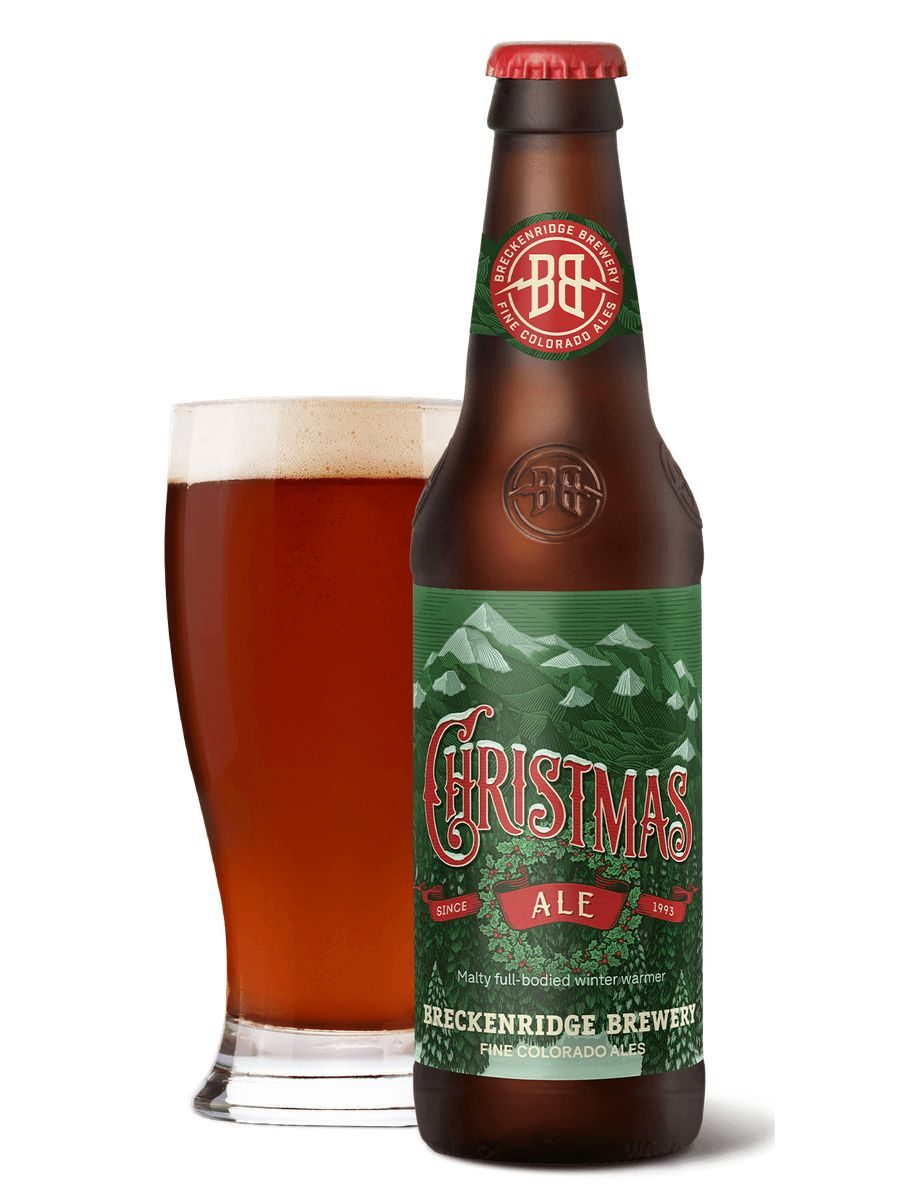
Breckenridge Christmas Ale
Brewed by Breckenridge Brewery
Caramel, chocolate malt, dried fruit, and clean warming strength.
BAR NOTES
Breckenridge Christmas Ale is a durable example of the 1990s regional winter warmer. Its identity comes from dark malt and alcohol warmth instead of heavy spice, the kind of beer that made “Christmas ale” locally meaningful before national craft distribution exploded.
Serve around 48–52°F with pot roast, bread pudding, or smoked Gouda. It is sturdy enough for a winter table but balanced enough for a full pint, which explains much of its staying power. Continue with HBA’s winter warmer guide for the broader style.
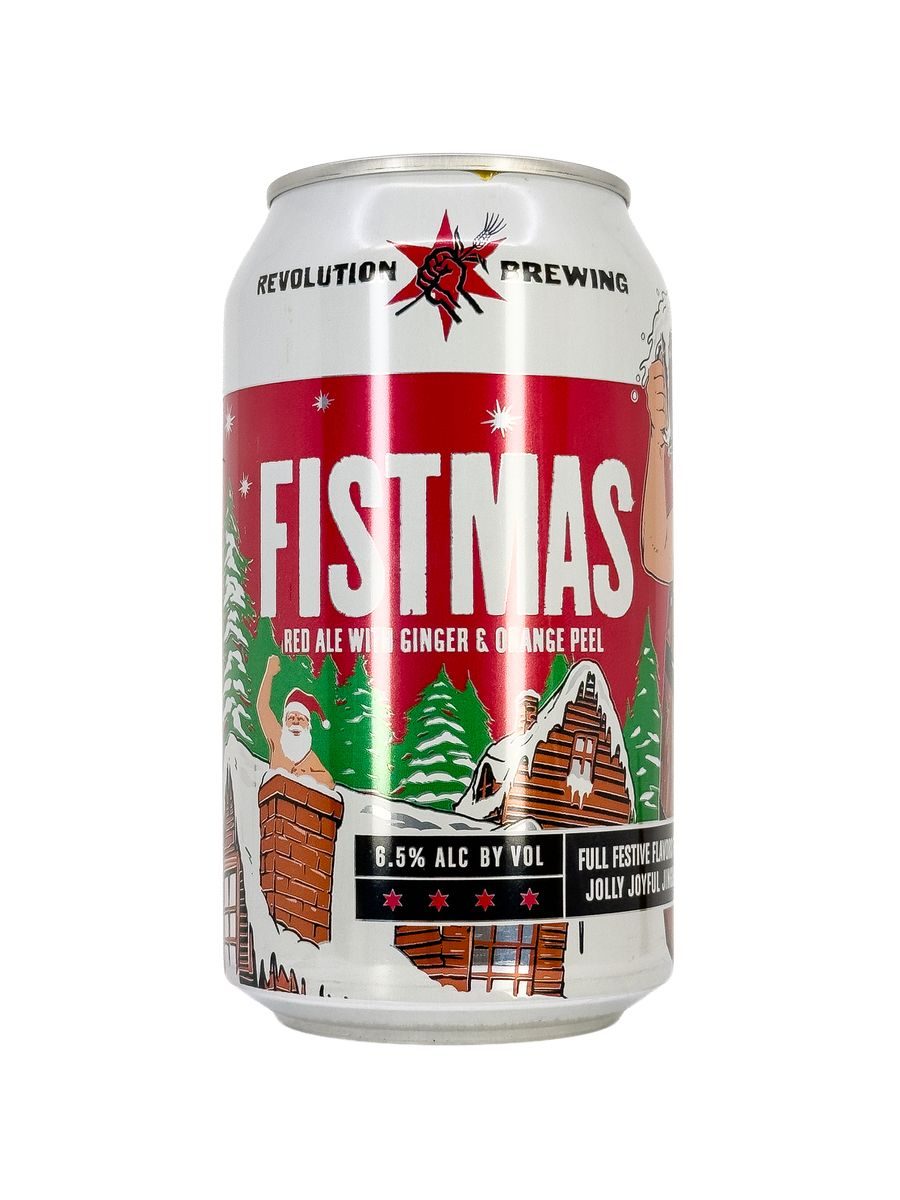
Revolution Fistmas
Brewed by Revolution Brewing
Ginger, orange peel, caramel malt, and a firm hop finish.
BAR NOTES
Fistmas shows the modern city-brewery version of Christmas ale: irreverent branding, red-ale malt, bright orange peel and ginger, plus enough hop bitterness to prevent the holiday ingredients from becoming sticky.
Serve at 44–48°F with glazed ham, pizza, roast poultry, or ginger cookies. Buy the newest batch because citrus and hop aromatics are central to its appeal, and those are the first elements age diminishes. Continue with HBA’s red ale guide for the broader style.
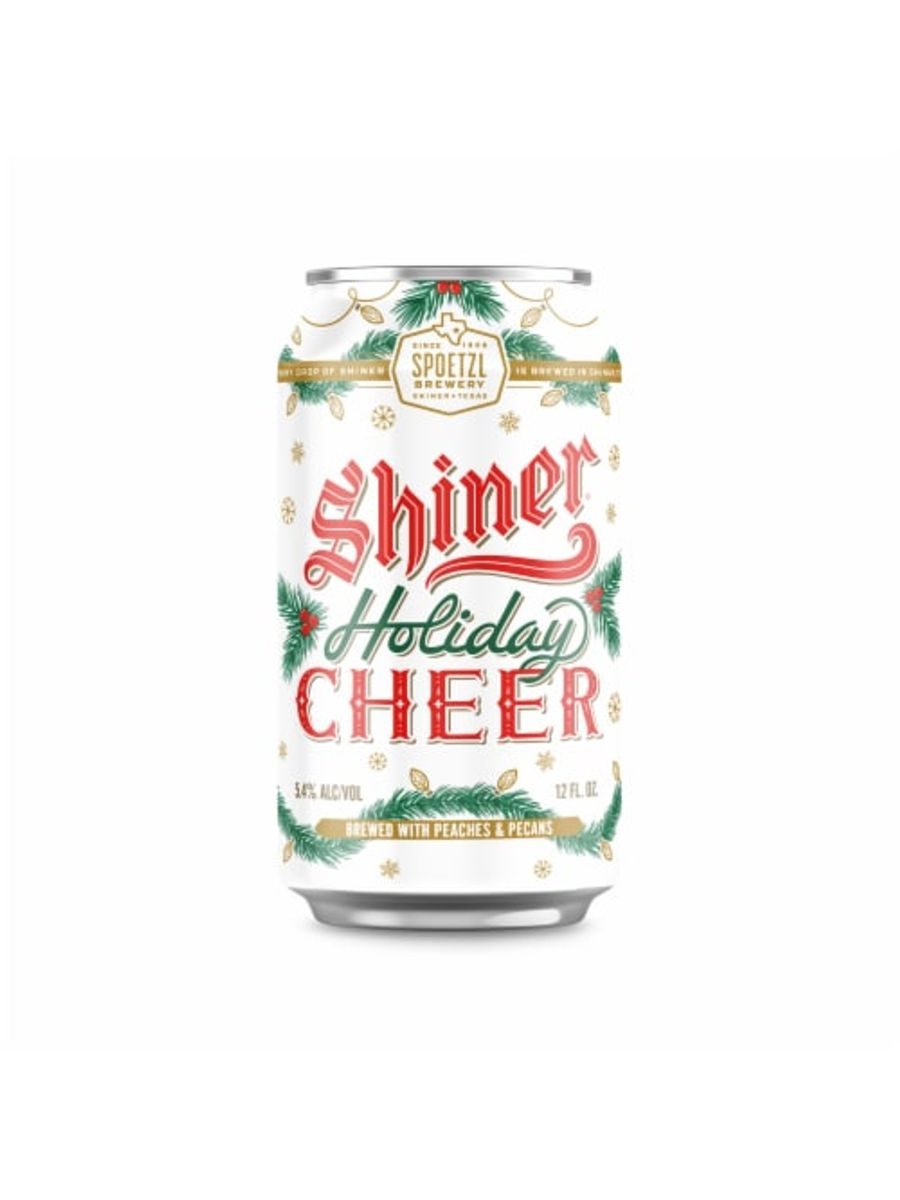
Shiner Holiday Cheer
Brewed by Spoetzl Brewery
Wheat malt, Texas peaches, roasted pecans, and gentle caramel.
BAR NOTES
Holiday Cheer demonstrates how far the American category moved beyond imported models. A dunkelweizen-inspired base carries Texas peaches and roasted pecans, turning regional ingredients into a recognizable holiday identity without imperial strength.
Serve at 44–48°F in a weizen glass with smoked turkey, pecan pie, or mild blue cheese. The lower strength makes it a useful long-table alternative to strong ales, while the fruit and nuts still read unmistakably festive. Continue with HBA’s seasonal beer guide for the broader style.
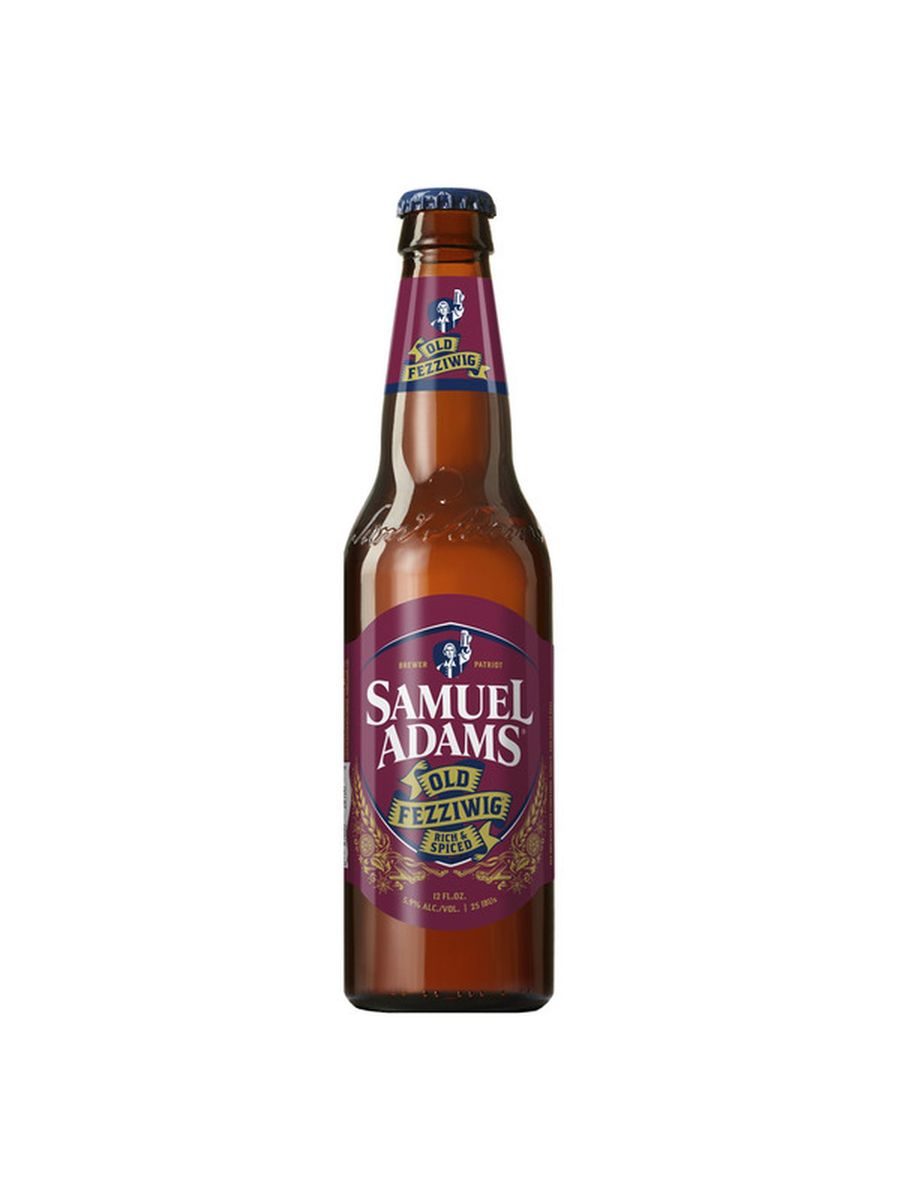
Samuel Adams Old Fezziwig
Brewed by Samuel Adams
Toffee, ginger, orange peel, cinnamon, and restrained roast.
BAR NOTES
Old Fezziwig helped put a named Christmas ale into nationally distributed holiday variety packs. Its brown-ale base and measured ginger, orange peel, and cinnamon made the American spiced model accessible well beyond a single brewery town.
Serve at 46–50°F with roast pork, stuffing, gingerbread, or nutty cheese. It is best treated as a fresh seasonal beer: the spice and orange are more vivid in the current release than in forgotten mixed-pack bottles. Continue with HBA’s spiced beer guide for the broader style.
How to serve a mixed Christmas-beer flight
Arrange the flight from delicate to intense: Shiner Holiday Cheer, Fistmas, Celebration IPA, Great Lakes Christmas Ale, Bell’s Christmas Ale, Jubelale, Breckenridge Christmas Ale, Hibernation Ale, Old Fezziwig, then Mad Elf. Keep pours small—three to five ounces—because the final beers carry substantially more alcohol and sweetness.
Do not serve every bottle ice-cold. Hop-forward beers are best around 42–46°F, moderate amber and wheat beers around 44–50°F, and stronger malt- or yeast-driven ales around 50–54°F. A tulip or wine glass works for the strong beers; a clean pint or IPA glass is better for the fresher, hop-led releases.
Which Christmas beers should be cellared?
Cellaring is selective, not automatically “better.” Mad Elf and Hibernation Ale have enough alcohol and malt to change interestingly under cool, dark, stable storage. Celebration IPA, Fistmas, and most spice- or citrus-led releases should be bought fresh because hop aroma, orange peel, and bright spice are exactly what time removes first.
If you age a beer, buy at least two bottles and keep one fresh as a control. Mark the package date, store upright away from heat and light, and compare after one year before committing more space. Oxidation can add pleasant sherry or dried-fruit notes to strong ale, but it can also produce dull cardboard.
Frequently Asked Questions
Was Anchor Our Special Ale the first American Christmas beer?
It was not the first American beer ever associated with Christmas, but its 1975 release is the key modern turning point. Anchor created a sustained annual craft tradition with changing recipes and a new tree label each year.
Is Anchor Christmas Ale available now?
Not in normal current distribution as of September 2026. Anchor closed in 2023 and was acquired in May 2024, but the new owner has not announced a firm reopening date or restored the seasonal release.
Is Christmas beer an official beer style?
No. It is a seasonal category that crosses IPA, winter warmer, old ale, Scotch ale, red ale, wheat beer, Belgian-inspired strong ale, stout, and other styles.
Do Christmas beers always contain spices?
No. Sierra Nevada Celebration uses fresh hops, while Bell’s Christmas Ale and Great Divide Hibernation Ale build seasonal character from malt, fermentation, strength, and hops rather than added baking spice.
When do Christmas beers usually appear?
Most American releases begin arriving from October through November, often before Thanksgiving, and remain available into December. Freshness matters most for hop-forward and citrus-led beers.
What is the difference between Christmas ale and winter warmer?
Winter warmer usually describes a stronger, malt-forward cold-weather beer. Christmas ale describes seasonal intent and may be hoppy, spiced, fruity, dark, pale, strong, or relatively moderate in alcohol.
Keep Following the American Holiday Pour
Move from the history into the full Christmas board, compare the styles that shaped it, or build a seasonal recipe around malt, hops, fruit, and spice.
DRINK DEEPER
BREW IT YOURSELF

better beer.