10 Best Old Ales to Drink in 2026
Old ale is not simply beer that sat around until somebody remembered it. It is a loose, deeply British family of malt-rich ales shaped by strength, maturation, blending, bottle conditioning, wood, or—in the best cases—a house character that refuses tidy modern labels.
This focused Top 10 moves from 4.8% pub-strength complexity to 11.1% cellar bottles. It includes current old ales, stock ales, vintage strong ales, and a few deliberate barleywine-border beers, because the historical family has always been messier than a style chart.
The quick answer
North Coast Old Stock Ale is our best overall old ale because it combines a clear old-ale identity, vintage dating, real availability, British ingredients, and serious aging potential. Samuel Smith Yorkshire Stingo is the oak-cellar benchmark, while Great Divide Hibernation is the best American winter interpretation.
What makes an ale old
Historically, “old” beer could mean matured stock ale kept apart from younger mild ale, then served alone or blended. Time, oxygen, wood, Brettanomyces, and brewery-specific handling created flavors that ranged from rounded caramel and vinous fruit to leather, tart apple, and gentle funk.
Modern versions often recreate the broad profile without literal years in a vat. Vintage dating, bottle conditioning, oak maturation, high gravity, dark English malt, or simply continuity with an old brewery recipe can all put a beer in the family. The label matters less than the method and result.
The 10 best old ales
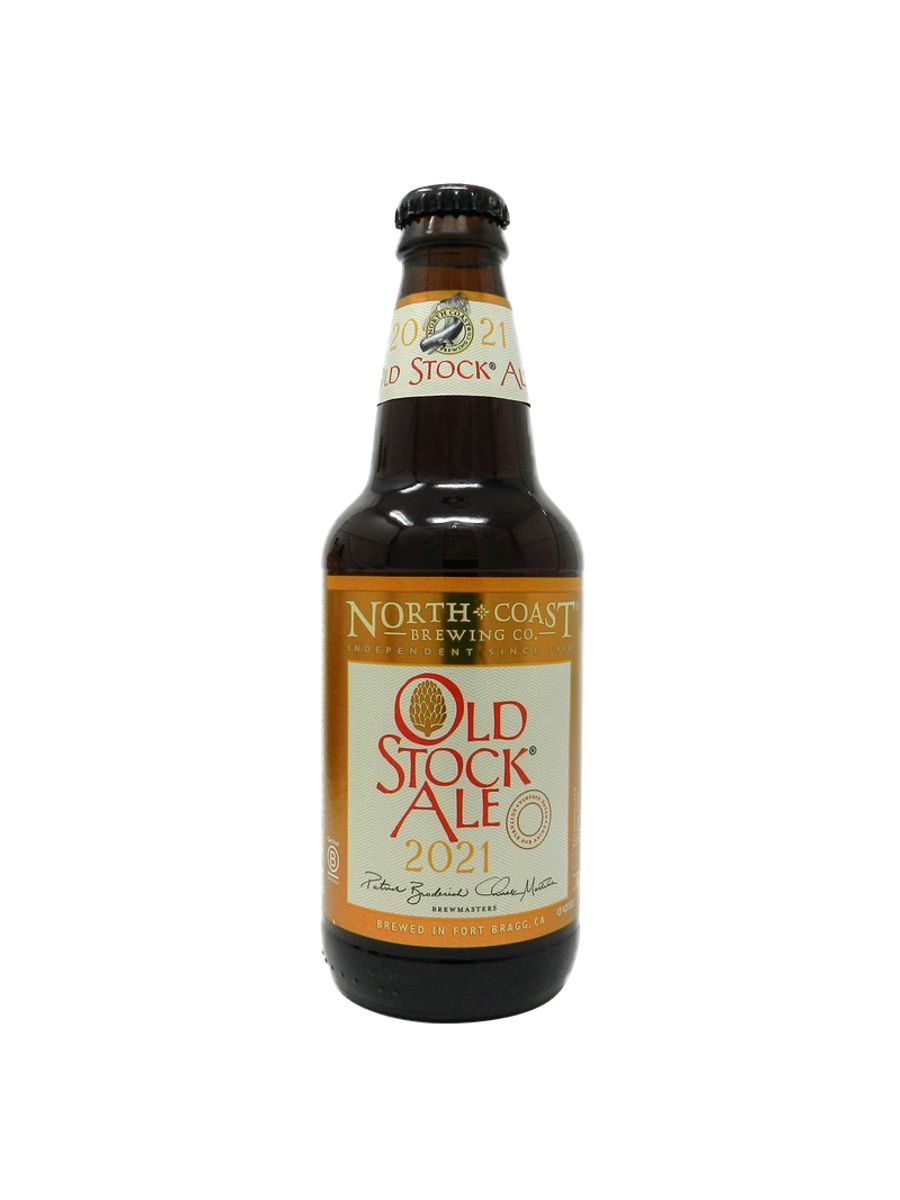
Old Stock Ale
Brewed by North Coast Brewing Company
The most complete modern old-ale lesson: vinous fruit, deep malt, purposeful aging potential, and enough hop structure to change gracefully rather than merely fade.
BAR NOTES
Old Stock Ale takes the top spot because North Coast designs it for the cellar without making age a requirement. An original gravity above 1.100, Maris Otter malt, and imported Fuggles and East Kent Goldings create a huge but recognizably British framework.
Buy two bottles from the same vintage and open one fresh. Store the second upright, cool, and dark; over time, hop edges soften while caramel, raisin, sherry, and port-like fruit move forward. Serve around 54°F with Stilton or roast lamb.
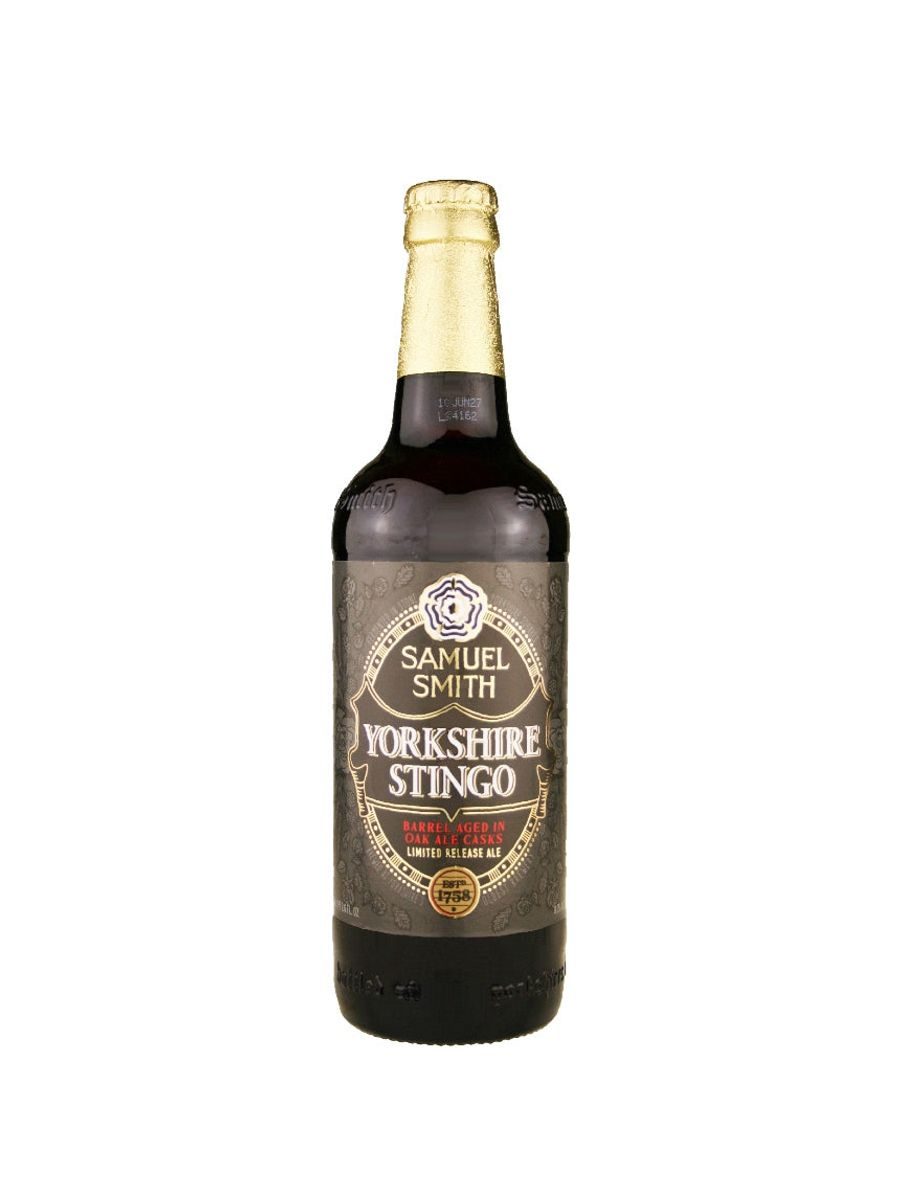
Yorkshire Stingo
Brewed by Samuel Smith’s Old Brewery
Treacle toffee, raisin, Christmas pudding, fruit, and quiet oak make tradition taste alive rather than preserved behind glass.
BAR NOTES
Yorkshire Stingo is matured for at least a year in old oak ale casks in Samuel Smith’s underground cellars, then naturally conditioned in the bottle. Those well-used casks contribute softness and continuity rather than the loud vanilla of fresh bourbon oak.
Pour the 550ml bottle slowly at roughly 51°F and share it. Beef, game, cured meat, olives, mackerel, and strong aromatic cheese all work because salt and savory depth keep the toffee, dried fruit, and warming alcohol in balance.
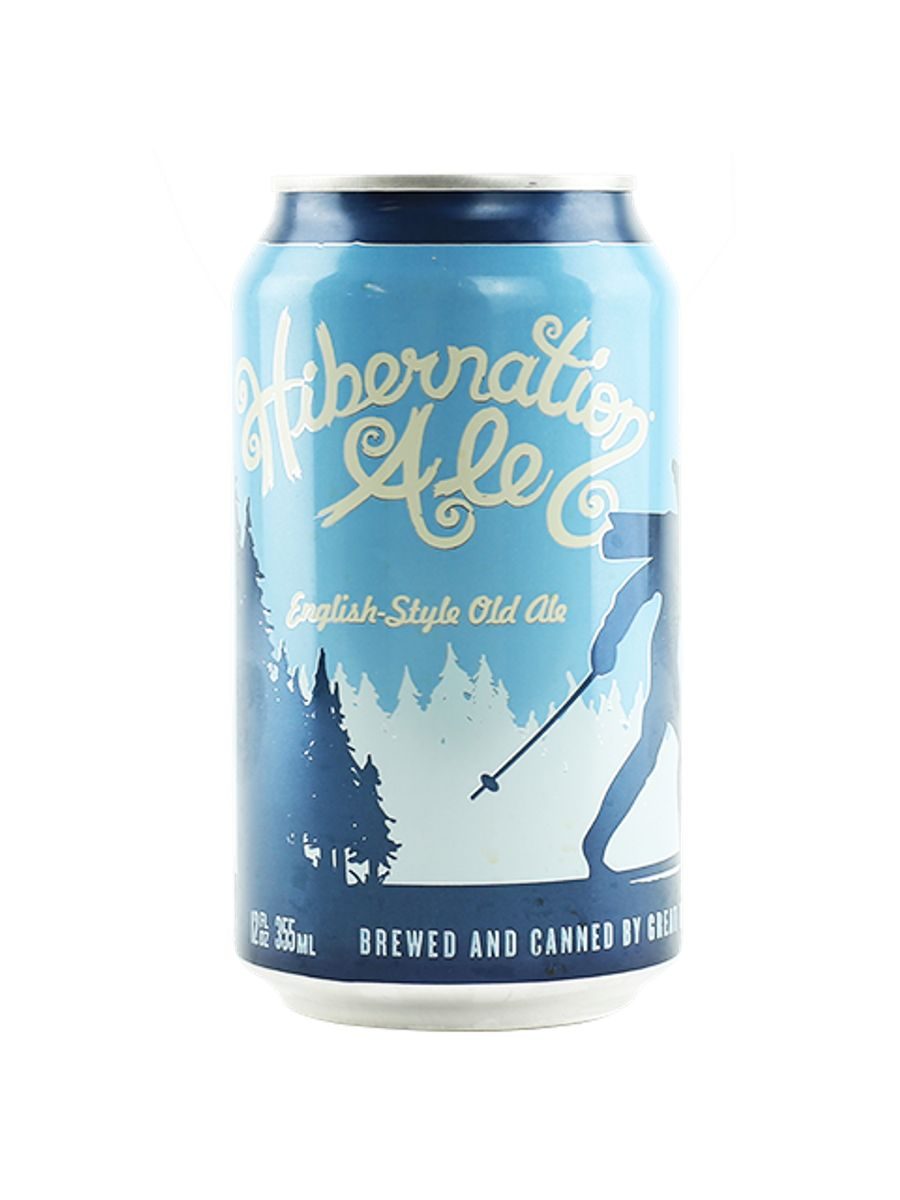
Hibernation Ale
Brewed by Great Divide Brewing Company
American hop confidence sharpens a dense malt core, proving that old ale can taste seasonal without cinnamon, nutmeg, or dessert tricks.
BAR NOTES
Great Divide has brewed Hibernation since 1995, and its October-through-December return is one of American craft beer’s durable winter rituals. The beer uses robust malt and dry hopping—not holiday spices—to create its dark-fruit, caramel, and warming profile.
Drink a fresh can first, because the hop layer is part of the design rather than clutter waiting to age away. Serve around 50–54°F with beef stew, smoked cheddar, roast pork, or mushroom pie; cellar only after learning the fresh baseline.
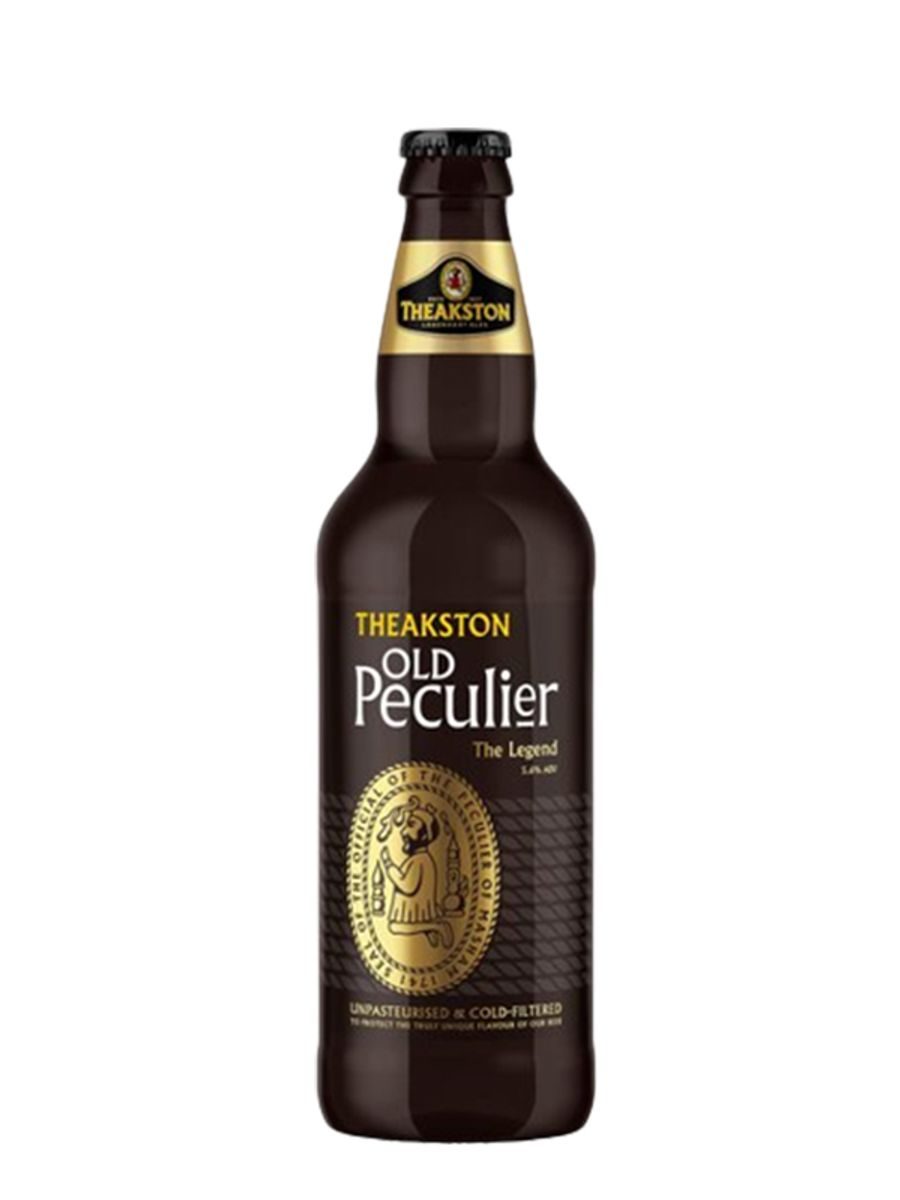
Old Peculier
Brewed by T&R Theakston
Cherry-like fruit, caramel, toast, and restrained roast show that old ale does not need double-digit alcohol or a collector’s box.
BAR NOTES
Old Peculier is the board’s corrective to strength creep. At 5.6%, it delivers dark fruit, caramel, toast, gentle roast, and a warming impression without becoming a nightcap. Its name comes from Masham’s historic ecclesiastical Court of the Peculier.
This is the bottle—or cask pint, when luck allows—to drink with steak-and-ale pie, roast beef, mature cheddar, or a ploughman’s lunch. Serve around cellar temperature and finish it fresh; this classic is about developed flavor, not compulsory home aging.
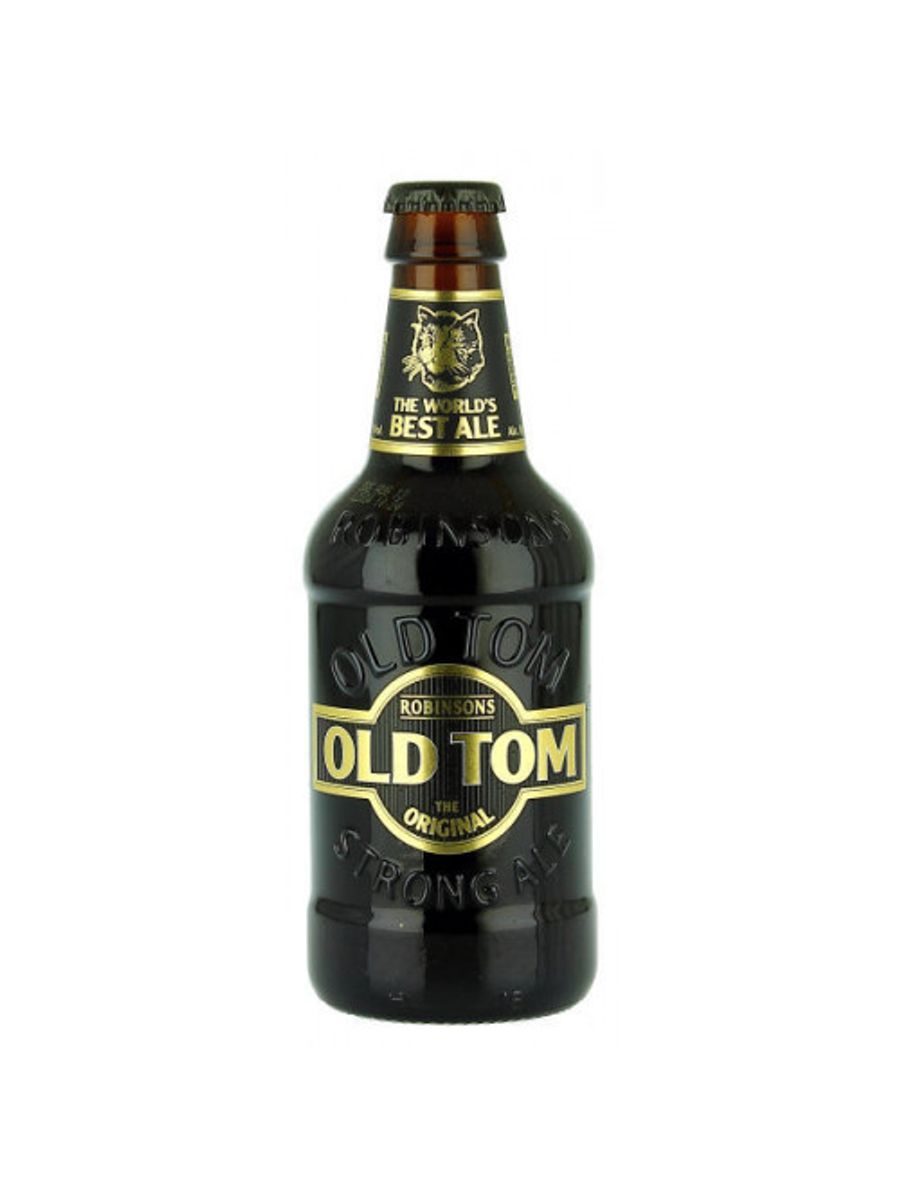
Old Tom
Brewed by Robinsons Brewery
Rich malt, dark fruit, chocolate, and a port-like finish make the brewery-cat bottle one of Britain’s essential strong dark ales.
BAR NOTES
Old Tom dates to 1899 and takes its name from a brewery cat sketched by Robinsons’ head brewer. The compact bottle holds a deceptively drinkable combination of molasses, dark fruit, chocolate, caramel, and a vinous finish at 8.5%.
Give it a small tulip rather than a pint glass and let it warm toward 52°F. Blue cheese, venison, braised beef, fruitcake, or dark chocolate can handle its density; a fresh bottle still has enough bitterness to keep the sweetness organized.
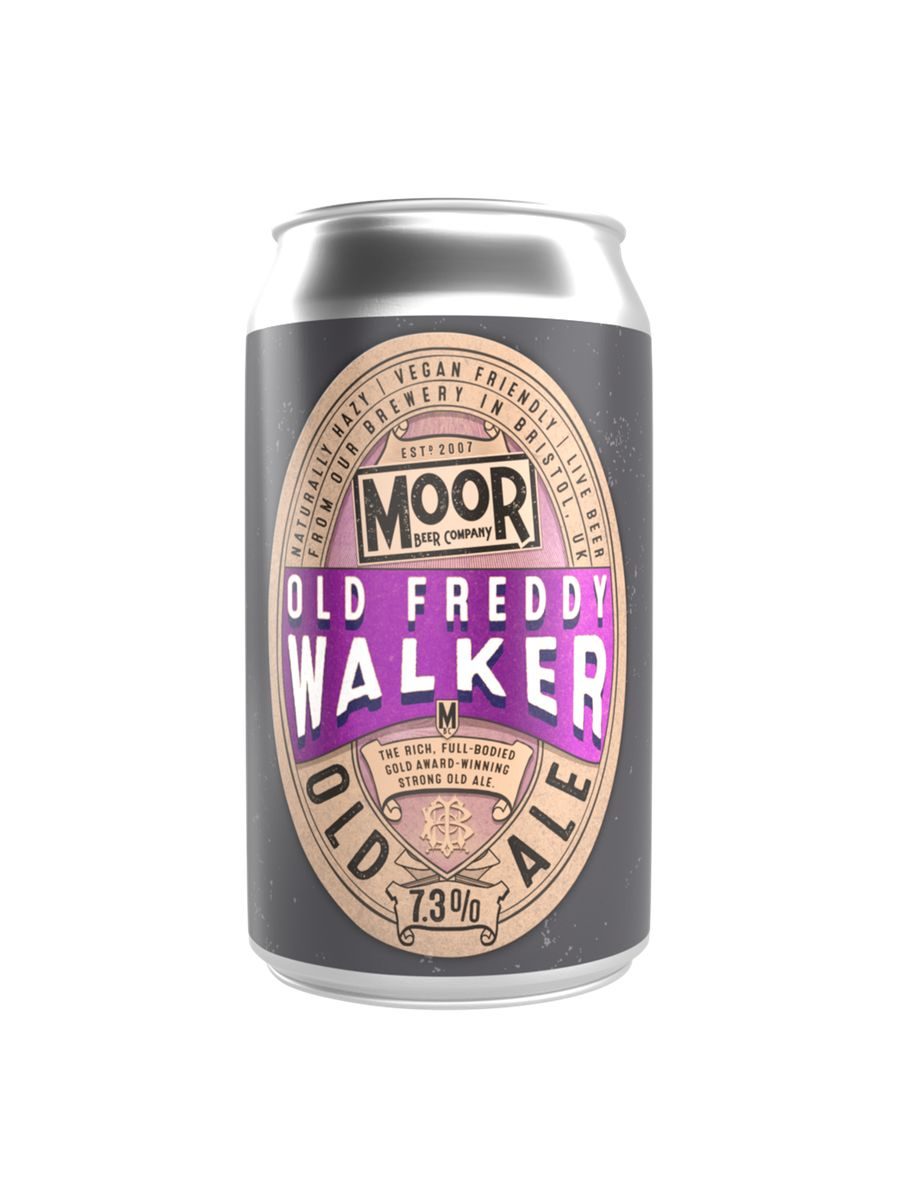
Old Freddy Walker
Brewed by Moor Beer Company
Vine fruit, chocolate, dark roast, and a serious bitter spine make this the liveliest contemporary interpretation on the board.
BAR NOTES
Old Freddy Walker is modern old ale without costume drama. Moor leaves the 7.3% beer unfiltered, unfined, unpasteurized, and naturally conditioned, while a surprisingly firm hop structure prevents its vine fruit, chocolate, dark roast, and cake-like malt from sagging.
Store the can or bottle cool and pour carefully if you prefer less sediment, although the living conditioning is part of the point. Around 52°F, it suits roast beef, sharp cheddar, mushroom gravy, Christmas pudding, or a quiet glass by itself.
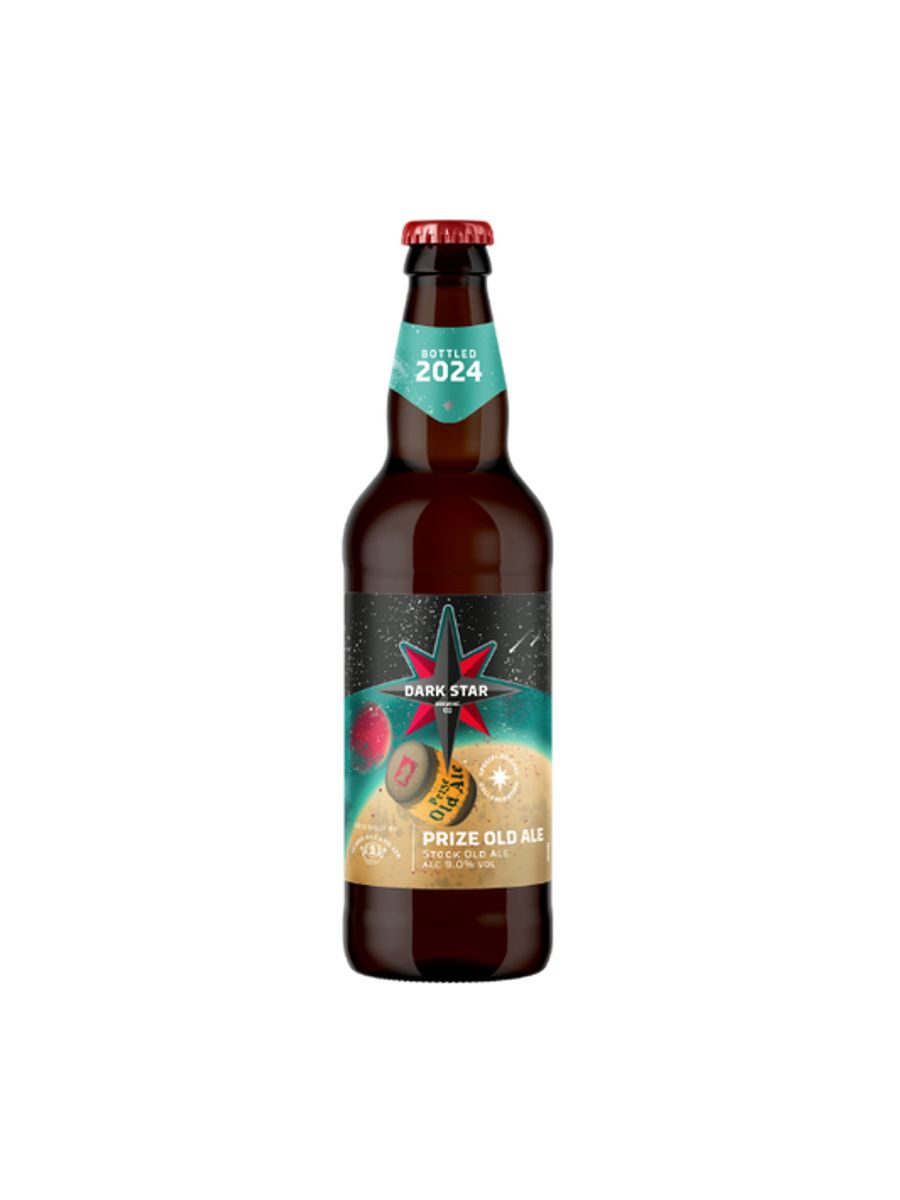
Prize Old Ale
Brewed by Dark Star Brewing Co.
Maris Otter, English hops, bottle conditioning, and a dry, apple-raisin tang preserve the wild edge that most modern strong ales polish away.
BAR NOTES
Prize Old Ale descends from Gale’s unusually living stock-ale tradition, in which mature beer and younger beer preserve a house culture across releases. The 2024 Dark Star bottle remains unfiltered and unpasteurized, with malt, apple, raisin, spice, and tartness sharing the glass.
This is the least predictable bottle here, and that is its value. Serve around 52–55°F and expect vintage variation, gentle acidity, and restrained carbonation. Farmhouse cheddar, pâté, roast pork, or an apple-and-walnut plate makes sense beside it.
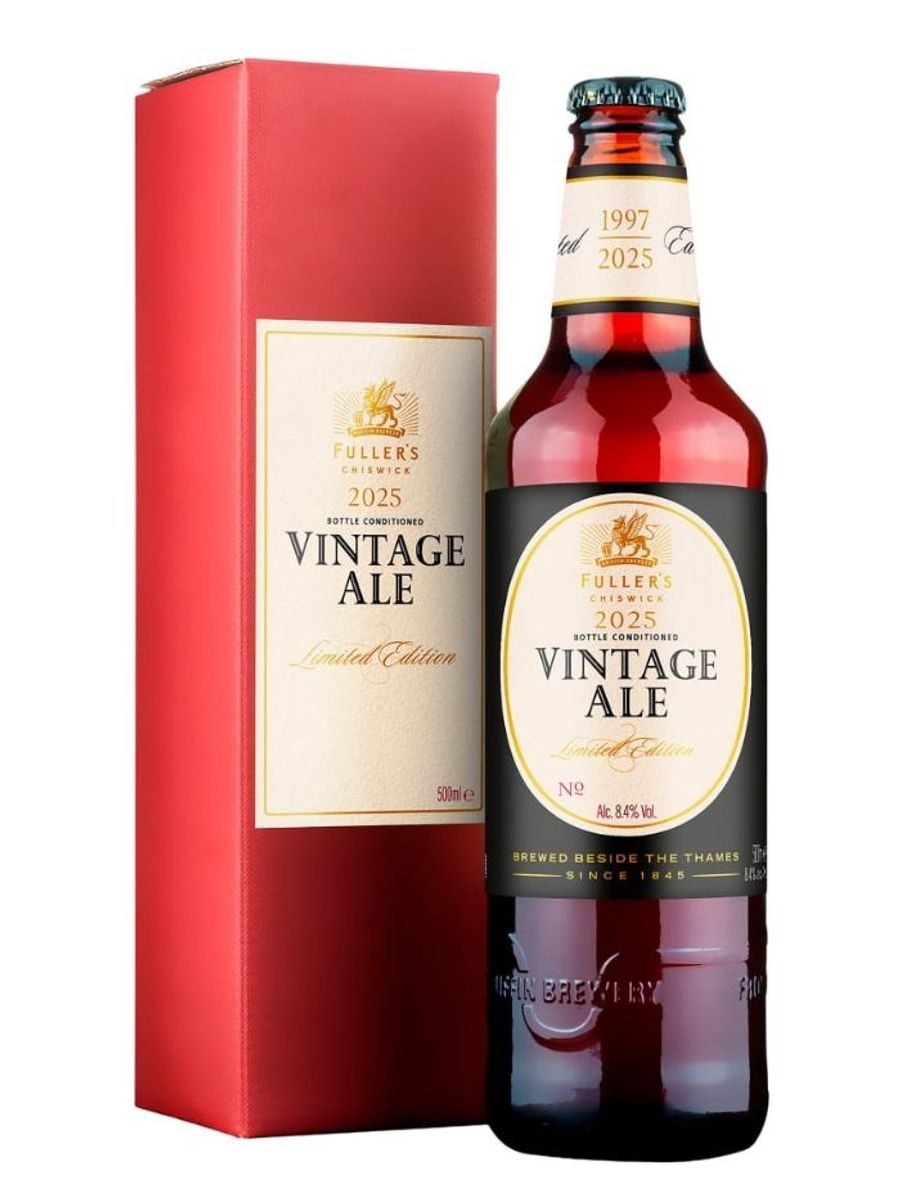
Vintage Ale 2025
Brewed by Fuller’s Griffin Brewery
Red berries, citrus, caramel, and English yeast character give collectors a vintage ale that is equally legitimate opened now.
BAR NOTES
Fuller’s has released a distinct Vintage Ale annually since 1997, changing the ingredient emphasis while preserving bottle conditioning and cellar intent. The 2025 edition layers caramel and biscuit-like malt with red berry, citrus, spice, and the brewery yeast’s familiar orange note.
The presentation box is useful only if the bottle stays cool and dark; heat ruins collector theater quickly. Taste one now around 52°F, then age a second. Roast duck, Stilton, glazed ham, or fruit-and-nut cake will follow its malt and fruit.
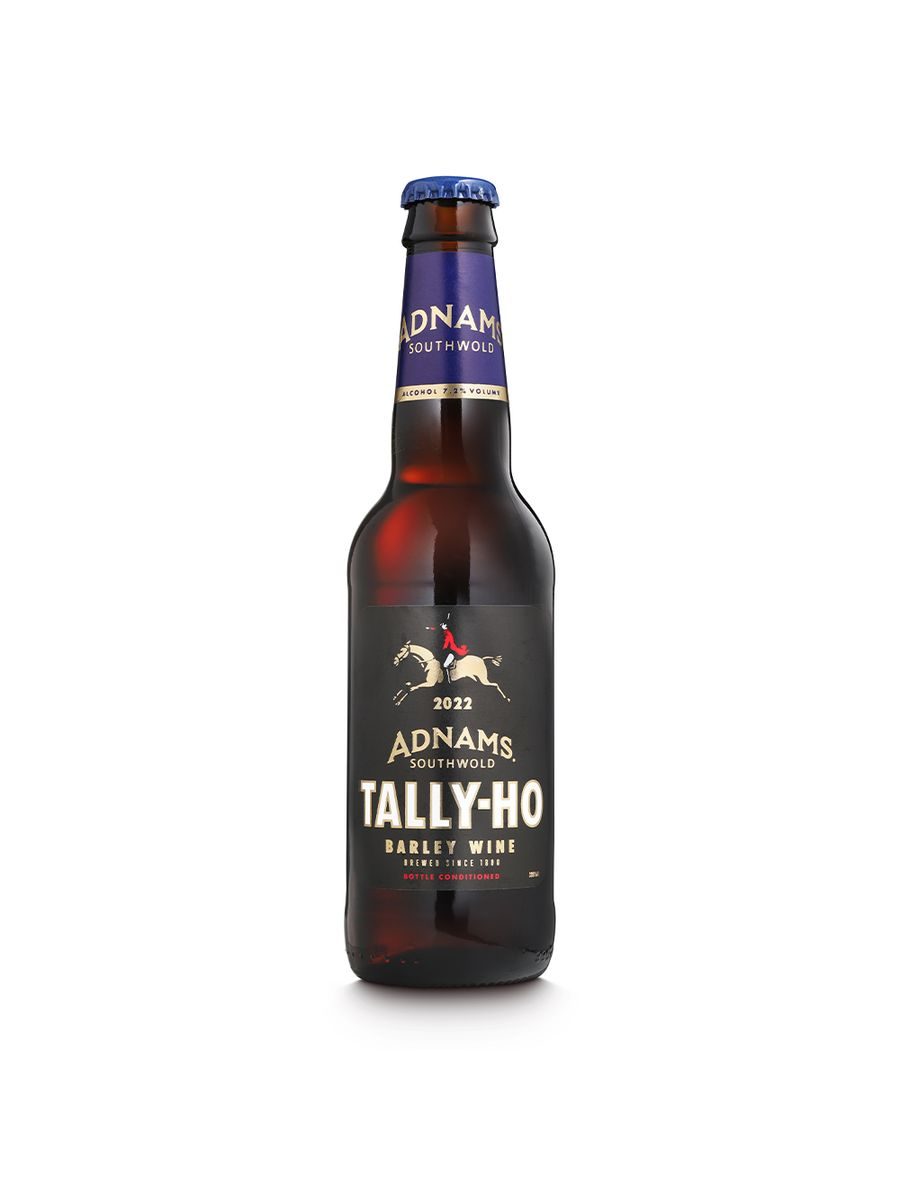
Tally-Ho
Brewed by Adnams
Christmas-cake fruit, raisin, dark chocolate, toasted bread, and gentle warmth put this historic bottle directly on the old-ale/barleywine border.
BAR NOTES
Adnams has brewed Tally-Ho since 1880, and each limited vintage is intended to be distinctive rather than perfectly identical. Pale, crystal, brown, and black malts create mahogany color and notes of raisin, bread, chocolate, and dense winter fruit.
The label says barley wine, but the beer’s long history, annual vintage, moderate 7.2% strength, and fireside malt profile make it a useful old-ale crossover. Serve around 52°F with game pie, aged cheese, walnuts, or Christmas cake.
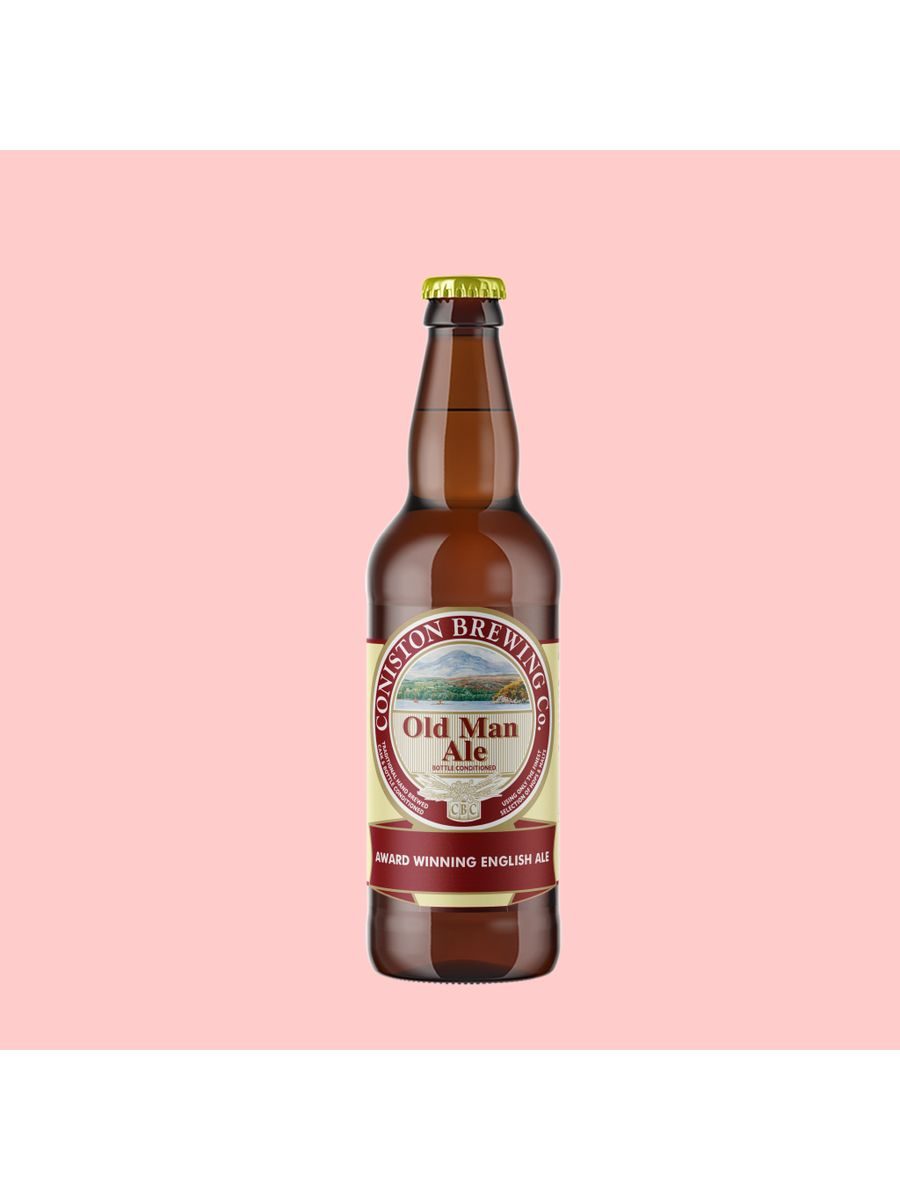
Old Man Ale
Brewed by Coniston Brewing Co.
Deep copper color, creamy chocolate malt, tart fruit, and a dry roasty finish prove maturity is a flavor idea—not an ABV contest.
BAR NOTES
Old Man Ale closes the list because the style’s lower end deserves protection. Pale and crystal malts plus roast barley create burnished copper color, a port-like aroma, chocolate, creamy malt, tart fruit, and a dry, grainy finish at only 4.8%.
Bottle conditioning rewards a careful pour, but this is not a beer to hoard for a decade. Drink it fresh around 48–52°F with Cumberland sausage, meat pie, mushrooms, crumbly cheese, or roast chicken, and enjoy the rare possibility of a second glass.
How we ranked the cellar
We rewarded old-ale identity before raw strength: layered malt, vinous or dried-fruit character, useful bitterness, controlled oxidation, and a finish that remains drinkable. Current production and realistic availability mattered because this is a drinking list, not a museum catalog.
The ranking deliberately spans British and American brewing, young and mature service, 4.8% through 11.1%, and clean versus lightly tart interpretations. That range is the point. A narrow definition would erase the history it claims to protect.
How to serve and cellar old ale
Start most bottles around 50–54°F in a nonic pint for the lower-strength beers or a small tulip for stronger vintages. Avoid refrigerator-cold service, which hides fruit and malt, and avoid oversized pours, which make warmth feel like fatigue.
Cellar only beers built for it, and taste a fresh bottle first. Store upright in steady, cool darkness. Age trades hop aroma and fresh malt for sherry, leather, dried fruit, and softer alcohol; that can be fascinating, but it is change rather than automatic improvement.
Old ale FAQ
Is old ale actually aged?
Sometimes. Yorkshire Stingo spends at least a year in oak, and stock-ale traditions may involve matured beer or blending. Other modern old ales create the family profile through recipe, strength, bottle conditioning, and brewery tradition without years of aging before sale.
What is the difference between old ale and barleywine?
Old ale is historically broader and can be much weaker, darker, more oxidative, or lightly tart. English barleywine usually implies greater strength and concentrated malt. The categories overlap heavily at the high end, so some bottles honestly belong in both conversations.
Should old ale taste sour or funky?
Not necessarily. Historic stock ale could develop tartness or Brettanomyces character, and Prize Old Ale preserves that branch. Many current examples are clean, malt-rich strong ales. Vinegar, mold, or uncontrolled staleness is still a flaw, not heritage.
What food pairs with old ale?
Roast beef, game, meat pies, mushrooms, aged cheddar, Stilton, walnuts, fruitcake, and bread pudding all work. Salt, browning, earthiness, and sharp cheese balance the beer better than piling a very sweet dessert onto an already rich glass.
Build a three-bottle old-ale lesson
Pour Old Peculier first for pub-strength tradition, Yorkshire Stingo second for oak-aged depth, and Old Stock Ale last for vintage strength and cellar potential. That short flight explains more than treating “old” as a synonym for strongest.
Stay in the cellar after everyone sensible has gone home
Cross the fuzzy border into barleywine, open the wider dark-beer map, or brew a malt-heavy bottle meant to change with time.
DRINK DEEPER

better beer.