50 Best Dark Beers: Stouts, Porters, Lagers & More

DARK BEER, FULL SPECTRUM · UPDATED SEPTEMBER 2026

Dark beer is a color family, not one flavor or one strength. This Top 50 moves from 4% nitro stout and crisp schwarzbier through porter, smoked lager, doppelbock, Belgian dark strong ale, imperial stout, barrel-aged releases, and genuinely convincing non-alcoholic dark beer.

The ranking deliberately varies the pour. You will not get fifty stouts in a row, and you will not be told that every black beer is heavy, sweet, or strong.

The best dark beers at a glance

For a first bottle, choose Deschutes Black Butte Porter. For a pub-strength classic, choose Guinness Draught or Köstritzer Schwarzbier. For malt richness without roast, choose Ayinger Celebrator. For Belgian fruit and fermentation, choose Rochefort 10. For imperial intensity, choose Old Rasputin; for bourbon-barrel depth, choose Bourbon County Brand Stout or Parabola.

Those recommendations point in different directions because “dark” describes appearance before it describes flavor. HBA’s focused Irish stout guide and barrel-aged beer guide go deeper; this page is the all-style board.

What actually makes beer dark?

Most dark beer gets its color from kilned or roasted grain: chocolate malt, black malt, roasted barley, brown malt, dark Munich malt, or combinations of them. A brewer may use a small amount for color or build an entire flavor architecture around toast, cocoa, coffee, bread crust, caramel, smoke, nuts, and dried fruit.

Color is commonly described with SRM in the United States, but SRM does not tell you sweetness, body, bitterness, calories, or alcohol. Köstritzer is nearly black and crisp at 4.8% ABV; Westvleteren 12 is dark, fruity, and 10.2%; Guinness 0.0 is alcohol free. Use HBA’s beer alcohol content list when strength matters more than appearance.

The main dark-beer families

Stout ranges from dry and roasty to sweet, oatmeal-soft, coffee-driven, imperial, or barrel aged. Porter often emphasizes chocolate, toast, nuts, and brown malt, though American and Baltic versions can be stronger. Dark lager includes dunkel, schwarzbier, doppelbock, Baltic porter, and smoked lager—clean fermentation changes the entire impression.

Belgian dark strong ale and quadrupel create color through dark malt and sugar while yeast supplies plum, fig, pepper, and spice. Brown ale and old ale sit elsewhere on the dark spectrum, while modern adjunct and pastry stouts add coffee, cacao, vanilla, peppers, fruit, or dessert ingredients. HBA’s 50 unique beer styles maps the stranger branches.

How the Top 50 was ranked

The ranking balances quality, influence, style accuracy, distinctiveness, availability, and how well each bottle teaches a different part of dark beer. A famous release does not automatically outrank a better everyday beer, and raw alcohol does not count as complexity. Current standard products take priority; vintage-dependent releases are labeled accordingly.

The 50 best dark beers
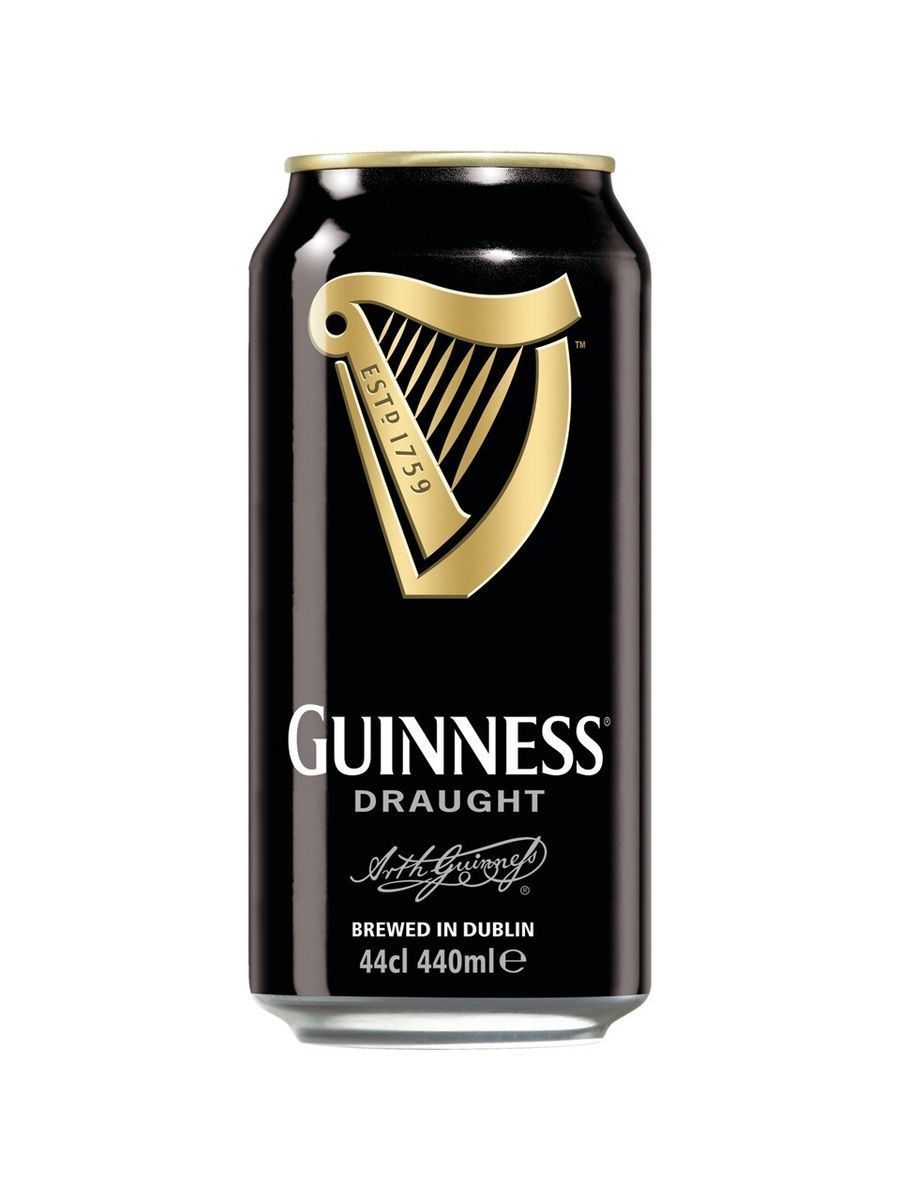
Guinness Draught
#1 in this roundup
Beer profile

Guinness Draught

Brewed by Guinness

StyleIrish Dry Stout
ABV4.2%
BITTERNESS / CONTEXT45 IBU
Brewed inDublin, Ireland

Dry cocoa, roasted grain, light coffee, and a faint tang finish cleaner than the color suggests.

BAR NOTES

Guinness Draught represents the global dry-stout benchmark: dark in the glass, moderate in alcohol, and built around roasted barley rather than sweetness. It belongs in this ranking because its nitrogenated pour made creamy texture part of stout’s modern identity without turning the beer heavy or dessert-like.

Dry cocoa, roasted grain, light coffee, and a faint tang finish cleaner than the color suggests. Serve it at 42–46°F in a nonic pint with oysters, shepherd’s pie, or sharp cheddar. Use a clean glass and a firm pour; freshness and proper dispense matter more than cellaring.
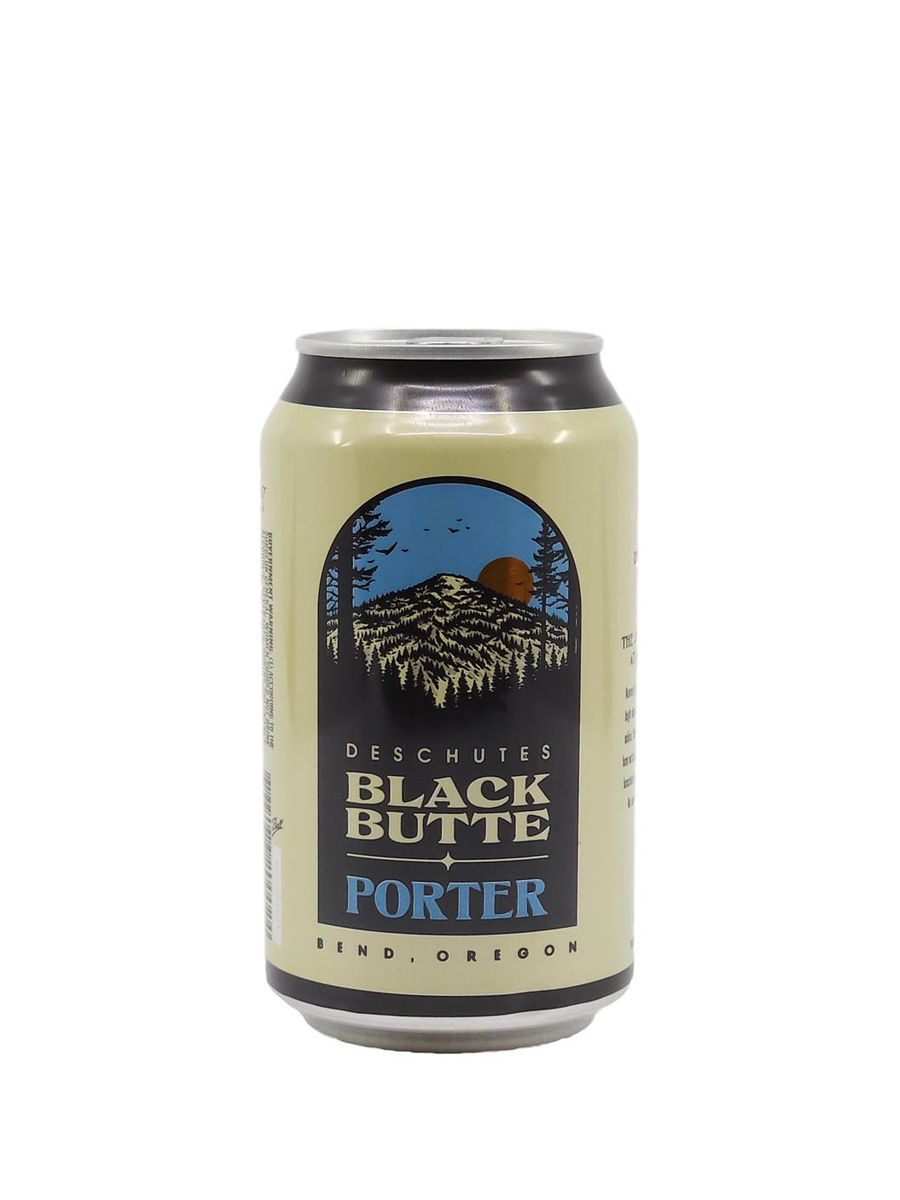
Black Butte Porter
#2 in this roundup
Beer profile

Black Butte Porter

Brewed by Deschutes Brewery

StyleAmerican Porter
ABV5.5%
BITTERNESS / CONTEXT30 IBU
Brewed inBend, Oregon

Chocolate, coffee, nutty malt, and restrained dark fruit sit on a smooth medium body.

BAR NOTES

Black Butte Porter represents a foundational American porter that balances chocolate malt, coffee, and dried-fruit depth at everyday strength. It belongs in this ranking because it welcomes new dark-beer drinkers while retaining enough roast and hop structure to satisfy experienced porter fans.

Chocolate, coffee, nutty malt, and restrained dark fruit sit on a smooth medium body. Serve it at 46–50°F in a nonic pint with burgers, smoked pork, or chocolate cake. Buy the standard fresh release; the balanced flagship is more useful here than chasing an old anniversary bottle.
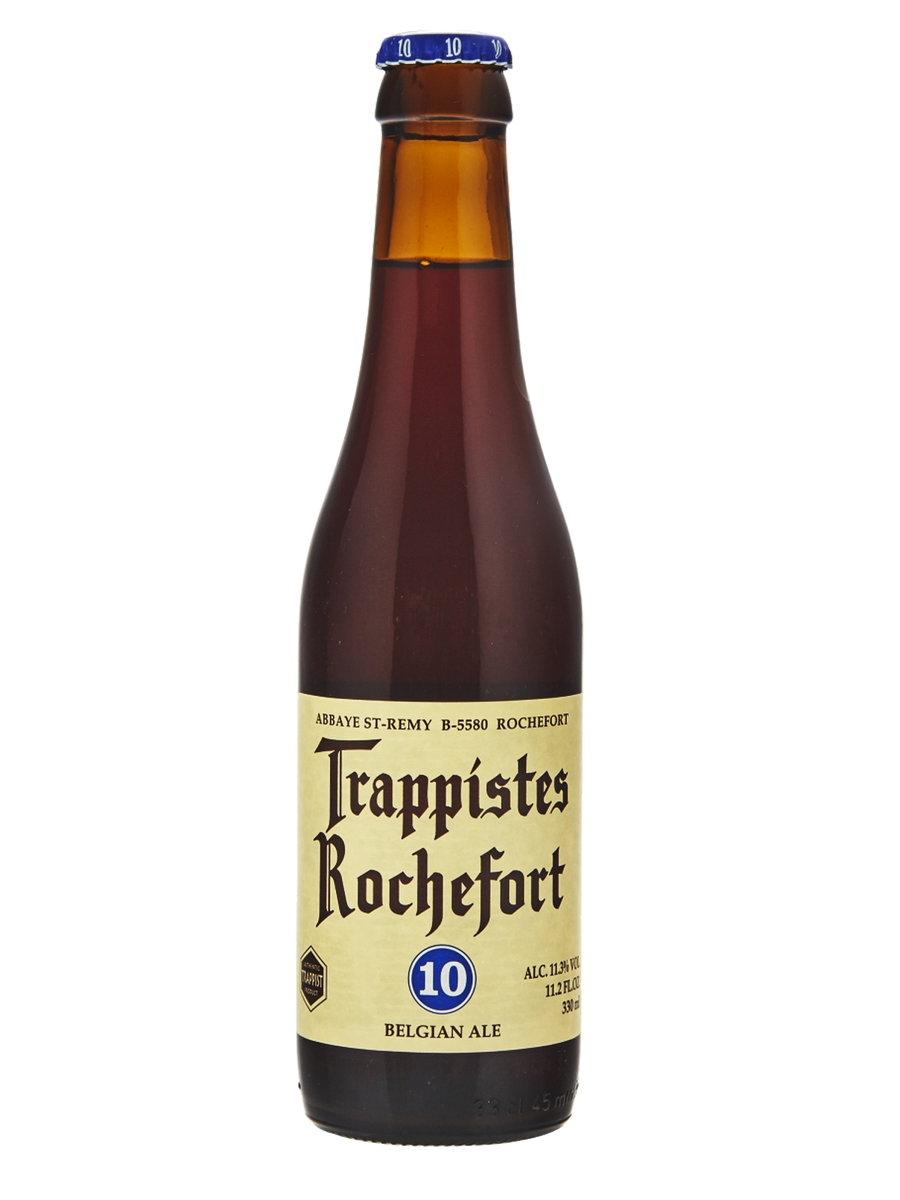
Trappistes Rochefort 10
#3 in this roundup
Beer profile

Trappistes Rochefort 10

Brewed by Brasserie de Rochefort

StyleBelgian Quadrupel
ABV11.3%
BITTERNESS / CONTEXT27 IBU
Brewed inRochefort, Belgium

Dark fruit, caramelized sugar, bread crust, clove, and warming alcohol unfold slowly as the beer opens.

BAR NOTES

Trappistes Rochefort 10 represents the dark Belgian strong-ale tradition, where color comes with fermentation character, dark sugar, and concentrated malt rather than roasted stout flavor. It belongs in this ranking because its raisin, fig, plum, spice, and warming alcohol prove that “dark beer” is much broader than porter and stout.

Dark fruit, caramelized sugar, bread crust, clove, and warming alcohol unfold slowly as the beer opens. Serve it at 50–55°F in a Trappist goblet with aged Gouda, braised beef, or fruitcake. It can age gracefully, but compare a fresh bottle before assuming older is automatically better.
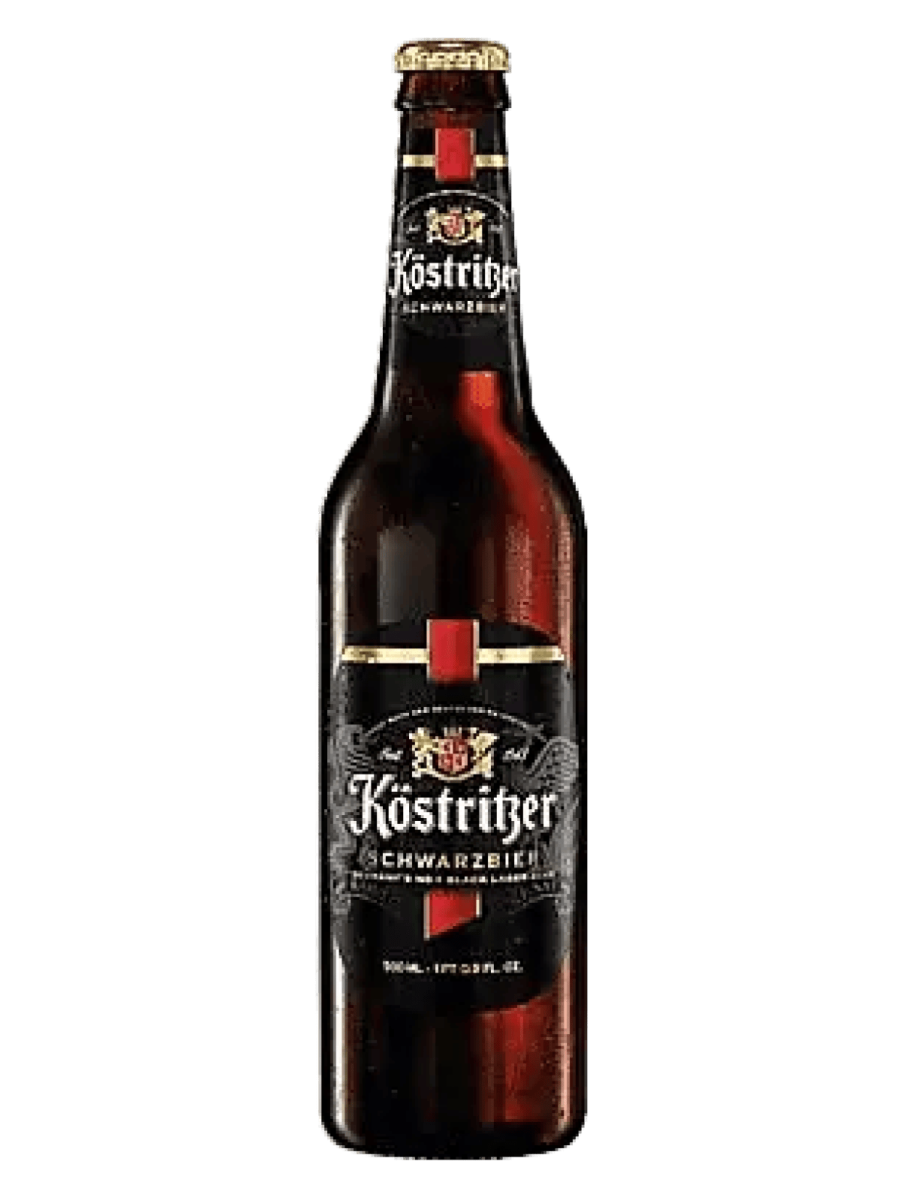
Köstritzer Schwarzbier
#4 in this roundup
Beer profile

Köstritzer Schwarzbier

Brewed by Köstritzer Schwarzbierbrauerei

StyleSchwarzbier
ABV4.8%
BITTERNESS / CONTEXT22 IBU
Brewed inBad Köstritz, Germany

Toast, cocoa husk, gentle coffee, and clean lager fermentation finish dry and refreshing.

BAR NOTES

Köstritzer Schwarzbier represents the classic black-lager lesson: opaque-looking color can coexist with crisp fermentation, restrained roast, and highly drinkable strength. It belongs in this ranking because it corrects the common assumption that every nearly black beer must be thick, sweet, or high in alcohol.

Toast, cocoa husk, gentle coffee, and clean lager fermentation finish dry and refreshing. Serve it at 42–46°F in a lager glass with bratwurst, roast chicken, or pretzels. Drink it fresh; delicate lager character fades long before the dark color changes.
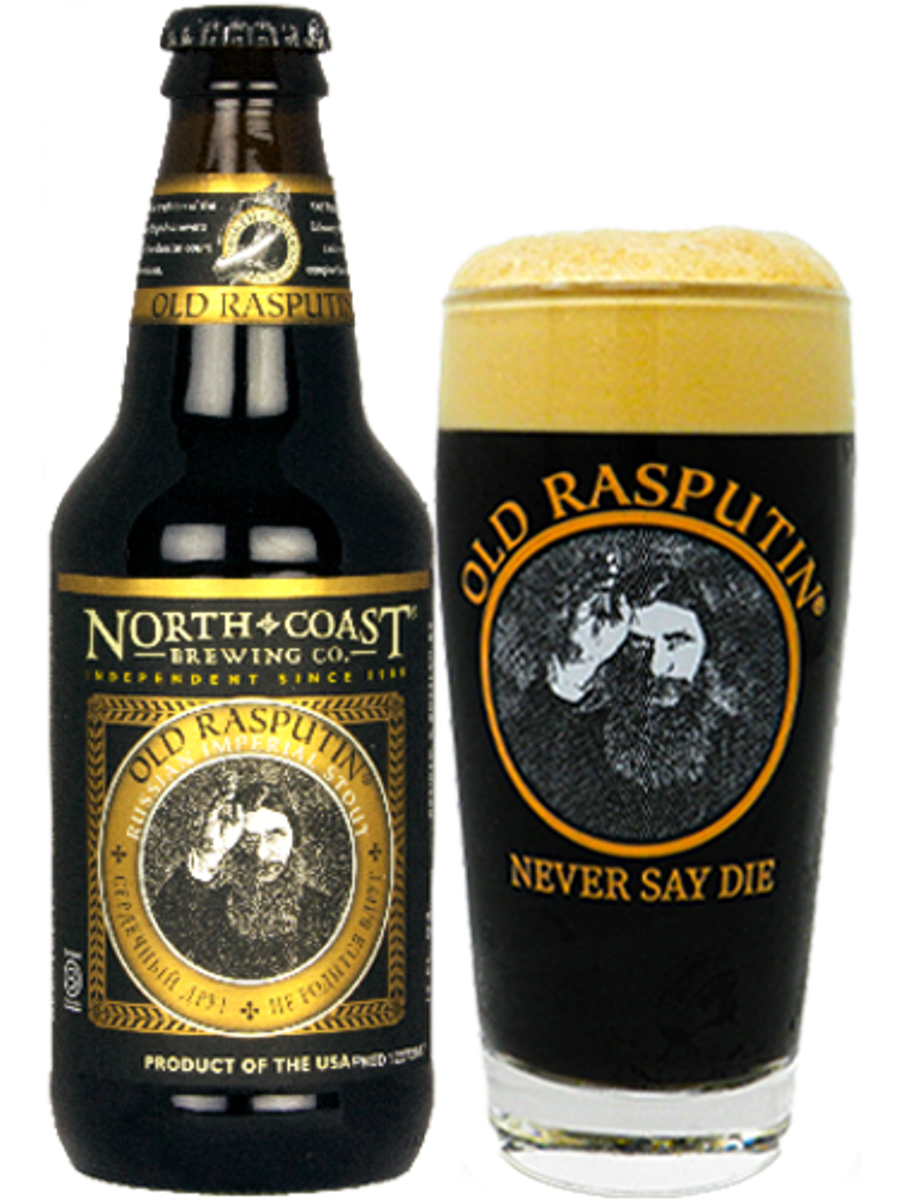
Old Rasputin
#5 in this roundup
Beer profile

Old Rasputin

Brewed by North Coast Brewing Co.

StyleRussian Imperial Stout
ABV9.0%
BITTERNESS / CONTEXT75 IBU
Brewed inFort Bragg, California

Espresso, dark chocolate, burnt sugar, and dried fruit meet a firm, cleansing bitterness.

BAR NOTES

Old Rasputin represents one of America’s most dependable imperial stouts, combining forceful roasted malt with enough bitterness to keep the finish disciplined. It belongs in this ranking because its year-round availability makes it a better style benchmark than many one-off pastry or barrel releases.

Espresso, dark chocolate, burnt sugar, and dried fruit meet a firm, cleansing bitterness. Serve it at 50–54°F in a tulip with blue cheese, flourless chocolate cake, or braised short ribs. Fresh bottles show the best hop balance; a year or two softens edges but also reduces that contrast.
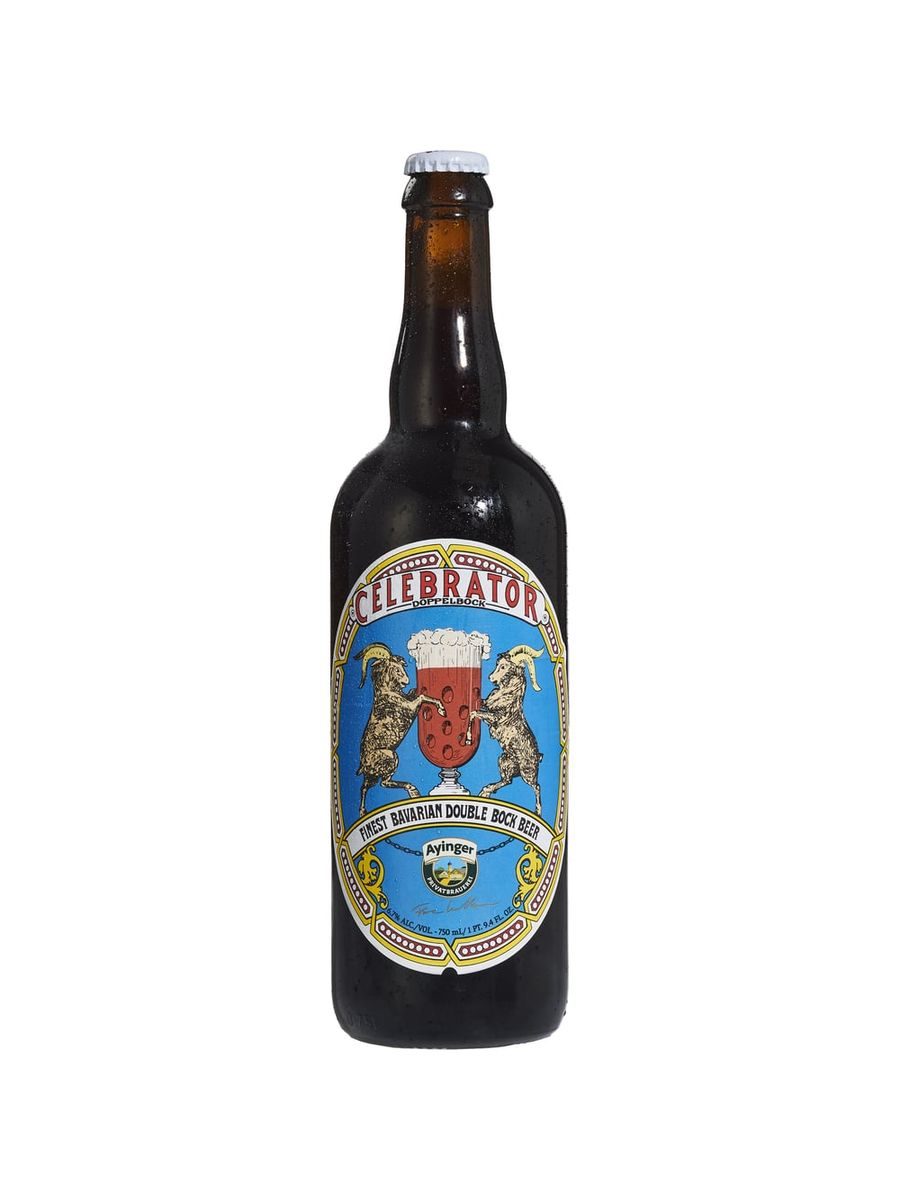
Ayinger Celebrator
#6 in this roundup
Beer profile

Ayinger Celebrator

Brewed by Privatbrauerei Ayinger

StyleDoppelbock
ABV6.7%
BITTERNESS / CONTEXT24 IBU
Brewed inAying, Germany

Dark bread, caramel, raisin, cocoa, and subtle toast finish smooth without becoming syrupy.

BAR NOTES

Ayinger Celebrator represents the doppelbock tradition, where rich mahogany color comes from layered Munich malt and decoction character rather than roasted grain. It belongs in this ranking because its elegance and moderate bitterness make it a crucial dark-beer reference outside the ale family.

Dark bread, caramel, raisin, cocoa, and subtle toast finish smooth without becoming syrupy. Serve it at 46–50°F in a stemmed lager glass with roast duck, aged cheese, or rye bread. Serve cool rather than cold enough to mute the malt; fresh bottles deliver the cleanest lager finish.

Founders Breakfast Stout
#7 in this roundup
Beer profile

Founders Breakfast Stout

Brewed by Founders Brewing Co.

StyleOatmeal Breakfast Stout
ABV8.3%
BITTERNESS / CONTEXT60 IBU
Brewed inGrand Rapids, Michigan

Roast coffee, bittersweet chocolate, oat softness, and a firm roasted finish carry substantial flavor without barrel heat.

BAR NOTES

Founders Breakfast Stout represents the modern American breakfast-stout template, joining oatmeal, chocolate, and coffee in a beer that still drinks like stout instead of pastry batter. It belongs in this ranking because its influence can be traced through an entire generation of coffee-driven dark beers.

Roast coffee, bittersweet chocolate, oat softness, and a firm roasted finish carry substantial flavor without barrel heat. Serve it at 48–52°F in a tulip with chocolate pancakes, smoked bacon, or tiramisu. Coffee aroma is brightest fresh, so do not cellar it simply because the beer is strong.
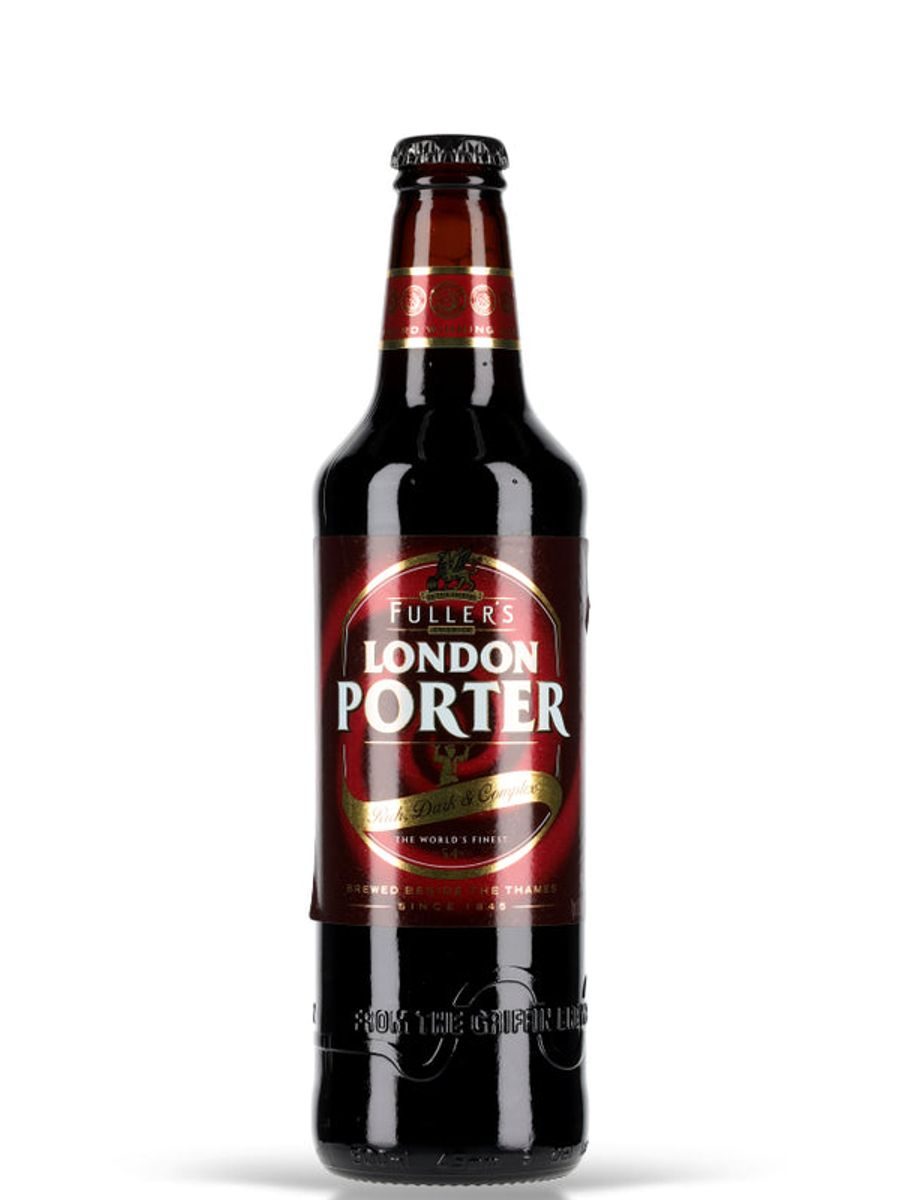
Fuller’s London Porter
#8 in this roundup
Beer profile

Fuller’s London Porter

Brewed by Fuller’s Brewery

StyleEnglish Porter
ABV5.4%
BITTERNESS / CONTEXT32 IBU
Brewed inLondon, England

Chocolate, brown bread, coffee, and mild dried fruit arrive with a rounded but never sticky palate.

BAR NOTES

Fuller’s London Porter represents the English porter lineage through brown malt, chocolate, toast, and restrained esters at pub-friendly strength. It belongs in this ranking because it connects today’s dark beer to the London brewing culture that made porter commercially important.

Chocolate, brown bread, coffee, and mild dried fruit arrive with a rounded but never sticky palate. Serve it at 48–52°F in a nonic pint with steak pie, Stilton, or sausages. Protect it from heat and age; nuanced malt and yeast character are the reason to choose it.
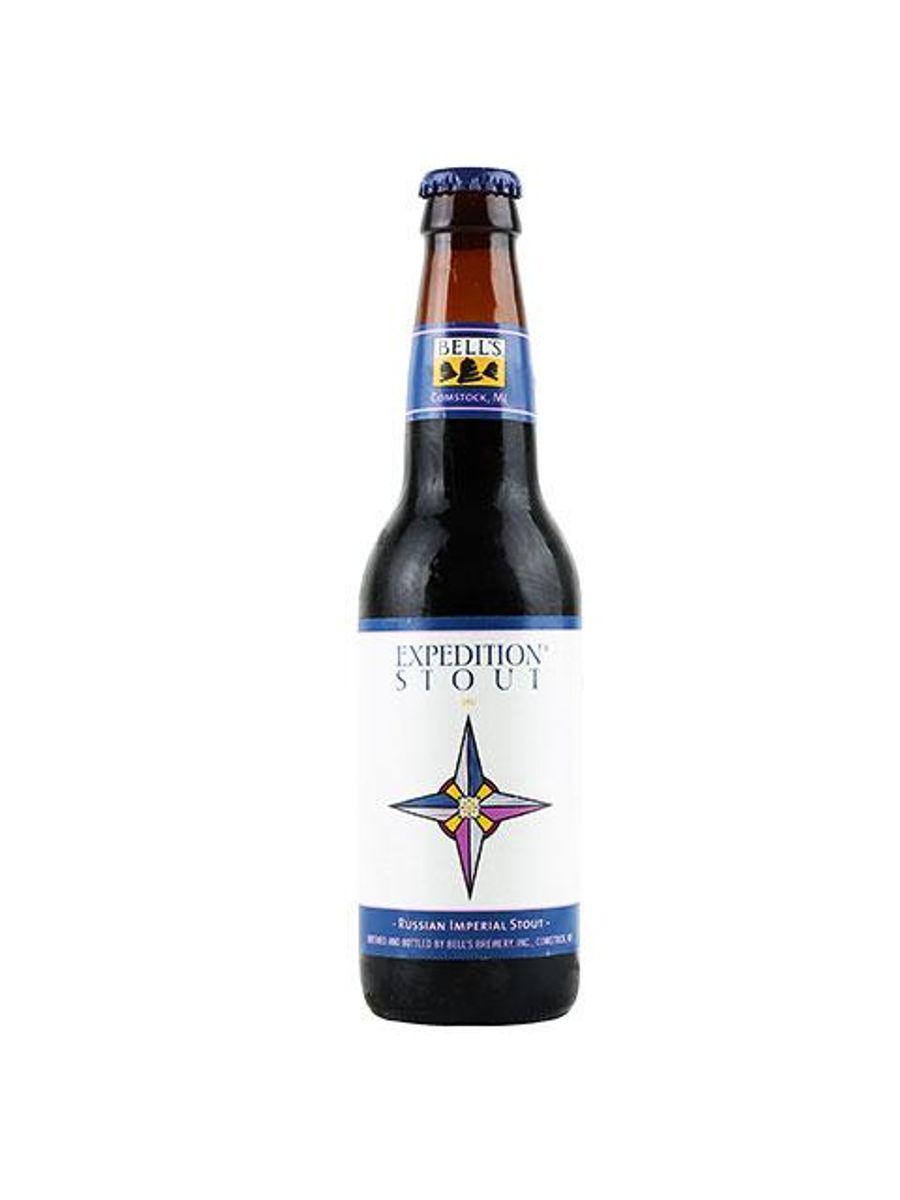
Expedition Stout
#9 in this roundup
Beer profile

Expedition Stout

Brewed by Bell’s Brewery

StyleRussian Imperial Stout
ABV10.5%
BITTERNESS / CONTEXTNot published
Brewed inComstock, Michigan

Dark chocolate, molasses, raisin, espresso, and warming alcohol become more integrated with measured age.

BAR NOTES

Expedition Stout represents an early American imperial-stout landmark with enormous roasted-malt, chocolate, and dark-fruit intensity built for cold-weather drinking. It belongs in this ranking because its long history helped establish strong stout as a serious domestic specialty rather than an imported curiosity.

Dark chocolate, molasses, raisin, espresso, and warming alcohol become more integrated with measured age. Serve it at 50–55°F in a snifter with venison, blue cheese, or dense chocolate cake. A fresh bottle is fierce; one to three years can soften it, but store cool and compare vintages.
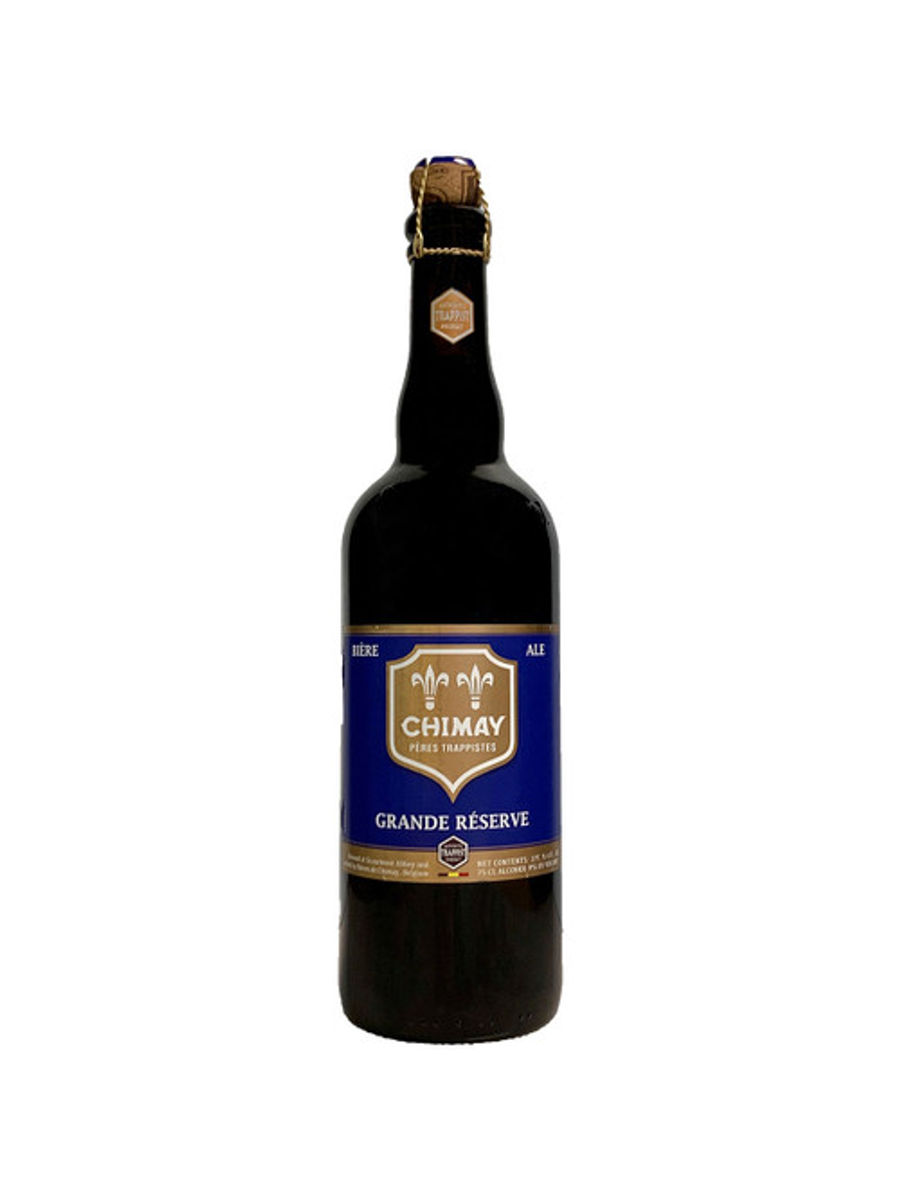
Chimay Grande Réserve (Blue)
#10 in this roundup
Beer profile

Chimay Grande Réserve (Blue)

Brewed by Bières de Chimay

StyleBelgian Dark Strong Ale
ABV9.0%
BITTERNESS / CONTEXT35 IBU
Brewed inBaileux, Belgium

Plum, raisin, caramel, pepper, and bread crust expand as the beer warms and the yeast sediment settles.

BAR NOTES

Chimay Grande Réserve (Blue) represents Trappist dark strong ale at a widely available, dependable level, emphasizing fruit, spice, caramelized malt, and bottle conditioning. It belongs in this ranking because it gives readers a practical entry into Belgian darkness without requiring a rare bottle hunt.

Plum, raisin, caramel, pepper, and bread crust expand as the beer warms and the yeast sediment settles. Serve it at 50–54°F in a goblet with beef stew, washed-rind cheese, or holiday roast. Pour carefully if you want a clear glass, then taste the yeast separately before deciding whether to add it.
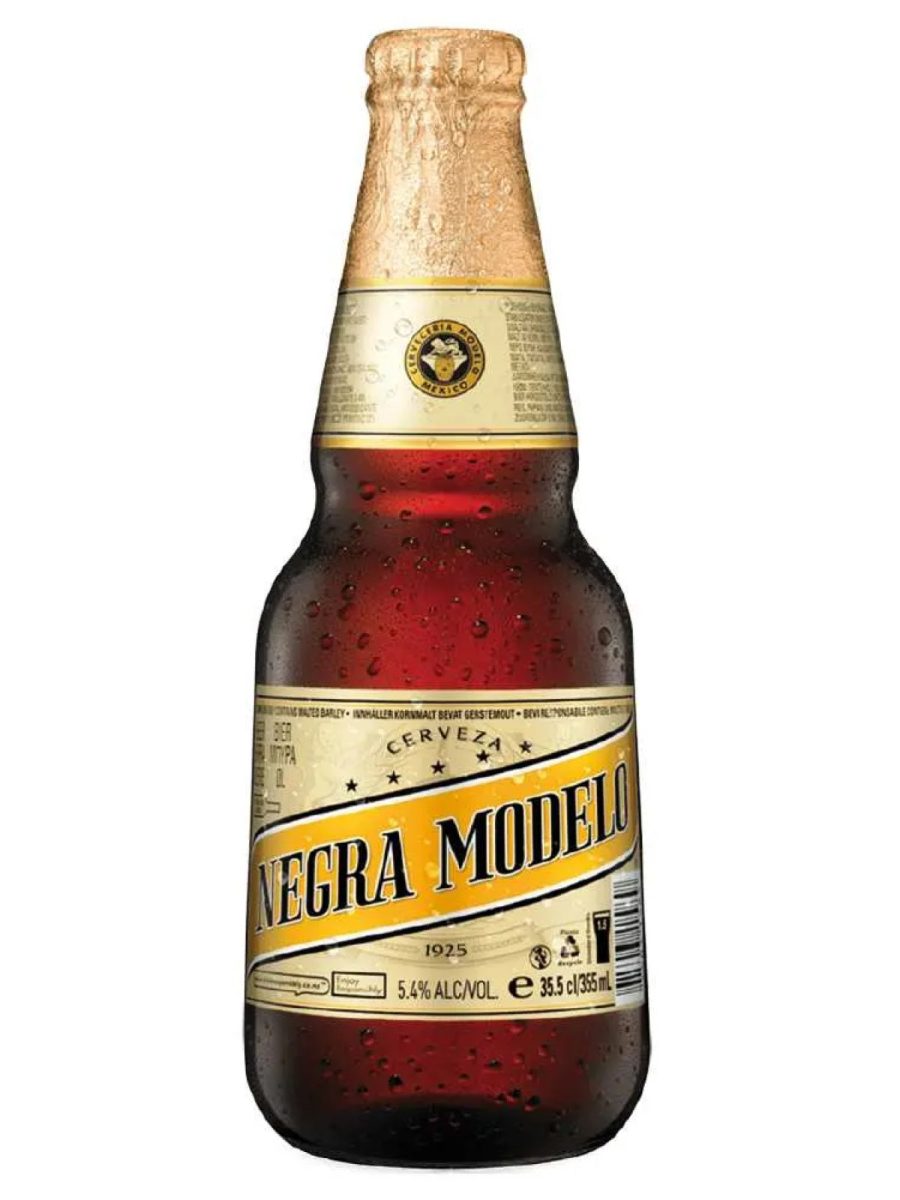
Modelo Negra
#11 in this roundup
Beer profile

Modelo Negra

Brewed by Grupo Modelo

StyleMunich-Style Dunkel Lager
ABV5.4%
BITTERNESS / CONTEXTNot published
Brewed inMexico City, Mexico

Toast, caramel, light cocoa, and clean lager fermentation finish gently sweet but refreshing.

BAR NOTES

Modelo Negra represents the accessible dark-lager side of the category, offering toasted malt and caramel color without stout-like roast. It belongs in this ranking because its broad distribution makes it an easy demonstration that dark beer can remain clean, crisp, and food-friendly.

Toast, caramel, light cocoa, and clean lager fermentation finish gently sweet but refreshing. Serve it at 40–44°F in a lager glass with tacos al pastor, grilled chicken, or mole. Serve fresh with food; it is designed for immediate drinking, not extended cellar time.

Bourbon County Brand Original Stout
#12 in this roundup
Beer profile

Bourbon County Brand Original Stout

Brewed by Goose Island Beer Co.

StyleBourbon Barrel-Aged Imperial Stout
ABVVaries by vintage
BITTERNESS / CONTEXTVaries
Brewed inChicago, Illinois

Bourbon, vanilla, char, fudge, dark fruit, and warming alcohol change meaningfully from vintage to vintage.

BAR NOTES

Bourbon County Brand Original Stout represents the American bourbon-barrel stout milestone that turned annual release day, vintage variation, and whiskey-barrel character into a national event. It belongs in this ranking because its influence extends far beyond one brewery and anchors HBA’s broader barrel-aged beer guide.

Bourbon, vanilla, char, fudge, dark fruit, and warming alcohol change meaningfully from vintage to vintage. Serve it at 54–58°F in a small snifter with pecan pie, aged cheddar, or slow-braised beef. Read the vintage label for exact strength and barrel details; share a small pour and compare fresh versus aged bottles.
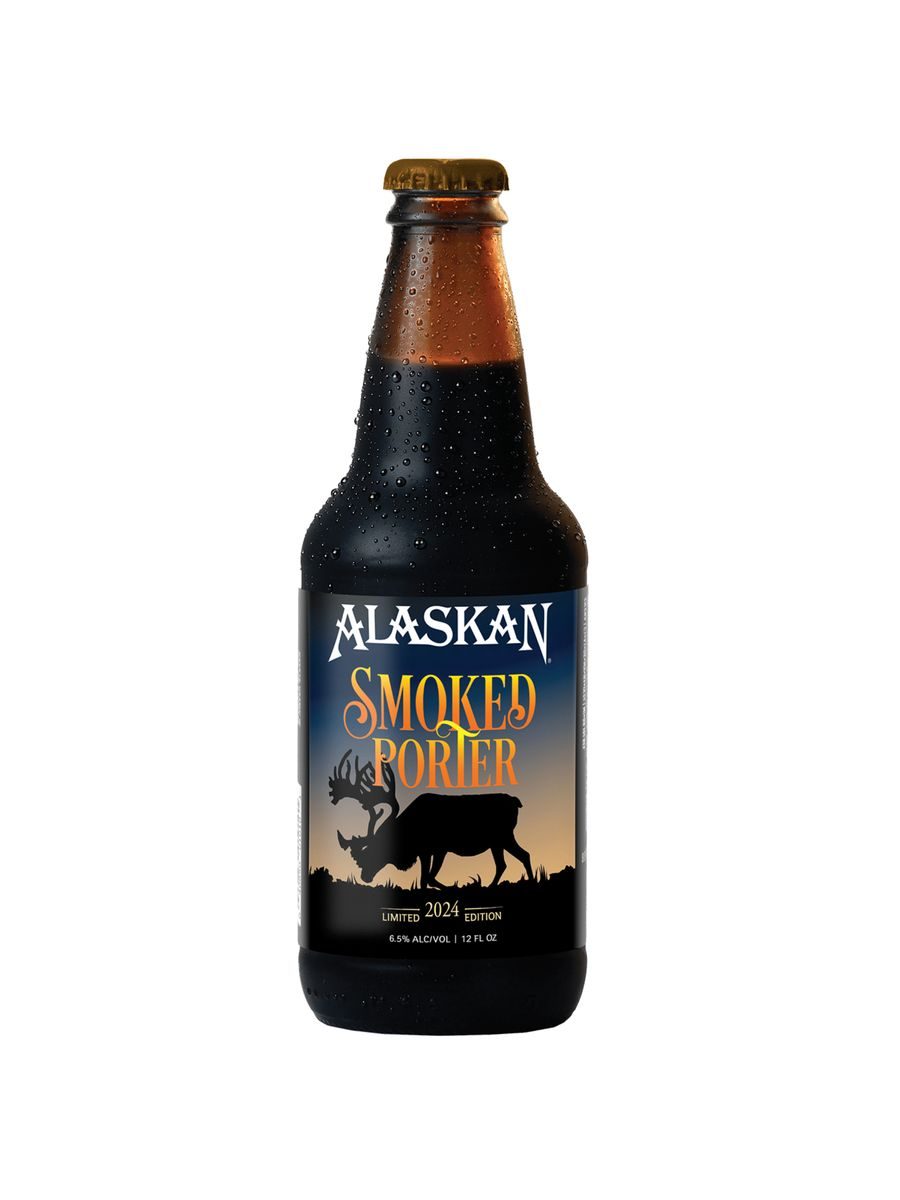
Alaskan Smoked Porter
#13 in this roundup
Beer profile

Alaskan Smoked Porter

Brewed by Alaskan Brewing Co.

StyleSmoked Porter
ABV6.5%
BITTERNESS / CONTEXT45 IBU
Brewed inJuneau, Alaska

Alder smoke, cocoa, coffee, and dark bread evoke a campfire without becoming liquid barbecue sauce.

BAR NOTES

Alaskan Smoked Porter represents a uniquely American smoked porter built with local alder-smoked malt, linking regional food traditions to dark-beer production. It belongs in this ranking because its savory smoke and proven aging behavior make it more than a novelty bottle.

Alder smoke, cocoa, coffee, and dark bread evoke a campfire without becoming liquid barbecue sauce. Serve it at 48–52°F in a tulip with smoked salmon, barbecue, or sharp cheddar. Fresh releases show clearer hop and smoke definition, while careful aging can produce softer sherry-like complexity.
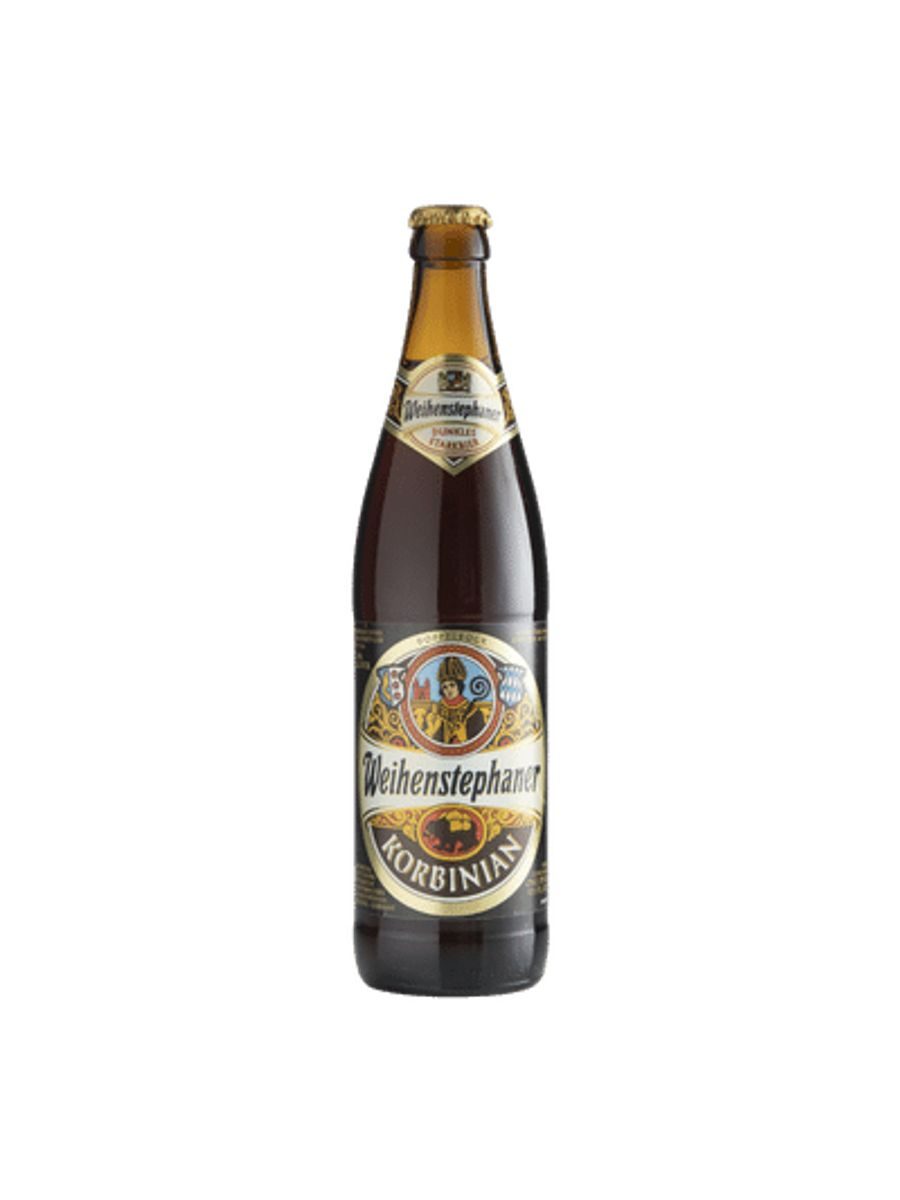
Weihenstephaner Korbinian
#14 in this roundup
Beer profile

Weihenstephaner Korbinian

Brewed by Bayerische Staatsbrauerei Weihenstephan

StyleDoppelbock
ABV7.4%
BITTERNESS / CONTEXT16 IBU
Brewed inFreising, Germany

Plum, fig, dark bread, toffee, and chocolate develop over a smooth, warming lager base.

BAR NOTES

Weihenstephaner Korbinian represents a darker, stronger doppelbock with deep malt concentration, clean lager fermentation, and the world’s oldest continuously operating brewery behind it. It belongs in this ranking because it shows richness created through malt and process rather than coffee-like roast.

Plum, fig, dark bread, toffee, and chocolate develop over a smooth, warming lager base. Serve it at 48–52°F in a stemmed lager glass with roast pork, aged Gouda, or bread pudding. Let it warm gradually; excessive cold hides the layered Munich-malt character.
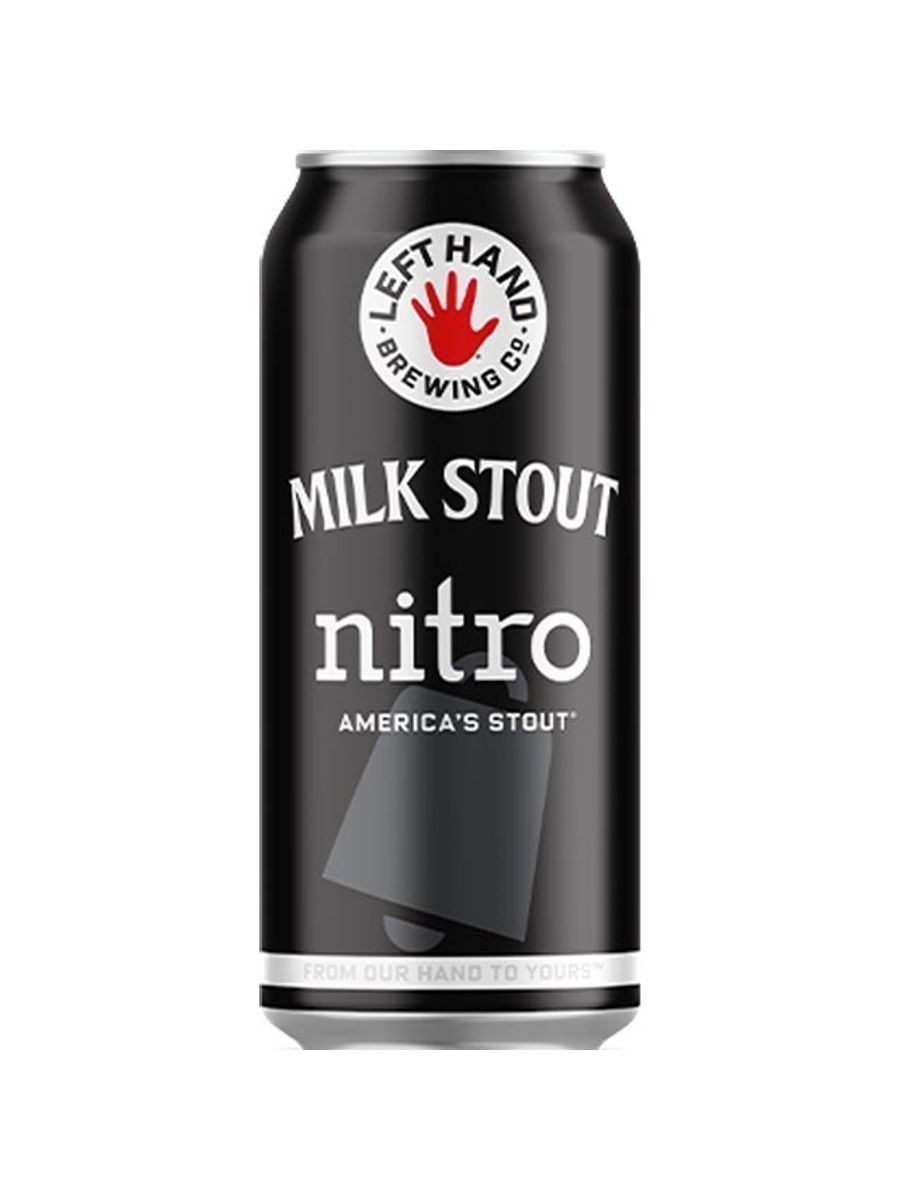
Milk Stout Nitro
#15 in this roundup
Beer profile

Milk Stout Nitro

Brewed by Left Hand Brewing Co.

StyleNitro Milk Stout
ABV6.0%
BITTERNESS / CONTEXT25 IBU
Brewed inLongmont, Colorado

Milk chocolate, coffee, caramel, and gentle roast ride a smooth, softly sweet palate.

BAR NOTES

Milk Stout Nitro represents the modern American milk-stout standard, using lactose for sweetness and nitrogen for a cascading pour and dense texture. It belongs in this ranking because it explains both the appeal and the misconception: creamy mouthfeel does not mean the beer contains actual cream.

Milk chocolate, coffee, caramel, and gentle roast ride a smooth, softly sweet palate. Serve it at 42–46°F in a nonic pint with brownies, barbecue, or roasted nuts. Follow the package’s hard-pour directions and remember that lactose makes this unsuitable for some drinkers.

Westvleteren 12
#16 in this roundup
Beer profile

Westvleteren 12

Brewed by Brouwerij De Sint-Sixtusabdij

StyleTrappist Quadrupel
ABV10.2%
BITTERNESS / CONTEXT38 IBU
Brewed inWestvleteren, Belgium

Fig, raisin, date, brown sugar, spice, and warming alcohol unfold with air and temperature.

BAR NOTES

Westvleteren 12 represents the rarest famous Trappist dark ale, prized for balance among dark fruit, bread, caramelized sugar, spice, and alcohol. It belongs in this ranking because its reputation is enormous, but the beer matters because the fermentation and malt remain composed rather than merely intense.

Fig, raisin, date, brown sugar, spice, and warming alcohol unfold with air and temperature. Serve it at 52–56°F in a Trappist goblet with aged cheese, beef carbonnade, or fruitcake. Avoid overheated gray-market bottles; provenance and storage matter more than bragging rights.

Edmund Fitzgerald Porter
#17 in this roundup
Beer profile

Edmund Fitzgerald Porter

Brewed by Great Lakes Brewing Co.

StyleAmerican Porter
ABV6.0%
BITTERNESS / CONTEXT37 IBU
Brewed inCleveland, Ohio

Coffee, bittersweet chocolate, toast, and a dry roasted finish meet earthy American hop bitterness.

BAR NOTES

Edmund Fitzgerald Porter represents an American porter classic with a firmer roasted edge and hop structure than many English examples. It belongs in this ranking because its consistency and availability make it one of the category’s most useful side-by-side tasting beers.

Coffee, bittersweet chocolate, toast, and a dry roasted finish meet earthy American hop bitterness. Serve it at 46–50°F in a nonic pint with grilled steak, smoked sausage, or chocolate cookies. Drink it fresh enough to preserve hop balance; extended aging only dulls its clean structure.

Old Engine Oil
#18 in this roundup
Beer profile

Old Engine Oil

Brewed by Harviestoun Brewery

StyleEnglish Porter
ABV6.0%
BITTERNESS / CONTEXT35 IBU
Brewed inAlva, Scotland

Dark chocolate, espresso, nuts, and dried fruit ride a smooth, medium-full body.

BAR NOTES

Old Engine Oil represents a silky Scottish dark ale whose name suggests heaviness while the beer itself remains controlled and highly drinkable. It belongs in this ranking because its roast, dark chocolate, and nutty malt show how texture can feel luxurious without pastry-level sweetness.

Dark chocolate, espresso, nuts, and dried fruit ride a smooth, medium-full body. Serve it at 48–52°F in a tulip with beef pie, smoked cheese, or chocolate tart. The standard release is best fresh; barrel-aged variants are separate experiences rather than upgrades by default.

Guinness Foreign Extra Stout
#19 in this roundup
Beer profile

Guinness Foreign Extra Stout

Brewed by Guinness

StyleForeign Extra Stout
ABV7.5%
BITTERNESS / CONTEXT60 IBU
Brewed inDublin, Ireland

Roasted barley, dark fruit, molasses, cocoa, and firm bitterness finish robust and warming.

BAR NOTES

Guinness Foreign Extra Stout represents the stronger, more bitter Guinness branch developed for export markets, with substantially more roast and fermentation intensity than Draught. It belongs in this ranking because it reveals how one brewery’s dark-beer identity changes across strength, climate, and distribution history.

Roasted barley, dark fruit, molasses, cocoa, and firm bitterness finish robust and warming. Serve it at 46–50°F in a tulip with jerk chicken, rich stew, or aged cheddar. Check the exact market version, since recipes and strength can vary by country.

Aecht Schlenkerla Rauchbier Märzen
#20 in this roundup
Beer profile

Aecht Schlenkerla Rauchbier Märzen

Brewed by Schlenkerla

StyleSmoked Märzen
ABV5.1%
BITTERNESS / CONTEXT30 IBU
Brewed inBamberg, Germany

Beech smoke, toasted bread, caramel, and clean lager fermentation become more harmonious after several sips.

BAR NOTES

Aecht Schlenkerla Rauchbier Märzen represents Bamberg’s beechwood-smoked lager tradition, combining deep amber-brown malt with an aroma that can recall bacon, hearth smoke, or old timber. It belongs in this ranking because it is one of the clearest examples of process creating dark-beer character before modern flavor adjuncts.

Beech smoke, toasted bread, caramel, and clean lager fermentation become more harmonious after several sips. Serve it at 44–48°F in a handled mug with sausages, smoked ham, or pretzels. Drink it fresh and with food; the first sip is intentionally more startling than the last.

Parabola
#21 in this roundup
Beer profile

Parabola

Brewed by Firestone Walker Brewing Co.

StyleBourbon Barrel-Aged Imperial Stout
ABVVaries by vintage
BITTERNESS / CONTEXTVaries
Brewed inPaso Robles, California

Bourbon, vanilla, cocoa, char, dark fruit, and warming oak shift with each release.

BAR NOTES

Parabola represents a meticulously blended bourbon-barrel stout with annual vintage character, powerful roast, and polished whiskey integration. It belongs in this ranking because it represents the technical, cellar-driven end of American dark beer where barrel selection matters as much as the base stout.

Bourbon, vanilla, cocoa, char, dark fruit, and warming oak shift with each release. Serve it at 54–58°F in a small snifter with blue cheese, flourless cake, or braised beef. Consult the vintage label for strength and barrels, then pour four ounces rather than treating it like a pint.

Taddy Porter
#22 in this roundup
Beer profile

Taddy Porter

Brewed by Samuel Smith Old Brewery

StyleEnglish Porter
ABV5.0%
BITTERNESS / CONTEXTNot published
Brewed inTadcaster, England

Cocoa, roasted nuts, dark bread, and earthy malt finish dry enough for another pint.

BAR NOTES

Taddy Porter represents a traditional Yorkshire porter with mineral depth, cocoa, toast, and restrained fruit at pub strength. It belongs in this ranking because its compact balance is a useful antidote to the idea that serious dark beer must be imperial or barrel aged.

Cocoa, roasted nuts, dark bread, and earthy malt finish dry enough for another pint. Serve it at 48–52°F in a nonic pint with meat pie, mature cheddar, or roasted mushrooms. Store away from light and serve fresh to protect its subtle fermentation character.

Speedway Stout
#23 in this roundup
Beer profile

Speedway Stout

Brewed by AleSmith Brewing Co.

StyleCoffee Imperial Stout
ABV12.0%
BITTERNESS / CONTEXT70 IBU
Brewed inSan Diego, California

Espresso, dark chocolate, caramel, and dark fruit arrive with warming strength and a long roast finish.

BAR NOTES

Speedway Stout represents a landmark coffee imperial stout that balances huge roasted malt, actual coffee, alcohol, and bitterness. It belongs in this ranking because its disciplined base supports countless variants, but the original remains the clearest way to understand the brand.

Espresso, dark chocolate, caramel, and dark fruit arrive with warming strength and a long roast finish. Serve it at 52–56°F in a snifter with tiramisu, steak, or blue cheese. Coffee is most expressive fresh; age integrates alcohol but trades away aromatics.

Gulden Draak Classic
#24 in this roundup
Beer profile

Gulden Draak Classic

Brewed by Brouwerij Van Steenberge

StyleBelgian Dark Strong Ale
ABV10.5%
BITTERNESS / CONTEXTNot published
Brewed inErtvelde, Belgium

Cherry, raisin, caramel, clove, and warming alcohol build across a creamy, full palate.

BAR NOTES

Gulden Draak Classic represents a strong Belgian dark ale with dense dark fruit, caramelized sugar, spice, and bottle-conditioned complexity. It belongs in this ranking because its richness is fermentation-driven, giving this Top 50 another path to darkness beyond roasted barley.

Cherry, raisin, caramel, clove, and warming alcohol build across a creamy, full palate. Serve it at 50–54°F in a tulip with duck, aged Gouda, or chocolate-covered cherries. Pour slowly and allow it to warm; the final third of the glass is often the most expressive.

The Abyss
#25 in this roundup
Beer profile

The Abyss

Brewed by Deschutes Brewery

StyleBarrel-Aged Imperial Stout
ABV11.0%
BITTERNESS / CONTEXT70 IBU
Brewed inBend, Oregon

Molasses, dark chocolate, oak, vanilla, licorice, and dark fruit unfold through a thick but structured body.

BAR NOTES

The Abyss represents an American imperial stout aged with bourbon barrels, wine barrels, oak, vanilla, and cherry bark. It belongs in this ranking because its layered recipe predates today’s flood of adjunct stouts and still reads as a composed beer rather than a flavor stunt.

Molasses, dark chocolate, oak, vanilla, licorice, and dark fruit unfold through a thick but structured body. Serve it at 52–56°F in a snifter with braised beef, blue cheese, or chocolate torte. Vintage comparisons are worthwhile, but oxidation eventually wins; store cool and upright.

Murphy’s Irish Stout
#26 in this roundup
Beer profile

Murphy’s Irish Stout

Brewed by Murphy Brewery

StyleIrish Dry Stout
ABV4.0%
BITTERNESS / CONTEXTNot published
Brewed inCork, Ireland

Coffee, cocoa, caramel, and mild roast finish smooth rather than sharply dry.

BAR NOTES

Murphy’s Irish Stout represents a softer, slightly sweeter Irish stout alternative to Guinness, with gentle roast and a creamy nitrogenated body. It belongs in this ranking because its modest strength makes it one of the clearest examples of dark color without alcoholic weight.

Coffee, cocoa, caramel, and mild roast finish smooth rather than sharply dry. Serve it at 42–46°F in a nonic pint with fish and chips, beef stew, or cheddar. Choose fresh cans or well-kept draft; nitrogen texture suffers when the dispense is poor.

Abraxas
#27 in this roundup
Beer profile

Abraxas

Brewed by Perennial Artisan Ales

StyleSpiced Imperial Stout
ABV10.0%
BITTERNESS / CONTEXTNot published
Brewed inSt. Louis, Missouri

Mexican chocolate, cinnamon, vanilla, earthy chile, and dark roast finish warming with controlled spice.

BAR NOTES

Abraxas represents a modern adjunct-stout landmark brewed around ancho chile, cacao nibs, cinnamon, and vanilla. It belongs in this ranking because it succeeds because the additions reinforce roasted malt and warming alcohol instead of masking a weak base beer.

Mexican chocolate, cinnamon, vanilla, earthy chile, and dark roast finish warming with controlled spice. Serve it at 52–56°F in a snifter with mole, churros, or flourless chocolate cake. Fresh bottles show brighter spice; aging softens the edges but can also flatten the aroma.

Founders Porter
#28 in this roundup
Beer profile

Founders Porter

Brewed by Founders Brewing Co.

StyleAmerican Porter
ABV6.5%
BITTERNESS / CONTEXT45 IBU
Brewed inGrand Rapids, Michigan

Bittersweet chocolate, coffee, caramel, and earthy hops create a dry, assertive finish.

BAR NOTES

Founders Porter represents a robust American porter with deeper roast and more bitterness than many pub-strength English examples. It belongs in this ranking because its straightforward malt-and-hop construction makes it a dependable reference among increasingly elaborate dark releases.

Bittersweet chocolate, coffee, caramel, and earthy hops create a dry, assertive finish. Serve it at 46–50°F in a nonic pint with burgers, smoked Gouda, or barbecue. Drink it fresh enough to keep the hop bitterness defined.

Bomb!
#29 in this roundup
Beer profile

Bomb!

Brewed by Prairie Artisan Ales

StyleSpiced Coffee Imperial Stout
ABV13.0%
BITTERNESS / CONTEXT65 IBU
Brewed inKrebs, Oklahoma

Coffee, fudge, vanilla, cinnamon-like warmth, and chile heat ride a dense, high-alcohol body.

BAR NOTES

Bomb! represents one of the beers that defined the 2010s adjunct imperial-stout wave through coffee, cacao, vanilla, and chile. It belongs in this ranking because its strength and layered flavor demand a small pour, but the spice architecture remains influential.

Coffee, fudge, vanilla, cinnamon-like warmth, and chile heat ride a dense, high-alcohol body. Serve it at 52–56°F in a small snifter with chocolate cake, mole, or vanilla ice cream. Share it fresh for the brightest coffee and pepper character.

Castle Milk Stout
#30 in this roundup
Beer profile

Castle Milk Stout

Brewed by South African Breweries

StyleMilk Stout
ABV6.0%
BITTERNESS / CONTEXTNot published
Brewed inJohannesburg, South Africa

Caramel, chocolate, coffee, and lactose sweetness finish rich but approachable.

BAR NOTES

Castle Milk Stout represents a long-running South African milk stout with broad regional importance and a sweeter, fuller profile than Irish dry stout. It belongs in this ranking because it widens the list beyond American and European assumptions about what a mainstream dark beer looks like.

Caramel, chocolate, coffee, and lactose sweetness finish rich but approachable. Serve it at 44–48°F in a pint glass with braised meat, chocolate pudding, or sharp cheese. Check the package for market-specific details and serve fresh.

Dragon’s Milk
#31 in this roundup
Beer profile

Dragon’s Milk

Brewed by New Holland Brewing

StyleBourbon Barrel-Aged Stout
ABV11.0%
BITTERNESS / CONTEXT30 IBU
Brewed inHolland, Michigan

Vanilla, bourbon, dark chocolate, caramel, and oak finish sweet, warming, and full.

BAR NOTES

Dragon’s Milk represents a widely distributed bourbon-barrel stout that makes oak, vanilla, and whiskey character accessible without a release-day chase. It belongs in this ranking because its consistency makes it a practical bridge from standard stout to stronger cellar beer.

Vanilla, bourbon, dark chocolate, caramel, and oak finish sweet, warming, and full. Serve it at 52–56°F in a snifter with bread pudding, smoked brisket, or aged cheddar. Buy the freshest standard bottle before exploring flavored Reserve variants.

Żywiec Porter
#32 in this roundup
Beer profile

Żywiec Porter

Brewed by Browar Żywiec

StyleBaltic Porter
ABV9.5%
BITTERNESS / CONTEXTNot published
Brewed inŻywiec, Poland

Dark chocolate, prune, caramel, bread crust, and warming alcohol finish clean for the strength.

BAR NOTES

Żywiec Porter represents the strong Polish Baltic-porter tradition, combining lager fermentation with concentrated dark malt and substantial alcohol. It belongs in this ranking because it proves porter can be smooth and cold-fermented rather than fruity or sharply roasted.

Dark chocolate, prune, caramel, bread crust, and warming alcohol finish clean for the strength. Serve it at 48–52°F in a tulip with roast duck, smoked cheese, or dark bread. Fresh bottles are polished; short aging can integrate alcohol, but avoid warm storage.

Ten FIDY
#33 in this roundup
Beer profile

Ten FIDY

Brewed by Oskar Blues Brewery

StyleImperial Stout
ABV10.5%
BITTERNESS / CONTEXT65 IBU
Brewed inLongmont, Colorado

Fudge, espresso, caramelized sugar, and roast arrive with thick body and a firm bitter finish.

BAR NOTES

Ten FIDY represents a canned imperial stout that helped erase the old assumption that serious strong beer belonged only in glass bottles. It belongs in this ranking because its dense malt, assertive bitterness, and dependable availability make it a durable American benchmark.

Fudge, espresso, caramelized sugar, and roast arrive with thick body and a firm bitter finish. Serve it at 50–54°F in a snifter with brownies, blue cheese, or grilled steak. Fresh cans show the strongest roast-hop balance; limited aging softens it.

Beamish Irish Stout
#34 in this roundup
Beer profile

Beamish Irish Stout

Brewed by Beamish & Crawford

StyleIrish Dry Stout
ABV4.1%
BITTERNESS / CONTEXTNot published
Brewed inCork, Ireland

Roast, dark cocoa, toast, and mild coffee finish dry and quietly bitter.

BAR NOTES

Beamish Irish Stout represents a Cork-brewed dry stout with roasted grain, cocoa, and a creamy nitro presentation. It belongs in this ranking because its regional identity and modest strength make it more than a Guinness substitute when found fresh.

Roast, dark cocoa, toast, and mild coffee finish dry and quietly bitter. Serve it at 42–46°F in a nonic pint with oysters, stew, or soda bread. Availability is limited in many markets, so prioritize properly handled draft over old cans.

Big Bad Baptist
#35 in this roundup
Beer profile

Big Bad Baptist

Brewed by Epic Brewing Co.

StyleCoffee Barrel-Aged Imperial Stout
ABVVaries by release
BITTERNESS / CONTEXTVaries
Brewed inSalt Lake City, Utah

Coffee, whiskey, cocoa nibs, vanilla, and char shift according to the numbered release.

BAR NOTES

Big Bad Baptist represents a rotating coffee-and-whiskey-barrel stout whose release-specific beans and barrels make variation part of the product. It belongs in this ranking because it teaches readers to inspect each package rather than treating a famous name as one fixed recipe.

Coffee, whiskey, cocoa nibs, vanilla, and char shift according to the numbered release. Serve it at 52–56°F in a small snifter with tiramisu, brisket, or aged cheese. Read the bottle for exact ABV, coffee origin, and barrel treatment before buying.

Aecht Schlenkerla Erle
#36 in this roundup
Beer profile

Aecht Schlenkerla Erle

Brewed by Schlenkerla

StyleSmoked Schwarzbier
ABV4.2%
BITTERNESS / CONTEXT30 IBU
Brewed inBamberg, Germany

Alder smoke, cocoa, toast, and clean lager fermentation finish dry and compact.

BAR NOTES

Aecht Schlenkerla Erle represents a black lager brewed with alder-smoked malt, connecting schwarzbier drinkability to Schlenkerla’s historic smoke tradition. It belongs in this ranking because its lower strength and crisp finish make smoke feel precise rather than exhausting.

Alder smoke, cocoa, toast, and clean lager fermentation finish dry and compact. Serve it at 42–46°F in a handled mug with smoked fish, sausages, or mushrooms. Drink it fresh; lager crispness is part of the design.

Xocoveza
#37 in this roundup
Beer profile

Xocoveza

Brewed by Stone Brewing

StyleMexican Hot Chocolate Stout
ABV8.1%
BITTERNESS / CONTEXT50 IBU
Brewed inEscondido, California

Cocoa, cinnamon, coffee, vanilla, and mild chile warmth finish aromatic rather than painfully hot.

BAR NOTES

Xocoveza represents a Mexican hot-chocolate-inspired stout using cocoa, coffee, pasilla peppers, cinnamon, and vanilla. It belongs in this ranking because its balance helped turn a competition-winning homebrew concept into a recurring commercial favorite.

Cocoa, cinnamon, coffee, vanilla, and mild chile warmth finish aromatic rather than painfully hot. Serve it at 48–52°F in a tulip with churros, mole, or cinnamon desserts. Drink fresh for spice definition and avoid confusing “spiced” with extreme heat.

Cassels Milk Stout
#38 in this roundup
Beer profile

Cassels Milk Stout

Brewed by Cassels Brewing Co.

StyleMilk Stout
ABV6.1%
BITTERNESS / CONTEXTNot published
Brewed inChristchurch, New Zealand

Milk chocolate, coffee, caramel, and roasted malt finish smooth and gently sweet.

BAR NOTES

Cassels Milk Stout represents an award-winning New Zealand milk stout built around rich malt, lactose softness, and clean roast. It belongs in this ranking because its international recognition shows the style’s reach beyond its British roots and American craft revival.

Milk chocolate, coffee, caramel, and roasted malt finish smooth and gently sweet. Serve it at 46–50°F in a tulip with chocolate tart, roast pork, or aged cheddar. Serve fresh and check lactose suitability before sharing.

Marshal Zhukov’s Imperial Stout
#39 in this roundup
Beer profile

Marshal Zhukov’s Imperial Stout

Brewed by Cigar City Brewing

StyleRussian Imperial Stout
ABV11.8%
BITTERNESS / CONTEXT80 IBU
Brewed inTampa, Florida

Espresso, baker’s chocolate, molasses, dark fruit, and firm roast linger through a dense body.

BAR NOTES

Marshal Zhukov’s Imperial Stout represents a massive American imperial stout with espresso, dark chocolate, molasses, and balancing bitterness. It belongs in this ranking because its intensity is rooted in malt and fermentation, making it a stronger benchmark than many novelty adjunct releases.

Espresso, baker’s chocolate, molasses, dark fruit, and firm roast linger through a dense body. Serve it at 52–56°F in a snifter with blue cheese, short ribs, or chocolate cake. Fresh bottles are forceful; careful aging rounds them, but heat ruins the balance.

London Porter
#40 in this roundup
Beer profile

London Porter

Brewed by Emerson’s Brewery

StyleEnglish-Style Porter
ABV5.0%
BITTERNESS / CONTEXTNot published
Brewed inDunedin, New Zealand

Chocolate, toast, coffee, and mild fruit finish balanced and pint-friendly.

BAR NOTES

London Porter represents a New Zealand interpretation of London porter with dark malt, cocoa, and restrained roast at easygoing strength. It belongs in this ranking because it shows a historical British style translated cleanly into another mature brewing culture.

Chocolate, toast, coffee, and mild fruit finish balanced and pint-friendly. Serve it at 46–50°F in a nonic pint with meat pie, roasted mushrooms, or cheddar. Drink it fresh to preserve subtle malt and yeast detail.

Darkness
#41 in this roundup
Beer profile

Darkness

Brewed by Surly Brewing Co.

StyleRussian Imperial Stout
ABVVaries by vintage
BITTERNESS / CONTEXTVaries
Brewed inMinneapolis, Minnesota

Dark chocolate, cherry, raisin, coffee, and warming alcohol vary from release to release.

BAR NOTES

Darkness represents an annual imperial-stout event with changing label art, vintage variation, and a devoted release-day culture. It belongs in this ranking because its identity joins the beer, the artwork, and the ritual without losing sight of an intense dark-malt base.

Dark chocolate, cherry, raisin, coffee, and warming alcohol vary from release to release. Serve it at 52–56°F in a snifter with blue cheese, roast meat, or chocolate torte. Read the vintage label and compare bottles under identical storage conditions.

Guinness Extra Stout
#42 in this roundup
Beer profile

Guinness Extra Stout

Brewed by Guinness

StyleIrish Extra Stout
ABV5.6%
BITTERNESS / CONTEXTNot published
Brewed inDublin, Ireland

Roasted barley, cocoa, coffee, and a brisk dry finish feel livelier under standard carbonation.

BAR NOTES

Guinness Extra Stout represents the carbonated bottled Guinness branch, firmer and sharper than nitro Draught while remaining far lighter than Foreign Extra. It belongs in this ranking because it is a useful lesson in how carbonation changes perceived roast, bitterness, and body.

Roasted barley, cocoa, coffee, and a brisk dry finish feel livelier under standard carbonation. Serve it at 42–46°F in a pint glass with burgers, oysters, or cheddar. Drink fresh and compare directly with Draught to isolate the texture difference.

Black Chocolate Stout
#43 in this roundup
Beer profile

Black Chocolate Stout

Brewed by Brooklyn Brewery

StyleRussian Imperial Stout
ABV10.0%
BITTERNESS / CONTEXTNot published
Brewed inBrooklyn, New York

Dark chocolate, espresso, char, and dark fruit finish warming and firmly roasted.

BAR NOTES

Black Chocolate Stout represents a long-running winter imperial stout that creates chocolate intensity from malt rather than relying on a candy-store ingredient list. It belongs in this ranking because its dry roasted structure keeps the name from promising dessert sweetness.

Dark chocolate, espresso, char, and dark fruit finish warming and firmly roasted. Serve it at 50–54°F in a snifter with chocolate cake, Stilton, or braised beef. Fresh releases show better roast definition; modest aging softens the alcohol.

Dark Star
#44 in this roundup
Beer profile

Dark Star

Brewed by Fremont Brewing

StyleImperial Oatmeal Stout
ABV8.0%
BITTERNESS / CONTEXT50 IBU
Brewed inSeattle, Washington

Espresso, cocoa, caramel, and oat softness meet a clean, bitter finish.

BAR NOTES

Dark Star represents an oatmeal imperial stout whose silky body supports roast, chocolate, and hop bitterness without barrel treatment. It belongs in this ranking because it is both a complete beer and the foundation for celebrated barrel-aged variants.

Espresso, cocoa, caramel, and oat softness meet a clean, bitter finish. Serve it at 50–54°F in a tulip with smoked meat, brownies, or aged cheese. Taste the base fresh before assuming the barrel-aged edition is automatically superior.

Deth’s Tar
#45 in this roundup
Beer profile

Deth’s Tar

Brewed by Revolution Brewing

StyleBourbon Barrel-Aged Imperial Oatmeal Stout
ABVVaries by release
BITTERNESS / CONTEXTVaries
Brewed inChicago, Illinois

Bourbon, fudge, vanilla, char, and dark fruit finish viscous and warming.

BAR NOTES

Deth’s Tar represents a Chicago barrel-aged stout built from a dense oatmeal base and extended bourbon-barrel maturation. It belongs in this ranking because its rich texture and annual release culture place it among the Midwest’s defining strong dark beers.

Bourbon, fudge, vanilla, char, and dark fruit finish viscous and warming. Serve it at 54–58°F in a small snifter with pecan pie, barbecue, or blue cheese. Check the release label for exact strength and split the bottle among several drinkers.

Young’s Double Chocolate Stout
#46 in this roundup
Beer profile

Young’s Double Chocolate Stout

Brewed by Eagle Brewery

StyleChocolate Stout
ABV5.2%
BITTERNESS / CONTEXT25 IBU
Brewed inBedford, England

Milk chocolate, cocoa, coffee, and caramel finish soft, rounded, and gently sweet.

BAR NOTES

Young’s Double Chocolate Stout represents a widely available chocolate stout combining dark malt with added chocolate character at moderate strength. It belongs in this ranking because its restrained alcohol and smooth body make it a practical gateway to flavored dark beer.

Milk chocolate, cocoa, coffee, and caramel finish soft, rounded, and gently sweet. Serve it at 46–50°F in a pint glass with vanilla ice cream, brownies, or berries. Serve fresh; this is a flavor-forward pint, not a cellar bottle.

Organic Chocolate Stout
#47 in this roundup
Beer profile

Organic Chocolate Stout

Brewed by Samuel Smith Old Brewery

StyleOrganic Chocolate Stout
ABV5.0%
BITTERNESS / CONTEXT28 IBU
Brewed inTadcaster, England

Chocolate, vanilla, cocoa, and caramel dominate over mild roast and fruit.

BAR NOTES

Organic Chocolate Stout represents an organic chocolate stout with a distinctly confectionary aroma layered over a traditional English dark-ale base. It belongs in this ranking because it offers a sweeter contrast to the brewery’s drier Taddy Porter without requiring imperial strength.

Chocolate, vanilla, cocoa, and caramel dominate over mild roast and fruit. Serve it at 46–50°F in a tulip with cheesecake, strawberries, or vanilla ice cream. Keep it cool and away from light; the chocolate aroma is the main reason to buy fresh.

Kalamazoo Stout
#48 in this roundup
Beer profile

Kalamazoo Stout

Brewed by Bell’s Brewery

StyleAmerican Stout
ABV6.0%
BITTERNESS / CONTEXTNot published
Brewed inComstock, Michigan

Espresso, dark chocolate, licorice, and roasted grain finish firm but manageable.

BAR NOTES

Kalamazoo Stout represents a classic American stout built with roasted malt and brewer’s licorice rather than pastry-style adjuncts. It belongs in this ranking because its dry, earthy intensity provides a useful midpoint between Irish stout and imperial stout.

Espresso, dark chocolate, licorice, and roasted grain finish firm but manageable. Serve it at 46–50°F in a nonic pint with burgers, chili, or sharp cheddar. Drink it fresh; the standard release is about clean roast, not aging.

Guinness 0.0
#49 in this roundup
Beer profile

Guinness 0.0

Brewed by Guinness

StyleNon-Alcoholic Stout
ABV0.0%
BITTERNESS / CONTEXTNot published
Brewed inDublin, Ireland

Roasted grain, cocoa, coffee, and a creamy pour finish lighter and slightly sweeter than Draught.

BAR NOTES

Guinness 0.0 represents a non-alcoholic attempt to preserve Guinness Draught’s roasted flavor, dark color, and nitro texture. It belongs in this ranking because it gives the list a true alcohol-free dark-beer option rather than pretending color predicts strength.

Roasted grain, cocoa, coffee, and a creamy pour finish lighter and slightly sweeter than Draught. Serve it at 38–42°F in a nonic pint with stew, burgers, or salty snacks. Serve very cold and fresh; opened non-alcoholic beer should not linger.

Black Butte Non-Alcoholic
#50 in this roundup
Beer profile

Black Butte Non-Alcoholic

Brewed by Deschutes Brewery

StyleNon-Alcoholic Porter
ABV<0.5%
BITTERNESS / CONTEXTNot published
Brewed inBend, Oregon

Chocolate, coffee, toast, and mild caramel sit on a lighter body with a clean finish.

BAR NOTES

Black Butte Non-Alcoholic represents a non-alcoholic porter built to echo Black Butte’s chocolate, coffee, and dark-malt identity. It belongs in this ranking because it closes the ranking by proving current dark beer can deliver genuine porter character without full-strength alcohol.

Chocolate, coffee, toast, and mild caramel sit on a lighter body with a clean finish. Serve it at 40–44°F in a nonic pint with burgers, roasted mushrooms, or chocolate cookies. Keep it refrigerated and check the package date; freshness is especially important in low-alcohol beer.

How to build a dark-beer tasting flight

Arrange the flight by intensity rather than color: Guinness 0.0 or Modelo Negra, Köstritzer, Guinness Draught, Black Butte Porter, Edmund Fitzgerald, Ayinger Celebrator, Rochefort 10, Old Rasputin, then a barrel-aged stout. Four-ounce pours are enough once the flight reaches double-digit alcohol.

Use fresh glassware and allow temperature to rise through the tasting. Dark lager and dry stout show well around 42–46°F; porter and milk stout open around 46–52°F; quadrupel, imperial stout, and barrel-aged beer need roughly 52–58°F. Ice-cold service makes expensive dark beer taste flatter and simpler.

Food pairing: match the roast level, not the color

Dry stout works with oysters because roast and salinity sharpen each other. Porter fits burgers, smoked meat, mushrooms, and cheddar. Doppelbock likes pork, duck, and dark bread. Belgian dark strong ale belongs with braised beef and washed-rind cheese. Imperial and barrel-aged stout can handle blue cheese, pecan pie, and dense chocolate desserts.

The common mistake is pairing every dark beer with chocolate cake. A crisp schwarzbier can be overwhelmed by dessert, while a sweet pastry stout may become exhausting beside it. Taste the beer first: decide whether its dominant axis is dry roast, toast, caramel, fruit, smoke, sweetness, or alcohol.

Brewing dark beer without harsh roast

Use fresh, appropriate roasted grain and do not assume more black malt creates more complexity. Chocolate malt brings cocoa and toast; roasted barley pushes coffee and dry roast; black malt can add color and sharper char. Dehusked dark malts and cold-steeping techniques can deepen color with less astringency.

Water chemistry matters because dark grain lowers mash pH. Measure instead of guessing, and consider adding the darkest malt late in the mash when a smoother profile is the goal. Mash temperature shapes body, but yeast attenuation, lactose, oats, carbonation, and alcohol all affect the final impression too. Start with HBA’s beer recipes and design from the target style backward.

Frequently Asked Questions

Are dark beers stronger than pale beers?

No. Color does not determine alcohol. Guinness Draught is 4.2% ABV, Köstritzer Schwarzbier is 4.8%, and alcohol-free dark beers also exist, while some imperial stouts and Belgian dark ales exceed 10%.

Are dark beers always bitter?

No. Roasted grain can taste bitter, but sweetness, hop bitterness, fermentation, carbonation, and serving temperature all change the balance. Dunkel and quadrupel can be dark without tasting sharply roasted.

What is the difference between porter and stout?

Modern usage overlaps. Stout historically developed from strong porter, but breweries now use the names according to recipe and tradition. Stout often signals more roast, while porter often leans toward chocolate, toast, or brown malt.

Do dark beers have more calories?

Not necessarily. Calories track alcohol and residual carbohydrate more closely than color. A low-strength dry stout may have fewer calories than a pale double IPA.

What temperature should dark beer be served at?

Serve dry stout and dark lager around 40–46°F, porter and moderate stout around 46–52°F, and strong Belgian or imperial beer around 50–58°F. Very cold service hides aroma and malt detail.

Can dark beer be cellared?

Some strong, bottle-conditioned, or barrel-aged dark beers can evolve under cool, dark, stable storage. Standard porter, nitro stout, coffee beer, and low-alcohol releases are usually better fresh.

KEEP THE FLIGHT GOING

Keep exploring the dark side of beer

Move from this all-style Top 50 into focused stout, barrel-aged, Irish, strength, and brewing guides without mistaking color for one flavor profile.

Karl S
BEHIND THE BAR

Written by Karl S

Lead marketer, brewer, dad, and husband. Pretty much an all-round awesome guy. Self proclaimed coffee addict who's been home brewing beer (among other things) for 25+ yrs. Also an aspiring pro-brewer and micro-brewery owner!

Meet Karl →