24 Best Medieval and Viking-Inspired Beers (2026)
The best medieval and Viking-inspired beers need more than axes, runes, and dramatic labels. These 24 beers earn their place through dated city recipes, archives, museum collaborations, traditional farmhouse techniques, historical ingredients, or a documented Norse person, saga, myth, or place.
The ranking separates reconstruction from inspiration. The first 16 beers have recipe, ingredient, archival, or technique evidence; the final eight are modern beers with specific, verifiable Norse cultural references. Neither group is presented as liquid time travel.
What counts as medieval or Viking-inspired beer?
Medieval Europe did not have one universal ale. Grain, herbs, hops, smoke, household practice, taxation, and trade varied by region and century. Viking-age evidence is even less likely to preserve a complete modern-style recipe. This list therefore grades the claim: a dated ordinance or archive is stronger than regional continuity, while a documented saga or historical namesake is stronger than generic fantasy branding.
Historically grounded recipes, ingredients, and methods
These first 16 entries connect to a dated recipe, archival record, museum project, regional farmhouse tradition, historical gruit practice, or ingredient with a documented brewing role. Modern sanitation, yeast control, packaging, and commercial consistency still shape every glass.
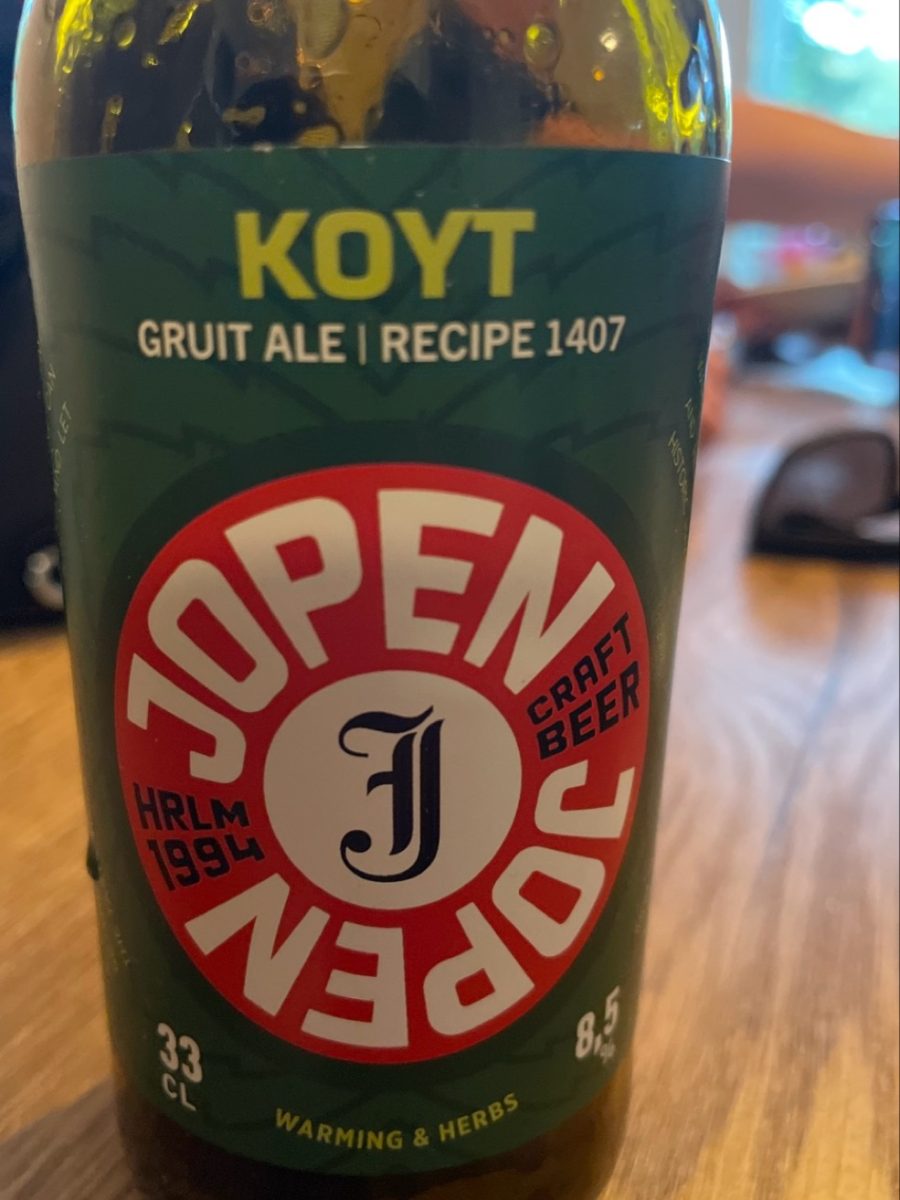
Koyt
Brewed by Jopen
Jopen identifies Koyt with Haarlem’s 1407 Brewers’ Ordinance. Barley, wheat, oats, and a gruit herb mixture make the historical connection unusually specific and verifiable.
BAR NOTES
Koyt is not a neutral modern blonde wearing medieval branding. Its heavy grain bill, dark malt, and rounded herbal finish show how different a city-regulated gruit could taste.
Serve it around 50°F with roast pork, aged Gouda, or mushroom pie. Compare its herbal structure with HBA’s best gruit ales. A wide goblet lets the spice open as it warms.
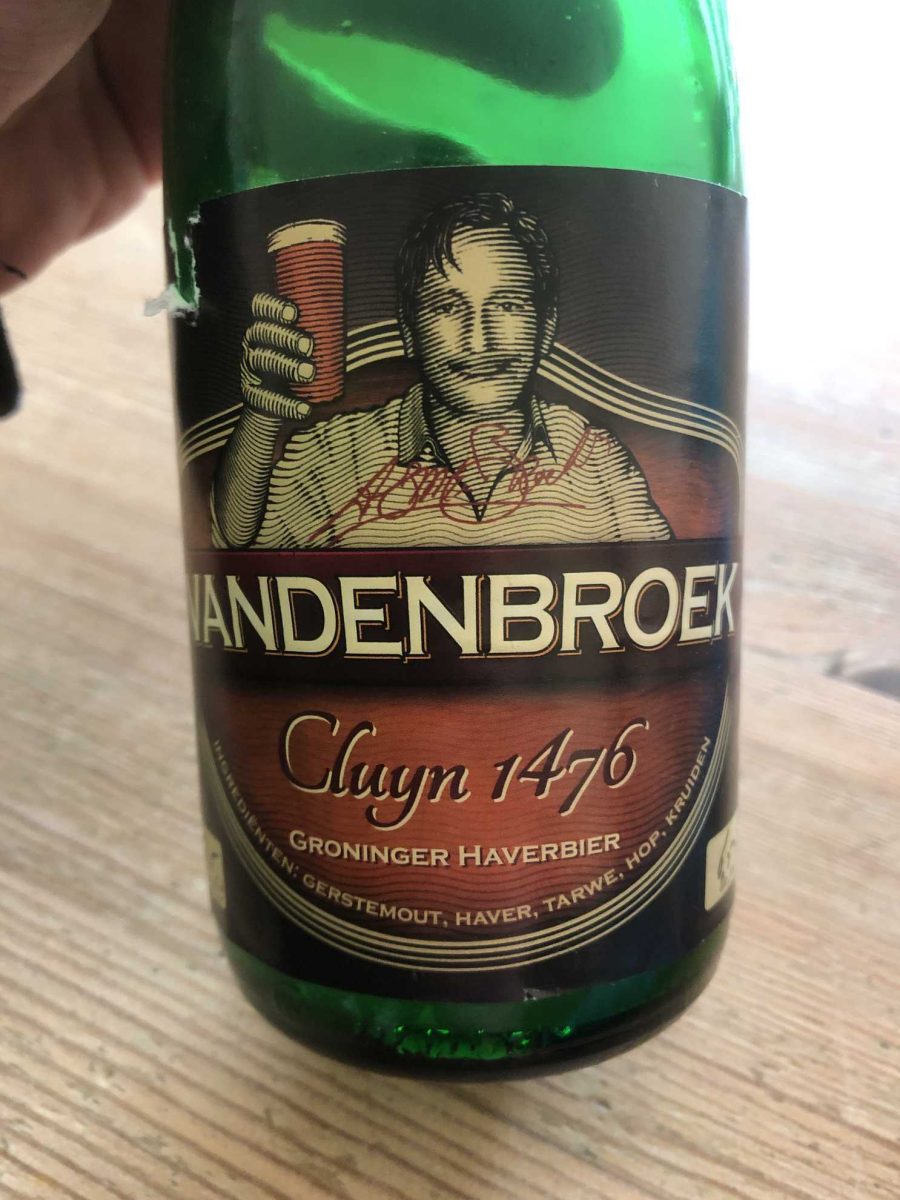
Cluyn 1476
Brewed by Vandenbroek
Vandenbroek brews Cluyn from a recipe preserved in the Groningen City Archives and uses a remarkable 40% oats, tying the beer to the city’s documented fifteenth-century brewing trade.
BAR NOTES
The oats are evidence, not garnish: they soften the body and separate Cluyn from the hopped German imports that challenged Groningen’s brewers during the late Middle Ages.
Try it cool with smoked fish, soft cheese, or oat bread. HBA’s beer ingredients guide explains what oats contribute to texture. Its soft oat body becomes clearest beside salty food.
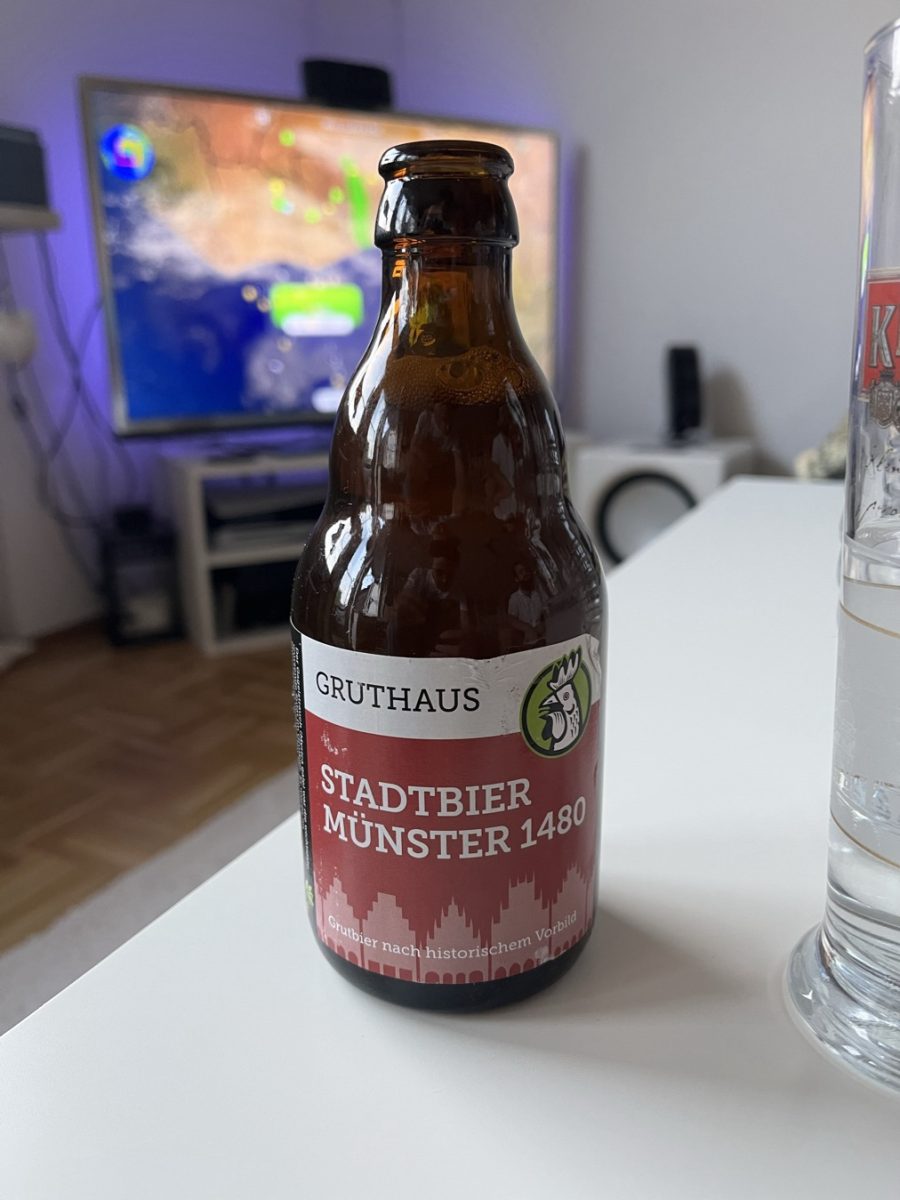
Stadtbier Münster 1480
Brewed by Gruthaus
Gruthaus built this beer from research into Münster’s gruit culture, combining barley, wheat, spelt, oats, hops, bog myrtle, juniper, and caraway in a documented regional framework.
BAR NOTES
This is a reconstruction by beer historians, not a claim that one complete medieval bottle recipe survived. The mixed grains and herbs translate archival evidence into a drinkable modern beer.
Pour it with sausages, rye bread, or washed-rind cheese. Its layered herbal bitterness belongs beside HBA’s gruit roundup. Juniper and caraway linger well beyond the first sip.
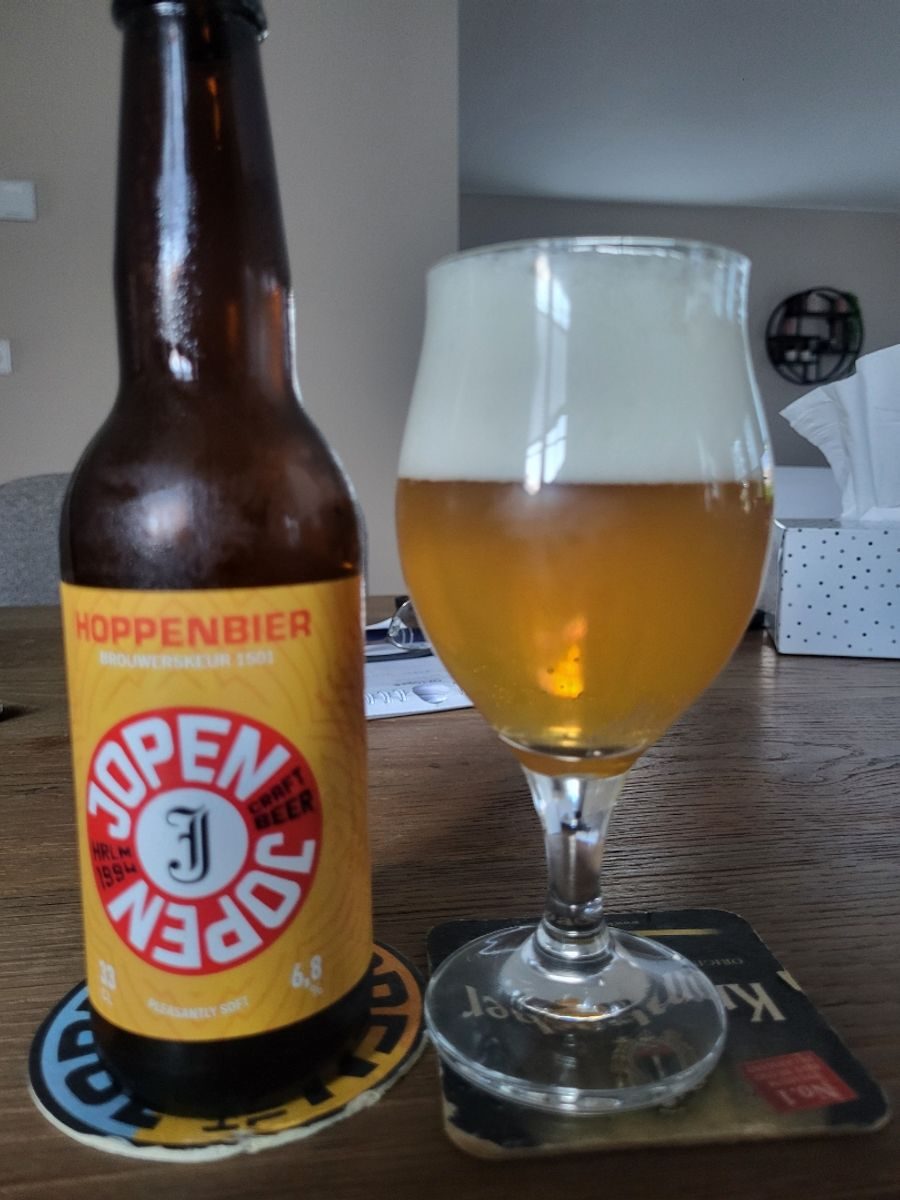
Hoppenbier
Brewed by Jopen
Jopen follows Haarlem’s 1501 city brewing ordinance for Hoppenbier, a recipe that replaced the older gruit mixture with hops while retaining barley, wheat, and oats.
BAR NOTES
The date sits right on the medieval-to-early-modern boundary, which is precisely why the beer matters. It captures a documented technological and commercial shift instead of pretending brewing changed overnight.
Serve it with roast chicken, nutty cheese, or bitter greens. Continue the timeline with HBA’s ancient-inspired beer guide. The finish shows why hops proved commercially persuasive.
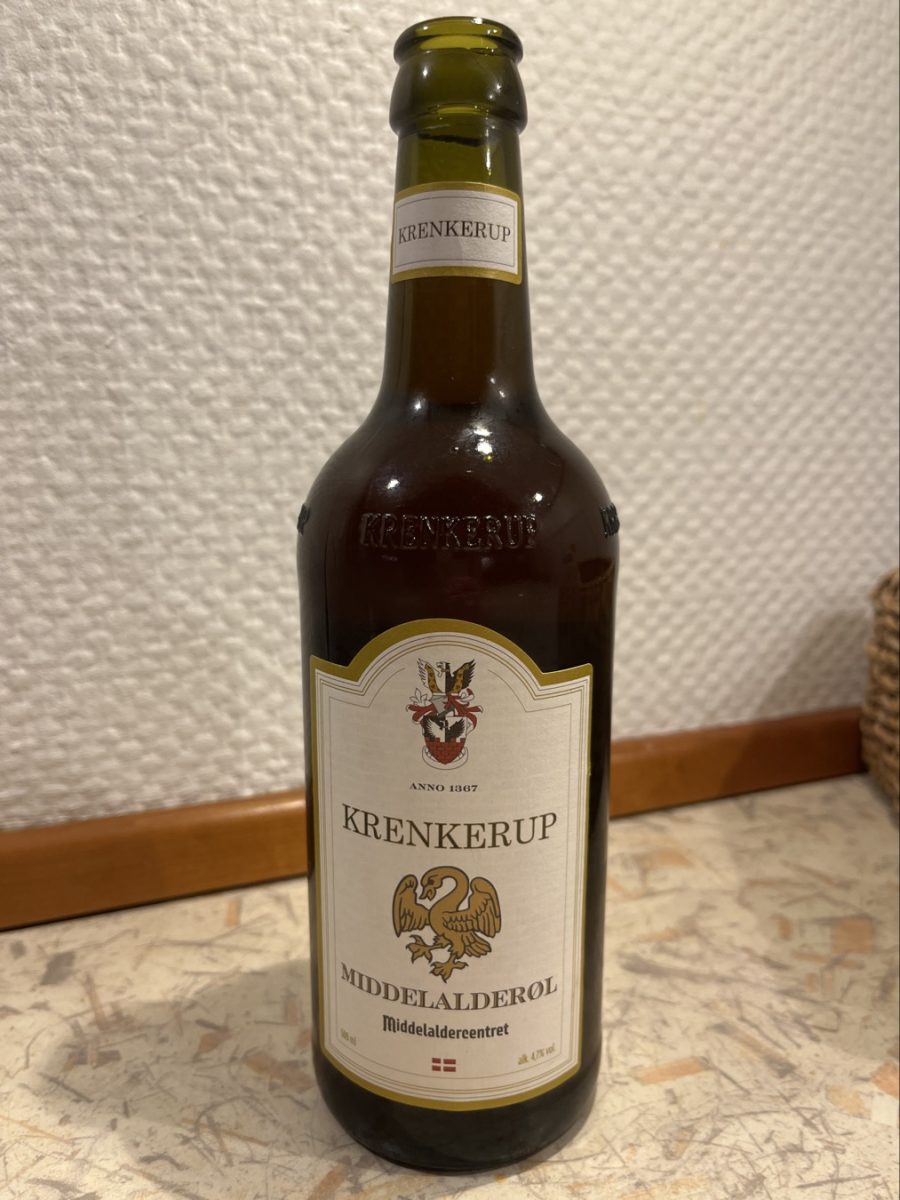
Middelalderøl
Brewed by Krenkerup Bryggeri
Krenkerup and Denmark’s Medieval Centre collaborated to recreate a beer dated to roughly 1400, pairing historical research with a professional brewery’s control over fermentation and consistency.
BAR NOTES
The project openly balances authenticity with modern drinkability. Its dark Kellerbier frame gives visitors a plausible grain-and-hop experience without presenting the finished beer as an untouched medieval artifact.
Drink it cool with roast poultry, dark bread, or mild cheese. Compare its rustic presentation with HBA’s farmhouse ale roundup. A stoneware mug suits the beer’s museum-built premise.
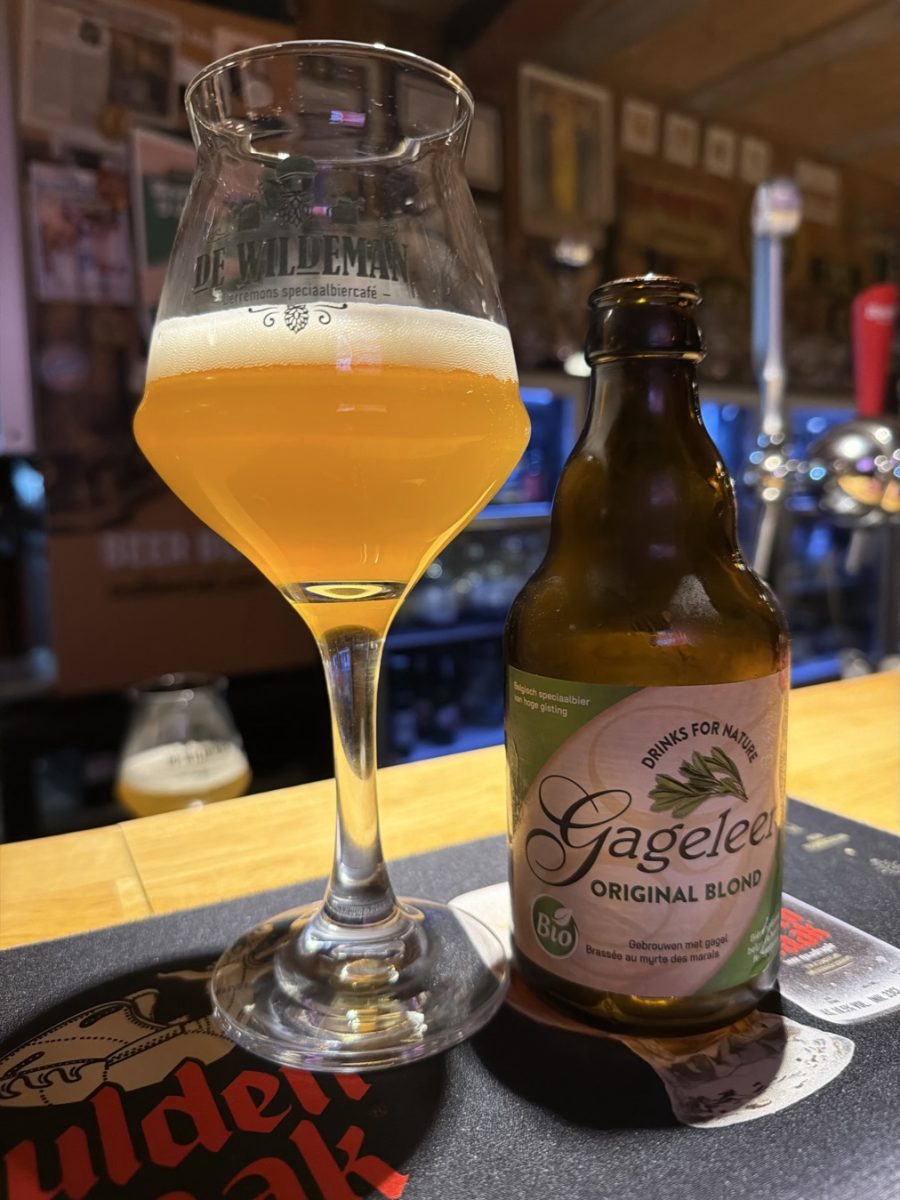
Gageleer Original
Brewed by Beers For Nature
Gageleer began with a deliberate attempt to brew “to medieval tastes,” drawing on Rembert Dodoens’ historic herb book and using locally gathered bog myrtle from Belgian nature reserves.
BAR NOTES
The recipe is modern, but the ingredient case is strong. Bog myrtle was a major gruit component, and Gageleer makes its peppery, eucalyptus-like character central rather than decorative.
Pair the 7.5% ale with pâté, roasted roots, or firm cheese. HBA’s gruit guide puts sweet gale in context. The bog myrtle grows more aromatic above refrigerator temperature.
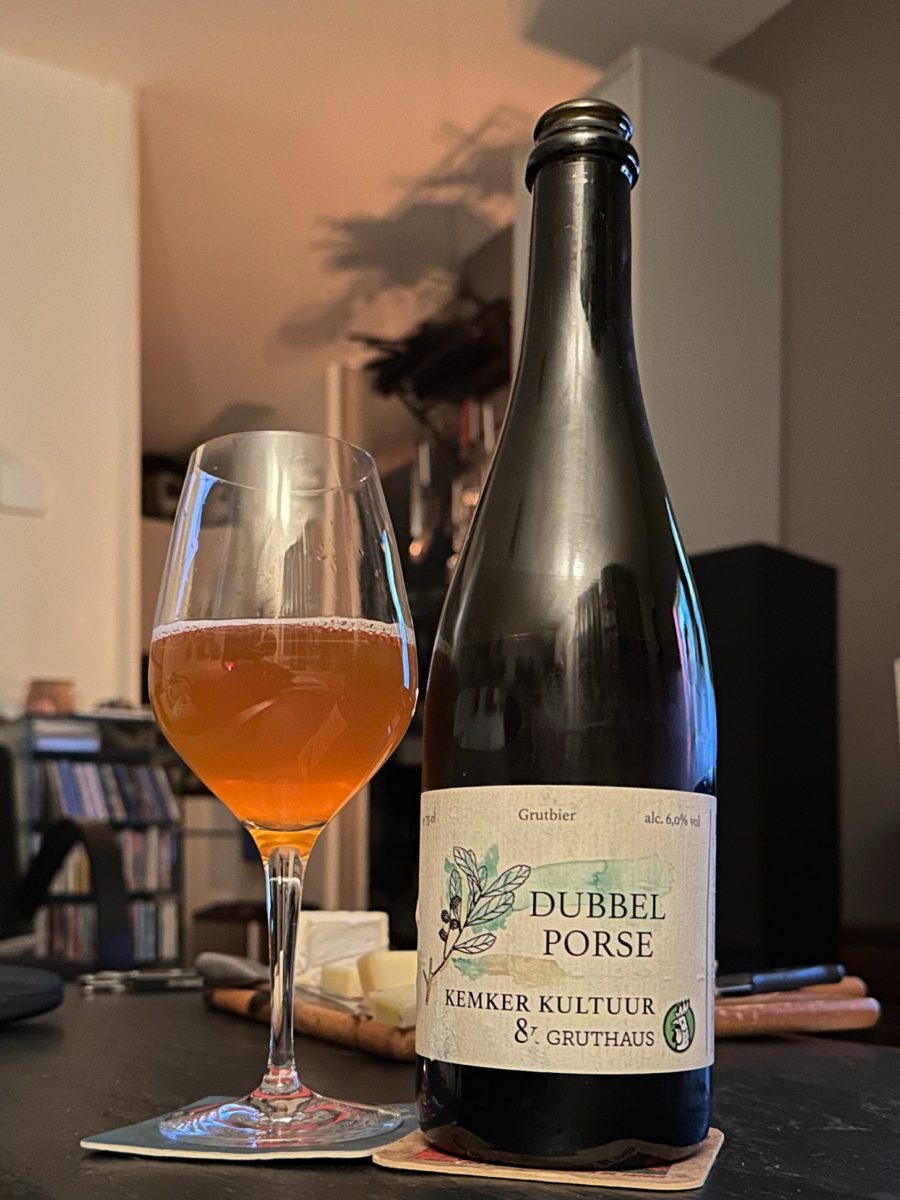
Dubbel Porse
Brewed by Kemker Kultuur (Brauerei J. Kemker)
Kemker Kultuur and Gruthaus collaborated on Dubbel Porse with a Münster-inspired gruit mixture of bog myrtle, caraway, juniper, and hops, explicitly treating the beer as reconstruction work.
BAR NOTES
The presence of hops does not invalidate the gruit connection; medieval mixtures varied by place and period. Here resin, spice, and fermentation acidity matter more than modern hop aroma.
Serve it with farmhouse cheese, pork, or caraway bread. Its mixed fermentation character also connects with HBA’s best farmhouse ales. A slow pour helps keep the rustic acidity in balance.
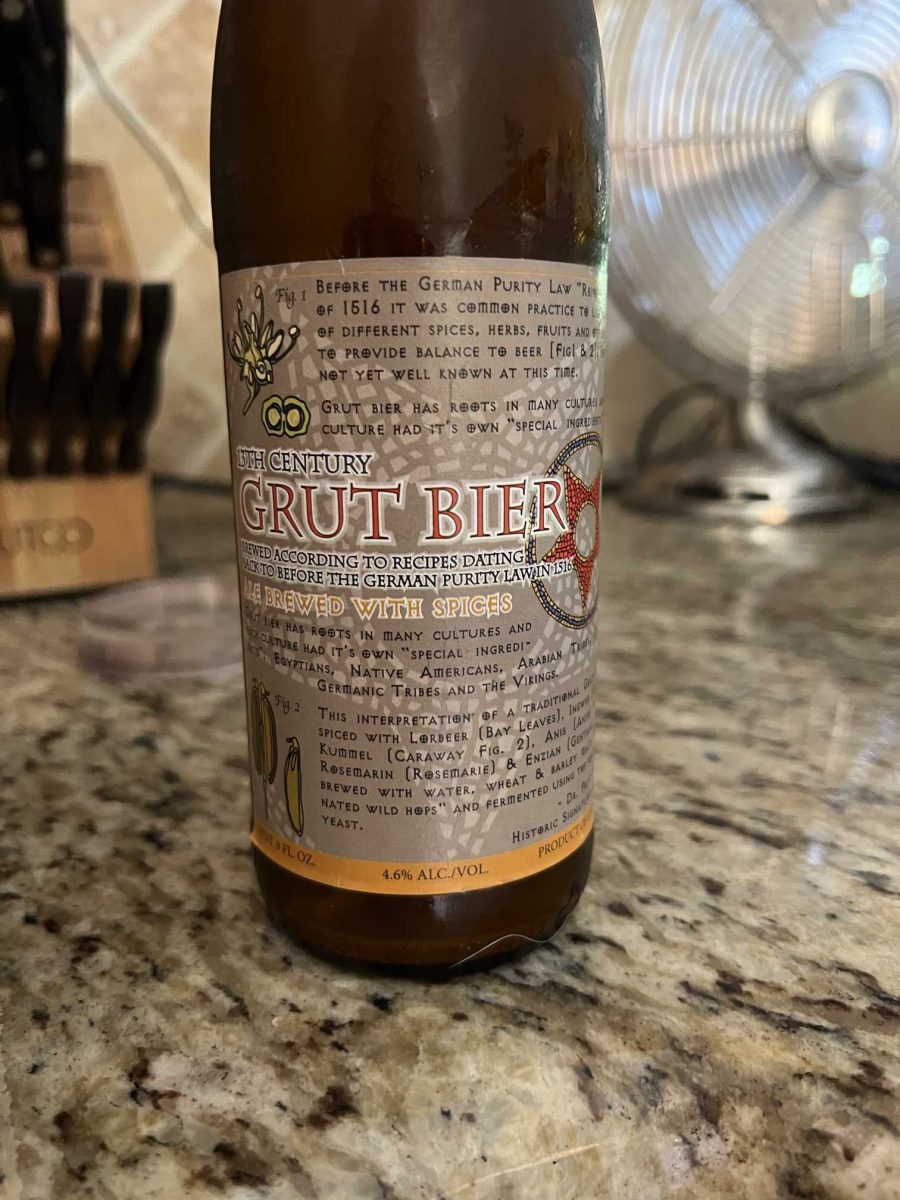
13th Century Grut Bier
Brewed by Dr. Fritz Briem
Dr. Fritz Briem developed this beer as a historical gruit interpretation, replacing a modern hop-first profile with a layered herb-and-spice structure associated with medieval brewing.
BAR NOTES
No single universal gruit recipe existed, so the honest value is the method: malt sweetness, restrained acidity, and botanicals working together where modern drinkers expect hops.
Pour it gently with roast vegetables, sausage, or creamy cheese. Use HBA’s gruit beer guide for broader historical comparisons. Expect spice and malt rather than modern citrusy hop aroma.
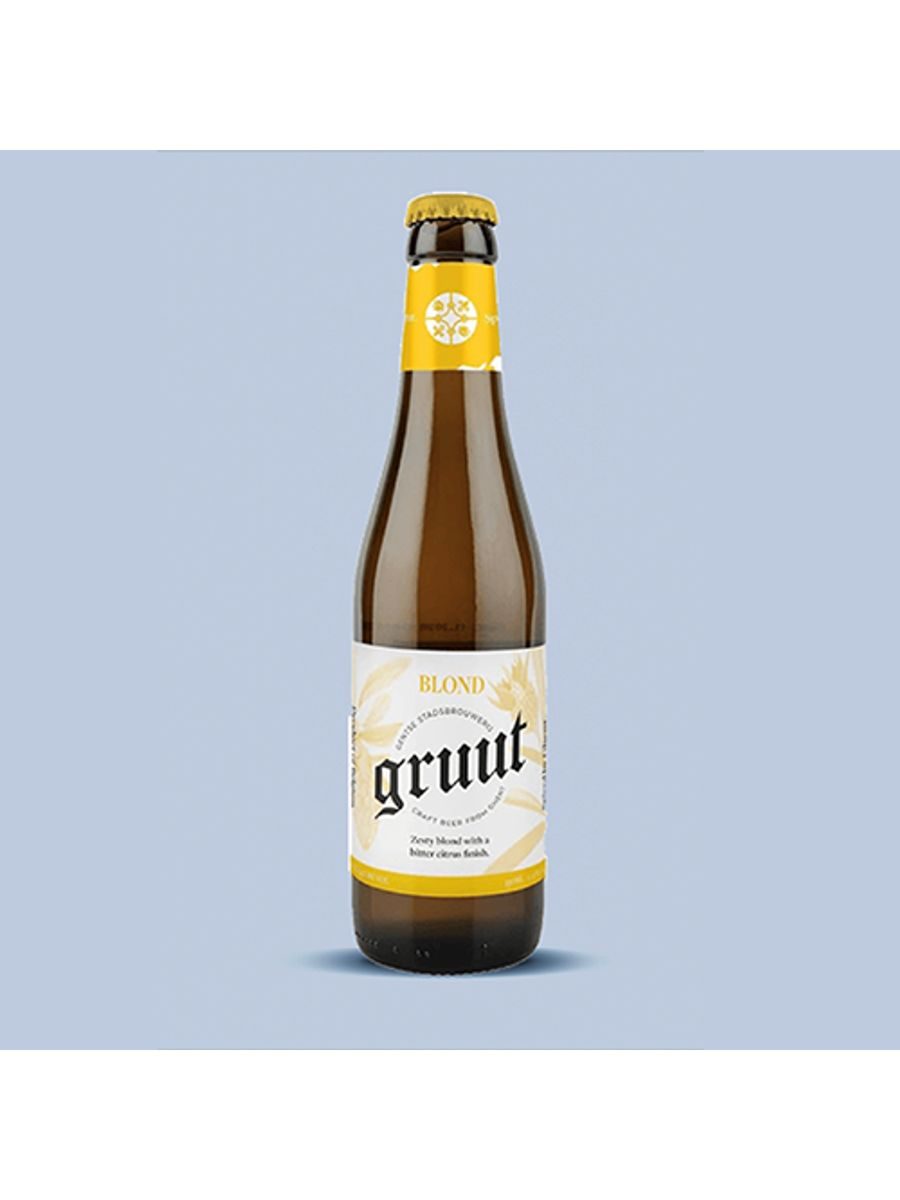
Gruut Blond
Brewed by Gentse Gruut Stadsbrouwerij
Gentse Gruut replaces hops with a proprietary blend of medieval herbs, making its documented inspiration a brewing choice rather than a label theme.
BAR NOTES
Blond is the most approachable expression in the range. Soft malt and light fruit allow the herb blend to provide bitterness without the pine, citrus, or resin expected from hops.
Serve it cold with mussels, fries, or young cheese. Compare its Belgian fermentation profile with HBA’s Belgian beer roundup. A narrow chalice keeps the light herbal aroma focused.
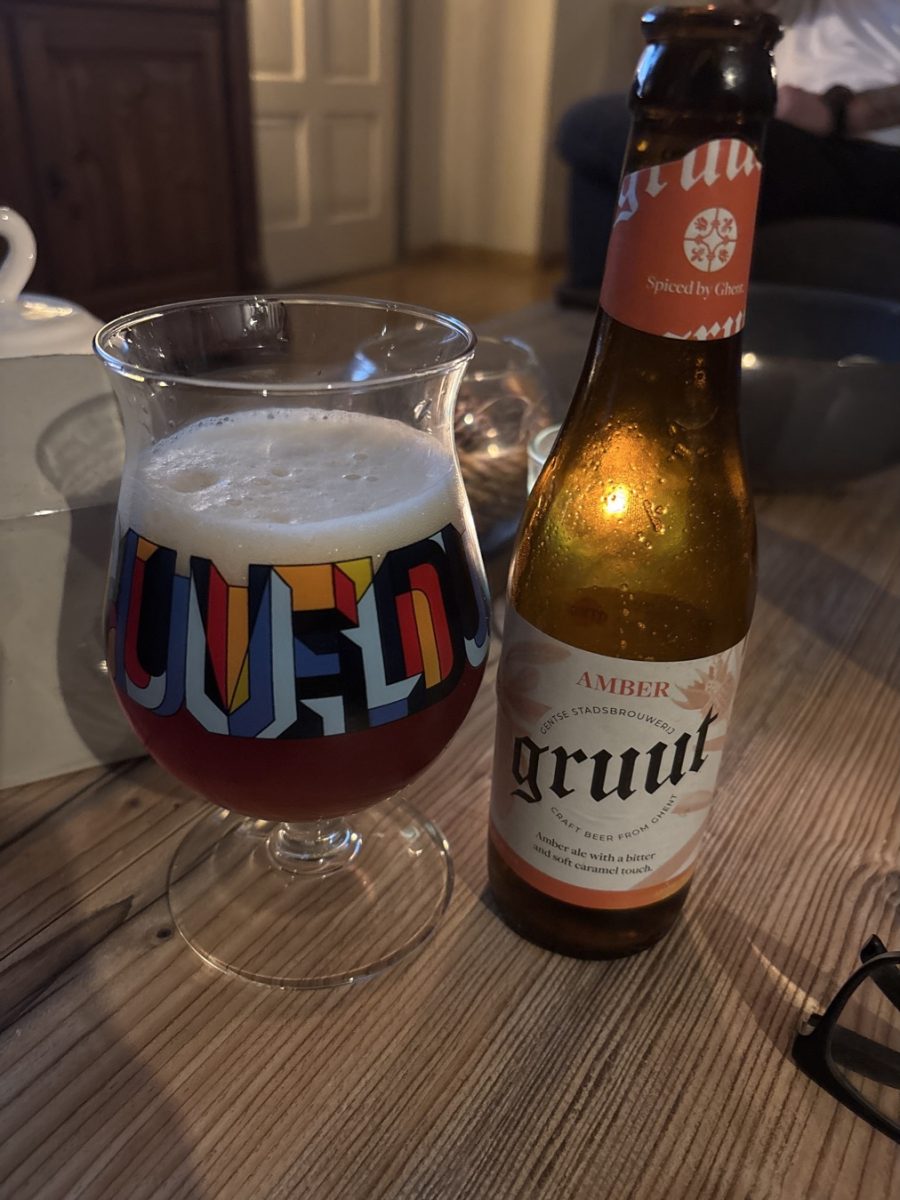
Gruut Amber
Brewed by Gentse Gruut Stadsbrouwerij
Gruut Amber uses the same brewery-documented medieval-herb concept as Gruut Blond but places it against copper malt, caramel, and a fuller body.
BAR NOTES
The inclusion is not a second claim to a different recovered recipe. It demonstrates how one historically inspired bittering approach changes when the modern base beer becomes darker and richer.
Pair it with roast chicken, onions, or nutty cheese. HBA’s best amber ales provide a useful hopped comparison. The caramel deepens as the glass approaches cellar temperature.
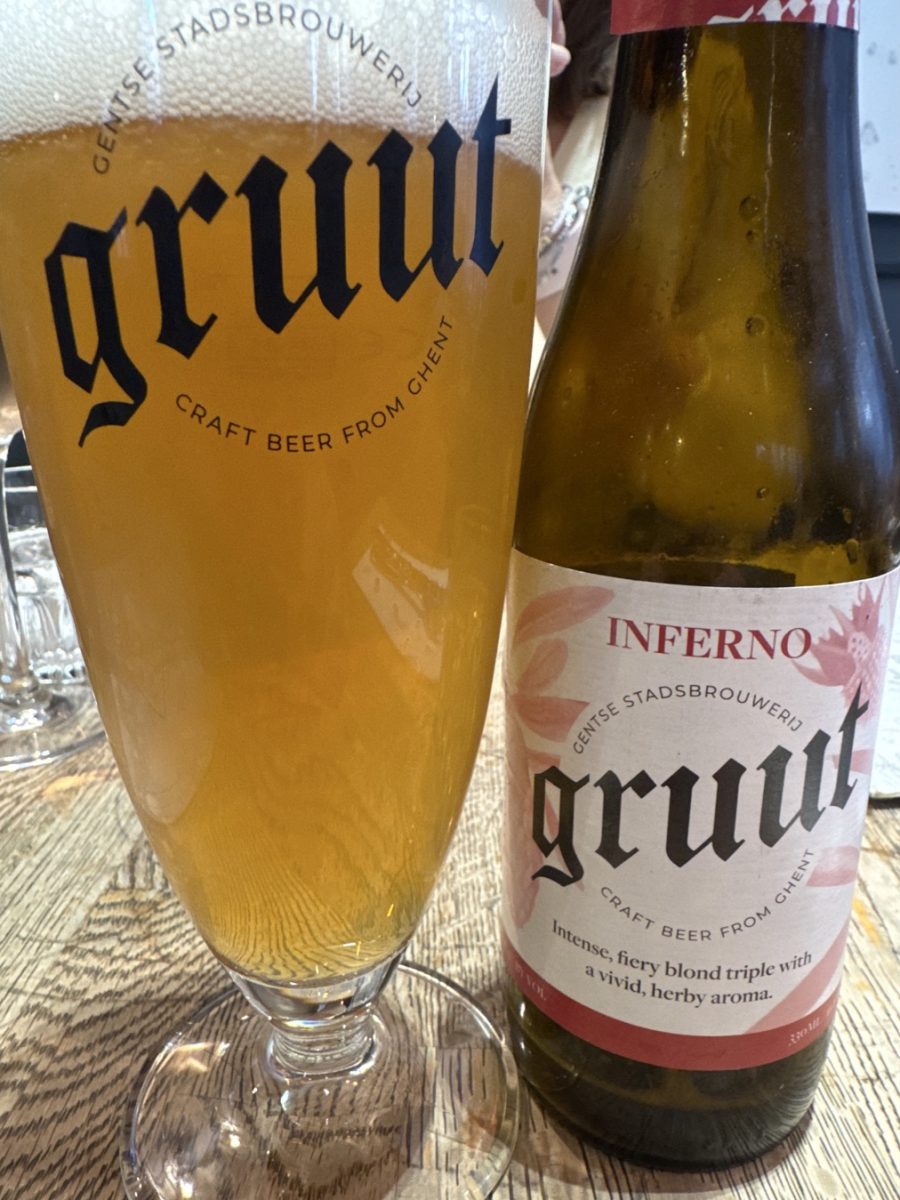
Gruut Inferno
Brewed by Gentse Gruut Stadsbrouwerij
Gruut Inferno scales the Ghent brewery’s hop-free medieval-herb idea into a 9% golden ale, proving that historical inspiration need not produce only rustic table beer.
BAR NOTES
Its evidence is process-level rather than recipe-level: the brewery identifies its secret herb blend as the substitute for hops. Strength, fruit, and warming alcohol are modern framing choices.
Use a small tulip and pair it with washed-rind cheese or roast pork. HBA’s strong ale guide explains the modern structure. Its warming finish makes a full pint unnecessary.
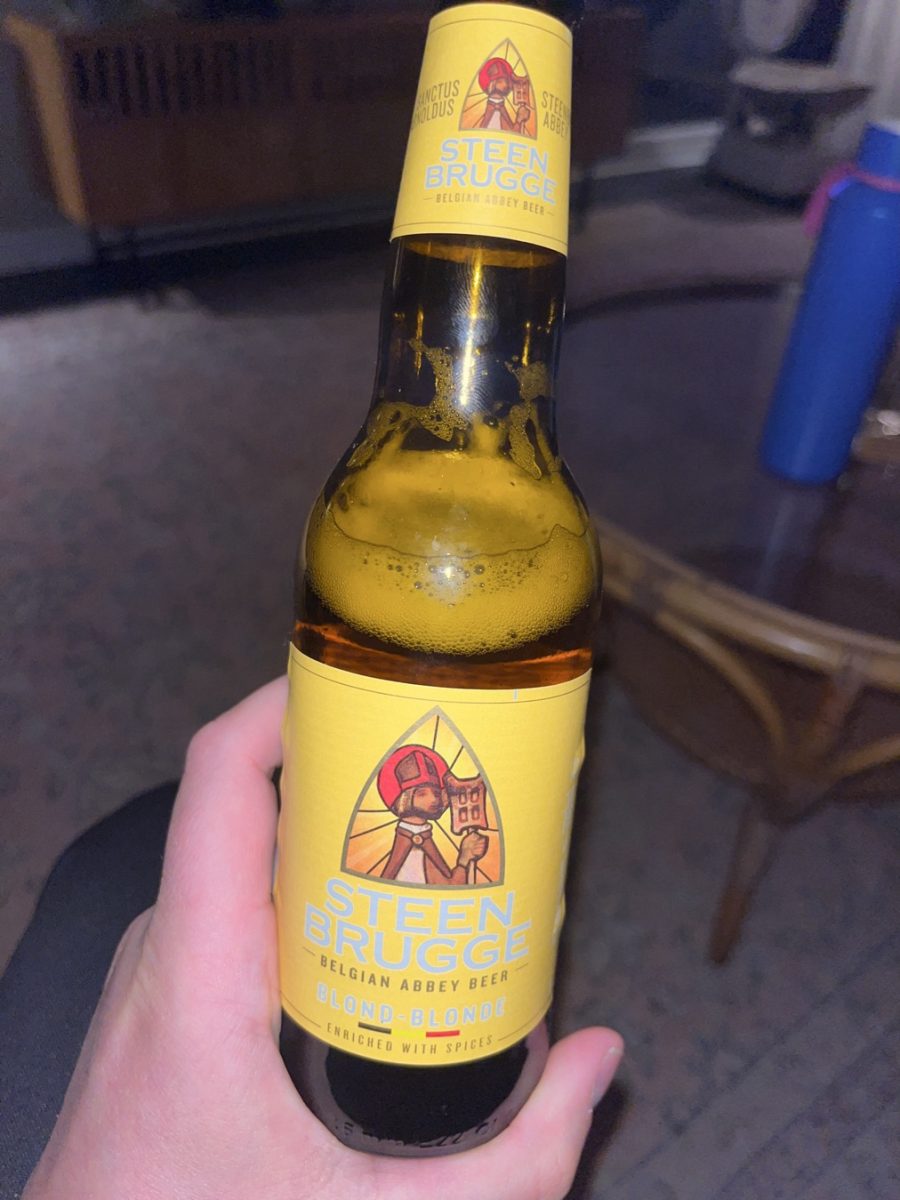
Steenbrugge Blond
Brewed by Brouwerij Palm
Steenbrugge Blond uses the brewery’s Bruges gruut blend, a deliberate continuation of the city’s medieval practice of seasoning beer with a controlled herbal mixture.
BAR NOTES
This is not an unchanged monastic recipe. Its value is the surviving flavor idea: subtle herbs and spice folded into fruity Belgian fermentation and bottle conditioning.
Serve it with roast chicken, shellfish, or mild abbey cheese. Explore comparable fermentation character in HBA’s best Belgian beers. Bottle conditioning adds texture and a lively finishing lift.
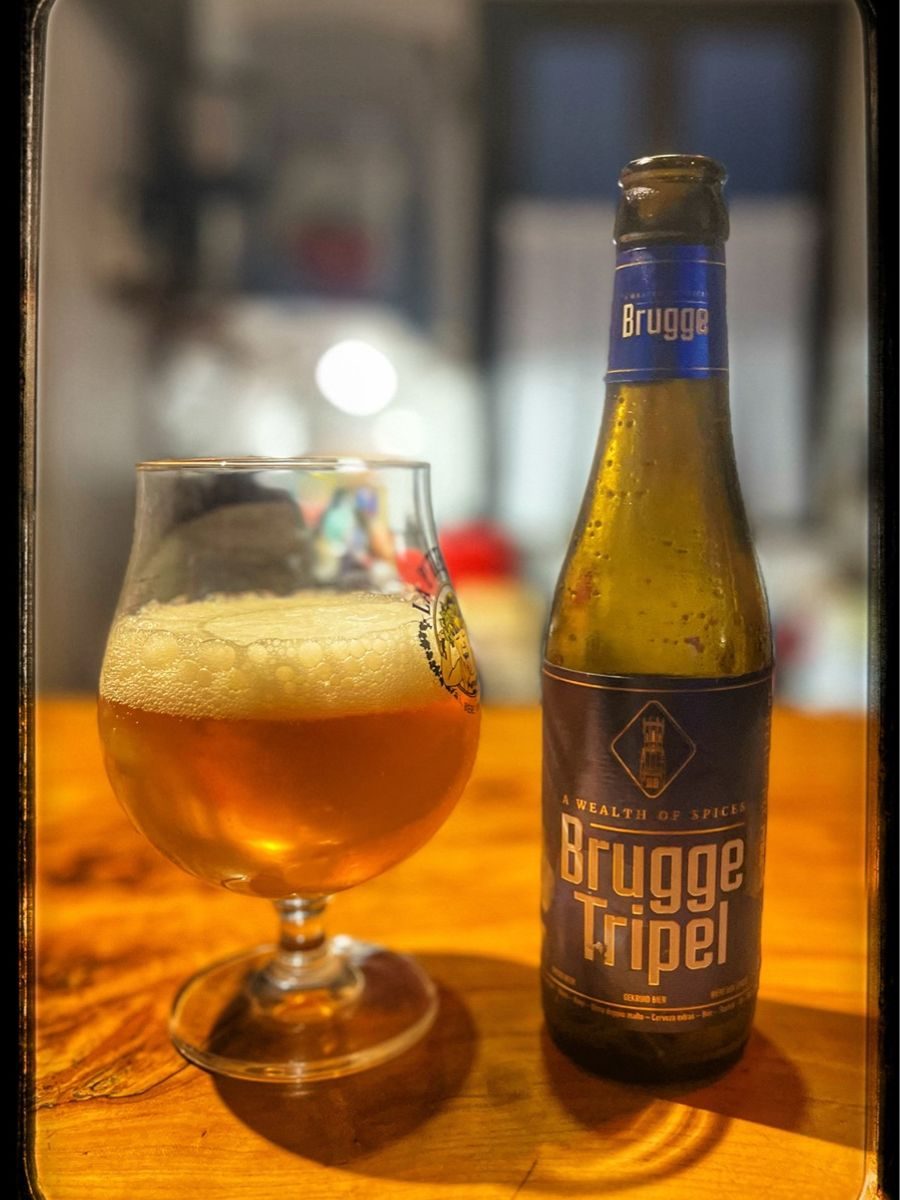
Brugge Tripel
Brewed by Brouwerij Palm
Brugge Tripel explicitly links its proprietary gruut blend to medieval Bruges, where brewers bought the regulated mixture through the Gruuthuse monopoly.
BAR NOTES
The strong golden tripel itself is modern. What earns inclusion is the documented local flavoring tradition, carried into a bitter-sweet beer with spicy fermentation and a lightly smoky edge.
Pour it at 48–52°F with rich cheese, roast duck, or pâté. Compare its strength with HBA’s strong ale roundup. A patient pour reveals spice beneath the alcohol and fruit.
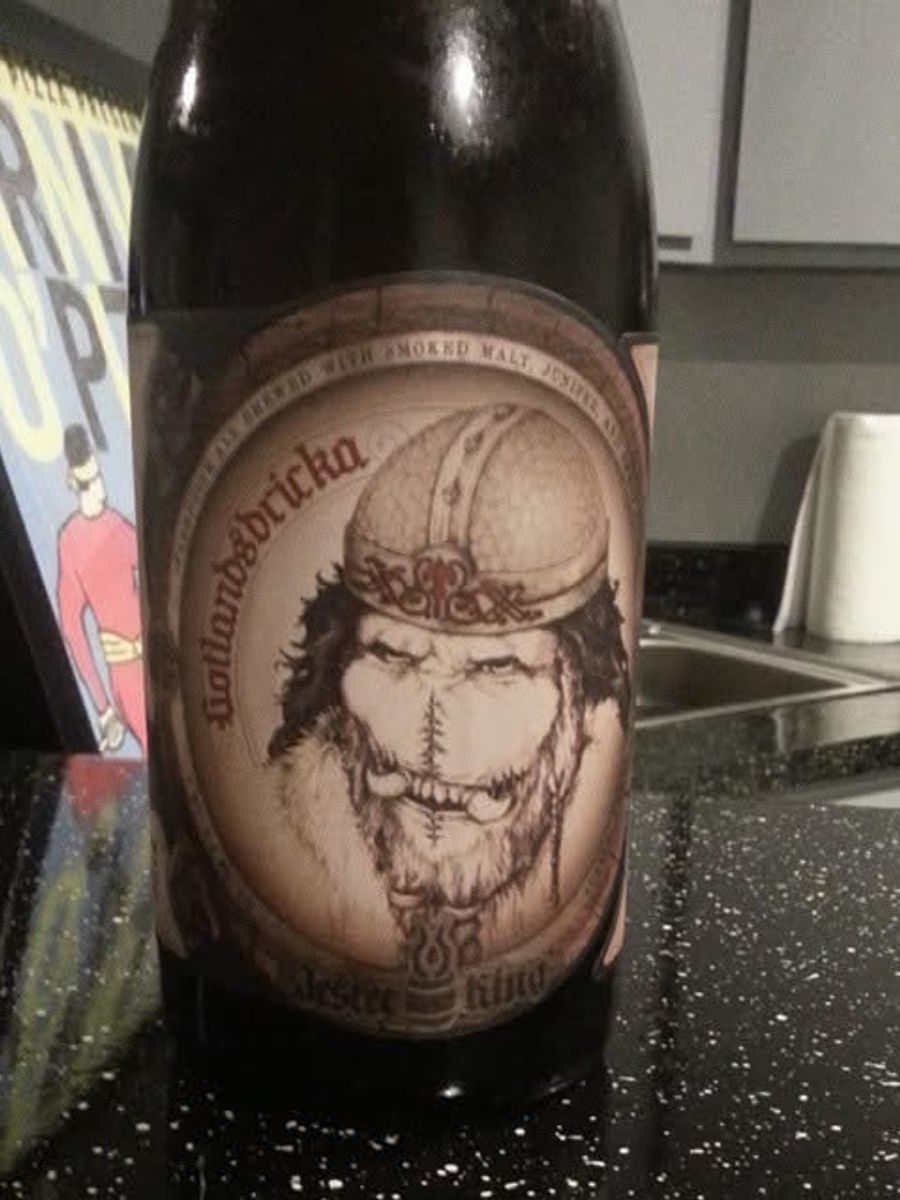
Gotlandsdricka
Brewed by Jester King Brewery
Jester King based Gotlandsdricka on the farmhouse tradition of Gotland, using smoked malt, juniper, and sweet gale rather than relying on a Viking name alone.
BAR NOTES
Calling it “the beer of the Vikings” is broader than the surviving evidence can prove. The defensible link is the island tradition and its smoke, juniper, rustic fermentation, and household-brewing lineage.
Serve it with smoked fish, game, or rye bread. HBA’s farmhouse ales show how regional traditions resist neat style boxes. Juniper becomes sharper as the smoked malt begins to fade.
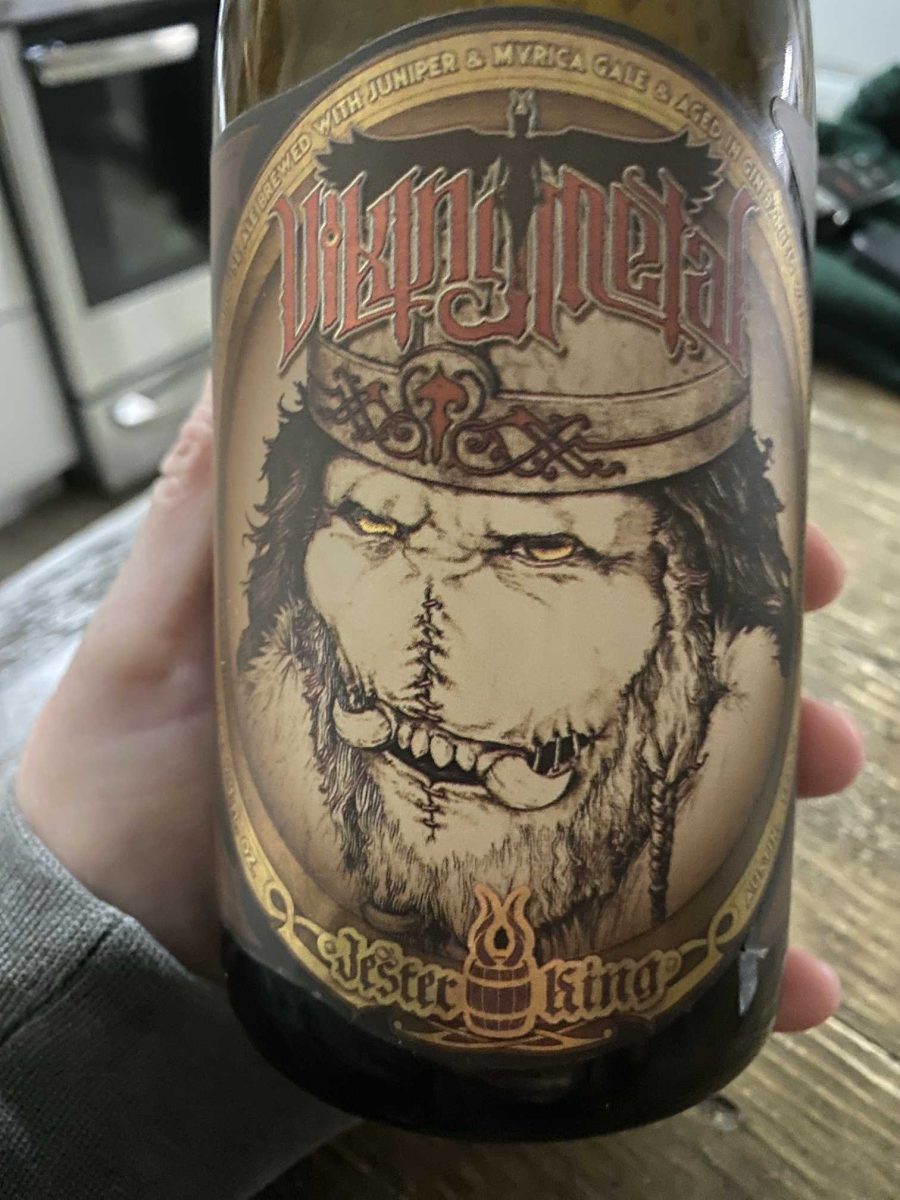
Viking Metal
Brewed by Jester King Brewery
Viking Metal begins with Jester King’s smoked-malt, juniper, and sweet-gale Gotland framework, then adds wild fermentation and gin-barrel aging.
BAR NOTES
The base has historical and regional evidence; the barrel treatment is intentionally modern. That distinction makes the beer more useful than a false claim of exact Viking-era reconstruction.
Let it warm beside smoked meat or blue cheese. Compare its birch-smoke character with HBA’s rauchbier and smoked-beer guide. Gin botanicals emerge gradually after the first smoky impression.
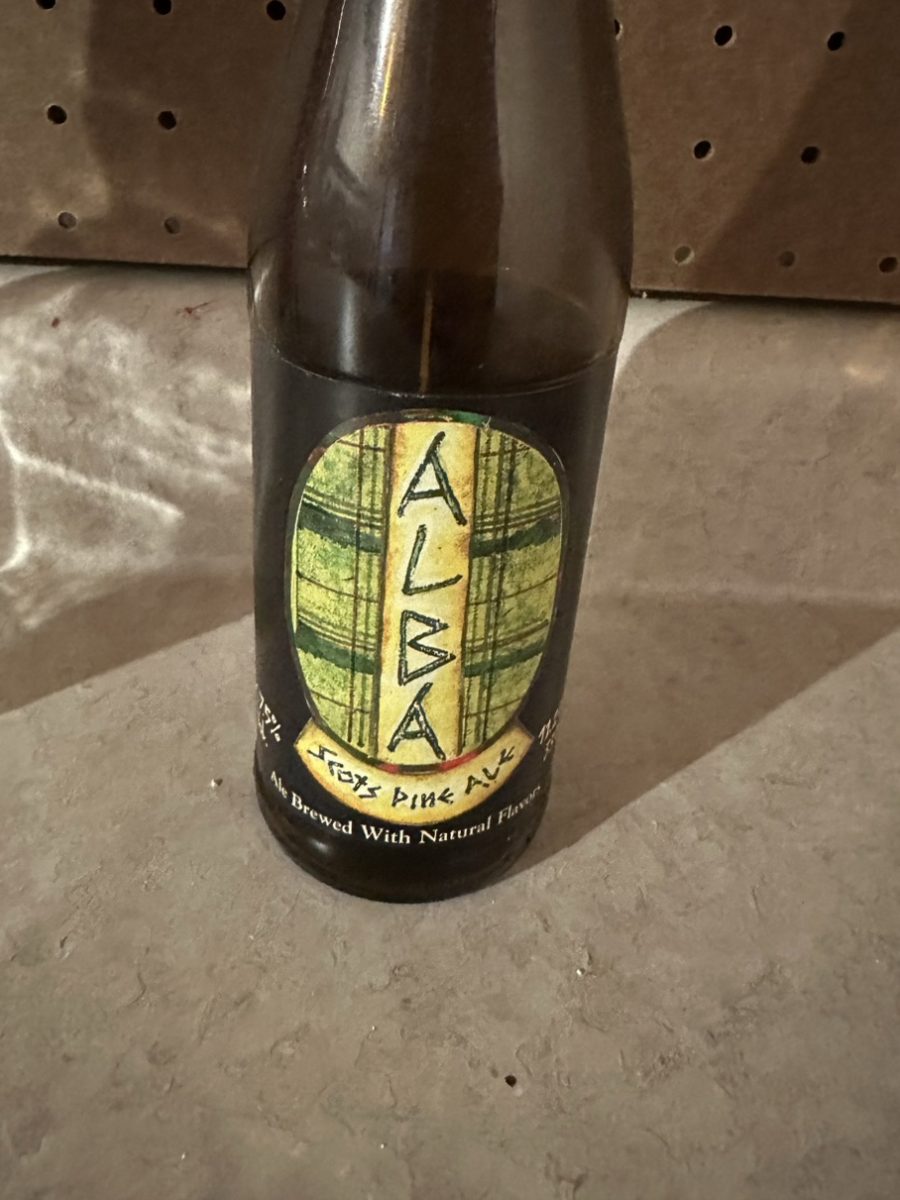
Alba Scots Pine Ale
Brewed by Williams Brothers Brewing Co.
Williams Brothers identifies Alba as a Scots pine and spruce ale based on a Highland tradition introduced by Vikings, using spring shoots, bog myrtle, and malt in the modern recipe.
BAR NOTES
The brewery does not possess a complete Viking manuscript recipe. Its stronger evidence lies in regional plant use and a documented historical-ale project that treats pine as a functional brewing ingredient.
Pair it with venison, smoked salmon, or sharp cheddar. Its botanical grain bill fits HBA’s unusual beer additions. The evergreen character becomes rounder as the beer warms.
Documented Norse people, myths, sagas, and places
These final eight are cultural interpretations, not historical recipes. Each brewery identifies a specific Norse figure, medieval person, saga, myth, event, ingredient, or regional legacy behind the beer, and each card states that evidence plainly.
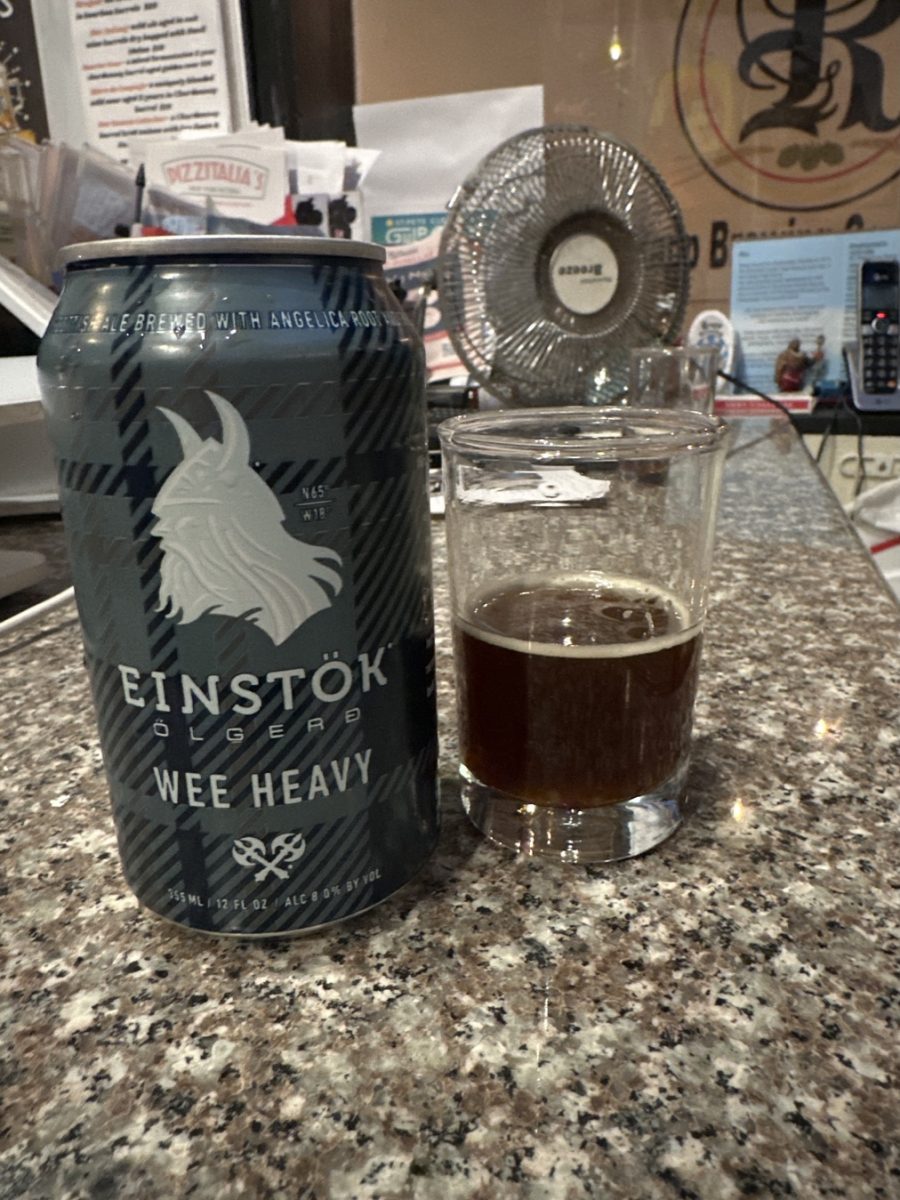
Icelandic Wee Heavy
Brewed by Einstök Ölgerð
Einstök connects Viking history to ingredients: locally grown birch-smoked barley and Icelandic angelica, an herb the brewery notes was valued in the Viking world.
BAR NOTES
The Scotch-ale format is not a Viking reconstruction. It is a transparent modern hybrid using Nordic raw materials and a historical ingredient story to reshape a rich malt-driven style.
Serve it with lamb, smoked cheese, or dark bread. Compare its gentle smoke with HBA’s best rauchbiers. A tulip glass concentrates both angelica and birch smoke.
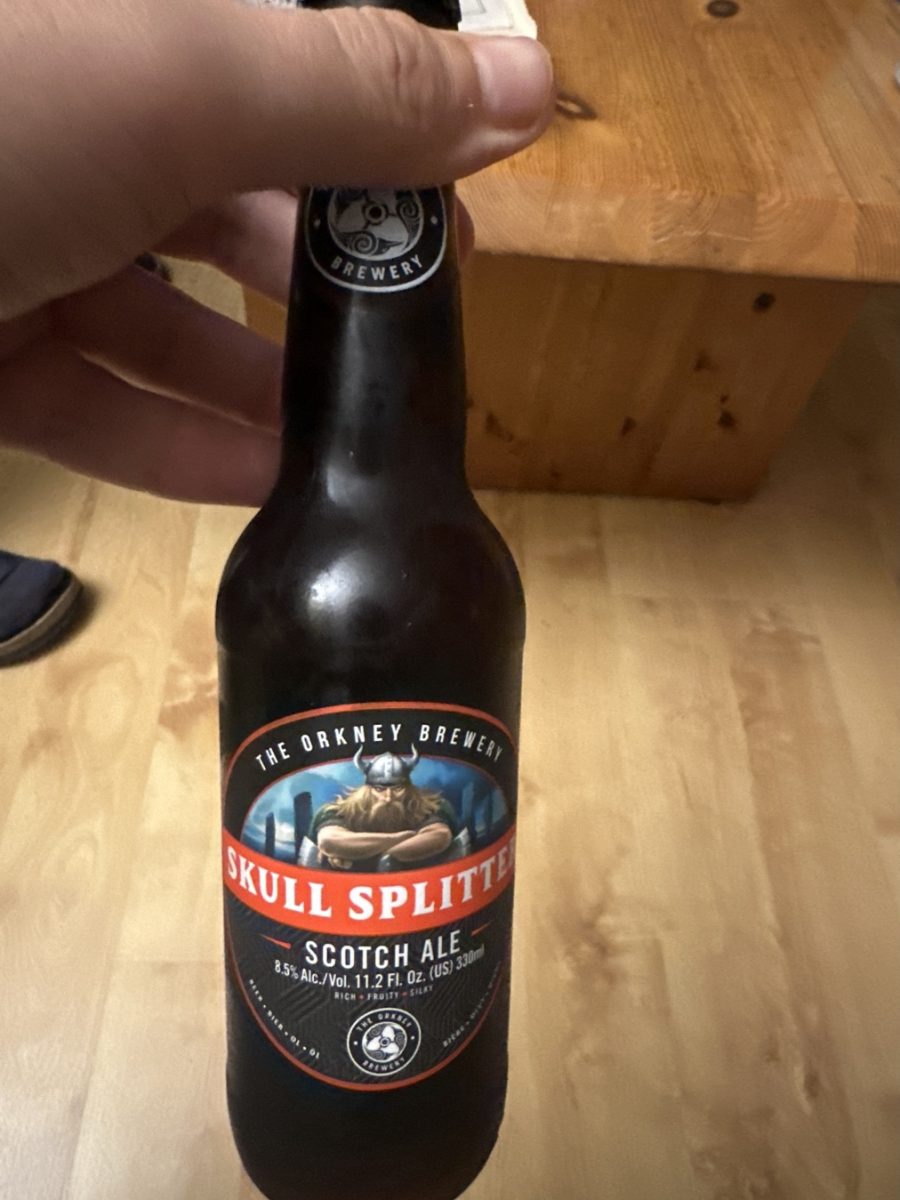
Skull Splitter
Brewed by Orkney Brewery
Orkney Brewery names Skull Splitter for Thorfinn Einarsson, the seventh Viking Earl of Orkney, giving the beer a specific historical person rather than generic Norse decoration.
BAR NOTES
Its strong Scotch-ale recipe is modern, and the article treats it that way. Dried fruit, caramel, warming spice, and vinous strength carry the personality while the name carries the evidence.
Sip it with venison, fruit pudding, or aged cheese. HBA’s best strong ales offer more slow-pour options. Give the malt several minutes to unfold before finishing it.
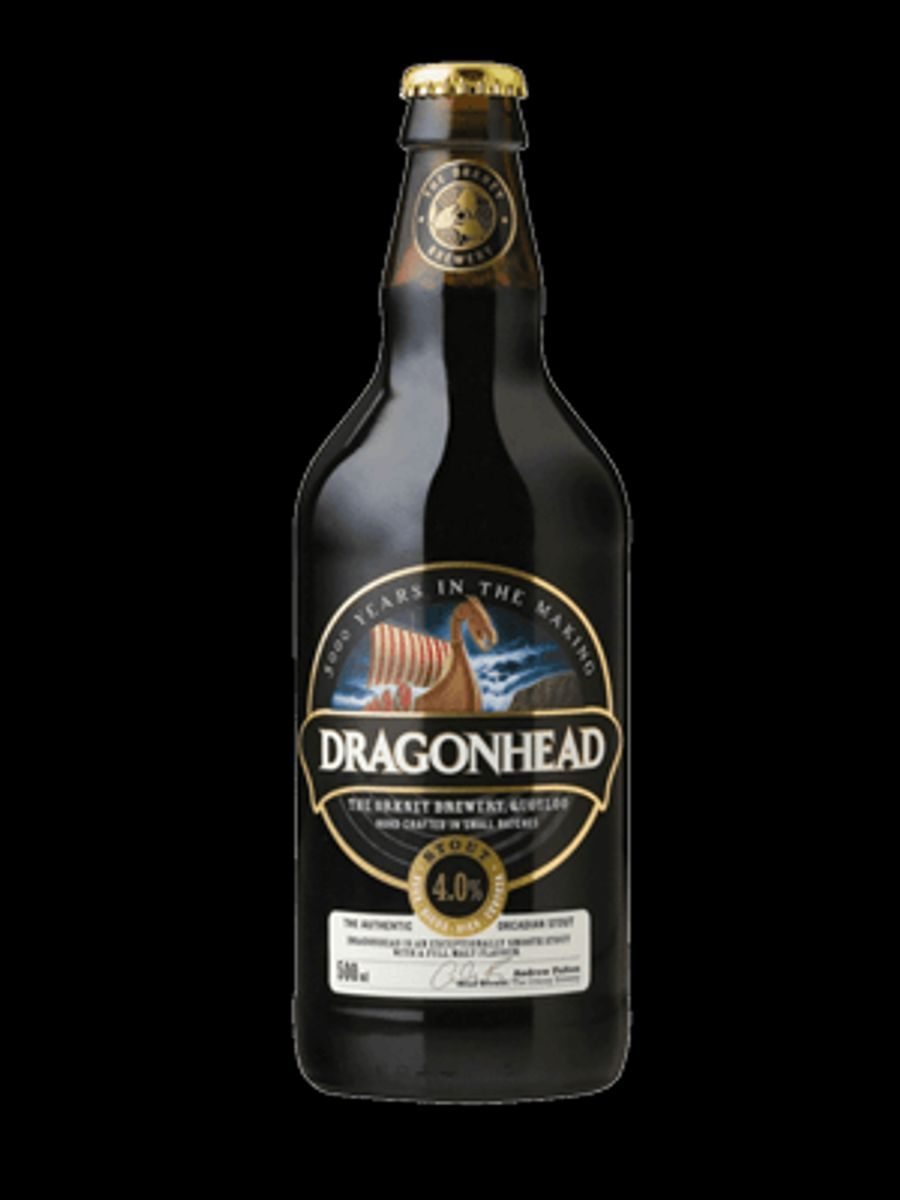
Dragonhead
Brewed by Orkney Brewery
Dragonhead is Orkney Brewery’s stated tribute to Viking cultural legacy and the carved prow that would have announced a longship’s arrival at the islands.
BAR NOTES
Nothing about the stout recipe is presented as Viking-era brewing. The value is honest cultural inspiration from a place deeply shaped by Norse settlement, expressed through roast, coffee, and dark fruit.
Serve it with oysters, stew, or chocolate pudding. Compare its compact roast profile with HBA’s best stout beers. A straight-sided pint emphasizes the stout’s dry final edge.
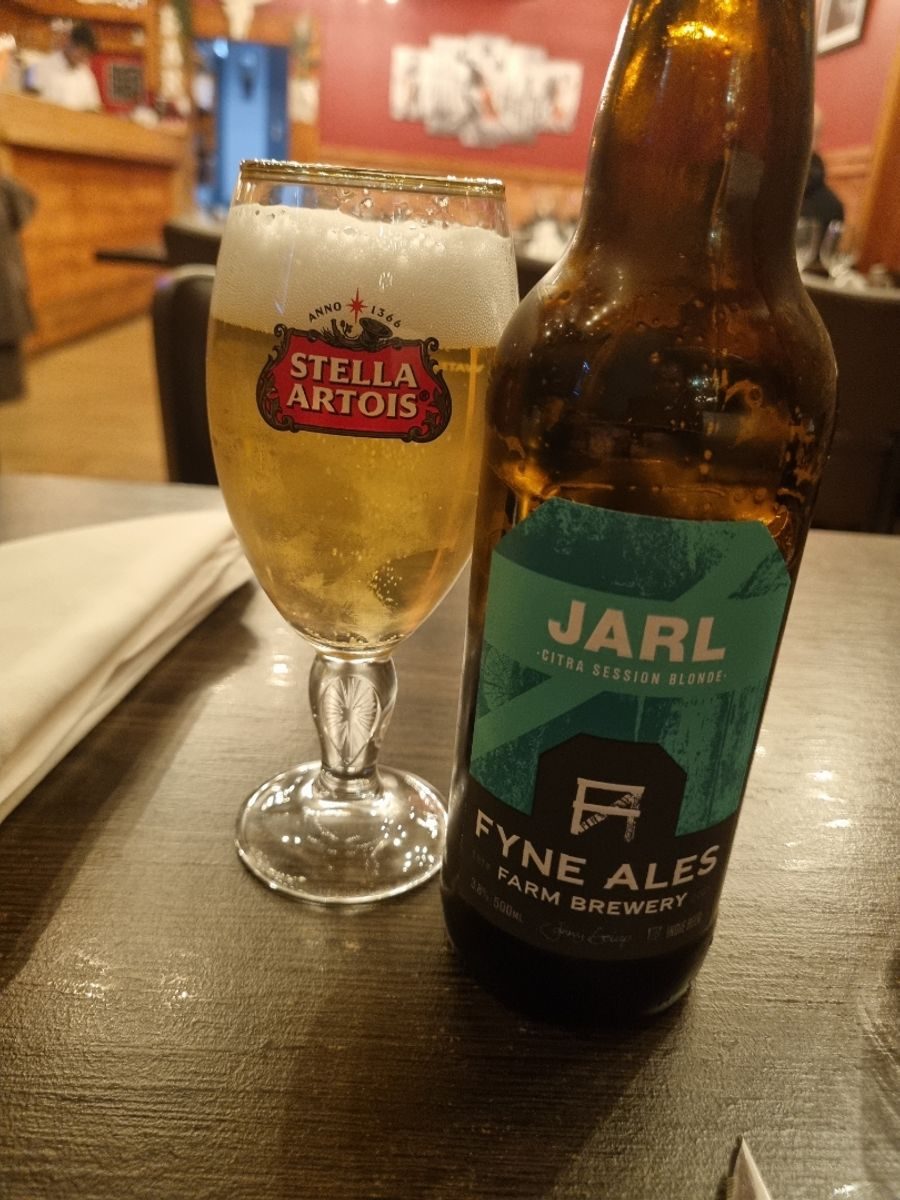
Jarl
Brewed by Fyne Ales
Fyne Ales says Jarl was named for the Viking jarls who ruled parts of western Scotland in the eleventh century, turning regional history into a specific naming story.
BAR NOTES
The liquid is a thoroughly modern Citra session blonde, not historical ale. That contrast is useful: documented inspiration can be real even when the recipe makes no antiquarian claim.
Drink it fresh with fish and chips or grilled chicken. Its bright hop profile belongs beside HBA’s best IPA beers. Its modest strength keeps the cultural story pleasantly sessionable.
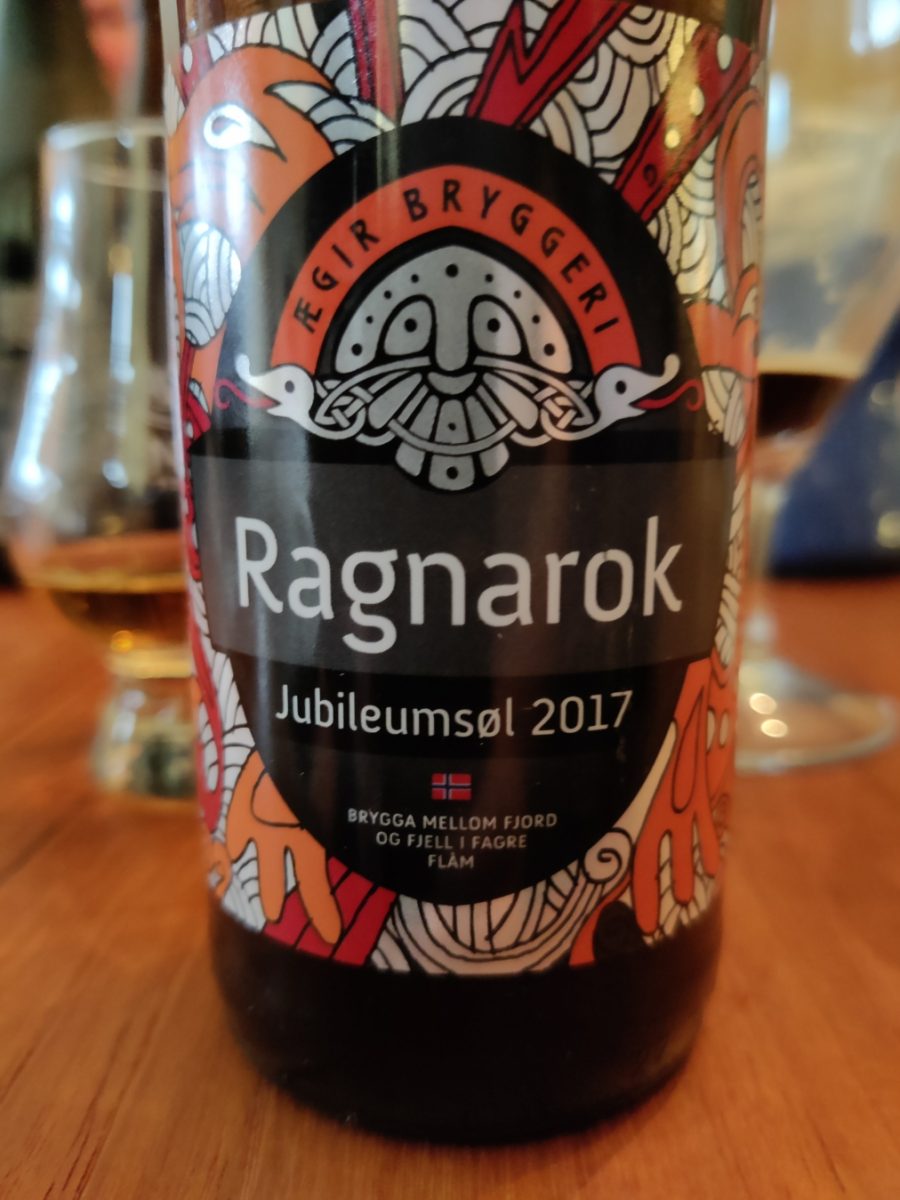
Ragnarok Jubileumsøl 2017
Brewed by Ægir Bryggeri
Ægir documents Ragnarok as a beer named for the end of the world in Norse mythology, while the brewery itself takes its name from the mythic brewer and sea giant Ægir.
BAR NOTES
The 15% orange-peel quadrupel is cultural interpretation, not reconstructed Viking drink. Oak, dark fruit, sugar, and long fermentation turn mythic scale into a deliberately excessive modern beer.
Pour a small measure with ripe cheese or braised meat. Its enormous strength fits HBA’s strong ale guide. Treat it more like a digestif than an ordinary dinner beer.
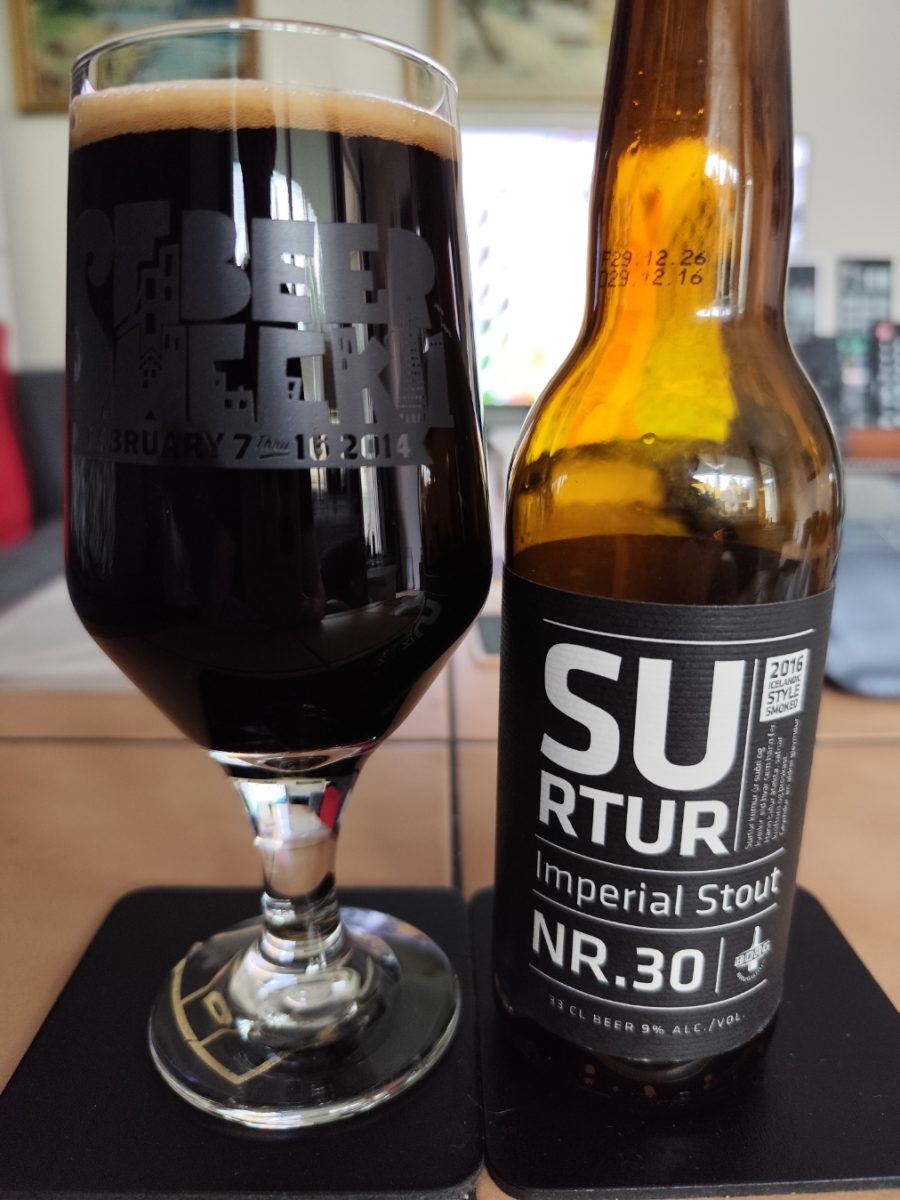
SURTUR NR.30 (Sheep Dung Smoked)
Brewed by Borg Brugghús
Borg names Surtur for Surtr, the fire giant central to Ragnarök, and this No. 30 edition uses sheep-dung-smoked malt tied to Icelandic fuel and food traditions.
BAR NOTES
The imperial stout is modern, but both myth and ingredient are documented. Smoke, leather, coffee, and dark chocolate create a beer that earns its Norse identity through more than label art.
Serve it with smoked lamb, blue cheese, or dark chocolate. Compare the smoke profile with HBA’s smoked beer roundup. The traditional smoke turns earthier with each warming sip.
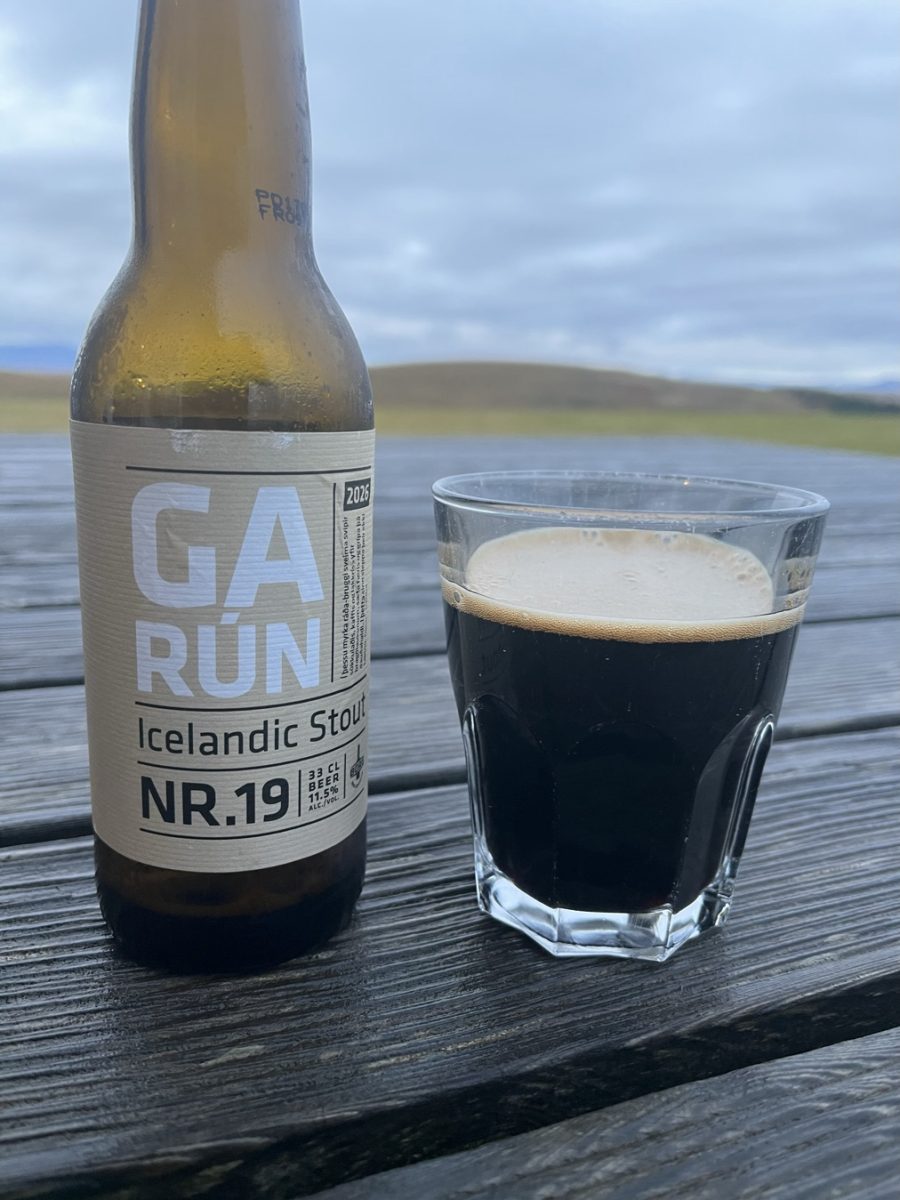
GARÚN NR.19
Brewed by Borg Brugghús
Borg identifies Garún as the brave heroine of the Icelandic folktale “The Deacon of Dark River,” connecting the beer to a specific story of ghosts, love, and survival.
BAR NOTES
The imperial stout translates the tale emotionally rather than historically. Dense chocolate, coffee, licorice, and 11.5% strength mirror the story’s darkness without claiming medieval recipe evidence.
Sip it with rye cake, strong cheese, or chocolate. HBA’s stout guide maps the style’s many modern branches. A small snifter suits both the folktale and the formidable stout.
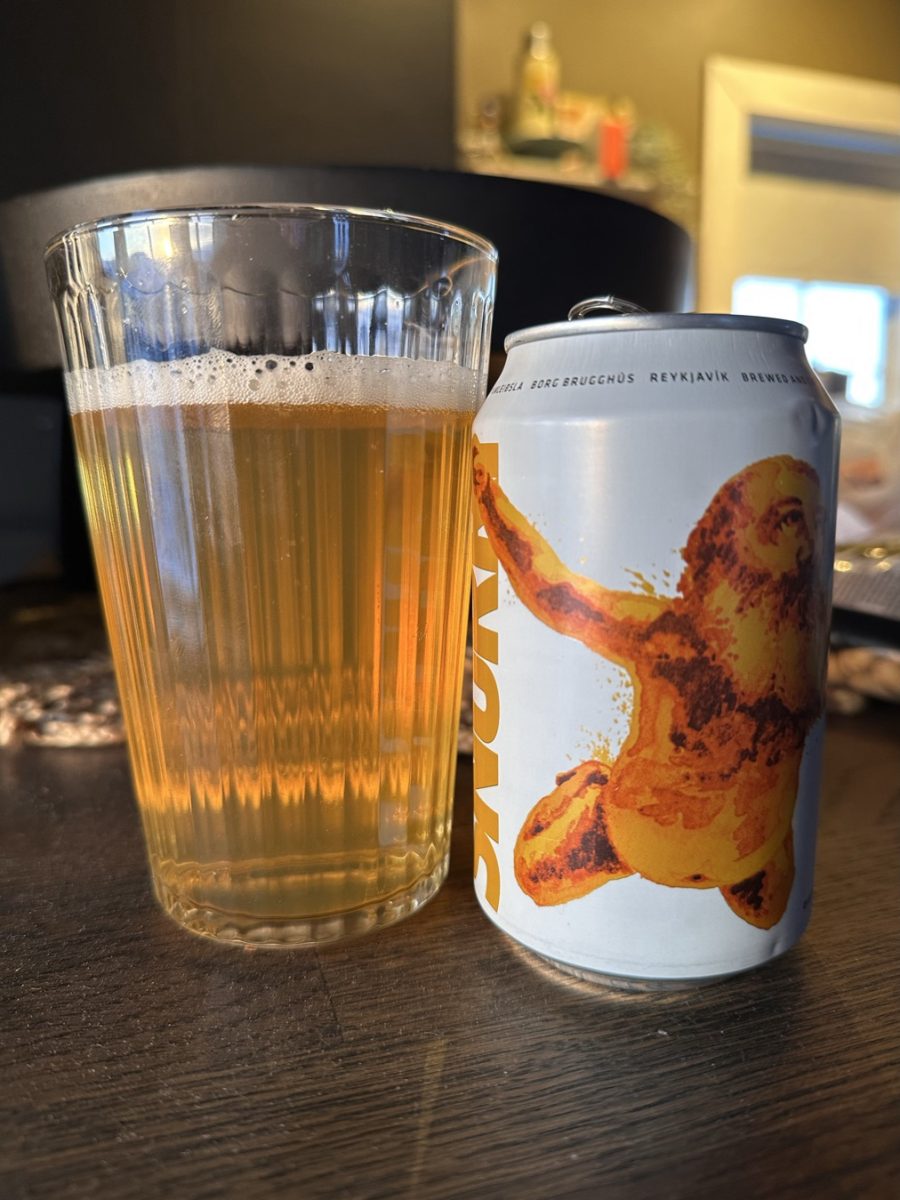
SNORRI NR.10
Brewed by Borg Brugghús
Borg brews Snorri with Icelandic barley and organic Arctic thyme in honor of Snorri Sturluson, the thirteenth-century chieftain, historian, poet, and author associated with the Prose Edda.
BAR NOTES
This is one of the cultural section’s strongest combinations of person, place, and ingredient. It remains a modern 5.3% ale, but the evidence is concrete and clearly disclosed.
Pair it with trout, light game, or fresh cheese. Its thyme seasoning connects naturally to HBA’s beer ingredients guide. The Arctic thyme remains vivid after the grain sweetness fades.
Keep Drinking Through Beer History
Move from medieval city ordinances and Norse farmhouse traditions into older archaeological recreations, later colonial brewing, and modern herb-driven beer.
DRINK DEEPER

better beer.