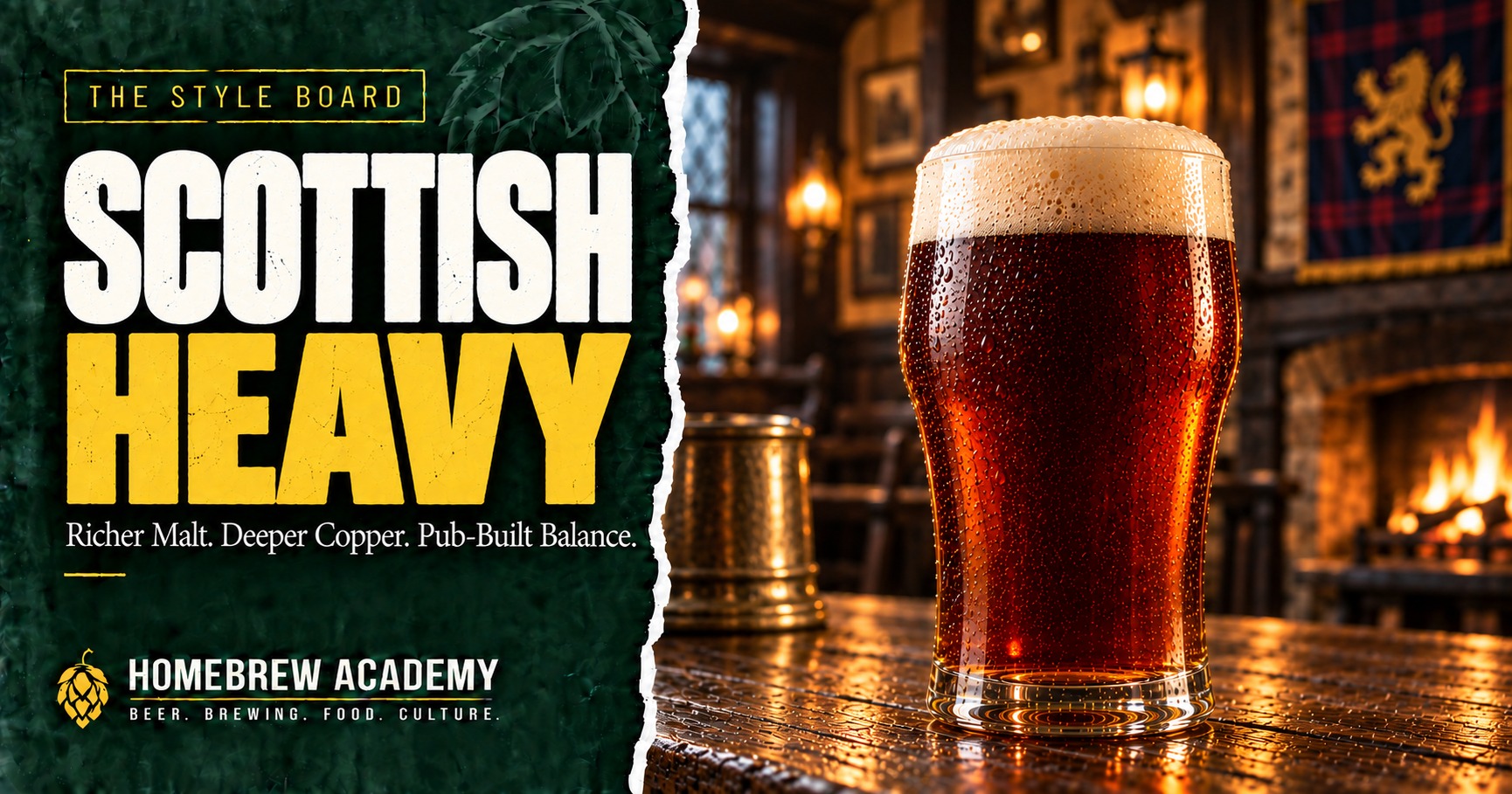
Scottish Heavy: 10-Beer Comparison Flight and Style Guide
Scottish Heavy is a low-alcohol amber ale with toast, caramel, toffee and light fruit, usually associated with the 70-shilling rung of the Scottish ale ladder.
At 3.3–3.9% ABV, “Heavy” means stronger than Scottish Light—not a high-alcohol winter warmer.
The quick answer
Expect pale copper to brown color, medium-low to medium body and low to moderate carbonation. Malt remains the focus, with just enough bitterness and roast dryness for balance.
| Measure | BJCP range |
|---|---|
| Original gravity | 1.035–1.040 |
| Final gravity | 1.010–1.015 |
| Bitterness | 10–20 IBU |
| Color | 12–20 SRM |
| Alcohol | 3.3–3.9% |
What Scottish Heavy tastes like
Toasted bread, biscuit, caramel, toffee and butterscotch may appear beside restrained apple or pear esters. The impression is smooth and malty without becoming syrupy.
A slight roasted dryness may finish the sip, but smoke should not. Peat-smoked malt is not characteristic, despite the persistent habit of treating every Scottish beer like a liquid campfire.
Why it is called Heavy
Historic Scottish breweries used shilling designations that broadly tracked strength and price within their own range. Seventy-shilling ale became associated with the middle session-strength tier now called Scottish Heavy.
The terminology can confuse modern drinkers because “heavy” sounds stronger than it is. In practical terms, the beer occupies strength territory similar to Ordinary Bitter, though its malt emphasis and darker color are distinctly Scottish.
How Scottish Heavy is brewed
British pale malt supplies most of the fermentables, with colored malt, crystal malt or sugar shaping toast and caramel. A complicated grist is less important than a clean, integrated malt profile.
Clean yeast, soft water and low hopping preserve smoothness. Brewers must balance final gravity carefully: enough body to carry malt, but enough attenuation and dry roast to invite another pint.
Ten Scottish Heavy references and comparisons
This ten-beer flight uses Orkney Tartan as a Heavy-strength Scottish ale and Raven as a named BJCP Heavy reference. Eight clearly labeled comparisons include two lighter Scottish Light references, four English session ales and two stronger Export-strength beers. The 2021 Heavy band is 3.3–3.9%. Commercial Heavy wording can differ from judging categories; Stewart’s 4.4% 80-shilling bottle is identified accordingly.
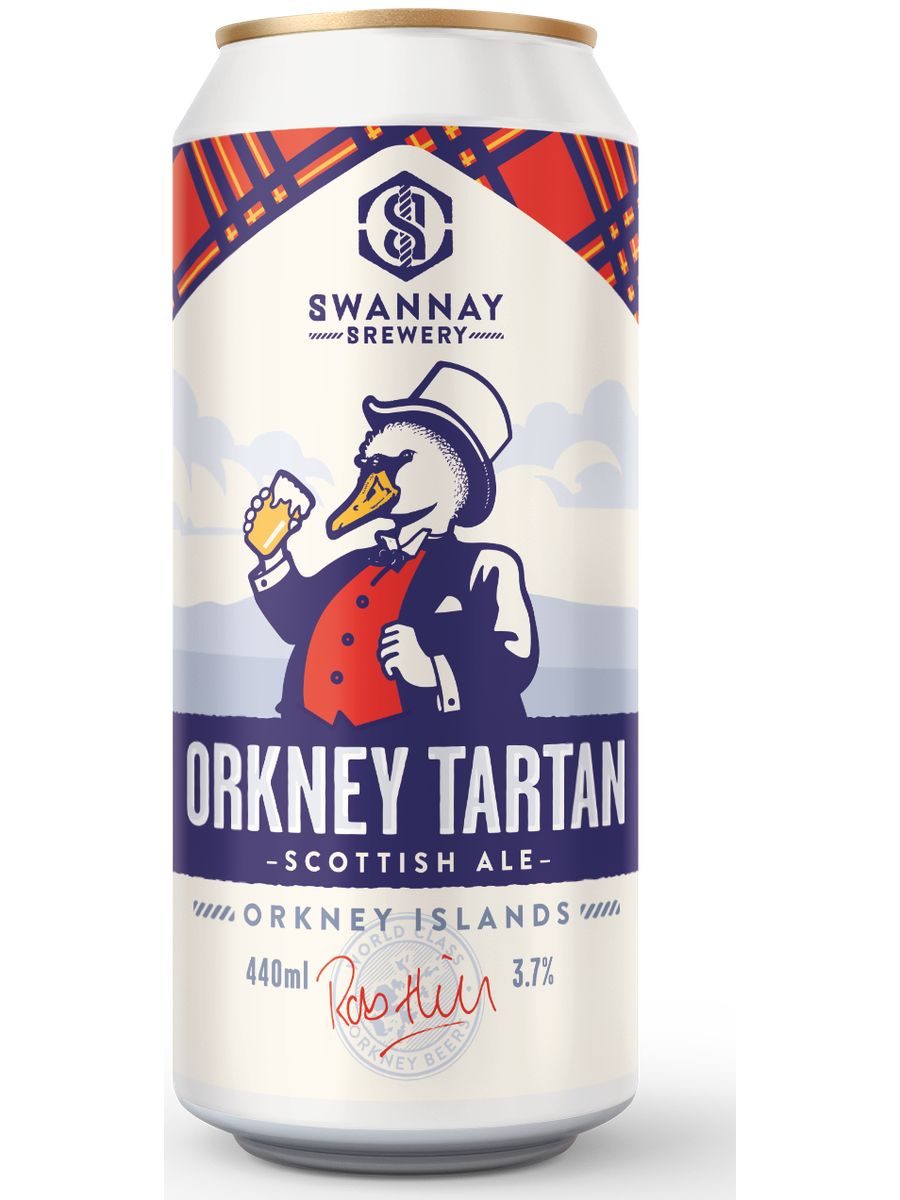
Swannay Orkney Tartan
Brewed by Swannay Brewery
A 3.7% Scottish ale for the Heavy comparison; currently sold out at the producer.
BAR NOTES
Swannay describes Orkney Tartan as a full-bodied, sweet and roasty Scottish ale, made with pale malt and roasted barley at 3.7%. Its unfiltered 440ml can supplies a useful Heavy-strength reference. The fresh producer catalogue currently marks every pack size unavailable, so check stock before planning a purchase.
Its broader Scottish Ale label should not hide its actual strength or pronounced malt direction. Compare the compact body with a fuller Export rather than expecting a Wee Heavy. The Scottish Heavy guide explains why Heavy remains a modest-strength style.
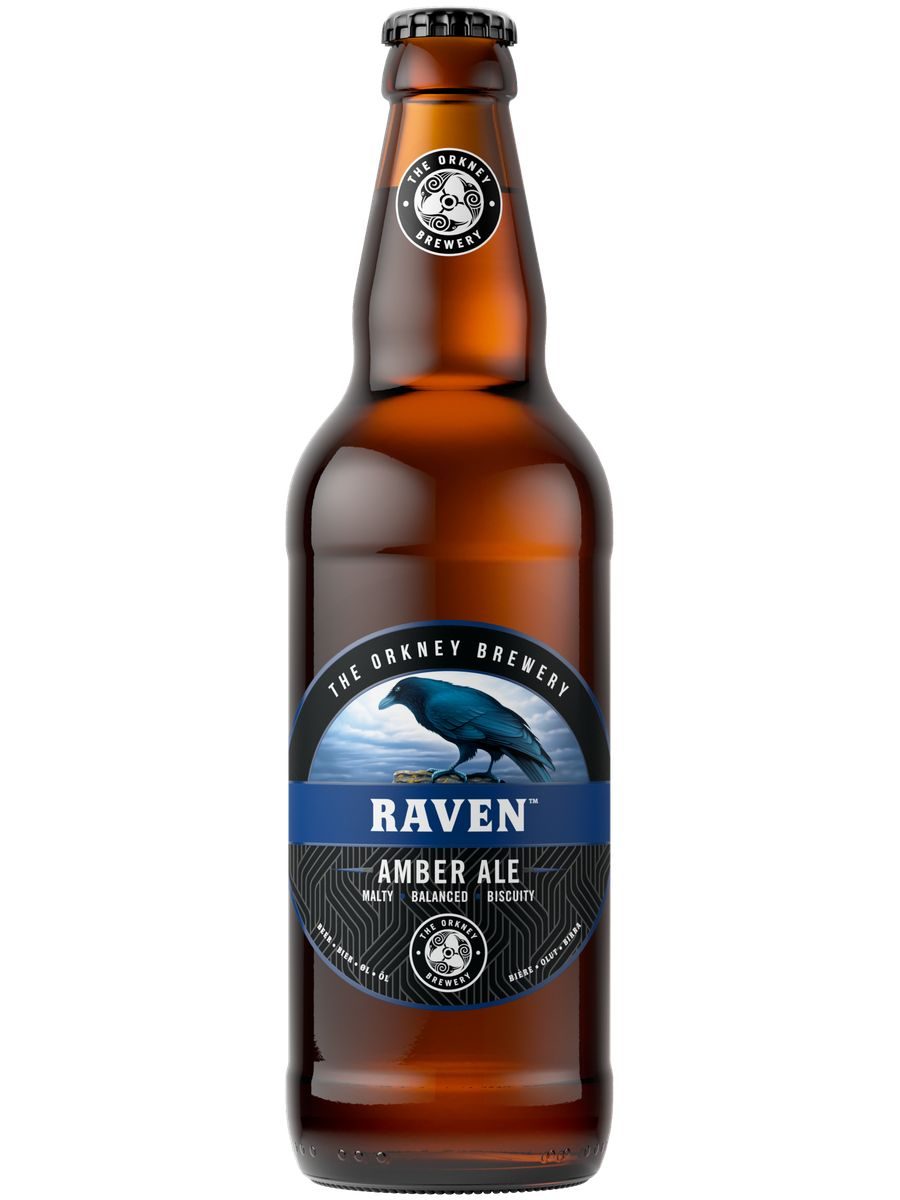
Orkney Raven Ale
Brewed by Orkney Brewery
A current 3.8% bottled reference for Heavy, with biscuit malt and a spicy hop finish.
BAR NOTES
Raven is a named Scottish Heavy commercial example in the 2021 guidelines, while its brewer describes an amber pale ale. The current bottle is 3.8%. Pale, crystal and wheat malts meet East Kent Goldings and Fuggles, bringing biscuit, toast and a clean spicy-orange bitterness.
Listen to both descriptions: a commercial style name and a judging reference can coexist. Raven’s hop finish also provides a counterpoint to sweeter malt-led beers. The Ordinary Bitter guide makes a useful comparison at a similar alcohol level.
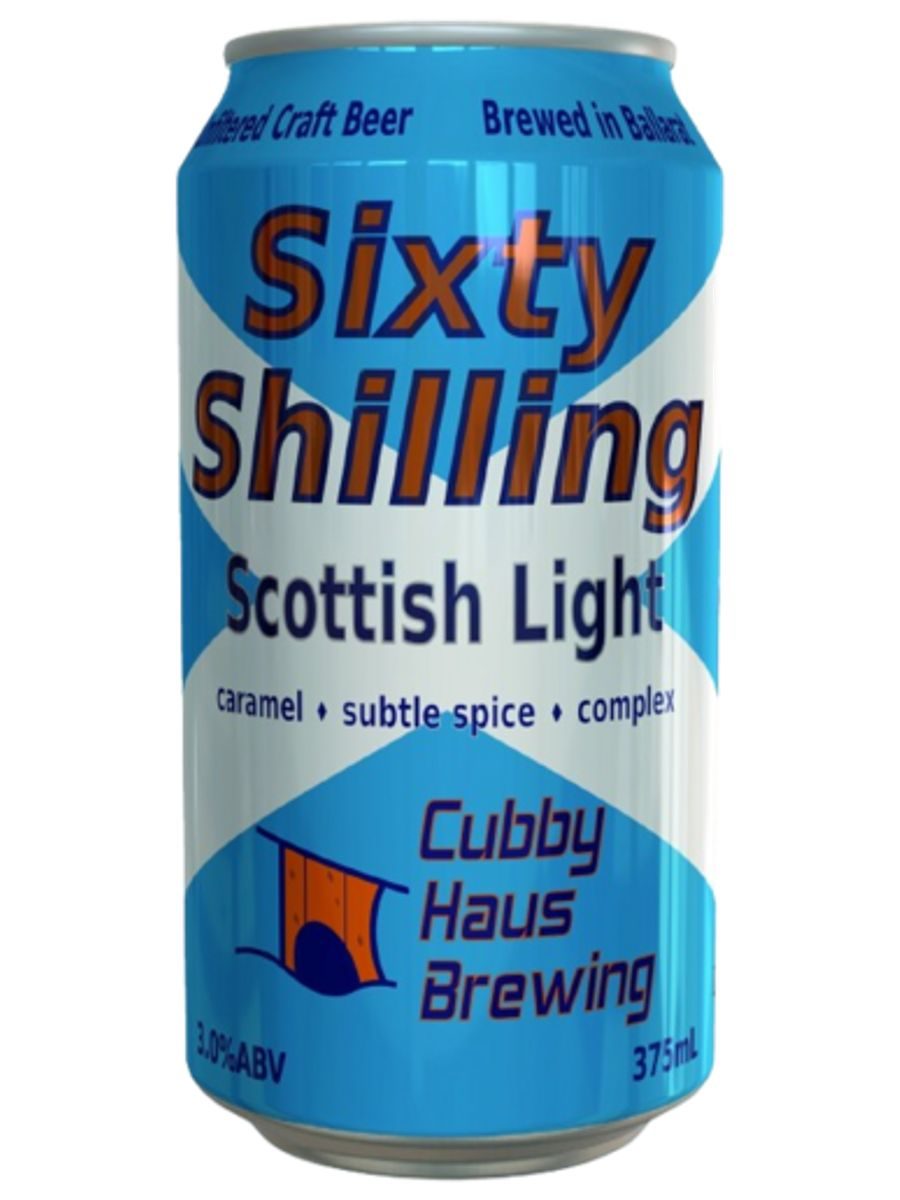
Cubby Haus Sixty Shilling Scottish Light
Brewed by Cubby Haus Brewing
A current 3.0% Scottish Light in a 375ml can, brewed in Australia.
BAR NOTES
Cubby Haus explicitly identifies this 3.0% canned beer as Scottish Light. Its current listing describes caramel, bread and gentle spice, with pale, Munich, crystal, black and torrified-wheat malts. The current specification is 20 IBU; older pages gave a slightly different number.
Sixty Shilling’s 3.0% is below the 2021 Heavy range, making it a Light comparison. Taste its dark malt before moving back to a 3.7% Scottish ale. Scottish Light’s guide explains the smaller beer whose name describes strength rather than pale color.
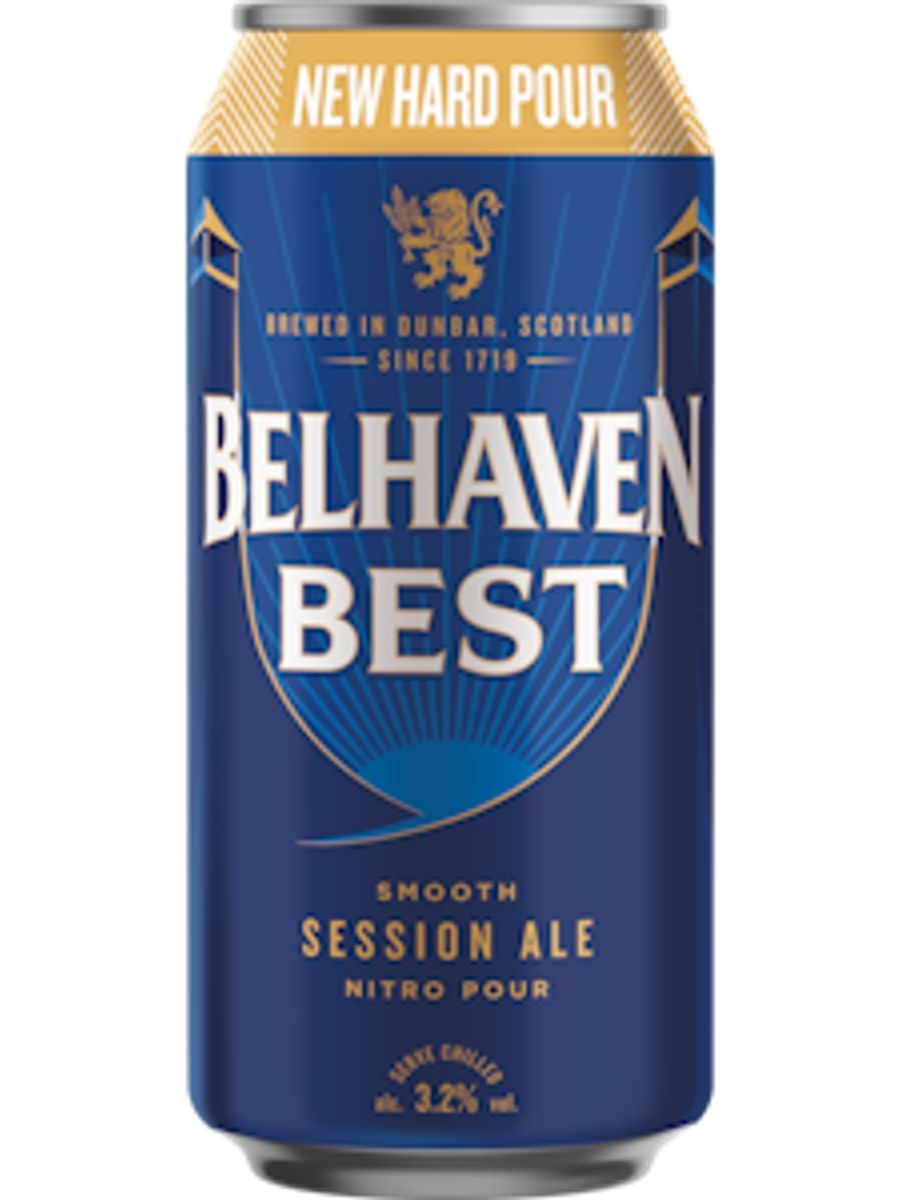
Belhaven Best
Brewed by Belhaven Brewery
A named Scottish Light reference at 3.2%, shown in its current nitro can.
BAR NOTES
Belhaven specifies Best at 3.2%, with pale, crystal and black malts behind its toffee and caramel character. It is a named Scottish Light commercial example in the 2021 BJCP guidelines. The selected nitro can emphasizes a creamy presentation; current bottles are also offered.
Best’s current 3.2% sits just below the 2021 Heavy minimum of 3.3%. It is a named Light reference and a useful creamy-texture comparison here. The Light style guide keeps that distinction visible even when the alcohol difference seems small.
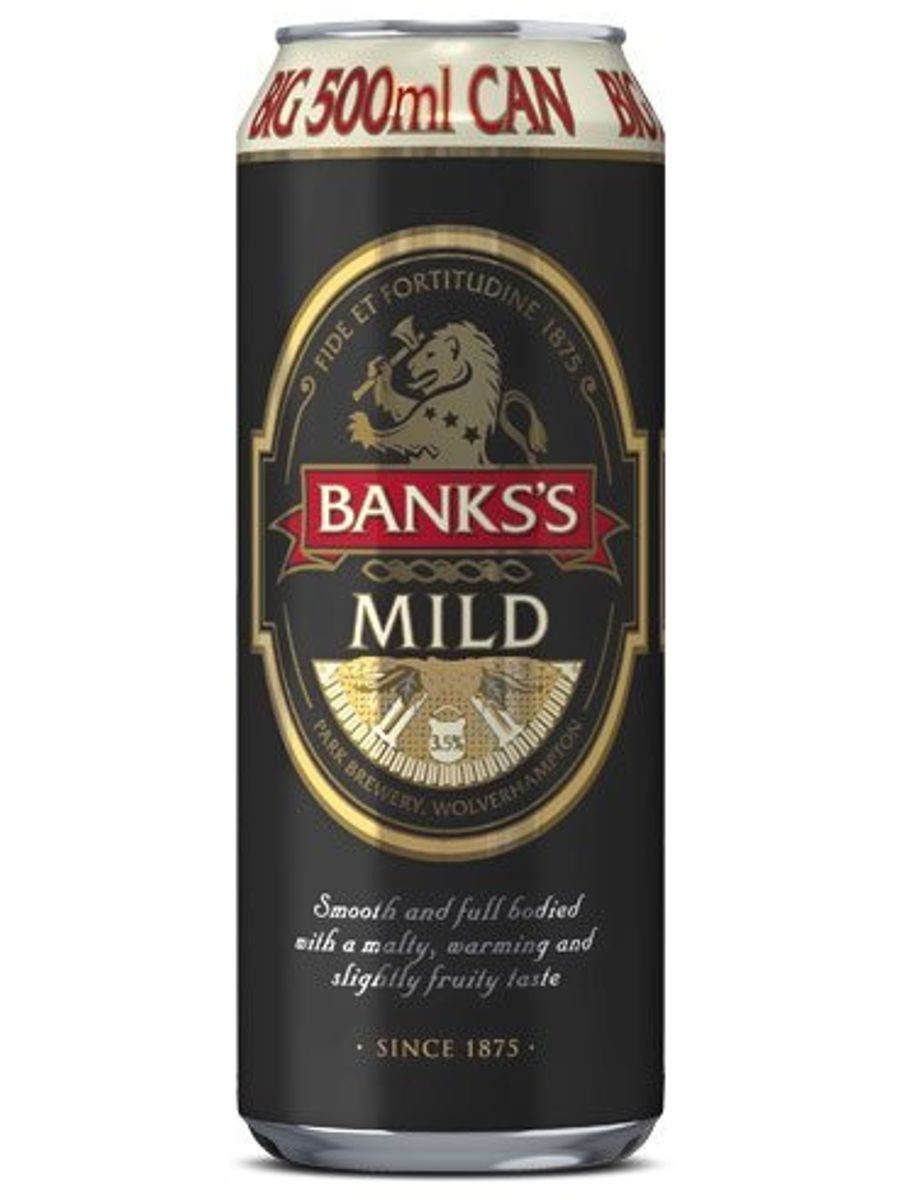
Banks’s Mild
Brewed by Banks’s / Carlsberg Britvic
A 3.5% English Mild comparison, distinct from a Scottish Heavy reference.
BAR NOTES
Banks’s current brewery shop lists Mild at 3.5% in 500ml cans, with a smooth malty character. That strength overlaps Scottish Heavy, but the beer remains an English Mild comparison. The selected packaged listing supplies the facts without guessing its current production town.
Compare canned texture and finish with Orkney Tartan rather than using alcohol as the whole definition of Heavy. Malt sweetness, roast and bitterness still matter. The Mild tasting collection offers more English and international Mild references for this neighboring comparison.
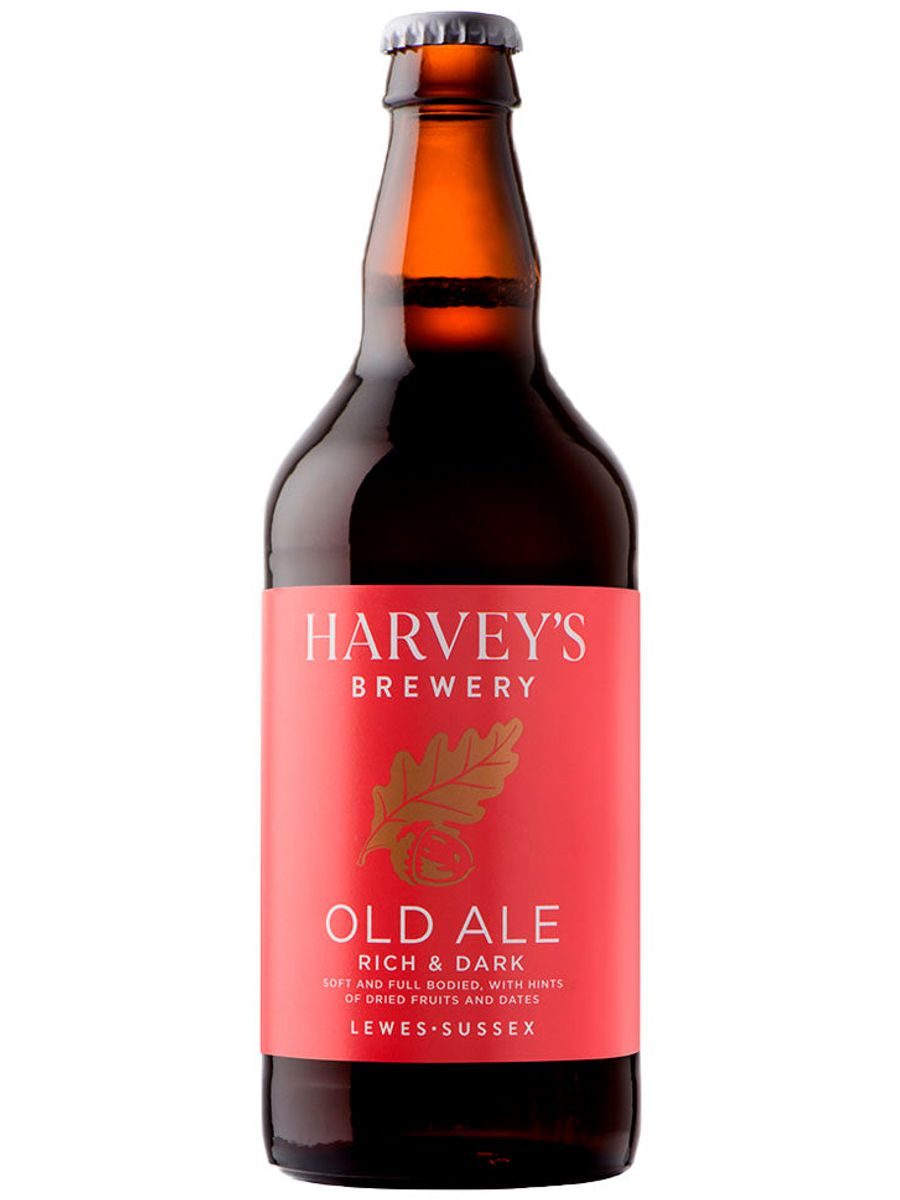
Harvey’s Old Ale
Brewed by Harvey’s Brewery
A 3.6% English Old Ale comparison that keeps name and actual strength separate.
BAR NOTES
Harvey’s current bottled Old Ale is 3.6%, with producer descriptions of burnt sugars, roast and dried fruit. Its name does not establish high alcohol or whisky ageing. It provides an English dark-ale comparison inside the Scottish Heavy alcohol band, without changing its stated identity.
Compare the dried-fruit impression with the simpler biscuit and toast in Raven. Names can suggest age or intensity that the selected bottle does not claim. The Brown British Beer overview gives another framework for separating malt depth, roast and strength.
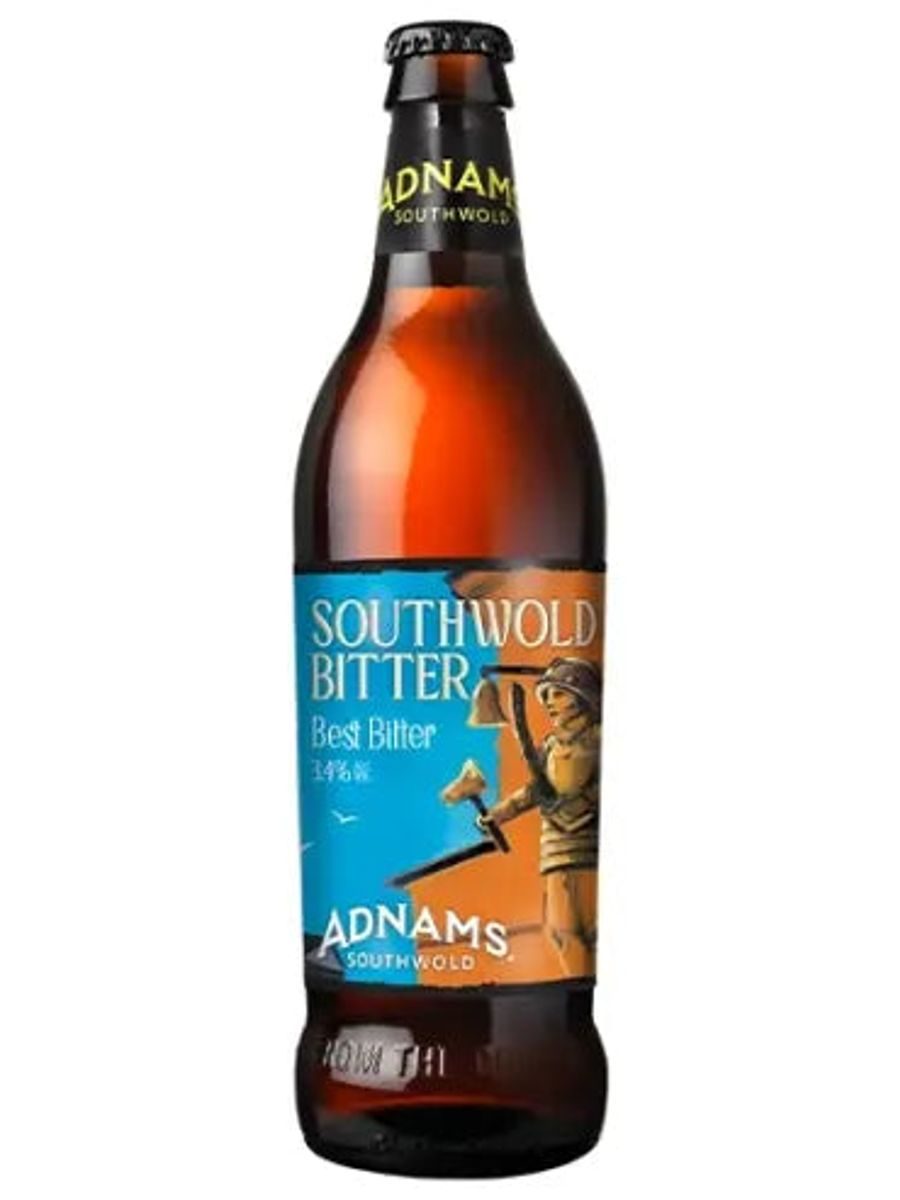
Adnams Southwold Bitter
Brewed by Adnams
The current 3.4% bottle supplies an English bitter contrast; cask is 3.7%.
BAR NOTES
Adnams currently lists Southwold Bitter bottles at 3.4%, while its trade cask version is 3.7%. The bottle is the reference in this flight. Its Ordinary Bitter identity makes it a useful English comparison at Heavy-like strength, rather than another Scottish Heavy example.
Check the format before comparing strength, then focus on bitterness in the finish. Fish and chips provide a useful test of refreshing balance without needing a strong beer. The Ordinary Bitter guide explains this English branch of the session-ale conversation.
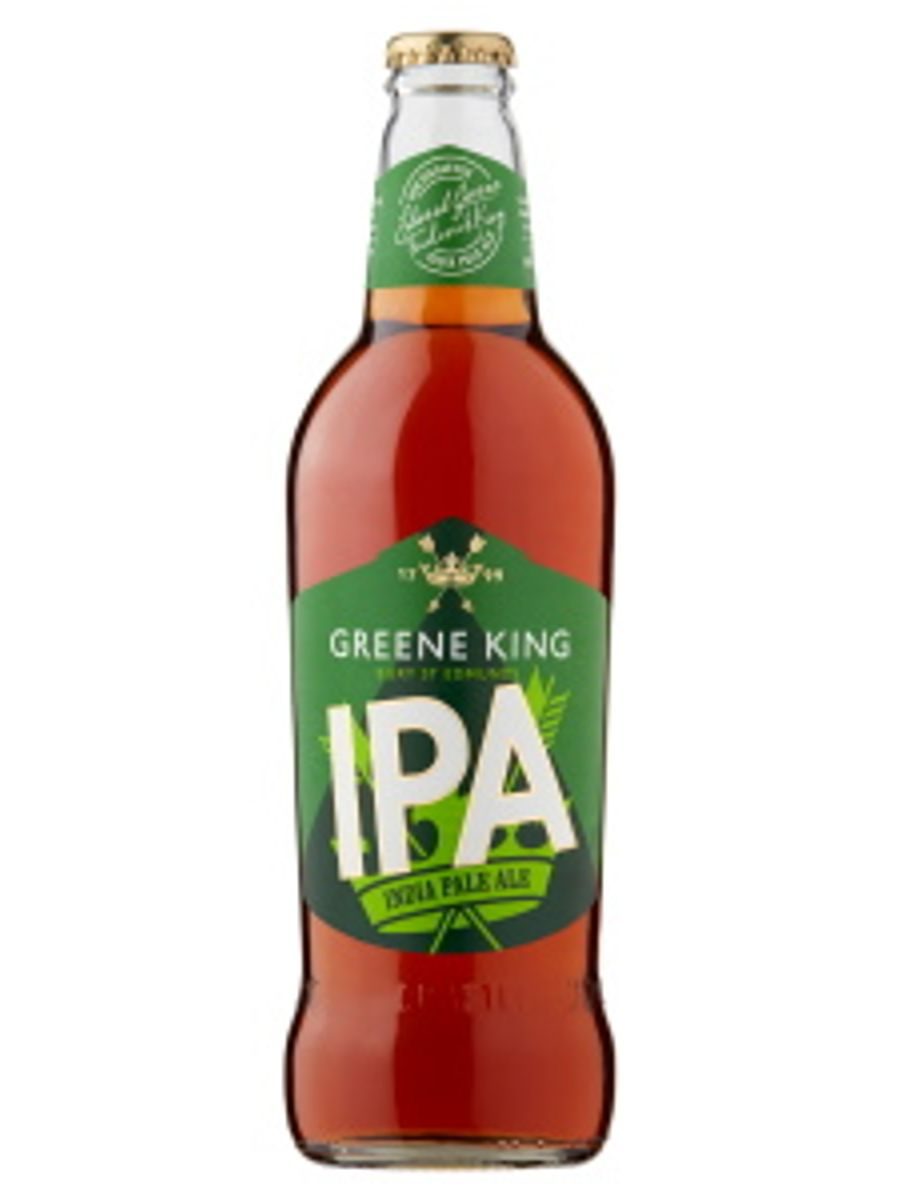
Greene King IPA
Brewed by Greene King
A current 3.4% English session-bitter comparison with an historic IPA name.
BAR NOTES
Greene King’s current IPA specification is 3.4% for bottle and cask, following the older 3.6% version. Pale, crystal and black malts support a gentle British hop character. The historic IPA name should not suggest modern American IPA strength or aroma intensity.
Taste the herbal hop balance beside a malt-led Scottish reference at similar alcohol. A product name does not replace the actual sensory comparison. The English IPA guide explains the stronger traditional IPA style that this session-bitter reference should not be confused with.
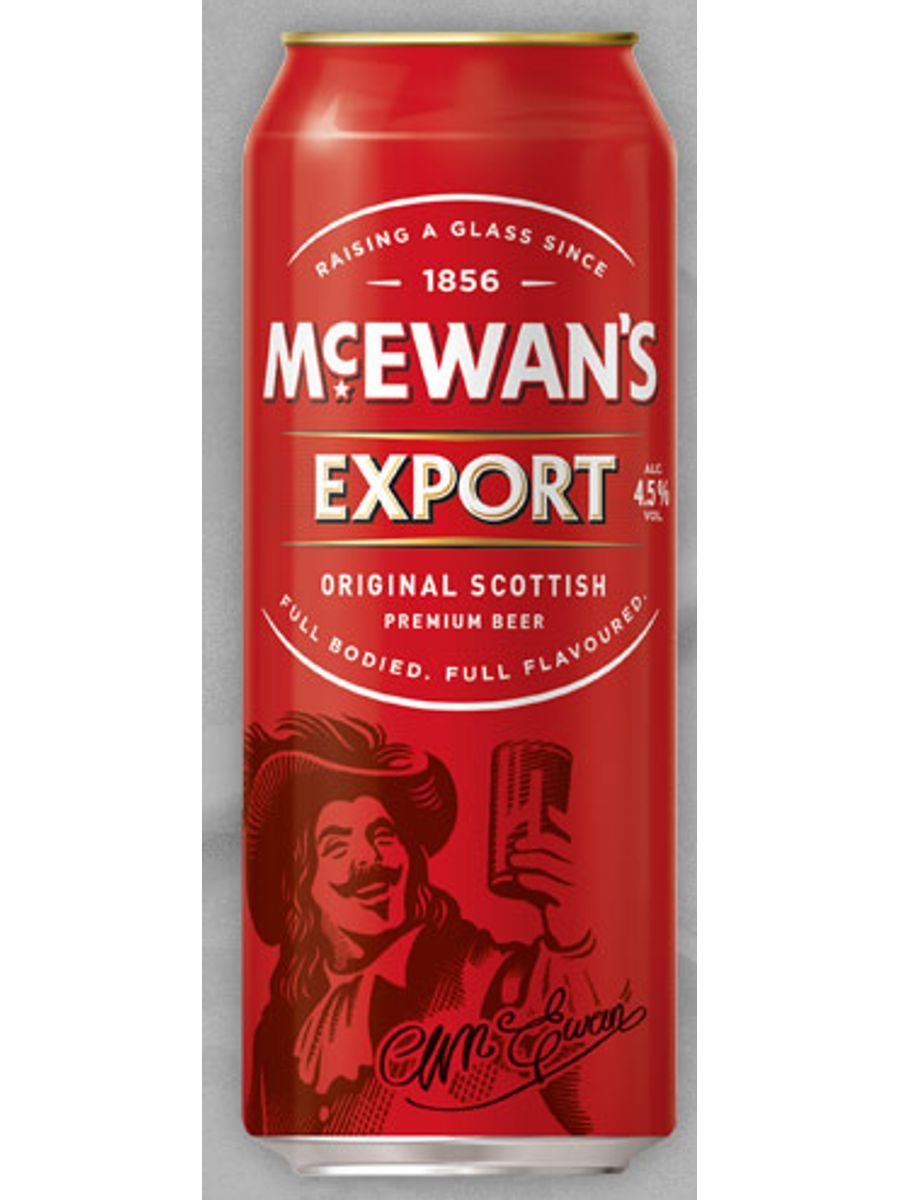
McEwan’s Export
Brewed by McEwan’s / Carlsberg Britvic
The current 4.5% canned Export, separate from the stronger Champion.
BAR NOTES
McEwan’s current range specifies Export at 4.5%, with a full-bodied, sweet character and both canned and draught formats. The current official shop offers 500ml cans. This is the everyday Export reference, distinct from the much stronger Champion sold alongside it.
This 4.5% Export is above Scottish Heavy’s 3.3–3.9% band. Compare malt fullness and sweetness rather than treating a familiar Scottish brand as the same style at every strength. The Export guide describes the next rung of the everyday ale ladder.
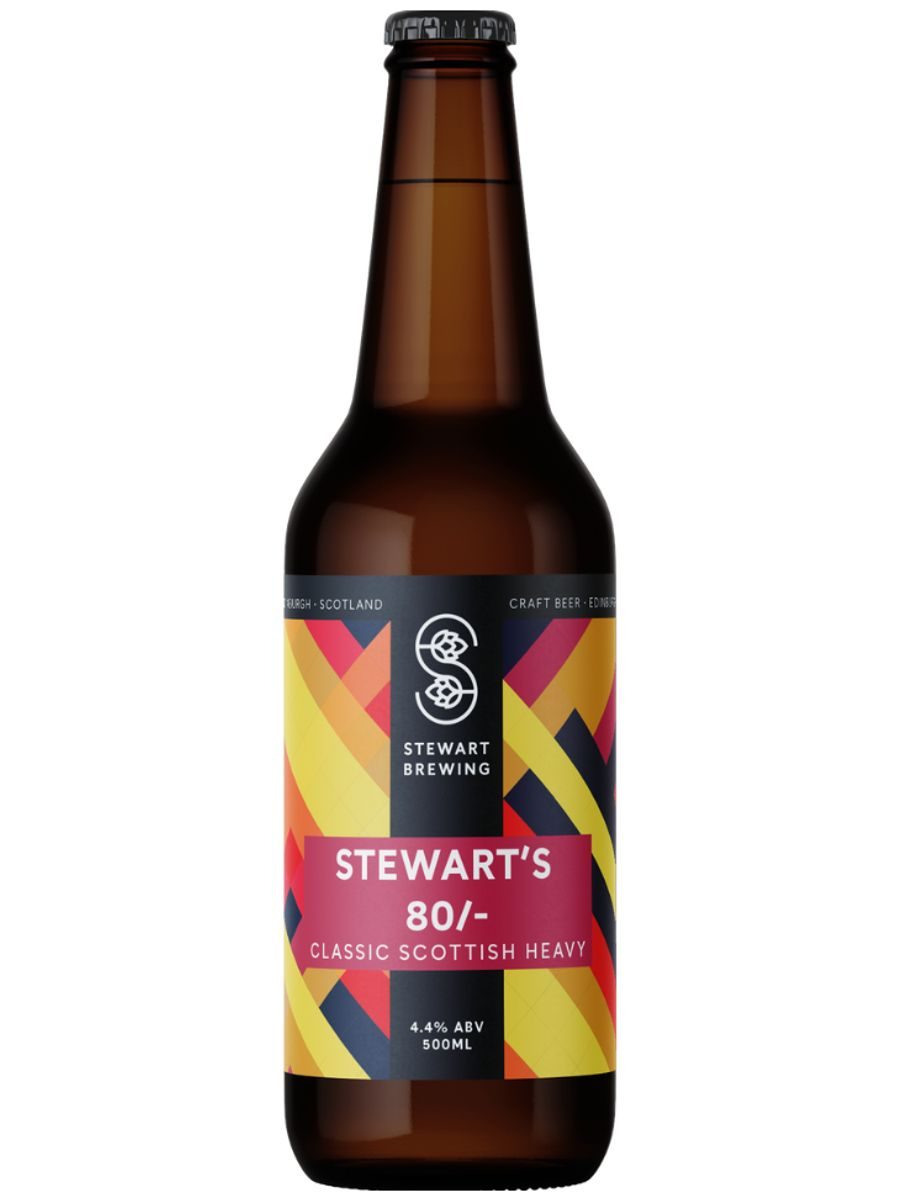
Stewart’s 80/-
Brewed by Stewart Brewing
A current 4.4% 80-shilling bottle; the producer’s Heavy name differs from its judging strength band.
BAR NOTES
Stewart’s current 500ml bottle is 4.4%, with 30 IBU and notes of malt, dried fruit and creamy texture. The producer calls it a classic Scottish Heavy. Its 80-shilling name and actual strength make it an Export-strength reference under the 2021 judging bands.
The producer calls this beer Heavy, but 4.4% sits above the 2021 Heavy band. Keep that commercial vocabulary alongside the actual bottle strength. Scottish Export’s guide provides the competition-style comparison for this 80-shilling reference without rewriting the label.
Scottish Heavy compared with nearby styles
Scottish Light is darker and weaker. Scottish Export adds strength and fuller malt expression. Ordinary Bitter may share the alcohol range, but it is typically paler, drier and more visibly shaped by hops.
Move one step up the Scottish ale ladder
See how Heavy adds breadth to the same toast, caramel and fruit found in Scottish Light.