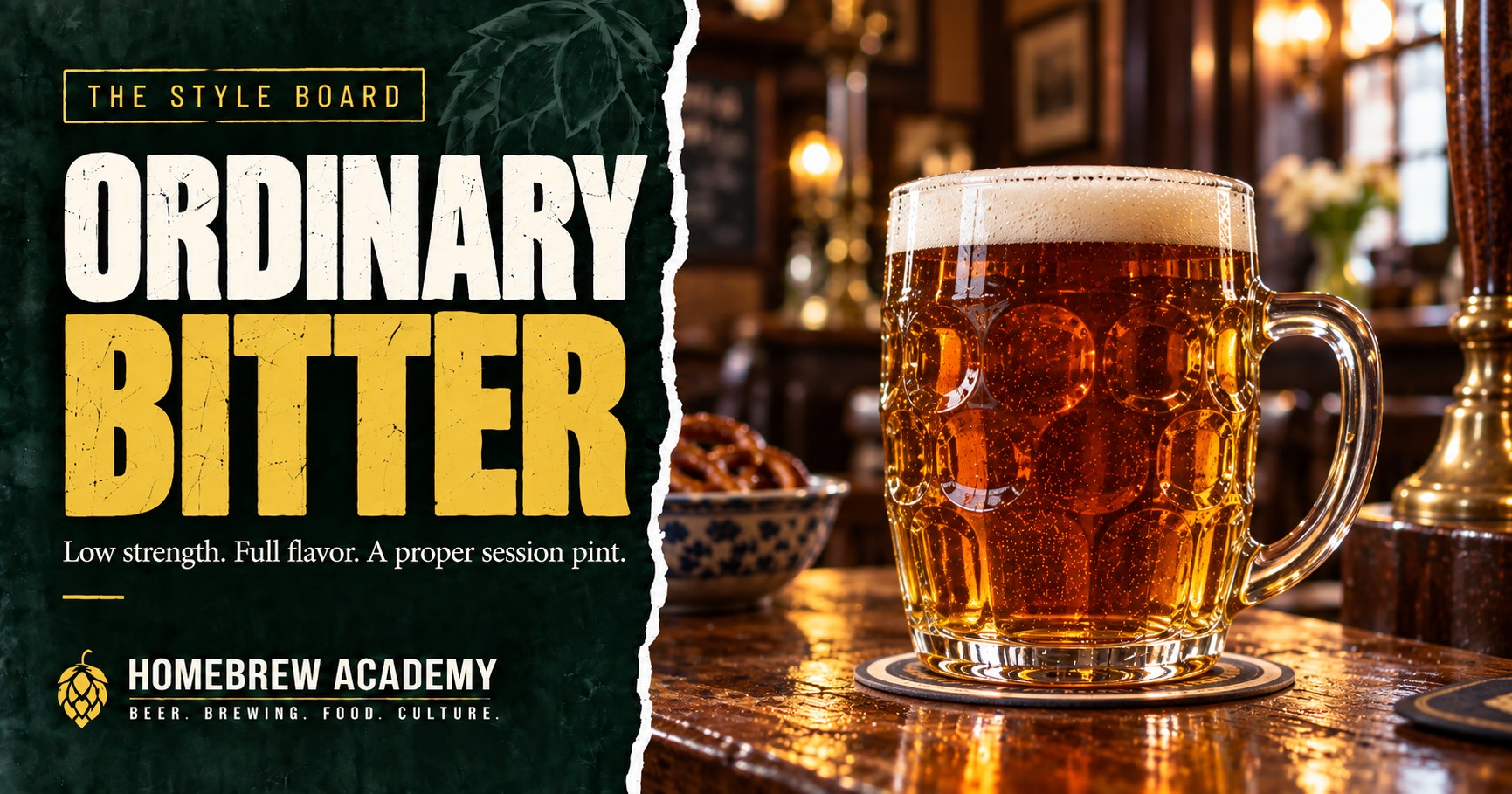
Ordinary Bitter: Top 10 Current Beers and Style Guide
Ordinary Bitter is a low-alcohol British session ale with light biscuit malt, expressive yeast, firm bitterness and a dry finish designed for repeated pints.
Its achievement is not intensity. It is delivering a complete beer at roughly three to four percent alcohol.
The quick answer
Expect pale amber to light copper color, low carbonation and a light body. Malt may suggest bread, biscuit or light caramel, while hops contribute earthy, floral, resiny or fruity bitterness.
| Measure | BJCP range |
|---|---|
| Original gravity | 1.030–1.039 |
| Final gravity | 1.007–1.011 |
| Bitterness | 25–35 IBU |
| Color | 8–14 SRM |
| Alcohol | 3.0–3.8% |
What Ordinary Bitter tastes like
Moderate bitterness leads, but light malt and British yeast fruit keep the pint from feeling thin. A dry finish and low carbonation make subtle flavors easier to notice than the alcohol content suggests.
Hop flavor may be earthy, floral or lightly fruity. Caramel should remain low, diacetyl no more than faint, and the body should never become watery even at modest gravity.
How Ordinary Bitter is brewed
British pale ale malt forms the base, often with crystal malt, sugar, corn or wheat used in restrained supporting roles. English hops and a characterful ale strain supply identity without requiring late-hop excess.
The main technical challenge is preserving body and flavor while still fermenting dry. Cask conditioning adds soft texture and fresh yeast character that bottled or heavily carbonated versions can miss.
Why strength is part of the style
Ordinary Bitter developed as an everyday draught beer shaped by pub service, taxation and the desire for multiple pints. Its low alcohol is not a compromise; it is the reason balance must be so deliberate.
Top 10 current Ordinary Bitter references
These ten references compare classic lower-strength bitters, bottled versions and explicitly labeled nitro alternatives. Harvey’s Dark Mild is a clearly labeled neighboring comparison at 3.0%, below the Ordinary Bitter strength range. Commercial names and BJCP categories overlap imperfectly. This is an editorial tasting sequence, not a blind-tasting ranking.
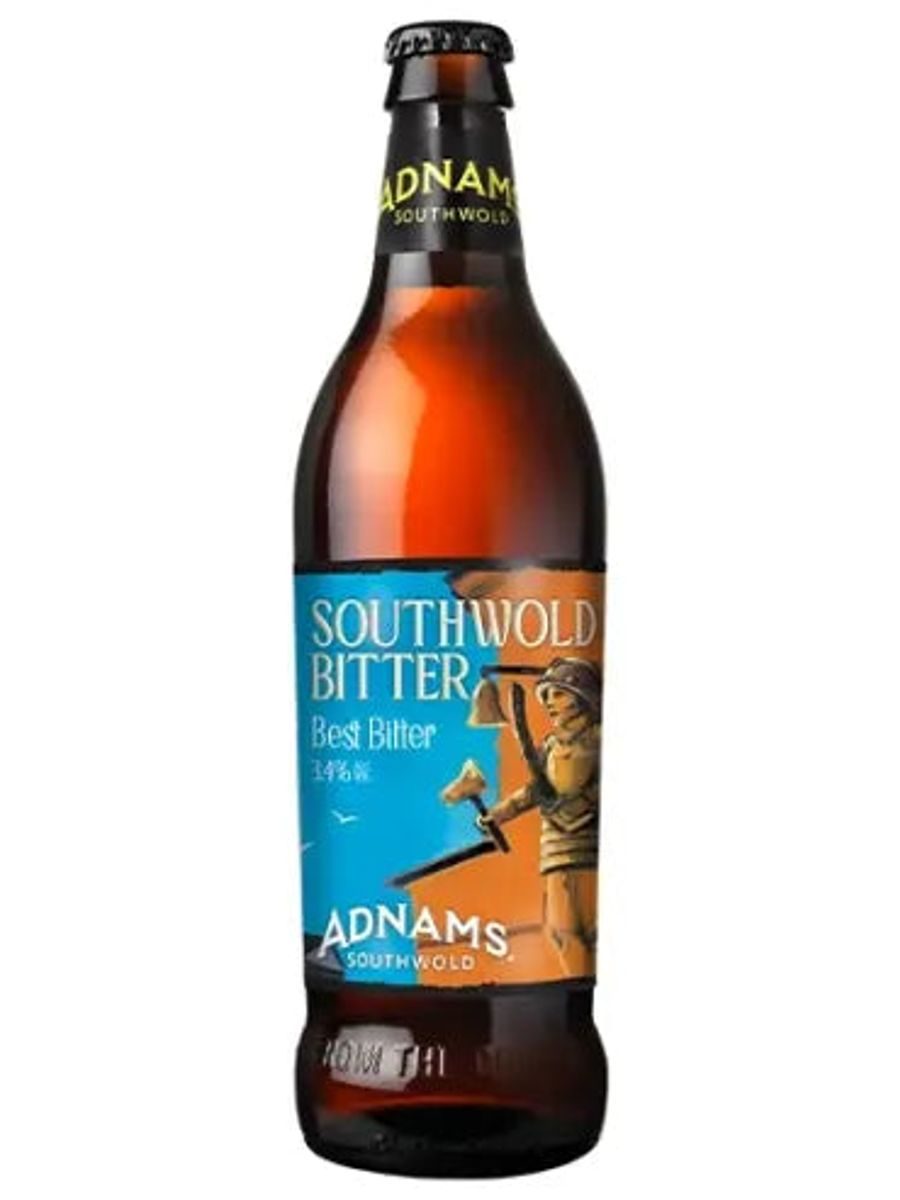
Adnams Southwold Bitter
Brewed by Adnams
Begin with restrained strength, then compare malt fullness across the flight.
BAR NOTES
Adnams now lists its Southwold Bitter bottles at 3.4%, while its trade cask listing uses 3.7%. Those numbers describe different formats. The bottled reference keeps this Suffolk bitter firmly in the lighter end of the tasting flight.
Start here before trying richer beers. With fish and chips, ask whether bitterness refreshes the palate without dominating the malt. The Best Bitter guide explains what changes when body and strength move up a step.
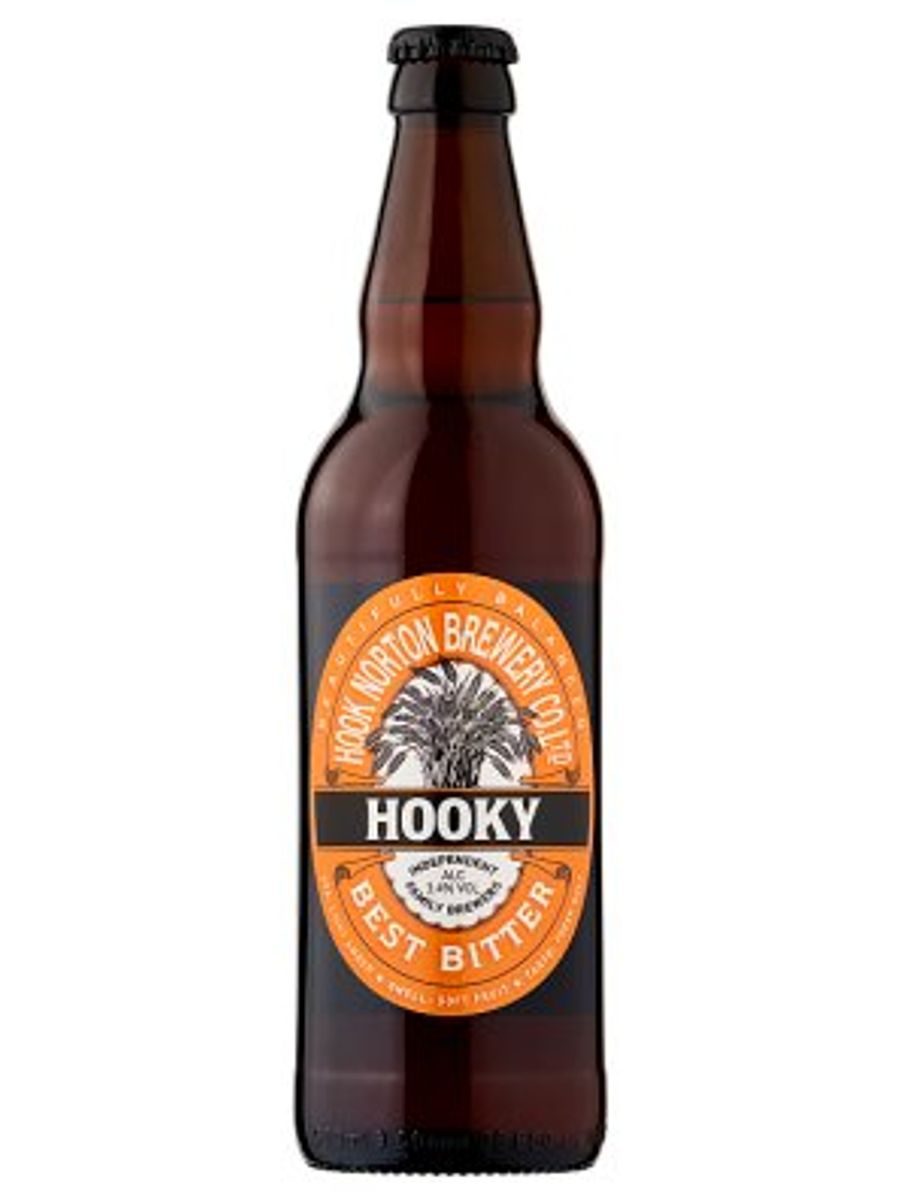
Hooky
Brewed by Hook Norton Brewery
A brewery-named best bitter at ordinary-bitter strength; judge the glass.
BAR NOTES
Hook Norton calls Hooky a best bitter, but its published 3.4% strength sits within the BJCP Ordinary Bitter range. The brewery describes an auburn beer with a balance of malt, hop aroma and soft fruit.
Commercial labels and competition categories overlap imperfectly. Judge this glass through balance, finish and drinkability before deciding what the word best implies. The British Bitter family puts the three strength categories alongside each other for comparison.
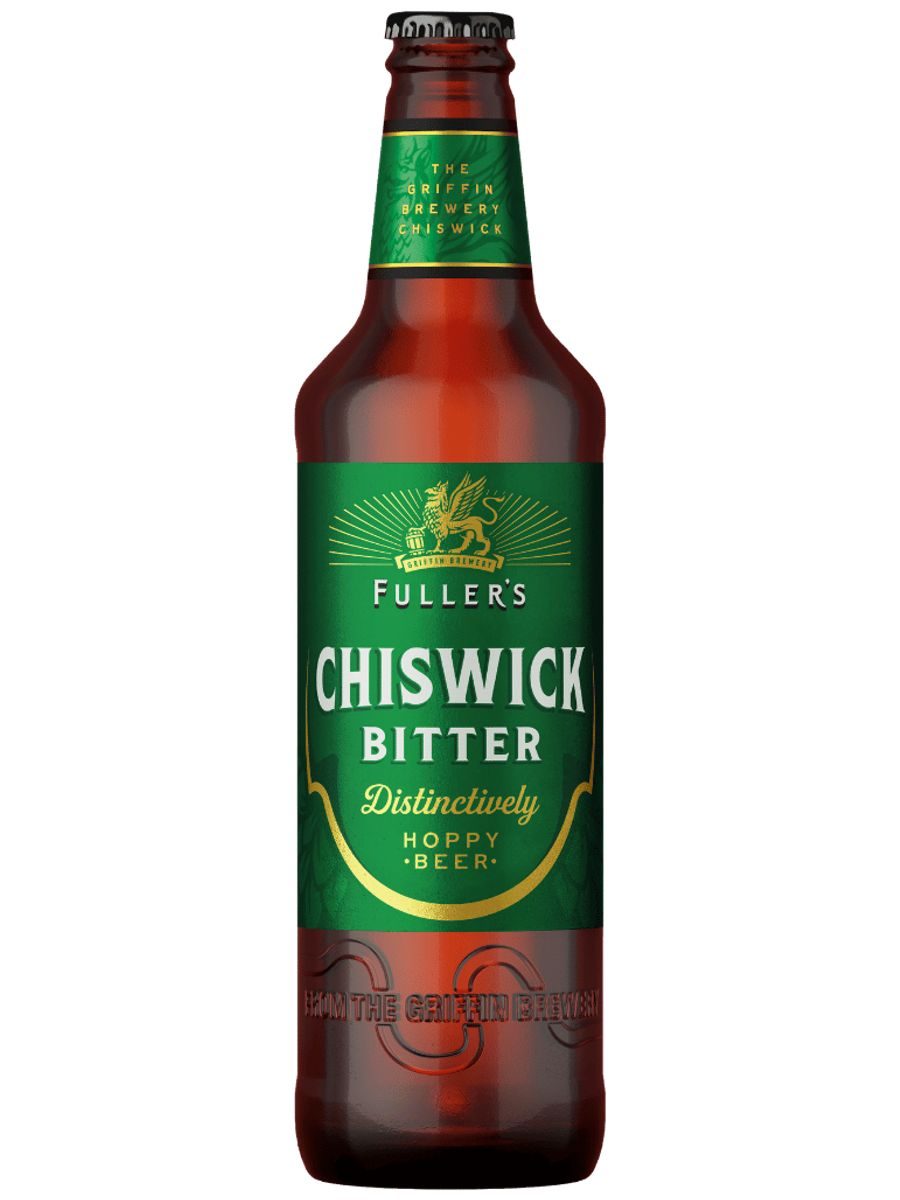
Fuller’s Chiswick Bitter
Brewed by Fuller’s Griffin Brewery
A lighter London reference for comparing hop expression against malt body.
BAR NOTES
The current Fuller’s shop lists Chiswick Bitter bottles at 3.4%. Its hop bill includes Goldings, Northdown, Challenger and Target. The brewery positions the beer as a lighter session ale with a floral, refreshing character.
Taste Chiswick beside London Pride to compare two beers from the same brewing tradition. Look for the difference in malt support rather than simply counting hop aromas; the Best Bitter guide supplies the next step in that exercise.
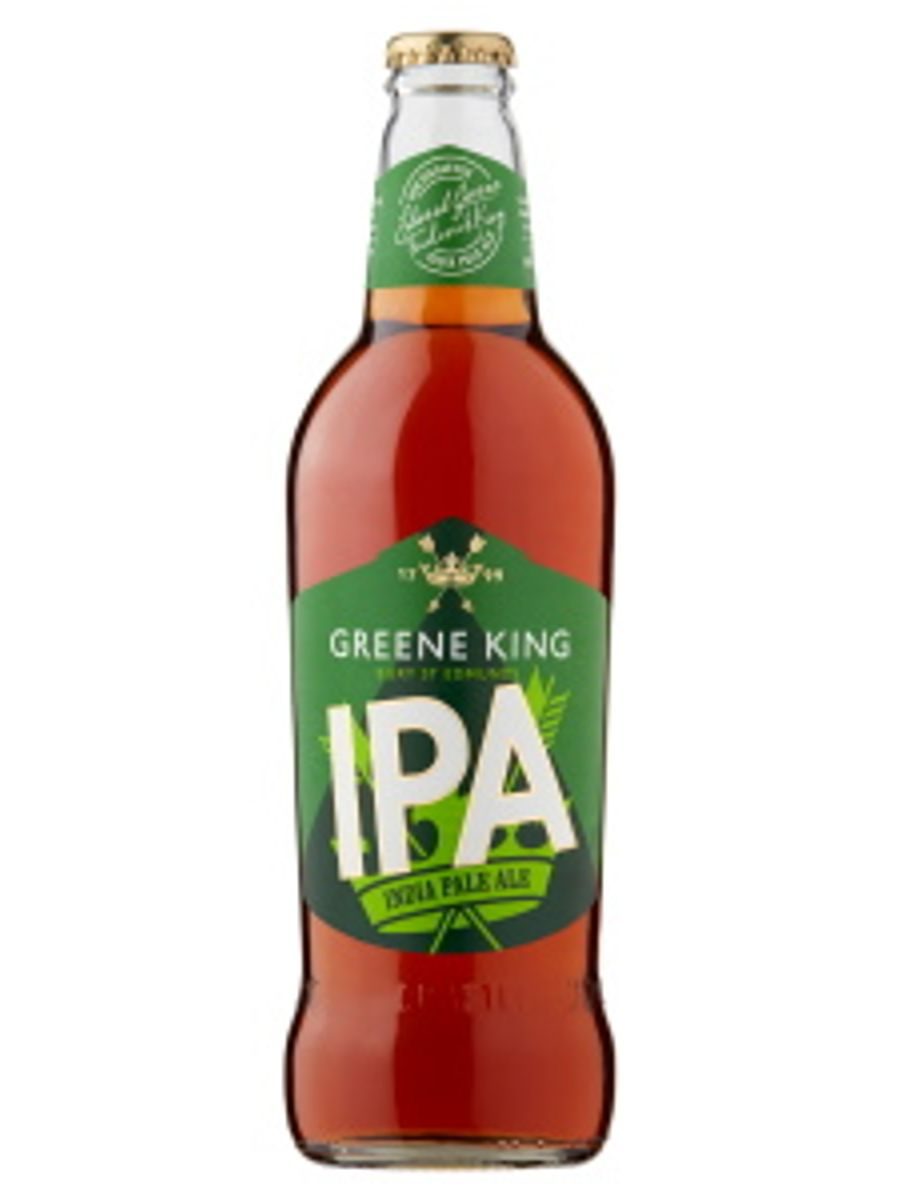
Greene King IPA
Brewed by Greene King
A British session ale whose IPA name should not imply American IPA intensity.
BAR NOTES
Greene King specifies 3.4% for bottle and cask, following a reduction from 3.6%. Pale, crystal and black malts support Challenger or Pilgrim and First Gold hops. The historic IPA name describes a light British ale here.
Compare the modest herbal bitterness with the aroma intensity of modern IPAs. A name alone does not tell you the intended strength or hop load. Use the Ordinary Bitter guide to judge the session-bitter balance in this example.
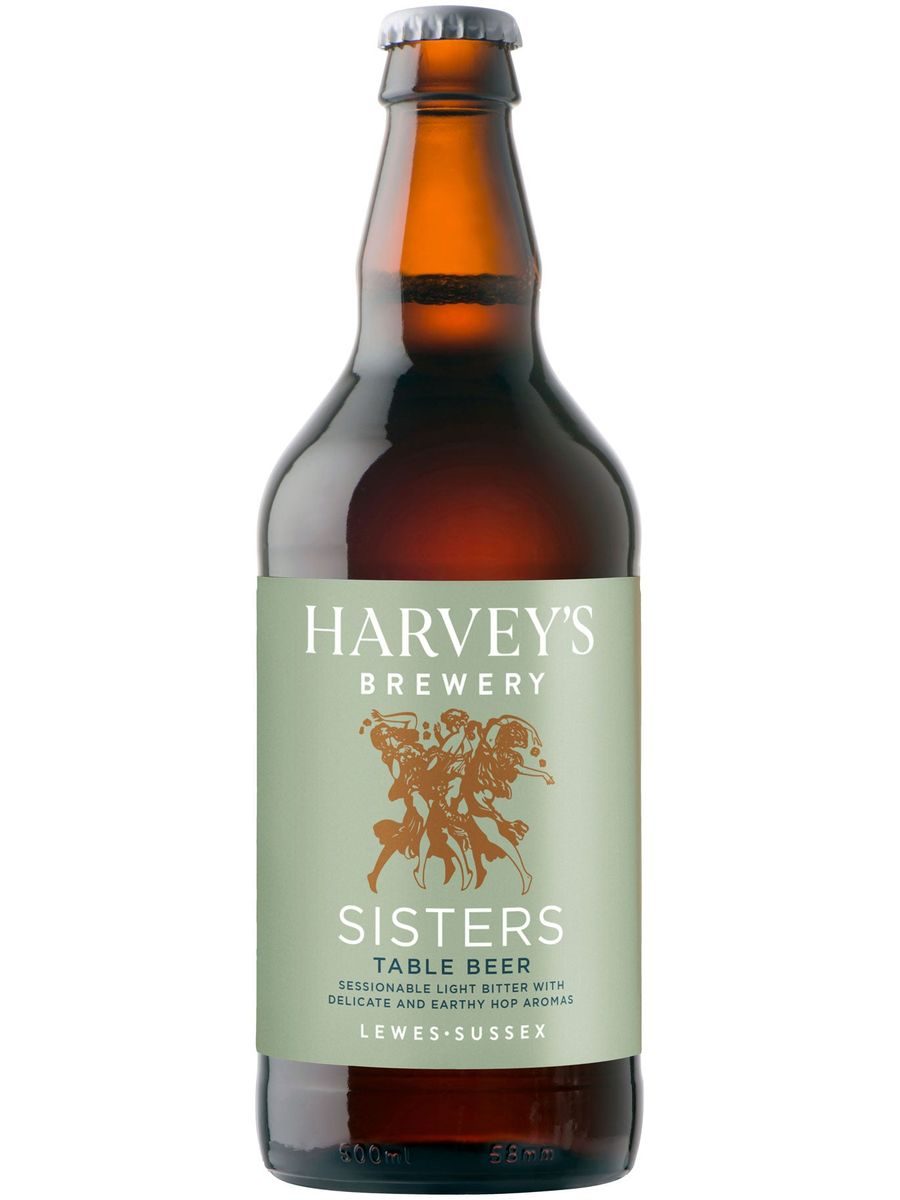
Harvey’s Sisters Table Beer
Brewed by Harvey’s Brewery
A contemporary light bitter at session strength, with its table-beer identity stated.
BAR NOTES
Harvey’s presents Sisters as a 3.4% table beer with fragrant hop character and a light bitter finish. The brewery launched this bottled beer in 2024, honoring the women whose work helped sustain its history.
Use this light bitter to compare refreshment with the amber malt of Southwold Bitter. Low strength does not require identical color or hop aroma. The British Golden Ale guide offers another way to examine light British ales beside the traditional bitter family.
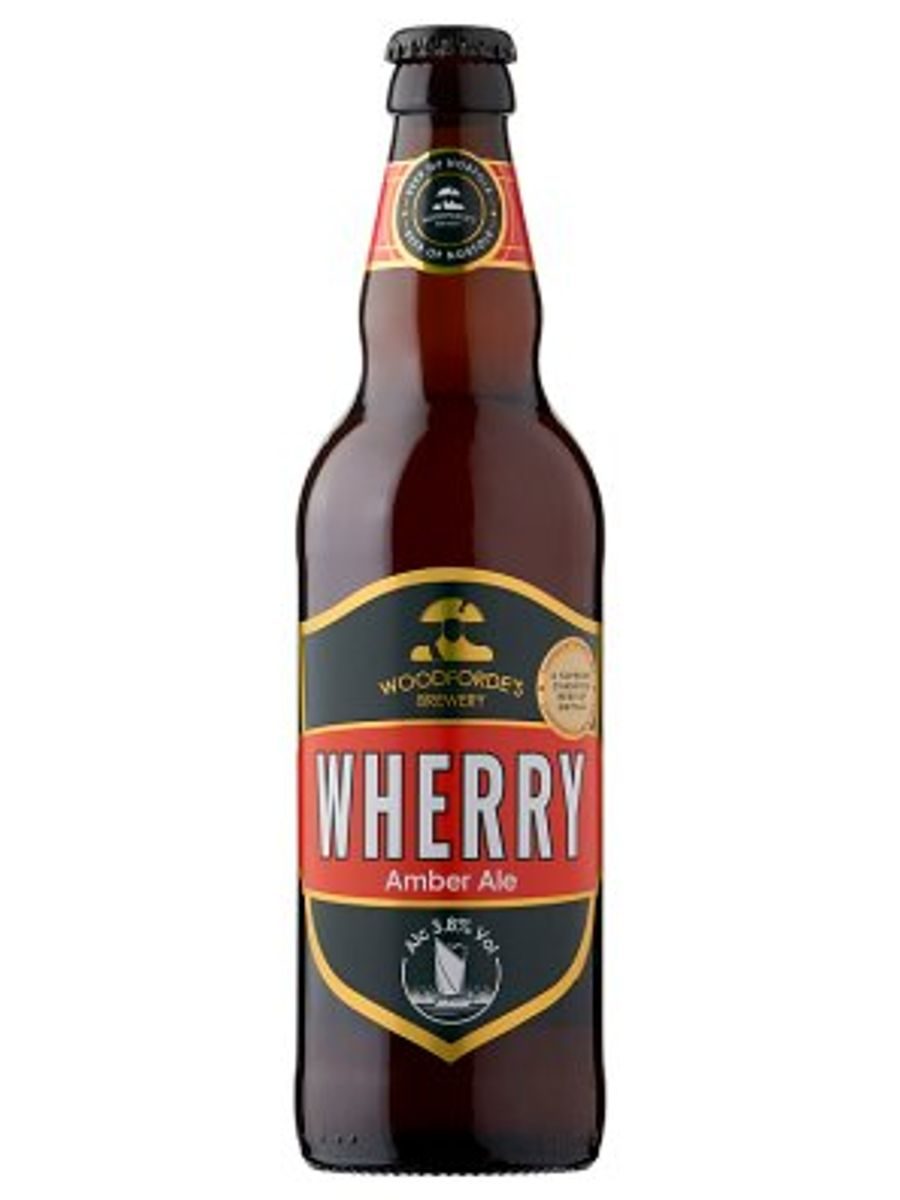
Woodforde’s Wherry
Brewed by Woodforde’s
A useful 3.8% boundary reference between Ordinary and Best Bitter.
BAR NOTES
Woodforde’s sells Wherry as a 3.8% amber ale, placing it at the overlap between BJCP Ordinary and Best Bitter strength ranges. Its current description balances biscuit-like malt with a citrus-led, refreshing finish.
Do not treat a tenth of a percentage point as the whole classification. Taste malt fullness, attenuation and hop balance together. The Best Bitter guide shows why a beer at the shared boundary can illuminate both sides of the pub-strength ladder.
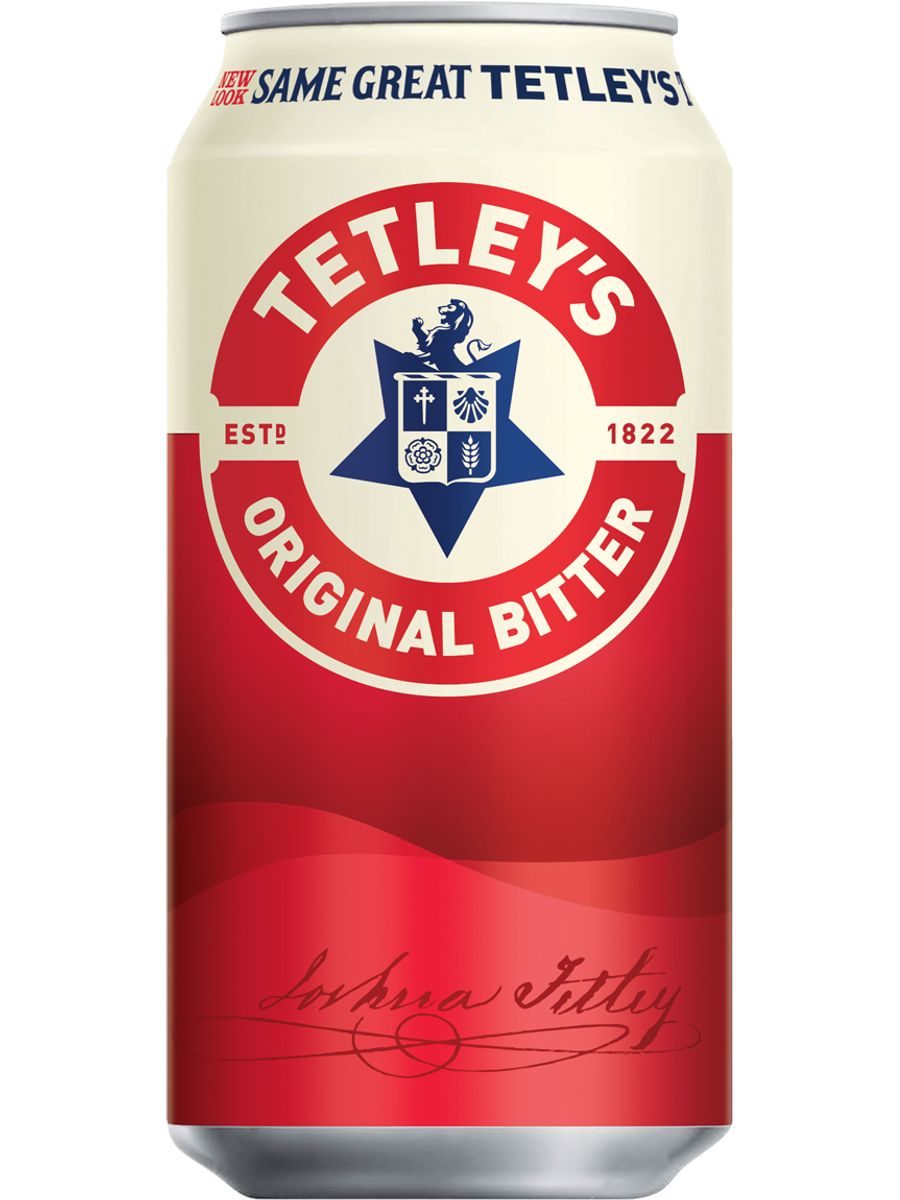
Tetley’s Original
Brewed by Tetley’s
Keep Original distinct from Smooth Flow when comparing packaged bitters.
BAR NOTES
The brand owner lists Tetley’s Original at 3.6% and describes an amber bitter with a fruity caramel impression followed by a dry bitter finish. This is the Original can, not the separately marketed Smooth Flow product.
Serve this alongside a nitro example and compare the texture as well as flavor. Packaged bitter is useful context, but its dispense does not recreate live cask conditioning. The English Bitter roundup broadens that comparison across contemporary British brands.
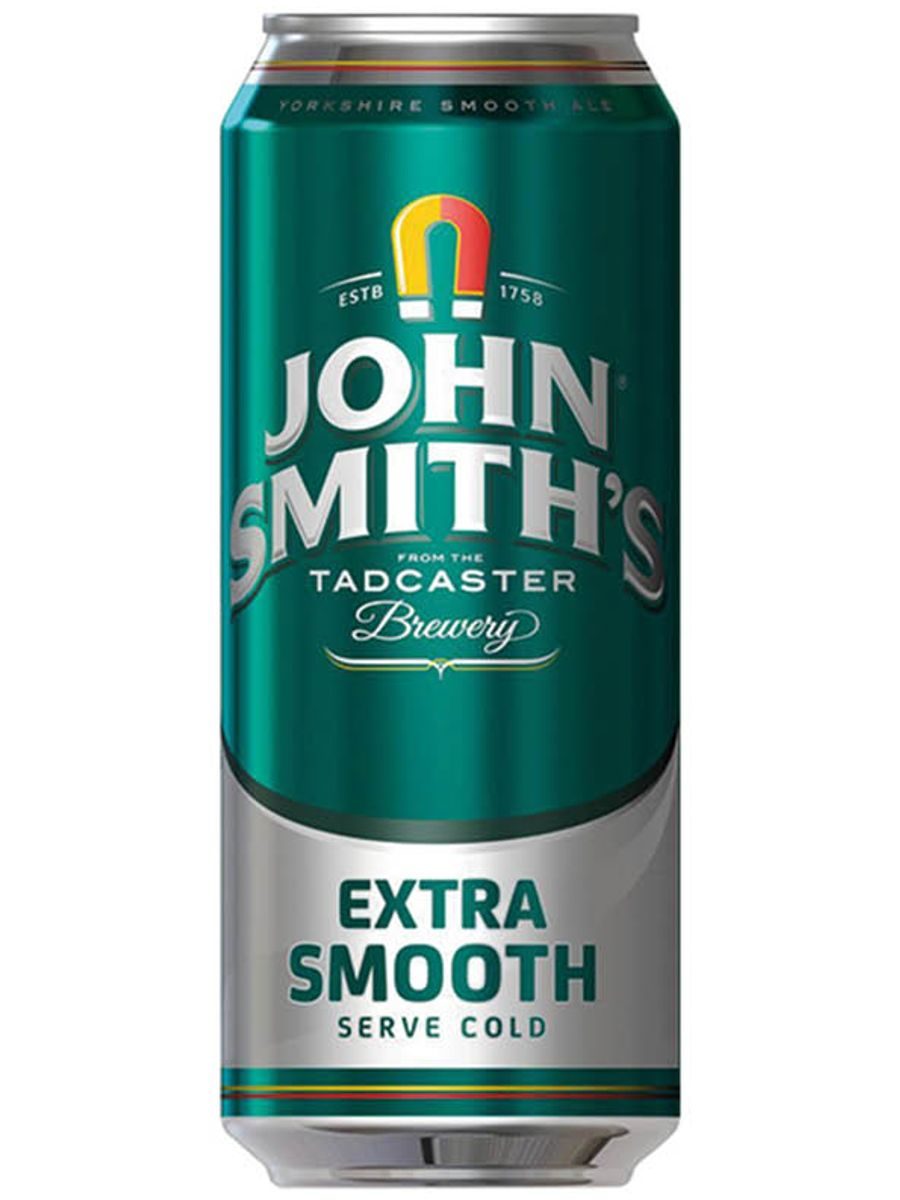
John Smith’s Extra Smooth
Brewed by John Smith’s
A clearly labeled nitro comparison for texture at session strength.
BAR NOTES
John Smith’s specifies 3.4% for Extra Smooth in both can and keg. Its identity centers on cereal-like malt and caramel with a smooth texture. This packaged nitro reference is a dispense comparison, rather than a cask-conditioned exemplar.
Compare a freshly opened can with a conventionally carbonated bitter at similar strength. Notice how foam and texture influence your impression of sweetness. Return to the Ordinary Bitter guide for the style’s balance expectations before evaluating the serving system.
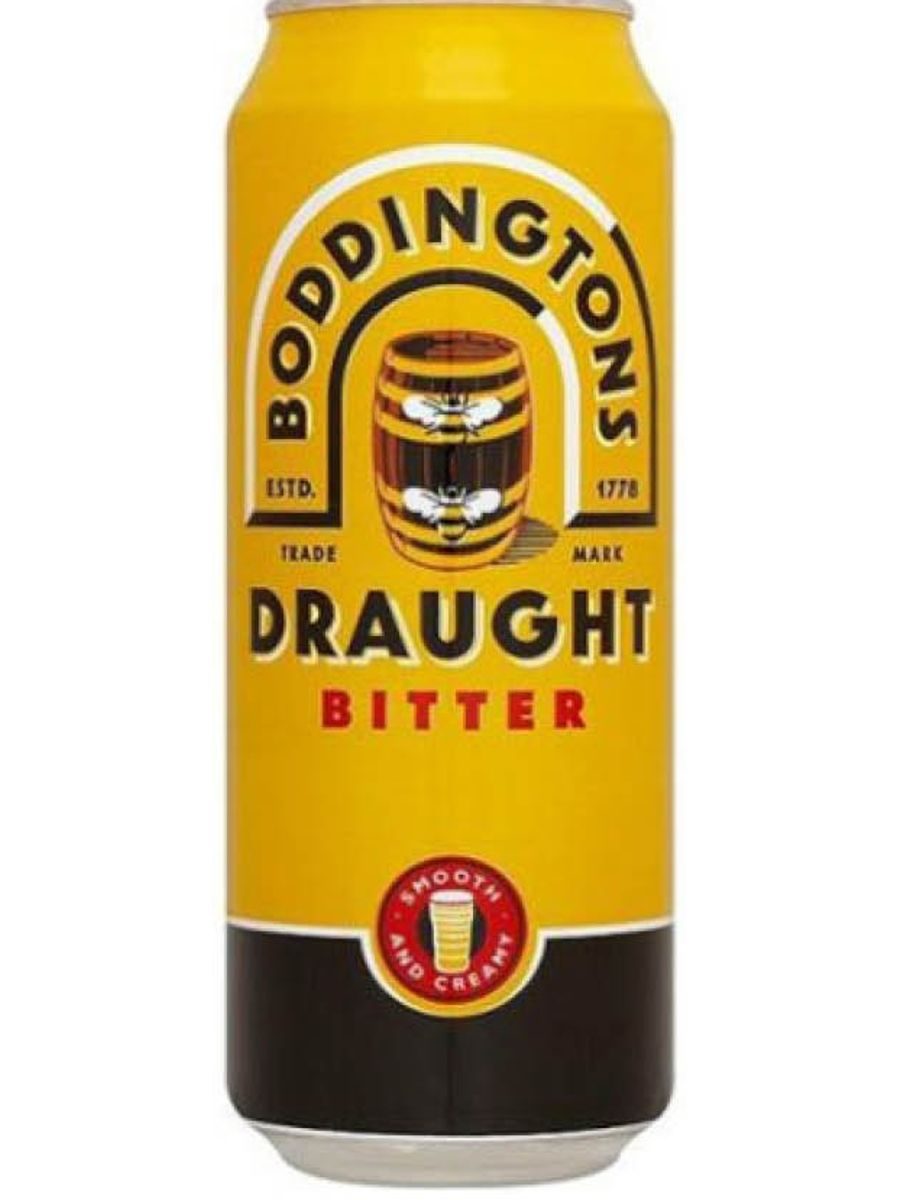
Boddingtons Draught Bitter
Brewed by Boddingtons / AB InBev
UK Draught Bitter at 3.5%; distinguish it from stronger export Pub Ale.
BAR NOTES
This reference is the UK 440ml Draught Bitter can, listed by distributor LWC at 3.5%. It is not the stronger export Pub Ale. Keep the market and package in view when using Boddingtons to compare bitter formats.
Pour according to the package instructions and observe the settling head before tasting. Compare its creamy presentation with Tetley’s Original without assuming the same conditioning method. The British Bitter family keeps those commercial format differences separate from the strength categories.
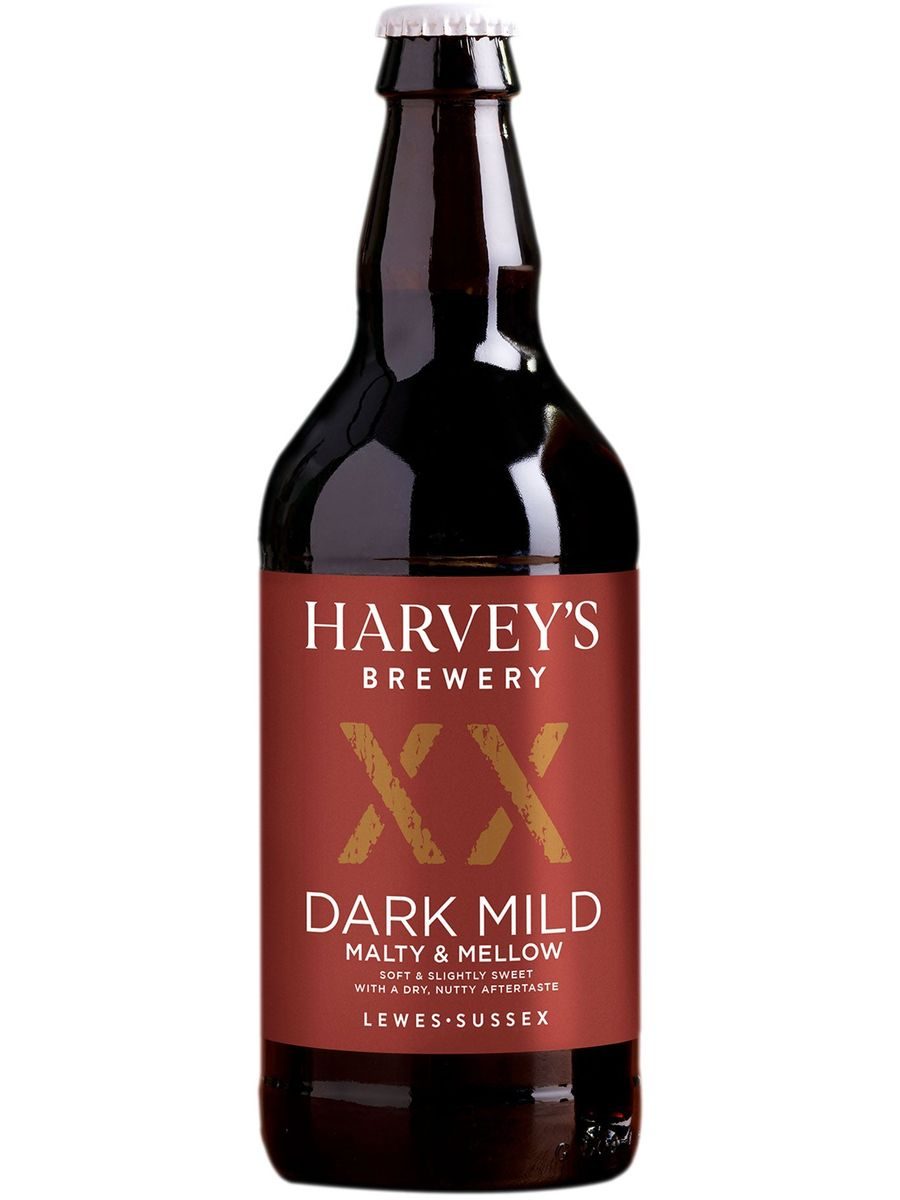
Harvey’s Dark Mild
Brewed by Harvey’s Brewery
A clearly labeled Dark Mild comparison below the Ordinary Bitter strength range.
BAR NOTES
Harvey’s Dark Mild is a 3.0% neighboring-style comparison, not an Ordinary Bitter exemplar. The brewery describes a mahogany beer with gentle sweetness and a dry, nutty aftertaste, emphasizing malt character at a very modest strength.
Taste it beside Southwold Bitter and compare the impression of sweetness with the actual finish. Dark color alone does not establish fullness or alcohol. The Ordinary Bitter guide provides the bitter balance expectations that make this deliberately different reference useful.
Ordinary Bitter compared with nearby styles
Best Bitter has more malt, body and alcohol. British Golden Ale is usually paler with less caramel character. American Blonde Ale is cleaner and less bitter, while Mild shifts attention away from hops and toward malt.
Keep the session pint moving
Compare Ordinary Bitter with its stronger pub relatives, then build flavor at genuinely modest gravity.