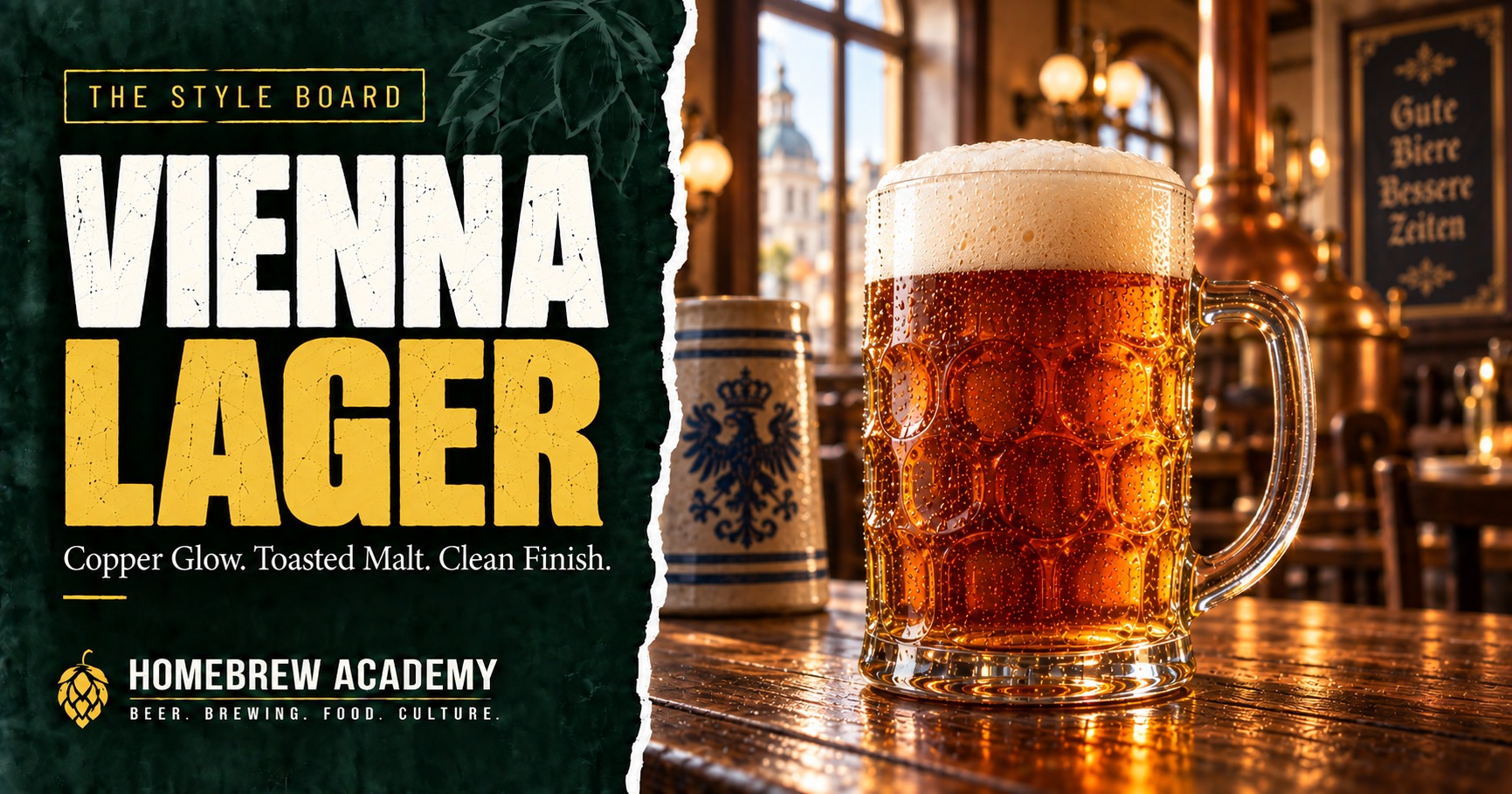
Vienna Lager: Top 10 Current Beers and Style Guide
Vienna Lager is a copper-colored lager with soft toasted malt, moderate bitterness and a clean, dry finish that makes its depth feel effortless.
It is lighter and leaner than Märzen, less bitter than Altbier, and one of the clearest demonstrations of what Vienna malt can do without caramel excess.
The quick answer
Expect reddish amber to copper color, brilliant clarity and a persistent off-white head. Malt suggests toast and bread crust, hops remain low to moderate, and the fermentation profile stays clean.
| Measure | BJCP range |
|---|---|
| Original gravity | 1.048–1.055 |
| Final gravity | 1.010–1.014 |
| Bitterness | 18–30 IBU |
| Color | 9–15 SRM |
| Alcohol | 4.7–5.5% |
What Vienna Lager tastes like
Soft toasted malt leads without obvious roast or heavy caramel. A moderate bitterness keeps the finish balanced to dry, while floral or spicy hop character remains restrained.
The body is medium-light to medium and the carbonation moderately high. The beer should feel smooth and crisp enough for repeated pours, not dense like Märzen or strong like Dunkles Bock.
Top 10 current Vienna Lager references
These ten current HBA editorial picks form a comparative tasting flight, not a blind-tasting ranking. The list focuses on named Vienna lagers and familiar commercial references. Great Lakes Eliot Ness is a stronger amber variation, and sweeter examples differ from the drier BJCP ideal. A current producer listing does not guarantee stock at every local shop.
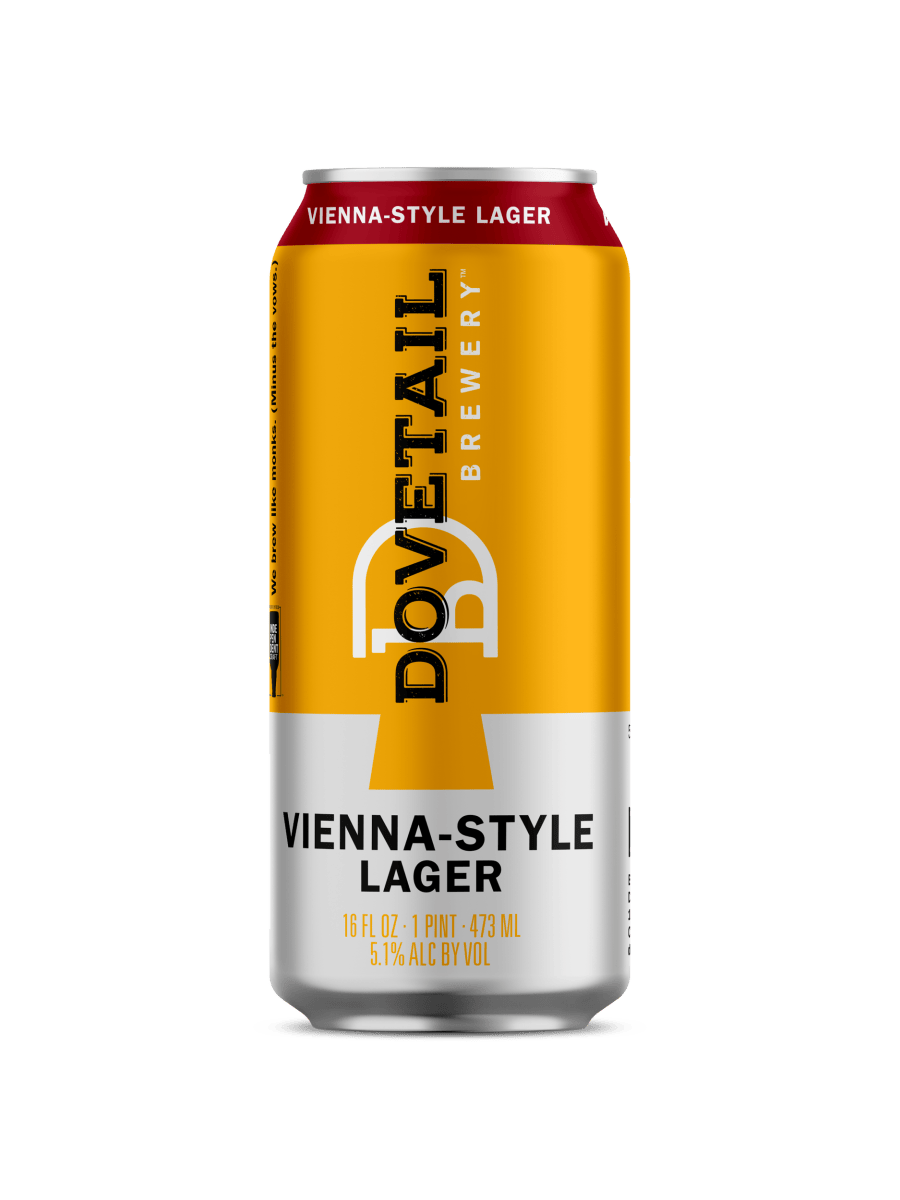
Dovetail Vienna Lager
Brewed by Dovetail Brewery
A focused malt reference with a clean lager finish.
BAR NOTES
Start with Dovetail to study Vienna malt without a complicated grain bill: the brewery specifies a full Vienna-malt grist. Double decoction, open fermentation and horizontal lagering make the production method part of this reference’s appeal.
Taste for bread crust and toast while checking that the finish still invites another sip. Set it beside a paler example from our Helles lager roundup to separate amber malt character from lager smoothness.
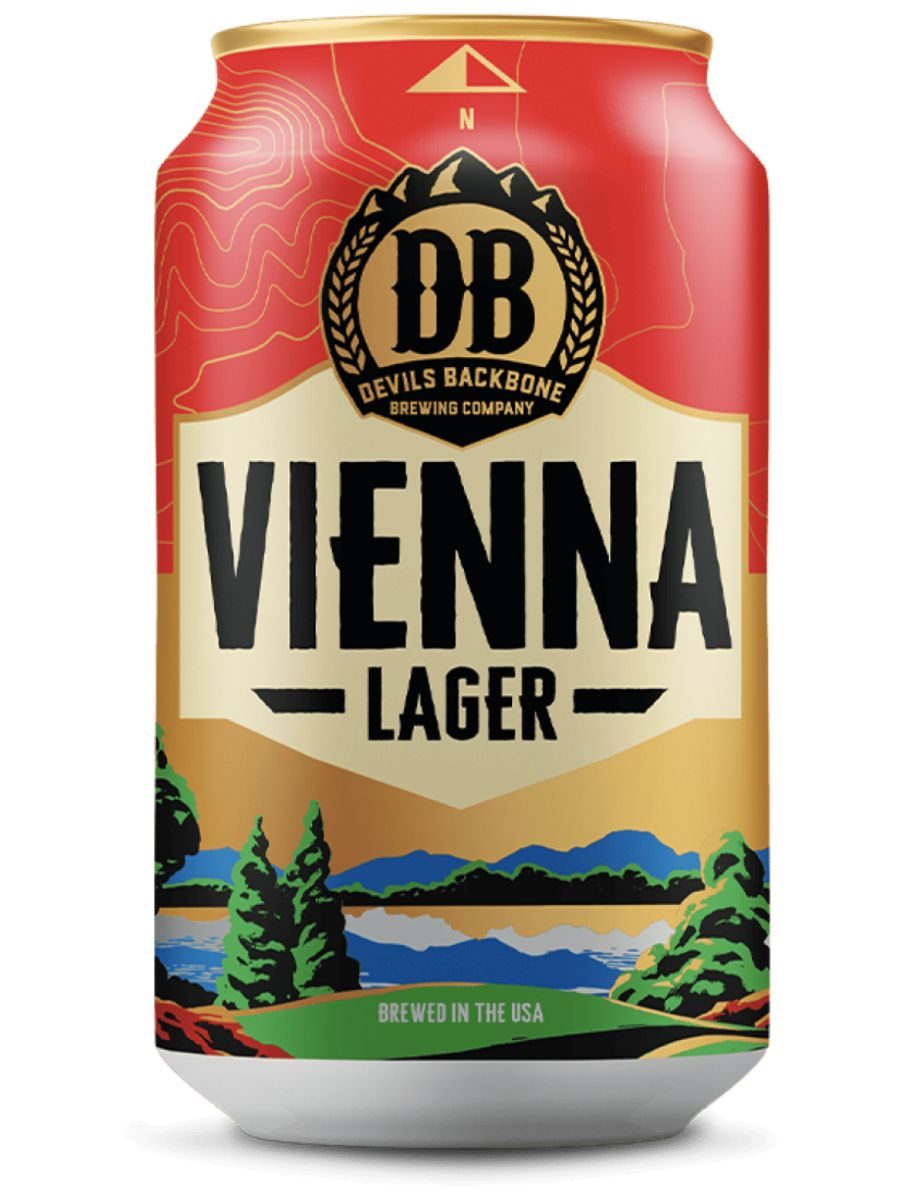
Devils Backbone Vienna Lager
Brewed by Devils Backbone Brewing Company
Toasty amber malt with a balancing noble-hop contribution.
BAR NOTES
Devils Backbone combines Vienna, Pilsner and dark Munich malts with CaraAmber, so its amber character comes from a blend rather than a single malt. Northern Brewer and Saaz hops support the brewery’s balanced, toasted-malt description.
Use this as a widely recognized American reference, then compare it with Dovetail at a similar temperature. Our Vienna lager roundup offers a larger buying flight; match the exact named beer rather than substituting another Devils Backbone lager.
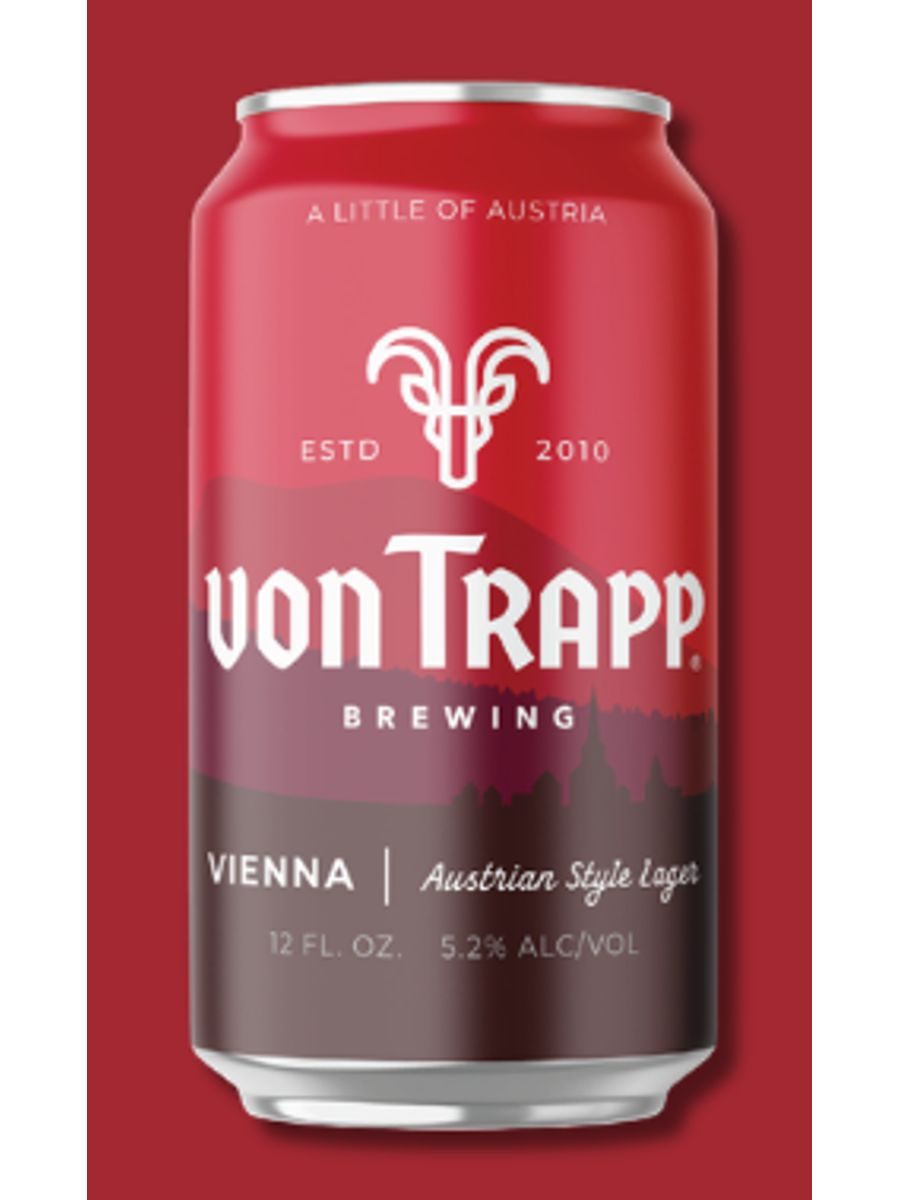
von Trapp Vienna
Brewed by von Trapp Brewing
An Austrian-style amber lager with a fragrant hop lift.
BAR NOTES
The brewery’s current Vienna has bread-crust, toffee and toast notes with grassy and floral hop aromatics. Its 5.2% specification is confirmed in the 2026 brand sheet, keeping this reference distinct from von Trapp Oktoberfest or Dunkel.
Compare the aroma before comparing color: Vienna’s fragrant lift can make malt feel less heavy. Follow it with a beer from our Oktoberfest selection to see where amber Märzen offers a broader, richer malt impression.
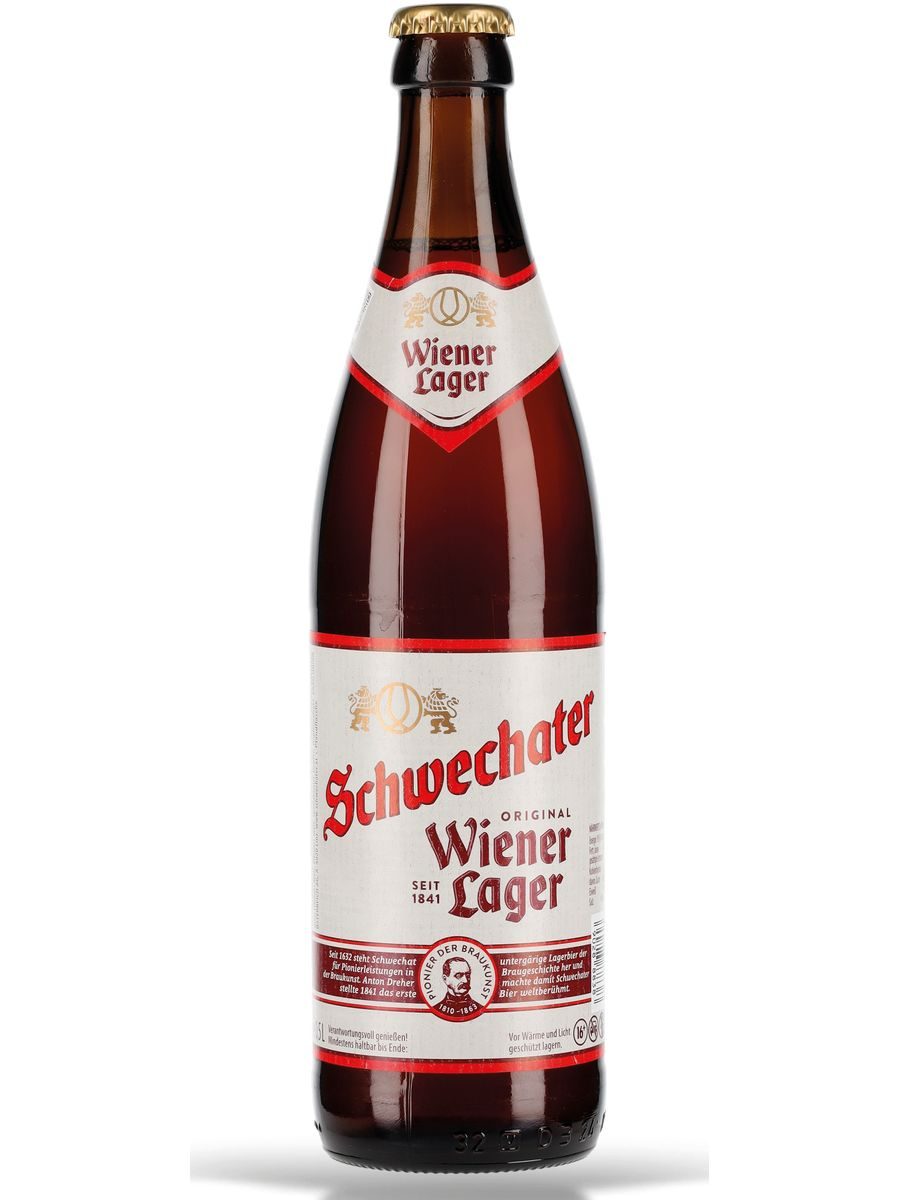
Schwechater Wiener Lager
Brewed by Brauerei Schwechat
An Austrian reference built around biscuit-like amber malt.
BAR NOTES
Schwechater brings the flight back to the Austrian home of the style. The current producer specification is 5.3%, with an amber-orange appearance and biscuit-like malt supported by restrained bitterness; older 5.5% listings should not replace that figure.
Look for malt flavor without a sugary finish, particularly after tasting a more caramel-forward interpretation. Choose Wiener Lager rather than standard Schwechater lager, and keep the two glasses at the same temperature when assessing how amber malt changes the balance.
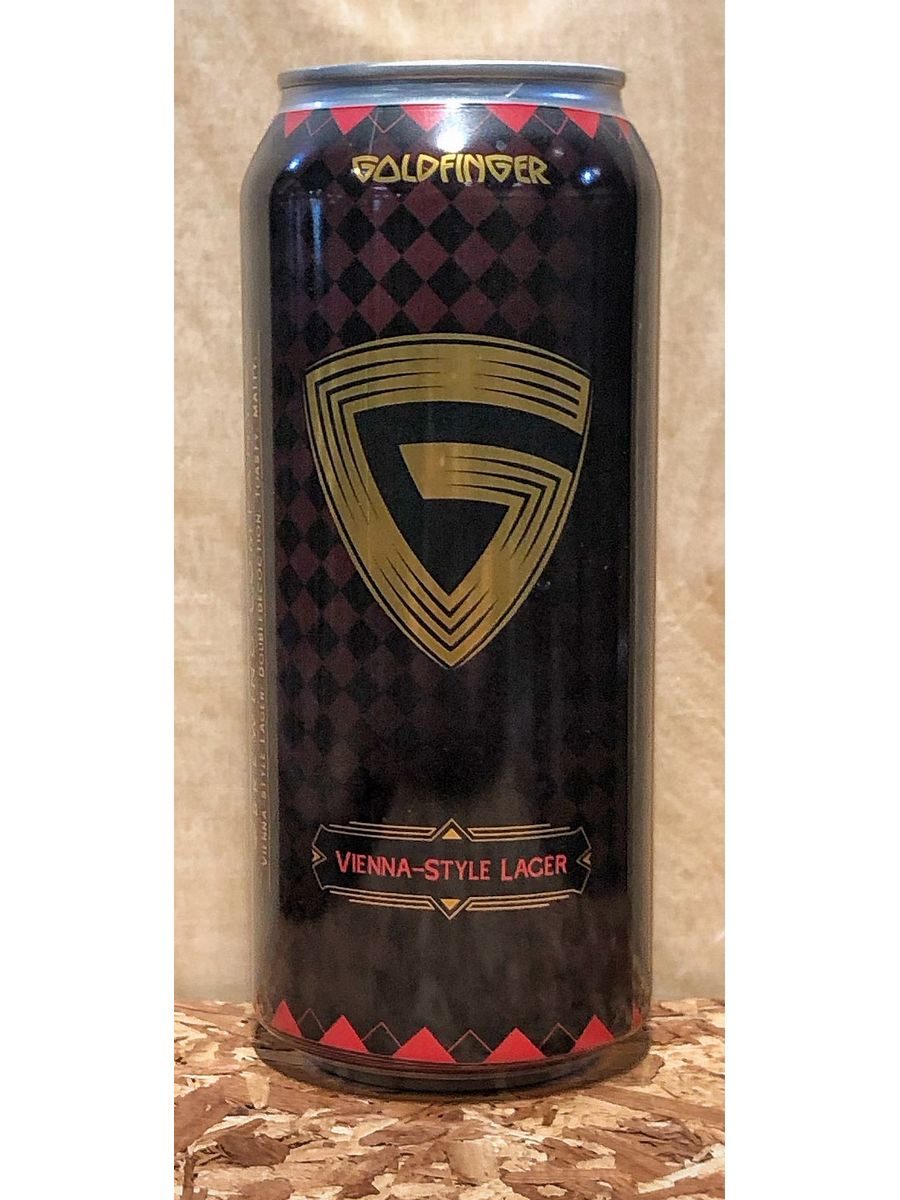
Goldfinger Vienna
Brewed by Goldfinger Brewing Company
Vienna malt depth with Czech Saaz hop balance.
BAR NOTES
Goldfinger’s current Vienna uses double decoction and Czech Saaz hops, with the brewery listing 5.5% alcohol and 28 IBU. It sits at the upper end of the usual style strength while keeping malt complexity central to the glass.
Taste it beside Dovetail to compare two decocted interpretations rather than assuming the shared method guarantees identical flavor. The Czech lager roundup is a useful next step for following Saaz hop character into a different malt setting.
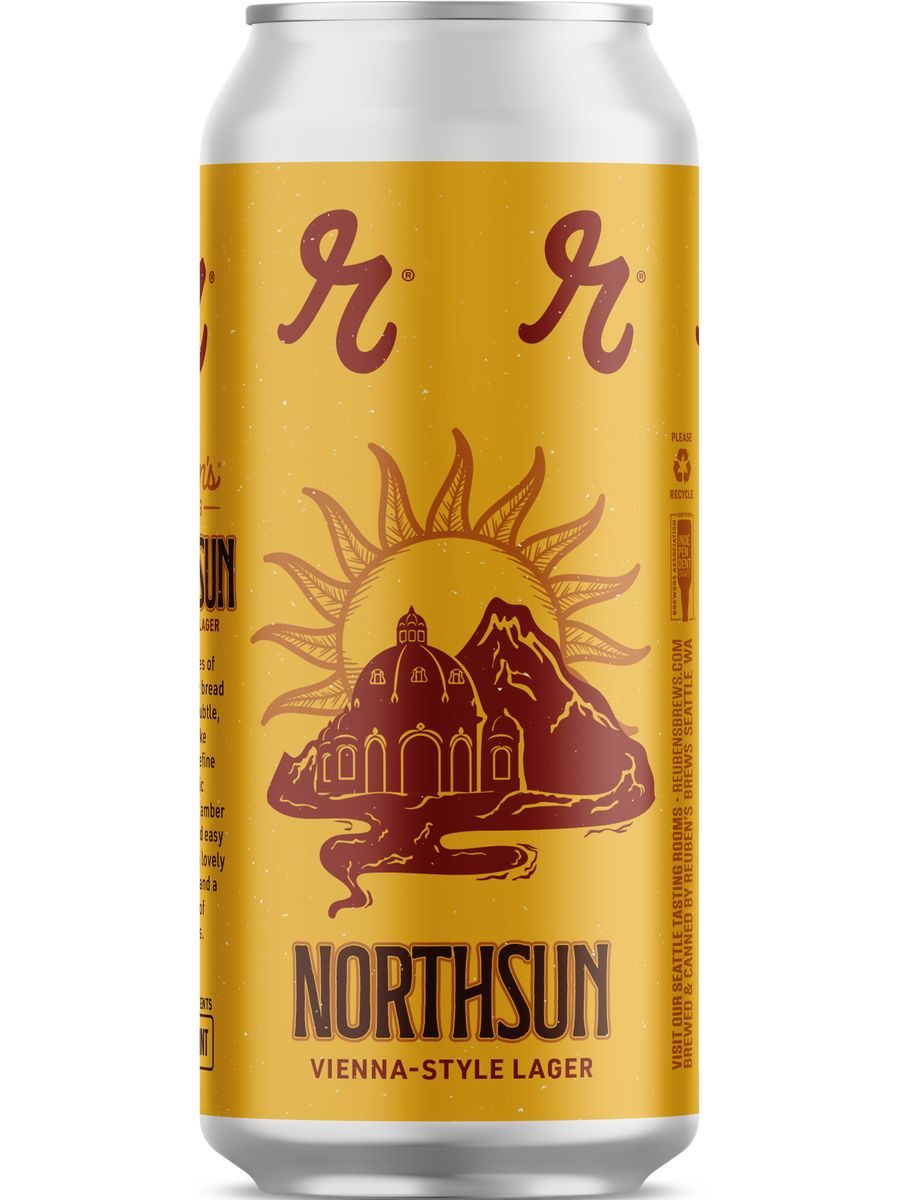
Reuben’s Northsun
Brewed by Reuben’s Brews
Crusty bread, light caramel and a crisp lager finish.
BAR NOTES
Northsun is explicitly sold as a Vienna lager, with toasted bread-crust flavors and a little caramel sweetness. The current brewery page lists 5.3% and 31 IBU, slightly above the usual BJCP 7A bitterness range of 18–30.
Use that small numerical variation as a tasting question: does the bitter finish overwhelm the malt or simply sharpen it? Compare perceived balance with Goldfinger, since listed IBU alone cannot describe aroma, sweetness or the way bitterness develops after swallowing.
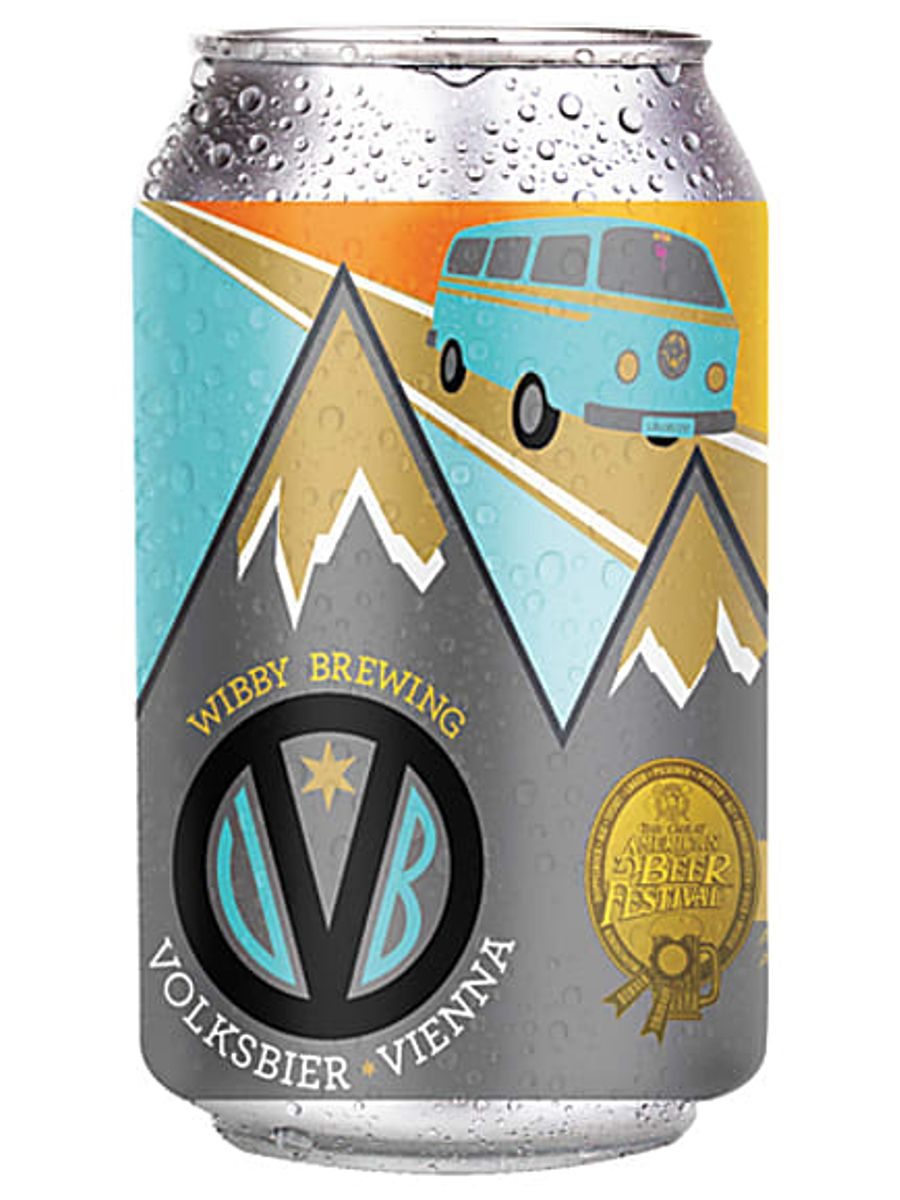
Wibby Volksbier Vienna
Brewed by Wibby Brewing
A malt-led amber lager with moderate balancing bitterness.
BAR NOTES
Volksbier Vienna is part of Wibby’s current year-round lineup, made with German ingredients and listed at 5.5% and 25 IBU. Choose this amber beer rather than Volksbier Dunkel when building a focused Vienna tasting flight.
Compare its malt-led balance with Northsun to judge whether a lower bitterness figure produces a noticeably softer finish. Add a toasted sandwich or roasted vegetables, then return to an unaccompanied sip so food does not obscure the comparison.
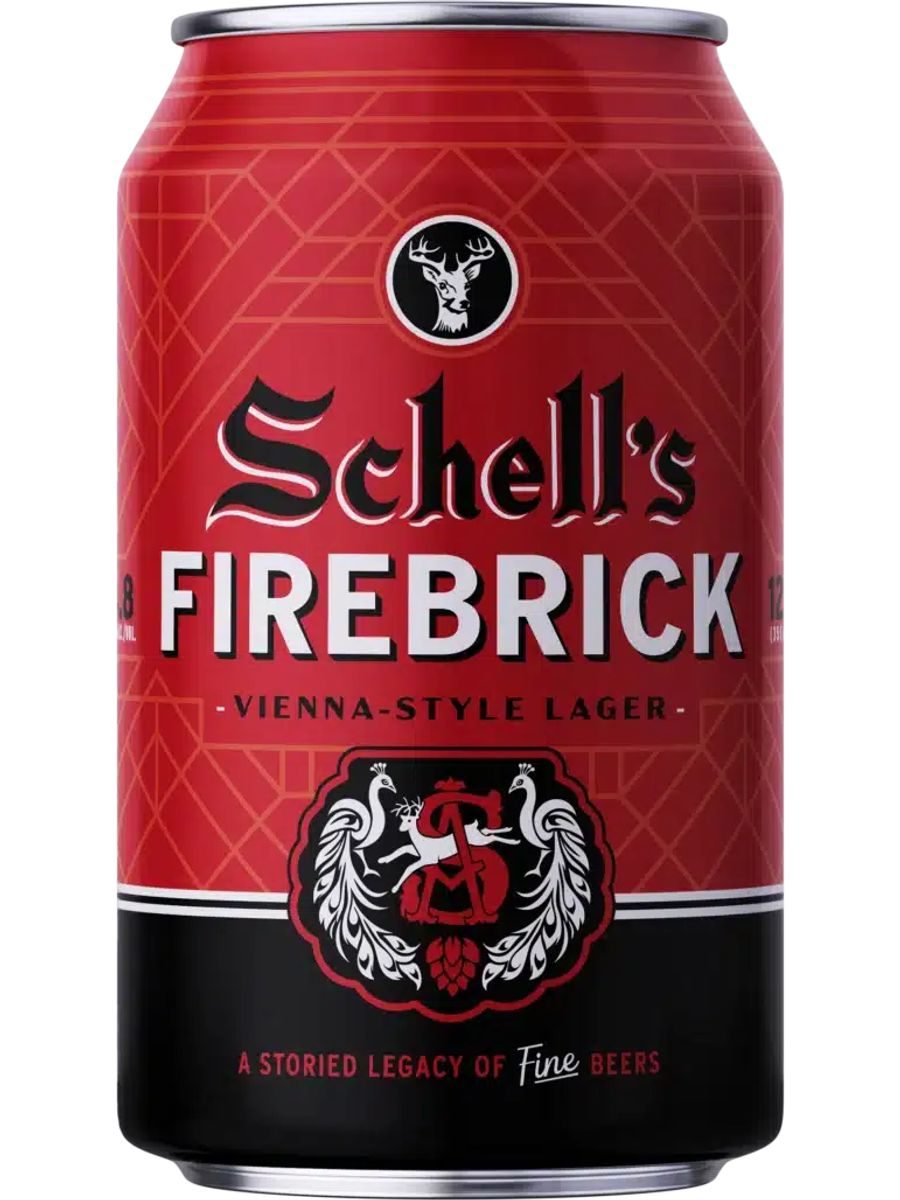
Schell’s Firebrick
Brewed by Schell’s Brewery
Brilliant amber-red color and a sweeter malt interpretation.
BAR NOTES
Schell’s now lists Firebrick at 4.8% and 24 IBU, rather than the 5.0% figure found in older descriptions. Its Vienna-style amber lager emphasizes caramel and raisin-like sweetness while retaining a supporting hop contribution.
Treat that sweetness as a commercial interpretation to compare with the drier competition ideal. Our malty beer roundup broadens the exercise: malt richness can come from flavor and finish, without needing high alcohol or a dark appearance.
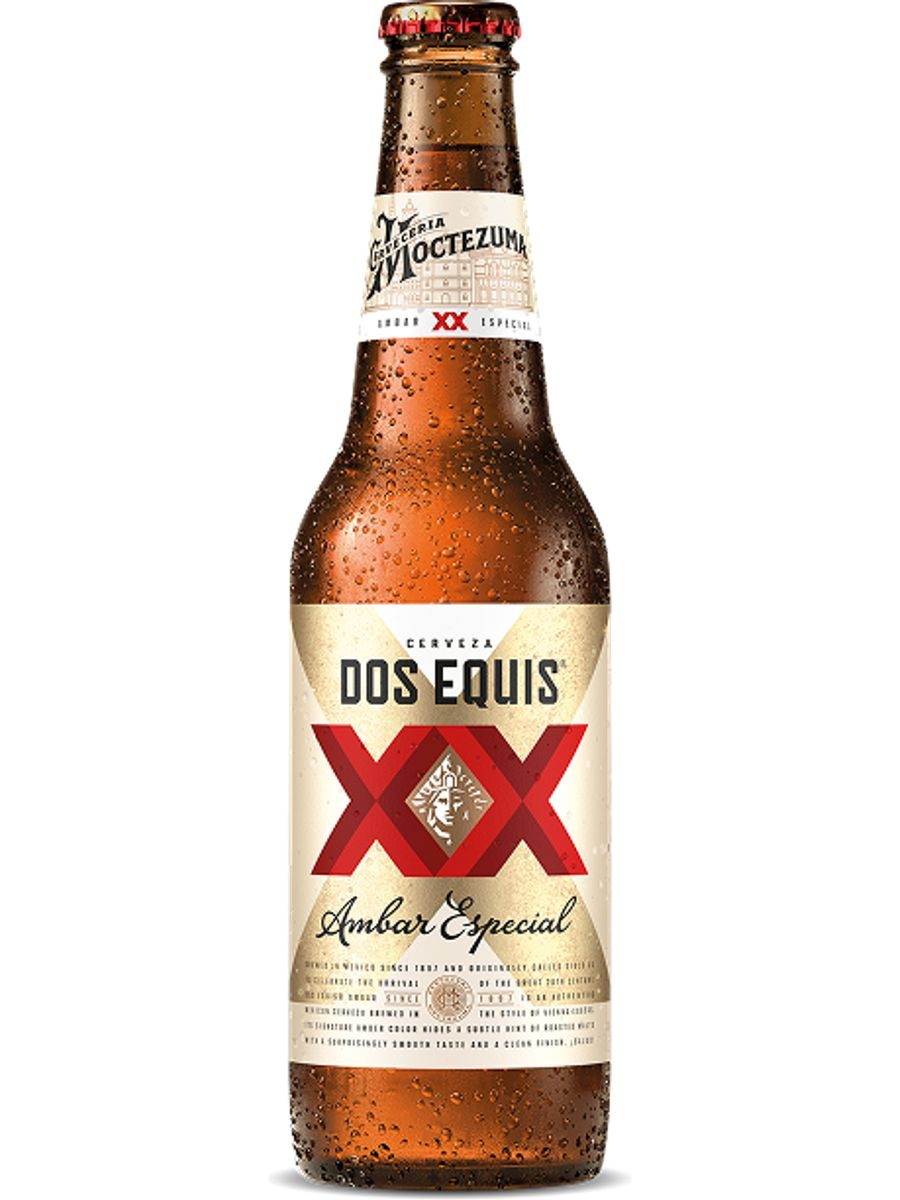
Dos Equis Ambar Especial
Brewed by Dos Equis
A familiar Mexican descendant of the amber lager tradition.
BAR NOTES
The producer describes Ambar Especial as a Vienna-style lager and lists 4.7% alcohol with 22 IBU. This familiar Mexican example illustrates the style’s international life, with a commercial balance that need not match every detail of the BJCP ideal.
Choose Ambar Especial rather than the green-bottle Dos Equis Lager Especial, which is a different beer. Taste it without lime for this comparison, then set it beside Schwechater to assess how malt expression changes across the style’s Austrian and Mexican traditions.
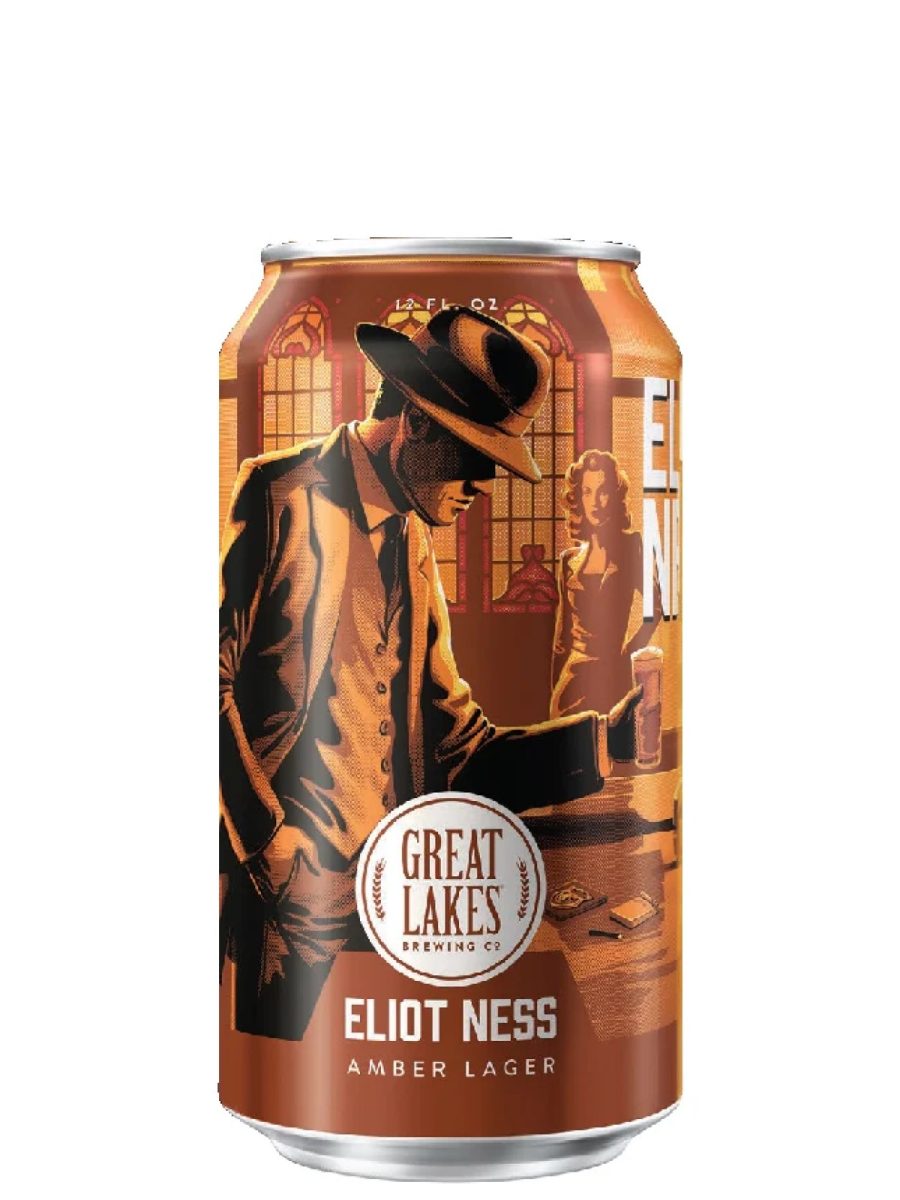
Great Lakes Eliot Ness
Brewed by Great Lakes Brewing Company
Caramel-rich amber lager beyond the usual Vienna strength.
BAR NOTES
Eliot Ness is a familiar commercial reference, although Great Lakes currently labels it Amber Lager. At 6.1%, it exceeds the usual 7A alcohol range of 4.7–5.5%; its Munich and caramel malts also make this a richer interpretation.
Place it late in the flight so extra strength does not overshadow the gentler examples. Compare malt depth with Firebrick rather than judging by color alone, and treat this as a commercial variation rather than a precise model for every competition parameter.
How Vienna Lager is brewed
Vienna malt normally forms the flavor center, sometimes supported by Pilsner or Munich malt. Decoction can add depth, but a simple grist and careful mash are more important than building color from crystal malt.
Clean lager fermentation, healthy yeast and cold conditioning preserve the beer’s precision. Traditional continental hops provide enough bitterness to dry the finish without turning the beer hop-forward.
From Vienna to Mexico and America
Anton Dreher introduced the style in Vienna in 1841 as kilning advances made amber malt possible. The tradition later declined in Austria but survived through immigrant brewing in Mexico and returned through modern craft lager breweries.
Vienna Lager compared with nearby styles
Märzen is stronger, fuller and richer. Altbier is more bitter and uses top-fermenting yeast. Czech Amber Lager carries more malt and hop intensity, while International Amber Lager is usually simpler and less toast-driven.
Keep comparing amber malt
Follow Vienna lager into richer amber beers and cleaner pale lagers, then brew a comparison of your own.