50 Worst Beers According to Drinkers
The worst beer in the world is the one you regret buying, but public ratings do reveal patterns. This expanded Top 50 begins with the original reader complaints, then checks those reactions against long-running drinker-rating trends, recurring tasting language, packaging problems, and expectation gaps.
This is not a laboratory verdict and it is not an attack on anyone who loves one of these cans. Several beers below are technically clean, historically important, or perfect in a very specific setting. They rank because large numbers of drinkers repeatedly describe them as watery, sweet, metallic, skunky, harsh, artificial, or simply less interesting than the marketing suggests.
How we ranked the 50 worst beers
- Recurring criticism: the same flaw appears across many independent drinker reactions.
- Expectation gap: branding, price, strength, or import status promises more than the glass provides.
- Balance: sweetness, alcohol, acidity, flavoring, or carbonation overwhelms the beer’s structure.
- Package risk: clear or green glass, oversized containers, and poor turnover can materially worsen the experience.
- Fair defense: every entry also gets the strongest honest case for why somebody still buys it.
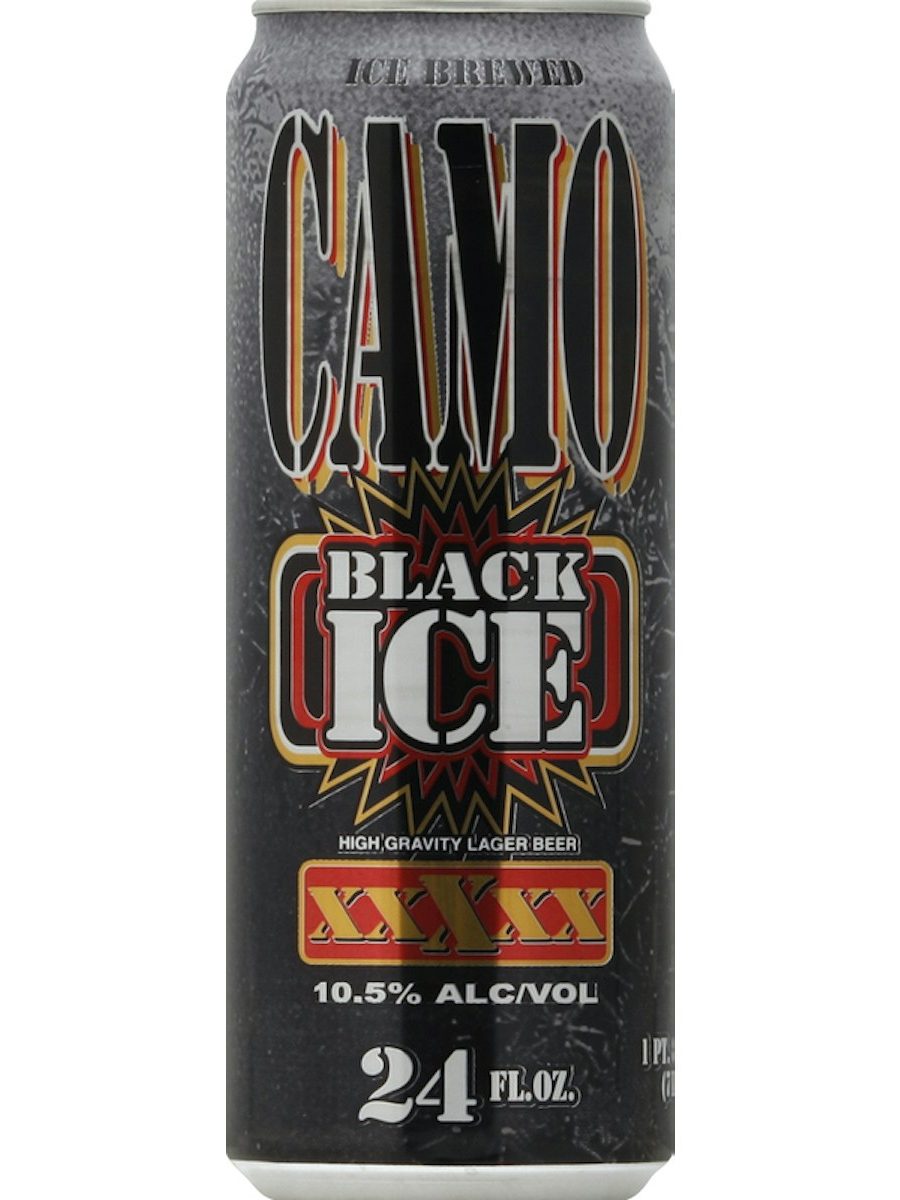
Camo Black Ice
Brewed by Camo Brewing Company
Sweet grain, solvent-like alcohol, sharp carbonation, and a hot finish.
BAR NOTES
The complaint: Its enormous alcohol charge arrives before the malt or hops can establish much structure, creating the hot, sugary, solvent-like impression that high-gravity lager critics cite most often. That recurring pattern—not price, popularity, or personal virtue—is what the rank measures.
The fair defense: The can is honest about strength and price, and some drinkers specifically want that blunt bargain. Serving it extremely cold softens the heat, although warming exposes every rough edge. A careful fresh pour is more informative than repeating a joke about the label.
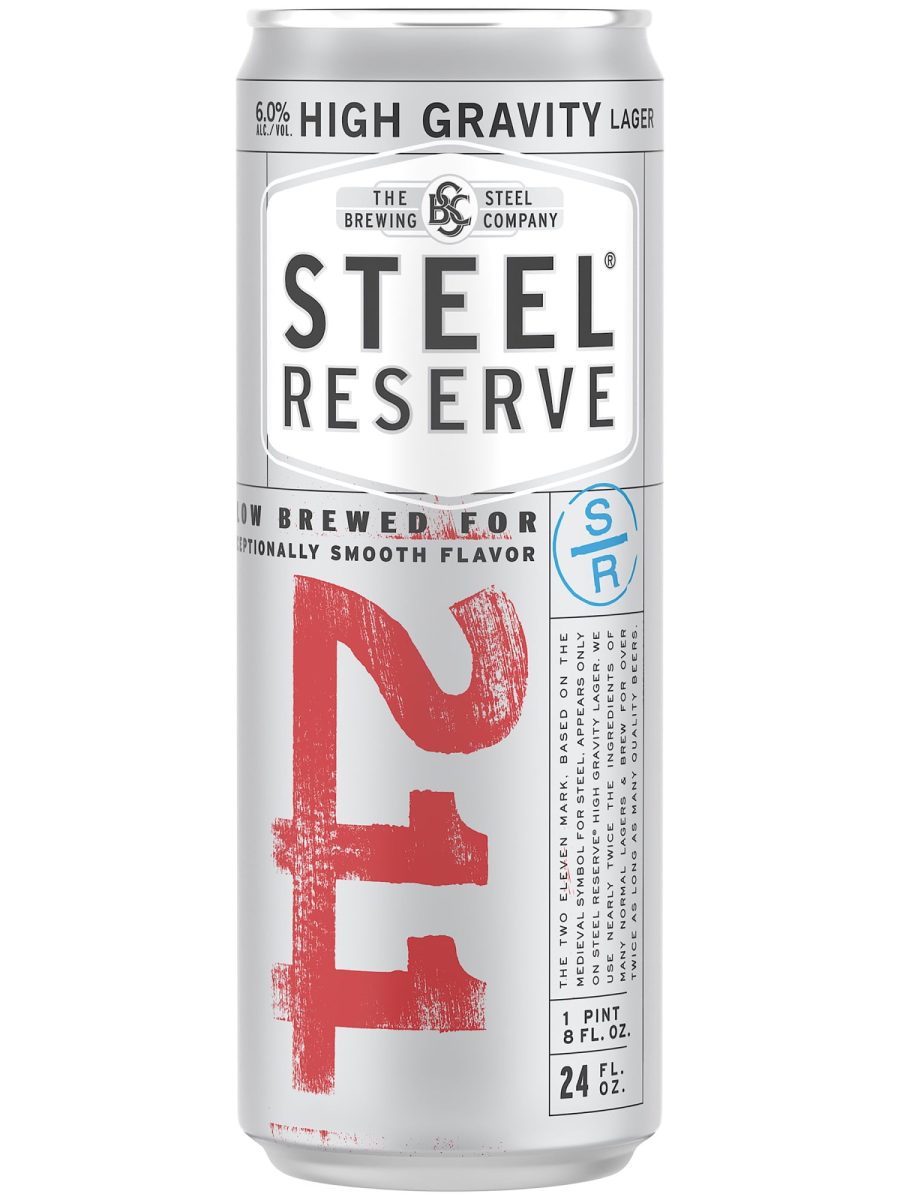
Steel Reserve 211
Brewed by Steel Brewing Company / Molson Coors
Sweet cereal malt, faint fruit, firm carbonation, and an alcoholic finish.
BAR NOTES
The complaint: The recurring complaint is a sweet, grainy opening followed by a metallic or alcoholic finish that becomes harder to ignore as a large can warms. Liking it is allowed; the position reflects repeated criticism rather than a command to dump the cooler.
The fair defense: It remains culturally recognizable, inexpensive, and more controlled than many obscure high-gravity competitors. A properly cold, fresh can is the fairest test; a warm one confirms every old joke. A careful fresh pour is more informative than repeating a joke about the label.
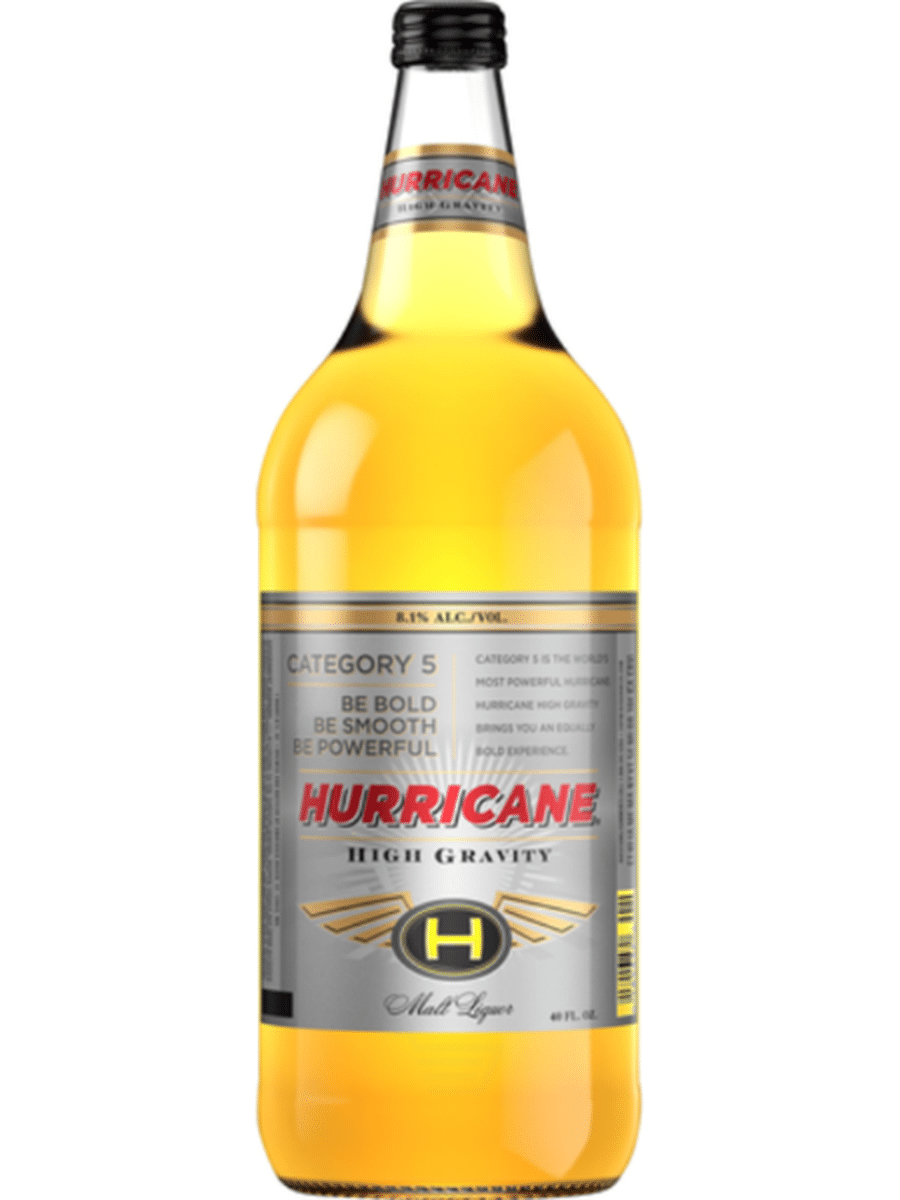
Hurricane High Gravity
Brewed by Anheuser-Busch
Sweet corn, apple-like fruit, heavy alcohol, and a short bitter edge.
BAR NOTES
The complaint: Sweet corn and apple-like fermentation notes fight a warming alcohol finish, and the oversized package gives the beer plenty of time to become heavier and harsher. The rank records a broad expectation gap, not a claim that every fresh can tastes identical.
The fair defense: It delivers exactly the strength-to-price proposition promised by the Category 5 branding. Cold temperature and salty food make it easier, but they cannot create missing balance. A careful fresh pour is more informative than repeating a joke about the label.
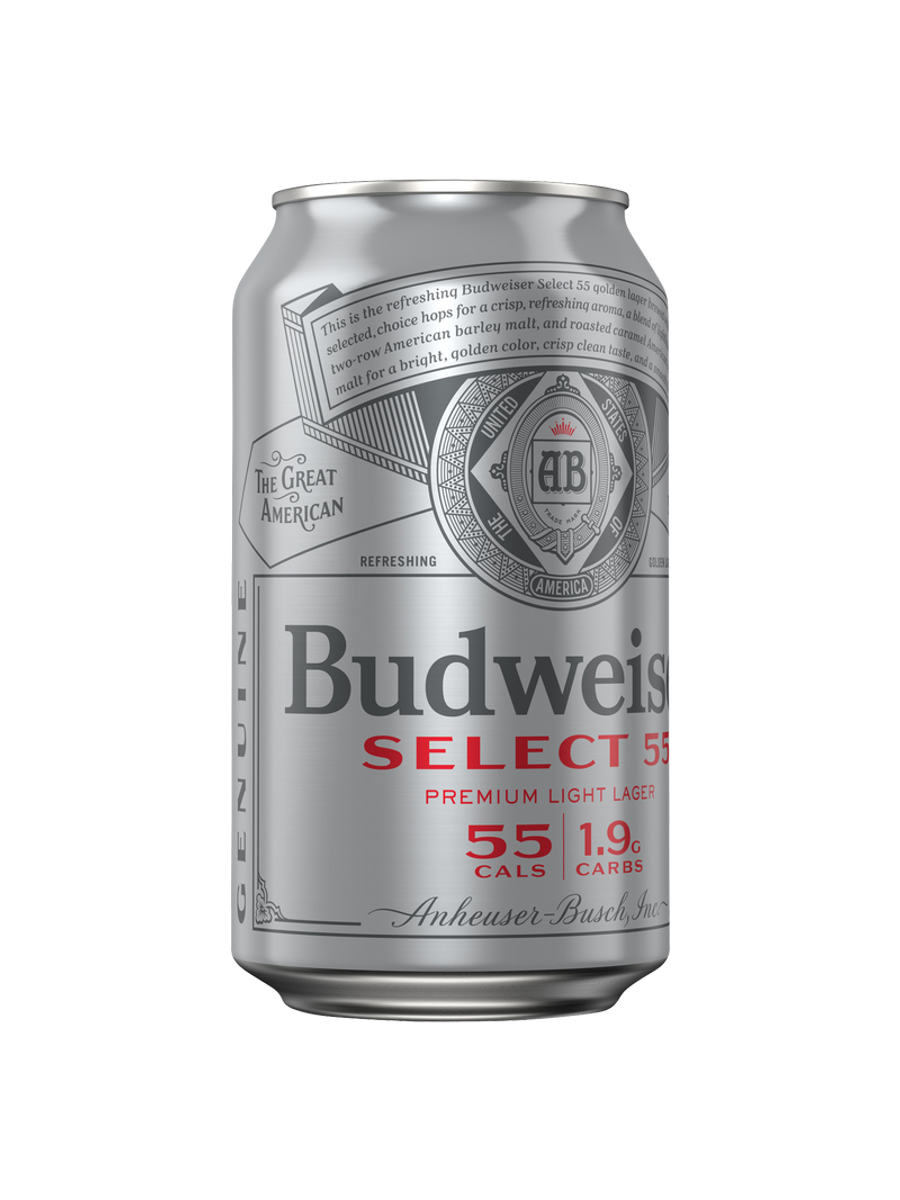
Budweiser Select 55
Brewed by Anheuser-Busch
Feather-light and very dry with mild grain and assertive carbonation.
BAR NOTES
The complaint: At 55 calories and 2.4% ABV, the body and aroma are so restrained that detractors compare it with carbonated water carrying a faint cereal echo. Context can improve the pour, but it does not erase the complaint that follows the brand.
The fair defense: It is remarkably disciplined about its calorie target and never pretends to be a full-flavored lager. Drink it very cold after exercise or with salty snacks, when neutrality is the assignment. A careful fresh pour is more informative than repeating a joke about the label.
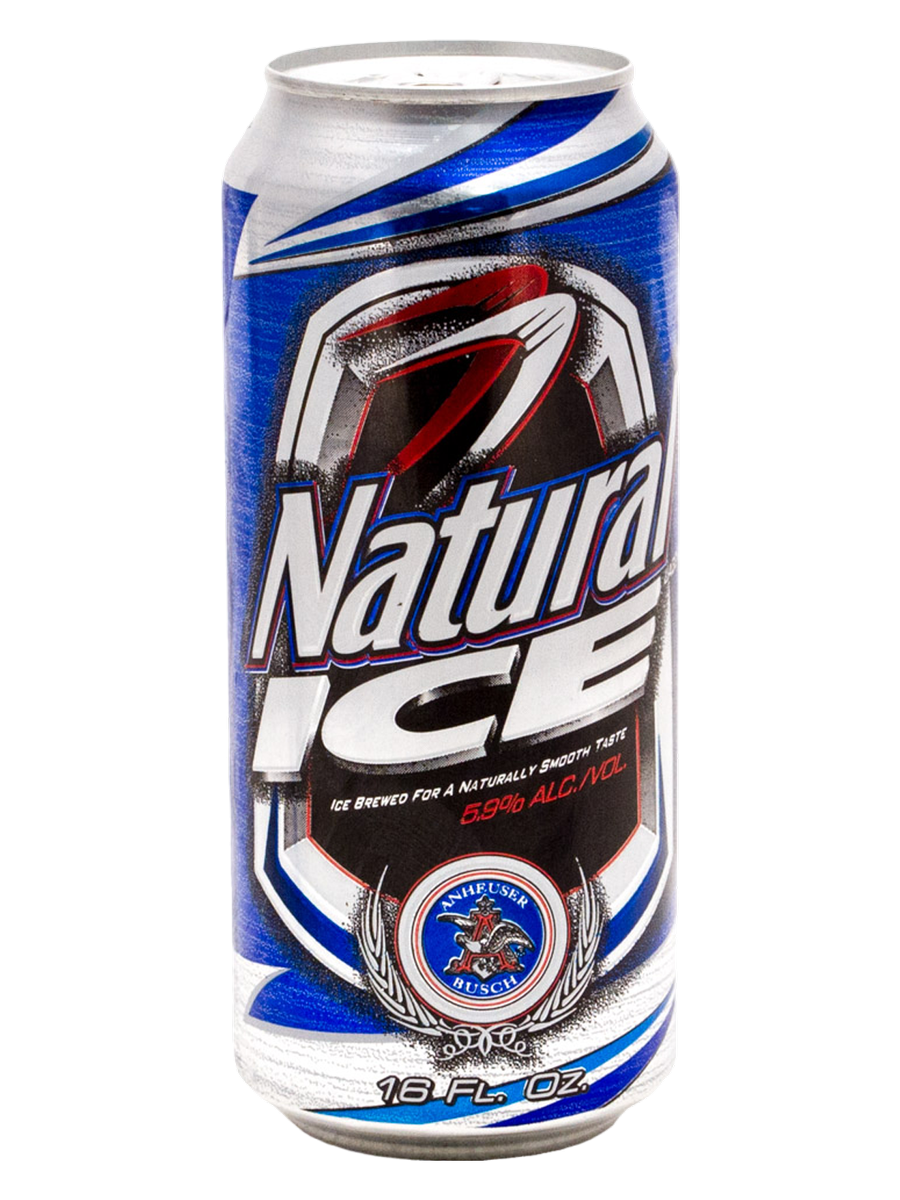
Natural Ice
Brewed by Anheuser-Busch
Sweet grain, corn, light fruit, hard carbonation, and a warm finish.
BAR NOTES
The complaint: The extra strength adds sweetness and alcohol but little supporting malt or hop flavor, leaving a blunt finish that many drinkers remember more than the opening sip. A loyal audience can coexist with a weak public reputation; both facts belong in the discussion.
The fair defense: It is affordable, widely available, and smoother when genuinely fresh than its reputation suggests. Keep the can near refrigerator temperature and pair it with spicy pizza or chili. A careful fresh pour is more informative than repeating a joke about the label.
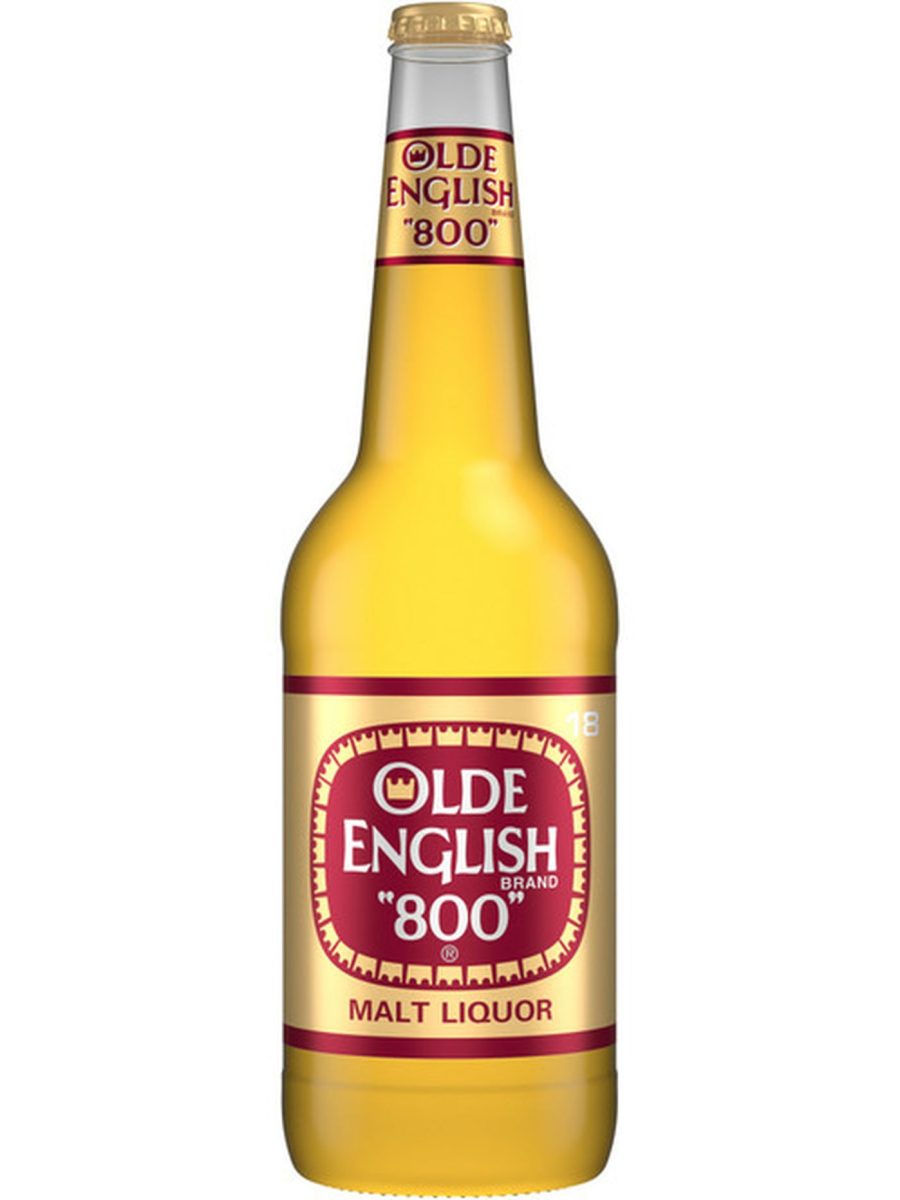
Olde English 800
Brewed by Miller Brewing Company / Molson Coors
Sweet cereal grain, mild fruit, low hops, and a warming finish.
BAR NOTES
The complaint: A large package magnifies the beer’s sweet cereal malt and warming finish, turning a tolerable first pour into a heavy final third for many reviewers. That recurring pattern—not price, popularity, or personal virtue—is what the rank measures.
The fair defense: It is an authentic American malt-liquor landmark with a cultural footprint larger than its rating average. Share it or pour smaller servings rather than letting an open bottle warm for an hour. A careful fresh pour is more informative than repeating a joke about the label.
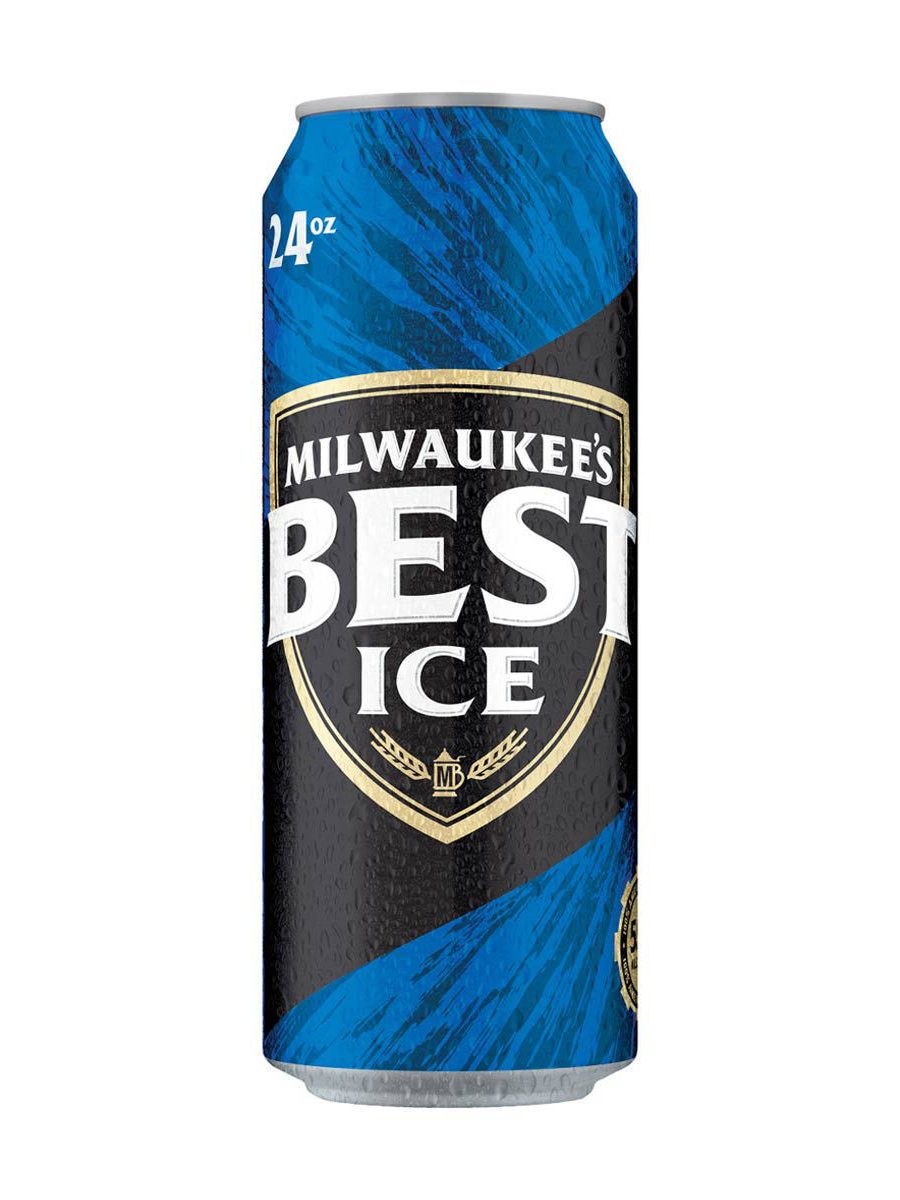
Milwaukee's Best Ice
Brewed by Miller Brewing Company / Molson Coors
Sweet grain, firm carbonation, faint fruit, and a rough alcoholic edge.
BAR NOTES
The complaint: Ice concentration boosts strength but also sharpens the sweet-grain and alcohol combination that already makes bargain lager polarizing. Liking it is allowed; the position reflects repeated criticism rather than a command to dump the cooler.
The fair defense: It is direct, inexpensive, and more substantial than the light version without becoming an extreme high-gravity product. A fresh can straight from the refrigerator gives it the best chance to stay crisp. A careful fresh pour is more informative than repeating a joke about the label.
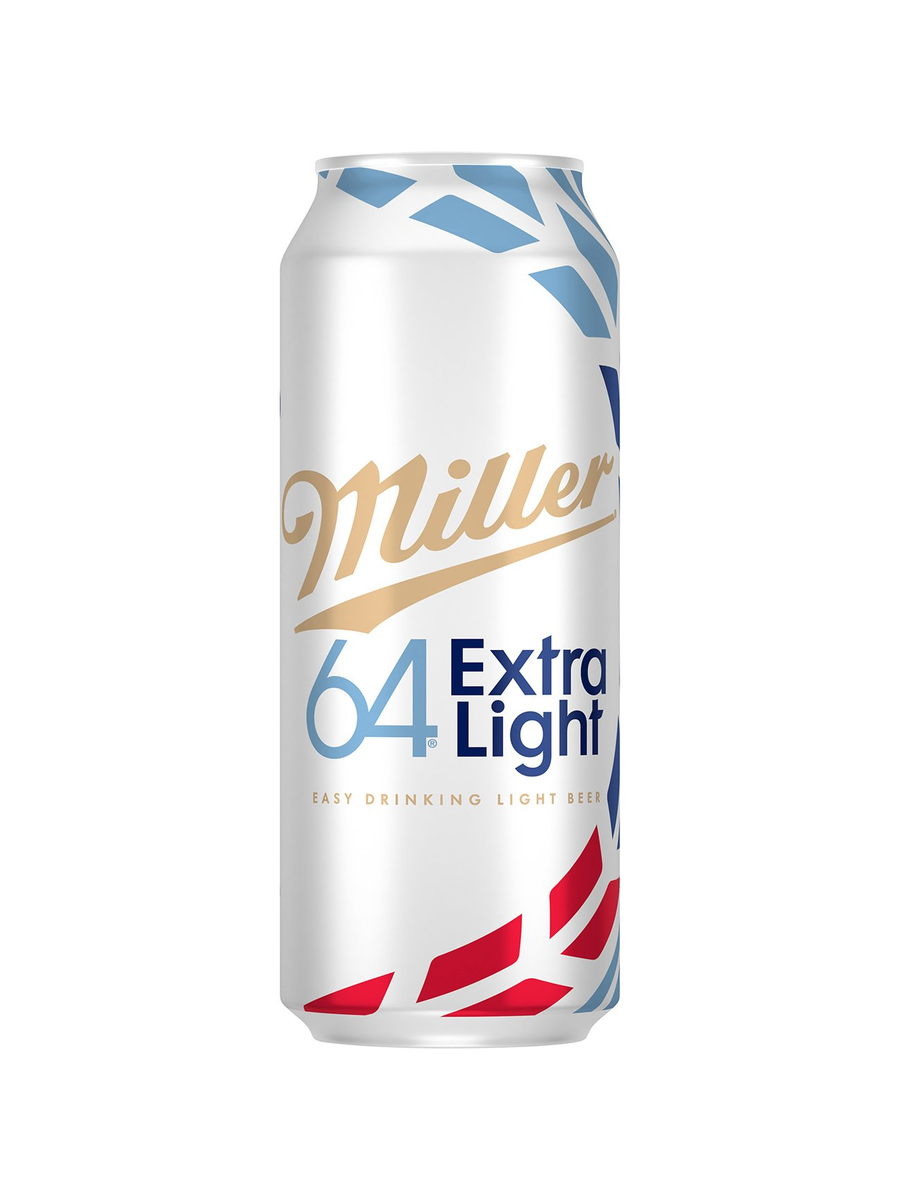
Miller 64 Extra Light
Brewed by Miller Brewing Company
Extremely lean and fizzy with delicate grain and virtually no residual sweetness.
BAR NOTES
The complaint: The aroma, malt center, and finish are all intentionally minimized, so the beer can seem as though the brewing process removed the reason to choose beer in the first place. The rank records a broad expectation gap, not a claim that every fresh can tastes identical.
The fair defense: The 64-calorie target is unusually clear and useful for drinkers who prioritize moderation above flavor intensity. Treat it as a cold lawnmower refresher, not a lager to analyze at cellar temperature. A careful fresh pour is more informative than repeating a joke about the label.
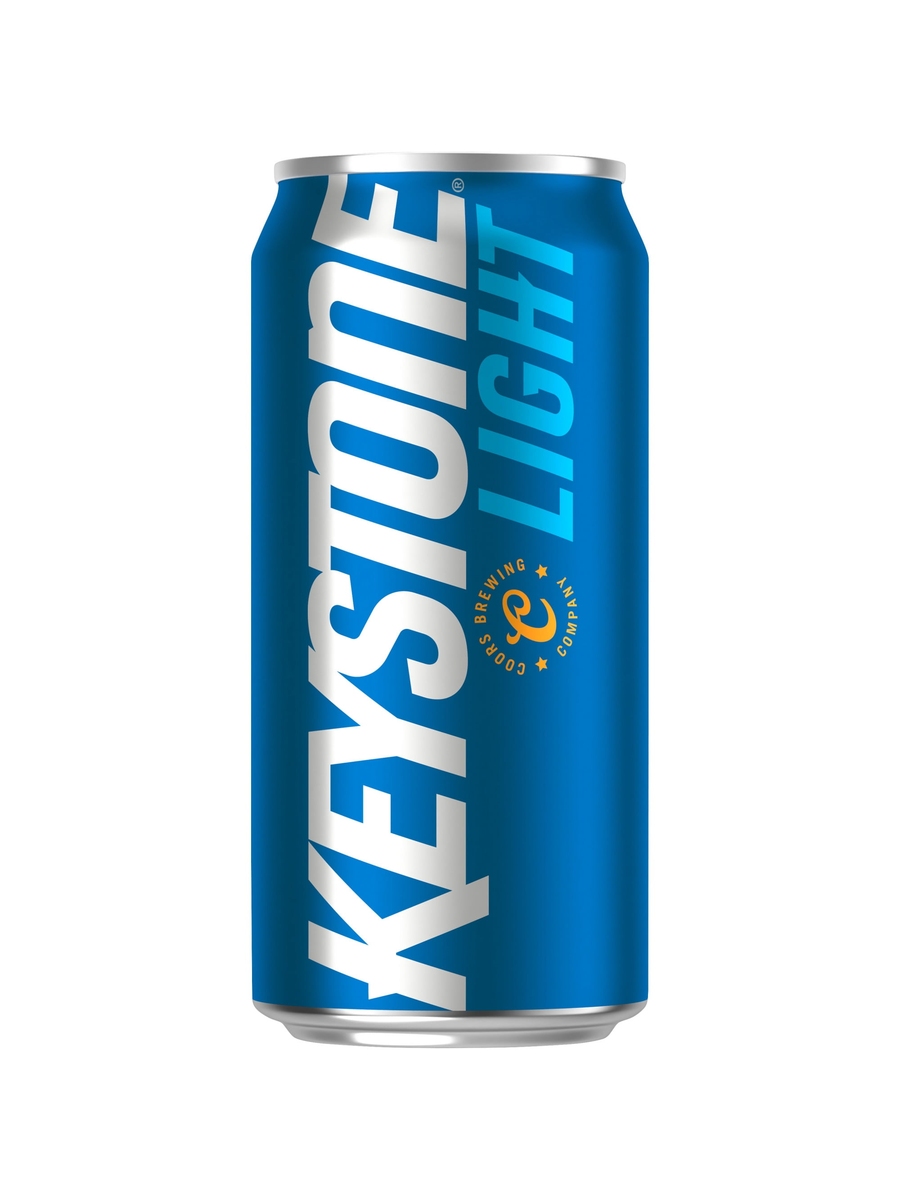
Keystone Light
Brewed by Coors Brewing Company
Mild and clean with soft cereal flavor and a short finish.
BAR NOTES
The complaint: Soft cereal flavor and a very short finish become “watery” in the language of detractors, while aggressive carbonation supplies more sensation than the malt or hops. Context can improve the pour, but it does not erase the complaint that follows the brand.
The fair defense: The beer is consistent, inexpensive, and designed for coolers rather than tasting flights. Cans are preferable to warm draft lines, and salty cookout food helps its simple profile. A careful fresh pour is more informative than repeating a joke about the label.
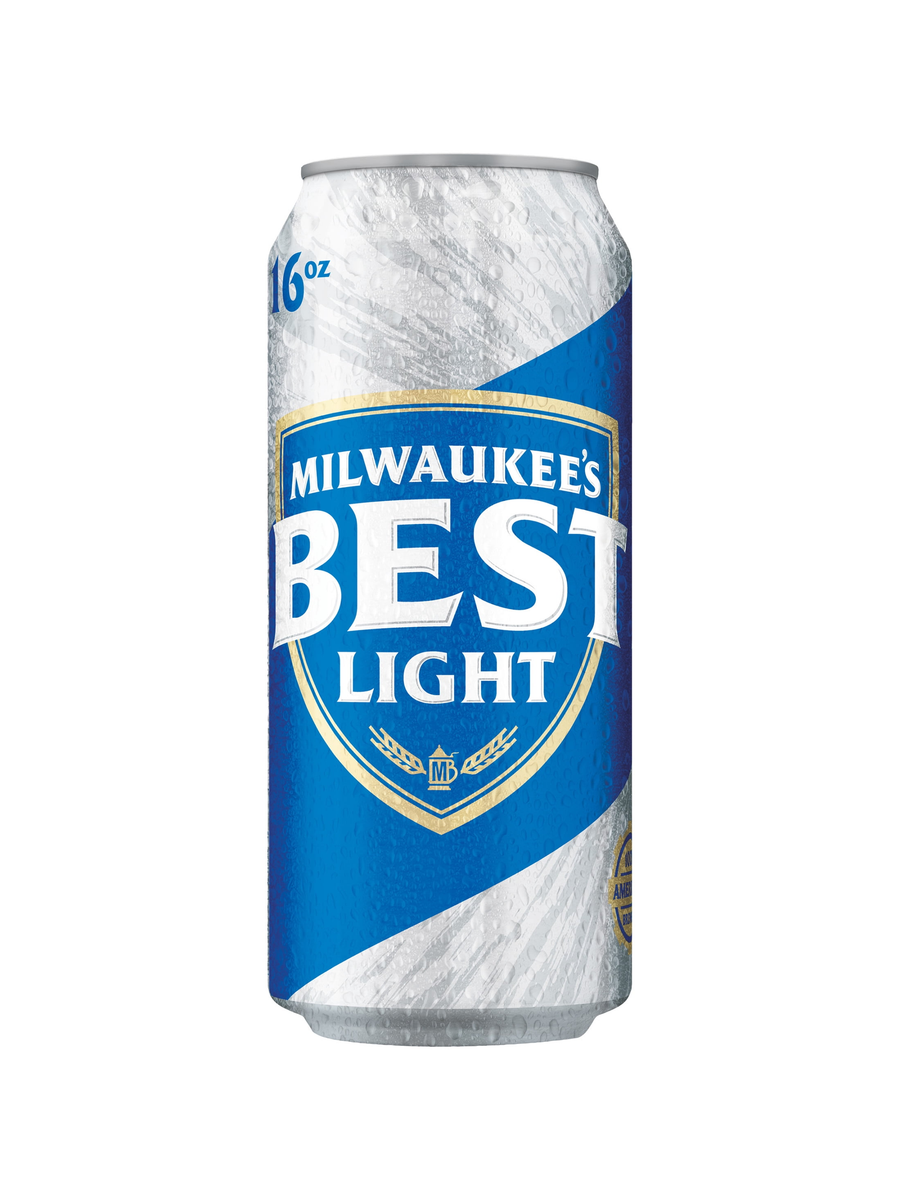
Milwaukee's Best Light
Brewed by Miller Brewing Company
Thin-bodied, brisk, and mildly grainy with firm carbonation.
BAR NOTES
The complaint: The combination of thin body, husky grain, and hard carbonation lands in an awkward middle where the beer is neither neutral enough nor flavorful enough for many drinkers. A loyal audience can coexist with a weak public reputation; both facts belong in the discussion.
The fair defense: It remains one of the least expensive nationally recognized light lagers and performs its utility role predictably. Freshness matters more than glassware; drink it cold and avoid old warm-stock cans. A careful fresh pour is more informative than repeating a joke about the label.
Why cheap does not automatically mean bad
Price is not the scoring shortcut here. A clean inexpensive lager can be excellent at its job, while a costly beer can be a mess. The problem begins when sweetness, alcohol, age, or packaging damage overwhelms refreshment. HBA’s 50 best light beers shows how much flavor and precision can survive inside a modest body.
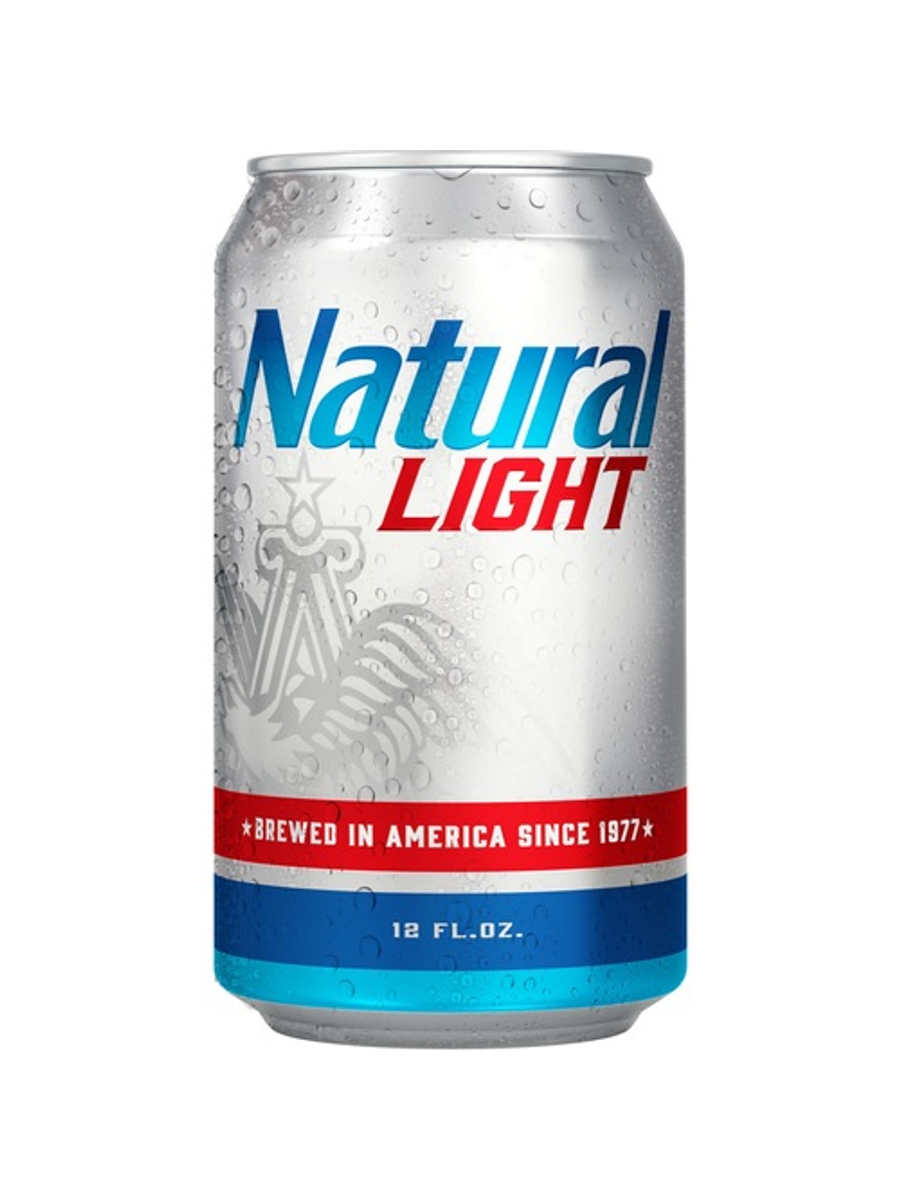
Natural Light
Brewed by Anheuser-Busch
Mild, lightly sweet, and highly carbonated with a quick finish.
BAR NOTES
The complaint: Mild corn sweetness, little hop definition, and a fast watery finish created the “Natty” reputation long before online rating databases amplified it. That recurring pattern—not price, popularity, or personal virtue—is what the rank measures.
The fair defense: It is cleaner than many jokes imply and has survived because affordability and easy drinking are real product attributes. A cold can beside burgers or hot dogs is a fairer setting than a warm sample flight. A careful fresh pour is more informative than repeating a joke about the label.
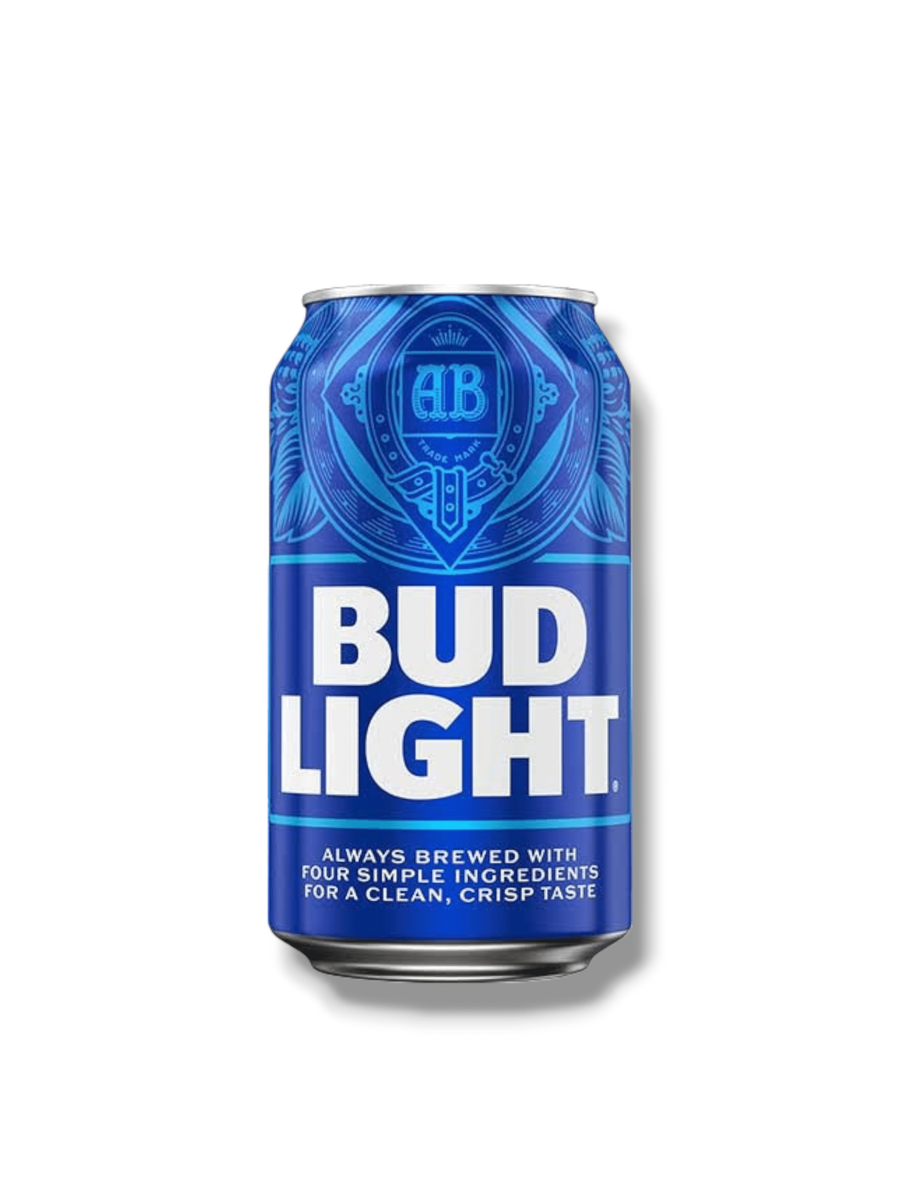
Bud Light
Brewed by Anheuser-Busch
Very clean and neutral with high carbonation and a faint rice-like crispness.
BAR NOTES
The complaint: Its global consistency is also the central criticism: little aroma, very low bitterness, faint rice-like grain, and a finish engineered to disappear almost instantly. Liking it is allowed; the position reflects repeated criticism rather than a command to dump the cooler.
The fair defense: Producing that clean profile at enormous scale is technically demanding, and millions genuinely prefer its neutrality. Fresh draft or cold cans are better tests than light-struck bottles or neglected stadium lines. A careful fresh pour is more informative than repeating a joke about the label.
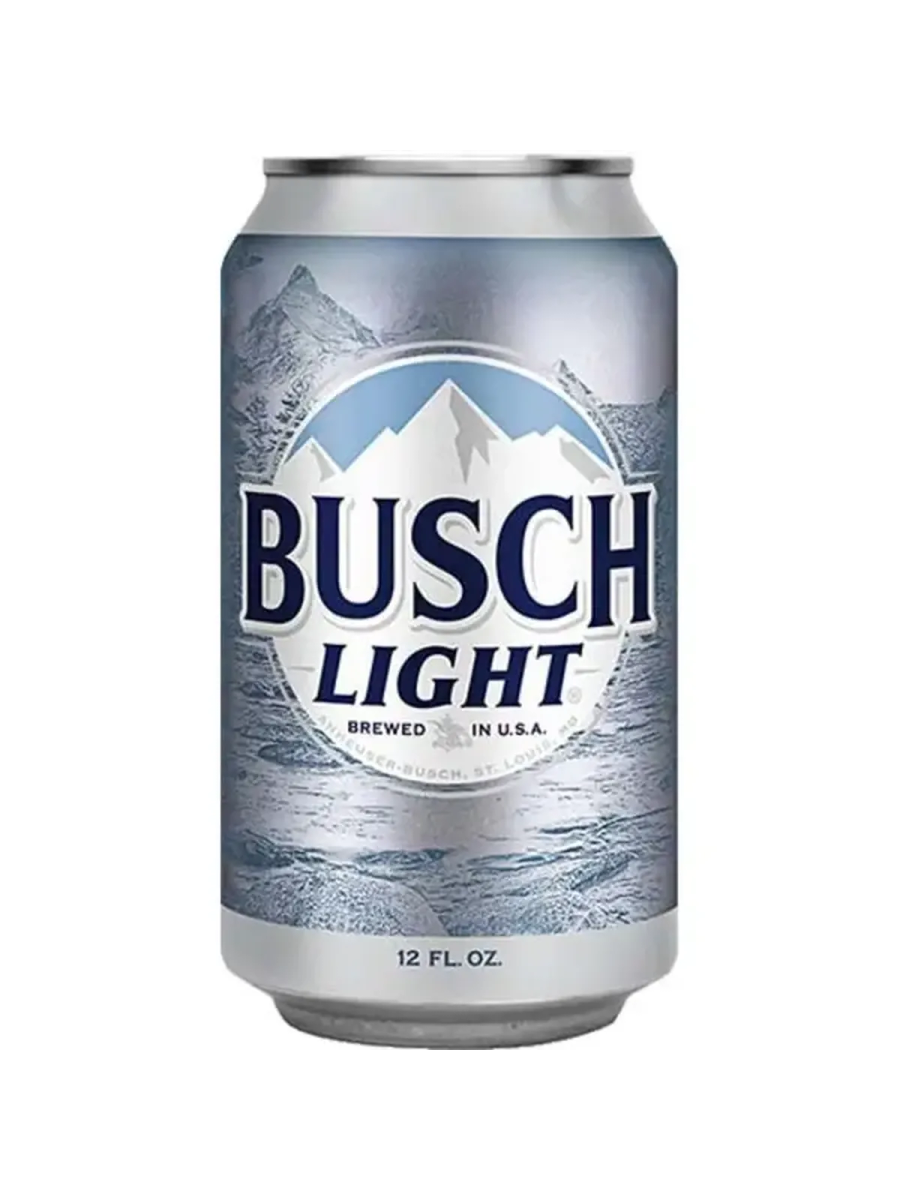
Busch Light
Brewed by Anheuser-Busch
Clean, lightly corny, and briskly carbonated with almost no aftertaste.
BAR NOTES
The complaint: The profile can feel like carbonic bite wrapped around faint corn sweetness, with too little malt or hop character to create a satisfying center. The rank records a broad expectation gap, not a claim that every fresh can tastes identical.
The fair defense: It is extremely consistent, affordable, and closely matched to outdoor drinking and salty food. Keep it cold and pair it with grilled meat, chips, or a fish fry rather than sipping it alone. A careful fresh pour is more informative than repeating a joke about the label.
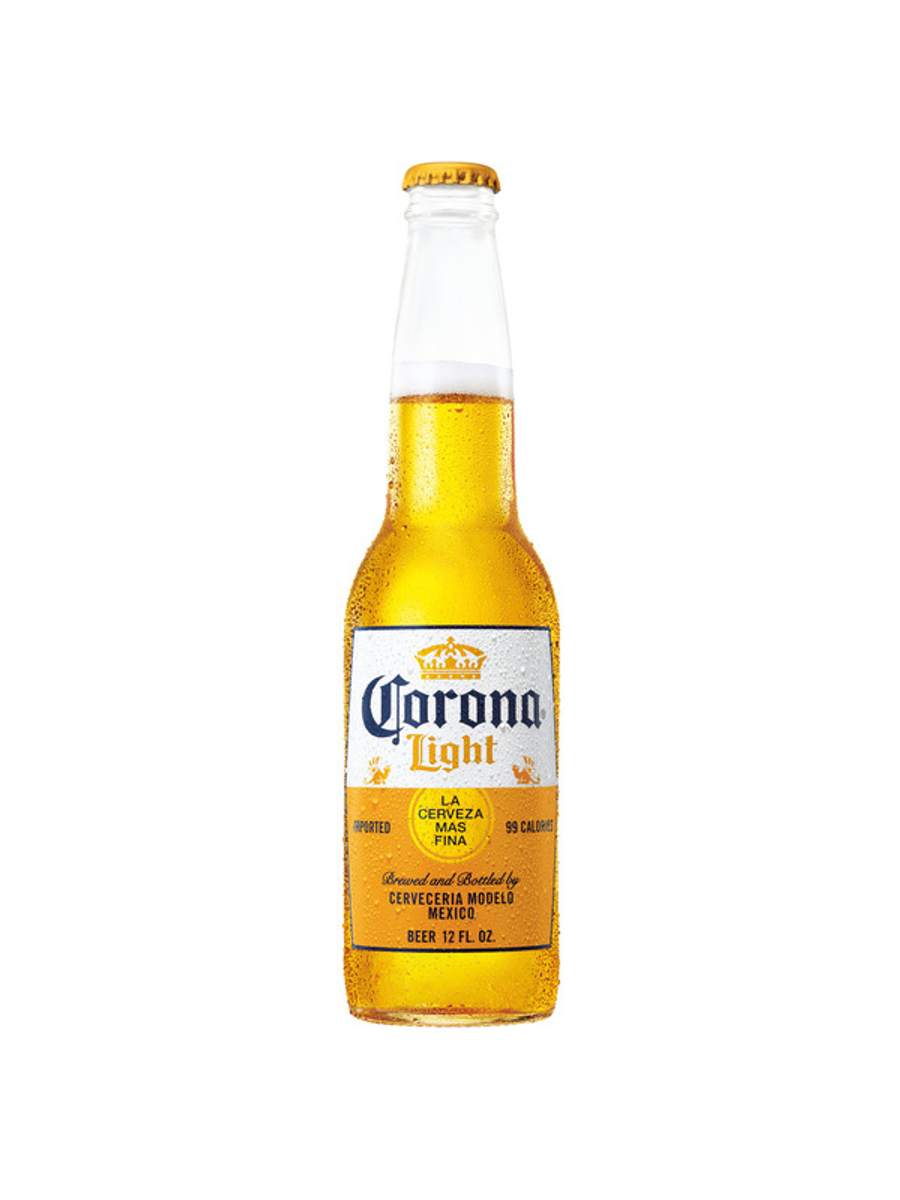
Corona Light
Brewed by Grupo Modelo
Pale, dry, and softly sweet with an easy lime-friendly finish.
BAR NOTES
The complaint: Without citrus, critics find a very pale body, soft sweetness, and almost no hop finish; clear bottles can add skunky light-struck aroma before the cap opens. Context can improve the pour, but it does not erase the complaint that follows the brand.
The fair defense: Fresh cans can be clean and genuinely refreshing, especially with hot-weather food. Choose cans or newly opened cases, taste it plain first, and add lime only if desired. A careful fresh pour is more informative than repeating a joke about the label.
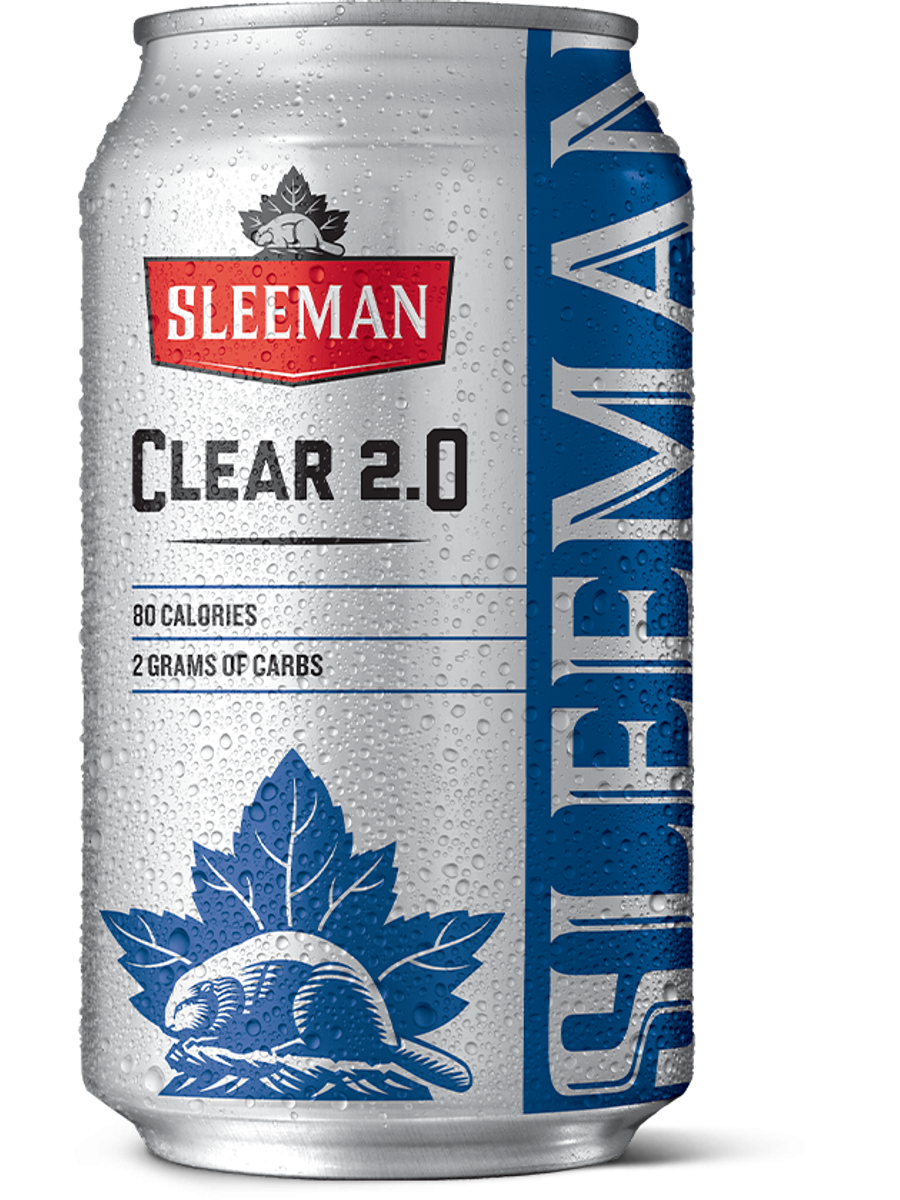
Sleeman Clear 2.0
Brewed by Sleeman Breweries
Ultra-clean and dry with gentle malt and almost no lingering sweetness.
BAR NOTES
The complaint: The technical success of reaching two grams of carbohydrates leaves a narrow malt profile and very little aromatic payoff, which many drinkers experience as emptiness. A loyal audience can coexist with a weak public reputation; both facts belong in the discussion.
The fair defense: It is one of the clearest low-carb promises on the Canadian shelf and stays dry rather than sugary. Serve it cold with grilled chicken, salads, or spicy food that supplies the missing intensity. A careful fresh pour is more informative than repeating a joke about the label.
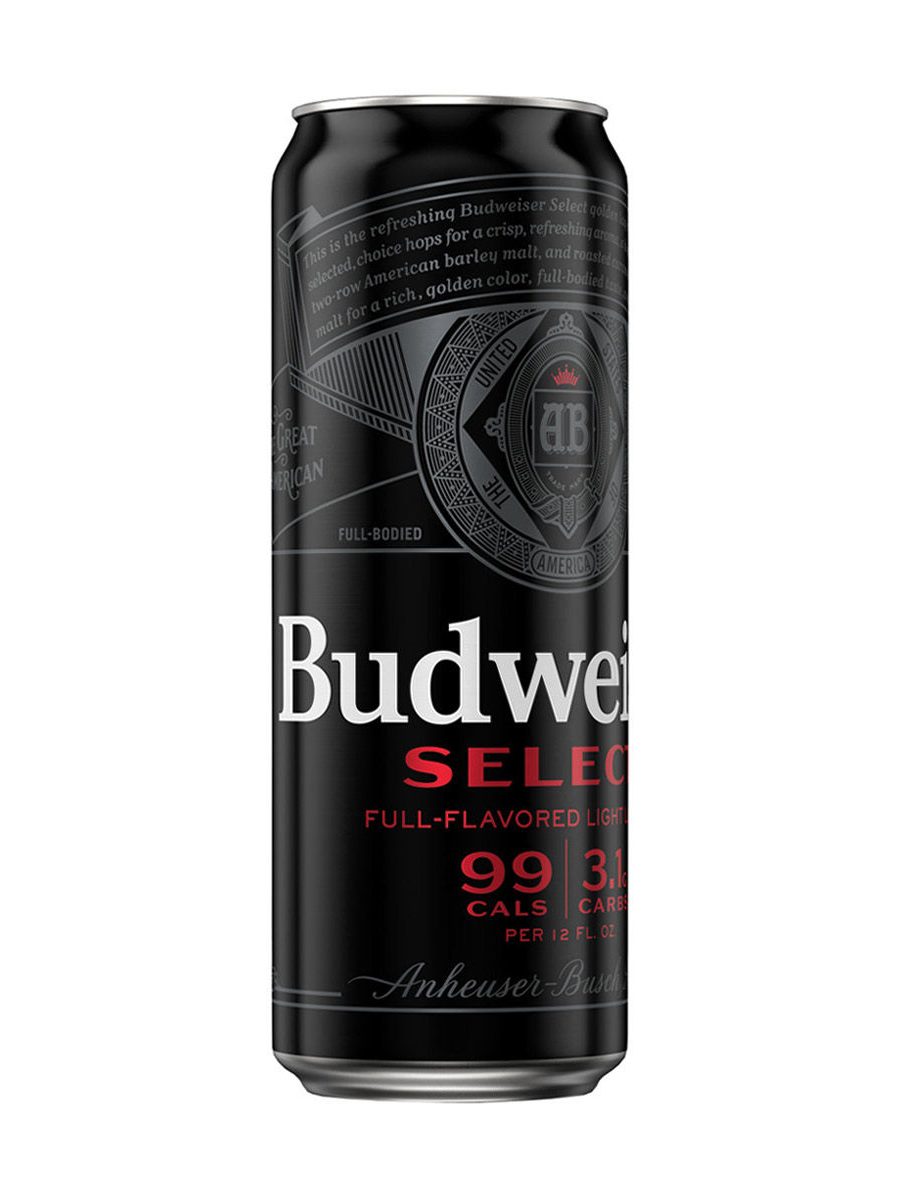
Budweiser Select
Brewed by Anheuser-Busch
Fuller and maltier than Select 55 while staying dry and firmly carbonated.
BAR NOTES
The complaint: It lacks the familiar malt-and-rice presence of Budweiser but does not have the absolute calorie minimalism of Select 55, leaving its identity blurry. That recurring pattern—not price, popularity, or personal virtue—is what the rank measures.
The fair defense: The beer offers a useful compromise for drinkers who want standard strength with fewer carbohydrates. A very fresh can is essential because the restrained aroma gives oxidation nowhere to hide. A careful fresh pour is more informative than repeating a joke about the label.
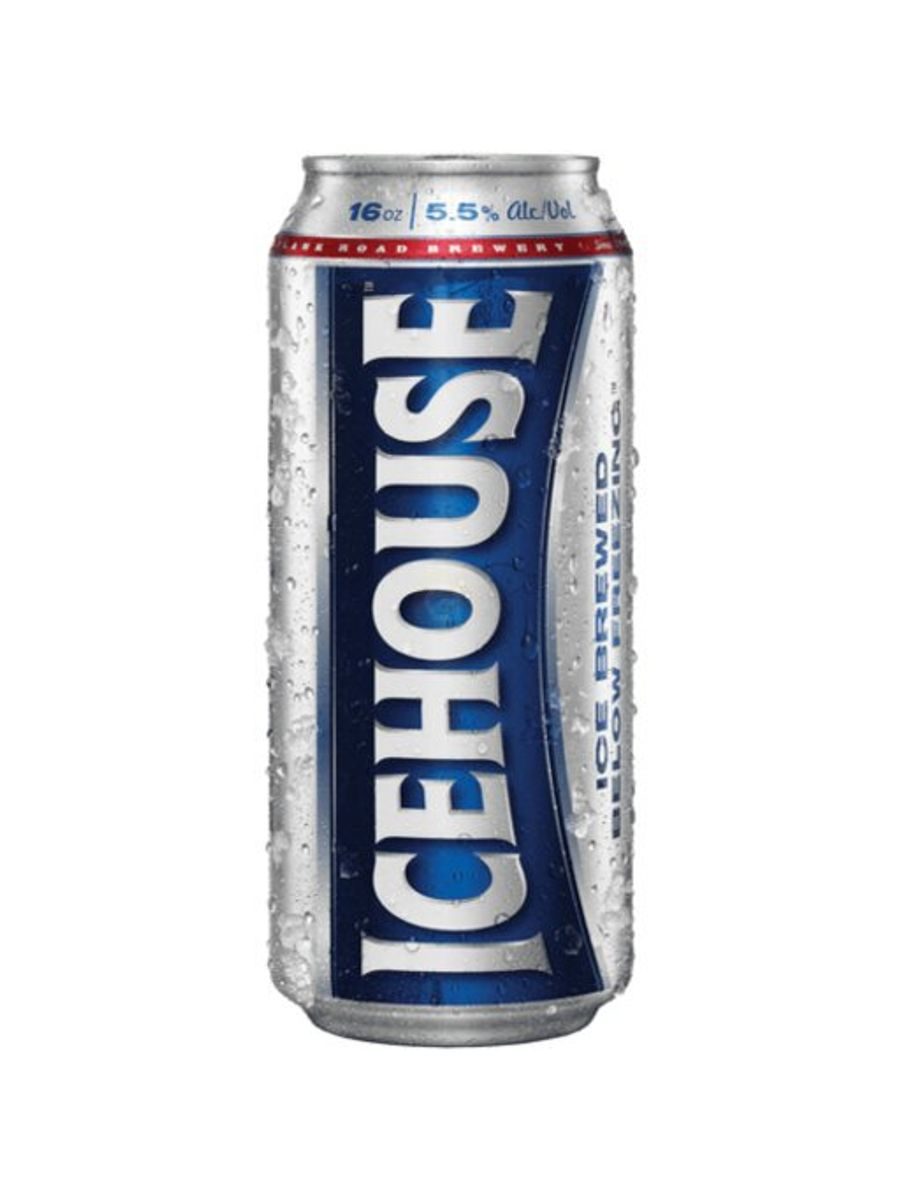
Icehouse
Brewed by Miller Brewing Company / Molson Coors
Sweet grain, corn, light fruit, and a warm finish.
BAR NOTES
The complaint: The ice-beer promise suggests extra smoothness, yet drinkers often find added sweetness and warmth without enough hop bitterness to restore balance. Liking it is allowed; the position reflects repeated criticism rather than a command to dump the cooler.
The fair defense: It is a genuine survivor of the 1990s ice-beer boom and has more body than many economy lagers. Drink it cold with pizza or chili dogs before the warming alcohol becomes prominent. A careful fresh pour is more informative than repeating a joke about the label.
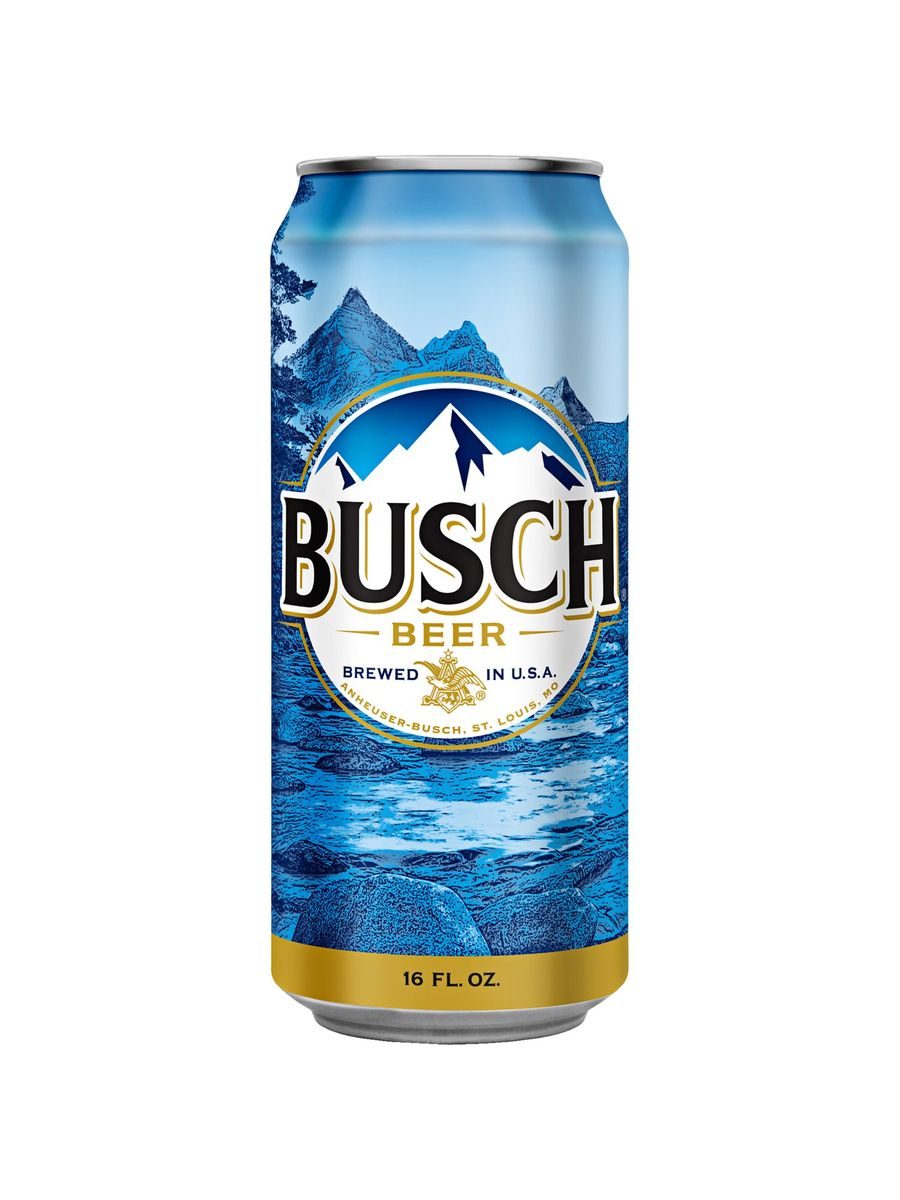
Busch Beer
Brewed by Anheuser-Busch
Grain, corn, mild apple, and a clean quick finish.
BAR NOTES
The complaint: Faint apple, corn, and a quick sweet finish read as cheap-lager shorthand to drinkers who expect a more defined malt or hop signature. The rank records a broad expectation gap, not a claim that every fresh can tastes identical.
The fair defense: Busch is inexpensive, consistent, and less stripped-down than its light sibling. Fresh cans with burgers, venison, or fried fish suit the beer better than a warm tasting pour. A careful fresh pour is more informative than repeating a joke about the label.
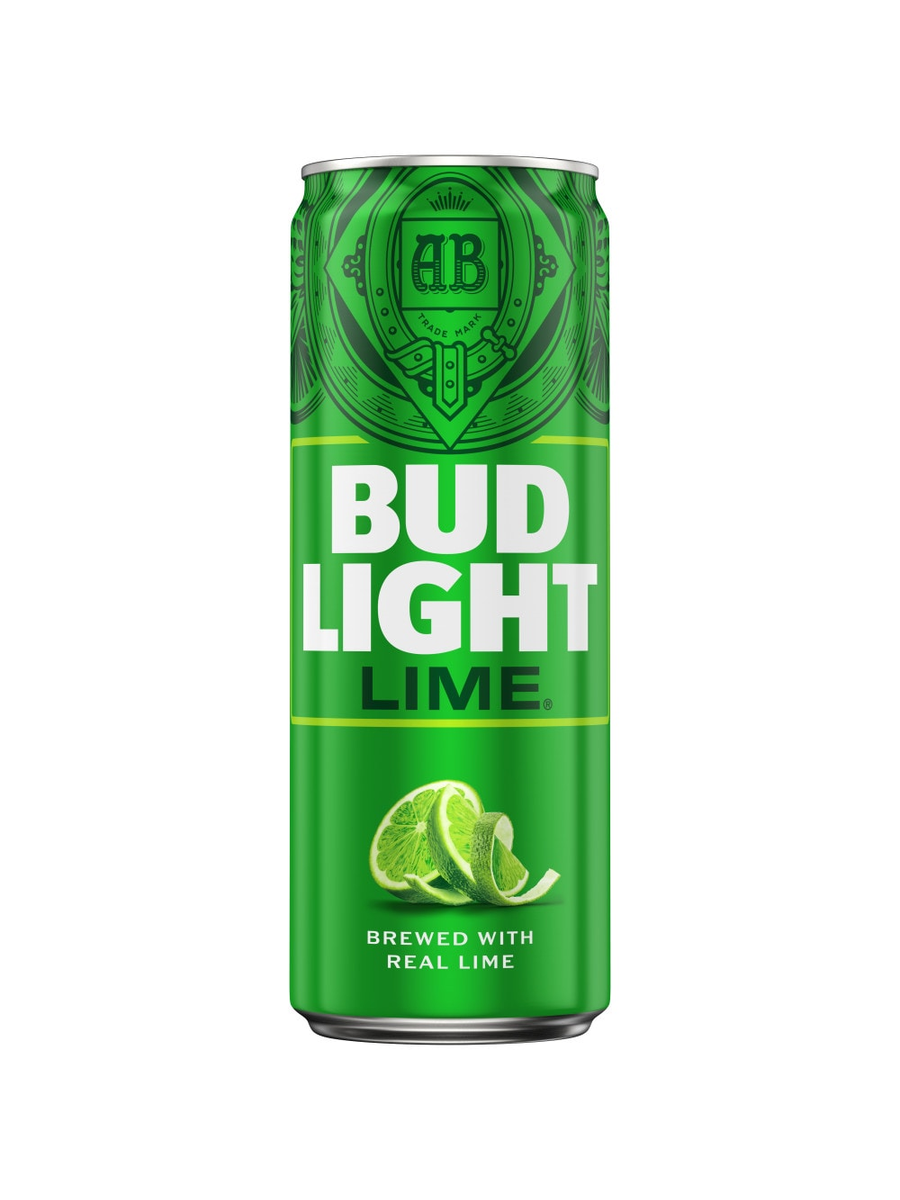
Bud Light Lime
Brewed by Anheuser-Busch
Brightly lime-forward over a lean lager base with a sweet-tart finish.
BAR NOTES
The complaint: The lime character can seem sweet, artificial, and disconnected from the lean lager beneath it, especially as the beer loses its initial chill. Context can improve the pour, but it does not erase the complaint that follows the brand.
The fair defense: It eliminates the need to carry fresh citrus and delivers the same recognizable flavor every time. Drink it ice-cold with tacos or spicy chips; warmth exaggerates the candy-like edge. A careful fresh pour is more informative than repeating a joke about the label.
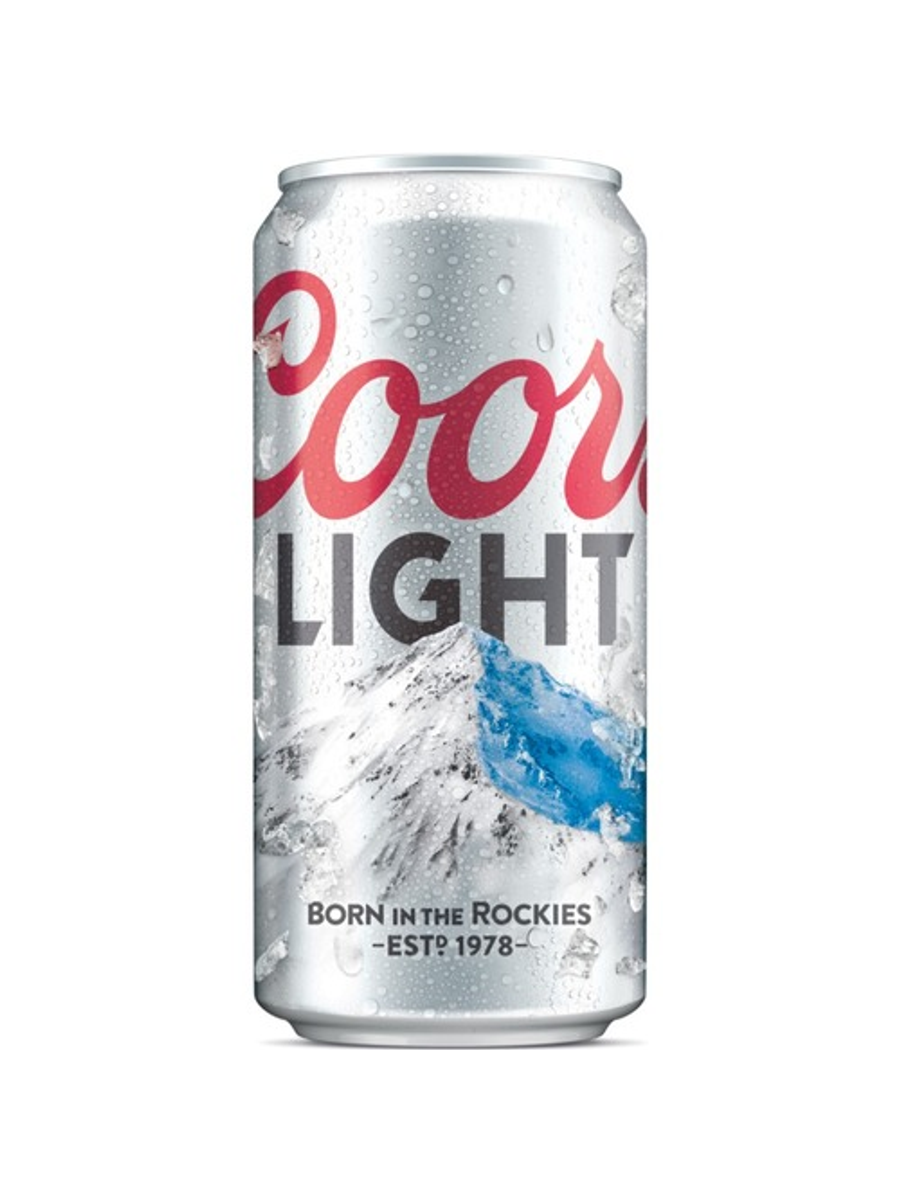
Coors Light
Brewed by Coors Brewing Company
Cold-conditioned, brisk, and lightly sweet before a fast dry finish.
BAR NOTES
The complaint: The cold-activated identity becomes an easy target because the beer offers light grain, faint fruit, and a finish that can vanish before any hop character develops. A loyal audience can coexist with a weak public reputation; both facts belong in the discussion.
The fair defense: Fresh Coors Light is exceptionally clean and one of the more precise large-scale examples of its intended style. Use a cold can and a clean glass; old draft lines do this delicate beer no favors. A careful fresh pour is more informative than repeating a joke about the label.
The light-beer subtraction problem
Light lager is brutally difficult to brew because there is nowhere for flaws to hide. Remove too much malt and the beer becomes carbonated absence; leave too much sweetness and the finish drags. Compare the tradeoffs in our low-calorie beer ranking and low-carb beer guide.
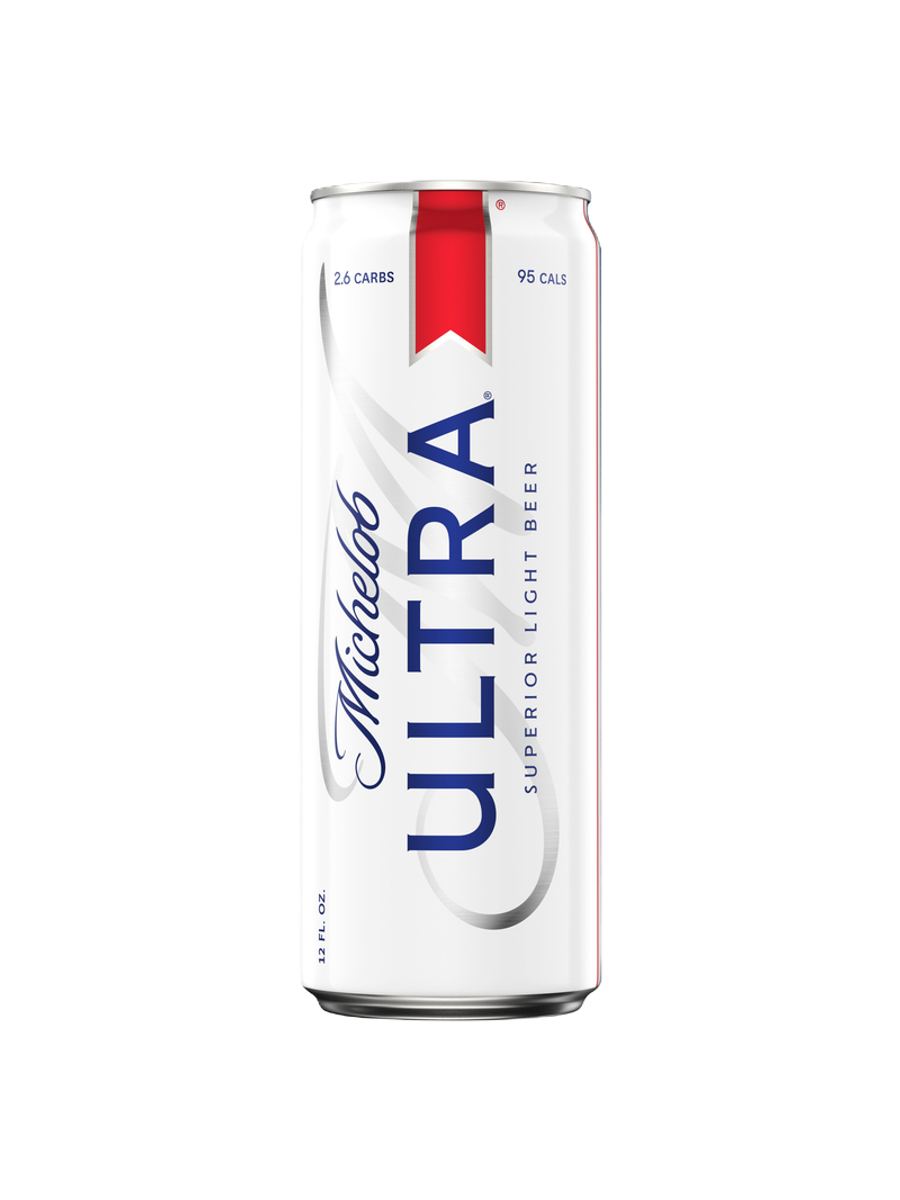
Michelob Ultra
Brewed by Anheuser-Busch
Very lean and highly carbonated, with mild grain and a quick dry finish.
BAR NOTES
The complaint: The fitness-first positioning matches a beer with extremely lean grain, little bitterness, and almost no lingering flavor, which traditional beer drinkers find unsatisfying. That recurring pattern—not price, popularity, or personal virtue—is what the rank measures.
The fair defense: Its low-carb promise, clean fermentation, and massive popularity show that the target is useful and clearly understood. Pair it with grilled chicken, salads, or a hot afternoon rather than expecting a contemplative pint. A careful fresh pour is more informative than repeating a joke about the label.
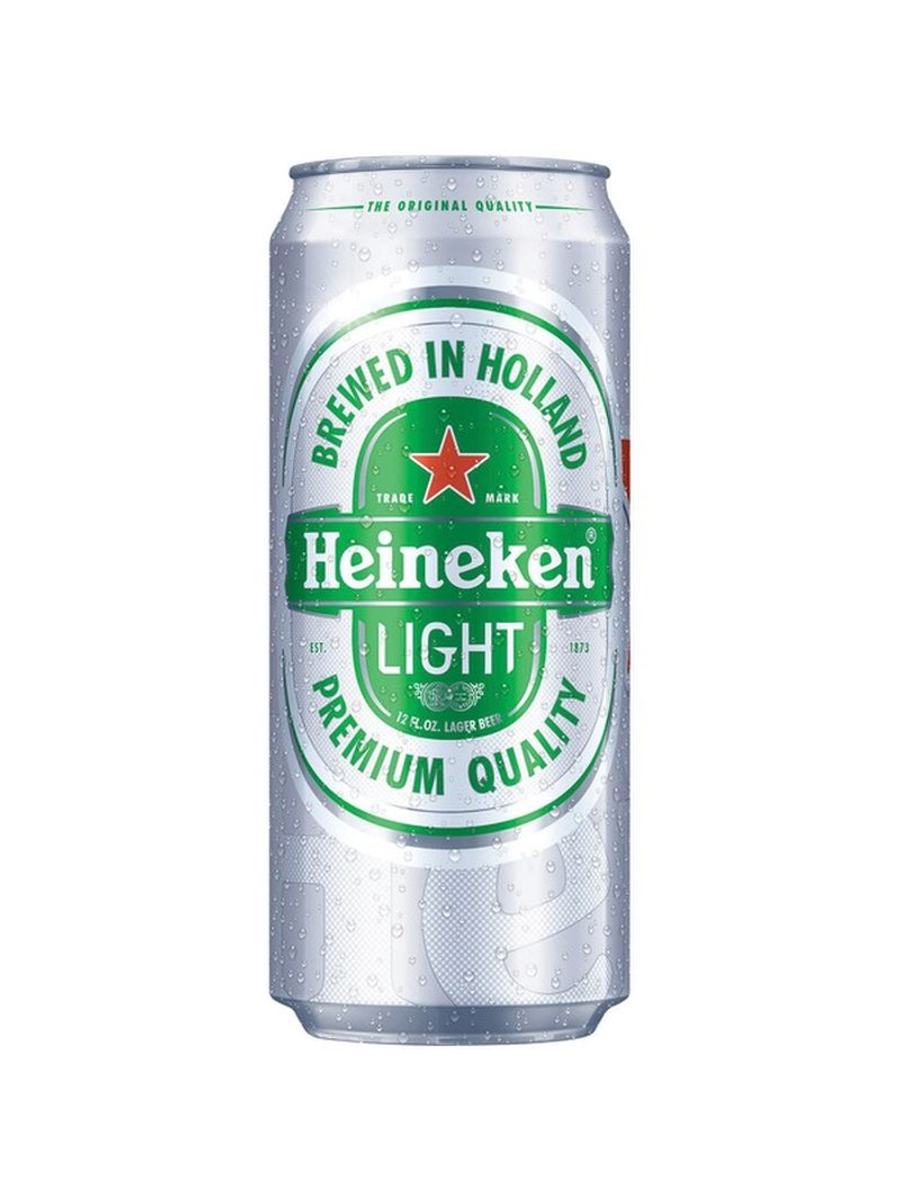
Heineken Light
Brewed by Heineken
Lean and grassy with familiar European hop character and a dry finish.
BAR NOTES
The complaint: Lower strength reduces the malt center, while green glass can introduce a skunky aroma that overwhelms the restrained grassy-hop profile. Liking it is allowed; the position reflects repeated criticism rather than a command to dump the cooler.
The fair defense: Fresh cans preserve a dry European lager character better than the reputation suggests. Choose cans, check dates, and pour it beside fries, mussels, or a simple sandwich. A careful fresh pour is more informative than repeating a joke about the label.
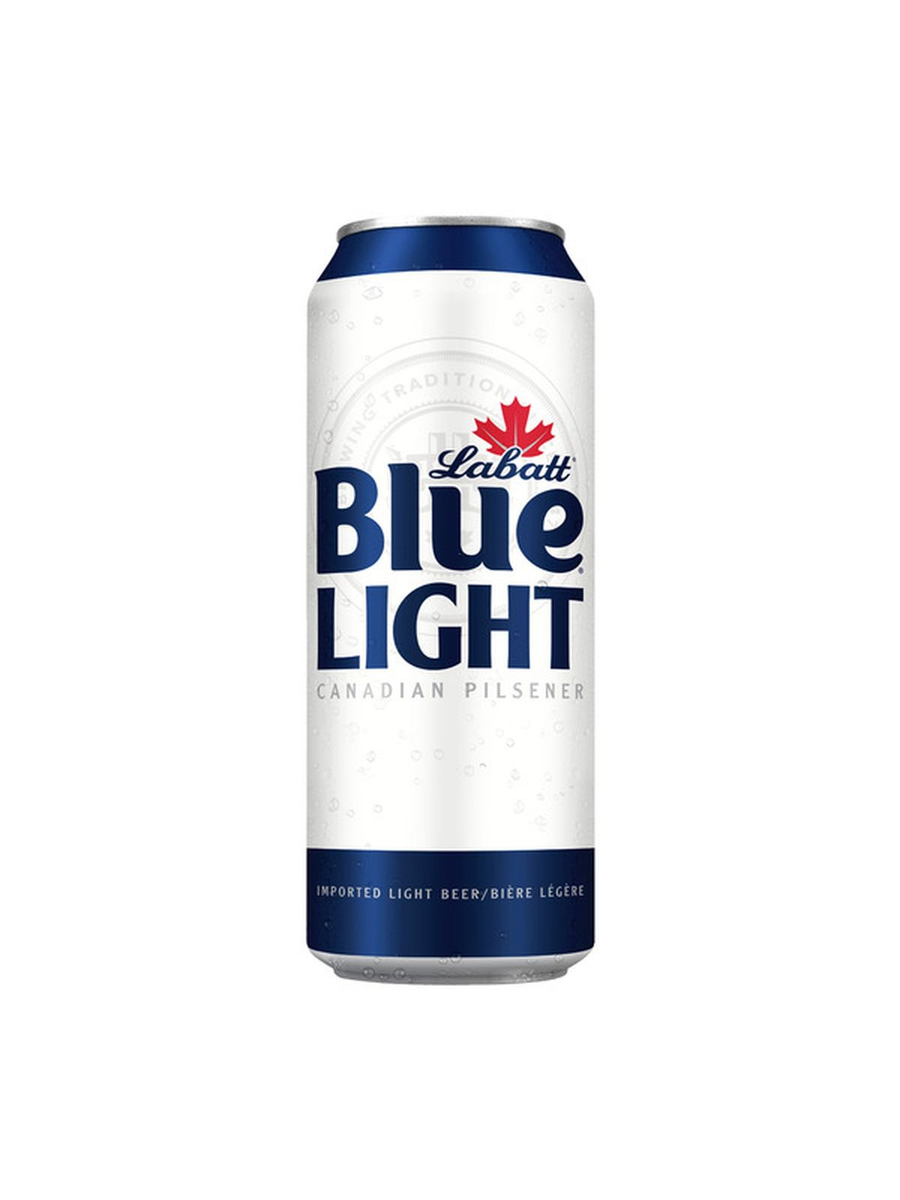
Labatt Blue Light
Brewed by Labatt Brewing Company
Crisp and lightly sweet with a familiar Canadian lager snap.
BAR NOTES
The complaint: The light version keeps Blue’s soft sweetness but trims the malt and finish, leaving a profile critics describe as less characterful without becoming especially dry. The rank records a broad expectation gap, not a claim that every fresh can tastes identical.
The fair defense: It remains a dependable game-day lager with real regional loyalty in Canada and the Great Lakes. Fresh cans with wings or pizza make more sense than a warm standalone sample. A careful fresh pour is more informative than repeating a joke about the label.
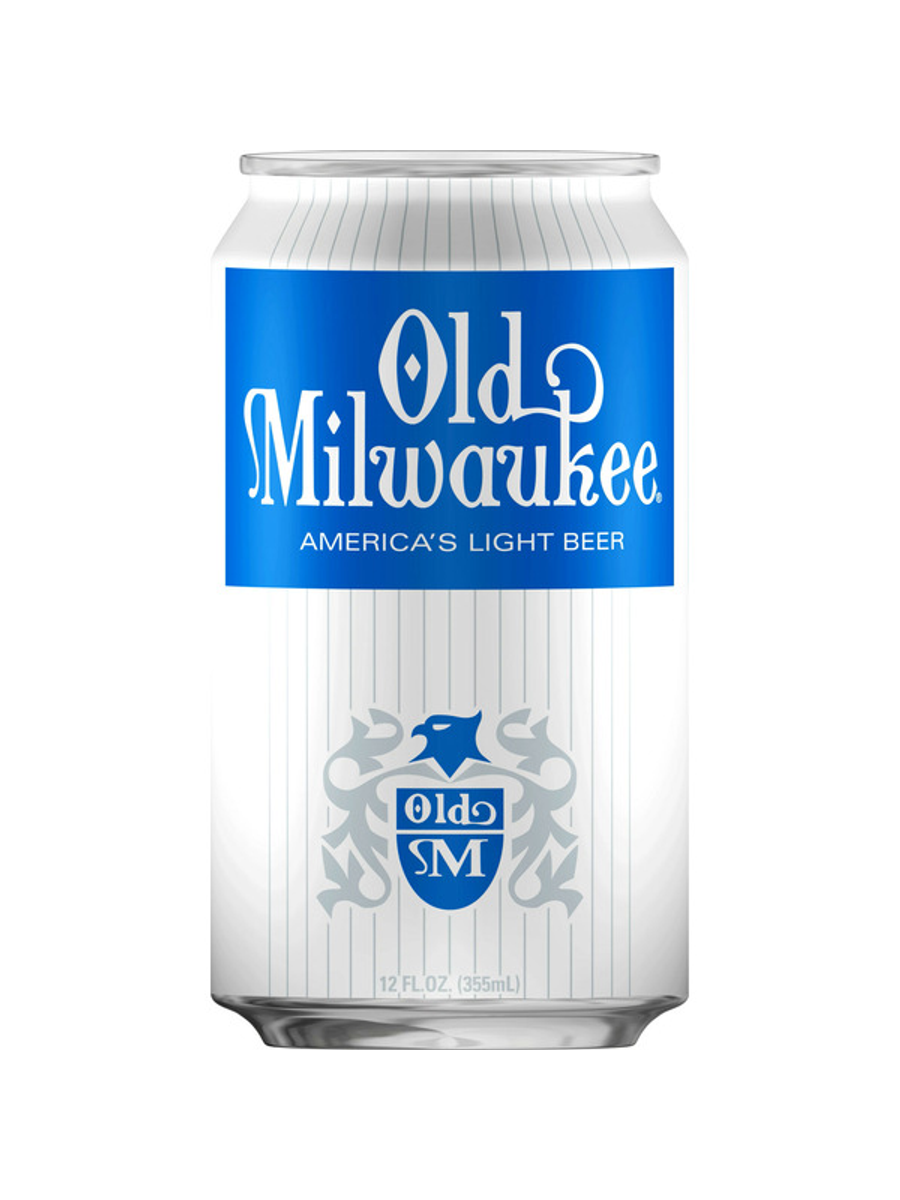
Old Milwaukee Light
Brewed by Pabst Brewing Company
Softly sweet and uncomplicated with a dry, quick finish.
BAR NOTES
The complaint: The original is already straightforward, and removing more body exposes faint sweetness, papery age, or metallic packaging notes whenever freshness slips. Context can improve the pour, but it does not erase the complaint that follows the brand.
The fair defense: Its purpose is affordability and easy drinking, and it continues to satisfy drinkers who want exactly that. Check the package date, keep it cold, and pair it with a fish fry or bratwurst. A careful fresh pour is more informative than repeating a joke about the label.
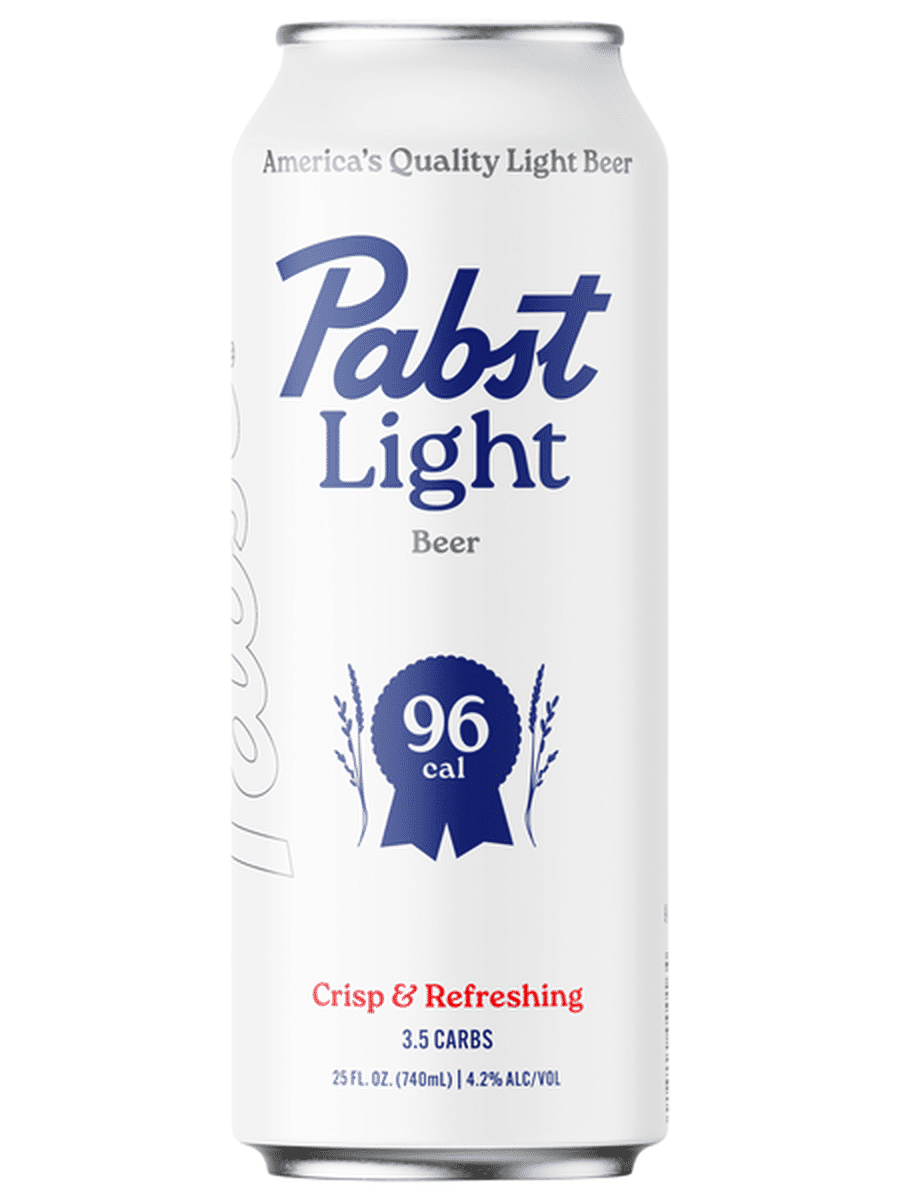
Pabst Light
Brewed by Pabst Brewing Company
Crisp pale grain, lively carbonation, and a very dry finish.
BAR NOTES
The complaint: A leaner body and quieter finish remove much of the modest grain character that gives regular PBR its recognizable dive-bar identity. A loyal audience can coexist with a weak public reputation; both facts belong in the discussion.
The fair defense: It offers a familiar brand in a lower-carbohydrate format and stays clean when fresh. Cold cans and salty bar food are the correct context; a warm snifter is not. A careful fresh pour is more informative than repeating a joke about the label.
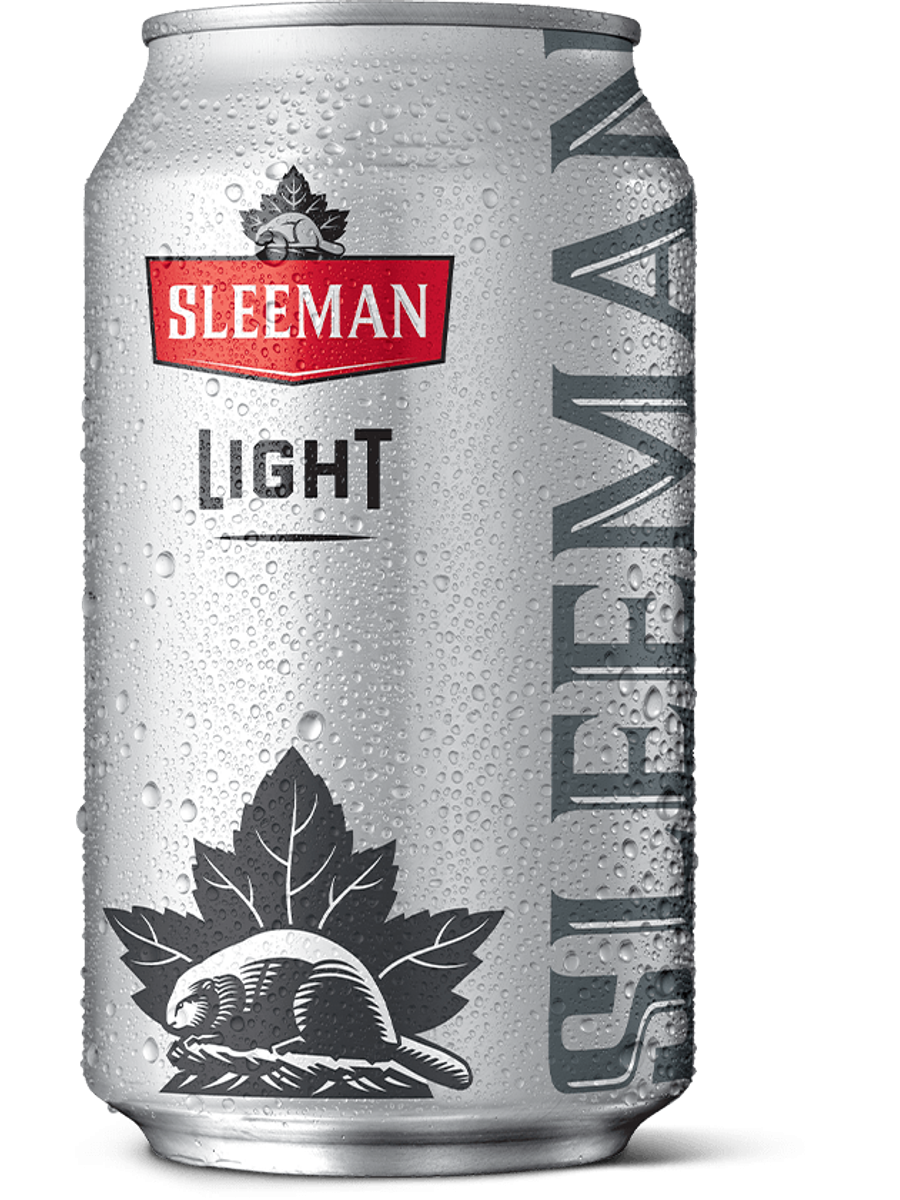
Sleeman Light
Brewed by Sleeman Breweries
Clean and mildly sweet with soft hop bitterness and a quick finish.
BAR NOTES
The complaint: The beer avoids glaring defects yet offers so little aromatic or bitter contrast that “forgettable” becomes the most common criticism. That recurring pattern—not price, popularity, or personal virtue—is what the rank measures.
The fair defense: Clean fermentation and a gentle malt note make it less abrasive than many bargain lights. Serve it with pub food where carbonation can refresh without competing for attention. A careful fresh pour is more informative than repeating a joke about the label.
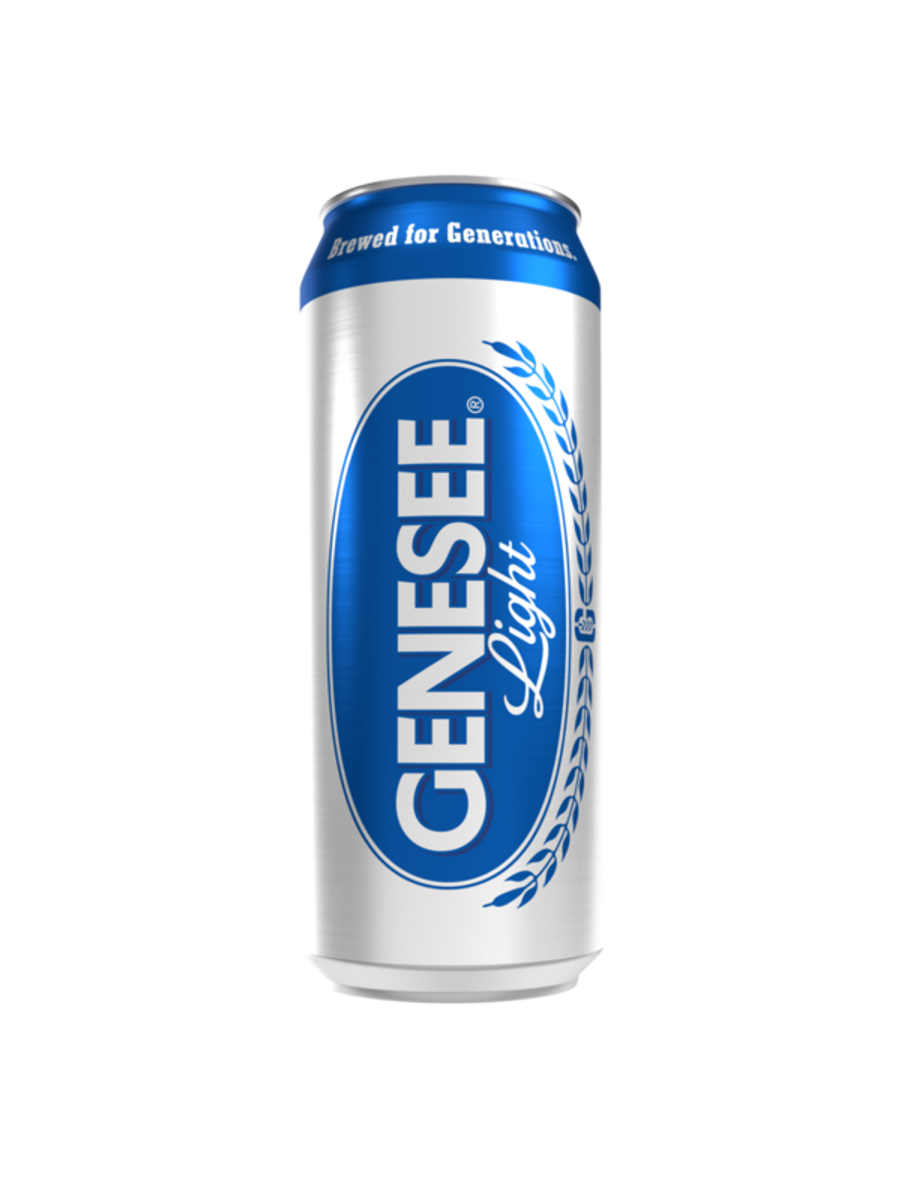
Genesee Light
Brewed by Genesee Brewing Company
Straightforward and grainy with lively bubbles and a clean finish.
BAR NOTES
The complaint: Straightforward grain and lively bubbles can feel hollow beside the fuller cream ale that made the Genesee name interesting. Liking it is allowed; the position reflects repeated criticism rather than a command to dump the cooler.
The fair defense: It is inexpensive, honest, and supported by real Rochester loyalty rather than lifestyle marketing. A fresh cold can with wings or a fish fry is the beer’s strongest setting. A careful fresh pour is more informative than repeating a joke about the label.
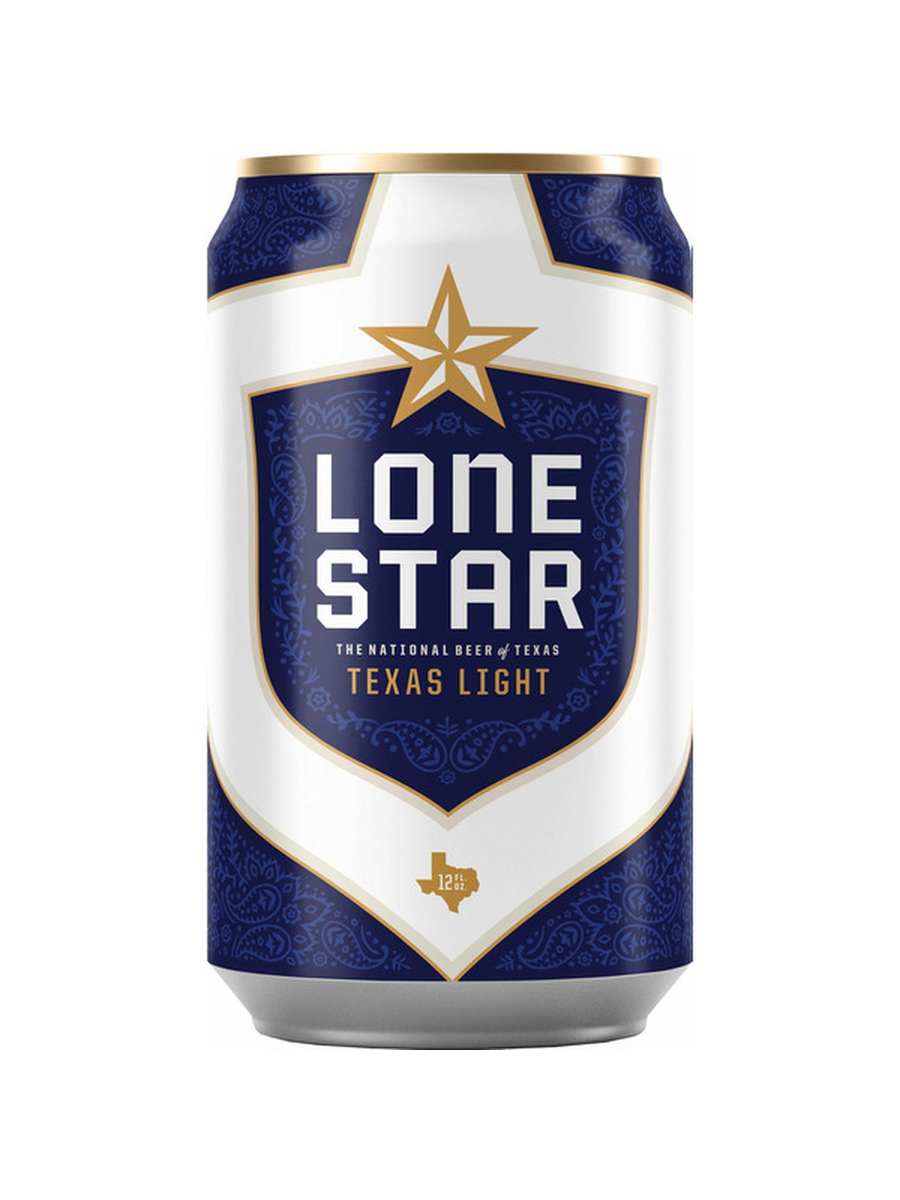
Lone Star Light
Brewed by Pabst Brewing Company
Clean and softly grainy with restrained bitterness and an easy finish.
BAR NOTES
The complaint: The light version keeps the branding but trims the already modest malt and hop profile, leaving carbonation to carry most of the experience. The rank records a broad expectation gap, not a claim that every fresh can tastes identical.
The fair defense: It remains affordable, local-feeling, and extremely easy to drink in Texas heat. Pair it with barbecue, tacos, or fried food and keep the can cold. A careful fresh pour is more informative than repeating a joke about the label.
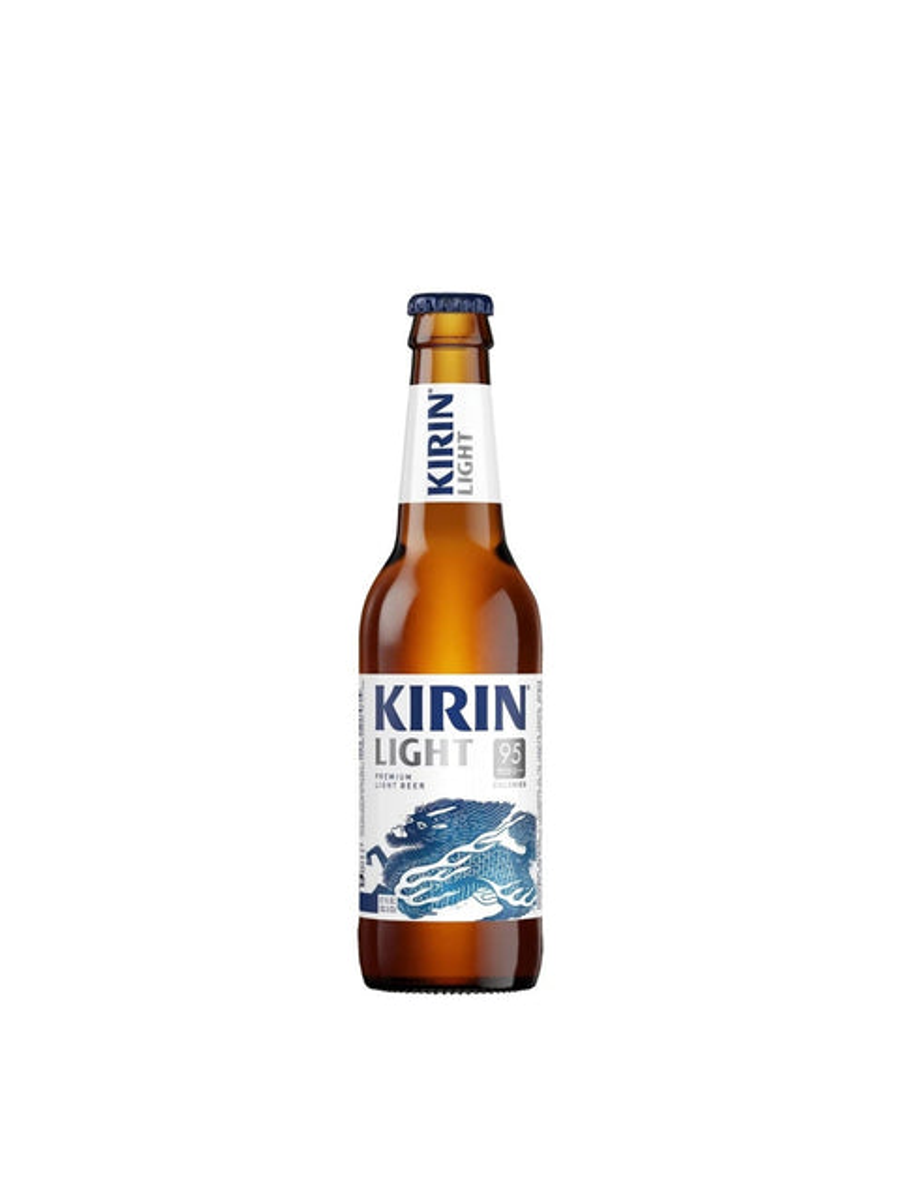
Kirin Light
Brewed by Kirin Brewery Company
Delicate and dry with a faint rice character and restrained bitterness.
BAR NOTES
The complaint: A faint rice note and restrained bitterness can disappear beside food, making the beer seem more like neutral carbonation than a lighter version of Japanese lager. Context can improve the pour, but it does not erase the complaint that follows the brand.
The fair defense: The dryness is clean, controlled, and useful for drinkers who dislike sweetness. Use it very fresh with sushi, tempura, or salty grilled chicken. A careful fresh pour is more informative than repeating a joke about the label.
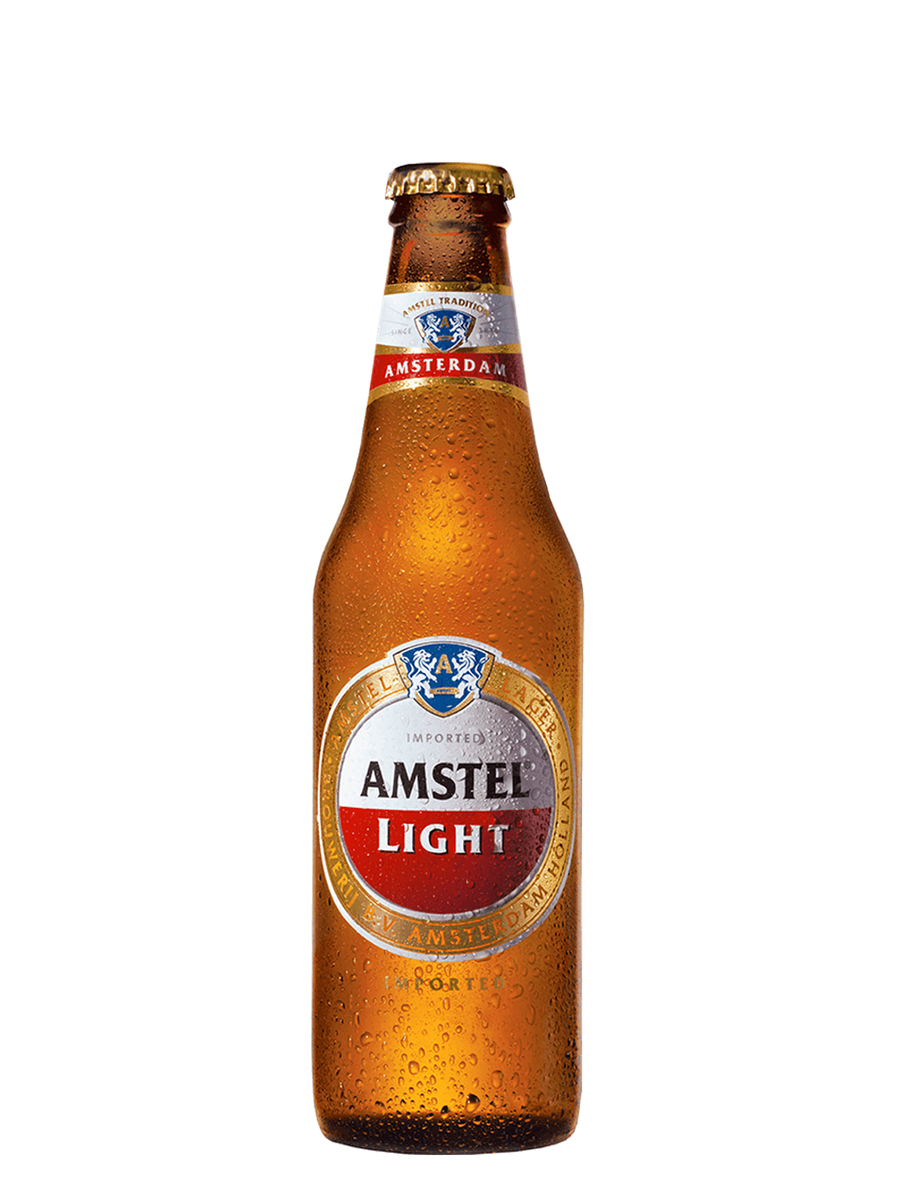
Amstel Light
Brewed by Amstel Brewery
Lightly malty, gently bitter, and drier than many American light lagers.
BAR NOTES
The complaint: The label promises European lager character, but the reduced malt body can make the herbal bitterness feel disconnected and slightly hard. A loyal audience can coexist with a weak public reputation; both facts belong in the discussion.
The fair defense: It is drier and more bitter than many American light lagers, which earns it loyal defenders. Cans or fresh draft with fries and grilled food show the intended balance. A careful fresh pour is more informative than repeating a joke about the label.
Why high gravity turns rough so quickly
Extra alcohol needs enough malt, bitterness, fermentation control, and package size to remain balanced. Bargain high-gravity lager often increases strength without adding the structure found in better strong beer. Use HBA’s beer alcohol-content guide to compare strength across styles instead of assuming stronger means better value.
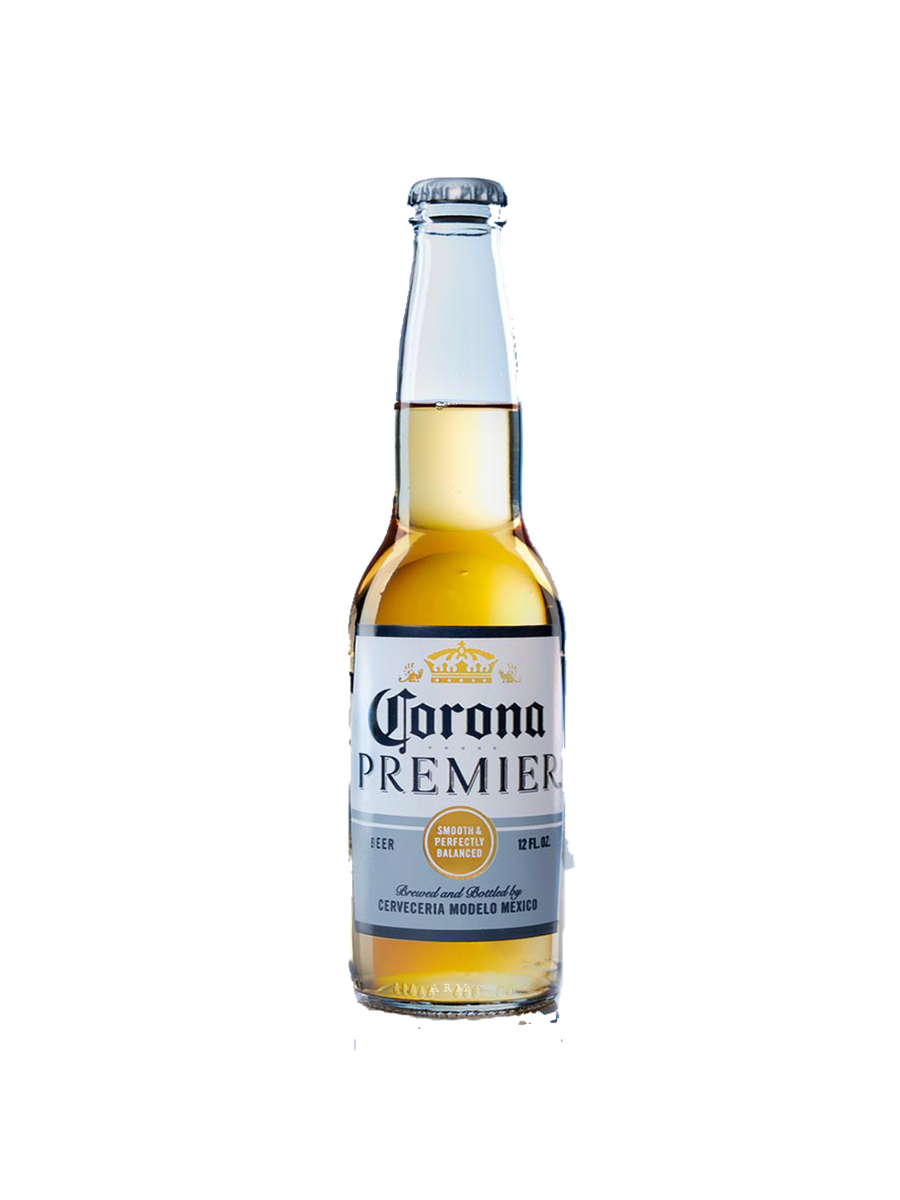
Corona Premier
Brewed by Grupo Modelo
Extra dry, softly grainy, and highly refreshing with a delicate finish.
BAR NOTES
The complaint: The extra-dry body and delicate grain disappear quickly, while clear-glass handling can add more aroma from light damage than from the recipe. That recurring pattern—not price, popularity, or personal virtue—is what the rank measures.
The fair defense: Ninety calories and 2.6 grams of carbohydrates are meaningful numbers, and fresh cans are clean. Choose cans, keep them cold, and use lime as an option rather than a rescue mission. A careful fresh pour is more informative than repeating a joke about the label.
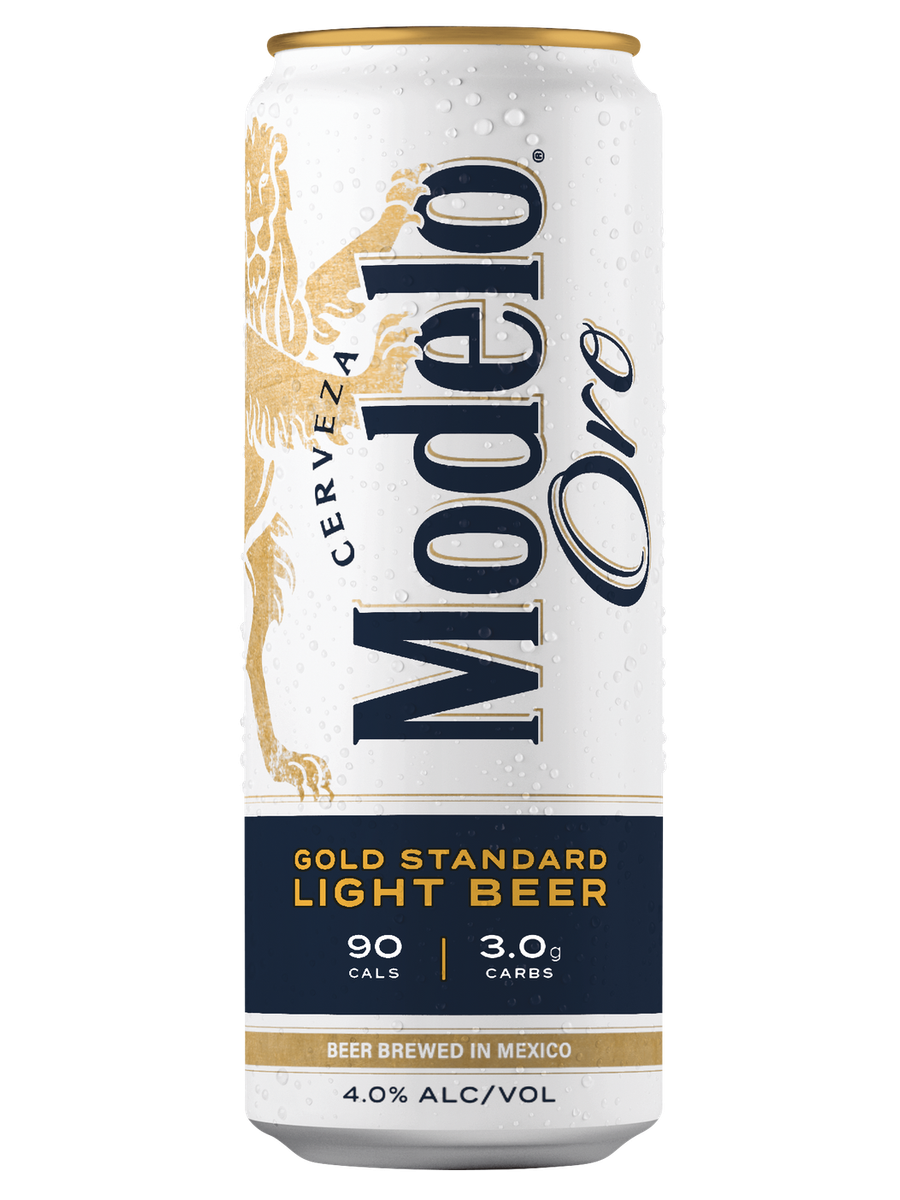
Modelo Oro
Brewed by Grupo Modelo
Dry and delicate with light corn sweetness and a bright lager finish.
BAR NOTES
The complaint: Drinkers expecting Modelo Especial’s toast and honey find a much thinner, drier beer with little lingering malt character. Liking it is allowed; the position reflects repeated criticism rather than a command to dump the cooler.
The fair defense: The light-Mexican-lager brief is clear, and the 90-calorie package is impressively controlled. Grilled shrimp, ceviche, or lime-dressed tacos supply the flavor without exposing the beer to sunlight. A careful fresh pour is more informative than repeating a joke about the label.
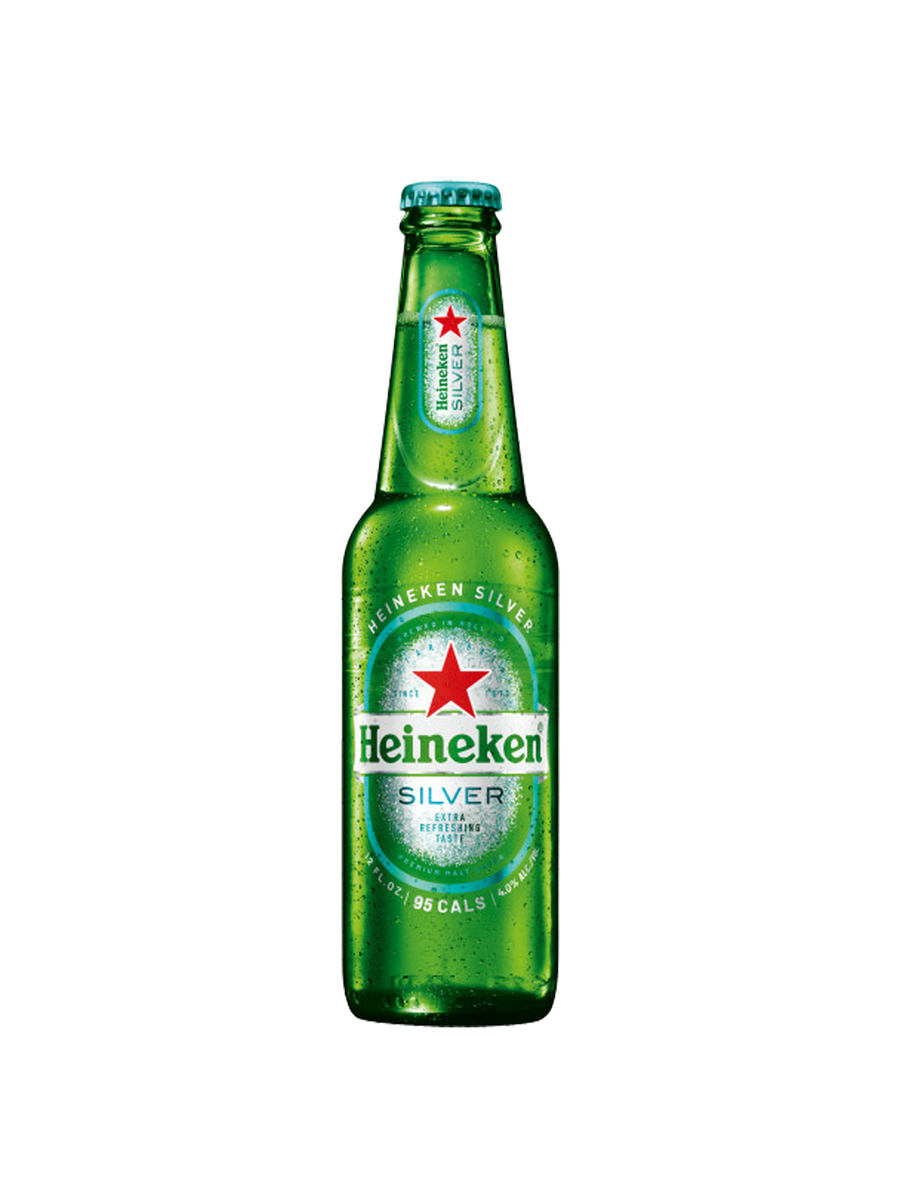
Heineken Silver
Brewed by Heineken
Smooth and lightly fruity with subdued bitterness and a clean lager finish.
BAR NOTES
The complaint: Lower bitterness and a softer finish remove much of the grassy snap people associate with Heineken, creating a beer critics call anonymous. The rank records a broad expectation gap, not a claim that every fresh can tastes identical.
The fair defense: The smoother design is deliberate and may suit drinkers who find standard Heineken too bitter or sharp. Fresh cans with fries or grilled chicken avoid the green-bottle problem and keep the profile clean. A careful fresh pour is more informative than repeating a joke about the label.
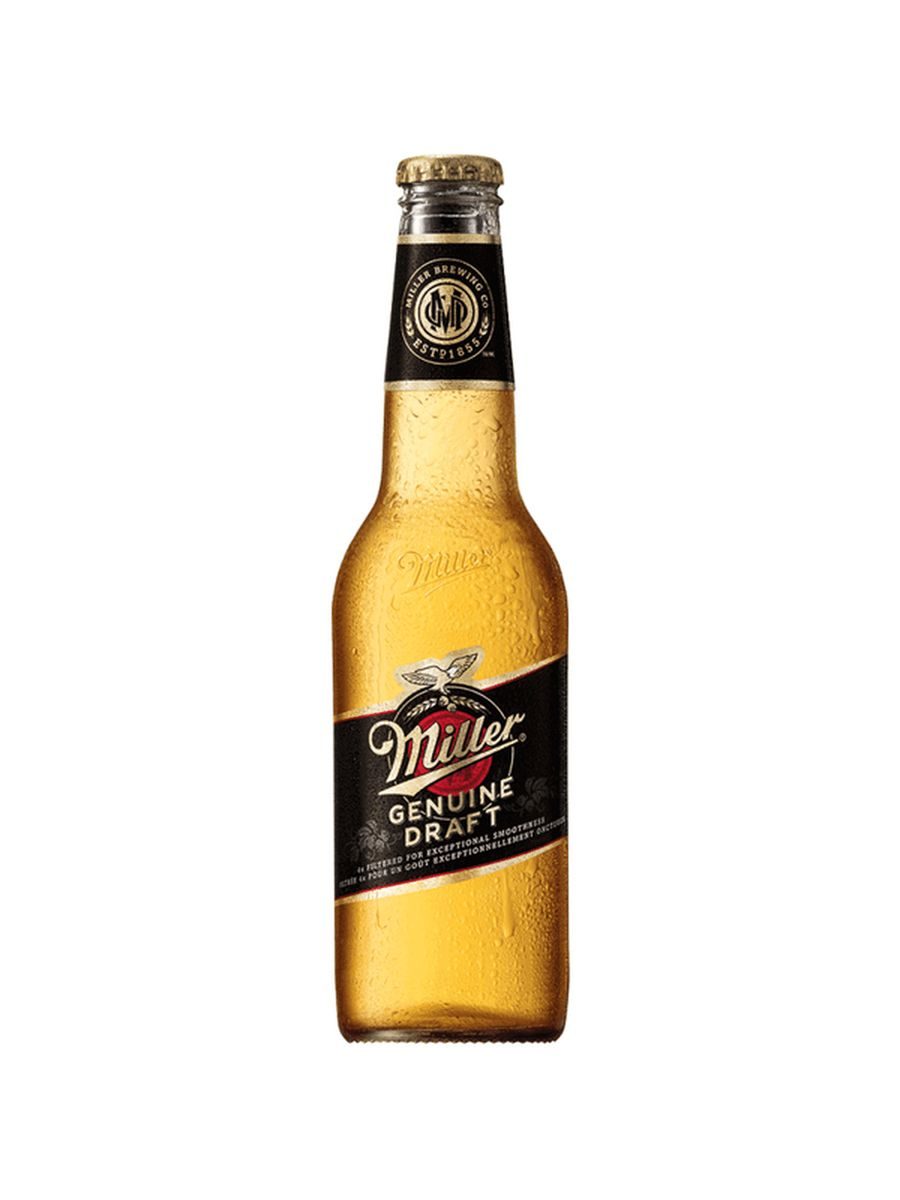
Miller Genuine Draft
Brewed by Miller Brewing Company / Molson Coors
Cracker malt, corn, light hops, and a smooth short finish.
BAR NOTES
The complaint: Cold filtration once felt premium; today the light corn sweetness and short finish can seem dated beside both crisp craft lager and cheaper macro alternatives. Context can improve the pour, but it does not erase the complaint that follows the brand.
The fair defense: A fresh bottle still delivers the smooth, clean profile that made MGD a late-1980s phenomenon. Use a recently packaged bottle or can with pizza, barbecue chicken, or nachos. A careful fresh pour is more informative than repeating a joke about the label.
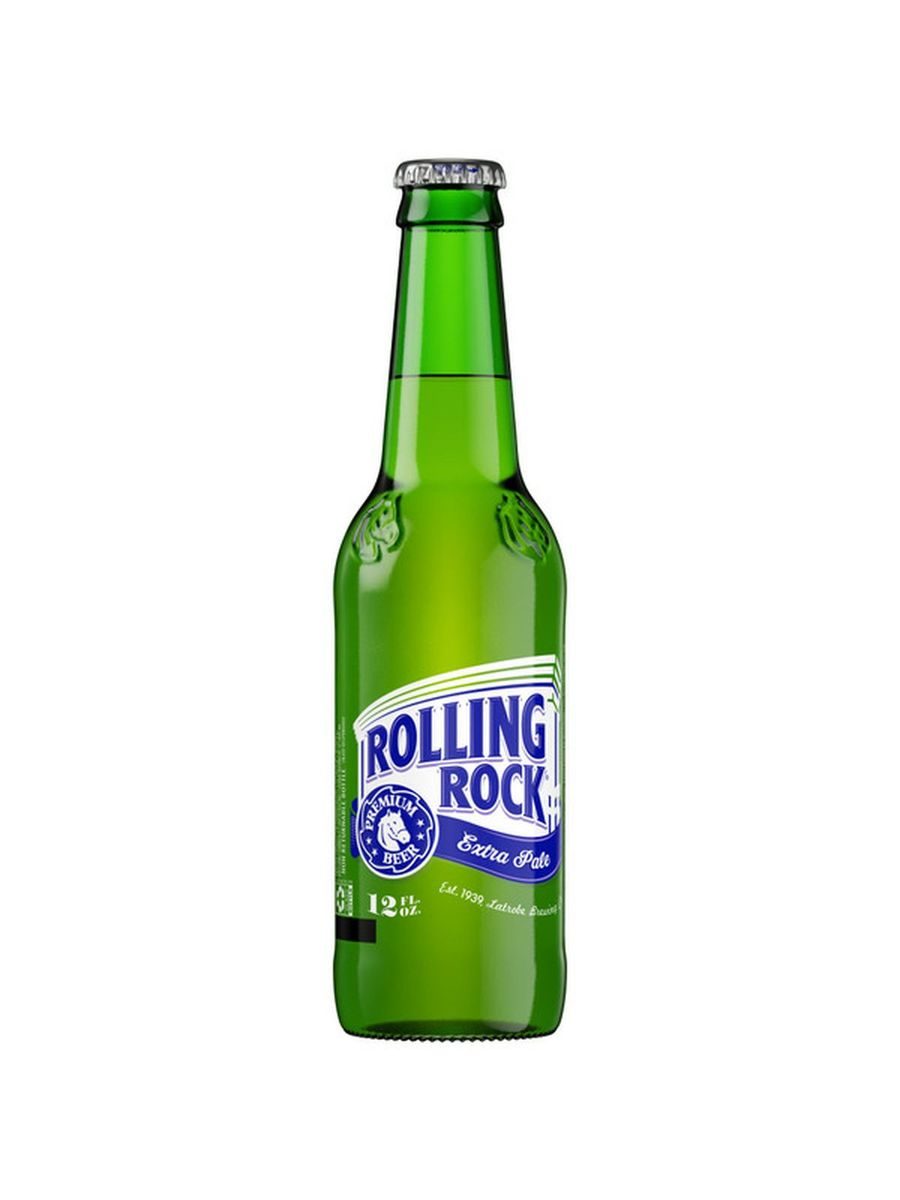
Rolling Rock
Brewed by Anheuser-Busch
Pale grain, light corn, grassy hops, and a mineral snap.
BAR NOTES
The complaint: Light-struck aroma and a thinner modern identity feed nostalgia for the old Latrobe version, whether or not memory is giving that beer too much credit. A loyal audience can coexist with a weak public reputation; both facts belong in the discussion.
The fair defense: The mineral-grain profile is distinctive, and the green bottle with “33” remains instantly recognizable. Fresh cans provide the fairest taste; green bottles demand careful storage away from light. A careful fresh pour is more informative than repeating a joke about the label.
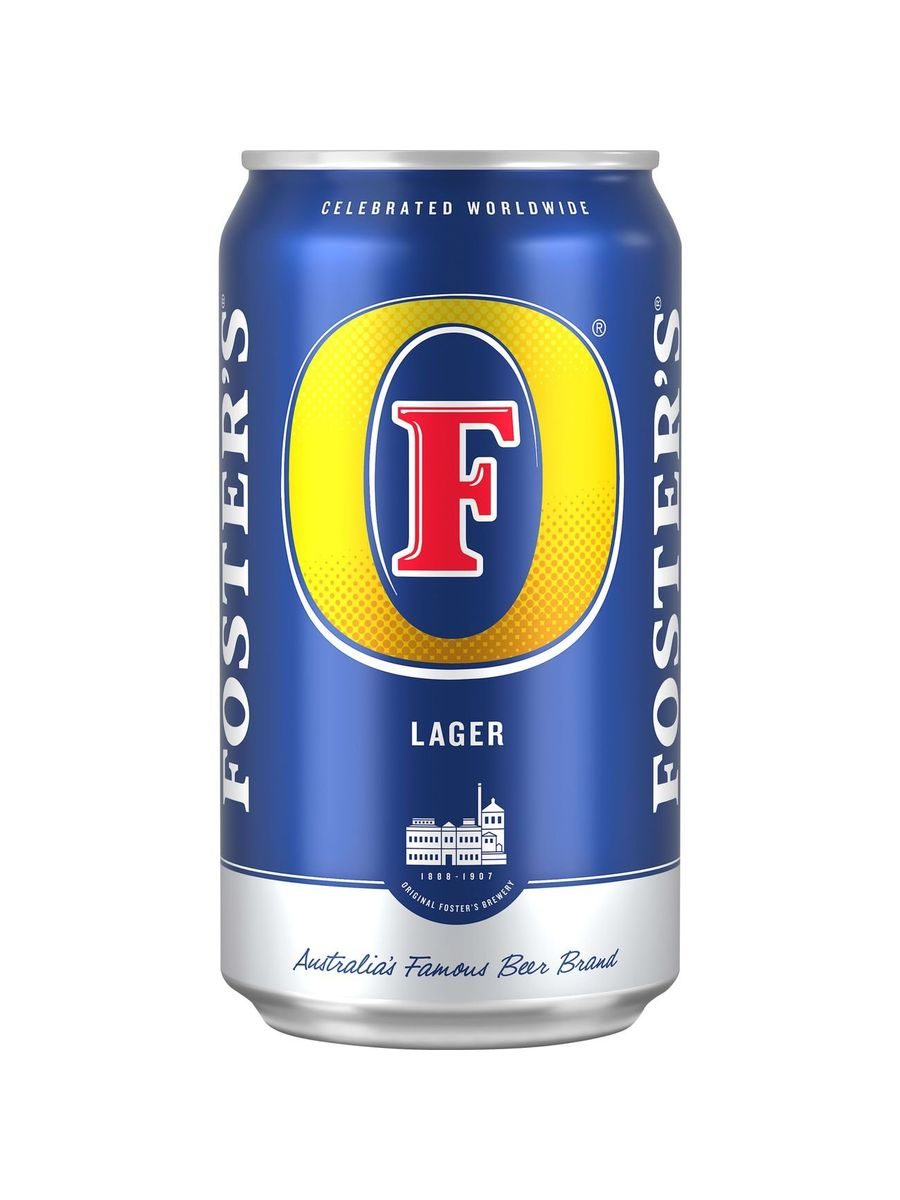
Foster's Lager
Brewed by Foster's Brewing Company
Pale grain, light fruit, herbal hops, and crisp carbonation.
BAR NOTES
The complaint: The oversized oil can and Australian identity promise more character than the pale grain, faint fruit, and modest hop finish ultimately deliver. That recurring pattern—not price, popularity, or personal virtue—is what the rank measures.
The fair defense: It remains a clean, serviceable lager and an unmistakable piece of international beer marketing history. A genuinely cold can with meat pies or grilled food is preferable to a slowly warming oversized pour. A careful fresh pour is more informative than repeating a joke about the label.

Labatt Blue
Brewed by Labatt Brewing Company
Sweet grain, light fruit, herbal hops, and clean fizz.
BAR NOTES
The complaint: Drinkers expecting firm pilsner bitterness encounter soft grain sweetness, light fruit, and a quick finish that can feel generic outside its regional context. Liking it is allowed; the position reflects repeated criticism rather than a command to dump the cooler.
The fair defense: Fresh Blue is clean, reliable, and inseparable from hockey-night beer culture across Canada and the border states. Cold cans with wings, pizza, or poutine make its mild sweetness useful. A careful fresh pour is more informative than repeating a joke about the label.
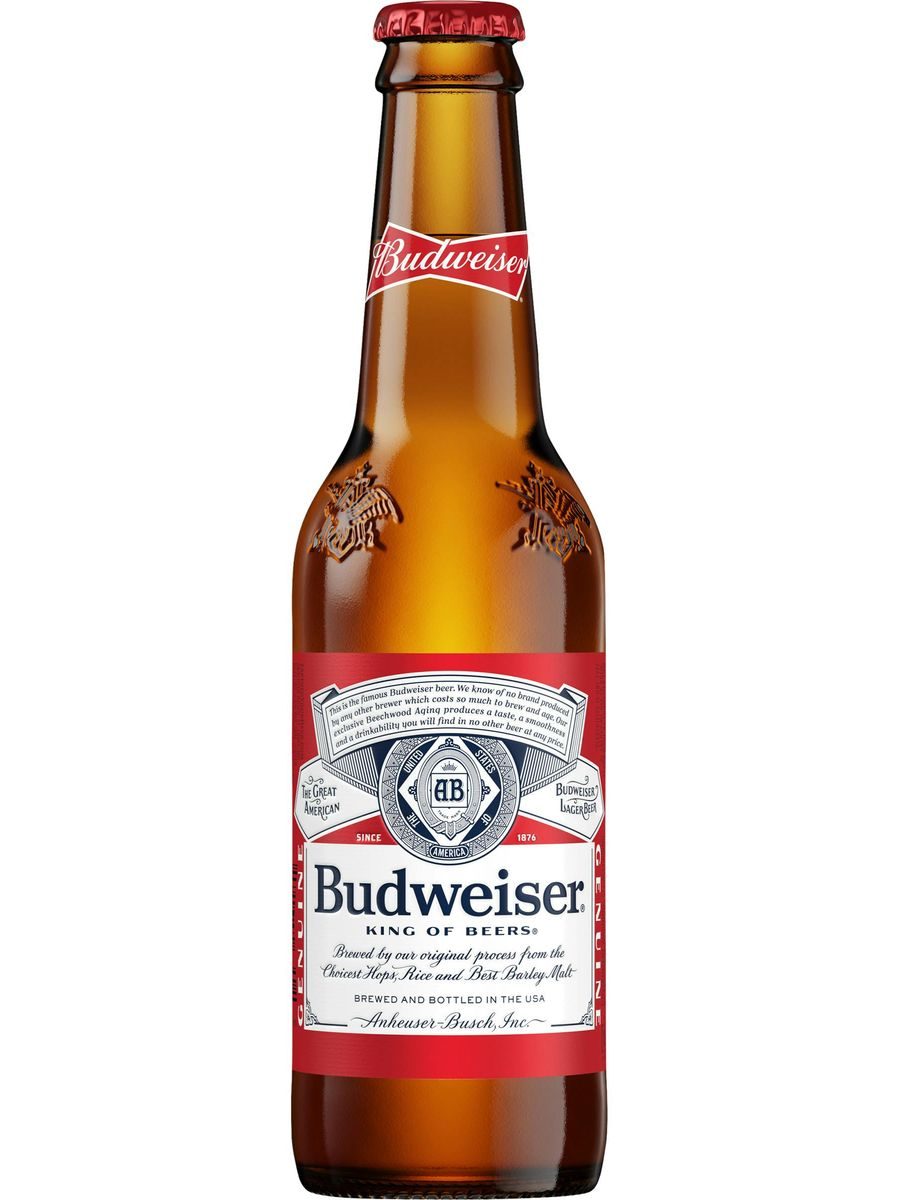
Budweiser
Brewed by Anheuser-Busch
Rice, pale malt, light fruit, and clean restrained bitterness.
BAR NOTES
The complaint: Its enormous marketing footprint invites an equally enormous reaction from drinkers who find the rice-lightened body, low hop aroma, and polished finish impersonal. The rank records a broad expectation gap, not a claim that every fresh can tastes identical.
The fair defense: Budweiser is technically consistent, historically important, and more flavorful than its light sibling. Fresh cans or draft with ballpark food are fairer than old clear bottles from a warm shelf. A careful fresh pour is more informative than repeating a joke about the label.
Corona Extra
Brewed by Grupo Modelo
Pale grain, restrained hops, bright carbonation, and a lime-friendly finish.
BAR NOTES
The complaint: Clear glass offers almost no protection from light, so many drinkers meet a sulfurous skunk aroma before tasting the soft, lightly sweet lager beneath it. Context can improve the pour, but it does not erase the complaint that follows the brand.
The fair defense: Fresh cans and well-stored bottles are clean, refreshing, and excellent with salty coastal food. Taste a can without lime first; citrus should complement the beer, not hide storage damage. A careful fresh pour is more informative than repeating a joke about the label.
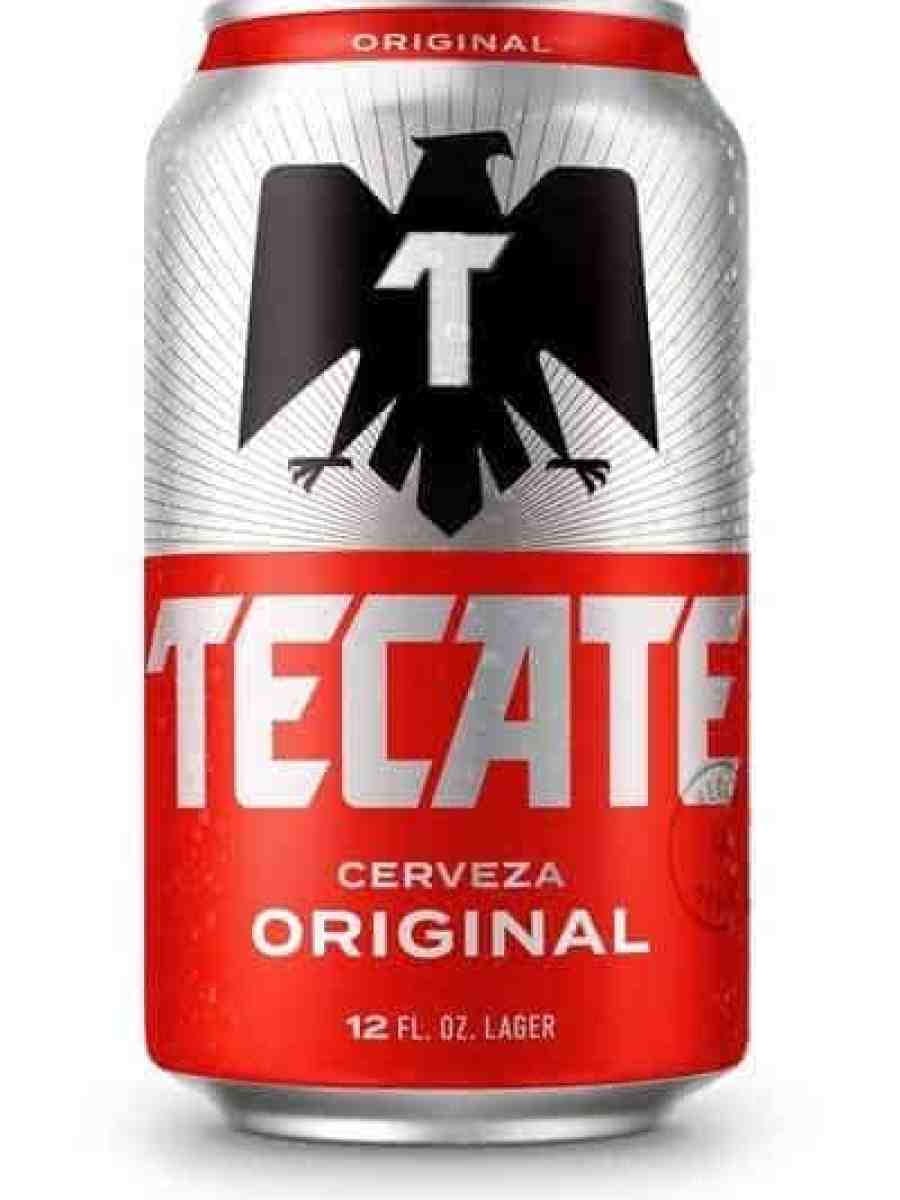
Tecate Original
Brewed by Cuauhtémoc Moctezuma / Heineken
Pale grain, moderate sweetness, mild hops, and quick carbonation.
BAR NOTES
The complaint: The pale grain and modest hop character can feel incomplete without the salt-and-lime ritual often used to give the can more contrast. A loyal audience can coexist with a weak public reputation; both facts belong in the discussion.
The fair defense: Tecate is honest, affordable, and well matched to carne asada, tacos, and hot weather. Try it plain first, then add citrus and salt deliberately rather than automatically. A careful fresh pour is more informative than repeating a joke about the label.
Green bottles can manufacture a bad review
Light can transform hop compounds into the unmistakable aroma people call skunky. Clear and green glass offer less protection than brown bottles or cans, so Corona, Heineken, Beck’s, and Rolling Rock can taste radically different depending on storage. Packaging is not an excuse, but it is part of a fair tasting.

Heineken Original
Brewed by Heineken
Pale grain, herbal hops, light fruit, and a dry finish.
BAR NOTES
The complaint: Green glass makes light-struck aroma so common that many drinkers think “skunky” is an intentional part of the recipe. That recurring pattern—not price, popularity, or personal virtue—is what the rank measures.
The fair defense: Fresh cans and draft reveal a clean, dry lager with more herbal bitterness than most American macros. Compare a can directly with a light-exposed bottle and the packaging lesson becomes obvious. A careful fresh pour is more informative than repeating a joke about the label.
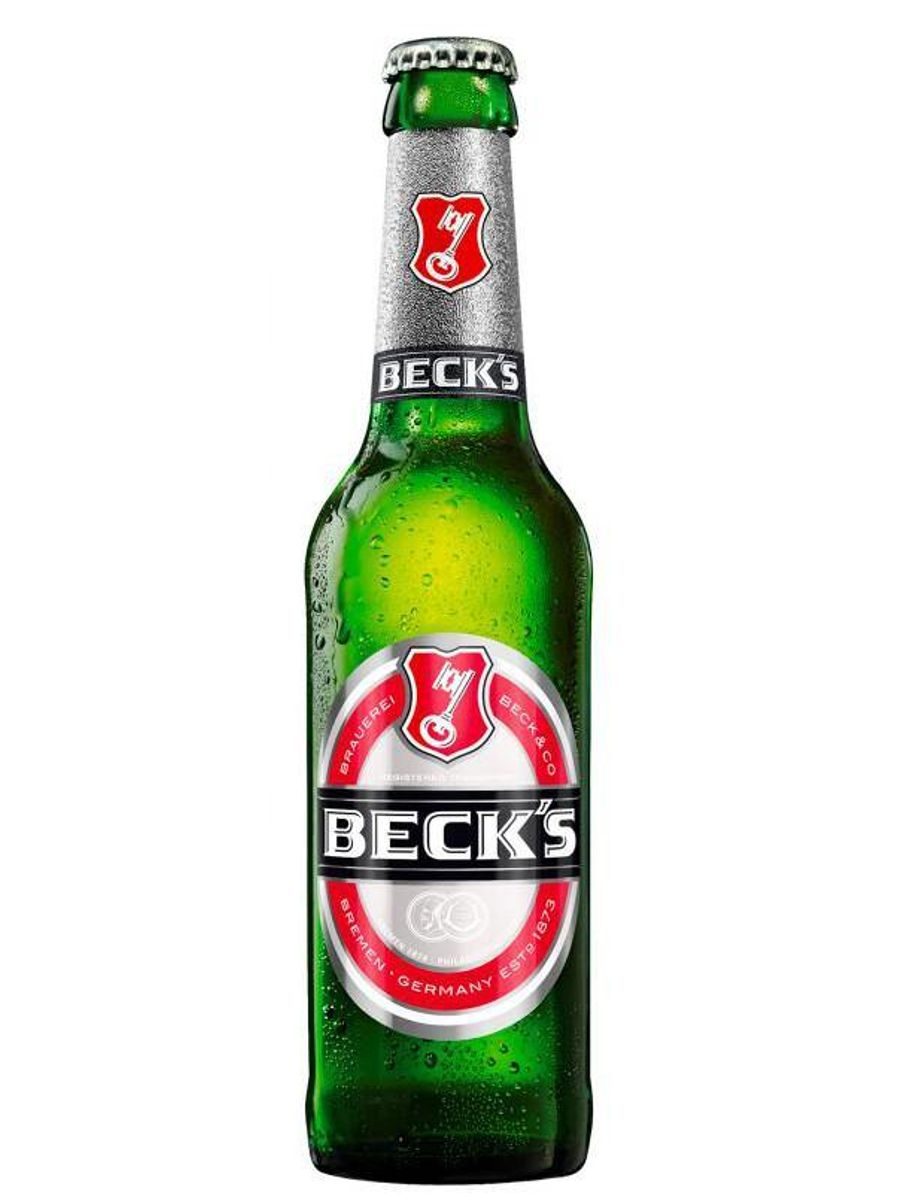
Beck's
Brewed by Brauerei Beck & Co.
Cracker malt, grassy hops, lemon, and a dry bitter finish.
BAR NOTES
The complaint: A dry grassy bitterness, light-struck green-bottle aroma, and memories of earlier imported versions create a three-way argument that the current beer rarely wins. Liking it is allowed; the position reflects repeated criticism rather than a command to dump the cooler.
The fair defense: Fresh Beck’s still has more pilsner-like bite than many international pale lagers. Choose cans, verify the date, and pair it with sausages, fries, or schnitzel. A careful fresh pour is more informative than repeating a joke about the label.
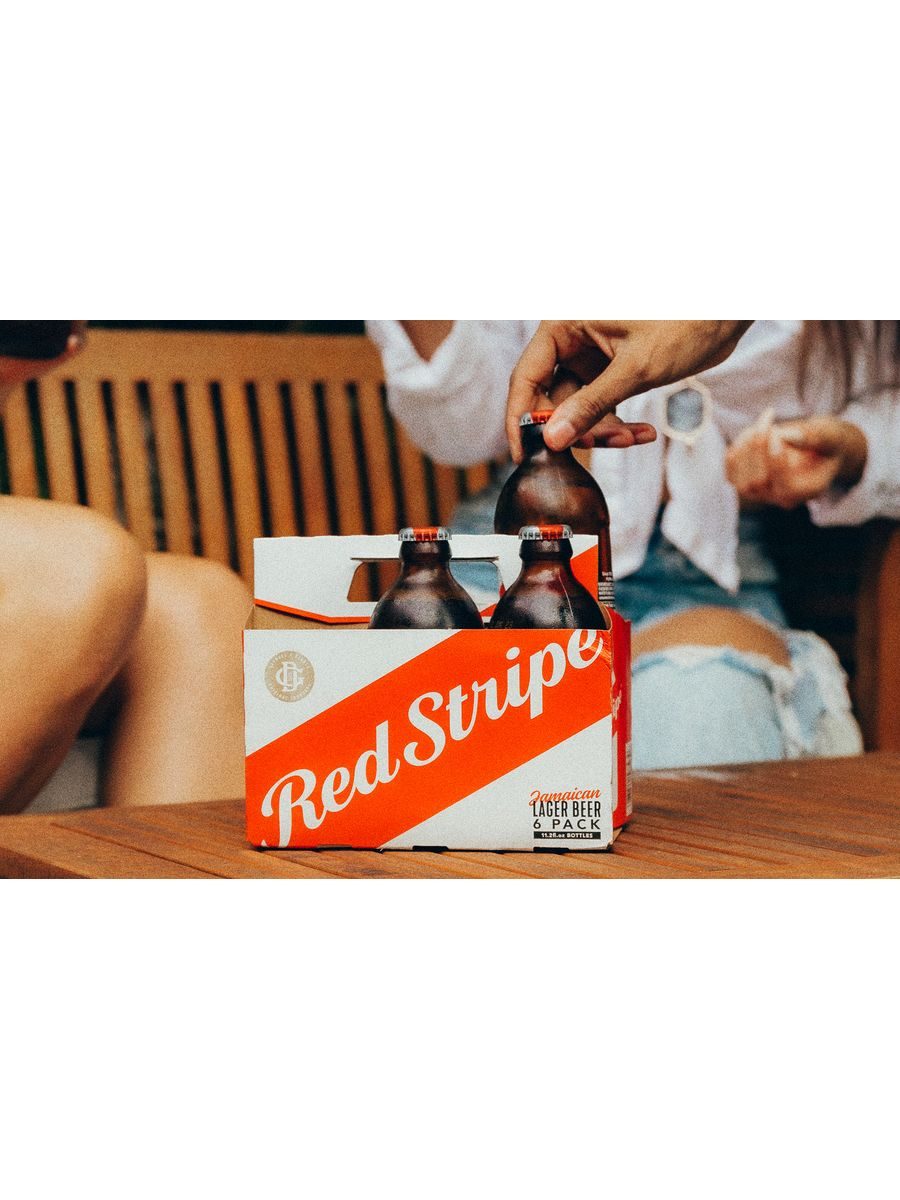
Red Stripe
Brewed by Desnoes & Geddes
Pale grain, light fruit, faint hops, and crisp carbonation.
BAR NOTES
The complaint: The stubby bottle and island branding are more distinctive than the lightly fruity, low-bitterness lager inside, producing a large expectation gap. The rank records a broad expectation gap, not a claim that every fresh can tastes identical.
The fair defense: It is clean, easygoing, and genuinely useful beside jerk chicken, fried fish, or spicy food. Drink it fresh and cold; the package is part of the fun, not proof of complexity. A careful fresh pour is more informative than repeating a joke about the label.

Carlsberg Danish Pilsner
Brewed by Carlsberg Group
Pale malt, herbal hops, clean fermentation, and a dry finish.
BAR NOTES
The complaint: The famously grand slogan creates an easy target for a restrained pale lager whose grain, herbs, and bitterness can seem more corporate than memorable. Context can improve the pour, but it does not erase the complaint that follows the brand.
The fair defense: Carlsberg’s brewing-science history is enormous, and fresh pilsner is clean, dry, and food-friendly. Use a fresh can or draft pour with sandwiches, fish, sausages, or fries. A careful fresh pour is more informative than repeating a joke about the label.
Dos Equis Lager Especial
Brewed by Cuauhtémoc Moctezuma / Heineken
Light grain, gentle sweetness, low bitterness, and brisk carbonation.
BAR NOTES
The complaint: The Most Interesting Man built expectations that a mild, softly sweet lager could never satisfy on flavor alone. A loyal audience can coexist with a weak public reputation; both facts belong in the discussion.
The fair defense: Its neutrality works at restaurants, with spicy food, and for drinkers who want no bitter surprises. Cold bottles or draft with tacos and nachos suit it; lime should remain optional. A careful fresh pour is more informative than repeating a joke about the label.
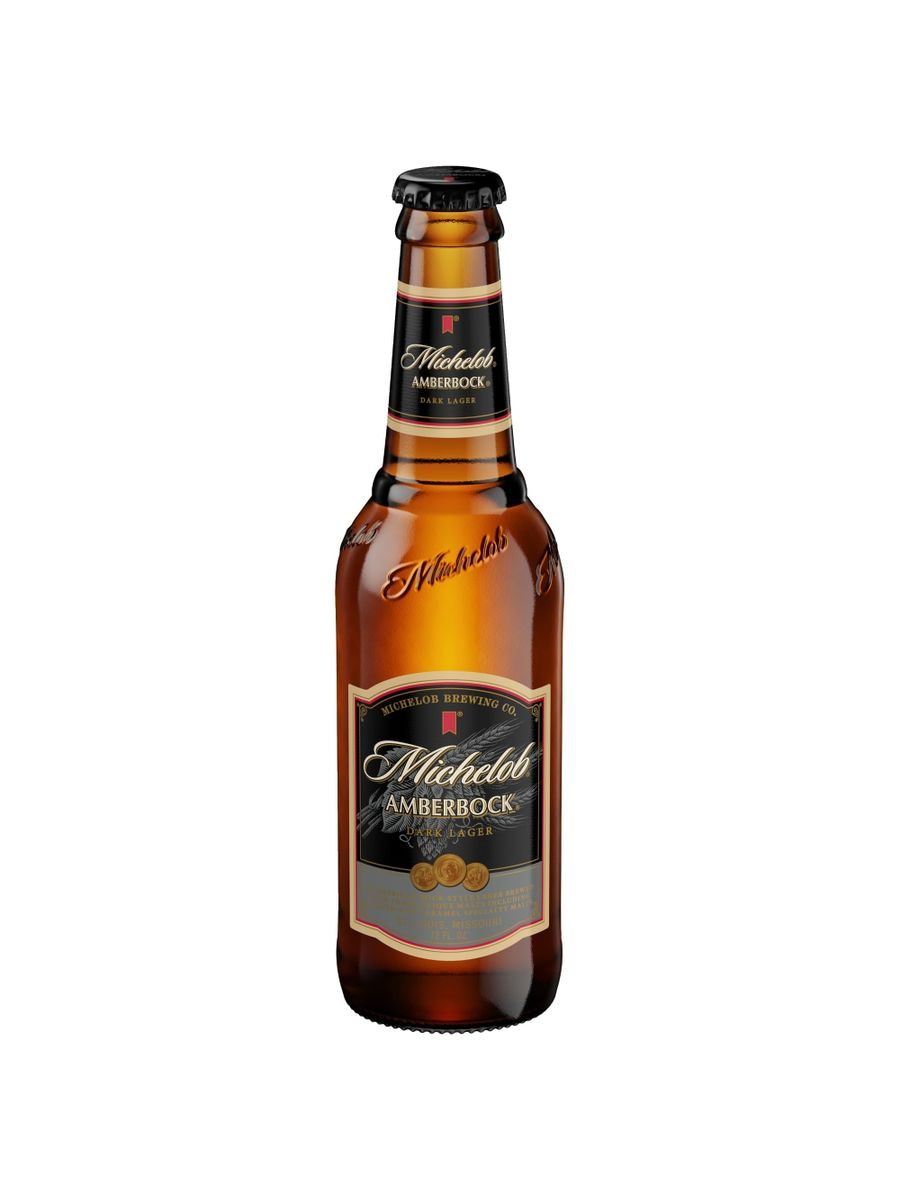
Michelob AmberBock
Brewed by Anheuser-Busch
Caramel, toast, light chocolate, restrained hops, and a sweet finish.
BAR NOTES
The complaint: The color promises bock-like malt complexity, but the caramel, toast, and light chocolate stop short of the depth traditional lager drinkers expect. That recurring pattern—not price, popularity, or personal virtue—is what the rank measures.
The fair defense: It introduced many restaurant drinkers to darker beer without stout bitterness or strong alcohol. Burgers, roast pork, or cheddar make the modest caramel profile feel more complete. A careful fresh pour is more informative than repeating a joke about the label.
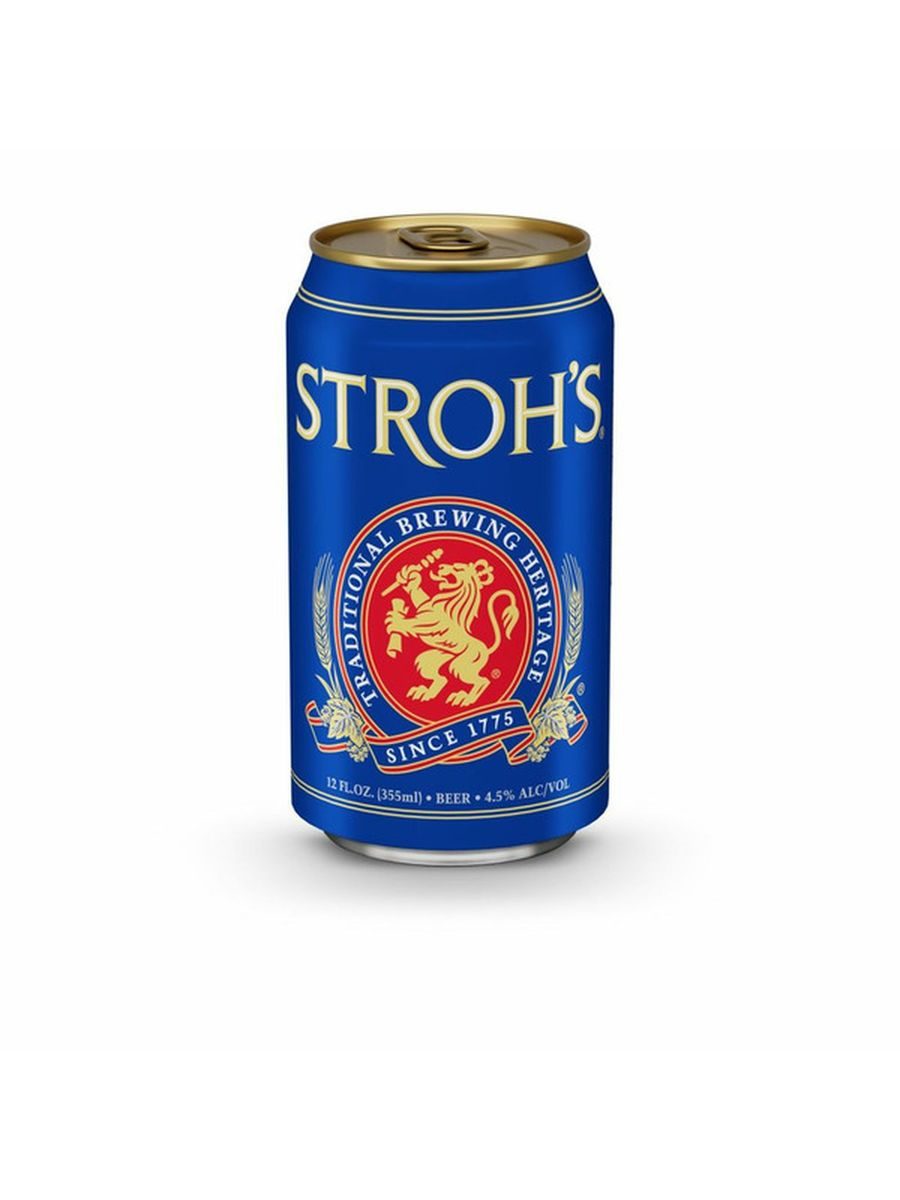
Stroh's
Brewed by Stroh Brewery Company / Pabst
Toasty grain, corn, herbal hops, and a dry finish.
BAR NOTES
The complaint: Regional nostalgia can promise the fire-brewed Detroit beer people remember, while the modern can delivers a lighter, simpler contract-brewed lager. Liking it is allowed; the position reflects repeated criticism rather than a command to dump the cooler.
The fair defense: It still carries more toast and dryness than several economy peers and remains meaningful to Michigan drinkers. A fresh can with coney dogs or pizza is the proper test. A careful fresh pour is more informative than repeating a joke about the label.
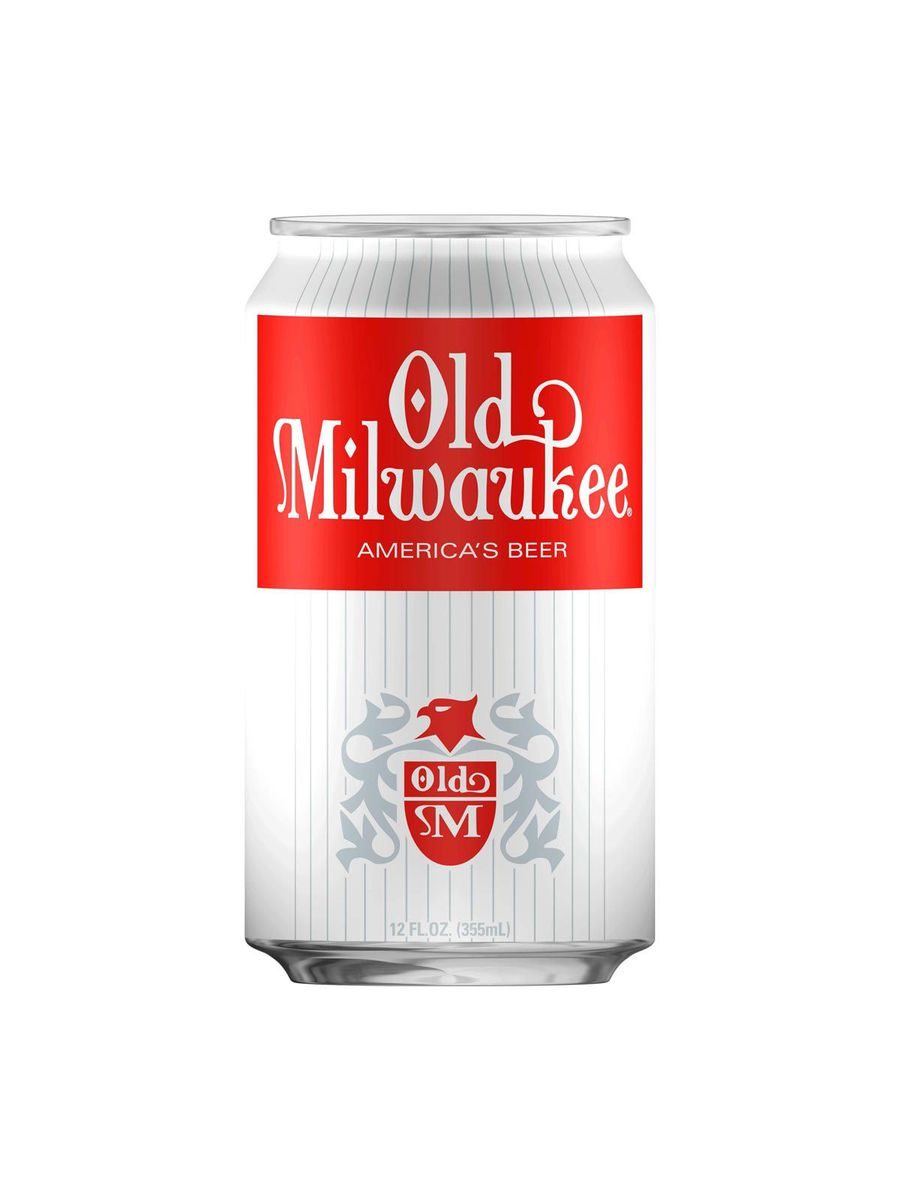
Old Milwaukee
Brewed by Pabst Brewing Company
Sweet grain, corn, faint herbs, and brisk carbonation.
BAR NOTES
The complaint: Sweet grain, faint herbs, and brisk fizz are competent but anonymous, while age can quickly add papery or metallic notes. The rank records a broad expectation gap, not a claim that every fresh can tastes identical.
The fair defense: It remains inexpensive, familiar, and surprisingly clean when the package is fresh. Check dates, choose cans, and bring bratwurst, burgers, or fried fish. A careful fresh pour is more informative than repeating a joke about the label.
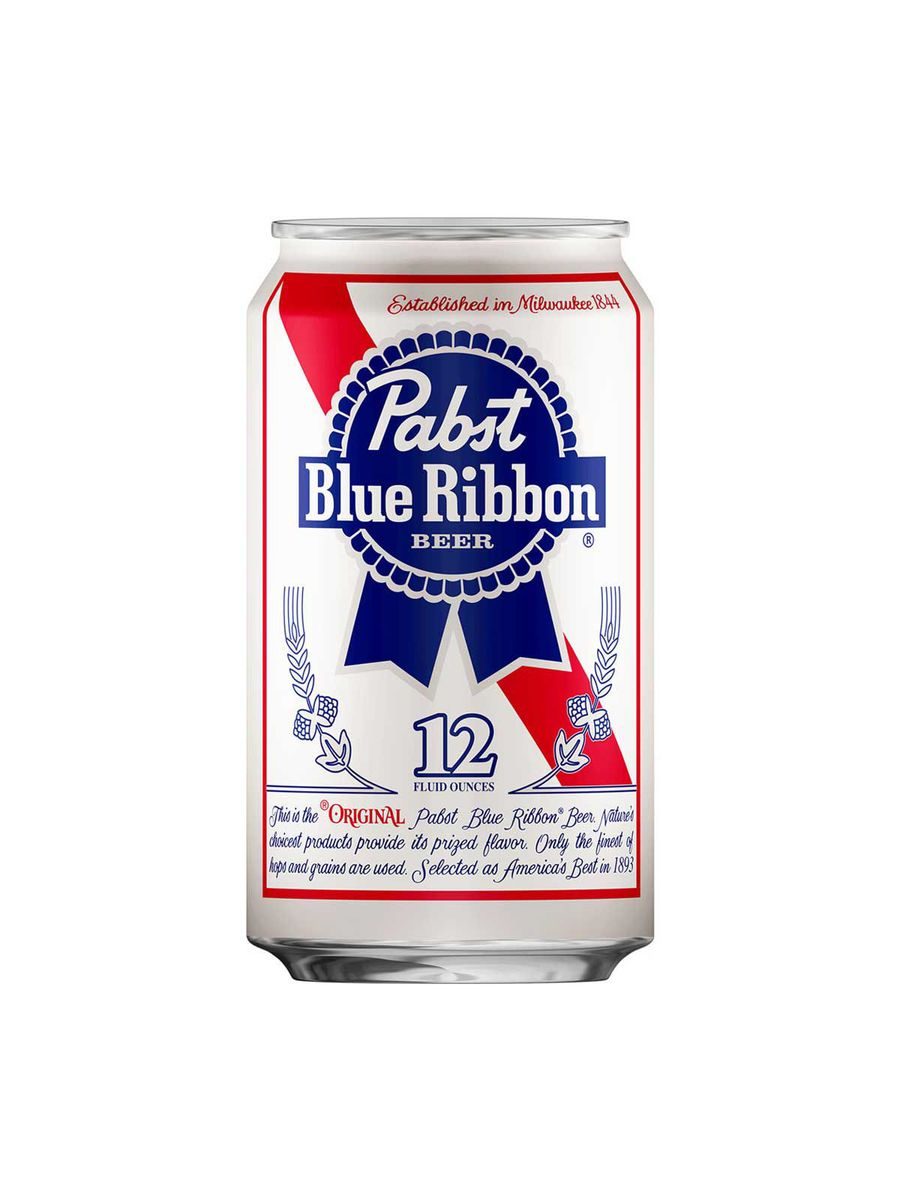
Pabst Blue Ribbon
Brewed by Pabst Brewing Company
Light grain, corn, faint hops, and a clean finish.
BAR NOTES
The complaint: Its revival made a plain light lager carry cultural expectations it never asked for, inviting drinkers to punish a simple grain-and-fizz profile for the surrounding image. Context can improve the pour, but it does not erase the complaint that follows the brand.
The fair defense: PBR is clean, affordable, and has slightly more grain presence than many bargain lights. A fresh cold can with pizza or a shot of whiskey remains a coherent experience. A careful fresh pour is more informative than repeating a joke about the label.
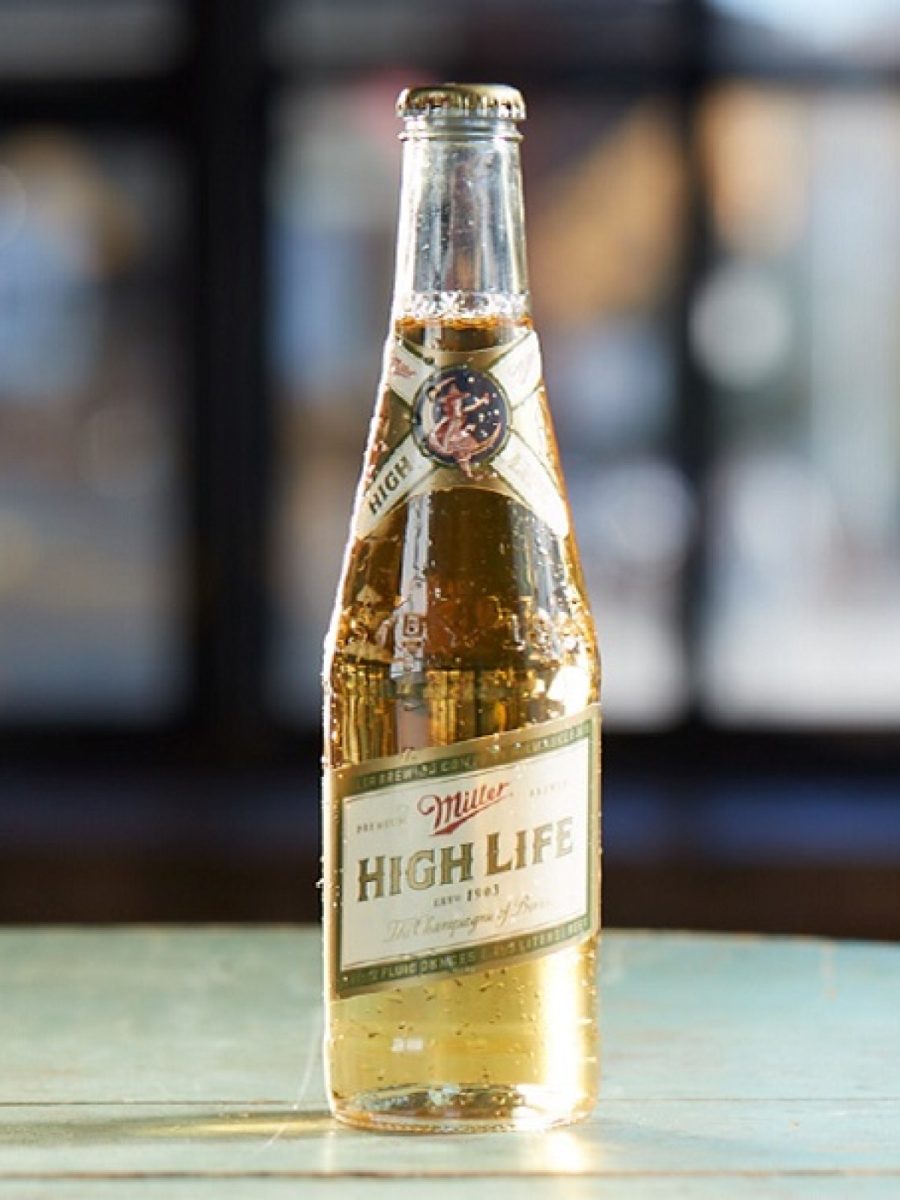
Miller High Life
Brewed by Miller Brewing Company / Molson Coors
Cracker malt, corn sweetness, floral hops, and sharp sparkling fizz.
BAR NOTES
The complaint: The clear bottle, corn sweetness, and sharp carbonation make the Champagne comparison feel like pure marketing to anyone expecting malt depth or hop aroma. A loyal audience can coexist with a weak public reputation; both facts belong in the discussion.
The fair defense: Fresh High Life has a coherent sparkling-lager identity and one of the best packages in American beer. Choose cans or fresh bottles with fried chicken, pizza, or salty popcorn. A careful fresh pour is more informative than repeating a joke about the label.
The worst beer is sometimes someone else’s ritual
A beer can rate poorly and still matter at a ballpark, fish fry, garage fridge, college reunion, or neighborhood bar. That contradiction is why the guilty-pleasure beer confessions and 50 best retro beers are the natural counterarguments to this list.
Bud Light Chelada and the love-it-or-hate-it problem
Bud Light Chelada led the original follower responses because tomato, Clamato, salt, lime, and light lager create a flavor combination with almost no neutral middle. Fans taste a ready-to-drink michelada; critics taste cold tomato broth with carbonation. Neither reaction is mysterious. The useful distinction is that a polarizing flavor concept is different from a technically defective beer.
Frequently asked questions
What is officially the worst-rated beer?
There is no official global authority. Public rating sites use different audiences, minimum-review thresholds, and weighting formulas. At the time of this update, Budweiser Select 55 sits at or near the bottom of several long-running enthusiast discussions because its extreme calorie reduction leaves very little flavor.
Why are so many light lagers on worst-beer lists?
Enthusiast rating communities tend to reward aroma, intensity, and complexity. Light lager deliberately prioritizes refreshment, consistency, low calories, and low bitterness, so it begins with a scoring disadvantage even when technically clean.
Does cheap beer taste worse?
Not automatically. Freshness, storage, fermentation control, recipe balance, and personal preference matter more than price alone. Plenty of inexpensive lagers are clean and satisfying, while expensive experimental beer can be badly conceived.
Why does bottled beer sometimes taste skunky?
Ultraviolet and visible light can react with hop compounds and create a sulfurous aroma associated with skunks. Brown glass offers better protection than green or clear glass, while cans block light completely.
Is malt liquor a different style from lager?
American malt liquor is generally a strong, highly attenuated lager built for alcohol strength and affordability. The name is a legal and marketing category as much as a precise sensory style, and recipes vary considerably.
Can a badly rated beer still be worth trying?
Absolutely. A low-rated beer can teach you about style targets, regional rituals, packaging effects, historical marketing, and your own preferences. Split a fresh can with friends and decide with your palate rather than borrowing someone else’s score.
Drink Better After the Bottom Shelf
The point of a worst-beer list is not to ban anyone’s guilty pleasure. It is to recognize the complaints, understand the styles, and find a better next pour.
DRINK DEEPER
BREW IT YOURSELF

better beer.