50 Weird and Unique Beer Styles That Actually Exist
Beer gets genuinely strange when brewers stop treating a standard style list as a fence. This roundup goes from lobster, oysters, mushrooms, beets, tea, chile, and civet-processed coffee to hot-stone brewing, communal cellars, spontaneous fermentation, and freeze concentration.
No filler: every entry earns its place through an unusual ingredient, an endangered method, a living regional tradition, extreme fermentation, or outright category rebellion. Some are recognized historical styles; others are traditional beer families or modern specialty categories.
Each entry uses a real representative release and then leads somewhere different. Jump into the broad types-of-beer map, or go directly to farmhouse ales, barrel-aged beer, stout, lager, sour beer, or IPA as a familiar route into the weirdness.
50 weird and unique beer styles that actually exist
Brewers Put WHAT in the Kettle?
Animal ingredients, vegetables, smoke, tea, and forest botanicals start the list at full volume. If this is your preferred kind of chaos, branch into the site’s stout, spicy beer, and coffee beer guides.

Lobster Saison
Brewed by Oxbow Brewing Company
A dry farmhouse ale brewed with Maine lobster and sea salt, turning a delicate saison into a briny, coastal experiment.
BAR NOTES
Oxbow’s Saison dell’Aragosta is brewed with live Maine lobster and sea salt, yet the result is not a liquid lobster roll. The shellfish contributes a subtle mineral savoriness beneath peppery yeast, soft grain, and a bone-dry farmhouse finish.
Treat this as a culinary saison rather than a stunt: pour it with oysters, steamed mussels, or a sharp chèvre. Then compare its dry, rustic base with more conventional bottles in the saison guide.
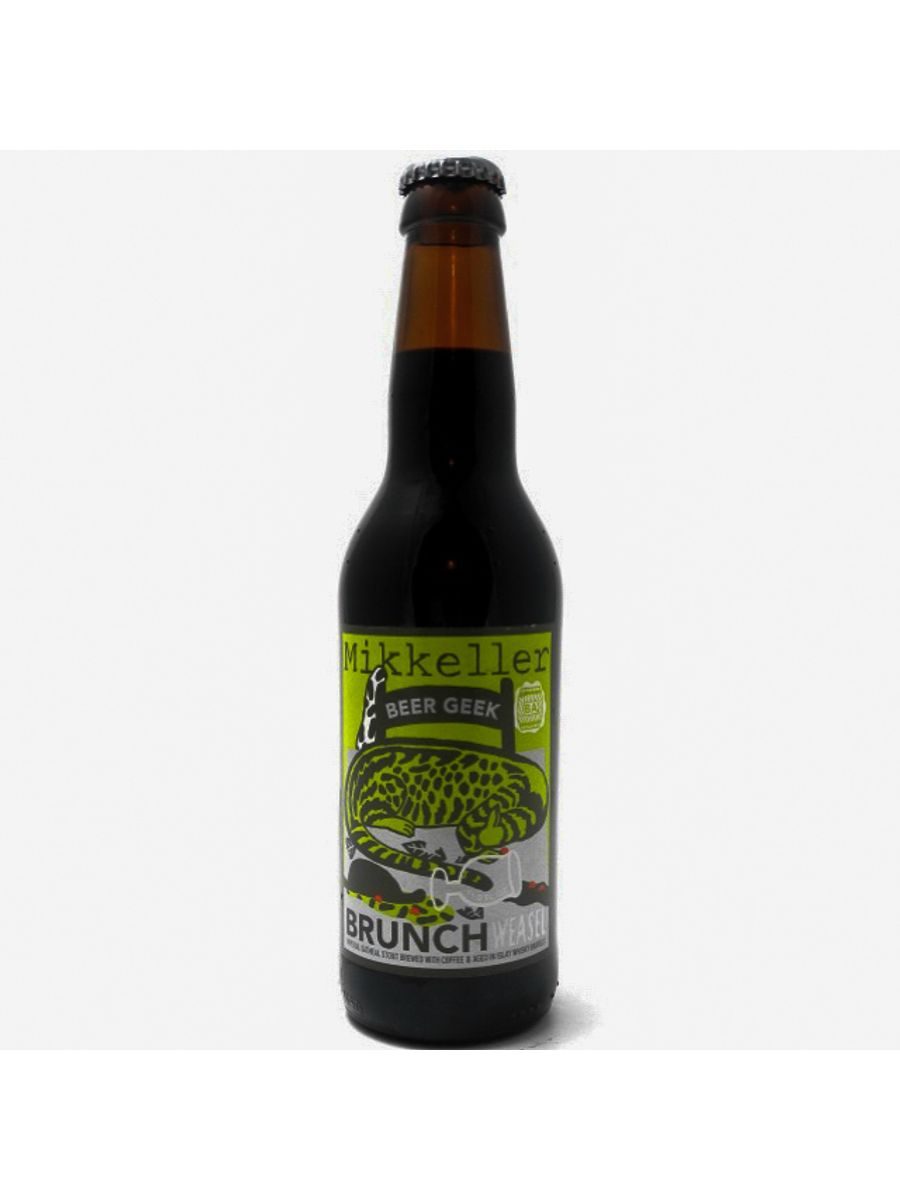
Civet Coffee Barrel Stout
Brewed by Mikkeller
Civet-processed coffee and smoky Islay whisky barrels push imperial stout into espresso, peat, oak, and dark-chocolate territory.
BAR NOTES
Beer Geek Brunch Weasel uses coffee beans collected after Asian palm civets digest the coffee fruit, then this edition adds smoky Islay whisky-barrel aging. Espresso, peat, oak, dark chocolate, and spirit heat make it one of stout’s most extravagant constructions.
This is a small-pour, slow-warming beer; smoky blue cheese or dark chocolate can meet its intensity. For less zoologically complicated versions of the same roast-first idea, browse the coffee beer roundup.

Oyster Stout
Brewed by Porterhouse Brew Co.
Real oysters add mineral depth and a faint saline snap to a dry, roasty stout rather than making the pint taste overtly fishy.
BAR NOTES
Oyster stout began as a food pairing and evolved into beer brewed with oysters, shells, or both. Porterhouse’s version uses real oysters to deepen the mineral character while roasted grain, cocoa, and a dry finish remain firmly in control.
Serve it with oysters, fish and chips, or aged cheddar and notice how salt sharpens roast instead of fighting it. The broader stout guide shows how far that dark base can travel.
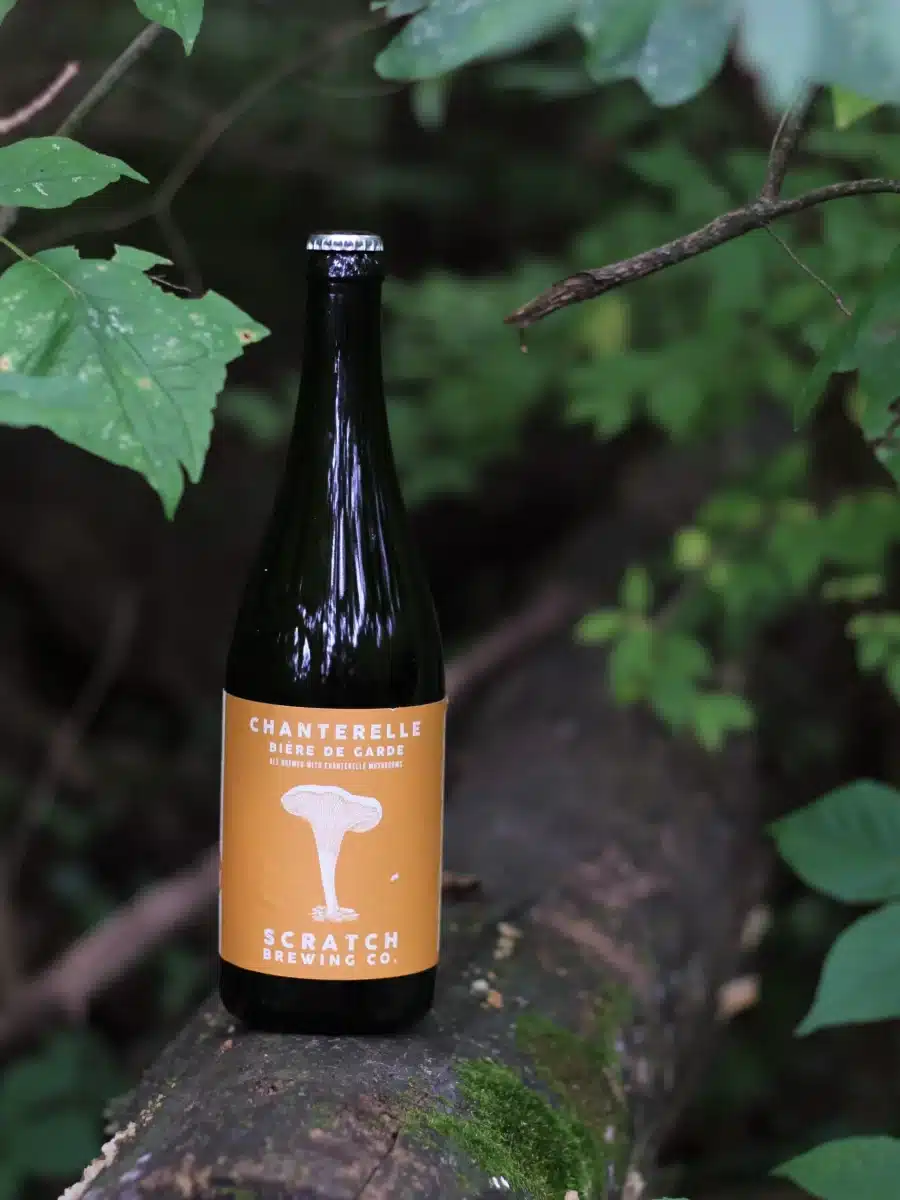
Mushroom Beer
Brewed by Scratch Brewing Company
Foraged chanterelles add apricot-like fruit, earth, and woodland savoriness to a malt-forward French farmhouse framework.
BAR NOTES
Scratch builds beer around ingredients gathered near the brewery, and its chanterelle bière de garde makes fungi feel purposeful rather than gimmicky. Chanterelles can suggest apricot, damp woods, pepper, and earth against the style’s rounded malt and patient fermentation.
Try it with roast chicken, mushrooms on toast, or nutty Alpine cheese, where the beer’s savory edge has something to echo. Continue into the farmhouse ale guide for more rustic fermentation character.

Pickle Beer
Brewed by Martin House Brewing Company
Dill-pickle brine turns a tart wheat beer into a salty, herbal, unmistakably Texan crossover between beer and bar snack.
BAR NOTES
Best Maid Sour Pickle Beer combines a tart wheat base with pickle brine, producing an aggressively recognizable mix of dill, cucumber, salt, and lactic acidity. It is savory, refreshing, and intentionally closer to a cold deli pickle than a fruit sour.
Drink it very cold beside fried chicken, a burger, or spicy barbecue; sweetness can make the brine seem harsher. The dedicated pickle beer roundup maps the surprisingly large category beyond this Texas benchmark.

Maple Bacon Coffee Porter
Brewed by Funky Buddha Brewery
Coffee, maple sweetness, cocoa, and smoke reconstruct a diner breakfast inside a porter without adding actual greasy bacon texture.
BAR NOTES
Funky Buddha’s famous porter layers coffee, maple, cocoa, and a savory smoke impression until the glass resembles pancakes beside bacon and a fresh pot of coffee. The porter’s roast keeps the concept from collapsing into pure syrup.
Pair it with brunch food, smoked nuts, or sharp cheddar rather than an equally sweet dessert. Follow the maple component into the maple beer guide, where brown ales, stouts, and sours use it very differently.
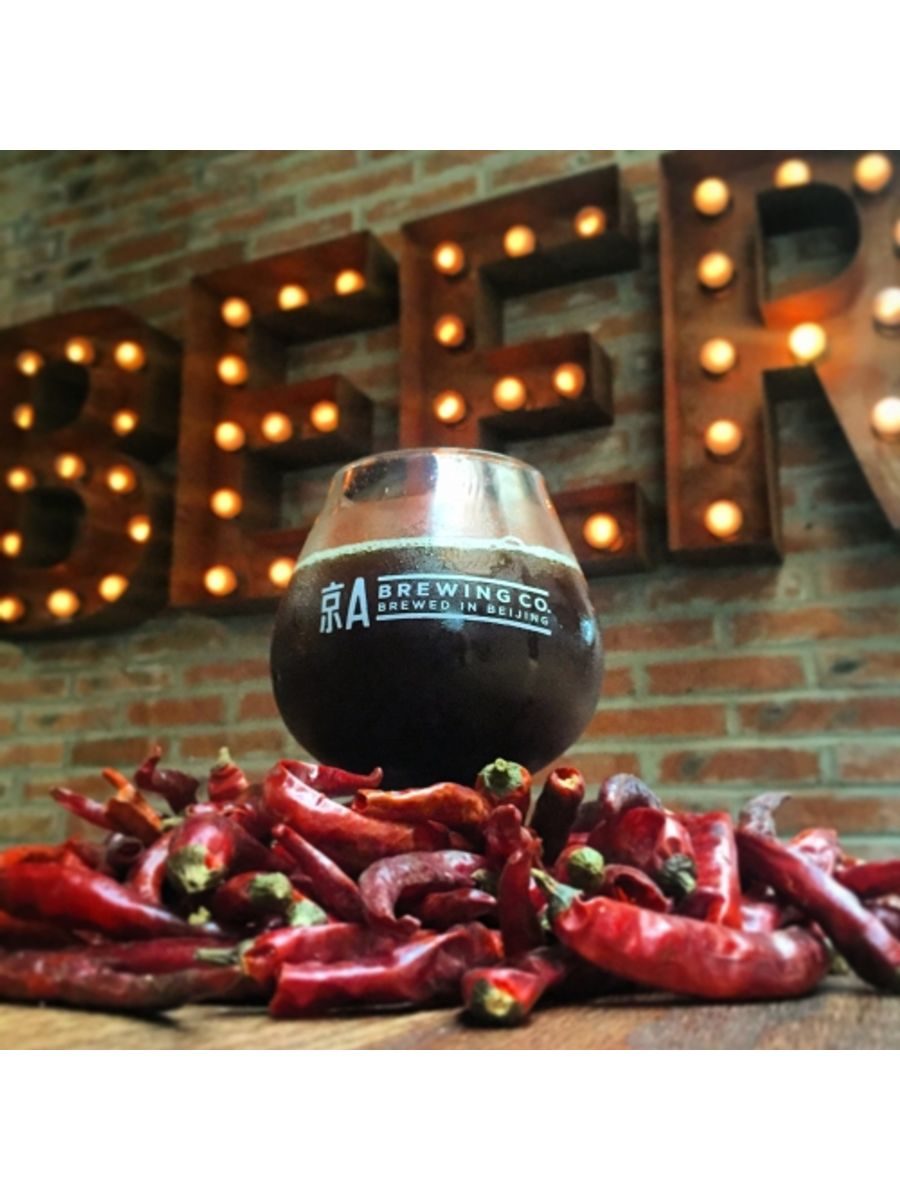
Smoked Chili Porter
Brewed by Jing-A Brewing Co.
Smoked Guizhou chiles sharpen coffee, cocoa, and porter roast with dried-pepper aroma and a controlled warming finish.
BAR NOTES
Jing-A uses smoked Guizhou chiles to connect porter roast with a distinctly Chinese pantry. Cocoa, coffee, char, dried chile, and measured heat arrive in layers; the pepper supports the beer instead of erasing everything beneath capsaicin.
Let the glass warm slowly and pair it with grilled meat, mole, or smoked cheese so the chile has structure to push against. Compare its heat level with other releases in the spicy beer guide.

Scots Pine Ale
Brewed by Williams Bros. Brewing Co.
Pine and spruce shoots meet a strong Scottish ale, then barrel aging adds oak, vanilla, and warming depth to the forest aromatics.
BAR NOTES
Alba reaches past hop-driven pine by brewing with actual pine and spruce growth, ingredients associated with older Scottish ale traditions. This barrel-aged edition adds oak and spirit warmth to resin, caramelized malt, herbs, and a long coniferous finish.
Pour it like a barleywine with roast game, smoked cheese, or fruitcake, and give the aromatics time to open. Use the barrel-aged beer guide to compare what different wood and spirits contribute.
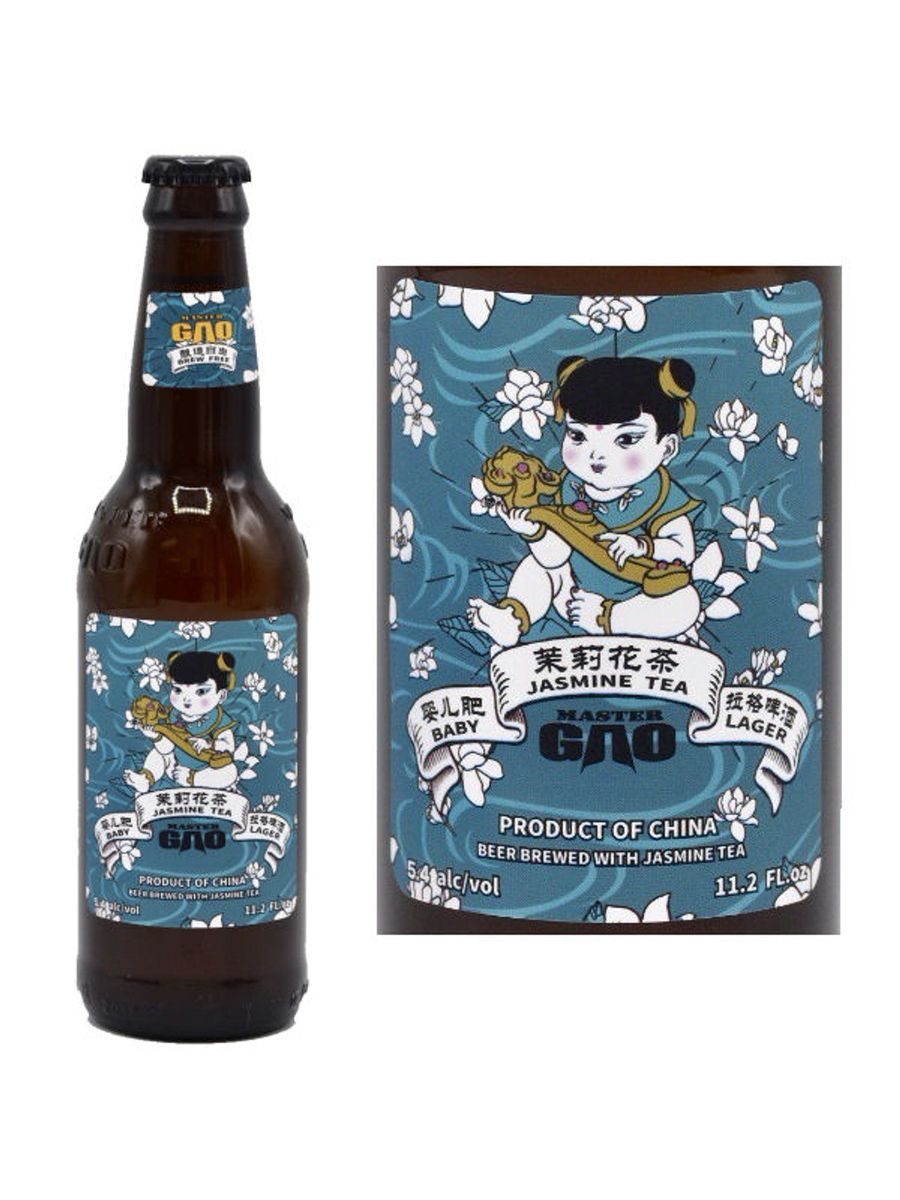
Jasmine Tea Lager
Brewed by Master Gao Brewing Co.
Jasmine tea turns a clean lager into a floral, lemony, lightly herbal beer while cracker-like malt keeps the perfume grounded.
BAR NOTES
Master Gao makes jasmine tea the center of a pale lager rather than a background garnish. The beer combines flowers, lemon, herbs, cracker-like malt, and a clean fermentation profile that prevents the tea from reading like perfume.
Serve it cold with dumplings, seafood, or a lightly spiced salad; heavy roast overwhelms its aromatics. Compare its crisp structure with the larger family in the lager guide.
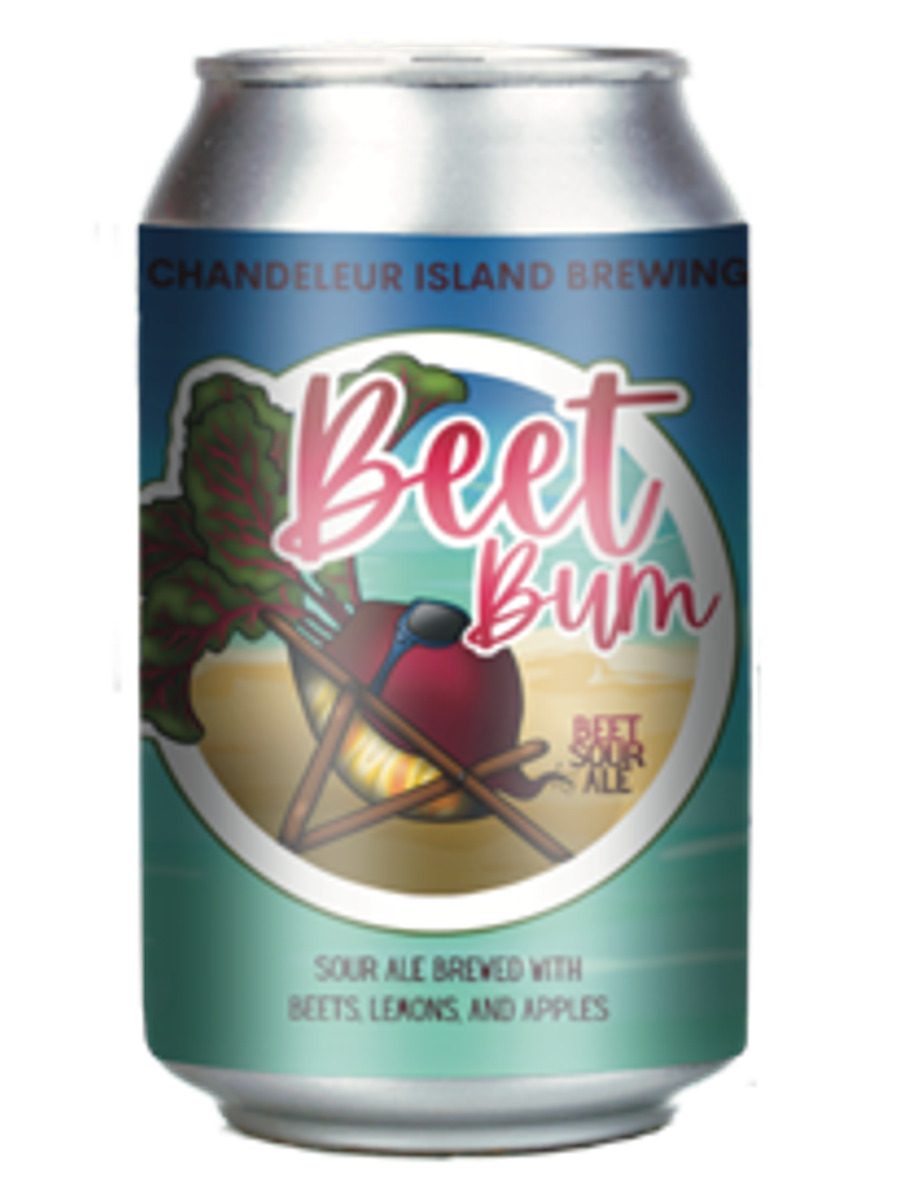
Beet Sour
Brewed by Chandeleur Island Brewing Company
Beetroot brings vivid color and earthy sweetness while apple, lemon, and lactic acidity keep this Gulf sour bright rather than vegetal.
BAR NOTES
Beet Bum combines apple and lemon brightness with beetroot’s unmistakable earthy character and saturated color. The ingredient can taste muddy in a weak recipe, but lively acidity and fruit make this version feel crisp, tart, and deliberately garden-driven.
A small pour beside goat cheese, grilled shrimp, or a beet salad lets the savory-fruit contrast make sense. Explore the broader technique through the fruit beer guide, where acidity and produce meet many different bases.
Ancient, Rural, and Nearly Lost
These are living farmhouse traditions, revived city beers, and historical styles rescued from near-oblivion. They lead naturally into Homebrew Academy’s farmhouse, wheat beer, and lager branches.

Norwegian Raw Ale
Brewed by Nøgne Ø
Skipping the boil preserves grainy wort character while kveik fermentation supplies bright fruit and fast farmhouse energy.
BAR NOTES
A raw ale is not boiled after mashing, so the wort keeps a soft grain character that conventional brewing transforms or removes. Nøgne Ø’s Raw pairs that old method with Norwegian farmhouse fermentation for bread, herbs, fruit, and an unusually direct malt expression.
Freshness matters because raw beer lacks the same heat treatment as standard wort, so treat packaged examples according to the brewery’s instructions. The farmhouse ale guide places that rustic fermentation beside saison and other rural traditions.

Kvass Ale
Brewed by Scratch Brewing Company
Bread replaces part of the conventional grain bill, producing toast, rye, tang, and low-alcohol refreshment inspired by Eastern European kvass.
BAR NOTES
Kvass traditionally ferments bread into a lightly alcoholic, tart, grainy drink. Scratch adapts that idea into a brewery-made ale, using bread-derived flavor to create toast, rye spice, restrained acidity, and a connection between brewing and the everyday problem of stale loaves.
It works with sausages, smoked fish, pickles, and dark bread because the beer echoes rather than competes with those flavors. Start with the beer-style map to see where grain, yeast, and process redraw familiar categories.

Gruit Ale
Brewed by Williams Bros. Brewing Co.
Heather and other botanicals take over the seasoning job normally assigned to hops, creating floral, herbal, honeyed bitterness.
BAR NOTES
Gruit is a broad pre-hop idea rather than one fixed modern recipe: brewers season ale with mixtures of herbs, flowers, roots, and spices. Fraoch centers Scottish heather, giving its malt base floral honey, meadow herbs, and a softer bitterness than hop-led beer.
Taste it beside a clean pale ale and the different kind of bitterness becomes immediately obvious. The types-of-beer hub is the next stop for understanding how ingredients, fermentation, and geography create a style family.

Sahti
Brewed by Finlandia Sahti
Juniper, rye, a low-carbonation body, and expressive yeast can make Sahti taste like banana bread carried through a Finnish forest.
BAR NOTES
Sahti is a living Finnish farmhouse tradition commonly built from barley and rye, filtered through or seasoned with juniper, and fermented with expressive yeast. Expect banana, clove, bread dough, resin, and a still-to-gently-carbonated body rather than modern lager crispness.
Serve it cool rather than ice-cold with smoked fish, rye bread, or roast pork so the juniper and yeast remain visible. The dedicated Sahti guide compares commercial interpretations of this unusually local tradition.

Koyt
Brewed by Jopen
A revived Dutch ale uses oats, wheat, barley, and gruit spices to build a creamy, herbal beer without modern hop dominance.