American Lager: Top 10 Current Beers and Style Guide
American lager is the full-strength version of America’s pale, crisp everyday beer: highly carbonated, lightly grainy and deliberately restrained.
It should offer more body and flavor than light lager, yet remain much quieter than German pilsner or modern craft lager.
The quick answer
Expect pale color, high carbonation, low bitterness and a neutral fermentation profile. Light grain, corn-like sweetness and faint floral, spicy or herbal hops are acceptable, but nothing should become loud.
| Measure | BJCP range | What it means |
|---|---|---|
| ABV | 4.2–5.3% | Standard strength, usually around 4.5–5.0% in familiar brands. |
| IBU | 8–18 | Low to medium-low bitterness; smooth balance matters more than hop impact. |
| SRM | 2–3.5 | Very pale straw through medium yellow. |
| OG / FG | 1.040–1.050 / 1.004–1.010 | Enough gravity for body, with strong attenuation for a dry finish. |
What it tastes like
American lager has a little more middle than light lager. Grain or corn may be noticeable, bitterness can reach medium-low, and the body moves from low to medium-low. The defining finish is still clean, dry and highly carbonated.
Subtle brand differences often come from yeast, adjunct choice and water rather than large recipe swings. One beer may feel slightly fruity, another more grainy or herbal, but all should remain balanced and broadly approachable.
Top 10 current American lagers
Classic national and regional lagers provide useful references for pale color, modest bitterness and clean fermentation. These are HBA editorial picks for style relevance and availability, not a blind-tasting result. ABV refers to current U.S. products.
For more discovery, use our expanded American lager roundup. Read this style within the Standard American Beer family. Availability varies by market; locations identify brewery or brand origins rather than every production facility.
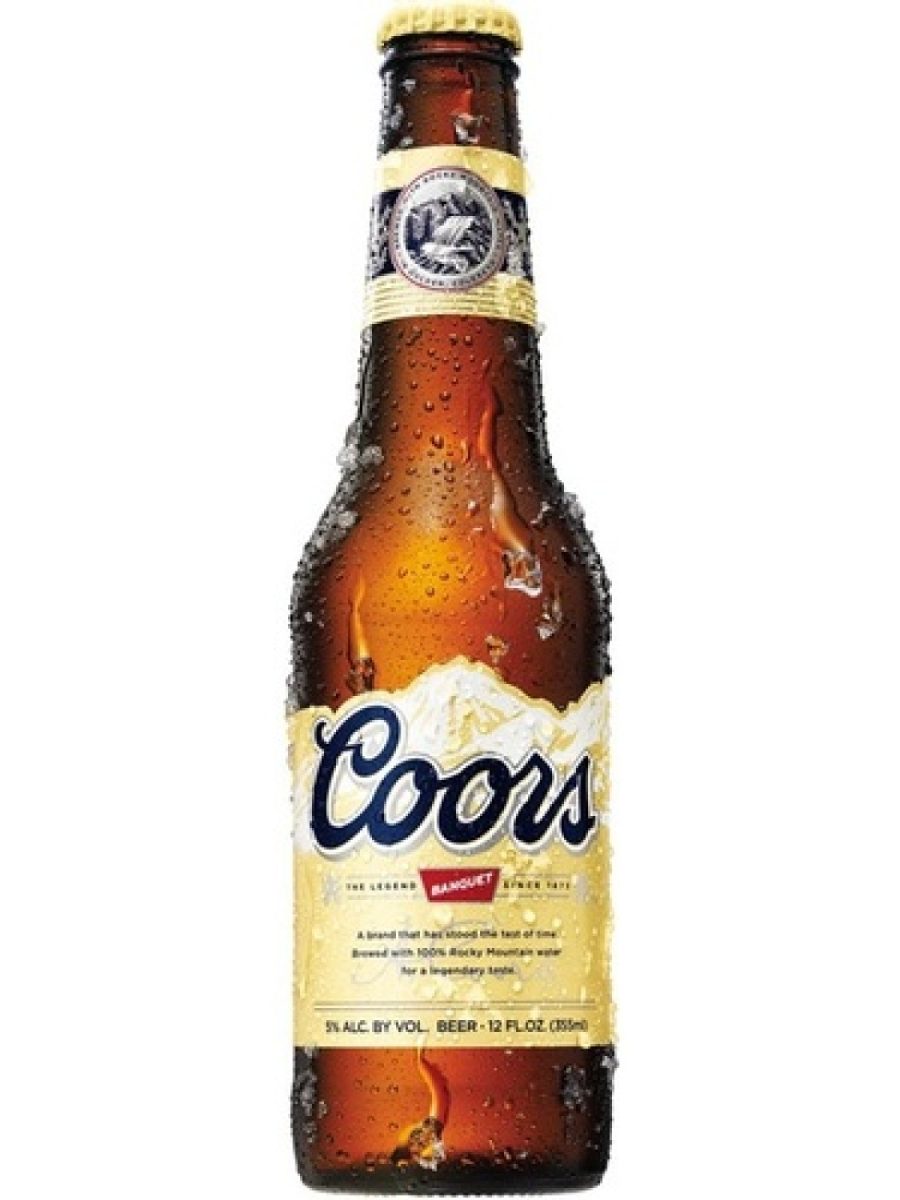
Coors Banquet
Brewed by Coors Brewing Company
Fuller malt, a faint fruity edge and crisp low bitterness give Banquet more personality than the macro stereotype allows.
BAR NOTES
Coors Banquet is a strong teaching beer because it has enough body and cereal sweetness to separate American lager from its light-lager sibling. The finish stays crisp, but the middle of the sip does not disappear.
Let it warm slightly above refrigerator temperature and the mild fruit and grain become easier to notice. Burgers, brats, fried chicken and chili all benefit from its carbonation without overwhelming its restrained flavor.
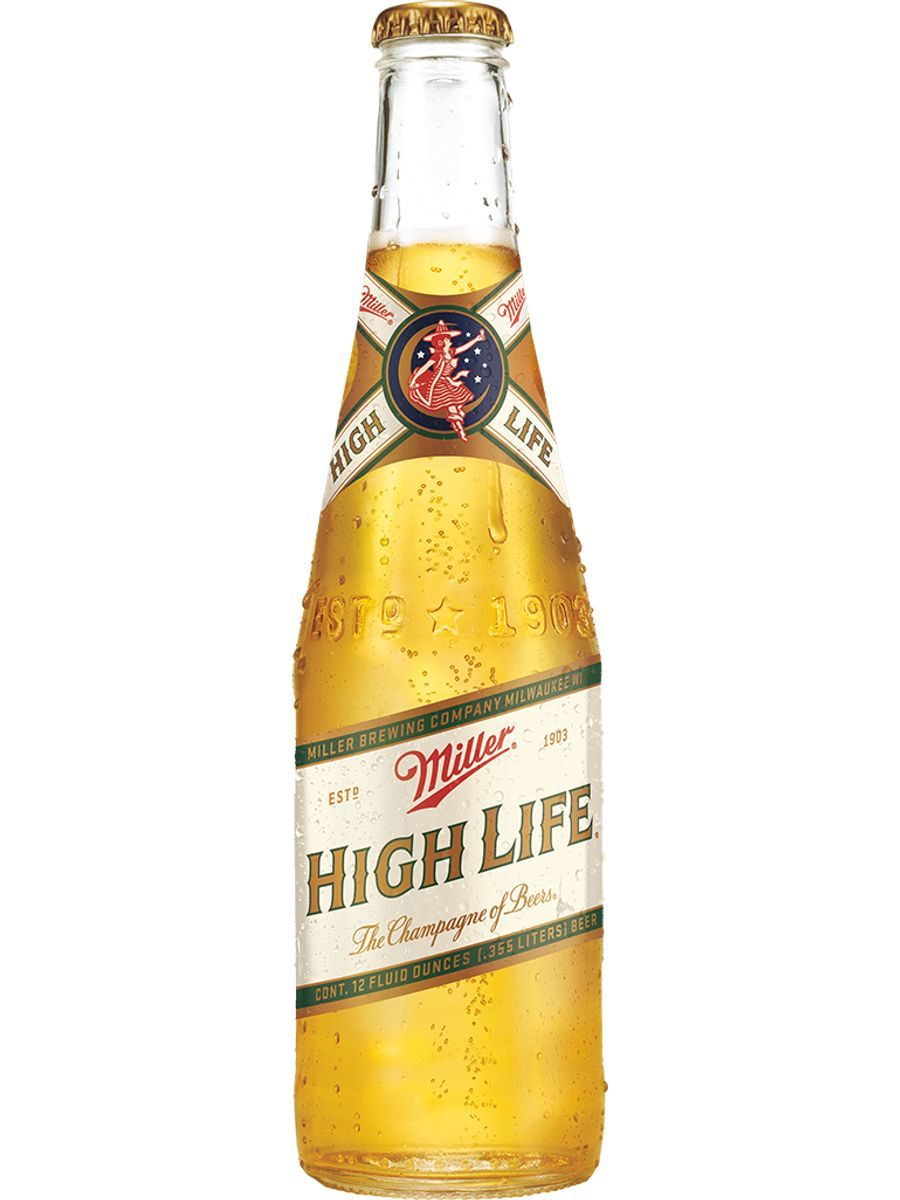
Miller High Life
Brewed by Miller Brewing Company
High carbonation, light grain and a dry finish make the Champagne of Beers an old-school American lager template.
BAR NOTES
High Life is lighter in bitterness than many drinkers expect, so its snap comes largely from carbonation and attenuation. The palate is grainy, faintly sweet at first and then remarkably dry for a standard-strength lager.
This is a natural pizza and fried-fish beer because bubbles clear fat while the low bitterness stays out of the sauce. The clear bottle is iconic, but cans and fresh, light-protected bottles are safer choices for flavor. The brewery now publishes 7 IBU, slightly below the guideline’s 8–18 range; commercial references and competition ranges do not always match exactly.
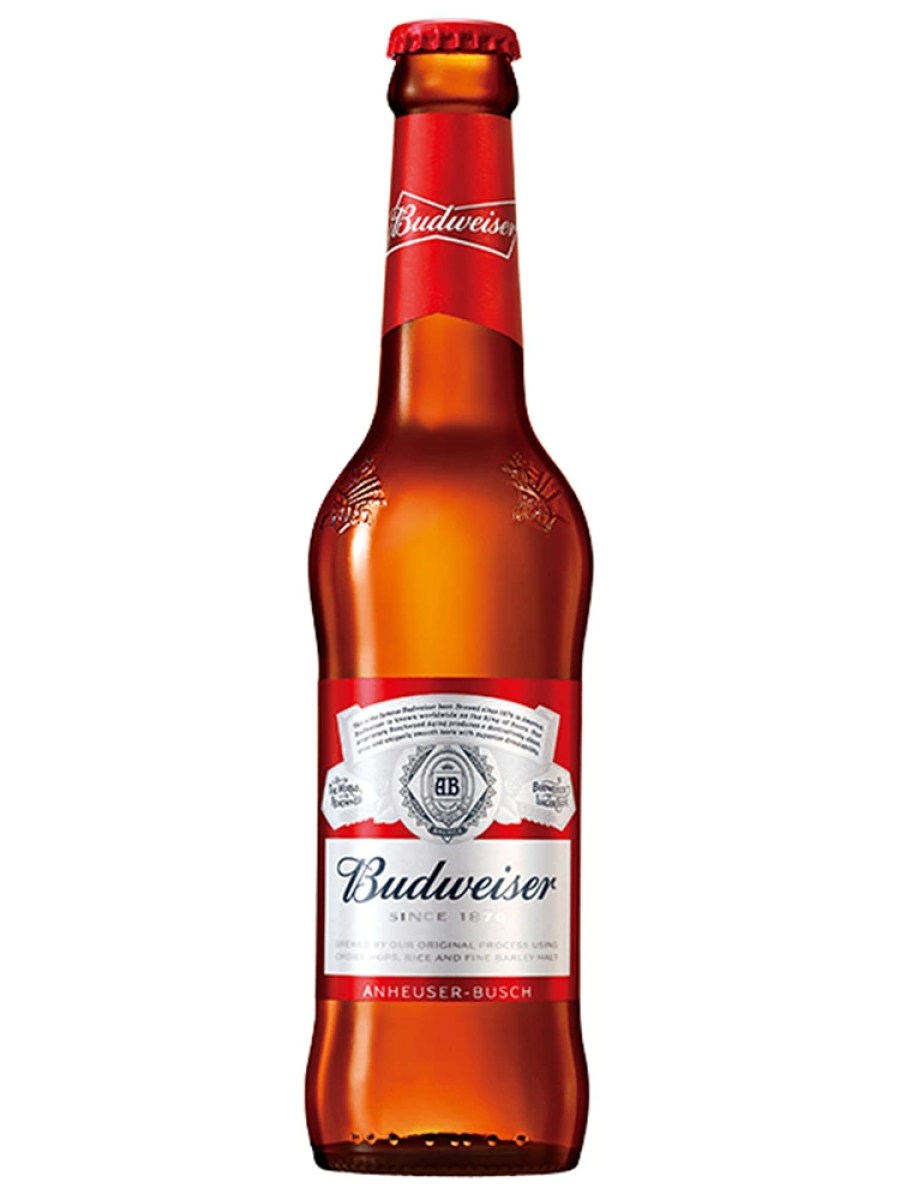
Budweiser
Brewed by Anheuser-Busch
Rice-lightened malt, restrained hops and a clean 5% frame built America’s defining national lager brand.
BAR NOTES
Budweiser uses rice to lighten the malt profile without making the beer as thin as a light lager. A faint apple-like fermentation note can appear, but the overall impression remains clean, crisp and deliberately restrained.
Its real value in a tasting is comparison. Put it beside a German pilsner and an American light lager: the pilsner is hoppier, the light lager leaner, and Budweiser occupies the quiet space between them.
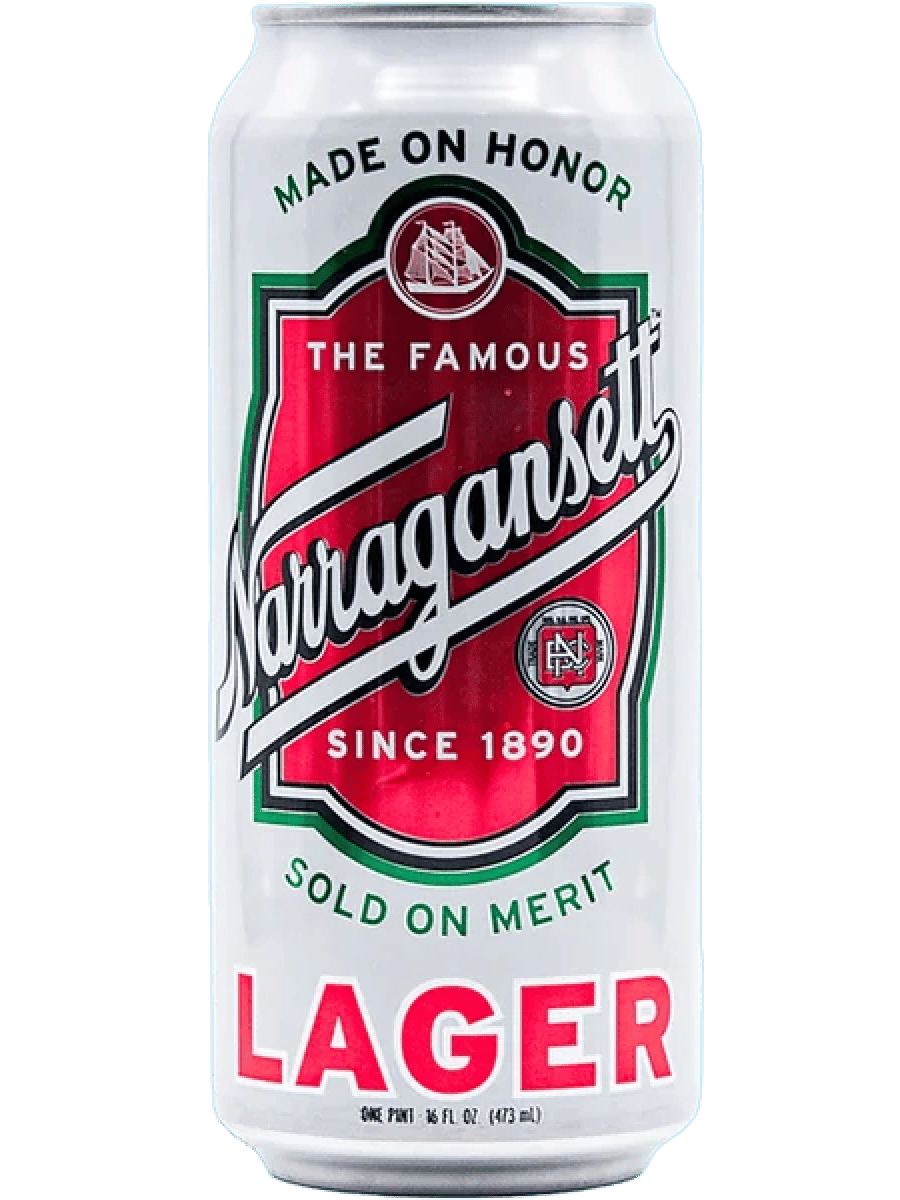
Narragansett Lager
Brewed by Narragansett Beer
A revived New England classic with corn-and-six-row heritage, mild bitterness and enough body for clam-shack duty.
BAR NOTES
Narragansett represents the regional American lager tradition that existed alongside the national giants. Its grain character is a little more visible, the bitterness remains low and the beer still finishes dry enough for repeat pours.
Seafood is the obvious pairing, especially fried clams, fish sandwiches and lobster rolls. More broadly, it shows why American lager should not be reduced to one identical corporate recipe; small differences matter in subtle beer.
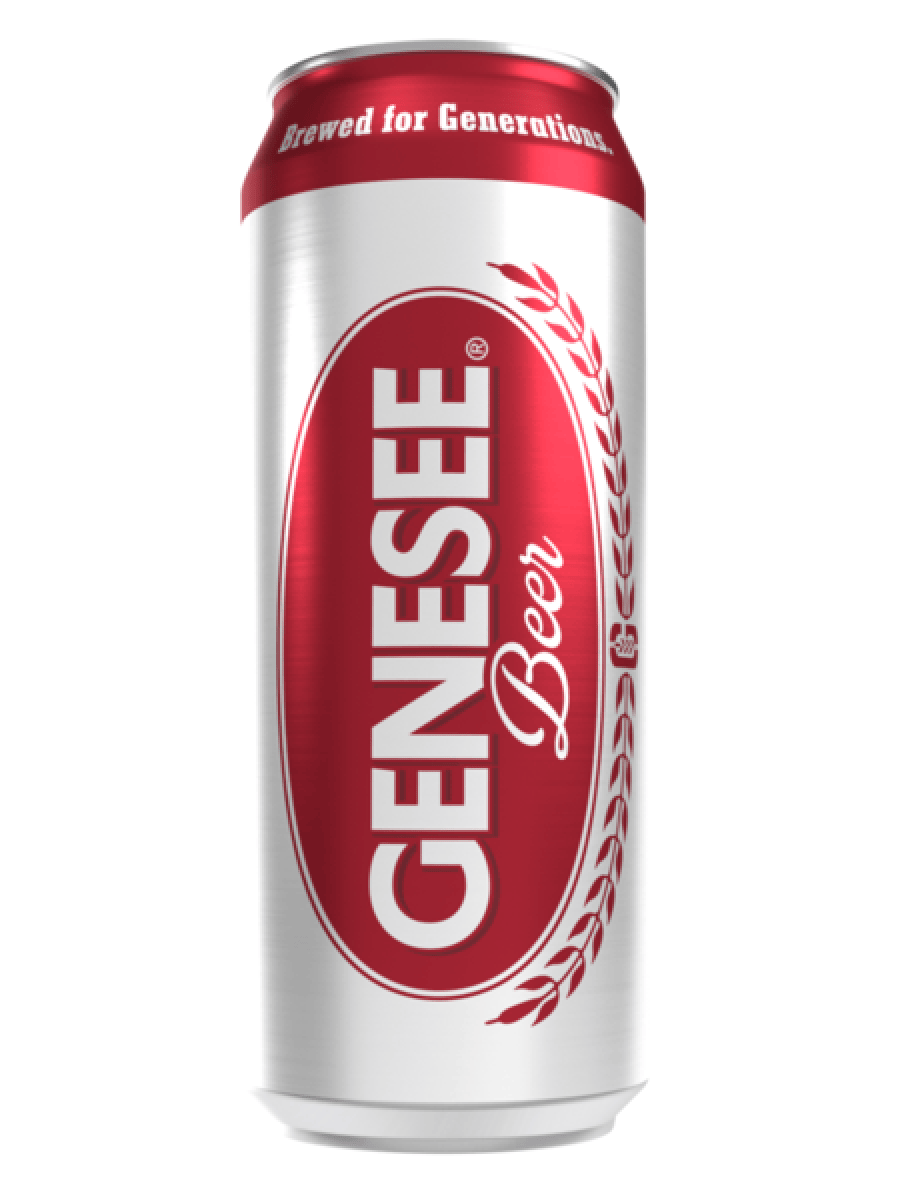
Genesee Original
Brewed by Genesee Brewing Company
Barley malt, corn grits and gentle hops make Genny a clean survivor of the regional American lager era.
BAR NOTES
Genesee Original is straightforward but not empty. Corn grits soften and lighten the malt, while a mild hop edge and lively carbonation keep the finish from turning sweet or heavy.
Try it with a cheeseburger, grilled onions or a plate of wings. It also makes a useful calibration beer for homebrewers: if fermentation flaws are obvious next to Genny, the supposedly simple recipe needs more process control.
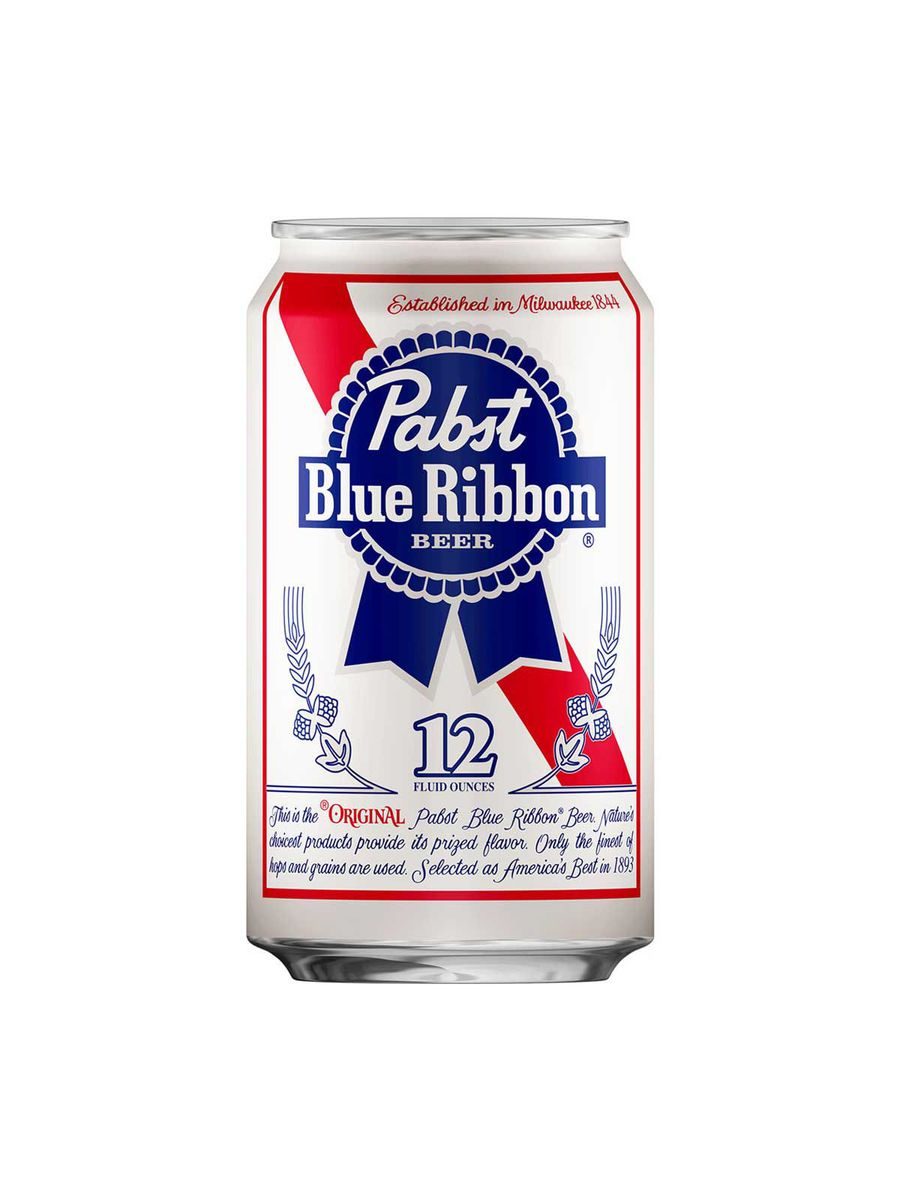
Pabst Blue Ribbon
Brewed by Pabst Brewing Company
The familiar blue-ribbon lager is a useful reference for modest strength and restrained grain flavor.
BAR NOTES
Pabst Blue Ribbon is one of the BJCP’s named American lager examples. Its 4.7% strength lands near the middle of the category, making the original beer a practical comparison with both lighter and fuller national brands.
Choose Original when comparing labels: Extra, Light and nonalcoholic versions have different specifications. For a change in fermentation rather than a change in strength, follow the cream-ale roundup and compare similarly approachable grain profiles.
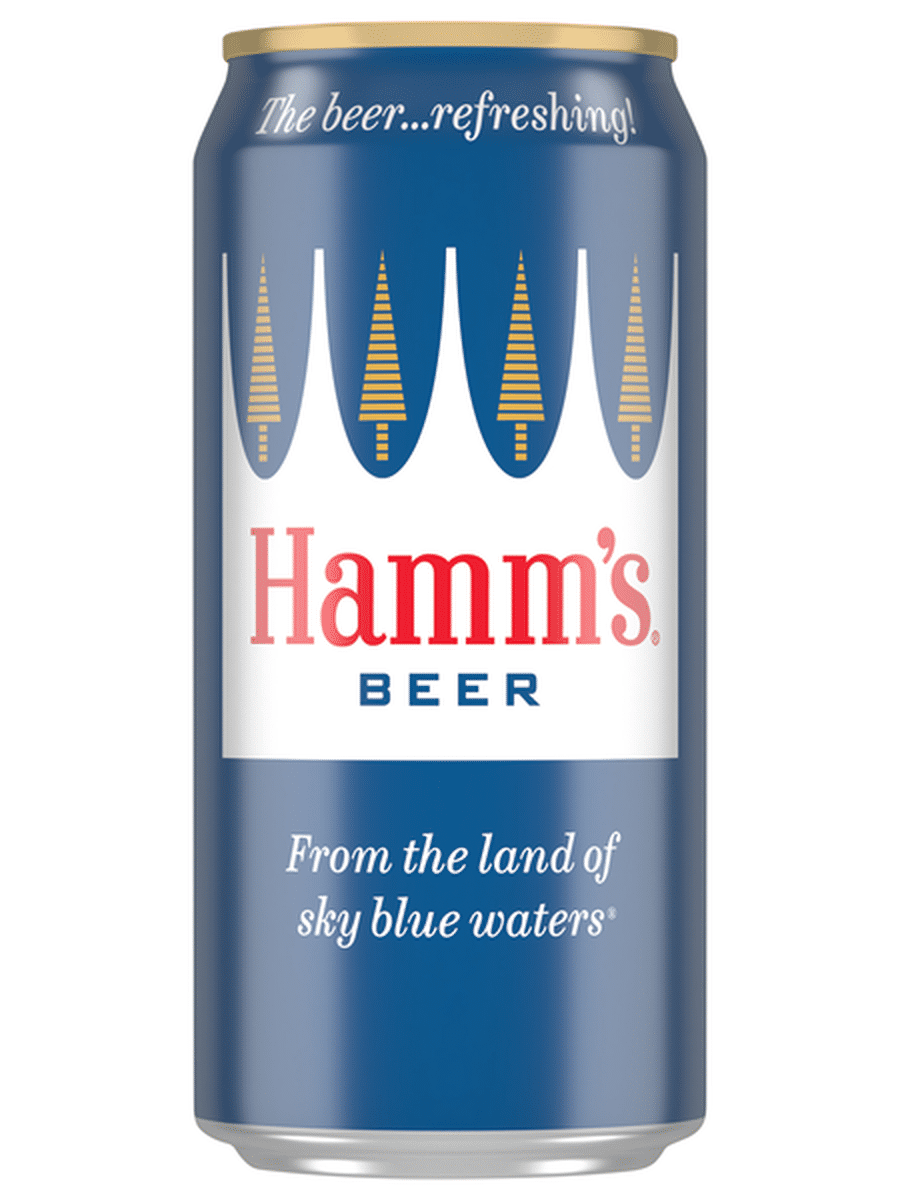
Hamm’s
Brewed by Hamm’s Brewing Company / Molson Coors
A straightforward regional classic that illustrates the light grain and quiet hops of American lager.
BAR NOTES
Hamm’s supplies another clear 1B reference without adding fruit, roast or an assertive hop bill. Molson Coors identifies it as an American-style lager at 4.7% ABV, distinguishing the regular beer from its separate light extension.
The Minnesota location identifies the brand’s origins, rather than promising that every can is brewed in St. Paul. Compare fresh cans at the same temperature so that storage and serving conditions do not become the biggest differences in your flight.
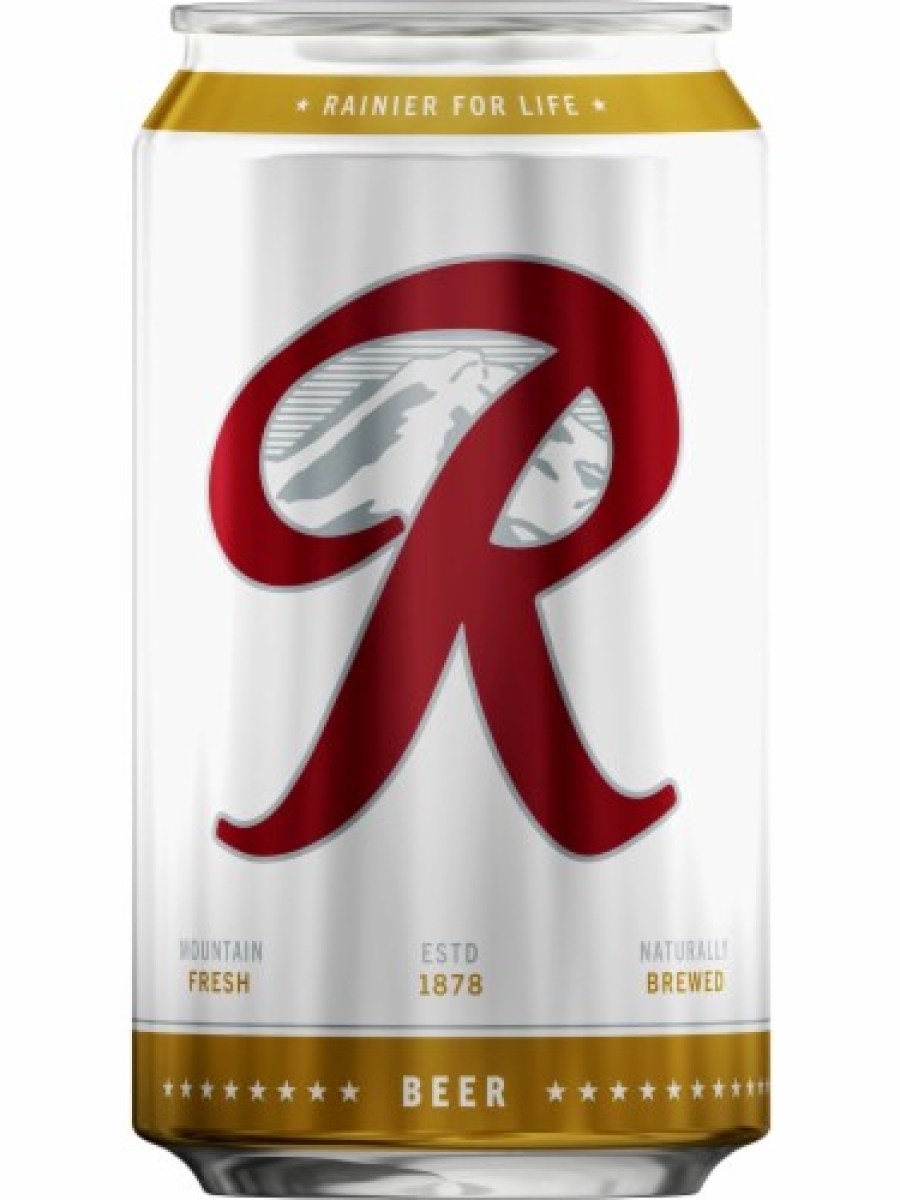
Rainier
Brewed by Rainier Brewing Company / Pabst
A Northwest brand with a gentle malt profile and a clean, restrained finish.
BAR NOTES
Rainier’s standard beer is a pale, 4.6% lager with the moderate strength expected of this category. It broadens the board geographically while keeping the comparison focused on everyday American lager rather than stronger specialty releases.
Rainier’s current product page identifies Irwindale, California, as its brewing location, so Seattle here refers to heritage. To explore pale lager with more prominent hop character, compare the pilsner selections after this restrained benchmark.
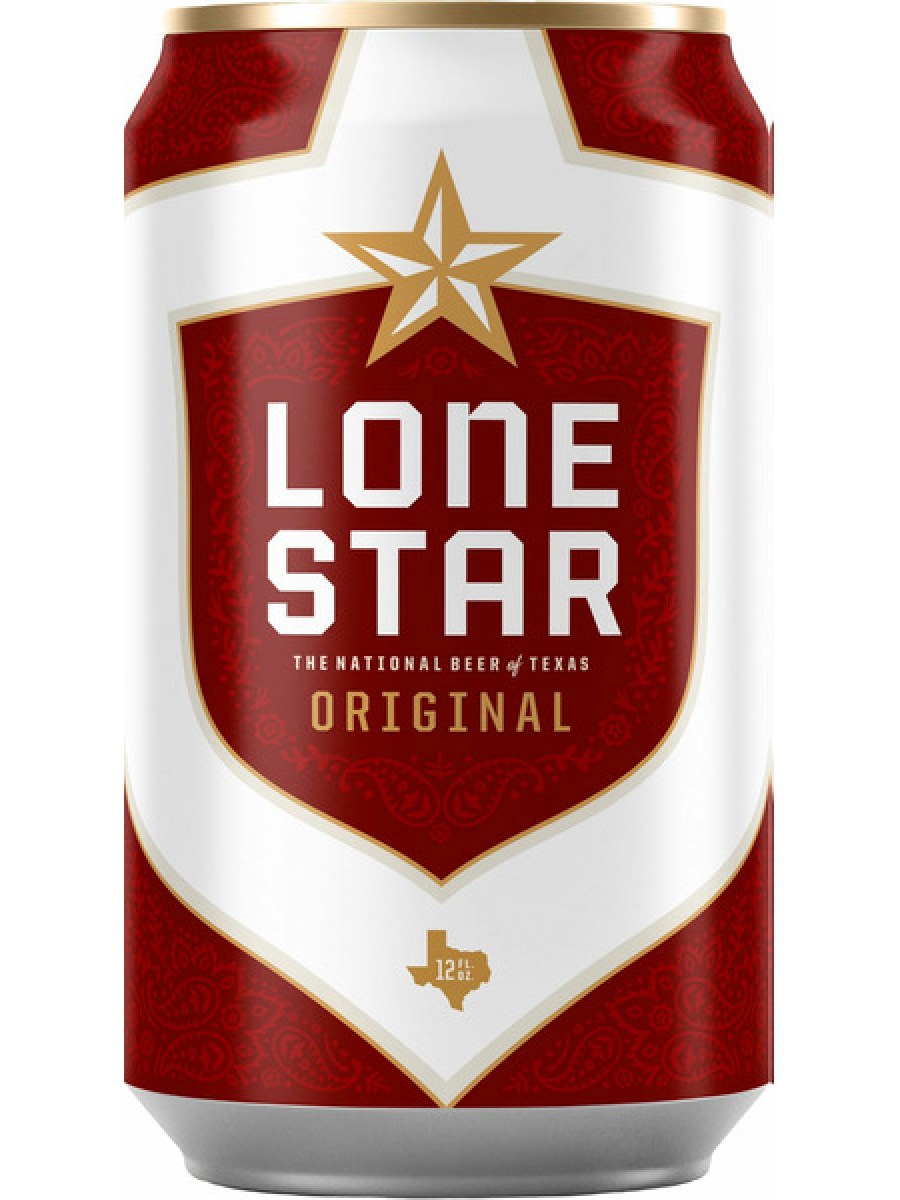
Lone Star Original
Brewed by Lone Star Brewing Company / Pabst
Malted barley and corn extract support a classic pale American lager profile.
BAR NOTES
Lone Star publishes 4.7% ABV for Original and identifies malted barley and corn extract among its ingredients. That adjunct-grain approach makes it a useful companion to rice-based Budweiser when studying how different recipes reach a similarly restrained finish.
Original and Lone Star Light deserve separate comparisons because their product specifications differ. The brewery’s Texas identity is central to the brand, but this guide uses origin locations consistently rather than treating every historic hometown as the current production plant.
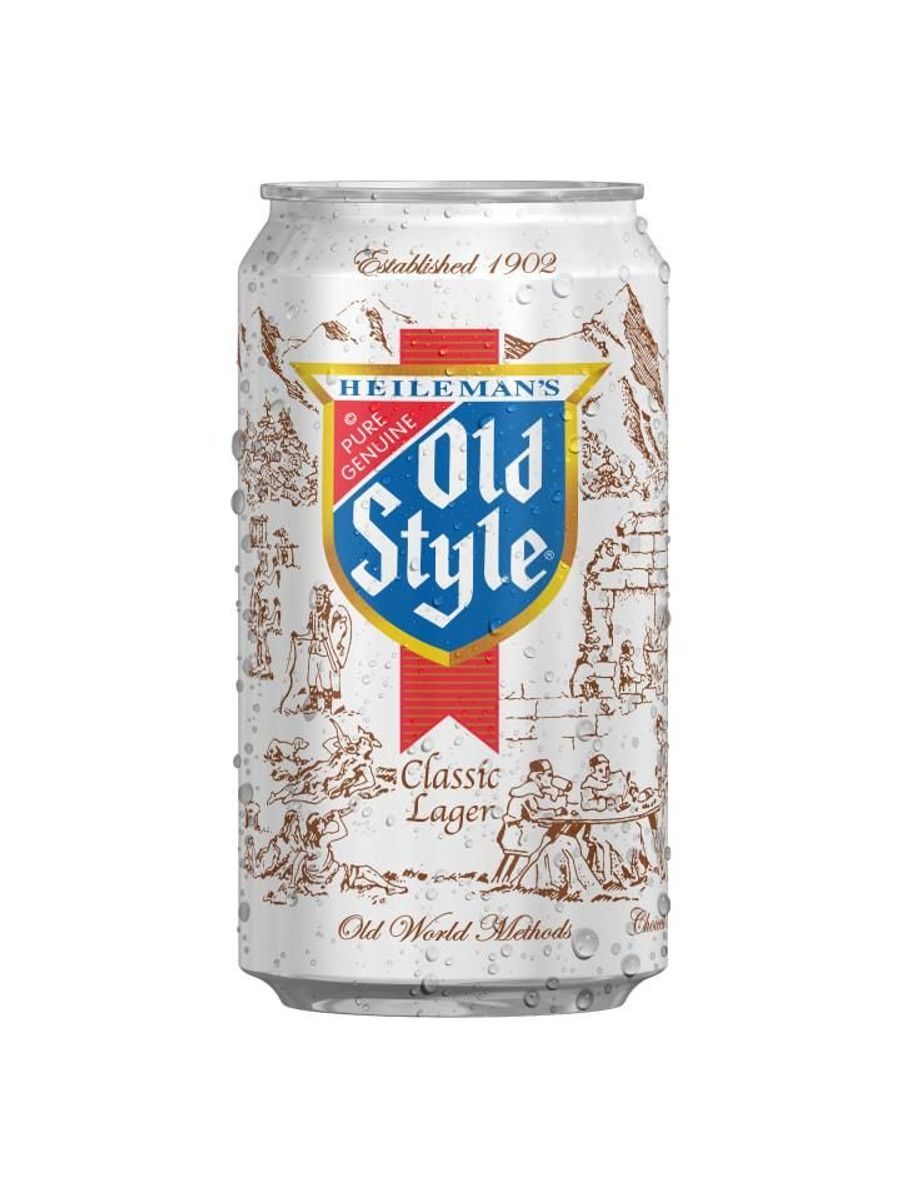
Old Style
Brewed by Pabst Brewing Company / Heileman’s
A Midwestern benchmark named in the BJCP’s American lager commercial examples.
BAR NOTES
Old Style closes the board with another named BJCP commercial reference. Its current U.S. retail specification of 4.6% ABV keeps it in the standard lager range, with heritage in Wisconsin and a particularly strong association with Chicago drinking culture.
A classic brand is useful here because it gives you an accessible reference, not because age automatically proves quality. Compare its grain character with the blonde-ale selections to hear what changes when a pale beer permits a more expressive ale profile.
How it is brewed
Two-row or six-row barley forms the base, with rice or corn commonly contributing up to 40% of fermentables. Adjuncts lighten color and body while allowing the finished beer to stay at standard strength.
A large, healthy lager pitch, controlled cool fermentation, a proper maturation period and excellent packaging discipline are essential. Light use of hops supports balance; pushing noble-hop flavor too far moves the beer toward international pale lager or pilsner.
History and why the style matters
The style evolved from pre-Prohibition American lager after Prohibition and World War II. Brewery consolidation, national refrigeration and mass distribution favored a stable pale lager that could appeal to the widest possible audience.
For decades, this was what Americans meant when they simply ordered “a beer.” Craft brewing later expanded the national palate, but American lager remains a useful reference point for judging clean fermentation and restrained balance.
How to serve and pair it
Serve around 38–42°F in a pilsner glass, shaker pint or clean mug. A few degrees of warming reveal grain and fermentation differences that disappear when the beer is nearly frozen.
The style is unusually food-friendly because it refreshes without adding competing flavors. Burgers, pizza, brats, fried chicken, fish sandwiches, chili and barbecue all work.
What people commonly get wrong
- American lager is not the same as American light lager; it has more alcohol, body and grain flavor.
- It is not automatically a pilsner. Traditional pilsner is generally more bitter and hop-expressive.
- Adjunct brewing is not inherently inferior; the question is whether rice or corn creates the intended balance cleanly.
- Yuengling Traditional Lager and other amber lagers may be American lagers in everyday speech, but they do not fit this pale BJCP style.
Frequently asked questions
How is American lager different from pilsner?
American lager is less bitter and less hop-forward, with a more neutral flavor profile. German and Czech pilsners usually show firmer bitterness and more distinctive hop character.
Is Budweiser an American lager?
Yes. Its pale color, standard strength, rice-lightened body, restrained bitterness and clean finish make it a familiar commercial example of the style.
Why do American lagers use corn or rice?
They lighten body and malt intensity while supporting a crisp, dry finish. Their use developed partly from American grain availability and later became part of the style’s identity.
What is the best serving temperature?
About 38–42°F keeps the beer refreshing while allowing its quiet grain and yeast differences to emerge.
Can a craft brewery make American lager?
Absolutely. Style is defined by the beer’s sensory profile and process, not brewery size. A craft version should still remain pale, clean, restrained and highly drinkable.
Style ranges and technical descriptions follow the BJCP 2021 Beer Style Guidelines.
Keep exploring clean American beer
American lager sits between ultra-light macro refreshment and more characterful pale lagers. These guides show where its boundaries actually fall.