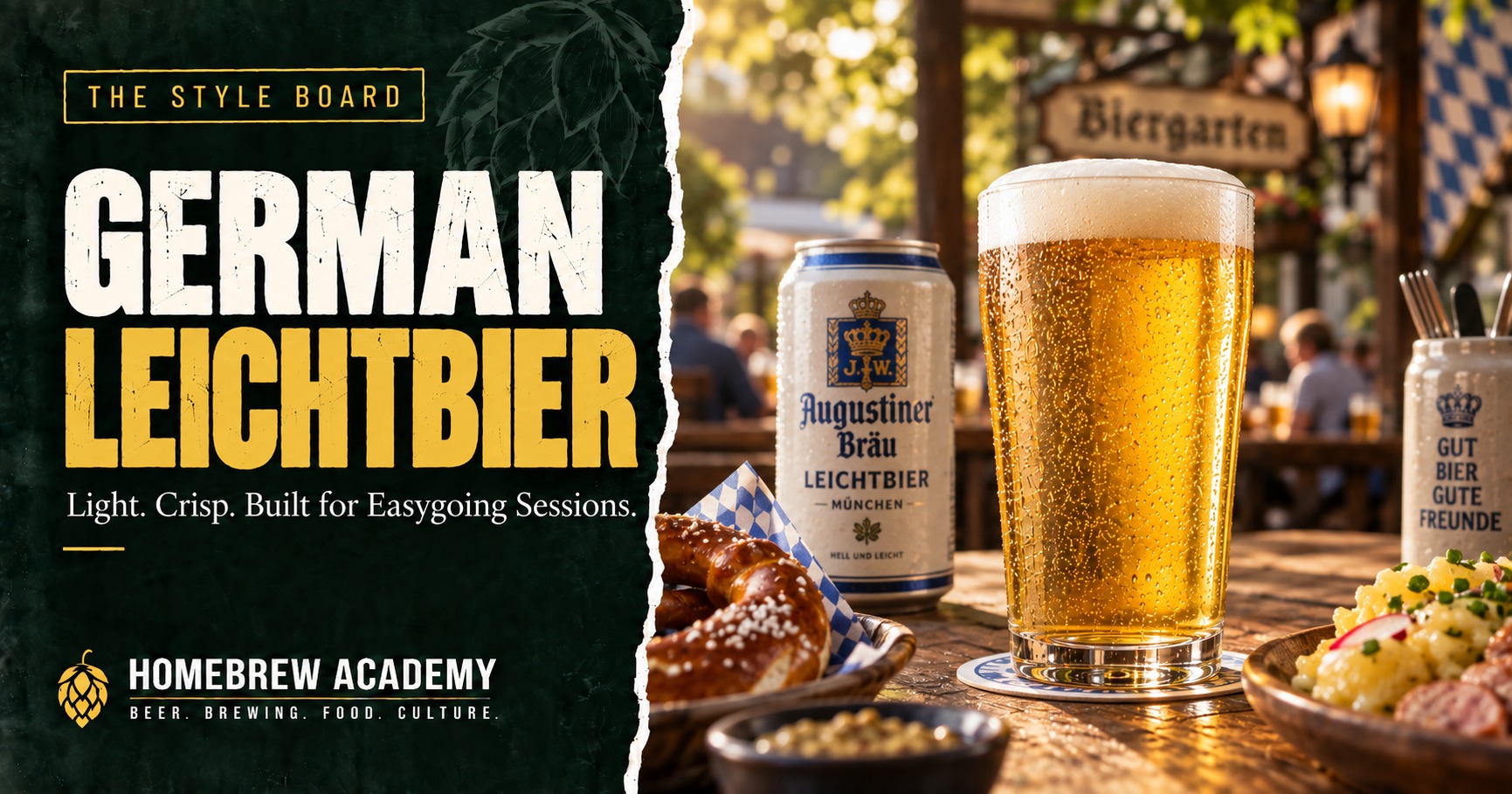
German Leichtbier: Top 10 Current Beers and Style Guide
German Leichtbier is a pale, highly attenuated lager with lower alcohol and calories than standard-strength German lager, yet enough malt and hop character to remain interesting.
Its challenge is proportion. A modest original gravity leaves no room for dull fermentation, harsh bitterness or a finish that feels watery.
The quick answer
Expect a straw-to-pale-gold lager with brilliant clarity, a persistent white head and a light body. Grainy or lightly bready malt sits beside floral, spicy or herbal German hops, while moderate bitterness carries the beer into a dry finish.
| Measure | BJCP range |
|---|---|
| Original gravity | 1.026–1.034 |
| Final gravity | 1.006–1.010 |
| Bitterness | 15–28 IBU |
| Color | 1.5–4 SRM |
| Alcohol | 2.4–3.6% |
What German Leichtbier tastes like
The aroma may suggest fresh grain, crackers, light bread and restrained noble hops. Neither side should disappear: without malt the beer seems skeletal, while insufficient bitterness can make a small lager taste sweet even at a low finishing gravity.
Carbonation is lively and the body is light, but the beer should not resemble carbonated water. Clean lager fermentation, a short finish and the absence of caramel, heavy sulfur or fruity esters keep the profile focused.
Top 10 current German Leichtbier references
These ten HBA editorial picks form a tasting flight of current German light lagers. The order compares malt, hops and body rather than claiming a blind-tasting winner. All are alcoholic beers at reduced strength; local stock and market labels can vary. Hohenthanner’s current brewery listing gives 3.5%, while older retailers may show 3.2%.
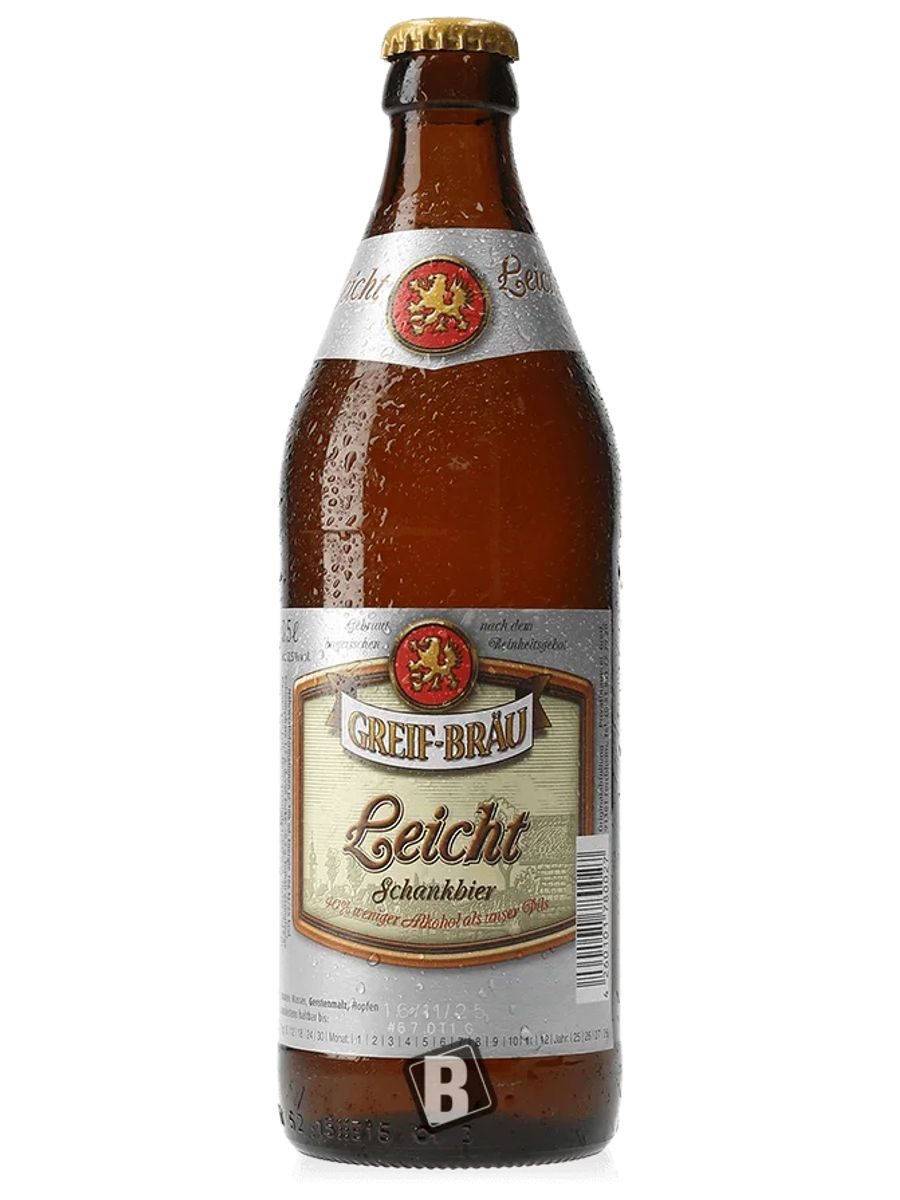
Greif Bräu Leicht
Brewed by Brauerei Greif
A low-strength Franconian lager with a clean, spritzy profile.
BAR NOTES
Greif is a useful starting point because the brewery explicitly presents Leicht as a bottom-fermented, slim and mild alternative to its Pils. At 2.5%, it sits near the lower end of the style’s strength range without becoming an alcohol-free beer.
Use it to judge how much flavor a small lager really needs: a little grain, a clean finish and enough carbonation to keep the sip moving. Compare the restraint with the broader choices in our light beer roundup before moving to the stronger pours below.
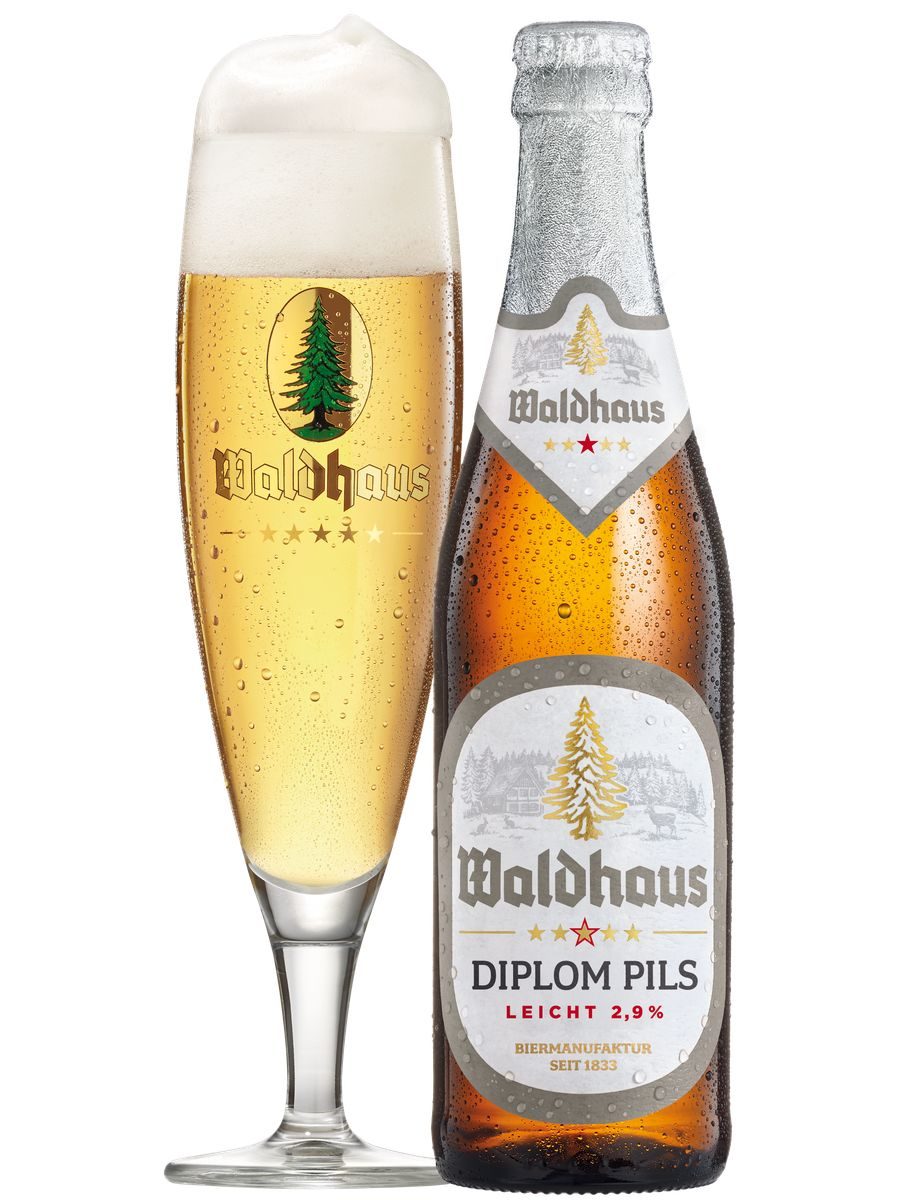
Waldhaus Diplom Pils Leicht
Brewed by Privatbrauerei Waldhaus
A lighter Pils expression that keeps hop aroma in the foreground.
BAR NOTES
Waldhaus puts the emphasis on a fine hop bouquet and a brisk, gently bitter impression. Its brewery lists whole-cone hops from Tettnang, Spalt and the Hallertau, making this a useful reference for aroma that survives a reduced-strength recipe.
Pour this beside a regular-strength Pils to separate hop fragrance from alcoholic weight. The comparison works especially well with the beers in our Pilsner roundup. Look for a satisfying finish rather than expecting the mouthfeel of a five-percent lager.
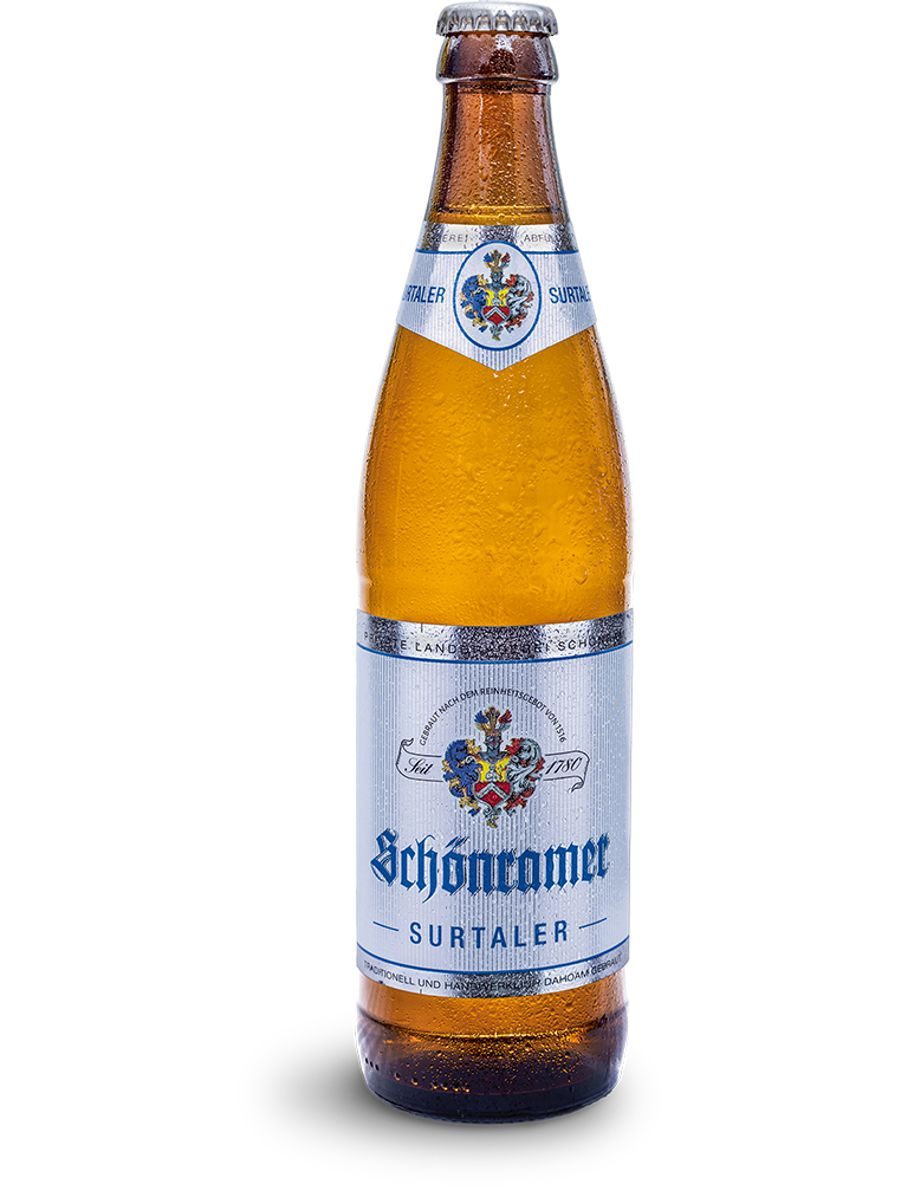
Schönramer Surtaler
Brewed by Private Landbrauerei Schönram
A filtered pale Schankbier with grain, spicy hops and a dry close.
BAR NOTES
Surtaler occupies the upper part of the Leichtbier strength range. Schönram describes hay-like and grainy aromas with spicy hops, followed by a gently sweet opening that gives way to a dry finish. The published 18 IBU helps explain its measured bitterness. Its published 8.8°P original extract is slightly above the usual BJCP 5A starting-gravity range, so treat it as a named commercial reference with that small numerical boundary.
Taste it after Greif to hear the difference between strength and heaviness. This is a slightly bigger pour, yet the finish should still feel quick and tidy. Try it with a soft pretzel or a mild sandwich that leaves the delicate grain character easy to follow.
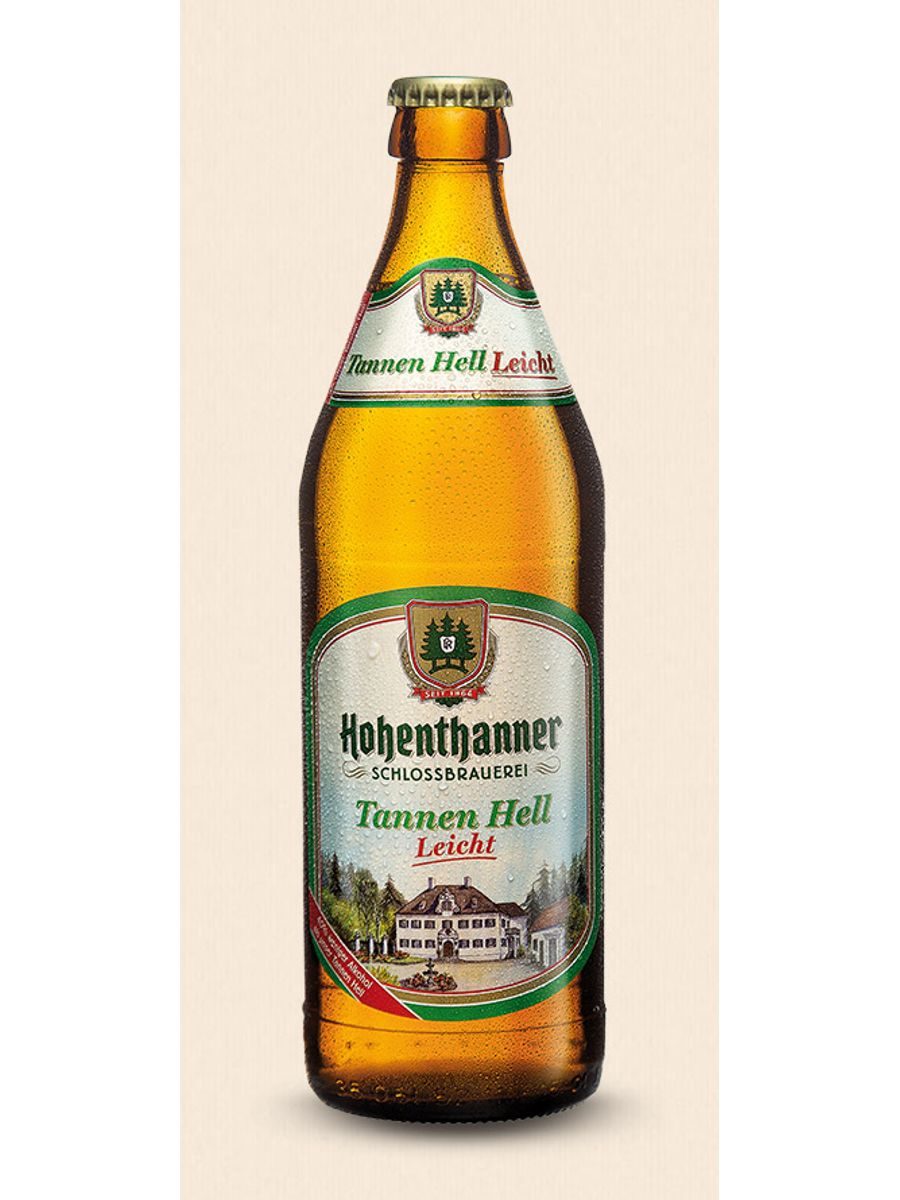
Hohenthanner Tannen Hell Leicht
Brewed by Hohenthanner Schlossbrauerei
A golden low-gravity lager with floral aroma and a bread-like malt note.
BAR NOTES
The current brewery listing gives Tannen Hell Leicht as 3.5%, with 8.4% original extract. Its floral aroma and bread-like flavor make it useful for studying a Leichtbier that retains a rounded grain impression while remaining a modest-strength Schankbier.
Take a small side-by-side pour with a beer from our Helles lager roundup. Focus on how the bread note changes as the body gets smaller. Older retailer listings may show 3.2%; use the alcohol figure on the bottle you actually buy.
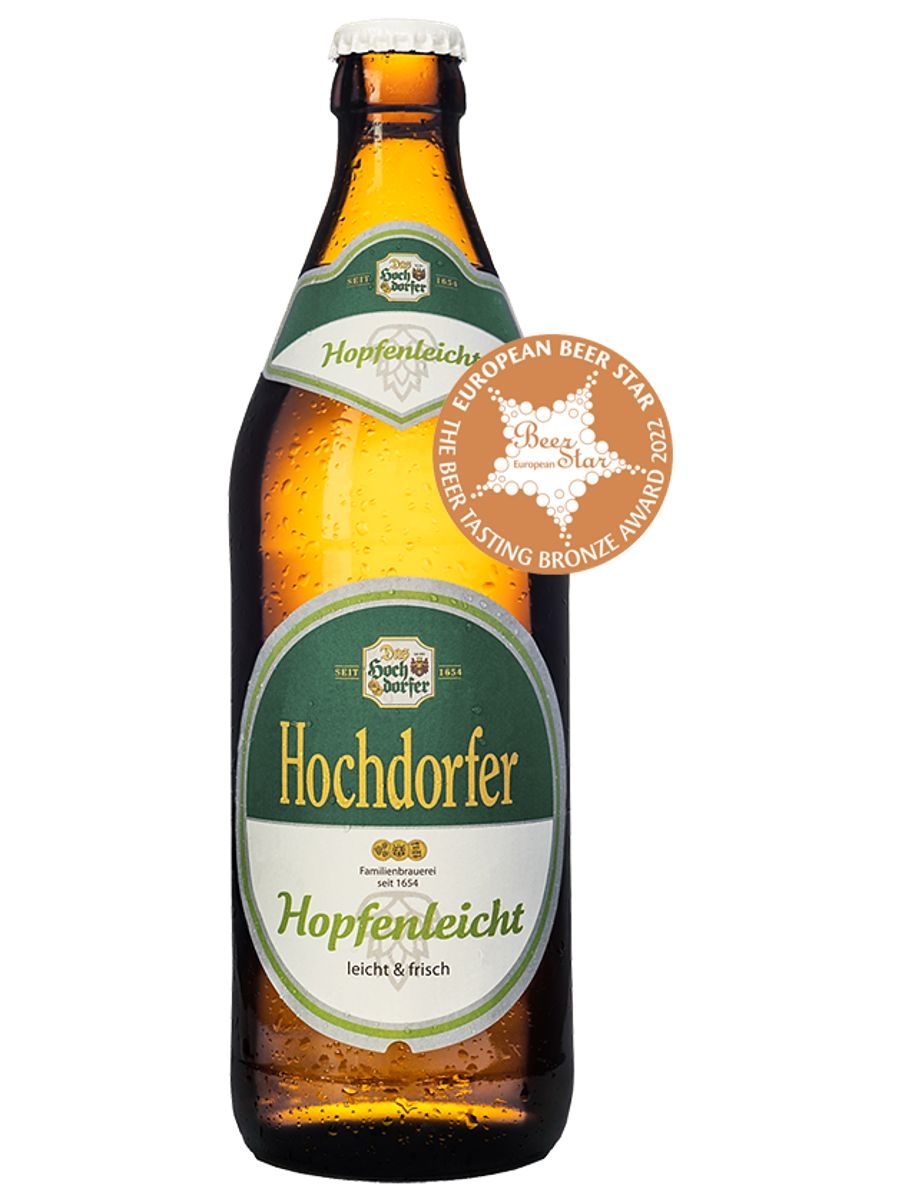
Hochdorfer Hopfenleicht
Brewed by Hochdorfer Kronenbrauerei
A hop-focused Schankbier with a current German-style Leichtbier award.
BAR NOTES
Hochdorfer’s Hopfenleicht won silver in the German-Style Leichtbier category at the 2025 European Beer Star. Current product listings give 3.3% alcohol, placing this regional Schankbier between the smallest pours here and the fuller 3.5% references.
Use it to focus on the hop side of a small lager rather than its strength alone. Compare the finish with Waldhaus, then explore our Pilsner roundup to hear what changes when hop-led pale beer gets a larger malt foundation.
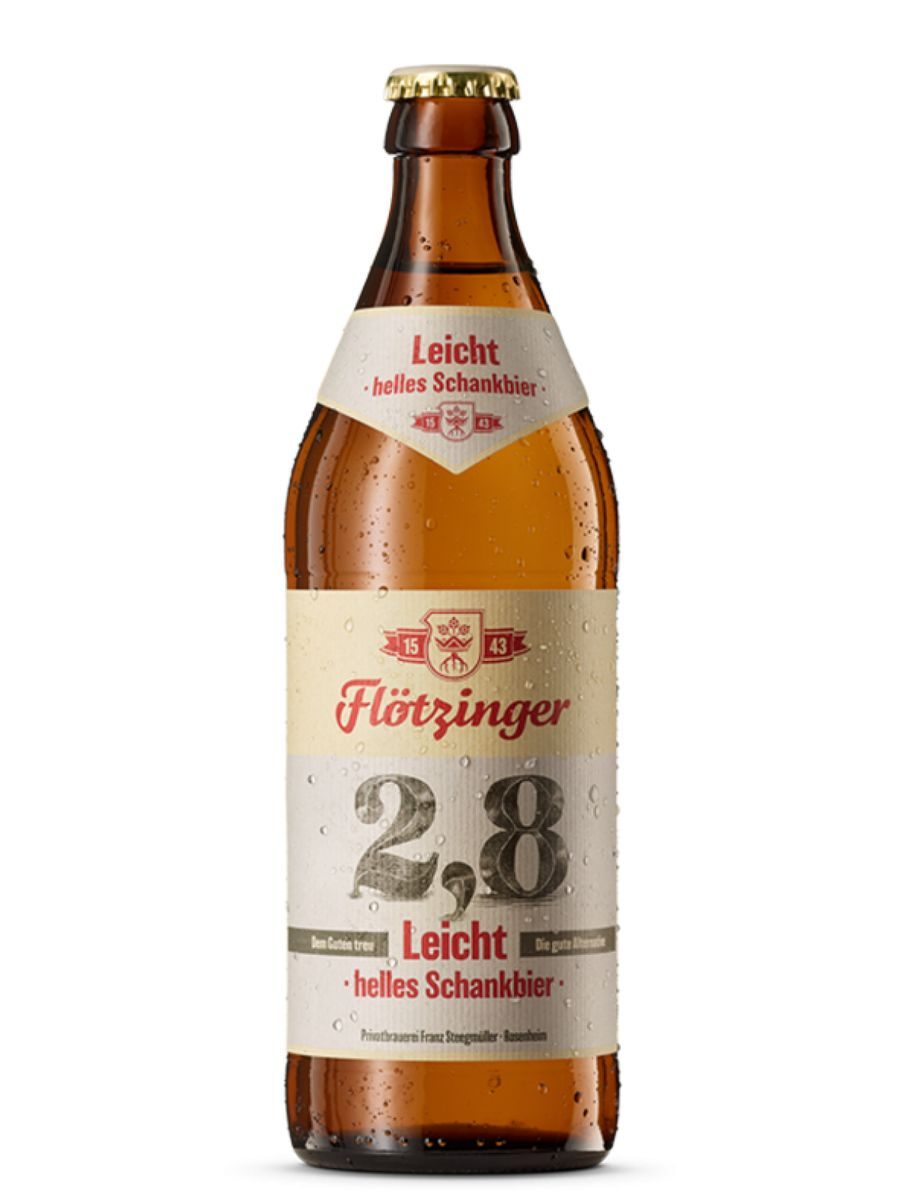
Flötzinger 2,8 Leicht
Brewed by Flötzinger Bräu
A low-strength lager built around a deliberate malt blend.
BAR NOTES
Flötzinger explains that a special malt mixture helps preserve flavor despite using less malt overall. With 18 IBU and 2.8% alcohol, this beer gives homebrewers a concrete reminder that reducing recipe size requires attention to balance, not simply diluting a full-strength lager.
Use it as the middle point in a three-glass flight with Hochdorfer and Surtaler. Compare grain fullness first, bitterness second and finish last. A clean glass matters here: detergent residue or a greasy rim can obscure the small differences that make this style worth studying.
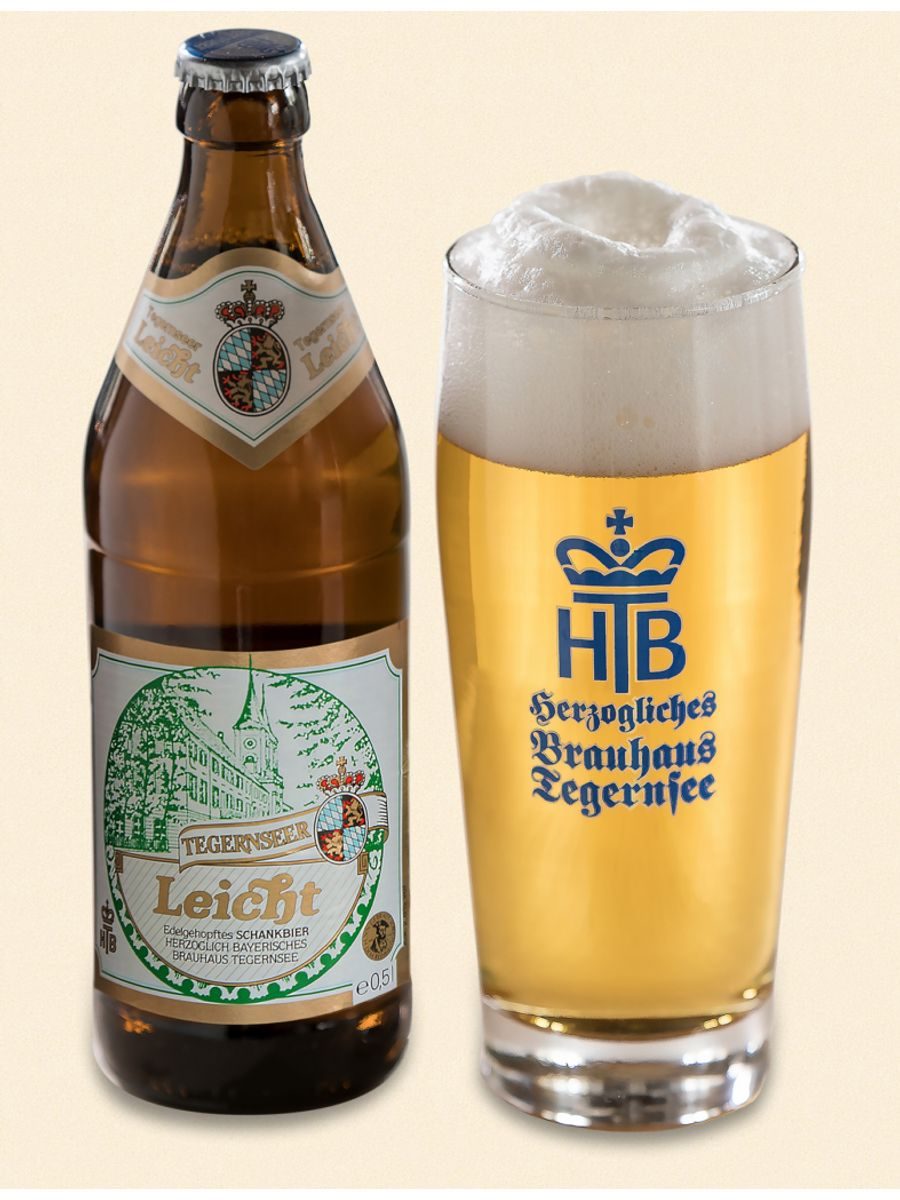
Tegernseer Leicht
Brewed by Herzoglich Bayerisches Brauhaus Tegernsee
A small Bavarian Schankbier with a clear low-gravity identity.
BAR NOTES
Tegernsee lists its Leicht as a 7°P Schankbier at 2.8%. Those numbers provide a useful counterpoint to the brewery’s regular Hell: the light beer starts with less extract, so a smaller malt impression is part of the design rather than a defect.
Let this pour show the gentler Bavarian side of the flight before returning to a more hop-forward example. Our German beer roundup puts that restraint in a wider regional context. A plain bread roll or mild cheese makes a better comparison partner than a heavily spiced dish.
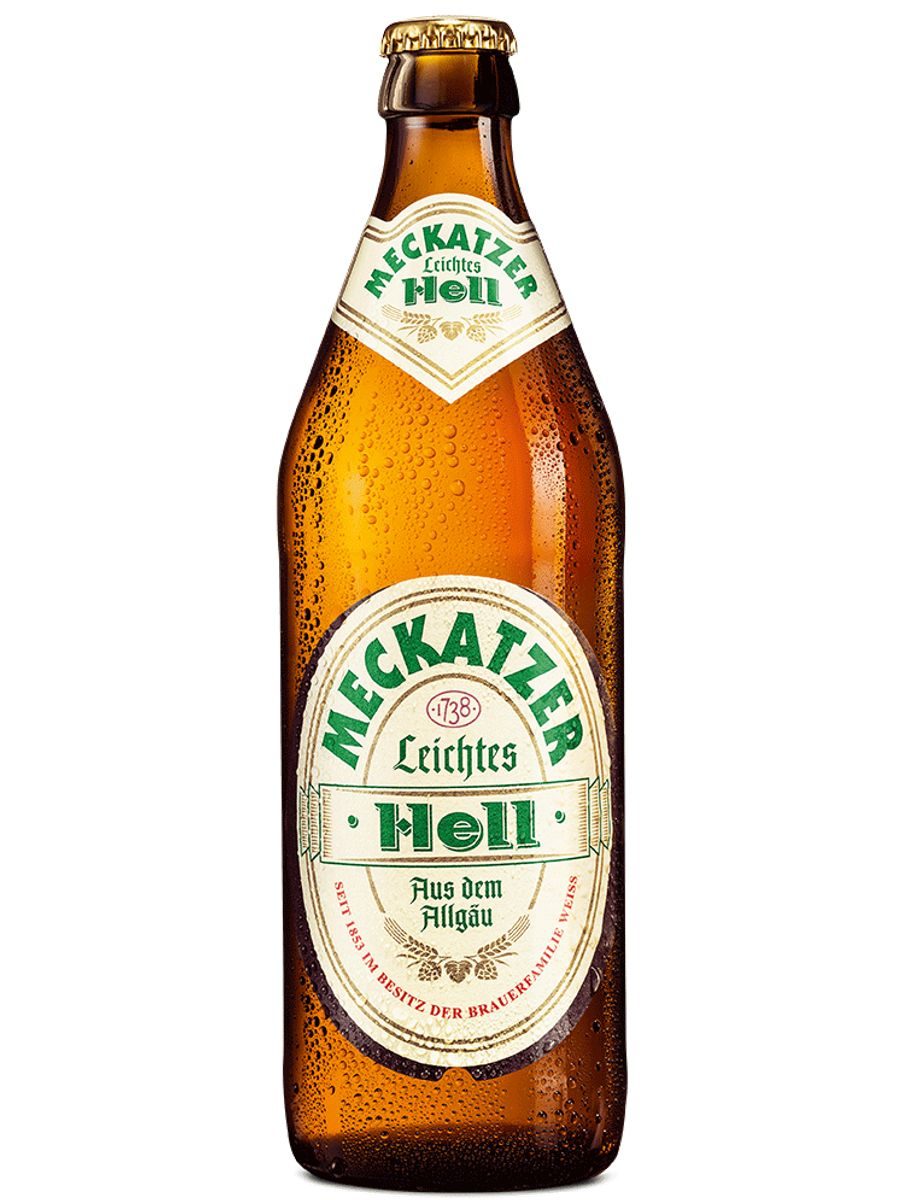
Meckatzer Leichtes Hell
Brewed by Meckatzer Löwenbräu
An Allgäu light lager balancing grain with a gentle herbal bitterness.
BAR NOTES
Meckatzer gives this bottom-fermented beer 19 bitterness units and describes a creamy opening followed by grainy malt and fine herbal bitterness. At 3.2%, it offers a useful bridge between the smallest beers here and the fuller 3.5% references.
The brewery recommends a serving range of 6–9°C; that gives the modest malt character room to appear. Try it with lightly prepared fish or a vegetable soup, then revisit the more Pils-like entries to see whether you prefer rounded grain or a sharper finish.
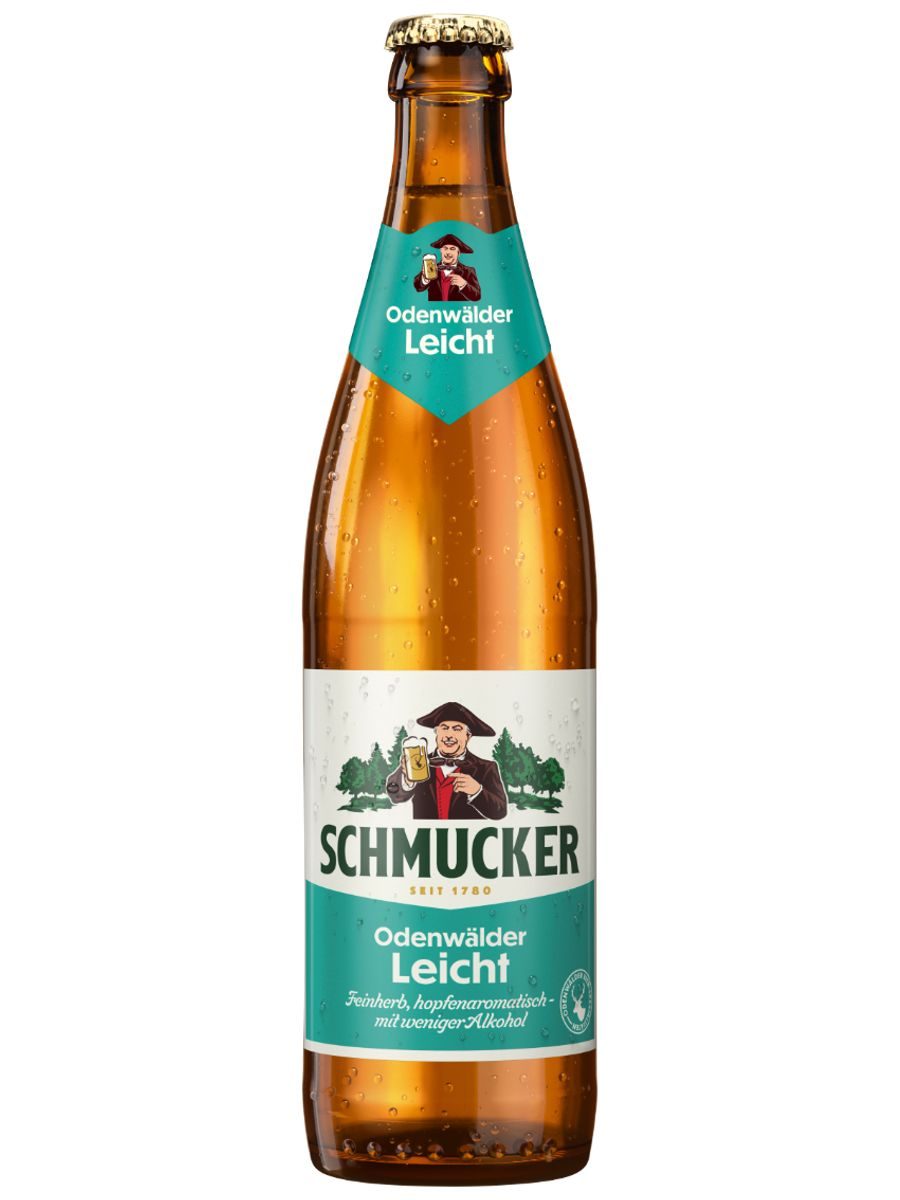
Schmucker Leicht
Brewed by Privat-Brauerei Schmucker
A pale, lean Odenwald lager with a delicate hop-led profile.
BAR NOTES
Schmucker’s current Leicht is a bright golden beer with a fine white head, delicate hop aroma and a lean body. That straightforward brewery description makes it a helpful reference when deciding whether a small lager needs stronger flavor or simply better definition.
Compare it with the other 2.8% pours before judging the higher-strength examples. Our low-alcohol beer roundup shows how brewers pursue similar drinking occasions across different styles. Here, keep your attention on the clean lager finish and the balance between grain and hops.
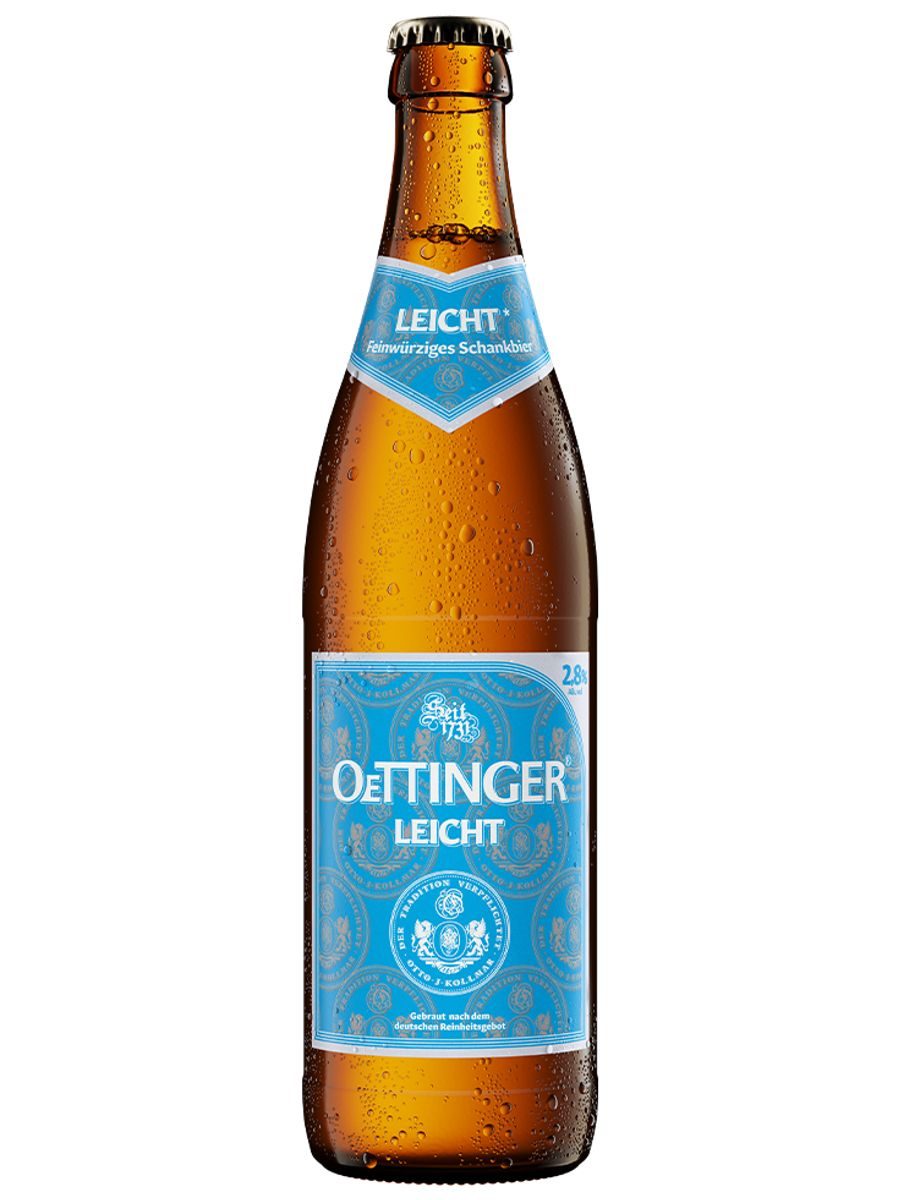
OeTTINGER Leicht
Brewed by OeTTINGER Brauerei
A straightforward light lager for checking the everyday end of the style.
BAR NOTES
OeTTINGER’s current Leicht listing confirms 2.8% alcohol and a simple barley-malt-and-hop formulation. It rounds out the flight with a familiar everyday brand, useful for judging the basic requirements of low-strength lager before concentrating on a particular regional brewery’s interpretation.
Try it fresh and compare it at the same temperature as Schmucker and Flötzinger. Keep the question practical: does the beer finish cleanly and leave enough flavor to invite another sip? Judge those fundamentals before looking for the depth you would expect from a stronger beer.
How the style is brewed
Pilsner malt normally provides the base. A small amount of character malt can add grain depth, but the safest route is a simple grist, healthy yeast and a mash plan that preserves just enough texture while still allowing high attenuation.
Bitterness must be scaled to the beer rather than copied from a full-strength Pils. German varieties such as Hallertau, Tettnang or Spalt can provide aroma and flavor without roughness. Cool fermentation and careful oxygen control are especially important because there is so little malt weight to conceal flaws.
History and modern context
German brewing has long included low-gravity everyday beers, although modern Leichtbier is most clearly defined by reduced alcohol and calories within a recognizable lager framework. It occupies the space above alcohol-free beer and below standard-strength Helles or Pils.
The style remains less visible than its stronger neighbors, partly because alcohol-free lager now fills much of the same practical role. For drinkers and brewers, however, Leichtbier is a sharper test: flavor must be built through raw materials and process rather than alcohol or residual sweetness.
Leichtbier versus Helles and German Pils
Compared with Munich Helles, Leichtbier is lower in gravity, alcohol and body, with bitterness playing a more obvious structural role. Compared with German Pils, it is smaller and generally less aggressively bitter, though both share a pale grist, dry finish and noticeable German hop character.
The best example should feel intentionally compact, not diluted. If the first impression is simply “thin lager,” the balance has missed the style’s central task.
KEEP THE FLIGHT GOING
Compare small German lagers with nearby pale styles, then build a clean low-gravity recipe.