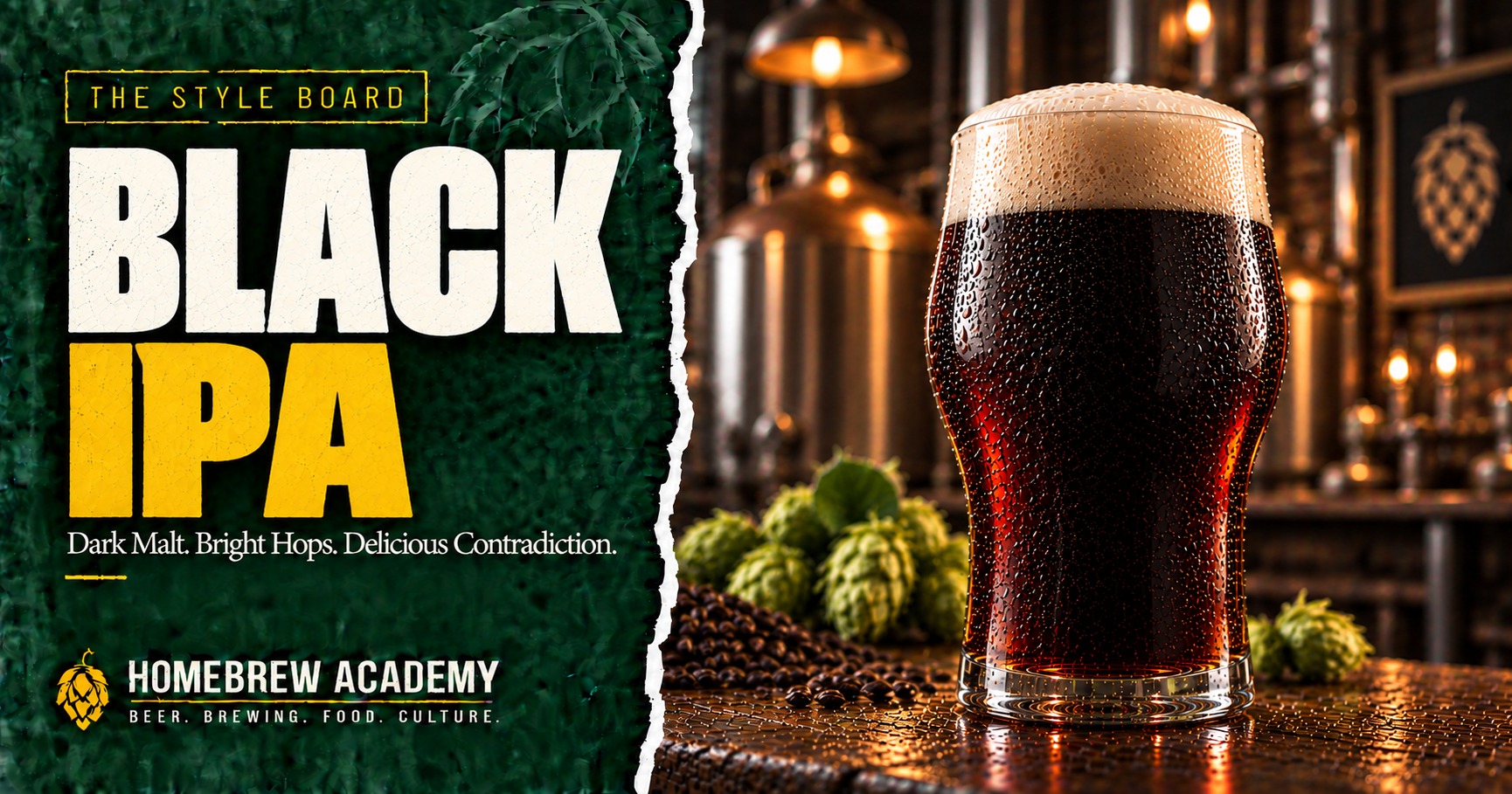
Black IPA: 10-Beer Comparison Flight and Style Guide
Black IPA should look like stout and drink like IPA. Bright citrus, pine and resin lead, while dark malt adds color and a restrained edge of cocoa, coffee or dark bread.
Black IPA style profile
| Measure | Typical range |
|---|---|
| Original gravity | 1.050–1.085 |
| Final gravity | 1.010–1.018 |
| Bitterness | 50–90 IBU |
| Color | 25–40 SRM |
| Alcohol | 5.5–9.0% ABV |
What black ipa tastes like
Hop aroma is moderate to high, usually American or New World in character. Dark malt may suggest light roast, chocolate, coffee or toast, but should not become burnt, ashy or dominant.
The best examples finish dry with firm bitterness. Body is medium-light to medium, and the dark flavor arrives as contrast rather than the main subject.
How it differs from nearby styles
American stout leads with roast and uses hops for support. Black IPA reverses that priority. A hoppy porter is normally maltier and rounder, while black IPA stays lean and aromatic.
Ten Black IPA references and comparisons
Five Black IPA references lead this flight, including two black-and-rye crossovers and Wookey Jack at double strength. Two American stouts, one American brown ale and two pale American IPAs establish the neighboring boundaries. The 2026 Black Diamond edition is an annual release whose direct shop is currently sold out.
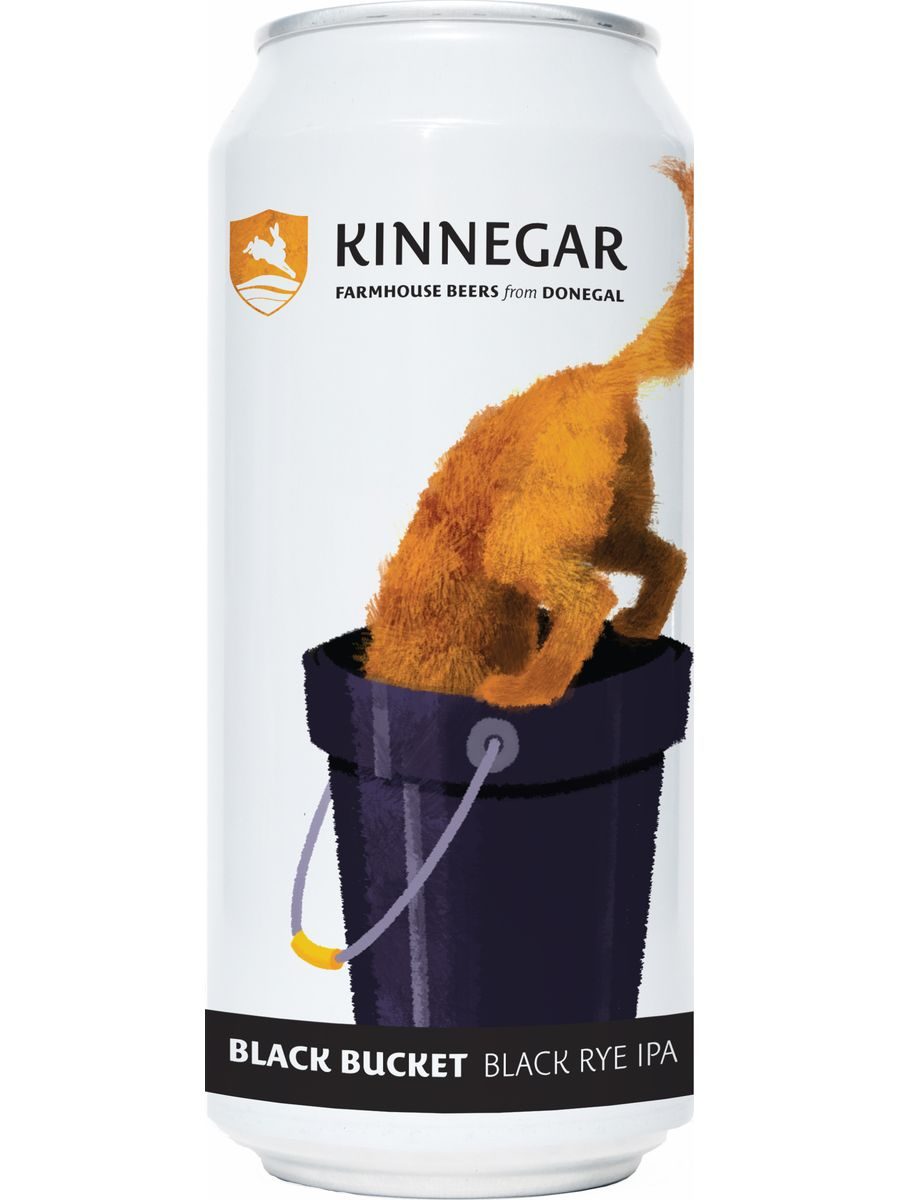
Black Bucket
Brewed by Kinnegar Brewing
Rye and roasted malt frame fresh hop flavor at standard strength.
BAR NOTES
Black Bucket is the darker, stronger relative of Kinnegar’s Rustbucket. The current core-range beer combines rye and roasted malt with fresh hop flavor, making it a direct comparison for how the same grain can operate in pale and dark IPA.
At 6.5% it offers a standard-strength contrast to Wookey Jack’s 8.3%. Taste them for balance rather than ranking the bigger beer automatically higher: the rye should add structure and spice while hops remain recognizable through the darker malt. Black IPA brewing priorities apply here.
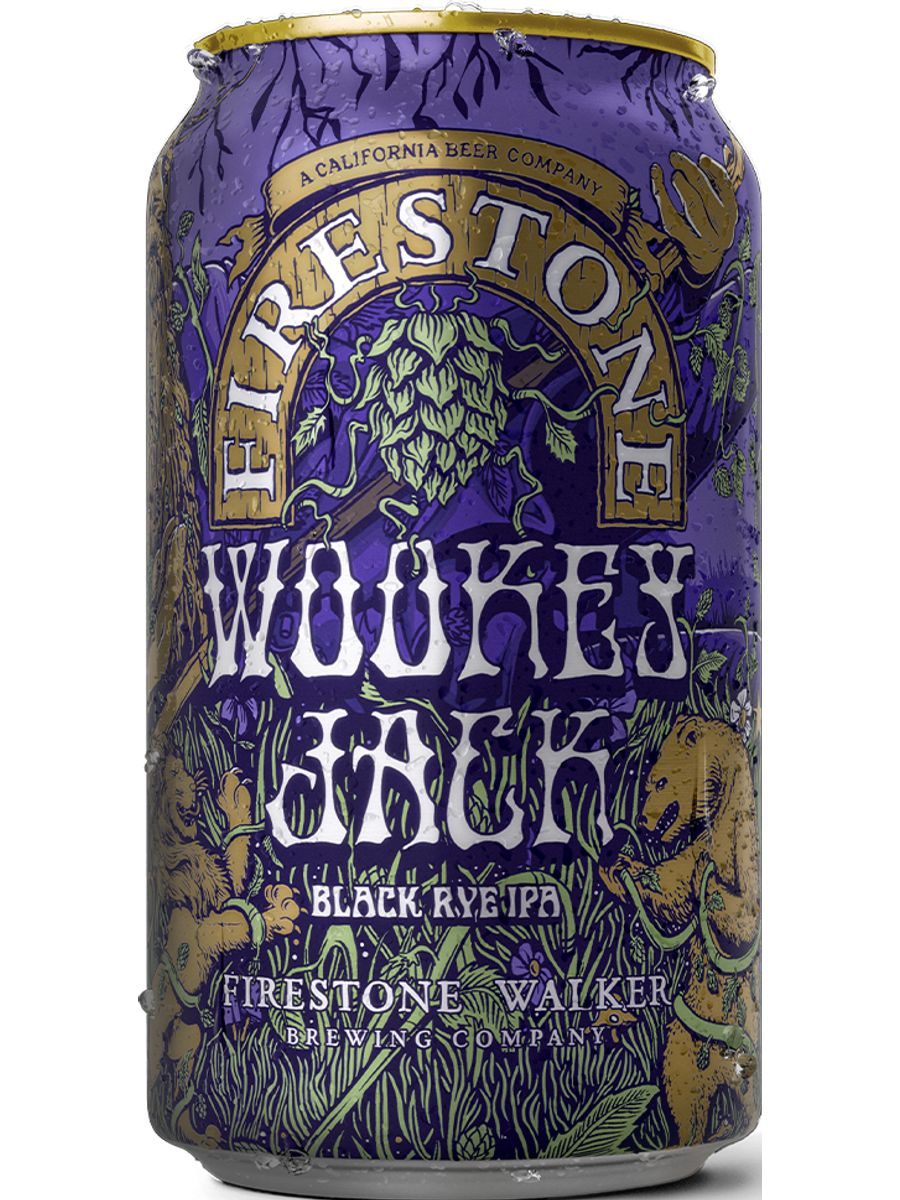
Wookey Jack
Brewed by Firestone Walker Brewing Company
Dark malt, rye and bright American hops meet at double strength.
BAR NOTES
Wookey Jack combines Amarillo, Citra and Simcoe with a dark grain bill that includes midnight wheat. It is a Black Rye IPA, not an ordinary stout, and its 8.3% strength is double strength under Specialty IPA entry labels. It remains within Black IPA’s overall 5.5–9.0% range, while sitting slightly above Rye IPA’s 8.0% ceiling.
Firestone Walker lists it as a limited release in 12-ounce six-packs. Treat its return as a release to check, not a year-round promise; in the glass, compare hop brightness, grain spice and roast as three separate sensations. Rye IPA explains the grain side.
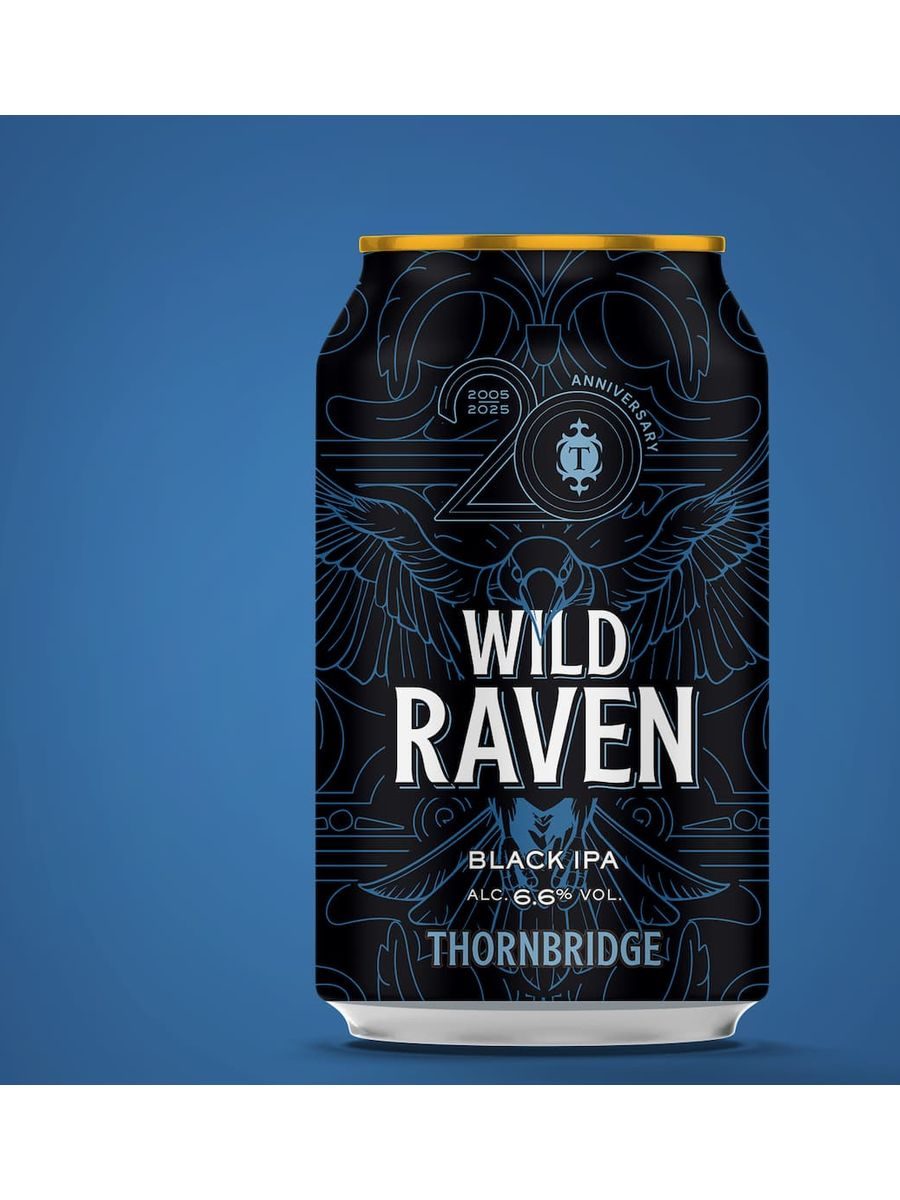
Wild Raven
Brewed by Thornbridge Brewery
Lemon, pine and coconut-like hop notes meet dark mahogany malt.
BAR NOTES
Wild Raven uses Centennial, Ella, Nelson Sauvin and Sorachi Ace; the last contributes its distinctive lemony, coconut-like aroma. Maris Otter, Munich, chocolate grains, caramalt and Carafa Special III build its dark mahogany appearance.
The current 330ml can makes a useful British interpretation of a predominantly American style concept. Its listed food match is barbecue short ribs, but the main tasting question is whether hop aromatics remain clear above chocolate and coffee malt. brewing Black IPA demands that balance.
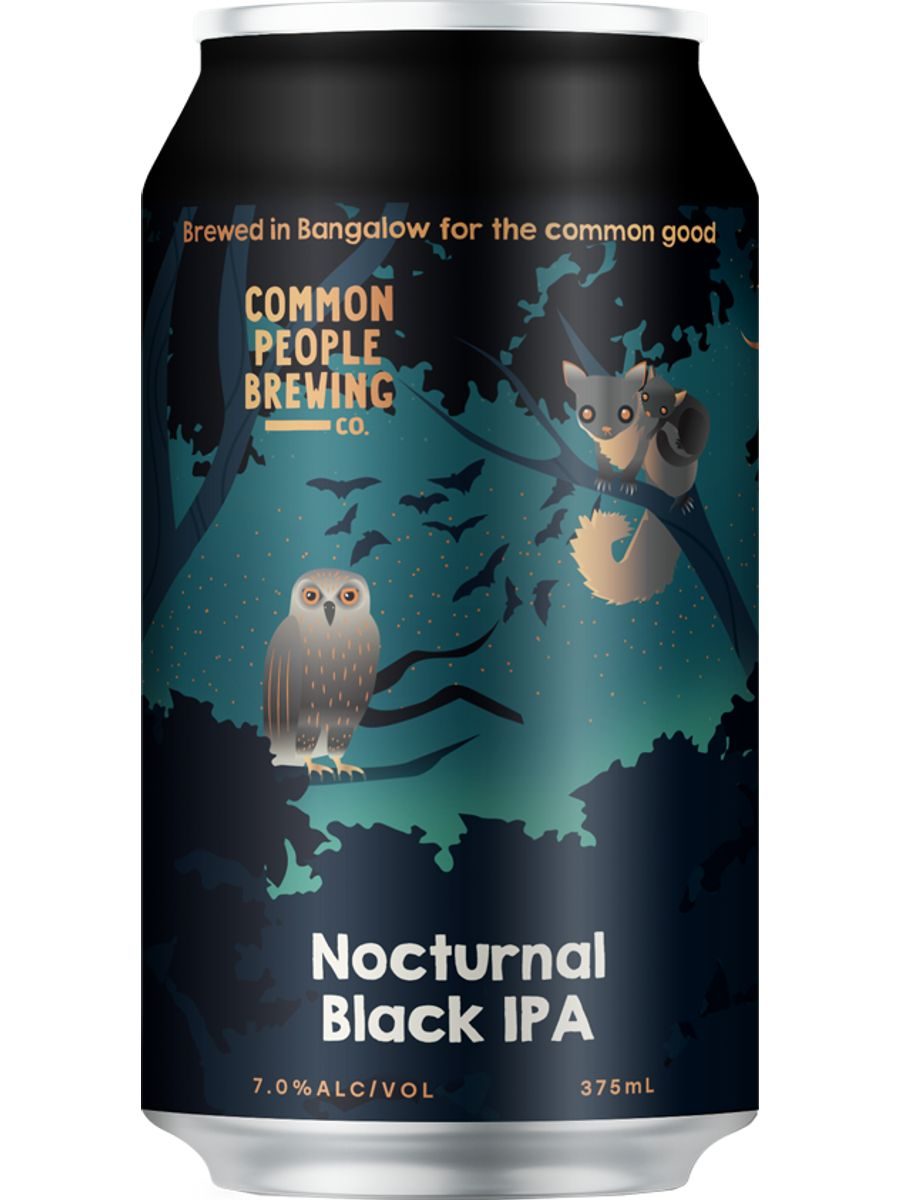
Nocturnal Black IPA
Brewed by Common People Brewing Co.
A rich nine-malt base meets dank, resinous hops.
BAR NOTES
Nocturnal takes the fuller-bodied route through Black IPA: nine malts create caramel, bittersweet cocoa and a hint of roast, while resinous hops cut across that richness. The current 375ml edition is 7.0% ABV.
Treat its substantial body as a deliberate interpretation, not a requirement for every Black IPA. Compare it with the leaner impression of Black Bucket and the stout controls later in the flight, watching whether the hops still lead. American Stout provides a neighboring roast benchmark.
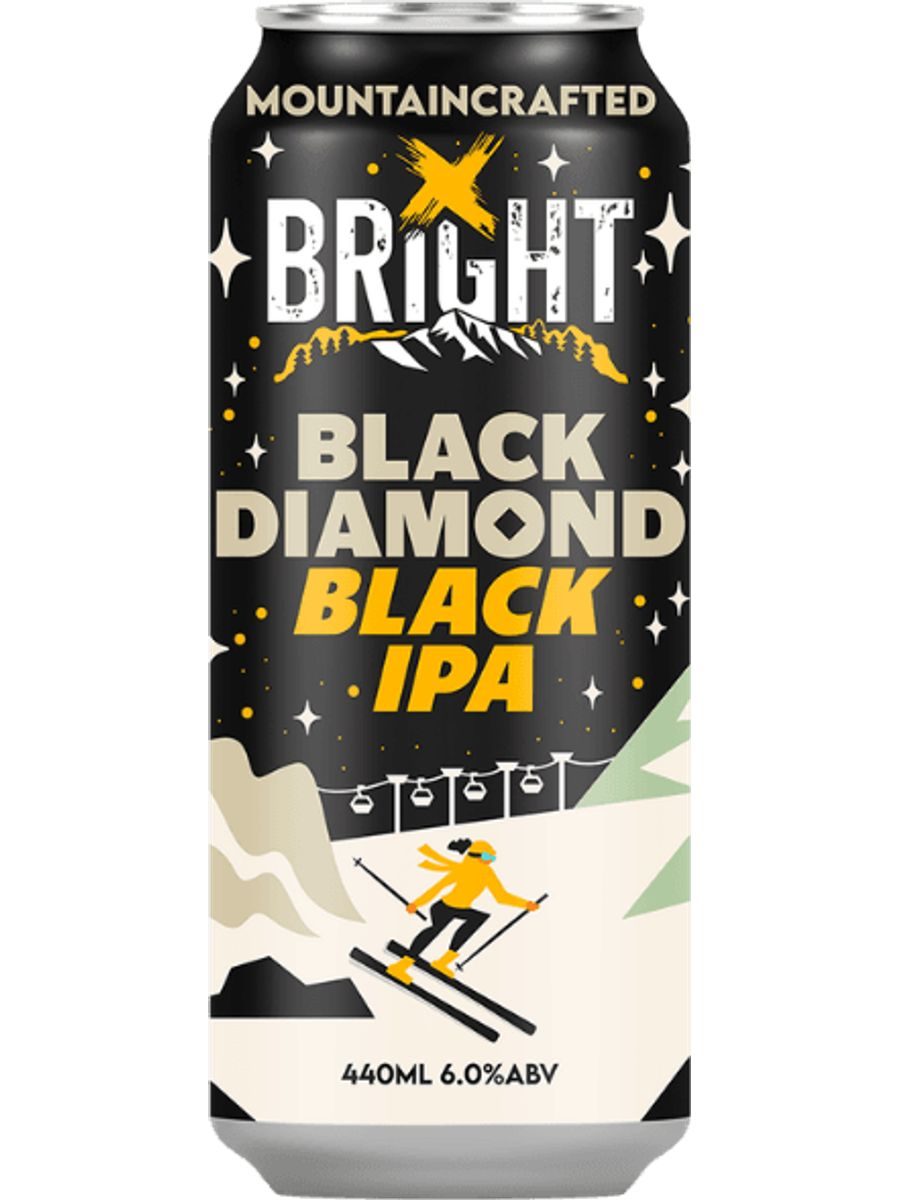
Black Diamond Black IPA — 2026 release
Brewed by Bright Brewery
Midnight wheat brings darkness beneath a broad citrus-and-pine hop blend.
BAR NOTES
The 2026 Black Diamond release combines Pale, Munich, Crystal and Midnight Wheat with Enigma, Citra, Amarillo, their Cryo forms, Simcoe and Mosaic. Its 6.0% ABV and 50 IBU keep the annual beer within standard Black IPA bands.
Bright’s direct shop currently lists this 440ml release out of stock. It remains a clearly identified tasting reference, not a guaranteed purchase; compare its restrained roast with stronger black rye beers before moving to an actual stout. American IPA supplies the hop-first starting point.
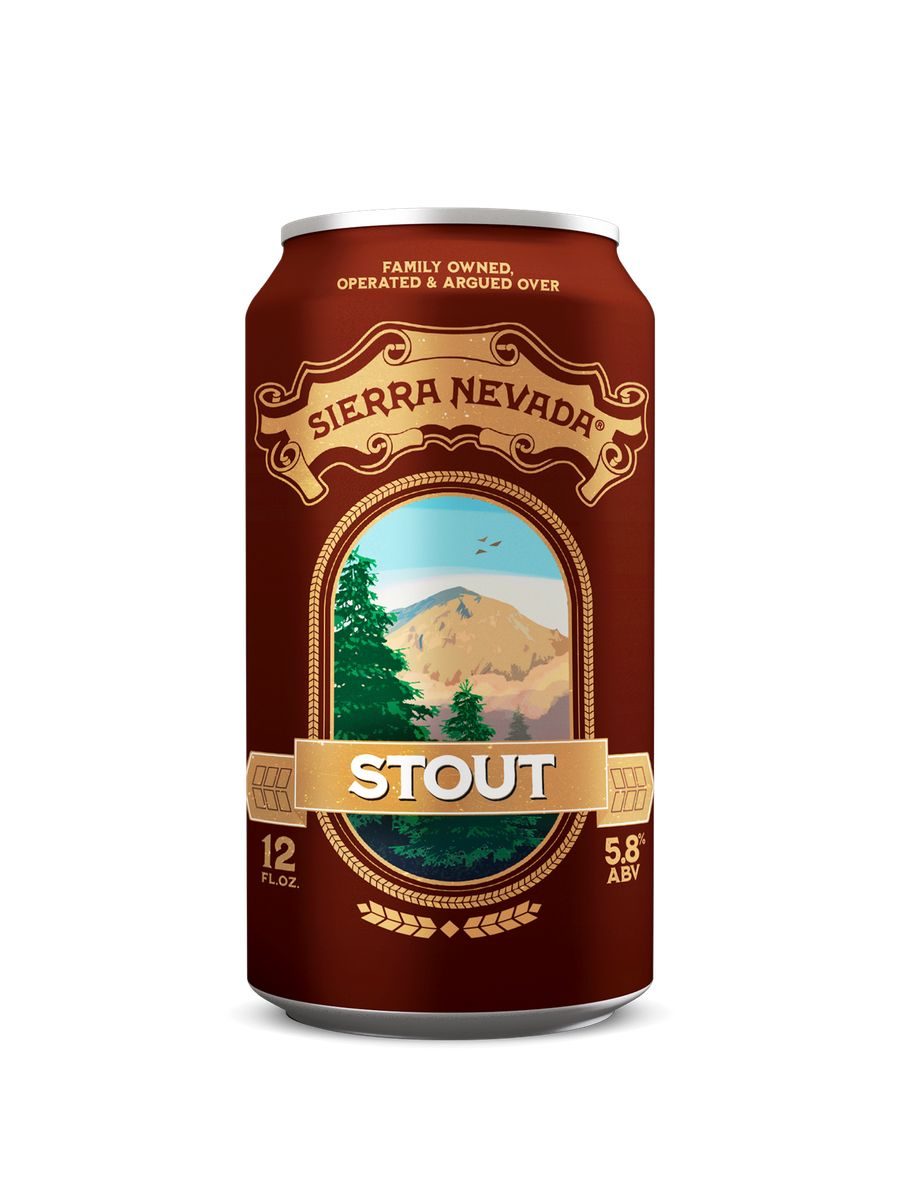
Sierra Nevada Stout
Brewed by Sierra Nevada Brewing Company
The brewery’s original dark style pairs roasted grain with West Coast hop character.
BAR NOTES
Sierra Nevada’s current Stout can gives 5.8% and 50 IBU. Black, chocolate and roasted-barley components sit alongside Munich and caramelized malts, with Bravo, Cascade and Yakima Golding hops; the result keeps coffee-like roast connected to an American hop frame.
The web shop currently shows sold out and cautions that its stock does not represent gift-shop availability. This is a useful comparison with its 32-IBU Porter, provided the actual cans are fresh; neither a store listing nor a familiar name guarantees broad distribution. Explore the American Porter guide. This beer is included as a neighboring-style control; its original style name remains intact rather than being recast as IPA.
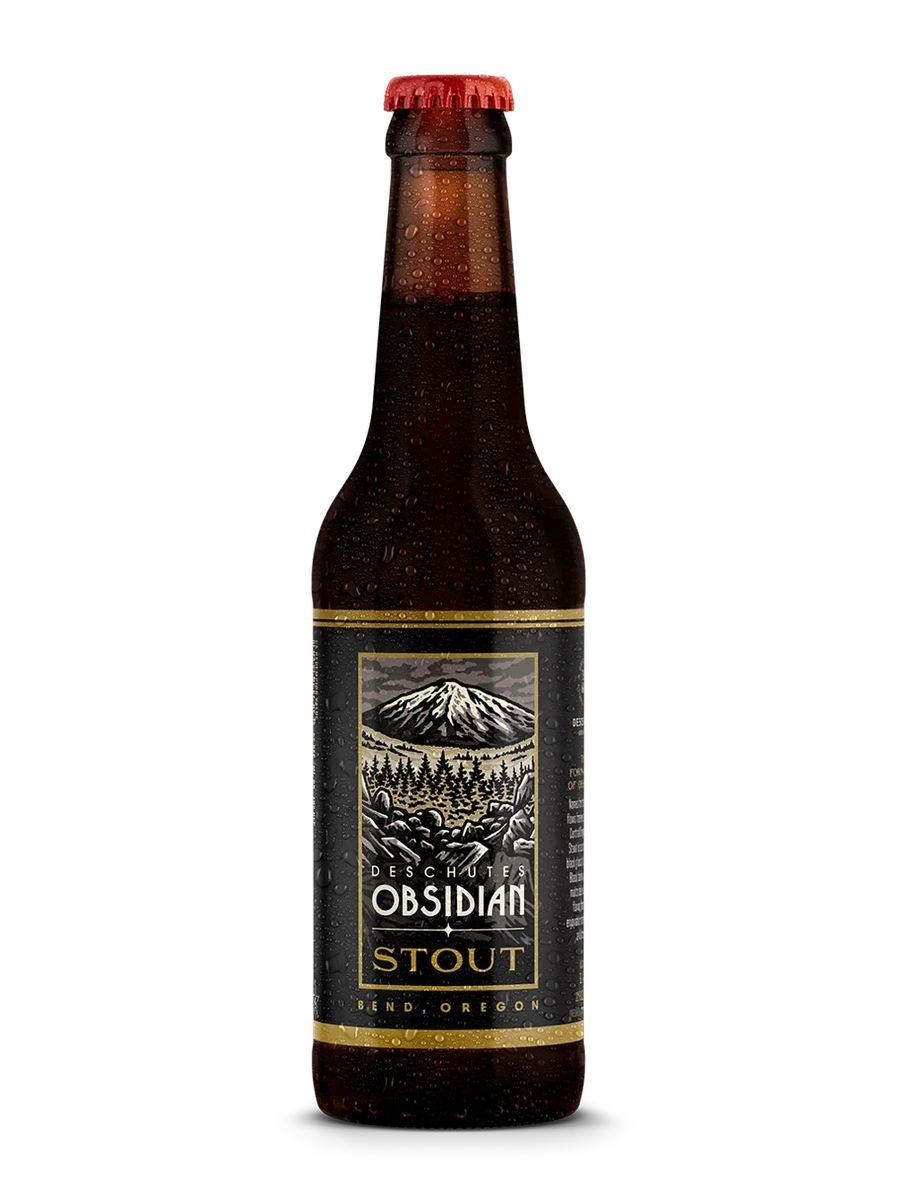
Obsidian Stout
Brewed by Deschutes Brewery
Black barley and roasted malt make a clear American stout reference.
BAR NOTES
Obsidian’s current recipe is a year-round 6.4% stout with 55 IBU. Roasted barley and black barley provide espresso and chocolate depth, supported by Munich, crystal and wheat malts; Delta and Northern Brewer hops add structure to that dark-malt center.
The brewery’s current shop lists bottles, with online stock presently sold out. Compare the beer with Black Butte to isolate sharper roast and firmer bitterness at the same brewery; those differences matter more than whether both pours appear nearly black. Explore the American Stout recipe. This beer is included as a neighboring-style control; its original style name remains intact rather than being recast as IPA.
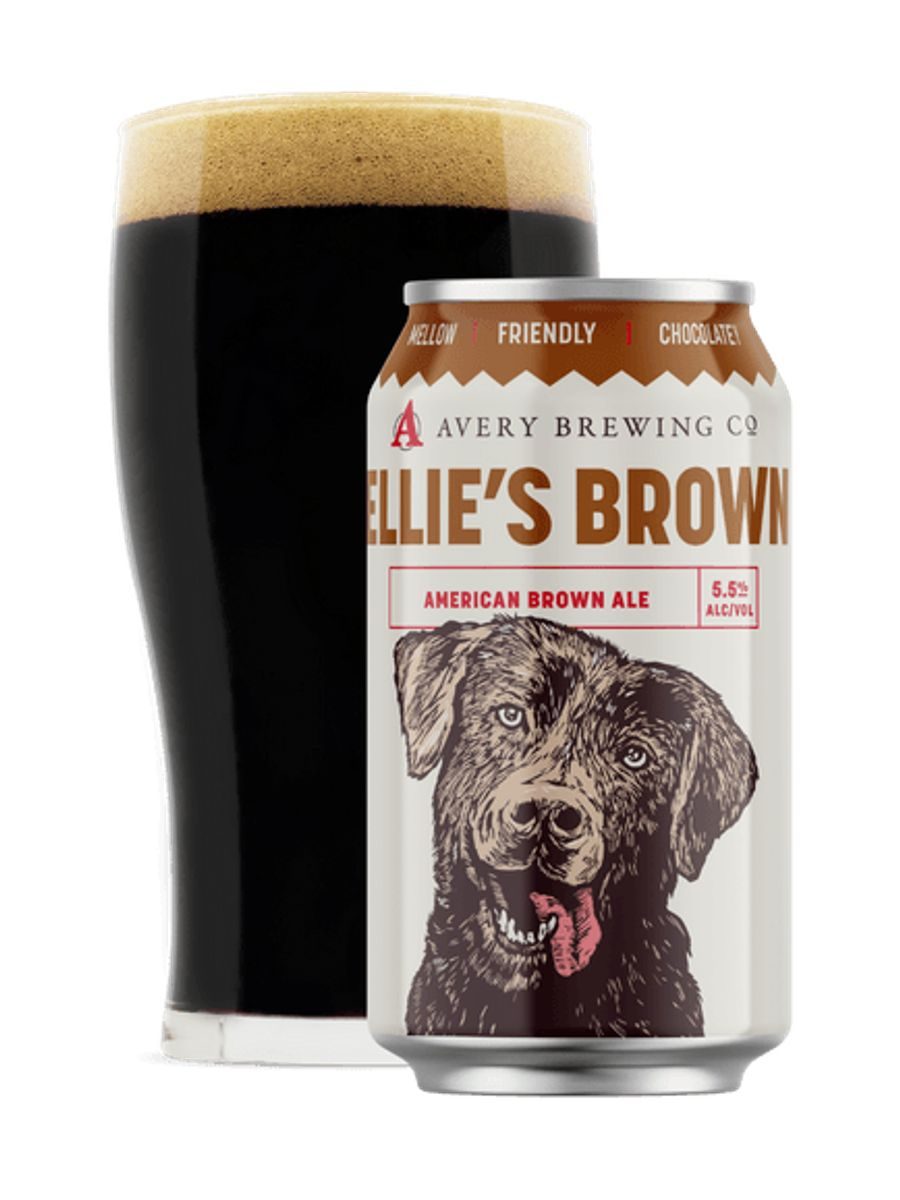
Ellie’s Brown Ale
Brewed by Avery Brewing Company
The Labrador tribute emphasizes mellow malt depth at everyday strength.
BAR NOTES
Avery’s current Ellie’s Brown is a 5.5% American Brown Ale in six-pack cans. The beer honors Adam Avery’s chocolate Labrador, while its flavor combines chocolate and brown-sugar maltiness with hints of vanilla and nuts.
Let a small pour warm enough to distinguish nutty malt from simple sweetness. Avery suggests smoked brisket as a pairing, which makes sense for the beer’s rich yet dry edge. Explore cooking with beer for ways to connect browned food with layered malt flavors. This beer is included as a neighboring-style control; its original style name remains intact rather than being recast as IPA.
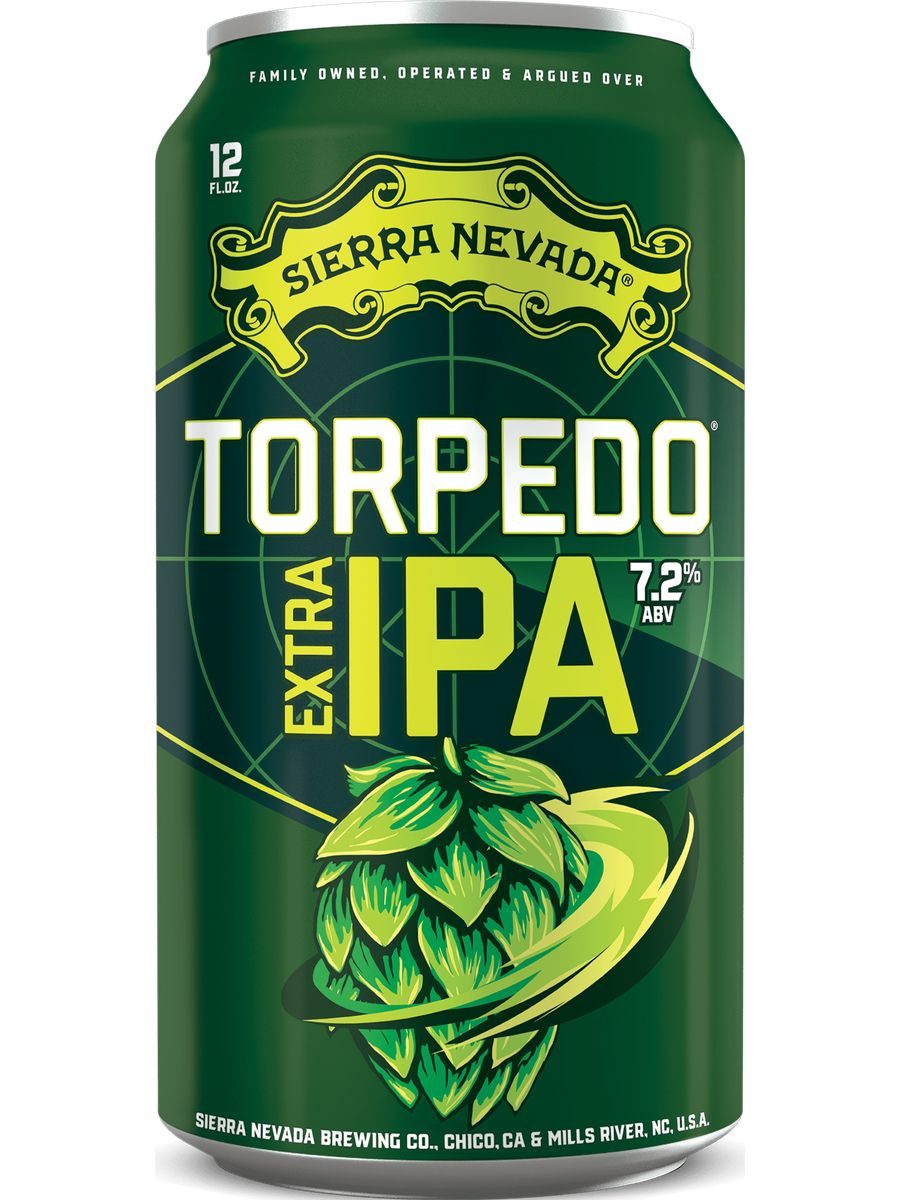
Torpedo Extra IPA
Brewed by Sierra Nevada Brewing Company
Citrus, tropical fruit and pine over a restrained caramel frame.
BAR NOTES
Torpedo uses Citra, Crystal and Magnum with two-row pale and caramelized malt. Sierra Nevada’s recirculating Hop Torpedo device increases hop aroma and flavor by moving beer through a packed charge of whole-cone hops.
Its caramel support makes it a particularly useful bridge into red and brown IPA. The malt remains subordinate to the hop-led finish; compare that relationship before deciding how much toast or chocolate a specialty version can carry. dry hopping changes aroma as well as intensity.
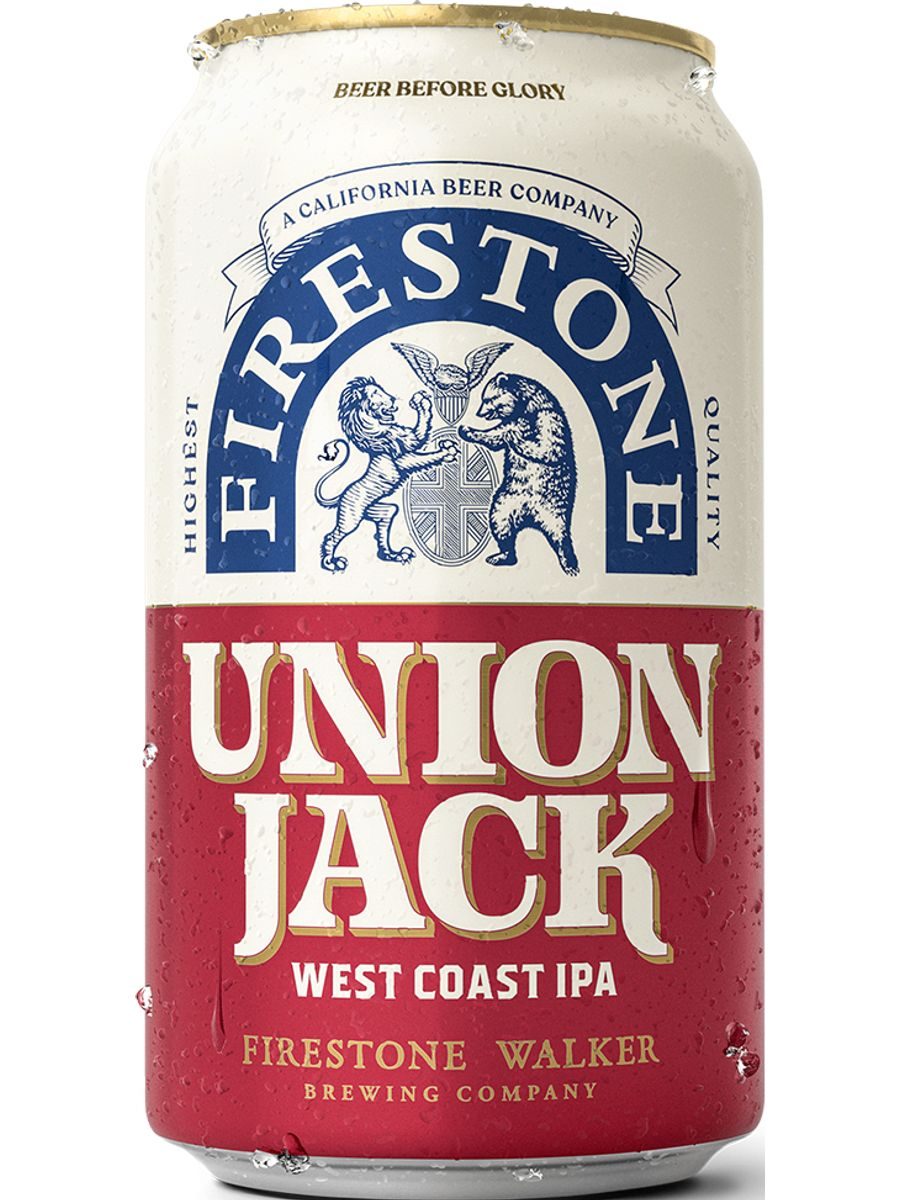
Union Jack
Brewed by Firestone Walker Brewing Company
Pine and citrus offer a firm, clean West Coast benchmark.
BAR NOTES
Union Jack is Firestone Walker’s original West Coast IPA, currently listed at 7.0% ABV and 70 IBU. Its featured hop profile includes Simcoe and Chinook, reinforcing pine, citrus and a firm finishing bitterness.
It works well as an unmodified control beside Wookey Jack from the same brewery. Compare how a clean IPA finish changes when midnight wheat, dark malt and rye enter the picture; bitterness should remain distinct from roast. Black IPA explores that challenge.
Building the recipe
Use pale malt for most of the grist, then create color with dehusked dark malt, midnight wheat or carefully limited roasted grain. Crystal malt should stay restrained.
Pine, citrus and resin naturally complement cocoa and coffee. A clean American strain and sulfate-leaning water help the beer finish like IPA rather than stout.
How to brew black ipa
- Build color without ash: dark grain quantity and husk character matter.
- Keep the mash fermentable: a heavy body blurs hop definition.
- Use late hops generously: aroma must survive the dark appearance.
- Watch combined bitterness: roast and hops both sharpen the finish.
- Protect from oxygen: stale hops and darkening malt erase the intended contrast.
Serving and food pairing
Serve around 45–50°F with smoked meat, burgers, mole, mushrooms or aged cheddar.
Freshness matters as much as in pale IPA. Once hop aroma fades, the remaining dark malt can make the beer seem like an awkward porter.
Black IPA FAQ
Is Black IPA the same as Cascadian Dark Ale?
The terms commonly describe the same basic idea. Cascadian Dark Ale emphasizes the Pacific Northwest roots of the style.
Should Black IPA taste roasted?
Light cocoa, coffee or toast is welcome, but strong burnt flavor pushes the beer toward stout.
Why is Black IPA difficult to brew?
Roast bitterness, hop bitterness, body and color must be managed independently while still tasting unified.
Choose your next IPA direction
Start with American IPA, then follow hops into Belgian fermentation, dark malt, caramel-rich red and brown variants, spicy rye or wheat-and-citrus white IPA.