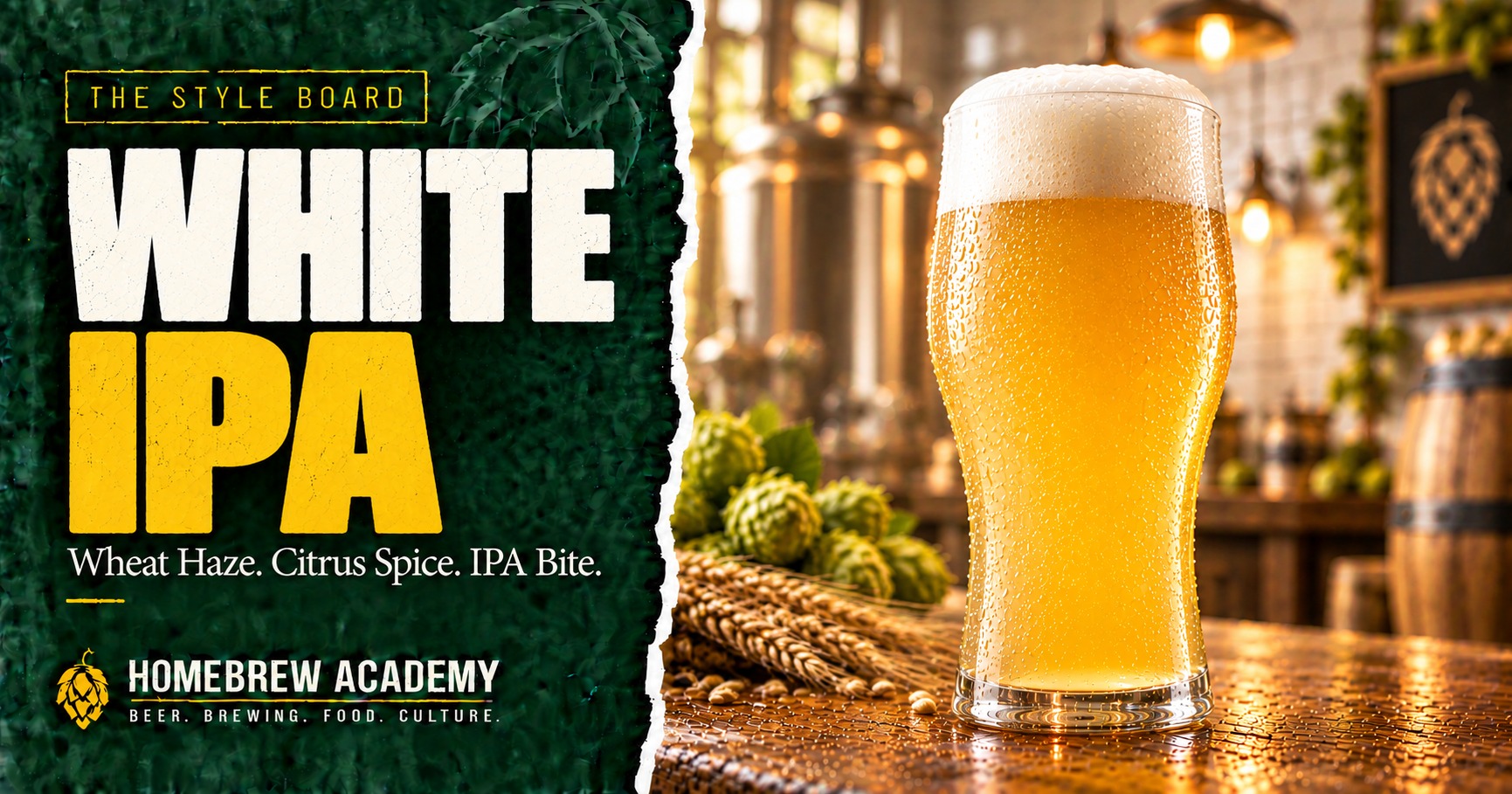
White IPA: 10-Beer Comparison Flight and Style Guide
The result is pale, lively and often hazy, with a softer texture than American IPA and a drier, more bitter finish than conventional witbier.
White IPA style profile
| Measure | Typical range |
|---|---|
| Original gravity | 1.056–1.065 |
| Final gravity | 1.010–1.016 |
| Bitterness | 40–70 IBU |
| Color | 5–8 SRM |
| Alcohol | 5.5–7.0% ABV |
What White IPA tastes like
Aroma commonly includes grapefruit, orange, lemon, tropical fruit, coriander and peppery yeast. Wheat provides a soft grain note and persistent foam.
Bitterness is moderate to high, but body remains medium-light to medium. The finish should be refreshing and dry; heavy sweetness or banana-and-clove character can obscure the hops.
How it differs from nearby styles
Witbier is lower in bitterness and lets coriander, orange peel and yeast lead. American IPA has a cleaner fermentation and barley-based body. Belgian IPA is often stronger and less dependent on wheat.
Ten White IPA references and comparisons
Valaisanne leads with wheat-beer yeast and reported bitterness below the usual style band, A Little Sumpin’ Sumpin’ supplies a BJCP-listed hoppy wheat reference above standard White IPA strength, and Grodziska adds a clearly labeled tea-spiced specialty variation. A witbier, a saison, three Belgian IPAs and two American IPAs establish seven neighboring comparisons. A beer named White is not automatically White IPA.
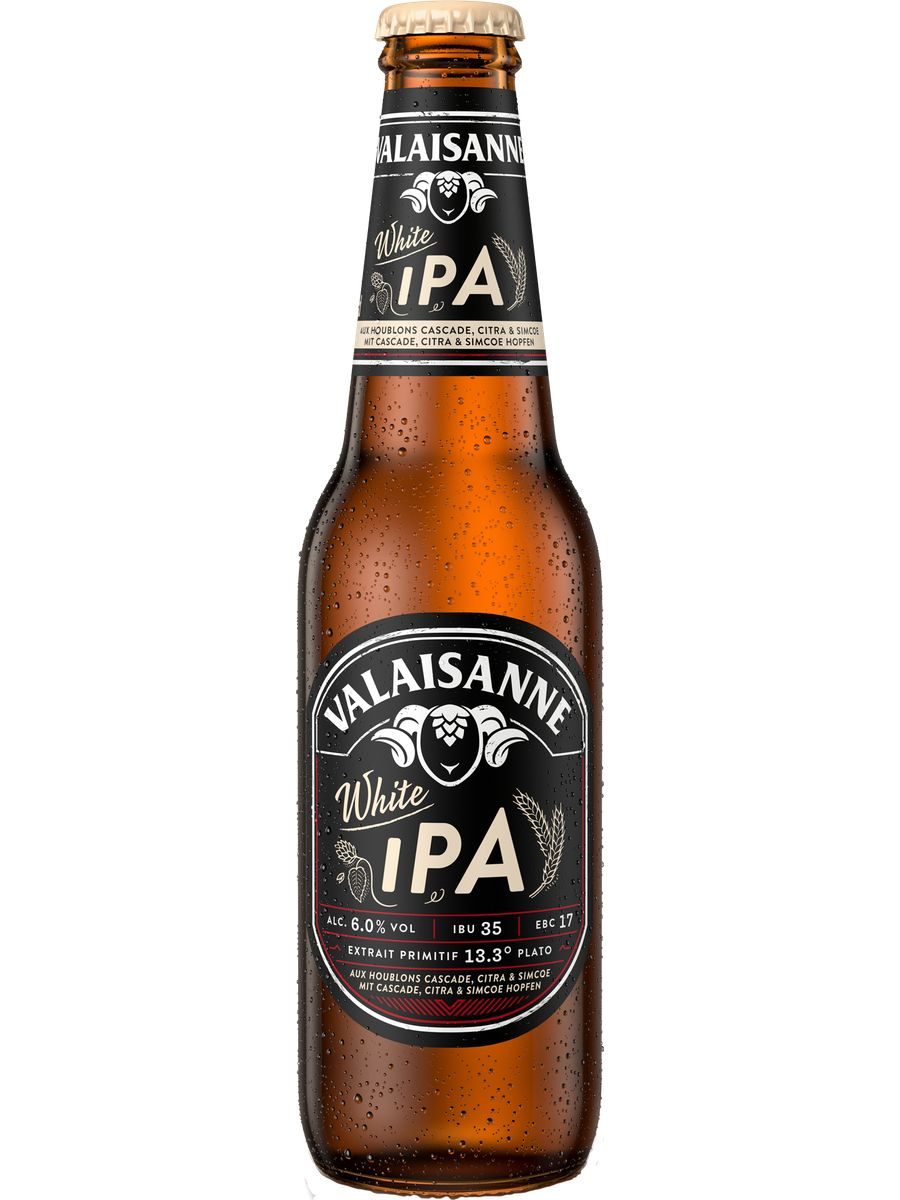
Valaisanne White IPA
Brewed by Brasserie Valaisanne
Banana and clove meet Cascade, Citra and Simcoe.
BAR NOTES
Valaisanne explicitly describes wheat-beer yeast character, including banana and clove, alongside Cascade, Citra and Simcoe. Its current 6.0% ABV fits White IPA’s alcohol band, while its reported 35 bitterness units sit below the usual 40–70 IBU profile.
This Swiss version demonstrates why White IPA should not be reduced to ordinary IPA made cloudy. Yeast aroma is part of its identity; compare it with clean-fermented wheat IPA and a witbier before deciding where the spice impression originates. wheat and other brewing grains affects body as well as appearance.
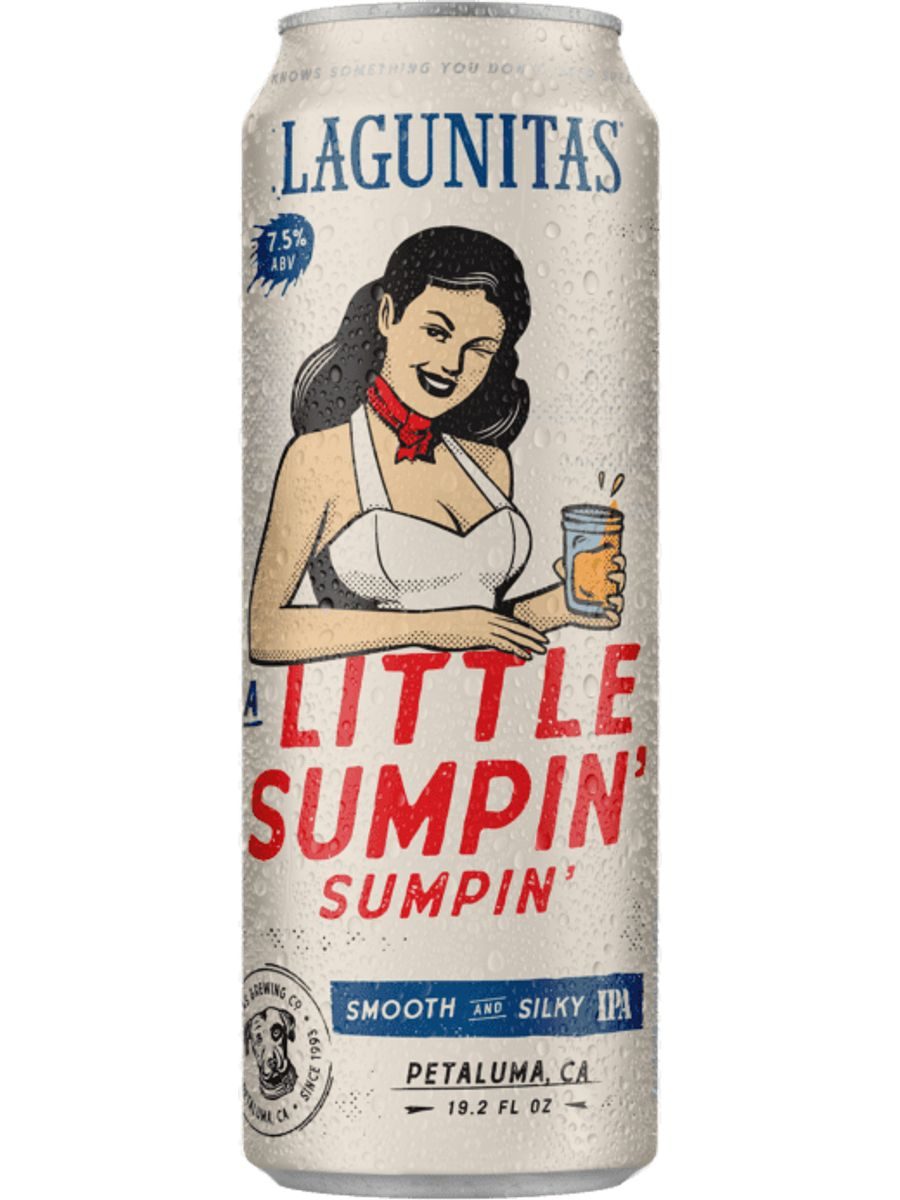
A Little Sumpin’ Sumpin’
Brewed by Lagunitas Brewing Company
A silky half-wheat recipe carries a firm American hop finish.
BAR NOTES
The current beer is 7.5% ABV and 46 IBU, with a grist described as half wheat and half malted barley. Lagunitas calls it a hoppy pale wheat ale; BJCP also lists it among White IPA commercial examples.
That naming overlap makes it useful, but it does not establish a universal Belgian-yeast or added-spice requirement. Its strength is above White IPA’s standard 7.0% ceiling; compare its silky body with a witbier and a yeast-led wheat IPA. White IPA explains the spectrum.
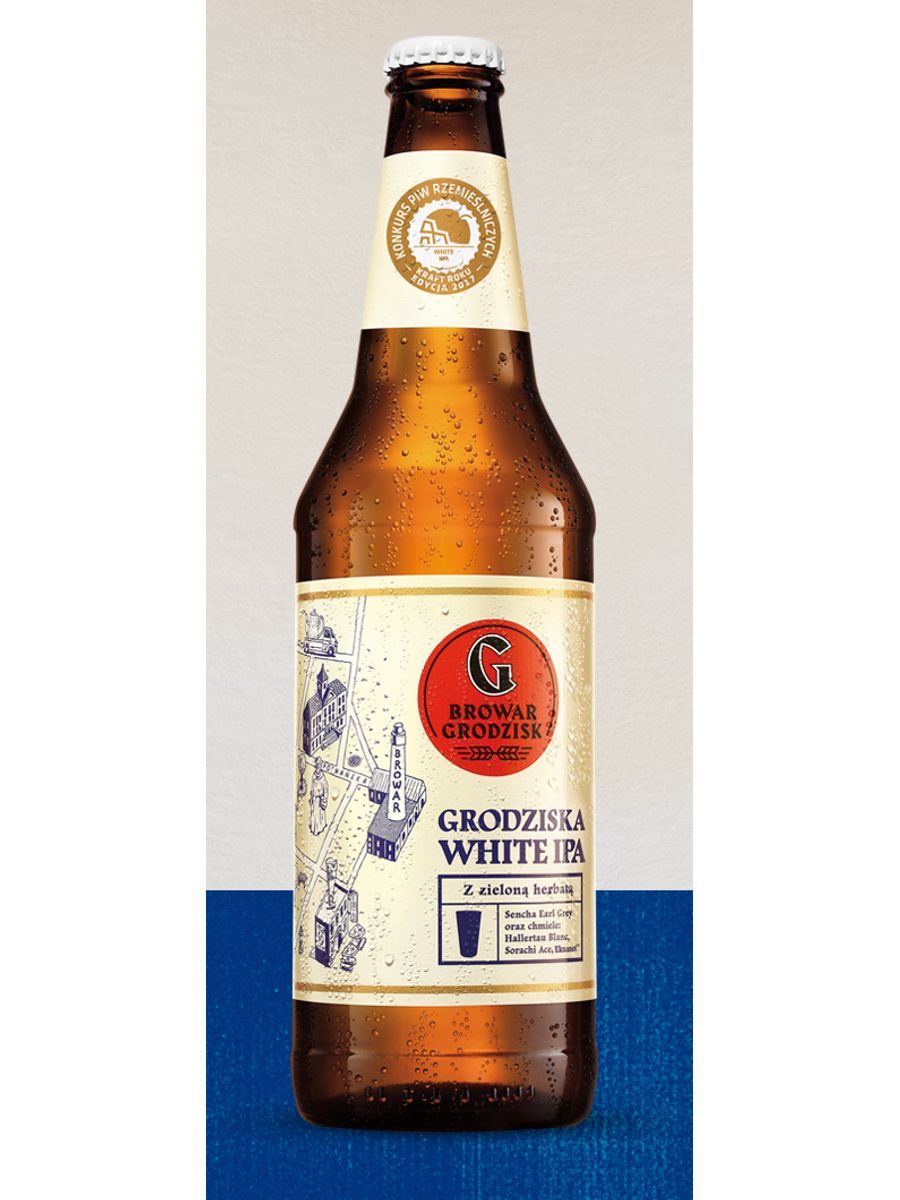
Grodziska White IPA
Brewed by Browar Grodzisk
Wheat and rye meet citrus hops, tea and bergamot.
BAR NOTES
Grodziska White IPA combines wheat and rye with Hallertau Blanc, Sorachi Ace, Ekuanot and Magnum. Sencha Earl Grey tea is added at the end of fermentation, introducing a tea note and bergamot beyond a plain White IPA base.
Its 5.8% strength is useful for the flight, but the tea addition makes this a labeled specialty variation. In competition, added tea deserves specialty-entry consideration rather than being silently treated as a standard ingredient. White IPA recipe planning begins with the wheat-and-hop balance.
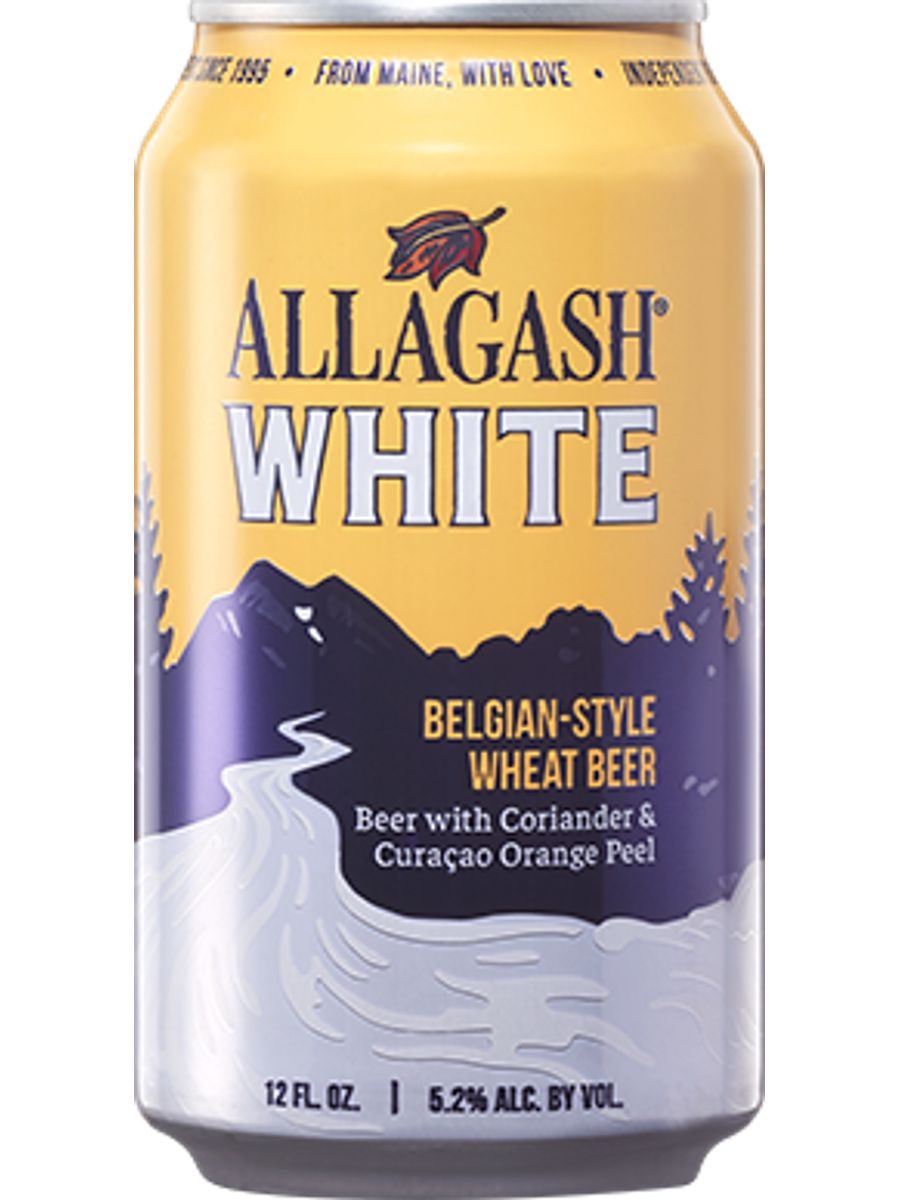
Allagash White
Brewed by Allagash Brewing Company
Raw and malted wheat, oats, coriander and Curaçao orange peel.
BAR NOTES
Allagash White builds its hazy appearance from oats, malted wheat and raw wheat. Coriander and Curaçao orange peel provide the classic witbier spice-and-citrus axis; this is a witbier control rather than another IPA.
Taste it before the White IPA references to establish the wheat-and-spice baseline. The difference should emerge in hop aroma and bitterness, not simply in haze, while Belgian IPA uses a different yeast-and-hop relationship. witbier brewing shows the foundation of this comparison.
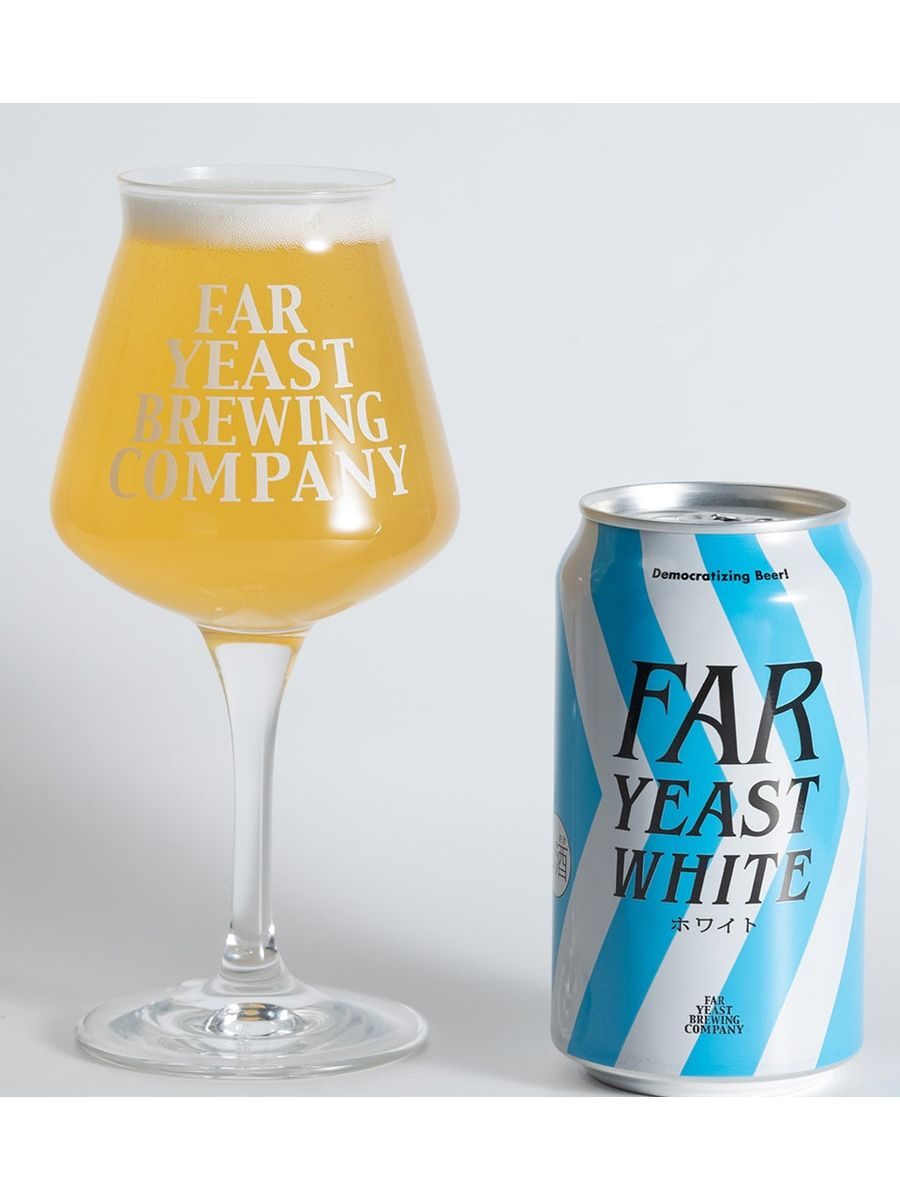
Far Yeast White
Brewed by Far Yeast Brewing
Citra and a dry saison finish distinguish the blue-packaged White.
BAR NOTES
Far Yeast White is explicitly a saison at 5.0% ABV and 20 IBU, with Citra and both malted and unmalted wheat. Its name does not make it White IPA, and the current blue can separates it from green Far Yeast IPA.
Use it as the dry-fermentation neighbor in the Belgian and White IPA flights. Compare its esters, grain and finish before assessing the heavier hop load of an actual IPA, keeping current names and packages distinct. saison brewing explains the fermentation-led route.
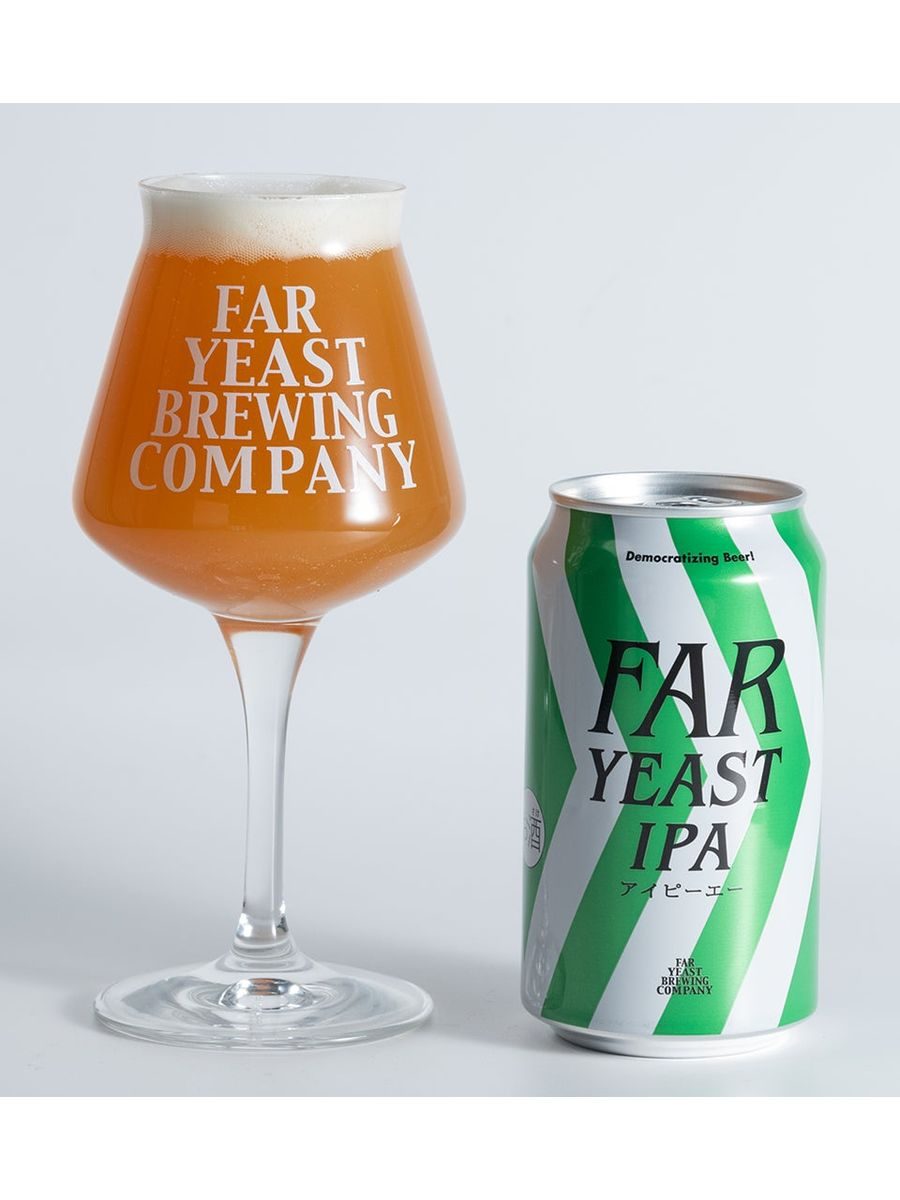
Far Yeast IPA
Brewed by Far Yeast Brewing
Belgian yeast meets Cascade, Comet, Merkur and Columbus.
BAR NOTES
The current Far Yeast IPA continues the Belgian-yeast-and-American-hop concept associated with Tokyo IPA, but uses the updated name and green packaging. The current recipe is 6.0% ABV and 50 IBU, with Cascade, Comet, Merkur and Columbus.
This is a direct Belgian IPA reference brewed in Japan, though its 6.0% ABV falls just below the style’s 6.2% lower boundary. Fermentation character matters more than geography. Distinguish it from the brewery’s White saison and Blonde golden ale, and check the current package and freshness. Belgian IPA brewing requires agreement between yeast and hops.
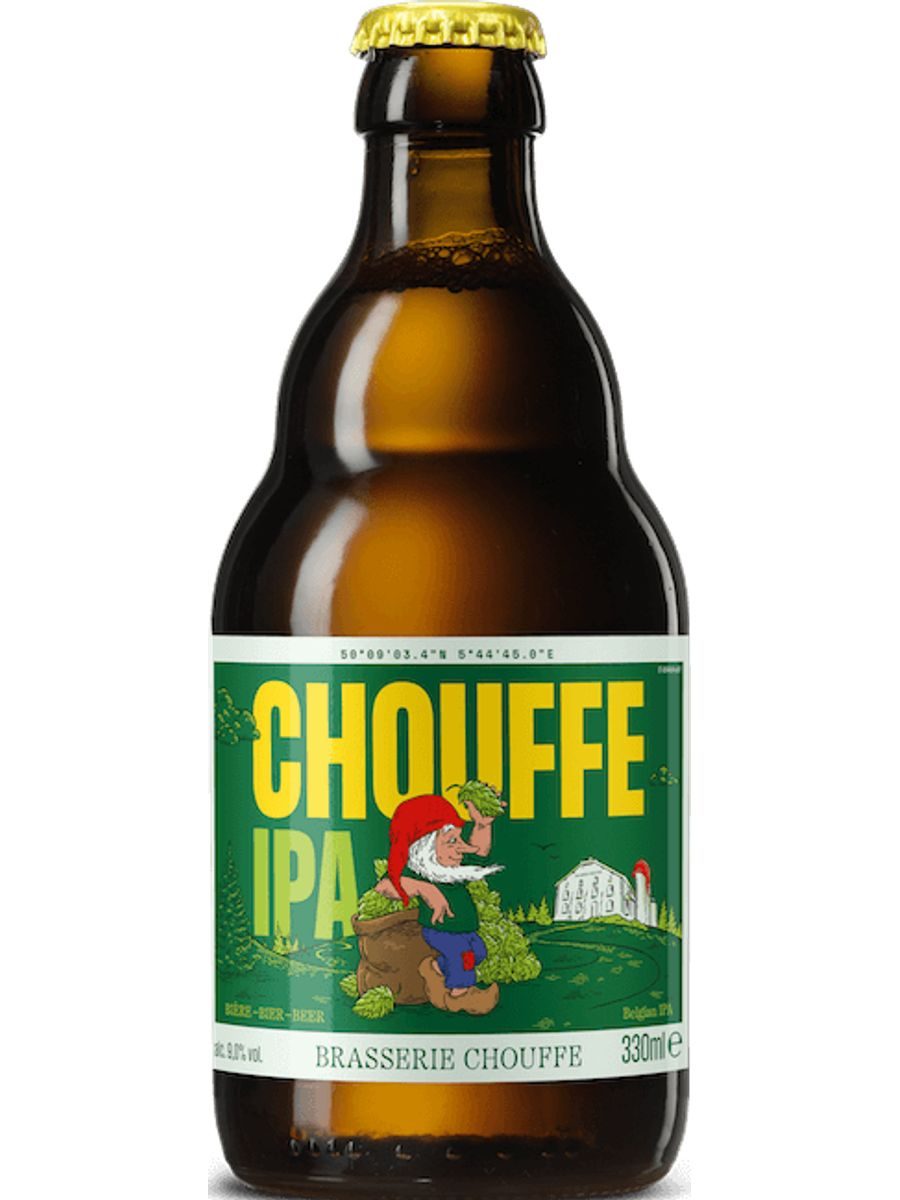
Chouffe IPA
Brewed by Brasserie d’Achouffe
Three hops create fruit and grapefruit over Belgian fermentation.
BAR NOTES
The current Chouffe IPA branding identifies the beer as Belgian IPA at 9.0% ABV. The brewery describes a three-hop blend, fruity notes and grapefruit, with a pale blond, slightly hazy appearance and substantial foam.
Use the current bottle to connect the older Houblon Chouffe reference with today’s packaging. At 9.0%, it is double strength under Specialty IPA entry labels but still within Belgian IPA’s overall 6.2–9.5% range. Keep the pour modest. serving glassware changes how alcohol, yeast and hops present.
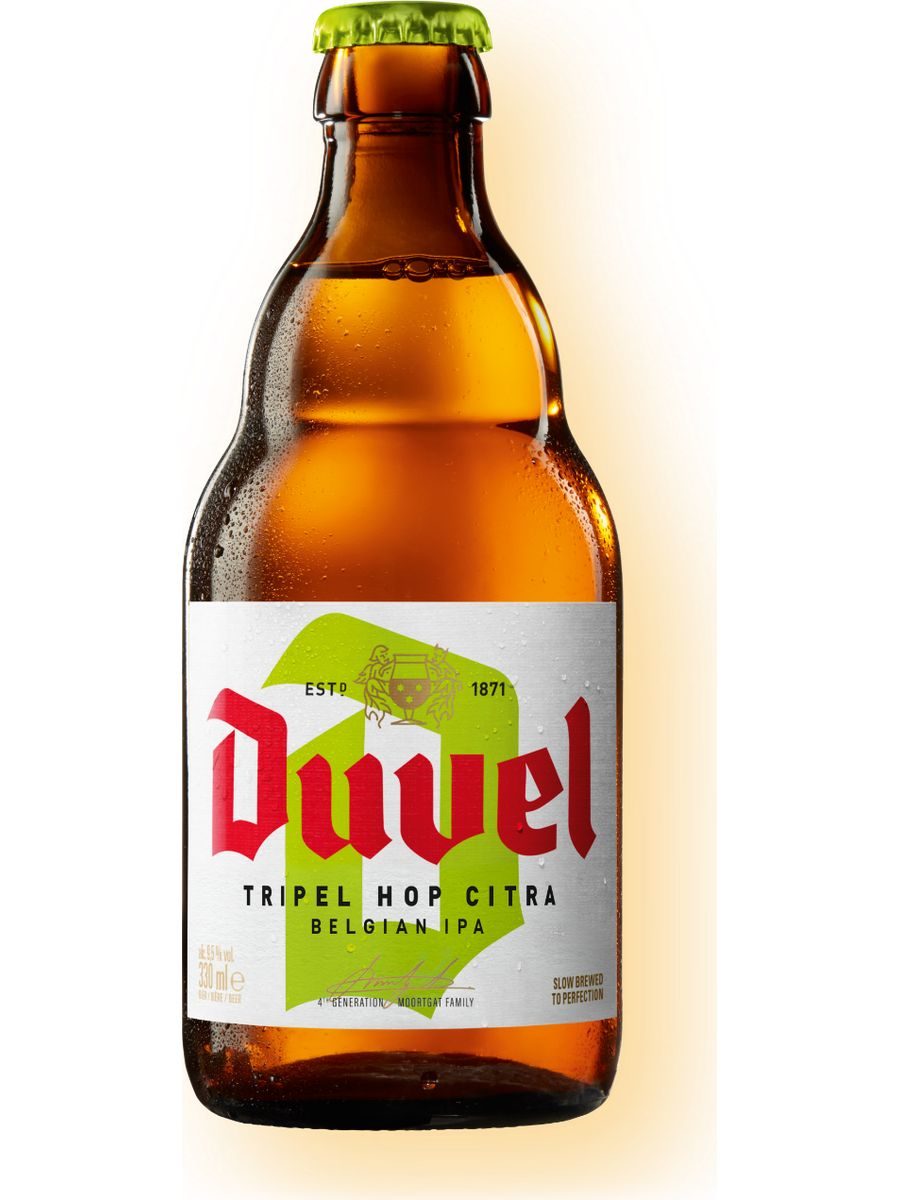
Duvel Tripel Hop Citra
Brewed by Duvel Moortgat
Citra adds grapefruit and tropical fruit to a crisp Belgian base.
BAR NOTES
Duvel Tripel Hop Citra combines Saaz, Styrian Golding and Citra, with the third hop also used for dry hopping. Its current 9.5% ABV is at Belgian IPA’s alcohol ceiling and is double strength under Specialty IPA entry labels. Its reported 40 EBU is below the style’s usual 50–100 IBU bitterness band.
The Citra edition is specifically selected here; Cashmere and other Duvel products are separate beers. The brewery suggests serving at 5°C in a Duvel glass, then aromas unfold as the pour warms. aroma-focused glassware helps separate grapefruit hops from fermentation fruit.
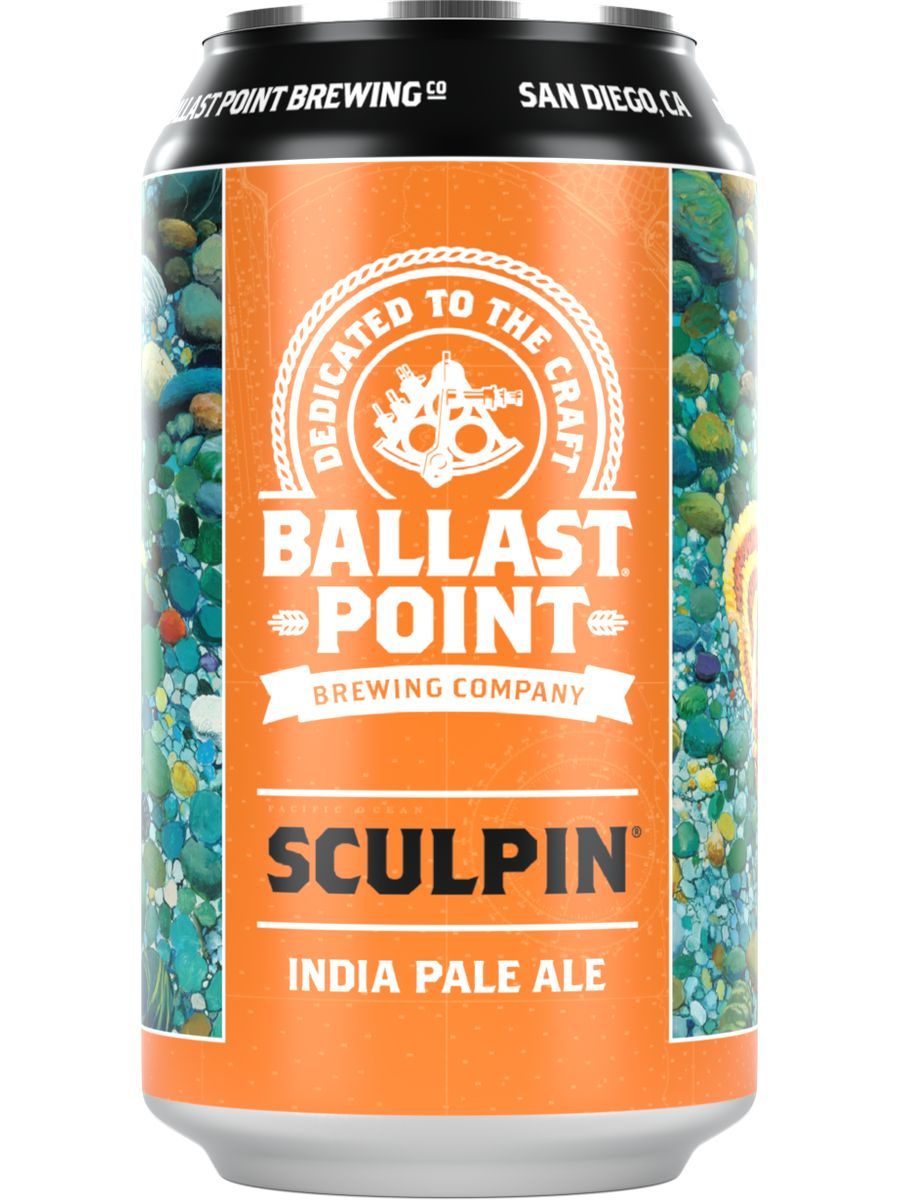
Sculpin IPA
Brewed by Ballast Point Brewing Company
Citrus and stone fruit from hops, with a crisp bitter finish.
BAR NOTES
Standard Sculpin uses hopping at five stages to create its apricot, peach, mango and lemon impression. Those fruit associations come from the hop profile; this selection is the original IPA rather than Grapefruit Sculpin or Aloha Sculpin.
The year-round original gives a useful fruit-forward comparison without Belgian fermentation or a wheat-led style identity. Taste its bitterness separately from its aroma: vivid fruit does not automatically mean a hazy, sweet or fruit-added beer. IPA comparisons offer more context.
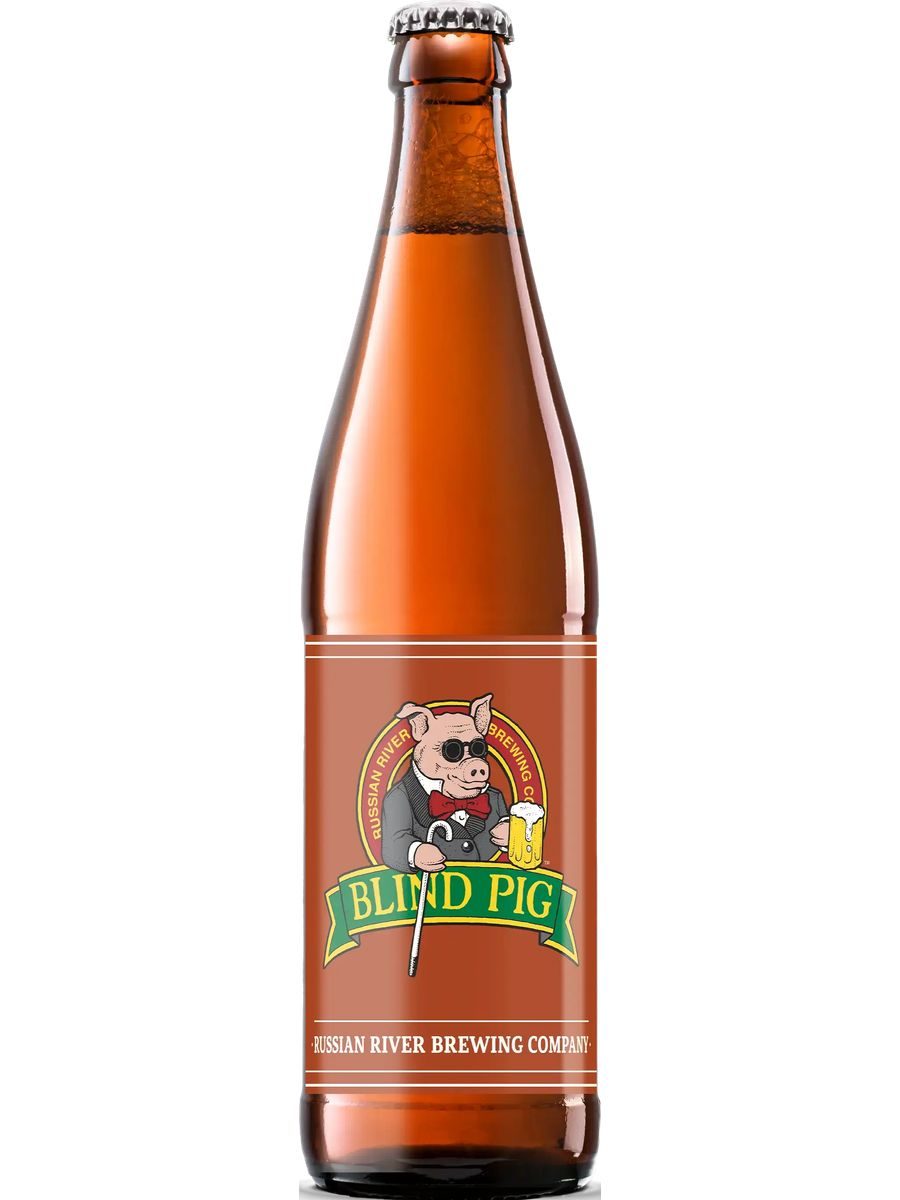
Blind Pig IPA
Brewed by Russian River Brewing Company
A dry, refrigerated West Coast reference with a long bitter finish.
BAR NOTES
Blind Pig connects Russian River’s modern flagship range with Vinnie Cilurzo’s earlier Temecula brewery. The current recipe combines Amarillo, Citra, Cascade, Tangier, Nectaron and CTZ, building citrus, pine and woody character without needing dark malt.
Use it as the clean fermentation control beside Belgian, rye or dark IPAs. Keep the bottle cold and consume it fresh: stale hop aroma makes grain and yeast comparisons much harder to interpret. West Coast IPA explains the broader balance.
Building the recipe
Wheat can make up 30–50% of the grist, supported by pale or Pilsner malt. Oats may soften the body. Coriander and orange peel are optional but traditional to the witbier side.
Citrus-forward hops naturally reinforce the spice and fruit. Belgian wit or restrained Belgian ale yeast adds pepper and light esters without turning the beer into hefeweizen.
How to brew White IPA
- Plan for wheat runoff: rice hulls protect the mash from sticking.
- Use spices lightly: hops and yeast already bring citrus and pepper.
- Control fermentation: excessive warmth creates distracting esters and phenolics.
- Balance softness with bitterness: the beer needs IPA structure without a harsh finish.
- Drink it fresh: citrus and dry-hop aroma are fragile.
Serving and food pairing
Serve around 42–46°F in a tulip with fish tacos, grilled shrimp, goat cheese, salads or spicy chicken.
The combination of wheat softness, citrus and carbonation works well with heat, herbs and lighter proteins.
White IPA FAQ
Is White IPA supposed to be hazy?
A wheat-and-yeast haze is common and acceptable, but extreme opacity is not required.
Does White IPA contain orange peel and coriander?
Many versions do, though the subtype can rely on yeast and hops alone. Additions should support rather than dominate.
Is White IPA the same as Belgian IPA?
No. White IPA is built around wheat and witbier-like character; Belgian IPA is broader, often stronger and may use an all-barley grist.
Choose your next IPA direction
Start with American IPA, then follow hops into Belgian fermentation, dark malt, caramel-rich red and brown variants, spicy rye or wheat-and-citrus white IPA.