
London Brown Ale: 10-Beer Comparison Flight and Style Guide
London Brown Ale is dark, sweet-leaning, and strikingly low in alcohol. Its flavor comes from caramelized malt, dark sugar, soft fruit, and restrained roast, all packed into a pub-strength beer that remains easy to drink.
It is not simply a weaker northern English brown ale. The London tradition is generally darker, sweeter, and less bitter, with a round palate and a short, comforting finish.
London Brown Ale at a glance
| Original gravity | 1.033–1.038 |
|---|---|
| Final gravity | 1.011–1.014 |
| Bitterness | 15–20 IBU |
| Color | 20–35 SRM |
| Alcohol | 2.8–3.6% ABV |
What it tastes like
Look for caramel, treacle, toast, raisin, plum, and a touch of chocolate. Bitterness stays low to moderate and hop aroma is usually quiet. The body can feel fuller than the alcohol suggests because the finish retains some sweetness.
Roast should remain soft. Acrid black malt, burnt coffee, and a dry stout-like finish miss the style. Fermentation fruit is welcome when it supports the dark-sugar character.
Mann’s and the London tradition
Brown ale existed in several forms, but Mann’s Brown Ale became the defining London example in the early twentieth century. Its modest strength and sweeter profile suited a market that wanted flavorful, affordable beer. It also became associated with blending—drinkers could mix it with stronger or more bitter draught ale.
The category narrowed as British beer consolidated and consumer tastes changed. Mann’s survives, but dependable fresh examples and export photography are limited. For tasting, adjacent English dark ales help map the malt and fruit even when they are not exact style matches.
Ten London Brown Ale references and comparisons
Manns is the low-strength bottled London Brown anchor. Five Dark Mild comparisons and Harvey’s modest-strength Old Ale show neighboring malt balances; Samuel Smith’s Nut Brown, Lewes Castle and the selected UK-market Newcastle are stronger brown-ale contrasts. The ten-card flight does not relabel these neighbors as ten historical London Browns.
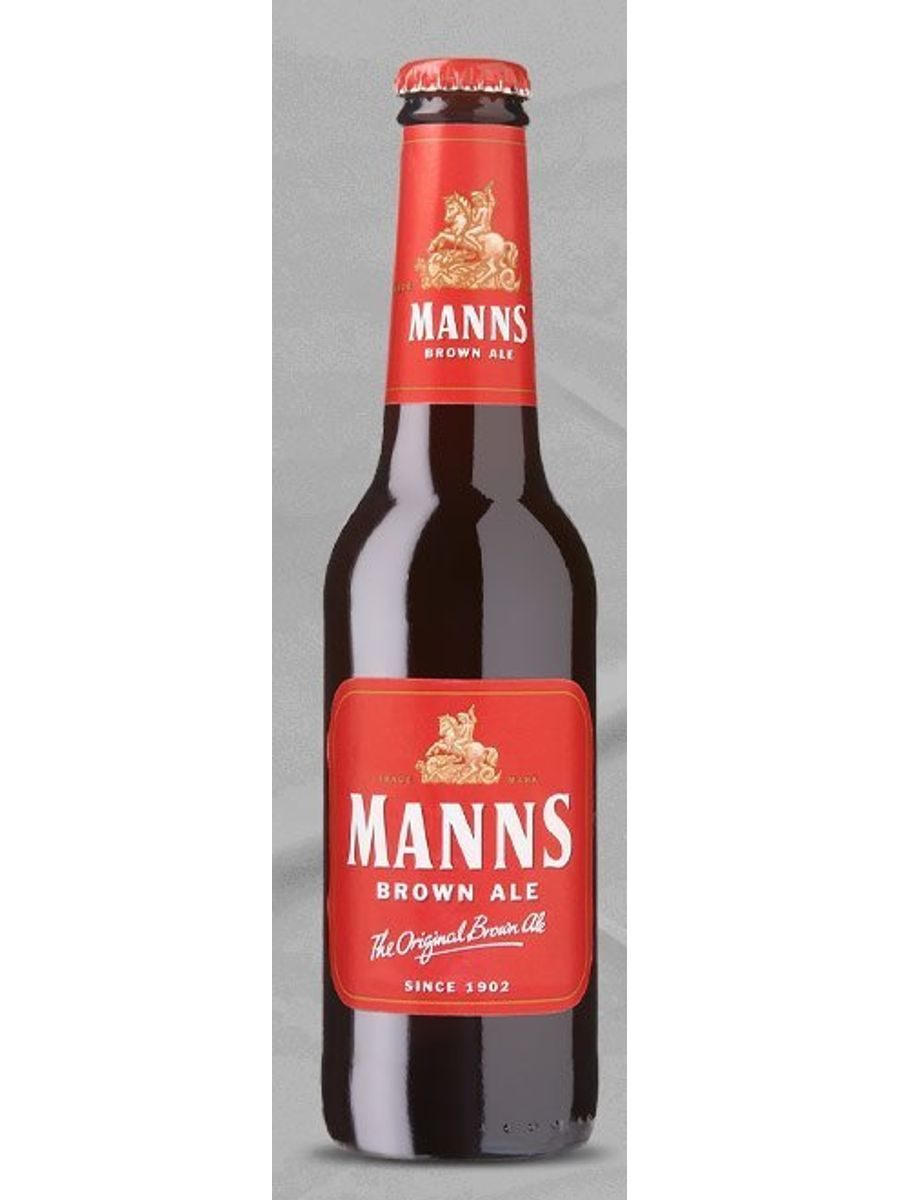
Manns Brown Ale
Brewed by Manns
Roasted malt and toffee in a small-strength reference.
BAR NOTES
Manns Brown Ale is the bottled brown reference associated with a brand dating to 1902. At 2.8% alcohol, its roasted-malt and toffee description supplies a useful low-strength starting point before comparing stronger modern English brown ales.
Start with Manns before the stronger neighbors so its low alcohol and malt sweetness remain easy to assess. the historical beer family provides context for London Brown; gentle strength and the bottled sweet-brown tradition matter more than simply matching a brown color.
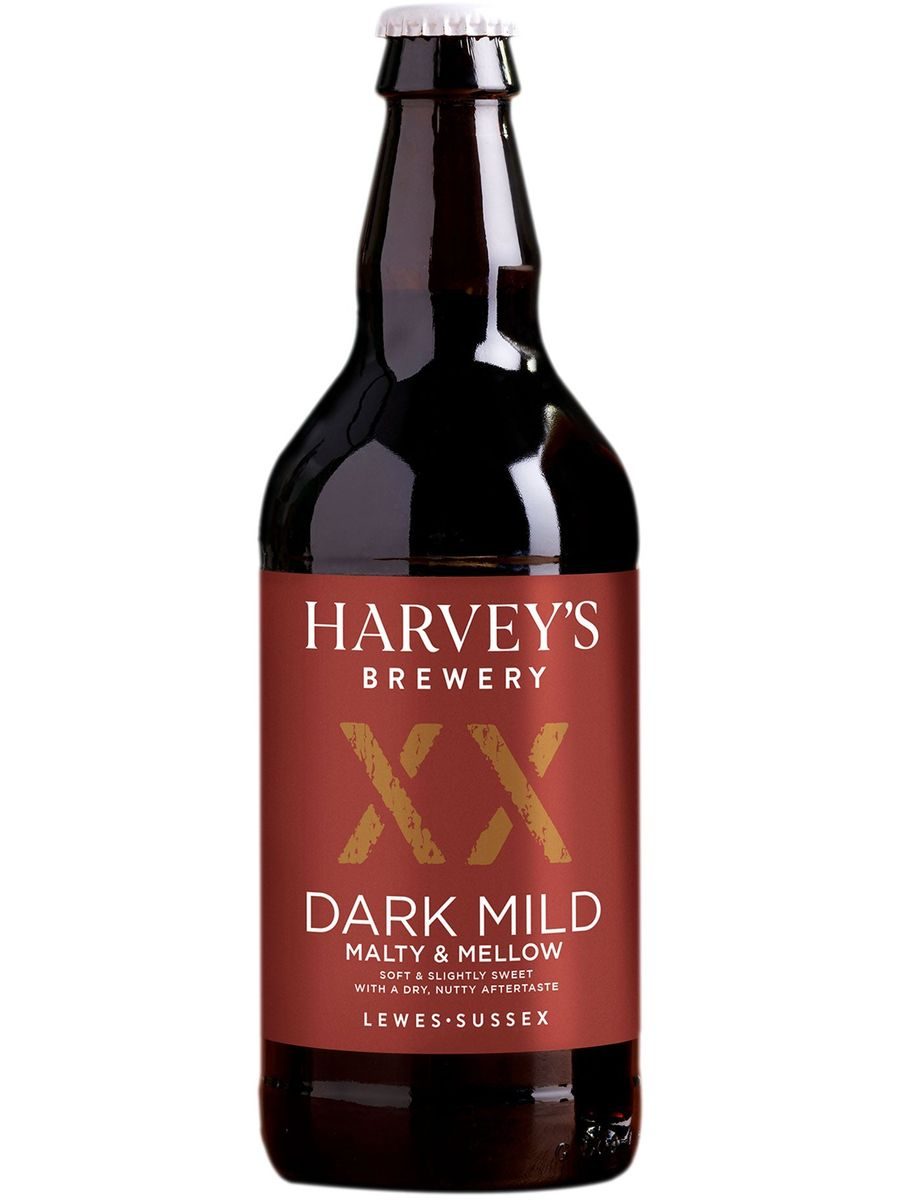
Harvey’s Dark Mild
Brewed by Harvey’s Brewery
A soft, nutty Dark Mild with a dry finish at only 3.0%.
BAR NOTES
Harvey’s Dark Mild combines a mahogany appearance with gentle malt sweetness and a dry, nutty aftertaste at just 3.0%. The brewery lists 500ml bottles throughout the year, making it an unusually accessible way to study a low-strength British dark ale.
The low-strength Dark Mild offers the closest alcohol comparison while introducing a drier, nutty finish. Dark Mild keeps the style distinction explicit; compare residual sweetness and body rather than assuming every small dark British beer is London Brown Ale.
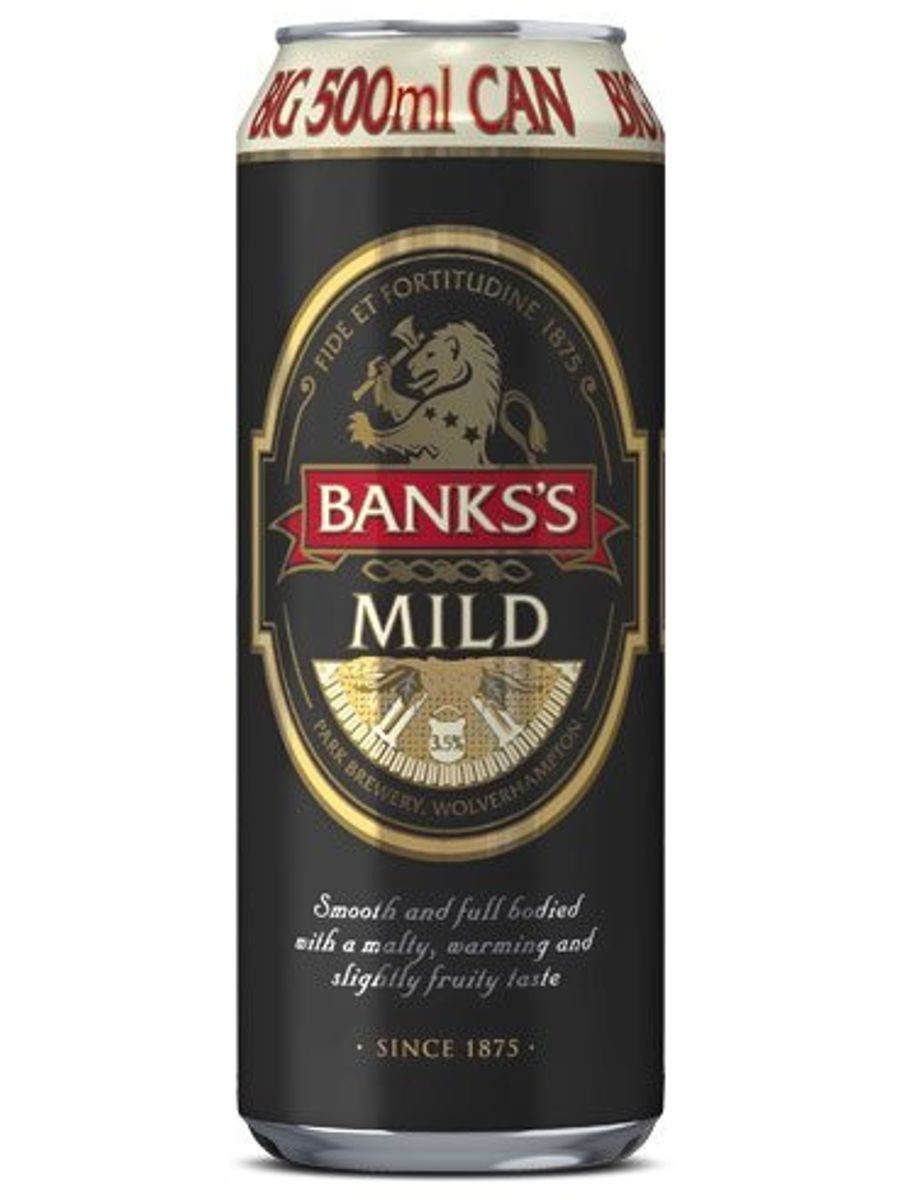
Banks’s Mild
Brewed by Banks’s / Carlsberg Britvic
A current canned 3.5% Mild reference, with format stated explicitly.
BAR NOTES
Banks’s brewery shop currently lists Mild in 500ml cans at 3.5%, describing a smooth, malty beer. That current packaged listing is the reference here; older uncertainty about regional production should not be mistaken for proof that the brand has disappeared.
Banks’s canned Mild tests a smooth malty beer at a modest increase in strength. British brown beer maps the neighboring traditions; use the Manns glass as the sweet-brown anchor and judge this beer on its own Mild identity.
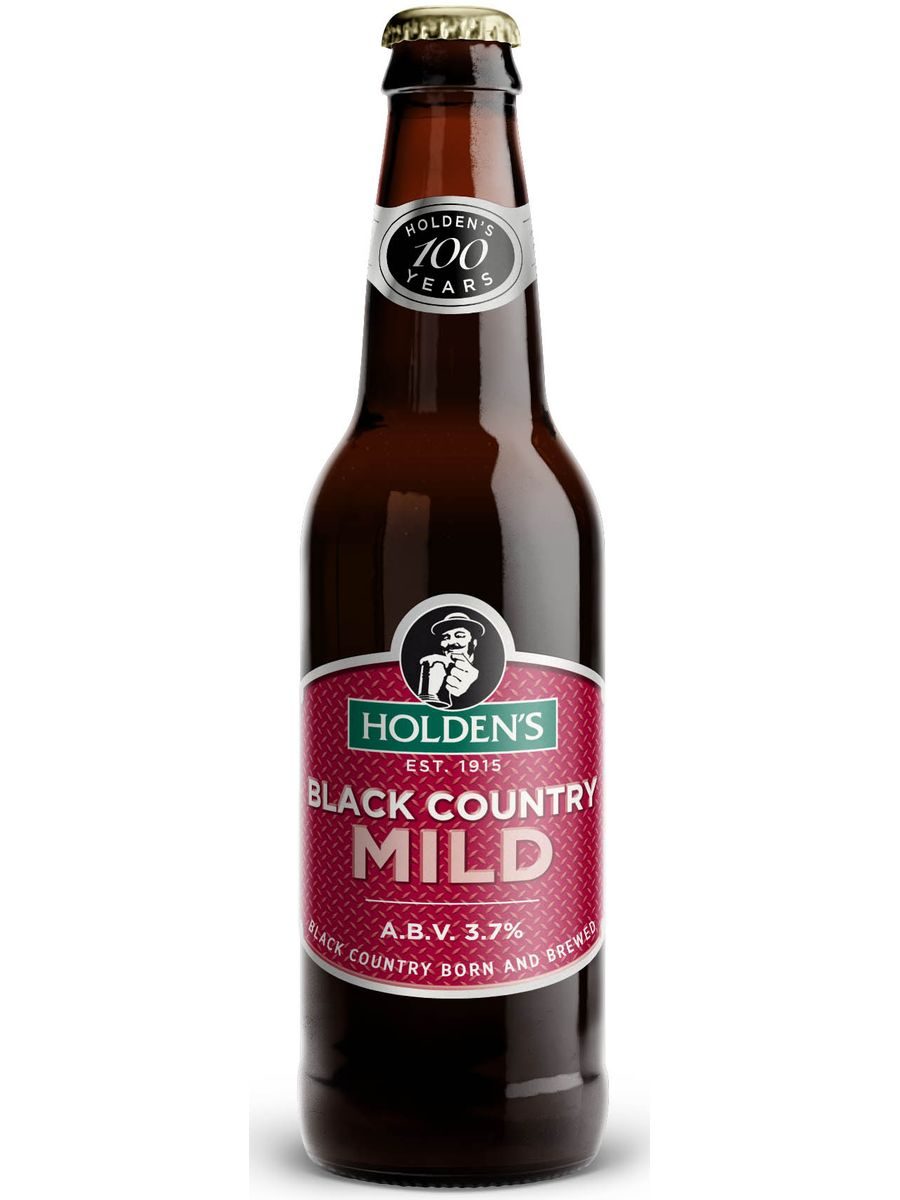
Holden’s Black Country Mild
Brewed by Holden’s Brewery
A traditional Black Country Mild with biscuit, nut and chocolate notes.
BAR NOTES
Holden’s describes Black Country Mild as a chestnut-red, 3.7% beer with nutty biscuit notes and a hint of chocolate. Amber malt, caramalt, black malt and Fuggles build its traditional recipe, and the brewery shop currently offers bottled cases.
Holden’s adds a nutty biscuit-and-chocolate comparison with a declared mixed malt recipe. the Mild guide supplies context, while the chestnut-red appearance is a reminder that the London Brown comparison depends on sweetness and strength more than darkness alone.
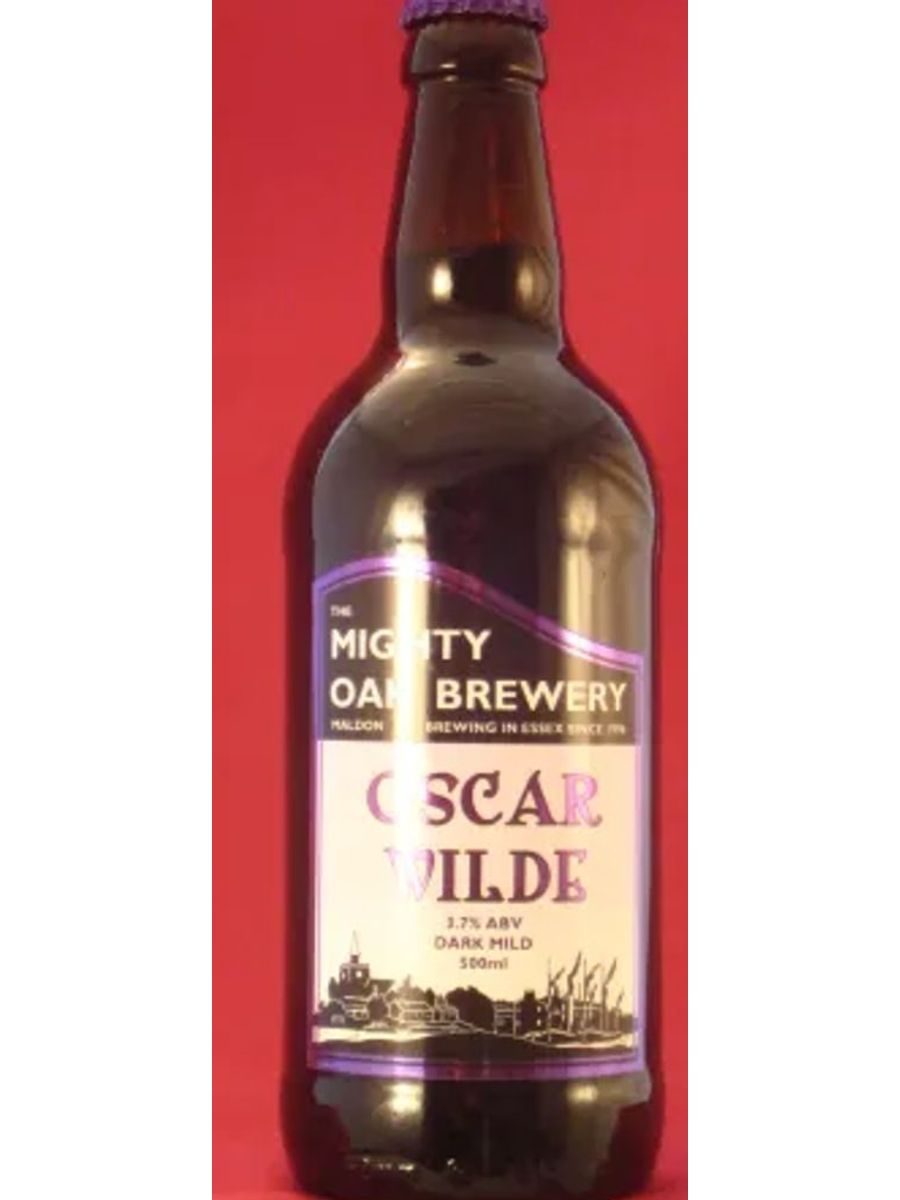
Mighty Oak Oscar Wilde
Brewed by Mighty Oak Brewing Company
A mellow, nutty bottled Mild with no bottle sediment to manage.
BAR NOTES
Mighty Oak currently offers Oscar Wilde as a 3.7% Dark Mild in 500ml bottles, describing it as mellow, nutty and moreish. Its bottle-care guidance says these bottles are sterile filtered and have no sediment, a useful distinction from cask conditioning.
Oscar Wilde brings mellow nutty Mild character and a filtered bottled presentation into the flight. the British malt-led family explains the neighboring category; compare how the finish differs from Manns without mistaking bottle packaging for proof of London Brown identity.
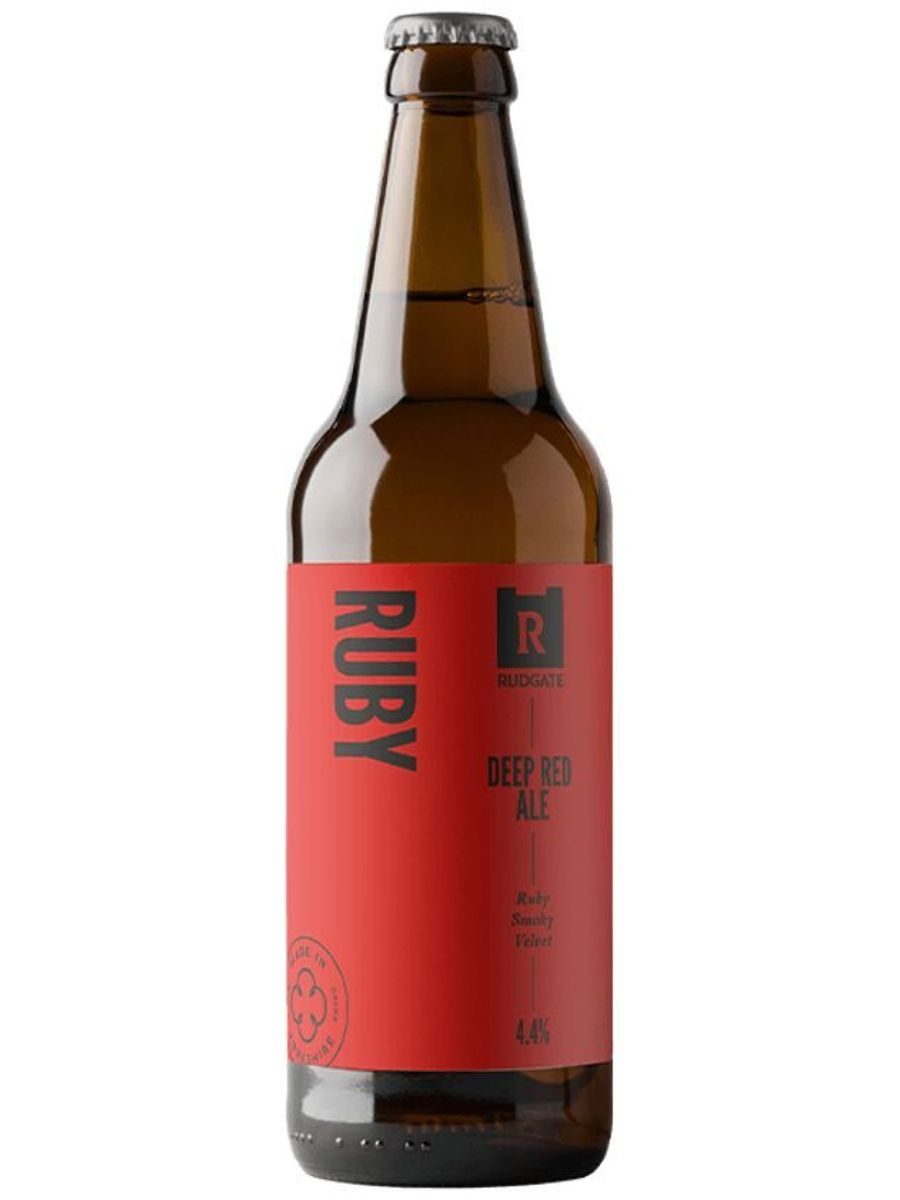
Rudgate Ruby Mild
Brewed by Rudgate Brewery
A richer 4.4% Mild reference from Rudgate’s core range.
BAR NOTES
Rudgate lists Ruby as a core beer available in bottles and cask, describing a deeply rich, nutty Mild. The 4.4% bottled reference sits near the upper end of the modern Dark Mild strength band, rather than at Harvey’s very light starting point.
Ruby Mild is a stronger Mild boundary comparison, so use small matched pours and note body separately from alcohol. Mild strength and balance helps explain why its rich nutty palate does not make it another textbook low-strength London Brown.
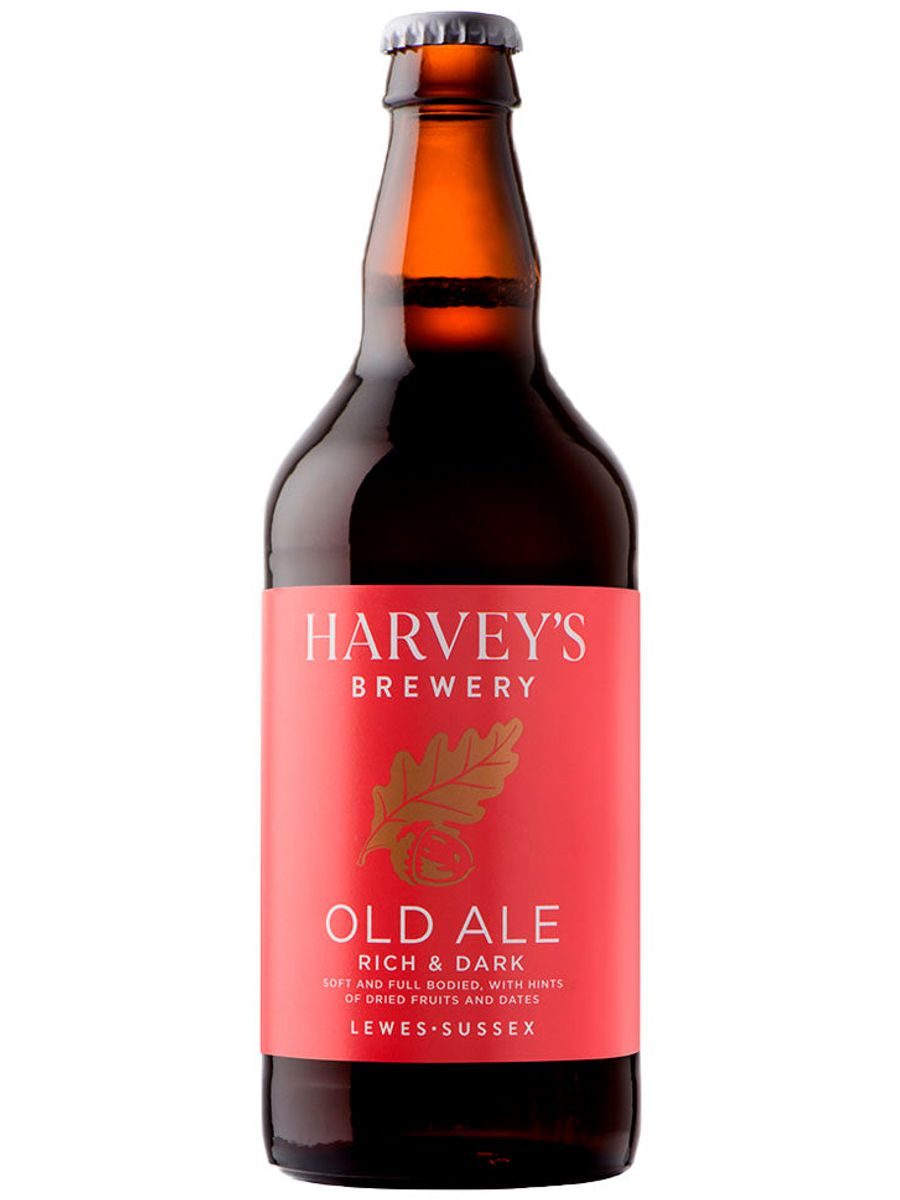
Harvey’s Old Ale
Brewed by Harvey’s Brewery
A 3.6% Old Ale comparison that challenges assumptions about strength and names.
BAR NOTES
Harvey’s bottled Old Ale is currently listed at 3.6%, despite a name that can suggest a much stronger beer. Its brewery notes describe burnt sugars, roasted malt and dried-fruit impressions; this is a neighboring comparison with Mild, not an automatic style reclassification.
Harvey’s Old Ale adds burnt-sugar and dried-fruit associations without the high alcohol sometimes suggested by its name. Old Ale context is a useful contrast; retain the producer’s identity rather than relabeling this modest-strength bottle as London Brown or Mild.
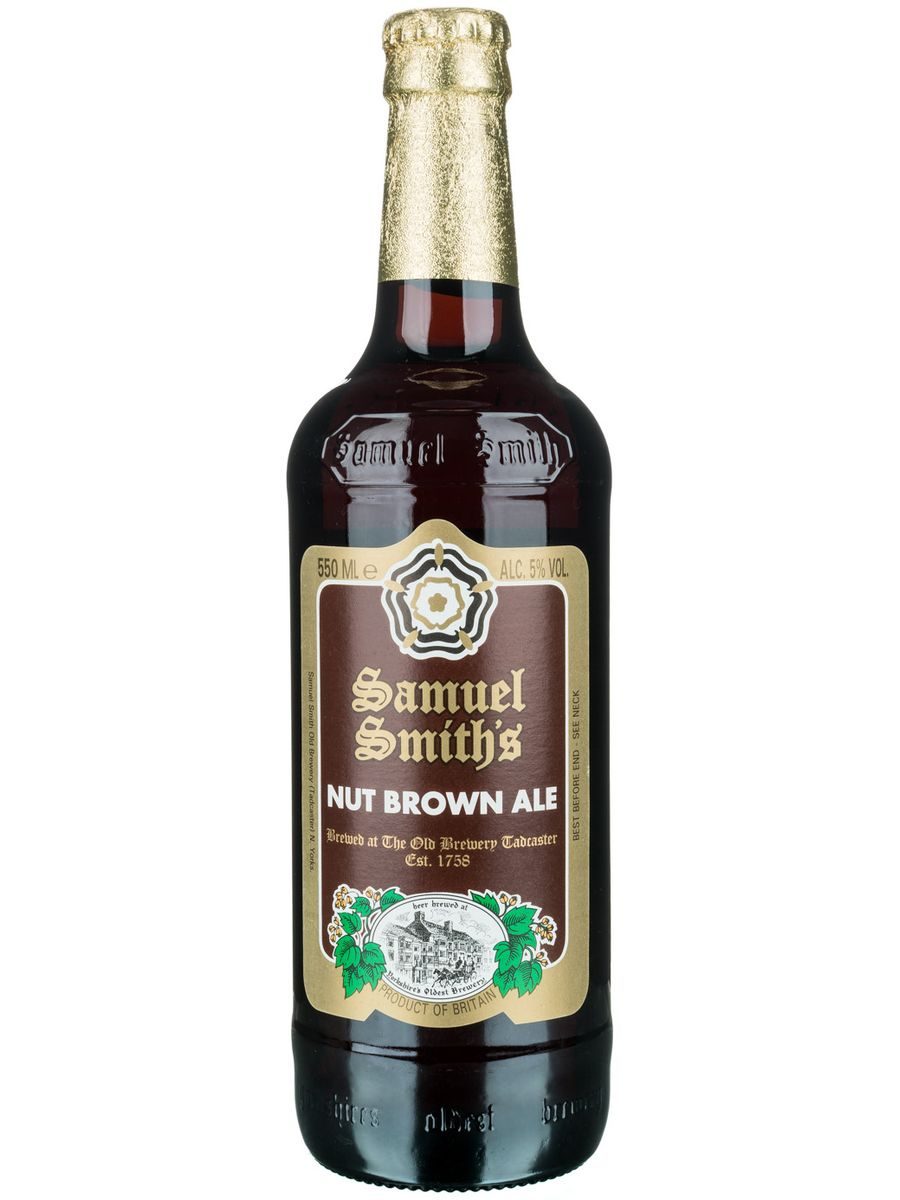
Samuel Smith’s Nut Brown Ale
Brewed by Samuel Smith’s Old Brewery
A relatively dry, nutty British Brown Ale with stone-square fermentation.
BAR NOTES
Samuel Smith’s Nut Brown Ale is a 5.0% brown beer fermented in stone Yorkshire squares. The brewery describes a relatively dry palate recalling beech nuts, almonds and walnuts, making it a useful reference for nutty malt character without an intensely sweet finish.
Samuel Smith’s is the stronger, relatively dry northern brown comparison. British Brown Ale explains that neighboring profile; taste nutty malt and finish beside Manns to hear why a brown appearance cannot define the sweeter London historical tradition.
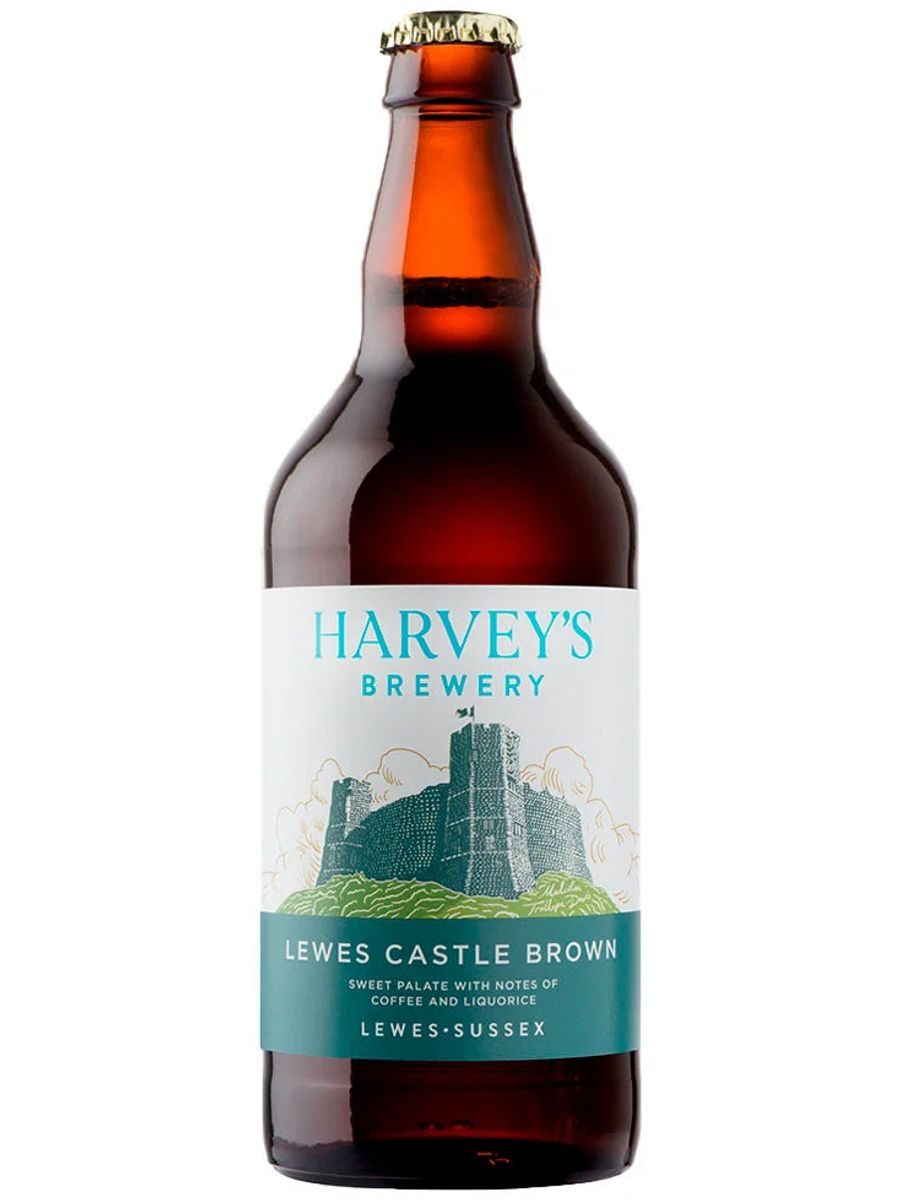
Harvey’s Lewes Castle Brown
Brewed by Harvey’s Brewery
A biscuit-led 4.8% Brown Ale with coffee, liquorice and a bitter-sweet finish.
BAR NOTES
Harvey’s Lewes Castle Brown is a 4.8% bottled brown ale whose mild hops linger over a biscuit-sweet palate before coffee and liquorice notes emerge. The name refers to Lewes’s Norman castle and playfully echoes another famous brown-ale brand.
Lewes Castle supplies a stronger bottled brown with biscuit, coffee and liquorice associations. the Brown Ale guide places those malt flavors in context; note which remain after swallowing rather than calling every sweet-seeming aroma evidence of London Brown residual sweetness.
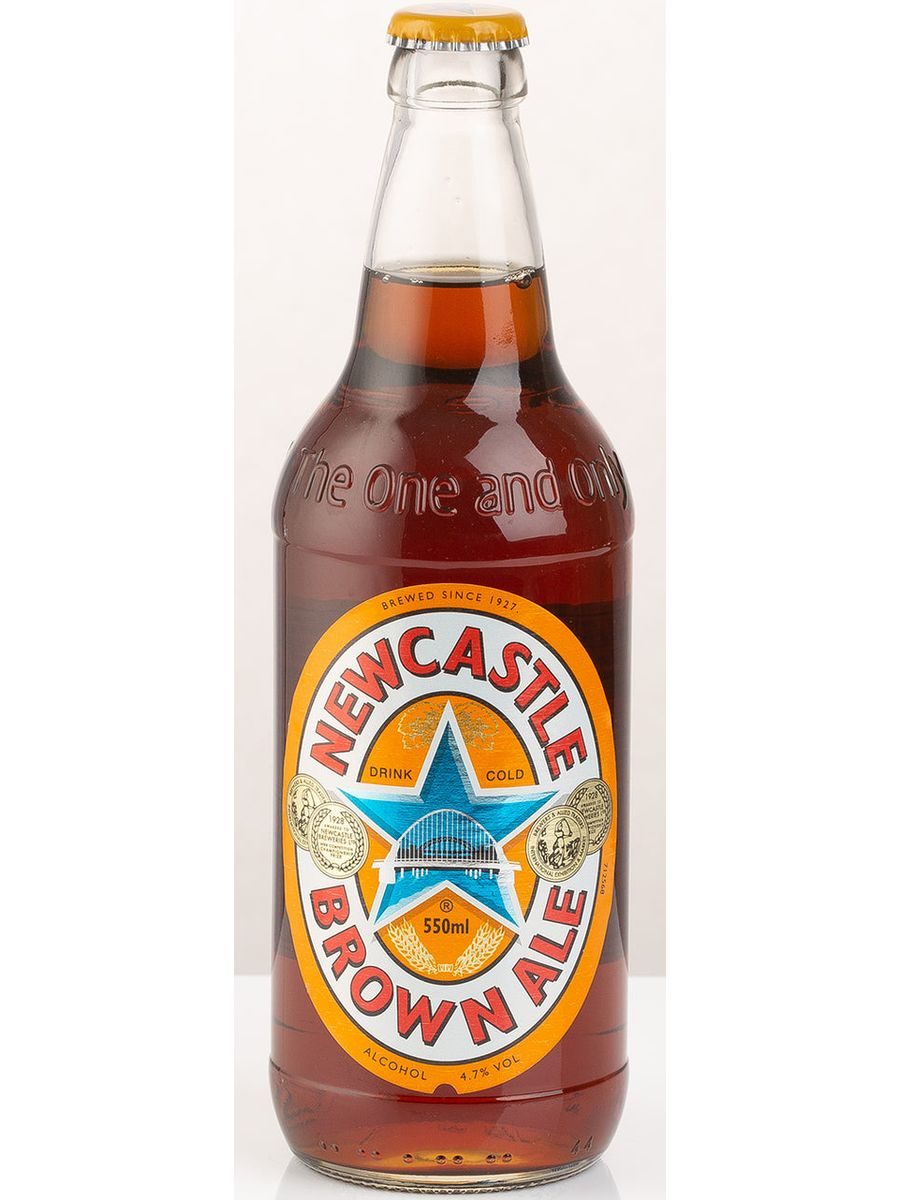
Newcastle Brown Ale
Brewed by HEINEKEN UK
The familiar 4.7% UK-market Brown Ale, with market context kept explicit.
BAR NOTES
The UK-market Newcastle Brown Ale reference is a 4.7% beer with a familiar clear-bottle presentation. Current UK product descriptions emphasize cereal, toffee and chocolate; do not substitute a differently formulated historical American-market release when comparing this specific bottle.
The selected UK-market bottle closes the flight as a familiar stronger brown comparison. London Brown style context keeps Manns as the low-strength anchor, while differences in market formulation, alcohol and finish should remain visible in any side-by-side tasting.
Brewing for flavor at low strength
The challenge is retaining character without producing a thin beer or a sugary finish. Start with a flavorful English pale malt, add restrained crystal and chocolate malts, and consider dark invert sugar for color and rum-raisin complexity. Avoid piling on many specialty malts.
A characterful English ale yeast helps create fruit and a rounded palate. Mash temperature and attenuation should preserve some body, but fermentation must still finish cleanly. Carbonation should be moderate; excessive fizz makes the beer seem thinner and sharper.
Serving and pairing
Serve around cellar temperature in a nonic pint. Pork pie, aged cheddar, shepherd’s pie, roasted mushrooms, and bread pudding all work naturally. The beer is especially good when you want dark-malt flavor without the weight of porter or stout.
Its quiet achievement is density of flavor without density of alcohol—a quality worth reviving on any modern tap list.
Keep digging through beer history
These revived styles trace old regional ingredients, industrial change, local drinking culture, and brewing methods that nearly disappeared. Follow the family from salty wheat beer to smoked rye, American saloon lager, and juniper-filtered farmhouse ale.